



הלימוד השבוע מוקדש ע”י מישל ווינר לרפואת בלה רחל בת מלכה איינה ובנימין בן מלכה איינה.
רוצה להקדיש שיעור?

תקציר

במה מדובר כשאמר רב חייא בר אשי ששיעורין, חציצין ומחיצות הלכה למשה מסיני? הגמרא מקשה גם על עניין שיעורים וגם חציצין שהם הלכות מהתורה! הגמרא מביאה הסברים. יש מחלוקת האם צריך שלוש דפנות או ארבע בסוכה? לפי כל הדעות, הדופן האחרון יכול להיות רק טפח. מה מקור המחלוקת ביניהם? הגמרא מביאה חמש אפשרויות.
הלימוד השבוע מוקדש ע”י מישל ווינר לרפואת בלה רחל בת מלכה איינה ובנימין בן מלכה איינה.
סוכה ו
הָיָה לָבוּשׁ כֵּלָיו וְסַנְדָּלָיו בְּרַגְלָיו וְטַבְּעוֹתָיו בְּאֶצְבְּעוֹתָיו — הוּא טָמֵא מִיָּד, וְהֵן טְהוֹרִים עַד שֶׁיִּשְׁהֶה בִּכְדֵי אֲכִילַת פְּרָס, פַּת חִטִּין וְלֹא פַּת שְׂעוֹרִין, מֵיסֵב וְאוֹכֵל בְּלִיפְתָּן.
However, if he was dressed in his clothes, and his sandals were on his feet, and his rings were on his fingers, he immediately becomes ritually impure, but they, the clothes, sandals, and rings, remain pure until he stays in the house long enough to eat half a loaf of bread. This calculation is based on wheat bread, which takes less time to eat, and not on barley bread, and it relates to one who is reclining and eating it together with relish or a condiment, which hastens the eating. This is a Torah measurement connected specifically to wheat.
שְׂעוֹרָה — דִּתְנַן: עֶצֶם כִּשְׂעוֹרָה — מְטַמֵּא בְּמַגָּע וּבְמַשָּׂא, וְאֵינוֹ מְטַמֵּא בְּאֹהֶל.
Barley is also used as a basis for measurements, as we learned in a mishna: A bone from a corpse the size of a grain of barley imparts ritual impurity through contact and by being carried, but it does not impart impurity by means of a tent, i.e., if the bone was inside a house, it does not render all the articles in the house ritually impure.
גֶּפֶן — כְּדֵי רְבִיעִית יַיִן לְנָזִיר.
The halakhic measure determined by a vine is the quantity of a quarter–log of wine for a nazirite. A nazirite, for whom it is prohibited to drink wine, is liable to be flogged if he drinks that measure.
תְּאֵנָה — כִּגְרוֹגֶרֶת לְהוֹצָאַת שַׁבָּת.
Fig alludes to the measure of a dried fig-bulk with regard to the halakhot of carrying out on Shabbat. One is liable for carrying food fit for human consumption on Shabbat, provided that he carries a dried fig-bulk of that food.
רִמּוֹן — דִּתְנַן: כָּל כְּלֵי בַּעֲלֵי בָתִּים — שִׁיעוּרָן כְּרִמּוֹנִים.
Pomegranate teaches the following measure, as we learned in a mishna: All ritually impure wooden vessels belonging to ordinary homeowners become pure through being broken, as broken vessels cannot contract or maintain ritual impurity. They are considered broken if they have holes the size of pomegranates.
״אֶרֶץ זֵית שֶׁמֶן (וּדְבָשׁ)״ — אֶרֶץ שֶׁכׇּל שִׁיעוּרֶיהָ כְּזֵיתִים. ״כָּל שִׁיעוּרֶיהָ״ סָלְקָא דַּעְתָּךְ?! הָא אִיכָּא הָנֵי דְּאָמְרִינַן! אֶלָּא אֵימָא: שֶׁרוֹב שִׁיעוּרֶיהָ כְּזֵיתִים.
The Sages interpreted: “A land of olive oil and honey,” as: A land, all of whose measures are olive-bulks. The Gemara poses a question: Does it enter your mind that it is a land all of whose measures are olive-bulks? But aren’t there those measures that we just mentioned above, which are not olive-bulks? Rather, say: A land, most of whose measures are olive-bulks, as most measures relating to forbidden foods, e.g., fats, blood, piggul, leftover sacrificial flesh, ritually impure food, and the sciatic nerve, are olive-bulks, as are the measures for a corpse to transmit impurity in a tent and for an animal carcass to transmit impurity through contact.
דְּבָשׁ — כְּכוֹתֶבֶת הַגַּסָּה בְּיוֹם הַכִּפּוּרִים.
Honey, i.e., dates from which date honey is extracted, also determines a measure, as with regard to eating on Yom Kippur, one is liable only if he eats a large date-bulk of food.
אַלְמָא דְּאוֹרָיְיתָא נִינְהוּ! וְתִסְבְּרָא? שִׁיעוּרִין מִי כְּתִיבִי? אֶלָּא הִלְכְתָא נִינְהוּ, וּקְרָא אַסְמַכְתָּא בְּעָלְמָא הוּא.
Apparently, all these halakhic measurements are derived from this verse in the Torah and are not halakhot transmitted to Moses from Sinai. The Gemara refutes this argument: And how can you understand it in that manner that all these measures are explicitly written in the Torah with regard to each of the halakhot mentioned above? Rather, they are halakhot that were transmitted to Moses from Sinai, and the verse cited is mere support for these halakhot, not a source.
חֲצִיצִין דְּאוֹרָיְיתָא נִינְהוּ! דִּכְתִיב: ״וְרָחַץ (אֶת בְּשָׂרוֹ) בַּמַּיִם״, שֶׁלֹּא יְהֵא דָּבָר חוֹצֵץ בֵּינוֹ לְבֵין הַמַּיִם!
Rabbi Ḥiyya bar Ashi said earlier that Rav said that the halakhot governing interpositions that invalidate ritual immersion are halakhot transmitted to Moses from Sinai. The Gemara challenges this assertion: These, too, are written in the Torah, as it is written: “And he shall bathe his flesh in the water” (Leviticus 14:9), and the Sages derived that nothing should interpose between his flesh and the water. Apparently, the halakhot of interposition are derived from a verse in the Torah and not through oral tradition.
כִּי אֲתַאי הִלְכְתָא — לִשְׂעָרוֹ, כִּדְרַבָּה בַּר בַּר חָנָה. דְּאָמַר רַבָּה בַּר בַּר חָנָא: נִימָא אַחַת קְשׁוּרָה — חוֹצֶצֶת, שָׁלֹשׁ — אֵינָן חוֹצְצוֹת, שְׁתַּיִם — אֵינִי יוֹדֵעַ.
The Gemara answers: When the halakha transmitted to Moses comes to teach, it is not with regard to an interposition on one’s skin, which is indeed derived from verses in the Torah. Rather, it comes to teach that an interposition in one’s hair invalidates the immersion, in accordance with the opinion of Rabba bar bar Ḥana, as Rabba bar bar Ḥana said: A single hair [nima] tied in a knot interposes and invalidates the immersion. Three hairs tied together in a knot do not interpose, because three hairs cannot be tied so tightly that water cannot penetrate them. With regard to two hairs tied together in a knot, I do not know the halakha. This halakha with regard to hair is a halakha transmitted to Moses from Sinai.
שְׂעָרוֹ נָמֵי דְּאוֹרָיְיתָא נִינְהוּ, דִּכְתִיב: ״וְרָחַץ אֶת בְּשָׂרוֹ בַּמַּיִם״, אֶת הַטָּפֵל לִבְשָׂרוֹ, וּמַאי נִיהוּ — שְׂעָרוֹ!
The Gemara raises a difficulty: The halakha with regard to one’s hair is also written in the Torah, as it is taught in a baraita with regard to that which is written: “And he shall bathe [et besaro] his flesh in the water.” The superfluous word et comes to include that which is subordinate to his flesh, and what is that? That is his hair. The fact that, like the body, there can be no interposition between one’s hair and the water is also derived from a verse.
כִּי אֲתַאי הִלְכְתָא, לְכִדְרַבִּי יִצְחָק. דְּאָמַר רַבִּי יִצְחָק:
The Gemara answers: When the halakha transmitted to Moses from Sinai comes to teach, it is not with regard to an interposition in one’s hair, which is indeed derived from a verse in the Torah. Rather, it comes to teach in accordance with the statement of Rabbi Yitzḥak, as Rabbi Yitzḥak said:
דְּבַר תּוֹרָה, רוּבּוֹ וּמַקְפִּיד עָלָיו — חוֹצֵץ, וְשֶׁאֵינוֹ מַקְפִּיד עָלָיו — אֵינוֹ חוֹצֵץ. וְגָזְרוּ עַל רוּבּוֹ שֶׁאֵינוֹ מַקְפִּיד מִשּׁוּם רוּבּוֹ הַמַּקְפִּיד, וְעַל מִיעוּטוֹ הַמַּקְפִּיד מִשּׁוּם רוּבּוֹ הַמַּקְפִּיד.
By Torah law, if there is an interposition between a person and the water, and it covers the majority of his body, and he is particular about it and wants the interposing substance removed, only then is it considered an interposition that invalidates immersion in a ritual bath. However, if he is not particular about that substance, it is not considered an interposition. The Sages, however, issued a decree that it is prohibited to immerse with a substance covering the majority of one’s body with regard to which he is not particular, due to substances covering the majority of one’s body with regard to which he is particular. And, they issued a decree that it is prohibited to immerse with a substance covering the minority of his body with regard to which one is particular, due to substances covering the majority of his body with regard to which one is particular.
וְלִיגְזַר נָמֵי עַל מִיעוּטוֹ שֶׁאֵינוֹ מַקְפִּיד מִשּׁוּם מִיעוּטוֹ הַמַּקְפִּיד, אִי נָמֵי מִשּׁוּם רוּבּוֹ שֶׁאֵינוֹ מַקְפִּיד!
The Gemara raises a question: Then let us also issue a decree deeming substances covering the minority of one’s body with regard to which he is not particular an interposition, due to substances covering the minority of his body with regard to which he is particular, or alternatively, due to substances covering the majority of his body with regard to which he is not particular.
הִיא גּוּפָא גְּזֵירָה, וַאֲנַן נֵיקוּם וְנִגְזֹר גְּזֵירָה לִגְזֵירָה?!
The Gemara answers: We do not issue that decree because the halakha that deems both an interposition covering the minority of his body about which one is particular and an interposition covering the majority of his body about which one is not particular an interposition is itself a decree. Shall we then arise and issue one decree to prevent violation of another decree? In any case, these details with regard to interpositions are neither written nor alluded to in the Torah; rather, they are halakhot transmitted to Moses from Sinai.
מְחִיצִין — הָא דַּאֲמַרַן. הָנִיחָא לְרַבִּי יְהוּדָה, אֶלָּא לְרַבִּי מֵאִיר — מַאי אִיכָּא לְמֵימַר?
The halakha transmitted to Moses from Sinai that the minimum height for partitions is ten handbreadths is as we stated earlier. The Gemara asks: This works out well according to the opinion of Rabbi Yehuda, who holds that there is no verse in the Torah from which this halakha can be derived, as he therefore concludes that it is a halakha transmitted to Moses from Sinai. However, according to Rabbi Meir, who holds that all of the cubits in the Temple consist of six handbreadths and therefore the measure of ten handbreadths can be derived from verses in the Torah, what is there to say? What is the halakha transmitted to Moses from Sinai with regard to partitions?
כִּי אֲתַאי הִלְכְתָא — לְגוּד, וְלָבוּד, וְדוֹפֶן עֲקוּמָּה.
When the halakha transmitted to Moses comes to teach, it is with regard to other halakhot concerning partitions, e.g., the halakhot of extending [gode], according to which an existing partition is extended upward or downward to complete the requisite measure; and the halakhot of joining [lavud], according to which two solid surfaces are joined if they are separated by a gap of less than three handbreadths; and the halakhot of a curved wall of a sukka. A sukka is fit even if there are up to four cubits of unfit roofing, provided that this roofing is adjacent to one of the walls of the sukka. In that case, the unfit roofing is considered a bent extension of the wall. These concepts are certainly not written in the Torah.
וְשֶׁאֵין לָהּ שָׁלֹשׁ דְּפָנוֹת.
§ Among the factors listed in the mishna that render a sukka unfit is: And one that does not have three walls.
תָּנוּ רַבָּנַן: שְׁתַּיִם כְּהִלְכָתָן, וּשְׁלִישִׁית אֲפִילּוּ טֶפַח. רַבִּי שִׁמְעוֹן אוֹמֵר: שָׁלֹשׁ כְּהִלְכָתָן, וּרְבִיעִית אֲפִילּוּ טֶפַח.
The Sages taught in the Tosefta: In order to construct a fit sukka, two of the walls must be walls in the standard sense, sealing the entire length and height of the sukka, and the third wall may be even one handbreadth long. Rabbi Shimon says: Three of the walls must be walls in the standard sense, and the fourth wall may be even one handbreadth long.
בְּמַאי קָמִיפַּלְגִי? רַבָּנַן סָבְרִי: יֵשׁ אֵם לַמָּסוֹרֶת, וְרַבִּי שִׁמְעוֹן סָבַר: יֵשׁ אֵם לַמִּקְרָא.
The Gemara asks: With regard to what principle do they disagree? The Rabbis hold: The tradition of the manner in which the verses in the Torah are written is authoritative, and one derives halakhot based on the spelling of the words. And Rabbi Shimon holds: The vocalization of the Torah is authoritative, meaning that one derives halakhot based on the pronunciation of the words, although it diverges from the spelling.
רַבָּנַן סָבְרִי: יֵשׁ אֵם לַמָּסוֹרֶת, ״בְּסֻכַּת״ ״בְּסֻכַּת״ ״בַּסֻּכּוֹת״ — הֲרֵי כָּאן אַרְבַּע.
With regard to sukka, the Rabbis hold: The tradition of the verses is authoritative, as the word basukkot is written three times in the context of the mitzva of sukka. It is written twice in the verse: “In sukkot [basukkot] shall you reside seven days; all that are home-born in Israel shall reside in sukkot [basukkot]” (Leviticus 23:42). In both of these instances, the word in Hebrew is spelled without a vav, as are Hebrew words in the singular. And one time it is written with a vav, as are Hebrew words in the plural: “So that your future generations will know that I caused the children of Israel to reside in sukkot [basukkot]” (Leviticus 23:43). There is mention here of sukka four times, two singular plus one plural hinted at here in these verses.
דַּל חַד לְגוּפֵיהּ, פָּשׁוּ לְהוּ תְּלָתָא. שְׁתַּיִם כְּהִלְכָתָן, וַאֲתַאי הִלְכְתָא וּגְרַעְתַּהּ לִשְׁלִישִׁית וְאוֹקֵמְתַּהּ אַטֶּפַח.
Subtract one to teach the mitzva of sukka itself, and three remain. These three remaining sukkot teach that the sukka requires three walls; two of the three are walls in the standard sense, and the halakha transmitted to Moses from Sinai comes and reduces the dimension of the third and establishes it as one handbreadth. That tradition teaches that one wall need not be any longer than one handbreadth.
רַבִּי שִׁמְעוֹן סָבַר: יֵשׁ אֵם לַמִּקְרָא, ״בַּסֻּכּוֹת״ ״בַּסֻּכּוֹת״ ״בַּסֻּכּוֹת״ — הֲרֵי כָּאן שֵׁשׁ, דַּל חַד קְרָא לְגוּפֵיהּ, פָּשׁוּ לְהוּ אַרְבַּע. שָׁלֹשׁ כְּהִלְכָתָן, אֲתַאי הִלְכְתָא וּגְרַעְתַּהּ לִרְבִיעִית וְאוֹקֵמְתַּהּ אַטֶּפַח.
On the other hand, Rabbi Shimon holds: The vocalization of the Torah is authoritative. Therefore, although two of the instances are written without a vav, since they are all vocalized in the plural, basukkot, basukkot, basukkot, there is mention here of sukka six times in these two verses. Subtract one verse to teach the mitzva of the sukka itself, and two mentions of basukkot, which equal four sukkot, remain and teach that the sukka requires four walls. Three of the walls are walls in the standard sense, and the halakha transmitted to Moses from Sinai comes and reduces the dimension of the fourth and establishes it as one handbreadth.
וְאִי בָּעֵית אֵימָא: דְּכוּלֵּי עָלְמָא יֵשׁ אֵם לַמִּקְרָא, וְהָכָא בְּהָא קָמִיפַּלְגִי: מָר סָבַר: סְכָכָה בָּעֲיָא קְרָא, וּמָר סָבַר: סְכָכָה לָא בָּעֲיָא קְרָא.
And if you wish, say instead that everyone agrees that the vocalization of the Torah is authoritative, and here, it is with regard to this that they disagree: One Sage, the Rabbis, holds that to derive its roofing requires a verse; therefore, only three of the original six sukkot remain from which walls can be derived. The halakha transmitted to Moses from Sinai reduces the dimension of one of the three walls to one handbreadth. And one Sage, Rabbi Shimon, holds that to derive its roofing does not require a verse, as the essence of sukka is its roofing. No additional source beyond the verse from which the mitzva of sukka is derived is required for the roofing. Therefore, walls are derived from four of the six sukkot: Three full-fledged walls and a fourth measuring one handbreadth.
וְאִיבָּעֵית אֵימָא: דְּכוּלֵּי עָלְמָא יֵשׁ אֵם לַמָּסוֹרֶת, וְהָכָא בְּהָא קָמִיפַּלְגִי: מָר סָבַר: כִּי אֲתַאי הִלְכְתָא — לְגָרֵעַ. וּמָר סָבַר: כִּי אֲתַאי הִלְכְתָא — לְהוֹסִיף.
And if you wish, say instead that everyone agrees that the tradition of the verses is authoritative, and here, it is with regard to this that they disagree: One Sage, the Rabbis, holds: When the halakha transmitted to Moses comes to teach, it is to reduce to one handbreadth the dimension of one of the three walls derived from the verses. And one Sage, Rabbi Shimon, holds: When the halakha transmitted to Moses comes to teach, it is to add another wall to the three walls derived from the verses; however, the dimension of that fourth wall may be one handbreadth.
וְאִיבָּעֵית אֵימָא: דְּכוּלֵּי עָלְמָא, כִּי אֲתַאי הִלְכְתָא — לְגָרֵעַ, וְיֵשׁ אֵם לַמָּסוֹרֶת. וְהָכָא בְּדוֹרְשִׁין תְּחִילּוֹת קָמִיפַּלְגִי: מָר סָבַר: דּוֹרְשִׁין תְּחִילּוֹת, וּמַר סָבַר: אֵין דּוֹרְשִׁין תְּחִילּוֹת.
And if you wish, say instead that everyone agrees that when the halakha transmitted to Moses comes to teach, it is to reduce the dimension of one of the three walls. And everyone agrees that the tradition of the verses is authoritative, and there are four mentions of sukka in the verse. And here it is with regard to whether one derives numbers for halakhic matters from the first mention of a term in the Torah that they disagree. When that total is derived from the number of instances a certain word appears in the Torah, there is a dispute whether the first instance is included in the tally, or whether the first instance is necessary to teach the mitzva itself and the number may be counted only from subsequent mentions. One Sage, Rabbi Shimon, holds that one derives numbers from the first mention and therefore four walls derived from the verses. And one Sage, the Rabbis, holds that one does not derive numbers from the first mention, and therefore only three walls are derived from the verses.
רַב מַתְנָה אָמַר: טַעְמֵיהּ דְּרַבִּי שִׁמְעוֹן מֵהָכָא: ״וְסוּכָּה תִּהְיֶה לְצֵל יוֹמָם מֵחוֹרֶב וּלְמַחְסֶה וּלְמִסְתּוֹר מִזֶּרֶם וּמִמָּטָר״.
Rav Mattana said that the rationale for the opinion of Rabbi Shimon is derived from here: “And there shall be a sukka for shade in the daytime from the heat, and for refuge and cover from storm and from rain” (Isaiah 4:6). A sukka without three full-fledged walls does not provide shelter nor serve as refuge.
וְאוֹתוֹ טֶפַח הֵיכָן מַעֲמִידוֹ? אָמַר רַב: מַעֲמִידוֹ כְּנֶגֶד הַיּוֹצֵא.
§ The Gemara asks: According to the opinion that a sukka can be built with two full-fledged walls and a third that is one handbreadth, where does one position that third wall that measures one handbreadth? Rav said: He positions it at the end of one of the standing walls opposite the wall that emerges from the other end of that wall.
אָמְרִי לֵיהּ רַב כָּהֲנָא וְרַב אַסִּי לְרַב:
Rav Kahana and Rav Asi said to Rav:

העמקה
רוצה להבין מה באמת קורה מתחת לפני השטח של הסוגיה?
שיעורים, פודקאסטים והרחבות של מיטב המורות שלנו יפתחו לך עוד זוויות וכיווני חשיבה.
חדשה בלימוד הגמרא?
זה הדף הראשון שלך? איזו התרגשות עצומה! יש לנו בדיוק את התכנים והכלים שיעזרו לך לעשות את הצעדים הראשונים ללמידה בקצב וברמה שלך, כך תוכלי להרגיש בנוח גם בתוך הסוגיות המורכבות ומאתגרות.
פסיפס הלומדות שלנו
גלי את קהילת הלומדות שלנו, מגוון נשים, רקעים וסיפורים. כולן חלק מתנועה ומסע מרגש ועוצמתי.
A friend in the SF Bay Area said in Dec 2019 that she might start listening on her morning drive to work. I mentioned to my husband and we decided to try the Daf when it began in Jan 2020 as part of our preparing to make Aliyah in the summer.
ירושלים, Israel
My explorations into Gemara started a few days into the present cycle. I binged learnt and become addicted. I’m fascinated by the rich "tapestry” of intertwined themes, connections between Masechtot, conversations between generations of Rabbanim and learners past and present all over the world. My life has acquired a golden thread, linking generations with our amazing heritage.
Thank you.
חשמונאים, Israel
התחלתי ללמוד בסבב הנוכחי לפני כשנתיים .הסביבה מתפעלת ותומכת מאוד. אני משתדלת ללמוד מכל ההסכתים הנוספים שיש באתר הדרן. אני עורכת כל סיום מסכת שיעור בביתי לכ20 נשים שמחכות בקוצר רוח למפגשים האלו.
יהוד, ישראל
התחלתי ללמוד בשנת המדרשה במגדל עוז, בינתיים נהנית מאוד מהלימוד ומהגמרא, מעניין ומשמח מאוד!
משתדלת להצליח לעקוב כל יום, לפעמים משלימה קצת בהמשך השבוע.. מרגישה שיש עוגן מקובע ביום שלי והוא משמח מאוד!

חיפה , ישראל
התחלתי ללמוד דף יומי שהתחילו מסכת כתובות, לפני 7 שנים, במסגרת קבוצת לימוד שהתפרקה די מהר, ומשם המשכתי לבד בתמיכת האיש שלי. נעזרתי בגמרת שטיינזלץ ובשיעורים מוקלטים.
הסביבה מאד תומכת ואני מקבלת המון מילים טובות לאורך כל הדרך. מאז הסיום הגדול יש תחושה שאני חלק מדבר גדול יותר.
אני לומדת בשיטת ה”7 דפים בשבוע” של הרבנית תרצה קלמן – כלומר, לא נורא אם לא הצלחת ללמוד כל יום, העיקר שגמרת ארבעה דפים בשבוע
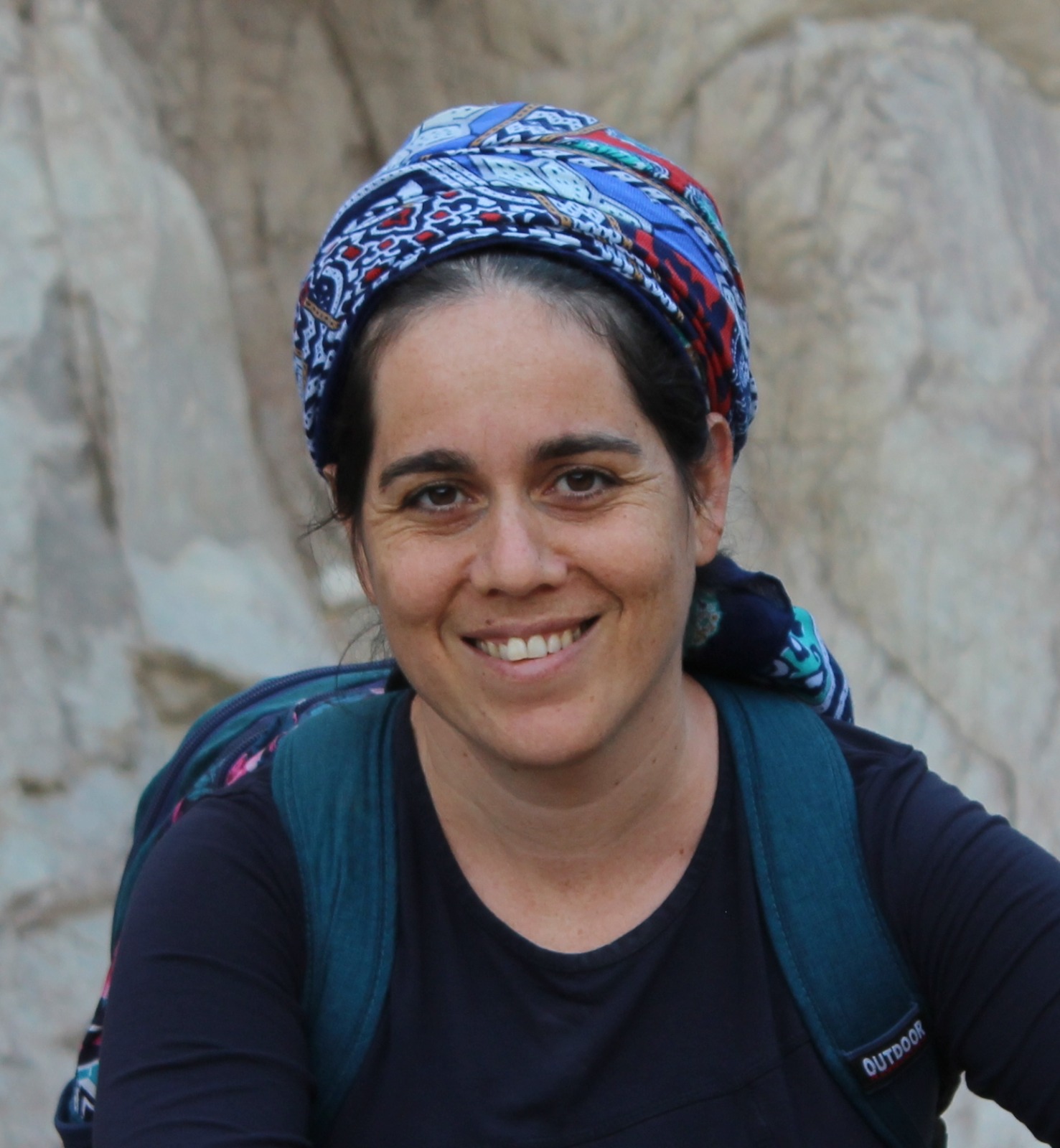
עתניאל, ישראל
התחלתי לפני כמה שנים אבל רק בסבב הזה זכיתי ללמוד יום יום ולסיים מסכתות
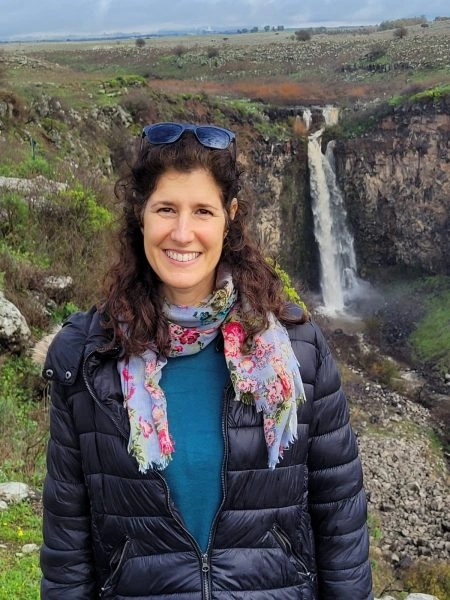
רעננה, ישראל
התחלתי ללמוד דף לפני קצת יותר מ-5 שנים, כשלמדתי רבנות בישיבת מהר”ת בניו יורק. בדיעבד, עד אז, הייתי בלימוד הגמרא שלי כמו מישהו שאוסף חרוזים משרשרת שהתפזרה, פה משהו ושם משהו, ומאז נפתח עולם ומלואו…. הדף נותן לי לימוד בצורה מאורגנת, שיטתית, יום-יומית, ומלמד אותי לא רק ידע אלא את השפה ודרך החשיבה שלנו. לשמחתי, יש לי סביבה תומכת וההרגשה שלי היא כמו בציטוט שבחרתי: הדף משפיע לטובה על כל היום שלי.
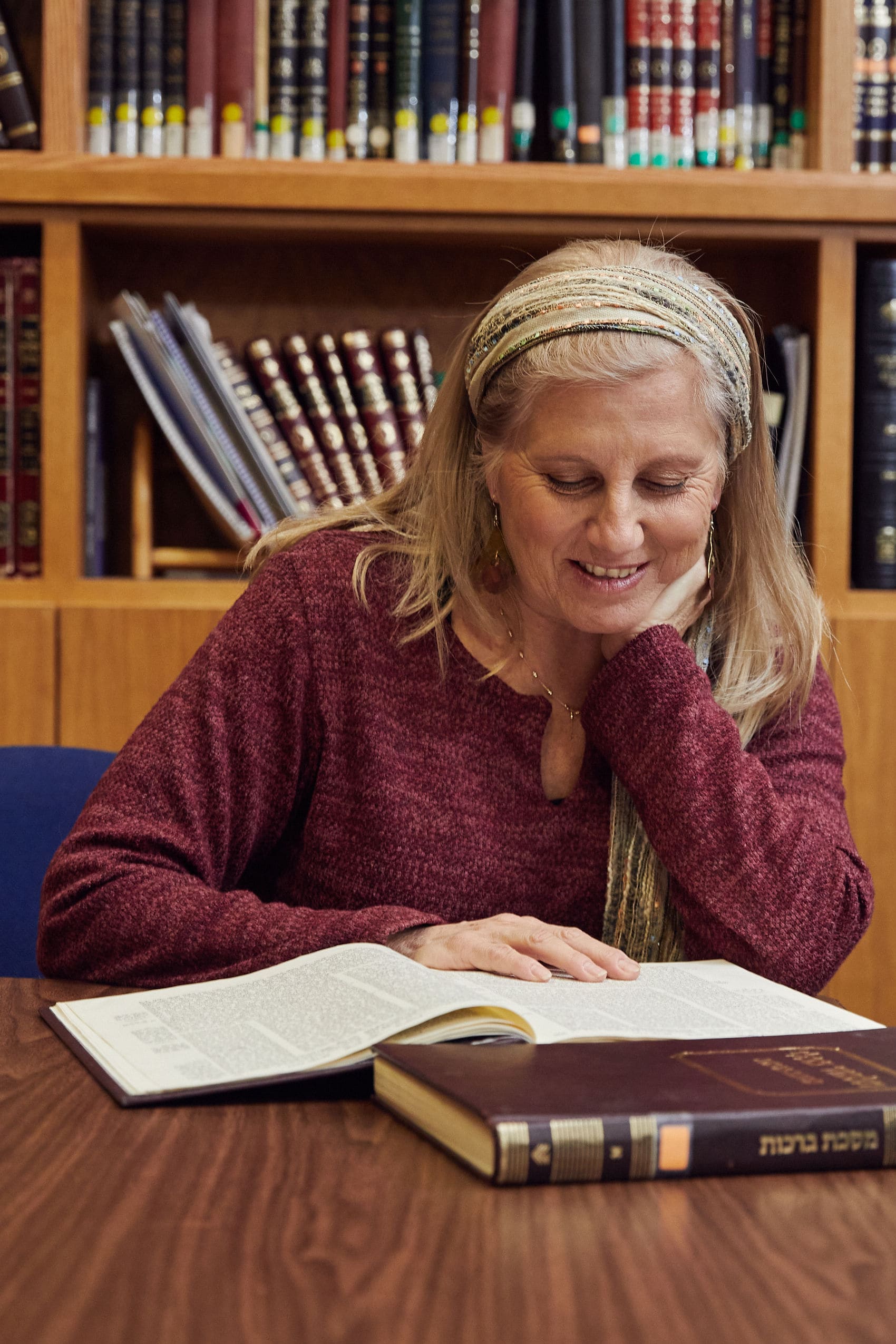
חיפה, ישראל
לצערי גדלתי בדור שבו לימוד גמרא לנשים לא היה דבר שבשגרה ושנים שאני חולמת להשלים את הפער הזה.. עד שלפני מספר שבועות, כמעט במקרה, נתקלתי במודעת פרסומת הקוראת להצטרף ללימוד מסכת תענית. כשקראתי את המודעה הרגשתי שהיא כאילו נכתבה עבורי – "תמיד חלמת ללמוד גמרא ולא ידעת איך להתחיל”, "בואי להתנסות במסכת קצרה וקלה” (רק היה חסר שהמודעה תיפתח במילים "מיכי שלום”..). קפצתי למים ו- ב”ה אני בדרך להגשמת החלום:)
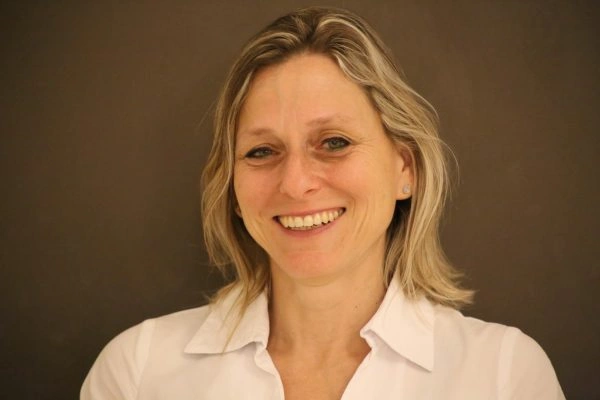
מורשת, ישראל
התחלתי ללמוד דף יומי כאשר קיבלתי במייל ממכון שטיינזלץ את הדפים הראשונים של מסכת ברכות במייל. קודם לא ידעתי איך לקרוא אותם עד שנתתי להם להדריך אותי. הסביבה שלי לא מודעת לעניין כי אני לא מדברת על כך בפומבי. למדתי מהדפים דברים חדשים, כמו הקשר בין המבנה של בית המקדש והמשכן לגופו של האדם (יומא מה, ע”א) והקשר שלו למשפט מפורסם שמופיע בספר ההינדי "בהגוד-גיתא”. מתברר שזה רעיון כלל עולמי ולא רק יהודי
נשר, ישראל
התחלתי כשהייתי בחופש, עם הפרסומים על תחילת המחזור, הסביבה קיבלה את זה כמשהו מתמיד ומשמעותי ובהערכה, הלימוד זה עוגן יציב ביום יום, יש שבועות יותר ויש שפחות אבל זה משהו שנמצא שם אמין ובעל משמעות בחיים שלי….

גמזו, ישראל
"התחלתי ללמוד דף יומי במחזור הזה, בח’ בטבת תש””ף. לקחתי על עצמי את הלימוד כדי ליצור תחום של התמדה יומיומית בחיים, והצטרפתי לקבוצת הלומדים בבית הכנסת בכפר אדומים. המשפחה והסביבה מתפעלים ותומכים.
בלימוד שלי אני מתפעלת בעיקר מכך שכדי ללמוד גמרא יש לדעת ולהכיר את כל הגמרא. זו מעין צבת בצבת עשויה שהיא עצומה בהיקפה.”
כפר אדומים, ישראל
התחלתי ללמוד דף יומי ממסכת נידה כי זה היה חומר הלימוד שלי אז. לאחר הסיום הגדול בבנייני האומה החלטתי להמשיך. וב”ה מאז עם הפסקות קטנות של קורונה ולידה אני משתדלת להמשיך ולהיות חלק.
זה משפיע מאוד על היום יום שלי ועל אף שאני עסוקה בלימודי הלכה ותורה כל יום, זאת המסגרת הקבועה והמחייבת ביותר שיש לי.

גבעת הראל, ישראל
ראיתי את הסיום הגדול בבנייני האומה וכל כך התרשמתי ורציתי לקחת חלק.. אבל לקח לי עוד כשנה וחצי )באמצע מסיכת שבת להצטרף..
הלימוד חשוב לי מאוד.. אני תמיד במרדף אחרי הדף וגונבת כל פעם חצי דף כשהילדים עסוקים ומשלימה אח”כ אחרי שכולם הלכו לישון..

ירושלים, ישראל
לפני 15 שנה, אחרי עשרות שנים של "ג’ינגול” בין משפחה לקריירה תובענית בהייטק, הצטרפתי לשיעורי גמרא במתן רעננה. הלימוד המעמיק והייחודי של הרבנית אושרה קורן יחד עם קבוצת הנשים המגוונת הייתה חוויה מאלפת ומעשירה. לפני כשמונה שנים כאשר מחזור הדף היומי הגיע למסכת תענית הצטרפתי כ”חברותא” לבעלי. זו השעה היומית שלנו ביחד כאשר דפי הגמרא משתלבים בחיי היום יום, משפיעים ומושפעים, וכשלא מספיקים תמיד משלימים בשבת
רעננה, ישראל
התחלתי ללמוד דף יומי אחרי שחזרתי בתשובה ולמדתי במדרשה במגדל עוז. הלימוד טוב ומספק חומר למחשבה על נושאים הלכתיים ”קטנים” ועד לערכים גדולים ביהדות. חשוב לי להכיר את הגמרא לעומק. והצעד הקטן היום הוא ללמוד אותה בבקיאות, בעזרת השם, ומי יודע אולי גם אגיע לעיון בנושאים מעניינים. נושאים בגמרא מתחברים לחגים, לתפילה, ליחסים שבין אדם לחברו ולמקום ולשאר הדברים שמלווים באורח חיים דתי 🙂

מצפה יריחו, ישראל
אחי, שלומד דף יומי ממסכת ברכות, חיפש חברותא ללימוד מסכת ראש השנה והציע לי. החברותא היתה מאתגרת טכנית ורוב הזמן נעשתה דרך הטלפון, כך שבסיום המסכת נפרדו דרכינו. אחי חזר ללמוד לבד, אבל אני כבר נכבשתי בקסם הגמרא ושכנעתי את האיש שלי להצטרף אלי למסכת ביצה. מאז המשכנו הלאה, ועכשיו אנחנו מתרגשים לקראתו של סדר נשים!

נוקדים, ישראל
רבנית מישל הציתה אש התלמוד בלבבות בביניני האומה ואני נדלקתי. היא פתחה פתח ותמכה במתחילות כמוני ואפשרה לנו להתקדם בצעדים נכונים וטובים. הקימה מערך שלם שמסובב את הלומדות בסביבה תומכת וכך נכנסתי למסלול לימוד מעשיר שאין כמוה. הדרן יצר קהילה גדולה וחזקה שמאפשרת התקדמות מכל נקודת מוצא. יש דיבוק לומדות שמחזק את ההתמדה של כולנו. כל פניה ושאלה נענית בזריזות ויסודיות. תודה גם למגי על כל העזרה.
נתניה, ישראל
באירוע של הדרן בנייני האומה. בהשראתה של אמי שלי שסיימה את הש”ס בסבב הקודם ובעידוד מאיר , אישי, וילדיי וחברותיי ללימוד במכון למנהיגות הלכתית של רשת אור תורה סטון ומורתיי הרבנית ענת נובוסלסקי והרבנית דבורה עברון, ראש המכון למנהיגות הלכתית.
הלימוד מעשיר את יומי, מחזיר אותי גם למסכתות שכבר סיימתי וידוע שאינו דומה מי ששונה פרקו מאה לשונה פרקו מאה ואחת במיוחד מרתקים אותי החיבורים בין המסכתות
מודיעין, ישראל
אני לומדת גמרא כעשור במסגרות שונות, ואת הדף היומי התחלתי כשחברה הציעה שאצטרף אליה לסיום בבנייני האומה. מאז אני לומדת עם פודקסט הדרן, משתדלת באופן יומי אך אם לא מספיקה, מדביקה פערים עד ערב שבת. בסבב הזה הלימוד הוא "ממעוף הציפור”, מקשיבה במהירות מוגברת תוך כדי פעילויות כמו בישול או נהיגה, וכך רוכשת היכרות עם הסוגיות ואופן ניתוחם על ידי חז”ל. בע”ה בסבב הבא, ואולי לפני, אצלול לתוכו באופן מעמיק יותר.
רמת גן, ישראל
A friend in the SF Bay Area said in Dec 2019 that she might start listening on her morning drive to work. I mentioned to my husband and we decided to try the Daf when it began in Jan 2020 as part of our preparing to make Aliyah in the summer.
ירושלים, Israel
סוכה ו
הָיָה לָבוּשׁ כֵּלָיו וְסַנְדָּלָיו בְּרַגְלָיו וְטַבְּעוֹתָיו בְּאֶצְבְּעוֹתָיו — הוּא טָמֵא מִיָּד, וְהֵן טְהוֹרִים עַד שֶׁיִּשְׁהֶה בִּכְדֵי אֲכִילַת פְּרָס, פַּת חִטִּין וְלֹא פַּת שְׂעוֹרִין, מֵיסֵב וְאוֹכֵל בְּלִיפְתָּן.
However, if he was dressed in his clothes, and his sandals were on his feet, and his rings were on his fingers, he immediately becomes ritually impure, but they, the clothes, sandals, and rings, remain pure until he stays in the house long enough to eat half a loaf of bread. This calculation is based on wheat bread, which takes less time to eat, and not on barley bread, and it relates to one who is reclining and eating it together with relish or a condiment, which hastens the eating. This is a Torah measurement connected specifically to wheat.
שְׂעוֹרָה — דִּתְנַן: עֶצֶם כִּשְׂעוֹרָה — מְטַמֵּא בְּמַגָּע וּבְמַשָּׂא, וְאֵינוֹ מְטַמֵּא בְּאֹהֶל.
Barley is also used as a basis for measurements, as we learned in a mishna: A bone from a corpse the size of a grain of barley imparts ritual impurity through contact and by being carried, but it does not impart impurity by means of a tent, i.e., if the bone was inside a house, it does not render all the articles in the house ritually impure.
גֶּפֶן — כְּדֵי רְבִיעִית יַיִן לְנָזִיר.
The halakhic measure determined by a vine is the quantity of a quarter–log of wine for a nazirite. A nazirite, for whom it is prohibited to drink wine, is liable to be flogged if he drinks that measure.
תְּאֵנָה — כִּגְרוֹגֶרֶת לְהוֹצָאַת שַׁבָּת.
Fig alludes to the measure of a dried fig-bulk with regard to the halakhot of carrying out on Shabbat. One is liable for carrying food fit for human consumption on Shabbat, provided that he carries a dried fig-bulk of that food.
רִמּוֹן — דִּתְנַן: כָּל כְּלֵי בַּעֲלֵי בָתִּים — שִׁיעוּרָן כְּרִמּוֹנִים.
Pomegranate teaches the following measure, as we learned in a mishna: All ritually impure wooden vessels belonging to ordinary homeowners become pure through being broken, as broken vessels cannot contract or maintain ritual impurity. They are considered broken if they have holes the size of pomegranates.
״אֶרֶץ זֵית שֶׁמֶן (וּדְבָשׁ)״ — אֶרֶץ שֶׁכׇּל שִׁיעוּרֶיהָ כְּזֵיתִים. ״כָּל שִׁיעוּרֶיהָ״ סָלְקָא דַּעְתָּךְ?! הָא אִיכָּא הָנֵי דְּאָמְרִינַן! אֶלָּא אֵימָא: שֶׁרוֹב שִׁיעוּרֶיהָ כְּזֵיתִים.
The Sages interpreted: “A land of olive oil and honey,” as: A land, all of whose measures are olive-bulks. The Gemara poses a question: Does it enter your mind that it is a land all of whose measures are olive-bulks? But aren’t there those measures that we just mentioned above, which are not olive-bulks? Rather, say: A land, most of whose measures are olive-bulks, as most measures relating to forbidden foods, e.g., fats, blood, piggul, leftover sacrificial flesh, ritually impure food, and the sciatic nerve, are olive-bulks, as are the measures for a corpse to transmit impurity in a tent and for an animal carcass to transmit impurity through contact.
דְּבָשׁ — כְּכוֹתֶבֶת הַגַּסָּה בְּיוֹם הַכִּפּוּרִים.
Honey, i.e., dates from which date honey is extracted, also determines a measure, as with regard to eating on Yom Kippur, one is liable only if he eats a large date-bulk of food.
אַלְמָא דְּאוֹרָיְיתָא נִינְהוּ! וְתִסְבְּרָא? שִׁיעוּרִין מִי כְּתִיבִי? אֶלָּא הִלְכְתָא נִינְהוּ, וּקְרָא אַסְמַכְתָּא בְּעָלְמָא הוּא.
Apparently, all these halakhic measurements are derived from this verse in the Torah and are not halakhot transmitted to Moses from Sinai. The Gemara refutes this argument: And how can you understand it in that manner that all these measures are explicitly written in the Torah with regard to each of the halakhot mentioned above? Rather, they are halakhot that were transmitted to Moses from Sinai, and the verse cited is mere support for these halakhot, not a source.
חֲצִיצִין דְּאוֹרָיְיתָא נִינְהוּ! דִּכְתִיב: ״וְרָחַץ (אֶת בְּשָׂרוֹ) בַּמַּיִם״, שֶׁלֹּא יְהֵא דָּבָר חוֹצֵץ בֵּינוֹ לְבֵין הַמַּיִם!
Rabbi Ḥiyya bar Ashi said earlier that Rav said that the halakhot governing interpositions that invalidate ritual immersion are halakhot transmitted to Moses from Sinai. The Gemara challenges this assertion: These, too, are written in the Torah, as it is written: “And he shall bathe his flesh in the water” (Leviticus 14:9), and the Sages derived that nothing should interpose between his flesh and the water. Apparently, the halakhot of interposition are derived from a verse in the Torah and not through oral tradition.
כִּי אֲתַאי הִלְכְתָא — לִשְׂעָרוֹ, כִּדְרַבָּה בַּר בַּר חָנָה. דְּאָמַר רַבָּה בַּר בַּר חָנָא: נִימָא אַחַת קְשׁוּרָה — חוֹצֶצֶת, שָׁלֹשׁ — אֵינָן חוֹצְצוֹת, שְׁתַּיִם — אֵינִי יוֹדֵעַ.
The Gemara answers: When the halakha transmitted to Moses comes to teach, it is not with regard to an interposition on one’s skin, which is indeed derived from verses in the Torah. Rather, it comes to teach that an interposition in one’s hair invalidates the immersion, in accordance with the opinion of Rabba bar bar Ḥana, as Rabba bar bar Ḥana said: A single hair [nima] tied in a knot interposes and invalidates the immersion. Three hairs tied together in a knot do not interpose, because three hairs cannot be tied so tightly that water cannot penetrate them. With regard to two hairs tied together in a knot, I do not know the halakha. This halakha with regard to hair is a halakha transmitted to Moses from Sinai.
שְׂעָרוֹ נָמֵי דְּאוֹרָיְיתָא נִינְהוּ, דִּכְתִיב: ״וְרָחַץ אֶת בְּשָׂרוֹ בַּמַּיִם״, אֶת הַטָּפֵל לִבְשָׂרוֹ, וּמַאי נִיהוּ — שְׂעָרוֹ!
The Gemara raises a difficulty: The halakha with regard to one’s hair is also written in the Torah, as it is taught in a baraita with regard to that which is written: “And he shall bathe [et besaro] his flesh in the water.” The superfluous word et comes to include that which is subordinate to his flesh, and what is that? That is his hair. The fact that, like the body, there can be no interposition between one’s hair and the water is also derived from a verse.
כִּי אֲתַאי הִלְכְתָא, לְכִדְרַבִּי יִצְחָק. דְּאָמַר רַבִּי יִצְחָק:
The Gemara answers: When the halakha transmitted to Moses from Sinai comes to teach, it is not with regard to an interposition in one’s hair, which is indeed derived from a verse in the Torah. Rather, it comes to teach in accordance with the statement of Rabbi Yitzḥak, as Rabbi Yitzḥak said:
דְּבַר תּוֹרָה, רוּבּוֹ וּמַקְפִּיד עָלָיו — חוֹצֵץ, וְשֶׁאֵינוֹ מַקְפִּיד עָלָיו — אֵינוֹ חוֹצֵץ. וְגָזְרוּ עַל רוּבּוֹ שֶׁאֵינוֹ מַקְפִּיד מִשּׁוּם רוּבּוֹ הַמַּקְפִּיד, וְעַל מִיעוּטוֹ הַמַּקְפִּיד מִשּׁוּם רוּבּוֹ הַמַּקְפִּיד.
By Torah law, if there is an interposition between a person and the water, and it covers the majority of his body, and he is particular about it and wants the interposing substance removed, only then is it considered an interposition that invalidates immersion in a ritual bath. However, if he is not particular about that substance, it is not considered an interposition. The Sages, however, issued a decree that it is prohibited to immerse with a substance covering the majority of one’s body with regard to which he is not particular, due to substances covering the majority of one’s body with regard to which he is particular. And, they issued a decree that it is prohibited to immerse with a substance covering the minority of his body with regard to which one is particular, due to substances covering the majority of his body with regard to which one is particular.
וְלִיגְזַר נָמֵי עַל מִיעוּטוֹ שֶׁאֵינוֹ מַקְפִּיד מִשּׁוּם מִיעוּטוֹ הַמַּקְפִּיד, אִי נָמֵי מִשּׁוּם רוּבּוֹ שֶׁאֵינוֹ מַקְפִּיד!
The Gemara raises a question: Then let us also issue a decree deeming substances covering the minority of one’s body with regard to which he is not particular an interposition, due to substances covering the minority of his body with regard to which he is particular, or alternatively, due to substances covering the majority of his body with regard to which he is not particular.
הִיא גּוּפָא גְּזֵירָה, וַאֲנַן נֵיקוּם וְנִגְזֹר גְּזֵירָה לִגְזֵירָה?!
The Gemara answers: We do not issue that decree because the halakha that deems both an interposition covering the minority of his body about which one is particular and an interposition covering the majority of his body about which one is not particular an interposition is itself a decree. Shall we then arise and issue one decree to prevent violation of another decree? In any case, these details with regard to interpositions are neither written nor alluded to in the Torah; rather, they are halakhot transmitted to Moses from Sinai.
מְחִיצִין — הָא דַּאֲמַרַן. הָנִיחָא לְרַבִּי יְהוּדָה, אֶלָּא לְרַבִּי מֵאִיר — מַאי אִיכָּא לְמֵימַר?
The halakha transmitted to Moses from Sinai that the minimum height for partitions is ten handbreadths is as we stated earlier. The Gemara asks: This works out well according to the opinion of Rabbi Yehuda, who holds that there is no verse in the Torah from which this halakha can be derived, as he therefore concludes that it is a halakha transmitted to Moses from Sinai. However, according to Rabbi Meir, who holds that all of the cubits in the Temple consist of six handbreadths and therefore the measure of ten handbreadths can be derived from verses in the Torah, what is there to say? What is the halakha transmitted to Moses from Sinai with regard to partitions?
כִּי אֲתַאי הִלְכְתָא — לְגוּד, וְלָבוּד, וְדוֹפֶן עֲקוּמָּה.
When the halakha transmitted to Moses comes to teach, it is with regard to other halakhot concerning partitions, e.g., the halakhot of extending [gode], according to which an existing partition is extended upward or downward to complete the requisite measure; and the halakhot of joining [lavud], according to which two solid surfaces are joined if they are separated by a gap of less than three handbreadths; and the halakhot of a curved wall of a sukka. A sukka is fit even if there are up to four cubits of unfit roofing, provided that this roofing is adjacent to one of the walls of the sukka. In that case, the unfit roofing is considered a bent extension of the wall. These concepts are certainly not written in the Torah.
וְשֶׁאֵין לָהּ שָׁלֹשׁ דְּפָנוֹת.
§ Among the factors listed in the mishna that render a sukka unfit is: And one that does not have three walls.
תָּנוּ רַבָּנַן: שְׁתַּיִם כְּהִלְכָתָן, וּשְׁלִישִׁית אֲפִילּוּ טֶפַח. רַבִּי שִׁמְעוֹן אוֹמֵר: שָׁלֹשׁ כְּהִלְכָתָן, וּרְבִיעִית אֲפִילּוּ טֶפַח.
The Sages taught in the Tosefta: In order to construct a fit sukka, two of the walls must be walls in the standard sense, sealing the entire length and height of the sukka, and the third wall may be even one handbreadth long. Rabbi Shimon says: Three of the walls must be walls in the standard sense, and the fourth wall may be even one handbreadth long.
בְּמַאי קָמִיפַּלְגִי? רַבָּנַן סָבְרִי: יֵשׁ אֵם לַמָּסוֹרֶת, וְרַבִּי שִׁמְעוֹן סָבַר: יֵשׁ אֵם לַמִּקְרָא.
The Gemara asks: With regard to what principle do they disagree? The Rabbis hold: The tradition of the manner in which the verses in the Torah are written is authoritative, and one derives halakhot based on the spelling of the words. And Rabbi Shimon holds: The vocalization of the Torah is authoritative, meaning that one derives halakhot based on the pronunciation of the words, although it diverges from the spelling.
רַבָּנַן סָבְרִי: יֵשׁ אֵם לַמָּסוֹרֶת, ״בְּסֻכַּת״ ״בְּסֻכַּת״ ״בַּסֻּכּוֹת״ — הֲרֵי כָּאן אַרְבַּע.
With regard to sukka, the Rabbis hold: The tradition of the verses is authoritative, as the word basukkot is written three times in the context of the mitzva of sukka. It is written twice in the verse: “In sukkot [basukkot] shall you reside seven days; all that are home-born in Israel shall reside in sukkot [basukkot]” (Leviticus 23:42). In both of these instances, the word in Hebrew is spelled without a vav, as are Hebrew words in the singular. And one time it is written with a vav, as are Hebrew words in the plural: “So that your future generations will know that I caused the children of Israel to reside in sukkot [basukkot]” (Leviticus 23:43). There is mention here of sukka four times, two singular plus one plural hinted at here in these verses.
דַּל חַד לְגוּפֵיהּ, פָּשׁוּ לְהוּ תְּלָתָא. שְׁתַּיִם כְּהִלְכָתָן, וַאֲתַאי הִלְכְתָא וּגְרַעְתַּהּ לִשְׁלִישִׁית וְאוֹקֵמְתַּהּ אַטֶּפַח.
Subtract one to teach the mitzva of sukka itself, and three remain. These three remaining sukkot teach that the sukka requires three walls; two of the three are walls in the standard sense, and the halakha transmitted to Moses from Sinai comes and reduces the dimension of the third and establishes it as one handbreadth. That tradition teaches that one wall need not be any longer than one handbreadth.
רַבִּי שִׁמְעוֹן סָבַר: יֵשׁ אֵם לַמִּקְרָא, ״בַּסֻּכּוֹת״ ״בַּסֻּכּוֹת״ ״בַּסֻּכּוֹת״ — הֲרֵי כָּאן שֵׁשׁ, דַּל חַד קְרָא לְגוּפֵיהּ, פָּשׁוּ לְהוּ אַרְבַּע. שָׁלֹשׁ כְּהִלְכָתָן, אֲתַאי הִלְכְתָא וּגְרַעְתַּהּ לִרְבִיעִית וְאוֹקֵמְתַּהּ אַטֶּפַח.
On the other hand, Rabbi Shimon holds: The vocalization of the Torah is authoritative. Therefore, although two of the instances are written without a vav, since they are all vocalized in the plural, basukkot, basukkot, basukkot, there is mention here of sukka six times in these two verses. Subtract one verse to teach the mitzva of the sukka itself, and two mentions of basukkot, which equal four sukkot, remain and teach that the sukka requires four walls. Three of the walls are walls in the standard sense, and the halakha transmitted to Moses from Sinai comes and reduces the dimension of the fourth and establishes it as one handbreadth.
וְאִי בָּעֵית אֵימָא: דְּכוּלֵּי עָלְמָא יֵשׁ אֵם לַמִּקְרָא, וְהָכָא בְּהָא קָמִיפַּלְגִי: מָר סָבַר: סְכָכָה בָּעֲיָא קְרָא, וּמָר סָבַר: סְכָכָה לָא בָּעֲיָא קְרָא.
And if you wish, say instead that everyone agrees that the vocalization of the Torah is authoritative, and here, it is with regard to this that they disagree: One Sage, the Rabbis, holds that to derive its roofing requires a verse; therefore, only three of the original six sukkot remain from which walls can be derived. The halakha transmitted to Moses from Sinai reduces the dimension of one of the three walls to one handbreadth. And one Sage, Rabbi Shimon, holds that to derive its roofing does not require a verse, as the essence of sukka is its roofing. No additional source beyond the verse from which the mitzva of sukka is derived is required for the roofing. Therefore, walls are derived from four of the six sukkot: Three full-fledged walls and a fourth measuring one handbreadth.
וְאִיבָּעֵית אֵימָא: דְּכוּלֵּי עָלְמָא יֵשׁ אֵם לַמָּסוֹרֶת, וְהָכָא בְּהָא קָמִיפַּלְגִי: מָר סָבַר: כִּי אֲתַאי הִלְכְתָא — לְגָרֵעַ. וּמָר סָבַר: כִּי אֲתַאי הִלְכְתָא — לְהוֹסִיף.
And if you wish, say instead that everyone agrees that the tradition of the verses is authoritative, and here, it is with regard to this that they disagree: One Sage, the Rabbis, holds: When the halakha transmitted to Moses comes to teach, it is to reduce to one handbreadth the dimension of one of the three walls derived from the verses. And one Sage, Rabbi Shimon, holds: When the halakha transmitted to Moses comes to teach, it is to add another wall to the three walls derived from the verses; however, the dimension of that fourth wall may be one handbreadth.
וְאִיבָּעֵית אֵימָא: דְּכוּלֵּי עָלְמָא, כִּי אֲתַאי הִלְכְתָא — לְגָרֵעַ, וְיֵשׁ אֵם לַמָּסוֹרֶת. וְהָכָא בְּדוֹרְשִׁין תְּחִילּוֹת קָמִיפַּלְגִי: מָר סָבַר: דּוֹרְשִׁין תְּחִילּוֹת, וּמַר סָבַר: אֵין דּוֹרְשִׁין תְּחִילּוֹת.
And if you wish, say instead that everyone agrees that when the halakha transmitted to Moses comes to teach, it is to reduce the dimension of one of the three walls. And everyone agrees that the tradition of the verses is authoritative, and there are four mentions of sukka in the verse. And here it is with regard to whether one derives numbers for halakhic matters from the first mention of a term in the Torah that they disagree. When that total is derived from the number of instances a certain word appears in the Torah, there is a dispute whether the first instance is included in the tally, or whether the first instance is necessary to teach the mitzva itself and the number may be counted only from subsequent mentions. One Sage, Rabbi Shimon, holds that one derives numbers from the first mention and therefore four walls derived from the verses. And one Sage, the Rabbis, holds that one does not derive numbers from the first mention, and therefore only three walls are derived from the verses.
רַב מַתְנָה אָמַר: טַעְמֵיהּ דְּרַבִּי שִׁמְעוֹן מֵהָכָא: ״וְסוּכָּה תִּהְיֶה לְצֵל יוֹמָם מֵחוֹרֶב וּלְמַחְסֶה וּלְמִסְתּוֹר מִזֶּרֶם וּמִמָּטָר״.
Rav Mattana said that the rationale for the opinion of Rabbi Shimon is derived from here: “And there shall be a sukka for shade in the daytime from the heat, and for refuge and cover from storm and from rain” (Isaiah 4:6). A sukka without three full-fledged walls does not provide shelter nor serve as refuge.
וְאוֹתוֹ טֶפַח הֵיכָן מַעֲמִידוֹ? אָמַר רַב: מַעֲמִידוֹ כְּנֶגֶד הַיּוֹצֵא.
§ The Gemara asks: According to the opinion that a sukka can be built with two full-fledged walls and a third that is one handbreadth, where does one position that third wall that measures one handbreadth? Rav said: He positions it at the end of one of the standing walls opposite the wall that emerges from the other end of that wall.
אָמְרִי לֵיהּ רַב כָּהֲנָא וְרַב אַסִּי לְרַב:
Rav Kahana and Rav Asi said to Rav:

