








מי שממיר בהמת הקדש בבהמה אחרת, אסור לעשות וקונסים אותו ששניהם קדושים. ובנוסף עובר על לא תעשה ומקבל מלקות. האם יורש שממיר קרבן אביו תמורתו תקף? האם אשה גם כלולה בלא תעשה ולוקה? מניין דורשים הלכות אלו? רמי בר חמא שאל: האם תמורת קטן או עובד כוכבים עובד? באיזה מקרים של קטן/עובד כוכבים מדובר?
רוצה להקדיש שיעור?
תמורה ב
מַתְנִי׳ הַכֹּל מְמִירִין, אֶחָד אֲנָשִׁים וְאֶחָד נָשִׁים. לֹא שֶׁאָדָם רַשַּׁאי לְהָמִיר, אֶלָּא שֶׁאִם הֵמִיר — מוּמָר, וְסוֹפֵג אֶת הָאַרְבָּעִים.
MISHNA: Everyone substitutes a non-sacred animal for a consecrated animal, both men and women. That is not to say that it is permitted for a person to effect substitution; rather, it means that if one substituted a non-sacred animal for a consecrated animal, the substitution takes effect, and the non-sacred animal becomes consecrated, and the consecrated animal remains sacred. And the one who substituted the non-sacred animal incurs the forty [sofeg et ha’arba’im] lashes.
גְּמָ׳ הָא גוּפָא קַשְׁיָא: אָמְרַתְּ ״הַכֹּל מְמִירִין״ — לְכַתְּחִילָּה, וַהֲדַר תָּנֵי ״לֹא שֶׁאָדָם רַשַּׁאי לְהָמִיר אֶלָּא שֶׁאִם הֵמִיר מוּמָר״ — דִּיעֲבַד!
GEMARA: The Gemara notes an apparent contradiction in the mishna: This mishna itself is difficult: You say that everyone substitutes a non-sacred animal for a consecrated one, which indicates that substitution may be performed ab initio. And then you teach: That is not to say that it is permitted for a person to effect substitution; rather, it means only that if one unlawfully substituted a non-sacred animal for a consecrated animal, the substitution takes effect, indicating that it is effective only after the fact.
וְתִיסְבְּרָא ״הַכֹּל מְמִירִין״ — לְכַתְּחִילָּה? אַדְּקַשְׁיָא לָךְ מִמַּתְנִיתִין, תִּיקְשֵׁי לָךְ קְרָא! דִּכְתִיב ״לֹא יַחֲלִיפֶנּוּ וְלֹא יָמִיר אֹתוֹ״.
The Gemara responds: And can you understand the phrase: Everyone substitutes, as indicating that substitution may be performed ab initio? If so, before the mishna poses a difficulty for you, the verse should pose a difficulty for you, as it is written: “He shall not alter it, nor substitute it” (Leviticus 27:10). The verse clearly states that it is prohibited to perform substitution.
אֶלָּא אָמַר רַב יְהוּדָה: הָכִי קָתָנֵי — הַכֹּל מַתְפִּיסִין בִּתְמוּרָה, אֶחָד אֲנָשִׁים וְאֶחָד נָשִׁים, לֹא שֶׁאָדָם רַשַּׁאי לְהָמִיר, שֶׁאִם הֵמִיר — מוּמָר, וְסוֹפֵג אֶת הָאַרְבָּעִים.
Rather, Rav Yehuda says: This is what the mishna is teaching: Everyone can apply the status of a consecrated animal to a non-sacred animal by the act of substitution, both men and women. But that is not to say that it is permitted for a person to effect substitution, as, if one did effect substitution, the substitution takes effect only after the fact, and he incurs the forty lashes.
הַכׇּל לְאֵיתוֹיֵי מַאי? לְאֵיתוֹיֵי יוֹרֵשׁ, וּדְלָא כְּרַבִּי יְהוּדָה.
§ The mishna teaches: Everyone substitutes a non-sacred animal for a consecrated animal. The Gemara asks: What does the comprehensive term: Everyone, serve to include? The Gemara answers: It serves to include an inheritor, and accordingly, this mishna is not in accordance with the opinion of Rabbi Yehuda.
דִּתְנַן: יוֹרֵשׁ סוֹמֵךְ, יוֹרֵשׁ מֵמִיר — דִּבְרֵי רַבִּי מֵאִיר. רַבִּי יְהוּדָה אוֹמֵר: יוֹרֵשׁ אֵינוֹ סוֹמֵךְ, וְיוֹרֵשׁ אֵינוֹ מֵמִיר.
As we learned in a baraita: An inheritor who inherited a consecrated animal places his hands on the head of the offering when he sacrifices it as would the original owner, and likewise an inheritor is able to substitute a non-sacred animal for the consecrated one that he inherited. This is the statement of Rabbi Meir. Rabbi Yehuda says: An inheritor does not place his hands on the head of the offering when he sacrifices it, and an inheritor does not substitute a non-sacred animal for a consecrated one that he inherited. These acts may be performed only by the one who initially consecrated the animal. The mishna indicates that an inheritor is able to effect substitution, contrary to the opinion of Rabbi Yehuda.
מַאי טַעְמָא דְּרַבִּי יְהוּדָה? — יָלֵיף תְּחִילַּת הֶקְדֵּשׁ מִסּוֹף הֶקְדֵּשׁ: מָה סוֹף הֶקְדֵּשׁ — יוֹרֵשׁ אֵינוֹ סוֹמֵךְ, אַף תְּחִילַּת הֶקְדֵּשׁ — יוֹרֵשׁ אֵינוֹ מֵמִיר.
The Gemara asks: What is the reasoning of Rabbi Yehuda? The Gemara explains: He derives the halakhot of the animal’s initial consecration from the end of the consecration, i.e., the sacrifice of the consecrated animal, as follows: Just as with regard to the end of a consecrated animal, an inheritor does not place his hands on the head of the offering before slaughter, so too, with regard to the initial consecration, an inheritor does not effect substitution to consecrate the animal.
וּסְמִיכָה גּוּפַהּ מְנָלַן? תְּלָת ״קׇרְבָּנוֹ״ כְּתִיבִי: חַד — ״קׇרְבָּנוֹ״ וְלֹא קׇרְבַּן גּוֹי, וְחַד — ״קׇרְבָּנוֹ״ וְלֹא קׇרְבַּן חֲבֵירוֹ, וְחַד — ״קׇרְבָּנוֹ״ וְלֹא קׇרְבַּן אָבִיו.
The Gemara asks: And from where do we derive the halakha of placing hands itself? The Gemara answers: The term “his offering” is written three times in the passage discussing a peace offering, in connection with the placing of hands (Leviticus 3:2, 8, 12). One instance teaches that the requirement of placing hands applies to his offering but not the offering of a gentile. And one instance teaches that it applies to his offering but not the offering of another, as only the owner places his hands on the offering. And one instance teaches that it applies to his offering but not the offering of his father, as an inheritor does not place his hands on an offering he inherited.
וּלְרַבִּי מֵאִיר דְּאָמַר יוֹרֵשׁ סוֹמֵךְ, וְהָכְתִיב ״קׇרְבָּנוֹ״! הַהוּא מִיבְּעֵי לֵיהּ לְרַבּוֹת כׇּל בַּעֲלֵי חוֹבְרִין לִסְמִיכָה.
The Gemara asks: But according to Rabbi Meir, who said that an inheritor places his hands on the head of the offering when he sacrifices it, isn’t the term “his offering” written in the verse? How does he interpret the third instance of that term? The Gemara explains: He requires that term to include all joint owners [ba’alei ḥoverin] in the halakha of placing hands, to teach that they all must place their hands on the offering’s head.
וְרַבִּי יְהוּדָה, בַּעֲלֵי חוֹבְרִין לִסְמִיכָה לֵית לֵיהּ. מַאי טַעְמָא? דְּהָא לָא מְיַחַד קׇרְבָּן דִּידְהוּ. וְאִיבָּעֵית אֵימָא: לְעוֹלָם אִית לֵיהּ, וְקׇרְבַּן גּוֹי וְקׇרְבַּן חֲבֵירוֹ מֵחַד קְרָא נָפְקָא, דְּאִיַּיתַּר לֵיהּ חַד לְבַעֲלֵי חוֹבְרִין לִסְמִיכָה.
The Gemara notes: And as for Rabbi Yehuda, he does not accept that joint owners are included in the requirement of placing hands. What is the reason for this? The reason is that their offering is not specific to one person and is therefore not included in the term “his offering.” And if you wish, say instead that actually, he accepts that one instance of “his offering” serves to include joint owners, and he derives both the halakha of the offering of a gentile and that of the offering of another from one verse, so that one instance of the term “his offering” remains for him to include joint owners in the requirement of placing hands on the head of an offering, and the third instance serves to teach that an inheritor does not place hands on the offering of his father.
וְרַבִּי מֵאִיר דְּאָמַר יוֹרֵשׁ מֵמִיר, מַאי טַעְמָא? אָמַר לָךְ: ״אִם הָמֵר יָמִיר״ לְרַבּוֹת הַיּוֹרֵשׁ,
The Gemara asks: And what is the reasoning of Rabbi Meir, who said that an inheritor can effect substitution? The Gemara answers: Rabbi Meir could say to you that the repetition of the verb in the verse: “And if he shall at all substitute [hamer yamir] animal for animal” (Leviticus 27:10), serves to include the inheritor.
וְיָלֵיף סוֹף הֶקְדֵּשׁ מִתְּחִילַּת הֶקְדֵּשׁ, מָה תְּחִילַּת הֶקְדֵּשׁ יוֹרֵשׁ מֵימִר, אַף סוֹף הֶקְדֵּשׁ יוֹרֵשׁ סוֹמֵךְ.
And he derives the halakhot of the end of a consecrated animal from the initial consecration of the animal, as follows: Just as with regard to the initial state of consecration of the animal, an inheritor can effect substitution, so too, with regard to the end of the consecrated animal, an inheritor places his hands on its head.
רַבִּי יְהוּדָה, הַאי ״וְאִם הָמֵר יָמִיר״ מַאי עָבֵיד לֵיהּ? לְרַבּוֹת אֶת הָאִשָּׁה. וְכִדְתַנְיָא: לְפִי שֶׁכׇּל הָעִנְיָן כּוּלּוֹ אֵינוֹ מְדַבֵּר אֶלָּא לְשׁוֹן זָכָר, שֶׁנֶּאֱמַר: ״לֹא יַחֲלִיפֶנּוּ וְלֹא יָמִיר אֹתוֹ״, אִשָּׁה מִנַּיִן? תַּלְמוּד לוֹמַר: ״וְאִם הָמֵר יָמִיר״ לְרַבּוֹת אֶת הָאִשָּׁה.
The Gemara asks: According to Rabbi Yehuda, who holds that an inheritor is not able to effect substitution, what does he do with this repetitive language in the verse: “And if he shall at all substitute”? How does he interpret it? The Gemara answers: It serves to include a woman as able to effect substitution and to incur the penalty of forty lashes for doing so. And this is as it is taught in a baraita: Since the verses concerning the entire matter of substitution speak only in the masculine, as it is stated: “He shall not exchange it, nor substitute it” (Leviticus 27:10), from where is it derived that a woman is included? The verse states: “And if he shall at all substitute,” to include a woman.
וּלְרַבִּי מֵאִיר, אִשָּׁה מְנָא לֵיהּ? נָפְקָא לֵיהּ מִ״וְּאִם״. וְרַבִּי יְהוּדָה, ״וְאִם״ לָא דָּרֵישׁ.
The Gemara asks: And according to Rabbi Meir, who derives a different halakha from that verse, from where does he derive that a woman is included? The Gemara answers: He derives it from the addition of the conjunction “and” in the verse: “And if he shall at all substitute.” And Rabbi Yehuda does not interpret the term “and if” as having any special significance.
וּבֵין רַבִּי מֵאִיר וּבֵין רַבִּי יְהוּדָה, טַעְמָא דְּרַבִּי קְרָא לְאִשָּׁה, הָא לָא רַבְּיַיהּ קְרָא — הֲוָה אָמֵינָא: כִּי עָבְדָא תְּמוּרָה לָא לָקְיָא. וְהָאָמַר רַב יְהוּדָה אָמַר רַב, וְכֵן תָּנָא דְּבֵי רַבִּי יִשְׁמָעֵאל: ״אִישׁ אוֹ אִשָּׁה כִּי יַעֲשׂוּ מִכׇּל חַטֹּאת הָאָדָם״ — הִשְׁוָה הַכָּתוּב אִשָּׁה לְאִישׁ לְכׇל עֳונָשִׁין שֶׁבַּתּוֹרָה!
The Gemara analyzes this dispute. And according to both the opinion of Rabbi Meir and the opinion of Rabbi Yehuda, the reason why a woman is included is that the verse explicitly includes a woman, either by adding a conjunction or by repetition of the verb. The Gemara asks: Should one infer that if the verse did not include a woman, I would say that when a woman performs an act of substitution she is not flogged? But didn’t Rav Yehuda say that Rav says, and so too the school of Rabbi Yishmael taught, that when the verse states: “When a man or woman shall commit any sin that people commit” (Numbers 5:6), the verse equates a woman with a man with regard to all punishments of the Torah? Why, then, is there a need for the verse to include women in the prohibition against substitution?
אִיצְטְרִיךְ, מַהוּ דְּתֵימָא: הָנֵי מִילֵּי עוֹנֶשׁ דְּשָׁוֶה בֵּין בְּיָחִיד בֵּין בְּצִבּוּר, אֲבָל הָכָא, כֵּיוָן דְּעוֹנֶשׁ שֶׁאֵינוֹ שָׁוֶה בַּכֹּל הוּא, דִּתְנַן: אֵין הַצִּבּוּר וְהַשּׁוּתָּפִין עוֹשִׂין תְּמוּרָה — אִשָּׁה נָמֵי כִּי עָבְדָא לָא לָקְיָא, קָא מַשְׁמַע לַן.
The Gemara answers: It was necessary for the verse to include women specifically, lest you say that this statement that equates women with men in general refers only to a punishment that applies equally to an individual and to the public. But here, since it is a punishment that does not apply equally to all, as we learned in a mishna (13a): The public and partners do not render an animal a substitute, one could claim that a woman as well, when she performs an act of substitution, is not flogged. The verse therefore teaches us that she is in fact liable.
בָּעֵי רָמֵי בַּר חָמָא: קָטָן מַהוּ שֶׁיָּמִיר? הֵיכִי דָמֵי? אִילֵּימָא בְּקָטָן שֶׁלֹּא הִגִּיעַ לְעוֹנַת נְדָרִים — לָא תִּיבְּעֵי לָךְ, דְּכֵיוָן אַקְדּוֹשֵׁי לָא אַקְדֵּישׁ, אֲמוֹרֵי מֵמַיר? אֶלָּא כִּי קָמִבַּעְיָא לֵיהּ — בְּקָטָן שֶׁהִגִּיעַ לְעוֹנַת נְדָרִים.
§ Rami bar Ḥama raises a dilemma: With regard to a minor, what is the halakha? Is he able to effect substitution or not? The Gemara clarifies: What are the circumstances where this question arises? If we say that it is referring to a minor who has yet to reach the age of responsibility for his vows, i.e., twelve years and one day, you should not raise the dilemma, as since he cannot consecrate an animal by means of a vow, can he effect substitution? Rather, when he raises this dilemma, it is with regard to a minor who has reached the age of responsibility for his vows.
מִי אָמְרִינַן, כֵּיוָן דְּאָמַר מָר: ״אִישׁ״, מָה תַּלְמוּד לוֹמַר ״כִּי יַפְלִיא נֶדֶר״ — לְרַבּוֹת מוּפְלָא הַסָּמוּךְ לְאִישׁ, דְּקׇדְשׁוֹ קָדוֹשׁ. מִדְּאַקְדּוֹשֵׁי מַקְדֵּישׁ, אֲמוֹרֵי נָמֵי מֵמַיר, אוֹ דִלְמָא: כֵּיוָן דְּלָאו בַּר עוּנְשִׁין הוּא, בִּתְמוּרָה לָא מִיתְּפִיס?
The Gemara explains the dilemma: Do we say that a minor can effect substitution, since the Master said with regard to consecration: The verse states: “When a man shall clearly utter a vow” (Leviticus 27:2). What is the meaning when the verse states the unusual formulation: Shall clearly utter [yafli] a vow, instead of the more conventional term: Shall take a vow [yiddor]? This serves to include a discriminating minor [mufla] on the brink of adulthood, teaching that his consecration takes effect. Perhaps, from the fact that he can consecrate an animal, he can also effect substitution. Or perhaps, since no minor is subject to punishments, he cannot apply sanctity to an animal by an act of substitution, which would incur a punishment.
אִם תִּימְצֵי לוֹמַר קָטָן עָבֵיד תְּמוּרָה, דְּהָא אָתֵי לִכְלַל עֳונָשִׁין, גּוֹי מַהוּ שֶׁיָּמִיר? מִי אָמְרַתְּ מִדְּאַקְדּוֹשֵׁי מַקְדֵּישׁ, דְּתַנְיָא: ״אִישׁ אִישׁ״, מָה תַּלְמוּד לוֹמַר ״אִישׁ אִישׁ״? לְרַבּוֹת אֶת הַגּוֹיִם, שֶׁנּוֹדְרִים נְדָרִים וּנְדָבוֹת כְּיִשְׂרָאֵל, אֲמוֹרֵי נָמֵי מֵמַיר. אוֹ דִלְמָא: כֵּיוָן דְּלָא אָתֵי לִכְלַל עֳונָשִׁין, כִּי עָבֵיד תְּמוּרָה לָא קָדְשָׁה?
And even if you say that a minor can perform substitution, as he will come to an age when he is subject to punishments, what is the halakha as to whether a gentile can effect substitution? Do you say that he can do so from the fact that his consecration takes effect, as it is taught in a baraita: The verse states: “Any man [ish ish]…that brings his offering.” What is the meaning when the verse states repetitively “ish ish”? This serves to include gentiles, teaching that they can take vows to bring vow offerings and gift offerings as a Jew can. Since the consecration of a gentile takes effect, perhaps he can effect substitution as well. Or perhaps, since he will not come to a time when he is subject to punishments, therefore when he performs an act of substitution, the animal is not consecrated.
אָמַר רָבָא: תָּא שְׁמַע, דְּתַנְיָא: קׇדְשֵׁי גוֹיִם — לֹא נֶהֱנִין וְלֹא מוֹעֲלִין, וְאֵין חַיָּיבִין עֲלֵיהֶם מִשּׁוּם פִּיגּוּל, נוֹתָר וְטָמֵא, אֵין עוֹשִׂין תְּמוּרָה, וְאֵין מְבִיאִין עֲלֵיהֶם נְסָכִים, אֲבָל קׇרְבָּנוֹ טָעוּן נְסָכִים, דִּבְרֵי רַבִּי שִׁמְעוֹן.
Rava says: Come and hear, as it is taught in a baraita (Tosefta, Zevaḥim 5:6): With regard to animals consecrated by gentiles, one may not derive benefit from them ab initio, but if one derived benefit from them, he is not liable for misuse of consecrated property after the fact. And if one consumes them one is not liable for committing a transgression with regard to the prohibitions of piggul if they were sacrificed with the intent to consume them beyond their designated time, of notar if he consumed them beyond their designated time, and of consuming ritually impure offerings if he was impure. Gentiles cannot render a non-sacred animal a substitute for one they consecrate. And one does not bring libations for the offerings of a gentile as independent offerings, but his offering requires libations. This is the statement of Rabbi Shimon.
אָמַר רַבִּי יוֹסֵי: בְּכוּלָּן אֲנִי רוֹאֶה לְהַחְמִיר. בַּמֶּה דְּבָרִים אֲמוּרִים? בְּקׇדְשֵׁי מִזְבֵּחַ, אֲבָל בְּקׇדְשֵׁי בֶּדֶק הַבַּיִת מוֹעֲלִין בָּהֶן. קָתָנֵי מִיהָא: אֵין עוֹשִׂין תְּמוּרָה!
Rabbi Yosei said: With regard to all of them I see fit to be stringent. In what case is this statement, that Rabbi Shimon exempts animals consecrated by gentiles from liability for misuse, said? It is said with regard to animals consecrated for the altar, i.e., offerings; but with regard to animals consecrated for Temple maintenance, one who derives benefit from them is liable for misuse of consecrated property. Rava notes: In any event, the baraita teaches that gentiles cannot render an animal a substitute for his offering.
וְרָמֵי בַּר חָמָא, בְּהִקְדִּישׁ גּוֹי לְהִתְכַּפֵּר גּוֹי — לָא קָמִיבַּעְיָא לִי, כִּי קָמִיבַּעְיָא לִי — בְּהִקְדִּישׁ גּוֹי וּמִתְכַּפֵּר בְּיִשְׂרָאֵל: בָּתַר מַקְדִּישׁ אָזְלִינַן, אוֹ בָּתַר מִתְכַּפֵּר אָזְלִינַן?
The Gemara responds: And Rami bar Ḥama can say: I do not raise a dilemma in a case where a gentile consecrated an animal as an offering for a gentile such as himself to achieve atonement. In this case the baraita rules explicitly that he cannot effect substitution. When I raise the dilemma, it is in a case where a gentile consecrated an animal as an offering and a Jew achieves atonement with it. In this situation, do we follow the one who consecrated it, in which case the gentile cannot effect substitution, or do we follow the one achieving atonement, in which case he can?
תִּיפְשׁוֹט לֵיהּ מִדְּרַבִּי אֲבָהוּ, דְּאָמַר רַבִּי אֲבָהוּ אָמַר רַבִּי יוֹחָנָן: הַמַּקְדִּישׁ מוֹסִיף חוֹמֶשׁ, וּמִתְכַּפֵּר עוֹשֶׂה תְּמוּרָה, וְהַתּוֹרֵם מִשֶּׁלּוֹ
The Gemara suggests: Solve this dilemma by invoking a statement of Rabbi Abbahu, as Rabbi Abbahu said that Rabbi Yoḥanan says: If one consecrates an animal as an offering to be brought by another, and the animal develops a blemish disqualifying it for sacrifice, if the one who consecrated it desires to redeem it, he adds one-fifth to its value, just as he would were it his own offering. By contrast, if the one achieving atonement with the offering desires to redeem it, he does not need to add one-fifth. But the one achieving atonement with the offering can render another animal a substitute for it as if he had consecrated it. And if one separates teruma, the portion of produce designated for a priest, from his own produce
לעקוב 
כלים
העמקה
רוצה להבין מה באמת קורה מתחת לפני השטח של הסוגיה?
שיעורים, פודקאסטים והרחבות של מיטב המורות שלנו יפתחו לך עוד זוויות וכיווני חשיבה.



מתי מברכים שהחיינו? האם יש מצווה מיוחדת בבניית הסוכה? – דף משלהן 73
12.07.2021 | ג׳ באב תשפ״א















האם יכול להיות שיותר קל להיות יהודי מלהיות גוי?- גפת עם הרבנית חנה גודינגר (דרייפוס)
03.06.2026 | י״ח בסיון תשפ״ו

חדשה בלימוד הגמרא?
זה הדף הראשון שלך? איזו התרגשות עצומה! יש לנו בדיוק את התכנים והכלים שיעזרו לך לעשות את הצעדים הראשונים ללמידה בקצב וברמה שלך, כך תוכלי להרגיש בנוח גם בתוך הסוגיות המורכבות ומאתגרות.
פסיפס הלומדות שלנו
גלי את קהילת הלומדות שלנו, מגוון נשים, רקעים וסיפורים. כולן חלק מתנועה ומסע מרגש ועוצמתי.
התחלתי מחוג במסכת קידושין שהעבירה הרבנית רייסנר במסגרת בית המדרש כלנה בגבעת שמואל; לאחר מכן התחיל סבב הדף היומי אז הצטרפתי. לסביבה לקח זמן לעכל אבל היום כולם תומכים ומשתתפים איתי. הלימוד לעתים מעניין ומעשיר ולעתים קשה ואף הזוי… אך אני ממשיכה קדימה. הוא משפיע על היומיום שלי קודם כל במרדף אחרי הדף, וגם במושגים הרבים שלמדתי ובידע שהועשרתי בו, חלקו ממש מעשי

אביגיל כריסי
ראש העין, ישראל
התחלתי ללמוד דף יומי בתחילת מסכת ברכות, עוד לא ידעתי כלום. נחשפתי לסיום הש״ס, ובעצם להתחלה מחדש בתקשורת, הפתיע אותי לטובה שהיה מקום לעיסוק בתורה.
את המסכתות הראשונות למדתי, אבל לא סיימתי (חוץ מעירובין איכשהו). השנה כשהגעתי למדרשה, נכנסתי ללופ, ואני מצליחה להיות חלק, סיימתי עם החברותא שלי את כל המסכתות הקצרות, גם כשהיינו חולות קורונה ובבידודים, למדנו לבד, העיקר לא לצבור פער, ומחכות ליבמות 🙂

עדן ישורון
מזכרת בתיה, ישראל
התחלתי ללמוד את הדף היומי מעט אחרי שבני הקטן נולד. בהתחלה בשמיעה ולימוד באמצעות השיעור של הרבנית שפרבר. ובהמשך העזתי וקניתי לעצמי גמרא. מאז ממשיכה יום יום ללמוד עצמאית, ולפעמים בעזרת השיעור של הרבנית, כל יום. כל סיום של מסכת מביא לאושר גדול וסיפוק. הילדים בבית נהיו חלק מהלימוד, אני משתפת בסוגיות מעניינות ונהנית לשמוע את דעתם.

אלירז בלאו
מעלה מכמש, ישראל
התחלתי מעט לפני תחילת הסבב הנוכחי. אני נהנית מהאתגר של להמשיך להתמיד, מרגעים של "אהה, מפה זה הגיע!” ומהאתגר האינטלקטואלי

אילת-חן ודלר
לוד, ישראל
באירוע של הדרן בנייני האומה. בהשראתה של אמי שלי שסיימה את הש”ס בסבב הקודם ובעידוד מאיר , אישי, וילדיי וחברותיי ללימוד במכון למנהיגות הלכתית של רשת אור תורה סטון ומורתיי הרבנית ענת נובוסלסקי והרבנית דבורה עברון, ראש המכון למנהיגות הלכתית.
הלימוד מעשיר את יומי, מחזיר אותי גם למסכתות שכבר סיימתי וידוע שאינו דומה מי ששונה פרקו מאה לשונה פרקו מאה ואחת במיוחד מרתקים אותי החיבורים בין המסכתות

רוית קלך
מודיעין, ישראל
התחלתי ללמוד גמרא בבית הספר בגיל צעיר והתאהבתי. המשכתי בכך כל חיי ואף היייתי מורה לגמרא בבית הספר שקד בשדה אליהו (בית הספר בו למדתי בילדותי)בתחילת מחזור דף יומי הנוכחי החלטתי להצטרף ובע”ה מקווה להתמיד ולהמשיך. אני אוהבת את המפגש עם הדף את "דרישות השלום ” שמקבלת מקשרים עם דפים אחרים שלמדתי את הסנכרון שמתחולל בין התכנים.

אריאלה ביגמן
מעלה גלבוע, ישראל
אחי, שלומד דף יומי ממסכת ברכות, חיפש חברותא ללימוד מסכת ראש השנה והציע לי. החברותא היתה מאתגרת טכנית ורוב הזמן נעשתה דרך הטלפון, כך שבסיום המסכת נפרדו דרכינו. אחי חזר ללמוד לבד, אבל אני כבר נכבשתי בקסם הגמרא ושכנעתי את האיש שלי להצטרף אלי למסכת ביצה. מאז המשכנו הלאה, ועכשיו אנחנו מתרגשים לקראתו של סדר נשים!

שולמית סבן
נוקדים, ישראל
"
גם אני התחלתי בסבב הנוכחי וב””ה הצלחתי לסיים את רוב המסכתות . בזכות הרבנית מישל משתדלת לפתוח את היום בשיעור הזום בשעה 6:20 .הלימוד הפך להיות חלק משמעותי בחיי ויש ימים בהם אני מצליחה לחזור על הדף עם מלמדים נוספים ששיעוריהם נמצאים במרשתת. שמחה להיות חלק מקהילת לומדות ברחבי העולם. ובמיוחד לשמש דוגמה לנכדותיי שאי””ה יגדלו לדור שלימוד תורה לנשים יהיה משהו שבשגרה. "

רונית שביט
נתניה, ישראל
כבר סיפרתי בסיום של מועד קטן.
הלימוד מאוד משפיעה על היום שלי כי אני לומדת עם רבנית מישל על הבוקר בזום. זה נותן טון לכל היום – בסיס למחשבות שלי .זה זכות גדול להתחיל את היום בלימוד ובתפילה. תודה רבה !

שרה ברלוביץ
ירושלים, ישראל
התחלתי ללמוד דף יומי כאשר קיבלתי במייל ממכון שטיינזלץ את הדפים הראשונים של מסכת ברכות במייל. קודם לא ידעתי איך לקרוא אותם עד שנתתי להם להדריך אותי. הסביבה שלי לא מודעת לעניין כי אני לא מדברת על כך בפומבי. למדתי מהדפים דברים חדשים, כמו הקשר בין המבנה של בית המקדש והמשכן לגופו של האדם (יומא מה, ע”א) והקשר שלו למשפט מפורסם שמופיע בספר ההינדי "בהגוד-גיתא”. מתברר שזה רעיון כלל עולמי ולא רק יהודי

אלנה ארנבורג
נשר, ישראל
התחלתי ללמוד דף יומי באמצע תקופת הקורונה, שאבא שלי סיפר לי על קבוצה של בנות שתיפתח ביישוב שלנו ותלמד דף יומי כל יום. הרבה זמן רציתי להצטרף לזה וזאת הייתה ההזדמנות בשבילי. הצטרפתי במסכת שקלים ובאמצע הייתה הפסקה קצרה. כיום אני כבר לומדת באולפנה ולומדת דף יומי לבד מתוך גמרא של טיינזלץ.

שבות בראלי
עתניאל, ישראל
בתחילת הסבב הנוכחי הצטברו אצלי תחושות שאני לא מבינה מספיק מהי ההלכה אותה אני מקיימת בכל יום. כמו כן, כאמא לבנות רציתי לתת להן מודל נשי של לימוד תורה
שתי הסיבות האלו הובילו אותי להתחיל ללמוד. נתקלתי בתגובות מפרגנות וסקרניות איך אישה לומדת גמרא..
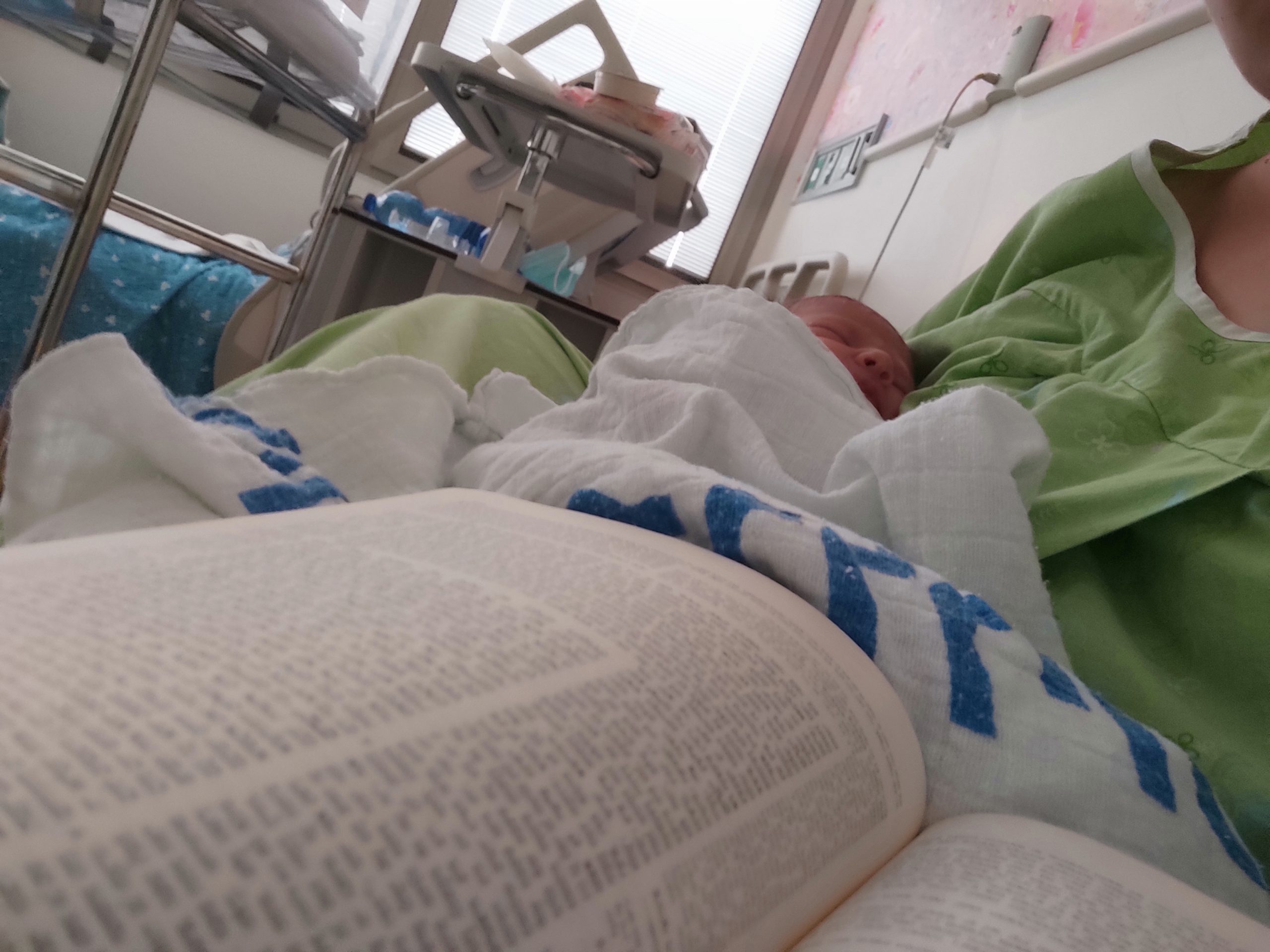
כמו שרואים בתמונה אני ממשיכה ללמוד גם היום ואפילו במחלקת יולדות אחרי לידת ביתי השלישית.
נועה שילה
רבבה, ישראל
"התחלתי ללמוד דף יומי במחזור הזה, בח’ בטבת תש””ף. לקחתי על עצמי את הלימוד כדי ליצור תחום של התמדה יומיומית בחיים, והצטרפתי לקבוצת הלומדים בבית הכנסת בכפר אדומים. המשפחה והסביבה מתפעלים ותומכים.
בלימוד שלי אני מתפעלת בעיקר מכך שכדי ללמוד גמרא יש לדעת ולהכיר את כל הגמרא. זו מעין צבת בצבת עשויה שהיא עצומה בהיקפה.”

שרה פוּקס
כפר אדומים, ישראל
הייתי לפני שנתיים בסיום הדרן נשים בבנייני האומה והחלטתי להתחיל. אפילו רק כמה דפים, אולי רק פרק, אולי רק מסכת… בינתיים סיימתי רבע שס ותכף את כל סדר מועד בה.
הסביבה תומכת ומפרגנת. אני בת יחידה עם ארבעה אחים שכולם לומדים דף יומי. מדי פעם אנחנו עושים סיומים יחד באירועים משפחתיים. ממש מרגש. מסכת שבת סיימנו כולנו יחד עם אבא שלנו!
אני שומעת כל יום פודקאסט בהליכה או בנסיעה ואחכ לומדת את הגמרא.

עדנה גרוס
מרכז שפירא, ישראל
התחלתי ללמוד דף יומי כאשר קיבלתי במייל ממכון שטיינזלץ את הדפים הראשונים של מסכת ברכות במייל. קודם לא ידעתי איך לקרוא אותם עד שנתתי להם להדריך אותי. הסביבה שלי לא מודעת לעניין כי אני לא מדברת על כך בפומבי. למדתי מהדפים דברים חדשים, כמו הקשר בין המבנה של בית המקדש והמשכן לגופו של האדם (יומא מה, ע”א) והקשר שלו למשפט מפורסם שמופיע בספר ההינדי "בהגוד-גיתא”. מתברר שזה רעיון כלל עולמי ולא רק יהודי
אלנה ארנבורג
נשר, ישראל
התחלתי ללמוד את הדף היומי מעט אחרי שבני הקטן נולד. בהתחלה בשמיעה ולימוד באמצעות השיעור של הרבנית שפרבר. ובהמשך העזתי וקניתי לעצמי גמרא. מאז ממשיכה יום יום ללמוד עצמאית, ולפעמים בעזרת השיעור של הרבנית, כל יום. כל סיום של מסכת מביא לאושר גדול וסיפוק. הילדים בבית נהיו חלק מהלימוד, אני משתפת בסוגיות מעניינות ונהנית לשמוע את דעתם.
אלירז בלאו
מעלה מכמש, ישראל
אחרי שראיתי את הסיום הנשי של הדף היומי בבנייני האומה זה ריגש אותי ועורר בי את הרצון להצטרף. לא למדתי גמרא קודם לכן בכלל, אז הכל היה לי חדש, ולכן אני לומדת בעיקר מהשיעורים פה בהדרן, בשוטנשטיין או בחוברות ושיננתם.

רבקה שלוס
בית שמש, ישראל
לצערי גדלתי בדור שבו לימוד גמרא לנשים לא היה דבר שבשגרה ושנים שאני חולמת להשלים את הפער הזה.. עד שלפני מספר שבועות, כמעט במקרה, נתקלתי במודעת פרסומת הקוראת להצטרף ללימוד מסכת תענית. כשקראתי את המודעה הרגשתי שהיא כאילו נכתבה עבורי – "תמיד חלמת ללמוד גמרא ולא ידעת איך להתחיל”, "בואי להתנסות במסכת קצרה וקלה” (רק היה חסר שהמודעה תיפתח במילים "מיכי שלום”..). קפצתי למים ו- ב”ה אני בדרך להגשמת החלום:)

מיכי קדוש
מורשת, ישראל
My explorations into Gemara started a few days into the present cycle. I binged learnt and become addicted. I’m fascinated by the rich "tapestry” of intertwined themes, connections between Masechtot, conversations between generations of Rabbanim and learners past and present all over the world. My life has acquired a golden thread, linking generations with our amazing heritage.
Thank you.

סוזן כשדן
חשמונאים, Israel
רציתי לקבל ידע בתחום שהרגשתי שהוא גדול וחשוב אך נעלם ממני. הלימוד מעניק אתגר וסיפוק ומעמיק את תחושת השייכות שלי לתורה וליהדות

רות עגיב
עלי זהב – לשם, ישראל
תמורה ב
מַתְנִי׳ הַכֹּל מְמִירִין, אֶחָד אֲנָשִׁים וְאֶחָד נָשִׁים. לֹא שֶׁאָדָם רַשַּׁאי לְהָמִיר, אֶלָּא שֶׁאִם הֵמִיר — מוּמָר, וְסוֹפֵג אֶת הָאַרְבָּעִים.
MISHNA: Everyone substitutes a non-sacred animal for a consecrated animal, both men and women. That is not to say that it is permitted for a person to effect substitution; rather, it means that if one substituted a non-sacred animal for a consecrated animal, the substitution takes effect, and the non-sacred animal becomes consecrated, and the consecrated animal remains sacred. And the one who substituted the non-sacred animal incurs the forty [sofeg et ha’arba’im] lashes.
גְּמָ׳ הָא גוּפָא קַשְׁיָא: אָמְרַתְּ ״הַכֹּל מְמִירִין״ — לְכַתְּחִילָּה, וַהֲדַר תָּנֵי ״לֹא שֶׁאָדָם רַשַּׁאי לְהָמִיר אֶלָּא שֶׁאִם הֵמִיר מוּמָר״ — דִּיעֲבַד!
GEMARA: The Gemara notes an apparent contradiction in the mishna: This mishna itself is difficult: You say that everyone substitutes a non-sacred animal for a consecrated one, which indicates that substitution may be performed ab initio. And then you teach: That is not to say that it is permitted for a person to effect substitution; rather, it means only that if one unlawfully substituted a non-sacred animal for a consecrated animal, the substitution takes effect, indicating that it is effective only after the fact.
וְתִיסְבְּרָא ״הַכֹּל מְמִירִין״ — לְכַתְּחִילָּה? אַדְּקַשְׁיָא לָךְ מִמַּתְנִיתִין, תִּיקְשֵׁי לָךְ קְרָא! דִּכְתִיב ״לֹא יַחֲלִיפֶנּוּ וְלֹא יָמִיר אֹתוֹ״.
The Gemara responds: And can you understand the phrase: Everyone substitutes, as indicating that substitution may be performed ab initio? If so, before the mishna poses a difficulty for you, the verse should pose a difficulty for you, as it is written: “He shall not alter it, nor substitute it” (Leviticus 27:10). The verse clearly states that it is prohibited to perform substitution.
אֶלָּא אָמַר רַב יְהוּדָה: הָכִי קָתָנֵי — הַכֹּל מַתְפִּיסִין בִּתְמוּרָה, אֶחָד אֲנָשִׁים וְאֶחָד נָשִׁים, לֹא שֶׁאָדָם רַשַּׁאי לְהָמִיר, שֶׁאִם הֵמִיר — מוּמָר, וְסוֹפֵג אֶת הָאַרְבָּעִים.
Rather, Rav Yehuda says: This is what the mishna is teaching: Everyone can apply the status of a consecrated animal to a non-sacred animal by the act of substitution, both men and women. But that is not to say that it is permitted for a person to effect substitution, as, if one did effect substitution, the substitution takes effect only after the fact, and he incurs the forty lashes.
הַכׇּל לְאֵיתוֹיֵי מַאי? לְאֵיתוֹיֵי יוֹרֵשׁ, וּדְלָא כְּרַבִּי יְהוּדָה.
§ The mishna teaches: Everyone substitutes a non-sacred animal for a consecrated animal. The Gemara asks: What does the comprehensive term: Everyone, serve to include? The Gemara answers: It serves to include an inheritor, and accordingly, this mishna is not in accordance with the opinion of Rabbi Yehuda.
דִּתְנַן: יוֹרֵשׁ סוֹמֵךְ, יוֹרֵשׁ מֵמִיר — דִּבְרֵי רַבִּי מֵאִיר. רַבִּי יְהוּדָה אוֹמֵר: יוֹרֵשׁ אֵינוֹ סוֹמֵךְ, וְיוֹרֵשׁ אֵינוֹ מֵמִיר.
As we learned in a baraita: An inheritor who inherited a consecrated animal places his hands on the head of the offering when he sacrifices it as would the original owner, and likewise an inheritor is able to substitute a non-sacred animal for the consecrated one that he inherited. This is the statement of Rabbi Meir. Rabbi Yehuda says: An inheritor does not place his hands on the head of the offering when he sacrifices it, and an inheritor does not substitute a non-sacred animal for a consecrated one that he inherited. These acts may be performed only by the one who initially consecrated the animal. The mishna indicates that an inheritor is able to effect substitution, contrary to the opinion of Rabbi Yehuda.
מַאי טַעְמָא דְּרַבִּי יְהוּדָה? — יָלֵיף תְּחִילַּת הֶקְדֵּשׁ מִסּוֹף הֶקְדֵּשׁ: מָה סוֹף הֶקְדֵּשׁ — יוֹרֵשׁ אֵינוֹ סוֹמֵךְ, אַף תְּחִילַּת הֶקְדֵּשׁ — יוֹרֵשׁ אֵינוֹ מֵמִיר.
The Gemara asks: What is the reasoning of Rabbi Yehuda? The Gemara explains: He derives the halakhot of the animal’s initial consecration from the end of the consecration, i.e., the sacrifice of the consecrated animal, as follows: Just as with regard to the end of a consecrated animal, an inheritor does not place his hands on the head of the offering before slaughter, so too, with regard to the initial consecration, an inheritor does not effect substitution to consecrate the animal.
וּסְמִיכָה גּוּפַהּ מְנָלַן? תְּלָת ״קׇרְבָּנוֹ״ כְּתִיבִי: חַד — ״קׇרְבָּנוֹ״ וְלֹא קׇרְבַּן גּוֹי, וְחַד — ״קׇרְבָּנוֹ״ וְלֹא קׇרְבַּן חֲבֵירוֹ, וְחַד — ״קׇרְבָּנוֹ״ וְלֹא קׇרְבַּן אָבִיו.
The Gemara asks: And from where do we derive the halakha of placing hands itself? The Gemara answers: The term “his offering” is written three times in the passage discussing a peace offering, in connection with the placing of hands (Leviticus 3:2, 8, 12). One instance teaches that the requirement of placing hands applies to his offering but not the offering of a gentile. And one instance teaches that it applies to his offering but not the offering of another, as only the owner places his hands on the offering. And one instance teaches that it applies to his offering but not the offering of his father, as an inheritor does not place his hands on an offering he inherited.
וּלְרַבִּי מֵאִיר דְּאָמַר יוֹרֵשׁ סוֹמֵךְ, וְהָכְתִיב ״קׇרְבָּנוֹ״! הַהוּא מִיבְּעֵי לֵיהּ לְרַבּוֹת כׇּל בַּעֲלֵי חוֹבְרִין לִסְמִיכָה.
The Gemara asks: But according to Rabbi Meir, who said that an inheritor places his hands on the head of the offering when he sacrifices it, isn’t the term “his offering” written in the verse? How does he interpret the third instance of that term? The Gemara explains: He requires that term to include all joint owners [ba’alei ḥoverin] in the halakha of placing hands, to teach that they all must place their hands on the offering’s head.
וְרַבִּי יְהוּדָה, בַּעֲלֵי חוֹבְרִין לִסְמִיכָה לֵית לֵיהּ. מַאי טַעְמָא? דְּהָא לָא מְיַחַד קׇרְבָּן דִּידְהוּ. וְאִיבָּעֵית אֵימָא: לְעוֹלָם אִית לֵיהּ, וְקׇרְבַּן גּוֹי וְקׇרְבַּן חֲבֵירוֹ מֵחַד קְרָא נָפְקָא, דְּאִיַּיתַּר לֵיהּ חַד לְבַעֲלֵי חוֹבְרִין לִסְמִיכָה.
The Gemara notes: And as for Rabbi Yehuda, he does not accept that joint owners are included in the requirement of placing hands. What is the reason for this? The reason is that their offering is not specific to one person and is therefore not included in the term “his offering.” And if you wish, say instead that actually, he accepts that one instance of “his offering” serves to include joint owners, and he derives both the halakha of the offering of a gentile and that of the offering of another from one verse, so that one instance of the term “his offering” remains for him to include joint owners in the requirement of placing hands on the head of an offering, and the third instance serves to teach that an inheritor does not place hands on the offering of his father.
וְרַבִּי מֵאִיר דְּאָמַר יוֹרֵשׁ מֵמִיר, מַאי טַעְמָא? אָמַר לָךְ: ״אִם הָמֵר יָמִיר״ לְרַבּוֹת הַיּוֹרֵשׁ,
The Gemara asks: And what is the reasoning of Rabbi Meir, who said that an inheritor can effect substitution? The Gemara answers: Rabbi Meir could say to you that the repetition of the verb in the verse: “And if he shall at all substitute [hamer yamir] animal for animal” (Leviticus 27:10), serves to include the inheritor.
וְיָלֵיף סוֹף הֶקְדֵּשׁ מִתְּחִילַּת הֶקְדֵּשׁ, מָה תְּחִילַּת הֶקְדֵּשׁ יוֹרֵשׁ מֵימִר, אַף סוֹף הֶקְדֵּשׁ יוֹרֵשׁ סוֹמֵךְ.
And he derives the halakhot of the end of a consecrated animal from the initial consecration of the animal, as follows: Just as with regard to the initial state of consecration of the animal, an inheritor can effect substitution, so too, with regard to the end of the consecrated animal, an inheritor places his hands on its head.
רַבִּי יְהוּדָה, הַאי ״וְאִם הָמֵר יָמִיר״ מַאי עָבֵיד לֵיהּ? לְרַבּוֹת אֶת הָאִשָּׁה. וְכִדְתַנְיָא: לְפִי שֶׁכׇּל הָעִנְיָן כּוּלּוֹ אֵינוֹ מְדַבֵּר אֶלָּא לְשׁוֹן זָכָר, שֶׁנֶּאֱמַר: ״לֹא יַחֲלִיפֶנּוּ וְלֹא יָמִיר אֹתוֹ״, אִשָּׁה מִנַּיִן? תַּלְמוּד לוֹמַר: ״וְאִם הָמֵר יָמִיר״ לְרַבּוֹת אֶת הָאִשָּׁה.
The Gemara asks: According to Rabbi Yehuda, who holds that an inheritor is not able to effect substitution, what does he do with this repetitive language in the verse: “And if he shall at all substitute”? How does he interpret it? The Gemara answers: It serves to include a woman as able to effect substitution and to incur the penalty of forty lashes for doing so. And this is as it is taught in a baraita: Since the verses concerning the entire matter of substitution speak only in the masculine, as it is stated: “He shall not exchange it, nor substitute it” (Leviticus 27:10), from where is it derived that a woman is included? The verse states: “And if he shall at all substitute,” to include a woman.
וּלְרַבִּי מֵאִיר, אִשָּׁה מְנָא לֵיהּ? נָפְקָא לֵיהּ מִ״וְּאִם״. וְרַבִּי יְהוּדָה, ״וְאִם״ לָא דָּרֵישׁ.
The Gemara asks: And according to Rabbi Meir, who derives a different halakha from that verse, from where does he derive that a woman is included? The Gemara answers: He derives it from the addition of the conjunction “and” in the verse: “And if he shall at all substitute.” And Rabbi Yehuda does not interpret the term “and if” as having any special significance.
וּבֵין רַבִּי מֵאִיר וּבֵין רַבִּי יְהוּדָה, טַעְמָא דְּרַבִּי קְרָא לְאִשָּׁה, הָא לָא רַבְּיַיהּ קְרָא — הֲוָה אָמֵינָא: כִּי עָבְדָא תְּמוּרָה לָא לָקְיָא. וְהָאָמַר רַב יְהוּדָה אָמַר רַב, וְכֵן תָּנָא דְּבֵי רַבִּי יִשְׁמָעֵאל: ״אִישׁ אוֹ אִשָּׁה כִּי יַעֲשׂוּ מִכׇּל חַטֹּאת הָאָדָם״ — הִשְׁוָה הַכָּתוּב אִשָּׁה לְאִישׁ לְכׇל עֳונָשִׁין שֶׁבַּתּוֹרָה!
The Gemara analyzes this dispute. And according to both the opinion of Rabbi Meir and the opinion of Rabbi Yehuda, the reason why a woman is included is that the verse explicitly includes a woman, either by adding a conjunction or by repetition of the verb. The Gemara asks: Should one infer that if the verse did not include a woman, I would say that when a woman performs an act of substitution she is not flogged? But didn’t Rav Yehuda say that Rav says, and so too the school of Rabbi Yishmael taught, that when the verse states: “When a man or woman shall commit any sin that people commit” (Numbers 5:6), the verse equates a woman with a man with regard to all punishments of the Torah? Why, then, is there a need for the verse to include women in the prohibition against substitution?
אִיצְטְרִיךְ, מַהוּ דְּתֵימָא: הָנֵי מִילֵּי עוֹנֶשׁ דְּשָׁוֶה בֵּין בְּיָחִיד בֵּין בְּצִבּוּר, אֲבָל הָכָא, כֵּיוָן דְּעוֹנֶשׁ שֶׁאֵינוֹ שָׁוֶה בַּכֹּל הוּא, דִּתְנַן: אֵין הַצִּבּוּר וְהַשּׁוּתָּפִין עוֹשִׂין תְּמוּרָה — אִשָּׁה נָמֵי כִּי עָבְדָא לָא לָקְיָא, קָא מַשְׁמַע לַן.
The Gemara answers: It was necessary for the verse to include women specifically, lest you say that this statement that equates women with men in general refers only to a punishment that applies equally to an individual and to the public. But here, since it is a punishment that does not apply equally to all, as we learned in a mishna (13a): The public and partners do not render an animal a substitute, one could claim that a woman as well, when she performs an act of substitution, is not flogged. The verse therefore teaches us that she is in fact liable.
בָּעֵי רָמֵי בַּר חָמָא: קָטָן מַהוּ שֶׁיָּמִיר? הֵיכִי דָמֵי? אִילֵּימָא בְּקָטָן שֶׁלֹּא הִגִּיעַ לְעוֹנַת נְדָרִים — לָא תִּיבְּעֵי לָךְ, דְּכֵיוָן אַקְדּוֹשֵׁי לָא אַקְדֵּישׁ, אֲמוֹרֵי מֵמַיר? אֶלָּא כִּי קָמִבַּעְיָא לֵיהּ — בְּקָטָן שֶׁהִגִּיעַ לְעוֹנַת נְדָרִים.
§ Rami bar Ḥama raises a dilemma: With regard to a minor, what is the halakha? Is he able to effect substitution or not? The Gemara clarifies: What are the circumstances where this question arises? If we say that it is referring to a minor who has yet to reach the age of responsibility for his vows, i.e., twelve years and one day, you should not raise the dilemma, as since he cannot consecrate an animal by means of a vow, can he effect substitution? Rather, when he raises this dilemma, it is with regard to a minor who has reached the age of responsibility for his vows.
מִי אָמְרִינַן, כֵּיוָן דְּאָמַר מָר: ״אִישׁ״, מָה תַּלְמוּד לוֹמַר ״כִּי יַפְלִיא נֶדֶר״ — לְרַבּוֹת מוּפְלָא הַסָּמוּךְ לְאִישׁ, דְּקׇדְשׁוֹ קָדוֹשׁ. מִדְּאַקְדּוֹשֵׁי מַקְדֵּישׁ, אֲמוֹרֵי נָמֵי מֵמַיר, אוֹ דִלְמָא: כֵּיוָן דְּלָאו בַּר עוּנְשִׁין הוּא, בִּתְמוּרָה לָא מִיתְּפִיס?
The Gemara explains the dilemma: Do we say that a minor can effect substitution, since the Master said with regard to consecration: The verse states: “When a man shall clearly utter a vow” (Leviticus 27:2). What is the meaning when the verse states the unusual formulation: Shall clearly utter [yafli] a vow, instead of the more conventional term: Shall take a vow [yiddor]? This serves to include a discriminating minor [mufla] on the brink of adulthood, teaching that his consecration takes effect. Perhaps, from the fact that he can consecrate an animal, he can also effect substitution. Or perhaps, since no minor is subject to punishments, he cannot apply sanctity to an animal by an act of substitution, which would incur a punishment.
אִם תִּימְצֵי לוֹמַר קָטָן עָבֵיד תְּמוּרָה, דְּהָא אָתֵי לִכְלַל עֳונָשִׁין, גּוֹי מַהוּ שֶׁיָּמִיר? מִי אָמְרַתְּ מִדְּאַקְדּוֹשֵׁי מַקְדֵּישׁ, דְּתַנְיָא: ״אִישׁ אִישׁ״, מָה תַּלְמוּד לוֹמַר ״אִישׁ אִישׁ״? לְרַבּוֹת אֶת הַגּוֹיִם, שֶׁנּוֹדְרִים נְדָרִים וּנְדָבוֹת כְּיִשְׂרָאֵל, אֲמוֹרֵי נָמֵי מֵמַיר. אוֹ דִלְמָא: כֵּיוָן דְּלָא אָתֵי לִכְלַל עֳונָשִׁין, כִּי עָבֵיד תְּמוּרָה לָא קָדְשָׁה?
And even if you say that a minor can perform substitution, as he will come to an age when he is subject to punishments, what is the halakha as to whether a gentile can effect substitution? Do you say that he can do so from the fact that his consecration takes effect, as it is taught in a baraita: The verse states: “Any man [ish ish]…that brings his offering.” What is the meaning when the verse states repetitively “ish ish”? This serves to include gentiles, teaching that they can take vows to bring vow offerings and gift offerings as a Jew can. Since the consecration of a gentile takes effect, perhaps he can effect substitution as well. Or perhaps, since he will not come to a time when he is subject to punishments, therefore when he performs an act of substitution, the animal is not consecrated.
אָמַר רָבָא: תָּא שְׁמַע, דְּתַנְיָא: קׇדְשֵׁי גוֹיִם — לֹא נֶהֱנִין וְלֹא מוֹעֲלִין, וְאֵין חַיָּיבִין עֲלֵיהֶם מִשּׁוּם פִּיגּוּל, נוֹתָר וְטָמֵא, אֵין עוֹשִׂין תְּמוּרָה, וְאֵין מְבִיאִין עֲלֵיהֶם נְסָכִים, אֲבָל קׇרְבָּנוֹ טָעוּן נְסָכִים, דִּבְרֵי רַבִּי שִׁמְעוֹן.
Rava says: Come and hear, as it is taught in a baraita (Tosefta, Zevaḥim 5:6): With regard to animals consecrated by gentiles, one may not derive benefit from them ab initio, but if one derived benefit from them, he is not liable for misuse of consecrated property after the fact. And if one consumes them one is not liable for committing a transgression with regard to the prohibitions of piggul if they were sacrificed with the intent to consume them beyond their designated time, of notar if he consumed them beyond their designated time, and of consuming ritually impure offerings if he was impure. Gentiles cannot render a non-sacred animal a substitute for one they consecrate. And one does not bring libations for the offerings of a gentile as independent offerings, but his offering requires libations. This is the statement of Rabbi Shimon.
אָמַר רַבִּי יוֹסֵי: בְּכוּלָּן אֲנִי רוֹאֶה לְהַחְמִיר. בַּמֶּה דְּבָרִים אֲמוּרִים? בְּקׇדְשֵׁי מִזְבֵּחַ, אֲבָל בְּקׇדְשֵׁי בֶּדֶק הַבַּיִת מוֹעֲלִין בָּהֶן. קָתָנֵי מִיהָא: אֵין עוֹשִׂין תְּמוּרָה!
Rabbi Yosei said: With regard to all of them I see fit to be stringent. In what case is this statement, that Rabbi Shimon exempts animals consecrated by gentiles from liability for misuse, said? It is said with regard to animals consecrated for the altar, i.e., offerings; but with regard to animals consecrated for Temple maintenance, one who derives benefit from them is liable for misuse of consecrated property. Rava notes: In any event, the baraita teaches that gentiles cannot render an animal a substitute for his offering.
וְרָמֵי בַּר חָמָא, בְּהִקְדִּישׁ גּוֹי לְהִתְכַּפֵּר גּוֹי — לָא קָמִיבַּעְיָא לִי, כִּי קָמִיבַּעְיָא לִי — בְּהִקְדִּישׁ גּוֹי וּמִתְכַּפֵּר בְּיִשְׂרָאֵל: בָּתַר מַקְדִּישׁ אָזְלִינַן, אוֹ בָּתַר מִתְכַּפֵּר אָזְלִינַן?
The Gemara responds: And Rami bar Ḥama can say: I do not raise a dilemma in a case where a gentile consecrated an animal as an offering for a gentile such as himself to achieve atonement. In this case the baraita rules explicitly that he cannot effect substitution. When I raise the dilemma, it is in a case where a gentile consecrated an animal as an offering and a Jew achieves atonement with it. In this situation, do we follow the one who consecrated it, in which case the gentile cannot effect substitution, or do we follow the one achieving atonement, in which case he can?
תִּיפְשׁוֹט לֵיהּ מִדְּרַבִּי אֲבָהוּ, דְּאָמַר רַבִּי אֲבָהוּ אָמַר רַבִּי יוֹחָנָן: הַמַּקְדִּישׁ מוֹסִיף חוֹמֶשׁ, וּמִתְכַּפֵּר עוֹשֶׂה תְּמוּרָה, וְהַתּוֹרֵם מִשֶּׁלּוֹ
The Gemara suggests: Solve this dilemma by invoking a statement of Rabbi Abbahu, as Rabbi Abbahu said that Rabbi Yoḥanan says: If one consecrates an animal as an offering to be brought by another, and the animal develops a blemish disqualifying it for sacrifice, if the one who consecrated it desires to redeem it, he adds one-fifth to its value, just as he would were it his own offering. By contrast, if the one achieving atonement with the offering desires to redeem it, he does not need to add one-fifth. But the one achieving atonement with the offering can render another animal a substitute for it as if he had consecrated it. And if one separates teruma, the portion of produce designated for a priest, from his own produce
לעקוב

