חיפוש

יומא י

רוצה להקדיש שיעור?

podcast placeholder

0:00
0:00


תקציר

הדף היום מוקדש ע”י אלן גולב לזכר דודתה האהובה לוטי כהן, במלאת שבע שנים לפטירתה. דודתה הייתה מלאה באהבה ונדיבות, יהי זכרה ברוך. וע”י יוני בוק לרון קפלן על ההישג האדיר של לימוד הדף היומי. יום הולדת שמח. ולרפואת נח אברהם בן בתיה שנה.

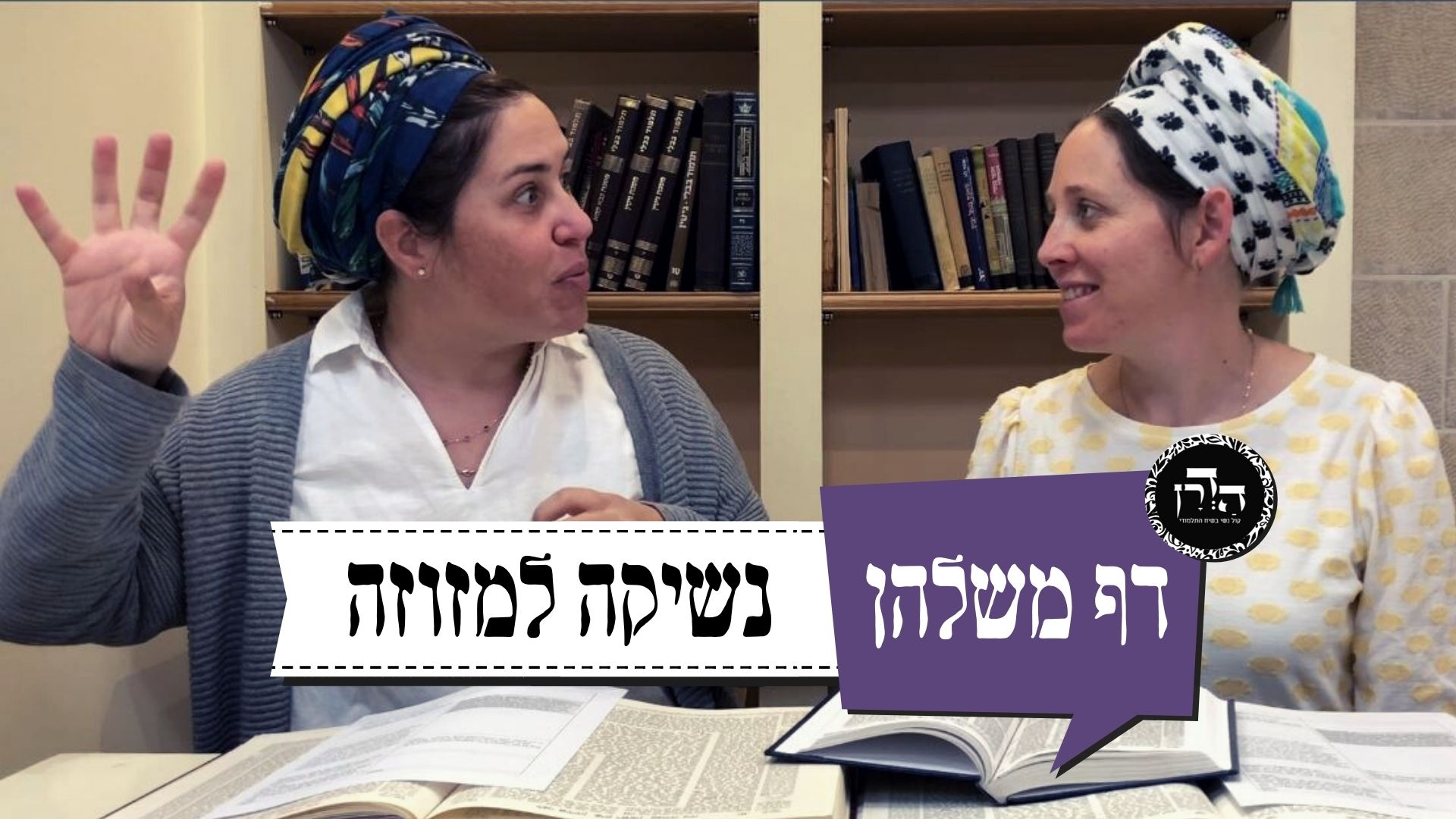
מניין לנו שהפרסיים באו מיפת? הגמרא מביאה רשימות של שמות בספר בראשית ומסבירה את המיקום של כל אחד. האם הרומאים יפלו ביד הפרסיים או האם הפרסיים יפלו ביד הרומאים? האם לשכת פרהדרין חייבת במזוזה מעיקר הדין או משום גזירה? יש מחלוקת בין ר’ יהודה וחכמים. דעותיהם בנושא סותרות דעותיהם בעניין מזוזה בסוכה בחג סוכות. איך אפשר לפתור את הסתירה?


כלים

יומא י

אַף עַל גַּב דְּ״יַפְתְּ אֱלֹהִים לְיֶפֶת״ — אֵין הַשְּׁכִינָה שׁוֹרָה אֶלָּא בְּאׇהֳלֵי שֵׁם.

The Gemara explains: Although God will enlarge Japheth, referring to the Persians, who descended from Japheth and who assisted in constructing the Second Temple, the Divine Presence rests only in the tents of Shem, in the First Temple, which was built by King Solomon without the patronage of a foreign power.

וּפָרְסָאֵי מְנָא לַן דְּמִיֶּפֶת קָאָתוּ, דִּכְתִיב: ״בְּנֵי יֶפֶת גּוֹמֶר וּמָגוֹג וּמָדַי וְיָוָן וְתוּבָל וּמֶשֶׁךְ וְתִירָס״. גּוֹמֶר — זֶה גֶּרְמַמְיָא, מָגוֹג — זוֹ קַנְדִּיָּא, מָדַי — זוֹ מַקֵדוֹנְיָא, יָוָן — כְּמַשְׁמָעוֹ, תּוּבָל — זֶה בֵּית אוּנַיְיקִי, מֶשֶׁךְ — זוֹ מוּסְיָא, תִּירָס, פְּלִיגִי בַּהּ רַבִּי סִימַאי וְרַבָּנַן, וְאָמְרִי לַהּ רַבִּי סִימוֹן וְרַבָּנַן, חַד אָמַר: זוֹ בֵּית תְּרַיְיקִי, וְחַד אָמַר: זוֹ פָּרַס. תָּנֵי רַב יוֹסֵף: תִּירָס — זוֹ פָּרַס.

§ The Gemara asks: From where do we derive that the Persians descend from Japheth? The Gemara answers: As it is written: “The sons of Japheth were Gomer and Magog and Madai and Javan and Tuval and Meshech and Tiras” (Genesis 10:2). The Gemara explains: Gomer, that is Germamya; Magog, that is Kandiya; Madai, that is Macedonia; Javan, in accordance with its plain meaning, Greece; Tuval, that is the nation called Beit Unaiki; Meshech, that is Musya. With regard to Tiras, Rabbi Simai and the Rabbis disagree, and some say the dispute is between Rabbi Simon and the Rabbis: One said: That is Beit Teraiki, and one said: That is Persia. According to that approach, Persia is listed among the descendants of Japheth. Rav Yosef taught: Tiras is Persia.

״סַבְתָּה וְרַעְמָה וְסַבְתְּכָא״, תָּנֵי רַב יוֹסֵף: סַקִּיסְתָּן גַּוָּיְיתָא וְסַקִּיסְתָּן בָּרַיְיתָא, בֵּין חֲדָא לַחֲדָא מְאָה פַּרְסֵי, וְהֶיקֵּפַהּ אַלְפָּא פַּרְסֵי.

The list of nations continues: “And Sabtah and Raamah and Sabteca” (Genesis 10:7). Rav Yosef taught: These are the inner Sakistan and the outer Sakistan. Between one and the other there was a distance of one hundred parasangs, and the circumference of the land was one thousand parasangs.

״וַתְּהִי רֵאשִׁית מַמְלַכְתּוֹ בָּבֶל וְאֶרֶךְ וְאַכַּד וְכַלְנֵה״, בָּבֶל — כְּמַשְׁמְעָה, אֶרֶךְ — זֶה אוֹרִיכוּת, וְאַכַּד — זֶה בַּשְׁכַּר, כַּלְנֵה — זֶה נוּפַר נִינְפִי.

The Gemara continues interpreting the verses. It is stated: “And the beginning of his kingdom was Babel, and Erech, and Accad, and Calneh, in the land of Shinar” (Genesis 10:10). Babel in accordance with its plain meaning, Babylonia; Erech, that is the city known then as Orikhut; and Accad, that is the place known then as Baskar; Calneh, that is Nofer Ninefi.

״מִן הָאָרֶץ הָהִיא יָצָא אַשּׁוּר״, תָּנֵי רַב יוֹסֵף: אַשּׁוּר — זֶה סִילַק. ״וַיִּבֶן אֶת נִינְוֵה וְאֶת רְחוֹבוֹת עִיר וְאֶת כָּלַח״, נִינְוֵה — כְּמַשְׁמָעוֹ, רְחוֹבוֹת עִיר — זוֹ פְּרָת דְּמֵישָׁן, כָּלַח — זוֹ פְּרָת דְּבוֹרְסִיף. ״וְאֶת רֶסֶן בֵּין נִינְוֵה וּבֵין כָּלַח הִיא הָעִיר הַגְּדוֹלָה״, רֶסֶן — זֶה אַקְטִיסְפוֹן. ״הִיא הָעִיר הַגְּדוֹלָה״ — אֵינִי יוֹדֵעַ אִם נִינְוֵה הָעִיר הַגְּדוֹלָה, אִם רֶסֶן הָעִיר הַגְּדוֹלָה. כְּשֶׁהוּא אוֹמֵר ״וְנִינְוֵה הָיְתָה עִיר גְּדוֹלָה לֵאלֹהִים מַהֲלַךְ שְׁלֹשֶׁת יָמִים״, הֱוֵי אוֹמֵר: נִינְוֵה הִיא הָעִיר הַגְּדוֹלָה.

The Torah continues: “Out of that land went forth Asshur” (Genesis 10:11). Rav Yosef taught: Asshur, that is Silek, meaning that is the region where the town Silkiya was built. “And built Nineveh and Rehoboth-ir and Calah” (Genesis 10:11). Nineveh, in accordance with its plain meaning; Rehovoth-ir, that is the town later known as Perat of Meishan; Calah, that is Perat of Bursif. “And Resen between Nineveh and Calah, it is the great city” (Genesis 10:12). Resen, that is the town later known as Akteisfon. It is the great city; I do not know whether this means that Nineveh is the great city, or whether it means that Resen is the great city. When it says: “And Nineveh was a great city of God, a three-day journey across” (Jonah 3:3), you must say that Nineveh is the great city.

״וְשָׁם אֲחִימַן שֵׁשַׁי וְתַלְמַי יְלִידֵי הָעֲנָק״, תָּנָא: אֲחִימַן — מְיוּמָּן שֶׁבָּאַחִים, שֵׁשַׁי — שֶׁמֵּשִׂים אֶת הָאָרֶץ כִּשְׁחִיתוֹת, תַּלְמַי — שֶׁמֵּשִׂים אֶת הָאָרֶץ תְּלָמִים תְּלָמִים. דָּבָר אַחֵר: אֲחִימַן בָּנָה עֲנָת, שֵׁשַׁי בָּנָה אָלוּשׁ, תַּלְמַי בָּנָה תַּלְבּוּשׁ. ״יְלִידֵי הָעֲנָק״ — שֶׁמַּעֲנִיקִין הַחַמָּה בְּקוֹמָתָן.

The Gemara continues to discuss the interpretation of names in the Bible. The Torah says: “And there were Ahiman, Sheshai, and Talmai, the children of Anak” (Numbers 13:22). It was taught: Ahiman was so called because he was the greatest and most skillful [meyuman] of his brothers. Ahiman is a contraction of brother [aḥ] and right [yamin], which is the skilled hand. Sheshai was so called because he renders the ground like pits [sheḥitot] with his strides. Talmai was so called because he renders the ground filled with furrows [telamim] with his strides. Alternatively: Ahiman built the city of Anat; Sheshai built the town Alush; Talmai built the city of Talbush. The children of Anak is referring to the fact that it appears that the sun is a necklace [shema’anikin] around their necks because of their height.

אָמַר רַבִּי יְהוֹשֻׁעַ בֶּן לֵוִי אָמַר רַבִּי: עֲתִידָה רוֹמִי שֶׁתִּפּוֹל בְּיַד פָּרַס, שֶׁנֶּאֱמַר: ״לָכֵן שִׁמְעוּ עֲצַת ה׳ אֲשֶׁר יָעַץ (עַל) אֱדוֹם וּמַחְשְׁבוֹתָיו אֲשֶׁר חָשַׁב (עַל) יוֹשְׁבֵי תֵימָן אִם לֹא יִסְחָבוּם צְעִירֵי הַצֹּאן אִם לֹא יַשִּׁים עֲלֵיהֶם נְוֵהֶם״.

§ Apropos the opinion that Tiras is Persia, the Gemara addresses a related matter. Rabbi Yehoshua ben Levi said that Rabbi Yehuda HaNasi said: Rome is destined to fall into the hands of Persia, as it is stated: “Now hear the plan that the Lord has devised for Edom, and the thoughts He has considered for the residents of Teiman. Surely the youngest of the flock will drag them away, surely their habitation will be appalled due to them” (Jeremiah 49:20).

מַתְקֵיף לַהּ רַבָּה בַּר עוּלָּא: מַאי מַשְׁמַע דְּהַאי ״צְעִירֵי הַצֹּאן״ פָּרַס הוּא — דִּכְתִיב: ״הָאַיִל אֲשֶׁר רָאִיתָ בַּעַל הַקְּרָנָיִם (הוּא) מַלְכֵי מָדַי וּפָרָס״. וְאֵימָא יָוָן, דִּכְתִיב: ״וְהַצָּפִיר הַשָּׂעִיר מֶלֶךְ יָוָן״!

Rabba bar Ulla strongly objected to this. From where may it be inferred that this phrase: Youngest of the flock, is Persia? It is as it is written: “The ram that you saw sporting two horns are the kings of Media and Persia” (Daniel 8:20), and the ram is a member of the flock mentioned in the verse. Still, how is that proof? And say that youngest of the flock refers to Greece, who will overthrow Rome, as it is written: “The goat is the king of Greece” (Daniel 8:21). The goat, too, could be characterized as a member of the flock.

כִּי סְלֵיק רַב חֲבִיבָא בַּר סוֹרְמַקִי, אַמְרַהּ קַמֵּיהּ דְּהָהוּא מֵרַבָּנַן, אֲמַר לֵיהּ: מַאן דְּלָא יָדַע פָּרוֹשֵׁי קְרָאֵי מוֹתֵיב תְּיוּבְתָּא לְרַבִּי?! מַאי ״צְעִירֵי הַצֹּאן״ — זוּטְרָא דַּאֲחוֹהִי. דְּתָנֵי רַב יוֹסֵף: תִּירָס — זֶה פָּרַס.

When Rav Ḥaviva bar Surmakei ascended from Babylonia to Eretz Yisrael, he stated this difficulty before a certain one of the Sages. That Sage said to him: One who does not know how to interpret verses is so arrogant that he raises an objection to the opinion of the great Rabbi Yehuda HaNasi? Indeed, Rabba bar Ulla misunderstood the basis of Rabbi Yehuda HaNasi’s interpretation. What is the meaning of the phrase: The youngest of the flock? It means the youngest of the brothers, a reference to Persia, as Rav Yosef taught: Tiras, the youngest of Japheth’s sons, that is Persia.

אָמַר רַבָּה בַּר בַּר חָנָה אָמַר רַבִּי יוֹחָנָן מִשּׁוּם רַבִּי יְהוּדָה בְּרַבִּי אִלְעַאי: עֲתִידָה רוֹמִי שֶׁתִּפּוֹל בְּיַד פָּרַס, קַל וָחוֹמֶר: וּמָה מִקְדָּשׁ רִאשׁוֹן שֶׁבְּנָאוּהוּ בְּנֵי שֵׁם וְהֶחְרִיבוּהוּ כַּשְׂדִּיִּים — נָפְלוּ כַּשְׂדִּיִּים בְּיַד פָּרְסִיִּים. מִקְדָּשׁ שֵׁנִי שֶׁבְּנָאוּהוּ פָּרְסִיִּים וְהֶחְרִיבוּהוּ רוֹמִיִּים — אֵינוֹ דִּין שֶׁיִּפְּלוּ רוֹמִיִּים בְּיַד פָּרְסִיִּים?

Similarly, Rabba bar bar Ḥana said that Rabbi Yoḥanan said in the name of Rabbi Yehuda, son of Rabbi Elai: Rome is destined to fall into the hands of Persia. This is derived by means of an a fortiori inference: Just as the First Temple, that the descendants of Shem built it and the Chaldeans destroyed it, and in turn the Chaldeans, ruled by Belshazzar, fell to Persians, ruled by Darius the Mede and his son-in-law Cyrus the Persian; the Second Temple, that the Persians built it and the Romans destroyed it, is it not right that the Romans will fall into the hands of the Persians?

אָמַר רַב: עֲתִידָה פָּרַס שֶׁתִּפּוֹל בְּיַד רוֹמִי. אֲמַרוּ לֵיהּ רַב כָּהֲנָא וְרַב אַסִּי לְרַב: בָּנוֹיֵי בְּיַד סָתוֹרֵי?! אֲמַר לְהוּ: אִין, גְּזֵירַת מֶלֶךְ הִיא. אִיכָּא דְאָמְרִי, אֲמַר (לֵיהּ): אִינְהוּ נָמֵי הָא קָא סָתְרִי בֵּי כְנִישְׁתָּא.

In contrast, Rav said: Persia is destined to fall into the hands of Rome. Rav Kahana and Rav Asi, Rav’s students, said to Rav: The builders will fall into the hands of the destroyers? Is that justice? He said to them: Although it seems unjust, yes, that is the King’s decree. Some say that he said this to them: They, too, are destroyers of synagogues, and they are no better than the Romans.

תַּנְיָא נָמֵי הָכִי: עֲתִידָה פָּרַס שֶׁתִּפּוֹל בְּיַד רוֹמִי, חֲדָא — דְּסָתְרִי בֵּי כְנִישְׁתָּא, וְעוֹד: גְּזֵירַת מֶלֶךְ הוּא שֶׁיִּפְּלוּ בּוֹנִין בְּיַד סוֹתְרִין. דְּאָמַר רַב יְהוּדָה אָמַר רַב: אֵין בֶּן דָּוִד בָּא עַד שֶׁתִּפְשׁוֹט מַלְכוּת רוֹמִי הָרְשָׁעָה בְּכׇל הָעוֹלָם כּוּלּוֹ תִּשְׁעָה חֳדָשִׁים, שֶׁנֶּאֱמַר: ״לָכֵן יִתְּנֵם עַד עֵת יוֹלֵדָה יָלָדָה וְיֶתֶר אֶחָיו יְשׁוּבוּן עַל בְּנֵי יִשְׂרָאֵל״.

That was also taught in a baraita: Persia is destined to fall into the hands of Rome. One reason is that they destroyed synagogues. And furthermore, it is the King’s decree that the builders will fall into the hands of the destroyers, as Rav Yehuda said that Rav said: The son of David will come only when the wicked kingdom of Rome spreads its dominance throughout the world for nine months, as it is stated: “Therefore He will give them up until she who is to bear has borne; then the remnants of his brethren will return with the children of Israel” (Micah 5:2). The duration of Rome’s rule over the world will be the duration of a pregnancy, nine months.

תָּנוּ רַבָּנַן: כׇּל הַלְּשָׁכוֹת שֶׁהָיוּ בְּמִקְדָּשׁ לֹא הָיוּ לָהֶן מְזוּזָה, חוּץ מִלִּשְׁכַּת פַּרְהֶדְרִין, שֶׁהָיָה בָּהּ בֵּית דִּירָה לְכֹהֵן גָּדוֹל.

§ The Gemara resumes the discussion of the High Priest’s relocation to the Parhedrin chamber. The Rabbis taught: None of the chambers in the Temple had a mezuza except for the Chamber of Parhedrin, in which there was a place of residence of the High Priest. Only residences in which one sleeps require a mezuza, and the only chamber in the Temple that fits that description was the Parhedrin chamber.

אָמַר רַבִּי יְהוּדָה: וַהֲלֹא כַּמָּה לְשָׁכוֹת הָיוּ בְּמִקְדָּשׁ שֶׁהָיָה לָהֶן בֵּית דִּירָה, וְלֹא הָיָה לָהֶן מְזוּזָה? אֶלָּא לִשְׁכַּת פַּרְהֶדְרִין גְּזֵירָה הָיְתָה.

Rabbi Yehuda said: That is not the reason; after all, weren’t there several chambers in the Temple in which there was a place of residence designated for priests to sit and sleep, and yet they did not have a mezuza? Rather, the mezuza in the Chamber of Parhedrin was there because there was a rabbinic decree.

מַאי טַעְמָא דְּרַבִּי יְהוּדָה? אָמַר (רָבָא): קָסָבַר רַבִּי יְהוּדָה: כׇּל בַּיִת שֶׁאֵינוֹ עָשׂוּי לִימוֹת הַחַמָּה וְלִימוֹת הַגְּשָׁמִים — אֵינוֹ בַּיִת. אֵיתִיבֵיהּ אַבָּיֵי, וְהָכְתִיב: ״וְהִכֵּיתִי (אֶת) בֵּית הַחוֹרֶף עַל בֵּית הַקָּיִץ״! אֲמַר לֵיהּ: ״בֵּית חוֹרֶף״ וּ״בֵית קַיִץ״ אִיקְּרִי, ״בַּיִת״ סְתָמָא לָא אִיקְּרִי.

The Gemara asks: What is the reason for the opinion of Rabbi Yehuda that there was no fundamental obligation to affix a mezuza in the Parhedrin chamber, and that one was affixed there due to a decree? Rava said that Rabbi Yehuda holds: The legal status of any house that is not designated for residence both for the summer and for the rainy season is not that of a house and therefore does not require a mezuza. Abaye raised an objection to his opinion from a verse. How could you suggest that the legal status of a residence occupied for only part of the year is not that of a house? Isn’t it written: “I will strike the winter-house with the summer-house” (Amos 3:15)? Apparently, even a residence occupied only half the year is a house. Rava said to him: A residence occupied only part of the year may be called the winter-house or the summer-house. It is not called a house unmodified. A house is a structure used year round.

אֵיתִיבֵיהּ אַבָּיֵי: סוּכַּת הֶחָג בֶּחָג, רַבִּי יְהוּדָה מְחַיֵּיב וַחֲכָמִים פּוֹטְרִין. וְתָנֵי עֲלַהּ: רַבִּי יְהוּדָה מְחַיֵּיב בְּעֵירוּב וּבִמְזוּזָה וּבְמַעֲשֵׂר!

Abaye raised a different objection to the opinion of Rava, from a mishna: If one brought produce from the field into the sukka that he constructed for the festival of Sukkot on the festival of Sukkot, Rabbi Yehuda obligates him to tithe the produce and the Rabbis exempt him from tithing the produce. And it was taught concerning the mishna: Rabbi Yehuda obligates the owner of that sukka to include the sukka in the joining of courtyards, like any of the houses in the courtyard; and in the mitzva of affixing a mezuza in the sukka; and in separating tithes from produce brought into the sukka. One is obligated to tithe his produce only when its processing has been completed. When he brings the produce into the house, he is obligated to tithe it. Rabbi Yehuda holds that the legal status of a sukka, in which one resides for a mere seven days, is that of a house in terms of the mitzva of mezuza.

וְכִי תֵּימָא מִדְּרַבָּנַן, בִּשְׁלָמָא עֵירוּב וּמְזוּזָה אִיכָּא לְמֵימַר מִדְּרַבָּנַן, אֶלָּא מַעֲשֵׂר, מִי אִיכָּא לְמֵימַר מִדְּרַבָּנַן?

And if you say that Rabbi Yehuda rules that by rabbinic law the status of the sukka is like that of a house, but that by Torah law his opinion is consistent with Rava’s opinion, granted, with regard to the joining of courtyards and mezuza, it is possible to say that the obligation is by rabbinic law; however, with regard to tithes, is it possible to say that according to Rabbi Yehuda the obligation is by rabbinic law?

דִּילְמָא אָתֵי לְאַפְרוֹשֵׁי מִן הַחִיּוּב עַל הַפְּטוּר וּמִן הַפְּטוּר עַל הַחִיּוּב.

In that case, there is the concern lest one come to separate tithes from the obligated produce to fulfill the obligation for the exempt produce, or from the exempt produce to fulfill the obligation for the obligated produce. Produce that one is obligated to tithe by rabbinic law has the status of exempt produce by Torah law. Since it is difficult to distinguish between produce that one is obligated to tithe by Torah law and produce that one is obligated to tithe by rabbinic law, one might seek to fulfill his obligation by separating tithes from one for the other. In both cases, both the produce designated as a tithe and the produce for which it was tithed would retain the status of untithed produce. Therefore, Rabbi Yehuda could not have said that a sukka is considered a house by rabbinic law.

אֶלָּא אָמַר אַבָּיֵי: בְּשִׁבְעָה — דְּכוּלֵּי עָלְמָא לָא פְּלִיגִי דְּמִיחַיְּיבָא. כִּי פְּלִיגִי בִּשְׁאָר יְמוֹת הַשָּׁנָה. רַבָּנַן סָבְרִי: גָּזְרִינַן שְׁאָר יְמוֹת הַשָּׁנָה אַטּוּ שִׁבְעָה, וְרַבִּי יְהוּדָה סָבַר: לָא גָּזְרִינַן.

Rather, Abaye said: The dispute with regard to the mezuza in the Parhedrin chamber must be explained differently. During the seven days that the High Priest lives in the Parhedrin chamber during his sequestering, everyone agrees that the chamber is obligated in the mitzva to affix a mezuza there. When they disagree is with regard to the rest of the days of the year, when no one resides there. The Rabbis hold: We issue a decree and require that a mezuza be affixed during the rest of the year due to those seven days that the High Priest lives there; and Rabbi Yehuda holds: We do not issue that decree, and there is no obligation to affix a mezuza to the chamber the rest of the year.

אֲמַר לֵיהּ רָבָא: וְהָא סוּכַּת הֶחָג בֶּחָג קָתָנֵי?

Rava said to him: But isn’t it taught in the mishna cited above: The sukka that he constructed for the festival of Sukkot on the festival of Sukkot? Apparently, contrary to the opinion of Abaye, the dispute is whether or not there is an obligation to affix a mezuza to the sukka during the Festival itself. If, as Abaye said, the tanna’im agree that there is an obligation to affix a mezuza during the festival of Sukkot even though it is used for only a brief period, on what basis do the Rabbis rule that there is no obligation even on the Festival itself?

אֶלָּא אָמַר רָבָא: בִּשְׁאָר יְמוֹת הַשָּׁנָה כּוּלֵּי עָלְמָא לָא פְּלִיגִי דִּפְטוּרָה. כִּי פְּלִיגִי בְּשִׁבְעָה. וְסוּכָּה טַעְמָא לְחוּד, וְלִשְׁכָּה טַעְמָא לְחוּד.

Rather, Rava said: During the rest of the days of the year, everyone agrees that the Parhedrin chamber is exempt from the obligation to affix a mezuza there. When they disagree is with regard to the seven days that the High Priest lives there, and with regard to a sukka during the Festival. And in order to resolve the contradiction between the opinions about the obligation of the chamber and of the sukka, the Gemara asserts: With regard to the sukka the reason is discrete, and with regard to the chamber the reason is discrete.

סוּכָּה טַעְמָא לְחוּד — רַבִּי יְהוּדָה לְטַעְמֵיהּ, דְּאָמַר: סוּכָּה דִּירַת קֶבַע בָּעֵינַן, וּמִיחַיְּיבָא בִּמְזוּזָה. וְרַבָּנַן לְטַעְמַיְיהוּ, דְּאָמְרִי: סוּכָּה דִּירַת עֲרַאי בָּעֵינַן, וְלָא מִיחַיְּיבָא בִּמְזוּזָה.

The Gemara explains: With regard to sukka, the reason is discrete. Rabbi Yehuda conforms to his standard line of reasoning, as he said: In order to fulfill the mitzva of sukka, we require a well-built permanent residence. A permanent residence is obligated in the mitzva of mezuza. The Rabbis conform to their standard line of reasoning, as they say: In order to fulfill the mitzva of sukka, we require a temporary residence, not a full-fledged house. A temporary residence is not obligated in the mitzva of mezuza.

וְלִשְׁכָּה טַעְמָא לְחוּד, רַבָּנַן סָבְרִי: דִּירָה בְּעַל כׇּרְחָהּ שְׁמָהּ דִּירָה. וְרַבִּי יְהוּדָה סָבַר: דִּירָה בְּעַל כׇּרְחָהּ לֹא שְׁמָהּ דִּירָה, וּמִדְּרַבָּנַן הוּא דְּתַקִּינוּ לַהּ, שֶׁלֹּא יֹאמְרוּ: כֹּהֵן גָּדוֹל חָבוּשׁ בְּבֵית הָאֲסוּרִין.

And similarly, with regard to the chamber, the reason is discrete. The Rabbis hold: A residence in which one resides involuntarily is nevertheless considered a residence. Although the High Priest resides in the Parhedrin chamber due to a mitzva and not of his own volition, its legal status is that of a residence and a mezuza must be affixed. And Rabbi Yehuda holds: A residence in which one resides involuntarily is not considered a residence. Therefore, there should be no obligation to affix a mezuza in the Parhedrin chamber, just as there is no obligation to do so in the other Temple chambers in which priests reside. However, the Sages instituted this obligation by rabbinic law so that people will not say: The High Priest is imprisoned in jail, as only in substandard residences that appear unfit for residence is there no obligation to affix a mezuza.

מַאן תְּנָא לְהָא דְּתָנוּ רַבָּנַן:

Who is the tanna who taught the following baraita? As the Sages taught:

כלים

העמקה

רוצה להבין מה באמת קורה מתחת לפני השטח של הסוגיה?
שיעורים, פודקאסטים והרחבות של מיטב המורות שלנו יפתחו לך עוד זוויות וכיווני חשיבה.

לשיעורי עוד על הדף באנגלית, לחצי כאן

חדשה בלימוד הגמרא?

זה הדף הראשון שלך? איזו התרגשות עצומה! יש לנו בדיוק את התכנים והכלים שיעזרו לך לעשות את הצעדים הראשונים ללמידה בקצב וברמה שלך, כך תוכלי להרגיש בנוח גם בתוך הסוגיות המורכבות ומאתגרות.

פסיפס הלומדות שלנו

גלי את קהילת הלומדות שלנו, מגוון נשים, רקעים וסיפורים. כולן חלק מתנועה ומסע מרגש ועוצמתי.

התחלתי ללמוד דף יומי ממסכת נידה כי זה היה חומר הלימוד שלי אז. לאחר הסיום הגדול בבנייני האומה החלטתי להמשיך. וב”ה מאז עם הפסקות קטנות של קורונה ולידה אני משתדלת להמשיך ולהיות חלק.

זה משפיע מאוד על היום יום שלי ועל אף שאני עסוקה בלימודי הלכה ותורה כל יום, זאת המסגרת הקבועה והמחייבת ביותר שיש לי.

Moriah Taesan Michaeli
מוריה תעסן מיכאלי

גבעת הראל, ישראל

התחלתי בסיום הש”ס, יצאתי באורות. נשברתי פעמיים, ובשתיהם הרבנית מישל עודדה להמשיך איפה שכולם בסבב ולהשלים כשאוכל, וכך עשיתי וכיום השלמתי הכל. מדהים אותי שאני לומדת כל יום קצת, אפילו בחדר הלידה, בבידוד או בחו”ל. לאט לאט יותר נינוחה בסוגיות. לא כולם מבינים את הרצון, בפרט כפמניסטית. חשה סיפוק גדול להכיר את המושגים וצורת החשיבה. החלום זה להמשיך ולהתמיד ובמקביל ללמוד איך מהסוגיות נוצרה והתפתחה ההלכה.

Weingarten Sherrington Foundation
קרן וינגרטן שרינגטון

מודיעין, ישראל

אמא שלי למדה איתי ש”ס משנה, והתחילה ללמוד דף יומי. אני החלטתי שאני רוצה ללמוד גם. בהתחלה למדתי איתה, אח”כ הצטרפתי ללימוד דף יומי שהרב דני וינט מעביר לנוער בנים בעתניאל. במסכת עירובין עוד חברה הצטרפה אלי וכשהתחלנו פסחים הרב דני פתח לנו שעור דף יומי לבנות. מאז אנחנו לומדות איתו קבוע כל יום את הדף היומי (ובשבת אבא שלי מחליף אותו). אני נהנית מהלימוד, הוא מאתגר ומעניין

Renana Hellman
רננה הלמן

עתניאל, ישראל

ראיתי את הסיום הגדול בבנייני האומה וכל כך התרשמתי ורציתי לקחת חלק.. אבל לקח לי עוד כשנה וחצי )באמצע מסיכת שבת להצטרף..
הלימוד חשוב לי מאוד.. אני תמיד במרדף אחרי הדף וגונבת כל פעם חצי דף כשהילדים עסוקים ומשלימה אח”כ אחרי שכולם הלכו לישון..

Olga Mizrahi
אולגה מזרחי

ירושלים, ישראל

. לא תמיד נהניתי מלימוד גמרא כילדה.,בל כהתבגרתי התחלתי לאהוב את זה שוב. התחלתי ללמוד מסכת סוטה בדף היומי לפני כחמש עשרה שנה ואז הפסקתי.הגעתי לסיום הגדול של הדרן לפני שנתיים וזה נתן לי השראה. והתחלתי ללמוד למשך כמה ימים ואז היתה לי פריצת דיסק והפסקתי…עד אלול השנה. אז התחלתי עם מסכת ביצה וב”ה אני מצליחה לעמוד בקצב. המשפחה מאוד תומכת בי ויש כמה שגם לומדים את זה במקביל. אני אוהבת שיש עוגן כל יום.

Rebecca Darshan
רבקה דרשן

בית שמש, ישראל

התחלתי מחוג במסכת קידושין שהעבירה הרבנית רייסנר במסגרת בית המדרש כלנה בגבעת שמואל; לאחר מכן התחיל סבב הדף היומי אז הצטרפתי. לסביבה לקח זמן לעכל אבל היום כולם תומכים ומשתתפים איתי. הלימוד לעתים מעניין ומעשיר ולעתים קשה ואף הזוי… אך אני ממשיכה קדימה. הוא משפיע על היומיום שלי קודם כל במרדף אחרי הדף, וגם במושגים הרבים שלמדתי ובידע שהועשרתי בו, חלקו ממש מעשי

Abigail Chrissy
אביגיל כריסי

ראש העין, ישראל

התחלתי כשהייתי בחופש, עם הפרסומים על תחילת המחזור, הסביבה קיבלה את זה כמשהו מתמיד ומשמעותי ובהערכה, הלימוד זה עוגן יציב ביום יום, יש שבועות יותר ויש שפחות אבל זה משהו שנמצא שם אמין ובעל משמעות בחיים שלי….

Adi Diamant
עדי דיאמנט

גמזו, ישראל

רציתי לקבל ידע בתחום שהרגשתי שהוא גדול וחשוב אך נעלם ממני. הלימוד מעניק אתגר וסיפוק ומעמיק את תחושת השייכות שלי לתורה וליהדות

Ruth Agiv
רות עגיב

עלי זהב – לשם, ישראל

A friend in the SF Bay Area said in Dec 2019 that she might start listening on her morning drive to work. I mentioned to my husband and we decided to try the Daf when it began in Jan 2020 as part of our preparing to make Aliyah in the summer.

Hana Piotrkovsky
חנה פיוטרקובסקי

ירושלים, Israel

התחלתי ללמוד בעידוד שתי חברות אתן למדתי בעבר את הפרק היומי במסגרת 929.
בבית מתלהבים מאוד ובשבת אני לומדת את הדף עם בעלי שזה מפתיע ומשמח מאוד! לימוד הדף הוא חלק בלתי נפרד מהיום שלי. לומדת בצהריים ומחכה לזמן הזה מידי יום…

Miriam Wengerover
מרים ונגרובר

אפרת, ישראל

התחלתי בתחילת הסבב, והתמכרתי. זה נותן משמעות נוספת ליומיום ומאוד מחזק לתת לזה מקום בתוך כל שגרת הבית-עבודה השוטפת.

Reut Abrahami
רעות אברהמי

בית שמש, ישראל

התחלתי להשתתף בשיעור נשים פעם בשבוע, תכננתי ללמוד רק דפים בודדים, לא האמנתי שאצליח יותר מכך.
לאט לאט נשאבתי פנימה לעולם הלימוד .משתדלת ללמוד כל בוקר ומתחילה את היום בתחושה של מלאות ומתוך התכווננות נכונה יותר.
הלימוד של הדף היומי ממלא אותי בתחושה של חיבור עמוק לעם היהודי ולכל הלומדים בעבר ובהווה.

Neely Hayon
נילי חיון

אפרת, ישראל

בתחילת הסבב הנוכחי של לימוד הדף היומי, נחשפתי לחגיגות המרגשות באירועי הסיום ברחבי העולם. והבטחתי לעצמי שבקרוב אצטרף גם למעגל הלומדות. הסבב התחיל כאשר הייתי בתחילת דרכי בתוכנית קרן אריאל להכשרת יועצות הלכה של נשמ”ת. לא הצלחתי להוסיף את ההתחייבות לדף היומי על הלימוד האינטנסיבי של תוכנית היועצות. בבוקר למחרת המבחן הסופי בנשמ”ת, התחלתי את לימוד הדף במסכת סוכה ומאז לא הפסקתי.

Hana Shaham-Rozby (Dr.)
חנה שחם-רוזבי (ד”ר)

קרית גת, ישראל

רבנית מישל הציתה אש התלמוד בלבבות בביניני האומה ואני נדלקתי. היא פתחה פתח ותמכה במתחילות כמוני ואפשרה לנו להתקדם בצעדים נכונים וטובים. הקימה מערך שלם שמסובב את הלומדות בסביבה תומכת וכך נכנסתי למסלול לימוד מעשיר שאין כמוה. הדרן יצר קהילה גדולה וחזקה שמאפשרת התקדמות מכל נקודת מוצא. יש דיבוק לומדות שמחזק את ההתמדה של כולנו. כל פניה ושאלה נענית בזריזות ויסודיות. תודה גם למגי על כל העזרה.

Sarah Aber
שרה אבר

נתניה, ישראל

אמא שלי למדה איתי ש”ס משנה, והתחילה ללמוד דף יומי. אני החלטתי שאני רוצה ללמוד גם. בהתחלה למדתי איתה, אח”כ הצטרפתי ללימוד דף יומי שהרב דני וינט מעביר לנוער בנים בעתניאל. במסכת עירובין עוד חברה הצטרפה אלי וכשהתחלנו פסחים הרב דני פתח לנו שעור דף יומי לבנות. מאז אנחנו לומדות איתו קבוע כל יום את הדף היומי (ובשבת אבא שלי מחליף אותו). אני נהנית מהלימוד, הוא מאתגר ומעניין

Renana Hellman
רננה הלמן

עתניאל, ישראל

הצטרפתי ללומדות בתחילת מסכת תענית. ההתרגשות שלי ושל המשפחה היתה גדולה מאוד, והיא הולכת וגוברת עם כל סיום שאני זוכה לו. במשך שנים רבות רציתי להצטרף ומשום מה זה לא קרה… ב”ה מצאתי לפני מספר חודשים פרסום של הדרן, ומיד הצטרפתי והתאהבתי. הדף היומי שינה את חיי ממש והפך כל יום- ליום של תורה. מודה לכן מקרב ליבי ומאחלת לכולנו לימוד פורה מתוך אהבת התורה ולומדיה.

Noa Rosen
נעה רוזן

חיספין רמת הגולן, ישראל

אחרי שראיתי את הסיום הנשי של הדף היומי בבנייני האומה זה ריגש אותי ועורר בי את הרצון להצטרף. לא למדתי גמרא קודם לכן בכלל, אז הכל היה לי חדש, ולכן אני לומדת בעיקר מהשיעורים פה בהדרן, בשוטנשטיין או בחוברות ושיננתם.

Rebecca Schloss
רבקה שלוס

בית שמש, ישראל

התחלתי מחוג במסכת קידושין שהעבירה הרבנית רייסנר במסגרת בית המדרש כלנה בגבעת שמואל; לאחר מכן התחיל סבב הדף היומי אז הצטרפתי. לסביבה לקח זמן לעכל אבל היום כולם תומכים ומשתתפים איתי. הלימוד לעתים מעניין ומעשיר ולעתים קשה ואף הזוי… אך אני ממשיכה קדימה. הוא משפיע על היומיום שלי קודם כל במרדף אחרי הדף, וגם במושגים הרבים שלמדתי ובידע שהועשרתי בו, חלקו ממש מעשי

Abigail Chrissy
אביגיל כריסי

ראש העין, ישראל

לצערי גדלתי בדור שבו לימוד גמרא לנשים לא היה דבר שבשגרה ושנים שאני חולמת להשלים את הפער הזה.. עד שלפני מספר שבועות, כמעט במקרה, נתקלתי במודעת פרסומת הקוראת להצטרף ללימוד מסכת תענית. כשקראתי את המודעה הרגשתי שהיא כאילו נכתבה עבורי – "תמיד חלמת ללמוד גמרא ולא ידעת איך להתחיל”, "בואי להתנסות במסכת קצרה וקלה” (רק היה חסר שהמודעה תיפתח במילים "מיכי שלום”..). קפצתי למים ו- ב”ה אני בדרך להגשמת החלום:)

Micah Kadosh
מיכי קדוש

מורשת, ישראל

התחלתי ללמוד דף לפני קצת יותר מ-5 שנים, כשלמדתי רבנות בישיבת מהר”ת בניו יורק. בדיעבד, עד אז, הייתי בלימוד הגמרא שלי כמו מישהו שאוסף חרוזים משרשרת שהתפזרה, פה משהו ושם משהו, ומאז נפתח עולם ומלואו…. הדף נותן לי לימוד בצורה מאורגנת, שיטתית, יום-יומית, ומלמד אותי לא רק ידע אלא את השפה ודרך החשיבה שלנו. לשמחתי, יש לי סביבה תומכת וההרגשה שלי היא כמו בציטוט שבחרתי: הדף משפיע לטובה על כל היום שלי.

Michal Kahana
מיכל כהנא

חיפה, ישראל

יומא י

אַף עַל גַּב דְּ״יַפְתְּ אֱלֹהִים לְיֶפֶת״ — אֵין הַשְּׁכִינָה שׁוֹרָה אֶלָּא בְּאׇהֳלֵי שֵׁם.

The Gemara explains: Although God will enlarge Japheth, referring to the Persians, who descended from Japheth and who assisted in constructing the Second Temple, the Divine Presence rests only in the tents of Shem, in the First Temple, which was built by King Solomon without the patronage of a foreign power.

וּפָרְסָאֵי מְנָא לַן דְּמִיֶּפֶת קָאָתוּ, דִּכְתִיב: ״בְּנֵי יֶפֶת גּוֹמֶר וּמָגוֹג וּמָדַי וְיָוָן וְתוּבָל וּמֶשֶׁךְ וְתִירָס״. גּוֹמֶר — זֶה גֶּרְמַמְיָא, מָגוֹג — זוֹ קַנְדִּיָּא, מָדַי — זוֹ מַקֵדוֹנְיָא, יָוָן — כְּמַשְׁמָעוֹ, תּוּבָל — זֶה בֵּית אוּנַיְיקִי, מֶשֶׁךְ — זוֹ מוּסְיָא, תִּירָס, פְּלִיגִי בַּהּ רַבִּי סִימַאי וְרַבָּנַן, וְאָמְרִי לַהּ רַבִּי סִימוֹן וְרַבָּנַן, חַד אָמַר: זוֹ בֵּית תְּרַיְיקִי, וְחַד אָמַר: זוֹ פָּרַס. תָּנֵי רַב יוֹסֵף: תִּירָס — זוֹ פָּרַס.

§ The Gemara asks: From where do we derive that the Persians descend from Japheth? The Gemara answers: As it is written: “The sons of Japheth were Gomer and Magog and Madai and Javan and Tuval and Meshech and Tiras” (Genesis 10:2). The Gemara explains: Gomer, that is Germamya; Magog, that is Kandiya; Madai, that is Macedonia; Javan, in accordance with its plain meaning, Greece; Tuval, that is the nation called Beit Unaiki; Meshech, that is Musya. With regard to Tiras, Rabbi Simai and the Rabbis disagree, and some say the dispute is between Rabbi Simon and the Rabbis: One said: That is Beit Teraiki, and one said: That is Persia. According to that approach, Persia is listed among the descendants of Japheth. Rav Yosef taught: Tiras is Persia.

״סַבְתָּה וְרַעְמָה וְסַבְתְּכָא״, תָּנֵי רַב יוֹסֵף: סַקִּיסְתָּן גַּוָּיְיתָא וְסַקִּיסְתָּן בָּרַיְיתָא, בֵּין חֲדָא לַחֲדָא מְאָה פַּרְסֵי, וְהֶיקֵּפַהּ אַלְפָּא פַּרְסֵי.

The list of nations continues: “And Sabtah and Raamah and Sabteca” (Genesis 10:7). Rav Yosef taught: These are the inner Sakistan and the outer Sakistan. Between one and the other there was a distance of one hundred parasangs, and the circumference of the land was one thousand parasangs.

״וַתְּהִי רֵאשִׁית מַמְלַכְתּוֹ בָּבֶל וְאֶרֶךְ וְאַכַּד וְכַלְנֵה״, בָּבֶל — כְּמַשְׁמְעָה, אֶרֶךְ — זֶה אוֹרִיכוּת, וְאַכַּד — זֶה בַּשְׁכַּר, כַּלְנֵה — זֶה נוּפַר נִינְפִי.

The Gemara continues interpreting the verses. It is stated: “And the beginning of his kingdom was Babel, and Erech, and Accad, and Calneh, in the land of Shinar” (Genesis 10:10). Babel in accordance with its plain meaning, Babylonia; Erech, that is the city known then as Orikhut; and Accad, that is the place known then as Baskar; Calneh, that is Nofer Ninefi.

״מִן הָאָרֶץ הָהִיא יָצָא אַשּׁוּר״, תָּנֵי רַב יוֹסֵף: אַשּׁוּר — זֶה סִילַק. ״וַיִּבֶן אֶת נִינְוֵה וְאֶת רְחוֹבוֹת עִיר וְאֶת כָּלַח״, נִינְוֵה — כְּמַשְׁמָעוֹ, רְחוֹבוֹת עִיר — זוֹ פְּרָת דְּמֵישָׁן, כָּלַח — זוֹ פְּרָת דְּבוֹרְסִיף. ״וְאֶת רֶסֶן בֵּין נִינְוֵה וּבֵין כָּלַח הִיא הָעִיר הַגְּדוֹלָה״, רֶסֶן — זֶה אַקְטִיסְפוֹן. ״הִיא הָעִיר הַגְּדוֹלָה״ — אֵינִי יוֹדֵעַ אִם נִינְוֵה הָעִיר הַגְּדוֹלָה, אִם רֶסֶן הָעִיר הַגְּדוֹלָה. כְּשֶׁהוּא אוֹמֵר ״וְנִינְוֵה הָיְתָה עִיר גְּדוֹלָה לֵאלֹהִים מַהֲלַךְ שְׁלֹשֶׁת יָמִים״, הֱוֵי אוֹמֵר: נִינְוֵה הִיא הָעִיר הַגְּדוֹלָה.

The Torah continues: “Out of that land went forth Asshur” (Genesis 10:11). Rav Yosef taught: Asshur, that is Silek, meaning that is the region where the town Silkiya was built. “And built Nineveh and Rehoboth-ir and Calah” (Genesis 10:11). Nineveh, in accordance with its plain meaning; Rehovoth-ir, that is the town later known as Perat of Meishan; Calah, that is Perat of Bursif. “And Resen between Nineveh and Calah, it is the great city” (Genesis 10:12). Resen, that is the town later known as Akteisfon. It is the great city; I do not know whether this means that Nineveh is the great city, or whether it means that Resen is the great city. When it says: “And Nineveh was a great city of God, a three-day journey across” (Jonah 3:3), you must say that Nineveh is the great city.

״וְשָׁם אֲחִימַן שֵׁשַׁי וְתַלְמַי יְלִידֵי הָעֲנָק״, תָּנָא: אֲחִימַן — מְיוּמָּן שֶׁבָּאַחִים, שֵׁשַׁי — שֶׁמֵּשִׂים אֶת הָאָרֶץ כִּשְׁחִיתוֹת, תַּלְמַי — שֶׁמֵּשִׂים אֶת הָאָרֶץ תְּלָמִים תְּלָמִים. דָּבָר אַחֵר: אֲחִימַן בָּנָה עֲנָת, שֵׁשַׁי בָּנָה אָלוּשׁ, תַּלְמַי בָּנָה תַּלְבּוּשׁ. ״יְלִידֵי הָעֲנָק״ — שֶׁמַּעֲנִיקִין הַחַמָּה בְּקוֹמָתָן.

The Gemara continues to discuss the interpretation of names in the Bible. The Torah says: “And there were Ahiman, Sheshai, and Talmai, the children of Anak” (Numbers 13:22). It was taught: Ahiman was so called because he was the greatest and most skillful [meyuman] of his brothers. Ahiman is a contraction of brother [aḥ] and right [yamin], which is the skilled hand. Sheshai was so called because he renders the ground like pits [sheḥitot] with his strides. Talmai was so called because he renders the ground filled with furrows [telamim] with his strides. Alternatively: Ahiman built the city of Anat; Sheshai built the town Alush; Talmai built the city of Talbush. The children of Anak is referring to the fact that it appears that the sun is a necklace [shema’anikin] around their necks because of their height.

אָמַר רַבִּי יְהוֹשֻׁעַ בֶּן לֵוִי אָמַר רַבִּי: עֲתִידָה רוֹמִי שֶׁתִּפּוֹל בְּיַד פָּרַס, שֶׁנֶּאֱמַר: ״לָכֵן שִׁמְעוּ עֲצַת ה׳ אֲשֶׁר יָעַץ (עַל) אֱדוֹם וּמַחְשְׁבוֹתָיו אֲשֶׁר חָשַׁב (עַל) יוֹשְׁבֵי תֵימָן אִם לֹא יִסְחָבוּם צְעִירֵי הַצֹּאן אִם לֹא יַשִּׁים עֲלֵיהֶם נְוֵהֶם״.

§ Apropos the opinion that Tiras is Persia, the Gemara addresses a related matter. Rabbi Yehoshua ben Levi said that Rabbi Yehuda HaNasi said: Rome is destined to fall into the hands of Persia, as it is stated: “Now hear the plan that the Lord has devised for Edom, and the thoughts He has considered for the residents of Teiman. Surely the youngest of the flock will drag them away, surely their habitation will be appalled due to them” (Jeremiah 49:20).

מַתְקֵיף לַהּ רַבָּה בַּר עוּלָּא: מַאי מַשְׁמַע דְּהַאי ״צְעִירֵי הַצֹּאן״ פָּרַס הוּא — דִּכְתִיב: ״הָאַיִל אֲשֶׁר רָאִיתָ בַּעַל הַקְּרָנָיִם (הוּא) מַלְכֵי מָדַי וּפָרָס״. וְאֵימָא יָוָן, דִּכְתִיב: ״וְהַצָּפִיר הַשָּׂעִיר מֶלֶךְ יָוָן״!

Rabba bar Ulla strongly objected to this. From where may it be inferred that this phrase: Youngest of the flock, is Persia? It is as it is written: “The ram that you saw sporting two horns are the kings of Media and Persia” (Daniel 8:20), and the ram is a member of the flock mentioned in the verse. Still, how is that proof? And say that youngest of the flock refers to Greece, who will overthrow Rome, as it is written: “The goat is the king of Greece” (Daniel 8:21). The goat, too, could be characterized as a member of the flock.

כִּי סְלֵיק רַב חֲבִיבָא בַּר סוֹרְמַקִי, אַמְרַהּ קַמֵּיהּ דְּהָהוּא מֵרַבָּנַן, אֲמַר לֵיהּ: מַאן דְּלָא יָדַע פָּרוֹשֵׁי קְרָאֵי מוֹתֵיב תְּיוּבְתָּא לְרַבִּי?! מַאי ״צְעִירֵי הַצֹּאן״ — זוּטְרָא דַּאֲחוֹהִי. דְּתָנֵי רַב יוֹסֵף: תִּירָס — זֶה פָּרַס.

When Rav Ḥaviva bar Surmakei ascended from Babylonia to Eretz Yisrael, he stated this difficulty before a certain one of the Sages. That Sage said to him: One who does not know how to interpret verses is so arrogant that he raises an objection to the opinion of the great Rabbi Yehuda HaNasi? Indeed, Rabba bar Ulla misunderstood the basis of Rabbi Yehuda HaNasi’s interpretation. What is the meaning of the phrase: The youngest of the flock? It means the youngest of the brothers, a reference to Persia, as Rav Yosef taught: Tiras, the youngest of Japheth’s sons, that is Persia.

אָמַר רַבָּה בַּר בַּר חָנָה אָמַר רַבִּי יוֹחָנָן מִשּׁוּם רַבִּי יְהוּדָה בְּרַבִּי אִלְעַאי: עֲתִידָה רוֹמִי שֶׁתִּפּוֹל בְּיַד פָּרַס, קַל וָחוֹמֶר: וּמָה מִקְדָּשׁ רִאשׁוֹן שֶׁבְּנָאוּהוּ בְּנֵי שֵׁם וְהֶחְרִיבוּהוּ כַּשְׂדִּיִּים — נָפְלוּ כַּשְׂדִּיִּים בְּיַד פָּרְסִיִּים. מִקְדָּשׁ שֵׁנִי שֶׁבְּנָאוּהוּ פָּרְסִיִּים וְהֶחְרִיבוּהוּ רוֹמִיִּים — אֵינוֹ דִּין שֶׁיִּפְּלוּ רוֹמִיִּים בְּיַד פָּרְסִיִּים?

Similarly, Rabba bar bar Ḥana said that Rabbi Yoḥanan said in the name of Rabbi Yehuda, son of Rabbi Elai: Rome is destined to fall into the hands of Persia. This is derived by means of an a fortiori inference: Just as the First Temple, that the descendants of Shem built it and the Chaldeans destroyed it, and in turn the Chaldeans, ruled by Belshazzar, fell to Persians, ruled by Darius the Mede and his son-in-law Cyrus the Persian; the Second Temple, that the Persians built it and the Romans destroyed it, is it not right that the Romans will fall into the hands of the Persians?

אָמַר רַב: עֲתִידָה פָּרַס שֶׁתִּפּוֹל בְּיַד רוֹמִי. אֲמַרוּ לֵיהּ רַב כָּהֲנָא וְרַב אַסִּי לְרַב: בָּנוֹיֵי בְּיַד סָתוֹרֵי?! אֲמַר לְהוּ: אִין, גְּזֵירַת מֶלֶךְ הִיא. אִיכָּא דְאָמְרִי, אֲמַר (לֵיהּ): אִינְהוּ נָמֵי הָא קָא סָתְרִי בֵּי כְנִישְׁתָּא.

In contrast, Rav said: Persia is destined to fall into the hands of Rome. Rav Kahana and Rav Asi, Rav’s students, said to Rav: The builders will fall into the hands of the destroyers? Is that justice? He said to them: Although it seems unjust, yes, that is the King’s decree. Some say that he said this to them: They, too, are destroyers of synagogues, and they are no better than the Romans.

תַּנְיָא נָמֵי הָכִי: עֲתִידָה פָּרַס שֶׁתִּפּוֹל בְּיַד רוֹמִי, חֲדָא — דְּסָתְרִי בֵּי כְנִישְׁתָּא, וְעוֹד: גְּזֵירַת מֶלֶךְ הוּא שֶׁיִּפְּלוּ בּוֹנִין בְּיַד סוֹתְרִין. דְּאָמַר רַב יְהוּדָה אָמַר רַב: אֵין בֶּן דָּוִד בָּא עַד שֶׁתִּפְשׁוֹט מַלְכוּת רוֹמִי הָרְשָׁעָה בְּכׇל הָעוֹלָם כּוּלּוֹ תִּשְׁעָה חֳדָשִׁים, שֶׁנֶּאֱמַר: ״לָכֵן יִתְּנֵם עַד עֵת יוֹלֵדָה יָלָדָה וְיֶתֶר אֶחָיו יְשׁוּבוּן עַל בְּנֵי יִשְׂרָאֵל״.

That was also taught in a baraita: Persia is destined to fall into the hands of Rome. One reason is that they destroyed synagogues. And furthermore, it is the King’s decree that the builders will fall into the hands of the destroyers, as Rav Yehuda said that Rav said: The son of David will come only when the wicked kingdom of Rome spreads its dominance throughout the world for nine months, as it is stated: “Therefore He will give them up until she who is to bear has borne; then the remnants of his brethren will return with the children of Israel” (Micah 5:2). The duration of Rome’s rule over the world will be the duration of a pregnancy, nine months.

תָּנוּ רַבָּנַן: כׇּל הַלְּשָׁכוֹת שֶׁהָיוּ בְּמִקְדָּשׁ לֹא הָיוּ לָהֶן מְזוּזָה, חוּץ מִלִּשְׁכַּת פַּרְהֶדְרִין, שֶׁהָיָה בָּהּ בֵּית דִּירָה לְכֹהֵן גָּדוֹל.

§ The Gemara resumes the discussion of the High Priest’s relocation to the Parhedrin chamber. The Rabbis taught: None of the chambers in the Temple had a mezuza except for the Chamber of Parhedrin, in which there was a place of residence of the High Priest. Only residences in which one sleeps require a mezuza, and the only chamber in the Temple that fits that description was the Parhedrin chamber.

אָמַר רַבִּי יְהוּדָה: וַהֲלֹא כַּמָּה לְשָׁכוֹת הָיוּ בְּמִקְדָּשׁ שֶׁהָיָה לָהֶן בֵּית דִּירָה, וְלֹא הָיָה לָהֶן מְזוּזָה? אֶלָּא לִשְׁכַּת פַּרְהֶדְרִין גְּזֵירָה הָיְתָה.

Rabbi Yehuda said: That is not the reason; after all, weren’t there several chambers in the Temple in which there was a place of residence designated for priests to sit and sleep, and yet they did not have a mezuza? Rather, the mezuza in the Chamber of Parhedrin was there because there was a rabbinic decree.

מַאי טַעְמָא דְּרַבִּי יְהוּדָה? אָמַר (רָבָא): קָסָבַר רַבִּי יְהוּדָה: כׇּל בַּיִת שֶׁאֵינוֹ עָשׂוּי לִימוֹת הַחַמָּה וְלִימוֹת הַגְּשָׁמִים — אֵינוֹ בַּיִת. אֵיתִיבֵיהּ אַבָּיֵי, וְהָכְתִיב: ״וְהִכֵּיתִי (אֶת) בֵּית הַחוֹרֶף עַל בֵּית הַקָּיִץ״! אֲמַר לֵיהּ: ״בֵּית חוֹרֶף״ וּ״בֵית קַיִץ״ אִיקְּרִי, ״בַּיִת״ סְתָמָא לָא אִיקְּרִי.

The Gemara asks: What is the reason for the opinion of Rabbi Yehuda that there was no fundamental obligation to affix a mezuza in the Parhedrin chamber, and that one was affixed there due to a decree? Rava said that Rabbi Yehuda holds: The legal status of any house that is not designated for residence both for the summer and for the rainy season is not that of a house and therefore does not require a mezuza. Abaye raised an objection to his opinion from a verse. How could you suggest that the legal status of a residence occupied for only part of the year is not that of a house? Isn’t it written: “I will strike the winter-house with the summer-house” (Amos 3:15)? Apparently, even a residence occupied only half the year is a house. Rava said to him: A residence occupied only part of the year may be called the winter-house or the summer-house. It is not called a house unmodified. A house is a structure used year round.

אֵיתִיבֵיהּ אַבָּיֵי: סוּכַּת הֶחָג בֶּחָג, רַבִּי יְהוּדָה מְחַיֵּיב וַחֲכָמִים פּוֹטְרִין. וְתָנֵי עֲלַהּ: רַבִּי יְהוּדָה מְחַיֵּיב בְּעֵירוּב וּבִמְזוּזָה וּבְמַעֲשֵׂר!

Abaye raised a different objection to the opinion of Rava, from a mishna: If one brought produce from the field into the sukka that he constructed for the festival of Sukkot on the festival of Sukkot, Rabbi Yehuda obligates him to tithe the produce and the Rabbis exempt him from tithing the produce. And it was taught concerning the mishna: Rabbi Yehuda obligates the owner of that sukka to include the sukka in the joining of courtyards, like any of the houses in the courtyard; and in the mitzva of affixing a mezuza in the sukka; and in separating tithes from produce brought into the sukka. One is obligated to tithe his produce only when its processing has been completed. When he brings the produce into the house, he is obligated to tithe it. Rabbi Yehuda holds that the legal status of a sukka, in which one resides for a mere seven days, is that of a house in terms of the mitzva of mezuza.

וְכִי תֵּימָא מִדְּרַבָּנַן, בִּשְׁלָמָא עֵירוּב וּמְזוּזָה אִיכָּא לְמֵימַר מִדְּרַבָּנַן, אֶלָּא מַעֲשֵׂר, מִי אִיכָּא לְמֵימַר מִדְּרַבָּנַן?

And if you say that Rabbi Yehuda rules that by rabbinic law the status of the sukka is like that of a house, but that by Torah law his opinion is consistent with Rava’s opinion, granted, with regard to the joining of courtyards and mezuza, it is possible to say that the obligation is by rabbinic law; however, with regard to tithes, is it possible to say that according to Rabbi Yehuda the obligation is by rabbinic law?

דִּילְמָא אָתֵי לְאַפְרוֹשֵׁי מִן הַחִיּוּב עַל הַפְּטוּר וּמִן הַפְּטוּר עַל הַחִיּוּב.

In that case, there is the concern lest one come to separate tithes from the obligated produce to fulfill the obligation for the exempt produce, or from the exempt produce to fulfill the obligation for the obligated produce. Produce that one is obligated to tithe by rabbinic law has the status of exempt produce by Torah law. Since it is difficult to distinguish between produce that one is obligated to tithe by Torah law and produce that one is obligated to tithe by rabbinic law, one might seek to fulfill his obligation by separating tithes from one for the other. In both cases, both the produce designated as a tithe and the produce for which it was tithed would retain the status of untithed produce. Therefore, Rabbi Yehuda could not have said that a sukka is considered a house by rabbinic law.

אֶלָּא אָמַר אַבָּיֵי: בְּשִׁבְעָה — דְּכוּלֵּי עָלְמָא לָא פְּלִיגִי דְּמִיחַיְּיבָא. כִּי פְּלִיגִי בִּשְׁאָר יְמוֹת הַשָּׁנָה. רַבָּנַן סָבְרִי: גָּזְרִינַן שְׁאָר יְמוֹת הַשָּׁנָה אַטּוּ שִׁבְעָה, וְרַבִּי יְהוּדָה סָבַר: לָא גָּזְרִינַן.

Rather, Abaye said: The dispute with regard to the mezuza in the Parhedrin chamber must be explained differently. During the seven days that the High Priest lives in the Parhedrin chamber during his sequestering, everyone agrees that the chamber is obligated in the mitzva to affix a mezuza there. When they disagree is with regard to the rest of the days of the year, when no one resides there. The Rabbis hold: We issue a decree and require that a mezuza be affixed during the rest of the year due to those seven days that the High Priest lives there; and Rabbi Yehuda holds: We do not issue that decree, and there is no obligation to affix a mezuza to the chamber the rest of the year.

אֲמַר לֵיהּ רָבָא: וְהָא סוּכַּת הֶחָג בֶּחָג קָתָנֵי?

Rava said to him: But isn’t it taught in the mishna cited above: The sukka that he constructed for the festival of Sukkot on the festival of Sukkot? Apparently, contrary to the opinion of Abaye, the dispute is whether or not there is an obligation to affix a mezuza to the sukka during the Festival itself. If, as Abaye said, the tanna’im agree that there is an obligation to affix a mezuza during the festival of Sukkot even though it is used for only a brief period, on what basis do the Rabbis rule that there is no obligation even on the Festival itself?

אֶלָּא אָמַר רָבָא: בִּשְׁאָר יְמוֹת הַשָּׁנָה כּוּלֵּי עָלְמָא לָא פְּלִיגִי דִּפְטוּרָה. כִּי פְּלִיגִי בְּשִׁבְעָה. וְסוּכָּה טַעְמָא לְחוּד, וְלִשְׁכָּה טַעְמָא לְחוּד.

Rather, Rava said: During the rest of the days of the year, everyone agrees that the Parhedrin chamber is exempt from the obligation to affix a mezuza there. When they disagree is with regard to the seven days that the High Priest lives there, and with regard to a sukka during the Festival. And in order to resolve the contradiction between the opinions about the obligation of the chamber and of the sukka, the Gemara asserts: With regard to the sukka the reason is discrete, and with regard to the chamber the reason is discrete.

סוּכָּה טַעְמָא לְחוּד — רַבִּי יְהוּדָה לְטַעְמֵיהּ, דְּאָמַר: סוּכָּה דִּירַת קֶבַע בָּעֵינַן, וּמִיחַיְּיבָא בִּמְזוּזָה. וְרַבָּנַן לְטַעְמַיְיהוּ, דְּאָמְרִי: סוּכָּה דִּירַת עֲרַאי בָּעֵינַן, וְלָא מִיחַיְּיבָא בִּמְזוּזָה.

The Gemara explains: With regard to sukka, the reason is discrete. Rabbi Yehuda conforms to his standard line of reasoning, as he said: In order to fulfill the mitzva of sukka, we require a well-built permanent residence. A permanent residence is obligated in the mitzva of mezuza. The Rabbis conform to their standard line of reasoning, as they say: In order to fulfill the mitzva of sukka, we require a temporary residence, not a full-fledged house. A temporary residence is not obligated in the mitzva of mezuza.

וְלִשְׁכָּה טַעְמָא לְחוּד, רַבָּנַן סָבְרִי: דִּירָה בְּעַל כׇּרְחָהּ שְׁמָהּ דִּירָה. וְרַבִּי יְהוּדָה סָבַר: דִּירָה בְּעַל כׇּרְחָהּ לֹא שְׁמָהּ דִּירָה, וּמִדְּרַבָּנַן הוּא דְּתַקִּינוּ לַהּ, שֶׁלֹּא יֹאמְרוּ: כֹּהֵן גָּדוֹל חָבוּשׁ בְּבֵית הָאֲסוּרִין.

And similarly, with regard to the chamber, the reason is discrete. The Rabbis hold: A residence in which one resides involuntarily is nevertheless considered a residence. Although the High Priest resides in the Parhedrin chamber due to a mitzva and not of his own volition, its legal status is that of a residence and a mezuza must be affixed. And Rabbi Yehuda holds: A residence in which one resides involuntarily is not considered a residence. Therefore, there should be no obligation to affix a mezuza in the Parhedrin chamber, just as there is no obligation to do so in the other Temple chambers in which priests reside. However, the Sages instituted this obligation by rabbinic law so that people will not say: The High Priest is imprisoned in jail, as only in substandard residences that appear unfit for residence is there no obligation to affix a mezuza.

מַאן תְּנָא לְהָא דְּתָנוּ רַבָּנַן:

Who is the tanna who taught the following baraita? As the Sages taught:

רוצה לעקוב אחרי התכנים ולהמשיך ללמוד?

ביצירת חשבון עוד היום ניתן לעקוב אחרי ההתקדמות שלך, לסמן מה למדת, ולעקוב אחרי השיעורים שמעניינים אותך.

לנקות את כל הפריטים מהרשימה?

פעולה זו תסיר את כל הפריטים בחלק זה כולל ההתקדמות וההיסטוריה. שימי לב: לא ניתן לשחזר פעולה זו.

ביטול
מחיקה

האם את/ה בטוח/ה שברצונך למחוק פריט זה?

תאבד/י את כל ההתקדמות או ההיסטוריה הקשורות לפריט זה.

ביטול
מחיקה