







האם אנו פוסקים כרבי מאיר או כרבי יוסי בדיון שלהם לגבי מצבו של הכהן המחליף את הכהן הגדול כאשר הכהן הגדול המקורי חוזר לתפקידו? באילו מקרים רבי יוסי מסכים עם רבי מאיר? הגמרא מתעמקת בדו שיח במשנה בין רבי יהודה לחכמים בנוגע לאישה המחליפה אשתו של הכהן הגדול במקרה שאשתו תמות. מדוע החכמים מבחינים בין אשה מחליפה לבין כהן מחליף? על סמך מה לא מסכים איתם רבי יהודה? הגמרא מסכמת שלדברי רבי יהודה, האישה הנוספת חייבת להתחתן עם הכהן הגדול מקודם – כיצד זה אפשרי כיוון שניתן להבין מהפסוק שאמור להיות לו רק אישה אחת ביום הכיפורים? הגמרא מסכמת שהוא נותן לה גט בתנאי (זה יהיה גט, אם …). אחרי הרבה ניסוי וטעייה, הגמרא קובעת בדיוק מה התנאי צריך להיות וגם מסיקה ששתי הנשים מקבלות גט על תנאי. מדוע אותה הבנה בפסוק אינה תקיפה לגבי יבמה כדי לפטור מי שהיו לו יותר מאשה אחת? חכמים ור’ יהודה חולקים לגבי כהן גדול אונן (כשקרוב משפחה נפטר עד הקבורה). מותר לו לעבוד במקדש אך אינו יכול לאכול בשר קדשים. אבל אם הוא לא נמצא במקדש, האם הם מביאים אותו לבית המקדש?

כלים
הלימוד החודש מוקדש ע”י אדם, קרולין, מיכל, ג’וש, בני, איזי, גלי, שים, זואי, זק’י ויהודה לע”נ אפריים בן קיילה וברוך.
יומא יג
הֲלָכָה כְּרַבִּי יוֹסֵי, וּמוֹדֶה רַבִּי יוֹסֵי שֶׁאִם עָבַר וְעָבַד — עֲבוֹדָתוֹ כְּשֵׁרָה. אָמַר רַב יְהוּדָה אָמַר רַב: הֲלָכָה כְּרַבִּי יוֹסֵי, וּמוֹדֶה רַבִּי יוֹסֵי שֶׁאִם מֵת רִאשׁוֹן, שֶׁחוֹזֵר לַעֲבוֹדָתוֹ.
The halakha is in accordance with the opinion of Rabbi Yosei that the original High Priest returns to his service, while the second is fit to serve neither as High Priest nor as a common priest. And Rabbi Yosei concedes that if the second priest violated this provision and served as High Priest wearing eight garments, his service is valid. Rav Yehuda said that Rav said: The halakha is in accordance with the opinion of Rabbi Yosei, and Rabbi Yosei conceded that if the original High Priest dies, the second returns to his service as High Priest.
פְּשִׁיטָא! מַהוּ דְּתֵימָא, הָוְיָא לֵיהּ צָרָה מֵחַיִּים. קָא מַשְׁמַע לַן.
The Gemara asks: That is obvious. Clearly, the second priest may serve as High Priest after the first one dies without concern that their rivalry will generate hatred between them. The Gemara answers: Lest you say that the mere knowledge that another priest is in waiting to replace him is enough to generate hatred, and would be for him like a woman whose husband has taken a rival wife in her lifetime; therefore, Rav teaches us that this is not a concern.
רַבִּי יְהוּדָה אוֹמֵר: אַף אִשָּׁה אַחֶרֶת מַתְקִינִין לוֹ. וְרַבָּנַן נָמֵי, הָא חָיְישִׁי לְשֶׁמָּא? אָמְרִי לָךְ רַבָּנַן: טוּמְאָה שְׁכִיחָא, מִיתָה לָא שְׁכִיחָא.
§ It was taught in the mishna that Rabbi Yehuda says: The Sages would even designate another wife for the High Priest lest his wife die. The Rabbis say: There is no concern lest his wife die, and therefore the Sages did not designate another wife for him. The Gemara asks with regard to the Rabbis: Aren’t they concerned lest he become impure, which is why the Sages designate a replacement High Priest? Why then, are they not concerned lest his wife die? The Gemara answers that the Rabbis could have said to you: Impurity is common, as it is not unusual for the High Priest to become impure either due to secretions from his body or from an external source. Death is not common, and therefore there is no concern lest his wife die.
אָמְרוּ לוֹ: אִם כֵּן, אֵין לַדָּבָר סוֹף. שַׁפִּיר קָא אָמְרִי לֵיהּ לְרַבִּי יְהוּדָה! וְרַבִּי יְהוּדָה — אָמַר לָךְ: לְמִיתָה דַחֲדָא — חָיְישִׁינַן. לְמִיתָה דְתַרְתֵּי — לָא חָיְישִׁינַן. וְרַבָּנַן? אִי אִיכָּא לְמֵיחַשׁ — אֲפִילּוּ לְמִיתָה דִּתְרֵין חָיְישִׁינַן.
It was taught in the mishna that the Rabbis said to Rabbi Yehuda: If so, that you are concerned lest his wife die, there is no end to the matter. You should also be concerned lest the second wife die, requiring designation of a third and even a fourth wife. The Gemara comments: The Rabbis spoke well to Rabbi Yehuda, making a good point. What can Rabbi Yehuda respond? Rabbi Yehuda could have said to you: For the potential death of one wife, we are concerned; for the potential death of two wives, we are not concerned, as the likelihood of that happening is negligible. The Gemara asks: And what would the Rabbis respond to that contention? They would say: If there is reason to be concerned for a potential death, then even for the potential death of two wives, we are concerned.
וְרַבָּנַן, נֵימְרוּ אִינְהוּ לְנַפְשַׁיְיהוּ! אָמְרִי לָךְ רַבָּנַן: כֹּהֵן גָּדוֹל זָרִיז הוּא. אִי זָרִיז הוּא, לָמָּה מַתְקִינִין כֹּהֵן אַחֵר? כֵּיוָן דְּעָבְדִינַן לֵיהּ צָרָה, כׇּל שֶׁכֵּן דְּמִזְדָּרַז טְפֵי.
The Gemara suggests: If according to the Rabbis there is no distinction between concern that one wife might die and concern that two wives might die, let them say the same with regard to their own opinion. Just as they designate a replacement lest the High Priest become impure, they should designate a second replacement lest the first replacement also become impure. The Gemara answers that the Rabbis could have said to you: The High Priest is vigilant in avoiding impurity. No amount of vigilance can prevent death. The Gemara asks: If he is vigilant in avoiding impurity, then why do the Sages designate another priest in his stead? The reason for the designation of the replacement is that once we establish a replacement as a rival, all the more so will the High Priest be even more vigilant in avoiding impurity to maintain his position.
וּמִי סַגִּי לֵיהּ בְּתַקַּנְתָּא? ״בֵּיתוֹ״ אָמַר רַחֲמָנָא, וְהָךְ לָאו בֵּיתוֹ הִיא! דִּמְקַדֵּשׁ לַהּ. וְהָא כַּמָּה דְּלָא כָּנֵיס לַהּ — לָאו בֵּיתוֹ הִיא! דְּכָנֵיס לָהּ. אִם כֵּן, הָוֵה לֵיהּ שְׁנֵי בָתִּים, וְרַחֲמָנָא אָמַר: ״וְכִפֶּר בַּעֲדוֹ וּבְעַד בֵּיתוֹ״, וְלֹא בְּעַד שְׁנֵי בָתִּים!
§ The Gemara asks with regard to Rabbi Yehuda’s opinion: And is designation of a second wife sufficient for him? The Merciful One stated in the Torah: “And he shall make atonement for himself and for his house” (Leviticus 16:11). House means wife; and this designated woman is not his wife as they are not yet married. What purpose does designation serve if his wife dies on Yom Kippur? The Gemara answers: He betroths her before Yom Kippur. The Gemara asks: But that does not solve the problem. As long as he has not married her, she is not yet his house, i.e., his wife. The Gemara answers: Rabbi Yehuda says that not only is a replacement wife designated, but he actually marries her. If so, another problem arises. The High Priest has two houses, and the Merciful One said: “And he shall make atonement for himself and for his house” (Leviticus 16:11). He atones for one house and not for two houses.
דַּהֲדַר מְגָרֵשׁ לַהּ. אִי מְגָרֵשׁ לַהּ, הָדְרָא קוּשְׁיַין לְדוּכְתָּא! לָא צְרִיכָא, דִּמְגָרֵשׁ לַהּ עַל תְּנַאי. דְּאָמַר לַהּ: הֲרֵי זֶה גִּיטֵּיךְ עַל מְנָת [שֶׁתָּמוּתִי. וְדִילְמָא לָא מָיְיתָא, וְהָוֵה לֵיהּ שְׁנֵי בָתִּים!
The Gemara answers: Rabbi Yehuda says that after marrying the second wife, he then divorces her. The Gemara asks: If he divorces her, our difficulty is restored to its original place. There is no point in designating a second wife, as if the first wife dies, the second woman is not married to him. The Gemara responds: No, it is necessary in a case where he marries her and divorces her provisionally, as he says to her: This is your bill of divorce on condition that you die on Yom Kippur. If she dies on Yom Kippur, then she was divorced retroactively and he has only one wife; if she does not die but the original wife dies, her divorce does not take effect and the second wife is married to the High Priest. In either case, the High Priest has only one wife. The Gemara asks: And perhaps neither she nor the original wife will die, and the High Priest then has two houses on Yom Kippur.
אֶלָּא דְּאָמַר לַהּ: הֲרֵי זֶה גִּיטֵּיךְ עַל מְנָת] שֶׁלֹּא תָּמוּתִי. אִי לָא מָיְתָה — מִיגָּרְשָׁא לַהּ. וְאִי מָיְתָה הָא — קָיְימָא הָךְ. וְדִילְמָא הִיא לָא מָיְתָה, וְהָוֵה לֵיהּ גִּיטָּא דְּהַאי גִּיטָּא, וּמָיְיתָא חֲבֶרְתַּהּ, וְקָם לֵיהּ בְּלֹא בַּיִת!
Rather, it is a case where the High Priest said to her, the woman designated: This is your bill of divorce on condition that you will not die on Yom Kippur. If she does not die, then she is divorced and he remains married to the original wife; if she dies, isn’t that original wife alive and he remains married to her alone? The Gemara asks: And perhaps the second one will not die and her bill of divorce will be a valid bill of divorce, meaning she is not his wife, but her counterpart might die, leaving the High Priest without a wife at all on Yom Kippur.
אֶלָּא, דְּאָמַר לַהּ: עַל מְנָת שֶׁתָּמוּת [אַחַת מִכֶּם]. מָיְתָה הָא — קָיְימָא הָךְ, מָיְתָה הָךְ — הָא קָיְימָא הָא. וְדִילְמָא לָא מָיְיתָא וְלָא חֲדָא מִינַּיְיהוּ, וְהָוֵה לֵיהּ שְׁנֵי בָתִּים?
Rather, it is a case where the High Priest said to her: This is your bill of divorce on condition that one of you dies. If this one dies, that one is alive, and if that one dies, isn’t this one alive? The Gemara asks: And perhaps neither one of them will die, and he will then have two houses.
וְעוֹד: כִּי הַאי גַּוְונָא מִי הָוֵי גִּיטָּא? וְהָאָמַר רָבָא: ״הֲרֵי זֶה גִּיטֵּיךְ עַל מְנָת שֶׁלֹּא תִּשְׁתִּי יַיִן כׇּל יְמֵי חַיַּי וְחַיַּיְכִי״ — אֵין זֶה כְּרִיתוּת.
And furthermore, the question arises: Is a document of that sort a valid bill of divorce? Does a condition of that sort take effect? But didn’t Rava say: If a man says to his wife: This is your bill of divorce on condition that you will not drink wine for all the days of my life and your life, that is not severance. The bill of divorce in the Torah is called a bill of severance, meaning that for the document to be valid all connections between the husband and wife must be severed. If there is a provision in the document that maintains a permanent connection between the spouses, e.g., not to drink wine for all of her life, the document does not effect a valid divorce.
כׇּל יְמֵי חַיַּי פְּלוֹנִי — הֲרֵי זֶה כְּרִיתוּת!
However, if one said to his wife: This is your bill of divorce on condition that you will not drink wine during all the days of the life of so-and-so; that is severance. Since the condition is not dependent on her and him but on the life of a third party, it is like any other condition in a divorce. Therefore, in the case of the High Priest, since the divorce takes effect only if neither of the women dies, that is a condition that maintains a relationship between the husband and wife for as long as she lives, which invalidates the divorce.
אֶלָּא, דְּאָמַר לַהּ: הֲרֵי זֶה גִּיטֵּיךְ עַל מְנָת שֶׁלֹּא תָּמוּת חֲבֶרְתִּיךְ. אִי לָא מָיְתָה חֲבֶרְתַּהּ — מִיגָּרְשָׁא, וְאִי מָיְתָה הָא — הָא קָיְימָא הָא. וְדִילְמָא מָיְיתָא חֲבֶרְתַּהּ בְּפַלְגָא דַעֲבוֹדָה, וְאִיגַּלַּי מִלְּתָא
Rather, it is a case where the High Priest said to the second wife: This is your bill of divorce on condition that your counterpart, the other wife, will not die. If her counterpart, the first woman, does not die, the second woman is divorced; and if the first woman dies, isn’t the second woman alive and not divorced? The Gemara asks: And perhaps her counterpart will die in the middle of the Yom Kippur service, and it will become clear
לְמַפְרֵעַ דְּגִיטָּא דְּהָא לָאו גִּיטָּא הוּא, וְעָבֵיד לֵיהּ עֲבוֹדָה בִּשְׁנֵי בָתִּים! אֶלָּא, דְּאָמַר לַהּ: הֲרֵי זֶה גִּיטֵּיךְ עַל מְנָת שֶׁתָּמוּת חֲבֶרְתִּיךְ. וְדִילְמָא מָיְיתָא חֲבֶרְתַּהּ, וְהָוֵה לֵיהּ גִּיטָּא דְּהָא גִּיטָּא, וְקָם לֵיהּ בְּלֹא בַּיִת!
retroactively that the bill of divorce of this second woman is not a valid bill of divorce, since the first wife died. In that case, it turns out retroactively that he performed part of the service with two houses, married to two wives. Rather, it is a case where the High Priest said to the second wife: This is your bill of divorce on condition that your counterpart dies. The Gemara asks: In this case, too, perhaps her counterpart will die and the bill of divorce of this second woman is a valid bill of divorce, and he will remain without a house at all.
אֶלָּא, דִּמְגָרֵשׁ לְהוּ לְתַרְוַיְיהוּ. לַחֲדָא אָמַר לַהּ: הֲרֵי זֶה גִּיטֵּיךְ עַל מְנָת שֶׁלֹּא תָּמוּת חֲבֶרְתִּיךְ, וְלַחֲדָא אָמַר לַהּ: הֲרֵי זֶה גִּיטֵּיךְ עַל מְנָת שֶׁלֹּא תִּכָּנְסִי לְבֵית הַכְּנֶסֶת. וְדִילְמָא לָא מָיְיתָא חֲבֶרְתַּהּ, וְלָא עָיְילָא הִיא לְבֵית הַכְּנֶסֶת, וְהָוֵה לֵיהּ גִּיטָּא דְתַרְוַיְיהוּ גִּיטָּא, וְקָם לֵיהּ בְּלֹא בַּיִת!
Rather, this is a case where he divorces both of them provisionally, with a different stipulation to each woman. To one, he says: This is your bill of divorce on condition that your counterpart will not die. And to the other one, he says: This is your bill of divorce on condition that you will not enter the synagogue on Yom Kippur, cognizant of the fact that she can easily fulfill that condition and thereby effect her divorce. The Gemara asks: And perhaps her counterpart will not die, fulfilling the condition and effecting the divorce of one wife; and she will not enter the synagogue, fulfilling the condition and effecting the divorce of the other wife. In that case the bill of divorce of both women is a valid bill of divorce and he remains without a wife.
אֶלָּא, לַחֲדָא אָמַר לַהּ: הֲרֵי זֶה גִּיטֵּיךְ עַל מְנָת שֶׁלֹּא תָּמוּת חֲבֶרְתִּיךְ. וְלַחֲדָא אָמַר לַהּ: הֲרֵי זֶה גִּיטֵּיךְ עַל מְנָת שֶׁאֶכָּנֵס אֲנִי לְבֵית הַכְּנֶסֶת. דְּאִי מָיְיתָא הָא — קָיְימָא הָא, וְאִי מָיְיתָא הָא — קָיְימָא הָא. מַאי אִיכָּא לְמֵימַר? דִּילְמָא מָיְיתָא חֲבֶרְתַּהּ בְּפַלְגָא דַעֲבוֹדָה, וְעָבֵד לֵיהּ עֲבוֹדָה לְמַפְרֵעַ בִּשְׁנֵי בָתִּים? אִי חָזֵי לַהּ דְּקָא בָּעֲיָא לְמֵימַת — קָדֵים אִיהוּ וְעָיֵיל לְבֵית הַכְּנֶסֶת, וּמְשַׁוֵּי לְגִיטָּא דְּהָא גִּיטָּא לְמַפְרֵעַ.
Rather, it is a case where to one of the women, the High Priest says: This is your bill of divorce on condition that your counterpart does not die. And to the other one of the women he says: This is your bill of divorce on condition that I will enter the synagogue. If this wife dies, that other one is alive; and if that other one dies, this one is alive. What is there to say in refuting this possibility? Perhaps her counterpart will die in the middle of the service, and it will turn out retroactively that he performed part of the service with two houses, married to two wives. If he sees that she seeks, i.e., she is about to die, he will then preemptively enter the synagogue, rendering the bill of divorce of the dying wife a valid bill of divorce retroactively. He will then be married to only one woman. In that way, a second wife can be designated for the High Priest without him being married to two women on Yom Kippur.
מַתְקֵיף לַהּ רַב אַסִּי, וְאִיתֵּימָא רַב עַוִּירָא: אֶלָּא מֵעַתָּה, שְׁתֵּי יְבָמוֹת הַבָּאוֹת מִבַּיִת אֶחָד, לֹא יִתְיַיבְּמוּ! ״יְבִמְתּוֹ״ ״יְבִמְתּוֹ״ רִיבָּה.
Rav Asi, and some say it was Rav Avira, strongly objects to that conclusion: However, if that is so, that from the term: His house, in the singular, one derives one wife and not two, then two widows of a brother who died without a child [yevamot] who come from one house, i.e., they were married to the same man, should not be obligated to marry his brother in levirate marriage. In addressing levirate marriage, the Torah says: “So shall it be done to the man that does not build his brother’s house” (Deuteronomy 25:9). One may derive from this: One house, i.e., wife, and not two. The Gemara responds that when the Torah says: “Then his yevama shall go up to the gate” (Deuteronomy 25:7), “and his yevama will draw nigh to him” (Deuteronomy 25:9), twice, it comes to include a situation where the deceased had two wives; in that case one of them is required to marry his brother in levirate marriage.
מַתְקֵיף לַהּ רָבִינָא, וְאִיתֵּימָא רַב שֵׁרֵבְיָה: אֶלָּא מֵעַתָּה אֲרוּסָה לֹא תִּתְיַיבֵּם? ״הַחוּצָה״, לְרַבּוֹת אֶת הָאֲרוּסָה.
Ravina, and some say it was Rav Sherevya, strongly objects to this: It was stated above that a woman betrothed to the High Priest is not considered his house, i.e., his wife. However, if that is so, a betrothed woman whose betrothed passed away should not be obligated to marry his brother in levirate marriage, since the term: House, appears in that context as well. In practice, that is not the halakha. The Gemara answers that the Torah says: “The wife of the dead shall not be married outside to one not of his kin” (Deuteronomy 25:5). The superfluous term: Outside, comes to include the betrothed woman. Although she is technically still outside the family, the brother of the deceased must either marry her in levirate marriage or perform ḥalitza.
תָּנוּ רַבָּנַן: כֹּהֵן גָּדוֹל מַקְרִיב אוֹנֵן, וְאֵינוֹ אוֹכֵל. רַבִּי יְהוּדָה אוֹמֵר: כׇּל הַיּוֹם. מַאי ״כׇּל הַיּוֹם״? אָמַר רָבָא: לֹא נִצְרְכָה אֶלָּא לַהֲבִיאוֹ מִתּוֹךְ בֵּיתוֹ.
§ Apropos the death of the wife of the High Priest, the Gemara cites an additional baraita. The Sages taught: A High Priest sacrifices offerings when he is an acute mourner, on the day of a relative’s death, but does not eat from those offerings. Rabbi Yehuda says: The entire day. The Gemara asks: What is the meaning of the phrase: The entire day? Rava said: This phrase is necessary only to bring him from his house. Not only is it permitted for the High Priest to serve in the Temple when he is an acute mourner, but it is a mitzva to bring him from his house to serve in the Temple for the entire day to help ease his pain.
אֲמַר לֵיהּ אַבָּיֵי: הַשְׁתָּא לְרַבִּי יְהוּדָה אַפּוֹקֵי מַפְּקִינַן לֵיהּ, דְּתַנְיָא: הָיָה עוֹמֵד וּמַקְרִיב עַל גַּבֵּי הַמִּזְבֵּחַ וְשָׁמַע שֶׁמֵּת לוֹ מֵת, מַנִּיחַ עֲבוֹדָתוֹ וְיוֹצֵא, דִּבְרֵי רַבִּי יְהוּדָה. רַבִּי יוֹסֵי אוֹמֵר: יִגְמוֹר. וְאַתְּ אָמְרַתְּ מַיְיתִינַן לֵיהּ מִתּוֹךְ בֵּיתוֹ?
Abaye said to him: Now, according to the opinion of Rabbi Yehuda, we remove the High Priest from the Temple when he is an acute mourner, as it was taught in a baraita: If a common priest was standing and sacrificing an offering on top of the altar and heard that a relative of his died, he leaves his service in the middle and exits the Temple; this is the statement of Rabbi Yehuda. Rabbi Yosei says: He completes the service and then leaves. Rabbi Yehuda rules stringently in the case of a priest who is an acute mourner sacrificing an offering. Even though the baraita is referring to a common priest, it is reasonable to say that the same is true with regard to a High Priest as well. Rabbi Yehuda says that a High Priest who becomes an acute mourner exits the Temple, and you say we bring the High Priest who is an acute mourner from his house to serve?
אֶלָּא אָמַר רָבָא: מַאי ״כׇּל הַיּוֹם״ —
Rather, Rava said: The initial interpretation must be rejected. What is the meaning of the phrase: The entire day?

כלים
העמקה
רוצה להבין מה באמת קורה מתחת לפני השטח של הסוגיה?
שיעורים, פודקאסטים והרחבות של מיטב המורות שלנו יפתחו לך עוד זוויות וכיווני חשיבה.


גדרי פיקוח נפש: בין חולה ליולדת – סוגיות נבחרות (טבת שיעור א)




יום כיפור מכפר – דף משלהן 72: על אילו עברות יום הכיפורים מכפר?


הריון ויום כיפור – דף משלהן 71 -מה דין נשים בהריון ומניקות ביום כיפור?

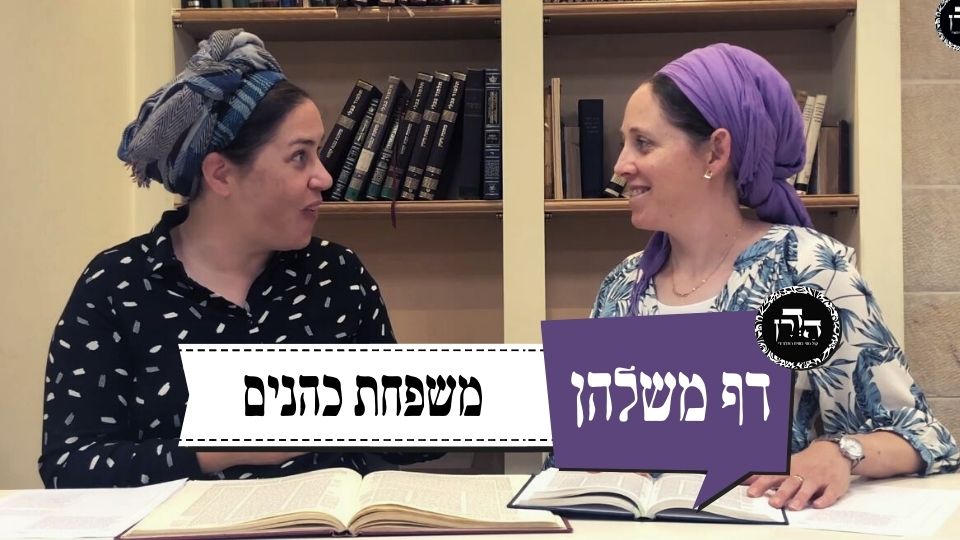
משפחת כהנים: דף משלהן פרק 70 – האם בלי בית מקדש יש חשיבות לכהונה?





גפ”ת יומא 59: איך זוכרים מה למדנו? ומה גורם לנו לקבל עמדה של מיהו אחר?





חדשה בלימוד הגמרא?
זה הדף הראשון שלך? איזו התרגשות עצומה! יש לנו בדיוק את התכנים והכלים שיעזרו לך לעשות את הצעדים הראשונים ללמידה בקצב וברמה שלך, כך תוכלי להרגיש בנוח גם בתוך הסוגיות המורכבות ומאתגרות.
פסיפס הלומדות שלנו
גלי את קהילת הלומדות שלנו, מגוון נשים, רקעים וסיפורים. כולן חלק מתנועה ומסע מרגש ועוצמתי.
התחלתי מחוג במסכת קידושין שהעבירה הרבנית רייסנר במסגרת בית המדרש כלנה בגבעת שמואל; לאחר מכן התחיל סבב הדף היומי אז הצטרפתי. לסביבה לקח זמן לעכל אבל היום כולם תומכים ומשתתפים איתי. הלימוד לעתים מעניין ומעשיר ולעתים קשה ואף הזוי… אך אני ממשיכה קדימה. הוא משפיע על היומיום שלי קודם כל במרדף אחרי הדף, וגם במושגים הרבים שלמדתי ובידע שהועשרתי בו, חלקו ממש מעשי

ראש העין, ישראל
התחלתי ללמוד דף יומי כאשר קיבלתי במייל ממכון שטיינזלץ את הדפים הראשונים של מסכת ברכות במייל. קודם לא ידעתי איך לקרוא אותם עד שנתתי להם להדריך אותי. הסביבה שלי לא מודעת לעניין כי אני לא מדברת על כך בפומבי. למדתי מהדפים דברים חדשים, כמו הקשר בין המבנה של בית המקדש והמשכן לגופו של האדם (יומא מה, ע”א) והקשר שלו למשפט מפורסם שמופיע בספר ההינדי "בהגוד-גיתא”. מתברר שזה רעיון כלל עולמי ולא רק יהודי

נשר, ישראל
התחלתי ללמוד דף יומי בסבב הקודם. זכיתי לסיים אותו במעמד המרגש של הדרן. בסבב הראשון ליווה אותי הספק, שאולי לא אצליח לעמוד בקצב ולהתמיד. בסבב השני אני לומדת ברוגע, מתוך אמונה ביכולתי ללמוד ולסיים. בסבב הלימוד הראשון ליוותה אותי חוויה מסויימת של בדידות. הדרן העניקה לי קהילת לימוד ואחוות נשים. החוויה של סיום הש”ס במעמד כה גדול כשנשים שאינן מכירות אותי, שמחות ומתרגשות עבורי , היתה חוויה מרוממת נפש

קיבוץ מגדל עוז, ישראל
התחלתי לפני כמה שנים אבל רק בסבב הזה זכיתי ללמוד יום יום ולסיים מסכתות

רעננה, ישראל
התחלתי ללמוד דף יומי אחרי שחזרתי בתשובה ולמדתי במדרשה במגדל עוז. הלימוד טוב ומספק חומר למחשבה על נושאים הלכתיים ”קטנים” ועד לערכים גדולים ביהדות. חשוב לי להכיר את הגמרא לעומק. והצעד הקטן היום הוא ללמוד אותה בבקיאות, בעזרת השם, ומי יודע אולי גם אגיע לעיון בנושאים מעניינים. נושאים בגמרא מתחברים לחגים, לתפילה, ליחסים שבין אדם לחברו ולמקום ולשאר הדברים שמלווים באורח חיים דתי 🙂

מצפה יריחו, ישראל
התחלתי מעט לפני תחילת הסבב הנוכחי. אני נהנית מהאתגר של להמשיך להתמיד, מרגעים של "אהה, מפה זה הגיע!” ומהאתגר האינטלקטואלי

לוד, ישראל
התחלתי ללמוד דף לפני קצת יותר מ-5 שנים, כשלמדתי רבנות בישיבת מהר”ת בניו יורק. בדיעבד, עד אז, הייתי בלימוד הגמרא שלי כמו מישהו שאוסף חרוזים משרשרת שהתפזרה, פה משהו ושם משהו, ומאז נפתח עולם ומלואו…. הדף נותן לי לימוד בצורה מאורגנת, שיטתית, יום-יומית, ומלמד אותי לא רק ידע אלא את השפה ודרך החשיבה שלנו. לשמחתי, יש לי סביבה תומכת וההרגשה שלי היא כמו בציטוט שבחרתי: הדף משפיע לטובה על כל היום שלי.
חיפה, ישראל
התחלתי לפני 8 שנים במדרשה. לאחרונה סיימתי מסכת תענית בלמידה עצמית ועכשיו לקראת סיום מסכת מגילה.

רעננה, ישראל
רבנית מישל הציתה אש התלמוד בלבבות בביניני האומה ואני נדלקתי. היא פתחה פתח ותמכה במתחילות כמוני ואפשרה לנו להתקדם בצעדים נכונים וטובים. הקימה מערך שלם שמסובב את הלומדות בסביבה תומכת וכך נכנסתי למסלול לימוד מעשיר שאין כמוה. הדרן יצר קהילה גדולה וחזקה שמאפשרת התקדמות מכל נקודת מוצא. יש דיבוק לומדות שמחזק את ההתמדה של כולנו. כל פניה ושאלה נענית בזריזות ויסודיות. תודה גם למגי על כל העזרה.

נתניה, ישראל
אמא שלי למדה איתי ש”ס משנה, והתחילה ללמוד דף יומי. אני החלטתי שאני רוצה ללמוד גם. בהתחלה למדתי איתה, אח”כ הצטרפתי ללימוד דף יומי שהרב דני וינט מעביר לנוער בנים בעתניאל. במסכת עירובין עוד חברה הצטרפה אלי וכשהתחלנו פסחים הרב דני פתח לנו שעור דף יומי לבנות. מאז אנחנו לומדות איתו קבוע כל יום את הדף היומי (ובשבת אבא שלי מחליף אותו). אני נהנית מהלימוד, הוא מאתגר ומעניין

עתניאל, ישראל
. לא תמיד נהניתי מלימוד גמרא כילדה.,בל כהתבגרתי התחלתי לאהוב את זה שוב. התחלתי ללמוד מסכת סוטה בדף היומי לפני כחמש עשרה שנה ואז הפסקתי.הגעתי לסיום הגדול של הדרן לפני שנתיים וזה נתן לי השראה. והתחלתי ללמוד למשך כמה ימים ואז היתה לי פריצת דיסק והפסקתי…עד אלול השנה. אז התחלתי עם מסכת ביצה וב”ה אני מצליחה לעמוד בקצב. המשפחה מאוד תומכת בי ויש כמה שגם לומדים את זה במקביל. אני אוהבת שיש עוגן כל יום.

בית שמש, ישראל
ראיתי את הסיום הגדול בבנייני האומה וכל כך התרשמתי ורציתי לקחת חלק.. אבל לקח לי עוד כשנה וחצי )באמצע מסיכת שבת להצטרף..
הלימוד חשוב לי מאוד.. אני תמיד במרדף אחרי הדף וגונבת כל פעם חצי דף כשהילדים עסוקים ומשלימה אח”כ אחרי שכולם הלכו לישון..

ירושלים, ישראל
התחלתי ללמוד דף יומי לפני שנתיים, עם מסכת שבת. בהתחלה ההתמדה היתה קשה אבל בזכות הקורונה והסגרים הצלחתי להדביק את הפערים בשבתות הארוכות, לסיים את מסכת שבת ולהמשיך עם המסכתות הבאות. עכשיו אני מסיימת בהתרגשות רבה את מסכת חגיגה וסדר מועד ומחכה לסדר הבא!

מודיעין, ישראל
באירוע של הדרן בנייני האומה. בהשראתה של אמי שלי שסיימה את הש”ס בסבב הקודם ובעידוד מאיר , אישי, וילדיי וחברותיי ללימוד במכון למנהיגות הלכתית של רשת אור תורה סטון ומורתיי הרבנית ענת נובוסלסקי והרבנית דבורה עברון, ראש המכון למנהיגות הלכתית.
הלימוד מעשיר את יומי, מחזיר אותי גם למסכתות שכבר סיימתי וידוע שאינו דומה מי ששונה פרקו מאה לשונה פרקו מאה ואחת במיוחד מרתקים אותי החיבורים בין המסכתות

מודיעין, ישראל
התחלתי מחוג במסכת קידושין שהעבירה הרבנית רייסנר במסגרת בית המדרש כלנה בגבעת שמואל; לאחר מכן התחיל סבב הדף היומי אז הצטרפתי. לסביבה לקח זמן לעכל אבל היום כולם תומכים ומשתתפים איתי. הלימוד לעתים מעניין ומעשיר ולעתים קשה ואף הזוי… אך אני ממשיכה קדימה. הוא משפיע על היומיום שלי קודם כל במרדף אחרי הדף, וגם במושגים הרבים שלמדתי ובידע שהועשרתי בו, חלקו ממש מעשי
ראש העין, ישראל
התחלתי ללמוד בסבב הנוכחי לפני כשנתיים .הסביבה מתפעלת ותומכת מאוד. אני משתדלת ללמוד מכל ההסכתים הנוספים שיש באתר הדרן. אני עורכת כל סיום מסכת שיעור בביתי לכ20 נשים שמחכות בקוצר רוח למפגשים האלו.

יהוד, ישראל
רציתי לקבל ידע בתחום שהרגשתי שהוא גדול וחשוב אך נעלם ממני. הלימוד מעניק אתגר וסיפוק ומעמיק את תחושת השייכות שלי לתורה וליהדות

עלי זהב – לשם, ישראל
לצערי גדלתי בדור שבו לימוד גמרא לנשים לא היה דבר שבשגרה ושנים שאני חולמת להשלים את הפער הזה.. עד שלפני מספר שבועות, כמעט במקרה, נתקלתי במודעת פרסומת הקוראת להצטרף ללימוד מסכת תענית. כשקראתי את המודעה הרגשתי שהיא כאילו נכתבה עבורי – "תמיד חלמת ללמוד גמרא ולא ידעת איך להתחיל”, "בואי להתנסות במסכת קצרה וקלה” (רק היה חסר שהמודעה תיפתח במילים "מיכי שלום”..). קפצתי למים ו- ב”ה אני בדרך להגשמת החלום:)

מורשת, ישראל
אמא שלי למדה איתי ש”ס משנה, והתחילה ללמוד דף יומי. אני החלטתי שאני רוצה ללמוד גם. בהתחלה למדתי איתה, אח”כ הצטרפתי ללימוד דף יומי שהרב דני וינט מעביר לנוער בנים בעתניאל. במסכת עירובין עוד חברה הצטרפה אלי וכשהתחלנו פסחים הרב דני פתח לנו שעור דף יומי לבנות. מאז אנחנו לומדות איתו קבוע כל יום את הדף היומי (ובשבת אבא שלי מחליף אותו). אני נהנית מהלימוד, הוא מאתגר ומעניין
עתניאל, ישראל
התחלתי ללמוד דף יומי בתחילת מסכת ברכות, עוד לא ידעתי כלום. נחשפתי לסיום הש״ס, ובעצם להתחלה מחדש בתקשורת, הפתיע אותי לטובה שהיה מקום לעיסוק בתורה.
את המסכתות הראשונות למדתי, אבל לא סיימתי (חוץ מעירובין איכשהו). השנה כשהגעתי למדרשה, נכנסתי ללופ, ואני מצליחה להיות חלק, סיימתי עם החברותא שלי את כל המסכתות הקצרות, גם כשהיינו חולות קורונה ובבידודים, למדנו לבד, העיקר לא לצבור פער, ומחכות ליבמות 🙂

מזכרת בתיה, ישראל
יומא יג
הֲלָכָה כְּרַבִּי יוֹסֵי, וּמוֹדֶה רַבִּי יוֹסֵי שֶׁאִם עָבַר וְעָבַד — עֲבוֹדָתוֹ כְּשֵׁרָה. אָמַר רַב יְהוּדָה אָמַר רַב: הֲלָכָה כְּרַבִּי יוֹסֵי, וּמוֹדֶה רַבִּי יוֹסֵי שֶׁאִם מֵת רִאשׁוֹן, שֶׁחוֹזֵר לַעֲבוֹדָתוֹ.
The halakha is in accordance with the opinion of Rabbi Yosei that the original High Priest returns to his service, while the second is fit to serve neither as High Priest nor as a common priest. And Rabbi Yosei concedes that if the second priest violated this provision and served as High Priest wearing eight garments, his service is valid. Rav Yehuda said that Rav said: The halakha is in accordance with the opinion of Rabbi Yosei, and Rabbi Yosei conceded that if the original High Priest dies, the second returns to his service as High Priest.
פְּשִׁיטָא! מַהוּ דְּתֵימָא, הָוְיָא לֵיהּ צָרָה מֵחַיִּים. קָא מַשְׁמַע לַן.
The Gemara asks: That is obvious. Clearly, the second priest may serve as High Priest after the first one dies without concern that their rivalry will generate hatred between them. The Gemara answers: Lest you say that the mere knowledge that another priest is in waiting to replace him is enough to generate hatred, and would be for him like a woman whose husband has taken a rival wife in her lifetime; therefore, Rav teaches us that this is not a concern.
רַבִּי יְהוּדָה אוֹמֵר: אַף אִשָּׁה אַחֶרֶת מַתְקִינִין לוֹ. וְרַבָּנַן נָמֵי, הָא חָיְישִׁי לְשֶׁמָּא? אָמְרִי לָךְ רַבָּנַן: טוּמְאָה שְׁכִיחָא, מִיתָה לָא שְׁכִיחָא.
§ It was taught in the mishna that Rabbi Yehuda says: The Sages would even designate another wife for the High Priest lest his wife die. The Rabbis say: There is no concern lest his wife die, and therefore the Sages did not designate another wife for him. The Gemara asks with regard to the Rabbis: Aren’t they concerned lest he become impure, which is why the Sages designate a replacement High Priest? Why then, are they not concerned lest his wife die? The Gemara answers that the Rabbis could have said to you: Impurity is common, as it is not unusual for the High Priest to become impure either due to secretions from his body or from an external source. Death is not common, and therefore there is no concern lest his wife die.
אָמְרוּ לוֹ: אִם כֵּן, אֵין לַדָּבָר סוֹף. שַׁפִּיר קָא אָמְרִי לֵיהּ לְרַבִּי יְהוּדָה! וְרַבִּי יְהוּדָה — אָמַר לָךְ: לְמִיתָה דַחֲדָא — חָיְישִׁינַן. לְמִיתָה דְתַרְתֵּי — לָא חָיְישִׁינַן. וְרַבָּנַן? אִי אִיכָּא לְמֵיחַשׁ — אֲפִילּוּ לְמִיתָה דִּתְרֵין חָיְישִׁינַן.
It was taught in the mishna that the Rabbis said to Rabbi Yehuda: If so, that you are concerned lest his wife die, there is no end to the matter. You should also be concerned lest the second wife die, requiring designation of a third and even a fourth wife. The Gemara comments: The Rabbis spoke well to Rabbi Yehuda, making a good point. What can Rabbi Yehuda respond? Rabbi Yehuda could have said to you: For the potential death of one wife, we are concerned; for the potential death of two wives, we are not concerned, as the likelihood of that happening is negligible. The Gemara asks: And what would the Rabbis respond to that contention? They would say: If there is reason to be concerned for a potential death, then even for the potential death of two wives, we are concerned.
וְרַבָּנַן, נֵימְרוּ אִינְהוּ לְנַפְשַׁיְיהוּ! אָמְרִי לָךְ רַבָּנַן: כֹּהֵן גָּדוֹל זָרִיז הוּא. אִי זָרִיז הוּא, לָמָּה מַתְקִינִין כֹּהֵן אַחֵר? כֵּיוָן דְּעָבְדִינַן לֵיהּ צָרָה, כׇּל שֶׁכֵּן דְּמִזְדָּרַז טְפֵי.
The Gemara suggests: If according to the Rabbis there is no distinction between concern that one wife might die and concern that two wives might die, let them say the same with regard to their own opinion. Just as they designate a replacement lest the High Priest become impure, they should designate a second replacement lest the first replacement also become impure. The Gemara answers that the Rabbis could have said to you: The High Priest is vigilant in avoiding impurity. No amount of vigilance can prevent death. The Gemara asks: If he is vigilant in avoiding impurity, then why do the Sages designate another priest in his stead? The reason for the designation of the replacement is that once we establish a replacement as a rival, all the more so will the High Priest be even more vigilant in avoiding impurity to maintain his position.
וּמִי סַגִּי לֵיהּ בְּתַקַּנְתָּא? ״בֵּיתוֹ״ אָמַר רַחֲמָנָא, וְהָךְ לָאו בֵּיתוֹ הִיא! דִּמְקַדֵּשׁ לַהּ. וְהָא כַּמָּה דְּלָא כָּנֵיס לַהּ — לָאו בֵּיתוֹ הִיא! דְּכָנֵיס לָהּ. אִם כֵּן, הָוֵה לֵיהּ שְׁנֵי בָתִּים, וְרַחֲמָנָא אָמַר: ״וְכִפֶּר בַּעֲדוֹ וּבְעַד בֵּיתוֹ״, וְלֹא בְּעַד שְׁנֵי בָתִּים!
§ The Gemara asks with regard to Rabbi Yehuda’s opinion: And is designation of a second wife sufficient for him? The Merciful One stated in the Torah: “And he shall make atonement for himself and for his house” (Leviticus 16:11). House means wife; and this designated woman is not his wife as they are not yet married. What purpose does designation serve if his wife dies on Yom Kippur? The Gemara answers: He betroths her before Yom Kippur. The Gemara asks: But that does not solve the problem. As long as he has not married her, she is not yet his house, i.e., his wife. The Gemara answers: Rabbi Yehuda says that not only is a replacement wife designated, but he actually marries her. If so, another problem arises. The High Priest has two houses, and the Merciful One said: “And he shall make atonement for himself and for his house” (Leviticus 16:11). He atones for one house and not for two houses.
דַּהֲדַר מְגָרֵשׁ לַהּ. אִי מְגָרֵשׁ לַהּ, הָדְרָא קוּשְׁיַין לְדוּכְתָּא! לָא צְרִיכָא, דִּמְגָרֵשׁ לַהּ עַל תְּנַאי. דְּאָמַר לַהּ: הֲרֵי זֶה גִּיטֵּיךְ עַל מְנָת [שֶׁתָּמוּתִי. וְדִילְמָא לָא מָיְיתָא, וְהָוֵה לֵיהּ שְׁנֵי בָתִּים!
The Gemara answers: Rabbi Yehuda says that after marrying the second wife, he then divorces her. The Gemara asks: If he divorces her, our difficulty is restored to its original place. There is no point in designating a second wife, as if the first wife dies, the second woman is not married to him. The Gemara responds: No, it is necessary in a case where he marries her and divorces her provisionally, as he says to her: This is your bill of divorce on condition that you die on Yom Kippur. If she dies on Yom Kippur, then she was divorced retroactively and he has only one wife; if she does not die but the original wife dies, her divorce does not take effect and the second wife is married to the High Priest. In either case, the High Priest has only one wife. The Gemara asks: And perhaps neither she nor the original wife will die, and the High Priest then has two houses on Yom Kippur.
אֶלָּא דְּאָמַר לַהּ: הֲרֵי זֶה גִּיטֵּיךְ עַל מְנָת] שֶׁלֹּא תָּמוּתִי. אִי לָא מָיְתָה — מִיגָּרְשָׁא לַהּ. וְאִי מָיְתָה הָא — קָיְימָא הָךְ. וְדִילְמָא הִיא לָא מָיְתָה, וְהָוֵה לֵיהּ גִּיטָּא דְּהַאי גִּיטָּא, וּמָיְיתָא חֲבֶרְתַּהּ, וְקָם לֵיהּ בְּלֹא בַּיִת!
Rather, it is a case where the High Priest said to her, the woman designated: This is your bill of divorce on condition that you will not die on Yom Kippur. If she does not die, then she is divorced and he remains married to the original wife; if she dies, isn’t that original wife alive and he remains married to her alone? The Gemara asks: And perhaps the second one will not die and her bill of divorce will be a valid bill of divorce, meaning she is not his wife, but her counterpart might die, leaving the High Priest without a wife at all on Yom Kippur.
אֶלָּא, דְּאָמַר לַהּ: עַל מְנָת שֶׁתָּמוּת [אַחַת מִכֶּם]. מָיְתָה הָא — קָיְימָא הָךְ, מָיְתָה הָךְ — הָא קָיְימָא הָא. וְדִילְמָא לָא מָיְיתָא וְלָא חֲדָא מִינַּיְיהוּ, וְהָוֵה לֵיהּ שְׁנֵי בָתִּים?
Rather, it is a case where the High Priest said to her: This is your bill of divorce on condition that one of you dies. If this one dies, that one is alive, and if that one dies, isn’t this one alive? The Gemara asks: And perhaps neither one of them will die, and he will then have two houses.
וְעוֹד: כִּי הַאי גַּוְונָא מִי הָוֵי גִּיטָּא? וְהָאָמַר רָבָא: ״הֲרֵי זֶה גִּיטֵּיךְ עַל מְנָת שֶׁלֹּא תִּשְׁתִּי יַיִן כׇּל יְמֵי חַיַּי וְחַיַּיְכִי״ — אֵין זֶה כְּרִיתוּת.
And furthermore, the question arises: Is a document of that sort a valid bill of divorce? Does a condition of that sort take effect? But didn’t Rava say: If a man says to his wife: This is your bill of divorce on condition that you will not drink wine for all the days of my life and your life, that is not severance. The bill of divorce in the Torah is called a bill of severance, meaning that for the document to be valid all connections between the husband and wife must be severed. If there is a provision in the document that maintains a permanent connection between the spouses, e.g., not to drink wine for all of her life, the document does not effect a valid divorce.
כׇּל יְמֵי חַיַּי פְּלוֹנִי — הֲרֵי זֶה כְּרִיתוּת!
However, if one said to his wife: This is your bill of divorce on condition that you will not drink wine during all the days of the life of so-and-so; that is severance. Since the condition is not dependent on her and him but on the life of a third party, it is like any other condition in a divorce. Therefore, in the case of the High Priest, since the divorce takes effect only if neither of the women dies, that is a condition that maintains a relationship between the husband and wife for as long as she lives, which invalidates the divorce.
אֶלָּא, דְּאָמַר לַהּ: הֲרֵי זֶה גִּיטֵּיךְ עַל מְנָת שֶׁלֹּא תָּמוּת חֲבֶרְתִּיךְ. אִי לָא מָיְתָה חֲבֶרְתַּהּ — מִיגָּרְשָׁא, וְאִי מָיְתָה הָא — הָא קָיְימָא הָא. וְדִילְמָא מָיְיתָא חֲבֶרְתַּהּ בְּפַלְגָא דַעֲבוֹדָה, וְאִיגַּלַּי מִלְּתָא
Rather, it is a case where the High Priest said to the second wife: This is your bill of divorce on condition that your counterpart, the other wife, will not die. If her counterpart, the first woman, does not die, the second woman is divorced; and if the first woman dies, isn’t the second woman alive and not divorced? The Gemara asks: And perhaps her counterpart will die in the middle of the Yom Kippur service, and it will become clear
לְמַפְרֵעַ דְּגִיטָּא דְּהָא לָאו גִּיטָּא הוּא, וְעָבֵיד לֵיהּ עֲבוֹדָה בִּשְׁנֵי בָתִּים! אֶלָּא, דְּאָמַר לַהּ: הֲרֵי זֶה גִּיטֵּיךְ עַל מְנָת שֶׁתָּמוּת חֲבֶרְתִּיךְ. וְדִילְמָא מָיְיתָא חֲבֶרְתַּהּ, וְהָוֵה לֵיהּ גִּיטָּא דְּהָא גִּיטָּא, וְקָם לֵיהּ בְּלֹא בַּיִת!
retroactively that the bill of divorce of this second woman is not a valid bill of divorce, since the first wife died. In that case, it turns out retroactively that he performed part of the service with two houses, married to two wives. Rather, it is a case where the High Priest said to the second wife: This is your bill of divorce on condition that your counterpart dies. The Gemara asks: In this case, too, perhaps her counterpart will die and the bill of divorce of this second woman is a valid bill of divorce, and he will remain without a house at all.
אֶלָּא, דִּמְגָרֵשׁ לְהוּ לְתַרְוַיְיהוּ. לַחֲדָא אָמַר לַהּ: הֲרֵי זֶה גִּיטֵּיךְ עַל מְנָת שֶׁלֹּא תָּמוּת חֲבֶרְתִּיךְ, וְלַחֲדָא אָמַר לַהּ: הֲרֵי זֶה גִּיטֵּיךְ עַל מְנָת שֶׁלֹּא תִּכָּנְסִי לְבֵית הַכְּנֶסֶת. וְדִילְמָא לָא מָיְיתָא חֲבֶרְתַּהּ, וְלָא עָיְילָא הִיא לְבֵית הַכְּנֶסֶת, וְהָוֵה לֵיהּ גִּיטָּא דְתַרְוַיְיהוּ גִּיטָּא, וְקָם לֵיהּ בְּלֹא בַּיִת!
Rather, this is a case where he divorces both of them provisionally, with a different stipulation to each woman. To one, he says: This is your bill of divorce on condition that your counterpart will not die. And to the other one, he says: This is your bill of divorce on condition that you will not enter the synagogue on Yom Kippur, cognizant of the fact that she can easily fulfill that condition and thereby effect her divorce. The Gemara asks: And perhaps her counterpart will not die, fulfilling the condition and effecting the divorce of one wife; and she will not enter the synagogue, fulfilling the condition and effecting the divorce of the other wife. In that case the bill of divorce of both women is a valid bill of divorce and he remains without a wife.
אֶלָּא, לַחֲדָא אָמַר לַהּ: הֲרֵי זֶה גִּיטֵּיךְ עַל מְנָת שֶׁלֹּא תָּמוּת חֲבֶרְתִּיךְ. וְלַחֲדָא אָמַר לַהּ: הֲרֵי זֶה גִּיטֵּיךְ עַל מְנָת שֶׁאֶכָּנֵס אֲנִי לְבֵית הַכְּנֶסֶת. דְּאִי מָיְיתָא הָא — קָיְימָא הָא, וְאִי מָיְיתָא הָא — קָיְימָא הָא. מַאי אִיכָּא לְמֵימַר? דִּילְמָא מָיְיתָא חֲבֶרְתַּהּ בְּפַלְגָא דַעֲבוֹדָה, וְעָבֵד לֵיהּ עֲבוֹדָה לְמַפְרֵעַ בִּשְׁנֵי בָתִּים? אִי חָזֵי לַהּ דְּקָא בָּעֲיָא לְמֵימַת — קָדֵים אִיהוּ וְעָיֵיל לְבֵית הַכְּנֶסֶת, וּמְשַׁוֵּי לְגִיטָּא דְּהָא גִּיטָּא לְמַפְרֵעַ.
Rather, it is a case where to one of the women, the High Priest says: This is your bill of divorce on condition that your counterpart does not die. And to the other one of the women he says: This is your bill of divorce on condition that I will enter the synagogue. If this wife dies, that other one is alive; and if that other one dies, this one is alive. What is there to say in refuting this possibility? Perhaps her counterpart will die in the middle of the service, and it will turn out retroactively that he performed part of the service with two houses, married to two wives. If he sees that she seeks, i.e., she is about to die, he will then preemptively enter the synagogue, rendering the bill of divorce of the dying wife a valid bill of divorce retroactively. He will then be married to only one woman. In that way, a second wife can be designated for the High Priest without him being married to two women on Yom Kippur.
מַתְקֵיף לַהּ רַב אַסִּי, וְאִיתֵּימָא רַב עַוִּירָא: אֶלָּא מֵעַתָּה, שְׁתֵּי יְבָמוֹת הַבָּאוֹת מִבַּיִת אֶחָד, לֹא יִתְיַיבְּמוּ! ״יְבִמְתּוֹ״ ״יְבִמְתּוֹ״ רִיבָּה.
Rav Asi, and some say it was Rav Avira, strongly objects to that conclusion: However, if that is so, that from the term: His house, in the singular, one derives one wife and not two, then two widows of a brother who died without a child [yevamot] who come from one house, i.e., they were married to the same man, should not be obligated to marry his brother in levirate marriage. In addressing levirate marriage, the Torah says: “So shall it be done to the man that does not build his brother’s house” (Deuteronomy 25:9). One may derive from this: One house, i.e., wife, and not two. The Gemara responds that when the Torah says: “Then his yevama shall go up to the gate” (Deuteronomy 25:7), “and his yevama will draw nigh to him” (Deuteronomy 25:9), twice, it comes to include a situation where the deceased had two wives; in that case one of them is required to marry his brother in levirate marriage.
מַתְקֵיף לַהּ רָבִינָא, וְאִיתֵּימָא רַב שֵׁרֵבְיָה: אֶלָּא מֵעַתָּה אֲרוּסָה לֹא תִּתְיַיבֵּם? ״הַחוּצָה״, לְרַבּוֹת אֶת הָאֲרוּסָה.
Ravina, and some say it was Rav Sherevya, strongly objects to this: It was stated above that a woman betrothed to the High Priest is not considered his house, i.e., his wife. However, if that is so, a betrothed woman whose betrothed passed away should not be obligated to marry his brother in levirate marriage, since the term: House, appears in that context as well. In practice, that is not the halakha. The Gemara answers that the Torah says: “The wife of the dead shall not be married outside to one not of his kin” (Deuteronomy 25:5). The superfluous term: Outside, comes to include the betrothed woman. Although she is technically still outside the family, the brother of the deceased must either marry her in levirate marriage or perform ḥalitza.
תָּנוּ רַבָּנַן: כֹּהֵן גָּדוֹל מַקְרִיב אוֹנֵן, וְאֵינוֹ אוֹכֵל. רַבִּי יְהוּדָה אוֹמֵר: כׇּל הַיּוֹם. מַאי ״כׇּל הַיּוֹם״? אָמַר רָבָא: לֹא נִצְרְכָה אֶלָּא לַהֲבִיאוֹ מִתּוֹךְ בֵּיתוֹ.
§ Apropos the death of the wife of the High Priest, the Gemara cites an additional baraita. The Sages taught: A High Priest sacrifices offerings when he is an acute mourner, on the day of a relative’s death, but does not eat from those offerings. Rabbi Yehuda says: The entire day. The Gemara asks: What is the meaning of the phrase: The entire day? Rava said: This phrase is necessary only to bring him from his house. Not only is it permitted for the High Priest to serve in the Temple when he is an acute mourner, but it is a mitzva to bring him from his house to serve in the Temple for the entire day to help ease his pain.
אֲמַר לֵיהּ אַבָּיֵי: הַשְׁתָּא לְרַבִּי יְהוּדָה אַפּוֹקֵי מַפְּקִינַן לֵיהּ, דְּתַנְיָא: הָיָה עוֹמֵד וּמַקְרִיב עַל גַּבֵּי הַמִּזְבֵּחַ וְשָׁמַע שֶׁמֵּת לוֹ מֵת, מַנִּיחַ עֲבוֹדָתוֹ וְיוֹצֵא, דִּבְרֵי רַבִּי יְהוּדָה. רַבִּי יוֹסֵי אוֹמֵר: יִגְמוֹר. וְאַתְּ אָמְרַתְּ מַיְיתִינַן לֵיהּ מִתּוֹךְ בֵּיתוֹ?
Abaye said to him: Now, according to the opinion of Rabbi Yehuda, we remove the High Priest from the Temple when he is an acute mourner, as it was taught in a baraita: If a common priest was standing and sacrificing an offering on top of the altar and heard that a relative of his died, he leaves his service in the middle and exits the Temple; this is the statement of Rabbi Yehuda. Rabbi Yosei says: He completes the service and then leaves. Rabbi Yehuda rules stringently in the case of a priest who is an acute mourner sacrificing an offering. Even though the baraita is referring to a common priest, it is reasonable to say that the same is true with regard to a High Priest as well. Rabbi Yehuda says that a High Priest who becomes an acute mourner exits the Temple, and you say we bring the High Priest who is an acute mourner from his house to serve?
אֶלָּא אָמַר רָבָא: מַאי ״כׇּל הַיּוֹם״ —
Rather, Rava said: The initial interpretation must be rejected. What is the meaning of the phrase: The entire day?

