חיפוש

יומא כה

רוצה להקדיש שיעור?

podcast placeholder

0:00
0:00


תקציר
השיעור היום מוקדש על ידי רות לאה קאהן, ג’סיקה סקלאר ואמילי מיכלסון לעילוי נשמת אמא שלהן קדימה בת הרב אברהם צבי בן ציון וחיה במלאת שלוש שנים לפטירתה.

רב נחמן ורב ששת מביאים הוכחות לדעותיהם בעניין איזה בגדים לבשו הכוהנים בזמן ביצוע הפייס. מאחד המקורות שהובאו, הם מסיקים כי לשכת הגזית הייתה חלקה בקודש, בתוך העזרה, וחלקה בחול עם כניסות משני הצדדים. הפייס השני היה לשחיטת קרבן התמיד, זריקת הדם, דישון המזבח הפנימי והמנורה, ונשיאת אברי התמיד למזבח. בפייס הזה היו שלוש עשרה תפקידים. האם עשו 13 הגרלות נפרדות או שאדם אחד "זכה” בפייס ו -12 האנשים הבאים בתור קיבלו את המשרות האחרות? תפקיד קבלת הדם אינו מופיע ברשימה – האם התפקיד ניתן לשוחט או לזורק את הדם? הגמרא מביאה ארבע דעות שונות לגבי סדר העלאת האברים למזבח. מדוע הובאו ראש ורגל אחורית ימנית קודם לפי כל הדעות?

יומא כה

מַאי לָאו, בְּאוֹתָן שֶׁזָּכוּ לַפַּיִיס. אָמַר רַב הוּנָא בַּר יְהוּדָה אָמַר רַב שֵׁשֶׁת: לָא, בְּאוֹתָן שֶׁלֹּא זָכוּ לַפַּיִיס.

What, is this not talking about those priests who won the lottery, describing how their non-sacred garments were removed from them before they were dressed in the priestly garments? Rav Huna bar Yehuda said that Rav Sheshet said, rejecting that interpretation: No, it is possible to explain that all the priests at the lottery were wearing sacred garments and that, on the contrary, the mishna speaks about those priests who did not win the lottery. The text describes how the sacred garments they wore during the lottery were removed from them.

הָכִי נָמֵי מִסְתַּבְּרָא. דְּאִי סָלְקָא דַעְתָּךְ בְּאוֹתָן שֶׁזָּכוּ לַפַּיִיס, ״לֹא הָיוּ מַנִּיחִין עֲלֵיהֶן אֶלָּא מִכְנָסַיִם בִּלְבַד״? וְהָתַנְיָא: מִנַּיִין שֶׁלֹּא יְהֵא דָּבָר קוֹדֶם לַמִּכְנָסַיִם — תַּלְמוּד לוֹמַר: ״וּמִכְנְסֵי בַד יִהְיוּ עַל בְּשָׂרוֹ״!

The Gemara supports this latter interpretation: So too, it is reasonable to follow Rav Sheshet’s interpretation of the mishna. As, if it were to enter your mind to say that the mishna is dealing with those who won the lottery and describes how their non-sacred garments were removed and sacred garments put on, how would one understand the statement: They would leave only their trousers on them? One would have to explain that the priests subsequently donned the sacred clothes on top of the non-sacred trousers; then they would remove the non-sacred trousers and replace them with the sacred trousers. But wasn’t it taught in a baraita: From where is it derived that nothing should precede the trousers when the priest dresses? The verse states: “And he shall have linen trousers upon his flesh” (Leviticus 16:4)? However, according to the proposed interpretation of the mishna, the priests donned the other sacred garments and put on the trousers after them.

וְאִידַּךְ? הָא לָא קַשְׁיָא, הָכִי קָתָנֵי: עַד שֶׁעוֹדָן עֲלֵיהֶן בִּגְדֵי חוֹל מַלְבִּישִׁין אוֹתָן מִכְנְסֵי קֹדֶשׁ, וְהָיוּ מַפְשִׁיטִין אוֹתָן בִּגְדֵי חוֹל וְלֹא הָיוּ מַנִּיחִין אֶלָּא מִכְנָסַיִם בִּלְבַד.

The Gemara asks: And how would the other one, Rav Naḥman, resolve this difficulty? He would respond that this is not difficult, as this is what the mishna is teaching: While the non-sacred garments are still on them they put the sacred trousers on them, and then they remove from them the non-sacred clothes, and they left them wearing only the sacred trousers. Therefore, it is possible to interpret the mishna either way.

אָמַר רַב שֵׁשֶׁת, מְנָא אָמֵינָא לַהּ, דְּתַנְיָא: לִשְׁכַּת הַגָּזִית כְּמִין בָּסִילְקֵי גְּדוֹלָה הָיְתָה, פַּיִיס בְּמִזְרָחָהּ, וְזָקֵן יוֹשֵׁב בְּמַעֲרָבָהּ. וְהַכֹּהֲנִים מוּקָּפִין וְעוֹמְדִין כְּמִין (בְּ)כּוּלְיָאר, וְהַמְמוּנֶּה בָּא וְנוֹטֵל מִצְנֶפֶת מֵרֹאשׁוֹ שֶׁל אֶחָד מֵהֶן, וְיוֹדְעִין שֶׁמִּמֶּנּוּ פַּיִיס מַתְחִיל. וְאִי סָלְקָא דַעְתָּךְ בְּבִגְדֵי חוֹל — מִצְנֶפֶת בְּבִגְדֵי חוֹל מִי אִיכָּא.

Rav Sheshet said: From where do I say that the priests wore sacred garments when the lottery was held? As it was taught in a baraita: The Chamber of Hewn Stone was built in the style of a large basilica [basileki]; the lottery is held in the east of the chamber, and an Elder of the court sits in its west to provide instruction and adjudicate any doubtful cases. And the priests stand in a circle in the shape of a bracelet [bekholyar], and the appointed priest comes and removes the mitre from the head of one of them, and everyone thereby knew that the count began from him. And if it were to enter your mind to say that the priests wore non-sacred garments during the lottery, is there such a thing as a mitre among one’s non-sacred garments? This shows that the priests were wearing their sacred garments when the lottery took place.

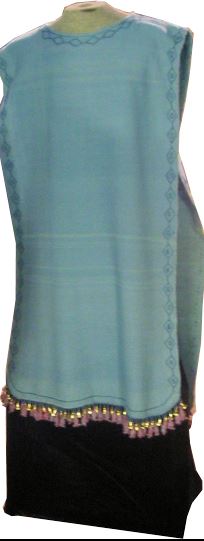
אִין — כִּדְתָנֵי רַב יְהוּדָה וְאִיתֵּימָא רַב שְׁמוּאֵל בַּר יְהוּדָה: כֹּהֵן שֶׁעָשְׂתָה לוֹ אִמּוֹ כְּתוֹנֶת, עוֹבֵד בָּהּ עֲבוֹדַת יָחִיד.

The Gemara rejects this reasoning: Yes, indeed, there is such a thing as a mitre that one wears as non-sacred apparel, as Rav Yehuda, and some say it was Rav Shmuel bar Yehuda, taught: A priest whose mother made a tunic for him, to show her love for her son and her love for mitzvot, may perform an individual service with it on, but not communal services. Therefore, it is possible that the priests had non-sacred mitres in the style of the sacred mitres, just as they sometimes had non-sacred tunics.

אָמַר אַבָּיֵי: שְׁמַע מִינַּהּ לִשְׁכַּת הַגָּזִית חֶצְיָהּ בַּקֹּדֶשׁ וְחֶצְיָהּ בַּחוֹל, וּשְׁמַע מִינַּהּ שְׁנֵי פְתָחִים הָיוּ לָהּ, אֶחָד פָּתוּחַ בַּקֹּדֶשׁ, וְאֶחָד פָּתוּחַ בַּחוֹל. דְּאִי סָלְקָא דַעְתָּךְ כּוּלָּהּ בַּקֹּדֶשׁ — זָקֵן יוֹשֵׁב בְּמַעֲרָבָהּ? וְהָאָמַר מָר: אֵין יְשִׁיבָה בַּעֲזָרָה אֶלָּא לְמַלְכֵי בֵית דָּוִד בִּלְבַד.

Apropos the baraita that was just cited, Abaye said: Conclude from this baraita that the Chamber of Hewn Stone was built half in the sacred area, within the consecrated Temple grounds, and half in the non-sacred part of the Temple grounds. And conclude from it as well that the chamber had two doorways, one that opened to the sacred area of the Temple and one that opened to the non-sacred area. Abaye explains these inferences: As, were it to enter your mind that the Chamber of Hewn Stone stood entirely in the sacred area, how could one say that an Elder sat in its west? Didn’t the Master say: There is no sitting allowed in the Temple courtyard except for kings of the house of David alone? The Elder must therefore have been sitting in an area external to the Temple courtyard area.

וְאִי סָלְקָא דַעְתָּךְ כּוּלָּהּ בַּחוֹל — פַּיִיס בְּמִזְרָחָהּ? וְהָא בָּעֵינַן ״בְּבֵית אֱלֹהִים נְהַלֵּךְ בְּרָגֶשׁ״, וְלֵיכָּא. אֶלָּא שְׁמַע מִינַּהּ: חֶצְיָהּ בַּקֹּדֶשׁ וְחֶצְיָהּ בַּחוֹל.

And if it were to enter your mind to say the opposite, that the chamber stood entirely in the non-sacred area, how could the lottery be held in the east? Aren’t we required to fulfill the verse: “In the House of God we walked with the throng” (Psalms 55:15), from where it was derived earlier that it is desirable that the lotteries cause a commotion in the House of God, i.e., in the sacred area of the Temple? If the lottery were held in a non-sacred area, there would not be a fulfillment of this verse. Rather, one must conclude from this baraita that the chamber was situated half in the sacred area of the Temple and half in the non-sacred area.

וְאִי סָלְקָא דַעְתָּךְ פֶּתַח אֶחָד יֵשׁ לָהּ וּפָתוּחַ לַקּוֹדֶשׁ — זָקֵן יוֹשֵׁב בְּמַעֲרָבָהּ? וְהָתְנַן: הַלְּשָׁכוֹת הַבְּנוּיוֹת בַּחוֹל וּפְתוּחוֹת לַקֹּדֶשׁ — תּוֹכָן קוֹדֶשׁ. וְאִי סָלְקָא דַעְתָּךְ פָּתוּחַ לַחוֹל — פַּיִיס בְּמִזְרָחָהּ? וְהָתְנַן: בְּנוּיוֹת בַּקֹּדֶשׁ וּפְתוּחוֹת לַחוֹל — תּוֹכָן חוֹל. אֶלָּא לָאו שְׁמַע מִינַּהּ: שְׁנֵי פְתָחִים הָיוּ לָהּ, אֶחָד פָּתוּחַ בַּקֹּדֶשׁ וְאֶחָד פָּתוּחַ לַחוֹל.

Abaye continues: And were it to enter your mind that the chamber had just one doorway, which opened to the sacred area, how could the Elder sit in its west? Didn’t we learn in a mishna: Chambers that are built in the non-sacred area of the Temple Mount, but that open up into the sacred area, their interior is considered entirely sacred, despite the fact that they also occupy land outside the sacred area? And if, on the other hand, it were to enter your mind that the chamber had just one doorway, which opened to the non-sacred area, how could the lottery be held in its east? Didn’t we learn in a mishna: With regard to chambers that are built in the sacred area but which open up into the non-sacred area, the space within them is considered entirely non-sacred, despite the chambers’ location on sacred territory. Rather, isn’t it correct to conclude from this that the Chamber of Hewn Stone had two doorways, one that opened up into the sacred area and one that opened into the non-sacred area?

מַתְנִי׳ הַפַּיִיס הַשֵּׁנִי: מִי שׁוֹחֵט, מִי זוֹרֵק, מִי מְדַשֵּׁן מִזְבֵּחַ הַפְּנִימִי, וּמִי מְדַשֵּׁן אֶת הַמְּנוֹרָה, וּמִי מַעֲלֶה אֵבָרִים לַכֶּבֶשׁ.

MISHNA: The second lottery conducted daily among the priests determines the following: Who slaughters the daily morning offering, who sprinkles its blood, who removes the ashes from the inner altar, and who removes the ashes and burnt wicks from the candelabrum, and who takes the limbs of the daily offering up to the ramp to be burned later.

הָרֹאשׁ וְהָרֶגֶל, וּשְׁתֵּי הַיָּדַיִם, הָעוֹקֶץ וְהָרֶגֶל, וְהֶחָזֶה וְהַגֵּרָה, וּשְׁתֵּי הַדְּפָנוֹת, וְהַקְּרָבַיִם. וְהַסֹּלֶת, וְהַחֲבִיתִּין, וְהַיַּיִן. שְׁלֹשָׁה עָשָׂר כֹּהֲנִים זָכוּ בּוֹ.

This is how the limbs were divided before taking them up to the altar: The head and the right leg were carried by one priest, and the two forelegs were carried by a second priest. The tail, including the lower vertebrae of the spinal column and the fat tail, and the left leg were carried by a third priest. And the breast and the throat and some of the inner organs attached to it were carried by a fourth priest. And the two flanks were taken by a fifth priest, and the intestines by a sixth priest. And the fine flour of the meal-offering accompanying the daily offering was carried by a seventh priest. And the High Priest’s daily griddle-cake offering was carried by an eighth priest, and the wine for libation was carried by a ninth priest. Altogether thirteen priests prevailed in this lottery: Nine priests who carried the daily offering and its accompanying elements, and four who performed the slaughter, sprinkling, and removal of ashes from the inner altar and the candelabrum.

אָמַר בֶּן עַזַּאי לִפְנֵי רַבִּי עֲקִיבָא מִשּׁוּם רַבִּי יְהוֹשֻׁעַ: דֶּרֶךְ הִלּוּכוֹ הָיָה קָרֵב.

Ben Azzai said before Rabbi Akiva in the name of Rabbi Yehoshua: That was not the sequence of taking the limbs up to the ramp; rather, the order in which it was sacrificed was according to the way it walks when alive, as will be explained in the Gemara.

גְּמָ׳ אִיבַּעְיָא לְהוּ: כְּשֶׁהֵן מְפַיְּיסִין — לַעֲבוֹדָה אַחַת מְפַיְּיסִין, אוֹ דִילְמָא — לְכׇל עֲבוֹדָה וַעֲבוֹדָה הֵן מְפַיְּיסִין? תָּא שְׁמַע: אַרְבַּע פְּיָיסוֹת הָיוּ שָׁם. וְאִי סָלְקָא דַעְתָּךְ לְכׇל עֲבוֹדָה הֵן מְפַיְּיסִין — טוּבָא הֲווֹ! אָמַר רַב נַחְמָן בַּר יִצְחָק, הָכִי קָאָמַר: אַרְבַּע פְּעָמִים נִכְנָסִין לְהָפִיס, וּלְכׇל חֲדָא וַחֲדָא הָיוּ בַּהּ טוּבָא פְּיָיסוֹת.

GEMARA: A dilemma was raised before the Sages: When the priests performed the lottery, did they perform a lottery for just one service, such as the slaughtering, and the other twelve tasks were divided among the priests adjacent to the chosen one; or perhaps they performed a separate lottery for each and every service of the thirteen acts listed? The Gemara answers: Come and hear a proof from that which was taught in the mishna: There were four lotteries there. And if it were to enter your mind that they performed a lottery for each and every service separately, there would be many more than four lotteries. Rav Naḥman bar Yitzḥak said: That is not a conclusive proof, because one could argue that this is what the mishna is saying: The priests gathered four times for a lottery, but each gathering involved many lotteries for many individual services.

תָּא שְׁמַע, רַבִּי יְהוּדָה אוֹמֵר: לֹא הָיָה פַּיִיס לַמַּחְתָּה, אֶלָּא כֹּהֵן שֶׁזָּכָה בִּקְטֹרֶת אוֹמֵר לָזֶה שֶׁעִמּוֹ ״זְכֵה עִמִּי בַּמַּחְתָּה״.

Come and hear a proof from a baraita: Rabbi Yehuda says: When the third lottery was held to determine who would perform the burning of the incense, there was no separate lottery held for carrying the coal pan, although a second priest was required to rake up coals from the outer altar, carry them in a coal pan, and put them on the inner altar, where the priest assigned the task of burning the incense would then place the incense onto the coals. Rather, the priest who won the privilege of the incense said to the one who was next to him: Be privileged along with me with the task of carrying the coal pan. This shows that each individual service did not have its own lottery; rather, the other priests adjacent to the winner of the lottery were automatically chosen for the ancillary tasks.

שָׁאנֵי מַחְתָּה וּקְטֹרֶת, דַּחֲדָא עֲבוֹדָה הִיא.

The Gemara rejects this proof: The tasks of carrying the coal pan and burning the incense are different, because together they are considered as a single service, so that a single lottery determined the participants for the two tasks.

אִיכָּא דְּאָמְרִי: דַּוְקָא מַחְתָּה וּקְטֹרֶת דַּחֲדָא עֲבוֹדָה הִיא, אֲבָל שְׁאָר עֲבוֹדוֹת בָּעֵי פַּיִיס!

There are those who say that this baraita was brought to derive the opposite conclusion: It was specifically concerning the case of carrying the coal pan and burning the incense, which are considered as two parts of one and the same service, that Rabbi Yehuda said one lottery can be used to assign the two tasks. However, the implication is that other services, which are not interrelated in this manner, require a lottery for each and every separate task. If Rabbi Yehuda had meant this to be a general principle, why did he mention the specific example of the coal pan and the incense?

מַחְתָּה אִצְטְרִיכָא לֵיהּ, סָלְקָא דַּעְתָּךְ אָמֵינָא הוֹאִיל וְלָא שְׁכִיחָא, וּמְעַתְּרָא, נַתְקֵין לַהּ פַּיִיס בִּפְנֵי עַצְמָהּ. קָא מַשְׁמַע לַן.

This argument is rejected: That is not a proof that other services require their own lotteries. The reason Rabbi Yehuda mentioned this specific example is that it was necessary for him to teach explicitly that the coal pan and the burning of the incense do not have separate lotteries but a single, combined lottery. It might have entered your mind to say that since the burning of incense is infrequent, being performed only twice a day, unlike other offerings, which may be donated by private individuals and brought many times a day, and also since it brings about wealth for whoever performs it, as the Gemara teaches later, we should institute a separate lottery for bringing in the coal pan itself, as many priests wished to perform this task. Therefore, Rabbi Yehuda teaches us that despite this, the bringing in of the coal pan does not have its own lottery. Consequently, there is no proof either way from this baraita.

תָּא שְׁמַע, דְּתָנֵי רַבִּי חִיָּיא: לֹא לְכׇל עֲבוֹדָה וַעֲבוֹדָה מְפַיְּיסִין, אֶלָּא כֹּהֵן שֶׁזָּכָה בְּתָמִיד, שְׁנֵים עָשָׂר אֶחָיו הַכֹּהֲנִים נִמְשָׁכִין עִמּוֹ. שְׁמַע מִינַּהּ.

Come and hear a proof from what Rabbi Ḥiyya taught explicitly in a baraita: A lottery is not held for each individual service; rather, beginning with the priest who won the lottery of the daily offering, twelve of his fellow priests, those standing next to him, are drawn in along with him to perform the other acts of the daily offering. The Gemara concludes: Learn from this that it is so.

פַּיִיס הַשֵּׁנִי וְכוּ׳. אִיבַּעְיָא לְהוּ: מִי מְקַבֵּל? שׁוֹחֵט מְקַבֵּל, דְּאִי אָמְרַתְּ זוֹרֵק מְקַבֵּל — אַגַּב חַבִּיבוּתֵיהּ, לָא מְקַבֵּל לֵיהּ לְכוּלֵּיהּ דָּם.

§ It was taught in the mishna: The second lottery determines who slaughters, who sprinkles the blood, etc. The task of collecting the blood in a vessel, which is between slaughtering and sprinkling, is not mentioned. Therefore, it must be assumed that either the priest who slaughtered or the priest who sprinkled the blood was assigned this task as well. A dilemma was raised before the Sages: Who collects the blood? Is it the one who slaughters the offering who also collects the blood? The reason to support this conclusion is that if you say that the one who sprinkles the blood is the one who collects it, a situation might arise in which, due to his enthusiasm and his love for the mitzva of sprinkling, a service that is considered more important than collecting because it directly involves the altar, the priest might not collect all the blood as the halakha requires but would hurry to go on and sprinkle it after he has collected only some of the blood.

אוֹ דִילְמָא: זוֹרֵק מְקַבֵּל, דְּאִי אָמְרַתְּ שׁוֹחֵט מְקַבֵּל — זִימְנִין דְּשָׁחֵיט זָר.

Or perhaps one should draw the opposite conclusion, that it is the one who sprinkles that collects the blood, as, if you say that the one who slaughters is the one who collects, this principle could not be universally applied, as sometimes a non-priest slaughters the offering. Slaughtering offerings is not a sacred service and may be performed by anyone, unlike the collection of the blood, which is performed by a priest. In those cases when a non-priest slaughtered the daily offering, he would not be able to collect the blood.

תָּא שְׁמַע: בֶּן קָטִין עָשָׂה שְׁנֵים עָשָׂר דַּד לַכִּיּוֹר, כְּדֵי שֶׁיִּהְיוּ שְׁנֵים עָשָׂר אֶחָיו הַכֹּהֲנִים הָעֲסוּקִין בַּתָּמִיד מְקַדְּשִׁין יְדֵיהֶן וְרַגְלֵיהֶן בְּבַת אַחַת.

The Gemara cites a source as evidence for one side of the argument: Come and hear from that which was taught in a mishna: Ben Katin made twelve spigots for the large laver to replace the original two spouts that were there, so that his twelve fellow priests who were engaged in the sacrifice of the daily offering could all sanctify their hands and feet at one time. Although there are thirteen participants listed in the mishna, the slaughterer of the offering was not required to sanctify his hands and feet because, as mentioned above, slaughtering is not a sacred service. Therefore, only twelve spigots were needed.

וְאִי סָלְקָא דַעְתָּךְ שׁוֹחֵט מְקַבֵּל, תְּלֵיסַר הָוֵי! אֶלָּא לָאו שְׁמַע מִינַּהּ: זוֹרֵק מְקַבֵּל. שְׁמַע מִינַּהּ.

And if it should enter your mind to say that the one who slaughters is the one who collects the blood, then there are sometimes thirteen participants, so thirteen spigots should be needed. On those occasions when a non-priest slaughtered the daily offering, an extra priest would be required to come and collect its blood. Since the collection of blood is a sacred service, it too requires sanctification of the hands and feet. Rather, since there were only twelve spigots, isn’t it correct to conclude from this that it is the one who sprinkles, and not the one who slaughters, who collects the blood? The Gemara concludes: Conclude from this that it is so.

אֲמַר לֵיהּ רַב אַחָא בְּרֵיהּ דְּרָבָא לְרַב אָשֵׁי, אַף אֲנַן נָמֵי תְּנֵינָא: שָׁחַט הַשּׁוֹחֵט, וְקִבֵּל הַמְקַבֵּל, וּבָא לוֹ לִזְרוֹק. שְׁמַע מִינַּהּ.

Rav Aḥa, son of Rava, said to Rav Ashi: We too have learned a support for this conclusion in a mishna that gives the sequence of the services for the daily offering: The slaughterer of the offering slaughtered, the collector of its blood collected, and he then comes to sprinkle the blood. The wording indicates that the one who collects the blood is also the one who subsequently sprinkles it. The Gemara concludes: Conclude from this that it is so.

אָמַר בֶּן עַזַּאי לִפְנֵי רַבִּי עֲקִיבָא וְכוּ׳. תָּנוּ רַבָּנַן: כֵּיצַד דֶּרֶךְ הִלּוּכוֹ? הָרֹאשׁ וְהָרֶגֶל, הֶחָזֶה וְהַגֵּרָה, וּשְׁתֵּי יָדַיִם, וּשְׁתֵּי דְפָנוֹת, הָעוֹקֶץ וְהָרֶגֶל. רַבִּי יוֹסֵי אוֹמֵר: דֶּרֶךְ הֶפְשֵׁטוֹ הָיָה קָרֵב. כֵּיצַד דֶּרֶךְ הֶפְשֵׁטוֹ? הָרֹאשׁ וְהָרֶגֶל, הָעוֹקֶץ וְהָרֶגֶל, וּשְׁתֵּי דְפָנוֹת, וּשְׁתֵּי הַיָּדַיִם, הֶחָזֶה וְהַגֵּרָה.

§ The mishna states that ben Azzai said before Rabbi Akiva in the name of Rabbi Yehoshua that the sequence for carrying up the animal’s limbs was based on the way it walks when alive, meaning that its front parts are taken up first. The Sages taught in the Tosefta: In what manner is the animal brought up according to the way it walks? It is in this manner: The head and the right hind leg are brought up first. The other parts follow this sequence: The breast and the neck, and then the two forelegs, and then the two flanks, then the tail and the left hind leg. Rabbi Yosei says: It was sacrificed according to the way it was skinned. In what manner is the animal brought up according to the way it was skinned? It is in this manner: The head and the right leg are brought first, then the tail and the left leg together, then the two flanks, and then the two forelegs, then the breast and the neck.

רַבִּי עֲקִיבָא אוֹמֵר: דֶּרֶךְ נִיתּוּחוֹ הָיָה קָרֵב. כֵּיצַד דֶּרֶךְ נִיתּוּחוֹ? הָרֹאשׁ וְהָרֶגֶל, וּשְׁתֵּי יָדַיִם, הֶחָזֶה וְהַגֵּרָה, וּשְׁתֵּי דְפָנוֹת, וְהָעוֹקֶץ וְהָרֶגֶל. רַבִּי יוֹסֵי הַגְּלִילִי אוֹמֵר: דֶּרֶךְ עִילּוּיוֹ הָיָה קָרֵב. כֵּיצַד דֶּרֶךְ עִילּוּיוֹ? הָרֹאשׁ וְהָרֶגֶל, הֶחָזֶה וְהַגֵּרָה, וּשְׁתֵּי הַדְּפָנוֹת, וְהָעוֹקֶץ וְהָרֶגֶל, וּשְׁתֵּי הַיָּדַיִם.

Rabbi Akiva says: It was sacrificed according to the way it was cut up into limbs after the skinning. In what manner is the animal brought up according to the way it was cut up? It is in this manner: The head and the right leg first, and then the two forelegs, then the breast and the neck, and then the two flanks, and then the tail and the left leg. Rabbi Yosei HaGelili says: It was sacrificed according to the quality of its various sections, so that the best pieces were taken up first. In what manner is the animal brought up according to the quality of the pieces? It is in this manner: The head and the right leg, then the breast and the neck, and then the two flanks, then the tail and the left leg, and then the two forelegs.

וְהָכְתִיב: ״כׇּל נֵתַח טוֹב יָרֵךְ וְכָתֵף״? הָהִיא בִּכְחוּשָׁה.

The Gemara poses a question with regard to Rabbi Yosei HaGelili’s position: But isn’t it written: “Every good piece, the thigh and the shoulder” (Ezekiel 24:4), indicating that these are the best cuts of the animal? Why doesn’t Rabbi Yosei HaGelili say that these are offered first (Rabbeinu Ḥananel)? The Gemara answers: That verse is speaking of a lean sheep, whose thigh and shoulder are indeed the best pieces. However, in the sheep brought for the daily offering, which were of the finest quality, there were other parts that were of higher quality.

אָמַר רָבָא: בֵּין תַּנָּא דִּידַן וּבֵין רַבִּי יוֹסֵי — בָּתַר עִילּוּיָא דְבִשְׂרָא אָזְלִינַן. מָר אָזֵיל בָּתַר אִיבְרָא דְבִישְׂרָא, וּמָר אָזֵיל בָּתַר שֻׁמְנָא דְבִישְׂרָא.

The Gemara explains the reason behind the order of the pieces in the mishna. Rava said: Both the tanna of our mishna and Rabbi Yosei HaGelili agree that we follow the relative quality of the meat in the various pieces. The difference in opinion between them is that one Sage, the tanna of this mishna, follows the limb, i.e., the amount, of the meat; the other Sage, Rabbi Yosei, follows the fattiness of the meat.

מַאי טַעְמָא סָלְקָא רֶגֶל בַּהֲדֵי רֵישָׁא? מִשּׁוּם דְּרֵישָׁא נְפִישִׁי בֵּיהּ עֲצָמוֹת, קָרְבָא רֶגֶל בַּהֲדֵיהּ.

The Gemara asks: According to all opinions, what is the reason that the right leg goes up to the altar together with the head? What is the connection between these two pieces? The Gemara explains: Because the head has much bone in it, the leg is offered with it.

דְּכוּלֵּי עָלְמָא מִיהַת רֹאשׁ קָרֵב בְּרֵישָׁא, מְנָא לַן? דְּתַנְיָא: מִנַּיִין לְרֹאשׁ וּפֶדֶר שֶׁקּוֹדְמִין לְכׇל הָאֵבָרִים — תַּלְמוּד לוֹמַר: ״אֶת רֹאשׁוֹ וְאֶת פִּדְרוֹ וְעָרַךְ״. וְאִידַּךְ: ״פָּדֶר״ אַחֲרִינָא.

The Gemara asks further: Although the Sages disagree as to the order of bringing up the various pieces, at any rate everyone agrees that the head is sacrificed first. From where do we derive this? As it was taught in a baraita: From where is it derived that when sacrificing an animal the head and the fat precede all the other limbs? The verse states: “And he shall cut it up into its pieces and its head and its fat, and the priest shall arrange them on the wood that is on the fire upon the altar” (Leviticus 1:12). The Gemara asks: And the other mention of fat before this, where the verse states: “The pieces, the head and the fat” (Leviticus 1:8),

העמקה

רוצה להבין מה באמת קורה מתחת לפני השטח של הסוגיה?
שיעורים, פודקאסטים והרחבות של מיטב המורות שלנו יפתחו לך עוד זוויות וכיווני חשיבה.

לשיעורי עוד על הדף באנגלית, לחצי כאן

חדשה בלימוד הגמרא?

זה הדף הראשון שלך? איזו התרגשות עצומה! יש לנו בדיוק את התכנים והכלים שיעזרו לך לעשות את הצעדים הראשונים ללמידה בקצב וברמה שלך, כך תוכלי להרגיש בנוח גם בתוך הסוגיות המורכבות ומאתגרות.

פסיפס הלומדות שלנו

גלי את קהילת הלומדות שלנו, מגוון נשים, רקעים וסיפורים. כולן חלק מתנועה ומסע מרגש ועוצמתי.

לצערי גדלתי בדור שבו לימוד גמרא לנשים לא היה דבר שבשגרה ושנים שאני חולמת להשלים את הפער הזה.. עד שלפני מספר שבועות, כמעט במקרה, נתקלתי במודעת פרסומת הקוראת להצטרף ללימוד מסכת תענית. כשקראתי את המודעה הרגשתי שהיא כאילו נכתבה עבורי – "תמיד חלמת ללמוד גמרא ולא ידעת איך להתחיל”, "בואי להתנסות במסכת קצרה וקלה” (רק היה חסר שהמודעה תיפתח במילים "מיכי שלום”..). קפצתי למים ו- ב”ה אני בדרך להגשמת החלום:)

Micah Kadosh
מיכי קדוש

מורשת, ישראל

אחי, שלומד דף יומי ממסכת ברכות, חיפש חברותא ללימוד מסכת ראש השנה והציע לי. החברותא היתה מאתגרת טכנית ורוב הזמן נעשתה דרך הטלפון, כך שבסיום המסכת נפרדו דרכינו. אחי חזר ללמוד לבד, אבל אני כבר נכבשתי בקסם הגמרא ושכנעתי את האיש שלי להצטרף אלי למסכת ביצה. מאז המשכנו הלאה, ועכשיו אנחנו מתרגשים לקראתו של סדר נשים!

Shulamit Saban
שולמית סבן

נוקדים, ישראל

התחלתי ללמוד דף יומי כאשר קיבלתי במייל ממכון שטיינזלץ את הדפים הראשונים של מסכת ברכות במייל. קודם לא ידעתי איך לקרוא אותם עד שנתתי להם להדריך אותי. הסביבה שלי לא מודעת לעניין כי אני לא מדברת על כך בפומבי. למדתי מהדפים דברים חדשים, כמו הקשר בין המבנה של בית המקדש והמשכן לגופו של האדם (יומא מה, ע”א) והקשר שלו למשפט מפורסם שמופיע בספר ההינדי "בהגוד-גיתא”. מתברר שזה רעיון כלל עולמי ולא רק יהודי

Elena Arenburg
אלנה ארנבורג

נשר, ישראל

התחלתי ללמוד בסבב הנוכחי לפני כשנתיים .הסביבה מתפעלת ותומכת מאוד. אני משתדלת ללמוד מכל ההסכתים הנוספים שיש באתר הדרן. אני עורכת כל סיום מסכת שיעור בביתי לכ20 נשים שמחכות בקוצר רוח למפגשים האלו.

Yael Asher
יעל אשר

יהוד, ישראל

סיום השס לנשים נתן לי מוטביציה להתחיל ללמוד דף יומי. עד אז למדתי גמרא בשבתות ועשיתי כמה סיומים. אבל לימוד יומיומי זה שונה לגמרי ופתאום כל דבר שקורה בחיים מתקשר לדף היומי.

Fogel Foundation
קרן פוגל

רתמים, ישראל

התחלתי ללמוד לפני כשנתיים בשאיפה לסיים לראשונה מסכת אחת במהלך חופשת הלידה.
אחרי מסכת אחת כבר היה קשה להפסיק…

Noa Gallant
נעה גלנט

ירוחם, ישראל

התחלתי ללמוד לפני 4.5 שנים, כשהודיה חברה שלי פתחה קבוצת ווטסאפ ללימוד דף יומי בתחילת מסכת סנהדרין. מאז לימוד הדף נכנס לתוך היום-יום שלי והפך לאחד ממגדירי הזהות שלי ממש.

Rosenberg Foundation
קרן רוזנברג

ירושלים, ישראל

A friend in the SF Bay Area said in Dec 2019 that she might start listening on her morning drive to work. I mentioned to my husband and we decided to try the Daf when it began in Jan 2020 as part of our preparing to make Aliyah in the summer.

Hana Piotrkovsky
חנה פיוטרקובסקי

ירושלים, Israel

התחלתי להשתתף בשיעור נשים פעם בשבוע, תכננתי ללמוד רק דפים בודדים, לא האמנתי שאצליח יותר מכך.
לאט לאט נשאבתי פנימה לעולם הלימוד .משתדלת ללמוד כל בוקר ומתחילה את היום בתחושה של מלאות ומתוך התכווננות נכונה יותר.
הלימוד של הדף היומי ממלא אותי בתחושה של חיבור עמוק לעם היהודי ולכל הלומדים בעבר ובהווה.

Neely Hayon
נילי חיון

אפרת, ישראל

התחלתי ללמוד דף יומי בסבב הקודם. זכיתי לסיים אותו במעמד המרגש של הדרן. בסבב הראשון ליווה אותי הספק, שאולי לא אצליח לעמוד בקצב ולהתמיד. בסבב השני אני לומדת ברוגע, מתוך אמונה ביכולתי ללמוד ולסיים. בסבב הלימוד הראשון ליוותה אותי חוויה מסויימת של בדידות. הדרן העניקה לי קהילת לימוד ואחוות נשים. החוויה של סיום הש”ס במעמד כה גדול כשנשים שאינן מכירות אותי, שמחות ומתרגשות עבורי , היתה חוויה מרוממת נפש

Ilanit Weil
אילנית ווייל

קיבוץ מגדל עוז, ישראל

"התחלתי ללמוד דף יומי במחזור הזה, בח’ בטבת תש””ף. לקחתי על עצמי את הלימוד כדי ליצור תחום של התמדה יומיומית בחיים, והצטרפתי לקבוצת הלומדים בבית הכנסת בכפר אדומים. המשפחה והסביבה מתפעלים ותומכים.
בלימוד שלי אני מתפעלת בעיקר מכך שכדי ללמוד גמרא יש לדעת ולהכיר את כל הגמרא. זו מעין צבת בצבת עשויה שהיא עצומה בהיקפה.”

Sarah Fox
שרה פוּקס

כפר אדומים, ישראל

"
גם אני התחלתי בסבב הנוכחי וב””ה הצלחתי לסיים את רוב המסכתות . בזכות הרבנית מישל משתדלת לפתוח את היום בשיעור הזום בשעה 6:20 .הלימוד הפך להיות חלק משמעותי בחיי ויש ימים בהם אני מצליחה לחזור על הדף עם מלמדים נוספים ששיעוריהם נמצאים במרשתת. שמחה להיות חלק מקהילת לומדות ברחבי העולם. ובמיוחד לשמש דוגמה לנכדותיי שאי””ה יגדלו לדור שלימוד תורה לנשים יהיה משהו שבשגרה. "

Ronit Shavit
רונית שביט

נתניה, ישראל

A life-changing journey started with a Chanukah family tiyul to Zippori, home of the Sanhedrin 2 years ago and continued with the Syum in Binanei Hauma where I was awed by the energy of 3000 women dedicated to learning daf Yomi. Opening my morning daily with a fresh daf, I am excited with the new insights I find enriching my life and opening new and deeper horizons for me.

Becky Goldstein
בקי גולדשטיין

Elazar gush etzion, Israel

התחלתי כשהייתי בחופש, עם הפרסומים על תחילת המחזור, הסביבה קיבלה את זה כמשהו מתמיד ומשמעותי ובהערכה, הלימוד זה עוגן יציב ביום יום, יש שבועות יותר ויש שפחות אבל זה משהו שנמצא שם אמין ובעל משמעות בחיים שלי….

Adi Diamant
עדי דיאמנט

גמזו, ישראל

התחלתי ללמוד בשנת המדרשה במגדל עוז, בינתיים נהנית מאוד מהלימוד ומהגמרא, מעניין ומשמח מאוד!
משתדלת להצליח לעקוב כל יום, לפעמים משלימה קצת בהמשך השבוע.. מרגישה שיש עוגן מקובע ביום שלי והוא משמח מאוד!

Uriah Kesner
אוריה קסנר

חיפה , ישראל

התחלתי ללמוד דף יומי אחרי שחזרתי בתשובה ולמדתי במדרשה במגדל עוז. הלימוד טוב ומספק חומר למחשבה על נושאים הלכתיים ”קטנים” ועד לערכים גדולים ביהדות. חשוב לי להכיר את הגמרא לעומק. והצעד הקטן היום הוא ללמוד אותה בבקיאות, בעזרת השם, ומי יודע אולי גם אגיע לעיון בנושאים מעניינים. נושאים בגמרא מתחברים לחגים, לתפילה, ליחסים שבין אדם לחברו ולמקום ולשאר הדברים שמלווים באורח חיים דתי 🙂

Gaia Divo
גאיה דיבו

מצפה יריחו, ישראל

בסוף הסבב הקודם ראיתי את השמחה הגדולה שבסיום הלימוד, בעלי סיים כבר בפעם השלישית וכמובן הסיום הנשי בבנייני האומה וחשבתי שאולי זו הזדמנות עבורי למשהו חדש.
למרות שאני שונה בסביבה שלי, מי ששומע על הלימוד שלי מפרגן מאוד.
אני מנסה ללמוד קצת בכל יום, גם אם לא את כל הדף ובסך הכל אני בדרך כלל עומדת בקצב.
הלימוד מעניק המון משמעות ליום יום ועושה סדר בלמוד תורה, שתמיד היה (ועדיין) שאיפה. אבל אין כמו קביעות

Racheli-Mendelson
רחלי מנדלסון

טל מנשה, ישראל

התחלתי בסיום הש”ס, יצאתי באורות. נשברתי פעמיים, ובשתיהם הרבנית מישל עודדה להמשיך איפה שכולם בסבב ולהשלים כשאוכל, וכך עשיתי וכיום השלמתי הכל. מדהים אותי שאני לומדת כל יום קצת, אפילו בחדר הלידה, בבידוד או בחו”ל. לאט לאט יותר נינוחה בסוגיות. לא כולם מבינים את הרצון, בפרט כפמניסטית. חשה סיפוק גדול להכיר את המושגים וצורת החשיבה. החלום זה להמשיך ולהתמיד ובמקביל ללמוד איך מהסוגיות נוצרה והתפתחה ההלכה.

Weingarten Sherrington Foundation
קרן וינגרטן שרינגטון

מודיעין, ישראל

רבנית מישל הציתה אש התלמוד בלבבות בביניני האומה ואני נדלקתי. היא פתחה פתח ותמכה במתחילות כמוני ואפשרה לנו להתקדם בצעדים נכונים וטובים. הקימה מערך שלם שמסובב את הלומדות בסביבה תומכת וכך נכנסתי למסלול לימוד מעשיר שאין כמוה. הדרן יצר קהילה גדולה וחזקה שמאפשרת התקדמות מכל נקודת מוצא. יש דיבוק לומדות שמחזק את ההתמדה של כולנו. כל פניה ושאלה נענית בזריזות ויסודיות. תודה גם למגי על כל העזרה.

Sarah Aber
שרה אבר

נתניה, ישראל

אחי, שלומד דף יומי ממסכת ברכות, חיפש חברותא ללימוד מסכת ראש השנה והציע לי. החברותא היתה מאתגרת טכנית ורוב הזמן נעשתה דרך הטלפון, כך שבסיום המסכת נפרדו דרכינו. אחי חזר ללמוד לבד, אבל אני כבר נכבשתי בקסם הגמרא ושכנעתי את האיש שלי להצטרף אלי למסכת ביצה. מאז המשכנו הלאה, ועכשיו אנחנו מתרגשים לקראתו של סדר נשים!

Shulamit Saban
שולמית סבן

נוקדים, ישראל

יומא כה

מַאי לָאו, בְּאוֹתָן שֶׁזָּכוּ לַפַּיִיס. אָמַר רַב הוּנָא בַּר יְהוּדָה אָמַר רַב שֵׁשֶׁת: לָא, בְּאוֹתָן שֶׁלֹּא זָכוּ לַפַּיִיס.

What, is this not talking about those priests who won the lottery, describing how their non-sacred garments were removed from them before they were dressed in the priestly garments? Rav Huna bar Yehuda said that Rav Sheshet said, rejecting that interpretation: No, it is possible to explain that all the priests at the lottery were wearing sacred garments and that, on the contrary, the mishna speaks about those priests who did not win the lottery. The text describes how the sacred garments they wore during the lottery were removed from them.

הָכִי נָמֵי מִסְתַּבְּרָא. דְּאִי סָלְקָא דַעְתָּךְ בְּאוֹתָן שֶׁזָּכוּ לַפַּיִיס, ״לֹא הָיוּ מַנִּיחִין עֲלֵיהֶן אֶלָּא מִכְנָסַיִם בִּלְבַד״? וְהָתַנְיָא: מִנַּיִין שֶׁלֹּא יְהֵא דָּבָר קוֹדֶם לַמִּכְנָסַיִם — תַּלְמוּד לוֹמַר: ״וּמִכְנְסֵי בַד יִהְיוּ עַל בְּשָׂרוֹ״!

The Gemara supports this latter interpretation: So too, it is reasonable to follow Rav Sheshet’s interpretation of the mishna. As, if it were to enter your mind to say that the mishna is dealing with those who won the lottery and describes how their non-sacred garments were removed and sacred garments put on, how would one understand the statement: They would leave only their trousers on them? One would have to explain that the priests subsequently donned the sacred clothes on top of the non-sacred trousers; then they would remove the non-sacred trousers and replace them with the sacred trousers. But wasn’t it taught in a baraita: From where is it derived that nothing should precede the trousers when the priest dresses? The verse states: “And he shall have linen trousers upon his flesh” (Leviticus 16:4)? However, according to the proposed interpretation of the mishna, the priests donned the other sacred garments and put on the trousers after them.

וְאִידַּךְ? הָא לָא קַשְׁיָא, הָכִי קָתָנֵי: עַד שֶׁעוֹדָן עֲלֵיהֶן בִּגְדֵי חוֹל מַלְבִּישִׁין אוֹתָן מִכְנְסֵי קֹדֶשׁ, וְהָיוּ מַפְשִׁיטִין אוֹתָן בִּגְדֵי חוֹל וְלֹא הָיוּ מַנִּיחִין אֶלָּא מִכְנָסַיִם בִּלְבַד.

The Gemara asks: And how would the other one, Rav Naḥman, resolve this difficulty? He would respond that this is not difficult, as this is what the mishna is teaching: While the non-sacred garments are still on them they put the sacred trousers on them, and then they remove from them the non-sacred clothes, and they left them wearing only the sacred trousers. Therefore, it is possible to interpret the mishna either way.

אָמַר רַב שֵׁשֶׁת, מְנָא אָמֵינָא לַהּ, דְּתַנְיָא: לִשְׁכַּת הַגָּזִית כְּמִין בָּסִילְקֵי גְּדוֹלָה הָיְתָה, פַּיִיס בְּמִזְרָחָהּ, וְזָקֵן יוֹשֵׁב בְּמַעֲרָבָהּ. וְהַכֹּהֲנִים מוּקָּפִין וְעוֹמְדִין כְּמִין (בְּ)כּוּלְיָאר, וְהַמְמוּנֶּה בָּא וְנוֹטֵל מִצְנֶפֶת מֵרֹאשׁוֹ שֶׁל אֶחָד מֵהֶן, וְיוֹדְעִין שֶׁמִּמֶּנּוּ פַּיִיס מַתְחִיל. וְאִי סָלְקָא דַעְתָּךְ בְּבִגְדֵי חוֹל — מִצְנֶפֶת בְּבִגְדֵי חוֹל מִי אִיכָּא.

Rav Sheshet said: From where do I say that the priests wore sacred garments when the lottery was held? As it was taught in a baraita: The Chamber of Hewn Stone was built in the style of a large basilica [basileki]; the lottery is held in the east of the chamber, and an Elder of the court sits in its west to provide instruction and adjudicate any doubtful cases. And the priests stand in a circle in the shape of a bracelet [bekholyar], and the appointed priest comes and removes the mitre from the head of one of them, and everyone thereby knew that the count began from him. And if it were to enter your mind to say that the priests wore non-sacred garments during the lottery, is there such a thing as a mitre among one’s non-sacred garments? This shows that the priests were wearing their sacred garments when the lottery took place.

אִין — כִּדְתָנֵי רַב יְהוּדָה וְאִיתֵּימָא רַב שְׁמוּאֵל בַּר יְהוּדָה: כֹּהֵן שֶׁעָשְׂתָה לוֹ אִמּוֹ כְּתוֹנֶת, עוֹבֵד בָּהּ עֲבוֹדַת יָחִיד.

The Gemara rejects this reasoning: Yes, indeed, there is such a thing as a mitre that one wears as non-sacred apparel, as Rav Yehuda, and some say it was Rav Shmuel bar Yehuda, taught: A priest whose mother made a tunic for him, to show her love for her son and her love for mitzvot, may perform an individual service with it on, but not communal services. Therefore, it is possible that the priests had non-sacred mitres in the style of the sacred mitres, just as they sometimes had non-sacred tunics.

אָמַר אַבָּיֵי: שְׁמַע מִינַּהּ לִשְׁכַּת הַגָּזִית חֶצְיָהּ בַּקֹּדֶשׁ וְחֶצְיָהּ בַּחוֹל, וּשְׁמַע מִינַּהּ שְׁנֵי פְתָחִים הָיוּ לָהּ, אֶחָד פָּתוּחַ בַּקֹּדֶשׁ, וְאֶחָד פָּתוּחַ בַּחוֹל. דְּאִי סָלְקָא דַעְתָּךְ כּוּלָּהּ בַּקֹּדֶשׁ — זָקֵן יוֹשֵׁב בְּמַעֲרָבָהּ? וְהָאָמַר מָר: אֵין יְשִׁיבָה בַּעֲזָרָה אֶלָּא לְמַלְכֵי בֵית דָּוִד בִּלְבַד.

Apropos the baraita that was just cited, Abaye said: Conclude from this baraita that the Chamber of Hewn Stone was built half in the sacred area, within the consecrated Temple grounds, and half in the non-sacred part of the Temple grounds. And conclude from it as well that the chamber had two doorways, one that opened to the sacred area of the Temple and one that opened to the non-sacred area. Abaye explains these inferences: As, were it to enter your mind that the Chamber of Hewn Stone stood entirely in the sacred area, how could one say that an Elder sat in its west? Didn’t the Master say: There is no sitting allowed in the Temple courtyard except for kings of the house of David alone? The Elder must therefore have been sitting in an area external to the Temple courtyard area.

וְאִי סָלְקָא דַעְתָּךְ כּוּלָּהּ בַּחוֹל — פַּיִיס בְּמִזְרָחָהּ? וְהָא בָּעֵינַן ״בְּבֵית אֱלֹהִים נְהַלֵּךְ בְּרָגֶשׁ״, וְלֵיכָּא. אֶלָּא שְׁמַע מִינַּהּ: חֶצְיָהּ בַּקֹּדֶשׁ וְחֶצְיָהּ בַּחוֹל.

And if it were to enter your mind to say the opposite, that the chamber stood entirely in the non-sacred area, how could the lottery be held in the east? Aren’t we required to fulfill the verse: “In the House of God we walked with the throng” (Psalms 55:15), from where it was derived earlier that it is desirable that the lotteries cause a commotion in the House of God, i.e., in the sacred area of the Temple? If the lottery were held in a non-sacred area, there would not be a fulfillment of this verse. Rather, one must conclude from this baraita that the chamber was situated half in the sacred area of the Temple and half in the non-sacred area.

וְאִי סָלְקָא דַעְתָּךְ פֶּתַח אֶחָד יֵשׁ לָהּ וּפָתוּחַ לַקּוֹדֶשׁ — זָקֵן יוֹשֵׁב בְּמַעֲרָבָהּ? וְהָתְנַן: הַלְּשָׁכוֹת הַבְּנוּיוֹת בַּחוֹל וּפְתוּחוֹת לַקֹּדֶשׁ — תּוֹכָן קוֹדֶשׁ. וְאִי סָלְקָא דַעְתָּךְ פָּתוּחַ לַחוֹל — פַּיִיס בְּמִזְרָחָהּ? וְהָתְנַן: בְּנוּיוֹת בַּקֹּדֶשׁ וּפְתוּחוֹת לַחוֹל — תּוֹכָן חוֹל. אֶלָּא לָאו שְׁמַע מִינַּהּ: שְׁנֵי פְתָחִים הָיוּ לָהּ, אֶחָד פָּתוּחַ בַּקֹּדֶשׁ וְאֶחָד פָּתוּחַ לַחוֹל.

Abaye continues: And were it to enter your mind that the chamber had just one doorway, which opened to the sacred area, how could the Elder sit in its west? Didn’t we learn in a mishna: Chambers that are built in the non-sacred area of the Temple Mount, but that open up into the sacred area, their interior is considered entirely sacred, despite the fact that they also occupy land outside the sacred area? And if, on the other hand, it were to enter your mind that the chamber had just one doorway, which opened to the non-sacred area, how could the lottery be held in its east? Didn’t we learn in a mishna: With regard to chambers that are built in the sacred area but which open up into the non-sacred area, the space within them is considered entirely non-sacred, despite the chambers’ location on sacred territory. Rather, isn’t it correct to conclude from this that the Chamber of Hewn Stone had two doorways, one that opened up into the sacred area and one that opened into the non-sacred area?

מַתְנִי׳ הַפַּיִיס הַשֵּׁנִי: מִי שׁוֹחֵט, מִי זוֹרֵק, מִי מְדַשֵּׁן מִזְבֵּחַ הַפְּנִימִי, וּמִי מְדַשֵּׁן אֶת הַמְּנוֹרָה, וּמִי מַעֲלֶה אֵבָרִים לַכֶּבֶשׁ.

MISHNA: The second lottery conducted daily among the priests determines the following: Who slaughters the daily morning offering, who sprinkles its blood, who removes the ashes from the inner altar, and who removes the ashes and burnt wicks from the candelabrum, and who takes the limbs of the daily offering up to the ramp to be burned later.

הָרֹאשׁ וְהָרֶגֶל, וּשְׁתֵּי הַיָּדַיִם, הָעוֹקֶץ וְהָרֶגֶל, וְהֶחָזֶה וְהַגֵּרָה, וּשְׁתֵּי הַדְּפָנוֹת, וְהַקְּרָבַיִם. וְהַסֹּלֶת, וְהַחֲבִיתִּין, וְהַיַּיִן. שְׁלֹשָׁה עָשָׂר כֹּהֲנִים זָכוּ בּוֹ.

This is how the limbs were divided before taking them up to the altar: The head and the right leg were carried by one priest, and the two forelegs were carried by a second priest. The tail, including the lower vertebrae of the spinal column and the fat tail, and the left leg were carried by a third priest. And the breast and the throat and some of the inner organs attached to it were carried by a fourth priest. And the two flanks were taken by a fifth priest, and the intestines by a sixth priest. And the fine flour of the meal-offering accompanying the daily offering was carried by a seventh priest. And the High Priest’s daily griddle-cake offering was carried by an eighth priest, and the wine for libation was carried by a ninth priest. Altogether thirteen priests prevailed in this lottery: Nine priests who carried the daily offering and its accompanying elements, and four who performed the slaughter, sprinkling, and removal of ashes from the inner altar and the candelabrum.

אָמַר בֶּן עַזַּאי לִפְנֵי רַבִּי עֲקִיבָא מִשּׁוּם רַבִּי יְהוֹשֻׁעַ: דֶּרֶךְ הִלּוּכוֹ הָיָה קָרֵב.

Ben Azzai said before Rabbi Akiva in the name of Rabbi Yehoshua: That was not the sequence of taking the limbs up to the ramp; rather, the order in which it was sacrificed was according to the way it walks when alive, as will be explained in the Gemara.

גְּמָ׳ אִיבַּעְיָא לְהוּ: כְּשֶׁהֵן מְפַיְּיסִין — לַעֲבוֹדָה אַחַת מְפַיְּיסִין, אוֹ דִילְמָא — לְכׇל עֲבוֹדָה וַעֲבוֹדָה הֵן מְפַיְּיסִין? תָּא שְׁמַע: אַרְבַּע פְּיָיסוֹת הָיוּ שָׁם. וְאִי סָלְקָא דַעְתָּךְ לְכׇל עֲבוֹדָה הֵן מְפַיְּיסִין — טוּבָא הֲווֹ! אָמַר רַב נַחְמָן בַּר יִצְחָק, הָכִי קָאָמַר: אַרְבַּע פְּעָמִים נִכְנָסִין לְהָפִיס, וּלְכׇל חֲדָא וַחֲדָא הָיוּ בַּהּ טוּבָא פְּיָיסוֹת.

GEMARA: A dilemma was raised before the Sages: When the priests performed the lottery, did they perform a lottery for just one service, such as the slaughtering, and the other twelve tasks were divided among the priests adjacent to the chosen one; or perhaps they performed a separate lottery for each and every service of the thirteen acts listed? The Gemara answers: Come and hear a proof from that which was taught in the mishna: There were four lotteries there. And if it were to enter your mind that they performed a lottery for each and every service separately, there would be many more than four lotteries. Rav Naḥman bar Yitzḥak said: That is not a conclusive proof, because one could argue that this is what the mishna is saying: The priests gathered four times for a lottery, but each gathering involved many lotteries for many individual services.

תָּא שְׁמַע, רַבִּי יְהוּדָה אוֹמֵר: לֹא הָיָה פַּיִיס לַמַּחְתָּה, אֶלָּא כֹּהֵן שֶׁזָּכָה בִּקְטֹרֶת אוֹמֵר לָזֶה שֶׁעִמּוֹ ״זְכֵה עִמִּי בַּמַּחְתָּה״.

Come and hear a proof from a baraita: Rabbi Yehuda says: When the third lottery was held to determine who would perform the burning of the incense, there was no separate lottery held for carrying the coal pan, although a second priest was required to rake up coals from the outer altar, carry them in a coal pan, and put them on the inner altar, where the priest assigned the task of burning the incense would then place the incense onto the coals. Rather, the priest who won the privilege of the incense said to the one who was next to him: Be privileged along with me with the task of carrying the coal pan. This shows that each individual service did not have its own lottery; rather, the other priests adjacent to the winner of the lottery were automatically chosen for the ancillary tasks.

שָׁאנֵי מַחְתָּה וּקְטֹרֶת, דַּחֲדָא עֲבוֹדָה הִיא.

The Gemara rejects this proof: The tasks of carrying the coal pan and burning the incense are different, because together they are considered as a single service, so that a single lottery determined the participants for the two tasks.

אִיכָּא דְּאָמְרִי: דַּוְקָא מַחְתָּה וּקְטֹרֶת דַּחֲדָא עֲבוֹדָה הִיא, אֲבָל שְׁאָר עֲבוֹדוֹת בָּעֵי פַּיִיס!

There are those who say that this baraita was brought to derive the opposite conclusion: It was specifically concerning the case of carrying the coal pan and burning the incense, which are considered as two parts of one and the same service, that Rabbi Yehuda said one lottery can be used to assign the two tasks. However, the implication is that other services, which are not interrelated in this manner, require a lottery for each and every separate task. If Rabbi Yehuda had meant this to be a general principle, why did he mention the specific example of the coal pan and the incense?

מַחְתָּה אִצְטְרִיכָא לֵיהּ, סָלְקָא דַּעְתָּךְ אָמֵינָא הוֹאִיל וְלָא שְׁכִיחָא, וּמְעַתְּרָא, נַתְקֵין לַהּ פַּיִיס בִּפְנֵי עַצְמָהּ. קָא מַשְׁמַע לַן.

This argument is rejected: That is not a proof that other services require their own lotteries. The reason Rabbi Yehuda mentioned this specific example is that it was necessary for him to teach explicitly that the coal pan and the burning of the incense do not have separate lotteries but a single, combined lottery. It might have entered your mind to say that since the burning of incense is infrequent, being performed only twice a day, unlike other offerings, which may be donated by private individuals and brought many times a day, and also since it brings about wealth for whoever performs it, as the Gemara teaches later, we should institute a separate lottery for bringing in the coal pan itself, as many priests wished to perform this task. Therefore, Rabbi Yehuda teaches us that despite this, the bringing in of the coal pan does not have its own lottery. Consequently, there is no proof either way from this baraita.

תָּא שְׁמַע, דְּתָנֵי רַבִּי חִיָּיא: לֹא לְכׇל עֲבוֹדָה וַעֲבוֹדָה מְפַיְּיסִין, אֶלָּא כֹּהֵן שֶׁזָּכָה בְּתָמִיד, שְׁנֵים עָשָׂר אֶחָיו הַכֹּהֲנִים נִמְשָׁכִין עִמּוֹ. שְׁמַע מִינַּהּ.

Come and hear a proof from what Rabbi Ḥiyya taught explicitly in a baraita: A lottery is not held for each individual service; rather, beginning with the priest who won the lottery of the daily offering, twelve of his fellow priests, those standing next to him, are drawn in along with him to perform the other acts of the daily offering. The Gemara concludes: Learn from this that it is so.

פַּיִיס הַשֵּׁנִי וְכוּ׳. אִיבַּעְיָא לְהוּ: מִי מְקַבֵּל? שׁוֹחֵט מְקַבֵּל, דְּאִי אָמְרַתְּ זוֹרֵק מְקַבֵּל — אַגַּב חַבִּיבוּתֵיהּ, לָא מְקַבֵּל לֵיהּ לְכוּלֵּיהּ דָּם.

§ It was taught in the mishna: The second lottery determines who slaughters, who sprinkles the blood, etc. The task of collecting the blood in a vessel, which is between slaughtering and sprinkling, is not mentioned. Therefore, it must be assumed that either the priest who slaughtered or the priest who sprinkled the blood was assigned this task as well. A dilemma was raised before the Sages: Who collects the blood? Is it the one who slaughters the offering who also collects the blood? The reason to support this conclusion is that if you say that the one who sprinkles the blood is the one who collects it, a situation might arise in which, due to his enthusiasm and his love for the mitzva of sprinkling, a service that is considered more important than collecting because it directly involves the altar, the priest might not collect all the blood as the halakha requires but would hurry to go on and sprinkle it after he has collected only some of the blood.

אוֹ דִילְמָא: זוֹרֵק מְקַבֵּל, דְּאִי אָמְרַתְּ שׁוֹחֵט מְקַבֵּל — זִימְנִין דְּשָׁחֵיט זָר.

Or perhaps one should draw the opposite conclusion, that it is the one who sprinkles that collects the blood, as, if you say that the one who slaughters is the one who collects, this principle could not be universally applied, as sometimes a non-priest slaughters the offering. Slaughtering offerings is not a sacred service and may be performed by anyone, unlike the collection of the blood, which is performed by a priest. In those cases when a non-priest slaughtered the daily offering, he would not be able to collect the blood.

תָּא שְׁמַע: בֶּן קָטִין עָשָׂה שְׁנֵים עָשָׂר דַּד לַכִּיּוֹר, כְּדֵי שֶׁיִּהְיוּ שְׁנֵים עָשָׂר אֶחָיו הַכֹּהֲנִים הָעֲסוּקִין בַּתָּמִיד מְקַדְּשִׁין יְדֵיהֶן וְרַגְלֵיהֶן בְּבַת אַחַת.

The Gemara cites a source as evidence for one side of the argument: Come and hear from that which was taught in a mishna: Ben Katin made twelve spigots for the large laver to replace the original two spouts that were there, so that his twelve fellow priests who were engaged in the sacrifice of the daily offering could all sanctify their hands and feet at one time. Although there are thirteen participants listed in the mishna, the slaughterer of the offering was not required to sanctify his hands and feet because, as mentioned above, slaughtering is not a sacred service. Therefore, only twelve spigots were needed.

וְאִי סָלְקָא דַעְתָּךְ שׁוֹחֵט מְקַבֵּל, תְּלֵיסַר הָוֵי! אֶלָּא לָאו שְׁמַע מִינַּהּ: זוֹרֵק מְקַבֵּל. שְׁמַע מִינַּהּ.

And if it should enter your mind to say that the one who slaughters is the one who collects the blood, then there are sometimes thirteen participants, so thirteen spigots should be needed. On those occasions when a non-priest slaughtered the daily offering, an extra priest would be required to come and collect its blood. Since the collection of blood is a sacred service, it too requires sanctification of the hands and feet. Rather, since there were only twelve spigots, isn’t it correct to conclude from this that it is the one who sprinkles, and not the one who slaughters, who collects the blood? The Gemara concludes: Conclude from this that it is so.

אֲמַר לֵיהּ רַב אַחָא בְּרֵיהּ דְּרָבָא לְרַב אָשֵׁי, אַף אֲנַן נָמֵי תְּנֵינָא: שָׁחַט הַשּׁוֹחֵט, וְקִבֵּל הַמְקַבֵּל, וּבָא לוֹ לִזְרוֹק. שְׁמַע מִינַּהּ.

Rav Aḥa, son of Rava, said to Rav Ashi: We too have learned a support for this conclusion in a mishna that gives the sequence of the services for the daily offering: The slaughterer of the offering slaughtered, the collector of its blood collected, and he then comes to sprinkle the blood. The wording indicates that the one who collects the blood is also the one who subsequently sprinkles it. The Gemara concludes: Conclude from this that it is so.

אָמַר בֶּן עַזַּאי לִפְנֵי רַבִּי עֲקִיבָא וְכוּ׳. תָּנוּ רַבָּנַן: כֵּיצַד דֶּרֶךְ הִלּוּכוֹ? הָרֹאשׁ וְהָרֶגֶל, הֶחָזֶה וְהַגֵּרָה, וּשְׁתֵּי יָדַיִם, וּשְׁתֵּי דְפָנוֹת, הָעוֹקֶץ וְהָרֶגֶל. רַבִּי יוֹסֵי אוֹמֵר: דֶּרֶךְ הֶפְשֵׁטוֹ הָיָה קָרֵב. כֵּיצַד דֶּרֶךְ הֶפְשֵׁטוֹ? הָרֹאשׁ וְהָרֶגֶל, הָעוֹקֶץ וְהָרֶגֶל, וּשְׁתֵּי דְפָנוֹת, וּשְׁתֵּי הַיָּדַיִם, הֶחָזֶה וְהַגֵּרָה.

§ The mishna states that ben Azzai said before Rabbi Akiva in the name of Rabbi Yehoshua that the sequence for carrying up the animal’s limbs was based on the way it walks when alive, meaning that its front parts are taken up first. The Sages taught in the Tosefta: In what manner is the animal brought up according to the way it walks? It is in this manner: The head and the right hind leg are brought up first. The other parts follow this sequence: The breast and the neck, and then the two forelegs, and then the two flanks, then the tail and the left hind leg. Rabbi Yosei says: It was sacrificed according to the way it was skinned. In what manner is the animal brought up according to the way it was skinned? It is in this manner: The head and the right leg are brought first, then the tail and the left leg together, then the two flanks, and then the two forelegs, then the breast and the neck.

רַבִּי עֲקִיבָא אוֹמֵר: דֶּרֶךְ נִיתּוּחוֹ הָיָה קָרֵב. כֵּיצַד דֶּרֶךְ נִיתּוּחוֹ? הָרֹאשׁ וְהָרֶגֶל, וּשְׁתֵּי יָדַיִם, הֶחָזֶה וְהַגֵּרָה, וּשְׁתֵּי דְפָנוֹת, וְהָעוֹקֶץ וְהָרֶגֶל. רַבִּי יוֹסֵי הַגְּלִילִי אוֹמֵר: דֶּרֶךְ עִילּוּיוֹ הָיָה קָרֵב. כֵּיצַד דֶּרֶךְ עִילּוּיוֹ? הָרֹאשׁ וְהָרֶגֶל, הֶחָזֶה וְהַגֵּרָה, וּשְׁתֵּי הַדְּפָנוֹת, וְהָעוֹקֶץ וְהָרֶגֶל, וּשְׁתֵּי הַיָּדַיִם.

Rabbi Akiva says: It was sacrificed according to the way it was cut up into limbs after the skinning. In what manner is the animal brought up according to the way it was cut up? It is in this manner: The head and the right leg first, and then the two forelegs, then the breast and the neck, and then the two flanks, and then the tail and the left leg. Rabbi Yosei HaGelili says: It was sacrificed according to the quality of its various sections, so that the best pieces were taken up first. In what manner is the animal brought up according to the quality of the pieces? It is in this manner: The head and the right leg, then the breast and the neck, and then the two flanks, then the tail and the left leg, and then the two forelegs.

וְהָכְתִיב: ״כׇּל נֵתַח טוֹב יָרֵךְ וְכָתֵף״? הָהִיא בִּכְחוּשָׁה.

The Gemara poses a question with regard to Rabbi Yosei HaGelili’s position: But isn’t it written: “Every good piece, the thigh and the shoulder” (Ezekiel 24:4), indicating that these are the best cuts of the animal? Why doesn’t Rabbi Yosei HaGelili say that these are offered first (Rabbeinu Ḥananel)? The Gemara answers: That verse is speaking of a lean sheep, whose thigh and shoulder are indeed the best pieces. However, in the sheep brought for the daily offering, which were of the finest quality, there were other parts that were of higher quality.

אָמַר רָבָא: בֵּין תַּנָּא דִּידַן וּבֵין רַבִּי יוֹסֵי — בָּתַר עִילּוּיָא דְבִשְׂרָא אָזְלִינַן. מָר אָזֵיל בָּתַר אִיבְרָא דְבִישְׂרָא, וּמָר אָזֵיל בָּתַר שֻׁמְנָא דְבִישְׂרָא.

The Gemara explains the reason behind the order of the pieces in the mishna. Rava said: Both the tanna of our mishna and Rabbi Yosei HaGelili agree that we follow the relative quality of the meat in the various pieces. The difference in opinion between them is that one Sage, the tanna of this mishna, follows the limb, i.e., the amount, of the meat; the other Sage, Rabbi Yosei, follows the fattiness of the meat.

מַאי טַעְמָא סָלְקָא רֶגֶל בַּהֲדֵי רֵישָׁא? מִשּׁוּם דְּרֵישָׁא נְפִישִׁי בֵּיהּ עֲצָמוֹת, קָרְבָא רֶגֶל בַּהֲדֵיהּ.

The Gemara asks: According to all opinions, what is the reason that the right leg goes up to the altar together with the head? What is the connection between these two pieces? The Gemara explains: Because the head has much bone in it, the leg is offered with it.

דְּכוּלֵּי עָלְמָא מִיהַת רֹאשׁ קָרֵב בְּרֵישָׁא, מְנָא לַן? דְּתַנְיָא: מִנַּיִין לְרֹאשׁ וּפֶדֶר שֶׁקּוֹדְמִין לְכׇל הָאֵבָרִים — תַּלְמוּד לוֹמַר: ״אֶת רֹאשׁוֹ וְאֶת פִּדְרוֹ וְעָרַךְ״. וְאִידַּךְ: ״פָּדֶר״ אַחֲרִינָא.

The Gemara asks further: Although the Sages disagree as to the order of bringing up the various pieces, at any rate everyone agrees that the head is sacrificed first. From where do we derive this? As it was taught in a baraita: From where is it derived that when sacrificing an animal the head and the fat precede all the other limbs? The verse states: “And he shall cut it up into its pieces and its head and its fat, and the priest shall arrange them on the wood that is on the fire upon the altar” (Leviticus 1:12). The Gemara asks: And the other mention of fat before this, where the verse states: “The pieces, the head and the fat” (Leviticus 1:8),

רוצה לעקוב אחרי התכנים ולהמשיך ללמוד?

ביצירת חשבון עוד היום ניתן לעקוב אחרי ההתקדמות שלך, לסמן מה למדת, ולעקוב אחרי השיעורים שמעניינים אותך.

לנקות את כל הפריטים מהרשימה?

פעולה זו תסיר את כל הפריטים בחלק זה כולל ההתקדמות וההיסטוריה. שימי לב: לא ניתן לשחזר פעולה זו.

ביטול
מחיקה

האם את/ה בטוח/ה שברצונך למחוק פריט זה?

תאבד/י את כל ההתקדמות או ההיסטוריה הקשורות לפריט זה.

ביטול
מחיקה