חיפוש

יומא לד

רוצה להקדיש שיעור?

podcast placeholder

0:00
0:00


תקציר

השיעור היום מוקדש ע”י רחל זליגר לרגל יום הולדתו של בעלה. "זוהי זכות לחוות יחד את מסע הדף היומי”. ולכבוד חתונתו של בנם אבנר עם רחלי, "שיזכו לבנות בית נאמן בישראל”.

הגמרא ממשיכה להסביר את הסדר על פי אבא שאול ומביאה דעות שונות בנוגע לסדר פעילויות מסוימות. האם הדרישה לנסכים עם קרבן התמיד כתובה בתורה לגבי קרבן התמיד אחר הצהריים ונגזרת משם לבוקר? או שזה ההפך? רבי יהודה מסביר דרך אחת שהם יחממו את מי המקווה על ידי הכנסת בלוק של ברזל חם למים. מדוע זה לא אסור לעשות משום שזה עושה פעולת צירוף למתכת? הרב ביבי מסביר שהבלוקים לא היו חמים מספיק. מסביר אביי, זה בגלל שמדובר בדבר שאינו מתכון, מלאכה בוצעה אך זו לא הייתה כוונת הפעולה, מכיוון שהפעולה נועדה לחמם את המים. אך האם אביי אינו סובר כשיטת רבי יהודה הסובר שדבר שאינו מתכוון אסור? הגמרא מבחינה בין דין דאורייתא ודין דרבנן. המשנה ממשיכה לתאר את הטבילה השנייה במקווה והחלפת הבגדים של הכהן הגדול לקראת עבודת היום. כהן הגדול לבש ביום כיפור שני סטים שונים של בגדי הפשתן הלבנים במשך שתי הפעמים השונות בהן שינה אותן. המשנה מתארת מאיפה כל אחד הגיע וכמה כל ערכה שווה (תוך שימוש במספרים מוגזמים מאוד). כספים קהילתיים שימשו לרכישתם, אך כהן גדול יכול להוסיף עוד כסף משלו אם ירצה בכך.

יומא לד

תַּלְמוּד לוֹמַר: ״וְעָרַךְ עָלֶיהָ הָעוֹלָה״, וְאָמַר רָבָא: ״הָעוֹלָה״ — הִיא עוֹלָה רִאשׁוֹנָה.

The verse states: “And the priest shall burn wood upon it in the morning, in the morning, and he shall place the burnt-offering upon it” (Leviticus 6:5), and Rava said: The verse could have simply said: And he shall place upon it, indicating that everything sacrificed on the altar is placed upon it; but instead, the verse states: “And he shall place the burnt-offering upon it,” to teach that it ascends the altar first.

וּמִנְחָה לַחֲבִיתִּין, עוֹלָה וּמִנְחָה.

Abaye continued: The sacrifice of the meal-offering precedes the sacrifice of the High Priest’s daily griddle-cake offering, half of which he sacrifices in the morning and half in the afternoon, as the verse states: “To bring offerings by fire to the Lord, burnt-offerings, meal-offerings, sacrifices, and libations, on each day what is proper to it” (Leviticus 23:37). Since the Torah states burnt-offerings and meal-offerings, apparently the daily burnt-offering precedes the meal-offering. And since the meal-offering is part of the burnt-offering sacrifice, it precedes the griddle-cake offering, which is a meal-offering unrelated to the burnt-offering.

וַחֲבִיתִּין לִנְסָכִים, שׁוּם מִנְחָה.

Abaye continued: And the griddle-cake offering precedes the pouring of the libations of the daily offering. This is because it is in the category of meal-offering. Since it has been established that the meal-offering that accompanies the daily offering is sacrificed after the daily offering, all meal-offerings are sacrificed after the daily-offering prior to any other service.

וּנְסָכִים לְמוּסָפִין, זֶבַח וּנְסָכִים. וּמוּסָפִין לְבָזִיכִין, וְהָתַנְיָא: בָּזִיכִין קוֹדְמִין לְמוּסָפִין! תַּנָּאֵי הִיא.

Abaye continued: And the libations precede the sacrifice of the additional offerings, as it is written: Offerings and libations, from which it is derived that the libations are brought immediately after the daily offering, before any other offering is sacrificed. And the additional offerings precede the vessels of frankincense that are brought on Shabbat. The Gemara asks: But wasn’t it taught in a baraita: The vessels of frankincense precede the additional offerings? The Gemara answers: This is the subject of a dispute between the tanna’im Rabbi Yishmael and Rabbi Akiva (Pesaḥim 58a).

אָמַר אַבָּיֵי: מִסְתַּבְּרָא כְּמַאן דְּאָמַר מוּסָפִין קוֹדְמִין לְבָזִיכִין — לָאו מִי אָמְרַתְּ ״בַּבֹּקֶר בַּבֹּקֶר״, לְהַקְדִּים? הָכָא נָמֵי: ״בַּיּוֹם״ ״בַּיּוֹם״, לְאַחֵר.

Abaye said: It is reasonable that the sequence should be in accordance with the opinion of the one who said the additional offerings precede the vessels of frankincense, as didn’t you say that the repetition of the term: In the morning, in the morning, comes to prioritize the daily offering? Here too, repetition within the clause: “He shall arrange them on Shabbat day, on Shabbat day” (Leviticus 24:8), with regard to the vessels of frankincense, comes to postpone that service until the peak of the day.

מַאי טַעְמָא דְּמַאן דְּאָמַר בָּזִיכִין קוֹדְמִין לְמוּסָפִין? גָּמַר ״חוּקָּה״ ״חוּקָּה״ מֵחֲבִיתִּין.

The Gemara asks: What is the rationale for the opinion of the one who said: The vessels of frankincense precede the additional offerings? The Gemara explains: By means of a verbal analogy he derives: Statute, written with regard to the vessels of frankincense: “A statute for all time” (Leviticus 24:9), from: Statute, written with regard to the griddle-cake offering: “A statute for all time” (Leviticus 6:15). Just as the griddle-cake offering precedes the additional offerings, so too, the vessels of frankincense precede the additional offerings.

אִי מֵהָתָם גָּמַר, לִיגְמְרַהּ כּוּלַּהּ מִילְּתָא מֵהָתָם? לְהָכִי אַהֲנִי ״בַּיּוֹם״ ״בַּיּוֹם״, לְאַחֵר.

The Gemara asks: If he derived it from there, let him derive the entire matter from there, and let the vessels of frankincense be burned immediately after the griddle-cake offering; why are the libations offered between them? The Gemara answers: It is to that end that the verse: “He shall arrange them on Shabbat day, on Shabbat day,” with regard to the vessels of frankincense, is effective, to postpone their offering until later.

קְטוֹרֶת שֶׁל שַׁחַר הָיְתָה קְרֵיבָה בֵּין דָּם לְאֵיבָרִים וְכוּ׳. מַנִּי? אִי רַבָּנַן, בֵּין דָּם לְנֵרוֹת מִיבְּעֵי לֵיהּ. אִי אַבָּא שָׁאוּל, בֵּין נֵרוֹת לְאֵיבָרִים מִיבְּעֵי לֵיהּ!

§ After analyzing Abaye’s tradition with regard to the sequence of the daily service, the Gemara returns to analyzing the passage in the mishna: The morning incense was burned between the receiving and sprinkling of the blood and the burning of the limbs. The Gemara asks: In accordance with whose opinion is the mishna? If it is in accordance with the opinion of the Rabbis elsewhere (15a), the mishna should say that the incense was burned between the sprinkling of the blood and the removal of the ashes from the lamps. If it is in accordance with the opinion of Abba Shaul, the mishna should say that the incense was burned between the removal of the ashes from the lamps and the burning of the limbs.

לְעוֹלָם רַבָּנַן הִיא, וּבְסִידְרָא לָא קָא מַיְירֵי.

The Gemara responds: Actually, the mishna is in accordance with the opinion of the Rabbis, but the mishna is not speaking of the sequence of the entire service. The mishna states that the incense was burned between the sprinkling of the blood and the burning of the limbs of the daily offering, although other services were performed then as well, including the removal of ashes from the lamps.

וְשֶׁל בֵּין הָעַרְבַּיִם הָיְתָה קְרֵיבָה בֵּין אֵיבָרִים לִנְסָכִים וְכוּ׳. מְנָא הָנֵי מִילֵּי? אָמַר רַבִּי יוֹחָנָן, דְּאָמַר קְרָא: ״כְּמִנְחַת הַבֹּקֶר וּכְנִסְכּוֹ תַּעֲשֶׂה״, מָה מִנְחַת הַבֹּקֶר — קְטוֹרֶת קוֹדֶמֶת לִנְסָכִים, אַף כָּאן — קְטוֹרֶת קוֹדֶמֶת לִנְסָכִים.

The mishna continues: The afternoon incense was burned between the taking of the limbs up to the altar and the pouring of its libations. The Gemara asks: From where are these matters derived? Rabbi Yoḥanan said that the verse states: “And the other lamb you shall present in the afternoon, as the meal-offering in the morning and its libation, you shall present it, an offering made by fire, of a sweet fragrance unto the Lord” (Numbers 28:8). Just as with regard to the morning meal-offering incense precedes libations, so too here, in the afternoon, incense precedes the libations.

אִי מָה לְהַלָּן קְטוֹרֶת קוֹדֶמֶת לְאֵיבָרִים, אַף כָּאן קְטוֹרֶת קוֹדֶמֶת לְאֵיבָרִים! מִי כְּתִיב ״כְּאֵיבְרֵי הַבֹּקֶר״? ״כְּמִנְחַת הַבֹּקֶר״ כְּתִיב. כְּמִנְחַת הַבֹּקֶר, וְלֹא כְּאֵיבְרֵי הַבֹּקֶר.

The Gemara asks: If so, just as there, in the morning, incense even precedes limbs, so too here, in the afternoon, incense should precede limbs. The Gemara rejects this: Is it written: As the limbs in the morning? As the meal-offering in the morning, is written, indicating with regard to the daily afternoon offering that it is like the meal-offering in the morning, and not like the burning of the limbs of the morning.

תָּנוּ רַבָּנַן: ״וְנִסְכּוֹ רְבִיעִית הַהִין״ — יִלְמַד שֶׁל שַׁחֲרִית מִשֶּׁל עַרְבִית.

The Sages taught in a baraita that it is written: “And its libation shall be a quarter-hin for the one lamb, in the sacred area it shall be poured as an offering of strong drink unto the Lord” (Numbers 28:7). The Sages understand this verse as referring to the daily afternoon offering; therefore, one will derive the manner and order of the daily morning offering from the manner and order of the daily afternoon offering. Just as libations are required for the daily afternoon offering, so too, they are required for the daily morning offering.

רַבִּי אוֹמֵר: עַרְבִית מִשֶּׁל שַׁחֲרִית.

Rabbi Yehuda HaNasi says: The daily afternoon offering is derived from that of the morning. The phrase: “The one lamb,” refers to the lamb of the daily morning offering, and the daily afternoon offering is derived from it.

בִּשְׁלָמָא לְרַבָּנַן, הַאי בְּתָמִיד שֶׁל בֵּין הָעַרְבַּיִם כְּתִיב. אֶלָּא רַבִּי, מַאי טַעְמָא? אָמַר רַבָּה בַּר עוּלָּא, אָמַר קְרָא: ״לַכֶּבֶשׂ הָאֶחָד״, אֵיזֶהוּ כֶּבֶשׂ שֶׁנֶּאֱמַר בּוֹ ״אֶחָד״? הֱוֵי אוֹמֵר זֶה תָּמִיד שֶׁל שַׁחַר.

The Gemara asks: Granted, according to the opinion of the Rabbis who hold that this verse is written with regard to the daily afternoon offering based on the preceding verses, they can explain that the daily morning offering is derived from the daily afternoon offering. However, what is the rationale for the opinion of Rabbi Yehuda HaNasi, who holds that the afternoon offering is derived from the morning offering? Rabba bar Ulla said that the verse states: “For the one lamb.” Which is the lamb with regard to which it is previously stated: One? You must say: That is the lamb of the daily morning offering (see Exodus 29:39).

וְרַבָּנַן: מַאי ״אֶחָד״ — מְיוּחָד שֶׁבְּעֶדְרוֹ. וְרַבִּי: מִ״ומִּבְחַר נְדָרֶיךָ״ נָפְקָא. וְרַבָּנַן: חַד בְּחוֹבָה וְחַד בִּנְדָבָה, וּצְרִיכִי.

And according to the Rabbis, what is the meaning of the term: One? It means the special lamb that is one in his flock. The lamb for the daily offering should be of the highest quality.
And from where does Rabbi Yehuda HaNasi derive that principle? The Gemara answers that in his opinion, the principle is derived from that which is written: “And all the choicest of your vow-offerings” (Deuteronomy 12:11). One is required to fulfill his vow by offering the animal of the highest quality.
And how do the Rabbis interpret this verse? They interpret that one verse refers to the requirement to bring the animal of the highest quality for obligatory offerings and one verse refers to the requirement to bring the animal of the highest quality for gift-offerings. And both verses are necessary, as otherwise it would not have been clear that this requirement applies to both. On the one hand, one might think it is only with regard to obligatory offerings that the animal of the highest quality must be sacrificed. On the other hand, one might think it is only with regard to a gift-offering that the animal of the highest quality must be sacrificed, as if it is not of the highest quality, it is better not to sacrifice it at all.

אִם הָיָה כֹּהֵן גָּדוֹל זָקֵן אוֹ אִיסְטְנִיס וְכוּ׳. תַּנְיָא, אָמַר רַבִּי יְהוּדָה: עֲשָׁשִׁיּוֹת שֶׁל בַּרְזֶל הָיוּ מְחַמִּין מֵעֶרֶב יוֹם הַכִּפּוּרִים וּמְטִילִין לְתוֹךְ צוֹנֵן, כְּדֵי שֶׁתָּפִיג צִינָּתָן. וַהֲלֹא מְצָרֵף! אָמַר רַב בִּיבִי: שֶׁלֹּא הִגִּיעַ לְצֵירוּף. אַבָּיֵי אָמַר: אֲפִילּוּ תֵּימָא שֶׁהִגִּיעַ לְצֵירוּף — דָּבָר שֶׁאֵין מִתְכַּוֵּין מוּתָּר.

§ The mishna continues: If the High Priest was old or delicate, they would heat hot water for him on Yom Kippur eve and place it into the cold water of the ritual bath in order to temper its chill. It was taught in a baraita that Rabbi Yehuda said: They would heat blocks of iron on Yom Kippur eve and cast them into the cold water of the ritual bath to temper its chill. The Gemara asks: But by doing so, doesn’t he harden the iron, which is a labor prohibited on Yom Kippur? Rav Beivai said: The temperature of the blocks of iron did not reach the hardening point. Abaye said: Even if you say that the temperature of the iron reached the hardening point, the fact that the iron hardened when he placed it in the water is an unintentional act, which is permitted. His intention was to temper the chill of the water, not to harden the iron.

וּמִי אָמַר אַבָּיֵי הָכִי? וְהָתַנְיָא: ״בְּשַׂר עׇרְלָתוֹ״, אֲפִילּוּ בִּמְקוֹם שֶׁיֵּשׁ שָׁם בַּהֶרֶת — יָקוֹץ, דִּבְרֵי רַבִּי יֹאשִׁיָּה. וְהָוֵינַן בָּהּ: קָרָא לְמָה לִי? וְאָמַר אַבָּיֵי: לְרַבִּי יְהוּדָה, דְּאָמַר: דָּבָר שֶׁאֵין מִתְכַּוֵּין אָסוּר.

And did Abaye actually say that an unintentional act is permitted? But wasn’t it taught in a baraita that it is written: “And on the eighth day the flesh of his foreskin shall be circumcised (Leviticus 12:3), from which it is derived that one may cut the foreskin and circumcise the baby even if there is a white spot of leprosy there? He may do so even though the Torah prohibits excising a white spot of leprosy. This is the statement of Rabbi Yoshiya. And we discussed this matter: Why do I need a verse to permit it? His intention is not to excise the leprosy but to fulfill the mitzva of circumcision. And Abaye said: The statement of Rabbi Yoshiya is in accordance with the opinion of Rabbi Yehuda, who said that performing an unintentional act is prohibited. Therefore, a special verse is necessary to permit circumcision in that case. Apparently, Abaye holds that Rabbi Yehuda prohibits even unintentional acts. Why, then, does he explain that Rabbi Yehuda permits placing blocks of iron into the water if his intention is not to harden the iron?

הָנֵי מִילֵּי, בְּכׇל הַתּוֹרָה כּוּלָּהּ, אֲבָל הָכָא צֵירוּף דְּרַבָּנַן הוּא.

The Gemara answers: When Abaye said that Rabbi Yehuda prohibits unintentional acts, that applies only to actions prohibited by Torah law that appear in the whole Torah in its entirety. However, here, hardening the blocks of iron is not a labor prohibited by Torah law but is prohibited by rabbinic law, as a decree intended to enhance the character of Shabbat as a day of rest. Rabbi Yehuda concedes that unintentional performance of prohibitions by rabbinic law is permitted.

מַתְנִי׳ הֱבִיאוּהוּ לְבֵית הַפַּרְוָה, וּבַקֹּדֶשׁ הָיָתָה. פֵּרְסוּ סָדִין שֶׁל בּוּץ בֵּינוֹ לְבֵין הָעָם, קִדֵּשׁ יָדָיו וְרַגְלָיו וּפָשַׁט. רַבִּי מֵאִיר אוֹמֵר: פָּשַׁט, קִדֵּשׁ יָדָיו וְרַגְלָיו. יָרַד וְטָבַל, עָלָה וְנִסְתַּפָּג. הֵבִיאוּ לוֹ בִּגְדֵי לָבָן, לָבַשׁ וְקִדֵּשׁ יָדָיו וְרַגְלָיו.

MISHNA: They brought the High Priest to immerse a second time in the Hall of Parva, which was in the sacred area, the Temple courtyard. They spread a sheet of fine linen between him and the people in the interest of modesty. And he sanctified his hands and his feet and removed his garments. Rabbi Meir says that this was the sequence: He first removed his garments and then he sanctified his hands and his feet. He descended and immersed a second time. He ascended and dried himself. And they immediately brought him the white garments, in which he dressed, and he sanctified his hands and his feet.

בַּשַּׁחַר הָיָה לוֹבֵשׁ פִּלּוּסִין שֶׁל שְׁנֵים עָשָׂר מָנֶה. בֵּין הָעַרְבַּיִם הִנְדְּוִיִין שֶׁל שְׁמוֹנֶה מֵאוֹת זוּז, דִּבְרֵי רַבִּי מֵאִיר. וַחֲכָמִים אוֹמְרִים: בַּשַּׁחַר הָיָה לוֹבֵשׁ שֶׁל שְׁמוֹנָה עָשָׂר מָנֶה, וּבֵין הָעַרְבַּיִם שֶׁל שְׁנֵים עָשָׂר מָנֶה, הַכֹּל שְׁלֹשִׁים מָנֶה. אֵלּוּ מִשֶּׁל צִיבּוּר, וְאִם רָצָה לְהוֹסִיף — מוֹסִיף מִשֶּׁלּוֹ.

In the morning he would wear linen garments from the Egyptian city of Pelusium worth twelve maneh, 1,200 dinars or zuz. These garments were very expensive due to their high quality. And in the afternoon he wore linen garments from India, which were slightly less expensive, worth eight hundred zuz. This is the statement of Rabbi Meir. And the Rabbis say: In the morning he would wear garments worth eighteen maneh, and in the afternoon he would wear garments worth twelve maneh. In total, the clothes were worth thirty maneh. These sums for the garments came from the community, and if the High Priest wished to add money to purchase even finer garments, he would add funding of his own.

העמקה

רוצה להבין מה באמת קורה מתחת לפני השטח של הסוגיה?
שיעורים, פודקאסטים והרחבות של מיטב המורות שלנו יפתחו לך עוד זוויות וכיווני חשיבה.

לשיעורי עוד על הדף באנגלית, לחצי כאן

חדשה בלימוד הגמרא?

זה הדף הראשון שלך? איזו התרגשות עצומה! יש לנו בדיוק את התכנים והכלים שיעזרו לך לעשות את הצעדים הראשונים ללמידה בקצב וברמה שלך, כך תוכלי להרגיש בנוח גם בתוך הסוגיות המורכבות ומאתגרות.

פסיפס הלומדות שלנו

גלי את קהילת הלומדות שלנו, מגוון נשים, רקעים וסיפורים. כולן חלק מתנועה ומסע מרגש ועוצמתי.

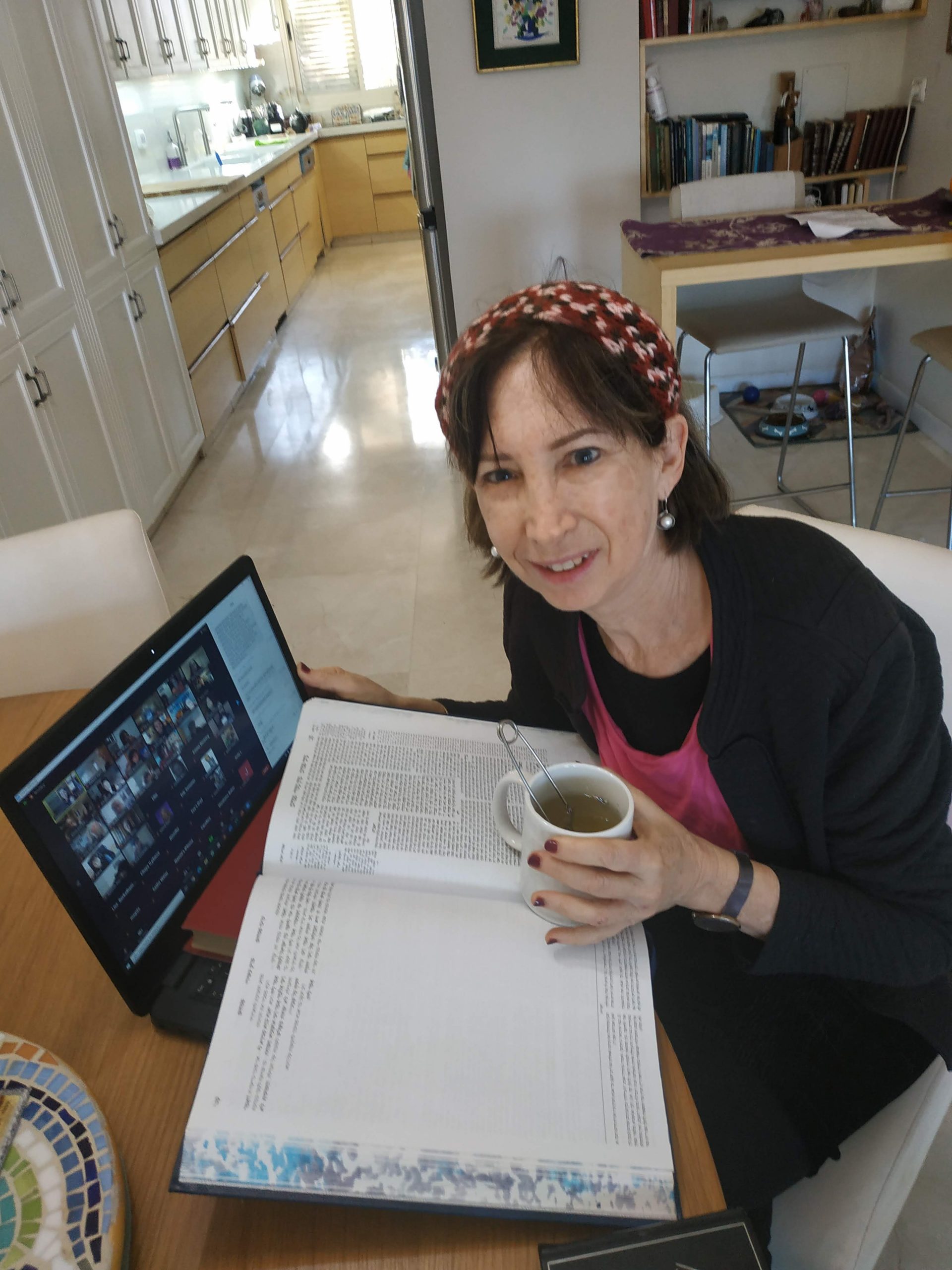
התחלתי לפני 8 שנים במדרשה. לאחרונה סיימתי מסכת תענית בלמידה עצמית ועכשיו לקראת סיום מסכת מגילה.

Daniela Baruchim
דניאלה ברוכים

רעננה, ישראל

אני לומדת גמרא כעשור במסגרות שונות, ואת הדף היומי התחלתי כשחברה הציעה שאצטרף אליה לסיום בבנייני האומה. מאז אני לומדת עם פודקסט הדרן, משתדלת באופן יומי אך אם לא מספיקה, מדביקה פערים עד ערב שבת. בסבב הזה הלימוד הוא "ממעוף הציפור”, מקשיבה במהירות מוגברת תוך כדי פעילויות כמו בישול או נהיגה, וכך רוכשת היכרות עם הסוגיות ואופן ניתוחם על ידי חז”ל. בע”ה בסבב הבא, ואולי לפני, אצלול לתוכו באופן מעמיק יותר.

Yael Bir
יעל ביר

רמת גן, ישראל

התחלתי ללמוד לפני 4.5 שנים, כשהודיה חברה שלי פתחה קבוצת ווטסאפ ללימוד דף יומי בתחילת מסכת סנהדרין. מאז לימוד הדף נכנס לתוך היום-יום שלי והפך לאחד ממגדירי הזהות שלי ממש.

Rosenberg Foundation
קרן רוזנברג

ירושלים, ישראל

התחלתי ללמוד דף יומי באמצע תקופת הקורונה, שאבא שלי סיפר לי על קבוצה של בנות שתיפתח ביישוב שלנו ותלמד דף יומי כל יום. הרבה זמן רציתי להצטרף לזה וזאת הייתה ההזדמנות בשבילי. הצטרפתי במסכת שקלים ובאמצע הייתה הפסקה קצרה. כיום אני כבר לומדת באולפנה ולומדת דף יומי לבד מתוך גמרא של טיינזלץ.

Saturdays in Raleigh
שבות בראלי

עתניאל, ישראל

התחלתי ללמוד בשנת המדרשה במגדל עוז, בינתיים נהנית מאוד מהלימוד ומהגמרא, מעניין ומשמח מאוד!
משתדלת להצליח לעקוב כל יום, לפעמים משלימה קצת בהמשך השבוע.. מרגישה שיש עוגן מקובע ביום שלי והוא משמח מאוד!

Uriah Kesner
אוריה קסנר

חיפה , ישראל

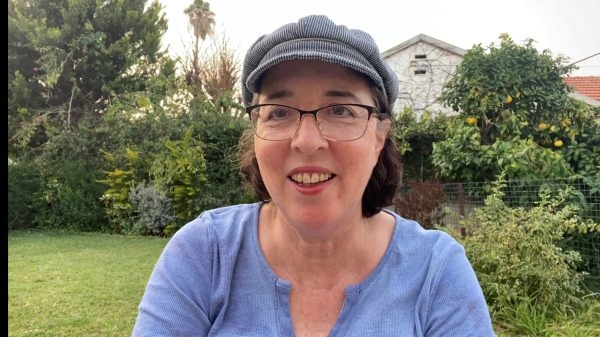
A friend in the SF Bay Area said in Dec 2019 that she might start listening on her morning drive to work. I mentioned to my husband and we decided to try the Daf when it began in Jan 2020 as part of our preparing to make Aliyah in the summer.

Hana Piotrkovsky
חנה פיוטרקובסקי

ירושלים, Israel

התחלתי ללמוד את הדף היומי מעט אחרי שבני הקטן נולד. בהתחלה בשמיעה ולימוד באמצעות השיעור של הרבנית שפרבר. ובהמשך העזתי וקניתי לעצמי גמרא. מאז ממשיכה יום יום ללמוד עצמאית, ולפעמים בעזרת השיעור של הרבנית, כל יום. כל סיום של מסכת מביא לאושר גדול וסיפוק. הילדים בבית נהיו חלק מהלימוד, אני משתפת בסוגיות מעניינות ונהנית לשמוע את דעתם.

Eliraz Blau
אלירז בלאו

מעלה מכמש, ישראל

A life-changing journey started with a Chanukah family tiyul to Zippori, home of the Sanhedrin 2 years ago and continued with the Syum in Binanei Hauma where I was awed by the energy of 3000 women dedicated to learning daf Yomi. Opening my morning daily with a fresh daf, I am excited with the new insights I find enriching my life and opening new and deeper horizons for me.

Becky Goldstein
בקי גולדשטיין

Elazar gush etzion, Israel

התחלתי ללמוד בסבב הנוכחי לפני כשנתיים .הסביבה מתפעלת ותומכת מאוד. אני משתדלת ללמוד מכל ההסכתים הנוספים שיש באתר הדרן. אני עורכת כל סיום מסכת שיעור בביתי לכ20 נשים שמחכות בקוצר רוח למפגשים האלו.

Yael Asher
יעל אשר

יהוד, ישראל

לפני 15 שנה, אחרי עשרות שנים של "ג’ינגול” בין משפחה לקריירה תובענית בהייטק, הצטרפתי לשיעורי גמרא במתן רעננה. הלימוד המעמיק והייחודי של הרבנית אושרה קורן יחד עם קבוצת הנשים המגוונת הייתה חוויה מאלפת ומעשירה. לפני כשמונה שנים כאשר מחזור הדף היומי הגיע למסכת תענית הצטרפתי כ”חברותא” לבעלי. זו השעה היומית שלנו ביחד כאשר דפי הגמרא משתלבים בחיי היום יום, משפיעים ומושפעים, וכשלא מספיקים תמיד משלימים בשבת

Yodi Askoff
יודי אסקוף

רעננה, ישראל

באירוע של הדרן בנייני האומה. בהשראתה של אמי שלי שסיימה את הש”ס בסבב הקודם ובעידוד מאיר , אישי, וילדיי וחברותיי ללימוד במכון למנהיגות הלכתית של רשת אור תורה סטון ומורתיי הרבנית ענת נובוסלסקי והרבנית דבורה עברון, ראש המכון למנהיגות הלכתית.
הלימוד מעשיר את יומי, מחזיר אותי גם למסכתות שכבר סיימתי וידוע שאינו דומה מי ששונה פרקו מאה לשונה פרקו מאה ואחת במיוחד מרתקים אותי החיבורים בין המסכתות

Roit Kalech
רוית קלך

מודיעין, ישראל

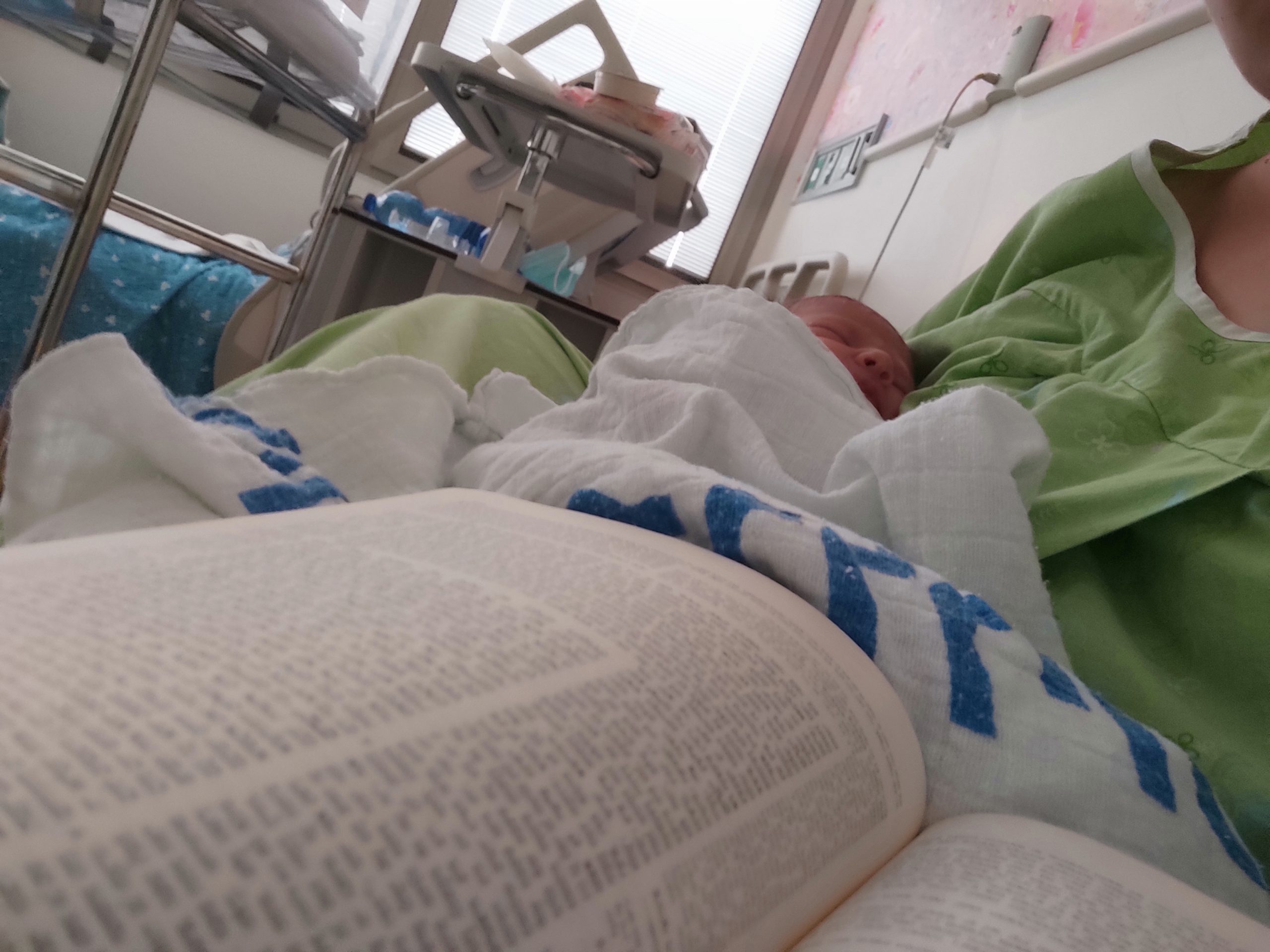
בתחילת הסבב הנוכחי הצטברו אצלי תחושות שאני לא מבינה מספיק מהי ההלכה אותה אני מקיימת בכל יום. כמו כן, כאמא לבנות רציתי לתת להן מודל נשי של לימוד תורה
שתי הסיבות האלו הובילו אותי להתחיל ללמוד. נתקלתי בתגובות מפרגנות וסקרניות איך אישה לומדת גמרא..
כמו שרואים בתמונה אני ממשיכה ללמוד גם היום ואפילו במחלקת יולדות אחרי לידת ביתי השלישית.

Noa Shiloh
נועה שילה

רבבה, ישראל

התחלתי מחוג במסכת קידושין שהעבירה הרבנית רייסנר במסגרת בית המדרש כלנה בגבעת שמואל; לאחר מכן התחיל סבב הדף היומי אז הצטרפתי. לסביבה לקח זמן לעכל אבל היום כולם תומכים ומשתתפים איתי. הלימוד לעתים מעניין ומעשיר ולעתים קשה ואף הזוי… אך אני ממשיכה קדימה. הוא משפיע על היומיום שלי קודם כל במרדף אחרי הדף, וגם במושגים הרבים שלמדתי ובידע שהועשרתי בו, חלקו ממש מעשי

Abigail Chrissy
אביגיל כריסי

ראש העין, ישראל

התחלתי ללמוד דף יומי באמצע תקופת הקורונה, שאבא שלי סיפר לי על קבוצה של בנות שתיפתח ביישוב שלנו ותלמד דף יומי כל יום. הרבה זמן רציתי להצטרף לזה וזאת הייתה ההזדמנות בשבילי. הצטרפתי במסכת שקלים ובאמצע הייתה הפסקה קצרה. כיום אני כבר לומדת באולפנה ולומדת דף יומי לבד מתוך גמרא של טיינזלץ.

Saturdays in Raleigh
שבות בראלי

עתניאל, ישראל

התחלתי ללמוד בעידוד שתי חברות אתן למדתי בעבר את הפרק היומי במסגרת 929.
בבית מתלהבים מאוד ובשבת אני לומדת את הדף עם בעלי שזה מפתיע ומשמח מאוד! לימוד הדף הוא חלק בלתי נפרד מהיום שלי. לומדת בצהריים ומחכה לזמן הזה מידי יום…

Miriam Wengerover
מרים ונגרובר

אפרת, ישראל

התחלתי ללמוד דף יומי לפני שנתיים, עם מסכת שבת. בהתחלה ההתמדה היתה קשה אבל בזכות הקורונה והסגרים הצלחתי להדביק את הפערים בשבתות הארוכות, לסיים את מסכת שבת ולהמשיך עם המסכתות הבאות. עכשיו אני מסיימת בהתרגשות רבה את מסכת חגיגה וסדר מועד ומחכה לסדר הבא!

Ilana-Shachnowitz
אילנה שכנוביץ

מודיעין, ישראל

התחלתי ללמוד בסבב הנוכחי לפני כשנתיים .הסביבה מתפעלת ותומכת מאוד. אני משתדלת ללמוד מכל ההסכתים הנוספים שיש באתר הדרן. אני עורכת כל סיום מסכת שיעור בביתי לכ20 נשים שמחכות בקוצר רוח למפגשים האלו.

Yael Asher
יעל אשר

יהוד, ישראל

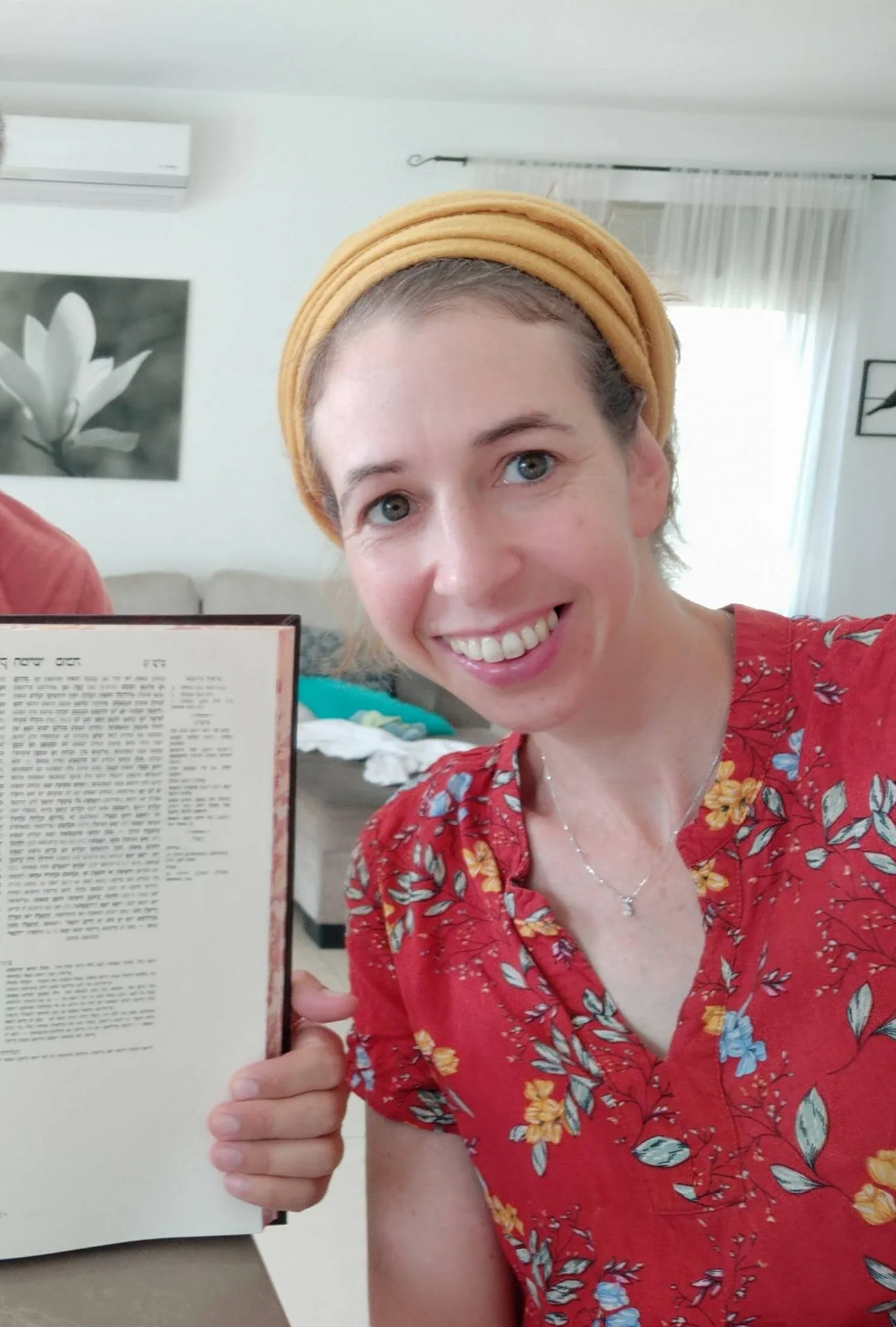
התחלתי כשהייתי בחופש, עם הפרסומים על תחילת המחזור, הסביבה קיבלה את זה כמשהו מתמיד ומשמעותי ובהערכה, הלימוד זה עוגן יציב ביום יום, יש שבועות יותר ויש שפחות אבל זה משהו שנמצא שם אמין ובעל משמעות בחיים שלי….

Adi Diamant
עדי דיאמנט

גמזו, ישראל

התחלתי ללמוד דף יומי שהתחילו מסכת כתובות, לפני 7 שנים, במסגרת קבוצת לימוד שהתפרקה די מהר, ומשם המשכתי לבד בתמיכת האיש שלי. נעזרתי בגמרת שטיינזלץ ובשיעורים מוקלטים.
הסביבה מאד תומכת ואני מקבלת המון מילים טובות לאורך כל הדרך. מאז הסיום הגדול יש תחושה שאני חלק מדבר גדול יותר.
אני לומדת בשיטת ה”7 דפים בשבוע” של הרבנית תרצה קלמן – כלומר, לא נורא אם לא הצלחת ללמוד כל יום, העיקר שגמרת ארבעה דפים בשבוע

Rachel Goldstein
רחל גולדשטיין

עתניאל, ישראל

אני לומדת גמרא כעשור במסגרות שונות, ואת הדף היומי התחלתי כשחברה הציעה שאצטרף אליה לסיום בבנייני האומה. מאז אני לומדת עם פודקסט הדרן, משתדלת באופן יומי אך אם לא מספיקה, מדביקה פערים עד ערב שבת. בסבב הזה הלימוד הוא "ממעוף הציפור”, מקשיבה במהירות מוגברת תוך כדי פעילויות כמו בישול או נהיגה, וכך רוכשת היכרות עם הסוגיות ואופן ניתוחם על ידי חז”ל. בע”ה בסבב הבא, ואולי לפני, אצלול לתוכו באופן מעמיק יותר.

Yael Bir
יעל ביר

רמת גן, ישראל

יומא לד

תַּלְמוּד לוֹמַר: ״וְעָרַךְ עָלֶיהָ הָעוֹלָה״, וְאָמַר רָבָא: ״הָעוֹלָה״ — הִיא עוֹלָה רִאשׁוֹנָה.

The verse states: “And the priest shall burn wood upon it in the morning, in the morning, and he shall place the burnt-offering upon it” (Leviticus 6:5), and Rava said: The verse could have simply said: And he shall place upon it, indicating that everything sacrificed on the altar is placed upon it; but instead, the verse states: “And he shall place the burnt-offering upon it,” to teach that it ascends the altar first.

וּמִנְחָה לַחֲבִיתִּין, עוֹלָה וּמִנְחָה.

Abaye continued: The sacrifice of the meal-offering precedes the sacrifice of the High Priest’s daily griddle-cake offering, half of which he sacrifices in the morning and half in the afternoon, as the verse states: “To bring offerings by fire to the Lord, burnt-offerings, meal-offerings, sacrifices, and libations, on each day what is proper to it” (Leviticus 23:37). Since the Torah states burnt-offerings and meal-offerings, apparently the daily burnt-offering precedes the meal-offering. And since the meal-offering is part of the burnt-offering sacrifice, it precedes the griddle-cake offering, which is a meal-offering unrelated to the burnt-offering.

וַחֲבִיתִּין לִנְסָכִים, שׁוּם מִנְחָה.

Abaye continued: And the griddle-cake offering precedes the pouring of the libations of the daily offering. This is because it is in the category of meal-offering. Since it has been established that the meal-offering that accompanies the daily offering is sacrificed after the daily offering, all meal-offerings are sacrificed after the daily-offering prior to any other service.

וּנְסָכִים לְמוּסָפִין, זֶבַח וּנְסָכִים. וּמוּסָפִין לְבָזִיכִין, וְהָתַנְיָא: בָּזִיכִין קוֹדְמִין לְמוּסָפִין! תַּנָּאֵי הִיא.

Abaye continued: And the libations precede the sacrifice of the additional offerings, as it is written: Offerings and libations, from which it is derived that the libations are brought immediately after the daily offering, before any other offering is sacrificed. And the additional offerings precede the vessels of frankincense that are brought on Shabbat. The Gemara asks: But wasn’t it taught in a baraita: The vessels of frankincense precede the additional offerings? The Gemara answers: This is the subject of a dispute between the tanna’im Rabbi Yishmael and Rabbi Akiva (Pesaḥim 58a).

אָמַר אַבָּיֵי: מִסְתַּבְּרָא כְּמַאן דְּאָמַר מוּסָפִין קוֹדְמִין לְבָזִיכִין — לָאו מִי אָמְרַתְּ ״בַּבֹּקֶר בַּבֹּקֶר״, לְהַקְדִּים? הָכָא נָמֵי: ״בַּיּוֹם״ ״בַּיּוֹם״, לְאַחֵר.

Abaye said: It is reasonable that the sequence should be in accordance with the opinion of the one who said the additional offerings precede the vessels of frankincense, as didn’t you say that the repetition of the term: In the morning, in the morning, comes to prioritize the daily offering? Here too, repetition within the clause: “He shall arrange them on Shabbat day, on Shabbat day” (Leviticus 24:8), with regard to the vessels of frankincense, comes to postpone that service until the peak of the day.

מַאי טַעְמָא דְּמַאן דְּאָמַר בָּזִיכִין קוֹדְמִין לְמוּסָפִין? גָּמַר ״חוּקָּה״ ״חוּקָּה״ מֵחֲבִיתִּין.

The Gemara asks: What is the rationale for the opinion of the one who said: The vessels of frankincense precede the additional offerings? The Gemara explains: By means of a verbal analogy he derives: Statute, written with regard to the vessels of frankincense: “A statute for all time” (Leviticus 24:9), from: Statute, written with regard to the griddle-cake offering: “A statute for all time” (Leviticus 6:15). Just as the griddle-cake offering precedes the additional offerings, so too, the vessels of frankincense precede the additional offerings.

אִי מֵהָתָם גָּמַר, לִיגְמְרַהּ כּוּלַּהּ מִילְּתָא מֵהָתָם? לְהָכִי אַהֲנִי ״בַּיּוֹם״ ״בַּיּוֹם״, לְאַחֵר.

The Gemara asks: If he derived it from there, let him derive the entire matter from there, and let the vessels of frankincense be burned immediately after the griddle-cake offering; why are the libations offered between them? The Gemara answers: It is to that end that the verse: “He shall arrange them on Shabbat day, on Shabbat day,” with regard to the vessels of frankincense, is effective, to postpone their offering until later.

קְטוֹרֶת שֶׁל שַׁחַר הָיְתָה קְרֵיבָה בֵּין דָּם לְאֵיבָרִים וְכוּ׳. מַנִּי? אִי רַבָּנַן, בֵּין דָּם לְנֵרוֹת מִיבְּעֵי לֵיהּ. אִי אַבָּא שָׁאוּל, בֵּין נֵרוֹת לְאֵיבָרִים מִיבְּעֵי לֵיהּ!

§ After analyzing Abaye’s tradition with regard to the sequence of the daily service, the Gemara returns to analyzing the passage in the mishna: The morning incense was burned between the receiving and sprinkling of the blood and the burning of the limbs. The Gemara asks: In accordance with whose opinion is the mishna? If it is in accordance with the opinion of the Rabbis elsewhere (15a), the mishna should say that the incense was burned between the sprinkling of the blood and the removal of the ashes from the lamps. If it is in accordance with the opinion of Abba Shaul, the mishna should say that the incense was burned between the removal of the ashes from the lamps and the burning of the limbs.

לְעוֹלָם רַבָּנַן הִיא, וּבְסִידְרָא לָא קָא מַיְירֵי.

The Gemara responds: Actually, the mishna is in accordance with the opinion of the Rabbis, but the mishna is not speaking of the sequence of the entire service. The mishna states that the incense was burned between the sprinkling of the blood and the burning of the limbs of the daily offering, although other services were performed then as well, including the removal of ashes from the lamps.

וְשֶׁל בֵּין הָעַרְבַּיִם הָיְתָה קְרֵיבָה בֵּין אֵיבָרִים לִנְסָכִים וְכוּ׳. מְנָא הָנֵי מִילֵּי? אָמַר רַבִּי יוֹחָנָן, דְּאָמַר קְרָא: ״כְּמִנְחַת הַבֹּקֶר וּכְנִסְכּוֹ תַּעֲשֶׂה״, מָה מִנְחַת הַבֹּקֶר — קְטוֹרֶת קוֹדֶמֶת לִנְסָכִים, אַף כָּאן — קְטוֹרֶת קוֹדֶמֶת לִנְסָכִים.

The mishna continues: The afternoon incense was burned between the taking of the limbs up to the altar and the pouring of its libations. The Gemara asks: From where are these matters derived? Rabbi Yoḥanan said that the verse states: “And the other lamb you shall present in the afternoon, as the meal-offering in the morning and its libation, you shall present it, an offering made by fire, of a sweet fragrance unto the Lord” (Numbers 28:8). Just as with regard to the morning meal-offering incense precedes libations, so too here, in the afternoon, incense precedes the libations.

אִי מָה לְהַלָּן קְטוֹרֶת קוֹדֶמֶת לְאֵיבָרִים, אַף כָּאן קְטוֹרֶת קוֹדֶמֶת לְאֵיבָרִים! מִי כְּתִיב ״כְּאֵיבְרֵי הַבֹּקֶר״? ״כְּמִנְחַת הַבֹּקֶר״ כְּתִיב. כְּמִנְחַת הַבֹּקֶר, וְלֹא כְּאֵיבְרֵי הַבֹּקֶר.

The Gemara asks: If so, just as there, in the morning, incense even precedes limbs, so too here, in the afternoon, incense should precede limbs. The Gemara rejects this: Is it written: As the limbs in the morning? As the meal-offering in the morning, is written, indicating with regard to the daily afternoon offering that it is like the meal-offering in the morning, and not like the burning of the limbs of the morning.

תָּנוּ רַבָּנַן: ״וְנִסְכּוֹ רְבִיעִית הַהִין״ — יִלְמַד שֶׁל שַׁחֲרִית מִשֶּׁל עַרְבִית.

The Sages taught in a baraita that it is written: “And its libation shall be a quarter-hin for the one lamb, in the sacred area it shall be poured as an offering of strong drink unto the Lord” (Numbers 28:7). The Sages understand this verse as referring to the daily afternoon offering; therefore, one will derive the manner and order of the daily morning offering from the manner and order of the daily afternoon offering. Just as libations are required for the daily afternoon offering, so too, they are required for the daily morning offering.

רַבִּי אוֹמֵר: עַרְבִית מִשֶּׁל שַׁחֲרִית.

Rabbi Yehuda HaNasi says: The daily afternoon offering is derived from that of the morning. The phrase: “The one lamb,” refers to the lamb of the daily morning offering, and the daily afternoon offering is derived from it.

בִּשְׁלָמָא לְרַבָּנַן, הַאי בְּתָמִיד שֶׁל בֵּין הָעַרְבַּיִם כְּתִיב. אֶלָּא רַבִּי, מַאי טַעְמָא? אָמַר רַבָּה בַּר עוּלָּא, אָמַר קְרָא: ״לַכֶּבֶשׂ הָאֶחָד״, אֵיזֶהוּ כֶּבֶשׂ שֶׁנֶּאֱמַר בּוֹ ״אֶחָד״? הֱוֵי אוֹמֵר זֶה תָּמִיד שֶׁל שַׁחַר.

The Gemara asks: Granted, according to the opinion of the Rabbis who hold that this verse is written with regard to the daily afternoon offering based on the preceding verses, they can explain that the daily morning offering is derived from the daily afternoon offering. However, what is the rationale for the opinion of Rabbi Yehuda HaNasi, who holds that the afternoon offering is derived from the morning offering? Rabba bar Ulla said that the verse states: “For the one lamb.” Which is the lamb with regard to which it is previously stated: One? You must say: That is the lamb of the daily morning offering (see Exodus 29:39).

וְרַבָּנַן: מַאי ״אֶחָד״ — מְיוּחָד שֶׁבְּעֶדְרוֹ. וְרַבִּי: מִ״ומִּבְחַר נְדָרֶיךָ״ נָפְקָא. וְרַבָּנַן: חַד בְּחוֹבָה וְחַד בִּנְדָבָה, וּצְרִיכִי.

And according to the Rabbis, what is the meaning of the term: One? It means the special lamb that is one in his flock. The lamb for the daily offering should be of the highest quality.
And from where does Rabbi Yehuda HaNasi derive that principle? The Gemara answers that in his opinion, the principle is derived from that which is written: “And all the choicest of your vow-offerings” (Deuteronomy 12:11). One is required to fulfill his vow by offering the animal of the highest quality.
And how do the Rabbis interpret this verse? They interpret that one verse refers to the requirement to bring the animal of the highest quality for obligatory offerings and one verse refers to the requirement to bring the animal of the highest quality for gift-offerings. And both verses are necessary, as otherwise it would not have been clear that this requirement applies to both. On the one hand, one might think it is only with regard to obligatory offerings that the animal of the highest quality must be sacrificed. On the other hand, one might think it is only with regard to a gift-offering that the animal of the highest quality must be sacrificed, as if it is not of the highest quality, it is better not to sacrifice it at all.

אִם הָיָה כֹּהֵן גָּדוֹל זָקֵן אוֹ אִיסְטְנִיס וְכוּ׳. תַּנְיָא, אָמַר רַבִּי יְהוּדָה: עֲשָׁשִׁיּוֹת שֶׁל בַּרְזֶל הָיוּ מְחַמִּין מֵעֶרֶב יוֹם הַכִּפּוּרִים וּמְטִילִין לְתוֹךְ צוֹנֵן, כְּדֵי שֶׁתָּפִיג צִינָּתָן. וַהֲלֹא מְצָרֵף! אָמַר רַב בִּיבִי: שֶׁלֹּא הִגִּיעַ לְצֵירוּף. אַבָּיֵי אָמַר: אֲפִילּוּ תֵּימָא שֶׁהִגִּיעַ לְצֵירוּף — דָּבָר שֶׁאֵין מִתְכַּוֵּין מוּתָּר.

§ The mishna continues: If the High Priest was old or delicate, they would heat hot water for him on Yom Kippur eve and place it into the cold water of the ritual bath in order to temper its chill. It was taught in a baraita that Rabbi Yehuda said: They would heat blocks of iron on Yom Kippur eve and cast them into the cold water of the ritual bath to temper its chill. The Gemara asks: But by doing so, doesn’t he harden the iron, which is a labor prohibited on Yom Kippur? Rav Beivai said: The temperature of the blocks of iron did not reach the hardening point. Abaye said: Even if you say that the temperature of the iron reached the hardening point, the fact that the iron hardened when he placed it in the water is an unintentional act, which is permitted. His intention was to temper the chill of the water, not to harden the iron.

וּמִי אָמַר אַבָּיֵי הָכִי? וְהָתַנְיָא: ״בְּשַׂר עׇרְלָתוֹ״, אֲפִילּוּ בִּמְקוֹם שֶׁיֵּשׁ שָׁם בַּהֶרֶת — יָקוֹץ, דִּבְרֵי רַבִּי יֹאשִׁיָּה. וְהָוֵינַן בָּהּ: קָרָא לְמָה לִי? וְאָמַר אַבָּיֵי: לְרַבִּי יְהוּדָה, דְּאָמַר: דָּבָר שֶׁאֵין מִתְכַּוֵּין אָסוּר.

And did Abaye actually say that an unintentional act is permitted? But wasn’t it taught in a baraita that it is written: “And on the eighth day the flesh of his foreskin shall be circumcised (Leviticus 12:3), from which it is derived that one may cut the foreskin and circumcise the baby even if there is a white spot of leprosy there? He may do so even though the Torah prohibits excising a white spot of leprosy. This is the statement of Rabbi Yoshiya. And we discussed this matter: Why do I need a verse to permit it? His intention is not to excise the leprosy but to fulfill the mitzva of circumcision. And Abaye said: The statement of Rabbi Yoshiya is in accordance with the opinion of Rabbi Yehuda, who said that performing an unintentional act is prohibited. Therefore, a special verse is necessary to permit circumcision in that case. Apparently, Abaye holds that Rabbi Yehuda prohibits even unintentional acts. Why, then, does he explain that Rabbi Yehuda permits placing blocks of iron into the water if his intention is not to harden the iron?

הָנֵי מִילֵּי, בְּכׇל הַתּוֹרָה כּוּלָּהּ, אֲבָל הָכָא צֵירוּף דְּרַבָּנַן הוּא.

The Gemara answers: When Abaye said that Rabbi Yehuda prohibits unintentional acts, that applies only to actions prohibited by Torah law that appear in the whole Torah in its entirety. However, here, hardening the blocks of iron is not a labor prohibited by Torah law but is prohibited by rabbinic law, as a decree intended to enhance the character of Shabbat as a day of rest. Rabbi Yehuda concedes that unintentional performance of prohibitions by rabbinic law is permitted.

מַתְנִי׳ הֱבִיאוּהוּ לְבֵית הַפַּרְוָה, וּבַקֹּדֶשׁ הָיָתָה. פֵּרְסוּ סָדִין שֶׁל בּוּץ בֵּינוֹ לְבֵין הָעָם, קִדֵּשׁ יָדָיו וְרַגְלָיו וּפָשַׁט. רַבִּי מֵאִיר אוֹמֵר: פָּשַׁט, קִדֵּשׁ יָדָיו וְרַגְלָיו. יָרַד וְטָבַל, עָלָה וְנִסְתַּפָּג. הֵבִיאוּ לוֹ בִּגְדֵי לָבָן, לָבַשׁ וְקִדֵּשׁ יָדָיו וְרַגְלָיו.

MISHNA: They brought the High Priest to immerse a second time in the Hall of Parva, which was in the sacred area, the Temple courtyard. They spread a sheet of fine linen between him and the people in the interest of modesty. And he sanctified his hands and his feet and removed his garments. Rabbi Meir says that this was the sequence: He first removed his garments and then he sanctified his hands and his feet. He descended and immersed a second time. He ascended and dried himself. And they immediately brought him the white garments, in which he dressed, and he sanctified his hands and his feet.

בַּשַּׁחַר הָיָה לוֹבֵשׁ פִּלּוּסִין שֶׁל שְׁנֵים עָשָׂר מָנֶה. בֵּין הָעַרְבַּיִם הִנְדְּוִיִין שֶׁל שְׁמוֹנֶה מֵאוֹת זוּז, דִּבְרֵי רַבִּי מֵאִיר. וַחֲכָמִים אוֹמְרִים: בַּשַּׁחַר הָיָה לוֹבֵשׁ שֶׁל שְׁמוֹנָה עָשָׂר מָנֶה, וּבֵין הָעַרְבַּיִם שֶׁל שְׁנֵים עָשָׂר מָנֶה, הַכֹּל שְׁלֹשִׁים מָנֶה. אֵלּוּ מִשֶּׁל צִיבּוּר, וְאִם רָצָה לְהוֹסִיף — מוֹסִיף מִשֶּׁלּוֹ.

In the morning he would wear linen garments from the Egyptian city of Pelusium worth twelve maneh, 1,200 dinars or zuz. These garments were very expensive due to their high quality. And in the afternoon he wore linen garments from India, which were slightly less expensive, worth eight hundred zuz. This is the statement of Rabbi Meir. And the Rabbis say: In the morning he would wear garments worth eighteen maneh, and in the afternoon he would wear garments worth twelve maneh. In total, the clothes were worth thirty maneh. These sums for the garments came from the community, and if the High Priest wished to add money to purchase even finer garments, he would add funding of his own.

רוצה לעקוב אחרי התכנים ולהמשיך ללמוד?

ביצירת חשבון עוד היום ניתן לעקוב אחרי ההתקדמות שלך, לסמן מה למדת, ולעקוב אחרי השיעורים שמעניינים אותך.

לנקות את כל הפריטים מהרשימה?

פעולה זו תסיר את כל הפריטים בחלק זה כולל ההתקדמות וההיסטוריה. שימי לב: לא ניתן לשחזר פעולה זו.

ביטול
מחיקה

האם את/ה בטוח/ה שברצונך למחוק פריט זה?

תאבד/י את כל ההתקדמות או ההיסטוריה הקשורות לפריט זה.

ביטול
מחיקה