חיפוש

יומא מח

רוצה להקדיש שיעור?

podcast placeholder

0:00
0:00


תקציר

הדף היום מוקדש ע”י משפחת שלו מהושעיה, "לעילוי נשמתה של ג’ניה עדי בת לנה ומישה ג’ניה הותירה אחריה חותם עמוק באהבתה ללימוד התורה ובנועם הליכותיה.”

רב פפא שואל מספר שאלות הן על הקדשת הקמיצה מהמנחה והן על הקדשת הקטורת ביום כיפור. כאשר כהן גדול חופן מלוא חפניו קטורת, האם צריך חופן גדוש או שחוק? אם הקטורת נופלת על הרצפה לאחר שהיה בידיו, האם הוא יכול לאסוף אותה ולהקטיר אותה או האם נפסלה? איך זה משתווה לדם של בהמה שנשפך? האם דיני פיגול חלים על הקטורת? האם זה תלוי באיזה שלב בתהליך מדובר? רב ששת נשאל שאלה: כאשר כהן מוליך את הדם למזבח, האם ניתן לשאת אותו ביד שמאל או רק בימין? הוא לומד תשובתו מהקטורת שהובאה ביד שמאל של כהן גדול. מדוע לא לומדים מהעלאת האברים של קרבן התמיד ששם הכהן הנושא את הראש והרגל מעלה ביד שמאל את הרגל?

כלים

יומא מח

רַב פָּפָּא: דַּבְּקֵיהּ לְקוֹמֶץ בְּדוּפְנֵיהּ דְּמָנָא, מַאי? תּוֹךְ כְּלִי בָּעֵינַן — וְהָא אִיכָּא, אוֹ דִילְמָא: הַנָּחָה בְּתוֹכוֹ כְּתִקְנוֹ בָּעֵינַן — וְהָא לֵיכָּא. תֵּיקוּ.

Rav Pappa: What is the halakha in a case where he stuck the handful of flour onto the side of the vessel? After the flour of a meal-offering has been separated, it must be placed in a vessel for burning, an action that sanctifies the flour. Rav Pappa inquires as to what the halakha is if the priest places the flour on the sides, instead of on the bottom of the vessel. The Gemara clarifies the two sides of the dilemma: Do we require the handful to be inside the vessel, and that is the case here? Or perhaps we require the handful to be placed properly inside the vessel, and that is not fulfilled in this instance. No answer is found for this question, and the Gemara concludes: Let it stand unresolved.

בָּעֵי מָר בַּר רַב אָשֵׁי: אַפְכֵיהּ לְמָנָא וְדַבְּקֵיהּ לְקוֹמֶץ בְּאַרְעִיתֵיהּ דְמָנָא, מַהוּ? הַנָּחָה בְּתוֹכוֹ בָּעֵינַן — וְהָא אִיכָּא, אוֹ דִילְמָא הַנָּחָה כְּתִקְנוֹ בָּעִינַן — וְלֵיכָּא? תֵּיקוּ.

Mar bar Rav Ashi raised a similar dilemma: What is the halakha if the priest overturned the vessel and stuck the handful to an indentation in the underside of the vessel? Do we require the handful to be inside the vessel, and that requirement is fulfilled here; or perhaps we require it to be placed properly in the vessel, and that is not the case here? With regard to this question as well, the Gemara states: Let it stand unresolved.

בָּעֵי רַב פָּפָּא: מְלֹא חׇפְנָיו שֶׁאָמְרוּ — מְחוּקוֹת, אוֹ גְדוּשׁוֹת? אֲמַר לֵיהּ רַבִּי אַבָּא לְרַב אָשֵׁי, תָּא שְׁמַע: מְלֹא חׇפְנָיו שֶׁאָמְרוּ — לֹא מְחוּקוֹת, וְלֹא גְּדוּשׁוֹת, אֶלָּא טְפוּפוֹת.

§ Rav Pappa raised a dilemma: Should the handfuls to which the Sages referred be smoothed over or slightly overflowing? Rabbi Abba said to Rav Ashi: Come and hear an explicit statement in a baraita: The handfuls to which the Sages referred should be neither smoothed over nor overflowing, but full, without any flour spilling out.

תְּנַן הָתָם: נִשְׁפַּךְ הַדָּם עַל הָרִצְפָּה וַאֲסָפוֹ פָּסוּל. מִן הַכְּלִי עַל הָרִצְפָּה וַאֲסָפוֹ — כָּשֵׁר.

§ We learned in a mishna there, in Zevaḥim 32a: If the blood of the sacrificial animal spilled on the floor instead of being collected directly into a vessel, and a priest collected it from there into a vessel, it is disqualified, as it was not collected properly. Conversely, if the blood spilled from the vessel onto the floor, after it was collected properly, and a priest collected it and put it back in the vessel, it is valid.

מְנָא הָנֵי מִילֵּי? תָּנוּ רַבָּנַן: ״וְלָקַח מִדַּם הַפָּר״, מִדַּם הַנֶּפֶשׁ, וְלֹא מִדַּם הָעוֹר, וְלֹא מִדַּם הַתַּמְצִית.

The Gemara asks: From where are these matters derived? As the Sages taught in a halakhic midrash: “And the anointed priest shall take from the blood of the bull” (Leviticus 4:5); this means that the priest shall take from the blood of the soul, i.e., the bull’s blood that flows from the place of slaughter as the animal dies, and not from the blood of the skin, which bleeds out when the skin is cut before the slaughter, nor from the blood squeezed from an animal after the initial spurt.

״מִדַּם הַפָּר״, דָּם מֵהַפָּר יְקַבְּלֶנּוּ, דְּאִי סָלְקָא דַעְתָּךְ ״מִדַּם הַפָּר״ — ״מִדָּם״, וַאֲפִילּוּ מִקְצָת דָּם, וְהָאָמַר רַב יְהוּדָה: הַמְקַבֵּל, צָרִיךְ שֶׁיְּקַבֵּל אֶת כׇּל דָּמוֹ שֶׁל פַּר, שֶׁנֶּאֱמַר: ״וְאֵת כׇּל דַּם הַפָּר יִשְׁפּוֹךְ אֶל יְסוֹד מִזְבַּח״.

The baraita interprets the phrase “from the blood of the bull,” as though these words were written in a different order: Blood from the bull, i.e., the priest shall receive it directly. For if it should enter your mind that the letter mem, which means “from” in the phrase “from the blood of the bull,” is limiting and indicates that even if the priest received some of the blood, his action is acceptable, didn’t Rav Yehuda say: He who receives the blood must receive all of the blood of the bull, as it is stated: “And all the blood of the bull he shall pour out on the base of the altar” (Leviticus 4:7)? This verse emphasizes that the priest must pour all of the bull’s blood, which is possible only if he has collected all of it.

אֶלָּא שְׁמַע מִינַּהּ: מַאי ״מִדַּם הַפָּר״ — דָּם מֵהַפָּר יְקַבְּלֶנּוּ. וְקָסָבַר: גּוֹרְעִין וּמוֹסִיפִין וְדוֹרְשִׁין.

Rather, learn from this that what is the meaning of the phrase: “From the blood of the bull”? It means that the priest must receive the blood directly from the bull. And this Sage maintains that the Sages subtract and add and interpret homiletically, i.e., one may take a letter from one word, insert it into a second word, and explain the phrase in that manner.

בָּעֵי רַב פָּפָּא: נִתְפַּזֵּר הַקְּטוֹרֶת מִמְּלוֹא חׇפְנָיו, מַהוּ? יָדוֹ כְּצַוַּאר בְּהֵמָה דָּמֵי — וּפְסוּלָה, אוֹ דִילְמָא כִּכְלִי שָׁרֵת דָּמֵי — וְלָא פְּסוּלָה? תֵּיקוּ.

§ Rav Pappa raised a dilemma based on the above ruling: What is the halakha if the incense from his handfuls scattered? Is his hand considered like the neck of the animal, and the incense is disqualified? Or perhaps his hand is considered like a vessel used in the Temple service, and if the incense fell from his hand it is not disqualified. No answer was found for this question either, and the Gemara again concludes: Let it stand unresolved.

בָּעֵי רַב פָּפָּא: חִישֵּׁב בַּחֲפִינַת קְטוֹרֶת, מַהוּ? מִי אָמְרִינַן יָלֵיף ״מְלֹא״ ״מְלֹא״ מִמִּנְחָה, מָה הָתָם מַהְנְיָא בַּהּ מַחְשָׁבָה, הָכָא נָמֵי מַהְנְיָא בַּהּ מַחְשָׁבָה, אוֹ לֹא?

§ Rav Pappa raised another dilemma: What is the halakha if the High Priest thought a disqualifying thought during the taking of the handful of the incense, e.g., if he intended to burn it after its appropriate time? Does this thought invalidate the rite or not? Do we say that this halakha is derived by means of a verbal analogy of “handfuls” and “handfuls,” from the case of a meal-offering, as follows: Just as there, with regard to the meal-offering, thought is effective to invalidate it, so too here, with regard to taking a handful of incense, thought is effective to invalidate it? Or should the two cases not be compared?

אֲמַר לֵיהּ רַב שִׁימִי בַּר אָשֵׁי לְרַב פָּפָּא: תָּא שְׁמַע: הוֹסִיף רַבִּי עֲקִיבָא (הַקּוֹמֶץ) וְהַקְּטוֹרֶת, וְהַלְּבוֹנָה, וְהַגֶּחָלִים, שֶׁאִם נָגַע טְבוּל יוֹם בְּמִקְצָתָן — פָּסַל אֶת כּוּלָּן.

Rav Shimi bar Ashi said to Rav Pappa: Come and hear a resolution to your dilemma: Rabbi Akiva added the handful of fine flour and the incense, and the frankincense, and the coals that are collected in a vessel, to the ruling of the Sages that if one who immersed himself during the day touched part of them, he disqualifies all of them. Due to the respect in which sacred objects are held, these objects are treated as one solid unit. This is so despite the fact that its parts are not really attached to each other but are separate small segments and therefore, logically, one who immersed himself during the day should disqualify only those parts of the item with which he came into direct contact.

קָא סָלְקָא דַּעְתָּךְ: מִדְּפָסַל טְבוּל יוֹם — פָּסְלָה נָמֵי לִינָה. וּמִדְּלִינָה פָּסְלָה — פָּסְלָה נָמֵי מַחְשָׁבָה.

The Gemara explains: It enters your mind that from the fact that one who immersed himself during the day disqualifies these items by touch, therefore leaving them after their permitted time likewise disqualifies them; and from the fact that leaving them after their time disqualifies them, therefore thought likewise disqualifies them. Consequently, as incense is similar to flour with regard to ritual impurity, it is also disqualified by the priest’s improper thought.

בָּעֵי רַב פָּפָּא:

§ Rav Pappa raised another dilemma:

חִישֵּׁב בַּחֲתִיַּית גֶּחָלִים, מַהוּ? מַכְשִׁירֵי מִצְוָה כְּמִצְוָה דָּמוּ, אוֹ לָא? תֵּיקוּ.

What is the halakha if he thought invalidating thoughts during the raking of the coals? Does this thought invalidate the incense? The Gemara elaborates: The question here is whether actions that facilitate the performance of a mitzva are considered like the mitzva itself. If so, merely raking the coals, which facilitates the mitzva of the incense, is like burning the incense itself; therefore, an improper thought would disqualify the incense. Or perhaps actions that facilitate the performance of a mitzva are not considered part of the mitzva itself. No answer was found for this question either, and the Gemara once again concludes: Let it stand unresolved.

בְּעוֹ מִינֵּיהּ מֵרַב שֵׁשֶׁת: הוֹלָכָה בִּשְׂמֹאל, מַהוּ? אֲמַר לְהוּ רַב שֵׁשֶׁת, תְּנֵיתוּהָ: נָטַל אֶת הַמַּחְתָּה בִּימִינוֹ וְאֶת הַכַּף בִּשְׂמֹאלוֹ.

§ The Sages raised a dilemma before Rav Sheshet: What is the halakha with regard to carrying the blood in one’s left hand? Is this action valid, or is carrying, like receiving and sprinkling the blood, an act that must be performed with the right hand? Rav Sheshet said to them: We already learned it; there is an answer to this question from the mishna: He took the coal pan in his right hand and the spoon in his left hand. This proves that although the spoon is carried in the left hand to the place of the service, the rite is valid.

וְנִפְשׁוֹט לְהוּ מֵהָא דִּתְנַן: הָרֶגֶל שֶׁל יָמִין בִּשְׂמֹאל וּבֵית עוֹרָהּ לַחוּץ!

The Gemara asks: And let us resolve this dilemma for them from that which we learned in a mishna: The priest who is privileged to carry the head and the leg of the daily offering to the ramp carried the right leg in his left hand, with its entire hide facing outward and the place of the slaughter on the neck facing the priest. This mishna also proves that carrying with the left hand is acceptable.

אִי מֵהָתָם, הֲוָה אָמֵינָא: הָנֵי מִילֵּי הוֹלָכָה דְּלָא מְעַכְּבָא כַּפָּרָה, אֲבָל הוֹלָכָה דִּמְעַכְּבָא כַּפָּרָה — לָא, קָמַשְׁמַע לַן.

The Gemara rejects this contention: If the proof is from there, I would have said: That applies only to a type of carrying that does not invalidate atonement, as even if the limbs are not carried up to the altar, atonement is nevertheless achieved through the sprinkling of the blood. The rite is valid even if the limbs of the daily offering are not burned at all. However, with regard to the type of carrying that does invalidate atonement, e.g., carrying the blood to the altar, no, perhaps it must be done specifically with the right hand. Rav Sheshet therefore teaches us from the mishna that although carrying the spoon is necessary for the mitzva, the rite is nevertheless valid if it is carried in the left hand.

כלים

העמקה

רוצה להבין מה באמת קורה מתחת לפני השטח של הסוגיה?
שיעורים, פודקאסטים והרחבות של מיטב המורות שלנו יפתחו לך עוד זוויות וכיווני חשיבה.

לשיעורי עוד על הדף באנגלית, לחצי כאן

חדשה בלימוד הגמרא?

זה הדף הראשון שלך? איזו התרגשות עצומה! יש לנו בדיוק את התכנים והכלים שיעזרו לך לעשות את הצעדים הראשונים ללמידה בקצב וברמה שלך, כך תוכלי להרגיש בנוח גם בתוך הסוגיות המורכבות ומאתגרות.

פסיפס הלומדות שלנו

גלי את קהילת הלומדות שלנו, מגוון נשים, רקעים וסיפורים. כולן חלק מתנועה ומסע מרגש ועוצמתי.

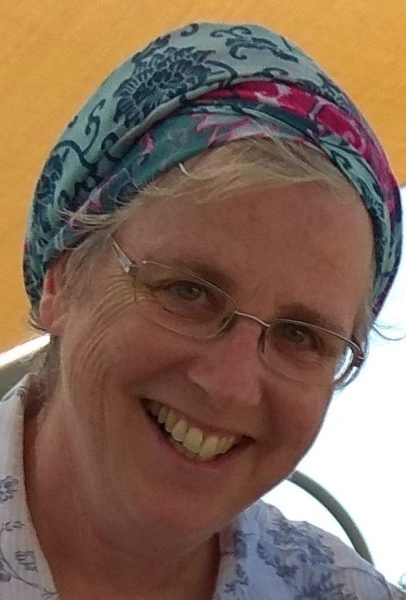
אני לומדת גמרא כעשור במסגרות שונות, ואת הדף היומי התחלתי כשחברה הציעה שאצטרף אליה לסיום בבנייני האומה. מאז אני לומדת עם פודקסט הדרן, משתדלת באופן יומי אך אם לא מספיקה, מדביקה פערים עד ערב שבת. בסבב הזה הלימוד הוא "ממעוף הציפור”, מקשיבה במהירות מוגברת תוך כדי פעילויות כמו בישול או נהיגה, וכך רוכשת היכרות עם הסוגיות ואופן ניתוחם על ידי חז”ל. בע”ה בסבב הבא, ואולי לפני, אצלול לתוכו באופן מעמיק יותר.

Yael Bir
יעל ביר

רמת גן, ישראל

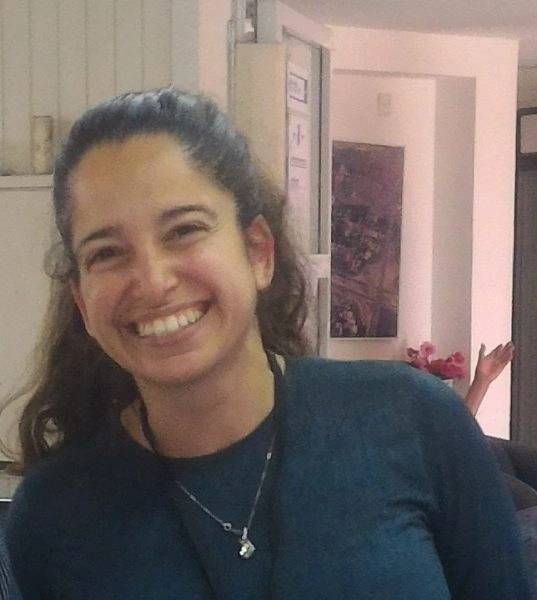
אחי, שלומד דף יומי ממסכת ברכות, חיפש חברותא ללימוד מסכת ראש השנה והציע לי. החברותא היתה מאתגרת טכנית ורוב הזמן נעשתה דרך הטלפון, כך שבסיום המסכת נפרדו דרכינו. אחי חזר ללמוד לבד, אבל אני כבר נכבשתי בקסם הגמרא ושכנעתי את האיש שלי להצטרף אלי למסכת ביצה. מאז המשכנו הלאה, ועכשיו אנחנו מתרגשים לקראתו של סדר נשים!

Shulamit Saban
שולמית סבן

נוקדים, ישראל

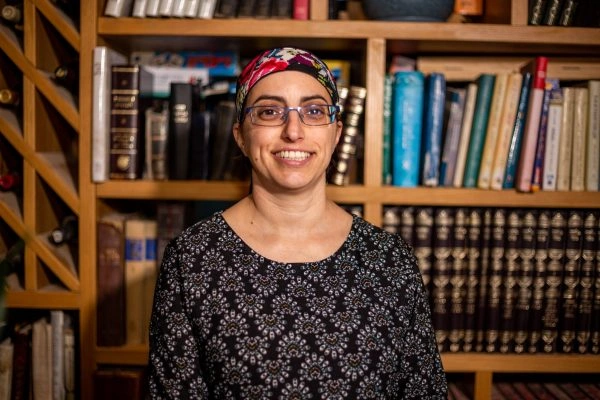
הייתי לפני שנתיים בסיום הדרן נשים בבנייני האומה והחלטתי להתחיל. אפילו רק כמה דפים, אולי רק פרק, אולי רק מסכת… בינתיים סיימתי רבע שס ותכף את כל סדר מועד בה.
הסביבה תומכת ומפרגנת. אני בת יחידה עם ארבעה אחים שכולם לומדים דף יומי. מדי פעם אנחנו עושים סיומים יחד באירועים משפחתיים. ממש מרגש. מסכת שבת סיימנו כולנו יחד עם אבא שלנו!
אני שומעת כל יום פודקאסט בהליכה או בנסיעה ואחכ לומדת את הגמרא.

Edna Gross
עדנה גרוס

מרכז שפירא, ישראל

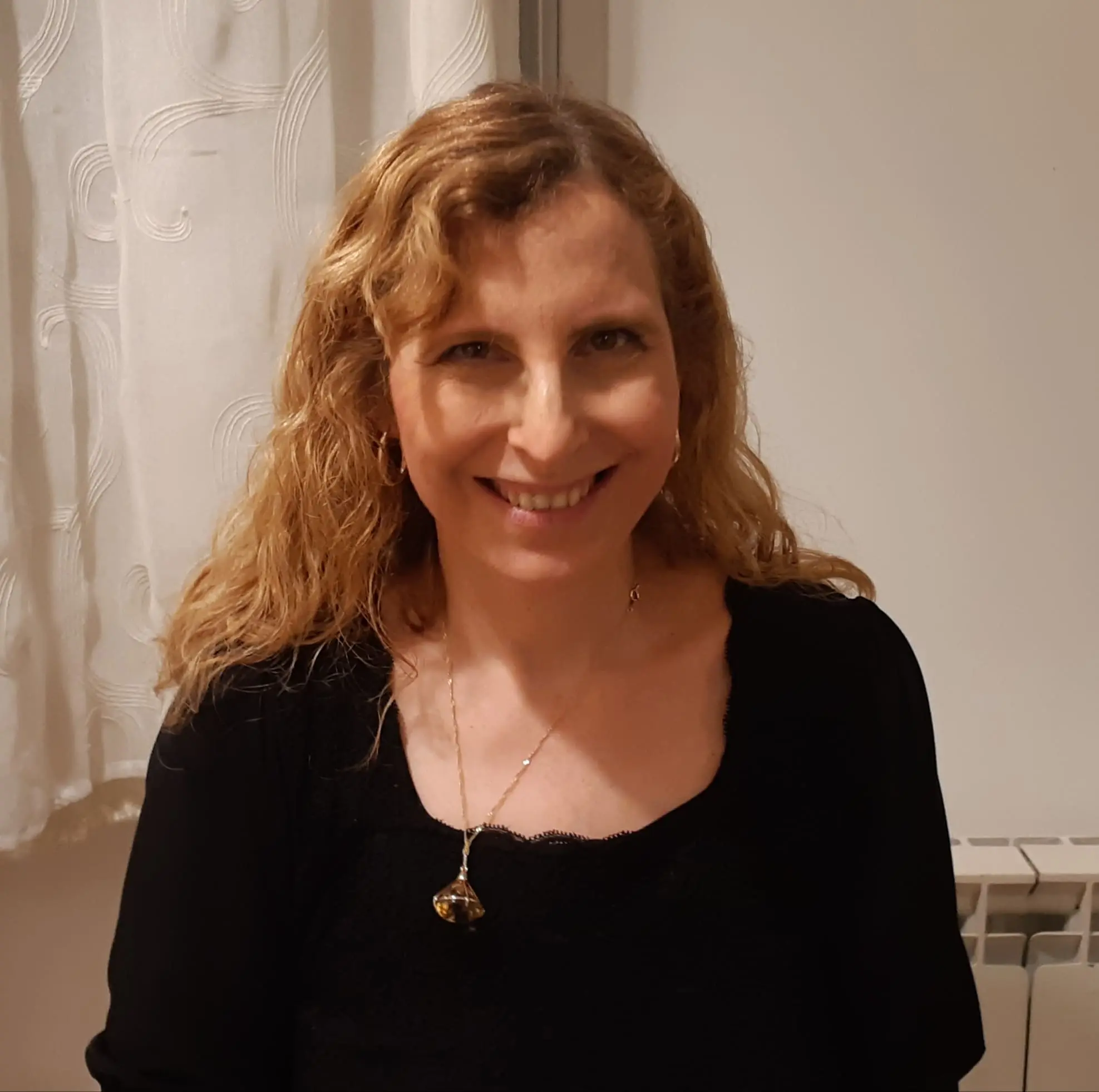
התחלתי ללמוד דף יומי בסבב הקודם. זכיתי לסיים אותו במעמד המרגש של הדרן. בסבב הראשון ליווה אותי הספק, שאולי לא אצליח לעמוד בקצב ולהתמיד. בסבב השני אני לומדת ברוגע, מתוך אמונה ביכולתי ללמוד ולסיים. בסבב הלימוד הראשון ליוותה אותי חוויה מסויימת של בדידות. הדרן העניקה לי קהילת לימוד ואחוות נשים. החוויה של סיום הש”ס במעמד כה גדול כשנשים שאינן מכירות אותי, שמחות ומתרגשות עבורי , היתה חוויה מרוממת נפש

Ilanit Weil
אילנית ווייל

קיבוץ מגדל עוז, ישראל

הצטרפתי ללומדות בתחילת מסכת תענית. ההתרגשות שלי ושל המשפחה היתה גדולה מאוד, והיא הולכת וגוברת עם כל סיום שאני זוכה לו. במשך שנים רבות רציתי להצטרף ומשום מה זה לא קרה… ב”ה מצאתי לפני מספר חודשים פרסום של הדרן, ומיד הצטרפתי והתאהבתי. הדף היומי שינה את חיי ממש והפך כל יום- ליום של תורה. מודה לכן מקרב ליבי ומאחלת לכולנו לימוד פורה מתוך אהבת התורה ולומדיה.

Noa Rosen
נעה רוזן

חיספין רמת הגולן, ישראל

התחלתי לפני כמה שנים אבל רק בסבב הזה זכיתי ללמוד יום יום ולסיים מסכתות

Sigal Tel
סיגל טל

רעננה, ישראל

A friend in the SF Bay Area said in Dec 2019 that she might start listening on her morning drive to work. I mentioned to my husband and we decided to try the Daf when it began in Jan 2020 as part of our preparing to make Aliyah in the summer.

Hana Piotrkovsky
חנה פיוטרקובסקי

ירושלים, Israel

התחלתי ללמוד דף יומי באמצע תקופת הקורונה, שאבא שלי סיפר לי על קבוצה של בנות שתיפתח ביישוב שלנו ותלמד דף יומי כל יום. הרבה זמן רציתי להצטרף לזה וזאת הייתה ההזדמנות בשבילי. הצטרפתי במסכת שקלים ובאמצע הייתה הפסקה קצרה. כיום אני כבר לומדת באולפנה ולומדת דף יומי לבד מתוך גמרא של טיינזלץ.

Saturdays in Raleigh
שבות בראלי

עתניאל, ישראל

התחלתי ללמוד לפני 4.5 שנים, כשהודיה חברה שלי פתחה קבוצת ווטסאפ ללימוד דף יומי בתחילת מסכת סנהדרין. מאז לימוד הדף נכנס לתוך היום-יום שלי והפך לאחד ממגדירי הזהות שלי ממש.

Rosenberg Foundation
קרן רוזנברג

ירושלים, ישראל

סיום השס לנשים נתן לי מוטביציה להתחיל ללמוד דף יומי. עד אז למדתי גמרא בשבתות ועשיתי כמה סיומים. אבל לימוד יומיומי זה שונה לגמרי ופתאום כל דבר שקורה בחיים מתקשר לדף היומי.

Fogel Foundation
קרן פוגל

רתמים, ישראל

התחלתי ללמוד דף יומי אחרי שחזרתי בתשובה ולמדתי במדרשה במגדל עוז. הלימוד טוב ומספק חומר למחשבה על נושאים הלכתיים ”קטנים” ועד לערכים גדולים ביהדות. חשוב לי להכיר את הגמרא לעומק. והצעד הקטן היום הוא ללמוד אותה בבקיאות, בעזרת השם, ומי יודע אולי גם אגיע לעיון בנושאים מעניינים. נושאים בגמרא מתחברים לחגים, לתפילה, ליחסים שבין אדם לחברו ולמקום ולשאר הדברים שמלווים באורח חיים דתי 🙂

Gaia Divo
גאיה דיבו

מצפה יריחו, ישראל

התחלתי ללמוד דף יומי ממסכת נידה כי זה היה חומר הלימוד שלי אז. לאחר הסיום הגדול בבנייני האומה החלטתי להמשיך. וב”ה מאז עם הפסקות קטנות של קורונה ולידה אני משתדלת להמשיך ולהיות חלק.

זה משפיע מאוד על היום יום שלי ועל אף שאני עסוקה בלימודי הלכה ותורה כל יום, זאת המסגרת הקבועה והמחייבת ביותר שיש לי.

Moriah Taesan Michaeli
מוריה תעסן מיכאלי

גבעת הראל, ישראל

רבנית מישל הציתה אש התלמוד בלבבות בביניני האומה ואני נדלקתי. היא פתחה פתח ותמכה במתחילות כמוני ואפשרה לנו להתקדם בצעדים נכונים וטובים. הקימה מערך שלם שמסובב את הלומדות בסביבה תומכת וכך נכנסתי למסלול לימוד מעשיר שאין כמוה. הדרן יצר קהילה גדולה וחזקה שמאפשרת התקדמות מכל נקודת מוצא. יש דיבוק לומדות שמחזק את ההתמדה של כולנו. כל פניה ושאלה נענית בזריזות ויסודיות. תודה גם למגי על כל העזרה.

Sarah Aber
שרה אבר

נתניה, ישראל

התחלתי ללמוד דף יומי לפני שנתיים, עם מסכת שבת. בהתחלה ההתמדה היתה קשה אבל בזכות הקורונה והסגרים הצלחתי להדביק את הפערים בשבתות הארוכות, לסיים את מסכת שבת ולהמשיך עם המסכתות הבאות. עכשיו אני מסיימת בהתרגשות רבה את מסכת חגיגה וסדר מועד ומחכה לסדר הבא!

Ilana-Shachnowitz
אילנה שכנוביץ

מודיעין, ישראל

התחלתי להשתתף בשיעור נשים פעם בשבוע, תכננתי ללמוד רק דפים בודדים, לא האמנתי שאצליח יותר מכך.
לאט לאט נשאבתי פנימה לעולם הלימוד .משתדלת ללמוד כל בוקר ומתחילה את היום בתחושה של מלאות ומתוך התכווננות נכונה יותר.
הלימוד של הדף היומי ממלא אותי בתחושה של חיבור עמוק לעם היהודי ולכל הלומדים בעבר ובהווה.

Neely Hayon
נילי חיון

אפרת, ישראל

שמעתי על הסיום הענק של הדף היומי ע”י נשים בבנייני האומה. רציתי גם.
החלטתי להצטרף. התחלתי ושיכנעתי את בעלי ועוד שתי חברות להצטרף. עכשיו יש לי לימוד משותף איתו בשבת ומפגש חודשי איתן בנושא (והתכתבויות תדירות על דברים מיוחדים שקראנו). הצטרפנו לקבוצות שונות בווטסאפ. אנחנו ממש נהנות. אני שומעת את השיעור מידי יום (בד”כ מהרב יוני גוטמן) וקוראת ומצטרפת לסיומים של הדרן. גם מקפידה על דף משלהן (ונהנית מאד).

Liat Citron
ליאת סיטרון

אפרת, ישראל

בתחילת הסבב הנוכחי הצטברו אצלי תחושות שאני לא מבינה מספיק מהי ההלכה אותה אני מקיימת בכל יום. כמו כן, כאמא לבנות רציתי לתת להן מודל נשי של לימוד תורה
שתי הסיבות האלו הובילו אותי להתחיל ללמוד. נתקלתי בתגובות מפרגנות וסקרניות איך אישה לומדת גמרא..
כמו שרואים בתמונה אני ממשיכה ללמוד גם היום ואפילו במחלקת יולדות אחרי לידת ביתי השלישית.

Noa Shiloh
נועה שילה

רבבה, ישראל

My explorations into Gemara started a few days into the present cycle. I binged learnt and become addicted. I’m fascinated by the rich "tapestry” of intertwined themes, connections between Masechtot, conversations between generations of Rabbanim and learners past and present all over the world. My life has acquired a golden thread, linking generations with our amazing heritage.
Thank you.

Susan Kasdan
סוזן כשדן

חשמונאים, Israel

התחלתי בסיום הש”ס, יצאתי באורות. נשברתי פעמיים, ובשתיהם הרבנית מישל עודדה להמשיך איפה שכולם בסבב ולהשלים כשאוכל, וכך עשיתי וכיום השלמתי הכל. מדהים אותי שאני לומדת כל יום קצת, אפילו בחדר הלידה, בבידוד או בחו”ל. לאט לאט יותר נינוחה בסוגיות. לא כולם מבינים את הרצון, בפרט כפמניסטית. חשה סיפוק גדול להכיר את המושגים וצורת החשיבה. החלום זה להמשיך ולהתמיד ובמקביל ללמוד איך מהסוגיות נוצרה והתפתחה ההלכה.

Weingarten Sherrington Foundation
קרן וינגרטן שרינגטון

מודיעין, ישראל

התחלתי ללמוד לפני כשנתיים בשאיפה לסיים לראשונה מסכת אחת במהלך חופשת הלידה.
אחרי מסכת אחת כבר היה קשה להפסיק…

Noa Gallant
נעה גלנט

ירוחם, ישראל

יומא מח

רַב פָּפָּא: דַּבְּקֵיהּ לְקוֹמֶץ בְּדוּפְנֵיהּ דְּמָנָא, מַאי? תּוֹךְ כְּלִי בָּעֵינַן — וְהָא אִיכָּא, אוֹ דִילְמָא: הַנָּחָה בְּתוֹכוֹ כְּתִקְנוֹ בָּעֵינַן — וְהָא לֵיכָּא. תֵּיקוּ.

Rav Pappa: What is the halakha in a case where he stuck the handful of flour onto the side of the vessel? After the flour of a meal-offering has been separated, it must be placed in a vessel for burning, an action that sanctifies the flour. Rav Pappa inquires as to what the halakha is if the priest places the flour on the sides, instead of on the bottom of the vessel. The Gemara clarifies the two sides of the dilemma: Do we require the handful to be inside the vessel, and that is the case here? Or perhaps we require the handful to be placed properly inside the vessel, and that is not fulfilled in this instance. No answer is found for this question, and the Gemara concludes: Let it stand unresolved.

בָּעֵי מָר בַּר רַב אָשֵׁי: אַפְכֵיהּ לְמָנָא וְדַבְּקֵיהּ לְקוֹמֶץ בְּאַרְעִיתֵיהּ דְמָנָא, מַהוּ? הַנָּחָה בְּתוֹכוֹ בָּעֵינַן — וְהָא אִיכָּא, אוֹ דִילְמָא הַנָּחָה כְּתִקְנוֹ בָּעִינַן — וְלֵיכָּא? תֵּיקוּ.

Mar bar Rav Ashi raised a similar dilemma: What is the halakha if the priest overturned the vessel and stuck the handful to an indentation in the underside of the vessel? Do we require the handful to be inside the vessel, and that requirement is fulfilled here; or perhaps we require it to be placed properly in the vessel, and that is not the case here? With regard to this question as well, the Gemara states: Let it stand unresolved.

בָּעֵי רַב פָּפָּא: מְלֹא חׇפְנָיו שֶׁאָמְרוּ — מְחוּקוֹת, אוֹ גְדוּשׁוֹת? אֲמַר לֵיהּ רַבִּי אַבָּא לְרַב אָשֵׁי, תָּא שְׁמַע: מְלֹא חׇפְנָיו שֶׁאָמְרוּ — לֹא מְחוּקוֹת, וְלֹא גְּדוּשׁוֹת, אֶלָּא טְפוּפוֹת.

§ Rav Pappa raised a dilemma: Should the handfuls to which the Sages referred be smoothed over or slightly overflowing? Rabbi Abba said to Rav Ashi: Come and hear an explicit statement in a baraita: The handfuls to which the Sages referred should be neither smoothed over nor overflowing, but full, without any flour spilling out.

תְּנַן הָתָם: נִשְׁפַּךְ הַדָּם עַל הָרִצְפָּה וַאֲסָפוֹ פָּסוּל. מִן הַכְּלִי עַל הָרִצְפָּה וַאֲסָפוֹ — כָּשֵׁר.

§ We learned in a mishna there, in Zevaḥim 32a: If the blood of the sacrificial animal spilled on the floor instead of being collected directly into a vessel, and a priest collected it from there into a vessel, it is disqualified, as it was not collected properly. Conversely, if the blood spilled from the vessel onto the floor, after it was collected properly, and a priest collected it and put it back in the vessel, it is valid.

מְנָא הָנֵי מִילֵּי? תָּנוּ רַבָּנַן: ״וְלָקַח מִדַּם הַפָּר״, מִדַּם הַנֶּפֶשׁ, וְלֹא מִדַּם הָעוֹר, וְלֹא מִדַּם הַתַּמְצִית.

The Gemara asks: From where are these matters derived? As the Sages taught in a halakhic midrash: “And the anointed priest shall take from the blood of the bull” (Leviticus 4:5); this means that the priest shall take from the blood of the soul, i.e., the bull’s blood that flows from the place of slaughter as the animal dies, and not from the blood of the skin, which bleeds out when the skin is cut before the slaughter, nor from the blood squeezed from an animal after the initial spurt.

״מִדַּם הַפָּר״, דָּם מֵהַפָּר יְקַבְּלֶנּוּ, דְּאִי סָלְקָא דַעְתָּךְ ״מִדַּם הַפָּר״ — ״מִדָּם״, וַאֲפִילּוּ מִקְצָת דָּם, וְהָאָמַר רַב יְהוּדָה: הַמְקַבֵּל, צָרִיךְ שֶׁיְּקַבֵּל אֶת כׇּל דָּמוֹ שֶׁל פַּר, שֶׁנֶּאֱמַר: ״וְאֵת כׇּל דַּם הַפָּר יִשְׁפּוֹךְ אֶל יְסוֹד מִזְבַּח״.

The baraita interprets the phrase “from the blood of the bull,” as though these words were written in a different order: Blood from the bull, i.e., the priest shall receive it directly. For if it should enter your mind that the letter mem, which means “from” in the phrase “from the blood of the bull,” is limiting and indicates that even if the priest received some of the blood, his action is acceptable, didn’t Rav Yehuda say: He who receives the blood must receive all of the blood of the bull, as it is stated: “And all the blood of the bull he shall pour out on the base of the altar” (Leviticus 4:7)? This verse emphasizes that the priest must pour all of the bull’s blood, which is possible only if he has collected all of it.

אֶלָּא שְׁמַע מִינַּהּ: מַאי ״מִדַּם הַפָּר״ — דָּם מֵהַפָּר יְקַבְּלֶנּוּ. וְקָסָבַר: גּוֹרְעִין וּמוֹסִיפִין וְדוֹרְשִׁין.

Rather, learn from this that what is the meaning of the phrase: “From the blood of the bull”? It means that the priest must receive the blood directly from the bull. And this Sage maintains that the Sages subtract and add and interpret homiletically, i.e., one may take a letter from one word, insert it into a second word, and explain the phrase in that manner.

בָּעֵי רַב פָּפָּא: נִתְפַּזֵּר הַקְּטוֹרֶת מִמְּלוֹא חׇפְנָיו, מַהוּ? יָדוֹ כְּצַוַּאר בְּהֵמָה דָּמֵי — וּפְסוּלָה, אוֹ דִילְמָא כִּכְלִי שָׁרֵת דָּמֵי — וְלָא פְּסוּלָה? תֵּיקוּ.

§ Rav Pappa raised a dilemma based on the above ruling: What is the halakha if the incense from his handfuls scattered? Is his hand considered like the neck of the animal, and the incense is disqualified? Or perhaps his hand is considered like a vessel used in the Temple service, and if the incense fell from his hand it is not disqualified. No answer was found for this question either, and the Gemara again concludes: Let it stand unresolved.

בָּעֵי רַב פָּפָּא: חִישֵּׁב בַּחֲפִינַת קְטוֹרֶת, מַהוּ? מִי אָמְרִינַן יָלֵיף ״מְלֹא״ ״מְלֹא״ מִמִּנְחָה, מָה הָתָם מַהְנְיָא בַּהּ מַחְשָׁבָה, הָכָא נָמֵי מַהְנְיָא בַּהּ מַחְשָׁבָה, אוֹ לֹא?

§ Rav Pappa raised another dilemma: What is the halakha if the High Priest thought a disqualifying thought during the taking of the handful of the incense, e.g., if he intended to burn it after its appropriate time? Does this thought invalidate the rite or not? Do we say that this halakha is derived by means of a verbal analogy of “handfuls” and “handfuls,” from the case of a meal-offering, as follows: Just as there, with regard to the meal-offering, thought is effective to invalidate it, so too here, with regard to taking a handful of incense, thought is effective to invalidate it? Or should the two cases not be compared?

אֲמַר לֵיהּ רַב שִׁימִי בַּר אָשֵׁי לְרַב פָּפָּא: תָּא שְׁמַע: הוֹסִיף רַבִּי עֲקִיבָא (הַקּוֹמֶץ) וְהַקְּטוֹרֶת, וְהַלְּבוֹנָה, וְהַגֶּחָלִים, שֶׁאִם נָגַע טְבוּל יוֹם בְּמִקְצָתָן — פָּסַל אֶת כּוּלָּן.

Rav Shimi bar Ashi said to Rav Pappa: Come and hear a resolution to your dilemma: Rabbi Akiva added the handful of fine flour and the incense, and the frankincense, and the coals that are collected in a vessel, to the ruling of the Sages that if one who immersed himself during the day touched part of them, he disqualifies all of them. Due to the respect in which sacred objects are held, these objects are treated as one solid unit. This is so despite the fact that its parts are not really attached to each other but are separate small segments and therefore, logically, one who immersed himself during the day should disqualify only those parts of the item with which he came into direct contact.

קָא סָלְקָא דַּעְתָּךְ: מִדְּפָסַל טְבוּל יוֹם — פָּסְלָה נָמֵי לִינָה. וּמִדְּלִינָה פָּסְלָה — פָּסְלָה נָמֵי מַחְשָׁבָה.

The Gemara explains: It enters your mind that from the fact that one who immersed himself during the day disqualifies these items by touch, therefore leaving them after their permitted time likewise disqualifies them; and from the fact that leaving them after their time disqualifies them, therefore thought likewise disqualifies them. Consequently, as incense is similar to flour with regard to ritual impurity, it is also disqualified by the priest’s improper thought.

בָּעֵי רַב פָּפָּא:

§ Rav Pappa raised another dilemma:

חִישֵּׁב בַּחֲתִיַּית גֶּחָלִים, מַהוּ? מַכְשִׁירֵי מִצְוָה כְּמִצְוָה דָּמוּ, אוֹ לָא? תֵּיקוּ.

What is the halakha if he thought invalidating thoughts during the raking of the coals? Does this thought invalidate the incense? The Gemara elaborates: The question here is whether actions that facilitate the performance of a mitzva are considered like the mitzva itself. If so, merely raking the coals, which facilitates the mitzva of the incense, is like burning the incense itself; therefore, an improper thought would disqualify the incense. Or perhaps actions that facilitate the performance of a mitzva are not considered part of the mitzva itself. No answer was found for this question either, and the Gemara once again concludes: Let it stand unresolved.

בְּעוֹ מִינֵּיהּ מֵרַב שֵׁשֶׁת: הוֹלָכָה בִּשְׂמֹאל, מַהוּ? אֲמַר לְהוּ רַב שֵׁשֶׁת, תְּנֵיתוּהָ: נָטַל אֶת הַמַּחְתָּה בִּימִינוֹ וְאֶת הַכַּף בִּשְׂמֹאלוֹ.

§ The Sages raised a dilemma before Rav Sheshet: What is the halakha with regard to carrying the blood in one’s left hand? Is this action valid, or is carrying, like receiving and sprinkling the blood, an act that must be performed with the right hand? Rav Sheshet said to them: We already learned it; there is an answer to this question from the mishna: He took the coal pan in his right hand and the spoon in his left hand. This proves that although the spoon is carried in the left hand to the place of the service, the rite is valid.

וְנִפְשׁוֹט לְהוּ מֵהָא דִּתְנַן: הָרֶגֶל שֶׁל יָמִין בִּשְׂמֹאל וּבֵית עוֹרָהּ לַחוּץ!

The Gemara asks: And let us resolve this dilemma for them from that which we learned in a mishna: The priest who is privileged to carry the head and the leg of the daily offering to the ramp carried the right leg in his left hand, with its entire hide facing outward and the place of the slaughter on the neck facing the priest. This mishna also proves that carrying with the left hand is acceptable.

אִי מֵהָתָם, הֲוָה אָמֵינָא: הָנֵי מִילֵּי הוֹלָכָה דְּלָא מְעַכְּבָא כַּפָּרָה, אֲבָל הוֹלָכָה דִּמְעַכְּבָא כַּפָּרָה — לָא, קָמַשְׁמַע לַן.

The Gemara rejects this contention: If the proof is from there, I would have said: That applies only to a type of carrying that does not invalidate atonement, as even if the limbs are not carried up to the altar, atonement is nevertheless achieved through the sprinkling of the blood. The rite is valid even if the limbs of the daily offering are not burned at all. However, with regard to the type of carrying that does invalidate atonement, e.g., carrying the blood to the altar, no, perhaps it must be done specifically with the right hand. Rav Sheshet therefore teaches us from the mishna that although carrying the spoon is necessary for the mitzva, the rite is nevertheless valid if it is carried in the left hand.

רוצה לעקוב אחרי התכנים ולהמשיך ללמוד?

ביצירת חשבון עוד היום ניתן לעקוב אחרי ההתקדמות שלך, לסמן מה למדת, ולעקוב אחרי השיעורים שמעניינים אותך.

לנקות את כל הפריטים מהרשימה?

פעולה זו תסיר את כל הפריטים בחלק זה כולל ההתקדמות וההיסטוריה. שימי לב: לא ניתן לשחזר פעולה זו.

ביטול
מחיקה

האם את/ה בטוח/ה שברצונך למחוק פריט זה?

תאבד/י את כל ההתקדמות או ההיסטוריה הקשורות לפריט זה.

ביטול
מחיקה