







הכהן גדול מזה קודם את דם הפר בקודש הקודשים. ואז הוא שוחט את השעיר ומזה את הדם. איך עושים את ההזאות – איפה? כמה? לאיז כיוון? האם עושים אותו הדבר בדמי הפר והשעיר? איך כל זה נלמד מהפסוקים? הספירה נעשית על ידי אזכור של ההתזה שהיה כלפי מעלה בזמן שהוא סופר את אלה כלפי מטה – אחת ואחת, אחת ושתיים. למה? האם יש שני כנים לשים בהם את הדמים של הפר ושעיר או רק אחד? רבי יהודה חולק על תנא קמא. הגמרא מביאה את המשנה שקלים ו:ד לנסות להבין מדוע רבי יהודה סובר שיש רק כן אחד. האם זה בגלל שאנשים לא תמיד קוראים את הכתוב ועלולים לטעות? הגמרא דוחה אפשרות זו ומסבירה את הסיבה בשקלים באופן שונה ולכן היא אינה מלמדת אותנו דבר על המשנה שלנו.
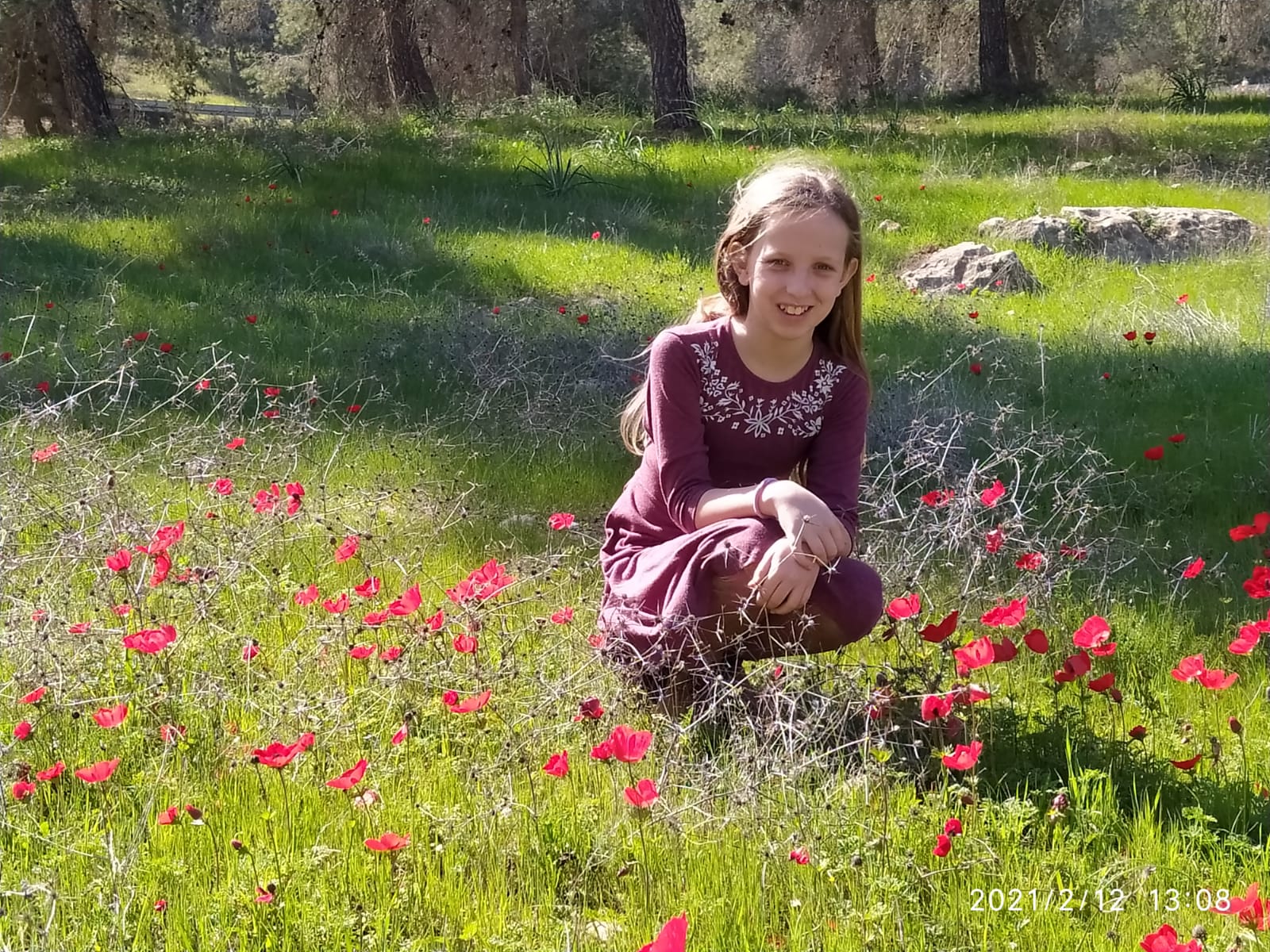
הלימוד השבוע מוקדש לזכות ולשלום הַיְימׇנוֹט אֱמוּנָה בַּת באנצ’י (קָסָאוּ) בת 11 שנעלמה במקום מגוריה בצפת, לפני שנתיים, ביום ט”ז אדר תשפ”ד (25.2.24), ולא נודעו עקבותיה.
הלימוד השבוע מוקדש למען ביטחון המדינה, החיילים והאזרחים, ולמען חירותו של העם האיראני. שנזכה בקרוב שיתקיים בנו הפסוק: "לַיְּהוּדִים הָיְתָה אוֹרָה וְשִׂמְחָה וְשָׂשֹׂן וִיקָר”.
רוצה להקדיש שיעור?

0:00
0:00
כלים
הלימוד השבוע מוקדש לזכות ולשלום הַיְימׇנוֹט אֱמוּנָה בַּת באנצ’י (קָסָאוּ) בת 11 שנעלמה במקום מגוריה בצפת, לפני שנתיים, ביום ט”ז אדר תשפ”ד (25.2.24), ולא נודעו עקבותיה.
הלימוד השבוע מוקדש למען ביטחון המדינה, החיילים והאזרחים, ולמען חירותו של העם האיראני. שנזכה בקרוב שיתקיים בנו הפסוק: "לַיְּהוּדִים הָיְתָה אוֹרָה וְשִׂמְחָה וְשָׂשֹׂן וִיקָר”.
יומא נה
כִּמְנַגְּדָנָא. תָּנָא, כְּשֶׁהוּא מַזֶּה — אֵינוֹ מַזֶּה עַל הַכַּפּוֹרֶת, אֶלָּא כְּנֶגֶד עוֹבְיָהּ שֶׁל כַּפּוֹרֶת. כְּשֶׁהוּא מַזֶּה לְמַעְלָה — מְצַדֵּד יָדוֹ לְמַטָּה. וּכְשֶׁהוּא מַזֶּה לְמַטָּה — מְצַדֵּד יָדוֹ לְמַעְלָה.
like one who lashes with a whip on the back of another and who occasionally strikes lower down. A Sage taught in the Tosefta: When the High Priest sprinkles the blood, he does not sprinkle on the top of the Ark cover; rather, he does so against the thickness of the Ark cover. When he sprinkles once upward, he turns his hand so that the back of his hand faces downward, and he then sprinkles upward. And when he sprinkles seven times downward, he turns his hand so its back is upward. However, he does not sprinkle on the Ark cover or below it, so that the blood does not actually come into contact with it.
מְנָא הָנֵי מִילֵּי? אָמַר רַב אַחָא בַּר יַעֲקֹב, אָמַר רַבִּי זֵירָא, אָמַר קְרָא: ״וְהִזָּה אוֹתוֹ עַל הַכַּפּוֹרֶת וְלִפְנֵי הַכַּפּוֹרֶת״, לֹא יֹאמַר ״לְמַטָּה״ בְּשָׂעִיר, דְּלָא צְרִיךְ, דְּגָמַר מִמַּטָּה דְּפַר,
The Gemara asks: From where are these matters, that the sprinklings do not actually touch the Ark cover, derived? Rav Aḥa bar Ya’akov said that Rabbi Zeira said: The verse states with regard to the goat sacrificed as a sin-offering: “And he shall do with its blood as he did with the blood of the bull, and sprinkle it upon the Ark cover and before the Ark cover” (Leviticus 16:15). The verse should not say downward, i.e., “before the Ark cover,” with regard to the goat, as this is unnecessary; this requirement is derived from the term downward in connection with the bull.
לָמָּה נֶאֱמַר — לְאַקּוֹשֵׁי ״עַל״ לְ״לִפְנֵי״: מָה ״לִפְנֵי״ דְּלָאו עַל, אַף ״עַל״ דְּלָאו עַל.
Since the rite performed with the blood of the goat is compared to the rite of the blood of the bull, why is the requirement that the High Priest must sprinkle downward stated twice? It is to juxtapose the phrase “upon the Ark cover” to “before the Ark cover”; just as “before” means that it is not actually on the Ark cover but merely in front of it, so too, “upon” means that it is not actually on the Ark cover but in front of it, and the High Priest simply turns his hand upward.
אַדְּרַבָּה: לֹא יֵאָמֵר ״לְמַעְלָה״ בְּפַר דְּלָא צְרִיךְ, דְּגָמַר מִמַּעְלָה דְשָׂעִיר. לָמָּה נֶאֱמַר? לְאַקּוֹשֵׁי ״לִפְנֵי״ לְ״עַל״: מָה ״עַל״ — עַל מַמָּשׁ, אַף ״לִפְנֵי״ — עַל מַמָּשׁ!
The Gemara raises a difficulty: On the contrary, the verse should not say upward, i.e., “before the Ark cover,” with regard to the bull, as this is unnecessary; it is derived from the term upward stated in connection to the goat. Since the verse equates the two rituals, why does it state the upward sprinkling of the blood of the bull? It is to juxtapose the phrase “before the Ark cover,” stated with regard to the bull, to “upon the Ark cover,” stated with regard to the goat; just as “upon” stated by the goat means actually upon, as indicated by the literal meaning of the verse, so too, “before” means actually upon it, i.e., the blood of the goat should touch the thickness of the Ark cover.
הַאי מַאי?! אִי אָמְרַתְּ בִּשְׁלָמָא לְמַטָּה דְשָׂעִיר לְאַקּוֹשֵׁי לְמַעְלָה דְפַר — מִיבְּעֵי לֵיהּ לְכִדְתָנָא דְּבֵי רַבִּי אֱלִיעֶזֶר בֶּן יַעֲקֹב. דְּתָנָא דְּבֵי רַבִּי אֱלִיעֶזֶר בֶּן יַעֲקֹב: ״עַל פְּנֵי הַכַּפּוֹרֶת קֵדְמָה״ — זֶה בָּנָה אָב: כׇּל מָקוֹם שֶׁנֶּאֱמַר ״פְּנֵי״ אֵינוֹ אֶלָּא קָדִים. אֶלָּא אִי אָמְרַתְּ לְמַעְלָה דְפַר לְאַקּוֹשֵׁי לְמַטָּה דְשָׂעִיר — לְמַאי אֲתָא?
The Gemara expresses surprise at this suggestion: What is this comparison? Granted, if you say that downward stated with regard to the goat is mentioned to juxtapose it to upward stated with regard to the bull, one needs the phrase “upon the Ark cover,” which deals with the blood of the bull, for that which the school of Rabbi Eliezer ben Ya’akov taught. As the school of Rabbi Eliezer ben Ya’akov taught: “Upon [al penei] the Ark cover to the east” (Leviticus 16:14); this forms an analogy that applies to the entire Torah: Any place where it is stated “face [penei],” it is referring to nothing other than the eastern side. However, if you say, as suggested by the question, that upward with regard to the bull is mentioned to juxtapose it to “upward” stated with regard to the goat, for what purpose does downward stated with regard to the goat come; what do we learn from this phrase? Rather, the first interpretation of the verse must be correct.
תָּנוּ רַבָּנַן: ״וְהִזָּה אֹתוֹ עַל הַכַּפּוֹרֶת וְלִפְנֵי הַכַּפּוֹרֶת״ — לָמַדְנוּ: כַּמָּה לְמַעְלָה בַּשָּׂעִיר — אַחַת. לְמַטָּה בַּשָּׂעִיר, אֵינִי יוֹדֵעַ כַּמָּה!
§ The Sages taught: “And sprinkle it upon the Ark cover and before the Ark cover” (Leviticus 16:15). We have thereby learned how many times the High Priest must sprinkle upward for the goat, that is, one sprinkling, as it states: “And sprinkle.” However, with regard to the sprinkling downward for the goat, before the Ark cover, I do not know how many times he must sprinkle.
הֲרֵינִי דָּן: נֶאֶמְרוּ דָּמִים לְמַטָּה בַּפָּר, וְנֶאֶמְרוּ דָּמִים לְמַטָּה בַּשָּׂעִיר. מָה לְמַטָּה בַּפָּר — שֶׁבַע, אַף לְמַטָּה בַּשָּׂעִיר — שֶׁבַע.
I therefore derive the halakha from the verses. It states that blood is sprinkled downward in the case of the bull, and it states that blood is sprinkled downward in the case of the goat. Just as the blood that he sprinkles downward in the case of the bull consists of seven sprinklings, as the verse explicitly states: “And before the Ark cover he shall sprinkle seven times” (Leviticus 16:14), so too, the sprinkling of the blood downward in the case of the goat is performed seven times.
אוֹ כְּלָךְ לְדֶרֶךְ זוֹ: נֶאֶמְרוּ דָּמִים לְמַעְלָה בַּשָּׂעִיר, וְנֶאֶמְרוּ דָּמִים לְמַטָּה בַּשָּׂעִיר. מָה לְמַעְלָה בַּשָּׂעִיר — אַחַת, אַף לְמַטָּה בַּשָּׂעִיר — אַחַת? נִרְאֶה לְמִי דּוֹמֶה: דָּנִין מַטָּה מִמַּטָּה, וְאֵין דָּנִין מַטָּה מִלְמַעְלָה.
The Gemara raises a difficulty: Or one can go and reason this way: It states that blood is sprinkled upward in the case of the goat, and likewise it states that blood is sprinkled downward in the case of the goat. Just as with regard to sprinkling upward in the case of the goat there is one sprinkling, so too, with regard to sprinkling downward in the case of the goat there is only one sprinkling. The Gemara comments: Let us see what case this resembles: One derives an act performed downward from another act that is downward, and one does not derive an act performed downward from an upward act.
אַדְּרַבָּה, דָּנִין גּוּפוֹ מִגּוּפוֹ, וְאֵין דָּנִין גּוּפוֹ מֵעָלְמָא! תַּלְמוּד לוֹמַר: ״וְעָשָׂה אֶת דָּמוֹ כַּאֲשֶׁר עָשָׂה לְדַם הַפָּר״, שֶׁאֵין תַּלְמוּד לוֹמַר ״כַּאֲשֶׁר עָשָׂה״, וּמָה תַּלְמוּד לוֹמַר ״כַּאֲשֶׁר עָשָׂה״ — שֶׁיִּהְיוּ כׇּל עֲשִׂיּוֹתָיו שָׁווֹת. כְּשֵׁם שֶׁלְּמַטָּה בַּפָּר — שֶׁבַע, כָּךְ לְמַטָּה בַּשָּׂעִיר — שֶׁבַע.
The Gemara retorts: On the contrary, one derives one aspect of a matter from another aspect of that same matter, i.e., one should infer the halakha with regard to the blood of the goat from another halakha involving that same blood, and one does not derive the halakha of that matter from an external matter. Therefore, the verse states: “And he shall do with its blood as he did with the blood of the bull” (Leviticus 16:15). As there is no need for the verse to state: “As he did,” because the whole process is explicitly stated a second time, what then is the meaning when the verse states: “As he did”? It comes to teach that all his actions should be alike, down to every detail. Consequently, just as the sprinklings downward in the case of the bull are seven, so too, the sprinklings downward in the case of the goat are seven.
לָמַדְנוּ כַּמָּה לְמַטָּה? בַּפָּר וּבַשָּׂעִיר — שֶׁבַע. לְמַעְלָה בַּפָּר אֵינִי יוֹדֵעַ כַּמָּה, וַהֲרֵינִי דָּן: נֶאֶמְרוּ דָּמִים לְמַעְלָה בַּשָּׂעִיר, וְנֶאֶמְרוּ דָּמִים לְמַעְלָה בַּפָּר. מָה לְמַעְלָה בַּשָּׂעִיר — אַחַת, אַף לְמַעְלָה בַּפָּר — אַחַת.
We have thereby learned how many sprinklings are performed downward in the case of the bull and by the goat: Seven. However, I do not know how many times the High Priest must sprinkle upward in the case of the bull. And I therefore derive the halakha as follows: It states that blood is sprinkled upward in the case of the goat, and it states that blood is sprinkled upward in the case of the bull. Just as with regard to the sprinkling upward in the case of the goat he sprinkles one time, as stated explicitly, so too, in the case of the bull he sprinkles upward one time.
אוֹ כְּלָךְ לַדֶּרֶךְ זוֹ: נֶאֶמְרוּ דָּמִים לְמַטָּה בַּפָּר, וְנֶאֶמְרוּ דָּמִים לְמַעְלָה בַּפָּר. מָה לְמַטָּה בַּפָּר — שֶׁבַע, אַף לְמַעְלָה בַּפָּר — שֶׁבַע! נִרְאֶה לְמִי דּוֹמֶה? דָּנִין מַעְלָה מִמַּעְלָה, וְאֵין דָּנִין מַעְלָה מִמַּטָּה!
The Gemara raises a difficulty: Or one can go and reason this way: It is stated that blood is sprinkled downward in the case of the bull, and likewise it is stated that blood is sprinkled upward in the case of the bull. Just as with regard to sprinkling downward in the case of the bull there are seven sprinklings, so too, with regard to sprinkling upward in the case of the bull there should be seven sprinklings. The Gemara comments: Let us see what case this resembles: One derives an act performed upward from another act that is performed upward, and one does not derive an act performed upward from a downward act.
אַדְּרַבָּה: דָּנִין גּוּפוֹ מִגּוּפוֹ, וְאֵין דָּנִין גּוּפוֹ מֵעָלְמָא! תַּלְמוּד לוֹמַר: ״וְעָשָׂה אֶת דָּמוֹ כַּאֲשֶׁר עָשָׂה״, שֶׁאֵין תַּלְמוּד לוֹמַר ״כַּאֲשֶׁר עָשָׂה״, וּמָה תַּלְמוּד לוֹמַר ״כַּאֲשֶׁר עָשָׂה״? שֶׁיִּהְיוּ כׇּל עֲשִׂיּוֹתָיו שָׁווֹת, כְּשֵׁם שֶׁלְּמַטָּה בַּפָּר — שֶׁבַע, כָּךְ לְמַטָּה בַּשָּׂעִיר — שֶׁבַע. וּכְשֵׁם שֶׁלְּמַעְלָה בַּשָּׂעִיר — אַחַת, כָּךְ לְמַעְלָה בַּפָּר — אַחַת.
The Gemara retorts: On the contrary, one derives one aspect of a matter from another aspect of that same matter, and one does not derive the halakha of that matter from an external matter. Therefore, the verse states: “And he shall do with its blood as he did.” As there is no need for the verse to state: “As he did,” because the whole process is explicitly stated a second time, what then is the meaning when the verse states: “As he did”? It comes to teach that all his actions should be alike: Just as the sprinklings downward in the case of the bull are seven, so too, the sprinklings downward in the case of the goat are seven; and just as the sprinkling upward in the case of the goat is one, so too, the sprinkling upward in the case of the bull is one.
אַחַת, אַחַת וְאַחַת, אַחַת וּשְׁתַּיִם. תָּנוּ רַבָּנַן: אַחַת, אַחַת וְאַחַת, אַחַת וּשְׁתַּיִם, אַחַת וְשָׁלֹשׁ, אַחַת וְאַרְבַּע, אַחַת וְחָמֵשׁ, אַחַת וָשֵׁשׁ, אַחַת וָשֶׁבַע, דִּבְרֵי רַבִּי מֵאִיר. רַבִּי יְהוּדָה אוֹמֵר: אַחַת, אַחַת וְאַחַת, שְׁתַּיִם וְאַחַת, שָׁלֹשׁ וְאַחַת, אַרְבַּע וְאַחַת, חָמֵשׁ וְאַחַת, שֵׁשׁ וְאַחַת, שֶׁבַע וְאַחַת.
§ The mishna states that the High Priest counted: One; one and one; one and two. The Sages taught in a baraita that when sprinkling, the High Priest counted: One; one and one; one and two; one and three; one and four; one and five; one and six; one and seven. This is the statement of Rabbi Meir. Rabbi Yehuda says that he counted: One; one and one; two and one; three and one; four and one; five and one; six and one; seven and one.
וְלָא פְּלִיגִי: מָר כִּי אַתְרֵיהּ וּמָר כִּי אַתְרֵיהּ.
The Gemara comments: They do not disagree about the matter itself that the High Priest sprinkles once upward and seven times downward. Rather, this Sage rules in accordance with the norm in his place, and this Sage rules in accordance with the norm in his place. In one place they counted the smaller number first, while in the other place they would count the larger number first.
דְּכוּלֵּי עָלְמָא מִיהַת הַזָּאָה רִאשׁוֹנָה צְרִיכָה מִנְיָן עִם כׇּל אַחַת וְאַחַת, מַאי טַעְמָא? רַבִּי אֶלְעָזָר אָמַר: שֶׁלֹּא יִטְעֶה בַּהַזָּאוֹת.
The Gemara asks: In any case, everyone, both Rabbi Meir and Rabbi Yehuda, agrees that the first sprinkling upward must be counted together with each and every one of the subsequent sprinklings. What is the reason for this? Why can’t the High Priest count the downward sprinklings separately? The Sages debated this matter. Rabbi Elazar said: The reason is so that he does not err in the sprinklings. If the High Priest were to count downward without including the first upward sprinkling, he might mistakenly think that his calculation includes the first sprinkling, which would lead him to add another one.
רַבִּי יוֹחָנָן אָמַר, אָמַר קְרָא: ״וְלִפְנֵי הַכַּפּוֹרֶת יַזֶּה״, שֶׁאֵין תַּלְמוּד לוֹמַר ״יַזֶּה״, וּמָה תַּלְמוּד לוֹמַר ״יַזֶּה״? לִימֵּד עַל הַזָּאָה רִאשׁוֹנָה שֶׁצְּרִיכָה מִנְיָן עִם כׇּל אַחַת וְאַחַת.
Rabbi Yoḥanan said that the reason is that the verse states: “And he shall sprinkle it with his finger upon the Ark cover, and before the Ark cover he shall sprinkle” (Leviticus 16:14). As there is no need for the verse to state: He shall sprinkle” again, what is the meaning when the verse states: “He shall sprinkle”? This teaches with regard to the first sprinkling that it must be counted with each and every subsequent one, i.e., he must mention the first sprinkling every time.
מַאי בֵּינַיְיהוּ? אִיכָּא בֵּינַיְיהוּ דְּלֹא מָנָה וְלֹא טָעָה.
The Gemara asks: What is the practical difference between these two explanations? The Gemara answers: The practical difference between them concerns a case where he did not count the first sprinkling and did not err. That is acceptable according to the opinion of Rabbi Elazar, whereas according to Rabbi Yoḥanan the High Priest acted incorrectly, as it is a mitzva to count the first one.
יָצָא וְהִנִּיחוֹ עַל כַּן הַזָּהָב שֶׁבַּהֵיכָל. תְּנַן הָתָם: רַבִּי יְהוּדָה אוֹמֵר: לֹא הָיוּ שׁוֹפָרוֹת לְקִינֵּי חוֹבָה, מִפְּנֵי הַתַּעֲרוֹבוֹת.
§ The mishna taught that the High Priest emerged and placed the bowl with the remaining blood of the bull on the golden pedestal in the Sanctuary, and later he placed the goat’s blood on a second pedestal, whereas according to Rabbi Yehuda there was only one pedestal. The Gemara comments: We learned in a mishna there (Shekalim 6:6) that Rabbi Yehuda says: There were no collection horns for obligatory nests, i.e., the pairs of pigeons or turtledoves brought as sin- and burnt-offerings by women after childbirth or other individuals, due to the concern of mixtures.
מַאי מִפְּנֵי הַתַּעֲרוֹבוֹת? אָמַר רַב יוֹסֵף: מִפְּנֵי תַּעֲרוֹבֶת חוֹבָה בִּנְדָבָה. אָמַר לֵיהּ אַבָּיֵי: וְנַעֲבֵיד תְּרֵי וְנִכְתּוֹב עֲלַיְיהוּ הֵי דְּחוֹבָה וְהֵי דִּנְדָבָה? רַבִּי יְהוּדָה
The Gemara asks: What is the meaning of the phrase: Due to a mixture? Rav Yosef said: It means due to the possible mixture of obligatory nests with free-will ones. There was concern lest the priests mix the money given for obligatory nests, which are sacrificed as a sin-offering and a burnt-offering, with the money for free-will nests, which are sacrificed as a pair of burnt-offerings. Mixing the funds in this way would disqualify the birds. Abaye said to him: And let us prepare two collection horns and write on them which is the container for obligatory offerings and which is the one for free-will offerings. The Gemara answers: Rabbi Yehuda
לֵית לֵיהּ כְּתִיבָה. דִּתְנַן, רַבִּי יְהוּדָה אוֹמֵר: לֹא הָיָה שָׁם אֶלָּא כַּן אֶחָד בִּלְבַד. תְּרֵי מַאי טַעְמָא לָא — מִשּׁוּם דְּמִחַלְּפִי. וְנַעֲבֵיד תְּרֵי וְלִיכְתּוֹב עֲלַיְיהוּ הֵי דְפַר וְהֵי דְשָׂעִיר. אֶלָּא, לְרַבִּי יְהוּדָה לֵית לֵיהּ כְּתִיבָה.
does not accept that one may rely on writing in a situation where an error is possible. As we learned in the mishna that Rabbi Yehuda says: There was only one pedestal in the Temple on which to place the blood. What is the reason that they did not place two pedestals there? The reason is because the pedestals might be exchanged for one another, and he might take the goat’s blood instead of that of the bull. But in that case, let us place two pedestals and write on them which one is for the bull and which is for the goat. Rather, it is clear that Rabbi Yehuda does not accept that one may rely on writing in a situation where error is possible.
מֵיתִיבִי: שְׁלֹשׁ עֶשְׂרֵה שׁוֹפָרוֹת הָיוּ בְּמִקְדָּשׁ, וְהָיָה כָּתוּב עֲלֵיהֶן: תִּקְלִין חַדְתִּין, וְתִקְלִין עַתִּיקִין, וְקִינִּין, וְגוֹזְלֵי עוֹלָה, וְעֵצִים, וּלְבוֹנָה, וְזָהָב לְכַפּוֹרֶת, וְשִׁשָּׁה לִנְדָבָה.
The Gemara raises an objection against this conclusion: There were thirteen collection horns in the Temple, and they were each inscribed with different names. On one container was written: New shekels. In this horn they placed shekels that were donated at the correct time that year. And on another horn the phrase old shekels was written, referring to coins from the past year that did not reach the Temple during the allotted period. On the other horns, the following phrases were written: Nests, for obligatory offerings consisting of pairs of pigeons or turtledoves; young birds for burnt-offerings; wood, for anyone who wished to donate wood; frankincense; and gold for the Ark cover. And there were six additional boxes designated for communal free-will offerings of all kinds.
תִּקְלִין חַדְתִּין — אֵלּוּ שְׁקָלִים שֶׁל כׇּל שָׁנָה וְשָׁנָה, תִּקְלִין עַתִּיקִין — מִי שֶׁלֹּא שָׁקַל אֶשְׁתָּקַד, יִשְׁקוֹל לְשָׁנָה הַבָּאָה. קִינִּין — הֵן תּוֹרִין, גּוֹזְלֵי עוֹלָה — הֵן בְּנֵי יוֹנָה, וְכוּלָּן עוֹלוֹת, דִּבְרֵי רַבִּי יְהוּדָה.
The Gemara explains: New shekels, these are the shekels of each and every year that arrive on time; old shekels, these are for one who did not donate a shekel the previous year, who must donate the next year; nests, these are the turtledoves brought as offerings; young birds for burnt-offerings, these are pigeons; and all these birds are burnt-offerings; this is the statement of Rabbi Yehuda. Rabbi Yehuda maintains that there was no container for nests of obligatory sin-offerings and burnt-offerings, due to the potential mixture between the two. In any case, this shows that Rabbi Yehuda does rely on inscriptions written on containers, which contradicts the above claim that he does not rely on writing in these situations.
כִּי אֲתָא רַב דִּימִי, אֲמַר: אָמְרִי בְּמַעְרְבָא, גְּזֵירָה מִשּׁוּם חַטָּאת שֶׁמֵּתוּ בְּעָלֶיהָ. וּמִי חָיְישִׁינַן? וְהָתְנַן: הַשּׁוֹלֵחַ חַטָּאתוֹ מִמְּדִינַת הַיָּם — מַקְרִיבִין אוֹתָהּ בְּחֶזְקַת שֶׁהוּא קַיָּים!
When Rav Dimi came from Eretz Yisrael to Babylonia he said: They say in the West, Eretz Yisrael, that this is a rabbinic decree due to the possible presence in the mixture of a sin-offering whose owners have died. Since a sin-offering of this kind must be left to die, if one of the donors of the coins in the sin-offering horn passes away, his funds cannot be used. The Gemara asks: And are we concerned about the possible death of a donor? But didn’t we learn in a mishna: With regard to one who sends his sin-offering from overseas, they sacrifice it for him on the presumption that he is alive, although he might have died in the meantime. This shows that the possibility of death is not taken into account.
אֶלָּא: מִשּׁוּם חַטָּאת שֶׁמֵּתוּ בְּעָלֶיהָ וַדַּאי. וְנִבְרוֹר אַרְבָּעָה זוּזֵי וְנִשְׁדֵּי בְּמַיָּא, וְהָנָךְ נִישְׁתְּרוֹ? רַבִּי יְהוּדָה לֵית לֵיהּ בְּרֵירָה.
Rather, Rabbi Yehuda’s concern is due to a sin-offering whose owner has certainly died, lest it be confirmed that one of the people who donated money for a sin-offering bird has indeed died. The Gemara asks: Even so, this can be rectified, as let us select four zuz, the price of such an offering, and throw them into the water to be destroyed. It may be said that the money removed from the box was the money for the sin-offering whose owner died, and these other coins will be permitted. It will be clarified retroactively that these coins were designated for that purpose. The Gemara answers: Rabbi Yehuda does not accept the rule of retroactive clarification. In his opinion, one cannot issue a designation after the fact. Consequently, he rejects this solution.
מְנָא לַן? אִילֵּימָא מֵהָא דִּתְנַן: הַלּוֹקֵחַ יַיִן מִבֵּין הַכּוּתִיִּים, עֶרֶב שַׁבָּת עִם חֲשֵׁכָה — עוֹמֵד וְאוֹמֵר: שְׁנֵי לוּגִּין שֶׁאֲנִי עָתִיד לְהַפְרִישׁ הֲרֵי הֵן תְּרוּמָה.
The Gemara asks: From where do we derive that this is indeed Rabbi Yehuda’s opinion? If we say it is derived from that which we learned in the following mishna, there is a difficulty. The mishna states: With regard to one who buys wine from among the Samaritans, who do not tithe their produce properly, on Shabbat eve at nightfall and has no time to separate the tithe before Shabbat and to place the separated portions in distinct locations, he may arise and say: Two log of the one hundred log present here, which I will separate in the future, after Shabbat, shall be the teruma gedola given to a priest, as the Sages mandated that one-fiftieth of one’s produce constitutes an average measure of teruma;
לעקוב 
כלים
העמקה
רוצה להבין מה באמת קורה מתחת לפני השטח של הסוגיה?
שיעורים, פודקאסטים והרחבות של מיטב המורות שלנו יפתחו לך עוד זוויות וכיווני חשיבה.
גדרי פיקוח נפש: בין חולה ליולדת – סוגיות נבחרות (טבת שיעור א)
09.12.2021 | ה׳ בטבת תשפ״ב




יום כיפור מכפר – דף משלהן 72: על אילו עברות יום הכיפורים מכפר?
04.07.2021 | כ״ד בתמוז תשפ״א


הריון ויום כיפור – דף משלהן 71 -מה דין נשים בהריון ומניקות ביום כיפור?
27.06.2021 | י״ז בתמוז תשפ״א


משפחת כהנים: דף משלהן פרק 70 – האם בלי בית מקדש יש חשיבות לכהונה?
21.06.2021 | י״א בתמוז תשפ״א





גפ”ת יומא 59: איך זוכרים מה למדנו? ומה גורם לנו לקבל עמדה של מיהו אחר?
09.06.2021 | כ״ט בסיון תשפ״א





חדשה בלימוד הגמרא?
זה הדף הראשון שלך? איזו התרגשות עצומה! יש לנו בדיוק את התכנים והכלים שיעזרו לך לעשות את הצעדים הראשונים ללמידה בקצב וברמה שלך, כך תוכלי להרגיש בנוח גם בתוך הסוגיות המורכבות ומאתגרות.
פסיפס הלומדות שלנו
גלי את קהילת הלומדות שלנו, מגוון נשים, רקעים וסיפורים. כולן חלק מתנועה ומסע מרגש ועוצמתי.
A life-changing journey started with a Chanukah family tiyul to Zippori, home of the Sanhedrin 2 years ago and continued with the Syum in Binanei Hauma where I was awed by the energy of 3000 women dedicated to learning daf Yomi. Opening my morning daily with a fresh daf, I am excited with the new insights I find enriching my life and opening new and deeper horizons for me.

בקי גולדשטיין
Elazar gush etzion, Israel
התחלתי ללמוד דף יומי בתחילת מסכת ברכות, עוד לא ידעתי כלום. נחשפתי לסיום הש״ס, ובעצם להתחלה מחדש בתקשורת, הפתיע אותי לטובה שהיה מקום לעיסוק בתורה.
את המסכתות הראשונות למדתי, אבל לא סיימתי (חוץ מעירובין איכשהו). השנה כשהגעתי למדרשה, נכנסתי ללופ, ואני מצליחה להיות חלק, סיימתי עם החברותא שלי את כל המסכתות הקצרות, גם כשהיינו חולות קורונה ובבידודים, למדנו לבד, העיקר לא לצבור פער, ומחכות ליבמות 🙂

עדן ישורון
מזכרת בתיה, ישראל
התחלתי ללמוד דף יומי אחרי שחזרתי בתשובה ולמדתי במדרשה במגדל עוז. הלימוד טוב ומספק חומר למחשבה על נושאים הלכתיים ”קטנים” ועד לערכים גדולים ביהדות. חשוב לי להכיר את הגמרא לעומק. והצעד הקטן היום הוא ללמוד אותה בבקיאות, בעזרת השם, ומי יודע אולי גם אגיע לעיון בנושאים מעניינים. נושאים בגמרא מתחברים לחגים, לתפילה, ליחסים שבין אדם לחברו ולמקום ולשאר הדברים שמלווים באורח חיים דתי 🙂

גאיה דיבו
מצפה יריחו, ישראל
My explorations into Gemara started a few days into the present cycle. I binged learnt and become addicted. I’m fascinated by the rich "tapestry” of intertwined themes, connections between Masechtot, conversations between generations of Rabbanim and learners past and present all over the world. My life has acquired a golden thread, linking generations with our amazing heritage.
Thank you.

סוזן כשדן
חשמונאים, Israel
התחלתי מחוג במסכת קידושין שהעבירה הרבנית רייסנר במסגרת בית המדרש כלנה בגבעת שמואל; לאחר מכן התחיל סבב הדף היומי אז הצטרפתי. לסביבה לקח זמן לעכל אבל היום כולם תומכים ומשתתפים איתי. הלימוד לעתים מעניין ומעשיר ולעתים קשה ואף הזוי… אך אני ממשיכה קדימה. הוא משפיע על היומיום שלי קודם כל במרדף אחרי הדף, וגם במושגים הרבים שלמדתי ובידע שהועשרתי בו, חלקו ממש מעשי

אביגיל כריסי
ראש העין, ישראל
כבר סיפרתי בסיום של מועד קטן.
הלימוד מאוד משפיעה על היום שלי כי אני לומדת עם רבנית מישל על הבוקר בזום. זה נותן טון לכל היום – בסיס למחשבות שלי .זה זכות גדול להתחיל את היום בלימוד ובתפילה. תודה רבה !

שרה ברלוביץ
ירושלים, ישראל
התחלתי בסיום הש”ס, יצאתי באורות. נשברתי פעמיים, ובשתיהם הרבנית מישל עודדה להמשיך איפה שכולם בסבב ולהשלים כשאוכל, וכך עשיתי וכיום השלמתי הכל. מדהים אותי שאני לומדת כל יום קצת, אפילו בחדר הלידה, בבידוד או בחו”ל. לאט לאט יותר נינוחה בסוגיות. לא כולם מבינים את הרצון, בפרט כפמניסטית. חשה סיפוק גדול להכיר את המושגים וצורת החשיבה. החלום זה להמשיך ולהתמיד ובמקביל ללמוד איך מהסוגיות נוצרה והתפתחה ההלכה.

קרן וינגרטן שרינגטון
מודיעין, ישראל
התחלתי ללמוד לפני 4.5 שנים, כשהודיה חברה שלי פתחה קבוצת ווטסאפ ללימוד דף יומי בתחילת מסכת סנהדרין. מאז לימוד הדף נכנס לתוך היום-יום שלי והפך לאחד ממגדירי הזהות שלי ממש.

קרן רוזנברג
ירושלים, ישראל
הייתי לפני שנתיים בסיום הדרן נשים בבנייני האומה והחלטתי להתחיל. אפילו רק כמה דפים, אולי רק פרק, אולי רק מסכת… בינתיים סיימתי רבע שס ותכף את כל סדר מועד בה.
הסביבה תומכת ומפרגנת. אני בת יחידה עם ארבעה אחים שכולם לומדים דף יומי. מדי פעם אנחנו עושים סיומים יחד באירועים משפחתיים. ממש מרגש. מסכת שבת סיימנו כולנו יחד עם אבא שלנו!
אני שומעת כל יום פודקאסט בהליכה או בנסיעה ואחכ לומדת את הגמרא.

עדנה גרוס
מרכז שפירא, ישראל
התחלתי ללמוד בעידוד שתי חברות אתן למדתי בעבר את הפרק היומי במסגרת 929.
בבית מתלהבים מאוד ובשבת אני לומדת את הדף עם בעלי שזה מפתיע ומשמח מאוד! לימוד הדף הוא חלק בלתי נפרד מהיום שלי. לומדת בצהריים ומחכה לזמן הזה מידי יום…

מרים ונגרובר
אפרת, ישראל
התחלתי ללמוד לפני 4.5 שנים, כשהודיה חברה שלי פתחה קבוצת ווטסאפ ללימוד דף יומי בתחילת מסכת סנהדרין. מאז לימוד הדף נכנס לתוך היום-יום שלי והפך לאחד ממגדירי הזהות שלי ממש.
קרן רוזנברג
ירושלים, ישראל
הצטרפתי ללומדות בתחילת מסכת תענית. ההתרגשות שלי ושל המשפחה היתה גדולה מאוד, והיא הולכת וגוברת עם כל סיום שאני זוכה לו. במשך שנים רבות רציתי להצטרף ומשום מה זה לא קרה… ב”ה מצאתי לפני מספר חודשים פרסום של הדרן, ומיד הצטרפתי והתאהבתי. הדף היומי שינה את חיי ממש והפך כל יום- ליום של תורה. מודה לכן מקרב ליבי ומאחלת לכולנו לימוד פורה מתוך אהבת התורה ולומדיה.

נעה רוזן
חיספין רמת הגולן, ישראל
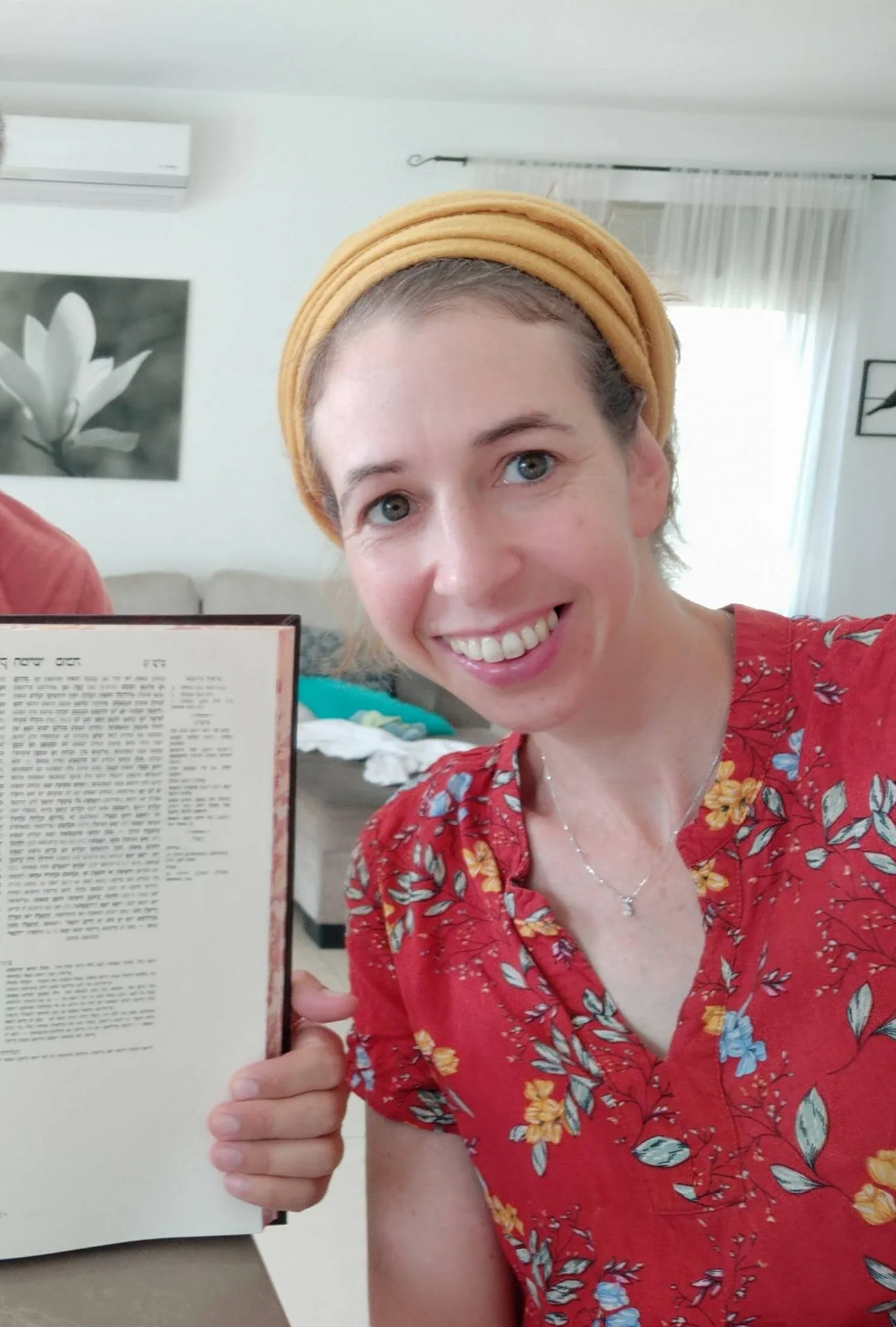
רציתי לקבל ידע בתחום שהרגשתי שהוא גדול וחשוב אך נעלם ממני. הלימוד מעניק אתגר וסיפוק ומעמיק את תחושת השייכות שלי לתורה וליהדות
רות עגיב
עלי זהב – לשם, ישראל
בסוף הסבב הקודם ראיתי את השמחה הגדולה שבסיום הלימוד, בעלי סיים כבר בפעם השלישית וכמובן הסיום הנשי בבנייני האומה וחשבתי שאולי זו הזדמנות עבורי למשהו חדש.
למרות שאני שונה בסביבה שלי, מי ששומע על הלימוד שלי מפרגן מאוד.
אני מנסה ללמוד קצת בכל יום, גם אם לא את כל הדף ובסך הכל אני בדרך כלל עומדת בקצב.
הלימוד מעניק המון משמעות ליום יום ועושה סדר בלמוד תורה, שתמיד היה (ועדיין) שאיפה. אבל אין כמו קביעות

רחלי מנדלסון
טל מנשה, ישראל
אמא שלי למדה איתי ש”ס משנה, והתחילה ללמוד דף יומי. אני החלטתי שאני רוצה ללמוד גם. בהתחלה למדתי איתה, אח”כ הצטרפתי ללימוד דף יומי שהרב דני וינט מעביר לנוער בנים בעתניאל. במסכת עירובין עוד חברה הצטרפה אלי וכשהתחלנו פסחים הרב דני פתח לנו שעור דף יומי לבנות. מאז אנחנו לומדות איתו קבוע כל יום את הדף היומי (ובשבת אבא שלי מחליף אותו). אני נהנית מהלימוד, הוא מאתגר ומעניין
רננה הלמן
עתניאל, ישראל
בתחילת הסבב הנוכחי הצטברו אצלי תחושות שאני לא מבינה מספיק מהי ההלכה אותה אני מקיימת בכל יום. כמו כן, כאמא לבנות רציתי לתת להן מודל נשי של לימוד תורה
שתי הסיבות האלו הובילו אותי להתחיל ללמוד. נתקלתי בתגובות מפרגנות וסקרניות איך אישה לומדת גמרא..
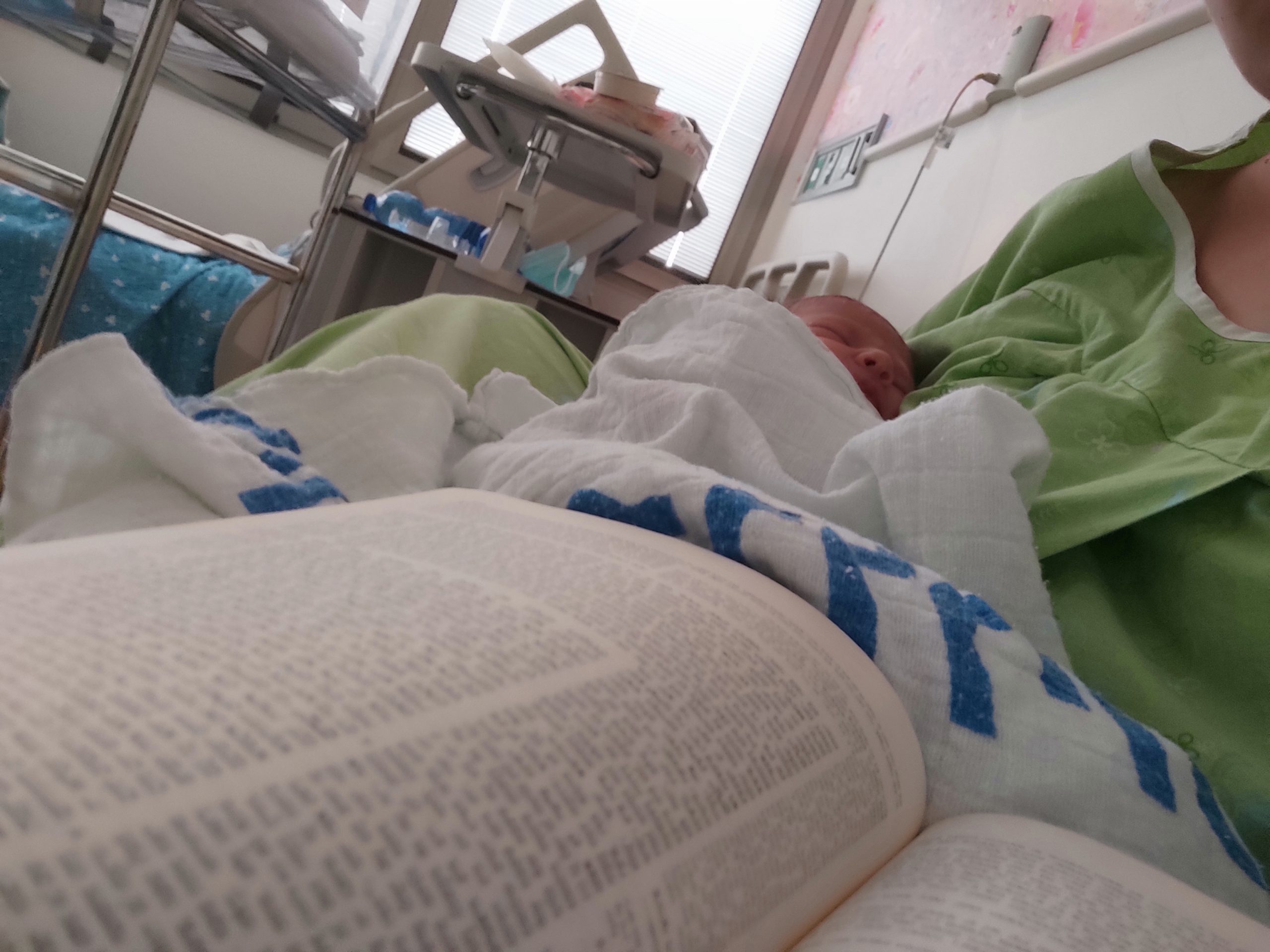
כמו שרואים בתמונה אני ממשיכה ללמוד גם היום ואפילו במחלקת יולדות אחרי לידת ביתי השלישית.
נועה שילה
רבבה, ישראל
. לא תמיד נהניתי מלימוד גמרא כילדה.,בל כהתבגרתי התחלתי לאהוב את זה שוב. התחלתי ללמוד מסכת סוטה בדף היומי לפני כחמש עשרה שנה ואז הפסקתי.הגעתי לסיום הגדול של הדרן לפני שנתיים וזה נתן לי השראה. והתחלתי ללמוד למשך כמה ימים ואז היתה לי פריצת דיסק והפסקתי…עד אלול השנה. אז התחלתי עם מסכת ביצה וב”ה אני מצליחה לעמוד בקצב. המשפחה מאוד תומכת בי ויש כמה שגם לומדים את זה במקביל. אני אוהבת שיש עוגן כל יום.

רבקה דרשן
בית שמש, ישראל
לפני 15 שנה, אחרי עשרות שנים של "ג’ינגול” בין משפחה לקריירה תובענית בהייטק, הצטרפתי לשיעורי גמרא במתן רעננה. הלימוד המעמיק והייחודי של הרבנית אושרה קורן יחד עם קבוצת הנשים המגוונת הייתה חוויה מאלפת ומעשירה. לפני כשמונה שנים כאשר מחזור הדף היומי הגיע למסכת תענית הצטרפתי כ”חברותא” לבעלי. זו השעה היומית שלנו ביחד כאשר דפי הגמרא משתלבים בחיי היום יום, משפיעים ומושפעים, וכשלא מספיקים תמיד משלימים בשבת

יודי אסקוף
רעננה, ישראל
שמעתי על הסיום הענק של הדף היומי ע”י נשים בבנייני האומה. רציתי גם.
החלטתי להצטרף. התחלתי ושיכנעתי את בעלי ועוד שתי חברות להצטרף. עכשיו יש לי לימוד משותף איתו בשבת ומפגש חודשי איתן בנושא (והתכתבויות תדירות על דברים מיוחדים שקראנו). הצטרפנו לקבוצות שונות בווטסאפ. אנחנו ממש נהנות. אני שומעת את השיעור מידי יום (בד”כ מהרב יוני גוטמן) וקוראת ומצטרפת לסיומים של הדרן. גם מקפידה על דף משלהן (ונהנית מאד).

ליאת סיטרון
אפרת, ישראל
התחלתי ללמוד דף יומי כאשר קיבלתי במייל ממכון שטיינזלץ את הדפים הראשונים של מסכת ברכות במייל. קודם לא ידעתי איך לקרוא אותם עד שנתתי להם להדריך אותי. הסביבה שלי לא מודעת לעניין כי אני לא מדברת על כך בפומבי. למדתי מהדפים דברים חדשים, כמו הקשר בין המבנה של בית המקדש והמשכן לגופו של האדם (יומא מה, ע”א) והקשר שלו למשפט מפורסם שמופיע בספר ההינדי "בהגוד-גיתא”. מתברר שזה רעיון כלל עולמי ולא רק יהודי

אלנה ארנבורג
נשר, ישראל
יומא נה
כִּמְנַגְּדָנָא. תָּנָא, כְּשֶׁהוּא מַזֶּה — אֵינוֹ מַזֶּה עַל הַכַּפּוֹרֶת, אֶלָּא כְּנֶגֶד עוֹבְיָהּ שֶׁל כַּפּוֹרֶת. כְּשֶׁהוּא מַזֶּה לְמַעְלָה — מְצַדֵּד יָדוֹ לְמַטָּה. וּכְשֶׁהוּא מַזֶּה לְמַטָּה — מְצַדֵּד יָדוֹ לְמַעְלָה.
like one who lashes with a whip on the back of another and who occasionally strikes lower down. A Sage taught in the Tosefta: When the High Priest sprinkles the blood, he does not sprinkle on the top of the Ark cover; rather, he does so against the thickness of the Ark cover. When he sprinkles once upward, he turns his hand so that the back of his hand faces downward, and he then sprinkles upward. And when he sprinkles seven times downward, he turns his hand so its back is upward. However, he does not sprinkle on the Ark cover or below it, so that the blood does not actually come into contact with it.
מְנָא הָנֵי מִילֵּי? אָמַר רַב אַחָא בַּר יַעֲקֹב, אָמַר רַבִּי זֵירָא, אָמַר קְרָא: ״וְהִזָּה אוֹתוֹ עַל הַכַּפּוֹרֶת וְלִפְנֵי הַכַּפּוֹרֶת״, לֹא יֹאמַר ״לְמַטָּה״ בְּשָׂעִיר, דְּלָא צְרִיךְ, דְּגָמַר מִמַּטָּה דְּפַר,
The Gemara asks: From where are these matters, that the sprinklings do not actually touch the Ark cover, derived? Rav Aḥa bar Ya’akov said that Rabbi Zeira said: The verse states with regard to the goat sacrificed as a sin-offering: “And he shall do with its blood as he did with the blood of the bull, and sprinkle it upon the Ark cover and before the Ark cover” (Leviticus 16:15). The verse should not say downward, i.e., “before the Ark cover,” with regard to the goat, as this is unnecessary; this requirement is derived from the term downward in connection with the bull.
לָמָּה נֶאֱמַר — לְאַקּוֹשֵׁי ״עַל״ לְ״לִפְנֵי״: מָה ״לִפְנֵי״ דְּלָאו עַל, אַף ״עַל״ דְּלָאו עַל.
Since the rite performed with the blood of the goat is compared to the rite of the blood of the bull, why is the requirement that the High Priest must sprinkle downward stated twice? It is to juxtapose the phrase “upon the Ark cover” to “before the Ark cover”; just as “before” means that it is not actually on the Ark cover but merely in front of it, so too, “upon” means that it is not actually on the Ark cover but in front of it, and the High Priest simply turns his hand upward.
אַדְּרַבָּה: לֹא יֵאָמֵר ״לְמַעְלָה״ בְּפַר דְּלָא צְרִיךְ, דְּגָמַר מִמַּעְלָה דְשָׂעִיר. לָמָּה נֶאֱמַר? לְאַקּוֹשֵׁי ״לִפְנֵי״ לְ״עַל״: מָה ״עַל״ — עַל מַמָּשׁ, אַף ״לִפְנֵי״ — עַל מַמָּשׁ!
The Gemara raises a difficulty: On the contrary, the verse should not say upward, i.e., “before the Ark cover,” with regard to the bull, as this is unnecessary; it is derived from the term upward stated in connection to the goat. Since the verse equates the two rituals, why does it state the upward sprinkling of the blood of the bull? It is to juxtapose the phrase “before the Ark cover,” stated with regard to the bull, to “upon the Ark cover,” stated with regard to the goat; just as “upon” stated by the goat means actually upon, as indicated by the literal meaning of the verse, so too, “before” means actually upon it, i.e., the blood of the goat should touch the thickness of the Ark cover.
הַאי מַאי?! אִי אָמְרַתְּ בִּשְׁלָמָא לְמַטָּה דְשָׂעִיר לְאַקּוֹשֵׁי לְמַעְלָה דְפַר — מִיבְּעֵי לֵיהּ לְכִדְתָנָא דְּבֵי רַבִּי אֱלִיעֶזֶר בֶּן יַעֲקֹב. דְּתָנָא דְּבֵי רַבִּי אֱלִיעֶזֶר בֶּן יַעֲקֹב: ״עַל פְּנֵי הַכַּפּוֹרֶת קֵדְמָה״ — זֶה בָּנָה אָב: כׇּל מָקוֹם שֶׁנֶּאֱמַר ״פְּנֵי״ אֵינוֹ אֶלָּא קָדִים. אֶלָּא אִי אָמְרַתְּ לְמַעְלָה דְפַר לְאַקּוֹשֵׁי לְמַטָּה דְשָׂעִיר — לְמַאי אֲתָא?
The Gemara expresses surprise at this suggestion: What is this comparison? Granted, if you say that downward stated with regard to the goat is mentioned to juxtapose it to upward stated with regard to the bull, one needs the phrase “upon the Ark cover,” which deals with the blood of the bull, for that which the school of Rabbi Eliezer ben Ya’akov taught. As the school of Rabbi Eliezer ben Ya’akov taught: “Upon [al penei] the Ark cover to the east” (Leviticus 16:14); this forms an analogy that applies to the entire Torah: Any place where it is stated “face [penei],” it is referring to nothing other than the eastern side. However, if you say, as suggested by the question, that upward with regard to the bull is mentioned to juxtapose it to “upward” stated with regard to the goat, for what purpose does downward stated with regard to the goat come; what do we learn from this phrase? Rather, the first interpretation of the verse must be correct.
תָּנוּ רַבָּנַן: ״וְהִזָּה אֹתוֹ עַל הַכַּפּוֹרֶת וְלִפְנֵי הַכַּפּוֹרֶת״ — לָמַדְנוּ: כַּמָּה לְמַעְלָה בַּשָּׂעִיר — אַחַת. לְמַטָּה בַּשָּׂעִיר, אֵינִי יוֹדֵעַ כַּמָּה!
§ The Sages taught: “And sprinkle it upon the Ark cover and before the Ark cover” (Leviticus 16:15). We have thereby learned how many times the High Priest must sprinkle upward for the goat, that is, one sprinkling, as it states: “And sprinkle.” However, with regard to the sprinkling downward for the goat, before the Ark cover, I do not know how many times he must sprinkle.
הֲרֵינִי דָּן: נֶאֶמְרוּ דָּמִים לְמַטָּה בַּפָּר, וְנֶאֶמְרוּ דָּמִים לְמַטָּה בַּשָּׂעִיר. מָה לְמַטָּה בַּפָּר — שֶׁבַע, אַף לְמַטָּה בַּשָּׂעִיר — שֶׁבַע.
I therefore derive the halakha from the verses. It states that blood is sprinkled downward in the case of the bull, and it states that blood is sprinkled downward in the case of the goat. Just as the blood that he sprinkles downward in the case of the bull consists of seven sprinklings, as the verse explicitly states: “And before the Ark cover he shall sprinkle seven times” (Leviticus 16:14), so too, the sprinkling of the blood downward in the case of the goat is performed seven times.
אוֹ כְּלָךְ לְדֶרֶךְ זוֹ: נֶאֶמְרוּ דָּמִים לְמַעְלָה בַּשָּׂעִיר, וְנֶאֶמְרוּ דָּמִים לְמַטָּה בַּשָּׂעִיר. מָה לְמַעְלָה בַּשָּׂעִיר — אַחַת, אַף לְמַטָּה בַּשָּׂעִיר — אַחַת? נִרְאֶה לְמִי דּוֹמֶה: דָּנִין מַטָּה מִמַּטָּה, וְאֵין דָּנִין מַטָּה מִלְמַעְלָה.
The Gemara raises a difficulty: Or one can go and reason this way: It states that blood is sprinkled upward in the case of the goat, and likewise it states that blood is sprinkled downward in the case of the goat. Just as with regard to sprinkling upward in the case of the goat there is one sprinkling, so too, with regard to sprinkling downward in the case of the goat there is only one sprinkling. The Gemara comments: Let us see what case this resembles: One derives an act performed downward from another act that is downward, and one does not derive an act performed downward from an upward act.
אַדְּרַבָּה, דָּנִין גּוּפוֹ מִגּוּפוֹ, וְאֵין דָּנִין גּוּפוֹ מֵעָלְמָא! תַּלְמוּד לוֹמַר: ״וְעָשָׂה אֶת דָּמוֹ כַּאֲשֶׁר עָשָׂה לְדַם הַפָּר״, שֶׁאֵין תַּלְמוּד לוֹמַר ״כַּאֲשֶׁר עָשָׂה״, וּמָה תַּלְמוּד לוֹמַר ״כַּאֲשֶׁר עָשָׂה״ — שֶׁיִּהְיוּ כׇּל עֲשִׂיּוֹתָיו שָׁווֹת. כְּשֵׁם שֶׁלְּמַטָּה בַּפָּר — שֶׁבַע, כָּךְ לְמַטָּה בַּשָּׂעִיר — שֶׁבַע.
The Gemara retorts: On the contrary, one derives one aspect of a matter from another aspect of that same matter, i.e., one should infer the halakha with regard to the blood of the goat from another halakha involving that same blood, and one does not derive the halakha of that matter from an external matter. Therefore, the verse states: “And he shall do with its blood as he did with the blood of the bull” (Leviticus 16:15). As there is no need for the verse to state: “As he did,” because the whole process is explicitly stated a second time, what then is the meaning when the verse states: “As he did”? It comes to teach that all his actions should be alike, down to every detail. Consequently, just as the sprinklings downward in the case of the bull are seven, so too, the sprinklings downward in the case of the goat are seven.
לָמַדְנוּ כַּמָּה לְמַטָּה? בַּפָּר וּבַשָּׂעִיר — שֶׁבַע. לְמַעְלָה בַּפָּר אֵינִי יוֹדֵעַ כַּמָּה, וַהֲרֵינִי דָּן: נֶאֶמְרוּ דָּמִים לְמַעְלָה בַּשָּׂעִיר, וְנֶאֶמְרוּ דָּמִים לְמַעְלָה בַּפָּר. מָה לְמַעְלָה בַּשָּׂעִיר — אַחַת, אַף לְמַעְלָה בַּפָּר — אַחַת.
We have thereby learned how many sprinklings are performed downward in the case of the bull and by the goat: Seven. However, I do not know how many times the High Priest must sprinkle upward in the case of the bull. And I therefore derive the halakha as follows: It states that blood is sprinkled upward in the case of the goat, and it states that blood is sprinkled upward in the case of the bull. Just as with regard to the sprinkling upward in the case of the goat he sprinkles one time, as stated explicitly, so too, in the case of the bull he sprinkles upward one time.
אוֹ כְּלָךְ לַדֶּרֶךְ זוֹ: נֶאֶמְרוּ דָּמִים לְמַטָּה בַּפָּר, וְנֶאֶמְרוּ דָּמִים לְמַעְלָה בַּפָּר. מָה לְמַטָּה בַּפָּר — שֶׁבַע, אַף לְמַעְלָה בַּפָּר — שֶׁבַע! נִרְאֶה לְמִי דּוֹמֶה? דָּנִין מַעְלָה מִמַּעְלָה, וְאֵין דָּנִין מַעְלָה מִמַּטָּה!
The Gemara raises a difficulty: Or one can go and reason this way: It is stated that blood is sprinkled downward in the case of the bull, and likewise it is stated that blood is sprinkled upward in the case of the bull. Just as with regard to sprinkling downward in the case of the bull there are seven sprinklings, so too, with regard to sprinkling upward in the case of the bull there should be seven sprinklings. The Gemara comments: Let us see what case this resembles: One derives an act performed upward from another act that is performed upward, and one does not derive an act performed upward from a downward act.
אַדְּרַבָּה: דָּנִין גּוּפוֹ מִגּוּפוֹ, וְאֵין דָּנִין גּוּפוֹ מֵעָלְמָא! תַּלְמוּד לוֹמַר: ״וְעָשָׂה אֶת דָּמוֹ כַּאֲשֶׁר עָשָׂה״, שֶׁאֵין תַּלְמוּד לוֹמַר ״כַּאֲשֶׁר עָשָׂה״, וּמָה תַּלְמוּד לוֹמַר ״כַּאֲשֶׁר עָשָׂה״? שֶׁיִּהְיוּ כׇּל עֲשִׂיּוֹתָיו שָׁווֹת, כְּשֵׁם שֶׁלְּמַטָּה בַּפָּר — שֶׁבַע, כָּךְ לְמַטָּה בַּשָּׂעִיר — שֶׁבַע. וּכְשֵׁם שֶׁלְּמַעְלָה בַּשָּׂעִיר — אַחַת, כָּךְ לְמַעְלָה בַּפָּר — אַחַת.
The Gemara retorts: On the contrary, one derives one aspect of a matter from another aspect of that same matter, and one does not derive the halakha of that matter from an external matter. Therefore, the verse states: “And he shall do with its blood as he did.” As there is no need for the verse to state: “As he did,” because the whole process is explicitly stated a second time, what then is the meaning when the verse states: “As he did”? It comes to teach that all his actions should be alike: Just as the sprinklings downward in the case of the bull are seven, so too, the sprinklings downward in the case of the goat are seven; and just as the sprinkling upward in the case of the goat is one, so too, the sprinkling upward in the case of the bull is one.
אַחַת, אַחַת וְאַחַת, אַחַת וּשְׁתַּיִם. תָּנוּ רַבָּנַן: אַחַת, אַחַת וְאַחַת, אַחַת וּשְׁתַּיִם, אַחַת וְשָׁלֹשׁ, אַחַת וְאַרְבַּע, אַחַת וְחָמֵשׁ, אַחַת וָשֵׁשׁ, אַחַת וָשֶׁבַע, דִּבְרֵי רַבִּי מֵאִיר. רַבִּי יְהוּדָה אוֹמֵר: אַחַת, אַחַת וְאַחַת, שְׁתַּיִם וְאַחַת, שָׁלֹשׁ וְאַחַת, אַרְבַּע וְאַחַת, חָמֵשׁ וְאַחַת, שֵׁשׁ וְאַחַת, שֶׁבַע וְאַחַת.
§ The mishna states that the High Priest counted: One; one and one; one and two. The Sages taught in a baraita that when sprinkling, the High Priest counted: One; one and one; one and two; one and three; one and four; one and five; one and six; one and seven. This is the statement of Rabbi Meir. Rabbi Yehuda says that he counted: One; one and one; two and one; three and one; four and one; five and one; six and one; seven and one.
וְלָא פְּלִיגִי: מָר כִּי אַתְרֵיהּ וּמָר כִּי אַתְרֵיהּ.
The Gemara comments: They do not disagree about the matter itself that the High Priest sprinkles once upward and seven times downward. Rather, this Sage rules in accordance with the norm in his place, and this Sage rules in accordance with the norm in his place. In one place they counted the smaller number first, while in the other place they would count the larger number first.
דְּכוּלֵּי עָלְמָא מִיהַת הַזָּאָה רִאשׁוֹנָה צְרִיכָה מִנְיָן עִם כׇּל אַחַת וְאַחַת, מַאי טַעְמָא? רַבִּי אֶלְעָזָר אָמַר: שֶׁלֹּא יִטְעֶה בַּהַזָּאוֹת.
The Gemara asks: In any case, everyone, both Rabbi Meir and Rabbi Yehuda, agrees that the first sprinkling upward must be counted together with each and every one of the subsequent sprinklings. What is the reason for this? Why can’t the High Priest count the downward sprinklings separately? The Sages debated this matter. Rabbi Elazar said: The reason is so that he does not err in the sprinklings. If the High Priest were to count downward without including the first upward sprinkling, he might mistakenly think that his calculation includes the first sprinkling, which would lead him to add another one.
רַבִּי יוֹחָנָן אָמַר, אָמַר קְרָא: ״וְלִפְנֵי הַכַּפּוֹרֶת יַזֶּה״, שֶׁאֵין תַּלְמוּד לוֹמַר ״יַזֶּה״, וּמָה תַּלְמוּד לוֹמַר ״יַזֶּה״? לִימֵּד עַל הַזָּאָה רִאשׁוֹנָה שֶׁצְּרִיכָה מִנְיָן עִם כׇּל אַחַת וְאַחַת.
Rabbi Yoḥanan said that the reason is that the verse states: “And he shall sprinkle it with his finger upon the Ark cover, and before the Ark cover he shall sprinkle” (Leviticus 16:14). As there is no need for the verse to state: He shall sprinkle” again, what is the meaning when the verse states: “He shall sprinkle”? This teaches with regard to the first sprinkling that it must be counted with each and every subsequent one, i.e., he must mention the first sprinkling every time.
מַאי בֵּינַיְיהוּ? אִיכָּא בֵּינַיְיהוּ דְּלֹא מָנָה וְלֹא טָעָה.
The Gemara asks: What is the practical difference between these two explanations? The Gemara answers: The practical difference between them concerns a case where he did not count the first sprinkling and did not err. That is acceptable according to the opinion of Rabbi Elazar, whereas according to Rabbi Yoḥanan the High Priest acted incorrectly, as it is a mitzva to count the first one.
יָצָא וְהִנִּיחוֹ עַל כַּן הַזָּהָב שֶׁבַּהֵיכָל. תְּנַן הָתָם: רַבִּי יְהוּדָה אוֹמֵר: לֹא הָיוּ שׁוֹפָרוֹת לְקִינֵּי חוֹבָה, מִפְּנֵי הַתַּעֲרוֹבוֹת.
§ The mishna taught that the High Priest emerged and placed the bowl with the remaining blood of the bull on the golden pedestal in the Sanctuary, and later he placed the goat’s blood on a second pedestal, whereas according to Rabbi Yehuda there was only one pedestal. The Gemara comments: We learned in a mishna there (Shekalim 6:6) that Rabbi Yehuda says: There were no collection horns for obligatory nests, i.e., the pairs of pigeons or turtledoves brought as sin- and burnt-offerings by women after childbirth or other individuals, due to the concern of mixtures.
מַאי מִפְּנֵי הַתַּעֲרוֹבוֹת? אָמַר רַב יוֹסֵף: מִפְּנֵי תַּעֲרוֹבֶת חוֹבָה בִּנְדָבָה. אָמַר לֵיהּ אַבָּיֵי: וְנַעֲבֵיד תְּרֵי וְנִכְתּוֹב עֲלַיְיהוּ הֵי דְּחוֹבָה וְהֵי דִּנְדָבָה? רַבִּי יְהוּדָה
The Gemara asks: What is the meaning of the phrase: Due to a mixture? Rav Yosef said: It means due to the possible mixture of obligatory nests with free-will ones. There was concern lest the priests mix the money given for obligatory nests, which are sacrificed as a sin-offering and a burnt-offering, with the money for free-will nests, which are sacrificed as a pair of burnt-offerings. Mixing the funds in this way would disqualify the birds. Abaye said to him: And let us prepare two collection horns and write on them which is the container for obligatory offerings and which is the one for free-will offerings. The Gemara answers: Rabbi Yehuda
לֵית לֵיהּ כְּתִיבָה. דִּתְנַן, רַבִּי יְהוּדָה אוֹמֵר: לֹא הָיָה שָׁם אֶלָּא כַּן אֶחָד בִּלְבַד. תְּרֵי מַאי טַעְמָא לָא — מִשּׁוּם דְּמִחַלְּפִי. וְנַעֲבֵיד תְּרֵי וְלִיכְתּוֹב עֲלַיְיהוּ הֵי דְפַר וְהֵי דְשָׂעִיר. אֶלָּא, לְרַבִּי יְהוּדָה לֵית לֵיהּ כְּתִיבָה.
does not accept that one may rely on writing in a situation where an error is possible. As we learned in the mishna that Rabbi Yehuda says: There was only one pedestal in the Temple on which to place the blood. What is the reason that they did not place two pedestals there? The reason is because the pedestals might be exchanged for one another, and he might take the goat’s blood instead of that of the bull. But in that case, let us place two pedestals and write on them which one is for the bull and which is for the goat. Rather, it is clear that Rabbi Yehuda does not accept that one may rely on writing in a situation where error is possible.
מֵיתִיבִי: שְׁלֹשׁ עֶשְׂרֵה שׁוֹפָרוֹת הָיוּ בְּמִקְדָּשׁ, וְהָיָה כָּתוּב עֲלֵיהֶן: תִּקְלִין חַדְתִּין, וְתִקְלִין עַתִּיקִין, וְקִינִּין, וְגוֹזְלֵי עוֹלָה, וְעֵצִים, וּלְבוֹנָה, וְזָהָב לְכַפּוֹרֶת, וְשִׁשָּׁה לִנְדָבָה.
The Gemara raises an objection against this conclusion: There were thirteen collection horns in the Temple, and they were each inscribed with different names. On one container was written: New shekels. In this horn they placed shekels that were donated at the correct time that year. And on another horn the phrase old shekels was written, referring to coins from the past year that did not reach the Temple during the allotted period. On the other horns, the following phrases were written: Nests, for obligatory offerings consisting of pairs of pigeons or turtledoves; young birds for burnt-offerings; wood, for anyone who wished to donate wood; frankincense; and gold for the Ark cover. And there were six additional boxes designated for communal free-will offerings of all kinds.
תִּקְלִין חַדְתִּין — אֵלּוּ שְׁקָלִים שֶׁל כׇּל שָׁנָה וְשָׁנָה, תִּקְלִין עַתִּיקִין — מִי שֶׁלֹּא שָׁקַל אֶשְׁתָּקַד, יִשְׁקוֹל לְשָׁנָה הַבָּאָה. קִינִּין — הֵן תּוֹרִין, גּוֹזְלֵי עוֹלָה — הֵן בְּנֵי יוֹנָה, וְכוּלָּן עוֹלוֹת, דִּבְרֵי רַבִּי יְהוּדָה.
The Gemara explains: New shekels, these are the shekels of each and every year that arrive on time; old shekels, these are for one who did not donate a shekel the previous year, who must donate the next year; nests, these are the turtledoves brought as offerings; young birds for burnt-offerings, these are pigeons; and all these birds are burnt-offerings; this is the statement of Rabbi Yehuda. Rabbi Yehuda maintains that there was no container for nests of obligatory sin-offerings and burnt-offerings, due to the potential mixture between the two. In any case, this shows that Rabbi Yehuda does rely on inscriptions written on containers, which contradicts the above claim that he does not rely on writing in these situations.
כִּי אֲתָא רַב דִּימִי, אֲמַר: אָמְרִי בְּמַעְרְבָא, גְּזֵירָה מִשּׁוּם חַטָּאת שֶׁמֵּתוּ בְּעָלֶיהָ. וּמִי חָיְישִׁינַן? וְהָתְנַן: הַשּׁוֹלֵחַ חַטָּאתוֹ מִמְּדִינַת הַיָּם — מַקְרִיבִין אוֹתָהּ בְּחֶזְקַת שֶׁהוּא קַיָּים!
When Rav Dimi came from Eretz Yisrael to Babylonia he said: They say in the West, Eretz Yisrael, that this is a rabbinic decree due to the possible presence in the mixture of a sin-offering whose owners have died. Since a sin-offering of this kind must be left to die, if one of the donors of the coins in the sin-offering horn passes away, his funds cannot be used. The Gemara asks: And are we concerned about the possible death of a donor? But didn’t we learn in a mishna: With regard to one who sends his sin-offering from overseas, they sacrifice it for him on the presumption that he is alive, although he might have died in the meantime. This shows that the possibility of death is not taken into account.
אֶלָּא: מִשּׁוּם חַטָּאת שֶׁמֵּתוּ בְּעָלֶיהָ וַדַּאי. וְנִבְרוֹר אַרְבָּעָה זוּזֵי וְנִשְׁדֵּי בְּמַיָּא, וְהָנָךְ נִישְׁתְּרוֹ? רַבִּי יְהוּדָה לֵית לֵיהּ בְּרֵירָה.
Rather, Rabbi Yehuda’s concern is due to a sin-offering whose owner has certainly died, lest it be confirmed that one of the people who donated money for a sin-offering bird has indeed died. The Gemara asks: Even so, this can be rectified, as let us select four zuz, the price of such an offering, and throw them into the water to be destroyed. It may be said that the money removed from the box was the money for the sin-offering whose owner died, and these other coins will be permitted. It will be clarified retroactively that these coins were designated for that purpose. The Gemara answers: Rabbi Yehuda does not accept the rule of retroactive clarification. In his opinion, one cannot issue a designation after the fact. Consequently, he rejects this solution.
מְנָא לַן? אִילֵּימָא מֵהָא דִּתְנַן: הַלּוֹקֵחַ יַיִן מִבֵּין הַכּוּתִיִּים, עֶרֶב שַׁבָּת עִם חֲשֵׁכָה — עוֹמֵד וְאוֹמֵר: שְׁנֵי לוּגִּין שֶׁאֲנִי עָתִיד לְהַפְרִישׁ הֲרֵי הֵן תְּרוּמָה.
The Gemara asks: From where do we derive that this is indeed Rabbi Yehuda’s opinion? If we say it is derived from that which we learned in the following mishna, there is a difficulty. The mishna states: With regard to one who buys wine from among the Samaritans, who do not tithe their produce properly, on Shabbat eve at nightfall and has no time to separate the tithe before Shabbat and to place the separated portions in distinct locations, he may arise and say: Two log of the one hundred log present here, which I will separate in the future, after Shabbat, shall be the teruma gedola given to a priest, as the Sages mandated that one-fiftieth of one’s produce constitutes an average measure of teruma;
לעקוב

