חיפוש

בבא בתרא קח

רוצה להקדיש שיעור?

podcast placeholder

0:00
0:00


תקציר

מה מטרתן של החריצים הקטנים והגדולים סביב השדה שהוזכרו במשנה?

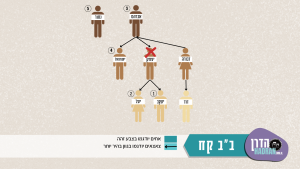
דיני ירושה מתחילים ברשימה של אילו יחסים של קרובי משפחה יורשים זה מזה ואילו מורישים נחלתם לאחר. חלק עושים את שניהם, חלק לא עושים אף אחד מהם וחלק עושים רק כיוון אחד. מדוע המשנה מתחילה בבן שמת ומעביר ירושה לאביו ולא במקרה ההפוך? התורה מפרטת את הסדר של מי ראשון בשורת הירושה אך האב נשמט מהרשימה. הסדר בתורה הוא: בן, בת, אח, דוד (אחי האב). מכיוון שהדין שהאב יורש את הבן נלמד מדרשה, מחבר המשנה רשם אותו ראשון. לפי הדרשה, אב יורש אם אין ילדים (לפני שזה עובר לאחים). למה לא לפני הבן? הבן נחשב לקרוב ביותר, כי הבן מחליף את אביו בשני דינים, ייעוד ושדה אחוזה שהוקדשה. אבל גם אח יכול להחליף את אחיו בייבום, אז למה אח לא נחשב קרוב יותר?

בבא בתרא קח

כְּדֵי שֶׁלֹּא תְּהֵא חַיָּה קוֹפֶצֶת. וְלַעֲבֵיד חָרִיץ – וְלָא לַעֲבֵיד בֶּן חָרִיץ! אַיְּידֵי דְּרָוַוח, קָיְימָא בְּגַוֵּיהּ וְקָפְצָה. וְלַעֲבֵיד בֶּן חָרִיץ – וְלָא לַעֲבֵיד חָרִיץ! אַיְּידֵי דְּקַטִּין, קָיְימָא אַשִּׂפְתֵּיהּ וְקָפְצָה. וְכַמָּה בֵּין חָרִיץ לְבֶן חָרִיץ? טֶפַח.

so that an animal will not jump over the fence, enter the field, and cause damage. The Gemara asks: Let him make only a larger ditch and not make a smaller ditch. The Gemara replies: Since the ditch is wide, the animal can stand inside it and jump from there over the fence. The Gemara asks: If so, then let him make only a smaller ditch and not make a larger ditch? Since the ditch is small, the animal stands on its edge and jumps over the fence. The baraita explains the matter further: And how much space is there between the larger ditch and the smaller ditch? One handbreadth.


הֲדַרַן עֲלָךְ בֵּית כּוֹר

יֵשׁ נוֹחֲלִין וּמַנְחִילִין, וְיֵשׁ נוֹחֲלִין וְלֹא מַנְחִילִין; מַנְחִילִין וְלֹא נוֹחֲלִין; לֹא נוֹחֲלִין וְלֹא מַנְחִילִין.

MISHNA: There are family members who both inherit from and bequeath to each other upon their respective deaths; and there are those who inherit from certain relatives but do not bequeath to them; and there are those who bequeath to certain relatives but do not inherit from them; and there are those who, despite being relatives, do not inherit from nor bequeath to one another.

וְאֵלּוּ נוֹחֲלִין וּמַנְחִילִין: הָאָב אֶת הַבָּנִים, וְהַבָּנִים אֶת הָאָב, וְהָאַחִין מִן הָאָב – נוֹחֲלִין וּמַנְחִילִין. הָאִישׁ אֶת אִמּוֹ, וְהָאִישׁ אֶת אִשְׁתּוֹ, וּבְנֵי אֲחָיוֹת – נוֹחֲלִין וְלֹא מַנְחִילִין. הָאִשָּׁה אֶת בָּנֶיהָ, וְהָאִשָּׁה אֶת בַּעְלָהּ, וַאֲחֵי הָאֵם – מַנְחִילִין וְלֹא נוֹחֲלִין. וְהָאַחִין מִן הָאֵם – לֹא נוֹחֲלִין וְלֹא מַנְחִילִין.

The mishna lists those referred to above. And these both inherit and bequeath: A father with regard to his sons, and sons with regard to their father, and paternal brothers; all inherit from one another and bequeath to each other. A man with regard to his mother, and a man with regard to his wife, and sons of sisters, i.e., nephews born to the sisters of the deceased, all inherit from their respective relatives but do not bequeath to them. A woman with regard to her sons, and a woman with regard to her husband, and maternal uncles, all bequeath to their respective relatives but do not inherit from them. And maternal brothers, despite being blood relatives, do not inherit from each other nor do they bequeath to one another, as they are not considered relatives for the purpose of inheritance.

גְּמָ׳ מַאי שְׁנָא דְּקָתָנֵי ״הָאָב אֶת הַבָּנִים״ בְּרֵישָׁא? לִיתְנֵי ״הַבָּנִים אֶת הָאָב״ בְּרֵישָׁא – חֲדָא, דְּאַתְחוֹלֵי בְּפוּרְעֲנוּתָא לָא מַתְחֲלִינַן;

GEMARA: The Gemara begins by clarifying the order of the list in the mishna. What is different, i.e., what is the reason, that the mishna teaches: A father with regard to his sons, as the first example? Let it teach: Sons with regard to their father, as the first example. The Gemara explains why this would be preferable: One reason is that we do not want to begin with a calamity, as the death of a son during his father’s lifetime is a calamity; therefore, it would have been appropriate to begin with the example of sons inheriting from their father.

וְעוֹד, כְּדִכְתִיב: ״אִישׁ כִּי יָמוּת וּבֵן אֵין לוֹ״ –

And furthermore, the verse first states that a son inherits from his father, as it is written in the portion concerning inheritance: “If a man dies, and has no son, then you shall pass his inheritance to his daughter” (Numbers 27:8).

וְתַנָּא, אַיְּידֵי דְּאָתְיָא לֵיהּ מִדְּרָשָׁא – חֲבִיבָא לֵיהּ!

The Gemara answers: And as for the tanna of the mishna who listed the father inheriting first, since the halakha that a father inherits from his son is learned through a derivation and is not explicitly mentioned in the verse, this halakha is dear to him; therefore, he listed it first.

וּמַאי דְּרָשָׁא? דְּתַנְיָא: ״שְׁאֵרוֹ״ – זֶה הָאָב; מְלַמֵּד שֶׁהָאָב קוֹדֶם לָאַחִין. יָכוֹל יְהֵא קוֹדֶם לַבֵּן? תַּלְמוּד לוֹמַר: ״הַקָּרוֹב״ – קָרוֹב קָרוֹב קוֹדֵם.

And what is the derivation? As it is taught in a baraita concerning the verse: “And if his father has no brothers, then you shall give his inheritance to his kinsman who is next to him of his family, and he shall inherit it” (Numbers 27:11): “His kinsman”; this is referring to the father, and the Torah teaches that the father precedes the brothers of the deceased in inheriting from him. One might have thought that the father of the deceased should precede the son of the deceased in inheriting from him; the verse therefore states: “Next [hakkarov] to him,” teaching that the closer [karov] one is to the deceased, the earlier one is in the order of inheritance, and a son of the deceased is considered to be a closer relative to the deceased than the father of the deceased.

וּמָה רָאִיתָ לְרַבּוֹת אֶת הַבֵּן, וּלְהוֹצִיא אֶת הָאָח? מְרַבֶּה אֲנִי אֶת הַבֵּן – שֶׁכֵּן קָם תַּחַת אָבִיו לִיעִדָה וְלִשְׂדֵה אֲחוּזָּה.

The Gemara asks: And what did you see to include the son as the closer relative than the father and to exclude the brother? The Gemara answers: I include the son, as he stands in place of his father to designate a Hebrew maidservant as a wife for himself, which a brother cannot do. And similarly, he stands in place of his father with regard to an ancestral field. If a son redeems a field consecrated by his father, it is considered as though the father himself redeemed it and the field returns to the family in the Jubilee Year. By contrast, if the brother of the one who consecrated it redeems the field, it does not return to the family (see Leviticus 27:16–21).

אַדְּרַבָּה! מְרַבֶּה אֲנִי אֶת הָאָח, שֶׁכֵּן קָם תַּחַת אָחִיו לְיִבּוּם! כְּלוּם יֵשׁ יִבּוּם – אֶלָּא בְּמָקוֹם שֶׁאֵין בֵּן, הָא בְּמָקוֹם שֶׁיֵּשׁ בֵּן – אֵין יִבּוּם.

The Gemara asks: On the contrary, I should include the brother as the closer relative, as he stands in his brother’s place with regard to levirate marriage, and a son does not. The Gemara answers: This is not a valid claim, as is there levirate marriage except in a case where there is no son? In a case where there is a son, there is no levirate marriage. This indicates that a son stands in place of the deceased before a brother even with regard to levirate marriage.

טַעְמָא דְּאִיכָּא הַאי פִּירְכָא, הָא לָאו הָכִי – הֲוָה אָמֵינָא אָח עֲדִיף? תִּיפּוֹק לֵיהּ

The Gemara comments: The reason that a son is considered to be a closer relative than a brother is specifically due to this refutation, that where there is a son there is no levirate marriage. This indicates that without this refutation I would say that a brother is superior to a son in terms of how close a relative he is. The Gemara therefore asks: Why not derive that a son is closer to the deceased than a brother

העמקה

רוצה להבין מה באמת קורה מתחת לפני השטח של הסוגיה?
שיעורים, פודקאסטים והרחבות של מיטב המורות שלנו יפתחו לך עוד זוויות וכיווני חשיבה.

לשיעורי עוד על הדף באנגלית, לחצי כאן

חדשה בלימוד הגמרא?

זה הדף הראשון שלך? איזו התרגשות עצומה! יש לנו בדיוק את התכנים והכלים שיעזרו לך לעשות את הצעדים הראשונים ללמידה בקצב וברמה שלך, כך תוכלי להרגיש בנוח גם בתוך הסוגיות המורכבות ומאתגרות.

פסיפס הלומדות שלנו

גלי את קהילת הלומדות שלנו, מגוון נשים, רקעים וסיפורים. כולן חלק מתנועה ומסע מרגש ועוצמתי.

A friend in the SF Bay Area said in Dec 2019 that she might start listening on her morning drive to work. I mentioned to my husband and we decided to try the Daf when it began in Jan 2020 as part of our preparing to make Aliyah in the summer.

Hana Piotrkovsky
חנה פיוטרקובסקי

ירושלים, Israel

ראיתי את הסיום הגדול בבנייני האומה וכל כך התרשמתי ורציתי לקחת חלק.. אבל לקח לי עוד כשנה וחצי )באמצע מסיכת שבת להצטרף..
הלימוד חשוב לי מאוד.. אני תמיד במרדף אחרי הדף וגונבת כל פעם חצי דף כשהילדים עסוקים ומשלימה אח”כ אחרי שכולם הלכו לישון..

Olga Mizrahi
אולגה מזרחי

ירושלים, ישראל

. לא תמיד נהניתי מלימוד גמרא כילדה.,בל כהתבגרתי התחלתי לאהוב את זה שוב. התחלתי ללמוד מסכת סוטה בדף היומי לפני כחמש עשרה שנה ואז הפסקתי.הגעתי לסיום הגדול של הדרן לפני שנתיים וזה נתן לי השראה. והתחלתי ללמוד למשך כמה ימים ואז היתה לי פריצת דיסק והפסקתי…עד אלול השנה. אז התחלתי עם מסכת ביצה וב”ה אני מצליחה לעמוד בקצב. המשפחה מאוד תומכת בי ויש כמה שגם לומדים את זה במקביל. אני אוהבת שיש עוגן כל יום.

Rebecca Darshan
רבקה דרשן

בית שמש, ישראל

התחלתי מעט לפני תחילת הסבב הנוכחי. אני נהנית מהאתגר של להמשיך להתמיד, מרגעים של "אהה, מפה זה הגיע!” ומהאתגר האינטלקטואלי

Eilat-Chen and Deller
אילת-חן ודלר

לוד, ישראל

אני לומדת גמרא כעשור במסגרות שונות, ואת הדף היומי התחלתי כשחברה הציעה שאצטרף אליה לסיום בבנייני האומה. מאז אני לומדת עם פודקסט הדרן, משתדלת באופן יומי אך אם לא מספיקה, מדביקה פערים עד ערב שבת. בסבב הזה הלימוד הוא "ממעוף הציפור”, מקשיבה במהירות מוגברת תוך כדי פעילויות כמו בישול או נהיגה, וכך רוכשת היכרות עם הסוגיות ואופן ניתוחם על ידי חז”ל. בע”ה בסבב הבא, ואולי לפני, אצלול לתוכו באופן מעמיק יותר.

Yael Bir
יעל ביר

רמת גן, ישראל

התחלתי ללמוד דף יומי אחרי שחזרתי בתשובה ולמדתי במדרשה במגדל עוז. הלימוד טוב ומספק חומר למחשבה על נושאים הלכתיים ”קטנים” ועד לערכים גדולים ביהדות. חשוב לי להכיר את הגמרא לעומק. והצעד הקטן היום הוא ללמוד אותה בבקיאות, בעזרת השם, ומי יודע אולי גם אגיע לעיון בנושאים מעניינים. נושאים בגמרא מתחברים לחגים, לתפילה, ליחסים שבין אדם לחברו ולמקום ולשאר הדברים שמלווים באורח חיים דתי 🙂

Gaia Divo
גאיה דיבו

מצפה יריחו, ישראל

הייתי לפני שנתיים בסיום הדרן נשים בבנייני האומה והחלטתי להתחיל. אפילו רק כמה דפים, אולי רק פרק, אולי רק מסכת… בינתיים סיימתי רבע שס ותכף את כל סדר מועד בה.
הסביבה תומכת ומפרגנת. אני בת יחידה עם ארבעה אחים שכולם לומדים דף יומי. מדי פעם אנחנו עושים סיומים יחד באירועים משפחתיים. ממש מרגש. מסכת שבת סיימנו כולנו יחד עם אבא שלנו!
אני שומעת כל יום פודקאסט בהליכה או בנסיעה ואחכ לומדת את הגמרא.

Edna Gross
עדנה גרוס

מרכז שפירא, ישראל

A life-changing journey started with a Chanukah family tiyul to Zippori, home of the Sanhedrin 2 years ago and continued with the Syum in Binanei Hauma where I was awed by the energy of 3000 women dedicated to learning daf Yomi. Opening my morning daily with a fresh daf, I am excited with the new insights I find enriching my life and opening new and deeper horizons for me.

Becky Goldstein
בקי גולדשטיין

Elazar gush etzion, Israel

באירוע של הדרן בנייני האומה. בהשראתה של אמי שלי שסיימה את הש”ס בסבב הקודם ובעידוד מאיר , אישי, וילדיי וחברותיי ללימוד במכון למנהיגות הלכתית של רשת אור תורה סטון ומורתיי הרבנית ענת נובוסלסקי והרבנית דבורה עברון, ראש המכון למנהיגות הלכתית.
הלימוד מעשיר את יומי, מחזיר אותי גם למסכתות שכבר סיימתי וידוע שאינו דומה מי ששונה פרקו מאה לשונה פרקו מאה ואחת במיוחד מרתקים אותי החיבורים בין המסכתות

Roit Kalech
רוית קלך

מודיעין, ישראל

אמא שלי למדה איתי ש”ס משנה, והתחילה ללמוד דף יומי. אני החלטתי שאני רוצה ללמוד גם. בהתחלה למדתי איתה, אח”כ הצטרפתי ללימוד דף יומי שהרב דני וינט מעביר לנוער בנים בעתניאל. במסכת עירובין עוד חברה הצטרפה אלי וכשהתחלנו פסחים הרב דני פתח לנו שעור דף יומי לבנות. מאז אנחנו לומדות איתו קבוע כל יום את הדף היומי (ובשבת אבא שלי מחליף אותו). אני נהנית מהלימוד, הוא מאתגר ומעניין

Renana Hellman
רננה הלמן

עתניאל, ישראל

A friend in the SF Bay Area said in Dec 2019 that she might start listening on her morning drive to work. I mentioned to my husband and we decided to try the Daf when it began in Jan 2020 as part of our preparing to make Aliyah in the summer.

Hana Piotrkovsky
חנה פיוטרקובסקי

ירושלים, Israel

אחי, שלומד דף יומי ממסכת ברכות, חיפש חברותא ללימוד מסכת ראש השנה והציע לי. החברותא היתה מאתגרת טכנית ורוב הזמן נעשתה דרך הטלפון, כך שבסיום המסכת נפרדו דרכינו. אחי חזר ללמוד לבד, אבל אני כבר נכבשתי בקסם הגמרא ושכנעתי את האיש שלי להצטרף אלי למסכת ביצה. מאז המשכנו הלאה, ועכשיו אנחנו מתרגשים לקראתו של סדר נשים!

Shulamit Saban
שולמית סבן

נוקדים, ישראל

התחלתי בתחילת הסבב, והתמכרתי. זה נותן משמעות נוספת ליומיום ומאוד מחזק לתת לזה מקום בתוך כל שגרת הבית-עבודה השוטפת.

Reut Abrahami
רעות אברהמי

בית שמש, ישראל

התחלתי ללמוד לפני 4.5 שנים, כשהודיה חברה שלי פתחה קבוצת ווטסאפ ללימוד דף יומי בתחילת מסכת סנהדרין. מאז לימוד הדף נכנס לתוך היום-יום שלי והפך לאחד ממגדירי הזהות שלי ממש.

Rosenberg Foundation
קרן רוזנברג

ירושלים, ישראל

התחלתי לפני כמה שנים אבל רק בסבב הזה זכיתי ללמוד יום יום ולסיים מסכתות

Sigal Tel
סיגל טל

רעננה, ישראל

התחלתי ללמוד דף יומי באמצע תקופת הקורונה, שאבא שלי סיפר לי על קבוצה של בנות שתיפתח ביישוב שלנו ותלמד דף יומי כל יום. הרבה זמן רציתי להצטרף לזה וזאת הייתה ההזדמנות בשבילי. הצטרפתי במסכת שקלים ובאמצע הייתה הפסקה קצרה. כיום אני כבר לומדת באולפנה ולומדת דף יומי לבד מתוך גמרא של טיינזלץ.

Saturdays in Raleigh
שבות בראלי

עתניאל, ישראל

אני לומדת גמרא כעשור במסגרות שונות, ואת הדף היומי התחלתי כשחברה הציעה שאצטרף אליה לסיום בבנייני האומה. מאז אני לומדת עם פודקסט הדרן, משתדלת באופן יומי אך אם לא מספיקה, מדביקה פערים עד ערב שבת. בסבב הזה הלימוד הוא "ממעוף הציפור”, מקשיבה במהירות מוגברת תוך כדי פעילויות כמו בישול או נהיגה, וכך רוכשת היכרות עם הסוגיות ואופן ניתוחם על ידי חז”ל. בע”ה בסבב הבא, ואולי לפני, אצלול לתוכו באופן מעמיק יותר.

Yael Bir
יעל ביר

רמת גן, ישראל

התחלתי ללמוד דף יומי בתחילת מסכת ברכות, עוד לא ידעתי כלום. נחשפתי לסיום הש״ס, ובעצם להתחלה מחדש בתקשורת, הפתיע אותי לטובה שהיה מקום לעיסוק בתורה.
את המסכתות הראשונות למדתי, אבל לא סיימתי (חוץ מעירובין איכשהו). השנה כשהגעתי למדרשה, נכנסתי ללופ, ואני מצליחה להיות חלק, סיימתי עם החברותא שלי את כל המסכתות הקצרות, גם כשהיינו חולות קורונה ובבידודים, למדנו לבד, העיקר לא לצבור פער, ומחכות ליבמות 🙂

Eden Yeshuron
עדן ישורון

מזכרת בתיה, ישראל

התחלתי ללמוד לפני כשנתיים בשאיפה לסיים לראשונה מסכת אחת במהלך חופשת הלידה.
אחרי מסכת אחת כבר היה קשה להפסיק…

Noa Gallant
נעה גלנט

ירוחם, ישראל

התחלתי ללמוד דף יומי אחרי שחזרתי בתשובה ולמדתי במדרשה במגדל עוז. הלימוד טוב ומספק חומר למחשבה על נושאים הלכתיים ”קטנים” ועד לערכים גדולים ביהדות. חשוב לי להכיר את הגמרא לעומק. והצעד הקטן היום הוא ללמוד אותה בבקיאות, בעזרת השם, ומי יודע אולי גם אגיע לעיון בנושאים מעניינים. נושאים בגמרא מתחברים לחגים, לתפילה, ליחסים שבין אדם לחברו ולמקום ולשאר הדברים שמלווים באורח חיים דתי 🙂

Gaia Divo
גאיה דיבו

מצפה יריחו, ישראל

בבא בתרא קח

כְּדֵי שֶׁלֹּא תְּהֵא חַיָּה קוֹפֶצֶת. וְלַעֲבֵיד חָרִיץ – וְלָא לַעֲבֵיד בֶּן חָרִיץ! אַיְּידֵי דְּרָוַוח, קָיְימָא בְּגַוֵּיהּ וְקָפְצָה. וְלַעֲבֵיד בֶּן חָרִיץ – וְלָא לַעֲבֵיד חָרִיץ! אַיְּידֵי דְּקַטִּין, קָיְימָא אַשִּׂפְתֵּיהּ וְקָפְצָה. וְכַמָּה בֵּין חָרִיץ לְבֶן חָרִיץ? טֶפַח.

so that an animal will not jump over the fence, enter the field, and cause damage. The Gemara asks: Let him make only a larger ditch and not make a smaller ditch. The Gemara replies: Since the ditch is wide, the animal can stand inside it and jump from there over the fence. The Gemara asks: If so, then let him make only a smaller ditch and not make a larger ditch? Since the ditch is small, the animal stands on its edge and jumps over the fence. The baraita explains the matter further: And how much space is there between the larger ditch and the smaller ditch? One handbreadth.

הֲדַרַן עֲלָךְ בֵּית כּוֹר

יֵשׁ נוֹחֲלִין וּמַנְחִילִין, וְיֵשׁ נוֹחֲלִין וְלֹא מַנְחִילִין; מַנְחִילִין וְלֹא נוֹחֲלִין; לֹא נוֹחֲלִין וְלֹא מַנְחִילִין.

MISHNA: There are family members who both inherit from and bequeath to each other upon their respective deaths; and there are those who inherit from certain relatives but do not bequeath to them; and there are those who bequeath to certain relatives but do not inherit from them; and there are those who, despite being relatives, do not inherit from nor bequeath to one another.

וְאֵלּוּ נוֹחֲלִין וּמַנְחִילִין: הָאָב אֶת הַבָּנִים, וְהַבָּנִים אֶת הָאָב, וְהָאַחִין מִן הָאָב – נוֹחֲלִין וּמַנְחִילִין. הָאִישׁ אֶת אִמּוֹ, וְהָאִישׁ אֶת אִשְׁתּוֹ, וּבְנֵי אֲחָיוֹת – נוֹחֲלִין וְלֹא מַנְחִילִין. הָאִשָּׁה אֶת בָּנֶיהָ, וְהָאִשָּׁה אֶת בַּעְלָהּ, וַאֲחֵי הָאֵם – מַנְחִילִין וְלֹא נוֹחֲלִין. וְהָאַחִין מִן הָאֵם – לֹא נוֹחֲלִין וְלֹא מַנְחִילִין.

The mishna lists those referred to above. And these both inherit and bequeath: A father with regard to his sons, and sons with regard to their father, and paternal brothers; all inherit from one another and bequeath to each other. A man with regard to his mother, and a man with regard to his wife, and sons of sisters, i.e., nephews born to the sisters of the deceased, all inherit from their respective relatives but do not bequeath to them. A woman with regard to her sons, and a woman with regard to her husband, and maternal uncles, all bequeath to their respective relatives but do not inherit from them. And maternal brothers, despite being blood relatives, do not inherit from each other nor do they bequeath to one another, as they are not considered relatives for the purpose of inheritance.

גְּמָ׳ מַאי שְׁנָא דְּקָתָנֵי ״הָאָב אֶת הַבָּנִים״ בְּרֵישָׁא? לִיתְנֵי ״הַבָּנִים אֶת הָאָב״ בְּרֵישָׁא – חֲדָא, דְּאַתְחוֹלֵי בְּפוּרְעֲנוּתָא לָא מַתְחֲלִינַן;

GEMARA: The Gemara begins by clarifying the order of the list in the mishna. What is different, i.e., what is the reason, that the mishna teaches: A father with regard to his sons, as the first example? Let it teach: Sons with regard to their father, as the first example. The Gemara explains why this would be preferable: One reason is that we do not want to begin with a calamity, as the death of a son during his father’s lifetime is a calamity; therefore, it would have been appropriate to begin with the example of sons inheriting from their father.

וְעוֹד, כְּדִכְתִיב: ״אִישׁ כִּי יָמוּת וּבֵן אֵין לוֹ״ –

And furthermore, the verse first states that a son inherits from his father, as it is written in the portion concerning inheritance: “If a man dies, and has no son, then you shall pass his inheritance to his daughter” (Numbers 27:8).

וְתַנָּא, אַיְּידֵי דְּאָתְיָא לֵיהּ מִדְּרָשָׁא – חֲבִיבָא לֵיהּ!

The Gemara answers: And as for the tanna of the mishna who listed the father inheriting first, since the halakha that a father inherits from his son is learned through a derivation and is not explicitly mentioned in the verse, this halakha is dear to him; therefore, he listed it first.

וּמַאי דְּרָשָׁא? דְּתַנְיָא: ״שְׁאֵרוֹ״ – זֶה הָאָב; מְלַמֵּד שֶׁהָאָב קוֹדֶם לָאַחִין. יָכוֹל יְהֵא קוֹדֶם לַבֵּן? תַּלְמוּד לוֹמַר: ״הַקָּרוֹב״ – קָרוֹב קָרוֹב קוֹדֵם.

And what is the derivation? As it is taught in a baraita concerning the verse: “And if his father has no brothers, then you shall give his inheritance to his kinsman who is next to him of his family, and he shall inherit it” (Numbers 27:11): “His kinsman”; this is referring to the father, and the Torah teaches that the father precedes the brothers of the deceased in inheriting from him. One might have thought that the father of the deceased should precede the son of the deceased in inheriting from him; the verse therefore states: “Next [hakkarov] to him,” teaching that the closer [karov] one is to the deceased, the earlier one is in the order of inheritance, and a son of the deceased is considered to be a closer relative to the deceased than the father of the deceased.

וּמָה רָאִיתָ לְרַבּוֹת אֶת הַבֵּן, וּלְהוֹצִיא אֶת הָאָח? מְרַבֶּה אֲנִי אֶת הַבֵּן – שֶׁכֵּן קָם תַּחַת אָבִיו לִיעִדָה וְלִשְׂדֵה אֲחוּזָּה.

The Gemara asks: And what did you see to include the son as the closer relative than the father and to exclude the brother? The Gemara answers: I include the son, as he stands in place of his father to designate a Hebrew maidservant as a wife for himself, which a brother cannot do. And similarly, he stands in place of his father with regard to an ancestral field. If a son redeems a field consecrated by his father, it is considered as though the father himself redeemed it and the field returns to the family in the Jubilee Year. By contrast, if the brother of the one who consecrated it redeems the field, it does not return to the family (see Leviticus 27:16–21).

אַדְּרַבָּה! מְרַבֶּה אֲנִי אֶת הָאָח, שֶׁכֵּן קָם תַּחַת אָחִיו לְיִבּוּם! כְּלוּם יֵשׁ יִבּוּם – אֶלָּא בְּמָקוֹם שֶׁאֵין בֵּן, הָא בְּמָקוֹם שֶׁיֵּשׁ בֵּן – אֵין יִבּוּם.

The Gemara asks: On the contrary, I should include the brother as the closer relative, as he stands in his brother’s place with regard to levirate marriage, and a son does not. The Gemara answers: This is not a valid claim, as is there levirate marriage except in a case where there is no son? In a case where there is a son, there is no levirate marriage. This indicates that a son stands in place of the deceased before a brother even with regard to levirate marriage.

טַעְמָא דְּאִיכָּא הַאי פִּירְכָא, הָא לָאו הָכִי – הֲוָה אָמֵינָא אָח עֲדִיף? תִּיפּוֹק לֵיהּ

The Gemara comments: The reason that a son is considered to be a closer relative than a brother is specifically due to this refutation, that where there is a son there is no levirate marriage. This indicates that without this refutation I would say that a brother is superior to a son in terms of how close a relative he is. The Gemara therefore asks: Why not derive that a son is closer to the deceased than a brother

רוצה לעקוב אחרי התכנים ולהמשיך ללמוד?

ביצירת חשבון עוד היום ניתן לעקוב אחרי ההתקדמות שלך, לסמן מה למדת, ולעקוב אחרי השיעורים שמעניינים אותך.

לנקות את כל הפריטים מהרשימה?

פעולה זו תסיר את כל הפריטים בחלק זה כולל ההתקדמות וההיסטוריה. שימי לב: לא ניתן לשחזר פעולה זו.

ביטול
מחיקה

האם את/ה בטוח/ה שברצונך למחוק פריט זה?

תאבד/י את כל ההתקדמות או ההיסטוריה הקשורות לפריט זה.

ביטול
מחיקה