חיפוש

בבא בתרא קנ

רוצה להקדיש שיעור?

podcast placeholder

0:00
0:00


תקציר

אביי מקשה על הקושי של רב יוסף עם פירושם של רב יהודה ורב ירמיה למשנה על ידי הצגת מקרים בהם המשנה משתמשת במילה "קרקע” כדי לכלול מטלטלין, ו”כל שהוא” להתייחס לגודל מסוים. משנה אחת היא בפאה ג:ח לגבי הלשון המשמשת לשחרור עבד. השנייה היא בחולין יא:ב בראשית הגז שבה "כל שהוא” מתייחס לכמות מסוימת. אולם, במסקנה, מסבירים מילים אלו במשניות הנ”ל כיוצאות מן הכלל, וקושייתו של אביי נגד רב יוסף מיושבת.

מה ההבדל בין מי שאומר "מטלטלי יינתנו לפלוני”, "כל מטלטלי יינתנו לפלוני”, ו”כל דבר שמיטלטל יינתן לפלוני”?

האם עבדים נחשבים כקרקע או כמטלטלין? מובאים שני מקורות להוכיח שהם מוגדרים כמטלטלין, אך שתי ההצעות נדחות.

מובאים חמישה מקרים בהם ההלכה תהיה תקפה רק אם כל הנכסים נכללים. בארבעה מתוך חמשת הפסקים הללו, "כל הנכסים” כולל גם מטלטלין, כלומר שגם אם ישאיר מקצת מטלטלין, ההלכה לא תהיה בתוקף. המקרה היחיד שבו זה לא כולל מטלטלין הוא אישה המוותרת על זכותה לגבות כתובתה אם כל הנכסים מתחלקים בינה לבין הבנים. אם מטלטלין לא חולקו, עדיין ניתן להניח שהיא ויתרה על זכותה לגבות את הכתובה, מכיוון שכתובה ניתנת לגבייה רק מקרקע.

אם אדם נותן את כל "נכסיו”, אילו פריטים כלולים במילה זו?

בבא בתרא קנ

וְאָמַר רַב דִּימִי בַּר יוֹסֵף אָמַר רַבִּי אֶלְעָזָר: עָשׂוּ מְטַלְטְלִין שִׁיּוּר אֵצֶל עֶבֶד, וְלֹא עָשׂוּ מְטַלְטְלִין שִׁיּוּר אֵצֶל כְּתוּבָּה!

And Rav Dimi bar Yosef says that Rabbi Elazar says: The Sages deemed movable property to be considered a significant reserving of property for oneself with regard to the emancipation of a slave, so that a slave is not emancipated when his owner gives him all of his other property. But they did not deem movable property that one withheld from his sons and earmarked for his wife to be considered a significant reserving of property with regard to her marriage contract. If one granted all of his property to his sons but reserved any amount of land for his wife, she forfeits her marriage contract. By not protesting the gift, she has conceded that she will collect her marriage contract only from the land he reserved for her. Nevertheless, if he reserved only movable property for his wife, she does not forfeit her marriage contract. Rabbi Elazar’s ruling with regard to a slave indicates that the expression: Reserves any amount of land, does not necessarily exclude movable property.

הָתָם בְּדִין הוּא דְּלָא לִיתְנֵי קַרְקַע; וְאַיְּידִי דִּתְנָא רֵישָׁא, רַבִּי עֲקִיבָא אוֹמֵר: קַרְקַע כׇּל שֶׁהוּא חַיֶּיבֶת בַּפֵּאָה וּבַבִּכּוּרִים, וְלִכְתּוֹב עֲלֵיהֶם פְּרוֹזְבּוּל, וְלִקְנוֹת עִמָּהֶם נְכָסִים שֶׁאֵין לָהֶם אַחְרָיוּת בְּכֶסֶף וּבִשְׁטָר וּבַחֲזָקָה – מִשּׁוּם הָכִי קָתָנֵי קַרְקַע.

Rav Yosef replies: There, with regard to the slave, by right the mishna should not have taught the halakha with regard to land, but it should have taught the halakha with regard to all property. But since the former clause of the mishna teaches a halakha with regard to land, the mishna mentions land in the subsequent clause as well. The Gemara cites the former clause (Pe’a 3:6): Rabbi Akiva says: The owner of any amount of land is obligated in pe’a and in first fruits; and if the debtor possesses any amount of land the creditor can write a document that prevents the Sabbatical Year from abrogating an outstanding debt [prosbol] for it so that his loans will not be canceled in the seventh year; and he can acquire property that does not serve as a guarantee along with it by means of money, by a deed, or by taking possession of it. Rav Yosef concludes: Due to this reason, the mishna teaches the halakha with regard to land.

וְכׇל הֵיכָא דְּתָנֵי ״כׇּל שֶׁהוּא״ – לֵית לֵיהּ שִׁיעוּרָא? וְהָא תְנַן, רַבִּי דּוֹסָא בֶּן הַרְכִּינָס אוֹמֵר: חָמֵשׁ רְחֵלוֹת גּוֹזְזוֹת מָנֶה מָנֶה וּפְרָס – חַיָּיבוֹת בְּרֵאשִׁית הַגֵּז. וַחֲכָמִים אוֹמְרִים: חָמֵשׁ רְחֵלוֹת גּוֹזְזוֹת כׇּל שֶׁהֵן. וְאָמְרִינַן: וְכַמָּה ״כׇּל שֶׁהֵן״? אָמַר רַב: מָנֶה וּפְרָס, וּבִלְבַד שֶׁיְּהוּ מְחוּמָּשׁוֹת!

Abaye raises an objection to Rav Yosef’s statement that the term any amount should be understood literally: And anywhere that the term: Any amount, is taught, does the amount not have a measure? But didn’t we learn in a mishna (Ḥullin 135a): Rabbi Dosa ben Harkinas says: When shearing five sheep, the sheared wool of each sheep, with the wool weighing one hundred dinars and half of one hundred dinars, i.e., one hundred and fifty dinars, renders the owner obligated in the mitzva to give the first sheared wool to the priests. And the Rabbis say: Five sheep, each of whose sheared wool yields wool weighing any amount. And we say: And how much is signified by the term: Any amount? Rav says: A total weight of one hundred dinars and half of one hundred dinars, provided that the one hundred and fifty dinars are divided equally between the five sheep. This indicates that the term any amount can denote a certain minimal amount.

הָתָם, בְּדִין הוּא דְּלָא לִיתְנֵי ״כׇּל שֶׁהוּא״; וְאַיְּידֵי דְּקָאָמַר תַּנָּא קַמָּא שִׁיעוּרָא רַבָּה, אָמַר אִיהוּ נָמֵי שִׁיעוּרָא זוּטְרָא – קָרֵי לַהּ ״כׇּל שֶׁהוּא״.

Rav Yosef replies: There, with regard to the first sheared wool, by right the mishna should not have taught the halakha with regard to any amount. But since the first tanna, Rabbi Dosa ben Harkinas, states a large measure, the Rabbis also state that they require a small measure, and therefore they call this measure any amount. But with regard to the gift of a person on his deathbed, the term any amount should be understood literally.

פְּשִׁיטָא – אָמַר: ״מִטַּלְטְלַי לִפְלָנְיָא״ – כֹּל מָאנֵי תַּשְׁמִישְׁתֵּיהּ קָנֵי, לְבַר מֵחִטִּי וּשְׂעָרֵי. ״כֹּל מִטַּלְטְלַי לִפְלָנְיָא״ – אֲפִילּוּ חִטֵּי וּשְׂעָרֵי. וַאֲפִילּוּ רֵיחַיִם הָעֶלְיוֹנָה קָנָה, לְבַר מֵרֵיחַיִם הַתַּחְתּוֹנָה. ״כֹּל דְּמִטַּלְטַל״ – אֲפִילּוּ רֵיחַיִם הַתַּחְתּוֹנָה קָנֵי.

§ It is obvious that if one said: I give my movable property to so-and-so, then that person acquires all of his utensils, excluding his wheat and barley. If one said: I give all my movable property to so-and-so, then that person acquires even the wheat and barley, and he acquires even the upper millstone, since it is occasionally removed from its place. He acquires all the property that is not land or houses, except for the lower millstone, which is never moved. If he said: I give everything that can be moved to so-and-so, that person acquires even the lower millstone, as it is possible to move it.

אִיבַּעְיָא לְהוּ: עַבְדָּא – כִּמְקַרְקְעָא אוֹ כְּמִטַּלְטְלָא דָּמֵי? אֲמַר לֵיהּ רַב אַחָא בְּרֵיהּ דְּרַב אַוְיָא לְרַב אָשֵׁי, תָּא שְׁמַע: הַמּוֹכֵר אֶת הָעִיר – מָכַר בָּתִּים, שִׁיחִין, וּמְעָרוֹת, וּמֶרְחֲצָאוֹת, וּבֵית הַבַּדִּין, וּבֵית הַשְּׁלָחִין; אֲבָל לֹא אֶת הַמִּטַּלְטְלִין. וּבִזְמַן שֶׁאָמַר: ״הִיא וְכֹל מַה שֶּׁבְּתוֹכָהּ״, אֲפִילּוּ הָיוּ בָּהּ בְּהֵמָה אוֹ עֲבָדִים – הֲרֵי כּוּלָּן מְכוּרִין. אִי אָמְרַתְּ בִּשְׁלָמָא כְּמִטַּלְטְלָא דָּמֵי, מִשּׁוּם הָכִי לָא מִיזְדַּבַּן בְּרֵישָׁא; אֶלָּא אִי אָמְרַתְּ כִּמְקַרְקְעָא דָּמֵי, אַמַּאי לָא מִיזְדַּבַּן?

A dilemma was raised before the Sages: Is the legal status of a Canaanite slave like that of land, or is his status like that of movable property? Rav Aḥa, son of Rav Avya, said to Rav Ashi: Come and hear a proof from a mishna (68a): A landowner who sells the city has sold with it the houses, and the ditches and caves, and the bathhouses, and the olive presses and the irrigated fields, but not the movable property. But when the seller said to the buyer: I am selling it and everything that is in it, then even if there were animals or Canaanite slaves in the city, they are all sold. Rav Aḥa, son of Rav Avya, explains the proof: Granted, if you say that the legal status of a Canaanite slave is like that of movable property, due to that reason he is not sold in the first case. But if you say that the legal status of a Canaanite slave is like that of land, why is he not sold with the city?

וְאֶלָּא מַאי? כְּמִטַּלְטְלָא דָּמֵי?! מַאי ״אֲפִילּוּ״? [אֶלָּא] מַאי אִית לָךְ לְמֵימַר – שָׁאנֵי מִטַּלְטְלָא דְּנָיֵיד מִמִּטַּלְטְלָא דְּלָא נָיֵיד; אֲפִילּוּ תֵּימָא כִּמְקַרְקְעָא דָּמֵי, שָׁאנֵי מְקַרְקְעָא דְּנָיֵיד מִמְּקַרְקְעָא דְּלָא נָיֵיד.

Rav Ashi replied: Rather, what do you say? Do you maintain that his legal status is like that of movable property? If there is no difference in legal status between Canaanite slaves and movable property, what is the reason that the mishna emphasizes in the second case that even the Canaanite slaves are sold? Rather, what have you to say to explain this? One must explain that movable property that moves by itself is different from movable property that does not move by itself, and therefore one might have thought that although the sale includes movable property, Canaanite slaves are not included in the sale. In the same manner, even if you say that the legal status of a Canaanite slave is like that of land, land that moves is different from land that does not move. Therefore, the legal status of Canaanite slaves cannot be proved from this mishna.

אֲמַר לֵיהּ רָבִינָא לְרַב אָשֵׁי: תָּא שְׁמַע, הַכּוֹתֵב לְעַבְדּוֹ כׇּל נְכָסָיו – יָצָא בֶּן חוֹרִין. שִׁיֵּיר קַרְקַע כָּל שֶׁהוּא – לֹא יָצָא בֶּן חוֹרִין. רַבִּי שִׁמְעוֹן אוֹמֵר: לְעוֹלָם הוּא בֶּן חוֹרִין, עַד שֶׁיֹּאמַר: ״כׇּל נְכָסַי נְתוּנִין לִפְלוֹנִי עַבְדִּי, חוּץ מֵאֶחָד מֵרִבּוֹא שֶׁבָּהֶן״.

Ravina said to Rav Ashi: Come and hear a proof from a mishna (Pe’a 3:8): With regard to one who writes, i.e., gives via a document, all of his property to his Canaanite slave, the slave has been emancipated, but if he reserved for himself any amount of land, then he has not been emancipated, as perhaps he reserved the slave for himself as well. Rabbi Shimon says: He always becomes a freeman regardless of the wording of the document, even if the owner reserved land for himself, unless it says in the document: All of my property is given to so-and-so my slave, except for one ten-thousandth of it.

וְאָמַר רַב דִּימִי בַּר יוֹסֵף אָמַר רַבִּי אֶלְעָזָר: עָשׂוּ מִטַּלְטְלִין שִׁיּוּר אֵצֶל עֶבֶד, וְלֹא עָשׂוּ מִטַּלְטְלִין שִׁיּוּר אֵצֶל כְּתוּבָּה. וַאֲמַר לֵיהּ רָבָא לְרַב נַחְמָן: מַאי טַעְמָא? עַבְדָּא מִטַּלְטְלָא הוּא, וּמִטַּלְטְלָא לְמִטַּלְטְלָא הָוֵי שִׁיּוּר; וּכְתוּבַּת אִשָּׁה מְקַרְקְעָא הוּא, וּמִטַּלְטְלָא לִמְקַרְקְעָא לָא הָוֵי שִׁיּוּר.

And Rav Dimi bar Yosef says that Rabbi Elazar says: The Sages deemed movable property to be considered a significant reserving of property for oneself with regard to a slave, so that the slave is not emancipated when the owner gives him all of his other property. But they did not deem movable property that one withheld from his sons and earmarked for his wife to be considered a significant reserving of property with regard to her marriage contract. And Rava said to Rav Naḥman: What is the reason for this? Rav Naḥman explained: A Canaanite slave is considered movable property, and reserving movable property is considered a significant reserving with regard to movable property. But a woman’s marriage contract is a document concerning land, since the payment of the marriage contract is collected from land, and reserving movable property is not considered a significant reserving with regard to land. Rav Naḥman states that a Canaanite slave is considered movable property.

אֲמַר לֵיהּ: אֲנַן – מִשּׁוּם דְּלָאו כְּרוֹת גִּיטָּא מַתְנֵינַן לַהּ.

Rav Ashi said to Ravina: The reason the slave is not emancipated if the master reserved part of the property for himself is not that the slave is included in the property that the owner reserved for himself. Rather, we teach this halakha as being due to the fact that the document is not a bill of manumission that completely severs the bond between the slave and the master.

אָמַר רָבָא אָמַר רַב נַחְמָן: חֲמִשָּׁה עַד שֶׁיִּכְתְּבוּ כָּל נִכְסֵיהֶם; וְאֵלּוּ הֵן: שְׁכִיב מְרַע, עַבְדּוֹ, אִשְׁתּוֹ, וּבָנָיו, מַבְרַחַת.

§ Rava says that Rav Naḥman says: There are five types of gifts to which specific halakhot apply, but the halakhot do not apply until the owners write a deed granting all of their property to another without reserving anything for themselves, and they are as follows: The gift of a person on his deathbed, a gift to one’s Canaanite slave, a gift to one’s wife, a gift to one’s sons, and the gift of a woman who shelters her property from her prospective husband by transferring her property to another before her marriage. In this latter case the Sages instituted that if her husband dies or divorces her she can reclaim the property.

שְׁכִיב מְרַע – דִּתְנַן: שְׁכִיב מְרַע שֶׁכָּתַב כׇּל נְכָסָיו לַאֲחֵרִים, וְשִׁיֵּיר קַרְקַע כׇּל שֶׁהוּא – מַתְּנָתוֹ קַיֶּימֶת; לֹא שִׁיֵּיר קַרְקַע כָּל שֶׁהוּא – אֵין מַתְּנָתוֹ קַיֶּימֶת.

The Gemara explains each of these cases: In the case of a gift of a person on his deathbed, this is as we learned in the mishna (146b): With regard to a person on his deathbed who wrote a deed granting all of his property to others, and he reserved for himself any amount of land, his gift stands even if he subsequently recovers. If he did not reserve for himself any amount of land, and he recovered, his gift does not stand, as the gift was conditional upon his death, since evidently he did not intend to leave himself without means of support if he survived.

עַבְדּוֹ – דִּתְנַן: הַכּוֹתֵב כׇּל נְכָסָיו לְעַבְדּוֹ – יָצָא בֶּן חוֹרִין, שִׁיֵּיר קַרְקַע כָּל שֶׁהוּא – לֹא יָצָא בֶּן חוֹרִין.

In the case of a gift to one’s slave, this is as we learned in a mishna (Pe’a 3:8): With regard to one who writes a deed granting all of his property to his Canaanite slave, the slave has been emancipated, but if he reserved for himself any amount of land, then he has not been emancipated, as perhaps he reserved the slave for himself as well.

אִשְׁתּוֹ – דְּאָמַר רַב יְהוּדָה אָמַר שְׁמוּאֵל: הַכּוֹתֵב כׇּל נְכָסָיו לְאִשְׁתּוֹ – לֹא עֲשָׂאָהּ אֶלָּא אַפֹּטְרוֹפָּא.

In the case of a gift to one’s wife, this is as Rav Yehuda says that Shmuel says: One who writes a deed granting all of his property to his wife renders her only a steward of his property, i.e., he intends only to place her in charge of the property and she does not acquire it. According to Rav Naḥman, this applies only if he did not reserve any part of the property for himself.

בָּנָיו – דִּתְנַן: הַכּוֹתֵב כׇּל נְכָסָיו לְבָנָיו, וְכָתַב לְאִשְׁתּוֹ קַרְקַע כׇּל שֶׁהוּא – אִבְּדָה כְּתוּבָּתָהּ.

In the case of a gift to one’s sons, this is as we learned in a mishna (Pe’a 3:7): With regard to one who writes a deed granting all of his property to his sons, and he writes in the deed that he grants any amount of land to his wife, she forfeits payment of her marriage contract. If he reserves any amount of land for himself, his wife does not forfeit payment of her marriage contract.

מַבְרַחַת – דְּאָמַר מָר: מַבְרַחַת צְרִיכָה שֶׁתִּכְתּוֹב כׇּל נְכָסֶיהָ.

In the case of a gift of a woman who shelters her property from her intended husband, this is as the Master says: In the case of a woman who wishes to shelter her property from her prospective husband, she must write a deed granting all of her property to another. If she reserves for herself any amount of property, she cannot reclaim the property if she is widowed or divorced.

וּבְכוּלְּהוּ מִטַּלְטְלֵי הָוֵי שִׁיּוּר, לְבַר מִכְּתוּבָה – דְּאַמְּקַרְקְעֵי תַּקִּינוּ רַבָּנַן, מִמִּטַּלְטְלֵי לָא תַּקּוּן רַבָּנַן.

The Gemara concludes: With regard to all of these cases, reserving movable property is considered a significant reserving of property, except with regard to a woman’s marriage contract. If one grants all of his property to his sons except for any amount of land, which he gives to his wife, and he reserves for himself only movable property, his wife forfeits payment of her marriage contract, as nothing remains in the husband’s possession from which she is entitled to collect payment. This is because the Sages instituted that the lien on the marriage contract is placed on land, and the Sages did not institute that the marriage contract can be collected from movable property.

אַמֵּימָר אָמַר: מִטַּלְטְלֵי דִּכְתִיבִי בִּכְתוּבָּה, וְאִיתַנְהוּ בְּעֵינַיְיהוּ – הָוֵי שִׁיּוּר.

Ameimar said: With regard to movable property that is explicitly written in the marriage contract as property from which the debt may be collected and is still extant, if the husband reserves this property for himself, this is considered a significant reserving of property, and his wife does not forfeit payment of her marriage contract.

אָמַר ״נִכְסַי לִפְלָנְיָא״ – עַבְדָּא אִיקְּרִי ״נִכְסֵי״, דִּתְנַן: הַכּוֹתֵב כׇּל נְכָסָיו לְעַבְדּוֹ – יָצָא בֶּן חוֹרִין. אַרְעָא אִיקְּרִי ״נִכְסֵי״, דִּתְנַן: נְכָסִים שֶׁיֵּשׁ לָהֶן אַחְרָיוּת, נִקְנִין בְּכֶסֶף וּבִשְׁטָר וּבַחֲזָקָה. גְּלִימָא אִיקְּרִי ״נִכְסֵי״, דִּתְנַן: וְשֶׁאֵין לָהֶן אַחְרָיוּת – אֵין נִקְנִין אֶלָּא בִּמְשִׁיכָה.

§ If one said: My property shall go to so-and-so, anything that is referred to as property is included in the gift. A Canaanite slave is called property, as we learned in a mishna (Pe’a 3:8): With regard to one who writes, i.e., gives via a document, all of his property to his Canaanite slave, the slave has been emancipated. Land is called property, as we learned in a mishna (Kiddushin 26a): Property that serves as a guarantee, i.e., land, can be acquired by means of money, by means of a deed, or by taking possession of it. A cloak, as well as other garments and movable property, is called property, as we learned in that same mishna: And property that does not serve as a guarantee, i.e., movable property, can be acquired only by pulling.

זוּזֵי אִיקְּרִי ״נִכְסֵי״, דִּתְנַן: וְשֶׁאֵין לָהֶן אַחְרָיוּת נִקְנִין עִם נְכָסִים שֶׁיֵּשׁ לָהֶן אַחְרָיוּת – בְּכֶסֶף וּבִשְׁטָר וּבַחֲזָקָה. כִּי הָא דְּרַב פָּפָּא הֲווֹ לֵיהּ תְּרֵיסַר אַלְפֵי זוּזֵי בֵּי חוֹזָאֵי, אַקְנִינְהוּ נִיהֲלֵיהּ לְרַב שְׁמוּאֵל בַּר אַחָא אַגַּב אַסִּיפָּא דְבֵיתֵיהּ. כִּי אֲתָא, נְפַק לְאַפֵּיהּ עַד ״תְּווֹךְ״.

Money [zuzei] is called property, as we learned in that same mishna: And property that does not serve as a guarantee can be acquired together with property that serves as a guarantee by means of money, by means of a deed, or by taking possession of it. Money is among the types of property that can be acquired by means of the acquisition of land, as is evident from this incident involving Rav Pappa, who had twelve thousand dinars loaned to the people of Bei Ḥozai. Rav Pappa transferred ownership of the money to Rav Shmuel bar Aḥa, who was traveling to Bei Ḥozai, by means of transferring ownership of the threshold of his house, so that Rav Shmuel bar Aḥa could collect the money. When Rav Shmuel bar Aḥa came back with the money, Rav Pappa was so pleased that he went out as far as Tavakh to meet him.

שְׁטָרָא אִיקְּרִי ״נִכְסֵי״, דְּאָמַר רַבָּה בַּר יִצְחָק: שְׁנֵי שְׁטָרוֹת הֵן; אָמַר ״זְכוּ בְּשָׂדֶה זֶה לִפְלוֹנִי, וְכִתְבוּ לוֹ אֶת הַשְּׁטָר״ – חוֹזֵר בַּשְּׁטָר, וְאֵינוֹ חוֹזֵר בַּשָּׂדֶה. ״עַל מְנָת שֶׁתִּכְתְּבוּ לוֹ אֶת הַשְּׁטָר״ – חוֹזֵר בֵּין בַּשְּׁטָר בֵּין בַּשָּׂדֶה.

A deed is called property, as Rabba bar Yitzḥak says: There are two types of deeds with regard to the acquisition of land. If one said to the witnesses: Acquire this field on behalf of so-and-so and write the deed for him as proof of the sale, the giver can retract the deed but he cannot retract the transfer of ownership of the field once the other party has taken possession of it. If one said: Acquire this field on behalf of so-and-so on the condition that you write the deed for him, the giver can retract both the deed and the transfer of the field, as he stipulated that the acquisition of the field is dependent on the writing of the deed.

וְרַב חִיָּיא בַּר אָבִין אָמַר רַב הוּנָא: שְׁלֹשָׁה שְׁטָרוֹת הֵן; תְּרֵי – הָנֵי דַּאֲמַרַן, אִידַּךְ – אִם קָדַם מוֹכֵר וְכָתַב אֶת הַשְּׁטָר, כְּאוֹתָהּ שֶׁשָּׁנִינוּ:

And Rav Ḥiyya bar Avin says that Rav Huna says: There are three types of deeds. Two are those that we stated above, and the other is as follows: If the seller wrote the deed in advance and kept it until the buyer would come and pay him. The Gemara adds parenthetically: This is like that halakha that we learned in a mishna (167b):

העמקה

רוצה להבין מה באמת קורה מתחת לפני השטח של הסוגיה?
שיעורים, פודקאסטים והרחבות של מיטב המורות שלנו יפתחו לך עוד זוויות וכיווני חשיבה.

לשיעורי עוד על הדף באנגלית, לחצי כאן

חדשה בלימוד הגמרא?

זה הדף הראשון שלך? איזו התרגשות עצומה! יש לנו בדיוק את התכנים והכלים שיעזרו לך לעשות את הצעדים הראשונים ללמידה בקצב וברמה שלך, כך תוכלי להרגיש בנוח גם בתוך הסוגיות המורכבות ומאתגרות.

פסיפס הלומדות שלנו

גלי את קהילת הלומדות שלנו, מגוון נשים, רקעים וסיפורים. כולן חלק מתנועה ומסע מרגש ועוצמתי.

הצטרפתי ללומדות בתחילת מסכת תענית. ההתרגשות שלי ושל המשפחה היתה גדולה מאוד, והיא הולכת וגוברת עם כל סיום שאני זוכה לו. במשך שנים רבות רציתי להצטרף ומשום מה זה לא קרה… ב”ה מצאתי לפני מספר חודשים פרסום של הדרן, ומיד הצטרפתי והתאהבתי. הדף היומי שינה את חיי ממש והפך כל יום- ליום של תורה. מודה לכן מקרב ליבי ומאחלת לכולנו לימוד פורה מתוך אהבת התורה ולומדיה.

Noa Rosen
נעה רוזן

חיספין רמת הגולן, ישראל

שמעתי על הסיום הענק של הדף היומי ע”י נשים בבנייני האומה. רציתי גם.
החלטתי להצטרף. התחלתי ושיכנעתי את בעלי ועוד שתי חברות להצטרף. עכשיו יש לי לימוד משותף איתו בשבת ומפגש חודשי איתן בנושא (והתכתבויות תדירות על דברים מיוחדים שקראנו). הצטרפנו לקבוצות שונות בווטסאפ. אנחנו ממש נהנות. אני שומעת את השיעור מידי יום (בד”כ מהרב יוני גוטמן) וקוראת ומצטרפת לסיומים של הדרן. גם מקפידה על דף משלהן (ונהנית מאד).

Liat Citron
ליאת סיטרון

אפרת, ישראל

בתחילת הסבב הנוכחי הצטברו אצלי תחושות שאני לא מבינה מספיק מהי ההלכה אותה אני מקיימת בכל יום. כמו כן, כאמא לבנות רציתי לתת להן מודל נשי של לימוד תורה
שתי הסיבות האלו הובילו אותי להתחיל ללמוד. נתקלתי בתגובות מפרגנות וסקרניות איך אישה לומדת גמרא..
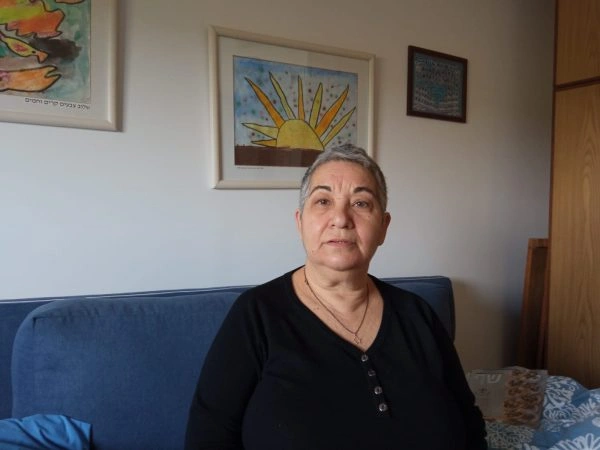
כמו שרואים בתמונה אני ממשיכה ללמוד גם היום ואפילו במחלקת יולדות אחרי לידת ביתי השלישית.

Noa Shiloh
נועה שילה

רבבה, ישראל

התחלתי ללמוד דף יומי באמצע תקופת הקורונה, שאבא שלי סיפר לי על קבוצה של בנות שתיפתח ביישוב שלנו ותלמד דף יומי כל יום. הרבה זמן רציתי להצטרף לזה וזאת הייתה ההזדמנות בשבילי. הצטרפתי במסכת שקלים ובאמצע הייתה הפסקה קצרה. כיום אני כבר לומדת באולפנה ולומדת דף יומי לבד מתוך גמרא של טיינזלץ.

Saturdays in Raleigh
שבות בראלי

עתניאל, ישראל

התחלתי להשתתף בשיעור נשים פעם בשבוע, תכננתי ללמוד רק דפים בודדים, לא האמנתי שאצליח יותר מכך.
לאט לאט נשאבתי פנימה לעולם הלימוד .משתדלת ללמוד כל בוקר ומתחילה את היום בתחושה של מלאות ומתוך התכווננות נכונה יותר.
הלימוד של הדף היומי ממלא אותי בתחושה של חיבור עמוק לעם היהודי ולכל הלומדים בעבר ובהווה.

Neely Hayon
נילי חיון

אפרת, ישראל

התחלתי ללמוד דף יומי שהתחילו מסכת כתובות, לפני 7 שנים, במסגרת קבוצת לימוד שהתפרקה די מהר, ומשם המשכתי לבד בתמיכת האיש שלי. נעזרתי בגמרת שטיינזלץ ובשיעורים מוקלטים.
הסביבה מאד תומכת ואני מקבלת המון מילים טובות לאורך כל הדרך. מאז הסיום הגדול יש תחושה שאני חלק מדבר גדול יותר.
אני לומדת בשיטת ה”7 דפים בשבוע” של הרבנית תרצה קלמן – כלומר, לא נורא אם לא הצלחת ללמוד כל יום, העיקר שגמרת ארבעה דפים בשבוע

Rachel Goldstein
רחל גולדשטיין

עתניאל, ישראל

אמא שלי למדה איתי ש”ס משנה, והתחילה ללמוד דף יומי. אני החלטתי שאני רוצה ללמוד גם. בהתחלה למדתי איתה, אח”כ הצטרפתי ללימוד דף יומי שהרב דני וינט מעביר לנוער בנים בעתניאל. במסכת עירובין עוד חברה הצטרפה אלי וכשהתחלנו פסחים הרב דני פתח לנו שעור דף יומי לבנות. מאז אנחנו לומדות איתו קבוע כל יום את הדף היומי (ובשבת אבא שלי מחליף אותו). אני נהנית מהלימוד, הוא מאתגר ומעניין

Renana Hellman
רננה הלמן

עתניאל, ישראל

בסוף הסבב הקודם ראיתי את השמחה הגדולה שבסיום הלימוד, בעלי סיים כבר בפעם השלישית וכמובן הסיום הנשי בבנייני האומה וחשבתי שאולי זו הזדמנות עבורי למשהו חדש.
למרות שאני שונה בסביבה שלי, מי ששומע על הלימוד שלי מפרגן מאוד.
אני מנסה ללמוד קצת בכל יום, גם אם לא את כל הדף ובסך הכל אני בדרך כלל עומדת בקצב.
הלימוד מעניק המון משמעות ליום יום ועושה סדר בלמוד תורה, שתמיד היה (ועדיין) שאיפה. אבל אין כמו קביעות

Racheli-Mendelson
רחלי מנדלסון

טל מנשה, ישראל

באירוע של הדרן בנייני האומה. בהשראתה של אמי שלי שסיימה את הש”ס בסבב הקודם ובעידוד מאיר , אישי, וילדיי וחברותיי ללימוד במכון למנהיגות הלכתית של רשת אור תורה סטון ומורתיי הרבנית ענת נובוסלסקי והרבנית דבורה עברון, ראש המכון למנהיגות הלכתית.
הלימוד מעשיר את יומי, מחזיר אותי גם למסכתות שכבר סיימתי וידוע שאינו דומה מי ששונה פרקו מאה לשונה פרקו מאה ואחת במיוחד מרתקים אותי החיבורים בין המסכתות

Roit Kalech
רוית קלך

מודיעין, ישראל

רבנית מישל הציתה אש התלמוד בלבבות בביניני האומה ואני נדלקתי. היא פתחה פתח ותמכה במתחילות כמוני ואפשרה לנו להתקדם בצעדים נכונים וטובים. הקימה מערך שלם שמסובב את הלומדות בסביבה תומכת וכך נכנסתי למסלול לימוד מעשיר שאין כמוה. הדרן יצר קהילה גדולה וחזקה שמאפשרת התקדמות מכל נקודת מוצא. יש דיבוק לומדות שמחזק את ההתמדה של כולנו. כל פניה ושאלה נענית בזריזות ויסודיות. תודה גם למגי על כל העזרה.

Sarah Aber
שרה אבר

נתניה, ישראל

הצטרפתי ללומדות בתחילת מסכת תענית. ההתרגשות שלי ושל המשפחה היתה גדולה מאוד, והיא הולכת וגוברת עם כל סיום שאני זוכה לו. במשך שנים רבות רציתי להצטרף ומשום מה זה לא קרה… ב”ה מצאתי לפני מספר חודשים פרסום של הדרן, ומיד הצטרפתי והתאהבתי. הדף היומי שינה את חיי ממש והפך כל יום- ליום של תורה. מודה לכן מקרב ליבי ומאחלת לכולנו לימוד פורה מתוך אהבת התורה ולומדיה.

Noa Rosen
נעה רוזן

חיספין רמת הגולן, ישראל

"
גם אני התחלתי בסבב הנוכחי וב””ה הצלחתי לסיים את רוב המסכתות . בזכות הרבנית מישל משתדלת לפתוח את היום בשיעור הזום בשעה 6:20 .הלימוד הפך להיות חלק משמעותי בחיי ויש ימים בהם אני מצליחה לחזור על הדף עם מלמדים נוספים ששיעוריהם נמצאים במרשתת. שמחה להיות חלק מקהילת לומדות ברחבי העולם. ובמיוחד לשמש דוגמה לנכדותיי שאי””ה יגדלו לדור שלימוד תורה לנשים יהיה משהו שבשגרה. "

Ronit Shavit
רונית שביט

נתניה, ישראל

התחלתי לפני כמה שנים אבל רק בסבב הזה זכיתי ללמוד יום יום ולסיים מסכתות

Sigal Tel
סיגל טל

רעננה, ישראל

התחלתי ללמוד לפני 4.5 שנים, כשהודיה חברה שלי פתחה קבוצת ווטסאפ ללימוד דף יומי בתחילת מסכת סנהדרין. מאז לימוד הדף נכנס לתוך היום-יום שלי והפך לאחד ממגדירי הזהות שלי ממש.

Rosenberg Foundation
קרן רוזנברג

ירושלים, ישראל

התחלתי ללמוד בסבב הנוכחי לפני כשנתיים .הסביבה מתפעלת ותומכת מאוד. אני משתדלת ללמוד מכל ההסכתים הנוספים שיש באתר הדרן. אני עורכת כל סיום מסכת שיעור בביתי לכ20 נשים שמחכות בקוצר רוח למפגשים האלו.

Yael Asher
יעל אשר

יהוד, ישראל

A life-changing journey started with a Chanukah family tiyul to Zippori, home of the Sanhedrin 2 years ago and continued with the Syum in Binanei Hauma where I was awed by the energy of 3000 women dedicated to learning daf Yomi. Opening my morning daily with a fresh daf, I am excited with the new insights I find enriching my life and opening new and deeper horizons for me.

Becky Goldstein
בקי גולדשטיין

Elazar gush etzion, Israel

התחלתי ללמוד בעידוד שתי חברות אתן למדתי בעבר את הפרק היומי במסגרת 929.
בבית מתלהבים מאוד ובשבת אני לומדת את הדף עם בעלי שזה מפתיע ומשמח מאוד! לימוד הדף הוא חלק בלתי נפרד מהיום שלי. לומדת בצהריים ומחכה לזמן הזה מידי יום…

Miriam Wengerover
מרים ונגרובר

אפרת, ישראל

בתחילת הסבב הנוכחי של לימוד הדף היומי, נחשפתי לחגיגות המרגשות באירועי הסיום ברחבי העולם. והבטחתי לעצמי שבקרוב אצטרף גם למעגל הלומדות. הסבב התחיל כאשר הייתי בתחילת דרכי בתוכנית קרן אריאל להכשרת יועצות הלכה של נשמ”ת. לא הצלחתי להוסיף את ההתחייבות לדף היומי על הלימוד האינטנסיבי של תוכנית היועצות. בבוקר למחרת המבחן הסופי בנשמ”ת, התחלתי את לימוד הדף במסכת סוכה ומאז לא הפסקתי.

Hana Shaham-Rozby (Dr.)
חנה שחם-רוזבי (ד”ר)

קרית גת, ישראל

בסוף הסבב הקודם ראיתי את השמחה הגדולה שבסיום הלימוד, בעלי סיים כבר בפעם השלישית וכמובן הסיום הנשי בבנייני האומה וחשבתי שאולי זו הזדמנות עבורי למשהו חדש.
למרות שאני שונה בסביבה שלי, מי ששומע על הלימוד שלי מפרגן מאוד.
אני מנסה ללמוד קצת בכל יום, גם אם לא את כל הדף ובסך הכל אני בדרך כלל עומדת בקצב.
הלימוד מעניק המון משמעות ליום יום ועושה סדר בלמוד תורה, שתמיד היה (ועדיין) שאיפה. אבל אין כמו קביעות

Racheli-Mendelson
רחלי מנדלסון

טל מנשה, ישראל

התחלתי ללמוד דף יומי כאשר קיבלתי במייל ממכון שטיינזלץ את הדפים הראשונים של מסכת ברכות במייל. קודם לא ידעתי איך לקרוא אותם עד שנתתי להם להדריך אותי. הסביבה שלי לא מודעת לעניין כי אני לא מדברת על כך בפומבי. למדתי מהדפים דברים חדשים, כמו הקשר בין המבנה של בית המקדש והמשכן לגופו של האדם (יומא מה, ע”א) והקשר שלו למשפט מפורסם שמופיע בספר ההינדי "בהגוד-גיתא”. מתברר שזה רעיון כלל עולמי ולא רק יהודי

Elena Arenburg
אלנה ארנבורג

נשר, ישראל

בבא בתרא קנ

וְאָמַר רַב דִּימִי בַּר יוֹסֵף אָמַר רַבִּי אֶלְעָזָר: עָשׂוּ מְטַלְטְלִין שִׁיּוּר אֵצֶל עֶבֶד, וְלֹא עָשׂוּ מְטַלְטְלִין שִׁיּוּר אֵצֶל כְּתוּבָּה!

And Rav Dimi bar Yosef says that Rabbi Elazar says: The Sages deemed movable property to be considered a significant reserving of property for oneself with regard to the emancipation of a slave, so that a slave is not emancipated when his owner gives him all of his other property. But they did not deem movable property that one withheld from his sons and earmarked for his wife to be considered a significant reserving of property with regard to her marriage contract. If one granted all of his property to his sons but reserved any amount of land for his wife, she forfeits her marriage contract. By not protesting the gift, she has conceded that she will collect her marriage contract only from the land he reserved for her. Nevertheless, if he reserved only movable property for his wife, she does not forfeit her marriage contract. Rabbi Elazar’s ruling with regard to a slave indicates that the expression: Reserves any amount of land, does not necessarily exclude movable property.

הָתָם בְּדִין הוּא דְּלָא לִיתְנֵי קַרְקַע; וְאַיְּידִי דִּתְנָא רֵישָׁא, רַבִּי עֲקִיבָא אוֹמֵר: קַרְקַע כׇּל שֶׁהוּא חַיֶּיבֶת בַּפֵּאָה וּבַבִּכּוּרִים, וְלִכְתּוֹב עֲלֵיהֶם פְּרוֹזְבּוּל, וְלִקְנוֹת עִמָּהֶם נְכָסִים שֶׁאֵין לָהֶם אַחְרָיוּת בְּכֶסֶף וּבִשְׁטָר וּבַחֲזָקָה – מִשּׁוּם הָכִי קָתָנֵי קַרְקַע.

Rav Yosef replies: There, with regard to the slave, by right the mishna should not have taught the halakha with regard to land, but it should have taught the halakha with regard to all property. But since the former clause of the mishna teaches a halakha with regard to land, the mishna mentions land in the subsequent clause as well. The Gemara cites the former clause (Pe’a 3:6): Rabbi Akiva says: The owner of any amount of land is obligated in pe’a and in first fruits; and if the debtor possesses any amount of land the creditor can write a document that prevents the Sabbatical Year from abrogating an outstanding debt [prosbol] for it so that his loans will not be canceled in the seventh year; and he can acquire property that does not serve as a guarantee along with it by means of money, by a deed, or by taking possession of it. Rav Yosef concludes: Due to this reason, the mishna teaches the halakha with regard to land.

וְכׇל הֵיכָא דְּתָנֵי ״כׇּל שֶׁהוּא״ – לֵית לֵיהּ שִׁיעוּרָא? וְהָא תְנַן, רַבִּי דּוֹסָא בֶּן הַרְכִּינָס אוֹמֵר: חָמֵשׁ רְחֵלוֹת גּוֹזְזוֹת מָנֶה מָנֶה וּפְרָס – חַיָּיבוֹת בְּרֵאשִׁית הַגֵּז. וַחֲכָמִים אוֹמְרִים: חָמֵשׁ רְחֵלוֹת גּוֹזְזוֹת כׇּל שֶׁהֵן. וְאָמְרִינַן: וְכַמָּה ״כׇּל שֶׁהֵן״? אָמַר רַב: מָנֶה וּפְרָס, וּבִלְבַד שֶׁיְּהוּ מְחוּמָּשׁוֹת!

Abaye raises an objection to Rav Yosef’s statement that the term any amount should be understood literally: And anywhere that the term: Any amount, is taught, does the amount not have a measure? But didn’t we learn in a mishna (Ḥullin 135a): Rabbi Dosa ben Harkinas says: When shearing five sheep, the sheared wool of each sheep, with the wool weighing one hundred dinars and half of one hundred dinars, i.e., one hundred and fifty dinars, renders the owner obligated in the mitzva to give the first sheared wool to the priests. And the Rabbis say: Five sheep, each of whose sheared wool yields wool weighing any amount. And we say: And how much is signified by the term: Any amount? Rav says: A total weight of one hundred dinars and half of one hundred dinars, provided that the one hundred and fifty dinars are divided equally between the five sheep. This indicates that the term any amount can denote a certain minimal amount.

הָתָם, בְּדִין הוּא דְּלָא לִיתְנֵי ״כׇּל שֶׁהוּא״; וְאַיְּידֵי דְּקָאָמַר תַּנָּא קַמָּא שִׁיעוּרָא רַבָּה, אָמַר אִיהוּ נָמֵי שִׁיעוּרָא זוּטְרָא – קָרֵי לַהּ ״כׇּל שֶׁהוּא״.

Rav Yosef replies: There, with regard to the first sheared wool, by right the mishna should not have taught the halakha with regard to any amount. But since the first tanna, Rabbi Dosa ben Harkinas, states a large measure, the Rabbis also state that they require a small measure, and therefore they call this measure any amount. But with regard to the gift of a person on his deathbed, the term any amount should be understood literally.

פְּשִׁיטָא – אָמַר: ״מִטַּלְטְלַי לִפְלָנְיָא״ – כֹּל מָאנֵי תַּשְׁמִישְׁתֵּיהּ קָנֵי, לְבַר מֵחִטִּי וּשְׂעָרֵי. ״כֹּל מִטַּלְטְלַי לִפְלָנְיָא״ – אֲפִילּוּ חִטֵּי וּשְׂעָרֵי. וַאֲפִילּוּ רֵיחַיִם הָעֶלְיוֹנָה קָנָה, לְבַר מֵרֵיחַיִם הַתַּחְתּוֹנָה. ״כֹּל דְּמִטַּלְטַל״ – אֲפִילּוּ רֵיחַיִם הַתַּחְתּוֹנָה קָנֵי.

§ It is obvious that if one said: I give my movable property to so-and-so, then that person acquires all of his utensils, excluding his wheat and barley. If one said: I give all my movable property to so-and-so, then that person acquires even the wheat and barley, and he acquires even the upper millstone, since it is occasionally removed from its place. He acquires all the property that is not land or houses, except for the lower millstone, which is never moved. If he said: I give everything that can be moved to so-and-so, that person acquires even the lower millstone, as it is possible to move it.

אִיבַּעְיָא לְהוּ: עַבְדָּא – כִּמְקַרְקְעָא אוֹ כְּמִטַּלְטְלָא דָּמֵי? אֲמַר לֵיהּ רַב אַחָא בְּרֵיהּ דְּרַב אַוְיָא לְרַב אָשֵׁי, תָּא שְׁמַע: הַמּוֹכֵר אֶת הָעִיר – מָכַר בָּתִּים, שִׁיחִין, וּמְעָרוֹת, וּמֶרְחֲצָאוֹת, וּבֵית הַבַּדִּין, וּבֵית הַשְּׁלָחִין; אֲבָל לֹא אֶת הַמִּטַּלְטְלִין. וּבִזְמַן שֶׁאָמַר: ״הִיא וְכֹל מַה שֶּׁבְּתוֹכָהּ״, אֲפִילּוּ הָיוּ בָּהּ בְּהֵמָה אוֹ עֲבָדִים – הֲרֵי כּוּלָּן מְכוּרִין. אִי אָמְרַתְּ בִּשְׁלָמָא כְּמִטַּלְטְלָא דָּמֵי, מִשּׁוּם הָכִי לָא מִיזְדַּבַּן בְּרֵישָׁא; אֶלָּא אִי אָמְרַתְּ כִּמְקַרְקְעָא דָּמֵי, אַמַּאי לָא מִיזְדַּבַּן?

A dilemma was raised before the Sages: Is the legal status of a Canaanite slave like that of land, or is his status like that of movable property? Rav Aḥa, son of Rav Avya, said to Rav Ashi: Come and hear a proof from a mishna (68a): A landowner who sells the city has sold with it the houses, and the ditches and caves, and the bathhouses, and the olive presses and the irrigated fields, but not the movable property. But when the seller said to the buyer: I am selling it and everything that is in it, then even if there were animals or Canaanite slaves in the city, they are all sold. Rav Aḥa, son of Rav Avya, explains the proof: Granted, if you say that the legal status of a Canaanite slave is like that of movable property, due to that reason he is not sold in the first case. But if you say that the legal status of a Canaanite slave is like that of land, why is he not sold with the city?

וְאֶלָּא מַאי? כְּמִטַּלְטְלָא דָּמֵי?! מַאי ״אֲפִילּוּ״? [אֶלָּא] מַאי אִית לָךְ לְמֵימַר – שָׁאנֵי מִטַּלְטְלָא דְּנָיֵיד מִמִּטַּלְטְלָא דְּלָא נָיֵיד; אֲפִילּוּ תֵּימָא כִּמְקַרְקְעָא דָּמֵי, שָׁאנֵי מְקַרְקְעָא דְּנָיֵיד מִמְּקַרְקְעָא דְּלָא נָיֵיד.

Rav Ashi replied: Rather, what do you say? Do you maintain that his legal status is like that of movable property? If there is no difference in legal status between Canaanite slaves and movable property, what is the reason that the mishna emphasizes in the second case that even the Canaanite slaves are sold? Rather, what have you to say to explain this? One must explain that movable property that moves by itself is different from movable property that does not move by itself, and therefore one might have thought that although the sale includes movable property, Canaanite slaves are not included in the sale. In the same manner, even if you say that the legal status of a Canaanite slave is like that of land, land that moves is different from land that does not move. Therefore, the legal status of Canaanite slaves cannot be proved from this mishna.

אֲמַר לֵיהּ רָבִינָא לְרַב אָשֵׁי: תָּא שְׁמַע, הַכּוֹתֵב לְעַבְדּוֹ כׇּל נְכָסָיו – יָצָא בֶּן חוֹרִין. שִׁיֵּיר קַרְקַע כָּל שֶׁהוּא – לֹא יָצָא בֶּן חוֹרִין. רַבִּי שִׁמְעוֹן אוֹמֵר: לְעוֹלָם הוּא בֶּן חוֹרִין, עַד שֶׁיֹּאמַר: ״כׇּל נְכָסַי נְתוּנִין לִפְלוֹנִי עַבְדִּי, חוּץ מֵאֶחָד מֵרִבּוֹא שֶׁבָּהֶן״.

Ravina said to Rav Ashi: Come and hear a proof from a mishna (Pe’a 3:8): With regard to one who writes, i.e., gives via a document, all of his property to his Canaanite slave, the slave has been emancipated, but if he reserved for himself any amount of land, then he has not been emancipated, as perhaps he reserved the slave for himself as well. Rabbi Shimon says: He always becomes a freeman regardless of the wording of the document, even if the owner reserved land for himself, unless it says in the document: All of my property is given to so-and-so my slave, except for one ten-thousandth of it.

וְאָמַר רַב דִּימִי בַּר יוֹסֵף אָמַר רַבִּי אֶלְעָזָר: עָשׂוּ מִטַּלְטְלִין שִׁיּוּר אֵצֶל עֶבֶד, וְלֹא עָשׂוּ מִטַּלְטְלִין שִׁיּוּר אֵצֶל כְּתוּבָּה. וַאֲמַר לֵיהּ רָבָא לְרַב נַחְמָן: מַאי טַעְמָא? עַבְדָּא מִטַּלְטְלָא הוּא, וּמִטַּלְטְלָא לְמִטַּלְטְלָא הָוֵי שִׁיּוּר; וּכְתוּבַּת אִשָּׁה מְקַרְקְעָא הוּא, וּמִטַּלְטְלָא לִמְקַרְקְעָא לָא הָוֵי שִׁיּוּר.

And Rav Dimi bar Yosef says that Rabbi Elazar says: The Sages deemed movable property to be considered a significant reserving of property for oneself with regard to a slave, so that the slave is not emancipated when the owner gives him all of his other property. But they did not deem movable property that one withheld from his sons and earmarked for his wife to be considered a significant reserving of property with regard to her marriage contract. And Rava said to Rav Naḥman: What is the reason for this? Rav Naḥman explained: A Canaanite slave is considered movable property, and reserving movable property is considered a significant reserving with regard to movable property. But a woman’s marriage contract is a document concerning land, since the payment of the marriage contract is collected from land, and reserving movable property is not considered a significant reserving with regard to land. Rav Naḥman states that a Canaanite slave is considered movable property.

אֲמַר לֵיהּ: אֲנַן – מִשּׁוּם דְּלָאו כְּרוֹת גִּיטָּא מַתְנֵינַן לַהּ.

Rav Ashi said to Ravina: The reason the slave is not emancipated if the master reserved part of the property for himself is not that the slave is included in the property that the owner reserved for himself. Rather, we teach this halakha as being due to the fact that the document is not a bill of manumission that completely severs the bond between the slave and the master.

אָמַר רָבָא אָמַר רַב נַחְמָן: חֲמִשָּׁה עַד שֶׁיִּכְתְּבוּ כָּל נִכְסֵיהֶם; וְאֵלּוּ הֵן: שְׁכִיב מְרַע, עַבְדּוֹ, אִשְׁתּוֹ, וּבָנָיו, מַבְרַחַת.

§ Rava says that Rav Naḥman says: There are five types of gifts to which specific halakhot apply, but the halakhot do not apply until the owners write a deed granting all of their property to another without reserving anything for themselves, and they are as follows: The gift of a person on his deathbed, a gift to one’s Canaanite slave, a gift to one’s wife, a gift to one’s sons, and the gift of a woman who shelters her property from her prospective husband by transferring her property to another before her marriage. In this latter case the Sages instituted that if her husband dies or divorces her she can reclaim the property.

שְׁכִיב מְרַע – דִּתְנַן: שְׁכִיב מְרַע שֶׁכָּתַב כׇּל נְכָסָיו לַאֲחֵרִים, וְשִׁיֵּיר קַרְקַע כׇּל שֶׁהוּא – מַתְּנָתוֹ קַיֶּימֶת; לֹא שִׁיֵּיר קַרְקַע כָּל שֶׁהוּא – אֵין מַתְּנָתוֹ קַיֶּימֶת.

The Gemara explains each of these cases: In the case of a gift of a person on his deathbed, this is as we learned in the mishna (146b): With regard to a person on his deathbed who wrote a deed granting all of his property to others, and he reserved for himself any amount of land, his gift stands even if he subsequently recovers. If he did not reserve for himself any amount of land, and he recovered, his gift does not stand, as the gift was conditional upon his death, since evidently he did not intend to leave himself without means of support if he survived.

עַבְדּוֹ – דִּתְנַן: הַכּוֹתֵב כׇּל נְכָסָיו לְעַבְדּוֹ – יָצָא בֶּן חוֹרִין, שִׁיֵּיר קַרְקַע כָּל שֶׁהוּא – לֹא יָצָא בֶּן חוֹרִין.

In the case of a gift to one’s slave, this is as we learned in a mishna (Pe’a 3:8): With regard to one who writes a deed granting all of his property to his Canaanite slave, the slave has been emancipated, but if he reserved for himself any amount of land, then he has not been emancipated, as perhaps he reserved the slave for himself as well.

אִשְׁתּוֹ – דְּאָמַר רַב יְהוּדָה אָמַר שְׁמוּאֵל: הַכּוֹתֵב כׇּל נְכָסָיו לְאִשְׁתּוֹ – לֹא עֲשָׂאָהּ אֶלָּא אַפֹּטְרוֹפָּא.

In the case of a gift to one’s wife, this is as Rav Yehuda says that Shmuel says: One who writes a deed granting all of his property to his wife renders her only a steward of his property, i.e., he intends only to place her in charge of the property and she does not acquire it. According to Rav Naḥman, this applies only if he did not reserve any part of the property for himself.

בָּנָיו – דִּתְנַן: הַכּוֹתֵב כׇּל נְכָסָיו לְבָנָיו, וְכָתַב לְאִשְׁתּוֹ קַרְקַע כׇּל שֶׁהוּא – אִבְּדָה כְּתוּבָּתָהּ.

In the case of a gift to one’s sons, this is as we learned in a mishna (Pe’a 3:7): With regard to one who writes a deed granting all of his property to his sons, and he writes in the deed that he grants any amount of land to his wife, she forfeits payment of her marriage contract. If he reserves any amount of land for himself, his wife does not forfeit payment of her marriage contract.

מַבְרַחַת – דְּאָמַר מָר: מַבְרַחַת צְרִיכָה שֶׁתִּכְתּוֹב כׇּל נְכָסֶיהָ.

In the case of a gift of a woman who shelters her property from her intended husband, this is as the Master says: In the case of a woman who wishes to shelter her property from her prospective husband, she must write a deed granting all of her property to another. If she reserves for herself any amount of property, she cannot reclaim the property if she is widowed or divorced.

וּבְכוּלְּהוּ מִטַּלְטְלֵי הָוֵי שִׁיּוּר, לְבַר מִכְּתוּבָה – דְּאַמְּקַרְקְעֵי תַּקִּינוּ רַבָּנַן, מִמִּטַּלְטְלֵי לָא תַּקּוּן רַבָּנַן.

The Gemara concludes: With regard to all of these cases, reserving movable property is considered a significant reserving of property, except with regard to a woman’s marriage contract. If one grants all of his property to his sons except for any amount of land, which he gives to his wife, and he reserves for himself only movable property, his wife forfeits payment of her marriage contract, as nothing remains in the husband’s possession from which she is entitled to collect payment. This is because the Sages instituted that the lien on the marriage contract is placed on land, and the Sages did not institute that the marriage contract can be collected from movable property.

אַמֵּימָר אָמַר: מִטַּלְטְלֵי דִּכְתִיבִי בִּכְתוּבָּה, וְאִיתַנְהוּ בְּעֵינַיְיהוּ – הָוֵי שִׁיּוּר.

Ameimar said: With regard to movable property that is explicitly written in the marriage contract as property from which the debt may be collected and is still extant, if the husband reserves this property for himself, this is considered a significant reserving of property, and his wife does not forfeit payment of her marriage contract.

אָמַר ״נִכְסַי לִפְלָנְיָא״ – עַבְדָּא אִיקְּרִי ״נִכְסֵי״, דִּתְנַן: הַכּוֹתֵב כׇּל נְכָסָיו לְעַבְדּוֹ – יָצָא בֶּן חוֹרִין. אַרְעָא אִיקְּרִי ״נִכְסֵי״, דִּתְנַן: נְכָסִים שֶׁיֵּשׁ לָהֶן אַחְרָיוּת, נִקְנִין בְּכֶסֶף וּבִשְׁטָר וּבַחֲזָקָה. גְּלִימָא אִיקְּרִי ״נִכְסֵי״, דִּתְנַן: וְשֶׁאֵין לָהֶן אַחְרָיוּת – אֵין נִקְנִין אֶלָּא בִּמְשִׁיכָה.

§ If one said: My property shall go to so-and-so, anything that is referred to as property is included in the gift. A Canaanite slave is called property, as we learned in a mishna (Pe’a 3:8): With regard to one who writes, i.e., gives via a document, all of his property to his Canaanite slave, the slave has been emancipated. Land is called property, as we learned in a mishna (Kiddushin 26a): Property that serves as a guarantee, i.e., land, can be acquired by means of money, by means of a deed, or by taking possession of it. A cloak, as well as other garments and movable property, is called property, as we learned in that same mishna: And property that does not serve as a guarantee, i.e., movable property, can be acquired only by pulling.

זוּזֵי אִיקְּרִי ״נִכְסֵי״, דִּתְנַן: וְשֶׁאֵין לָהֶן אַחְרָיוּת נִקְנִין עִם נְכָסִים שֶׁיֵּשׁ לָהֶן אַחְרָיוּת – בְּכֶסֶף וּבִשְׁטָר וּבַחֲזָקָה. כִּי הָא דְּרַב פָּפָּא הֲווֹ לֵיהּ תְּרֵיסַר אַלְפֵי זוּזֵי בֵּי חוֹזָאֵי, אַקְנִינְהוּ נִיהֲלֵיהּ לְרַב שְׁמוּאֵל בַּר אַחָא אַגַּב אַסִּיפָּא דְבֵיתֵיהּ. כִּי אֲתָא, נְפַק לְאַפֵּיהּ עַד ״תְּווֹךְ״.

Money [zuzei] is called property, as we learned in that same mishna: And property that does not serve as a guarantee can be acquired together with property that serves as a guarantee by means of money, by means of a deed, or by taking possession of it. Money is among the types of property that can be acquired by means of the acquisition of land, as is evident from this incident involving Rav Pappa, who had twelve thousand dinars loaned to the people of Bei Ḥozai. Rav Pappa transferred ownership of the money to Rav Shmuel bar Aḥa, who was traveling to Bei Ḥozai, by means of transferring ownership of the threshold of his house, so that Rav Shmuel bar Aḥa could collect the money. When Rav Shmuel bar Aḥa came back with the money, Rav Pappa was so pleased that he went out as far as Tavakh to meet him.

שְׁטָרָא אִיקְּרִי ״נִכְסֵי״, דְּאָמַר רַבָּה בַּר יִצְחָק: שְׁנֵי שְׁטָרוֹת הֵן; אָמַר ״זְכוּ בְּשָׂדֶה זֶה לִפְלוֹנִי, וְכִתְבוּ לוֹ אֶת הַשְּׁטָר״ – חוֹזֵר בַּשְּׁטָר, וְאֵינוֹ חוֹזֵר בַּשָּׂדֶה. ״עַל מְנָת שֶׁתִּכְתְּבוּ לוֹ אֶת הַשְּׁטָר״ – חוֹזֵר בֵּין בַּשְּׁטָר בֵּין בַּשָּׂדֶה.

A deed is called property, as Rabba bar Yitzḥak says: There are two types of deeds with regard to the acquisition of land. If one said to the witnesses: Acquire this field on behalf of so-and-so and write the deed for him as proof of the sale, the giver can retract the deed but he cannot retract the transfer of ownership of the field once the other party has taken possession of it. If one said: Acquire this field on behalf of so-and-so on the condition that you write the deed for him, the giver can retract both the deed and the transfer of the field, as he stipulated that the acquisition of the field is dependent on the writing of the deed.

וְרַב חִיָּיא בַּר אָבִין אָמַר רַב הוּנָא: שְׁלֹשָׁה שְׁטָרוֹת הֵן; תְּרֵי – הָנֵי דַּאֲמַרַן, אִידַּךְ – אִם קָדַם מוֹכֵר וְכָתַב אֶת הַשְּׁטָר, כְּאוֹתָהּ שֶׁשָּׁנִינוּ:

And Rav Ḥiyya bar Avin says that Rav Huna says: There are three types of deeds. Two are those that we stated above, and the other is as follows: If the seller wrote the deed in advance and kept it until the buyer would come and pay him. The Gemara adds parenthetically: This is like that halakha that we learned in a mishna (167b):

רוצה לעקוב אחרי התכנים ולהמשיך ללמוד?

ביצירת חשבון עוד היום ניתן לעקוב אחרי ההתקדמות שלך, לסמן מה למדת, ולעקוב אחרי השיעורים שמעניינים אותך.

לנקות את כל הפריטים מהרשימה?

פעולה זו תסיר את כל הפריטים בחלק זה כולל ההתקדמות וההיסטוריה. שימי לב: לא ניתן לשחזר פעולה זו.

ביטול
מחיקה

האם את/ה בטוח/ה שברצונך למחוק פריט זה?

תאבד/י את כל ההתקדמות או ההיסטוריה הקשורות לפריט זה.

ביטול
מחיקה