חיפוש

בבא בתרא קנט

רוצה להקדיש שיעור?

podcast placeholder

0:00
0:00


תקציר

הדף היום מוקדש ע”י רוקי והשי ביליט לכבוד בר המצווה של נכדם אליחי יונה יעקבסון.

פסק דין נשלח מארץ ישראל לבבל עם פסיקה הלכתית שנאמר עליה שהיא אחת מדיני ממונות הקשות כי ההיגיון לדין לא מובן. עם זאת, הגמרא תחילה אינה מבינה את פרטי המקרה ומציעה חמש הצעות. לאחר דחיית כל הצעה משום שלא היה קושי אמיתי בהיגיון של הפסק, הם חוזרים להצעה הראשונה ומסבירים את הקושי. שתי ההצעות הראשונות מתייחסות לנכד היורש מסבו במישרין כאשר אביו מת קודם לכן. האם הירושה עוברת דרך האב לנכד או שהיא עוברת ישירות מהסב לנכד. אם היא עוברת דרך האב, האם הנכד יורש את החלק של הבכורה שהיה אמור להינתן לאביו? שלוש ההצעות האחרונות מתייחסות למי שחותם על מסמך ולאחר מכן הופך לעד פסול (מסיבות שונות). האם יש בעיה באישור אותו מסמך?

הם שאלו את רב ששת: האם בן שמת לפני אמו יורש מאמו "בקברו”, ובכך מעביר את הירושה לאחיו מצד אביו, או שירושתה נשארת עם משפחת אביה? רב ששת עונה מברייתא, ורב אחא בר מניומי עונה מהמשנה שלנו. שניהם מסיקים שהבן אינו יורש את אמו בקברו, אלא נכסיה ניתנים ליורשיה ממשפחת אביה. הטעם לחוק זה נדרש מגזירה שווה בתורה מבמדבר ל״ו:ז, ט׳.

הפרק מסתיים במכירה שבה היה ספק לגבי מה נמכר, והצדדים טוענים כל אחד שהקרקע השנויה במחלוקת שייכת להם. רבא ורב נחמן חלוקים. הגמרא מעלה ויכוח אחר בין רבא לרב נחמן שבו הם נראים כתומכים בצד ההפוך. עם זאת, העניין מתורץ כאשר ניתן להבדיל בין שני המקרים ולראות שההיגיון של עמדותיהם עקבי.

בבא בתרא קנט

אִיתְּמַר: בֵּן שֶׁמָּכַר בְּנִכְסֵי אָבִיו בְּחַיֵּי אָבִיו, וָמֵת – בְּנוֹ מוֹצִיא מִיַּד הַלָּקוֹחוֹת. וְזוֹ הִיא שֶׁקָּשָׁה בְּדִינֵי מָמוֹנוֹת – וְלֵימְרוּ לֵיהּ: אֲבוּךְ מְזַבֵּין, וְאַתְּ מַפֵּיק?!

that it was stated: With regard to a son who sold some of his father’s property during his father’s lifetime, and the son died, the son’s son repossesses the property from the buyers. And this is a difficult halakha with regard to monetary law, as the buyers can say to the son’s son: Does your father sell the property to us and you repossess it?

וּמַאי קוּשְׁיָא? דִּלְמָא מָצֵי אָמַר: מִכֹּחַ אֲבוּהּ דְּאַבָּא קָאָתֵינָא – תִּדַּע, דִּכְתִיב: ״תַּחַת אֲבֹתֶיךָ יִהְיוּ בָנֶיךָ, תְּשִׁיתֵמוֹ לְשָׂרִים בְּכׇל הָאָרֶץ״!

The Gemara asks: And what is the difficulty? Perhaps he can say: I come to repossess the property on the basis of the right of my father’s father to the property, as I inherit directly from him. Know that this is so, as it is written: “In the place of your fathers shall be your sons; you shall make them into princes throughout the land” (Psalms 45:17). The phrase “In the place of your fathers shall be your sons” indicates that a grandson inherits from his grandfather directly, and he does not inherit through his father.

אֶלָּא אִי קַשְׁיָא, הָא קַשְׁיָא – בֵּן בְּכוֹר שֶׁמָּכַר חֵלֶק בְּכוֹרָה בְּחַיֵּי אָבִיו, וָמֵת בְּחַיֵּי אָבִיו – בְּנוֹ מוֹצִיא מִיַּד הַלָּקוֹחוֹת. וְזוֹ הִיא שֶׁקָּשָׁה בְּדִינֵי מָמוֹנוֹת – אֲבוּהּ מְזַבֵּין, אִיהוּ מַפֵּיק?! וְכִי תֵּימָא, הָכָא נָמֵי אָמַר: מִכֹּחַ אֲבוּהּ דְּאַבָּא קָאָתֵינָא; אִי מִכֹּחַ אֲבוּהּ דְּאַבָּא קָא אָתְיָא, בְּחֵלֶק בְּכוֹרָה מַאי עֲבִידְתֵּיהּ?

Rather, if there is a halakha with regard to monetary law that poses a difficulty, this is the difficult halakha: With regard to a firstborn son who sold, during his father’s lifetime, the portion of the firstborn that he was set to inherit, and he died in his father’s lifetime, his son can repossess the portion of the firstborn from the buyers. And this is a difficult halakha with regard to monetary law, as his father sells the property and he repossesses it. And if you would say: Here too, he says: I come to repossess the property on the basis of the right of my father’s father to the property, this is not a valid claim, as, if he comes to repossess the property on the basis of the right of his father’s father, what is the relevance of the portion of the firstborn, since he is not his grandfather’s firstborn?

וּמַאי קוּשְׁיָא? דִּלְמָא מָצֵי אֲמַר: מִכֹּחַ אֲבוּהּ דְּאַבָּא קָאָתֵינָא – וּבִמְקוֹם אָב קָאֵימְנָא!

The Gemara rejects this: And what is the difficulty? Perhaps he can say: I come to repossess the property on the basis of the right of my father’s father to the property, and yet I receive the portion of the firstborn, as I stand in my father’s stead.

אֶלָּא אִי קַשְׁיָא, הָא קַשְׁיָא – הָיָה יוֹדֵעַ לוֹ עֵדוּת בִּשְׁטָר עַד שֶׁלֹּא נַעֲשָׂה גַּזְלָן, וְנַעֲשָׂה גַּזְלָן – הוּא אֵינוֹ מֵעִיד עַל כְּתַב יָדוֹ, אֲבָל אֲחֵרִים מְעִידִין. הַשְׁתָּא אִיהוּ לָא מְהֵימַן, אַחְרִינֵי מְהֵימְנִי?! וְזוֹ הִיא שֶׁקָּשָׁה בְּדִינֵי מָמוֹנוֹת.

Rather, if there is a halakha with regard to monetary law that poses a difficulty, this is the difficult halakha: One knew testimony supporting another, and his testimony was written in a document before he became a robber, and then he became a robber and was disqualified from bearing witness. In this case, he may not testify as to the legitimacy of his handwriting. But others may testify that it is his handwriting on the document. The difficulty is that now that his testimony is not deemed credible, although he knows of the matter with certainty, is it logical that others are deemed credible and his signature is ratified according to their testimony? And this is a difficult halakha with regard to monetary law.

מַאי קוּשְׁיָא? דִּלְמָא כְּגוֹן שֶׁהוּחְזַק כְּתַב יָדוֹ בְּבֵית דִּין!

The Gemara rejects this: What is the difficulty? Perhaps this halakha is referring to a case where the signature was already presumed by the court to be his handwriting before he was disqualified, and the witnesses testify merely that the document was already ratified.

אֶלָּא אִי קַשְׁיָא, הָא קַשְׁיָא – הָיָה יוֹדֵעַ לוֹ עֵדוּת בִּשְׁטָר עַד שֶׁלֹּא תִּפּוֹל לוֹ בִּירוּשָּׁה; הוּא אֵינוֹ יָכוֹל לְקַיֵּים כְּתַב יָדוֹ, אֲבָל אֲחֵרִים יְכוֹלִין לְקַיֵּים כְּתַב יָדוֹ. וּמַאי קוּשְׁיָא? דִּלְמָא הָכָא נָמֵי, כְּגוֹן שֶׁהוּחְזַק כְּתַב יָדוֹ בְּבֵית דִּין!

Rather, if there is a halakha with regard to monetary law that poses a difficulty, this is the difficult halakha: One knew testimony supporting another concerning the latter’s ownership of a plot of land, and his testimony was written in a document before the land came into the witness’s possession as an inheritance, which caused the witness to become an interested party. In this case, the witness may not ratify his handwriting. But others may ratify his handwriting. The Gemara rejects this: And what is the difficulty? Perhaps here too, the halakha is referring to a case where the signature was already presumed by the court to be his handwriting before he became an interested party, and the witnesses testify merely that the document was already ratified.

אֶלָּא אִי קַשְׁיָא, הָא קַשְׁיָא – הָיָה יוֹדֵעַ לוֹ בְּעֵדוּת עַד שֶׁלֹּא נַעֲשָׂה חֲתָנוֹ, וְנַעֲשָׂה חֲתָנוֹ – הוּא אֵינוֹ מֵעִיד עַל כְּתַב יָדוֹ, אֲבָל אֲחֵרִים מְעִידִין. הוּא לָא מְהֵימַן, אַחְרִינֵי מְהֵימְנִי?!

Rather, if there is a halakha with regard to monetary law that poses a difficulty, this is the difficult halakha: One knew testimony with regard to another, and his testimony was written in a document before he became that person’s son-in-law, and then he became his son-in-law. In this case, the son-in-law may not testify as to his handwriting, since one cannot bear witness for his relative. But others may testify that it is his handwriting. Is it logical that his testimony is not deemed credible, yet others are deemed credible and may ratify his signature?

וְכִי תֵּימָא הָכָא נָמֵי – כְּגוֹן שֶׁהוּחְזַק כְּתַב יָדוֹ בְּבֵית דִּין, וְהָא אָמַר רַב יוֹסֵף בַּר מִנְיוֹמֵי אָמַר רַב נַחְמָן: אַף עַל פִּי שֶׁלֹּא הוּחְזַק כְּתַב יָדוֹ בְּבֵית דִּין!

And if you would say: Here too, the halakha is referring to a case where the signature was already presumed by the court to be his handwriting before he became a relative, this is difficult. But doesn’t Rav Yosef bar Minyumi say that Rav Naḥman says: Others may testify as to the validity of his handwriting even though the signature was not previously presumed by the court to be his handwriting?

וּמַאי קוּשְׁיָא? דִּלְמָא גְּזֵירַת מֶלֶךְ הִיא, דְּאִיהוּ לָא מְהֵימַן, וְאַחְרִינֵי מְהֵימְנִי – וְלָאו מִשּׁוּם דִּמְשַׁקַּר! דְּאִי לָא תֵּימָא הָכִי, מֹשֶׁה וְאַהֲרֹן לְחוֹתְנָם – מִשּׁוּם דְּלָא מְהֵימְנִי הוּא?! אֶלָּא גְּזֵירַת מֶלֶךְ הוּא שֶׁלֹּא יָעִידוּ לָהֶם, הָכָא נָמֵי – גְּזֵירַת מֶלֶךְ הוּא שֶׁלֹּא יָעִיד עַל כְּתַב יָדוֹ לְחוֹתְנוֹ!

The Gemara rejects this: And what is the difficulty? Perhaps it is the King’s edict, i.e., a divine decree, that the testimony of a son-in-law is not deemed credible, and yet the testimony of others is deemed credible, and the reason he is disqualified is not that he is suspected of lying. This must be so, as if you do not say so, why are Moses and Aaron disqualified from bearing witness for their father-in-law? Could this be because their testimony is not deemed credible? Rather, it is the King’s edict that even Moses and Aaron shall not bear witness for their relatives. Here too, it is the King’s edict that a son-in-law shall not testify as to the validity of his handwriting for his father-in-law.

אֶלָּא לְעוֹלָם כִּדְאָמְרִינַן מֵעִיקָּרָא, וּדְקָא קַשְׁיָא לָךְ ״תַּחַת אֲבֹתֶיךָ יִהְיוּ בָנֶיךָ״ – הָהוּא בִּבְרָכָה כְּתִיב.

Rather, the difficulty is actually as we said initially, with regard to the halakha that if a son sold some of his father’s property and then died, the son’s son repossesses the property from the buyers. And with regard to the verse that posed a difficulty for you: “In the place of your fathers shall be your sons” (Psalms 45:17), which apparently indicates that a grandson inherits from his grandfather directly, this is not difficult. That verse is written as a blessing. The verse does not indicate the halakhic status of the grandson’s inheritance, and the reason he can repossess the property is still difficult.

וּמִי מָצֵית אָמְרַתְּ בִּבְרָכָה כְּתִיב –

The Gemara asks: But can you say that the verse is written as a blessing,

אֲבָל לְעִנְיַן דִּינָא לָא?!

but with regard to the halakha it does not indicate anything?

וְהָתַנְיָא: נָפַל הַבַּיִת עָלָיו וְעַל אָבִיו, עָלָיו וְעַל מוֹרִישָׁיו; וְהָיְתָה עָלָיו כְּתוּבַּת אִשָּׁה וּבַעַל חוֹב; יוֹרְשֵׁי הָאָב אוֹמְרִים: הַבֵּן מֵת רִאשׁוֹן, וְאַחַר כָּךְ מֵת הָאָב; וּבַעַל חוֹב אוֹמֵר: הָאָב מֵת רִאשׁוֹן, וְאַחַר כָּךְ מֵת הַבֵּן.

But isn’t it taught in the mishna (157a): A house collapsed on a son and upon his father, or upon a certain person and upon those from whom he stands to inherit, and it is unknown who died first. If the son bore the responsibility to pay the marriage contract of his wife and to pay a creditor, and the son had no money with which to pay them except that which he might inherit from his father, and the father’s heirs say: The son died first and afterward the father died, and therefore the son did not inherit property from his father, and the creditor says: The father died first and afterward the son died, there is a dispute as to the halakha. The son therefore inherited his father’s property, and his creditor has a lien upon the property, enabling him to collect payment from the property even after the son’s death.

מַאי, לָאו ״יוֹרְשֵׁי הָאָב״ – בְּנֵי, ״מוֹרִישָׁיו״ – אַחֵי? וְאִי סָלְקָא דַּעְתָּךְ לָא מָצֵי אֲמַר ״מִכֹּחַ אֲבוּהּ דְּאַבָּא קָאָתֵינָא״, דְּכִי כְּתִיב: ״תַּחַת אֲבֹתֶיךָ יִהְיוּ בָנֶיךָ״ – בִּבְרָכָה כְּתִיב; כִּי מֵת הַבֵּן וְאַחַר כָּךְ מֵת הָאָב – מַאי הָוֵי? נֵימָא לְהוּ בַּעַל חוֹב: יְרוּשַּׁת אֲבוּהוֹן קָא שָׁקֵילְנָא!

What, is it not correct to explain that the father’s heirs are the son’s sons, and the term: Those from whom he stands to inherit, is referring to the deceased son’s brothers? And if it enters your mind to maintain that the grandson cannot say: I come to repossess the property on the basis of the right of my father’s father to the property, as when it is written in the verse in Psalms: “In the place of your fathers shall be your sons,” this is written as a blessing, then the mishna is difficult. According to this understanding, grandsons inherit from their grandfather only through their father. If so, even if the son died first and afterward the father died, what of it? Let the creditor say to the son’s sons: It is their father’s inheritance that I am taking, as the grandsons inherit from their grandfather only through their father.

לָא; ״יוֹרְשֵׁי הָאָב״ – אֶחָיו, ״מוֹרִישָׁיו״ – אַחֵי דַּאֲבוּהּ.

The Gemara rejects this explanation: No, the father’s heirs are the deceased son’s brothers, who certainly inherit from their father directly, and the term: Those from whom he stands to inherit, is referring to the deceased son’s father’s brothers. Therefore, one cannot derive from the mishna that a grandson inherits from his grandfather directly.

בְּעוֹ מִינֵּיהּ מֵרַב שֵׁשֶׁת: בֵּן, מַהוּ שֶׁיִּירַשׁ אֶת אִמּוֹ בַּקֶּבֶר – לְהַנְחִיל לָאַחִין מִן הָאָב? אֲמַר לְהוּ רַב שֵׁשֶׁת, תְּנֵיתוּהָ: הָאָב שֶׁנִּשְׁבָּה, וּמֵת בְּנוֹ בַּמְּדִינָה; וּבֵן שֶׁנִּשְׁבָּה, וּמֵת אָבִיו בַּמְּדִינָה – יוֹרְשֵׁי הָאָב וְיוֹרְשֵׁי הַבֵּן יַחְלוֹקוּ.

§ The Sages raised a dilemma before Rav Sheshet: What is the halakha with regard to a son inheriting from his mother while he is in the grave, in order to bequeath that inheritance to his paternal brothers? If a son dies, and afterward his mother dies, does the deceased son inherit from his mother, and subsequently bequeath the inheritance to his paternal brothers, who are not related to the mother? Rav Sheshet said to them: You learned it in a baraita: Consider the case of a father who was taken captive and died in captivity, and his son died in the province, i.e., at home, and consider the case of a son who was taken captive and died, and his father died in the province. Since it is not known who died first, the father’s heirs and the son’s heirs divide the inheritance.

הֵיכִי דָמֵי? אִילֵּימָא כִּדְקָתָנֵי, הֵי נִינְהוּ יוֹרְשֵׁי הָאָב וְהֵי נִינְהוּ יוֹרְשֵׁי הַבֵּן? אֶלָּא לָאו הָכִי קָאָמַר: אָב שֶׁנִּשְׁבָּה וּמֵת בֶּן בִּתּוֹ בַּמְּדִינָה, וּבֶן בִּתּוֹ שֶׁנִּשְׁבָּה וּמֵת אֲבִי אִמּוֹ בַּמְּדִינָה, וְלָא יָדְעִינַן הֵי מִינַּיְיהוּ מִית בְּרֵישָׁא – יוֹרְשֵׁי הָאָב וְיוֹרְשֵׁי הַבֵּן יַחְלוֹקוּ.

The Gemara asks: What are the circumstances of the case? If we say that the case is as the baraita teaches, the baraita is difficult. Who are the father’s heirs and who are the son’s heirs? The same individuals inherit from both of them. Rather, is it not so that this is what the baraita is saying: Consider the case of a father who was taken captive and died in captivity, and his daughter’s son died in the province, and consider the case of the son of his daughter who was taken captive and died, and the father of the captive’s mother died in the province, and we do not know which of them died first. If the father died first, his daughter’s son inherits from him, and the son’s paternal relatives subsequently inherit from the son. If the son died first, the father’s heirs inherit the father’s estate. Since it is unknown which of them died first, the father’s heirs and the son’s heirs divide the inheritance.

וְאִם אִיתָא, נְהִי נָמֵי דְּבֵן מֵת בְּרֵישָׁא, לֵירְתֵיהּ לַאֲבוּהּ דְּאִמֵּיהּ בְּקִבְרֵיהּ, וְלֵירְתִינְהוּ לַאֲחוֹהַּ מִן אֲבוּהּ! אֶלָּא לָאו שְׁמַע מִינַּהּ – אֵין הַבֵּן יוֹרֵשׁ אֶת אִמּוֹ בַּקֶּבֶר, לְהַנְחִיל לָאַחִין מֵאָב?

And if it is so that a son inherits from his mother while in the grave, although the son indeed died first, he should inherit from his mother’s father while in his grave and bequeath his inheritance to his paternal brothers, and the son’s heirs should receive the entire inheritance. Rather, isn’t it correct to conclude from the baraita that the son does not inherit from his mother while in the grave in order to bequeath that inheritance to his paternal brothers?

אֲמַר לֵיהּ רַב אַחָא בַּר מִנְיוֹמֵי לְאַבָּיֵי, אַף אֲנַן נָמֵי תְּנֵינָא: נָפַל הַבַּיִת עָלָיו וְעַל אִמּוֹ – אֵלּוּ וָאֵלּוּ מוֹדִים שֶׁיַּחְלוֹקוּ. וְאִם אִיתָא, נְהִי נָמֵי דְּבֵן מֵת בְּרֵישָׁא, לֵירְתַיהּ לְאִמֵּיהּ בְּקִבְרֵיהּ, וְלֵירְתוּ אִינְהוּ לְאַחֵי מֵאֲבוּהּ! אֶלָּא לָאו שְׁמַע מִינַּהּ אֵין הַבֵּן יוֹרֵשׁ אֶת אִמּוֹ בַּקֶּבֶר לְהַנְחִיל לָאַחִין מִן הָאָב? שְׁמַע מִינַּהּ.

Rav Aḥa bar Minyumi said to Abaye: We learn this halakha in the mishna (158b) as well: If the house collapsed on a son and upon his mother, both these Sages and those Sages, Beit Shammai and Beit Hillel, concede that the son’s heirs and the mother’s heirs divide the property between them. And if it is so that a son inherits from his mother while in the grave, although the son indeed died first, he should inherit from his mother while in his grave and they should inherit from him, i.e., he should bequeath his inheritance to his paternal brothers. Rather, isn’t it correct to conclude from that mishna that the son does not inherit from his mother while in the grave in order to bequeath that inheritance to his paternal brothers? The Gemara affirms: Conclude from the mishna that this is so.

וְטַעְמָא מַאי? אָמַר אַבָּיֵי: נֶאֶמְרָה ״סִיבָּה״ בַּבֵּן, וְנֶאֶמְרָה ״סִיבָּה״ בַּבַּעַל; מָה ״סִיבָּה״ הָאֲמוּרָה בַּבַּעַל – אֵין הַבַּעַל יוֹרֵשׁ אֶת אִשְׁתּוֹ בַּקֶּבֶר, אַף ״סִיבָּה״ הָאֲמוּרָה בַּבֵּן – אֵין הַבֵּן יוֹרֵשׁ אֶת אִמּוֹ בַּקֶּבֶר, לְהַנְחִיל לָאַחִין מִן הָאָב.

And what is the reason that a son does not inherit from his mother while in the grave? Abaye says: The term transfer, concerning the transfer of inheritance from one tribe to another, was stated with regard to the inheritance of a son (see Numbers 36:7), and the term transfer was stated with regard to the inheritance of a husband (see 111b–113a and Numbers 36:9). Just as in the case categorized as transfer that was stated with regard to the inheritance of a husband, the husband does not inherit from his wife while he is in the grave in order to bequeath that inheritance to his heirs, so too, in the case categorized as transfer that was stated with regard to the inheritance of a son, the son does not inherit from his mother while in the grave in order to bequeath that inheritance to his paternal brothers.

הָהוּא דַּאֲמַר לֵיהּ לְחַבְרֵיהּ: נִכְסֵי דְּבַר סִיסִין מְזַבֵּנְינָא לָךְ. הֲוַאי חֲדָא אַרְעָא דַּהֲוָה מִיקַּרְיָא ״דְּבֵי בַּר סִיסִין״, אֲמַר לֵיהּ: הָא לָאו דְּבֵי בַּר סִיסִין הִיא, וְאִיקְּרוֹיֵי הוּא דְּמִיקַּרְיָא ״דְּבֵי בַּר סִיסִין״.

§ There was a certain person who said to another: I am selling to you all of the property that I own of bar Sisin. There was one parcel of land that was called the tract of the house of bar Sisin. The seller said to the buyer: This latter parcel of land is actually not the property of the house of bar Sisin, and it is merely called: Of the house of bar Sisin, and therefore it is not included in the sale.

אֲתָא לְקַמֵּיהּ דְּרַב נַחְמָן, אוֹקְמַהּ בִּידָא דְּלוֹקֵחַ. אֲמַר לֵיהּ רָבָא לְרַב נַחְמָן: דִּינָא הָכִי?! הַמּוֹצִיא מֵחֲבֵירוֹ – עָלָיו הָרְאָיָה! וְרָמֵי דְּרָבָא אַדְּרָבָא, וּדְרַב נַחְמָן אַדְּרַב נַחְמָן –

The matter came before Rav Naḥman, and he placed the land in the possession of the buyer. Rava said to Rav Naḥman: Is this the halakha? The halakha is that the burden of proof rests upon the claimant, which in this case is the buyer. And the Gemara raises a contradiction between this statement of Rava and another statement of Rava, and between this statement of Rav Naḥman and another statement of Rav Naḥman.

דְּהָהוּא דַּאֲמַר לֵיהּ לְחַבְרֵיהּ: מַאי בָּעֵית בְּהַאי בֵּיתָא? אֲמַר לֵיהּ: מִינָּךְ זְבֵינְתַּהּ, וַאֲכַלִית שְׁנֵי חֲזָקָה. אֲמַר לֵיהּ: אֲנָא בְּשִׁכּוּנֵי גַּוָּאֵי הֲוַאי.

The Gemara explains the contradictions. There was a certain man who said to another: What do you want, i.e., what are you doing, with this house of mine? He said to the claimant: I purchased it from you and I worked and profited from it for the years necessary for establishing the presumption of ownership. The claimant said to him: I was traveling among the settlements in a distant location, and I was unaware that you were residing in my house, which is why I did not lodge a protest.

אֲתָא לְקַמֵּיהּ דְּרַב נַחְמָן, אֲמַר לֵיהּ: זִיל בְּרוֹר אֲכִילָתָךְ. אֲמַר לֵיהּ רָבָא לְרַב נַחְמָן: דִּינָא הָכִי?! הַמּוֹצִיא מֵחֲבֵירוֹ – עָלָיו הָרְאָיָה! קַשְׁיָא דְּרָבָא אַדְּרָבָא, וּדְרַב נַחְמָן אַדְּרַב נַחְמָן!

The one residing in the house came before Rav Naḥman for a judgment. Rav Naḥman said to him: Go clarify your profiting, i.e., prove that you really resided there for three years, and then the case can be judged. Rava said to Rav Naḥman: Is this the correct judgment? The halakha is that the burden of proof rests upon the claimant. Therefore, the claimant should have to prove that the possessor did not reside in the house. The first statement of Rava is difficult, as it is contradicted by the second statement of Rava, and the first statement of Rav Naḥman is difficult, as it is contradicted by the second statement of Rav Naḥman. In the first case, Rav Naḥman ruled in favor of the buyer, and Rava ruled in favor of the seller, whereas in the second case their rulings were reversed.

דְּרָבָא אַדְּרָבָא לָא קַשְׁיָא – הָכָא מוֹכֵר קָאֵי בְּנִכְסֵיהּ, הָתָם לוֹקֵחַ קָאֵי בְּנִכְסֵיהּ.

The Gemara answers: The apparent contradiction between the first statement of Rava and the second statement of Rava is not difficult. Here, with regard to the property of bar Sisin, the seller stands in possession of his property, and the buyer claims the parcel of land from him. There, the buyer stands in possession of his property, since he dwells in the house, and the seller wishes to evict him.

דְּרַב נַחְמָן אַדְּרַב נַחְמָן לָא קַשְׁיָא – הָכָא, כֵּיוָן דְּאָמַר לֵיהּ: דְּבֵי בַּר סִיסִין, וּמִיקַּרְיָא ״דְּבֵי בַּר סִיסִין״; עֲלֵיהּ דִּידֵיהּ רַמְיָא לְגַלּוֹיֵי דְּלָאו דְּבֵי בַּר סִיסִין הִיא. הָכָא, לֹא יְהֵא אֶלָּא דְּנָקֵיט שְׁטָרָא – מִי לָא אָמְרִינַן לֵיהּ: קַיֵּים שְׁטָרָךְ וְקוּם בְּנִכְסֵי?

The contradiction between one statement of Rav Naḥman and the other statement of Rav Naḥman is not difficult as well, because there, since the seller said to him: I am hereby selling you all of the property that I own of the house of bar Sisin, and this parcel of land is called: Of the house of bar Sisin, it is incumbent on him to reveal that it is not of the house of bar Sisin. But here, in the case where the claimant states that he had been in a distant location, it should not be considered as any case other than one where the possessor is holding a document as evidence that he purchased the house. Wouldn’t we then say to him: First ratify your document, and only then be established as the owner of the property? In this case as well, since his presumptive ownership is in place of a document, he needs to clarify the matter by means of witnesses.


הֲדַרַן עֲלָךְ מִי שֶׁמֵּת

העמקה

רוצה להבין מה באמת קורה מתחת לפני השטח של הסוגיה?
שיעורים, פודקאסטים והרחבות של מיטב המורות שלנו יפתחו לך עוד זוויות וכיווני חשיבה.

לשיעורי עוד על הדף באנגלית, לחצי כאן

חדשה בלימוד הגמרא?

זה הדף הראשון שלך? איזו התרגשות עצומה! יש לנו בדיוק את התכנים והכלים שיעזרו לך לעשות את הצעדים הראשונים ללמידה בקצב וברמה שלך, כך תוכלי להרגיש בנוח גם בתוך הסוגיות המורכבות ומאתגרות.

פסיפס הלומדות שלנו

גלי את קהילת הלומדות שלנו, מגוון נשים, רקעים וסיפורים. כולן חלק מתנועה ומסע מרגש ועוצמתי.

אני לומדת גמרא כעשור במסגרות שונות, ואת הדף היומי התחלתי כשחברה הציעה שאצטרף אליה לסיום בבנייני האומה. מאז אני לומדת עם פודקסט הדרן, משתדלת באופן יומי אך אם לא מספיקה, מדביקה פערים עד ערב שבת. בסבב הזה הלימוד הוא "ממעוף הציפור”, מקשיבה במהירות מוגברת תוך כדי פעילויות כמו בישול או נהיגה, וכך רוכשת היכרות עם הסוגיות ואופן ניתוחם על ידי חז”ל. בע”ה בסבב הבא, ואולי לפני, אצלול לתוכו באופן מעמיק יותר.

Yael Bir
יעל ביר

רמת גן, ישראל

בתחילת הסבב הנוכחי הצטברו אצלי תחושות שאני לא מבינה מספיק מהי ההלכה אותה אני מקיימת בכל יום. כמו כן, כאמא לבנות רציתי לתת להן מודל נשי של לימוד תורה
שתי הסיבות האלו הובילו אותי להתחיל ללמוד. נתקלתי בתגובות מפרגנות וסקרניות איך אישה לומדת גמרא..
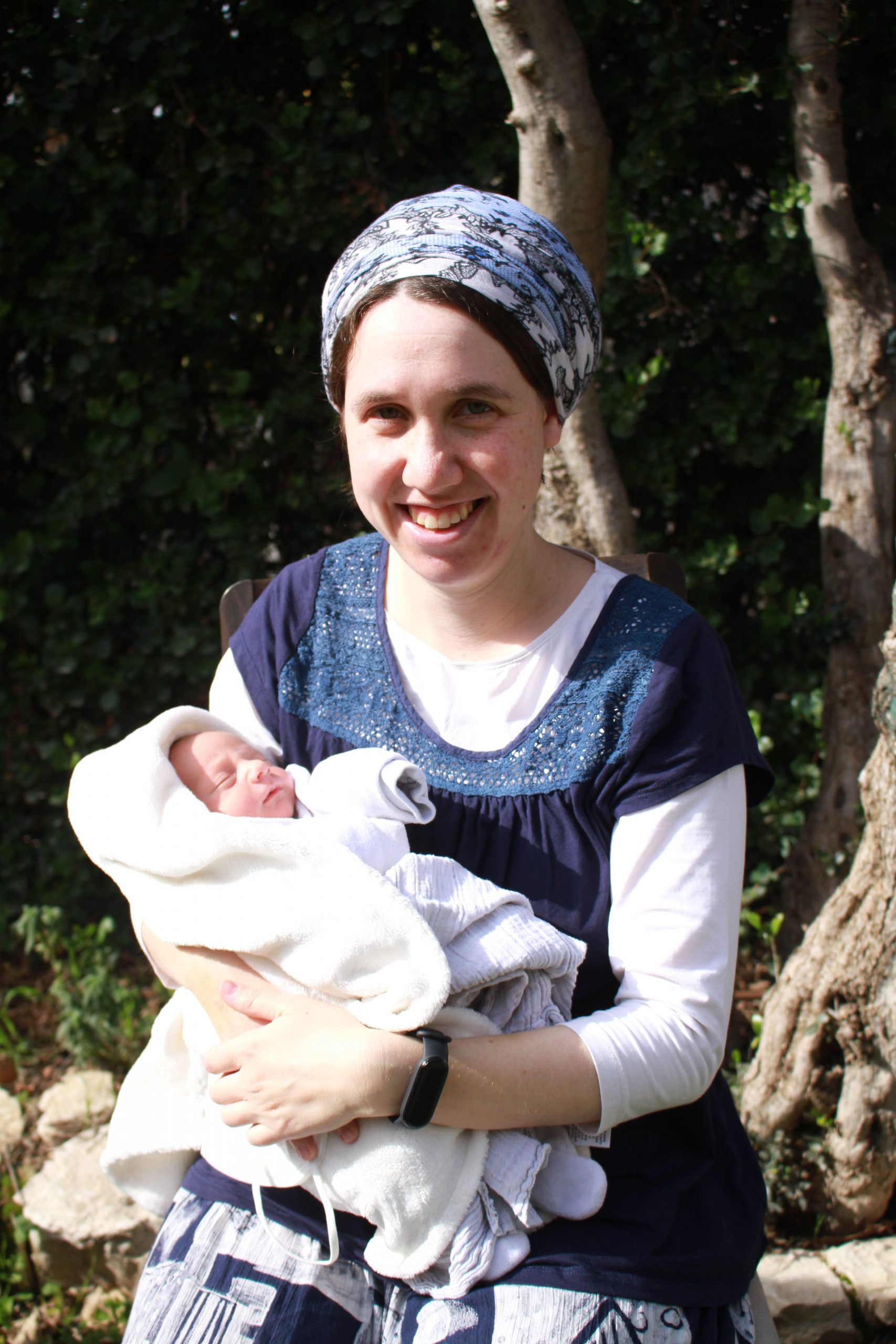
כמו שרואים בתמונה אני ממשיכה ללמוד גם היום ואפילו במחלקת יולדות אחרי לידת ביתי השלישית.

Noa Shiloh
נועה שילה

רבבה, ישראל

התחלתי ללמוד לפני כשנתיים בשאיפה לסיים לראשונה מסכת אחת במהלך חופשת הלידה.
אחרי מסכת אחת כבר היה קשה להפסיק…

Noa Gallant
נעה גלנט

ירוחם, ישראל

התחלתי ללמוד דף יומי בתחילת מסכת ברכות, עוד לא ידעתי כלום. נחשפתי לסיום הש״ס, ובעצם להתחלה מחדש בתקשורת, הפתיע אותי לטובה שהיה מקום לעיסוק בתורה.
את המסכתות הראשונות למדתי, אבל לא סיימתי (חוץ מעירובין איכשהו). השנה כשהגעתי למדרשה, נכנסתי ללופ, ואני מצליחה להיות חלק, סיימתי עם החברותא שלי את כל המסכתות הקצרות, גם כשהיינו חולות קורונה ובבידודים, למדנו לבד, העיקר לא לצבור פער, ומחכות ליבמות 🙂

Eden Yeshuron
עדן ישורון

מזכרת בתיה, ישראל

התחלתי ללמוד דף יומי באמצע תקופת הקורונה, שאבא שלי סיפר לי על קבוצה של בנות שתיפתח ביישוב שלנו ותלמד דף יומי כל יום. הרבה זמן רציתי להצטרף לזה וזאת הייתה ההזדמנות בשבילי. הצטרפתי במסכת שקלים ובאמצע הייתה הפסקה קצרה. כיום אני כבר לומדת באולפנה ולומדת דף יומי לבד מתוך גמרא של טיינזלץ.

Saturdays in Raleigh
שבות בראלי

עתניאל, ישראל

התחלתי ללמוד דף יומי בסבב הקודם. זכיתי לסיים אותו במעמד המרגש של הדרן. בסבב הראשון ליווה אותי הספק, שאולי לא אצליח לעמוד בקצב ולהתמיד. בסבב השני אני לומדת ברוגע, מתוך אמונה ביכולתי ללמוד ולסיים. בסבב הלימוד הראשון ליוותה אותי חוויה מסויימת של בדידות. הדרן העניקה לי קהילת לימוד ואחוות נשים. החוויה של סיום הש”ס במעמד כה גדול כשנשים שאינן מכירות אותי, שמחות ומתרגשות עבורי , היתה חוויה מרוממת נפש

Ilanit Weil
אילנית ווייל

קיבוץ מגדל עוז, ישראל

אמא שלי למדה איתי ש”ס משנה, והתחילה ללמוד דף יומי. אני החלטתי שאני רוצה ללמוד גם. בהתחלה למדתי איתה, אח”כ הצטרפתי ללימוד דף יומי שהרב דני וינט מעביר לנוער בנים בעתניאל. במסכת עירובין עוד חברה הצטרפה אלי וכשהתחלנו פסחים הרב דני פתח לנו שעור דף יומי לבנות. מאז אנחנו לומדות איתו קבוע כל יום את הדף היומי (ובשבת אבא שלי מחליף אותו). אני נהנית מהלימוד, הוא מאתגר ומעניין

Renana Hellman
רננה הלמן

עתניאל, ישראל

הייתי לפני שנתיים בסיום הדרן נשים בבנייני האומה והחלטתי להתחיל. אפילו רק כמה דפים, אולי רק פרק, אולי רק מסכת… בינתיים סיימתי רבע שס ותכף את כל סדר מועד בה.
הסביבה תומכת ומפרגנת. אני בת יחידה עם ארבעה אחים שכולם לומדים דף יומי. מדי פעם אנחנו עושים סיומים יחד באירועים משפחתיים. ממש מרגש. מסכת שבת סיימנו כולנו יחד עם אבא שלנו!
אני שומעת כל יום פודקאסט בהליכה או בנסיעה ואחכ לומדת את הגמרא.

Edna Gross
עדנה גרוס

מרכז שפירא, ישראל

כבר סיפרתי בסיום של מועד קטן.
הלימוד מאוד משפיעה על היום שלי כי אני לומדת עם רבנית מישל על הבוקר בזום. זה נותן טון לכל היום – בסיס למחשבות שלי .זה זכות גדול להתחיל את היום בלימוד ובתפילה. תודה רבה !

שרה-ברלוביץ
שרה ברלוביץ

ירושלים, ישראל

My explorations into Gemara started a few days into the present cycle. I binged learnt and become addicted. I’m fascinated by the rich "tapestry” of intertwined themes, connections between Masechtot, conversations between generations of Rabbanim and learners past and present all over the world. My life has acquired a golden thread, linking generations with our amazing heritage.
Thank you.

Susan Kasdan
סוזן כשדן

חשמונאים, Israel

כבר סיפרתי בסיום של מועד קטן.
הלימוד מאוד משפיעה על היום שלי כי אני לומדת עם רבנית מישל על הבוקר בזום. זה נותן טון לכל היום – בסיס למחשבות שלי .זה זכות גדול להתחיל את היום בלימוד ובתפילה. תודה רבה !

שרה-ברלוביץ
שרה ברלוביץ

ירושלים, ישראל

לצערי גדלתי בדור שבו לימוד גמרא לנשים לא היה דבר שבשגרה ושנים שאני חולמת להשלים את הפער הזה.. עד שלפני מספר שבועות, כמעט במקרה, נתקלתי במודעת פרסומת הקוראת להצטרף ללימוד מסכת תענית. כשקראתי את המודעה הרגשתי שהיא כאילו נכתבה עבורי – "תמיד חלמת ללמוד גמרא ולא ידעת איך להתחיל”, "בואי להתנסות במסכת קצרה וקלה” (רק היה חסר שהמודעה תיפתח במילים "מיכי שלום”..). קפצתי למים ו- ב”ה אני בדרך להגשמת החלום:)

Micah Kadosh
מיכי קדוש

מורשת, ישראל

My explorations into Gemara started a few days into the present cycle. I binged learnt and become addicted. I’m fascinated by the rich "tapestry” of intertwined themes, connections between Masechtot, conversations between generations of Rabbanim and learners past and present all over the world. My life has acquired a golden thread, linking generations with our amazing heritage.
Thank you.

Susan Kasdan
סוזן כשדן

חשמונאים, Israel

התחלתי לפני כמה שנים אבל רק בסבב הזה זכיתי ללמוד יום יום ולסיים מסכתות

Sigal Tel
סיגל טל

רעננה, ישראל

אחרי שראיתי את הסיום הנשי של הדף היומי בבנייני האומה זה ריגש אותי ועורר בי את הרצון להצטרף. לא למדתי גמרא קודם לכן בכלל, אז הכל היה לי חדש, ולכן אני לומדת בעיקר מהשיעורים פה בהדרן, בשוטנשטיין או בחוברות ושיננתם.

Rebecca Schloss
רבקה שלוס

בית שמש, ישראל

התחלתי ללמוד דף יומי שהתחילו מסכת כתובות, לפני 7 שנים, במסגרת קבוצת לימוד שהתפרקה די מהר, ומשם המשכתי לבד בתמיכת האיש שלי. נעזרתי בגמרת שטיינזלץ ובשיעורים מוקלטים.
הסביבה מאד תומכת ואני מקבלת המון מילים טובות לאורך כל הדרך. מאז הסיום הגדול יש תחושה שאני חלק מדבר גדול יותר.
אני לומדת בשיטת ה”7 דפים בשבוע” של הרבנית תרצה קלמן – כלומר, לא נורא אם לא הצלחת ללמוד כל יום, העיקר שגמרת ארבעה דפים בשבוע

Rachel Goldstein
רחל גולדשטיין

עתניאל, ישראל

. לא תמיד נהניתי מלימוד גמרא כילדה.,בל כהתבגרתי התחלתי לאהוב את זה שוב. התחלתי ללמוד מסכת סוטה בדף היומי לפני כחמש עשרה שנה ואז הפסקתי.הגעתי לסיום הגדול של הדרן לפני שנתיים וזה נתן לי השראה. והתחלתי ללמוד למשך כמה ימים ואז היתה לי פריצת דיסק והפסקתי…עד אלול השנה. אז התחלתי עם מסכת ביצה וב”ה אני מצליחה לעמוד בקצב. המשפחה מאוד תומכת בי ויש כמה שגם לומדים את זה במקביל. אני אוהבת שיש עוגן כל יום.

Rebecca Darshan
רבקה דרשן

בית שמש, ישראל

התחלתי כשהייתי בחופש, עם הפרסומים על תחילת המחזור, הסביבה קיבלה את זה כמשהו מתמיד ומשמעותי ובהערכה, הלימוד זה עוגן יציב ביום יום, יש שבועות יותר ויש שפחות אבל זה משהו שנמצא שם אמין ובעל משמעות בחיים שלי….

Adi Diamant
עדי דיאמנט

גמזו, ישראל

התחלתי ללמוד דף יומי בסבב הקודם. זכיתי לסיים אותו במעמד המרגש של הדרן. בסבב הראשון ליווה אותי הספק, שאולי לא אצליח לעמוד בקצב ולהתמיד. בסבב השני אני לומדת ברוגע, מתוך אמונה ביכולתי ללמוד ולסיים. בסבב הלימוד הראשון ליוותה אותי חוויה מסויימת של בדידות. הדרן העניקה לי קהילת לימוד ואחוות נשים. החוויה של סיום הש”ס במעמד כה גדול כשנשים שאינן מכירות אותי, שמחות ומתרגשות עבורי , היתה חוויה מרוממת נפש

Ilanit Weil
אילנית ווייל

קיבוץ מגדל עוז, ישראל

אני לומדת גמרא כעשור במסגרות שונות, ואת הדף היומי התחלתי כשחברה הציעה שאצטרף אליה לסיום בבנייני האומה. מאז אני לומדת עם פודקסט הדרן, משתדלת באופן יומי אך אם לא מספיקה, מדביקה פערים עד ערב שבת. בסבב הזה הלימוד הוא "ממעוף הציפור”, מקשיבה במהירות מוגברת תוך כדי פעילויות כמו בישול או נהיגה, וכך רוכשת היכרות עם הסוגיות ואופן ניתוחם על ידי חז”ל. בע”ה בסבב הבא, ואולי לפני, אצלול לתוכו באופן מעמיק יותר.

Yael Bir
יעל ביר

רמת גן, ישראל

בבא בתרא קנט

אִיתְּמַר: בֵּן שֶׁמָּכַר בְּנִכְסֵי אָבִיו בְּחַיֵּי אָבִיו, וָמֵת – בְּנוֹ מוֹצִיא מִיַּד הַלָּקוֹחוֹת. וְזוֹ הִיא שֶׁקָּשָׁה בְּדִינֵי מָמוֹנוֹת – וְלֵימְרוּ לֵיהּ: אֲבוּךְ מְזַבֵּין, וְאַתְּ מַפֵּיק?!

that it was stated: With regard to a son who sold some of his father’s property during his father’s lifetime, and the son died, the son’s son repossesses the property from the buyers. And this is a difficult halakha with regard to monetary law, as the buyers can say to the son’s son: Does your father sell the property to us and you repossess it?

וּמַאי קוּשְׁיָא? דִּלְמָא מָצֵי אָמַר: מִכֹּחַ אֲבוּהּ דְּאַבָּא קָאָתֵינָא – תִּדַּע, דִּכְתִיב: ״תַּחַת אֲבֹתֶיךָ יִהְיוּ בָנֶיךָ, תְּשִׁיתֵמוֹ לְשָׂרִים בְּכׇל הָאָרֶץ״!

The Gemara asks: And what is the difficulty? Perhaps he can say: I come to repossess the property on the basis of the right of my father’s father to the property, as I inherit directly from him. Know that this is so, as it is written: “In the place of your fathers shall be your sons; you shall make them into princes throughout the land” (Psalms 45:17). The phrase “In the place of your fathers shall be your sons” indicates that a grandson inherits from his grandfather directly, and he does not inherit through his father.

אֶלָּא אִי קַשְׁיָא, הָא קַשְׁיָא – בֵּן בְּכוֹר שֶׁמָּכַר חֵלֶק בְּכוֹרָה בְּחַיֵּי אָבִיו, וָמֵת בְּחַיֵּי אָבִיו – בְּנוֹ מוֹצִיא מִיַּד הַלָּקוֹחוֹת. וְזוֹ הִיא שֶׁקָּשָׁה בְּדִינֵי מָמוֹנוֹת – אֲבוּהּ מְזַבֵּין, אִיהוּ מַפֵּיק?! וְכִי תֵּימָא, הָכָא נָמֵי אָמַר: מִכֹּחַ אֲבוּהּ דְּאַבָּא קָאָתֵינָא; אִי מִכֹּחַ אֲבוּהּ דְּאַבָּא קָא אָתְיָא, בְּחֵלֶק בְּכוֹרָה מַאי עֲבִידְתֵּיהּ?

Rather, if there is a halakha with regard to monetary law that poses a difficulty, this is the difficult halakha: With regard to a firstborn son who sold, during his father’s lifetime, the portion of the firstborn that he was set to inherit, and he died in his father’s lifetime, his son can repossess the portion of the firstborn from the buyers. And this is a difficult halakha with regard to monetary law, as his father sells the property and he repossesses it. And if you would say: Here too, he says: I come to repossess the property on the basis of the right of my father’s father to the property, this is not a valid claim, as, if he comes to repossess the property on the basis of the right of his father’s father, what is the relevance of the portion of the firstborn, since he is not his grandfather’s firstborn?

וּמַאי קוּשְׁיָא? דִּלְמָא מָצֵי אֲמַר: מִכֹּחַ אֲבוּהּ דְּאַבָּא קָאָתֵינָא – וּבִמְקוֹם אָב קָאֵימְנָא!

The Gemara rejects this: And what is the difficulty? Perhaps he can say: I come to repossess the property on the basis of the right of my father’s father to the property, and yet I receive the portion of the firstborn, as I stand in my father’s stead.

אֶלָּא אִי קַשְׁיָא, הָא קַשְׁיָא – הָיָה יוֹדֵעַ לוֹ עֵדוּת בִּשְׁטָר עַד שֶׁלֹּא נַעֲשָׂה גַּזְלָן, וְנַעֲשָׂה גַּזְלָן – הוּא אֵינוֹ מֵעִיד עַל כְּתַב יָדוֹ, אֲבָל אֲחֵרִים מְעִידִין. הַשְׁתָּא אִיהוּ לָא מְהֵימַן, אַחְרִינֵי מְהֵימְנִי?! וְזוֹ הִיא שֶׁקָּשָׁה בְּדִינֵי מָמוֹנוֹת.

Rather, if there is a halakha with regard to monetary law that poses a difficulty, this is the difficult halakha: One knew testimony supporting another, and his testimony was written in a document before he became a robber, and then he became a robber and was disqualified from bearing witness. In this case, he may not testify as to the legitimacy of his handwriting. But others may testify that it is his handwriting on the document. The difficulty is that now that his testimony is not deemed credible, although he knows of the matter with certainty, is it logical that others are deemed credible and his signature is ratified according to their testimony? And this is a difficult halakha with regard to monetary law.

מַאי קוּשְׁיָא? דִּלְמָא כְּגוֹן שֶׁהוּחְזַק כְּתַב יָדוֹ בְּבֵית דִּין!

The Gemara rejects this: What is the difficulty? Perhaps this halakha is referring to a case where the signature was already presumed by the court to be his handwriting before he was disqualified, and the witnesses testify merely that the document was already ratified.

אֶלָּא אִי קַשְׁיָא, הָא קַשְׁיָא – הָיָה יוֹדֵעַ לוֹ עֵדוּת בִּשְׁטָר עַד שֶׁלֹּא תִּפּוֹל לוֹ בִּירוּשָּׁה; הוּא אֵינוֹ יָכוֹל לְקַיֵּים כְּתַב יָדוֹ, אֲבָל אֲחֵרִים יְכוֹלִין לְקַיֵּים כְּתַב יָדוֹ. וּמַאי קוּשְׁיָא? דִּלְמָא הָכָא נָמֵי, כְּגוֹן שֶׁהוּחְזַק כְּתַב יָדוֹ בְּבֵית דִּין!

Rather, if there is a halakha with regard to monetary law that poses a difficulty, this is the difficult halakha: One knew testimony supporting another concerning the latter’s ownership of a plot of land, and his testimony was written in a document before the land came into the witness’s possession as an inheritance, which caused the witness to become an interested party. In this case, the witness may not ratify his handwriting. But others may ratify his handwriting. The Gemara rejects this: And what is the difficulty? Perhaps here too, the halakha is referring to a case where the signature was already presumed by the court to be his handwriting before he became an interested party, and the witnesses testify merely that the document was already ratified.

אֶלָּא אִי קַשְׁיָא, הָא קַשְׁיָא – הָיָה יוֹדֵעַ לוֹ בְּעֵדוּת עַד שֶׁלֹּא נַעֲשָׂה חֲתָנוֹ, וְנַעֲשָׂה חֲתָנוֹ – הוּא אֵינוֹ מֵעִיד עַל כְּתַב יָדוֹ, אֲבָל אֲחֵרִים מְעִידִין. הוּא לָא מְהֵימַן, אַחְרִינֵי מְהֵימְנִי?!

Rather, if there is a halakha with regard to monetary law that poses a difficulty, this is the difficult halakha: One knew testimony with regard to another, and his testimony was written in a document before he became that person’s son-in-law, and then he became his son-in-law. In this case, the son-in-law may not testify as to his handwriting, since one cannot bear witness for his relative. But others may testify that it is his handwriting. Is it logical that his testimony is not deemed credible, yet others are deemed credible and may ratify his signature?

וְכִי תֵּימָא הָכָא נָמֵי – כְּגוֹן שֶׁהוּחְזַק כְּתַב יָדוֹ בְּבֵית דִּין, וְהָא אָמַר רַב יוֹסֵף בַּר מִנְיוֹמֵי אָמַר רַב נַחְמָן: אַף עַל פִּי שֶׁלֹּא הוּחְזַק כְּתַב יָדוֹ בְּבֵית דִּין!

And if you would say: Here too, the halakha is referring to a case where the signature was already presumed by the court to be his handwriting before he became a relative, this is difficult. But doesn’t Rav Yosef bar Minyumi say that Rav Naḥman says: Others may testify as to the validity of his handwriting even though the signature was not previously presumed by the court to be his handwriting?

וּמַאי קוּשְׁיָא? דִּלְמָא גְּזֵירַת מֶלֶךְ הִיא, דְּאִיהוּ לָא מְהֵימַן, וְאַחְרִינֵי מְהֵימְנִי – וְלָאו מִשּׁוּם דִּמְשַׁקַּר! דְּאִי לָא תֵּימָא הָכִי, מֹשֶׁה וְאַהֲרֹן לְחוֹתְנָם – מִשּׁוּם דְּלָא מְהֵימְנִי הוּא?! אֶלָּא גְּזֵירַת מֶלֶךְ הוּא שֶׁלֹּא יָעִידוּ לָהֶם, הָכָא נָמֵי – גְּזֵירַת מֶלֶךְ הוּא שֶׁלֹּא יָעִיד עַל כְּתַב יָדוֹ לְחוֹתְנוֹ!

The Gemara rejects this: And what is the difficulty? Perhaps it is the King’s edict, i.e., a divine decree, that the testimony of a son-in-law is not deemed credible, and yet the testimony of others is deemed credible, and the reason he is disqualified is not that he is suspected of lying. This must be so, as if you do not say so, why are Moses and Aaron disqualified from bearing witness for their father-in-law? Could this be because their testimony is not deemed credible? Rather, it is the King’s edict that even Moses and Aaron shall not bear witness for their relatives. Here too, it is the King’s edict that a son-in-law shall not testify as to the validity of his handwriting for his father-in-law.

אֶלָּא לְעוֹלָם כִּדְאָמְרִינַן מֵעִיקָּרָא, וּדְקָא קַשְׁיָא לָךְ ״תַּחַת אֲבֹתֶיךָ יִהְיוּ בָנֶיךָ״ – הָהוּא בִּבְרָכָה כְּתִיב.

Rather, the difficulty is actually as we said initially, with regard to the halakha that if a son sold some of his father’s property and then died, the son’s son repossesses the property from the buyers. And with regard to the verse that posed a difficulty for you: “In the place of your fathers shall be your sons” (Psalms 45:17), which apparently indicates that a grandson inherits from his grandfather directly, this is not difficult. That verse is written as a blessing. The verse does not indicate the halakhic status of the grandson’s inheritance, and the reason he can repossess the property is still difficult.

וּמִי מָצֵית אָמְרַתְּ בִּבְרָכָה כְּתִיב –

The Gemara asks: But can you say that the verse is written as a blessing,

אֲבָל לְעִנְיַן דִּינָא לָא?!

but with regard to the halakha it does not indicate anything?

וְהָתַנְיָא: נָפַל הַבַּיִת עָלָיו וְעַל אָבִיו, עָלָיו וְעַל מוֹרִישָׁיו; וְהָיְתָה עָלָיו כְּתוּבַּת אִשָּׁה וּבַעַל חוֹב; יוֹרְשֵׁי הָאָב אוֹמְרִים: הַבֵּן מֵת רִאשׁוֹן, וְאַחַר כָּךְ מֵת הָאָב; וּבַעַל חוֹב אוֹמֵר: הָאָב מֵת רִאשׁוֹן, וְאַחַר כָּךְ מֵת הַבֵּן.

But isn’t it taught in the mishna (157a): A house collapsed on a son and upon his father, or upon a certain person and upon those from whom he stands to inherit, and it is unknown who died first. If the son bore the responsibility to pay the marriage contract of his wife and to pay a creditor, and the son had no money with which to pay them except that which he might inherit from his father, and the father’s heirs say: The son died first and afterward the father died, and therefore the son did not inherit property from his father, and the creditor says: The father died first and afterward the son died, there is a dispute as to the halakha. The son therefore inherited his father’s property, and his creditor has a lien upon the property, enabling him to collect payment from the property even after the son’s death.

מַאי, לָאו ״יוֹרְשֵׁי הָאָב״ – בְּנֵי, ״מוֹרִישָׁיו״ – אַחֵי? וְאִי סָלְקָא דַּעְתָּךְ לָא מָצֵי אֲמַר ״מִכֹּחַ אֲבוּהּ דְּאַבָּא קָאָתֵינָא״, דְּכִי כְּתִיב: ״תַּחַת אֲבֹתֶיךָ יִהְיוּ בָנֶיךָ״ – בִּבְרָכָה כְּתִיב; כִּי מֵת הַבֵּן וְאַחַר כָּךְ מֵת הָאָב – מַאי הָוֵי? נֵימָא לְהוּ בַּעַל חוֹב: יְרוּשַּׁת אֲבוּהוֹן קָא שָׁקֵילְנָא!

What, is it not correct to explain that the father’s heirs are the son’s sons, and the term: Those from whom he stands to inherit, is referring to the deceased son’s brothers? And if it enters your mind to maintain that the grandson cannot say: I come to repossess the property on the basis of the right of my father’s father to the property, as when it is written in the verse in Psalms: “In the place of your fathers shall be your sons,” this is written as a blessing, then the mishna is difficult. According to this understanding, grandsons inherit from their grandfather only through their father. If so, even if the son died first and afterward the father died, what of it? Let the creditor say to the son’s sons: It is their father’s inheritance that I am taking, as the grandsons inherit from their grandfather only through their father.

לָא; ״יוֹרְשֵׁי הָאָב״ – אֶחָיו, ״מוֹרִישָׁיו״ – אַחֵי דַּאֲבוּהּ.

The Gemara rejects this explanation: No, the father’s heirs are the deceased son’s brothers, who certainly inherit from their father directly, and the term: Those from whom he stands to inherit, is referring to the deceased son’s father’s brothers. Therefore, one cannot derive from the mishna that a grandson inherits from his grandfather directly.

בְּעוֹ מִינֵּיהּ מֵרַב שֵׁשֶׁת: בֵּן, מַהוּ שֶׁיִּירַשׁ אֶת אִמּוֹ בַּקֶּבֶר – לְהַנְחִיל לָאַחִין מִן הָאָב? אֲמַר לְהוּ רַב שֵׁשֶׁת, תְּנֵיתוּהָ: הָאָב שֶׁנִּשְׁבָּה, וּמֵת בְּנוֹ בַּמְּדִינָה; וּבֵן שֶׁנִּשְׁבָּה, וּמֵת אָבִיו בַּמְּדִינָה – יוֹרְשֵׁי הָאָב וְיוֹרְשֵׁי הַבֵּן יַחְלוֹקוּ.

§ The Sages raised a dilemma before Rav Sheshet: What is the halakha with regard to a son inheriting from his mother while he is in the grave, in order to bequeath that inheritance to his paternal brothers? If a son dies, and afterward his mother dies, does the deceased son inherit from his mother, and subsequently bequeath the inheritance to his paternal brothers, who are not related to the mother? Rav Sheshet said to them: You learned it in a baraita: Consider the case of a father who was taken captive and died in captivity, and his son died in the province, i.e., at home, and consider the case of a son who was taken captive and died, and his father died in the province. Since it is not known who died first, the father’s heirs and the son’s heirs divide the inheritance.

הֵיכִי דָמֵי? אִילֵּימָא כִּדְקָתָנֵי, הֵי נִינְהוּ יוֹרְשֵׁי הָאָב וְהֵי נִינְהוּ יוֹרְשֵׁי הַבֵּן? אֶלָּא לָאו הָכִי קָאָמַר: אָב שֶׁנִּשְׁבָּה וּמֵת בֶּן בִּתּוֹ בַּמְּדִינָה, וּבֶן בִּתּוֹ שֶׁנִּשְׁבָּה וּמֵת אֲבִי אִמּוֹ בַּמְּדִינָה, וְלָא יָדְעִינַן הֵי מִינַּיְיהוּ מִית בְּרֵישָׁא – יוֹרְשֵׁי הָאָב וְיוֹרְשֵׁי הַבֵּן יַחְלוֹקוּ.

The Gemara asks: What are the circumstances of the case? If we say that the case is as the baraita teaches, the baraita is difficult. Who are the father’s heirs and who are the son’s heirs? The same individuals inherit from both of them. Rather, is it not so that this is what the baraita is saying: Consider the case of a father who was taken captive and died in captivity, and his daughter’s son died in the province, and consider the case of the son of his daughter who was taken captive and died, and the father of the captive’s mother died in the province, and we do not know which of them died first. If the father died first, his daughter’s son inherits from him, and the son’s paternal relatives subsequently inherit from the son. If the son died first, the father’s heirs inherit the father’s estate. Since it is unknown which of them died first, the father’s heirs and the son’s heirs divide the inheritance.

וְאִם אִיתָא, נְהִי נָמֵי דְּבֵן מֵת בְּרֵישָׁא, לֵירְתֵיהּ לַאֲבוּהּ דְּאִמֵּיהּ בְּקִבְרֵיהּ, וְלֵירְתִינְהוּ לַאֲחוֹהַּ מִן אֲבוּהּ! אֶלָּא לָאו שְׁמַע מִינַּהּ – אֵין הַבֵּן יוֹרֵשׁ אֶת אִמּוֹ בַּקֶּבֶר, לְהַנְחִיל לָאַחִין מֵאָב?

And if it is so that a son inherits from his mother while in the grave, although the son indeed died first, he should inherit from his mother’s father while in his grave and bequeath his inheritance to his paternal brothers, and the son’s heirs should receive the entire inheritance. Rather, isn’t it correct to conclude from the baraita that the son does not inherit from his mother while in the grave in order to bequeath that inheritance to his paternal brothers?

אֲמַר לֵיהּ רַב אַחָא בַּר מִנְיוֹמֵי לְאַבָּיֵי, אַף אֲנַן נָמֵי תְּנֵינָא: נָפַל הַבַּיִת עָלָיו וְעַל אִמּוֹ – אֵלּוּ וָאֵלּוּ מוֹדִים שֶׁיַּחְלוֹקוּ. וְאִם אִיתָא, נְהִי נָמֵי דְּבֵן מֵת בְּרֵישָׁא, לֵירְתַיהּ לְאִמֵּיהּ בְּקִבְרֵיהּ, וְלֵירְתוּ אִינְהוּ לְאַחֵי מֵאֲבוּהּ! אֶלָּא לָאו שְׁמַע מִינַּהּ אֵין הַבֵּן יוֹרֵשׁ אֶת אִמּוֹ בַּקֶּבֶר לְהַנְחִיל לָאַחִין מִן הָאָב? שְׁמַע מִינַּהּ.

Rav Aḥa bar Minyumi said to Abaye: We learn this halakha in the mishna (158b) as well: If the house collapsed on a son and upon his mother, both these Sages and those Sages, Beit Shammai and Beit Hillel, concede that the son’s heirs and the mother’s heirs divide the property between them. And if it is so that a son inherits from his mother while in the grave, although the son indeed died first, he should inherit from his mother while in his grave and they should inherit from him, i.e., he should bequeath his inheritance to his paternal brothers. Rather, isn’t it correct to conclude from that mishna that the son does not inherit from his mother while in the grave in order to bequeath that inheritance to his paternal brothers? The Gemara affirms: Conclude from the mishna that this is so.

וְטַעְמָא מַאי? אָמַר אַבָּיֵי: נֶאֶמְרָה ״סִיבָּה״ בַּבֵּן, וְנֶאֶמְרָה ״סִיבָּה״ בַּבַּעַל; מָה ״סִיבָּה״ הָאֲמוּרָה בַּבַּעַל – אֵין הַבַּעַל יוֹרֵשׁ אֶת אִשְׁתּוֹ בַּקֶּבֶר, אַף ״סִיבָּה״ הָאֲמוּרָה בַּבֵּן – אֵין הַבֵּן יוֹרֵשׁ אֶת אִמּוֹ בַּקֶּבֶר, לְהַנְחִיל לָאַחִין מִן הָאָב.

And what is the reason that a son does not inherit from his mother while in the grave? Abaye says: The term transfer, concerning the transfer of inheritance from one tribe to another, was stated with regard to the inheritance of a son (see Numbers 36:7), and the term transfer was stated with regard to the inheritance of a husband (see 111b–113a and Numbers 36:9). Just as in the case categorized as transfer that was stated with regard to the inheritance of a husband, the husband does not inherit from his wife while he is in the grave in order to bequeath that inheritance to his heirs, so too, in the case categorized as transfer that was stated with regard to the inheritance of a son, the son does not inherit from his mother while in the grave in order to bequeath that inheritance to his paternal brothers.

הָהוּא דַּאֲמַר לֵיהּ לְחַבְרֵיהּ: נִכְסֵי דְּבַר סִיסִין מְזַבֵּנְינָא לָךְ. הֲוַאי חֲדָא אַרְעָא דַּהֲוָה מִיקַּרְיָא ״דְּבֵי בַּר סִיסִין״, אֲמַר לֵיהּ: הָא לָאו דְּבֵי בַּר סִיסִין הִיא, וְאִיקְּרוֹיֵי הוּא דְּמִיקַּרְיָא ״דְּבֵי בַּר סִיסִין״.

§ There was a certain person who said to another: I am selling to you all of the property that I own of bar Sisin. There was one parcel of land that was called the tract of the house of bar Sisin. The seller said to the buyer: This latter parcel of land is actually not the property of the house of bar Sisin, and it is merely called: Of the house of bar Sisin, and therefore it is not included in the sale.

אֲתָא לְקַמֵּיהּ דְּרַב נַחְמָן, אוֹקְמַהּ בִּידָא דְּלוֹקֵחַ. אֲמַר לֵיהּ רָבָא לְרַב נַחְמָן: דִּינָא הָכִי?! הַמּוֹצִיא מֵחֲבֵירוֹ – עָלָיו הָרְאָיָה! וְרָמֵי דְּרָבָא אַדְּרָבָא, וּדְרַב נַחְמָן אַדְּרַב נַחְמָן –

The matter came before Rav Naḥman, and he placed the land in the possession of the buyer. Rava said to Rav Naḥman: Is this the halakha? The halakha is that the burden of proof rests upon the claimant, which in this case is the buyer. And the Gemara raises a contradiction between this statement of Rava and another statement of Rava, and between this statement of Rav Naḥman and another statement of Rav Naḥman.

דְּהָהוּא דַּאֲמַר לֵיהּ לְחַבְרֵיהּ: מַאי בָּעֵית בְּהַאי בֵּיתָא? אֲמַר לֵיהּ: מִינָּךְ זְבֵינְתַּהּ, וַאֲכַלִית שְׁנֵי חֲזָקָה. אֲמַר לֵיהּ: אֲנָא בְּשִׁכּוּנֵי גַּוָּאֵי הֲוַאי.

The Gemara explains the contradictions. There was a certain man who said to another: What do you want, i.e., what are you doing, with this house of mine? He said to the claimant: I purchased it from you and I worked and profited from it for the years necessary for establishing the presumption of ownership. The claimant said to him: I was traveling among the settlements in a distant location, and I was unaware that you were residing in my house, which is why I did not lodge a protest.

אֲתָא לְקַמֵּיהּ דְּרַב נַחְמָן, אֲמַר לֵיהּ: זִיל בְּרוֹר אֲכִילָתָךְ. אֲמַר לֵיהּ רָבָא לְרַב נַחְמָן: דִּינָא הָכִי?! הַמּוֹצִיא מֵחֲבֵירוֹ – עָלָיו הָרְאָיָה! קַשְׁיָא דְּרָבָא אַדְּרָבָא, וּדְרַב נַחְמָן אַדְּרַב נַחְמָן!

The one residing in the house came before Rav Naḥman for a judgment. Rav Naḥman said to him: Go clarify your profiting, i.e., prove that you really resided there for three years, and then the case can be judged. Rava said to Rav Naḥman: Is this the correct judgment? The halakha is that the burden of proof rests upon the claimant. Therefore, the claimant should have to prove that the possessor did not reside in the house. The first statement of Rava is difficult, as it is contradicted by the second statement of Rava, and the first statement of Rav Naḥman is difficult, as it is contradicted by the second statement of Rav Naḥman. In the first case, Rav Naḥman ruled in favor of the buyer, and Rava ruled in favor of the seller, whereas in the second case their rulings were reversed.

דְּרָבָא אַדְּרָבָא לָא קַשְׁיָא – הָכָא מוֹכֵר קָאֵי בְּנִכְסֵיהּ, הָתָם לוֹקֵחַ קָאֵי בְּנִכְסֵיהּ.

The Gemara answers: The apparent contradiction between the first statement of Rava and the second statement of Rava is not difficult. Here, with regard to the property of bar Sisin, the seller stands in possession of his property, and the buyer claims the parcel of land from him. There, the buyer stands in possession of his property, since he dwells in the house, and the seller wishes to evict him.

דְּרַב נַחְמָן אַדְּרַב נַחְמָן לָא קַשְׁיָא – הָכָא, כֵּיוָן דְּאָמַר לֵיהּ: דְּבֵי בַּר סִיסִין, וּמִיקַּרְיָא ״דְּבֵי בַּר סִיסִין״; עֲלֵיהּ דִּידֵיהּ רַמְיָא לְגַלּוֹיֵי דְּלָאו דְּבֵי בַּר סִיסִין הִיא. הָכָא, לֹא יְהֵא אֶלָּא דְּנָקֵיט שְׁטָרָא – מִי לָא אָמְרִינַן לֵיהּ: קַיֵּים שְׁטָרָךְ וְקוּם בְּנִכְסֵי?

The contradiction between one statement of Rav Naḥman and the other statement of Rav Naḥman is not difficult as well, because there, since the seller said to him: I am hereby selling you all of the property that I own of the house of bar Sisin, and this parcel of land is called: Of the house of bar Sisin, it is incumbent on him to reveal that it is not of the house of bar Sisin. But here, in the case where the claimant states that he had been in a distant location, it should not be considered as any case other than one where the possessor is holding a document as evidence that he purchased the house. Wouldn’t we then say to him: First ratify your document, and only then be established as the owner of the property? In this case as well, since his presumptive ownership is in place of a document, he needs to clarify the matter by means of witnesses.

הֲדַרַן עֲלָךְ מִי שֶׁמֵּת

רוצה לעקוב אחרי התכנים ולהמשיך ללמוד?

ביצירת חשבון עוד היום ניתן לעקוב אחרי ההתקדמות שלך, לסמן מה למדת, ולעקוב אחרי השיעורים שמעניינים אותך.

לנקות את כל הפריטים מהרשימה?

פעולה זו תסיר את כל הפריטים בחלק זה כולל ההתקדמות וההיסטוריה. שימי לב: לא ניתן לשחזר פעולה זו.

ביטול
מחיקה

האם את/ה בטוח/ה שברצונך למחוק פריט זה?

תאבד/י את כל ההתקדמות או ההיסטוריה הקשורות לפריט זה.

ביטול
מחיקה