חיפוש

בבא בתרא כו

רוצה להקדיש שיעור?

podcast placeholder

0:00
0:00


תקציר

הדף היום מוקדש ע”י ג’ודי שוורץ לכבוד בתה רינה.

אנשים בבית בר מריון ניפצו פשתן והנעורת עף ברוח לשכן והזיק. האם זה נחשב כנזק ישיר (גירי דידיה) שעליו חייב רבי יוסי? האם אפשר ללמוד מדיני שבת (זורה והרוח מסייעתו)?

צריך להרחיק את העץ של האדם מהשדה של השכן בארבע אמות כדי להשאיר מקום לשכן לחרוש. אם השורשים של האדם גדלים לשדה סמוך, ניתן לחתוך אותם עד לעומק מסוים, בהתאם לסיבה שבגללה חותכים אותם (למה צריך את המקום). מובאים מקרים שונים הדנים בהלכות אלו. המשנה אומרת שכאשר מותר לחתוך את שורשי העץ של השכן, השורשים הולכים אליו. הגמרא מנסה להבין האם אליו מתייחס לבעל העץ או לבעל השדה הסמוך. רבינא ועולא מבינים ששש עשרה האמות הראשונות של השורשים נחשבות לחלק מחובר מהעץ, אך מעבר לכך, הם לא. על סמך זאת, עולא פוסק שעץ בתוך שש עשרה אמות משדה סמוך נחשב כגוזל משדה השכן ולכן אין להביא ביכורים מעץ כזה. הגמרא מנסה להביא מקורות תנאיים כדי להוכיח כיצד עולא הגיע למספר שש עשרה.


בבא בתרא כו

כִּדְנָיֵיד נִכְתְּמָא אַפּוּמֵּיהּ דְּחַצְבָּא.

It must shake enough that the lid [nakhtema] positioned at the mouth of a jug shakes if it is placed on a wall.

דְּבֵי בַּר מָרִיּוֹן בְּרֵיהּ דְּרָבִין, כִּי הֲוָה נָפְצִי כִּיתָּנָא – הֲוָה אָזְלָא רַקְתָּא וּמַזְּקָא אִינָשֵׁי. אֲתוֹ לְקַמֵּיהּ דְּרָבִינָא, אֲמַר לְהוּ: כִּי אָמְרִינַן מוֹדֶה רַבִּי יוֹסֵי בְּגִירֵי דִּילֵיהּ – הָנֵי מִילֵּי דְּקָא אָזְלָא מִכֹּחוֹ, הָכָא – זִיקָא הוּא דְּקָא מַמְטֵי לַהּ.

The Gemara relates: When the members of the household of bar Maryon, son of Ravin, would beat their flax, the chaff [rakta] would fly off and harm people. Those people came before Ravina to complain. Ravina said to them: When we say that Rabbi Yosei concedes with regard to his arrows, this statement applies only when the damaging item moves by his direct force. Here, by contrast, it is the wind that carries the chaff.

מַתְקֵיף לַהּ מָר בַּר רַב אָשֵׁי: מַאי שְׁנָא מִזּוֹרֶה וְרוּחַ מְסַיַּיעְתּוֹ? אַמְרוּהָ קַמֵּיהּ דְּמָרִימָר, אֲמַר לְהוּ: הַיְינוּ זוֹרֶה וְרוּחַ מְסַיַּיעְתּוֹ.

Mar bar Rav Ashi objects to this: In what way is this case different from one who winnows on Shabbat by throwing the grain into the wind so that the chaff is blown away and the wind assists him? That is considered a primary category of labor on Shabbat despite the fact that the act is performed partly with the aid of the wind. The Gemara relates that the Sages stated this objection with regard to beating flax before Mareimar. Mareimar said to them: This case is the same as one who winnows and the wind assists him. Just as this is considered his direct force for the purposes of the halakhot of Shabbat, it is likewise considered his direct force with regard to the halakhot of damages.

וּלְרָבִינָא, מַאי שְׁנָא מִגֵּץ הַיּוֹצֵא מִתַּחַת הַפַּטִּישׁ וְהִזִּיק – דְּחַיָּיב לְשַׁלֵּם? הָתָם נִיחָא לֵיהּ דְּלֵיזִל, הָכָא לָא נִיחָא לֵיהּ דְּלֵיזִל.

The Gemara asks: And according to the opinion of Ravina, who rejects this comparison and claims that flying chaff is not considered one’s arrow, in what way is this situation different from that of a spark that flies from a hammer and causes damage, in which case all agree that the one wielding the hammer is liable to pay? The Gemara answers: There, it is preferable for him that the spark go as far as possible, rather than staying nearby. Here it is not preferable for him, i.e., it is immaterial to him, that the chaff go some distance.

מַתְנִי׳ לֹא יִטַּע אָדָם אִילָן סָמוּךְ לִשְׂדֵה חֲבֵירוֹ, אֶלָּא אִם כֵּן הִרְחִיק מִמֶּנּוּ אַרְבַּע אַמּוֹת – אֶחָד גְּפָנִים וְאֶחָד כׇּל אִילָן. הָיָה גָּדֵר בֵּינָתַיִם – זֶה סוֹמֵךְ לַגָּדֵר מִכָּאן, וְזֶה סוֹמֵךְ לַגָּדֵר מִכָּאן.

MISHNA: A person may not plant a tree near the field of another unless he distances it four cubits from the field. This is the case whether he is planting grapevines or any kind of tree. If there was a fence between them, this one may place, i.e., plant, his grapevines or trees close to the fence from here, and that one may place, i.e., plant, his produce close to the fence from there.

הָיוּ שׇׁרָשִׁים יוֹצְאִים לְתוֹךְ שֶׁל חֲבֵירוֹ – מַעֲמִיק שְׁלֹשָׁה טְפָחִים, כְּדֵי שֶׁלֹּא יְעַכֵּב אֶת הַמַּחֲרֵישָׁה. הָיָה חוֹפֵר בּוֹר, שִׁיחַ וּמְעָרָה – קוֹצֵץ וְיוֹרֵד, וְהָעֵצִים שֶׁלּוֹ.

If the roots were spreading into the field of another, the owner of the field may dig to a depth of three handbreadths even if he severs those roots, so that they do not impede his plow. If he was digging a cistern in that spot, or a ditch, or a cave, and he came upon the roots of his neighbor’s tree, he may cut downward normally, and the wood from the roots is his.

גְּמָ׳ תָּנָא: אַרְבַּע אַמּוֹת שֶׁאָמְרוּ – כְּדֵי עֲבוֹדַת הַכֶּרֶם. אָמַר שְׁמוּאֵל: לֹא שָׁנוּ אֶלָּא בְּאֶרֶץ יִשְׂרָאֵל, אֲבָל בְּבָבֶל – שְׁתֵּי אַמּוֹת. תַּנְיָא נָמֵי הָכִי: לֹא יִטַּע אָדָם אִילָן סָמוּךְ לִשְׂדֵה חֲבֵירוֹ, אֶלָּא אִם כֵּן הִרְחִיק מִמֶּנּוּ שְׁתֵּי אַמּוֹת. וְהָא אֲנַן תְּנַן: אַרְבַּע אַמּוֹת! אֶלָּא לָאו כְּדִשְׁמוּאֵל? שְׁמַע מִינַּהּ.

GEMARA: A tanna taught: The four cubits that the Sages stated one must leave between a vineyard and a neighbor’s field are for the work of the vineyard, so that the owner of the vineyard does not take oxen and a plow into his neighbor’s field while working his vineyard. Shmuel says: They taught this halakha only with regard to Eretz Yisrael, but in Babylonia two cubits are sufficient, as their plows are shorter. This opinion is also taught in a baraita: A person may not plant a tree near the field of another unless he distances the tree two cubits from the field. But didn’t we learn in the mishna: Four cubits? Rather, is it not correct that there is a difference between Eretz Yisrael and Babylonia in this regard, as stated by Shmuel? The Gemara concludes: Indeed, learn from it that it is so.

וְאִיכָּא דְּרָמֵי לַהּ מִירְמֵא – תְּנַן: לֹא יִטַּע אָדָם אִילָן סָמוּךְ לִשְׂדֵה חֲבֵירוֹ, אֶלָּא אִם כֵּן הִרְחִיק מִמֶּנּוּ אַרְבַּע אַמּוֹת. וְהָתַנְיָא: שְׁתֵּי אַמּוֹת! אָמַר שְׁמוּאֵל: לָא קַשְׁיָא; כָּאן בְּבָבֶל, כָּאן בְּאֶרֶץ יִשְׂרָאֵל.

And there are those who raise this matter in the form of a contradiction. We learned in the mishna that a person may not plant a tree near the field of another unless he distances it four cubits from the field. But isn’t it taught in a baraita that two cubits are sufficient? Shmuel said that this is not difficult: Here it is referring to Babylonia, whereas there it is referring to Eretz Yisrael.

רָבָא בַּר רַב חָנָן הֲווֹ לֵיהּ הָנְהוּ דִּיקְלֵי, אַמִּיצְרָא דְּפַרְדֵּיסָא דְּרַב יוֹסֵף. הֲווֹ אָתוּ צִפּוֹרֵי יָתְבִי בְּדִיקְלֵי, וְנָחֲתִי בְּפַרְדֵּיסָא וּמַפְסְדִי לֵיהּ. אֲמַר לֵיהּ: זִיל קוֹץ. אֲמַר לֵיהּ: וְהָא אַרְחֵיקִי לִי! אֲמַר לֵיהּ: הָנֵי מִילֵּי לְאִילָנוֹת, אֲבָל לִגְפָנִים בָּעִינַן טְפֵי.

The Gemara relates: Rava bar Rav Ḥanan had these palm trees that stood adjacent to the boundary of Rav Yosef’s vineyard. Birds would come and roost on the palm trees and would subsequently descend to the vineyard and damage it. Rav Yosef said to Rava bar Rav Ḥanan: Go and cut down your palm trees. Rava bar Rav Ḥanan said to him: But I distanced them the required amount. Rav Yosef said to him: This matter, i.e., this specific distance, applies only to trees, but a greater distance is required for vines.

וְהָא אֲנַן תְּנַן: אֶחָד גְּפָנִים וְאֶחָד כׇּל אִילָן! אֲמַר לֵיהּ: הָנֵי מִילֵּי אִילָן לְאִילָן וּגְפָנִים לִגְפָנִים, אֲבָל אִילָן לִגְפָנִים בָּעִינַן טְפֵי.

Rava bar Rav Ḥanan protested: But didn’t we learn in the mishna that this is the halakha whether he is planting grapevines or any kind of tree? Rav Yosef said to him: This matter applies only to the distance between one tree and another tree, or the distance between one vine and other vines. But with regard to the space between a tree and vines, one requires a greater distance.

אֲמַר לֵיהּ: אֲנָא לָא קָיֵיצְנָא, דְּאָמַר רַב: הַאי דִּיקְלָא דְּטָעֵין קַבָּא – אָסוּר לְמִקְצְיֵיהּ. וְאָמַר רַבִּי חֲנִינָא: לָא שְׁכֵיב שִׁכְחַת בְּרִי, אֶלָּא דְּקַץ תְּאֵנְתָּא בְּלָא זִימְנֵיהּ. מָר – אִי נִיחָא לֵיהּ, לִיקּוֹץ.

Rava bar Rav Ḥanan said to him: I myself will not cut them down, as Rav said: With regard to this palm tree that produces one kav of fruit, it is prohibited to cut it down, due to the verse: “You shall not destroy the trees” (Deuteronomy 20:19). And Rabbi Ḥanina says: My son Shikhḥat died only because he cut down a fig tree before its time. Rava bar Rav Ḥanan continued: If the Master is amenable to do so, he may cut them down, but I will not do it.

רַב פָּפָּא הֲווֹ לֵיהּ הָנְהוּ דִּיקְלֵי אַמִּיצְרָא דְּרַב הוּנָא בְּרֵיהּ דְּרַב יְהוֹשֻׁעַ. אֲזַל אַשְׁכְּחֵיהּ דַּהֲוָה חָפַר, וְקָא קָאֵיץ שׇׁרָשָׁיו. אֲמַר לֵיהּ: מַאי הַאי? אֲמַר לֵיהּ, תְּנַן: הָיוּ שׇׁרָשִׁים יוֹצְאִים לְתוֹךְ שֶׁל חֲבֵירוֹ – מַעֲמִיק שְׁלֹשָׁה, כְּדֵי שֶׁלֹּא יְעַכֵּב הַמַּחֲרֵישָׁה.

The Gemara further relates that Rav Pappa had these palm trees that stood adjacent to the boundary of the property of Rav Huna, son of Rav Yehoshua. He went and found Rav Huna digging and cutting his roots. Rav Pappa said to him: What is this? Rav Huna said to him that we learned in the mishna: If the roots were spreading into the field of another, the owner of the field may dig to a depth of three handbreadths even if he severs those roots, so that they do not impede his plow.

אֲמַר לֵיהּ: הָנֵי מִילֵּי שְׁלֹשָׁה, מָר קָא חָפַר טְפֵי! אֲמַר לֵיהּ: אֲנָא בּוֹרוֹת שִׁיחִין וּמְעָרוֹת קָא חָפַרְנָא – דִּתְנַן: הָיָה חוֹפֵר בּוֹר, שִׁיחַ וּמְעָרָה – קוֹצֵץ וְיוֹרֵד, וְהָעֵצִים שֶׁלּוֹ. אָמַר רַב פָּפָּא: אֲמַרִי לֵיהּ כּוּלְּהִי, וְלָא יְכֵילִי לֵיהּ;

Rav Pappa said to him: This statement applies only up to three handbreadths, whereas the Master is digging and cutting more than three. Rav Huna said to him: I am digging cisterns, ditches, and caves, as we learned in the mishna: If he was digging a cistern, a ditch, or a cave, he may cut downward normally and the wood from the roots is his. Rav Pappa said: I told him all the proofs I could find, but I was unable to convince him that I was correct,

עַד דַּאֲמַרִי לֵיהּ הָא דְּאָמַר רַב יְהוּדָה: מֶצֶר שֶׁהֶחֱזִיקוּ בּוֹ רַבִּים – אָסוּר לְקַלְקְלוֹ. לְבָתַר דִּנְפַק, אֲמַר: אַמַּאי לָא אֲמַרִי לֵיהּ: כָּאן בְּתוֹךְ שֵׁשׁ עֶשְׂרֵה אַמָּה, כָּאן חוּץ לְשֵׁשׁ עֶשְׂרֵה אַמָּה.

until I told him that which Rav Yehuda says: With regard to a strip of land over which the public has an acquired privilege of use, one may not destroy it. Here too, since I have an acquired privilege of use of this land, you are not permitted to destroy that which I possess. After Rav Pappa left, Rav Huna, son of Rav Yehoshua, said: Why did I not say to him that there, an acquired privilege of use is effective when it is within sixteen cubits, as within that area the roots are considered part of the tree, whereas here I cut the roots of the palm trees beyond sixteen cubits.

הָיָה חוֹפֵר בּוֹר, שִׁיחַ וּמְעָרָה – קוֹצֵץ וְיוֹרֵד וְהָעֵצִים שֶׁלּוֹ (וְכוּ׳). בְּעָא מִינֵּיהּ יַעֲקֹב הַדְיָיבָא מֵרַב חִסְדָּא: עֵצִים שֶׁל מִי?

§ The mishna teaches that if he was digging a cistern, a ditch, or a cave, he may cut downward and the wood is his. The Sage Ya’akov of Hadeyyav raised a dilemma before Rav Ḥisda: To whom does the wood belong? The mishna says that the wood is his, without specifying to which of the two individuals this refers, the owner of the tree or the owner of the land.

אֲמַר לֵיהּ, תְּנֵיתוּהָ: שׇׁרְשֵׁי אִילָן שֶׁל הֶדְיוֹט הַבָּאִין בְּשֶׁל הֶקְדֵּשׁ, לֹא נֶהֱנִין וְלֹא מוֹעֲלִין.

Rav Ḥisda said to him: You learned the answer in a mishna in tractate Me’ila (13b). If roots of a tree belonging to an ordinary person [hedyot] extend into a field belonging to the Temple treasury, one may not derive benefit from them, but if one derived benefit from them he is not liable for misuse of consecrated property. That is, even if one does transgress the prohibition and benefit from them, it is not considered misuse and he is not liable to bring an offering.

אִי אָמְרַתְּ בִּשְׁלָמָא: בָּתַר אִילָן אָזְלִינַן – מִשּׁוּם הָכִי לֹא מוֹעֲלִין; אֶלָּא אִי אָמְרַתְּ: בָּתַר קַרְקַע אָזְלִינַן, אַמַּאי לֹא מוֹעֲלִין?

Granted, if you say that we follow the tree, and the roots are considered part of it, it is due to that reason that one is not liable for misuse, as the tree is not consecrated. But if you say we follow the land, i.e., the roots belong to the land’s owner, why is he not liable for misuse of consecrated property?

אֶלָּא מַאי? בָּתַר אִילָן אָזְלִינַן?! אֵימָא סֵיפָא: שֶׁל הֶקְדֵּשׁ הַבָּאִים בְּשֶׁל הֶדְיוֹט, לֹא נֶהֱנִין וְלֹא מוֹעֲלִין. וְאִי בָּתַר אִילָן אָזְלִינַן, אַמַּאי לֹא מוֹעֲלִין?

The Gemara asks: Rather, what will you say, that we follow the tree? If so, say the last clause of that mishna: If roots of a tree belonging to the Temple treasury extend into a field of an ordinary person, one may not derive benefit from them, but if one derived benefit from them he is not liable for misuse of consecrated property. But if we follow the tree, why is he not liable for misuse of consecrated property?

מִידֵּי אִירְיָא?! בְּגִידּוּלִין הַבָּאִין לְאַחַר מִכָּאן עָסְקִינַן, וְקָא סָבַר: אֵין מְעִילָה בְּגִידּוּלִין.

The Gemara responds: Are the cases comparable? In both clauses of the mishna we are dealing with growths that came thereafter, i.e., after the tree was consecrated, and the tanna of that mishna holds that with regard to growths that grew from a consecrated plant or tree, they are not subject to the halakhot of misuse of consecrated property. Only the original plant is. Consequently, there is no connection between that mishna and the question of whether roots are considered part of the tree or part of the land.

רָבִינָא אָמַר: לָא קַשְׁיָא; כָּאן בְּתוֹךְ שֵׁשׁ עֶשְׂרֵה אַמָּה, כָּאן חוּץ לְשֵׁשׁ עֶשְׂרֵה אַמָּה.

Ravina said that it is not difficult: Here, in the first clause of the mishna in Me’ila, it is referring to within sixteen cubits of the tree. In this case the roots are considered part of the tree. There, in the second clause, it is referring to roots beyond sixteen cubits, in which case the roots are considered part of the ground where they are found.

אָמַר עוּלָּא: אִילָן הַסָּמוּךְ לַמֶּצֶר – בְּתוֹךְ שֵׁשׁ עֶשְׂרֵה אַמָּה, גַּזְלָן הוּא – וְאֵין מְבִיאִין מִמֶּנּוּ בִּכּוּרִים.

Ulla said: An individual who maintains a tree that is within sixteen cubits of a boundary is a robber, as it draws nourishment from the neighbor’s land, and one does not bring first fruits from it, since that would be a mitzva that is fulfilled by means of a transgression.

מְנָא לֵיהּ לְעוּלָּא הָא? אִילֵּימָא מִדִּתְנַן: עֶשֶׂר נְטִיעוֹת הַמְפוּזָּרוֹת בְּתוֹךְ בֵּית סְאָה, חוֹרְשִׁין כׇּל בֵּית סְאָה בִּשְׁבִילָן, עַד רֹאשׁ הַשָּׁנָה.

The Gemara asks: From where does Ulla derive that measurement? If we say it is from that which we learned in a mishna (Shevi’it 1:6), this is problematic. That mishna teaches: If there were ten saplings scattered in a beit se’a, one may plow the entire beit se’a for their sake until Rosh HaShana of the Sabbatical Year. Although it is prohibited to plow other land in the time leading into the Sabbatical Year, to avoid the appearance of preparing to work the ground in that year, it is permitted to do so for the purpose of sustaining these young trees.

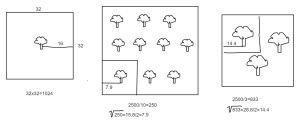
כַּמָּה הָווּ לְהוּ – תְּרֵי אַלְפִין וַחֲמֵשׁ מְאָה גַּרְמִידֵי; לְכׇל חַד וְחַד כַּמָּה מָטֵי לֵיהּ – מָאתַן וְחַמְשִׁין; הָא לָא הָוֵי דְּעוּלָּא!

The Gemara calculates: How much is the area of a beit se’a? It is 2,500 square cubits. And how much area is allocated for each and every one of the ten trees? It is 250 square cubits. This is not the distance that Ulla taught. An area of sixteen cubits to each side of the tree is a square of thirty-two by thirty-two cubits, or 1,024 square cubits, which is much larger than 250.

וְאֶלָּא מִדִּתְנַן: שְׁלֹשָׁה אִילָנוֹת שֶׁל שְׁלֹשָׁה בְּנֵי אָדָם – הֲרֵי אֵלּוּ מִצְטָרְפִין, וְחוֹרְשִׁין כׇּל

But rather, Ulla derived this measurement from that which we learned in the following mishna (Shevi’it 1:5): If there were three large trees belonging to three different people in one beit se’a, these trees combine, and one may plow the entire

העמקה

רוצה להבין מה באמת קורה מתחת לפני השטח של הסוגיה?
שיעורים, פודקאסטים והרחבות של מיטב המורות שלנו יפתחו לך עוד זוויות וכיווני חשיבה.

לשיעורי עוד על הדף באנגלית, לחצי כאן

חדשה בלימוד הגמרא?

זה הדף הראשון שלך? איזו התרגשות עצומה! יש לנו בדיוק את התכנים והכלים שיעזרו לך לעשות את הצעדים הראשונים ללמידה בקצב וברמה שלך, כך תוכלי להרגיש בנוח גם בתוך הסוגיות המורכבות ומאתגרות.

פסיפס הלומדות שלנו

גלי את קהילת הלומדות שלנו, מגוון נשים, רקעים וסיפורים. כולן חלק מתנועה ומסע מרגש ועוצמתי.

התחלתי ללמוד בשנת המדרשה במגדל עוז, בינתיים נהנית מאוד מהלימוד ומהגמרא, מעניין ומשמח מאוד!
משתדלת להצליח לעקוב כל יום, לפעמים משלימה קצת בהמשך השבוע.. מרגישה שיש עוגן מקובע ביום שלי והוא משמח מאוד!

Uriah Kesner
אוריה קסנר

חיפה , ישראל

כבר סיפרתי בסיום של מועד קטן.
הלימוד מאוד משפיעה על היום שלי כי אני לומדת עם רבנית מישל על הבוקר בזום. זה נותן טון לכל היום – בסיס למחשבות שלי .זה זכות גדול להתחיל את היום בלימוד ובתפילה. תודה רבה !

שרה-ברלוביץ
שרה ברלוביץ

ירושלים, ישראל

התחלתי ללמוד דף יומי לפני שנתיים, עם מסכת שבת. בהתחלה ההתמדה היתה קשה אבל בזכות הקורונה והסגרים הצלחתי להדביק את הפערים בשבתות הארוכות, לסיים את מסכת שבת ולהמשיך עם המסכתות הבאות. עכשיו אני מסיימת בהתרגשות רבה את מסכת חגיגה וסדר מועד ומחכה לסדר הבא!

Ilana-Shachnowitz
אילנה שכנוביץ

מודיעין, ישראל

התחלתי ללמוד לפני כשנתיים בשאיפה לסיים לראשונה מסכת אחת במהלך חופשת הלידה.
אחרי מסכת אחת כבר היה קשה להפסיק…

Noa Gallant
נעה גלנט

ירוחם, ישראל

התחלתי מחוג במסכת קידושין שהעבירה הרבנית רייסנר במסגרת בית המדרש כלנה בגבעת שמואל; לאחר מכן התחיל סבב הדף היומי אז הצטרפתי. לסביבה לקח זמן לעכל אבל היום כולם תומכים ומשתתפים איתי. הלימוד לעתים מעניין ומעשיר ולעתים קשה ואף הזוי… אך אני ממשיכה קדימה. הוא משפיע על היומיום שלי קודם כל במרדף אחרי הדף, וגם במושגים הרבים שלמדתי ובידע שהועשרתי בו, חלקו ממש מעשי

Abigail Chrissy
אביגיל כריסי

ראש העין, ישראל

התחלתי ללמוד לפני 4.5 שנים, כשהודיה חברה שלי פתחה קבוצת ווטסאפ ללימוד דף יומי בתחילת מסכת סנהדרין. מאז לימוד הדף נכנס לתוך היום-יום שלי והפך לאחד ממגדירי הזהות שלי ממש.

Rosenberg Foundation
קרן רוזנברג

ירושלים, ישראל

ראיתי את הסיום הגדול בבנייני האומה וכל כך התרשמתי ורציתי לקחת חלק.. אבל לקח לי עוד כשנה וחצי )באמצע מסיכת שבת להצטרף..
הלימוד חשוב לי מאוד.. אני תמיד במרדף אחרי הדף וגונבת כל פעם חצי דף כשהילדים עסוקים ומשלימה אח”כ אחרי שכולם הלכו לישון..

Olga Mizrahi
אולגה מזרחי

ירושלים, ישראל

סיום השס לנשים נתן לי מוטביציה להתחיל ללמוד דף יומי. עד אז למדתי גמרא בשבתות ועשיתי כמה סיומים. אבל לימוד יומיומי זה שונה לגמרי ופתאום כל דבר שקורה בחיים מתקשר לדף היומי.

Fogel Foundation
קרן פוגל

רתמים, ישראל

התחלתי ללמוד דף יומי בתחילת מסכת ברכות, עוד לא ידעתי כלום. נחשפתי לסיום הש״ס, ובעצם להתחלה מחדש בתקשורת, הפתיע אותי לטובה שהיה מקום לעיסוק בתורה.
את המסכתות הראשונות למדתי, אבל לא סיימתי (חוץ מעירובין איכשהו). השנה כשהגעתי למדרשה, נכנסתי ללופ, ואני מצליחה להיות חלק, סיימתי עם החברותא שלי את כל המסכתות הקצרות, גם כשהיינו חולות קורונה ובבידודים, למדנו לבד, העיקר לא לצבור פער, ומחכות ליבמות 🙂

Eden Yeshuron
עדן ישורון

מזכרת בתיה, ישראל

התחלתי ללמוד דף יומי שהתחילו מסכת כתובות, לפני 7 שנים, במסגרת קבוצת לימוד שהתפרקה די מהר, ומשם המשכתי לבד בתמיכת האיש שלי. נעזרתי בגמרת שטיינזלץ ובשיעורים מוקלטים.
הסביבה מאד תומכת ואני מקבלת המון מילים טובות לאורך כל הדרך. מאז הסיום הגדול יש תחושה שאני חלק מדבר גדול יותר.
אני לומדת בשיטת ה”7 דפים בשבוע” של הרבנית תרצה קלמן – כלומר, לא נורא אם לא הצלחת ללמוד כל יום, העיקר שגמרת ארבעה דפים בשבוע

Rachel Goldstein
רחל גולדשטיין

עתניאל, ישראל

התחלתי ללמוד דף יומי כאשר קיבלתי במייל ממכון שטיינזלץ את הדפים הראשונים של מסכת ברכות במייל. קודם לא ידעתי איך לקרוא אותם עד שנתתי להם להדריך אותי. הסביבה שלי לא מודעת לעניין כי אני לא מדברת על כך בפומבי. למדתי מהדפים דברים חדשים, כמו הקשר בין המבנה של בית המקדש והמשכן לגופו של האדם (יומא מה, ע”א) והקשר שלו למשפט מפורסם שמופיע בספר ההינדי "בהגוד-גיתא”. מתברר שזה רעיון כלל עולמי ולא רק יהודי

Elena Arenburg
אלנה ארנבורג

נשר, ישראל

"התחלתי ללמוד דף יומי במחזור הזה, בח’ בטבת תש””ף. לקחתי על עצמי את הלימוד כדי ליצור תחום של התמדה יומיומית בחיים, והצטרפתי לקבוצת הלומדים בבית הכנסת בכפר אדומים. המשפחה והסביבה מתפעלים ותומכים.
בלימוד שלי אני מתפעלת בעיקר מכך שכדי ללמוד גמרא יש לדעת ולהכיר את כל הגמרא. זו מעין צבת בצבת עשויה שהיא עצומה בהיקפה.”

Sarah Fox
שרה פוּקס

כפר אדומים, ישראל

התחלתי לפני כמה שנים אבל רק בסבב הזה זכיתי ללמוד יום יום ולסיים מסכתות

Sigal Tel
סיגל טל

רעננה, ישראל

בתחילת הסבב הנוכחי הצטברו אצלי תחושות שאני לא מבינה מספיק מהי ההלכה אותה אני מקיימת בכל יום. כמו כן, כאמא לבנות רציתי לתת להן מודל נשי של לימוד תורה
שתי הסיבות האלו הובילו אותי להתחיל ללמוד. נתקלתי בתגובות מפרגנות וסקרניות איך אישה לומדת גמרא..
כמו שרואים בתמונה אני ממשיכה ללמוד גם היום ואפילו במחלקת יולדות אחרי לידת ביתי השלישית.

Noa Shiloh
נועה שילה

רבבה, ישראל

התחלתי ללמוד דף יומי שהתחילו מסכת כתובות, לפני 7 שנים, במסגרת קבוצת לימוד שהתפרקה די מהר, ומשם המשכתי לבד בתמיכת האיש שלי. נעזרתי בגמרת שטיינזלץ ובשיעורים מוקלטים.
הסביבה מאד תומכת ואני מקבלת המון מילים טובות לאורך כל הדרך. מאז הסיום הגדול יש תחושה שאני חלק מדבר גדול יותר.
אני לומדת בשיטת ה”7 דפים בשבוע” של הרבנית תרצה קלמן – כלומר, לא נורא אם לא הצלחת ללמוד כל יום, העיקר שגמרת ארבעה דפים בשבוע

Rachel Goldstein
רחל גולדשטיין

עתניאל, ישראל

אני לומדת גמרא כעשור במסגרות שונות, ואת הדף היומי התחלתי כשחברה הציעה שאצטרף אליה לסיום בבנייני האומה. מאז אני לומדת עם פודקסט הדרן, משתדלת באופן יומי אך אם לא מספיקה, מדביקה פערים עד ערב שבת. בסבב הזה הלימוד הוא "ממעוף הציפור”, מקשיבה במהירות מוגברת תוך כדי פעילויות כמו בישול או נהיגה, וכך רוכשת היכרות עם הסוגיות ואופן ניתוחם על ידי חז”ל. בע”ה בסבב הבא, ואולי לפני, אצלול לתוכו באופן מעמיק יותר.

Yael Bir
יעל ביר

רמת גן, ישראל

התחלתי ללמוד בסבב הנוכחי לפני כשנתיים .הסביבה מתפעלת ותומכת מאוד. אני משתדלת ללמוד מכל ההסכתים הנוספים שיש באתר הדרן. אני עורכת כל סיום מסכת שיעור בביתי לכ20 נשים שמחכות בקוצר רוח למפגשים האלו.

Yael Asher
יעל אשר

יהוד, ישראל

שמעתי על הסיום הענק של הדף היומי ע”י נשים בבנייני האומה. רציתי גם.
החלטתי להצטרף. התחלתי ושיכנעתי את בעלי ועוד שתי חברות להצטרף. עכשיו יש לי לימוד משותף איתו בשבת ומפגש חודשי איתן בנושא (והתכתבויות תדירות על דברים מיוחדים שקראנו). הצטרפנו לקבוצות שונות בווטסאפ. אנחנו ממש נהנות. אני שומעת את השיעור מידי יום (בד”כ מהרב יוני גוטמן) וקוראת ומצטרפת לסיומים של הדרן. גם מקפידה על דף משלהן (ונהנית מאד).

Liat Citron
ליאת סיטרון

אפרת, ישראל

התחלתי מחוג במסכת קידושין שהעבירה הרבנית רייסנר במסגרת בית המדרש כלנה בגבעת שמואל; לאחר מכן התחיל סבב הדף היומי אז הצטרפתי. לסביבה לקח זמן לעכל אבל היום כולם תומכים ומשתתפים איתי. הלימוד לעתים מעניין ומעשיר ולעתים קשה ואף הזוי… אך אני ממשיכה קדימה. הוא משפיע על היומיום שלי קודם כל במרדף אחרי הדף, וגם במושגים הרבים שלמדתי ובידע שהועשרתי בו, חלקו ממש מעשי

Abigail Chrissy
אביגיל כריסי

ראש העין, ישראל

אחרי שראיתי את הסיום הנשי של הדף היומי בבנייני האומה זה ריגש אותי ועורר בי את הרצון להצטרף. לא למדתי גמרא קודם לכן בכלל, אז הכל היה לי חדש, ולכן אני לומדת בעיקר מהשיעורים פה בהדרן, בשוטנשטיין או בחוברות ושיננתם.

Rebecca Schloss
רבקה שלוס

בית שמש, ישראל

בבא בתרא כו

כִּדְנָיֵיד נִכְתְּמָא אַפּוּמֵּיהּ דְּחַצְבָּא.

It must shake enough that the lid [nakhtema] positioned at the mouth of a jug shakes if it is placed on a wall.

דְּבֵי בַּר מָרִיּוֹן בְּרֵיהּ דְּרָבִין, כִּי הֲוָה נָפְצִי כִּיתָּנָא – הֲוָה אָזְלָא רַקְתָּא וּמַזְּקָא אִינָשֵׁי. אֲתוֹ לְקַמֵּיהּ דְּרָבִינָא, אֲמַר לְהוּ: כִּי אָמְרִינַן מוֹדֶה רַבִּי יוֹסֵי בְּגִירֵי דִּילֵיהּ – הָנֵי מִילֵּי דְּקָא אָזְלָא מִכֹּחוֹ, הָכָא – זִיקָא הוּא דְּקָא מַמְטֵי לַהּ.

The Gemara relates: When the members of the household of bar Maryon, son of Ravin, would beat their flax, the chaff [rakta] would fly off and harm people. Those people came before Ravina to complain. Ravina said to them: When we say that Rabbi Yosei concedes with regard to his arrows, this statement applies only when the damaging item moves by his direct force. Here, by contrast, it is the wind that carries the chaff.

מַתְקֵיף לַהּ מָר בַּר רַב אָשֵׁי: מַאי שְׁנָא מִזּוֹרֶה וְרוּחַ מְסַיַּיעְתּוֹ? אַמְרוּהָ קַמֵּיהּ דְּמָרִימָר, אֲמַר לְהוּ: הַיְינוּ זוֹרֶה וְרוּחַ מְסַיַּיעְתּוֹ.

Mar bar Rav Ashi objects to this: In what way is this case different from one who winnows on Shabbat by throwing the grain into the wind so that the chaff is blown away and the wind assists him? That is considered a primary category of labor on Shabbat despite the fact that the act is performed partly with the aid of the wind. The Gemara relates that the Sages stated this objection with regard to beating flax before Mareimar. Mareimar said to them: This case is the same as one who winnows and the wind assists him. Just as this is considered his direct force for the purposes of the halakhot of Shabbat, it is likewise considered his direct force with regard to the halakhot of damages.

וּלְרָבִינָא, מַאי שְׁנָא מִגֵּץ הַיּוֹצֵא מִתַּחַת הַפַּטִּישׁ וְהִזִּיק – דְּחַיָּיב לְשַׁלֵּם? הָתָם נִיחָא לֵיהּ דְּלֵיזִל, הָכָא לָא נִיחָא לֵיהּ דְּלֵיזִל.

The Gemara asks: And according to the opinion of Ravina, who rejects this comparison and claims that flying chaff is not considered one’s arrow, in what way is this situation different from that of a spark that flies from a hammer and causes damage, in which case all agree that the one wielding the hammer is liable to pay? The Gemara answers: There, it is preferable for him that the spark go as far as possible, rather than staying nearby. Here it is not preferable for him, i.e., it is immaterial to him, that the chaff go some distance.

מַתְנִי׳ לֹא יִטַּע אָדָם אִילָן סָמוּךְ לִשְׂדֵה חֲבֵירוֹ, אֶלָּא אִם כֵּן הִרְחִיק מִמֶּנּוּ אַרְבַּע אַמּוֹת – אֶחָד גְּפָנִים וְאֶחָד כׇּל אִילָן. הָיָה גָּדֵר בֵּינָתַיִם – זֶה סוֹמֵךְ לַגָּדֵר מִכָּאן, וְזֶה סוֹמֵךְ לַגָּדֵר מִכָּאן.

MISHNA: A person may not plant a tree near the field of another unless he distances it four cubits from the field. This is the case whether he is planting grapevines or any kind of tree. If there was a fence between them, this one may place, i.e., plant, his grapevines or trees close to the fence from here, and that one may place, i.e., plant, his produce close to the fence from there.

הָיוּ שׇׁרָשִׁים יוֹצְאִים לְתוֹךְ שֶׁל חֲבֵירוֹ – מַעֲמִיק שְׁלֹשָׁה טְפָחִים, כְּדֵי שֶׁלֹּא יְעַכֵּב אֶת הַמַּחֲרֵישָׁה. הָיָה חוֹפֵר בּוֹר, שִׁיחַ וּמְעָרָה – קוֹצֵץ וְיוֹרֵד, וְהָעֵצִים שֶׁלּוֹ.

If the roots were spreading into the field of another, the owner of the field may dig to a depth of three handbreadths even if he severs those roots, so that they do not impede his plow. If he was digging a cistern in that spot, or a ditch, or a cave, and he came upon the roots of his neighbor’s tree, he may cut downward normally, and the wood from the roots is his.

גְּמָ׳ תָּנָא: אַרְבַּע אַמּוֹת שֶׁאָמְרוּ – כְּדֵי עֲבוֹדַת הַכֶּרֶם. אָמַר שְׁמוּאֵל: לֹא שָׁנוּ אֶלָּא בְּאֶרֶץ יִשְׂרָאֵל, אֲבָל בְּבָבֶל – שְׁתֵּי אַמּוֹת. תַּנְיָא נָמֵי הָכִי: לֹא יִטַּע אָדָם אִילָן סָמוּךְ לִשְׂדֵה חֲבֵירוֹ, אֶלָּא אִם כֵּן הִרְחִיק מִמֶּנּוּ שְׁתֵּי אַמּוֹת. וְהָא אֲנַן תְּנַן: אַרְבַּע אַמּוֹת! אֶלָּא לָאו כְּדִשְׁמוּאֵל? שְׁמַע מִינַּהּ.

GEMARA: A tanna taught: The four cubits that the Sages stated one must leave between a vineyard and a neighbor’s field are for the work of the vineyard, so that the owner of the vineyard does not take oxen and a plow into his neighbor’s field while working his vineyard. Shmuel says: They taught this halakha only with regard to Eretz Yisrael, but in Babylonia two cubits are sufficient, as their plows are shorter. This opinion is also taught in a baraita: A person may not plant a tree near the field of another unless he distances the tree two cubits from the field. But didn’t we learn in the mishna: Four cubits? Rather, is it not correct that there is a difference between Eretz Yisrael and Babylonia in this regard, as stated by Shmuel? The Gemara concludes: Indeed, learn from it that it is so.

וְאִיכָּא דְּרָמֵי לַהּ מִירְמֵא – תְּנַן: לֹא יִטַּע אָדָם אִילָן סָמוּךְ לִשְׂדֵה חֲבֵירוֹ, אֶלָּא אִם כֵּן הִרְחִיק מִמֶּנּוּ אַרְבַּע אַמּוֹת. וְהָתַנְיָא: שְׁתֵּי אַמּוֹת! אָמַר שְׁמוּאֵל: לָא קַשְׁיָא; כָּאן בְּבָבֶל, כָּאן בְּאֶרֶץ יִשְׂרָאֵל.

And there are those who raise this matter in the form of a contradiction. We learned in the mishna that a person may not plant a tree near the field of another unless he distances it four cubits from the field. But isn’t it taught in a baraita that two cubits are sufficient? Shmuel said that this is not difficult: Here it is referring to Babylonia, whereas there it is referring to Eretz Yisrael.

רָבָא בַּר רַב חָנָן הֲווֹ לֵיהּ הָנְהוּ דִּיקְלֵי, אַמִּיצְרָא דְּפַרְדֵּיסָא דְּרַב יוֹסֵף. הֲווֹ אָתוּ צִפּוֹרֵי יָתְבִי בְּדִיקְלֵי, וְנָחֲתִי בְּפַרְדֵּיסָא וּמַפְסְדִי לֵיהּ. אֲמַר לֵיהּ: זִיל קוֹץ. אֲמַר לֵיהּ: וְהָא אַרְחֵיקִי לִי! אֲמַר לֵיהּ: הָנֵי מִילֵּי לְאִילָנוֹת, אֲבָל לִגְפָנִים בָּעִינַן טְפֵי.

The Gemara relates: Rava bar Rav Ḥanan had these palm trees that stood adjacent to the boundary of Rav Yosef’s vineyard. Birds would come and roost on the palm trees and would subsequently descend to the vineyard and damage it. Rav Yosef said to Rava bar Rav Ḥanan: Go and cut down your palm trees. Rava bar Rav Ḥanan said to him: But I distanced them the required amount. Rav Yosef said to him: This matter, i.e., this specific distance, applies only to trees, but a greater distance is required for vines.

וְהָא אֲנַן תְּנַן: אֶחָד גְּפָנִים וְאֶחָד כׇּל אִילָן! אֲמַר לֵיהּ: הָנֵי מִילֵּי אִילָן לְאִילָן וּגְפָנִים לִגְפָנִים, אֲבָל אִילָן לִגְפָנִים בָּעִינַן טְפֵי.

Rava bar Rav Ḥanan protested: But didn’t we learn in the mishna that this is the halakha whether he is planting grapevines or any kind of tree? Rav Yosef said to him: This matter applies only to the distance between one tree and another tree, or the distance between one vine and other vines. But with regard to the space between a tree and vines, one requires a greater distance.

אֲמַר לֵיהּ: אֲנָא לָא קָיֵיצְנָא, דְּאָמַר רַב: הַאי דִּיקְלָא דְּטָעֵין קַבָּא – אָסוּר לְמִקְצְיֵיהּ. וְאָמַר רַבִּי חֲנִינָא: לָא שְׁכֵיב שִׁכְחַת בְּרִי, אֶלָּא דְּקַץ תְּאֵנְתָּא בְּלָא זִימְנֵיהּ. מָר – אִי נִיחָא לֵיהּ, לִיקּוֹץ.

Rava bar Rav Ḥanan said to him: I myself will not cut them down, as Rav said: With regard to this palm tree that produces one kav of fruit, it is prohibited to cut it down, due to the verse: “You shall not destroy the trees” (Deuteronomy 20:19). And Rabbi Ḥanina says: My son Shikhḥat died only because he cut down a fig tree before its time. Rava bar Rav Ḥanan continued: If the Master is amenable to do so, he may cut them down, but I will not do it.

רַב פָּפָּא הֲווֹ לֵיהּ הָנְהוּ דִּיקְלֵי אַמִּיצְרָא דְּרַב הוּנָא בְּרֵיהּ דְּרַב יְהוֹשֻׁעַ. אֲזַל אַשְׁכְּחֵיהּ דַּהֲוָה חָפַר, וְקָא קָאֵיץ שׇׁרָשָׁיו. אֲמַר לֵיהּ: מַאי הַאי? אֲמַר לֵיהּ, תְּנַן: הָיוּ שׇׁרָשִׁים יוֹצְאִים לְתוֹךְ שֶׁל חֲבֵירוֹ – מַעֲמִיק שְׁלֹשָׁה, כְּדֵי שֶׁלֹּא יְעַכֵּב הַמַּחֲרֵישָׁה.

The Gemara further relates that Rav Pappa had these palm trees that stood adjacent to the boundary of the property of Rav Huna, son of Rav Yehoshua. He went and found Rav Huna digging and cutting his roots. Rav Pappa said to him: What is this? Rav Huna said to him that we learned in the mishna: If the roots were spreading into the field of another, the owner of the field may dig to a depth of three handbreadths even if he severs those roots, so that they do not impede his plow.

אֲמַר לֵיהּ: הָנֵי מִילֵּי שְׁלֹשָׁה, מָר קָא חָפַר טְפֵי! אֲמַר לֵיהּ: אֲנָא בּוֹרוֹת שִׁיחִין וּמְעָרוֹת קָא חָפַרְנָא – דִּתְנַן: הָיָה חוֹפֵר בּוֹר, שִׁיחַ וּמְעָרָה – קוֹצֵץ וְיוֹרֵד, וְהָעֵצִים שֶׁלּוֹ. אָמַר רַב פָּפָּא: אֲמַרִי לֵיהּ כּוּלְּהִי, וְלָא יְכֵילִי לֵיהּ;

Rav Pappa said to him: This statement applies only up to three handbreadths, whereas the Master is digging and cutting more than three. Rav Huna said to him: I am digging cisterns, ditches, and caves, as we learned in the mishna: If he was digging a cistern, a ditch, or a cave, he may cut downward normally and the wood from the roots is his. Rav Pappa said: I told him all the proofs I could find, but I was unable to convince him that I was correct,

עַד דַּאֲמַרִי לֵיהּ הָא דְּאָמַר רַב יְהוּדָה: מֶצֶר שֶׁהֶחֱזִיקוּ בּוֹ רַבִּים – אָסוּר לְקַלְקְלוֹ. לְבָתַר דִּנְפַק, אֲמַר: אַמַּאי לָא אֲמַרִי לֵיהּ: כָּאן בְּתוֹךְ שֵׁשׁ עֶשְׂרֵה אַמָּה, כָּאן חוּץ לְשֵׁשׁ עֶשְׂרֵה אַמָּה.

until I told him that which Rav Yehuda says: With regard to a strip of land over which the public has an acquired privilege of use, one may not destroy it. Here too, since I have an acquired privilege of use of this land, you are not permitted to destroy that which I possess. After Rav Pappa left, Rav Huna, son of Rav Yehoshua, said: Why did I not say to him that there, an acquired privilege of use is effective when it is within sixteen cubits, as within that area the roots are considered part of the tree, whereas here I cut the roots of the palm trees beyond sixteen cubits.

הָיָה חוֹפֵר בּוֹר, שִׁיחַ וּמְעָרָה – קוֹצֵץ וְיוֹרֵד וְהָעֵצִים שֶׁלּוֹ (וְכוּ׳). בְּעָא מִינֵּיהּ יַעֲקֹב הַדְיָיבָא מֵרַב חִסְדָּא: עֵצִים שֶׁל מִי?

§ The mishna teaches that if he was digging a cistern, a ditch, or a cave, he may cut downward and the wood is his. The Sage Ya’akov of Hadeyyav raised a dilemma before Rav Ḥisda: To whom does the wood belong? The mishna says that the wood is his, without specifying to which of the two individuals this refers, the owner of the tree or the owner of the land.

אֲמַר לֵיהּ, תְּנֵיתוּהָ: שׇׁרְשֵׁי אִילָן שֶׁל הֶדְיוֹט הַבָּאִין בְּשֶׁל הֶקְדֵּשׁ, לֹא נֶהֱנִין וְלֹא מוֹעֲלִין.

Rav Ḥisda said to him: You learned the answer in a mishna in tractate Me’ila (13b). If roots of a tree belonging to an ordinary person [hedyot] extend into a field belonging to the Temple treasury, one may not derive benefit from them, but if one derived benefit from them he is not liable for misuse of consecrated property. That is, even if one does transgress the prohibition and benefit from them, it is not considered misuse and he is not liable to bring an offering.

אִי אָמְרַתְּ בִּשְׁלָמָא: בָּתַר אִילָן אָזְלִינַן – מִשּׁוּם הָכִי לֹא מוֹעֲלִין; אֶלָּא אִי אָמְרַתְּ: בָּתַר קַרְקַע אָזְלִינַן, אַמַּאי לֹא מוֹעֲלִין?

Granted, if you say that we follow the tree, and the roots are considered part of it, it is due to that reason that one is not liable for misuse, as the tree is not consecrated. But if you say we follow the land, i.e., the roots belong to the land’s owner, why is he not liable for misuse of consecrated property?

אֶלָּא מַאי? בָּתַר אִילָן אָזְלִינַן?! אֵימָא סֵיפָא: שֶׁל הֶקְדֵּשׁ הַבָּאִים בְּשֶׁל הֶדְיוֹט, לֹא נֶהֱנִין וְלֹא מוֹעֲלִין. וְאִי בָּתַר אִילָן אָזְלִינַן, אַמַּאי לֹא מוֹעֲלִין?

The Gemara asks: Rather, what will you say, that we follow the tree? If so, say the last clause of that mishna: If roots of a tree belonging to the Temple treasury extend into a field of an ordinary person, one may not derive benefit from them, but if one derived benefit from them he is not liable for misuse of consecrated property. But if we follow the tree, why is he not liable for misuse of consecrated property?

מִידֵּי אִירְיָא?! בְּגִידּוּלִין הַבָּאִין לְאַחַר מִכָּאן עָסְקִינַן, וְקָא סָבַר: אֵין מְעִילָה בְּגִידּוּלִין.

The Gemara responds: Are the cases comparable? In both clauses of the mishna we are dealing with growths that came thereafter, i.e., after the tree was consecrated, and the tanna of that mishna holds that with regard to growths that grew from a consecrated plant or tree, they are not subject to the halakhot of misuse of consecrated property. Only the original plant is. Consequently, there is no connection between that mishna and the question of whether roots are considered part of the tree or part of the land.

רָבִינָא אָמַר: לָא קַשְׁיָא; כָּאן בְּתוֹךְ שֵׁשׁ עֶשְׂרֵה אַמָּה, כָּאן חוּץ לְשֵׁשׁ עֶשְׂרֵה אַמָּה.

Ravina said that it is not difficult: Here, in the first clause of the mishna in Me’ila, it is referring to within sixteen cubits of the tree. In this case the roots are considered part of the tree. There, in the second clause, it is referring to roots beyond sixteen cubits, in which case the roots are considered part of the ground where they are found.

אָמַר עוּלָּא: אִילָן הַסָּמוּךְ לַמֶּצֶר – בְּתוֹךְ שֵׁשׁ עֶשְׂרֵה אַמָּה, גַּזְלָן הוּא – וְאֵין מְבִיאִין מִמֶּנּוּ בִּכּוּרִים.

Ulla said: An individual who maintains a tree that is within sixteen cubits of a boundary is a robber, as it draws nourishment from the neighbor’s land, and one does not bring first fruits from it, since that would be a mitzva that is fulfilled by means of a transgression.

מְנָא לֵיהּ לְעוּלָּא הָא? אִילֵּימָא מִדִּתְנַן: עֶשֶׂר נְטִיעוֹת הַמְפוּזָּרוֹת בְּתוֹךְ בֵּית סְאָה, חוֹרְשִׁין כׇּל בֵּית סְאָה בִּשְׁבִילָן, עַד רֹאשׁ הַשָּׁנָה.

The Gemara asks: From where does Ulla derive that measurement? If we say it is from that which we learned in a mishna (Shevi’it 1:6), this is problematic. That mishna teaches: If there were ten saplings scattered in a beit se’a, one may plow the entire beit se’a for their sake until Rosh HaShana of the Sabbatical Year. Although it is prohibited to plow other land in the time leading into the Sabbatical Year, to avoid the appearance of preparing to work the ground in that year, it is permitted to do so for the purpose of sustaining these young trees.

כַּמָּה הָווּ לְהוּ – תְּרֵי אַלְפִין וַחֲמֵשׁ מְאָה גַּרְמִידֵי; לְכׇל חַד וְחַד כַּמָּה מָטֵי לֵיהּ – מָאתַן וְחַמְשִׁין; הָא לָא הָוֵי דְּעוּלָּא!

The Gemara calculates: How much is the area of a beit se’a? It is 2,500 square cubits. And how much area is allocated for each and every one of the ten trees? It is 250 square cubits. This is not the distance that Ulla taught. An area of sixteen cubits to each side of the tree is a square of thirty-two by thirty-two cubits, or 1,024 square cubits, which is much larger than 250.

וְאֶלָּא מִדִּתְנַן: שְׁלֹשָׁה אִילָנוֹת שֶׁל שְׁלֹשָׁה בְּנֵי אָדָם – הֲרֵי אֵלּוּ מִצְטָרְפִין, וְחוֹרְשִׁין כׇּל

But rather, Ulla derived this measurement from that which we learned in the following mishna (Shevi’it 1:5): If there were three large trees belonging to three different people in one beit se’a, these trees combine, and one may plow the entire

רוצה לעקוב אחרי התכנים ולהמשיך ללמוד?

ביצירת חשבון עוד היום ניתן לעקוב אחרי ההתקדמות שלך, לסמן מה למדת, ולעקוב אחרי השיעורים שמעניינים אותך.

לנקות את כל הפריטים מהרשימה?

פעולה זו תסיר את כל הפריטים בחלק זה כולל ההתקדמות וההיסטוריה. שימי לב: לא ניתן לשחזר פעולה זו.

ביטול
מחיקה

האם את/ה בטוח/ה שברצונך למחוק פריט זה?

תאבד/י את כל ההתקדמות או ההיסטוריה הקשורות לפריט זה.

ביטול
מחיקה