חיפוש

בבא בתרא לד

רוצה להקדיש שיעור?

podcast placeholder

0:00
0:00


תקציר

הגמרא דוחה את ההשוואה בין המקרה שהובא בפני אביי שבו היה רק עד אחד לבין המקרה של הנסכא של רבי אבא.

היה מקרה שבו שני אנשים טענו בעלות על ספינה והחוק של "כל דאלים גבר” (החזק יותר יתפוס את זה, כלומר, מי שרוצה יבוא ויתפוס) היה ישים. אך אחד מהם ביקש מבית הדין לתפוס את הרכוש כדי למנוע מהחוק הזה להיכנס לתוקף, כדי לקנות זמן שבו יוכל למצוא ראיות לתמיכה בטענתו. רב הונא ורב יהודה חלקו האם בית הדין יכול להתערב. אם היו פוסקים שמותר לבית הדין לתפוס את הספינה, האם הם יכולים לשחרר אותה אם בסוף לא מביאים ראיות נוספות?

היה מקרה שבו שניים טענו לבעלות על קרקע וכל אחד טען שירש אותה מאבותיו, אך אף אחד לא היה יכול להוכיח זאת. רב נחמן פסק שכל דאליס גבר.

W

בבא בתרא לד

הֵיכִי נִידַיְּינוּהּ דַּיָּינֵי לְהַאי דִּינָא? לִישַׁלֵּם? לֵיכָּא תְּרֵי סָהֲדִי! לִיפְטְרֵיהּ? אִיכָּא חַד סָהֲדָא! לִישְׁתְּבַע, הָא אָמַר מִיחְטָף חַטְפַהּ, וְכֵיוָן דְּאָמַר דְּחַטְפַהּ – הָוֵה לֵיהּ כְּגַזְלָן!

How should judges judge for this judgment? There are reasons not to implement all potential rulings. If they were to order the one who snatched the metal to pay for it, that would not be the correct ruling, because there are not two witnesses who saw him snatch it, and the court does not force payment based on the testimony of one witness. If they were to accept his claim and exempt him entirely, that would not be the correct ruling, because there is one witness who testified against him. If they were to order him to take an oath, which is the usual response to counter the testimony of one witness, didn’t he say that he did in fact snatch it, and since he said that he snatched it and there is no proof that it is his, he is like a robber, and the court does not allow a robber to take an oath.

אֲמַר לְהוּ רַבִּי אַבָּא: הָוֵי מְחוּיָּב שְׁבוּעָה שֶׁאֵינוֹ יָכוֹל לִישָּׁבַע, וְכׇל הַמְחוּיָּב שְׁבוּעָה שֶׁאֵינוֹ יָכוֹל לִישָּׁבַע – מְשַׁלֵּם.

Rabbi Abba said to them: He is one who is liable to take an oath who is unable to take an oath, and anyone who is liable to take an oath who is unable to take an oath is liable to pay. The Rabbis who were studying before Abaye thought that the case of the witness to the years of profiting and Rabbi Abba’s case are similar, in that since the possessor is unable to take an oath to refute the witness, as he concedes that he profited from the land for those years, he should have to pay for his consumption of the produce.

אֲמַר לְהוּ אַבָּיֵי: מִי דָּמֵי?! הָתָם סָהֲדָא לְאוֹרוֹעֵי קָאָתֵי – כִּי אָתֵי אַחֲרִינָא בַּהֲדֵיהּ, מַפְּקִינַן לַהּ מִינֵּיהּ; הָכָא לְסַיּוֹעֵי קָא אָתֵי – כִּי אֲתָא אַחֲרִינָא, מוֹקְמִינַן לַהּ בִּידֵיהּ!

Abaye said to these Rabbis: Are these two cases comparable? There, in Rabbi Abba’s case, the witness is coming to undermine the position of the one who snatched the metal. This can be seen from the fact that when it would be the case that another witness comes to court and testifies with the first witness, we would take away the piece of metal from the one who snatched it. By contrast, here, in the case of the individual who brought one witness to attest to his profiting from the land, the witness is coming to support the possessor. This can be seen from the fact that when another witness would come to court and testify with the first witness, we would establish the land in his possession. Therefore, the testimony of the one witness does not render the one who profited from the land liable to take an oath.

אֶלָּא אִי דָּמְיָא הָא דְּרַבִּי אַבָּא – לְחַד סָהֲדָא וּלְתַרְתֵּי שְׁנֵי – וּלְפֵירֵי.

Rather, if this case of Rabbi Abba is comparable to a case such as this, it is comparable to a case where there is one witness and he testifies to someone’s profiting from land for two years, and the comparison is in terms of payment for the produce that he consumed. In terms of the consumption of the produce, two witnesses would have rendered the possessor liable to pay, as consumption of the produce for only two years does not establish the presumption of ownership. Therefore, one witness renders him liable to take an oath. Since he himself claimed that he profited from the land as the witness testified, he cannot take an oath to contest the testimony. Therefore, he would have to pay for the produce.

הָהוּא אַרְבָּא דַּהֲווֹ מִינְּצוּ עֲלַהּ בֵּי תְרֵי, הַאי אָמַר: ״דִּידִי הִיא״, וְהַאי אָמַר: ״דִּידִי הִיא״. אֲתָא חַד מִינַּיְיהוּ לְבֵי דִינָא, וְאָמַר: תִּיפְסוּהָ אַדְּמַיְיתֵינָא סָהֲדֵי דְּדִידִי הִיא. תָּפְסִינַן, אוֹ לָא תָּפְסִינַן? רַב הוּנָא אָמַר: תָּפְסִינַן. רַב יְהוּדָה אָמַר: לָא תָּפְסִינַן.

§ The Gemara relates: There was a certain boat that two people were quarreling about with regard to its ownership. This one said: It is mine, and that one also said: It is mine. One of them came to court and said: Seize it until I am able to bring witnesses that it is mine. The Gemara asks: In such a case, do we seize it or do we not seize it? Rav Huna said: We seize it. Rav Yehuda said: We do not seize it, as there is no cause for the court to intervene.

אֲזַל, וְלָא אַשְׁכַּח סָהֲדֵי. אֲמַר לְהוּ: אַפְּקוּהָ, וְכֹל דְּאַלִּים גָּבַר. מַפְּקִינַן, אוֹ לָא מַפְּקִינַן? רַב יְהוּדָה אָמַר: לָא מַפְּקִינַן. רַב פָּפָּא אָמַר: מַפְּקִינַן. וְהִלְכְתָא: לָא תָּפְסִינַן, וְהֵיכָא דִּתְפַס – לָא מַפְּקִינַן.

The court seized the boat. The one who requested of the court to seize it went to seek witnesses, but did not find witnesses. He then said to the court: Release the boat, and whoever is stronger prevails, as this is the ruling in a case where there is neither evidence nor presumptive ownership for either litigant. The Gemara asks: In such a case, do we release it or do we not release it? Rav Yehuda said: We do not release it. Rav Pappa said: We release it. The Gemara concludes: And the halakha is that we do not seize property in a case where ownership is uncertain, and where it was seized, we do not release it.

זֶה אוֹמֵר: ״שֶׁל אֲבוֹתַי״, וְזֶה אוֹמֵר: ״שֶׁל אֲבוֹתַי״ – אָמַר רַב נַחְמָן: כֹּל דְּאַלִּים גָּבַר. וּמַאי שְׁנָא מִשְּׁנֵי שְׁטָרוֹת הַיּוֹצְאִין בְּיוֹם אֶחָד –

There was an incident where two people dispute the ownership of property. This one says: It belonged to my ancestors and I inherited it from them, and that one says: It belonged to my ancestors and I inherited it from them. There was neither evidence nor presumptive ownership for either litigant. Rav Naḥman said: Whoever is stronger prevails. The Gemara asks: And in what way is this case different from the case where two people produce two deeds of sale or gift for the same field that are issued on one day,

העמקה

רוצה להבין מה באמת קורה מתחת לפני השטח של הסוגיה?
שיעורים, פודקאסטים והרחבות של מיטב המורות שלנו יפתחו לך עוד זוויות וכיווני חשיבה.

לשיעורי עוד על הדף באנגלית, לחצי כאן

חדשה בלימוד הגמרא?

זה הדף הראשון שלך? איזו התרגשות עצומה! יש לנו בדיוק את התכנים והכלים שיעזרו לך לעשות את הצעדים הראשונים ללמידה בקצב וברמה שלך, כך תוכלי להרגיש בנוח גם בתוך הסוגיות המורכבות ומאתגרות.

פסיפס הלומדות שלנו

גלי את קהילת הלומדות שלנו, מגוון נשים, רקעים וסיפורים. כולן חלק מתנועה ומסע מרגש ועוצמתי.

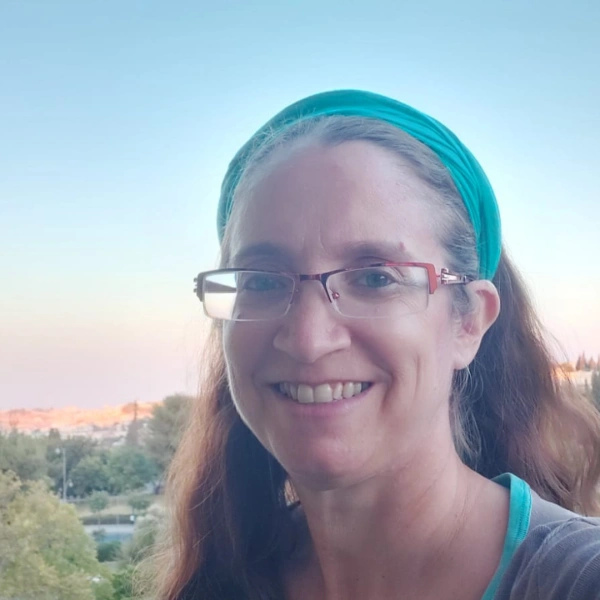
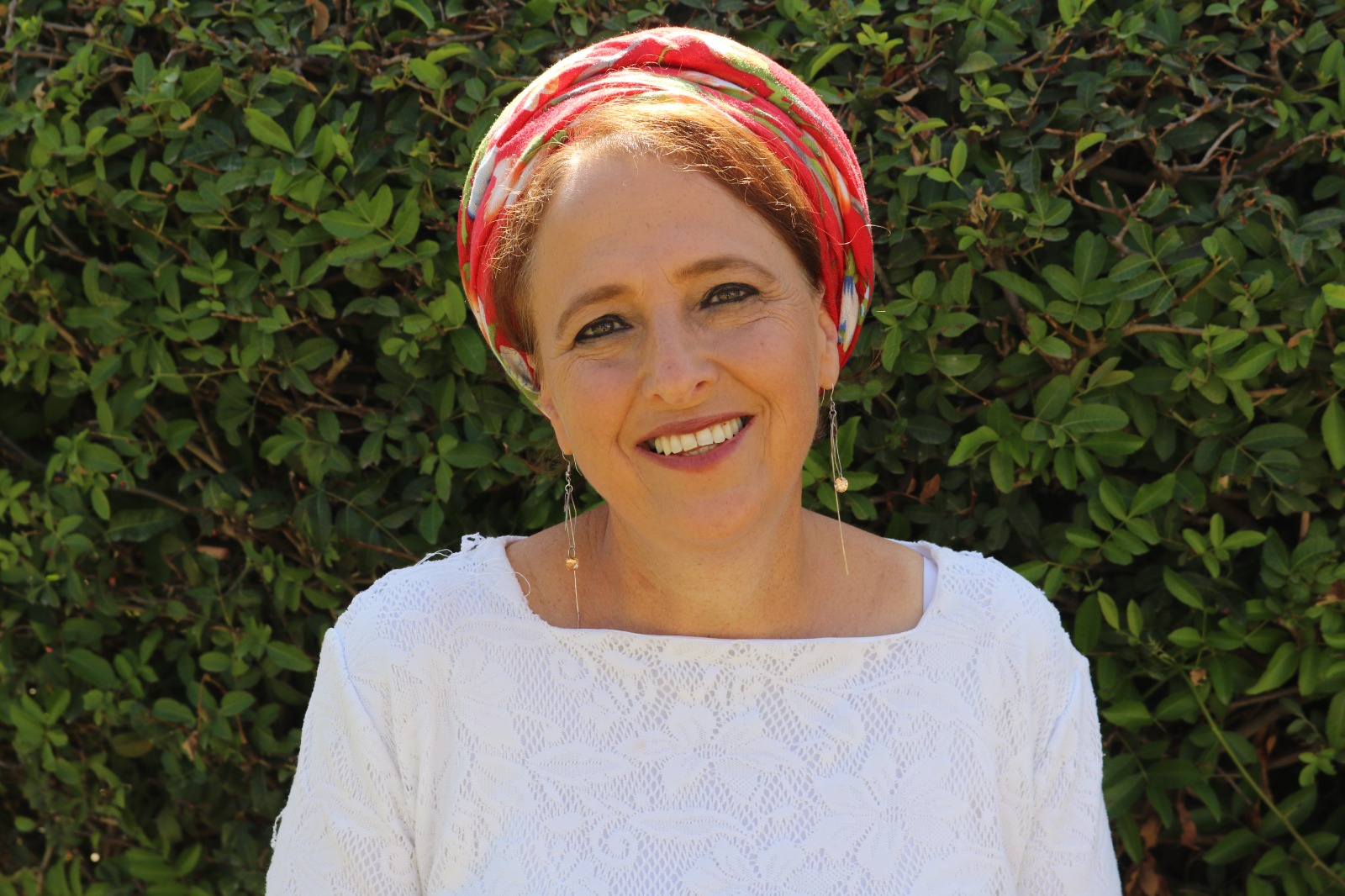
התחלתי להשתתף בשיעור נשים פעם בשבוע, תכננתי ללמוד רק דפים בודדים, לא האמנתי שאצליח יותר מכך.
לאט לאט נשאבתי פנימה לעולם הלימוד .משתדלת ללמוד כל בוקר ומתחילה את היום בתחושה של מלאות ומתוך התכווננות נכונה יותר.
הלימוד של הדף היומי ממלא אותי בתחושה של חיבור עמוק לעם היהודי ולכל הלומדים בעבר ובהווה.

Neely Hayon
נילי חיון

אפרת, ישראל

התחלתי ללמוד דף יומי כאשר קיבלתי במייל ממכון שטיינזלץ את הדפים הראשונים של מסכת ברכות במייל. קודם לא ידעתי איך לקרוא אותם עד שנתתי להם להדריך אותי. הסביבה שלי לא מודעת לעניין כי אני לא מדברת על כך בפומבי. למדתי מהדפים דברים חדשים, כמו הקשר בין המבנה של בית המקדש והמשכן לגופו של האדם (יומא מה, ע”א) והקשר שלו למשפט מפורסם שמופיע בספר ההינדי "בהגוד-גיתא”. מתברר שזה רעיון כלל עולמי ולא רק יהודי

Elena Arenburg
אלנה ארנבורג

נשר, ישראל

התחלתי כשהייתי בחופש, עם הפרסומים על תחילת המחזור, הסביבה קיבלה את זה כמשהו מתמיד ומשמעותי ובהערכה, הלימוד זה עוגן יציב ביום יום, יש שבועות יותר ויש שפחות אבל זה משהו שנמצא שם אמין ובעל משמעות בחיים שלי….

Adi Diamant
עדי דיאמנט

גמזו, ישראל

A life-changing journey started with a Chanukah family tiyul to Zippori, home of the Sanhedrin 2 years ago and continued with the Syum in Binanei Hauma where I was awed by the energy of 3000 women dedicated to learning daf Yomi. Opening my morning daily with a fresh daf, I am excited with the new insights I find enriching my life and opening new and deeper horizons for me.

Becky Goldstein
בקי גולדשטיין

Elazar gush etzion, Israel

הצטרפתי ללומדות בתחילת מסכת תענית. ההתרגשות שלי ושל המשפחה היתה גדולה מאוד, והיא הולכת וגוברת עם כל סיום שאני זוכה לו. במשך שנים רבות רציתי להצטרף ומשום מה זה לא קרה… ב”ה מצאתי לפני מספר חודשים פרסום של הדרן, ומיד הצטרפתי והתאהבתי. הדף היומי שינה את חיי ממש והפך כל יום- ליום של תורה. מודה לכן מקרב ליבי ומאחלת לכולנו לימוד פורה מתוך אהבת התורה ולומדיה.

Noa Rosen
נעה רוזן

חיספין רמת הגולן, ישראל

התחלתי בתחילת הסבב, והתמכרתי. זה נותן משמעות נוספת ליומיום ומאוד מחזק לתת לזה מקום בתוך כל שגרת הבית-עבודה השוטפת.

Reut Abrahami
רעות אברהמי

בית שמש, ישראל

My explorations into Gemara started a few days into the present cycle. I binged learnt and become addicted. I’m fascinated by the rich "tapestry” of intertwined themes, connections between Masechtot, conversations between generations of Rabbanim and learners past and present all over the world. My life has acquired a golden thread, linking generations with our amazing heritage.
Thank you.

Susan Kasdan
סוזן כשדן

חשמונאים, Israel

בסוף הסבב הקודם ראיתי את השמחה הגדולה שבסיום הלימוד, בעלי סיים כבר בפעם השלישית וכמובן הסיום הנשי בבנייני האומה וחשבתי שאולי זו הזדמנות עבורי למשהו חדש.
למרות שאני שונה בסביבה שלי, מי ששומע על הלימוד שלי מפרגן מאוד.
אני מנסה ללמוד קצת בכל יום, גם אם לא את כל הדף ובסך הכל אני בדרך כלל עומדת בקצב.
הלימוד מעניק המון משמעות ליום יום ועושה סדר בלמוד תורה, שתמיד היה (ועדיין) שאיפה. אבל אין כמו קביעות

Racheli-Mendelson
רחלי מנדלסון

טל מנשה, ישראל

התחלתי בסיום הש”ס, יצאתי באורות. נשברתי פעמיים, ובשתיהם הרבנית מישל עודדה להמשיך איפה שכולם בסבב ולהשלים כשאוכל, וכך עשיתי וכיום השלמתי הכל. מדהים אותי שאני לומדת כל יום קצת, אפילו בחדר הלידה, בבידוד או בחו”ל. לאט לאט יותר נינוחה בסוגיות. לא כולם מבינים את הרצון, בפרט כפמניסטית. חשה סיפוק גדול להכיר את המושגים וצורת החשיבה. החלום זה להמשיך ולהתמיד ובמקביל ללמוד איך מהסוגיות נוצרה והתפתחה ההלכה.

Weingarten Sherrington Foundation
קרן וינגרטן שרינגטון

מודיעין, ישראל

התחלתי ללמוד דף יומי אחרי שחזרתי בתשובה ולמדתי במדרשה במגדל עוז. הלימוד טוב ומספק חומר למחשבה על נושאים הלכתיים ”קטנים” ועד לערכים גדולים ביהדות. חשוב לי להכיר את הגמרא לעומק. והצעד הקטן היום הוא ללמוד אותה בבקיאות, בעזרת השם, ומי יודע אולי גם אגיע לעיון בנושאים מעניינים. נושאים בגמרא מתחברים לחגים, לתפילה, ליחסים שבין אדם לחברו ולמקום ולשאר הדברים שמלווים באורח חיים דתי 🙂

Gaia Divo
גאיה דיבו

מצפה יריחו, ישראל

התחלתי ללמוד דף יומי שהתחילו מסכת כתובות, לפני 7 שנים, במסגרת קבוצת לימוד שהתפרקה די מהר, ומשם המשכתי לבד בתמיכת האיש שלי. נעזרתי בגמרת שטיינזלץ ובשיעורים מוקלטים.
הסביבה מאד תומכת ואני מקבלת המון מילים טובות לאורך כל הדרך. מאז הסיום הגדול יש תחושה שאני חלק מדבר גדול יותר.
אני לומדת בשיטת ה”7 דפים בשבוע” של הרבנית תרצה קלמן – כלומר, לא נורא אם לא הצלחת ללמוד כל יום, העיקר שגמרת ארבעה דפים בשבוע

Rachel Goldstein
רחל גולדשטיין

עתניאל, ישראל

התחלתי ללמוד בסבב הנוכחי לפני כשנתיים .הסביבה מתפעלת ותומכת מאוד. אני משתדלת ללמוד מכל ההסכתים הנוספים שיש באתר הדרן. אני עורכת כל סיום מסכת שיעור בביתי לכ20 נשים שמחכות בקוצר רוח למפגשים האלו.

Yael Asher
יעל אשר

יהוד, ישראל

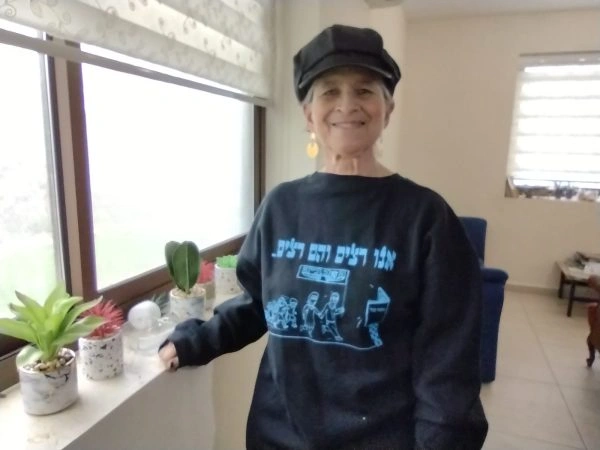
בתחילת הסבב הנוכחי הצטברו אצלי תחושות שאני לא מבינה מספיק מהי ההלכה אותה אני מקיימת בכל יום. כמו כן, כאמא לבנות רציתי לתת להן מודל נשי של לימוד תורה
שתי הסיבות האלו הובילו אותי להתחיל ללמוד. נתקלתי בתגובות מפרגנות וסקרניות איך אישה לומדת גמרא..
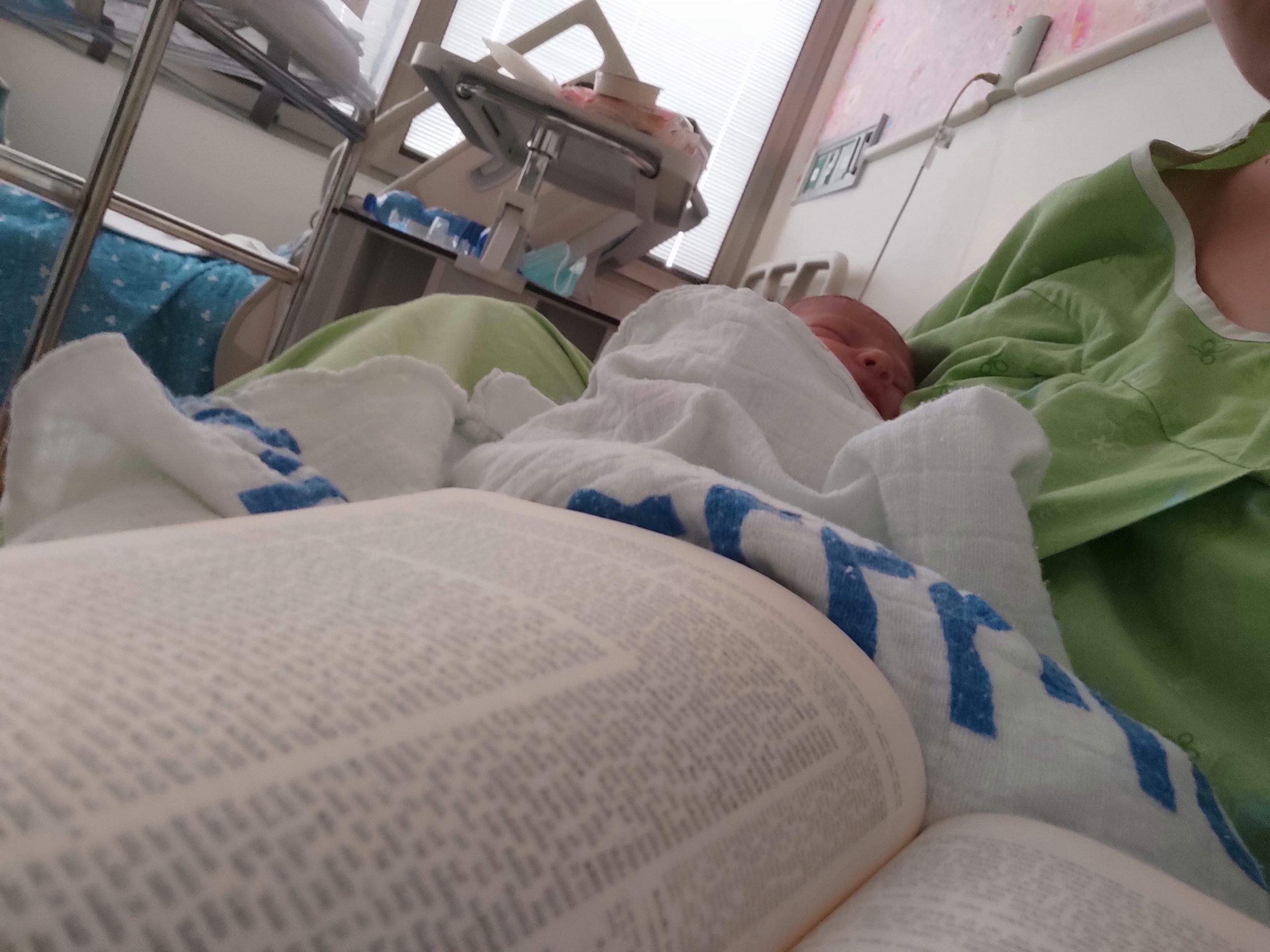
כמו שרואים בתמונה אני ממשיכה ללמוד גם היום ואפילו במחלקת יולדות אחרי לידת ביתי השלישית.

Noa Shiloh
נועה שילה

רבבה, ישראל

אחרי שראיתי את הסיום הנשי של הדף היומי בבנייני האומה זה ריגש אותי ועורר בי את הרצון להצטרף. לא למדתי גמרא קודם לכן בכלל, אז הכל היה לי חדש, ולכן אני לומדת בעיקר מהשיעורים פה בהדרן, בשוטנשטיין או בחוברות ושיננתם.

Rebecca Schloss
רבקה שלוס

בית שמש, ישראל

התחלתי להשתתף בשיעור נשים פעם בשבוע, תכננתי ללמוד רק דפים בודדים, לא האמנתי שאצליח יותר מכך.
לאט לאט נשאבתי פנימה לעולם הלימוד .משתדלת ללמוד כל בוקר ומתחילה את היום בתחושה של מלאות ומתוך התכווננות נכונה יותר.
הלימוד של הדף היומי ממלא אותי בתחושה של חיבור עמוק לעם היהודי ולכל הלומדים בעבר ובהווה.

Neely Hayon
נילי חיון

אפרת, ישראל

התחלתי ללמוד לפני כשנתיים בשאיפה לסיים לראשונה מסכת אחת במהלך חופשת הלידה.
אחרי מסכת אחת כבר היה קשה להפסיק…

Noa Gallant
נעה גלנט

ירוחם, ישראל

סיום השס לנשים נתן לי מוטביציה להתחיל ללמוד דף יומי. עד אז למדתי גמרא בשבתות ועשיתי כמה סיומים. אבל לימוד יומיומי זה שונה לגמרי ופתאום כל דבר שקורה בחיים מתקשר לדף היומי.

Fogel Foundation
קרן פוגל

רתמים, ישראל

התחלתי מחוג במסכת קידושין שהעבירה הרבנית רייסנר במסגרת בית המדרש כלנה בגבעת שמואל; לאחר מכן התחיל סבב הדף היומי אז הצטרפתי. לסביבה לקח זמן לעכל אבל היום כולם תומכים ומשתתפים איתי. הלימוד לעתים מעניין ומעשיר ולעתים קשה ואף הזוי… אך אני ממשיכה קדימה. הוא משפיע על היומיום שלי קודם כל במרדף אחרי הדף, וגם במושגים הרבים שלמדתי ובידע שהועשרתי בו, חלקו ממש מעשי

Abigail Chrissy
אביגיל כריסי

ראש העין, ישראל

הייתי לפני שנתיים בסיום הדרן נשים בבנייני האומה והחלטתי להתחיל. אפילו רק כמה דפים, אולי רק פרק, אולי רק מסכת… בינתיים סיימתי רבע שס ותכף את כל סדר מועד בה.
הסביבה תומכת ומפרגנת. אני בת יחידה עם ארבעה אחים שכולם לומדים דף יומי. מדי פעם אנחנו עושים סיומים יחד באירועים משפחתיים. ממש מרגש. מסכת שבת סיימנו כולנו יחד עם אבא שלנו!
אני שומעת כל יום פודקאסט בהליכה או בנסיעה ואחכ לומדת את הגמרא.

Edna Gross
עדנה גרוס

מרכז שפירא, ישראל

התחלתי ללמוד דף יומי כאשר קיבלתי במייל ממכון שטיינזלץ את הדפים הראשונים של מסכת ברכות במייל. קודם לא ידעתי איך לקרוא אותם עד שנתתי להם להדריך אותי. הסביבה שלי לא מודעת לעניין כי אני לא מדברת על כך בפומבי. למדתי מהדפים דברים חדשים, כמו הקשר בין המבנה של בית המקדש והמשכן לגופו של האדם (יומא מה, ע”א) והקשר שלו למשפט מפורסם שמופיע בספר ההינדי "בהגוד-גיתא”. מתברר שזה רעיון כלל עולמי ולא רק יהודי

Elena Arenburg
אלנה ארנבורג

נשר, ישראל

בבא בתרא לד

הֵיכִי נִידַיְּינוּהּ דַּיָּינֵי לְהַאי דִּינָא? לִישַׁלֵּם? לֵיכָּא תְּרֵי סָהֲדִי! לִיפְטְרֵיהּ? אִיכָּא חַד סָהֲדָא! לִישְׁתְּבַע, הָא אָמַר מִיחְטָף חַטְפַהּ, וְכֵיוָן דְּאָמַר דְּחַטְפַהּ – הָוֵה לֵיהּ כְּגַזְלָן!

How should judges judge for this judgment? There are reasons not to implement all potential rulings. If they were to order the one who snatched the metal to pay for it, that would not be the correct ruling, because there are not two witnesses who saw him snatch it, and the court does not force payment based on the testimony of one witness. If they were to accept his claim and exempt him entirely, that would not be the correct ruling, because there is one witness who testified against him. If they were to order him to take an oath, which is the usual response to counter the testimony of one witness, didn’t he say that he did in fact snatch it, and since he said that he snatched it and there is no proof that it is his, he is like a robber, and the court does not allow a robber to take an oath.

אֲמַר לְהוּ רַבִּי אַבָּא: הָוֵי מְחוּיָּב שְׁבוּעָה שֶׁאֵינוֹ יָכוֹל לִישָּׁבַע, וְכׇל הַמְחוּיָּב שְׁבוּעָה שֶׁאֵינוֹ יָכוֹל לִישָּׁבַע – מְשַׁלֵּם.

Rabbi Abba said to them: He is one who is liable to take an oath who is unable to take an oath, and anyone who is liable to take an oath who is unable to take an oath is liable to pay. The Rabbis who were studying before Abaye thought that the case of the witness to the years of profiting and Rabbi Abba’s case are similar, in that since the possessor is unable to take an oath to refute the witness, as he concedes that he profited from the land for those years, he should have to pay for his consumption of the produce.

אֲמַר לְהוּ אַבָּיֵי: מִי דָּמֵי?! הָתָם סָהֲדָא לְאוֹרוֹעֵי קָאָתֵי – כִּי אָתֵי אַחֲרִינָא בַּהֲדֵיהּ, מַפְּקִינַן לַהּ מִינֵּיהּ; הָכָא לְסַיּוֹעֵי קָא אָתֵי – כִּי אֲתָא אַחֲרִינָא, מוֹקְמִינַן לַהּ בִּידֵיהּ!

Abaye said to these Rabbis: Are these two cases comparable? There, in Rabbi Abba’s case, the witness is coming to undermine the position of the one who snatched the metal. This can be seen from the fact that when it would be the case that another witness comes to court and testifies with the first witness, we would take away the piece of metal from the one who snatched it. By contrast, here, in the case of the individual who brought one witness to attest to his profiting from the land, the witness is coming to support the possessor. This can be seen from the fact that when another witness would come to court and testify with the first witness, we would establish the land in his possession. Therefore, the testimony of the one witness does not render the one who profited from the land liable to take an oath.

אֶלָּא אִי דָּמְיָא הָא דְּרַבִּי אַבָּא – לְחַד סָהֲדָא וּלְתַרְתֵּי שְׁנֵי – וּלְפֵירֵי.

Rather, if this case of Rabbi Abba is comparable to a case such as this, it is comparable to a case where there is one witness and he testifies to someone’s profiting from land for two years, and the comparison is in terms of payment for the produce that he consumed. In terms of the consumption of the produce, two witnesses would have rendered the possessor liable to pay, as consumption of the produce for only two years does not establish the presumption of ownership. Therefore, one witness renders him liable to take an oath. Since he himself claimed that he profited from the land as the witness testified, he cannot take an oath to contest the testimony. Therefore, he would have to pay for the produce.

הָהוּא אַרְבָּא דַּהֲווֹ מִינְּצוּ עֲלַהּ בֵּי תְרֵי, הַאי אָמַר: ״דִּידִי הִיא״, וְהַאי אָמַר: ״דִּידִי הִיא״. אֲתָא חַד מִינַּיְיהוּ לְבֵי דִינָא, וְאָמַר: תִּיפְסוּהָ אַדְּמַיְיתֵינָא סָהֲדֵי דְּדִידִי הִיא. תָּפְסִינַן, אוֹ לָא תָּפְסִינַן? רַב הוּנָא אָמַר: תָּפְסִינַן. רַב יְהוּדָה אָמַר: לָא תָּפְסִינַן.

§ The Gemara relates: There was a certain boat that two people were quarreling about with regard to its ownership. This one said: It is mine, and that one also said: It is mine. One of them came to court and said: Seize it until I am able to bring witnesses that it is mine. The Gemara asks: In such a case, do we seize it or do we not seize it? Rav Huna said: We seize it. Rav Yehuda said: We do not seize it, as there is no cause for the court to intervene.

אֲזַל, וְלָא אַשְׁכַּח סָהֲדֵי. אֲמַר לְהוּ: אַפְּקוּהָ, וְכֹל דְּאַלִּים גָּבַר. מַפְּקִינַן, אוֹ לָא מַפְּקִינַן? רַב יְהוּדָה אָמַר: לָא מַפְּקִינַן. רַב פָּפָּא אָמַר: מַפְּקִינַן. וְהִלְכְתָא: לָא תָּפְסִינַן, וְהֵיכָא דִּתְפַס – לָא מַפְּקִינַן.

The court seized the boat. The one who requested of the court to seize it went to seek witnesses, but did not find witnesses. He then said to the court: Release the boat, and whoever is stronger prevails, as this is the ruling in a case where there is neither evidence nor presumptive ownership for either litigant. The Gemara asks: In such a case, do we release it or do we not release it? Rav Yehuda said: We do not release it. Rav Pappa said: We release it. The Gemara concludes: And the halakha is that we do not seize property in a case where ownership is uncertain, and where it was seized, we do not release it.

זֶה אוֹמֵר: ״שֶׁל אֲבוֹתַי״, וְזֶה אוֹמֵר: ״שֶׁל אֲבוֹתַי״ – אָמַר רַב נַחְמָן: כֹּל דְּאַלִּים גָּבַר. וּמַאי שְׁנָא מִשְּׁנֵי שְׁטָרוֹת הַיּוֹצְאִין בְּיוֹם אֶחָד –

There was an incident where two people dispute the ownership of property. This one says: It belonged to my ancestors and I inherited it from them, and that one says: It belonged to my ancestors and I inherited it from them. There was neither evidence nor presumptive ownership for either litigant. Rav Naḥman said: Whoever is stronger prevails. The Gemara asks: And in what way is this case different from the case where two people produce two deeds of sale or gift for the same field that are issued on one day,

רוצה לעקוב אחרי התכנים ולהמשיך ללמוד?

ביצירת חשבון עוד היום ניתן לעקוב אחרי ההתקדמות שלך, לסמן מה למדת, ולעקוב אחרי השיעורים שמעניינים אותך.
לנקות את כל הפריטים מהרשימה?

פעולה זו תסיר את כל הפריטים בחלק זה כולל ההתקדמות וההיסטוריה. שימי לב: לא ניתן לשחזר פעולה זו.

ביטול
מחיקה

האם את/ה בטוח/ה שברצונך למחוק פריט זה?

תאבד/י את כל ההתקדמות או ההיסטוריה הקשורות לפריט זה.

ביטול
מחיקה