







שני אנשים טענו שכל אחד מהם ירש חלקת אדמה מסוימת מאביו. רב נחמן פסק שהחזק יותר גובר (כל דאלים גבר). במה שונה מקרה זה משני אנשים הטוענים לבעלות על פריט באמצעות מסמך מכירה או מתנה שהונפק באותו תאריך, שבו רב ושמואל חולקים – האחד סובר שחולקים והשני שהוא נתון לשיקול דעתם של השופטים (שודא דדייני)? במה זה שונה ממקרה שבו החליפו פרה תמורת חמור או שפחה נמכרה והפרה/שפחה יולדת ולא ברור אם הלידה התרחשה לפני או אחרי המכירה והפסיקה היא שיחלוקו? במקרה שבו הפסק הוא כל דאלים גבר, מה קורה אם צד שלישי בא ותופס את הפריט? באילו מצבים נקבע חזקה באופן מיידי? אינם יהודים יכולים לקבוע בעלות רק עם שטר, לא עם חזקה. רב פסק שיהודי הטוען שקנה נכס מאינו יהודי, חייב להוכיח זאת על ידי שטר.
הלימוד השבוע מוקדש ע”י טינה לם לרפואת מעין ליאורה בת שלומית פייגא
רוצה להקדיש שיעור?

0:00
0:00
כלים
הלימוד השבוע מוקדש ע”י טינה לם לרפואת מעין ליאורה בת שלומית פייגא
בבא בתרא לה
דְּרַב אָמַר: יַחְלוֹקוּ, וּשְׁמוּאֵל אָמַר: שׁוּדָא דְּדַיָּינֵי? הָתָם, לֵיכָּא לְמֵיקַם עֲלַהּ דְּמִילְּתָא; הָכָא, אִיכָּא לְמֵיקַם עֲלַהּ דְּמִילְּתָא.
as Rav said: In that case, they should divide the property between them, and Shmuel said: It is decided based on the discretion [shudda] of the judges. Why in the seemingly equivalent case of a dispute where there is no evidence for either litigant did Rav Naḥman rule that whoever is stronger prevails? The Gemara answers: There, in the case of the two deeds, it will not be possible for the court to clarify the matter in the future, and therefore, the court issues a ruling according to the information they currently have. Here, in the case of Rav Naḥman, it may be possible for the court to clarify the matter in the future, if one of the litigants was to bring witnesses supporting his claim.
וּמַאי שְׁנָא מֵהָא דִּתְנַן: הַמַּחֲלִיף פָּרָה בַּחֲמוֹר, וְיָלְדָה; וְכֵן הַמּוֹכֵר שִׁפְחָתוֹ, וְיָלְדָה – זֶה אוֹמֵר: ״עַד שֶׁלֹּא מָכַרְתִּי יָלְדָה״, וְזֶה אוֹמֵר: ״מִשֶּׁלָּקַחְתִּי יָלְדָה״ – יַחְלוֹקוּ?
The Gemara asks: And in what way is this case different from that which we learned in a mishna (Bava Metzia 100a): With regard to one who exchanges a cow for a donkey and the cow calved, and similarly one who sells his Canaanite maidservant and she gave birth, and this one, i.e., the seller, says: She gave birth before I sold either the cow or maidservant, and the offspring belongs to me; and that one, i.e., the buyer, says: She gave birth after I purchased her and the offspring belongs to me, the ruling is that they should divide the value of the newborn. In that case, the court is not able to clarify the matter, so they should rule that whoever is stronger prevails.
הָתָם, לְהַאי
The Gemara answers: There, in the case of the exchange, for this one, i.e., the buyer,
אִית לֵיהּ דְּרָרָא דְמָמוֹנָא, וּלְהָהוּא אִית לֵיהּ דְּרָרָא דְמָמוֹנָא; הָכָא, אִי דְּמָר – לָא דְּמָר, וְאִי דְּמָר – לָא דְּמָר.
he has financial involvement [derara], and for that one, i.e., the seller, he has financial involvement. Since each of them has a definite claim to owning the offspring, as each of them owned the cow or maidservant at one point, it is reasonable for the court to divide the offspring between the two parties. By contrast, here, in the case of Rav Naḥman, if it belongs to this Master it does not belong to that Master, and if it belongs to that Master it does not belong to this Master. Only one of the two litigants has any claim to the property, as it belonged either to the ancestors of this one or of that one. Therefore, a ruling to divide it would not be appropriate.
אָמְרִי נְהַרְדָּעֵי: אִם בָּא אֶחָד מִן הַשּׁוּק, וְהֶחְזִיק בָּהּ – אֵין מוֹצִיאִין אוֹתָהּ מִיָּדוֹ. דְּתָנֵי רַבִּי חִיָּיא: גַּזְלָן שֶׁל רַבִּים לָאו שְׁמֵיהּ גַּזְלָן.
The Sages of Neharde’a say: In a case where two parties disputed the ownership of a certain property and the court ruled that whoever is stronger prevails, if one from the marketplace who had no claim came and took possession of it, the court does not remove it from his possession, as Rabbi Ḥiyya teaches (Tosefta, Bava Kamma 10:14): A robber of the public, meaning a robber whose victim is unknown, is not called a robber. Since it is unclear whom he robbed, no one is able to demand payment. Here too, since it is unclear whose property it is, neither can demand that it be taken from the robber.
רַב אָשֵׁי אָמַר: לְעוֹלָם שְׁמֵיהּ גַּזְלָן, וּמַאי ״לָא שְׁמֵיהּ גַּזְלָן״? שֶׁלֹּא נִיתַּן לְהִשָּׁבוֹן.
Rav Ashi said in disagreement: Actually, he is called a robber, and the property is taken from him, and what is meant by: He is not called a robber? It means that the stolen item is not subject to being returned, and consequently he is unable to fully atone, as he does not know whom to repay.
חׇזְקָתָן שָׁלֹשׁ שָׁנִים מִיּוֹם לְיוֹם וְכוּ׳. אָמַר רַבִּי אַבָּא: אִי דָּלֵי לֵיהּ אִיהוּ גּוּפֵיהּ צַנָּא דְפֵירֵי, לְאַלְתַּר הָוֵי חֲזָקָה. אָמַר רַב זְבִיד, וְאִם טָעַן וְאָמַר: ״לְפֵירוֹת הוֹרַדְתִּיו״ – נֶאֱמָן. וְהָנֵי מִילֵּי בְּתוֹךְ שָׁלֹשׁ, אֲבָל לְאַחַר שָׁלֹשׁ – לָא.
§ The mishna teaches with regard to certain types of property that their presumptive ownership is established by use of a duration of three years from day to day. The Gemara comments: Rabbi Abba says: Nevertheless, there are cases where presumptive ownership is established immediately. For example, if the prior owner himself lifted a basket of fruit from that field for the possessor, that immediately is sufficient to establish the presumption of ownership, and the prior owner can no longer lodge a protest. Rav Zevid says: But if the prior owner stated a claim and said: I brought him down into my field solely to consume the produce, e.g., as a sharecropper, he is deemed credible. And that halakha, that the prior owner is deemed credible were he to state such a claim, applies only if he stated it within three years of when the other took possession, but after three years he is not deemed credible.
אֲמַר לֵיהּ רַב אָשֵׁי לְרַב כָּהֲנָא: אִי לְפִירָא אַחֲתֵיהּ, מַאי הֲוָה לֵיהּ לְמֶעְבַּד? אֲמַר לֵיהּ: אִיבְּעִי לֵיהּ לְמַחוֹיֵי.
Rav Ashi said to Rav Kahana: If in fact he did bring him down into the field solely to consume the produce, what was there for him to do to prevent the possessor from establishing the presumption of ownership? Rav Kahana said to him: He should have protested during the first three years and publicized that he had granted the possessor rights to the produce alone.
דְּאִי לָא תֵּימָא הָכִי, הָנֵי מַשְׁכְּנָתָא דְסוּרָא, דִּכְתִב בְּהוּ: ״בְּמִשְׁלַם שְׁנַיָּא אִלֵּין תִּיפּוֹק אַרְעָא דָּא בְּלָא כְּסַף״; אִי כָּבֵישׁ לֵיהּ לִשְׁטַר מַשְׁכַּנְתָּא גַּבֵּיהּ, וְאָמַר: לְקוּחָה הִיא בְּיָדִי, הָכִי נָמֵי דִּמְהֵימַן? מְתַקְּנִי רַבָּנַן מִידֵּי דְּאָתֵי בֵּיהּ לִידֵי פְּסֵידָא?! אֶלָּא אִיבְּעִי לֵיהּ לְמַחוֹיֵי; הָכָא נָמֵי, אִיבְּעִי לֵיהּ לְמַחוֹיֵי.
The assumption that lodging a protest would be effective must be correct, since if you do not say so, then in the case of this mortgage according to the custom in Sura, a city in Babylonia, in which is written: At the completion of these years this land will be released to its prior owner without any need for the prior owner to give money, if the creditor were to hide the mortgage document in his possession and say: This land is purchased and that is why it is in my possession, here is it also the case that he would be deemed credible? That cannot be, as is it reasonable that the Sages would institute a matter, such as this type of arrangement, that people can be led by it to suffer a loss? Rather, in the case of the mortgage the debtor should have protested, and by not protesting, he causes his own loss. Here, too, in the case of the field, the owner should have protested.
אָמַר רַב יְהוּדָה אָמַר רַב: יִשְׂרָאֵל הַבָּא מֵחֲמַת גּוֹי – הֲרֵי הוּא כְּגוֹי; מָה גּוֹי – אֵין לוֹ חֲזָקָה אֶלָּא בִּשְׁטָר, אַף יִשְׂרָאֵל הַבָּא מֵחֲמַת גּוֹי – אֵין לוֹ חֲזָקָה אֶלָּא בִּשְׁטָר. אָמַר רָבָא, וְאִי אָמַר יִשְׂרָאֵל:
§ Rav Yehuda says that Rav says: With regard to a Jew who comes to claim land due to having received it from a gentile, he is like a gentile in terms of which legal claims are available to him. Therefore, just as a gentile has the ability to establish the presumption of ownership only by means of a document, so too, a Jew who comes to claim land due to having received it from a gentile has the ability to establish the presumption of ownership only by means of a document. Rava said: And if the Jew said to a prior owner, who claims to still own the land:
לעקוב 
כלים
העמקה
רוצה להבין מה באמת קורה מתחת לפני השטח של הסוגיה?
שיעורים, פודקאסטים והרחבות של מיטב המורות שלנו יפתחו לך עוד זוויות וכיווני חשיבה.

חדשה בלימוד הגמרא?
זה הדף הראשון שלך? איזו התרגשות עצומה! יש לנו בדיוק את התכנים והכלים שיעזרו לך לעשות את הצעדים הראשונים ללמידה בקצב וברמה שלך, כך תוכלי להרגיש בנוח גם בתוך הסוגיות המורכבות ומאתגרות.
פסיפס הלומדות שלנו
גלי את קהילת הלומדות שלנו, מגוון נשים, רקעים וסיפורים. כולן חלק מתנועה ומסע מרגש ועוצמתי.
התחלתי ללמוד לפני 4.5 שנים, כשהודיה חברה שלי פתחה קבוצת ווטסאפ ללימוד דף יומי בתחילת מסכת סנהדרין. מאז לימוד הדף נכנס לתוך היום-יום שלי והפך לאחד ממגדירי הזהות שלי ממש.

קרן רוזנברג
ירושלים, ישראל
התחלתי ללמוד דף יומי באמצע תקופת הקורונה, שאבא שלי סיפר לי על קבוצה של בנות שתיפתח ביישוב שלנו ותלמד דף יומי כל יום. הרבה זמן רציתי להצטרף לזה וזאת הייתה ההזדמנות בשבילי. הצטרפתי במסכת שקלים ובאמצע הייתה הפסקה קצרה. כיום אני כבר לומדת באולפנה ולומדת דף יומי לבד מתוך גמרא של טיינזלץ.

שבות בראלי
עתניאל, ישראל
אמא שלי למדה איתי ש”ס משנה, והתחילה ללמוד דף יומי. אני החלטתי שאני רוצה ללמוד גם. בהתחלה למדתי איתה, אח”כ הצטרפתי ללימוד דף יומי שהרב דני וינט מעביר לנוער בנים בעתניאל. במסכת עירובין עוד חברה הצטרפה אלי וכשהתחלנו פסחים הרב דני פתח לנו שעור דף יומי לבנות. מאז אנחנו לומדות איתו קבוע כל יום את הדף היומי (ובשבת אבא שלי מחליף אותו). אני נהנית מהלימוד, הוא מאתגר ומעניין

רננה הלמן
עתניאל, ישראל
כבר סיפרתי בסיום של מועד קטן.
הלימוד מאוד משפיעה על היום שלי כי אני לומדת עם רבנית מישל על הבוקר בזום. זה נותן טון לכל היום – בסיס למחשבות שלי .זה זכות גדול להתחיל את היום בלימוד ובתפילה. תודה רבה !

שרה ברלוביץ
ירושלים, ישראל
בתחילת הסבב הנוכחי של לימוד הדף היומי, נחשפתי לחגיגות המרגשות באירועי הסיום ברחבי העולם. והבטחתי לעצמי שבקרוב אצטרף גם למעגל הלומדות. הסבב התחיל כאשר הייתי בתחילת דרכי בתוכנית קרן אריאל להכשרת יועצות הלכה של נשמ”ת. לא הצלחתי להוסיף את ההתחייבות לדף היומי על הלימוד האינטנסיבי של תוכנית היועצות. בבוקר למחרת המבחן הסופי בנשמ”ת, התחלתי את לימוד הדף במסכת סוכה ומאז לא הפסקתי.

חנה שחם-רוזבי (ד”ר)
קרית גת, ישראל
התחלתי ללמוד דף יומי ממסכת נידה כי זה היה חומר הלימוד שלי אז. לאחר הסיום הגדול בבנייני האומה החלטתי להמשיך. וב”ה מאז עם הפסקות קטנות של קורונה ולידה אני משתדלת להמשיך ולהיות חלק.
זה משפיע מאוד על היום יום שלי ועל אף שאני עסוקה בלימודי הלכה ותורה כל יום, זאת המסגרת הקבועה והמחייבת ביותר שיש לי.

מוריה תעסן מיכאלי
גבעת הראל, ישראל
התחלתי להשתתף בשיעור נשים פעם בשבוע, תכננתי ללמוד רק דפים בודדים, לא האמנתי שאצליח יותר מכך.
לאט לאט נשאבתי פנימה לעולם הלימוד .משתדלת ללמוד כל בוקר ומתחילה את היום בתחושה של מלאות ומתוך התכווננות נכונה יותר.
הלימוד של הדף היומי ממלא אותי בתחושה של חיבור עמוק לעם היהודי ולכל הלומדים בעבר ובהווה.

נילי חיון
אפרת, ישראל
התחלתי ללמוד דף יומי לפני שנתיים, עם מסכת שבת. בהתחלה ההתמדה היתה קשה אבל בזכות הקורונה והסגרים הצלחתי להדביק את הפערים בשבתות הארוכות, לסיים את מסכת שבת ולהמשיך עם המסכתות הבאות. עכשיו אני מסיימת בהתרגשות רבה את מסכת חגיגה וסדר מועד ומחכה לסדר הבא!

אילנה שכנוביץ
מודיעין, ישראל
התחלתי ללמוד דף יומי בתחילת מסכת ברכות, עוד לא ידעתי כלום. נחשפתי לסיום הש״ס, ובעצם להתחלה מחדש בתקשורת, הפתיע אותי לטובה שהיה מקום לעיסוק בתורה.
את המסכתות הראשונות למדתי, אבל לא סיימתי (חוץ מעירובין איכשהו). השנה כשהגעתי למדרשה, נכנסתי ללופ, ואני מצליחה להיות חלק, סיימתי עם החברותא שלי את כל המסכתות הקצרות, גם כשהיינו חולות קורונה ובבידודים, למדנו לבד, העיקר לא לצבור פער, ומחכות ליבמות 🙂

עדן ישורון
מזכרת בתיה, ישראל
ראיתי את הסיום הגדול בבנייני האומה וכל כך התרשמתי ורציתי לקחת חלק.. אבל לקח לי עוד כשנה וחצי )באמצע מסיכת שבת להצטרף..
הלימוד חשוב לי מאוד.. אני תמיד במרדף אחרי הדף וגונבת כל פעם חצי דף כשהילדים עסוקים ומשלימה אח”כ אחרי שכולם הלכו לישון..

אולגה מזרחי
ירושלים, ישראל
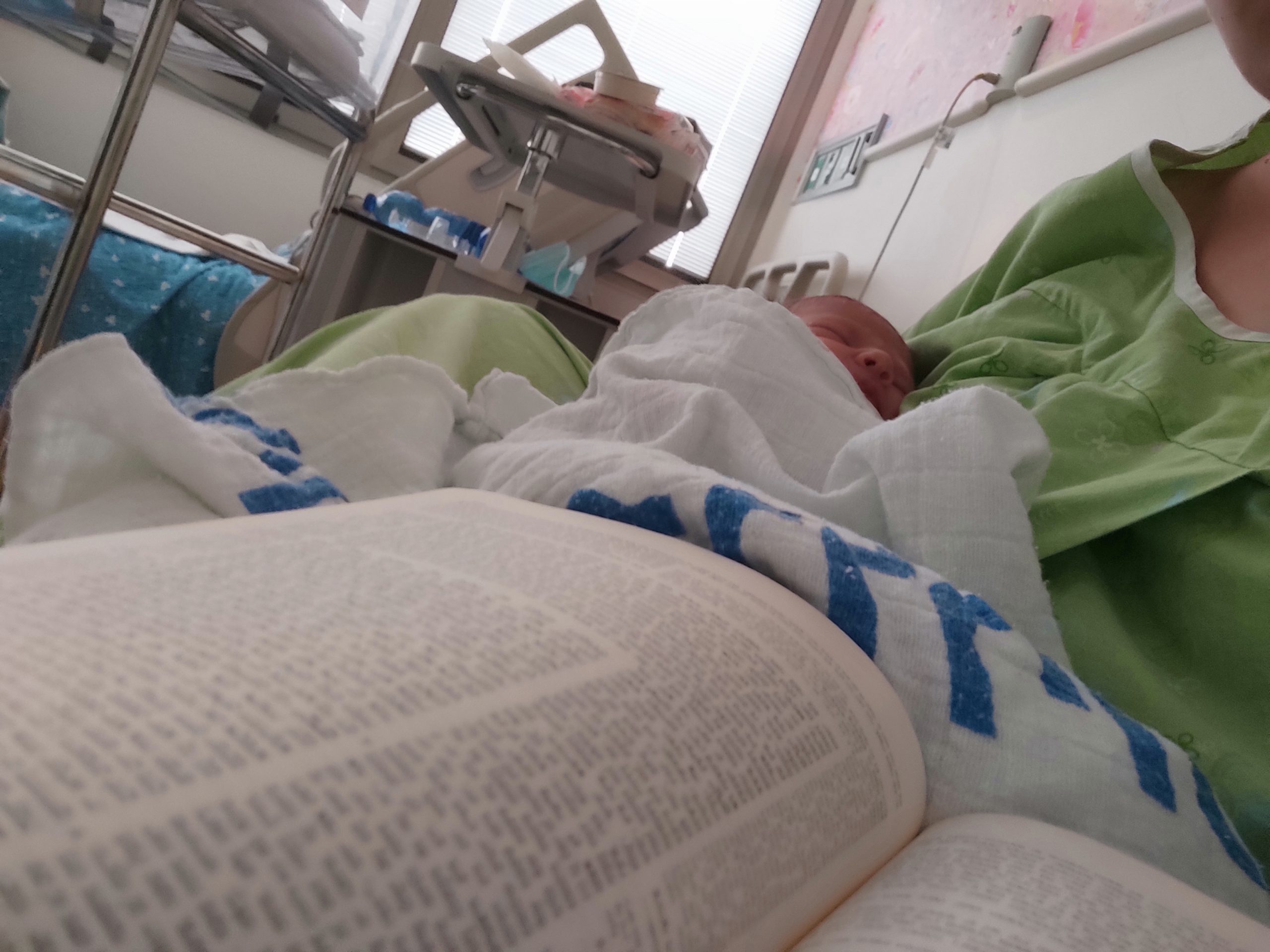
בתחילת הסבב הנוכחי הצטברו אצלי תחושות שאני לא מבינה מספיק מהי ההלכה אותה אני מקיימת בכל יום. כמו כן, כאמא לבנות רציתי לתת להן מודל נשי של לימוד תורה
שתי הסיבות האלו הובילו אותי להתחיל ללמוד. נתקלתי בתגובות מפרגנות וסקרניות איך אישה לומדת גמרא..
כמו שרואים בתמונה אני ממשיכה ללמוד גם היום ואפילו במחלקת יולדות אחרי לידת ביתי השלישית.
נועה שילה
רבבה, ישראל
התחלתי ללמוד דף יומי בתחילת מסכת ברכות, עוד לא ידעתי כלום. נחשפתי לסיום הש״ס, ובעצם להתחלה מחדש בתקשורת, הפתיע אותי לטובה שהיה מקום לעיסוק בתורה.
את המסכתות הראשונות למדתי, אבל לא סיימתי (חוץ מעירובין איכשהו). השנה כשהגעתי למדרשה, נכנסתי ללופ, ואני מצליחה להיות חלק, סיימתי עם החברותא שלי את כל המסכתות הקצרות, גם כשהיינו חולות קורונה ובבידודים, למדנו לבד, העיקר לא לצבור פער, ומחכות ליבמות 🙂
עדן ישורון
מזכרת בתיה, ישראל
התחלתי להשתתף בשיעור נשים פעם בשבוע, תכננתי ללמוד רק דפים בודדים, לא האמנתי שאצליח יותר מכך.
לאט לאט נשאבתי פנימה לעולם הלימוד .משתדלת ללמוד כל בוקר ומתחילה את היום בתחושה של מלאות ומתוך התכווננות נכונה יותר.
הלימוד של הדף היומי ממלא אותי בתחושה של חיבור עמוק לעם היהודי ולכל הלומדים בעבר ובהווה.
נילי חיון
אפרת, ישראל
התחלתי לפני 8 שנים במדרשה. לאחרונה סיימתי מסכת תענית בלמידה עצמית ועכשיו לקראת סיום מסכת מגילה.

דניאלה ברוכים
רעננה, ישראל
אמא שלי למדה איתי ש”ס משנה, והתחילה ללמוד דף יומי. אני החלטתי שאני רוצה ללמוד גם. בהתחלה למדתי איתה, אח”כ הצטרפתי ללימוד דף יומי שהרב דני וינט מעביר לנוער בנים בעתניאל. במסכת עירובין עוד חברה הצטרפה אלי וכשהתחלנו פסחים הרב דני פתח לנו שעור דף יומי לבנות. מאז אנחנו לומדות איתו קבוע כל יום את הדף היומי (ובשבת אבא שלי מחליף אותו). אני נהנית מהלימוד, הוא מאתגר ומעניין
רננה הלמן
עתניאל, ישראל
לפני 15 שנה, אחרי עשרות שנים של "ג’ינגול” בין משפחה לקריירה תובענית בהייטק, הצטרפתי לשיעורי גמרא במתן רעננה. הלימוד המעמיק והייחודי של הרבנית אושרה קורן יחד עם קבוצת הנשים המגוונת הייתה חוויה מאלפת ומעשירה. לפני כשמונה שנים כאשר מחזור הדף היומי הגיע למסכת תענית הצטרפתי כ”חברותא” לבעלי. זו השעה היומית שלנו ביחד כאשר דפי הגמרא משתלבים בחיי היום יום, משפיעים ומושפעים, וכשלא מספיקים תמיד משלימים בשבת

יודי אסקוף
רעננה, ישראל
התחלתי ללמוד דף יומי אחרי שחזרתי בתשובה ולמדתי במדרשה במגדל עוז. הלימוד טוב ומספק חומר למחשבה על נושאים הלכתיים ”קטנים” ועד לערכים גדולים ביהדות. חשוב לי להכיר את הגמרא לעומק. והצעד הקטן היום הוא ללמוד אותה בבקיאות, בעזרת השם, ומי יודע אולי גם אגיע לעיון בנושאים מעניינים. נושאים בגמרא מתחברים לחגים, לתפילה, ליחסים שבין אדם לחברו ולמקום ולשאר הדברים שמלווים באורח חיים דתי 🙂

גאיה דיבו
מצפה יריחו, ישראל
התחלתי מעט לפני תחילת הסבב הנוכחי. אני נהנית מהאתגר של להמשיך להתמיד, מרגעים של "אהה, מפה זה הגיע!” ומהאתגר האינטלקטואלי

אילת-חן ודלר
לוד, ישראל
בסוף הסבב הקודם ראיתי את השמחה הגדולה שבסיום הלימוד, בעלי סיים כבר בפעם השלישית וכמובן הסיום הנשי בבנייני האומה וחשבתי שאולי זו הזדמנות עבורי למשהו חדש.
למרות שאני שונה בסביבה שלי, מי ששומע על הלימוד שלי מפרגן מאוד.
אני מנסה ללמוד קצת בכל יום, גם אם לא את כל הדף ובסך הכל אני בדרך כלל עומדת בקצב.
הלימוד מעניק המון משמעות ליום יום ועושה סדר בלמוד תורה, שתמיד היה (ועדיין) שאיפה. אבל אין כמו קביעות

רחלי מנדלסון
טל מנשה, ישראל
שמעתי על הסיום הענק של הדף היומי ע”י נשים בבנייני האומה. רציתי גם.
החלטתי להצטרף. התחלתי ושיכנעתי את בעלי ועוד שתי חברות להצטרף. עכשיו יש לי לימוד משותף איתו בשבת ומפגש חודשי איתן בנושא (והתכתבויות תדירות על דברים מיוחדים שקראנו). הצטרפנו לקבוצות שונות בווטסאפ. אנחנו ממש נהנות. אני שומעת את השיעור מידי יום (בד”כ מהרב יוני גוטמן) וקוראת ומצטרפת לסיומים של הדרן. גם מקפידה על דף משלהן (ונהנית מאד).

ליאת סיטרון
אפרת, ישראל
בבא בתרא לה
דְּרַב אָמַר: יַחְלוֹקוּ, וּשְׁמוּאֵל אָמַר: שׁוּדָא דְּדַיָּינֵי? הָתָם, לֵיכָּא לְמֵיקַם עֲלַהּ דְּמִילְּתָא; הָכָא, אִיכָּא לְמֵיקַם עֲלַהּ דְּמִילְּתָא.
as Rav said: In that case, they should divide the property between them, and Shmuel said: It is decided based on the discretion [shudda] of the judges. Why in the seemingly equivalent case of a dispute where there is no evidence for either litigant did Rav Naḥman rule that whoever is stronger prevails? The Gemara answers: There, in the case of the two deeds, it will not be possible for the court to clarify the matter in the future, and therefore, the court issues a ruling according to the information they currently have. Here, in the case of Rav Naḥman, it may be possible for the court to clarify the matter in the future, if one of the litigants was to bring witnesses supporting his claim.
וּמַאי שְׁנָא מֵהָא דִּתְנַן: הַמַּחֲלִיף פָּרָה בַּחֲמוֹר, וְיָלְדָה; וְכֵן הַמּוֹכֵר שִׁפְחָתוֹ, וְיָלְדָה – זֶה אוֹמֵר: ״עַד שֶׁלֹּא מָכַרְתִּי יָלְדָה״, וְזֶה אוֹמֵר: ״מִשֶּׁלָּקַחְתִּי יָלְדָה״ – יַחְלוֹקוּ?
The Gemara asks: And in what way is this case different from that which we learned in a mishna (Bava Metzia 100a): With regard to one who exchanges a cow for a donkey and the cow calved, and similarly one who sells his Canaanite maidservant and she gave birth, and this one, i.e., the seller, says: She gave birth before I sold either the cow or maidservant, and the offspring belongs to me; and that one, i.e., the buyer, says: She gave birth after I purchased her and the offspring belongs to me, the ruling is that they should divide the value of the newborn. In that case, the court is not able to clarify the matter, so they should rule that whoever is stronger prevails.
הָתָם, לְהַאי
The Gemara answers: There, in the case of the exchange, for this one, i.e., the buyer,
אִית לֵיהּ דְּרָרָא דְמָמוֹנָא, וּלְהָהוּא אִית לֵיהּ דְּרָרָא דְמָמוֹנָא; הָכָא, אִי דְּמָר – לָא דְּמָר, וְאִי דְּמָר – לָא דְּמָר.
he has financial involvement [derara], and for that one, i.e., the seller, he has financial involvement. Since each of them has a definite claim to owning the offspring, as each of them owned the cow or maidservant at one point, it is reasonable for the court to divide the offspring between the two parties. By contrast, here, in the case of Rav Naḥman, if it belongs to this Master it does not belong to that Master, and if it belongs to that Master it does not belong to this Master. Only one of the two litigants has any claim to the property, as it belonged either to the ancestors of this one or of that one. Therefore, a ruling to divide it would not be appropriate.
אָמְרִי נְהַרְדָּעֵי: אִם בָּא אֶחָד מִן הַשּׁוּק, וְהֶחְזִיק בָּהּ – אֵין מוֹצִיאִין אוֹתָהּ מִיָּדוֹ. דְּתָנֵי רַבִּי חִיָּיא: גַּזְלָן שֶׁל רַבִּים לָאו שְׁמֵיהּ גַּזְלָן.
The Sages of Neharde’a say: In a case where two parties disputed the ownership of a certain property and the court ruled that whoever is stronger prevails, if one from the marketplace who had no claim came and took possession of it, the court does not remove it from his possession, as Rabbi Ḥiyya teaches (Tosefta, Bava Kamma 10:14): A robber of the public, meaning a robber whose victim is unknown, is not called a robber. Since it is unclear whom he robbed, no one is able to demand payment. Here too, since it is unclear whose property it is, neither can demand that it be taken from the robber.
רַב אָשֵׁי אָמַר: לְעוֹלָם שְׁמֵיהּ גַּזְלָן, וּמַאי ״לָא שְׁמֵיהּ גַּזְלָן״? שֶׁלֹּא נִיתַּן לְהִשָּׁבוֹן.
Rav Ashi said in disagreement: Actually, he is called a robber, and the property is taken from him, and what is meant by: He is not called a robber? It means that the stolen item is not subject to being returned, and consequently he is unable to fully atone, as he does not know whom to repay.
חׇזְקָתָן שָׁלֹשׁ שָׁנִים מִיּוֹם לְיוֹם וְכוּ׳. אָמַר רַבִּי אַבָּא: אִי דָּלֵי לֵיהּ אִיהוּ גּוּפֵיהּ צַנָּא דְפֵירֵי, לְאַלְתַּר הָוֵי חֲזָקָה. אָמַר רַב זְבִיד, וְאִם טָעַן וְאָמַר: ״לְפֵירוֹת הוֹרַדְתִּיו״ – נֶאֱמָן. וְהָנֵי מִילֵּי בְּתוֹךְ שָׁלֹשׁ, אֲבָל לְאַחַר שָׁלֹשׁ – לָא.
§ The mishna teaches with regard to certain types of property that their presumptive ownership is established by use of a duration of three years from day to day. The Gemara comments: Rabbi Abba says: Nevertheless, there are cases where presumptive ownership is established immediately. For example, if the prior owner himself lifted a basket of fruit from that field for the possessor, that immediately is sufficient to establish the presumption of ownership, and the prior owner can no longer lodge a protest. Rav Zevid says: But if the prior owner stated a claim and said: I brought him down into my field solely to consume the produce, e.g., as a sharecropper, he is deemed credible. And that halakha, that the prior owner is deemed credible were he to state such a claim, applies only if he stated it within three years of when the other took possession, but after three years he is not deemed credible.
אֲמַר לֵיהּ רַב אָשֵׁי לְרַב כָּהֲנָא: אִי לְפִירָא אַחֲתֵיהּ, מַאי הֲוָה לֵיהּ לְמֶעְבַּד? אֲמַר לֵיהּ: אִיבְּעִי לֵיהּ לְמַחוֹיֵי.
Rav Ashi said to Rav Kahana: If in fact he did bring him down into the field solely to consume the produce, what was there for him to do to prevent the possessor from establishing the presumption of ownership? Rav Kahana said to him: He should have protested during the first three years and publicized that he had granted the possessor rights to the produce alone.
דְּאִי לָא תֵּימָא הָכִי, הָנֵי מַשְׁכְּנָתָא דְסוּרָא, דִּכְתִב בְּהוּ: ״בְּמִשְׁלַם שְׁנַיָּא אִלֵּין תִּיפּוֹק אַרְעָא דָּא בְּלָא כְּסַף״; אִי כָּבֵישׁ לֵיהּ לִשְׁטַר מַשְׁכַּנְתָּא גַּבֵּיהּ, וְאָמַר: לְקוּחָה הִיא בְּיָדִי, הָכִי נָמֵי דִּמְהֵימַן? מְתַקְּנִי רַבָּנַן מִידֵּי דְּאָתֵי בֵּיהּ לִידֵי פְּסֵידָא?! אֶלָּא אִיבְּעִי לֵיהּ לְמַחוֹיֵי; הָכָא נָמֵי, אִיבְּעִי לֵיהּ לְמַחוֹיֵי.
The assumption that lodging a protest would be effective must be correct, since if you do not say so, then in the case of this mortgage according to the custom in Sura, a city in Babylonia, in which is written: At the completion of these years this land will be released to its prior owner without any need for the prior owner to give money, if the creditor were to hide the mortgage document in his possession and say: This land is purchased and that is why it is in my possession, here is it also the case that he would be deemed credible? That cannot be, as is it reasonable that the Sages would institute a matter, such as this type of arrangement, that people can be led by it to suffer a loss? Rather, in the case of the mortgage the debtor should have protested, and by not protesting, he causes his own loss. Here, too, in the case of the field, the owner should have protested.
אָמַר רַב יְהוּדָה אָמַר רַב: יִשְׂרָאֵל הַבָּא מֵחֲמַת גּוֹי – הֲרֵי הוּא כְּגוֹי; מָה גּוֹי – אֵין לוֹ חֲזָקָה אֶלָּא בִּשְׁטָר, אַף יִשְׂרָאֵל הַבָּא מֵחֲמַת גּוֹי – אֵין לוֹ חֲזָקָה אֶלָּא בִּשְׁטָר. אָמַר רָבָא, וְאִי אָמַר יִשְׂרָאֵל:
§ Rav Yehuda says that Rav says: With regard to a Jew who comes to claim land due to having received it from a gentile, he is like a gentile in terms of which legal claims are available to him. Therefore, just as a gentile has the ability to establish the presumption of ownership only by means of a document, so too, a Jew who comes to claim land due to having received it from a gentile has the ability to establish the presumption of ownership only by means of a document. Rava said: And if the Jew said to a prior owner, who claims to still own the land:
לעקוב

