







אילו פעולות אחרות דורשות נוכחות של שני אנשים ואילו דורשות שלושה? בהקשר של דיון זה, הגמרא מרחיבה על דיני מודעה, הצהרה מקדימה. רב יהודה פסק שמסמך מתנה טמירתא (מוסתרת) אינו תקף. מדוע? האם ניתן להשתמש בו כמודעה?
הלימוד השבוע מוקדש ע”י טינה לם לרפואת מעין ליאורה בת שלומית פייגא
רוצה להקדיש שיעור?

0:00
0:00
כלים
הלימוד השבוע מוקדש ע”י טינה לם לרפואת מעין ליאורה בת שלומית פייגא
בבא בתרא מ
וְאֵין צָרִיךְ לוֹמַר ״כְּתוֹבוּ״; מוֹדָעָא – בִּפְנֵי שְׁנַיִם, וְאֵין צָרִיךְ לוֹמַר ״כְּתוֹבוּ״;
and the prior owner does not need to say to the witnesses: Write a document detailing the protest; they can write one even absent a directive. Similarly, one who desires to state a declaration, preemptively invalidating a bill of sale by notifying the court that it was executed under duress, needs to state the declaration in the presence of two witnesses, and he does not need to say to them: Write a document detailing the declaration; they can write one even absent a directive.
הוֹדָאָה – בִּפְנֵי שְׁנַיִם, וְצָרִיךְ לוֹמַר ״כְּתוֹבוּ״; קִנְיָן – בִּפְנֵי שְׁנַיִם, וְאֵינוֹ צָרִיךְ לוֹמַר ״כְּתוֹבוּ״; וְקִיּוּם שְׁטָרוֹת בִּשְׁלֹשָׁה;
The Gemara continues with the statement of Rava: An admission of a monetary obligation needs to be stated in the presence of two witnesses, and in this case, the one stating the admission needs to say to the witnesses: Write a document detailing the admission, as this document is to his detriment; they may not write one absent a directive. Acquisition by means of a symbolic act utilizing a cloth needs to be done in the presence of two witnesses, and the parties do not need to say to the witnesses: Write a document detailing the acquisition; they can write one even absent a directive. And ratification of legal documents needs to be done by means of three people.
סִימָן – ממה״ק.
The Gemara presents a mnemonic for the cases discussed above: Mem, protest [meḥa’a]; mem, declaration [moda’a]; heh, admission [hoda’a]; kuf, acquisition [kinyan].
אָמַר רָבָא: אִי קַשְׁיָא לִי, הָא קַשְׁיָא לִי – הַאי קִנְיָן, הֵיכִי דָמֵי? אִי כְּמַעֲשֵׂה בֵּית דִּין דָּמֵי, לִיבְעֵי תְּלָתָא! אִי לָא כְּמַעֲשֵׂה בֵּית דִּין דָּמֵי, אַמַּאי אֵינוֹ צָרִיךְ לוֹמַר ״כְּתוֹבוּ״?
Rava now discusses the statement of Rav Naḥman that he quoted. Rava said: If any part of this statement is difficult to me, this is what is difficult to me. This acquisition, what is it like? If it is like an act of the court, it should require three witnesses for it to take effect, as a court must consist of at least three men. If it is not like an act of the court, why does he not have to say to the witnesses that they should write the document detailing the acquisition? Isn’t transferring an item to another tantamount to admitting a monetary obligation?
בָּתַר דְּבָעֵי, הֲדַר פַּשְׁטַאּ: לְעוֹלָם לָאו כְּמַעֲשֵׂה בֵּית דִּין דָּמֵי; וְהָכָא, טַעְמָא מַאי דְּאֵינוֹ צָרִיךְ לוֹמַר ״כְּתוֹבוּ״ – מִשּׁוּם דִּסְתַם קִנְיָן לִכְתִיבָה עוֹמֵד.
After Rava raised the dilemma, he then resolves it. Actually, it is not considered like an act of the court. And here, what is the reason that he does not have to say to the witnesses that they should write? It is due to the fact that a record of an unspecified acquisition is ready to be written. A symbolic act of acquisition indicates one’s intention to do everything possible to finalize the transaction as soon as possible without waiting for the actual transfer of the item. Therefore, it is assumed that the parties would desire that a document be written, and no explicit authorization is necessary.
רַבָּה וְרַב יוֹסֵף דְּאָמְרִי תַּרְוַיְיהוּ: לָא כָּתְבִינַן מוֹדָעָא, אֶלָּא אַמַּאן דְּלָא צָיֵית דִּינָא. אַבָּיֵי וְרָבָא דְּאָמְרִי תַּרְוַיְיהוּ: אֲפִילּוּ עָלַי וְעָלֶיךָ. אָמְרִי נְהַרְדָּעֵי: כֹּל מוֹדָעָא
§ The Gemara discusses the halakhot of a preemptive declaration. Rabba and Rav Yosef both say: We write a preemptive declaration only concerning one who does not generally listen to and implement the judgment of the court. In such a case, there is no recourse other than to write a preemptive declaration on behalf of the seller nullifying the transaction. If the buyer would be willing to listen to the court, the seller is expected to deal with the matter in court, rather than participating in the sale and writing a preemptive declaration. Abaye and Rava both say: A preemptive declaration may be written even concerning someone who is law abiding, such as for me and for you, as not every issue can be settled through the courts. The Sages of Neharde’a say: Any preemptive declaration
דְּלָא כְּתִיב בָּהּ: ״אֲנַן יָדְעִינַן בֵּיהּ בְּאוּנְסָא דִפְלָנְיָא״ – לָאו מוֹדָעָא הִיא.
that does not have written in it the formulation: We are aware of so-and-so’s duress, i.e., we are aware of the nature of the coercion that forced him to enter this arrangement against his will, is not a valid preemptive declaration.
מוֹדָעָא דְמַאי? אִי דְּגִיטָּא וּדְמַתַּנְתָּא – גַּלּוֹיֵי מִילְּתָא בְּעָלְמָא הִיא! וְאִי דִּזְבִינֵי, וְהָאָמַר רָבָא: לָא כָּתְבִינַן מוֹדָעָא אַזְּבִינֵי!
For what type of transaction is the preemptive declaration being stated? If one were to say that it is a preemptive declaration for a bill of divorce or for a gift, the preemptive declaration is merely revealing the matter. Since these actions can’t take place unless he desires it, it is sufficient that he stated that he does not desire them, and he need not specify a particular reason for nullifying them. And if it is for a sale, but doesn’t Rava say: We do not write a preemptive declaration for a sale?
לְעוֹלָם דִּזְבִינֵי; מוֹדֵי רָבָא הֵיכָא דַּאֲנִיס – וּכְמַעֲשֶׂה דְּפַרְדֵּיסָא; דְּהָהוּא גַּבְרָא דְּמַשְׁכֵּין פַּרְדֵּיסָא לְחַבְרֵיהּ לִתְלָת שְׁנִין. בָּתַר דְּאַכְלַהּ תְּלָת שְׁנֵי חֲזָקָה, אֲמַר: אִי מְזַבְּנַתְּ לִי – מוּטָב, וְאִי לָא – כָּבֵישְׁנָא לִשְׁטַר מַשְׁכַּנְתָּא, וְאָמֵינָא: ״לְקוּחָה הִיא בְּיָדִי״. כְּהַאי גַּוְונָא כָּתְבִינַן מוֹדָעָא.
The Gemara answers: Actually, it is referring to a preemptive declaration for a sale, as Rava concedes in a case where one was compelled to act due to a threat of monetary loss, as with the incident of the orchard, as there was a certain man who mortgaged his orchard to another for three years. After he worked and profited from it for the three years necessary for establishing the presumption of ownership, he said: If you sell the orchard to me, it is well. And if not, then I will hide the mortgage document and I will say that this land is purchased and that is why it is in my possession, and you will receive no payment for the orchard. In a case like this, we write a preemptive declaration. The declaration states that he does not actually desire to sell his property but was forced to do so.
אָמַר רַב יְהוּדָה: הַאי מַתַּנְתָּא טְמִירְתָּא – לָא מַגְבֵּינַן בַּהּ. הֵיכִי דָּמֵי מַתַּנְתָּא טְמִירְתָּא? אָמַר רַב יוֹסֵף, דְּאָמַר לְהוּ לְסָהֲדִי: ״זִילוּ אִטַּמּוּרוּ וְכִתְבוּ לֵיהּ״. וְאִיכָּא דְּאָמְרִי: אָמַר רַב יוֹסֵף, דְּלָא אָמַר לְהוּ: ״תִּיתְּבוּ בְּשׁוּקָא וּבְבָרָיָתָא וְתִכְתְּבוּ לֵיהּ״. מַאי בֵּינַיְיהוּ? אִיכָּא בֵּינַיְיהוּ סְתָמָא.
§ Rav Yehuda says: With regard to this document detailing a concealed gift, we do not collect with it. The Gemara clarifies: What are the circumstances of a concealed gift? Rav Yosef said: It is referring to a case in which the giver said to witnesses: Go and hide and write a document for the recipient of this gift. And there are those who say that Rav Yosef said: It is referring to a case in which the giver did not say to witnesses: Sit outdoors in the marketplace and write it for him. The Gemara asks: What is the difference between the two versions of Rav Yosef’s statement? The Gemara answers: The difference between the two versions is in a case where his instructions were without specification, i.e., he did not tell them to write the document in private or in public.
אָמַר רָבָא: וְהָוְיָא מוֹדָעָא לַחֲבֶרְתַּהּ. אָמַר רַב פָּפָּא: הָא דְּרָבָא – לָאו בְּפֵירוּשׁ אִיתְּמַר, אֶלָּא מִכְּלָלָא אִיתְּמַר.
Rava said: But a concealed gift is effective as a preemptive declaration for another gift. In other words, if he first gave an item as a concealed gift to one person, and then he gave this item as a gift to someone else, the second gift is null and void. Rav Pappa said: This ruling of Rava was not stated explicitly; rather, it was stated by inference, and he did not, in fact, hold accordingly.
דְּהָהוּא גַּבְרָא דַּאֲזַל לְקַדּוֹשֵׁי אִתְּתָא, אֲמַרָה לֵיהּ: ״אִי כָּתְבַתְּ לִי כּוּלְּהוּ נִכְסָיךְ – הָוֵינָא לָךְ, וְאִי לָא – לָא הָוֵינָא לָךְ״. אֲזַל כַּתְבֵיהּ לַהּ לְכוּלְּהוּ נִכְסֵי. אֲתָא בְּרֵיהּ קַשִּׁישָׁא, אֲמַר לֵיהּ: ״וְהָהוּא גַּבְרָא – מָה תִּהְוֵי עֲלֵיהּ?״ אֲמַר לְהוּ לְסָהֲדֵי: ״זִילוּ אִטַּמּוּרוּ בַּעֲבַר יַמִּינָא, וְכִתְבוּ לֵיהּ״. אֲתוֹ לְקַמֵּיהּ דְּרָבָא, אֲמַר לְהוּ: לָא מָר קְנָה, וְלָא מָר קְנָה.
Rav Pappa explains the inference: As there was a certain man who went to betroth a woman. She said to him: If you write a document signing over all of your property to me, then I will be your wife, and if not, I will not be your wife. He went and wrote a document signing over all of his property to her. His eldest son came and said to him: And that man, i.e., me, what will become of him if you give all of your property to this woman? The father said to two witnesses: Go hide in Avar Yemina and write a document for the son, giving him the father’s property as a gift. Later, the witnesses came before Rava. He said to them: This Master, i.e., the son, did not acquire the property and that Master, i.e., the wife, did not acquire it either. The son did not acquire the property because it was a concealed gift.
מַאן דַּחֲזָא, סָבַר – מִשּׁוּם דְּהָוְיָא מוֹדָעָא לַחֲבֶרְתַּהּ. וְלָא הִיא; הָתָם – מוֹכְחָא מִילְּתָא דְּמֵחֲמַת אוּנְסָא הוּא דִּכְתַב לַהּ; אֲבָל הָכָא – מָר נִיחָא לֵיהּ דְּלִיקְנֵי, וּמָר לָא נִיחָא לֵיהּ דְּלִיקְנֵי.
The Gemara explains why the wife does not acquire it as well. One who observed this incident assumed that Rava invalidated the wife’s acquisition because the concealed gift to his son was a preemptive declaration to the other gift, but that is not so. There, in the case of the woman and the son, the matter is self-evident that he wrote a document signing over his property to her because of duress, as she had told him that she would not marry him otherwise; but here, in a typical case of giving one person a concealed gift and then giving a public gift to another, that is not the case. It is possible that it is simply amenable to him that this Master, i.e., the one to whom he gave it publicly, should acquire the gift, and it is not amenable to him that this Master, i.e., the one to whom he gave it privately, should acquire the gift. Consequently, an incorrect inference was drawn concerning Rava’s opinion.
אִיבַּעְיָא לְהוּ:
A dilemma was raised before the Sages:
לעקוב 
כלים
העמקה
רוצה להבין מה באמת קורה מתחת לפני השטח של הסוגיה?
שיעורים, פודקאסטים והרחבות של מיטב המורות שלנו יפתחו לך עוד זוויות וכיווני חשיבה.



















חדשה בלימוד הגמרא?
זה הדף הראשון שלך? איזו התרגשות עצומה! יש לנו בדיוק את התכנים והכלים שיעזרו לך לעשות את הצעדים הראשונים ללמידה בקצב וברמה שלך, כך תוכלי להרגיש בנוח גם בתוך הסוגיות המורכבות ומאתגרות.
פסיפס הלומדות שלנו
גלי את קהילת הלומדות שלנו, מגוון נשים, רקעים וסיפורים. כולן חלק מתנועה ומסע מרגש ועוצמתי.
בתחילת הסבב הנוכחי של לימוד הדף היומי, נחשפתי לחגיגות המרגשות באירועי הסיום ברחבי העולם. והבטחתי לעצמי שבקרוב אצטרף גם למעגל הלומדות. הסבב התחיל כאשר הייתי בתחילת דרכי בתוכנית קרן אריאל להכשרת יועצות הלכה של נשמ”ת. לא הצלחתי להוסיף את ההתחייבות לדף היומי על הלימוד האינטנסיבי של תוכנית היועצות. בבוקר למחרת המבחן הסופי בנשמ”ת, התחלתי את לימוד הדף במסכת סוכה ומאז לא הפסקתי.

חנה שחם-רוזבי (ד”ר)
קרית גת, ישראל
. לא תמיד נהניתי מלימוד גמרא כילדה.,בל כהתבגרתי התחלתי לאהוב את זה שוב. התחלתי ללמוד מסכת סוטה בדף היומי לפני כחמש עשרה שנה ואז הפסקתי.הגעתי לסיום הגדול של הדרן לפני שנתיים וזה נתן לי השראה. והתחלתי ללמוד למשך כמה ימים ואז היתה לי פריצת דיסק והפסקתי…עד אלול השנה. אז התחלתי עם מסכת ביצה וב”ה אני מצליחה לעמוד בקצב. המשפחה מאוד תומכת בי ויש כמה שגם לומדים את זה במקביל. אני אוהבת שיש עוגן כל יום.
רבקה דרשן
בית שמש, ישראל
לצערי גדלתי בדור שבו לימוד גמרא לנשים לא היה דבר שבשגרה ושנים שאני חולמת להשלים את הפער הזה.. עד שלפני מספר שבועות, כמעט במקרה, נתקלתי במודעת פרסומת הקוראת להצטרף ללימוד מסכת תענית. כשקראתי את המודעה הרגשתי שהיא כאילו נכתבה עבורי – "תמיד חלמת ללמוד גמרא ולא ידעת איך להתחיל”, "בואי להתנסות במסכת קצרה וקלה” (רק היה חסר שהמודעה תיפתח במילים "מיכי שלום”..). קפצתי למים ו- ב”ה אני בדרך להגשמת החלום:)
מיכי קדוש
מורשת, ישראל
My explorations into Gemara started a few days into the present cycle. I binged learnt and become addicted. I’m fascinated by the rich "tapestry” of intertwined themes, connections between Masechtot, conversations between generations of Rabbanim and learners past and present all over the world. My life has acquired a golden thread, linking generations with our amazing heritage.
Thank you.

סוזן כשדן
חשמונאים, Israel
התחלתי בתחילת הסבב, והתמכרתי. זה נותן משמעות נוספת ליומיום ומאוד מחזק לתת לזה מקום בתוך כל שגרת הבית-עבודה השוטפת.
רעות אברהמי
בית שמש, ישראל
התחלתי ללמוד דף יומי בתחילת מסכת ברכות, עוד לא ידעתי כלום. נחשפתי לסיום הש״ס, ובעצם להתחלה מחדש בתקשורת, הפתיע אותי לטובה שהיה מקום לעיסוק בתורה.
את המסכתות הראשונות למדתי, אבל לא סיימתי (חוץ מעירובין איכשהו). השנה כשהגעתי למדרשה, נכנסתי ללופ, ואני מצליחה להיות חלק, סיימתי עם החברותא שלי את כל המסכתות הקצרות, גם כשהיינו חולות קורונה ובבידודים, למדנו לבד, העיקר לא לצבור פער, ומחכות ליבמות 🙂

עדן ישורון
מזכרת בתיה, ישראל
התחלתי ללמוד את הדף היומי מעט אחרי שבני הקטן נולד. בהתחלה בשמיעה ולימוד באמצעות השיעור של הרבנית שפרבר. ובהמשך העזתי וקניתי לעצמי גמרא. מאז ממשיכה יום יום ללמוד עצמאית, ולפעמים בעזרת השיעור של הרבנית, כל יום. כל סיום של מסכת מביא לאושר גדול וסיפוק. הילדים בבית נהיו חלק מהלימוד, אני משתפת בסוגיות מעניינות ונהנית לשמוע את דעתם.

אלירז בלאו
מעלה מכמש, ישראל
A friend in the SF Bay Area said in Dec 2019 that she might start listening on her morning drive to work. I mentioned to my husband and we decided to try the Daf when it began in Jan 2020 as part of our preparing to make Aliyah in the summer.

חנה פיוטרקובסקי
ירושלים, Israel
התחלתי ללמוד גמרא בבית הספר בגיל צעיר והתאהבתי. המשכתי בכך כל חיי ואף היייתי מורה לגמרא בבית הספר שקד בשדה אליהו (בית הספר בו למדתי בילדותי)בתחילת מחזור דף יומי הנוכחי החלטתי להצטרף ובע”ה מקווה להתמיד ולהמשיך. אני אוהבת את המפגש עם הדף את "דרישות השלום ” שמקבלת מקשרים עם דפים אחרים שלמדתי את הסנכרון שמתחולל בין התכנים.

אריאלה ביגמן
מעלה גלבוע, ישראל
התחלתי ללמוד דף יומי ממסכת נידה כי זה היה חומר הלימוד שלי אז. לאחר הסיום הגדול בבנייני האומה החלטתי להמשיך. וב”ה מאז עם הפסקות קטנות של קורונה ולידה אני משתדלת להמשיך ולהיות חלק.
זה משפיע מאוד על היום יום שלי ועל אף שאני עסוקה בלימודי הלכה ותורה כל יום, זאת המסגרת הקבועה והמחייבת ביותר שיש לי.

מוריה תעסן מיכאלי
גבעת הראל, ישראל
כבר סיפרתי בסיום של מועד קטן.
הלימוד מאוד משפיעה על היום שלי כי אני לומדת עם רבנית מישל על הבוקר בזום. זה נותן טון לכל היום – בסיס למחשבות שלי .זה זכות גדול להתחיל את היום בלימוד ובתפילה. תודה רבה !

שרה ברלוביץ
ירושלים, ישראל
אמא שלי למדה איתי ש”ס משנה, והתחילה ללמוד דף יומי. אני החלטתי שאני רוצה ללמוד גם. בהתחלה למדתי איתה, אח”כ הצטרפתי ללימוד דף יומי שהרב דני וינט מעביר לנוער בנים בעתניאל. במסכת עירובין עוד חברה הצטרפה אלי וכשהתחלנו פסחים הרב דני פתח לנו שעור דף יומי לבנות. מאז אנחנו לומדות איתו קבוע כל יום את הדף היומי (ובשבת אבא שלי מחליף אותו). אני נהנית מהלימוד, הוא מאתגר ומעניין

רננה הלמן
עתניאל, ישראל
בתחילת הסבב הנוכחי הצטברו אצלי תחושות שאני לא מבינה מספיק מהי ההלכה אותה אני מקיימת בכל יום. כמו כן, כאמא לבנות רציתי לתת להן מודל נשי של לימוד תורה
שתי הסיבות האלו הובילו אותי להתחיל ללמוד. נתקלתי בתגובות מפרגנות וסקרניות איך אישה לומדת גמרא..
כמו שרואים בתמונה אני ממשיכה ללמוד גם היום ואפילו במחלקת יולדות אחרי לידת ביתי השלישית.

נועה שילה
רבבה, ישראל
A life-changing journey started with a Chanukah family tiyul to Zippori, home of the Sanhedrin 2 years ago and continued with the Syum in Binanei Hauma where I was awed by the energy of 3000 women dedicated to learning daf Yomi. Opening my morning daily with a fresh daf, I am excited with the new insights I find enriching my life and opening new and deeper horizons for me.

בקי גולדשטיין
Elazar gush etzion, Israel
התחלתי ללמוד דף יומי ממסכת נידה כי זה היה חומר הלימוד שלי אז. לאחר הסיום הגדול בבנייני האומה החלטתי להמשיך. וב”ה מאז עם הפסקות קטנות של קורונה ולידה אני משתדלת להמשיך ולהיות חלק.
זה משפיע מאוד על היום יום שלי ועל אף שאני עסוקה בלימודי הלכה ותורה כל יום, זאת המסגרת הקבועה והמחייבת ביותר שיש לי.
מוריה תעסן מיכאלי
גבעת הראל, ישראל
התחלתי ללמוד בסבב הנוכחי לפני כשנתיים .הסביבה מתפעלת ותומכת מאוד. אני משתדלת ללמוד מכל ההסכתים הנוספים שיש באתר הדרן. אני עורכת כל סיום מסכת שיעור בביתי לכ20 נשים שמחכות בקוצר רוח למפגשים האלו.

יעל אשר
יהוד, ישראל
באירוע של הדרן בנייני האומה. בהשראתה של אמי שלי שסיימה את הש”ס בסבב הקודם ובעידוד מאיר , אישי, וילדיי וחברותיי ללימוד במכון למנהיגות הלכתית של רשת אור תורה סטון ומורתיי הרבנית ענת נובוסלסקי והרבנית דבורה עברון, ראש המכון למנהיגות הלכתית.
הלימוד מעשיר את יומי, מחזיר אותי גם למסכתות שכבר סיימתי וידוע שאינו דומה מי ששונה פרקו מאה לשונה פרקו מאה ואחת במיוחד מרתקים אותי החיבורים בין המסכתות
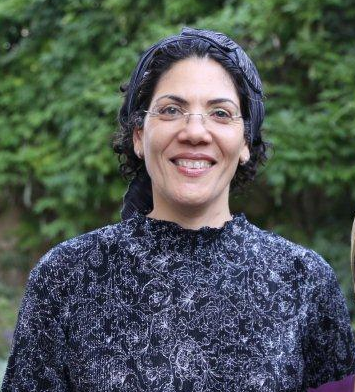
רוית קלך
מודיעין, ישראל
התחלתי ללמוד דף יומי באמצע תקופת הקורונה, שאבא שלי סיפר לי על קבוצה של בנות שתיפתח ביישוב שלנו ותלמד דף יומי כל יום. הרבה זמן רציתי להצטרף לזה וזאת הייתה ההזדמנות בשבילי. הצטרפתי במסכת שקלים ובאמצע הייתה הפסקה קצרה. כיום אני כבר לומדת באולפנה ולומדת דף יומי לבד מתוך גמרא של טיינזלץ.

שבות בראלי
עתניאל, ישראל
התחלתי ללמוד את הדף היומי מעט אחרי שבני הקטן נולד. בהתחלה בשמיעה ולימוד באמצעות השיעור של הרבנית שפרבר. ובהמשך העזתי וקניתי לעצמי גמרא. מאז ממשיכה יום יום ללמוד עצמאית, ולפעמים בעזרת השיעור של הרבנית, כל יום. כל סיום של מסכת מביא לאושר גדול וסיפוק. הילדים בבית נהיו חלק מהלימוד, אני משתפת בסוגיות מעניינות ונהנית לשמוע את דעתם.
אלירז בלאו
מעלה מכמש, ישראל
הייתי לפני שנתיים בסיום הדרן נשים בבנייני האומה והחלטתי להתחיל. אפילו רק כמה דפים, אולי רק פרק, אולי רק מסכת… בינתיים סיימתי רבע שס ותכף את כל סדר מועד בה.
הסביבה תומכת ומפרגנת. אני בת יחידה עם ארבעה אחים שכולם לומדים דף יומי. מדי פעם אנחנו עושים סיומים יחד באירועים משפחתיים. ממש מרגש. מסכת שבת סיימנו כולנו יחד עם אבא שלנו!
אני שומעת כל יום פודקאסט בהליכה או בנסיעה ואחכ לומדת את הגמרא.

עדנה גרוס
מרכז שפירא, ישראל
בבא בתרא מ
וְאֵין צָרִיךְ לוֹמַר ״כְּתוֹבוּ״; מוֹדָעָא – בִּפְנֵי שְׁנַיִם, וְאֵין צָרִיךְ לוֹמַר ״כְּתוֹבוּ״;
and the prior owner does not need to say to the witnesses: Write a document detailing the protest; they can write one even absent a directive. Similarly, one who desires to state a declaration, preemptively invalidating a bill of sale by notifying the court that it was executed under duress, needs to state the declaration in the presence of two witnesses, and he does not need to say to them: Write a document detailing the declaration; they can write one even absent a directive.
הוֹדָאָה – בִּפְנֵי שְׁנַיִם, וְצָרִיךְ לוֹמַר ״כְּתוֹבוּ״; קִנְיָן – בִּפְנֵי שְׁנַיִם, וְאֵינוֹ צָרִיךְ לוֹמַר ״כְּתוֹבוּ״; וְקִיּוּם שְׁטָרוֹת בִּשְׁלֹשָׁה;
The Gemara continues with the statement of Rava: An admission of a monetary obligation needs to be stated in the presence of two witnesses, and in this case, the one stating the admission needs to say to the witnesses: Write a document detailing the admission, as this document is to his detriment; they may not write one absent a directive. Acquisition by means of a symbolic act utilizing a cloth needs to be done in the presence of two witnesses, and the parties do not need to say to the witnesses: Write a document detailing the acquisition; they can write one even absent a directive. And ratification of legal documents needs to be done by means of three people.
סִימָן – ממה״ק.
The Gemara presents a mnemonic for the cases discussed above: Mem, protest [meḥa’a]; mem, declaration [moda’a]; heh, admission [hoda’a]; kuf, acquisition [kinyan].
אָמַר רָבָא: אִי קַשְׁיָא לִי, הָא קַשְׁיָא לִי – הַאי קִנְיָן, הֵיכִי דָמֵי? אִי כְּמַעֲשֵׂה בֵּית דִּין דָּמֵי, לִיבְעֵי תְּלָתָא! אִי לָא כְּמַעֲשֵׂה בֵּית דִּין דָּמֵי, אַמַּאי אֵינוֹ צָרִיךְ לוֹמַר ״כְּתוֹבוּ״?
Rava now discusses the statement of Rav Naḥman that he quoted. Rava said: If any part of this statement is difficult to me, this is what is difficult to me. This acquisition, what is it like? If it is like an act of the court, it should require three witnesses for it to take effect, as a court must consist of at least three men. If it is not like an act of the court, why does he not have to say to the witnesses that they should write the document detailing the acquisition? Isn’t transferring an item to another tantamount to admitting a monetary obligation?
בָּתַר דְּבָעֵי, הֲדַר פַּשְׁטַאּ: לְעוֹלָם לָאו כְּמַעֲשֵׂה בֵּית דִּין דָּמֵי; וְהָכָא, טַעְמָא מַאי דְּאֵינוֹ צָרִיךְ לוֹמַר ״כְּתוֹבוּ״ – מִשּׁוּם דִּסְתַם קִנְיָן לִכְתִיבָה עוֹמֵד.
After Rava raised the dilemma, he then resolves it. Actually, it is not considered like an act of the court. And here, what is the reason that he does not have to say to the witnesses that they should write? It is due to the fact that a record of an unspecified acquisition is ready to be written. A symbolic act of acquisition indicates one’s intention to do everything possible to finalize the transaction as soon as possible without waiting for the actual transfer of the item. Therefore, it is assumed that the parties would desire that a document be written, and no explicit authorization is necessary.
רַבָּה וְרַב יוֹסֵף דְּאָמְרִי תַּרְוַיְיהוּ: לָא כָּתְבִינַן מוֹדָעָא, אֶלָּא אַמַּאן דְּלָא צָיֵית דִּינָא. אַבָּיֵי וְרָבָא דְּאָמְרִי תַּרְוַיְיהוּ: אֲפִילּוּ עָלַי וְעָלֶיךָ. אָמְרִי נְהַרְדָּעֵי: כֹּל מוֹדָעָא
§ The Gemara discusses the halakhot of a preemptive declaration. Rabba and Rav Yosef both say: We write a preemptive declaration only concerning one who does not generally listen to and implement the judgment of the court. In such a case, there is no recourse other than to write a preemptive declaration on behalf of the seller nullifying the transaction. If the buyer would be willing to listen to the court, the seller is expected to deal with the matter in court, rather than participating in the sale and writing a preemptive declaration. Abaye and Rava both say: A preemptive declaration may be written even concerning someone who is law abiding, such as for me and for you, as not every issue can be settled through the courts. The Sages of Neharde’a say: Any preemptive declaration
דְּלָא כְּתִיב בָּהּ: ״אֲנַן יָדְעִינַן בֵּיהּ בְּאוּנְסָא דִפְלָנְיָא״ – לָאו מוֹדָעָא הִיא.
that does not have written in it the formulation: We are aware of so-and-so’s duress, i.e., we are aware of the nature of the coercion that forced him to enter this arrangement against his will, is not a valid preemptive declaration.
מוֹדָעָא דְמַאי? אִי דְּגִיטָּא וּדְמַתַּנְתָּא – גַּלּוֹיֵי מִילְּתָא בְּעָלְמָא הִיא! וְאִי דִּזְבִינֵי, וְהָאָמַר רָבָא: לָא כָּתְבִינַן מוֹדָעָא אַזְּבִינֵי!
For what type of transaction is the preemptive declaration being stated? If one were to say that it is a preemptive declaration for a bill of divorce or for a gift, the preemptive declaration is merely revealing the matter. Since these actions can’t take place unless he desires it, it is sufficient that he stated that he does not desire them, and he need not specify a particular reason for nullifying them. And if it is for a sale, but doesn’t Rava say: We do not write a preemptive declaration for a sale?
לְעוֹלָם דִּזְבִינֵי; מוֹדֵי רָבָא הֵיכָא דַּאֲנִיס – וּכְמַעֲשֶׂה דְּפַרְדֵּיסָא; דְּהָהוּא גַּבְרָא דְּמַשְׁכֵּין פַּרְדֵּיסָא לְחַבְרֵיהּ לִתְלָת שְׁנִין. בָּתַר דְּאַכְלַהּ תְּלָת שְׁנֵי חֲזָקָה, אֲמַר: אִי מְזַבְּנַתְּ לִי – מוּטָב, וְאִי לָא – כָּבֵישְׁנָא לִשְׁטַר מַשְׁכַּנְתָּא, וְאָמֵינָא: ״לְקוּחָה הִיא בְּיָדִי״. כְּהַאי גַּוְונָא כָּתְבִינַן מוֹדָעָא.
The Gemara answers: Actually, it is referring to a preemptive declaration for a sale, as Rava concedes in a case where one was compelled to act due to a threat of monetary loss, as with the incident of the orchard, as there was a certain man who mortgaged his orchard to another for three years. After he worked and profited from it for the three years necessary for establishing the presumption of ownership, he said: If you sell the orchard to me, it is well. And if not, then I will hide the mortgage document and I will say that this land is purchased and that is why it is in my possession, and you will receive no payment for the orchard. In a case like this, we write a preemptive declaration. The declaration states that he does not actually desire to sell his property but was forced to do so.
אָמַר רַב יְהוּדָה: הַאי מַתַּנְתָּא טְמִירְתָּא – לָא מַגְבֵּינַן בַּהּ. הֵיכִי דָּמֵי מַתַּנְתָּא טְמִירְתָּא? אָמַר רַב יוֹסֵף, דְּאָמַר לְהוּ לְסָהֲדִי: ״זִילוּ אִטַּמּוּרוּ וְכִתְבוּ לֵיהּ״. וְאִיכָּא דְּאָמְרִי: אָמַר רַב יוֹסֵף, דְּלָא אָמַר לְהוּ: ״תִּיתְּבוּ בְּשׁוּקָא וּבְבָרָיָתָא וְתִכְתְּבוּ לֵיהּ״. מַאי בֵּינַיְיהוּ? אִיכָּא בֵּינַיְיהוּ סְתָמָא.
§ Rav Yehuda says: With regard to this document detailing a concealed gift, we do not collect with it. The Gemara clarifies: What are the circumstances of a concealed gift? Rav Yosef said: It is referring to a case in which the giver said to witnesses: Go and hide and write a document for the recipient of this gift. And there are those who say that Rav Yosef said: It is referring to a case in which the giver did not say to witnesses: Sit outdoors in the marketplace and write it for him. The Gemara asks: What is the difference between the two versions of Rav Yosef’s statement? The Gemara answers: The difference between the two versions is in a case where his instructions were without specification, i.e., he did not tell them to write the document in private or in public.
אָמַר רָבָא: וְהָוְיָא מוֹדָעָא לַחֲבֶרְתַּהּ. אָמַר רַב פָּפָּא: הָא דְּרָבָא – לָאו בְּפֵירוּשׁ אִיתְּמַר, אֶלָּא מִכְּלָלָא אִיתְּמַר.
Rava said: But a concealed gift is effective as a preemptive declaration for another gift. In other words, if he first gave an item as a concealed gift to one person, and then he gave this item as a gift to someone else, the second gift is null and void. Rav Pappa said: This ruling of Rava was not stated explicitly; rather, it was stated by inference, and he did not, in fact, hold accordingly.
דְּהָהוּא גַּבְרָא דַּאֲזַל לְקַדּוֹשֵׁי אִתְּתָא, אֲמַרָה לֵיהּ: ״אִי כָּתְבַתְּ לִי כּוּלְּהוּ נִכְסָיךְ – הָוֵינָא לָךְ, וְאִי לָא – לָא הָוֵינָא לָךְ״. אֲזַל כַּתְבֵיהּ לַהּ לְכוּלְּהוּ נִכְסֵי. אֲתָא בְּרֵיהּ קַשִּׁישָׁא, אֲמַר לֵיהּ: ״וְהָהוּא גַּבְרָא – מָה תִּהְוֵי עֲלֵיהּ?״ אֲמַר לְהוּ לְסָהֲדֵי: ״זִילוּ אִטַּמּוּרוּ בַּעֲבַר יַמִּינָא, וְכִתְבוּ לֵיהּ״. אֲתוֹ לְקַמֵּיהּ דְּרָבָא, אֲמַר לְהוּ: לָא מָר קְנָה, וְלָא מָר קְנָה.
Rav Pappa explains the inference: As there was a certain man who went to betroth a woman. She said to him: If you write a document signing over all of your property to me, then I will be your wife, and if not, I will not be your wife. He went and wrote a document signing over all of his property to her. His eldest son came and said to him: And that man, i.e., me, what will become of him if you give all of your property to this woman? The father said to two witnesses: Go hide in Avar Yemina and write a document for the son, giving him the father’s property as a gift. Later, the witnesses came before Rava. He said to them: This Master, i.e., the son, did not acquire the property and that Master, i.e., the wife, did not acquire it either. The son did not acquire the property because it was a concealed gift.
מַאן דַּחֲזָא, סָבַר – מִשּׁוּם דְּהָוְיָא מוֹדָעָא לַחֲבֶרְתַּהּ. וְלָא הִיא; הָתָם – מוֹכְחָא מִילְּתָא דְּמֵחֲמַת אוּנְסָא הוּא דִּכְתַב לַהּ; אֲבָל הָכָא – מָר נִיחָא לֵיהּ דְּלִיקְנֵי, וּמָר לָא נִיחָא לֵיהּ דְּלִיקְנֵי.
The Gemara explains why the wife does not acquire it as well. One who observed this incident assumed that Rava invalidated the wife’s acquisition because the concealed gift to his son was a preemptive declaration to the other gift, but that is not so. There, in the case of the woman and the son, the matter is self-evident that he wrote a document signing over his property to her because of duress, as she had told him that she would not marry him otherwise; but here, in a typical case of giving one person a concealed gift and then giving a public gift to another, that is not the case. It is possible that it is simply amenable to him that this Master, i.e., the one to whom he gave it publicly, should acquire the gift, and it is not amenable to him that this Master, i.e., the one to whom he gave it privately, should acquire the gift. Consequently, an incorrect inference was drawn concerning Rava’s opinion.
אִיבַּעְיָא לְהוּ:
A dilemma was raised before the Sages:
לעקוב

