






רוצה להקדיש שיעור?


בבא בתרא מג
אַמַּאי? נוֹגְעִין בְּעֵדוּתָן הֵן!
The Gemara asks: Why is this so? Aren’t partners biased in their testimony, as they jointly own the property in question?
הָכָא בְּמַאי עָסְקִינַן – דִּכְתַב לֵיהּ: ״דִּין וּדְבָרִים אֵין לִי עַל שָׂדֶה זוֹ״. וְכִי כְּתַב לוֹ מַאי הָוֵי? וְהָתַנְיָא, הָאוֹמֵר לַחֲבֵירוֹ: ״דִּין וּדְבָרִים אֵין לִי עַל שָׂדֶה זו״;ֹ וְ״אֵין לִי עֵסֶק בָּהּ״; וְ״יָדַי מְסוּלָּקוֹת הֵימֶנָּה – לֹא אָמַר כְּלוּם!
The Gemara answers: With what are we dealing here? We are dealing with a case where the partner who is testifying wrote to the other partner: I do not have any legal dealings or involvement with regard to this field, thereby relinquishing his ownership of the field. The Gemara asks: And if he wrote this to him, what of it? But isn’t it taught in a baraita that one who says to another: I do not have any legal dealings or involvement concerning this field, or: I have no dealings with it, or: My hands are removed from it, has said nothing? That is to say, these statements have no legal standing.
הָכָא בְּמַאי עָסְקִינַן – כְּשֶׁקָּנוּ מִיָּדוֹ. וְכִי קָנוּ מִיָּדוֹ מַאי הָוֵי? הֲרֵי מַעֲמִידָהּ בִּפְנֵי בַּעַל חוֹבוֹ –
The Gemara answers: With what are we dealing here? We are dealing with a case where the one testifying performed an act of acquisition with the other partner. Since relinquishing his share in this fashion is effective, his testimony is no longer biased. The Gemara asks: And if he performed an act of acquisition with the one testifying, what of it? His testimony is still biased, as he is establishing the field before his creditor. Once he transferred his share to his partner, his creditor will now be able to collect from the property that he formerly co-owned, as a creditor can collect from property that a debtor once owned despite the fact that he has relinquished his ownership of it. Since his testimony enables him to repay his debt, it is biased.
דְּאָמַר רָבִין בַּר שְׁמוּאֵל מִשְּׁמֵיהּ דִּשְׁמוּאֵל: הַמּוֹכֵר שָׂדֶה לַחֲבֵירוֹ שֶׁלֹּא בְּאַחְרָיוּת – אֵין מֵעִיד לוֹ עָלֶיהָ, מִפְּנֵי שֶׁמַּעֲמִידָהּ בִּפְנֵי בַּעַל חוֹבוֹ!
As Ravin bar Shmuel says in the name of Shmuel: One who sells a field to another even without a guarantee that if the field will be repossessed the seller will compensate the buyer for his loss cannot testify with regard to ownership of that field on behalf of the buyer because he is establishing the field before his creditor.
הָכָא בְּמַאי עָסְקִינַן – דְּקַבֵּיל עֲלֵיהּ אַחְרָיוּת. אַחְרָיוּת דְּמַאן? אִי נֵימָא אַחְרָיוּת דְּעָלְמָא, כׇּל שֶׁכֵּן דְּנִיחָא לֵיהּ! אֶלָּא אַחְרָיוּת דְּאָתְיָא לֵיהּ מֵחֲמָתֵיהּ.
The Gemara answers: With what are we dealing here? We are dealing with a case where the one testifying assumes financial responsibility for the field. Therefore, his testimony is not biased. The Gemara clarifies: Responsibility with regard to whom? If we say that he assumes general responsibility, such that if anyone collects the field from his former partner for whatever reason, he is liable to compensate the partner, then all the more so it is preferable for him that the field remain in his former partner’s possession, as if the claimant will be successful in obtaining the field, the witness will have to compensate the partner. Rather, it is referring to a case where he assumes responsibility only for a loss that comes to his former partner in the property resulting from the field being seized by one of his creditors to collect payment for his debts. He is, therefore, not an interested party, as in any event he owes the same debt, either to his creditor or to his partner.
וְכִי מְסַלֵּק נַפְשֵׁיהּ מִינֵּיהּ – מִי מִסְתַּלַּק? וְהָתַנְיָא: בְּנֵי עִיר שֶׁנִּגְנַב סֵפֶר תּוֹרָה שֶׁלָּהֶן, אֵין דָּנִין בְּדַיָּינֵי אוֹתָהּ הָעִיר, וְאֵין מְבִיאִין רְאָיָה מֵאַנְשֵׁי אוֹתָהּ הָעִיר. וְאִם אִיתָא, לִיסַלְּקוּ בֵּי תְרֵי מִינַּיְיהוּ, וְלִידַיְינוּ!
The Gemara asks: And if he removes himself from the property by having the former partner acquire his share in it, is it actually effective to remove him, so that there is no longer a concern for biased testimony? But isn’t it taught in a baraita: With regard to a case of residents of a city whose Torah scroll was stolen, the case is not adjudicated by the judges of that city, and proof may not be brought from the testimony of the people of that city, as their testimony is biased? And if it is so that relinquishing one’s share renders one as not biased, then let two of them remove themselves from their share in the Torah scroll, and then the court can judge the case based on their testimony.
שָׁאנֵי סֵפֶר תּוֹרָה, דְּלִשְׁמִיעָה קָאֵי.
The Gemara answers: A Torah scroll is different, as it stands for the people to listen to the Torah reading from it. Since they are obligated to listen to the Torah reading, they stand to benefit from this Torah scroll even if they relinquish their ownership share in it, and their testimony is biased.
תָּא שְׁמַע: הָאוֹמֵר ״תְּנוּ מָנֶה לִבְנֵי עִירִי״ – אֵין דָּנִין בְּדַיָּינֵי אוֹתָהּ הָעִיר, וְאֵין מְבִיאִין רְאָיָה מֵאַנְשֵׁי אוֹתָהּ הָעִיר. אַמַּאי? לִיסַלְּקוּ בֵּי תְרֵי נַפְשַׁיְיהוּ, וְלִידַיְינוּ!
The Gemara suggests: Come and hear a proof from a baraita: With regard to one who says: Give one hundred dinars to the residents of my city, the distribution of the funds is not adjudicated by the judges of that city, and proof may not be brought from the testimony of the people of that city, as their testimony is biased. Why not? Let two people remove themselves from their share in the funds and then the court can judge the case based on their testimony.
הָכָא נָמֵי בְּסֵפֶר תּוֹרָה.
The Gemara answers: Here too, this halakha is stated with regard to a case where the gift was for the purpose of procuring a Torah scroll, and the same aforementioned reasoning applies.
תָּא שְׁמַע: הָאוֹמֵר ״תְּנוּ מָנֶה לַעֲנִיֵּי עִירִי״ – אֵין דָּנִין בְּדַיָּינֵי אוֹתָהּ הָעִיר, וְאֵין מְבִיאִין רְאָיָה מֵאַנְשֵׁי אוֹתָהּ הָעִיר. וְתִסְבְּרָא – עֲנִיִּים שָׁקְלִי, דַּיָּינֵי מִיפַּסְלִי?! אֶלָּא אֵימָא: אֵין דָּנִין בְּדַיָּינֵי עֲנִיֵּי אוֹתָהּ הָעִיר, וְאֵין מְבִיאִין רְאָיָה מֵעֲנִיֵּי אוֹתָהּ הָעִיר. וְאַמַּאי? לִסְתַּלְּקוּ בֵּי תְרֵי נַפְשַׁיְיהוּ, וְלִידַיְינוּ!
The Gemara suggests: Come and hear a proof from a baraita: With regard to one who says: Give one hundred dinars to the poor people of my city, the distribution of the funds is not adjudicated by the judges of that city, and proof may not be brought from testimony of the people of that city, as their testimony is biased. And how can you understand the fact that the poor take the money and the judges are thereby disqualified as interested parties? Rather, say: The distribution of the funds is not adjudicated by the poor judges of that city, and proof may not be brought from the testimony of the poor people of that city. And why not? Let two people remove themselves from their share in the funds and then the court can judge the case based on their testimony.
הָכָא נָמֵי בְּסֵפֶר תּוֹרָה. וְאַמַּאי קָרֵי לְהוּ ״עֲנִיִּים״? דְּהַכֹּל אֵצֶל סֵפֶר תּוֹרָה – עֲנִיִּים הֵן.
The Gemara answers: Here, too this halakha is stated with regard to a case where the gift was for the purpose of procuring a Torah scroll, and the same aforementioned reasoning applies. The Gemara asks: And if it is referring to money for purchasing a Torah scroll rather than money earmarked for charity, why does the baraita call the recipients: Poor people? Because everyone is poor with regard to a Torah scroll, as it is very expensive.
וְאִיבָּעֵית אֵימָא: לְעוֹלָם כִּדְקָתָנֵי – עֲנִיִּים מַמָּשׁ, וּבְעַנְיֵי דְּרָאמוּ עֲלַיְיהוּ. וְהֵיכִי דָּמֵי? אִי דְּקִיץ לְהוּ – לִיתְּבוּ בֵּי תְרֵי מִינַּיְיהוּ מַאי דְּקִיץ לְהוּ, וְלִידַיְינוּ!
And if you wish, say instead: Actually, it is referring to people who are literally poor, as it teaches. And the ruling of the baraita is stated with regard to poor people, whose support is incumbent upon all of the residents. Therefore, a gift to these poor people reduces their obligation, and all of their testimony is biased. The Gemara clarifies: And what are the circumstances in which this baraita states its ruling? If it is a place where the sum of charity that each resident is obligated to give is fixed for them, let two of them give what is fixed for them to give to the poor, and then the court can judge the case based on their testimony.
הָכָא בְּמַאי עָסְקִינַן – דְּלָא קִיץ לְהוּ. וְאִיבָּעֵית אֵימָא: לְעוֹלָם דְּקִיץ לְהוּ, וְנִיחָא לְהוּ – דְּכֵיוָן דְּרָוַוח, רָוַוח.
The Gemara answers: With what are we dealing here? We are dealing with a case where the sum is not fixed for them. Therefore, this is not an option. And if you wish, say instead: Actually, it is referring to a place where the sum is fixed for them. And nevertheless, it is amenable to the residents of the city that the poor receive a gift, because once there is a gain for the poor people from this donation, there is a gain, and it lightens the burden on all of the people of the city.
וְנַעֲשִׁין שׁוֹמְרֵי שָׂכָר זֶה לָזֶה.
§ The Gemara returns to discuss Shmuel’s statement concerning partners: And they become paid bailees of their joint property with regard to each other.
אַמַּאי? שְׁמִירָה בִּבְעָלִים הִיא! אָמַר רַב פָּפָּא, דְּאָמַר לֵיהּ: שְׁמוֹר לִי הַיּוֹם, וַאֲנִי אֶשְׁמוֹר לְךָ לְמָחָר.
The Gemara asks: Why are they liable as paid bailees? Isn’t it a case of safeguarding accompanied by employment of the owner? Since both partners are safeguarding each other’s property, they are both employed by each other, and they should therefore be exempt from the obligations of safeguarding. Rav Pappa said: Shmuel is referring to a case where he says to his partner: Safeguard for me today, and I will safeguard for you tomorrow. In this circumstance, they are each the sole bailee at any given moment, and they do not receive the exemption from bailee payments for being employed by the owner.
תָּנוּ רַבָּנַן: מָכַר לוֹ בַּיִת, מָכַר לוֹ שָׂדֶה – אֵין מֵעִיד לוֹ עָלֶיהָ, מִפְּנֵי שֶׁאַחְרָיוּתוֹ עָלָיו. מָכַר לוֹ פָּרָה, מָכַר לוֹ טַלִּית – מֵעִיד לוֹ עָלֶיהָ, מִפְּנֵי שֶׁאֵין אַחְרָיוּתוֹ עָלָיו. מַאי שְׁנָא רֵישָׁא וּמַאי שְׁנָא סֵיפָא?
§ The Sages taught: If one sold a house to another, or if he sold a field to him, he cannot testify about it for the buyer against a claimant because the financial responsibility to compensate the buyer for it is upon him, and his testimony is biased. By contrast, if he sold a cow to him, or if he sold a cloak to him, he can testify about it for the buyer because the financial responsibility to compensate the buyer for it is not upon him. The Gemara asks: What is different in the first clause that he cannot testify and what is different in the latter clause that he can? Why would one assume that in the first case he does bear responsibility, but not in the second?
אָמַר רַב שֵׁשֶׁת: רֵישָׁא – בִּרְאוּבֵן שֶׁגָּזַל שָׂדֶה מִשִּׁמְעוֹן, וּמְכָרָהּ לְלֵוִי, וַאֲתָא יְהוּדָה וְקָא מְעַרְעֵר; דְּלָא לֵיזִיל שִׁמְעוֹן לַאסְהֵיד לֵיהּ לְלֵוִי, דְּנִיחָא לֵיהּ דְּהָדְרָא.
Rav Sheshet said: The first clause is stated with regard to the case of Reuven, who robbed Shimon of a field and sold it to Levi, and then Yehuda comes and contests Levi’s ownership, stating that it was actually his. The baraita teaches that Shimon cannot go to court to testify for Levi, because it is preferable for Shimon that the field be returned to Levi, so that he can later collect it from him.
וְכֵיוָן דְּאַסְהֵיד לֵיהּ דְּלֵוִי הוּא, הֵיכִי מָצֵי מַפֵּיק לַהּ מִינֵּיהּ? דְּאָמַר: יָדַעְנָא דְּהַאי אַרְעָא דְּלָאו דִּיהוּדָה הִיא. וּבְהָהוּא זְכוּתָא דְּקָא מַפֵּיק לַהּ מִלֵּוִי – לַיפְּקַהּ מִיהוּדָה?
The Gemara asks: But once he testified that the field is Levi’s, how is he able to later remove it from his possession? The Gemara answers: This is referring to a case where Shimon says in his testimony: I know that this land is not Yehuda’s, but he did not explicitly testify that it belonged to Levi. He is therefore able to later claim it is his and not Levi’s. The Gemara asks: But why should he testify that it does not belong to Yehuda? With that same right by which he removes the land from the possession of Levi, let him remove it from the possession of Yehuda. It is not to his advantage to lie in order to establish it in the possession of Levi, and his testimony should not be considered biased.
דְּאָמַר: הַשֵּׁנִי נוֹחַ לִי, הָרִאשׁוֹן קָשֶׁה הֵימֶנּוּ.
The Gemara answers: Because Shimon says to himself: The second person is amenable to me, while the first is more difficult than he is, i.e., I prefer to litigate with Levi rather than with Yehuda.
וְאִי בָּעֵית אֵימָא: כְּגוֹן דְּאִית לֵיהּ סָהֲדֵי לְמָר וְאִית לֵיהּ סָהֲדֵי לְמָר, וַאֲמוּר רַבָּנַן: אַרְעָא, הֵיכָא דְּקַיְימָא – תֵּיקוּם.
And if you wish, say instead: It is referring to a case where this Master, Shimon, has witnesses attesting to his ownership, and that Master, Yehuda, also has witnesses attesting to his ownership, and the Sages said that under such circumstances the land should remain where it is. That is to say, it should remain with the one currently in possession. If Yehuda were to be awarded the land, Shimon would not be able to remove the land from his possession despite having witnesses to support his claim, as Yehuda also has witnesses supporting his claim and would be in possession of the land. As a result of Shimon’s testimony, the land will be awarded to Levi, who has possession as a result of his purchase from Reuven. Then Shimon will be able to remove the land from Levi’s possession by proving that Reuven stole it from him. Therefore, Shimon’s testimony is biased.

כלים
העמקה
רוצה להבין מה באמת קורה מתחת לפני השטח של הסוגיה?
שיעורים, פודקאסטים והרחבות של מיטב המורות שלנו יפתחו לך עוד זוויות וכיווני חשיבה.








חדשה בלימוד הגמרא?
זה הדף הראשון שלך? איזו התרגשות עצומה! יש לנו בדיוק את התכנים והכלים שיעזרו לך לעשות את הצעדים הראשונים ללמידה בקצב וברמה שלך, כך תוכלי להרגיש בנוח גם בתוך הסוגיות המורכבות ומאתגרות.
פסיפס הלומדות שלנו
גלי את קהילת הלומדות שלנו, מגוון נשים, רקעים וסיפורים. כולן חלק מתנועה ומסע מרגש ועוצמתי.
התחלתי ללמוד גמרא בבית הספר בגיל צעיר והתאהבתי. המשכתי בכך כל חיי ואף היייתי מורה לגמרא בבית הספר שקד בשדה אליהו (בית הספר בו למדתי בילדותי)בתחילת מחזור דף יומי הנוכחי החלטתי להצטרף ובע”ה מקווה להתמיד ולהמשיך. אני אוהבת את המפגש עם הדף את "דרישות השלום ” שמקבלת מקשרים עם דפים אחרים שלמדתי את הסנכרון שמתחולל בין התכנים.

מעלה גלבוע, ישראל
התחלתי ללמוד לפני כשנתיים בשאיפה לסיים לראשונה מסכת אחת במהלך חופשת הלידה.
אחרי מסכת אחת כבר היה קשה להפסיק…

ירוחם, ישראל
התחלתי ללמוד דף יומי שהתחילו מסכת כתובות, לפני 7 שנים, במסגרת קבוצת לימוד שהתפרקה די מהר, ומשם המשכתי לבד בתמיכת האיש שלי. נעזרתי בגמרת שטיינזלץ ובשיעורים מוקלטים.
הסביבה מאד תומכת ואני מקבלת המון מילים טובות לאורך כל הדרך. מאז הסיום הגדול יש תחושה שאני חלק מדבר גדול יותר.
אני לומדת בשיטת ה”7 דפים בשבוע” של הרבנית תרצה קלמן – כלומר, לא נורא אם לא הצלחת ללמוד כל יום, העיקר שגמרת ארבעה דפים בשבוע

עתניאל, ישראל
בתחילת הסבב הנוכחי של לימוד הדף היומי, נחשפתי לחגיגות המרגשות באירועי הסיום ברחבי העולם. והבטחתי לעצמי שבקרוב אצטרף גם למעגל הלומדות. הסבב התחיל כאשר הייתי בתחילת דרכי בתוכנית קרן אריאל להכשרת יועצות הלכה של נשמ”ת. לא הצלחתי להוסיף את ההתחייבות לדף היומי על הלימוד האינטנסיבי של תוכנית היועצות. בבוקר למחרת המבחן הסופי בנשמ”ת, התחלתי את לימוד הדף במסכת סוכה ומאז לא הפסקתי.

קרית גת, ישראל
באירוע של הדרן בנייני האומה. בהשראתה של אמי שלי שסיימה את הש”ס בסבב הקודם ובעידוד מאיר , אישי, וילדיי וחברותיי ללימוד במכון למנהיגות הלכתית של רשת אור תורה סטון ומורתיי הרבנית ענת נובוסלסקי והרבנית דבורה עברון, ראש המכון למנהיגות הלכתית.
הלימוד מעשיר את יומי, מחזיר אותי גם למסכתות שכבר סיימתי וידוע שאינו דומה מי ששונה פרקו מאה לשונה פרקו מאה ואחת במיוחד מרתקים אותי החיבורים בין המסכתות
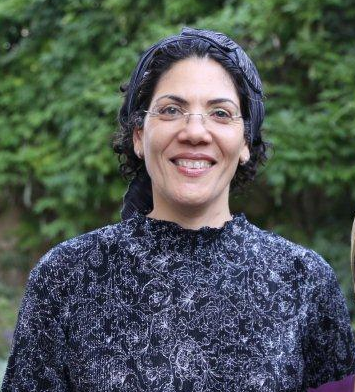
מודיעין, ישראל
התחלתי לפני כמה שנים אבל רק בסבב הזה זכיתי ללמוד יום יום ולסיים מסכתות

רעננה, ישראל
אחרי שראיתי את הסיום הנשי של הדף היומי בבנייני האומה זה ריגש אותי ועורר בי את הרצון להצטרף. לא למדתי גמרא קודם לכן בכלל, אז הכל היה לי חדש, ולכן אני לומדת בעיקר מהשיעורים פה בהדרן, בשוטנשטיין או בחוברות ושיננתם.

בית שמש, ישראל
התחלתי בתחילת הסבב, והתמכרתי. זה נותן משמעות נוספת ליומיום ומאוד מחזק לתת לזה מקום בתוך כל שגרת הבית-עבודה השוטפת.

בית שמש, ישראל
אמא שלי למדה איתי ש”ס משנה, והתחילה ללמוד דף יומי. אני החלטתי שאני רוצה ללמוד גם. בהתחלה למדתי איתה, אח”כ הצטרפתי ללימוד דף יומי שהרב דני וינט מעביר לנוער בנים בעתניאל. במסכת עירובין עוד חברה הצטרפה אלי וכשהתחלנו פסחים הרב דני פתח לנו שעור דף יומי לבנות. מאז אנחנו לומדות איתו קבוע כל יום את הדף היומי (ובשבת אבא שלי מחליף אותו). אני נהנית מהלימוד, הוא מאתגר ומעניין

עתניאל, ישראל
בתחילת הסבב הנוכחי הצטברו אצלי תחושות שאני לא מבינה מספיק מהי ההלכה אותה אני מקיימת בכל יום. כמו כן, כאמא לבנות רציתי לתת להן מודל נשי של לימוד תורה
שתי הסיבות האלו הובילו אותי להתחיל ללמוד. נתקלתי בתגובות מפרגנות וסקרניות איך אישה לומדת גמרא..
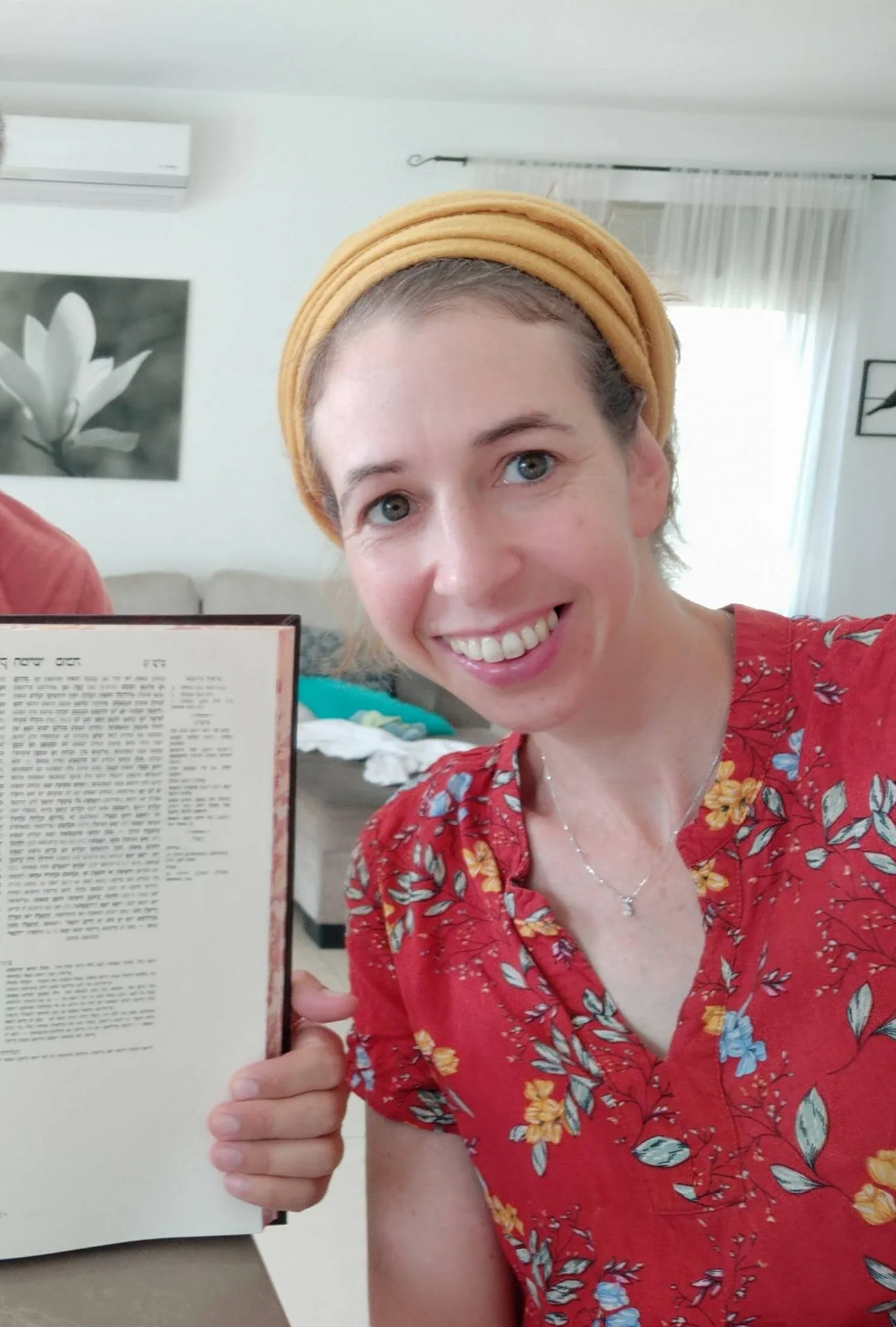
כמו שרואים בתמונה אני ממשיכה ללמוד גם היום ואפילו במחלקת יולדות אחרי לידת ביתי השלישית.

רבבה, ישראל
כבר סיפרתי בסיום של מועד קטן.
הלימוד מאוד משפיעה על היום שלי כי אני לומדת עם רבנית מישל על הבוקר בזום. זה נותן טון לכל היום – בסיס למחשבות שלי .זה זכות גדול להתחיל את היום בלימוד ובתפילה. תודה רבה !

ירושלים, ישראל
התחלתי ללמוד את הדף היומי מעט אחרי שבני הקטן נולד. בהתחלה בשמיעה ולימוד באמצעות השיעור של הרבנית שפרבר. ובהמשך העזתי וקניתי לעצמי גמרא. מאז ממשיכה יום יום ללמוד עצמאית, ולפעמים בעזרת השיעור של הרבנית, כל יום. כל סיום של מסכת מביא לאושר גדול וסיפוק. הילדים בבית נהיו חלק מהלימוד, אני משתפת בסוגיות מעניינות ונהנית לשמוע את דעתם.

מעלה מכמש, ישראל
רציתי לקבל ידע בתחום שהרגשתי שהוא גדול וחשוב אך נעלם ממני. הלימוד מעניק אתגר וסיפוק ומעמיק את תחושת השייכות שלי לתורה וליהדות
עלי זהב – לשם, ישראל
באירוע של הדרן בנייני האומה. בהשראתה של אמי שלי שסיימה את הש”ס בסבב הקודם ובעידוד מאיר , אישי, וילדיי וחברותיי ללימוד במכון למנהיגות הלכתית של רשת אור תורה סטון ומורתיי הרבנית ענת נובוסלסקי והרבנית דבורה עברון, ראש המכון למנהיגות הלכתית.
הלימוד מעשיר את יומי, מחזיר אותי גם למסכתות שכבר סיימתי וידוע שאינו דומה מי ששונה פרקו מאה לשונה פרקו מאה ואחת במיוחד מרתקים אותי החיבורים בין המסכתות
מודיעין, ישראל
A friend in the SF Bay Area said in Dec 2019 that she might start listening on her morning drive to work. I mentioned to my husband and we decided to try the Daf when it began in Jan 2020 as part of our preparing to make Aliyah in the summer.

ירושלים, Israel
אחי, שלומד דף יומי ממסכת ברכות, חיפש חברותא ללימוד מסכת ראש השנה והציע לי. החברותא היתה מאתגרת טכנית ורוב הזמן נעשתה דרך הטלפון, כך שבסיום המסכת נפרדו דרכינו. אחי חזר ללמוד לבד, אבל אני כבר נכבשתי בקסם הגמרא ושכנעתי את האיש שלי להצטרף אלי למסכת ביצה. מאז המשכנו הלאה, ועכשיו אנחנו מתרגשים לקראתו של סדר נשים!

נוקדים, ישראל
התחלתי להשתתף בשיעור נשים פעם בשבוע, תכננתי ללמוד רק דפים בודדים, לא האמנתי שאצליח יותר מכך.
לאט לאט נשאבתי פנימה לעולם הלימוד .משתדלת ללמוד כל בוקר ומתחילה את היום בתחושה של מלאות ומתוך התכווננות נכונה יותר.
הלימוד של הדף היומי ממלא אותי בתחושה של חיבור עמוק לעם היהודי ולכל הלומדים בעבר ובהווה.

אפרת, ישראל
. לא תמיד נהניתי מלימוד גמרא כילדה.,בל כהתבגרתי התחלתי לאהוב את זה שוב. התחלתי ללמוד מסכת סוטה בדף היומי לפני כחמש עשרה שנה ואז הפסקתי.הגעתי לסיום הגדול של הדרן לפני שנתיים וזה נתן לי השראה. והתחלתי ללמוד למשך כמה ימים ואז היתה לי פריצת דיסק והפסקתי…עד אלול השנה. אז התחלתי עם מסכת ביצה וב”ה אני מצליחה לעמוד בקצב. המשפחה מאוד תומכת בי ויש כמה שגם לומדים את זה במקביל. אני אוהבת שיש עוגן כל יום.

בית שמש, ישראל
התחלתי כשהייתי בחופש, עם הפרסומים על תחילת המחזור, הסביבה קיבלה את זה כמשהו מתמיד ומשמעותי ובהערכה, הלימוד זה עוגן יציב ביום יום, יש שבועות יותר ויש שפחות אבל זה משהו שנמצא שם אמין ובעל משמעות בחיים שלי….

גמזו, ישראל
ראיתי את הסיום הגדול בבנייני האומה וכל כך התרשמתי ורציתי לקחת חלק.. אבל לקח לי עוד כשנה וחצי )באמצע מסיכת שבת להצטרף..
הלימוד חשוב לי מאוד.. אני תמיד במרדף אחרי הדף וגונבת כל פעם חצי דף כשהילדים עסוקים ומשלימה אח”כ אחרי שכולם הלכו לישון..

ירושלים, ישראל
בבא בתרא מג
אַמַּאי? נוֹגְעִין בְּעֵדוּתָן הֵן!
The Gemara asks: Why is this so? Aren’t partners biased in their testimony, as they jointly own the property in question?
הָכָא בְּמַאי עָסְקִינַן – דִּכְתַב לֵיהּ: ״דִּין וּדְבָרִים אֵין לִי עַל שָׂדֶה זוֹ״. וְכִי כְּתַב לוֹ מַאי הָוֵי? וְהָתַנְיָא, הָאוֹמֵר לַחֲבֵירוֹ: ״דִּין וּדְבָרִים אֵין לִי עַל שָׂדֶה זו״;ֹ וְ״אֵין לִי עֵסֶק בָּהּ״; וְ״יָדַי מְסוּלָּקוֹת הֵימֶנָּה – לֹא אָמַר כְּלוּם!
The Gemara answers: With what are we dealing here? We are dealing with a case where the partner who is testifying wrote to the other partner: I do not have any legal dealings or involvement with regard to this field, thereby relinquishing his ownership of the field. The Gemara asks: And if he wrote this to him, what of it? But isn’t it taught in a baraita that one who says to another: I do not have any legal dealings or involvement concerning this field, or: I have no dealings with it, or: My hands are removed from it, has said nothing? That is to say, these statements have no legal standing.
הָכָא בְּמַאי עָסְקִינַן – כְּשֶׁקָּנוּ מִיָּדוֹ. וְכִי קָנוּ מִיָּדוֹ מַאי הָוֵי? הֲרֵי מַעֲמִידָהּ בִּפְנֵי בַּעַל חוֹבוֹ –
The Gemara answers: With what are we dealing here? We are dealing with a case where the one testifying performed an act of acquisition with the other partner. Since relinquishing his share in this fashion is effective, his testimony is no longer biased. The Gemara asks: And if he performed an act of acquisition with the one testifying, what of it? His testimony is still biased, as he is establishing the field before his creditor. Once he transferred his share to his partner, his creditor will now be able to collect from the property that he formerly co-owned, as a creditor can collect from property that a debtor once owned despite the fact that he has relinquished his ownership of it. Since his testimony enables him to repay his debt, it is biased.
דְּאָמַר רָבִין בַּר שְׁמוּאֵל מִשְּׁמֵיהּ דִּשְׁמוּאֵל: הַמּוֹכֵר שָׂדֶה לַחֲבֵירוֹ שֶׁלֹּא בְּאַחְרָיוּת – אֵין מֵעִיד לוֹ עָלֶיהָ, מִפְּנֵי שֶׁמַּעֲמִידָהּ בִּפְנֵי בַּעַל חוֹבוֹ!
As Ravin bar Shmuel says in the name of Shmuel: One who sells a field to another even without a guarantee that if the field will be repossessed the seller will compensate the buyer for his loss cannot testify with regard to ownership of that field on behalf of the buyer because he is establishing the field before his creditor.
הָכָא בְּמַאי עָסְקִינַן – דְּקַבֵּיל עֲלֵיהּ אַחְרָיוּת. אַחְרָיוּת דְּמַאן? אִי נֵימָא אַחְרָיוּת דְּעָלְמָא, כׇּל שֶׁכֵּן דְּנִיחָא לֵיהּ! אֶלָּא אַחְרָיוּת דְּאָתְיָא לֵיהּ מֵחֲמָתֵיהּ.
The Gemara answers: With what are we dealing here? We are dealing with a case where the one testifying assumes financial responsibility for the field. Therefore, his testimony is not biased. The Gemara clarifies: Responsibility with regard to whom? If we say that he assumes general responsibility, such that if anyone collects the field from his former partner for whatever reason, he is liable to compensate the partner, then all the more so it is preferable for him that the field remain in his former partner’s possession, as if the claimant will be successful in obtaining the field, the witness will have to compensate the partner. Rather, it is referring to a case where he assumes responsibility only for a loss that comes to his former partner in the property resulting from the field being seized by one of his creditors to collect payment for his debts. He is, therefore, not an interested party, as in any event he owes the same debt, either to his creditor or to his partner.
וְכִי מְסַלֵּק נַפְשֵׁיהּ מִינֵּיהּ – מִי מִסְתַּלַּק? וְהָתַנְיָא: בְּנֵי עִיר שֶׁנִּגְנַב סֵפֶר תּוֹרָה שֶׁלָּהֶן, אֵין דָּנִין בְּדַיָּינֵי אוֹתָהּ הָעִיר, וְאֵין מְבִיאִין רְאָיָה מֵאַנְשֵׁי אוֹתָהּ הָעִיר. וְאִם אִיתָא, לִיסַלְּקוּ בֵּי תְרֵי מִינַּיְיהוּ, וְלִידַיְינוּ!
The Gemara asks: And if he removes himself from the property by having the former partner acquire his share in it, is it actually effective to remove him, so that there is no longer a concern for biased testimony? But isn’t it taught in a baraita: With regard to a case of residents of a city whose Torah scroll was stolen, the case is not adjudicated by the judges of that city, and proof may not be brought from the testimony of the people of that city, as their testimony is biased? And if it is so that relinquishing one’s share renders one as not biased, then let two of them remove themselves from their share in the Torah scroll, and then the court can judge the case based on their testimony.
שָׁאנֵי סֵפֶר תּוֹרָה, דְּלִשְׁמִיעָה קָאֵי.
The Gemara answers: A Torah scroll is different, as it stands for the people to listen to the Torah reading from it. Since they are obligated to listen to the Torah reading, they stand to benefit from this Torah scroll even if they relinquish their ownership share in it, and their testimony is biased.
תָּא שְׁמַע: הָאוֹמֵר ״תְּנוּ מָנֶה לִבְנֵי עִירִי״ – אֵין דָּנִין בְּדַיָּינֵי אוֹתָהּ הָעִיר, וְאֵין מְבִיאִין רְאָיָה מֵאַנְשֵׁי אוֹתָהּ הָעִיר. אַמַּאי? לִיסַלְּקוּ בֵּי תְרֵי נַפְשַׁיְיהוּ, וְלִידַיְינוּ!
The Gemara suggests: Come and hear a proof from a baraita: With regard to one who says: Give one hundred dinars to the residents of my city, the distribution of the funds is not adjudicated by the judges of that city, and proof may not be brought from the testimony of the people of that city, as their testimony is biased. Why not? Let two people remove themselves from their share in the funds and then the court can judge the case based on their testimony.
הָכָא נָמֵי בְּסֵפֶר תּוֹרָה.
The Gemara answers: Here too, this halakha is stated with regard to a case where the gift was for the purpose of procuring a Torah scroll, and the same aforementioned reasoning applies.
תָּא שְׁמַע: הָאוֹמֵר ״תְּנוּ מָנֶה לַעֲנִיֵּי עִירִי״ – אֵין דָּנִין בְּדַיָּינֵי אוֹתָהּ הָעִיר, וְאֵין מְבִיאִין רְאָיָה מֵאַנְשֵׁי אוֹתָהּ הָעִיר. וְתִסְבְּרָא – עֲנִיִּים שָׁקְלִי, דַּיָּינֵי מִיפַּסְלִי?! אֶלָּא אֵימָא: אֵין דָּנִין בְּדַיָּינֵי עֲנִיֵּי אוֹתָהּ הָעִיר, וְאֵין מְבִיאִין רְאָיָה מֵעֲנִיֵּי אוֹתָהּ הָעִיר. וְאַמַּאי? לִסְתַּלְּקוּ בֵּי תְרֵי נַפְשַׁיְיהוּ, וְלִידַיְינוּ!
The Gemara suggests: Come and hear a proof from a baraita: With regard to one who says: Give one hundred dinars to the poor people of my city, the distribution of the funds is not adjudicated by the judges of that city, and proof may not be brought from testimony of the people of that city, as their testimony is biased. And how can you understand the fact that the poor take the money and the judges are thereby disqualified as interested parties? Rather, say: The distribution of the funds is not adjudicated by the poor judges of that city, and proof may not be brought from the testimony of the poor people of that city. And why not? Let two people remove themselves from their share in the funds and then the court can judge the case based on their testimony.
הָכָא נָמֵי בְּסֵפֶר תּוֹרָה. וְאַמַּאי קָרֵי לְהוּ ״עֲנִיִּים״? דְּהַכֹּל אֵצֶל סֵפֶר תּוֹרָה – עֲנִיִּים הֵן.
The Gemara answers: Here, too this halakha is stated with regard to a case where the gift was for the purpose of procuring a Torah scroll, and the same aforementioned reasoning applies. The Gemara asks: And if it is referring to money for purchasing a Torah scroll rather than money earmarked for charity, why does the baraita call the recipients: Poor people? Because everyone is poor with regard to a Torah scroll, as it is very expensive.
וְאִיבָּעֵית אֵימָא: לְעוֹלָם כִּדְקָתָנֵי – עֲנִיִּים מַמָּשׁ, וּבְעַנְיֵי דְּרָאמוּ עֲלַיְיהוּ. וְהֵיכִי דָּמֵי? אִי דְּקִיץ לְהוּ – לִיתְּבוּ בֵּי תְרֵי מִינַּיְיהוּ מַאי דְּקִיץ לְהוּ, וְלִידַיְינוּ!
And if you wish, say instead: Actually, it is referring to people who are literally poor, as it teaches. And the ruling of the baraita is stated with regard to poor people, whose support is incumbent upon all of the residents. Therefore, a gift to these poor people reduces their obligation, and all of their testimony is biased. The Gemara clarifies: And what are the circumstances in which this baraita states its ruling? If it is a place where the sum of charity that each resident is obligated to give is fixed for them, let two of them give what is fixed for them to give to the poor, and then the court can judge the case based on their testimony.
הָכָא בְּמַאי עָסְקִינַן – דְּלָא קִיץ לְהוּ. וְאִיבָּעֵית אֵימָא: לְעוֹלָם דְּקִיץ לְהוּ, וְנִיחָא לְהוּ – דְּכֵיוָן דְּרָוַוח, רָוַוח.
The Gemara answers: With what are we dealing here? We are dealing with a case where the sum is not fixed for them. Therefore, this is not an option. And if you wish, say instead: Actually, it is referring to a place where the sum is fixed for them. And nevertheless, it is amenable to the residents of the city that the poor receive a gift, because once there is a gain for the poor people from this donation, there is a gain, and it lightens the burden on all of the people of the city.
וְנַעֲשִׁין שׁוֹמְרֵי שָׂכָר זֶה לָזֶה.
§ The Gemara returns to discuss Shmuel’s statement concerning partners: And they become paid bailees of their joint property with regard to each other.
אַמַּאי? שְׁמִירָה בִּבְעָלִים הִיא! אָמַר רַב פָּפָּא, דְּאָמַר לֵיהּ: שְׁמוֹר לִי הַיּוֹם, וַאֲנִי אֶשְׁמוֹר לְךָ לְמָחָר.
The Gemara asks: Why are they liable as paid bailees? Isn’t it a case of safeguarding accompanied by employment of the owner? Since both partners are safeguarding each other’s property, they are both employed by each other, and they should therefore be exempt from the obligations of safeguarding. Rav Pappa said: Shmuel is referring to a case where he says to his partner: Safeguard for me today, and I will safeguard for you tomorrow. In this circumstance, they are each the sole bailee at any given moment, and they do not receive the exemption from bailee payments for being employed by the owner.
תָּנוּ רַבָּנַן: מָכַר לוֹ בַּיִת, מָכַר לוֹ שָׂדֶה – אֵין מֵעִיד לוֹ עָלֶיהָ, מִפְּנֵי שֶׁאַחְרָיוּתוֹ עָלָיו. מָכַר לוֹ פָּרָה, מָכַר לוֹ טַלִּית – מֵעִיד לוֹ עָלֶיהָ, מִפְּנֵי שֶׁאֵין אַחְרָיוּתוֹ עָלָיו. מַאי שְׁנָא רֵישָׁא וּמַאי שְׁנָא סֵיפָא?
§ The Sages taught: If one sold a house to another, or if he sold a field to him, he cannot testify about it for the buyer against a claimant because the financial responsibility to compensate the buyer for it is upon him, and his testimony is biased. By contrast, if he sold a cow to him, or if he sold a cloak to him, he can testify about it for the buyer because the financial responsibility to compensate the buyer for it is not upon him. The Gemara asks: What is different in the first clause that he cannot testify and what is different in the latter clause that he can? Why would one assume that in the first case he does bear responsibility, but not in the second?
אָמַר רַב שֵׁשֶׁת: רֵישָׁא – בִּרְאוּבֵן שֶׁגָּזַל שָׂדֶה מִשִּׁמְעוֹן, וּמְכָרָהּ לְלֵוִי, וַאֲתָא יְהוּדָה וְקָא מְעַרְעֵר; דְּלָא לֵיזִיל שִׁמְעוֹן לַאסְהֵיד לֵיהּ לְלֵוִי, דְּנִיחָא לֵיהּ דְּהָדְרָא.
Rav Sheshet said: The first clause is stated with regard to the case of Reuven, who robbed Shimon of a field and sold it to Levi, and then Yehuda comes and contests Levi’s ownership, stating that it was actually his. The baraita teaches that Shimon cannot go to court to testify for Levi, because it is preferable for Shimon that the field be returned to Levi, so that he can later collect it from him.
וְכֵיוָן דְּאַסְהֵיד לֵיהּ דְּלֵוִי הוּא, הֵיכִי מָצֵי מַפֵּיק לַהּ מִינֵּיהּ? דְּאָמַר: יָדַעְנָא דְּהַאי אַרְעָא דְּלָאו דִּיהוּדָה הִיא. וּבְהָהוּא זְכוּתָא דְּקָא מַפֵּיק לַהּ מִלֵּוִי – לַיפְּקַהּ מִיהוּדָה?
The Gemara asks: But once he testified that the field is Levi’s, how is he able to later remove it from his possession? The Gemara answers: This is referring to a case where Shimon says in his testimony: I know that this land is not Yehuda’s, but he did not explicitly testify that it belonged to Levi. He is therefore able to later claim it is his and not Levi’s. The Gemara asks: But why should he testify that it does not belong to Yehuda? With that same right by which he removes the land from the possession of Levi, let him remove it from the possession of Yehuda. It is not to his advantage to lie in order to establish it in the possession of Levi, and his testimony should not be considered biased.
דְּאָמַר: הַשֵּׁנִי נוֹחַ לִי, הָרִאשׁוֹן קָשֶׁה הֵימֶנּוּ.
The Gemara answers: Because Shimon says to himself: The second person is amenable to me, while the first is more difficult than he is, i.e., I prefer to litigate with Levi rather than with Yehuda.
וְאִי בָּעֵית אֵימָא: כְּגוֹן דְּאִית לֵיהּ סָהֲדֵי לְמָר וְאִית לֵיהּ סָהֲדֵי לְמָר, וַאֲמוּר רַבָּנַן: אַרְעָא, הֵיכָא דְּקַיְימָא – תֵּיקוּם.
And if you wish, say instead: It is referring to a case where this Master, Shimon, has witnesses attesting to his ownership, and that Master, Yehuda, also has witnesses attesting to his ownership, and the Sages said that under such circumstances the land should remain where it is. That is to say, it should remain with the one currently in possession. If Yehuda were to be awarded the land, Shimon would not be able to remove the land from his possession despite having witnesses to support his claim, as Yehuda also has witnesses supporting his claim and would be in possession of the land. As a result of Shimon’s testimony, the land will be awarded to Levi, who has possession as a result of his purchase from Reuven. Then Shimon will be able to remove the land from Levi’s possession by proving that Reuven stole it from him. Therefore, Shimon’s testimony is biased.

