






רוצה להקדיש שיעור?


בבא בתרא נד
דִּשְׁדָא לִיפְתָּא בֵּי פִילֵי דְּאַרְעָא דְגֵר – לָא הָוֵי חֲזָקָה. מַאי טַעְמָא? בְּעִידָּנָא דִּשְׁדָא – לָא הָוֵי שְׁבָחָא, הַשְׁתָּא דְּקָא שָׁבַח – מִמֵּילָא קָא שָׁבַח.
who threw turnip seeds in the crevices [filei] of the land of a convert who died without heirs, it is not sufficient to take possession. What is the reason for this? As at the time that he threw the seeds there was no enhancement to the value of the field. Now that the turnips have grown and the value of the field is enhanced, it is enhanced by itself.
אָמַר שְׁמוּאֵל: הַאי מַאן דְּפָשַׁח דִּיקְלָא; אַדַּעְתָּא דְּדִיקְלָא – קָנֵי, אַדַּעְתָּא דְחֵיוָתָא – לָא קָנֵי. הֵיכִי דָּמֵי? שְׁקַל מֵהַאי גִּיסָא וּמֵהַאי גִּיסָא – אַדַּעְתָּא דְּדִיקְלָא. כּוֹלָּא מֵחַד גִּיסָא – אַדַּעְתָּא דְחֵיוָתָא.
The Gemara records a series of rulings with regard to taking possession of land. Shmuel says: With regard to this one who cuts the branches of a palm tree, if he had in mind the acquisition of the palm tree, he has acquired it; but if he had in mind the benefit of the animals, to feed his animals the branches, he has not acquired it. The Gemara asks: What are the circumstances in which it can be known what he had in mind? The Gemara answers: If he took branches from this side and from that side, he had in mind the acquisition of the palm tree, as this assists the growth of the tree; but if the branches that he took were all from one side, he had in mind the benefit of the animals.
וְאָמַר שְׁמוּאֵל: הַאי מַאן דְּזָכֵי זִיכְיָא; אַדַּעְתָּא דְאַרְעָא – קָנֵי, אַדַּעְתָּא דְצִיבֵי – לָא קָנֵי. הֵיכִי דָּמֵי? שְׁקַל רַבְרְבֵי וְזוּטְרֵי – אַדַּעְתָּא דְאַרְעָא, שְׁקַל רַבְרְבֵי וּשְׁבַק זוּטְרֵי – אַדַּעְתָּא דְצִיבֵי.
And Shmuel says with regard to this one who clears [dezakkei zikheya] a field of trees, if he had in mind the improvement of the field, to prepare it for plowing, he has acquired it; but if he had in mind the collection of the wood, he has not acquired it. The Gemara asks: What are the circumstances in which it can be known what he had in mind? The Gemara answers: If he took large and small pieces of wood, he had in mind the improvement of the field; however, if he took the large pieces of wood but left the small ones, he had in mind the collection of the wood.
וְאָמַר שְׁמוּאֵל: הַאי מַאן דְּאתָקֵיל תִּיקְלָא; אַדַּעְתָּא דְאַרְעָא – קָנֵי, אַדַּעְתָּא דְבֵי דָרֵי – לָא קָנֵי. הֵיכִי דָּמֵי? שְׁקַל מוּלְיָא וּשְׁדָא בְּנַצָּא – אַדַּעְתָּא דְאַרְעָא. מוּלְיָא בְּמוּלְיָא וְנַצָּא בְּנַצָּא – אַדַּעְתָּא דְבֵי דָרֵי.
And Shmuel says with regard to this one who removes protuberances and levels the ground, if he had in mind the improvement of the field, to prepare it for plowing, he has acquired it; but if he had in mind the conversion of the field into a threshing floor, he has not acquired it. The Gemara asks: What are the circumstances in which it can be known what he had in mind? The Gemara answers: If he took a mound and threw it in a ditch, thereby leveling both areas, he had in mind the improvement of the field; but if he leveled the ground with a mound in the place of a mound and a ditch in the place of a ditch, expanding each area but leaving the field as a whole uneven, he had in mind the conversion of the field into a threshing floor.
וְאָמַר שְׁמוּאֵל: הַאי מַאן דְּפָתַח מַיָּא בְּאַרְעָא; אַדַּעְתָּא דְאַרְעָא – קָנֵי, אַדַּעְתָּא דְכַוְורֵי – לָא קָנֵי. הֵיכִי דָּמֵי? פָּתַח תְּרֵי בָבֵי, חַד מְעַיֵּיל וְחַד מַפֵּיק – אַדַּעְתָּא דְכַוְורֵי. חַד בָּבָא – אַדַּעְתָּא דְאַרְעָא.
And Shmuel says with regard to this one who opened a blockage and enabled water to enter into a section of land, if he had in mind the improvement of the field, to irrigate it, he has acquired it; but if he had in mind the catching of the fish, i.e., to enable the water to flow in so that he could catch the fish therein, he has not acquired it. The Gemara asks: What are the circumstances in which it can be known what he had in mind? The Gemara answers: If he opened two gates, one bringing in the water and one taking out the water, this indicates that he had in mind the catching of the fish, as the water will flow out of the field, giving him the means to catch the fish; but if he opened only one gate, this indicates that he had in mind the improvement of the field.
הָהִיא אִיתְּתָא דַּאֲכַלָה דִּיקְלָא בְּתַפְשִׁיחָא, תְּלֵיסַר שְׁנִין. אֲתָא הָהוּא [גַּבְרָא], רָפֵיק תּוּתֵיהּ פּוּרְתָּא. אֲתָא לְקַמֵּיהּ דְּלֵוִי, וְאָמְרִי לַהּ קַמֵּיהּ דְּמָר עוּקְבָא, אוֹקְמֵיהּ בִּידֵיהּ. אֲתַאי קָא צָוְוחָא קַמֵּיהּ, אֲמַר לַהּ: מַאי אֶעֱבֵיד לָךְ, דְּלָא אַחְזֵיקְתְּ כִּדְמַחְזְקִי אִינָשֵׁי.
The Gemara relates: There was a certain woman who profited from an ownerless palm tree by cutting its branches for thirteen years. Another then came and plowed beneath it a bit. The case came before Levi, and some say that it came before Mar Ukva, who established the property in the possession of the one who plowed. The woman came and shouted before him, protesting the perceived injustice of his ruling. Mar Ukva said to her: What can I do for you, as you did not take possession of the property in the manner that people take possession?
אָמַר רַב: הַצָּר צוּרָה בְּנִכְסֵי הַגֵּר – קָנָה; דְּרַב לָא קָנֵי לְגִנְּתָא דְּבֵי רַב, אֶלָּא בְּצוּרְתָּא.
Rav says: One who draws an image, e.g., he paints an image on the wall, on the property of a convert who died without heirs has acquired it, as Rav himself acquired the garden of the house of Rav, which had been ownerless property, only by drawing an image.
אִיתְּמַר: שָׂדֶה הַמְסוּיֶּימֶת בִּמְצָרֶיהָ – אָמַר רַב הוּנָא אָמַר רַב: כֵּיוָן שֶׁהִכִּישׁ בָּהּ מַכּוֹשׁ אֶחָד – קָנָה כּוּלָּהּ. וּשְׁמוּאֵל אָמַר: לֹא קָנָה אֶלָּא מְקוֹם מַכּוֹשׁוֹ בִּלְבַד.
§ It was stated: With regard to a field that is defined by its boundaries, i.e., it has clearly demarcated boundaries on all sides, Rav Huna says that Rav says: Once he struck the land with a hoe one time, he acquired the entire property. And Shmuel says that he has acquired only the place that he struck with the hoe.
וְשֶׁאֵינָהּ מְסוּיֶּימֶת בִּמְצָרֶיהָ, עַד כַּמָּה? אָמַר רַב פָּפָּא: כִּדְאָזֵיל תַּיָּירָא דְשׁוֹרֵי וְהָדַר.
And if it is not defined by its boundaries, up to how much of the field is acquired by one strike of the hoe? Rav Pappa said: He acquires as far as an ox driver goes and returns, i.e., the size of a standard furrow, beginning where the hoe entered the ground.
אָמַר רַב יְהוּדָה אָמַר שְׁמוּאֵל: נִכְסֵי גּוֹי הֲרֵי הֵן כְּמִדְבָּר, כׇּל הַמַּחְזִיק בָּהֶן זָכָה בָּהֶן. מַאי טַעְמָא? גּוֹי – מִכִּי מָטוּ זוּזֵי לִידֵיהּ אִסְתַּלַּק לֵיהּ, יִשְׂרָאֵל לָא קָנֵי עַד דְּמָטֵי שְׁטָרָא לִידֵיהּ. הִלְכָּךְ הֲרֵי הֵן כְּמִדְבָּר, וְכׇל הַמַּחְזִיק בָּהֶן זָכָה בָּהֶן.
§ Rav Yehuda says that Shmuel says: With regard to the property of a gentile that was sold to a Jew for money, it is ownerless like a desert until the purchaser performs an act of acquisition; anyone who takes possession of it in the interim has acquired it. What is the reason for this? The gentile relinquishes ownership of it from the moment when the money reaches his hand, while the Jew who purchased it does not acquire it until the deed reaches his hand. Therefore, in the period of time between the giving of the money and the receiving of the deed, the property is like a desert, and anyone who takes possession of it has acquired it.
אֲמַר לֵיהּ אַבָּיֵי לְרַב יוֹסֵף: מִי אָמַר שְׁמוּאֵל הָכִי?! וְהָאָמַר שְׁמוּאֵל: דִּינָא דְמַלְכוּתָא דִּינָא; וּמַלְכָּא אָמַר: לָא לִיקְנֵי אַרְעָא אֶלָּא בְּאִיגַּרְתָּא! אֲמַר לֵיהּ: אֲנָא לָא יָדַעְנָא; עוֹבָדָא הֲוָה בְּדוּרָא דְרָעֲוָתָא, בְּיִשְׂרָאֵל דִּזְבַן אַרְעָא מִגּוֹי, וַאֲתָא יִשְׂרָאֵל אַחֲרִינָא רָפֵיק בָּהּ פּוּרְתָּא; אֲתָא לְקַמֵּיהּ דְּרַב יְהוּדָה, אוֹקְמַהּ בִּידָא דְּשֵׁנִי.
Abaye said to Rav Yosef: Did Shmuel actually say this? But doesn’t Shmuel say that the law of the kingdom is the law, i.e., the halakha obligates Jews to observe the laws of the locale in which they reside, and the king said that land may not be acquired without a document? Therefore, taking possession should not be effective for acquisition. Rav Yosef said to him: I do not know how to reconcile this contradiction, but there was an incident in the village of Dura that was founded by shepherds, where there was a Jew who purchased land from a gentile by giving money, and in the interim another Jew came and plowed it a bit. The two Jews came before Rav Yehuda for a ruling, and he established the property in the possession of the second individual. This accords with the ruling of Shmuel that the property is ownerless until a Jew performs an act of acquisition.
אֲמַר לֵיהּ: דּוּרָא דְרָעֲוָתָא קָאָמְרַתְּ?! הָתָם בָּאגֵי מִטַּמְּרִי הֲווֹ – דְּאִינְהוּ גּוּפַיְיהוּ לָא הֲווֹ יָהֲבִי טַסְקָא לְמַלְכָּא, וּמַלְכָּא אֲמַר: מַאן דְּיָהֵיב טַסְקָא, לֵיכוֹל אַרְעָא.
Abaye said to him: Are you saying that the incident occurred in Dura that was founded by shepherds? Proof cannot be brought from that case, as there the fields were concealed, since the owners of fields would not pay the land tax [taska] to the king, and the king says that one who pays land tax may profit from the field. Therefore, in that case, the gentile who sold the property did not actually own it, and consequently by the laws of the kingdom could not sell it. The one who took possession of the property acquired it in accordance with the law of the kingdom, as he committed to pay the land tax. Elsewhere, one would not acquire the field until he received a deed of sale from the gentile.
רַב הוּנָא זְבֵן אַרְעָא מִגּוֹי, אֲתָא יִשְׂרָאֵל אַחֵר רָפֵיק בַּהּ פּוּרְתָּא. אֲתָא לְקַמֵּיהּ דְּרַב נַחְמָן, אוֹקְמַהּ בִּידֵיהּ. אֲמַר לֵיהּ: מַאי דַּעְתָּיךְ? דְּאָמַר שְׁמוּאֵל: נִכְסֵי גּוֹי הֲרֵי הֵן כְּמִדְבָּר, וְכׇל הַמַּחְזִיק בָּהֶם זָכָה?
The Gemara relates: Rav Huna purchased land from a gentile. Another Jew came and plowed it slightly. Rav Huna and that Jew came before Rav Naḥman, who established the property in the possession of the latter. Rav Huna said to Rav Naḥman: What are you thinking in issuing this ruling? Is it because Shmuel says that the property of a gentile is like a desert, and anyone who takes possession of it has acquired it?

כלים
העמקה
רוצה להבין מה באמת קורה מתחת לפני השטח של הסוגיה?
שיעורים, פודקאסטים והרחבות של מיטב המורות שלנו יפתחו לך עוד זוויות וכיווני חשיבה.



חדשה בלימוד הגמרא?
זה הדף הראשון שלך? איזו התרגשות עצומה! יש לנו בדיוק את התכנים והכלים שיעזרו לך לעשות את הצעדים הראשונים ללמידה בקצב וברמה שלך, כך תוכלי להרגיש בנוח גם בתוך הסוגיות המורכבות ומאתגרות.
פסיפס הלומדות שלנו
גלי את קהילת הלומדות שלנו, מגוון נשים, רקעים וסיפורים. כולן חלק מתנועה ומסע מרגש ועוצמתי.
התחלתי מעט לפני תחילת הסבב הנוכחי. אני נהנית מהאתגר של להמשיך להתמיד, מרגעים של "אהה, מפה זה הגיע!” ומהאתגר האינטלקטואלי

לוד, ישראל
התחלתי ללמוד בסבב הנוכחי לפני כשנתיים .הסביבה מתפעלת ותומכת מאוד. אני משתדלת ללמוד מכל ההסכתים הנוספים שיש באתר הדרן. אני עורכת כל סיום מסכת שיעור בביתי לכ20 נשים שמחכות בקוצר רוח למפגשים האלו.

יהוד, ישראל
התחלתי ללמוד דף יומי באמצע תקופת הקורונה, שאבא שלי סיפר לי על קבוצה של בנות שתיפתח ביישוב שלנו ותלמד דף יומי כל יום. הרבה זמן רציתי להצטרף לזה וזאת הייתה ההזדמנות בשבילי. הצטרפתי במסכת שקלים ובאמצע הייתה הפסקה קצרה. כיום אני כבר לומדת באולפנה ולומדת דף יומי לבד מתוך גמרא של טיינזלץ.

עתניאל, ישראל
התחלתי ללמוד לפני 4.5 שנים, כשהודיה חברה שלי פתחה קבוצת ווטסאפ ללימוד דף יומי בתחילת מסכת סנהדרין. מאז לימוד הדף נכנס לתוך היום-יום שלי והפך לאחד ממגדירי הזהות שלי ממש.

ירושלים, ישראל
בתחילת הסבב הנוכחי של לימוד הדף היומי, נחשפתי לחגיגות המרגשות באירועי הסיום ברחבי העולם. והבטחתי לעצמי שבקרוב אצטרף גם למעגל הלומדות. הסבב התחיל כאשר הייתי בתחילת דרכי בתוכנית קרן אריאל להכשרת יועצות הלכה של נשמ”ת. לא הצלחתי להוסיף את ההתחייבות לדף היומי על הלימוד האינטנסיבי של תוכנית היועצות. בבוקר למחרת המבחן הסופי בנשמ”ת, התחלתי את לימוד הדף במסכת סוכה ומאז לא הפסקתי.

קרית גת, ישראל
הצטרפתי ללומדות בתחילת מסכת תענית. ההתרגשות שלי ושל המשפחה היתה גדולה מאוד, והיא הולכת וגוברת עם כל סיום שאני זוכה לו. במשך שנים רבות רציתי להצטרף ומשום מה זה לא קרה… ב”ה מצאתי לפני מספר חודשים פרסום של הדרן, ומיד הצטרפתי והתאהבתי. הדף היומי שינה את חיי ממש והפך כל יום- ליום של תורה. מודה לכן מקרב ליבי ומאחלת לכולנו לימוד פורה מתוך אהבת התורה ולומדיה.

חיספין רמת הגולן, ישראל
התחלתי ללמוד את הדף היומי מעט אחרי שבני הקטן נולד. בהתחלה בשמיעה ולימוד באמצעות השיעור של הרבנית שפרבר. ובהמשך העזתי וקניתי לעצמי גמרא. מאז ממשיכה יום יום ללמוד עצמאית, ולפעמים בעזרת השיעור של הרבנית, כל יום. כל סיום של מסכת מביא לאושר גדול וסיפוק. הילדים בבית נהיו חלק מהלימוד, אני משתפת בסוגיות מעניינות ונהנית לשמוע את דעתם.

מעלה מכמש, ישראל
A life-changing journey started with a Chanukah family tiyul to Zippori, home of the Sanhedrin 2 years ago and continued with the Syum in Binanei Hauma where I was awed by the energy of 3000 women dedicated to learning daf Yomi. Opening my morning daily with a fresh daf, I am excited with the new insights I find enriching my life and opening new and deeper horizons for me.

Elazar gush etzion, Israel
בתחילת הסבב הנוכחי הצטברו אצלי תחושות שאני לא מבינה מספיק מהי ההלכה אותה אני מקיימת בכל יום. כמו כן, כאמא לבנות רציתי לתת להן מודל נשי של לימוד תורה
שתי הסיבות האלו הובילו אותי להתחיל ללמוד. נתקלתי בתגובות מפרגנות וסקרניות איך אישה לומדת גמרא..
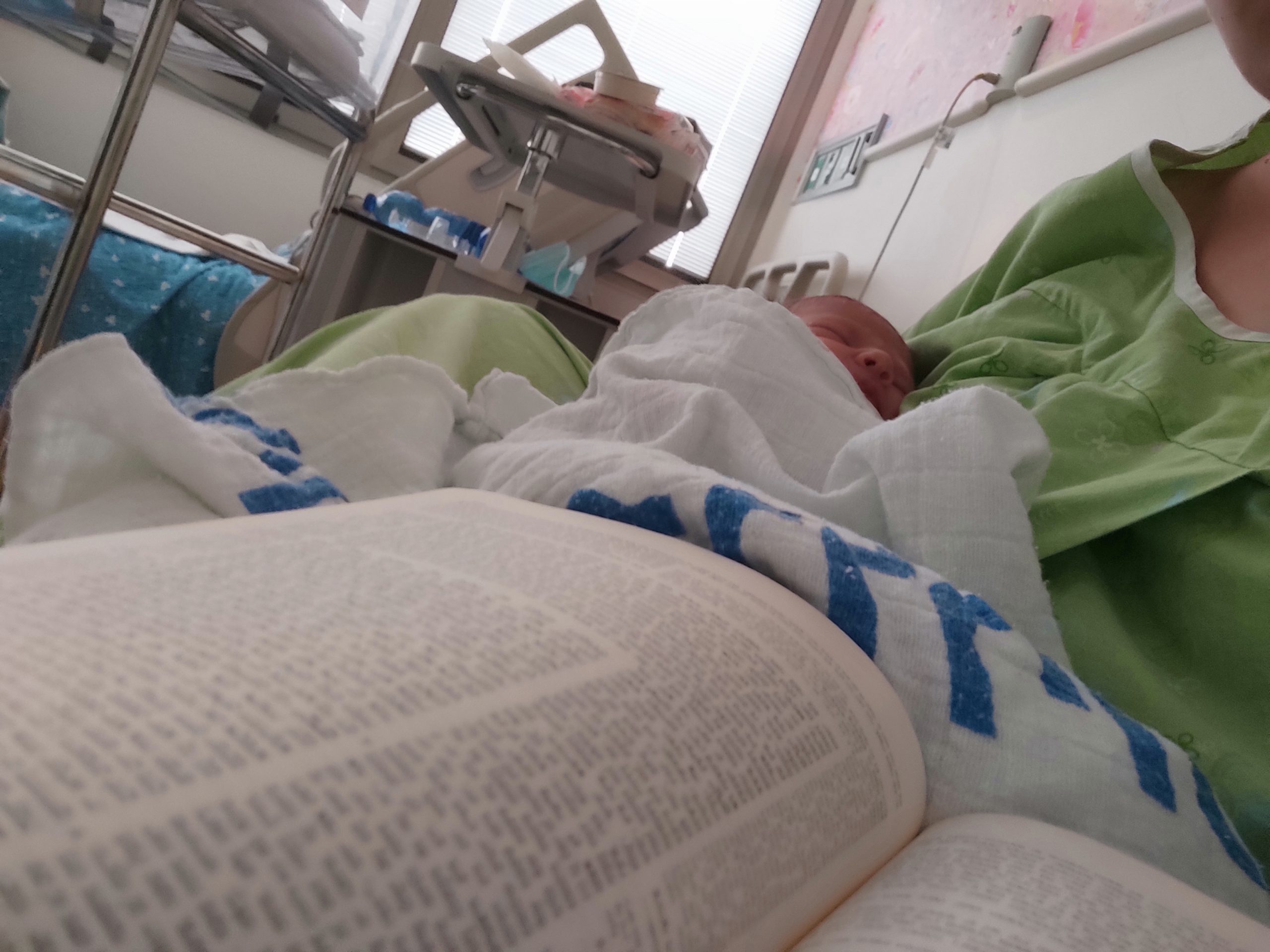
כמו שרואים בתמונה אני ממשיכה ללמוד גם היום ואפילו במחלקת יולדות אחרי לידת ביתי השלישית.
רבבה, ישראל
התחלתי ללמוד דף יומי ממסכת נידה כי זה היה חומר הלימוד שלי אז. לאחר הסיום הגדול בבנייני האומה החלטתי להמשיך. וב”ה מאז עם הפסקות קטנות של קורונה ולידה אני משתדלת להמשיך ולהיות חלק.
זה משפיע מאוד על היום יום שלי ועל אף שאני עסוקה בלימודי הלכה ותורה כל יום, זאת המסגרת הקבועה והמחייבת ביותר שיש לי.

גבעת הראל, ישראל
התחלתי ללמוד לפני 4.5 שנים, כשהודיה חברה שלי פתחה קבוצת ווטסאפ ללימוד דף יומי בתחילת מסכת סנהדרין. מאז לימוד הדף נכנס לתוך היום-יום שלי והפך לאחד ממגדירי הזהות שלי ממש.
ירושלים, ישראל
התחלתי ללמוד בשנת המדרשה במגדל עוז, בינתיים נהנית מאוד מהלימוד ומהגמרא, מעניין ומשמח מאוד!
משתדלת להצליח לעקוב כל יום, לפעמים משלימה קצת בהמשך השבוע.. מרגישה שיש עוגן מקובע ביום שלי והוא משמח מאוד!

חיפה , ישראל
הייתי לפני שנתיים בסיום הדרן נשים בבנייני האומה והחלטתי להתחיל. אפילו רק כמה דפים, אולי רק פרק, אולי רק מסכת… בינתיים סיימתי רבע שס ותכף את כל סדר מועד בה.
הסביבה תומכת ומפרגנת. אני בת יחידה עם ארבעה אחים שכולם לומדים דף יומי. מדי פעם אנחנו עושים סיומים יחד באירועים משפחתיים. ממש מרגש. מסכת שבת סיימנו כולנו יחד עם אבא שלנו!
אני שומעת כל יום פודקאסט בהליכה או בנסיעה ואחכ לומדת את הגמרא.

מרכז שפירא, ישראל
באירוע של הדרן בנייני האומה. בהשראתה של אמי שלי שסיימה את הש”ס בסבב הקודם ובעידוד מאיר , אישי, וילדיי וחברותיי ללימוד במכון למנהיגות הלכתית של רשת אור תורה סטון ומורתיי הרבנית ענת נובוסלסקי והרבנית דבורה עברון, ראש המכון למנהיגות הלכתית.
הלימוד מעשיר את יומי, מחזיר אותי גם למסכתות שכבר סיימתי וידוע שאינו דומה מי ששונה פרקו מאה לשונה פרקו מאה ואחת במיוחד מרתקים אותי החיבורים בין המסכתות

מודיעין, ישראל
My explorations into Gemara started a few days into the present cycle. I binged learnt and become addicted. I’m fascinated by the rich "tapestry” of intertwined themes, connections between Masechtot, conversations between generations of Rabbanim and learners past and present all over the world. My life has acquired a golden thread, linking generations with our amazing heritage.
Thank you.

חשמונאים, Israel
רציתי לקבל ידע בתחום שהרגשתי שהוא גדול וחשוב אך נעלם ממני. הלימוד מעניק אתגר וסיפוק ומעמיק את תחושת השייכות שלי לתורה וליהדות

עלי זהב – לשם, ישראל
לפני 15 שנה, אחרי עשרות שנים של "ג’ינגול” בין משפחה לקריירה תובענית בהייטק, הצטרפתי לשיעורי גמרא במתן רעננה. הלימוד המעמיק והייחודי של הרבנית אושרה קורן יחד עם קבוצת הנשים המגוונת הייתה חוויה מאלפת ומעשירה. לפני כשמונה שנים כאשר מחזור הדף היומי הגיע למסכת תענית הצטרפתי כ”חברותא” לבעלי. זו השעה היומית שלנו ביחד כאשר דפי הגמרא משתלבים בחיי היום יום, משפיעים ומושפעים, וכשלא מספיקים תמיד משלימים בשבת
רעננה, ישראל
"
גם אני התחלתי בסבב הנוכחי וב””ה הצלחתי לסיים את רוב המסכתות . בזכות הרבנית מישל משתדלת לפתוח את היום בשיעור הזום בשעה 6:20 .הלימוד הפך להיות חלק משמעותי בחיי ויש ימים בהם אני מצליחה לחזור על הדף עם מלמדים נוספים ששיעוריהם נמצאים במרשתת. שמחה להיות חלק מקהילת לומדות ברחבי העולם. ובמיוחד לשמש דוגמה לנכדותיי שאי””ה יגדלו לדור שלימוד תורה לנשים יהיה משהו שבשגרה. "

נתניה, ישראל
התחלתי מחוג במסכת קידושין שהעבירה הרבנית רייסנר במסגרת בית המדרש כלנה בגבעת שמואל; לאחר מכן התחיל סבב הדף היומי אז הצטרפתי. לסביבה לקח זמן לעכל אבל היום כולם תומכים ומשתתפים איתי. הלימוד לעתים מעניין ומעשיר ולעתים קשה ואף הזוי… אך אני ממשיכה קדימה. הוא משפיע על היומיום שלי קודם כל במרדף אחרי הדף, וגם במושגים הרבים שלמדתי ובידע שהועשרתי בו, חלקו ממש מעשי

ראש העין, ישראל
התחלתי לפני 8 שנים במדרשה. לאחרונה סיימתי מסכת תענית בלמידה עצמית ועכשיו לקראת סיום מסכת מגילה.

רעננה, ישראל
בבא בתרא נד
דִּשְׁדָא לִיפְתָּא בֵּי פִילֵי דְּאַרְעָא דְגֵר – לָא הָוֵי חֲזָקָה. מַאי טַעְמָא? בְּעִידָּנָא דִּשְׁדָא – לָא הָוֵי שְׁבָחָא, הַשְׁתָּא דְּקָא שָׁבַח – מִמֵּילָא קָא שָׁבַח.
who threw turnip seeds in the crevices [filei] of the land of a convert who died without heirs, it is not sufficient to take possession. What is the reason for this? As at the time that he threw the seeds there was no enhancement to the value of the field. Now that the turnips have grown and the value of the field is enhanced, it is enhanced by itself.
אָמַר שְׁמוּאֵל: הַאי מַאן דְּפָשַׁח דִּיקְלָא; אַדַּעְתָּא דְּדִיקְלָא – קָנֵי, אַדַּעְתָּא דְחֵיוָתָא – לָא קָנֵי. הֵיכִי דָּמֵי? שְׁקַל מֵהַאי גִּיסָא וּמֵהַאי גִּיסָא – אַדַּעְתָּא דְּדִיקְלָא. כּוֹלָּא מֵחַד גִּיסָא – אַדַּעְתָּא דְחֵיוָתָא.
The Gemara records a series of rulings with regard to taking possession of land. Shmuel says: With regard to this one who cuts the branches of a palm tree, if he had in mind the acquisition of the palm tree, he has acquired it; but if he had in mind the benefit of the animals, to feed his animals the branches, he has not acquired it. The Gemara asks: What are the circumstances in which it can be known what he had in mind? The Gemara answers: If he took branches from this side and from that side, he had in mind the acquisition of the palm tree, as this assists the growth of the tree; but if the branches that he took were all from one side, he had in mind the benefit of the animals.
וְאָמַר שְׁמוּאֵל: הַאי מַאן דְּזָכֵי זִיכְיָא; אַדַּעְתָּא דְאַרְעָא – קָנֵי, אַדַּעְתָּא דְצִיבֵי – לָא קָנֵי. הֵיכִי דָּמֵי? שְׁקַל רַבְרְבֵי וְזוּטְרֵי – אַדַּעְתָּא דְאַרְעָא, שְׁקַל רַבְרְבֵי וּשְׁבַק זוּטְרֵי – אַדַּעְתָּא דְצִיבֵי.
And Shmuel says with regard to this one who clears [dezakkei zikheya] a field of trees, if he had in mind the improvement of the field, to prepare it for plowing, he has acquired it; but if he had in mind the collection of the wood, he has not acquired it. The Gemara asks: What are the circumstances in which it can be known what he had in mind? The Gemara answers: If he took large and small pieces of wood, he had in mind the improvement of the field; however, if he took the large pieces of wood but left the small ones, he had in mind the collection of the wood.
וְאָמַר שְׁמוּאֵל: הַאי מַאן דְּאתָקֵיל תִּיקְלָא; אַדַּעְתָּא דְאַרְעָא – קָנֵי, אַדַּעְתָּא דְבֵי דָרֵי – לָא קָנֵי. הֵיכִי דָּמֵי? שְׁקַל מוּלְיָא וּשְׁדָא בְּנַצָּא – אַדַּעְתָּא דְאַרְעָא. מוּלְיָא בְּמוּלְיָא וְנַצָּא בְּנַצָּא – אַדַּעְתָּא דְבֵי דָרֵי.
And Shmuel says with regard to this one who removes protuberances and levels the ground, if he had in mind the improvement of the field, to prepare it for plowing, he has acquired it; but if he had in mind the conversion of the field into a threshing floor, he has not acquired it. The Gemara asks: What are the circumstances in which it can be known what he had in mind? The Gemara answers: If he took a mound and threw it in a ditch, thereby leveling both areas, he had in mind the improvement of the field; but if he leveled the ground with a mound in the place of a mound and a ditch in the place of a ditch, expanding each area but leaving the field as a whole uneven, he had in mind the conversion of the field into a threshing floor.
וְאָמַר שְׁמוּאֵל: הַאי מַאן דְּפָתַח מַיָּא בְּאַרְעָא; אַדַּעְתָּא דְאַרְעָא – קָנֵי, אַדַּעְתָּא דְכַוְורֵי – לָא קָנֵי. הֵיכִי דָּמֵי? פָּתַח תְּרֵי בָבֵי, חַד מְעַיֵּיל וְחַד מַפֵּיק – אַדַּעְתָּא דְכַוְורֵי. חַד בָּבָא – אַדַּעְתָּא דְאַרְעָא.
And Shmuel says with regard to this one who opened a blockage and enabled water to enter into a section of land, if he had in mind the improvement of the field, to irrigate it, he has acquired it; but if he had in mind the catching of the fish, i.e., to enable the water to flow in so that he could catch the fish therein, he has not acquired it. The Gemara asks: What are the circumstances in which it can be known what he had in mind? The Gemara answers: If he opened two gates, one bringing in the water and one taking out the water, this indicates that he had in mind the catching of the fish, as the water will flow out of the field, giving him the means to catch the fish; but if he opened only one gate, this indicates that he had in mind the improvement of the field.
הָהִיא אִיתְּתָא דַּאֲכַלָה דִּיקְלָא בְּתַפְשִׁיחָא, תְּלֵיסַר שְׁנִין. אֲתָא הָהוּא [גַּבְרָא], רָפֵיק תּוּתֵיהּ פּוּרְתָּא. אֲתָא לְקַמֵּיהּ דְּלֵוִי, וְאָמְרִי לַהּ קַמֵּיהּ דְּמָר עוּקְבָא, אוֹקְמֵיהּ בִּידֵיהּ. אֲתַאי קָא צָוְוחָא קַמֵּיהּ, אֲמַר לַהּ: מַאי אֶעֱבֵיד לָךְ, דְּלָא אַחְזֵיקְתְּ כִּדְמַחְזְקִי אִינָשֵׁי.
The Gemara relates: There was a certain woman who profited from an ownerless palm tree by cutting its branches for thirteen years. Another then came and plowed beneath it a bit. The case came before Levi, and some say that it came before Mar Ukva, who established the property in the possession of the one who plowed. The woman came and shouted before him, protesting the perceived injustice of his ruling. Mar Ukva said to her: What can I do for you, as you did not take possession of the property in the manner that people take possession?
אָמַר רַב: הַצָּר צוּרָה בְּנִכְסֵי הַגֵּר – קָנָה; דְּרַב לָא קָנֵי לְגִנְּתָא דְּבֵי רַב, אֶלָּא בְּצוּרְתָּא.
Rav says: One who draws an image, e.g., he paints an image on the wall, on the property of a convert who died without heirs has acquired it, as Rav himself acquired the garden of the house of Rav, which had been ownerless property, only by drawing an image.
אִיתְּמַר: שָׂדֶה הַמְסוּיֶּימֶת בִּמְצָרֶיהָ – אָמַר רַב הוּנָא אָמַר רַב: כֵּיוָן שֶׁהִכִּישׁ בָּהּ מַכּוֹשׁ אֶחָד – קָנָה כּוּלָּהּ. וּשְׁמוּאֵל אָמַר: לֹא קָנָה אֶלָּא מְקוֹם מַכּוֹשׁוֹ בִּלְבַד.
§ It was stated: With regard to a field that is defined by its boundaries, i.e., it has clearly demarcated boundaries on all sides, Rav Huna says that Rav says: Once he struck the land with a hoe one time, he acquired the entire property. And Shmuel says that he has acquired only the place that he struck with the hoe.
וְשֶׁאֵינָהּ מְסוּיֶּימֶת בִּמְצָרֶיהָ, עַד כַּמָּה? אָמַר רַב פָּפָּא: כִּדְאָזֵיל תַּיָּירָא דְשׁוֹרֵי וְהָדַר.
And if it is not defined by its boundaries, up to how much of the field is acquired by one strike of the hoe? Rav Pappa said: He acquires as far as an ox driver goes and returns, i.e., the size of a standard furrow, beginning where the hoe entered the ground.
אָמַר רַב יְהוּדָה אָמַר שְׁמוּאֵל: נִכְסֵי גּוֹי הֲרֵי הֵן כְּמִדְבָּר, כׇּל הַמַּחְזִיק בָּהֶן זָכָה בָּהֶן. מַאי טַעְמָא? גּוֹי – מִכִּי מָטוּ זוּזֵי לִידֵיהּ אִסְתַּלַּק לֵיהּ, יִשְׂרָאֵל לָא קָנֵי עַד דְּמָטֵי שְׁטָרָא לִידֵיהּ. הִלְכָּךְ הֲרֵי הֵן כְּמִדְבָּר, וְכׇל הַמַּחְזִיק בָּהֶן זָכָה בָּהֶן.
§ Rav Yehuda says that Shmuel says: With regard to the property of a gentile that was sold to a Jew for money, it is ownerless like a desert until the purchaser performs an act of acquisition; anyone who takes possession of it in the interim has acquired it. What is the reason for this? The gentile relinquishes ownership of it from the moment when the money reaches his hand, while the Jew who purchased it does not acquire it until the deed reaches his hand. Therefore, in the period of time between the giving of the money and the receiving of the deed, the property is like a desert, and anyone who takes possession of it has acquired it.
אֲמַר לֵיהּ אַבָּיֵי לְרַב יוֹסֵף: מִי אָמַר שְׁמוּאֵל הָכִי?! וְהָאָמַר שְׁמוּאֵל: דִּינָא דְמַלְכוּתָא דִּינָא; וּמַלְכָּא אָמַר: לָא לִיקְנֵי אַרְעָא אֶלָּא בְּאִיגַּרְתָּא! אֲמַר לֵיהּ: אֲנָא לָא יָדַעְנָא; עוֹבָדָא הֲוָה בְּדוּרָא דְרָעֲוָתָא, בְּיִשְׂרָאֵל דִּזְבַן אַרְעָא מִגּוֹי, וַאֲתָא יִשְׂרָאֵל אַחֲרִינָא רָפֵיק בָּהּ פּוּרְתָּא; אֲתָא לְקַמֵּיהּ דְּרַב יְהוּדָה, אוֹקְמַהּ בִּידָא דְּשֵׁנִי.
Abaye said to Rav Yosef: Did Shmuel actually say this? But doesn’t Shmuel say that the law of the kingdom is the law, i.e., the halakha obligates Jews to observe the laws of the locale in which they reside, and the king said that land may not be acquired without a document? Therefore, taking possession should not be effective for acquisition. Rav Yosef said to him: I do not know how to reconcile this contradiction, but there was an incident in the village of Dura that was founded by shepherds, where there was a Jew who purchased land from a gentile by giving money, and in the interim another Jew came and plowed it a bit. The two Jews came before Rav Yehuda for a ruling, and he established the property in the possession of the second individual. This accords with the ruling of Shmuel that the property is ownerless until a Jew performs an act of acquisition.
אֲמַר לֵיהּ: דּוּרָא דְרָעֲוָתָא קָאָמְרַתְּ?! הָתָם בָּאגֵי מִטַּמְּרִי הֲווֹ – דְּאִינְהוּ גּוּפַיְיהוּ לָא הֲווֹ יָהֲבִי טַסְקָא לְמַלְכָּא, וּמַלְכָּא אֲמַר: מַאן דְּיָהֵיב טַסְקָא, לֵיכוֹל אַרְעָא.
Abaye said to him: Are you saying that the incident occurred in Dura that was founded by shepherds? Proof cannot be brought from that case, as there the fields were concealed, since the owners of fields would not pay the land tax [taska] to the king, and the king says that one who pays land tax may profit from the field. Therefore, in that case, the gentile who sold the property did not actually own it, and consequently by the laws of the kingdom could not sell it. The one who took possession of the property acquired it in accordance with the law of the kingdom, as he committed to pay the land tax. Elsewhere, one would not acquire the field until he received a deed of sale from the gentile.
רַב הוּנָא זְבֵן אַרְעָא מִגּוֹי, אֲתָא יִשְׂרָאֵל אַחֵר רָפֵיק בַּהּ פּוּרְתָּא. אֲתָא לְקַמֵּיהּ דְּרַב נַחְמָן, אוֹקְמַהּ בִּידֵיהּ. אֲמַר לֵיהּ: מַאי דַּעְתָּיךְ? דְּאָמַר שְׁמוּאֵל: נִכְסֵי גּוֹי הֲרֵי הֵן כְּמִדְבָּר, וְכׇל הַמַּחְזִיק בָּהֶם זָכָה?
The Gemara relates: Rav Huna purchased land from a gentile. Another Jew came and plowed it slightly. Rav Huna and that Jew came before Rav Naḥman, who established the property in the possession of the latter. Rav Huna said to Rav Naḥman: What are you thinking in issuing this ruling? Is it because Shmuel says that the property of a gentile is like a desert, and anyone who takes possession of it has acquired it?

