חיפוש

בבא מציעא סג

רוצה להקדיש שיעור?

תקציר

הדף היום מוקדש ע”י נשות הדרן בלונג איילנד לע”נ ג’ון ברמן, אמה של חברתינו, מרכי ברמן פארל.

לאחר שתי נסיונות לא מוצלחים להבין את המקרה במשנה שבו ריבית אסורה מדרבנן, רבא מביא הסבר לפי הברייתא של רבי אושעיא ולפי דעתו של רבי ינאי – שאפשר להפוך הלוואה של כסף להלוואה של תבואה ואם הלווה מחזיק את הפריט ברשותו, אפילו אם המחיר עולה, אין חשש לריבית. רב חולק על רבי ינאי וסבור שאין להפוך הלוואה על פריט לערך של אותו פריט ולהחזיר את הערך בכסף כיוון שזה נראה כמו ריבית. כיצד רב יכול להסביר את הברייתא של רבי אושעיא בהתאם לדעתו? ניתנות שתי הסברים – או שהברייתא מתייחסת למקרה שבו הלווה ייעד פינה ושם את התבואה שם, או שהיא הולכת אחרי הדעה של רבי יהודה שעסקה שיש בה פוטנציאל לריבית אך לא ברור שתהיה תשלום ריבית היא מותרת, כי אולי המחירים יישארו אותו הדבר או יירדו והמלווה לא יקבל יותר. רבא לומד מעמדתו של רבי ינאי מדוע מותר לשלם מראש עבור תבואה ולקבל אותה מאוחר יותר, אפילו אם למוכר אין אותה עדיין ברשותו. מכיוון שלמוכר יש את הכסף והוא יכול לקנות תבואה עם הכסף הזה, זה נחשב כאילו למוכר יש את התבואה. עם זאת, זה יעבוד רק במכירה ולא בהלוואה. רבה ורב יוסף נותנים סיבה שונה מדוע מכירה מסוג זה עובדת אפילו אם המחיר עולה והקונה יקבל את התבואה מאוחר יותר בערך גבוה יותר. ההטבה של קבלת תבואה בערך הגבוה יותר אינה הטבה כיוון שהקונה יכול לומר "אם לא הייתי נותן את הכסף למוכר (כדי לקבל את התבואה במועד מאוחר יותר), יכולתי לקנות תבואה ממוכר אחר באותו הזמן והיא הייתה גדלה בערך ברשותי.” מועלות שתי קושיות על רבה ורב יוסף. מדוע טענה זו לא תתיר להלוות סאה של תבואה תמורת סאה של תבואה? והאם זו לא הטבה לקונה שלא היה צורך לשלם תוספת עבור סוחר ביניים? שתי הקושיות מתורצות. רבה ורב יוסף דורשים מקונה המשלם מראש כדי לקבל תבואה במועד מאוחר יותר, במחיר הנוכחי, לפגוש את המוכר בגורן. למה? רב נחמן מלמד שכל מקרה של קבלת תשלום עבור ההמתנה נחשב לריבית והוא מביא דוגמה של מי שמוריד את המחיר כדי לקבל את הכסף מראש. זה יהיה מותר רק אם למוכר יש את הפריטים ברשותו.

כלים

בבא מציעא סג

דִּמְתָרַצְנָא מַתְנִיתִין כְּווֹתֵיהּ.

as I resolve the mishna in accordance with his opinion, expressed in the baraitot he edited.

דְּתָנֵי רַבִּי אוֹשַׁעְיָא: הֲרֵי שֶׁהָיָה נוֹשֶׁה בַּחֲבֵירוֹ מָנֶה, וְהָלַךְ וְעָמַד עַל גּוֹרְנוֹ וְאָמַר: תֵּן לִי מְעוֹתַי, שֶׁאֲנִי רוֹצֶה לִיקַּח בָּהֶן חִטִּין. וְאָמַר לוֹ: חִטִּין יֵשׁ לִי שֶׁאֲנִי נוֹתֵן לְךָ, צֵא וַעֲשָׂאֵן עָלַי כְּשַׁעַר שֶׁל עַכְשָׁיו. הִגִּיעַ זְמַן חִטִּין לִמְכּוֹר, אָמַר לוֹ: תֵּן לִי חִטִּין, שֶׁאֲנִי רוֹצֶה לְמוֹכְרָן וְלִיקַּח בָּהֶן יַיִן. אָמַר לוֹ: יֵשׁ לִי יַיִן שֶׁאֲנִי נוֹתֵן לְךָ, צֵא וַעֲשָׂאֵן עָלַי כְּשַׁעַר שֶׁל עַכְשָׁיו.

Rava explains: As Rabbi Oshaya teaches in a baraita: One was owed one hundred dinars by another, and he went and stood by the other’s granary and said: Give me my money, as I wish to buy wheat with it, and the other said to him: I have wheat in my granary that I will give you; go and calculate for me the amount to which you are entitled at the current market rate. When the time to sell wheat arrived, the lender said to him: Give me wheat, as I want to sell it and acquire wine with the money received for it. The borrower said to him: I have wine that I will give you; go and calculate for me the amount of wine to which you are entitled at the current market rate.

הִגִּיעַ זְמַן יַיִן לִמְכּוֹר, וְאָמַר לוֹ: תֵּן לִי יֵינִי שֶׁאֲנִי רוֹצֶה לְמוֹכְרוֹ וְלִיקַּח בּוֹ שֶׁמֶן. אָמַר לוֹ: שֶׁמֶן יֵשׁ לִי שֶׁאֲנִי נוֹתֵן לְךָ, צֵא וַעֲשֵׂהוּ עָלַי כְּשַׁעַר שֶׁל עַכְשָׁיו. כּוּלָּם, אִם יֵשׁ לוֹ – מוּתָּר. אֵין לוֹ – אָסוּר. וּמַאי ״לָקַח״ – לָקַח בְּהַלְוָאָתוֹ.

The baraita continues: Then the time to sell wine arrived, and the lender said to the borrower: Give me my wine, as I want to sell it and acquire oil with the money received for it. The borrower said to him: I have oil that I will give you; go and calculate for me the amount of oil to which you are entitled at the current market rate. With regard to all such cases, if the borrower has wine and oil, the transaction is permitted, as this is a proper sale. But if he does not have these items it is forbidden. Since he cannot give him the merchandise at the current moment, if its value appreciates in the interim he is considered to have paid an additional sum for the delay of the repayment of the debt. Rava concludes his explanation: And what is the meaning in the mishna of: Acquired? It means that he acquired it as payment for his loan.

אָמַר רָבָא: שְׁמַע מִינַּהּ מִדְּרַבִּי אוֹשַׁעְיָא תְּלָת. שְׁמַע מִינַּהּ דְּמַעֲמִידִין מִלְוֶה עַל גַּבֵּי פֵּירוֹת, וְלָא אָמְרִינַן דְּלָא כְּאִיסָּרוֹ הַבָּא לְיָדוֹ הוּא. וּשְׁמַע מִינַּהּ: הוּא דְּיֵשׁ לוֹ. וּשְׁמַע מִינַּהּ: אִיתַהּ לִדְרַבִּי יַנַּאי.

Rava said: Conclude from this baraita of Rabbi Oshaya three halakhot: Conclude from it that one may establish repayment of a loan upon produce, meaning that a borrower can promise to pay the lender in produce over the course of a year, based on the market rate at the beginning of the year, and we do not say that this is like a case where his issar has not already come into his possession, as Rabbi Ḥiyya said in the baraita on the previous amud. Since he owns produce it is as though he has provided it at the present time, and the current lack of payment is not significant. Accordingly, one can conclude from it another halakha, that this practice is permitted provided that he has produce in his possession. And further conclude from it that the halakha is in accordance with the opinion of Rabbi Yannai.

דְּאָמַר רַבִּי יַנַּאי: מָה לִי הֵן מָה לִי דְּמֵיהֶן.

This is as Rabbi Yannai says: What difference is it to me if he referred to the produce, and what difference is it to me if he referred to the produce’s value? If he stipulated that he would receive a certain amount of produce, he can later take its value in money rather than the produce itself without violating the prohibition of interest.

דְּאִתְּמַר, רַב אָמַר: עוֹשִׂין אֲמָנָה בְּפֵירוֹת. וְאֵין עוֹשִׂין אֲמָנָה בְּדָמִים. וְרַבִּי יַנַּאי אָמַר: מָה לִי הֵן, וּמָה לִי דְּמֵיהֶן.

As it was stated that amora’im disagreed about this issue: Rav says that one may make an arrangement of trust with regard to the delivery of items such as produce, i.e., one may loan the money in advance with the agreement that he will be repaid with produce at a later date, but one may not make an arrangement of trust with regard to money, i.e., one may not loan the money in advance with the agreement that he will receive the value of the produce at a later date, as this has the appearance of collecting interest. And Rabbi Yannai says: What difference is it to me if the agreement concerned the produce, and what difference is it to me if it concerned the produce’s value? Just as the lender can take the produce and sell it himself, he can likewise accept the value of the produce directly.

מֵיתִיבִי: כּוּלָּם, אִם יֵשׁ לוֹ מוּתָּר. אָמַר רַב הוּנָא אָמַר רַב: בְּשֶׁמָּשַׁךְ. אִי בְּשֶׁמָּשַׁךְ צְרִיכָא לְמֵימַר? אֶלָּא כְּגוֹן שֶׁיִּחֵד לוֹ קֶרֶן זָוִית.

The Gemara raises an objection against Rav’s opinion from the above baraita: With regard to all of them, if the borrower has the items in his possession, it is permitted, apparently even if he actually pays with something else. Rav Huna says that Rav says: That baraita is stated with regard to a case where the lender pulled the produce itself, thereby performing an act of acquisition. The Gemara questions Rav Huna’s statement: If he pulled the produce, does it need to be said? After all, there was a proper act of acquisition. Rather, the baraita is discussing a case where the borrower designated a corner for the lender in which to place the produce that he acquired. For the purposes of this halakha, such an action is sufficient.

וּשְׁמוּאֵל אָמַר: הָא מַנִּי – רַבִּי יְהוּדָה הִיא, דְּאָמַר: צַד אֶחָד בְּרִבִּית מוּתָּר.

And Shmuel said: In accordance with whose opinion is this baraita, which permits the practice if the borrower is in possession of such produce? It is in accordance with that of Rabbi Yehuda, who said that uncertain interest, a transaction that may or may not result in the payment of interest, is permitted. Rabbi Yehuda holds that if at the time of the loan it was not certain that the agreement would result in the paying of interest, then even if it is so that if specific circumstances were to develop there would be interest paid according to the agreement, the transaction is permitted.

דְּתַנְיָא: הֲרֵי שֶׁהָיָה נוֹשֶׁה בַּחֲבֵירוֹ מָנֶה, וְעָשָׂה לוֹ שָׂדֵהוּ מֶכֶר. בִּזְמַן שֶׁהַמּוֹכֵר אוֹכֵל פֵּירוֹת – מוּתָּר. לוֹקֵחַ אוֹכֵל פֵּירוֹת – אָסוּר. רַבִּי יְהוּדָה אוֹמֵר: אַף בִּזְמַן שֶׁהַלּוֹקֵחַ אוֹכֵל פֵּירוֹת – מוּתָּר.

As it is taught in a baraita: If one was owed one hundred dinars by another, and the borrower performed a sale of his field for him in order to repay the one hundred dinars, if they agreed that the seller, i.e., the borrower, consumes the produce of the field until the debt is repaid, this is certainly permitted, but if the buyer, i.e., the lender, consumes the produce, it is prohibited, as he is in effect taking the produce as interest while awaiting the payment that he is owed. Rabbi Yehuda says: Even if the buyer consumes the produce, it is permitted.

אָמַר לָהֶם רַבִּי יְהוּדָה: מַעֲשֶׂה בְּבַיְתוֹס בֶּן זוֹנִין שֶׁעָשָׂה שָׂדֵהוּ מֶכֶר עַל פִּי רַבִּי אֶלְעָזָר בֶּן עֲזַרְיָה וְלוֹקֵחַ אוֹכֵל פֵּירוֹת הָיָה! אָמְרוּ לוֹ: מִשָּׁם רְאָיָה?! מוֹכֵר אוֹכֵל פֵּרוֹת הָיָה, וְלֹא לוֹקֵחַ.

The tanna relates: Rabbi Yehuda said to the Sages: An incident occurred involving Baitos ben Zunin, who performed a sale of his field on the basis of a directive from Rabbi Elazar ben Azarya, and that was a case where the buyer consumed the produce. The Sages said to the tanna: Will you bring a proof from there? The reverse was the case: It was the seller, not the buyer, who consumed the produce.

מַאי בֵּינַיְיהוּ? אָמַר אַבָּיֵי: צַד אֶחָד בְּרִבִּית אִיכָּא בֵּינַיְיהוּ. רָבָא אָמַר: רִבִּית עַל מְנָת לְהַחֲזִיר אִיכָּא בֵּינַיְיהוּ.

The Gemara asks: What is the difference in opinion between the first tanna and Rabbi Yehuda? Abaye said: The difference between them concerns the halakha of uncertain interest. According to the opinion of Rabbi Yehuda, if it is uncertain that a transaction will ultimately involve the payment of interest, it is permitted. Rava said: The difference between them involves the status of interest taken on the condition that it be given back. Rava maintains that Rabbi Yehuda did not mean that the lender can consume the produce without payment, as he must repay the amount he ate if the borrower pays off his debt. The first tanna rules that since the sale is not yet final, his consumption of the produce constitutes interest.

אָמַר רָבָא, הַשְׁתָּא דְּאָמַר רַבִּי יַנַּאי:

Rava said: Now that Rabbi Yannai is saying

מָה לִי הֵן וּמָה לִי דְּמֵיהֶן – אָמְרִינַן, מָה לִי דְּמֵיהֶן וּמָה לִי הֵן – נָמֵי אָמְרִינַן. וּפוֹסְקִין עַל שַׁעַר שֶׁבַּשּׁוּק, וְאַף עַל פִּי שֶׁאֵין לוֹ.

that we say: What difference is it to me if he referred to the produce, and what difference is it to me if he referred to the produce’s value, meaning that we do not require the payment to be in the form of the produce stipulated, we therefore also say: What difference is it to me if he referred to the produce’s value, and what difference is it to me if he referred to the produce, and therefore one may set a price by the market rate. And this is permitted even though he does not have produce at the present moment. Since he could purchase it if he wished it is considered as though he had the produce in his possession, and therefore one may make an agreement with another to provide him with produce at a later date in accordance with the current price.

אֵיתִיבֵיהּ רַב פָּפָּא וְרַב הוּנָא בְּרֵיהּ דְּרַב יְהוֹשֻׁעַ לְרָבָא: כּוּלָּם, אִם יֵשׁ לוֹ – מוּתָּר, אִם אֵין לוֹ – אָסוּר! אֲמַר לְהוּ: הָתָם הַלְוָאָה, הָכָא זְבִינֵי.

Rav Pappa, and Rav Huna, son of Rav Yehoshua, raised an objection to the opinion of Rava from the aforementioned baraita, which explicitly teaches: With regard to all of them, if he has the produce in his possession, the transaction is permitted, and if he does not have it, the transaction is prohibited. Rava said to them: The tanna there is referring to a transaction for the repayment of the debt conducted after a loan has been given but before it has been repaid, whereas here Rabbi Yannai is dealing with an actual sale, without any loan at all, and therefore there is no interest involved.

רַבָּה וְרַב יוֹסֵף דְּאָמְרִי תַּרְוַיְיהוּ: מַאי טַעְמָא אֲמַרוּ רַבָּנַן פּוֹסְקִין עַל שַׁעַר שֶׁבַּשּׁוּק וְאַף עַל פִּי שֶׁאֵין לוֹ? דְּאָמַר לֵיהּ: שְׁקִילָא טֵיבוּתָיךְ וְשַׁדְיָיא אַחִיזְרֵי. מַאי אַהְנֵית לִי? אִי הֲווֹ לִי זוּזֵי בִּידֵי – הֲוָה מְזַבֵּנְינָא בְּהִינֵי וּבְשִׁילֵי בְּזוּלָא.

Rabba and Rav Yosef both say: What is the reason that the Sages said one may set a price by the market rate and that one may do so even though he does not have the produce in his possession? Because the buyer says to the seller: Your favor is taken and thrown on the thorns. In other words, I am deriving no benefit from my transaction with you, as how have you helped me? If I had money in my hands I would buy the produce myself in the towns of Hini and Shili, nearby market towns, at an inexpensive price. Consequently, the acquisition of produce at the current market rate is of no benefit to him.

אֲמַר לֵיהּ אַבָּיֵי לְרַב יוֹסֵף: אֶלָּא מֵעַתָּה מוּתָּר לִלְוֹת סְאָה בִּסְאָה, מִשּׁוּם דְּמָצֵי אֲמַר לֵיהּ: שְׁקִילָא טֵיבוּתָיךְ וְשַׁדְיָיא אַחִיזְרֵי, דְּאָמַר לֵיהּ: חִטֵּי דְּקָדְחִי בַּאֲכַלְבַּאי? אֲמַר לֵיהּ: הָתָם הַלְוָאָה, הָכָא – זְבִינֵי.

Abaye said to Rav Yosef: But if that is so, according to this same logic it should be permitted to lend a se’a of produce for a se’a of the same produce, as the lender can say to the borrower: Your favor is taken and thrown on the thorns, since he says to him: I stand to gain nothing from the se’a you will later give me, as the price of my wheat would increase if it were to remain in my granary, and therefore the loan does not benefit me at all, for will the wheat burn in my warehouse [be’akalbai]? Rav Yosef said to him: The two cases are different, as there it is referring to a loan, and consequently there is a concern about interest, whereas here it is a sale.

אֲמַר לֵיהּ אַדָּא בַּר אַבָּא לְרָבָא: וְהָא בָּעֵי לְמִיתַּב זוּזֵי לְסַפְסֵירָא! אֲמַר לֵיהּ: דְּקָא יָהֵיב לֵיהּ נָמֵי. רַב אָשֵׁי אָמַר: זוּזֵי דְּאִינָשֵׁי אִינְהוּ עָבְדִי לֵיהּ סַפְסֵירוּתֵיהּ.

Adda bar Abba said to Rava: But with regard to establishing the repayment of the loan upon produce valued at the market rate, the buyer does stand to gain from the agreement, as, if he would have to go to acquire produce elsewhere, he would have to give a dinar to a broker, and therefore he gains a dinar from the early payment. Rava said to him: The case is one where the buyer also gives the seller the broker’s fee. Rav Ashi said: There is generally no need to add this fee, as a person’s dinars serve as a broker for him. One who has ready cash has no need for the services of a broker.

רַבָּה וְרַב יוֹסֵף דְּאָמְרִי תַּרְוַיְיהוּ: הַאי מַאן דְּיָהֵיב זוּזֵי אַתַּרְעָא חֲרִיפָא, צָרִיךְ לְאִיתְחֲזוֹיֵי לְבֵי דָרֵי.

§ The Gemara addresses a related issue. Rabba and Rav Yosef both say: One who gives money in advance to purchase produce at the advance price that is in effect shortly after the harvest but before the market price is set must present himself at the granary when the seller is threshing his produce.

לְמַאי? אִי לְמִקְנֵא – הָא לָא קָנֵי, אִי לְקַבּוֹלֵי עֲלֵיהּ ״מִי שֶׁפָּרַע״, כִּי לָא מִיתְחֲזֵי נָמֵי מְקַבֵּל עֲלֵיהּ ״מִי שֶׁפָּרַע״!

The Gemara asks: For what reason is he required to be there? If it is in order to acquire the produce, he does not acquire it by merely being present there, as the acquisition is not completed until he pulls the actual produce. And if it is in order for the seller to accept upon himself, in the event that he reneges on the transaction, the curse of: He Who exacted payment from the people of the generation of the flood, and from the people of the generation of the dispersion, will in the future exact payment from whoever does not stand by his statement (see 44a), even if the buyer does not present himself there the seller also accepts upon himself the curse of: He Who exacted payment. This curse is in effect for anyone who reneges on a transaction after the money has been paid.

לְעוֹלָם לְקַבּוֹלֵי עֲלֵיהּ ״מִי שֶׁפָּרַע״, וּמַאן דְּיָהֵיב זוּזֵי אַתַּרְעָא [חֲרִיפָא], לְבֵי תְרֵי תְּלָתָא יָהֵיב, אִי מִיתְחֲזֵי לֵיהּ – סָמְכָא דַּעְתֵּיהּ, וְאִי לָא – אָמַר לֵיהּ: אָמֵינָא דְּאַשְׁכַּחְתְּ פֵּירֵי דְּשַׁפִּירֵי מִדִּידִי וּשְׁקַלְתְּ.

The Gemara explains: Actually, the reason he must go to the granary is for the seller to accept upon himself the curse of: He Who exacted payment, for the following reason: One who gives money in advance to purchase produce at the advance price gives it to two or three different sellers, in order to ensure that he will collect a profit. Consequently, if he presents himself to the seller when he is threshing his produce, the seller relies upon him, as he knows the transaction will proceed. But if the buyer does not present himself to the seller when he is threshing his produce, the seller could say to him: I said to myself that you must have found better produce than mine, and you took that produce. Since the seller is unsure if the transaction will be completed, he may change his mind and sell to a different buyer.

אָמַר רַב אָשֵׁי: הַשְׁתָּא דְּאָמְרַתְּ מִשּׁוּם מִסְמָךְ דַּעְתָּא, אֲפִילּוּ אַשְׁכְּחֵיהּ בְּשׁוּקָא וַאֲמַר לֵיהּ – סָמְכָא דַּעְתֵּיהּ.

Rav Ashi said: Now that you have said that the reason is due to the seller’s relying upon him, it can be concluded that the buyer does not have to go to the seller’s granary in order to convince him that he intends to uphold the transaction. Rather, even if the buyer finds the seller in the marketplace and says to him that he will not retract his offer to buy the produce, the seller will likewise rely upon him.

אָמַר רַב נַחְמָן: כְּלָלָא דְרִיבִּיתָא, כֹּל אֲגַר נְטַר לֵיהּ – אָסוּר. וְאָמַר רַב נַחְמָן: הַאי מַאן דְּיָהֵיב זוּזֵי לְקִירָאָה וְקָא אָזְלִי אַרְבַּע אַרְבַּע, וַאֲמַר לֵיהּ: יָהֵיבְנָא לָךְ חֲמֵשׁ חֲמֵשׁ, אִיתַנְהוּ גַּבֵּיהּ – שְׁרֵי, לֵיתַנְהוּ גַּבֵּיהּ – אָסוּר.

§ Rav Naḥman said: The principle with regard to the halakhot of interest is: Any payment for his waiting, meaning any additional sum added in consideration of the fact that the lender delays claiming his money, is forbidden. And Rav Naḥman also said: In the case of this one who gives money to a wax seller to purchase loaves of wax from him, and loaves of wax go at the current rate of one dinar for four loaves, and the seller said to him: I will give you wax in the future at the rate of five loaves for each dinar if you pay me now in advance, if the seller has wax with him at the time of the transaction, it is permitted to sell at a discounted rate because he is in need of cash. But if the seller does not have wax with him, it is forbidden, as the extra loaf given is interest.

פְּשִׁיטָא! לָא צְרִיכָא דְּאִית לֵיהּ אַשְׁרַאי בְּמָתָא. מַהוּ דְּתֵימָא: כֵּיוָן דְּאִית לֵיהּ אַשְׁרַאי בְּמָתָא – כְּ״עַד שֶׁיָּבֹא בְּנִי״ אוֹ ״עַד שֶׁאֶמְצָא מַפְתֵּחַ״ דָּמֵי, קָא מַשְׁמַע לַן כֵּיוָן דִּמְחַסְּרִי גּוּבְיָינָא – כְּמַאן דְּלֵיתַנְהוּ דָּמֵי.

The Gemara asks: Isn’t this obvious? It is clearly interest. The Gemara answers: No, it is necessary for a case where the seller has credit in the town, and therefore he could receive wax from others. It is necessary lest you say: Since he has credit in the town and could receive wax now, this should be similar to a case where he said: Give me produce until my son comes, or: Until I find the key, and therefore it is permitted to give him money, as this is not considered a loan (see 75a). Rav Naḥman therefore teaches us that since the loaves of wax still lack collection, i.e., the seller does not actually own them, they are considered as though they were not in existence, which means the reduction in price is classified as interest.

וְאָמַר רַב נַחְמָן: הַאי מַאן דְּאוֹזֵיף פְּשִׁיטֵי מֵחַבְרֵיהּ וְאַשְׁכַּח בֵּיהּ טוּפְיָינָא, אִי בִּכְדֵי שֶׁהַדַּעַת טוֹעָה – מִיחַיַּיב לְאַהֲדוֹרֵיהּ לֵיהּ, וְאִי לָאו – מַתָּנָה בְּעָלְמָא הוּא דְּיָהֵיב לֵיהּ.

And Rav Naḥman said: In the case of this one who borrowed coins from another, and when he later counted them he found an additional amount of money, above the sum they had agreed upon, if the addition was within the range that a person can make a mistake, the assumption is that the lender erred in his calculation, and therefore the borrower is obligated to return the extra coins to him. But if not, if the difference was so large that it could not have been the result of a simple mistake, it must only be that the lender has given him a gift.

הֵיכִי דָּמֵי ״בִּכְדֵי שֶׁהַדַּעַת טוֹעָה״? אָמַר רַב אַחָא בְּרֵיהּ דְּרַב יוֹסֵף:

The Gemara inquires: What are the circumstances where the additional amount would be within the range that one can make a mistake? Rav Aḥa, son of Rav Yosef, said:

כלים

העמקה

רוצה להבין מה באמת קורה מתחת לפני השטח של הסוגיה?
שיעורים, פודקאסטים והרחבות של מיטב המורות שלנו יפתחו לך עוד זוויות וכיווני חשיבה.

לשיעורי עוד על הדף באנגלית, לחצי כאן

חדשה בלימוד הגמרא?

זה הדף הראשון שלך? איזו התרגשות עצומה! יש לנו בדיוק את התכנים והכלים שיעזרו לך לעשות את הצעדים הראשונים ללמידה בקצב וברמה שלך, כך תוכלי להרגיש בנוח גם בתוך הסוגיות המורכבות ומאתגרות.

פסיפס הלומדות שלנו

גלי את קהילת הלומדות שלנו, מגוון נשים, רקעים וסיפורים. כולן חלק מתנועה ומסע מרגש ועוצמתי.

בתחילת הסבב הנוכחי הצטברו אצלי תחושות שאני לא מבינה מספיק מהי ההלכה אותה אני מקיימת בכל יום. כמו כן, כאמא לבנות רציתי לתת להן מודל נשי של לימוד תורה
שתי הסיבות האלו הובילו אותי להתחיל ללמוד. נתקלתי בתגובות מפרגנות וסקרניות איך אישה לומדת גמרא..
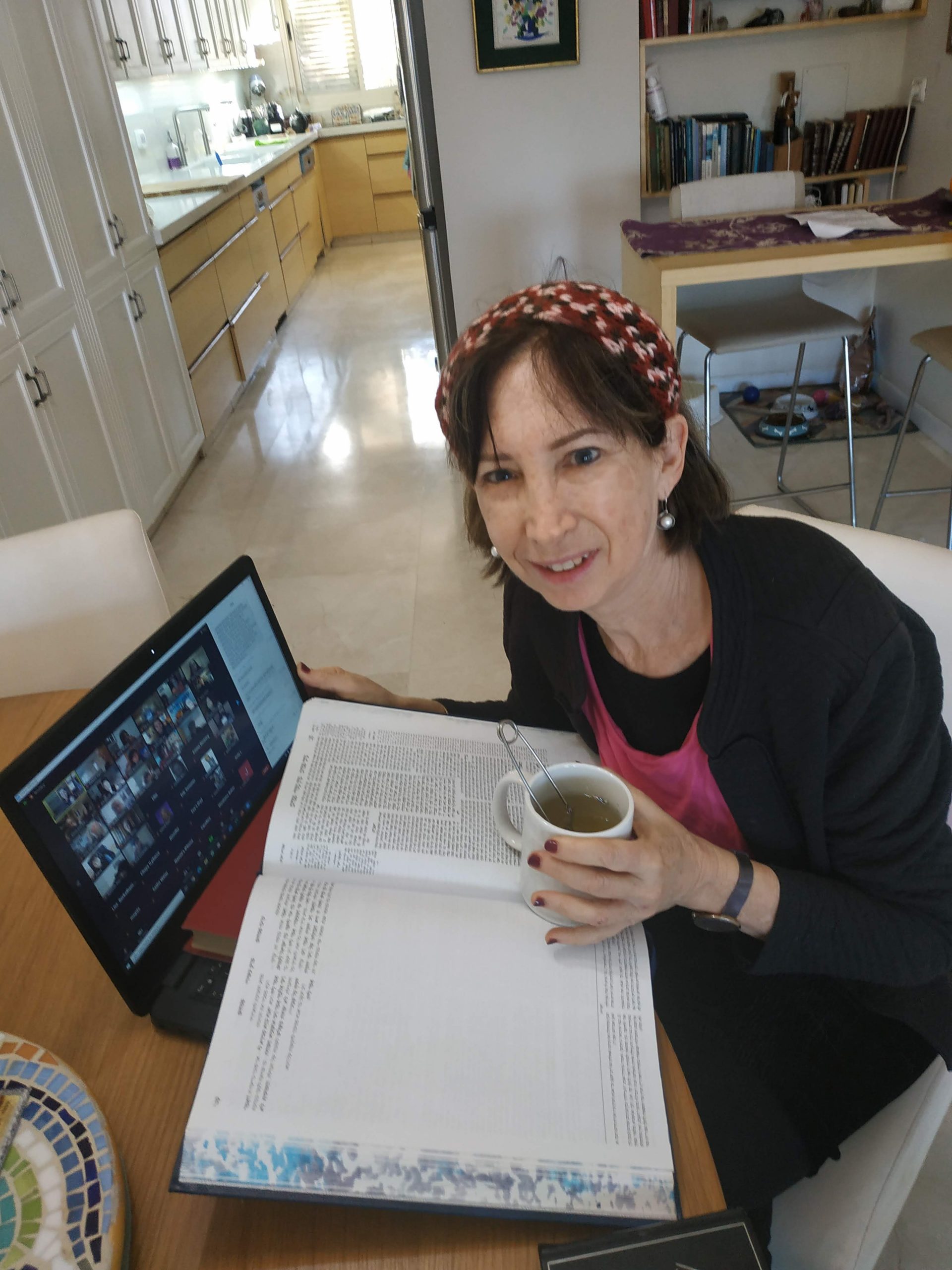
כמו שרואים בתמונה אני ממשיכה ללמוד גם היום ואפילו במחלקת יולדות אחרי לידת ביתי השלישית.

Noa Shiloh
נועה שילה

רבבה, ישראל

"
גם אני התחלתי בסבב הנוכחי וב””ה הצלחתי לסיים את רוב המסכתות . בזכות הרבנית מישל משתדלת לפתוח את היום בשיעור הזום בשעה 6:20 .הלימוד הפך להיות חלק משמעותי בחיי ויש ימים בהם אני מצליחה לחזור על הדף עם מלמדים נוספים ששיעוריהם נמצאים במרשתת. שמחה להיות חלק מקהילת לומדות ברחבי העולם. ובמיוחד לשמש דוגמה לנכדותיי שאי””ה יגדלו לדור שלימוד תורה לנשים יהיה משהו שבשגרה. "

Ronit Shavit
רונית שביט

נתניה, ישראל

התחלתי ללמוד גמרא בבית הספר בגיל צעיר והתאהבתי. המשכתי בכך כל חיי ואף היייתי מורה לגמרא בבית הספר שקד בשדה אליהו (בית הספר בו למדתי בילדותי)בתחילת מחזור דף יומי הנוכחי החלטתי להצטרף ובע”ה מקווה להתמיד ולהמשיך. אני אוהבת את המפגש עם הדף את "דרישות השלום ” שמקבלת מקשרים עם דפים אחרים שלמדתי את הסנכרון שמתחולל בין התכנים.

Ariela Bigman
אריאלה ביגמן

מעלה גלבוע, ישראל

התחלתי ללמוד דף יומי ממסכת נידה כי זה היה חומר הלימוד שלי אז. לאחר הסיום הגדול בבנייני האומה החלטתי להמשיך. וב”ה מאז עם הפסקות קטנות של קורונה ולידה אני משתדלת להמשיך ולהיות חלק.

זה משפיע מאוד על היום יום שלי ועל אף שאני עסוקה בלימודי הלכה ותורה כל יום, זאת המסגרת הקבועה והמחייבת ביותר שיש לי.

Moriah Taesan Michaeli
מוריה תעסן מיכאלי

גבעת הראל, ישראל

התחלתי להשתתף בשיעור נשים פעם בשבוע, תכננתי ללמוד רק דפים בודדים, לא האמנתי שאצליח יותר מכך.
לאט לאט נשאבתי פנימה לעולם הלימוד .משתדלת ללמוד כל בוקר ומתחילה את היום בתחושה של מלאות ומתוך התכווננות נכונה יותר.
הלימוד של הדף היומי ממלא אותי בתחושה של חיבור עמוק לעם היהודי ולכל הלומדים בעבר ובהווה.

Neely Hayon
נילי חיון

אפרת, ישראל

הצטרפתי ללומדות בתחילת מסכת תענית. ההתרגשות שלי ושל המשפחה היתה גדולה מאוד, והיא הולכת וגוברת עם כל סיום שאני זוכה לו. במשך שנים רבות רציתי להצטרף ומשום מה זה לא קרה… ב”ה מצאתי לפני מספר חודשים פרסום של הדרן, ומיד הצטרפתי והתאהבתי. הדף היומי שינה את חיי ממש והפך כל יום- ליום של תורה. מודה לכן מקרב ליבי ומאחלת לכולנו לימוד פורה מתוך אהבת התורה ולומדיה.

Noa Rosen
נעה רוזן

חיספין רמת הגולן, ישראל

סיום השס לנשים נתן לי מוטביציה להתחיל ללמוד דף יומי. עד אז למדתי גמרא בשבתות ועשיתי כמה סיומים. אבל לימוד יומיומי זה שונה לגמרי ופתאום כל דבר שקורה בחיים מתקשר לדף היומי.

Fogel Foundation
קרן פוגל

רתמים, ישראל

התחלתי לפני 8 שנים במדרשה. לאחרונה סיימתי מסכת תענית בלמידה עצמית ועכשיו לקראת סיום מסכת מגילה.

Daniela Baruchim
דניאלה ברוכים

רעננה, ישראל

ראיתי את הסיום הגדול בבנייני האומה וכל כך התרשמתי ורציתי לקחת חלק.. אבל לקח לי עוד כשנה וחצי )באמצע מסיכת שבת להצטרף..
הלימוד חשוב לי מאוד.. אני תמיד במרדף אחרי הדף וגונבת כל פעם חצי דף כשהילדים עסוקים ומשלימה אח”כ אחרי שכולם הלכו לישון..

Olga Mizrahi
אולגה מזרחי

ירושלים, ישראל

התחלתי ללמוד לפני 4.5 שנים, כשהודיה חברה שלי פתחה קבוצת ווטסאפ ללימוד דף יומי בתחילת מסכת סנהדרין. מאז לימוד הדף נכנס לתוך היום-יום שלי והפך לאחד ממגדירי הזהות שלי ממש.

Rosenberg Foundation
קרן רוזנברג

ירושלים, ישראל

בתחילת הסבב הנוכחי של לימוד הדף היומי, נחשפתי לחגיגות המרגשות באירועי הסיום ברחבי העולם. והבטחתי לעצמי שבקרוב אצטרף גם למעגל הלומדות. הסבב התחיל כאשר הייתי בתחילת דרכי בתוכנית קרן אריאל להכשרת יועצות הלכה של נשמ”ת. לא הצלחתי להוסיף את ההתחייבות לדף היומי על הלימוד האינטנסיבי של תוכנית היועצות. בבוקר למחרת המבחן הסופי בנשמ”ת, התחלתי את לימוד הדף במסכת סוכה ומאז לא הפסקתי.

Hana Shaham-Rozby (Dr.)
חנה שחם-רוזבי (ד”ר)

קרית גת, ישראל

התחלתי ללמוד דף יומי בתחילת מסכת ברכות, עוד לא ידעתי כלום. נחשפתי לסיום הש״ס, ובעצם להתחלה מחדש בתקשורת, הפתיע אותי לטובה שהיה מקום לעיסוק בתורה.
את המסכתות הראשונות למדתי, אבל לא סיימתי (חוץ מעירובין איכשהו). השנה כשהגעתי למדרשה, נכנסתי ללופ, ואני מצליחה להיות חלק, סיימתי עם החברותא שלי את כל המסכתות הקצרות, גם כשהיינו חולות קורונה ובבידודים, למדנו לבד, העיקר לא לצבור פער, ומחכות ליבמות 🙂

Eden Yeshuron
עדן ישורון

מזכרת בתיה, ישראל

התחלתי מעט לפני תחילת הסבב הנוכחי. אני נהנית מהאתגר של להמשיך להתמיד, מרגעים של "אהה, מפה זה הגיע!” ומהאתגר האינטלקטואלי

Eilat-Chen and Deller
אילת-חן ודלר

לוד, ישראל

התחלתי ללמוד את הדף היומי מעט אחרי שבני הקטן נולד. בהתחלה בשמיעה ולימוד באמצעות השיעור של הרבנית שפרבר. ובהמשך העזתי וקניתי לעצמי גמרא. מאז ממשיכה יום יום ללמוד עצמאית, ולפעמים בעזרת השיעור של הרבנית, כל יום. כל סיום של מסכת מביא לאושר גדול וסיפוק. הילדים בבית נהיו חלק מהלימוד, אני משתפת בסוגיות מעניינות ונהנית לשמוע את דעתם.

Eliraz Blau
אלירז בלאו

מעלה מכמש, ישראל

התחלתי ללמוד דף יומי כאשר קיבלתי במייל ממכון שטיינזלץ את הדפים הראשונים של מסכת ברכות במייל. קודם לא ידעתי איך לקרוא אותם עד שנתתי להם להדריך אותי. הסביבה שלי לא מודעת לעניין כי אני לא מדברת על כך בפומבי. למדתי מהדפים דברים חדשים, כמו הקשר בין המבנה של בית המקדש והמשכן לגופו של האדם (יומא מה, ע”א) והקשר שלו למשפט מפורסם שמופיע בספר ההינדי "בהגוד-גיתא”. מתברר שזה רעיון כלל עולמי ולא רק יהודי

Elena Arenburg
אלנה ארנבורג

נשר, ישראל

התחלתי ללמוד דף יומי בסבב הקודם. זכיתי לסיים אותו במעמד המרגש של הדרן. בסבב הראשון ליווה אותי הספק, שאולי לא אצליח לעמוד בקצב ולהתמיד. בסבב השני אני לומדת ברוגע, מתוך אמונה ביכולתי ללמוד ולסיים. בסבב הלימוד הראשון ליוותה אותי חוויה מסויימת של בדידות. הדרן העניקה לי קהילת לימוד ואחוות נשים. החוויה של סיום הש”ס במעמד כה גדול כשנשים שאינן מכירות אותי, שמחות ומתרגשות עבורי , היתה חוויה מרוממת נפש

Ilanit Weil
אילנית ווייל

קיבוץ מגדל עוז, ישראל

התחלתי ללמוד דף יומי אחרי שחזרתי בתשובה ולמדתי במדרשה במגדל עוז. הלימוד טוב ומספק חומר למחשבה על נושאים הלכתיים ”קטנים” ועד לערכים גדולים ביהדות. חשוב לי להכיר את הגמרא לעומק. והצעד הקטן היום הוא ללמוד אותה בבקיאות, בעזרת השם, ומי יודע אולי גם אגיע לעיון בנושאים מעניינים. נושאים בגמרא מתחברים לחגים, לתפילה, ליחסים שבין אדם לחברו ולמקום ולשאר הדברים שמלווים באורח חיים דתי 🙂

Gaia Divo
גאיה דיבו

מצפה יריחו, ישראל

באירוע של הדרן בנייני האומה. בהשראתה של אמי שלי שסיימה את הש”ס בסבב הקודם ובעידוד מאיר , אישי, וילדיי וחברותיי ללימוד במכון למנהיגות הלכתית של רשת אור תורה סטון ומורתיי הרבנית ענת נובוסלסקי והרבנית דבורה עברון, ראש המכון למנהיגות הלכתית.
הלימוד מעשיר את יומי, מחזיר אותי גם למסכתות שכבר סיימתי וידוע שאינו דומה מי ששונה פרקו מאה לשונה פרקו מאה ואחת במיוחד מרתקים אותי החיבורים בין המסכתות

Roit Kalech
רוית קלך

מודיעין, ישראל

אמא שלי למדה איתי ש”ס משנה, והתחילה ללמוד דף יומי. אני החלטתי שאני רוצה ללמוד גם. בהתחלה למדתי איתה, אח”כ הצטרפתי ללימוד דף יומי שהרב דני וינט מעביר לנוער בנים בעתניאל. במסכת עירובין עוד חברה הצטרפה אלי וכשהתחלנו פסחים הרב דני פתח לנו שעור דף יומי לבנות. מאז אנחנו לומדות איתו קבוע כל יום את הדף היומי (ובשבת אבא שלי מחליף אותו). אני נהנית מהלימוד, הוא מאתגר ומעניין

Renana Hellman
רננה הלמן

עתניאל, ישראל

למדתי גמרא מכיתה ז- ט ב Maimonides School ואחרי העליה שלי בגיל 14 לימוד הגמרא, שלא היה כל כך מקובל בימים אלה, היה די ספוראדי. אחרי "ההתגלות” בבנייני האומה התחלתי ללמוד בעיקר בדרך הביתה למדתי מפוקקטסים שונים. לאט לאט ראיתי שאני תמיד חוזרת לרבנית מישל פרבר. באיזה שהוא שלב התחלתי ללמוד בזום בשעה 7:10 .
היום "אין מצב” שאני אתחיל את היום שלי ללא לימוד עם הרבנית מישל עם כוס הקפה שלי!!

selfie-scaled
דבי גביר

חשמונאים, ישראל

בבא מציעא סג

דִּמְתָרַצְנָא מַתְנִיתִין כְּווֹתֵיהּ.

as I resolve the mishna in accordance with his opinion, expressed in the baraitot he edited.

דְּתָנֵי רַבִּי אוֹשַׁעְיָא: הֲרֵי שֶׁהָיָה נוֹשֶׁה בַּחֲבֵירוֹ מָנֶה, וְהָלַךְ וְעָמַד עַל גּוֹרְנוֹ וְאָמַר: תֵּן לִי מְעוֹתַי, שֶׁאֲנִי רוֹצֶה לִיקַּח בָּהֶן חִטִּין. וְאָמַר לוֹ: חִטִּין יֵשׁ לִי שֶׁאֲנִי נוֹתֵן לְךָ, צֵא וַעֲשָׂאֵן עָלַי כְּשַׁעַר שֶׁל עַכְשָׁיו. הִגִּיעַ זְמַן חִטִּין לִמְכּוֹר, אָמַר לוֹ: תֵּן לִי חִטִּין, שֶׁאֲנִי רוֹצֶה לְמוֹכְרָן וְלִיקַּח בָּהֶן יַיִן. אָמַר לוֹ: יֵשׁ לִי יַיִן שֶׁאֲנִי נוֹתֵן לְךָ, צֵא וַעֲשָׂאֵן עָלַי כְּשַׁעַר שֶׁל עַכְשָׁיו.

Rava explains: As Rabbi Oshaya teaches in a baraita: One was owed one hundred dinars by another, and he went and stood by the other’s granary and said: Give me my money, as I wish to buy wheat with it, and the other said to him: I have wheat in my granary that I will give you; go and calculate for me the amount to which you are entitled at the current market rate. When the time to sell wheat arrived, the lender said to him: Give me wheat, as I want to sell it and acquire wine with the money received for it. The borrower said to him: I have wine that I will give you; go and calculate for me the amount of wine to which you are entitled at the current market rate.

הִגִּיעַ זְמַן יַיִן לִמְכּוֹר, וְאָמַר לוֹ: תֵּן לִי יֵינִי שֶׁאֲנִי רוֹצֶה לְמוֹכְרוֹ וְלִיקַּח בּוֹ שֶׁמֶן. אָמַר לוֹ: שֶׁמֶן יֵשׁ לִי שֶׁאֲנִי נוֹתֵן לְךָ, צֵא וַעֲשֵׂהוּ עָלַי כְּשַׁעַר שֶׁל עַכְשָׁיו. כּוּלָּם, אִם יֵשׁ לוֹ – מוּתָּר. אֵין לוֹ – אָסוּר. וּמַאי ״לָקַח״ – לָקַח בְּהַלְוָאָתוֹ.

The baraita continues: Then the time to sell wine arrived, and the lender said to the borrower: Give me my wine, as I want to sell it and acquire oil with the money received for it. The borrower said to him: I have oil that I will give you; go and calculate for me the amount of oil to which you are entitled at the current market rate. With regard to all such cases, if the borrower has wine and oil, the transaction is permitted, as this is a proper sale. But if he does not have these items it is forbidden. Since he cannot give him the merchandise at the current moment, if its value appreciates in the interim he is considered to have paid an additional sum for the delay of the repayment of the debt. Rava concludes his explanation: And what is the meaning in the mishna of: Acquired? It means that he acquired it as payment for his loan.

אָמַר רָבָא: שְׁמַע מִינַּהּ מִדְּרַבִּי אוֹשַׁעְיָא תְּלָת. שְׁמַע מִינַּהּ דְּמַעֲמִידִין מִלְוֶה עַל גַּבֵּי פֵּירוֹת, וְלָא אָמְרִינַן דְּלָא כְּאִיסָּרוֹ הַבָּא לְיָדוֹ הוּא. וּשְׁמַע מִינַּהּ: הוּא דְּיֵשׁ לוֹ. וּשְׁמַע מִינַּהּ: אִיתַהּ לִדְרַבִּי יַנַּאי.

Rava said: Conclude from this baraita of Rabbi Oshaya three halakhot: Conclude from it that one may establish repayment of a loan upon produce, meaning that a borrower can promise to pay the lender in produce over the course of a year, based on the market rate at the beginning of the year, and we do not say that this is like a case where his issar has not already come into his possession, as Rabbi Ḥiyya said in the baraita on the previous amud. Since he owns produce it is as though he has provided it at the present time, and the current lack of payment is not significant. Accordingly, one can conclude from it another halakha, that this practice is permitted provided that he has produce in his possession. And further conclude from it that the halakha is in accordance with the opinion of Rabbi Yannai.

דְּאָמַר רַבִּי יַנַּאי: מָה לִי הֵן מָה לִי דְּמֵיהֶן.

This is as Rabbi Yannai says: What difference is it to me if he referred to the produce, and what difference is it to me if he referred to the produce’s value? If he stipulated that he would receive a certain amount of produce, he can later take its value in money rather than the produce itself without violating the prohibition of interest.

דְּאִתְּמַר, רַב אָמַר: עוֹשִׂין אֲמָנָה בְּפֵירוֹת. וְאֵין עוֹשִׂין אֲמָנָה בְּדָמִים. וְרַבִּי יַנַּאי אָמַר: מָה לִי הֵן, וּמָה לִי דְּמֵיהֶן.

As it was stated that amora’im disagreed about this issue: Rav says that one may make an arrangement of trust with regard to the delivery of items such as produce, i.e., one may loan the money in advance with the agreement that he will be repaid with produce at a later date, but one may not make an arrangement of trust with regard to money, i.e., one may not loan the money in advance with the agreement that he will receive the value of the produce at a later date, as this has the appearance of collecting interest. And Rabbi Yannai says: What difference is it to me if the agreement concerned the produce, and what difference is it to me if it concerned the produce’s value? Just as the lender can take the produce and sell it himself, he can likewise accept the value of the produce directly.

מֵיתִיבִי: כּוּלָּם, אִם יֵשׁ לוֹ מוּתָּר. אָמַר רַב הוּנָא אָמַר רַב: בְּשֶׁמָּשַׁךְ. אִי בְּשֶׁמָּשַׁךְ צְרִיכָא לְמֵימַר? אֶלָּא כְּגוֹן שֶׁיִּחֵד לוֹ קֶרֶן זָוִית.

The Gemara raises an objection against Rav’s opinion from the above baraita: With regard to all of them, if the borrower has the items in his possession, it is permitted, apparently even if he actually pays with something else. Rav Huna says that Rav says: That baraita is stated with regard to a case where the lender pulled the produce itself, thereby performing an act of acquisition. The Gemara questions Rav Huna’s statement: If he pulled the produce, does it need to be said? After all, there was a proper act of acquisition. Rather, the baraita is discussing a case where the borrower designated a corner for the lender in which to place the produce that he acquired. For the purposes of this halakha, such an action is sufficient.

וּשְׁמוּאֵל אָמַר: הָא מַנִּי – רַבִּי יְהוּדָה הִיא, דְּאָמַר: צַד אֶחָד בְּרִבִּית מוּתָּר.

And Shmuel said: In accordance with whose opinion is this baraita, which permits the practice if the borrower is in possession of such produce? It is in accordance with that of Rabbi Yehuda, who said that uncertain interest, a transaction that may or may not result in the payment of interest, is permitted. Rabbi Yehuda holds that if at the time of the loan it was not certain that the agreement would result in the paying of interest, then even if it is so that if specific circumstances were to develop there would be interest paid according to the agreement, the transaction is permitted.

דְּתַנְיָא: הֲרֵי שֶׁהָיָה נוֹשֶׁה בַּחֲבֵירוֹ מָנֶה, וְעָשָׂה לוֹ שָׂדֵהוּ מֶכֶר. בִּזְמַן שֶׁהַמּוֹכֵר אוֹכֵל פֵּירוֹת – מוּתָּר. לוֹקֵחַ אוֹכֵל פֵּירוֹת – אָסוּר. רַבִּי יְהוּדָה אוֹמֵר: אַף בִּזְמַן שֶׁהַלּוֹקֵחַ אוֹכֵל פֵּירוֹת – מוּתָּר.

As it is taught in a baraita: If one was owed one hundred dinars by another, and the borrower performed a sale of his field for him in order to repay the one hundred dinars, if they agreed that the seller, i.e., the borrower, consumes the produce of the field until the debt is repaid, this is certainly permitted, but if the buyer, i.e., the lender, consumes the produce, it is prohibited, as he is in effect taking the produce as interest while awaiting the payment that he is owed. Rabbi Yehuda says: Even if the buyer consumes the produce, it is permitted.

אָמַר לָהֶם רַבִּי יְהוּדָה: מַעֲשֶׂה בְּבַיְתוֹס בֶּן זוֹנִין שֶׁעָשָׂה שָׂדֵהוּ מֶכֶר עַל פִּי רַבִּי אֶלְעָזָר בֶּן עֲזַרְיָה וְלוֹקֵחַ אוֹכֵל פֵּירוֹת הָיָה! אָמְרוּ לוֹ: מִשָּׁם רְאָיָה?! מוֹכֵר אוֹכֵל פֵּרוֹת הָיָה, וְלֹא לוֹקֵחַ.

The tanna relates: Rabbi Yehuda said to the Sages: An incident occurred involving Baitos ben Zunin, who performed a sale of his field on the basis of a directive from Rabbi Elazar ben Azarya, and that was a case where the buyer consumed the produce. The Sages said to the tanna: Will you bring a proof from there? The reverse was the case: It was the seller, not the buyer, who consumed the produce.

מַאי בֵּינַיְיהוּ? אָמַר אַבָּיֵי: צַד אֶחָד בְּרִבִּית אִיכָּא בֵּינַיְיהוּ. רָבָא אָמַר: רִבִּית עַל מְנָת לְהַחֲזִיר אִיכָּא בֵּינַיְיהוּ.

The Gemara asks: What is the difference in opinion between the first tanna and Rabbi Yehuda? Abaye said: The difference between them concerns the halakha of uncertain interest. According to the opinion of Rabbi Yehuda, if it is uncertain that a transaction will ultimately involve the payment of interest, it is permitted. Rava said: The difference between them involves the status of interest taken on the condition that it be given back. Rava maintains that Rabbi Yehuda did not mean that the lender can consume the produce without payment, as he must repay the amount he ate if the borrower pays off his debt. The first tanna rules that since the sale is not yet final, his consumption of the produce constitutes interest.

אָמַר רָבָא, הַשְׁתָּא דְּאָמַר רַבִּי יַנַּאי:

Rava said: Now that Rabbi Yannai is saying

מָה לִי הֵן וּמָה לִי דְּמֵיהֶן – אָמְרִינַן, מָה לִי דְּמֵיהֶן וּמָה לִי הֵן – נָמֵי אָמְרִינַן. וּפוֹסְקִין עַל שַׁעַר שֶׁבַּשּׁוּק, וְאַף עַל פִּי שֶׁאֵין לוֹ.

that we say: What difference is it to me if he referred to the produce, and what difference is it to me if he referred to the produce’s value, meaning that we do not require the payment to be in the form of the produce stipulated, we therefore also say: What difference is it to me if he referred to the produce’s value, and what difference is it to me if he referred to the produce, and therefore one may set a price by the market rate. And this is permitted even though he does not have produce at the present moment. Since he could purchase it if he wished it is considered as though he had the produce in his possession, and therefore one may make an agreement with another to provide him with produce at a later date in accordance with the current price.

אֵיתִיבֵיהּ רַב פָּפָּא וְרַב הוּנָא בְּרֵיהּ דְּרַב יְהוֹשֻׁעַ לְרָבָא: כּוּלָּם, אִם יֵשׁ לוֹ – מוּתָּר, אִם אֵין לוֹ – אָסוּר! אֲמַר לְהוּ: הָתָם הַלְוָאָה, הָכָא זְבִינֵי.

Rav Pappa, and Rav Huna, son of Rav Yehoshua, raised an objection to the opinion of Rava from the aforementioned baraita, which explicitly teaches: With regard to all of them, if he has the produce in his possession, the transaction is permitted, and if he does not have it, the transaction is prohibited. Rava said to them: The tanna there is referring to a transaction for the repayment of the debt conducted after a loan has been given but before it has been repaid, whereas here Rabbi Yannai is dealing with an actual sale, without any loan at all, and therefore there is no interest involved.

רַבָּה וְרַב יוֹסֵף דְּאָמְרִי תַּרְוַיְיהוּ: מַאי טַעְמָא אֲמַרוּ רַבָּנַן פּוֹסְקִין עַל שַׁעַר שֶׁבַּשּׁוּק וְאַף עַל פִּי שֶׁאֵין לוֹ? דְּאָמַר לֵיהּ: שְׁקִילָא טֵיבוּתָיךְ וְשַׁדְיָיא אַחִיזְרֵי. מַאי אַהְנֵית לִי? אִי הֲווֹ לִי זוּזֵי בִּידֵי – הֲוָה מְזַבֵּנְינָא בְּהִינֵי וּבְשִׁילֵי בְּזוּלָא.

Rabba and Rav Yosef both say: What is the reason that the Sages said one may set a price by the market rate and that one may do so even though he does not have the produce in his possession? Because the buyer says to the seller: Your favor is taken and thrown on the thorns. In other words, I am deriving no benefit from my transaction with you, as how have you helped me? If I had money in my hands I would buy the produce myself in the towns of Hini and Shili, nearby market towns, at an inexpensive price. Consequently, the acquisition of produce at the current market rate is of no benefit to him.

אֲמַר לֵיהּ אַבָּיֵי לְרַב יוֹסֵף: אֶלָּא מֵעַתָּה מוּתָּר לִלְוֹת סְאָה בִּסְאָה, מִשּׁוּם דְּמָצֵי אֲמַר לֵיהּ: שְׁקִילָא טֵיבוּתָיךְ וְשַׁדְיָיא אַחִיזְרֵי, דְּאָמַר לֵיהּ: חִטֵּי דְּקָדְחִי בַּאֲכַלְבַּאי? אֲמַר לֵיהּ: הָתָם הַלְוָאָה, הָכָא – זְבִינֵי.

Abaye said to Rav Yosef: But if that is so, according to this same logic it should be permitted to lend a se’a of produce for a se’a of the same produce, as the lender can say to the borrower: Your favor is taken and thrown on the thorns, since he says to him: I stand to gain nothing from the se’a you will later give me, as the price of my wheat would increase if it were to remain in my granary, and therefore the loan does not benefit me at all, for will the wheat burn in my warehouse [be’akalbai]? Rav Yosef said to him: The two cases are different, as there it is referring to a loan, and consequently there is a concern about interest, whereas here it is a sale.

אֲמַר לֵיהּ אַדָּא בַּר אַבָּא לְרָבָא: וְהָא בָּעֵי לְמִיתַּב זוּזֵי לְסַפְסֵירָא! אֲמַר לֵיהּ: דְּקָא יָהֵיב לֵיהּ נָמֵי. רַב אָשֵׁי אָמַר: זוּזֵי דְּאִינָשֵׁי אִינְהוּ עָבְדִי לֵיהּ סַפְסֵירוּתֵיהּ.

Adda bar Abba said to Rava: But with regard to establishing the repayment of the loan upon produce valued at the market rate, the buyer does stand to gain from the agreement, as, if he would have to go to acquire produce elsewhere, he would have to give a dinar to a broker, and therefore he gains a dinar from the early payment. Rava said to him: The case is one where the buyer also gives the seller the broker’s fee. Rav Ashi said: There is generally no need to add this fee, as a person’s dinars serve as a broker for him. One who has ready cash has no need for the services of a broker.

רַבָּה וְרַב יוֹסֵף דְּאָמְרִי תַּרְוַיְיהוּ: הַאי מַאן דְּיָהֵיב זוּזֵי אַתַּרְעָא חֲרִיפָא, צָרִיךְ לְאִיתְחֲזוֹיֵי לְבֵי דָרֵי.

§ The Gemara addresses a related issue. Rabba and Rav Yosef both say: One who gives money in advance to purchase produce at the advance price that is in effect shortly after the harvest but before the market price is set must present himself at the granary when the seller is threshing his produce.

לְמַאי? אִי לְמִקְנֵא – הָא לָא קָנֵי, אִי לְקַבּוֹלֵי עֲלֵיהּ ״מִי שֶׁפָּרַע״, כִּי לָא מִיתְחֲזֵי נָמֵי מְקַבֵּל עֲלֵיהּ ״מִי שֶׁפָּרַע״!

The Gemara asks: For what reason is he required to be there? If it is in order to acquire the produce, he does not acquire it by merely being present there, as the acquisition is not completed until he pulls the actual produce. And if it is in order for the seller to accept upon himself, in the event that he reneges on the transaction, the curse of: He Who exacted payment from the people of the generation of the flood, and from the people of the generation of the dispersion, will in the future exact payment from whoever does not stand by his statement (see 44a), even if the buyer does not present himself there the seller also accepts upon himself the curse of: He Who exacted payment. This curse is in effect for anyone who reneges on a transaction after the money has been paid.

לְעוֹלָם לְקַבּוֹלֵי עֲלֵיהּ ״מִי שֶׁפָּרַע״, וּמַאן דְּיָהֵיב זוּזֵי אַתַּרְעָא [חֲרִיפָא], לְבֵי תְרֵי תְּלָתָא יָהֵיב, אִי מִיתְחֲזֵי לֵיהּ – סָמְכָא דַּעְתֵּיהּ, וְאִי לָא – אָמַר לֵיהּ: אָמֵינָא דְּאַשְׁכַּחְתְּ פֵּירֵי דְּשַׁפִּירֵי מִדִּידִי וּשְׁקַלְתְּ.

The Gemara explains: Actually, the reason he must go to the granary is for the seller to accept upon himself the curse of: He Who exacted payment, for the following reason: One who gives money in advance to purchase produce at the advance price gives it to two or three different sellers, in order to ensure that he will collect a profit. Consequently, if he presents himself to the seller when he is threshing his produce, the seller relies upon him, as he knows the transaction will proceed. But if the buyer does not present himself to the seller when he is threshing his produce, the seller could say to him: I said to myself that you must have found better produce than mine, and you took that produce. Since the seller is unsure if the transaction will be completed, he may change his mind and sell to a different buyer.

אָמַר רַב אָשֵׁי: הַשְׁתָּא דְּאָמְרַתְּ מִשּׁוּם מִסְמָךְ דַּעְתָּא, אֲפִילּוּ אַשְׁכְּחֵיהּ בְּשׁוּקָא וַאֲמַר לֵיהּ – סָמְכָא דַּעְתֵּיהּ.

Rav Ashi said: Now that you have said that the reason is due to the seller’s relying upon him, it can be concluded that the buyer does not have to go to the seller’s granary in order to convince him that he intends to uphold the transaction. Rather, even if the buyer finds the seller in the marketplace and says to him that he will not retract his offer to buy the produce, the seller will likewise rely upon him.

אָמַר רַב נַחְמָן: כְּלָלָא דְרִיבִּיתָא, כֹּל אֲגַר נְטַר לֵיהּ – אָסוּר. וְאָמַר רַב נַחְמָן: הַאי מַאן דְּיָהֵיב זוּזֵי לְקִירָאָה וְקָא אָזְלִי אַרְבַּע אַרְבַּע, וַאֲמַר לֵיהּ: יָהֵיבְנָא לָךְ חֲמֵשׁ חֲמֵשׁ, אִיתַנְהוּ גַּבֵּיהּ – שְׁרֵי, לֵיתַנְהוּ גַּבֵּיהּ – אָסוּר.

§ Rav Naḥman said: The principle with regard to the halakhot of interest is: Any payment for his waiting, meaning any additional sum added in consideration of the fact that the lender delays claiming his money, is forbidden. And Rav Naḥman also said: In the case of this one who gives money to a wax seller to purchase loaves of wax from him, and loaves of wax go at the current rate of one dinar for four loaves, and the seller said to him: I will give you wax in the future at the rate of five loaves for each dinar if you pay me now in advance, if the seller has wax with him at the time of the transaction, it is permitted to sell at a discounted rate because he is in need of cash. But if the seller does not have wax with him, it is forbidden, as the extra loaf given is interest.

פְּשִׁיטָא! לָא צְרִיכָא דְּאִית לֵיהּ אַשְׁרַאי בְּמָתָא. מַהוּ דְּתֵימָא: כֵּיוָן דְּאִית לֵיהּ אַשְׁרַאי בְּמָתָא – כְּ״עַד שֶׁיָּבֹא בְּנִי״ אוֹ ״עַד שֶׁאֶמְצָא מַפְתֵּחַ״ דָּמֵי, קָא מַשְׁמַע לַן כֵּיוָן דִּמְחַסְּרִי גּוּבְיָינָא – כְּמַאן דְּלֵיתַנְהוּ דָּמֵי.

The Gemara asks: Isn’t this obvious? It is clearly interest. The Gemara answers: No, it is necessary for a case where the seller has credit in the town, and therefore he could receive wax from others. It is necessary lest you say: Since he has credit in the town and could receive wax now, this should be similar to a case where he said: Give me produce until my son comes, or: Until I find the key, and therefore it is permitted to give him money, as this is not considered a loan (see 75a). Rav Naḥman therefore teaches us that since the loaves of wax still lack collection, i.e., the seller does not actually own them, they are considered as though they were not in existence, which means the reduction in price is classified as interest.

וְאָמַר רַב נַחְמָן: הַאי מַאן דְּאוֹזֵיף פְּשִׁיטֵי מֵחַבְרֵיהּ וְאַשְׁכַּח בֵּיהּ טוּפְיָינָא, אִי בִּכְדֵי שֶׁהַדַּעַת טוֹעָה – מִיחַיַּיב לְאַהֲדוֹרֵיהּ לֵיהּ, וְאִי לָאו – מַתָּנָה בְּעָלְמָא הוּא דְּיָהֵיב לֵיהּ.

And Rav Naḥman said: In the case of this one who borrowed coins from another, and when he later counted them he found an additional amount of money, above the sum they had agreed upon, if the addition was within the range that a person can make a mistake, the assumption is that the lender erred in his calculation, and therefore the borrower is obligated to return the extra coins to him. But if not, if the difference was so large that it could not have been the result of a simple mistake, it must only be that the lender has given him a gift.

הֵיכִי דָּמֵי ״בִּכְדֵי שֶׁהַדַּעַת טוֹעָה״? אָמַר רַב אַחָא בְּרֵיהּ דְּרַב יוֹסֵף:

The Gemara inquires: What are the circumstances where the additional amount would be within the range that one can make a mistake? Rav Aḥa, son of Rav Yosef, said:

רוצה לעקוב אחרי התכנים ולהמשיך ללמוד?

ביצירת חשבון עוד היום ניתן לעקוב אחרי ההתקדמות שלך, לסמן מה למדת, ולעקוב אחרי השיעורים שמעניינים אותך.

לנקות את כל הפריטים מהרשימה?

פעולה זו תסיר את כל הפריטים בחלק זה כולל ההתקדמות וההיסטוריה. שימי לב: לא ניתן לשחזר פעולה זו.

ביטול
מחיקה

האם את/ה בטוח/ה שברצונך למחוק פריט זה?

תאבד/י את כל ההתקדמות או ההיסטוריה הקשורות לפריט זה.

ביטול
מחיקה