








אפשר לתלוש שער מבעל מום אם הוא עשה כדי לפנות מקום לשוחטו למרות שאסור לגזוז. האם זה קשור ל”דבר שאינו מתכוון”? אם שיער נשר ואחר כך שחטו, האם השיער מותר בהנאה (כמו שהשחיטה מתיר את השיער שעל הבהמה בשעת שחיטה)?
רוצה להקדיש שיעור?
בכורות כה
מוּתָּר.
it is permitted to pluck the hair in order to facilitate proper slaughter.
וּמִי אָמַר רַב הָכִי? וְהָא אָמַר רַב חִיָּיא בַּר אָשֵׁי מִשְּׁמֵיהּ דְּרַב: מְסוֹכַרְיָא דְּנַזְיָיתָא אָסוּר לְהַדּוֹקַיהּ בְּיוֹמָא טָבָא!
The Gemara raises a difficulty: And does Rav actually say this? But doesn’t Rav Ḥiyya bar Ashi say in the name of Rav: In the case of this cloth stopper of a barrel [mesokhrayya denazyata], it is prohibited to insert it tightly into the spout of the barrel on a Festival, because in the process liquid will be squeezed from the cloth, and squeezing liquids is prohibited on Shabbat and Festivals? Apparently, Rav prohibits even unintentional actions, and it follows that it is prohibited to clear hair with a cleaver on a Festival, as one will unintentionally pluck out some hair.
בְּהָהִיא, אֲפִילּוּ רַבִּי שִׁמְעוֹן מוֹדֶה, דְּאַבָּיֵי וְרָבָא דְּאָמְרִי תַּרְוַיְיהוּ: מוֹדֶה רַבִּי שִׁמְעוֹן בִּפְסִיק רֵישֵׁיהּ וְלָא יְמוּת.
The Gemara explains: In that case of the stopper, even the lenient authority, Rabbi Shimon, concedes that it is prohibited, as Rava and Abaye both say: Rabbi Shimon concedes that an unintentional act is prohibited if it falls under the category known as: Cut off its head and will it not die, i.e., when a prohibited labor is the inevitable consequence of an unintentional act. In the case of the cloth stopper, some water will inevitably be squeezed out.
וְהָא אָמַר רַב חִיָּיא בַּר אָשֵׁי אָמַר רַב: הֲלָכָה כְּרַבִּי יְהוּדָה, וְרַב חָנָן בַּר אַמֵּי אָמַר שְׁמוּאֵל: הֲלָכָה כְּרַבִּי שִׁמְעוֹן, וְרַב חִיָּיא בַּר אָבִין מַתְנֵי בְּלָא גַּבְרֵי: רַב אָמַר הֲלָכָה כְּרַבִּי יְהוּדָה, וּשְׁמוּאֵל אָמַר הֲלָכָה כְּרַבִּי שִׁמְעוֹן!
The Gemara objects to the claim that Rav agrees with the opinion of Rabbi Shimon that a regular unintentional act is permitted: But doesn’t Rav Ḥiyya bar Ashi say that Rav says: The halakha is in accordance with the opinion of Rabbi Yehuda, and Rav Ḥanan bar Ami says that Shmuel says: The halakha is in accordance with the opinion of Rabbi Shimon. And Rav Ḥiyya bar Avin teaches Rav and Shmuel’s rulings without mentioning either man, neither Rabbi Ḥiyya bar Ashi nor Rav Ḥanan bar Ami, and says: Rav says the halakha is in accordance with the opinion of Rabbi Yehuda, and Shmuel says the halakha is in accordance with the opinion of Rabbi Shimon.
אֶלָּא, לְעוֹלָם סָבַר רַב: דָּבָר שֶׁאֵין מִתְכַּוֵּין אָסוּר, וְתוֹלֵשׁ לָאו הַיְינוּ גּוֹזֵז, וּבְיוֹם טוֹב הַיְינוּ טַעְמָא דִּשְׁרֵי — דְּהָוֵה לֵיהּ עוֹקֵר דָּבָר מִגִּידּוּלוֹ כִּלְאַחַר יָד.
Rather, actually Rav holds that an unintentional act is prohibited, and he permits plucking the hair of a firstborn because he maintains that plucking is not considered a form of shearing. And this is the reason he permits clearing the hair with a cleaver on a Festival, because it is considered uprooting an item from its place of growth in an unusual manner, and performing a prohibited labor in an unusual manner is not prohibited by Torah law.
וְתוֹלֵשׁ לָאו הַיְינוּ גּוֹזֵז? וְהָתַנְיָא: הַתּוֹלֵשׁ אֶת הַכָּנָף, וְהַקּוֹטְמוֹ, וְהַמּוֹרְטוֹ — חַיָּיב שָׁלֹשׁ חַטָּאוֹת. וְאָמַר רֵישׁ לָקִישׁ: תּוֹלֵשׁ — חַיָּיב מִשּׁוּם גּוֹזֵז, קוֹטֵם — חַיָּיב מִשּׁוּם מְחַתֵּךְ, מְמָרֵט — חַיָּיב מִשּׁוּם מְמַחֵק! שָׁאנֵי כָּנָף, דְּהַיְינוּ אוֹרְחֵיהּ.
The Gemara raises a difficulty: And can it be claimed that plucking is not considered a form of shearing? But isn’t it taught in a baraita: One who unwittingly plucks a large feather from the wing of a bird on Shabbat, and one who snips the tip of the feather, and one who pulls out the thin threads that constitute the feather is obligated to bring three sin offerings, one for each transgression. And Reish Lakish says, in explanation: One who plucks the wing is liable due to the labor of shearing. One who snips the tip of the feather is liable due to the labor of cutting. And one who pulls out the threads is liable due to the labor of smoothing. The Gemara explains: Plucking a wing is different from plucking hair, as that is the normal method employed to remove feathers.
וּמִדְּרַב סָבַר כְּרַבִּי יוֹסֵי בֶּן הַמְשׁוּלָּם, רַבִּי יוֹסֵי בֶּן הַמְשׁוּלָּם סָבַר לַהּ כְּרַב, וְסָבַר רַבִּי יוֹסֵי בֶּן הַמְשׁוּלָּם דָּבָר שֶׁאֵין מִתְכַּוֵּין אָסוּר?
The Gemara comments: And from the fact that Rav holds in accordance with the opinion of Rabbi Yosei ben HaMeshullam that plucking is not considered shearing, it can be inferred that Rabbi Yosei ben HaMeshullam holds in accordance with the opinion of Rav that an unintentional act is prohibited. The Gemara asks: And does Rabbi Yosei ben HaMeshullam hold that an unintentional act is prohibited?
וְהָתַנְיָא: שְׁתֵּי שְׂעָרוֹת — עִיקָּרָן מַאֲדִים, וְרֹאשָׁן מַשְׁחִיר, רַבִּי יוֹסֵי בֶּן הַמְשׁוּלָּם אוֹמֵר: גּוֹזֵז בְּמִסְפָּרַיִם, וְאֵינוֹ חוֹשֵׁשׁ.
But isn’t it taught in a baraita: With regard to a red heifer, which is rendered unfit if it possesses two black hairs, that had two hairs whose roots were red but whose tops were black, Rabbi Yosei ben HaMeshullam says: One shears the tops with scissors, and he need not be concerned that he is violating the prohibition against shearing a consecrated animal. Apparently, the reason is that he does not intend to shear the red heifer but only to render it fit. This indicates that Rabbi Yosei ben HaMeshullam holds an unintentional act is permitted.
שָׁאנֵי פָּרָה, דְּלָאו בַּת גִּיזָּה הִיא. וְהָתַנְיָא: ״לֹא תַעֲבֹד בִּבְכֹר שׁוֹרֶךָ וְלֹא תָגֹז בְּכוֹר צֹאנֶךָ״, וְאֵין לִי אֶלָּא שׁוֹר בַּעֲבוֹדָה וְצֹאן בְּגִיזָּה, מִנַּיִן לִיתֵּן אֶת הָאָמוּר שֶׁל זֶה בָּזֶה וְאֶת הָאָמוּר שֶׁל זֶה בָּזֶה? תַּלְמוּד לוֹמַר: ״לֹא תַעֲבֹד… וְלֹא תָגֹז״!
The Gemara answers: A red heifer is different, as it is not subject to the prohibition against shearing a consecrated animal because it does not have wool, and that is why it is permitted to cut the tops of its hairs. The Gemara raises a difficulty: But isn’t it taught in a baraita: The verse states: “You shall do no work with the firstborn of your ox, and you shall not shear the firstborn of your flock” (Deuteronomy 15:19). I have derived only that a firstborn ox may not be used for labor and that a firstborn sheep may not be used for shearing. From where is it derived to apply what is said about that animal to this one, and what is said about this animal to that one? The verse states: “You shall do no work…and you shall not shear.” The term “and” indicates the two parts of the verse apply to both animals. Evidently, the act of shearing does apply to an ox, including a red heifer.
אֶלָּא, שָׁאנֵי פָּרָה, דְּקׇדְשֵׁי בֶּדֶק הַבַּיִת הִיא. וְהָאָמַר רַבִּי אֶלְעָזָר: קׇדְשֵׁי בֶּדֶק הַבַּיִת אֲסוּרִין בְּגִיזָּה וַעֲבוֹדָה! מִדְּרַבָּנַן. וְהָאִיכָּא אִיסּוּרָא דְּרַבָּנַן! אֶלָּא, שָׁאנֵי פָּרָה דְּלָא שְׁכִיחָא.
Rather, the red heifer is different, as it has the sanctity of items consecrated for Temple maintenance, and therefore the prohibitions that apply to offerings do not necessarily apply to it. The Gemara raises a difficulty: But doesn’t Rabbi Elazar say it is prohibited to shear or perform labor with items consecrated for Temple maintenance? The Gemara answers: That prohibition applies by rabbinic law. The Gemara retorts: But that does not resolve the difficulty, as there is nevertheless still a prohibition by rabbinic law. Why, then, did Rabbi Yosei ben HaMeshullam deem it permitted for one to shear the tops of its hairs with scissors? The Gemara accepts this objection: Rather, the red heifer is different, as it is uncommon, and Rabbi Yosei ben HaMeshullam therefore maintains that the prohibition by rabbinic law was not applied to this case.
וְלִיחַלַּהּ וְלַפְּקַהּ לְחוּלִּין, וְלִיגֻזַּהּ וַהֲדַר לַיקְדְּשַׁהּ! דָּמֶיהָ יְקָרִין. וְלֶיעְבַּד לָהּ כְּדִשְׁמוּאֵל, דְּאָמַר שְׁמוּאֵל: הֶקְדֵּשׁ שָׁוֶה מָנֶה שֶׁחִילְּלוֹ עַל שָׁוֶה פְּרוּטָה מְחוּלָּל! אֵימוֹר דְּאָמַר שְׁמוּאֵל שֶׁחִילְּלוֹ, לְכִתְחִלָּה מִי אָמַר?
The Gemara challenges: But let the owner desacralize the heifer and render it non-sacred, and shear it, and then consecrate it again. The Gemara explains it is unreasonable to demand he desacralize it, as its price is expensive, and it would take an exceptionally large sum of money to desacralize it. The Gemara challenges: But let him act in accordance with the statement of Shmuel, as Shmuel says: A consecrated animal worth one hundred dinars that one desacralized upon the value of one peruta is desacralized. The Gemara explains: You can say that Shmuel said that he has successfully desacralized the animal, but did he say an animal may be desacralized in this manner ab initio? The Gemara therefore concludes that Rabbi Yosei ben HaMeshullam deems it permitted for one to cut the tops of a red heifer’s hairs because it is an uncommon case.
אִיבָּעֵית אֵימָא: רַב סָבַר לַהּ כְּרַבִּי יוֹסֵי בֶּן הַמְשׁוּלָּם, וְרַבִּי יוֹסֵי בֶּן הַמְשׁוּלָּם לָא סָבַר לַהּ כְּרַב.
And if you wish, say instead that although Rav holds in accordance with the opinion of Rabbi Yosei ben HaMeshullam, Rabbi Yosei ben HaMeshullam does not hold in accordance with the opinion of Rav.
וְתוֹלֵשׁ אֶת הַשֵּׂעָר, וּבִלְבַד שֶׁלֹּא יְזִיזֶנּוּ מִמְּקוֹמוֹ. אָמַר רַב אָשֵׁי אָמַר רֵישׁ לָקִישׁ: לֹא שָׁנוּ אֶלָּא בַּיָּד, אֲבָל בִּכְלִי — אָסוּר. וְהָקָתָנֵי: עוֹשֶׂה מָקוֹם בְּקוֹפִיץ מִיכָּן וּמִיכָּן! תְּנִי: ״לְקוֹפִיץ״.
§ The mishna teaches: One who is slaughtering a firstborn clears space with a cleaver from here and from there, on either side of the neck, although he thereby plucks out the hair. He may clear space in this manner provided that he does not move the hair from its place. Rav Ashi says that Reish Lakish says: They taught that this is permitted only if one plucks the hair by hand, but if he does it with a tool it is prohibited, as it appears as though he is shearing the firstborn. The Gemara asks: But isn’t it taught that one may clear space with a cleaver from here and from there on either side of the neck? The Gemara answers: Teach it as: One may clear space with his hands for a cleaver, but he may not clear space with a cleaver.
וְכֵן תּוֹלֵשׁ אֶת הַשֵּׂעָר לִרְאוֹת מוּם. אִיבַּעְיָא לְהוּ: לְכַתְּחִלָּה אוֹ דִיעֲבַד? אָמַר רַבִּי יִרְמְיָה: תָּא שְׁמַע, צֶמֶר הַמְסוּבָּךְ בָּאוֹזֶן — רַבִּי יוֹסֵי בֶּן הַמְשׁוּלָּם אוֹמֵר: תּוֹלְשׁוֹ וּמַרְאֶה אֶת מוּמוֹ. שְׁמַע מִינַּהּ לְכַתְּחִלָּה, שְׁמַע מִינַּהּ.
The mishna further teaches: And likewise, one plucks the hair to enable one of the Sages to examine the place of a blemish. A dilemma was raised before the Sages: Is this permitted ab initio, or only after the fact? Rabbi Yirmeya said: Come and hear a baraita: If there is wool that is entangled in a firstborn’s ear, and it is obscuring a blemish that must be examined, Rabbi Yosei ben HaMeshullam says: One plucks the wool and shows the animal’s blemish to a Sage in order to determine whether it is permitted to slaughter the animal outside the Temple. One can conclude from the baraita that it is permitted ab initio. The Gemara affirms: Indeed, conclude from it that this is so.
אָמַר רַב מָרִי: אַף אֲנַן נָמֵי תְּנֵינָא, וְכֵן הַתּוֹלֵשׁ אֶת הַשֵּׂעָר לִרְאוֹת מְקוֹם מוּם. מַאי ״וְכֵן״? אִילֵּימָא שֶׁלֹּא (יָזִיזוּ אֶת) [יְזִיזֶנּוּ מִ]מְּקוֹמוֹ — הַשְׁתָּא וּמָה שׁוֹחֵט, דִּשְׁחִיטָתוֹ מוֹכַחַת עָלָיו, לֹא יְזִיזֶנּוּ — לִרְאוֹת מְקוֹם מוּם מִיבַּעְיָא?
The Gemara corroborates its conclusion. Rav Mari said: We learn in the mishna as well: And likewise, one plucks the hair to examine the place of a blemish. What is the mishna referring to in its comparison: And likewise? If we say it is referring to the mishna’s ruling that when one slaughters a firstborn he may not move the plucked hair from its place, then the second halakha is unnecessary. Now that it is taught that if, when one comes to slaughter the animal, where its imminent slaughter renders it evident that he does not intend to shear it, but nevertheless he may not remove the hair, is it necessary to teach that one may not remove the plucked hair in order to examine the place of a blemish?
אֶלָּא לָאו אַתּוֹלֵשׁ? שְׁמַע מִינַּהּ לְכַתְּחִלָּה, שְׁמַע מִינַּהּ.
Rather, isn’t the mishna’s comparison referring to the fact that it is permitted to pluck the hair ab initio? Just as it is permitted to pluck the hair for the purpose of slaughtering the animal, so too, it is permitted to pluck the hair in order to examine a blemish. Conclude from it that it is permitted ab initio. The Gemara affirms: Indeed, conclude from it that this is so.
מַתְנִי׳ שְׂעַר בְּכוֹר בַּעַל מוּם שֶׁנָּשַׁר, וְהִנִּיחוֹ בַּחַלּוֹן, וְאַחַר כָּךְ שְׁחָטוֹ — עֲקַבְיָא בֶּן מַהֲלַלְאֵל מַתִּיר,
MISHNA: With regard to the hair of a blemished firstborn animal that shed from the animal, and which one placed in a compartment for safekeeping, and thereafter he slaughtered the animal; given that after the animal dies he is permitted to derive benefit from the hair the animal had on its body when it died, what is the halakhic status of hair that shed from the animal while it was alive? Akavya ben Mahalalel deems its use permitted,
וַחֲכָמִים אוֹסְרִין, דִּבְרֵי רַבִּי יְהוּדָה. אָמַר לוֹ רַבִּי יוֹסֵי: לֹא בָּזֶה הִתִּיר עֲקַבְיָא בֶּן מַהֲלַלְאֵל, אֶלָּא שְׂעַר בַּעַל מוּם שֶׁנָּשַׁר וְהִנִּיחוֹ בַּחַלּוֹן וְאַחַר כָּךְ מֵת — בָּזֶה עֲקַבְיָא בֶּן מַהֲלַלְאֵל מַתִּיר וַחֲכָמִים אוֹסְרִין.
and the Rabbis deem its use prohibited; this is the statement of Rabbi Yehuda. Rabbi Yosei said to him: It was not with regard to that case that Akavya ben Mahalalel deemed use of the wool permitted. Rather, it was in the case of the hair of a blemished firstborn animal that shed from the animal which one placed in a compartment and thereafter the animal died. It was in that case that Akavya ben Mahalalel deems use of the wool permitted, and the Rabbis deem its use prohibited even after its death.
צֶמֶר הַמְדוּלְדָּל בַּבְּכוֹר, אֶת שֶׁנִּרְאֶה עִם הַגִּיזָּה — מוּתָּר, וְאֶת שֶׁאֵינוֹ נִרְאֶה עִם הַגִּיזָּה — אָסוּר.
With regard to wool that is dangling from a firstborn animal, i.e., which was not completely shed, that which appears to be part of the fleece is permitted when the animal is shorn after its death, and that which does not appear to be part of the fleece is prohibited.
גְּמָ׳ מִכְּלָל דְּאָסַר, הַשְׁתָּא בְּמֵת — שָׁרֵי, שְׁחָטוֹ מִיבַּעְיָא?
GEMARA: Rabbi Yosei’s statement, that it was not with regard to the case where the animal was slaughtered that Akavya ben Mahalalel deemed use of the wool permitted, apparently indicates by inference that Akavya ben Mahalalel deemed use of the wool prohibited if the animal was slaughtered. This is difficult: Now that it has been taught that use of the detached wool of a dead firstborn is permitted, despite the fact that the attached hair must be buried, is it necessary to teach that detached wool is permitted in a case where one slaughtered the animal, where the use of the attached hair is permitted?
אֶלָּא, לֹא בָּזֶה הִתִּיר עֲקַבְיָא וַחֲכָמִים אוֹסְרִין, שְׁחָטוֹ — דִּבְרֵי הַכֹּל שְׁרֵי, כִּי פְּלִיגִי בְּמֵת.
Rather, Rabbi Yosei means that it was not in that case that Akavya deemed use of the detached wool permitted while the Rabbis deem it prohibited, since if he slaughtered the animal, everyone agrees that use of the wool is permitted. They disagree in a case where the detached wool came from a dead animal that was not slaughtered.
אָמַר רַבִּי אַסִּי אָמַר רֵישׁ לָקִישׁ: מַחְלוֹקֶת בְּשֶׁהִתִּירוֹ מוּמְחֶה, דְּמָר סָבַר: גָּזְרִינַן דִּלְמָא אָתֵי לְשַׁהוֹיֵיהּ, וּמָר סָבַר: לָא גָּזְרִינַן, אֲבָל לֹא הִתִּירוֹ מוּמְחֶה — דִּבְרֵי הַכֹּל אָסוּר.
Rabbi Asi says that Reish Lakish says: The dispute applies in a case where an expert deemed the animal permitted for slaughter due to a blemish before the wool was shed, as one Sage, the Rabbis, holds that we decree that use of the wool the animal sheds is prohibited, lest one come to postpone its slaughter in order to collect the wool that it sheds. The Rabbis wanted a blemished firstborn to be slaughtered as soon as possible, lest one shear it or use it for labor, both of which are prohibited by Torah law. And one Sage, Akavya ben Mahalalel, holds that we do not issue such a decree. But in a case where an expert did not deem the animal permitted for slaughter before its wool was shed, all agree that use of the wool is prohibited, even after the animal died or was slaughtered.
מֵתִיב רַב שֵׁשֶׁת: בַּעֲלֵי מוּמִין אוֹסְרִין בְּכׇל שֶׁהוּא, וְרַבִּי יוֹסֵי אוֹמֵר: יְבַקֵּר.
Rav Sheshet raises an objection from a baraita: Blemished animals that become intermingled with unblemished animals render the entire group of animals prohibited in any ratio, even if there was only one blemished animal. Since blemished animals may not be sacrificed, and it is impossible to distinguish them from the unblemished animals, none may be sacrificed on the altar. And Rabbi Yosei says: Let the matter be investigated.
וְהָוֵינַן בַּהּ: מַאי ״יְבַקֵּר״? אִלֵּימָא דְּבַעַל מוּם הוּא, וְלִישְׁקְלֵיהּ — מִכְּלָל דְּתַנָּא קַמָּא אָמַר לָאו?
Rav Sheshet continues: And we discussed it, and inquired: What did Rabbi Yosei mean when he said: Let the matter be investigated? Shall we say he meant that one should search for the blemished animal and remove it from the group, so that the other animals may be slaughtered on the altar? This is difficult, as in that case, by inference, the first tanna said that in such a case the remaining unblemished animals are still not permitted. This cannot be so, as there is no reason to deem the remaining animals prohibited once the blemished animal has been removed.
אָמַר רַב נַחְמָן אָמַר רַבָּה בַּר אֲבוּהּ: הָכָא בְּגִיזַּת בְּכוֹר בַּעַל מוּם עָסְקִינַן, שֶׁנִּתְעָרְבוּ בְּגִיזֵּי חוּלִּין. וּמַאן תַּנָּא קַמָּא? רַבִּי יְהוּדָה הִיא, דְּאָמַר: נִשְׁחֲטוּ — אָסְרִי רַבָּנַן. וְרַבִּי יוֹסֵי לְטַעְמֵיהּ, דְּאָמַר: נִשְׁחֲטוּ — שָׁרוּ רַבָּנַן.
And Rav Naḥman says that Rabba bar Avuh says: Here we are dealing with a case of the shearings of a blemished firstborn, whose detached wool became intermingled with non-sacred wool. And who is the first tanna, who holds that all the wool is prohibited? It is Rabbi Yehuda, who says in the mishna here that if the firstborn were slaughtered, the Rabbis deem use of their wool prohibited. And Rabbi Yosei conforms to his line of reasoning, as he says: If the firstborn were slaughtered, the Rabbis deem use of their wool permitted.
וְקָתָנֵי: ״יְבוּקַּר״, מַאי ״יְבוּקַּר״? לָאו אִי ״מוּם קָבוּעַ״ אִי ״מוּם עוֹבֵר״ הוּא, אַף עַל גַּב שֶׁלֹּא הִתִּירוֹ מוּמְחֶה.
Rav Sheshet explains his objection to the interpretation of Reish Lakish: And it is taught that Rabbi Yosei says: Let the matter be investigated. What does he mean when he says: Let the matter be investigated? Does this not mean that an expert examines the animal to determine whether it is a permanent blemish, in which case the intermingled wool is permitted, or whether it is a temporary blemish and the use of the wool is prohibited? If so, Rabbi Yosei holds that wool shed from a firstborn is permitted even though it was shed before the expert deemed the blemish to be permanent and the animal permitted for slaughter. This contradicts the interpretation of Reish Lakish.
אָמַר רָבָא: לֹא; יְבוּקַּר, אִי הִתִּירוֹ מוּמְחֶה — אִין, וְאִי לָא — לָא.
Rava said in response: No, Rabbi Yosei meant that the matter should be investigated to determine if an expert had deemed the firstborn permitted for slaughter before its wool was shed. If he did, then yes, the wool is permitted; and if not, it is not permitted.
כִּי סְלֵיק רָבִין, אַמְרַהּ לִשְׁמַעְתָּא קַמֵּיהּ דְּרַבִּי יִרְמְיָה. אֲמַר: בַּבְלָאֵי טַפְשָׁאֵי, מִשּׁוּם דְּיָתְבִי בְּאַרְעָא דַּחֲשׁוֹכָא אָמְרִי שְׁמַעְתָּא דִּמְחַשְּׁכָן! לָא שְׁמִיעַ לְהוּ הָא דְּאָמַר רַבִּי חִיָּיא בַּר אַבָּא אָמַר רַבִּי יוֹחָנָן: מַחְלוֹקֶת בְּשֶׁבָּדַק וְלֹא מָצָא.
The Gemara relates: When Ravin ascended from Babylonia to Eretz Yisrael, he stated this halakha, including Rav Naḥman’s interpretation of the baraita, in the presence of Rabbi Yirmeya. Rabbi Yirmeya said: Foolish Babylonians! Because they dwell in a dark land, they state halakhot that are dim. Did they not hear that which Rabbi Ḥiyya bar Abba says that Rabbi Yoḥanan says: That mishna is dealing with the animals themselves, not their wool, and the dispute between the first tanna and Rabbi Yosei is with regard to a case where one examined the flock and did not find the blemished animal?
וְקָמִיפַּלְגִי בִּפְלוּגְתָּא דְּרַבִּי מֵאִיר וְרַבָּנַן, דִּתְנַן, שֶׁהָיָה רַבִּי מֵאִיר אוֹמֵר: כׇּל דָּבָר שֶׁהָיָה בְּחֶזְקַת טוּמְאָה — לְעוֹלָם הוּא בְּטוּמְאָתוֹ, עַד שֶׁתִּיוָּודַע הַטּוּמְאָה.
And they disagree with regard to the issue that is the subject of the dispute between Rabbi Meir and the Rabbis. As we learned in a mishna (Pesaḥim 10a) that Rabbi Meir would say: Any object that was held in the presumptive status of ritual impurity, e.g., it is certain that there was a grave in a particular field, that place forever remains in its ritual impurity, even if it was excavated and the source of impurity was not found, until it becomes known to you the location of the ritual impurity, and then the rest of the field is permitted. The assumption is that the impurity was not found because the search was not conducted properly.
וַחֲכָמִים אוֹמְרִים: חוֹפֵר עַד שֶׁמַּגִּיעַ לְסֶלַע אוֹ לִבְתוּלָה.
And the Rabbis say: He continues digging until he reaches bedrock or virgin soil, under which there is certainly no ritual impurity. If he searched this extensively and failed to discover any impurity, it is evidently no longer there. Similarly, in the case of the baraita, the dispute is whether or not failure to locate the blemished animal constitutes sufficient reason to conclude that it is no longer intermingled with the rest of the flock. Accordingly, the first tanna holds in accordance with the opinion of Rabbi Meir while Rabbi Yosei holds in accordance with the opinion of the Rabbis.
רַבִּי אַסִּי אָמַר רַבִּי יוֹחָנָן: מַחְלוֹקֶת כְּשֶׁבָּדַק וּמָצָא, וְקָמִיפַּלְגִי בִּפְלוּגְתָּא דְּרַבִּי וְרַבָּן שִׁמְעוֹן בֶּן גַּמְלִיאֵל.
The Gemara cites another version of Rabbi Yoḥanan’s interpretation of the baraita: Rabbi Asi says that Rabbi Yoḥanan says: The dispute is with regard to a case where he examined the flock and found the blemished animal, and they disagree with regard to the issue that is the subject of the dispute between Rabbi Yehuda HaNasi and Rabban Shimon ben Gamliel.
דְּתַנְיָא: שָׂדֶה שֶׁאָבַד בָּהּ קֶבֶר, נִכְנָס בְּתוֹכָהּ — טָמֵא. נִמְצָא בְּתוֹכָהּ קֶבֶר, נִכְנָס לְתוֹכָהּ — טָהוֹר, שֶׁאֲנִי אוֹמֵר: הוּא קֶבֶר שֶׁאָבַד הוּא קֶבֶר שֶׁנִּמְצָא, דִּבְרֵי רַבִּי. רַבָּן שִׁמְעוֹן בֶּן גַּמְלִיאֵל אוֹמֵר: תִּיבָּדֵק כׇּל הַשָּׂדֶה כּוּלָּהּ.
This is as it is taught in a baraita: With regard to a field in which a grave was lost, one who enters it becomes impure due to the possibility that he passed over the grave and thereby contracted ritual impurity. If a grave was subsequently found in it, one who enters the field not in the place of the found grave remains pure, as I say: The grave that was lost is the grave that was found. This is the statement of Rabbi Yehuda HaNasi. Rabban Shimon ben Gamliel says: Let the entire field be examined before ruling that one who enters it remains pure. Similarly, in the baraita concerning the intermingled blemished and unblemished animals, the first tanna holds in accordance with the opinion of Rabban Shimon ben Gamliel, while Rabbi Yosei holds in accordance with the opinion of Rabbi Yehuda HaNasi.
וְרַבִּי אַסִּי, מַאי טַעְמָא לָא אָמַר כְּרַבִּי חִיָּיא בַּר אַבָּא? אָמַר לָךְ: בִּשְׁלָמָא גַּבֵּי טוּמְאָה, אֵימַר בָּא עוֹרֵב וּנְטָלָהּ, בָּא עַכְבָּר וּנְטָלָהּ, אֶלָּא הָכָא — בַּעַל מוּם לְהֵיכָא אָזֵיל? וְאִידַּךְ? אֵימַר מוּם עוֹבֵר הֲוָה וְאִיתַּסִּי.
The Gemara asks: And Rabbi Asi, what is the reason he did not state the explanation of Rabbi Ḥiyya bar Abba? Rabbi Asi could have said to you: Granted, with regard to impurity one can say the impure object might no longer be there, as perhaps a raven came and took it or a mouse came and took it. But here, with regard to a blemished animal that became intermingled with unblemished animals, where could the blemished animal have gone? The Gemara asks: And how would the other amora, Rabbi Ḥiyya bar Abba, respond to this claim? He would say the blemish was a temporary blemish and it was healed, which is why there is no longer a blemished animal among the flock.
וְרַבִּי חִיָּיא בַּר אַבָּא מַאי טַעְמָא לָא אָמַר כְּרַבִּי אַסִּי? אָמַר לָךְ: בִּשְׁלָמָא שָׂדֶה, דִּרְכַּהּ לְמִיקְבַּר בַּהּ, כִּי הֵיכִי דִּקְבַר בָּהּ הַאי — קְבַר אִינָשׁ אַחֲרִינָא. אֶלָּא קָדָשִׁים, כֵּיוָן דִּבְדִקִי לַן וְקָיְימִי, דִּרְכַּיְיהוּ לְמִיפַּל בְּהוּ מוּמָא? וְאִידַּךְ — אַגַּב דִּמְנַגְּחִי אַהֲדָדֵי, שְׁכִיחַ בְּהוּ מוּמָא.
And as for Rabbi Ḥiyya bar Abba, what is the reason he did not state the explanation of Rabbi Asi? Rabbi Ḥiyya bar Abba could have said to you: Granted, in the case of a field it is normal for people to be buried in it, and therefore Rabban Shimon ben Gamliel claims that just as this person was buried in it, so too, another person might have been buried there. Therefore, there is no reason to assume the grave that was found is the grave that was lost. But with regard to sacrificial animals, once they were examined and they are found to be whole, is it normal for them to suddenly develop a blemish? In such a case even the first tanna would not deem the animals prohibited, as it can be assumed they found the only blemished one. And what would the other amora, Rabbi Asi, say in response? Since they gore each other, the development of a blemish is in fact common among them.
מֵיתִיבִי: הַתּוֹלֵשׁ צֶמֶר מִבְּכוֹר תָּם, אַף עַל פִּי שֶׁנּוֹלַד בּוֹ מוּם וּשְׁחָטוֹ — אָסוּר. טַעְמָא דְּתָם,
Rabbi Asi earlier said in the name of Reish Lakish that both Akavya ben Mahalalel and the Rabbis agree that if an expert did not deem the firstborn permitted for slaughter before its wool was shed, use of the wool is prohibited. The Gemara raises an objection from a baraita: With regard to one who plucks the wool from an unblemished firstborn, even though it later developed a blemish and the owner then slaughtered it, use of the wool is prohibited. The Gemara infers: The reason this is the halakha is that the animal was unblemished.
לעקוב 
כלים
העמקה
רוצה להבין מה באמת קורה מתחת לפני השטח של הסוגיה?
שיעורים, פודקאסטים והרחבות של מיטב המורות שלנו יפתחו לך עוד זוויות וכיווני חשיבה.


חדשה בלימוד הגמרא?
זה הדף הראשון שלך? איזו התרגשות עצומה! יש לנו בדיוק את התכנים והכלים שיעזרו לך לעשות את הצעדים הראשונים ללמידה בקצב וברמה שלך, כך תוכלי להרגיש בנוח גם בתוך הסוגיות המורכבות ומאתגרות.
פסיפס הלומדות שלנו
גלי את קהילת הלומדות שלנו, מגוון נשים, רקעים וסיפורים. כולן חלק מתנועה ומסע מרגש ועוצמתי.
ראיתי את הסיום הגדול בבנייני האומה וכל כך התרשמתי ורציתי לקחת חלק.. אבל לקח לי עוד כשנה וחצי )באמצע מסיכת שבת להצטרף..
הלימוד חשוב לי מאוד.. אני תמיד במרדף אחרי הדף וגונבת כל פעם חצי דף כשהילדים עסוקים ומשלימה אח”כ אחרי שכולם הלכו לישון..

אולגה מזרחי
ירושלים, ישראל
הצטרפתי ללומדות בתחילת מסכת תענית. ההתרגשות שלי ושל המשפחה היתה גדולה מאוד, והיא הולכת וגוברת עם כל סיום שאני זוכה לו. במשך שנים רבות רציתי להצטרף ומשום מה זה לא קרה… ב”ה מצאתי לפני מספר חודשים פרסום של הדרן, ומיד הצטרפתי והתאהבתי. הדף היומי שינה את חיי ממש והפך כל יום- ליום של תורה. מודה לכן מקרב ליבי ומאחלת לכולנו לימוד פורה מתוך אהבת התורה ולומדיה.

נעה רוזן
חיספין רמת הגולן, ישראל
התחלתי לפני כמה שנים אבל רק בסבב הזה זכיתי ללמוד יום יום ולסיים מסכתות

סיגל טל
רעננה, ישראל
התחלתי ללמוד לפני 4.5 שנים, כשהודיה חברה שלי פתחה קבוצת ווטסאפ ללימוד דף יומי בתחילת מסכת סנהדרין. מאז לימוד הדף נכנס לתוך היום-יום שלי והפך לאחד ממגדירי הזהות שלי ממש.

קרן רוזנברג
ירושלים, ישראל
אמא שלי למדה איתי ש”ס משנה, והתחילה ללמוד דף יומי. אני החלטתי שאני רוצה ללמוד גם. בהתחלה למדתי איתה, אח”כ הצטרפתי ללימוד דף יומי שהרב דני וינט מעביר לנוער בנים בעתניאל. במסכת עירובין עוד חברה הצטרפה אלי וכשהתחלנו פסחים הרב דני פתח לנו שעור דף יומי לבנות. מאז אנחנו לומדות איתו קבוע כל יום את הדף היומי (ובשבת אבא שלי מחליף אותו). אני נהנית מהלימוד, הוא מאתגר ומעניין

רננה הלמן
עתניאל, ישראל
התחלתי ללמוד דף יומי ממסכת נידה כי זה היה חומר הלימוד שלי אז. לאחר הסיום הגדול בבנייני האומה החלטתי להמשיך. וב”ה מאז עם הפסקות קטנות של קורונה ולידה אני משתדלת להמשיך ולהיות חלק.
זה משפיע מאוד על היום יום שלי ועל אף שאני עסוקה בלימודי הלכה ותורה כל יום, זאת המסגרת הקבועה והמחייבת ביותר שיש לי.

מוריה תעסן מיכאלי
גבעת הראל, ישראל
התחלתי ללמוד דף יומי בסבב הקודם. זכיתי לסיים אותו במעמד המרגש של הדרן. בסבב הראשון ליווה אותי הספק, שאולי לא אצליח לעמוד בקצב ולהתמיד. בסבב השני אני לומדת ברוגע, מתוך אמונה ביכולתי ללמוד ולסיים. בסבב הלימוד הראשון ליוותה אותי חוויה מסויימת של בדידות. הדרן העניקה לי קהילת לימוד ואחוות נשים. החוויה של סיום הש”ס במעמד כה גדול כשנשים שאינן מכירות אותי, שמחות ומתרגשות עבורי , היתה חוויה מרוממת נפש

אילנית ווייל
קיבוץ מגדל עוז, ישראל
My explorations into Gemara started a few days into the present cycle. I binged learnt and become addicted. I’m fascinated by the rich "tapestry” of intertwined themes, connections between Masechtot, conversations between generations of Rabbanim and learners past and present all over the world. My life has acquired a golden thread, linking generations with our amazing heritage.
Thank you.

סוזן כשדן
חשמונאים, Israel
אחרי שראיתי את הסיום הנשי של הדף היומי בבנייני האומה זה ריגש אותי ועורר בי את הרצון להצטרף. לא למדתי גמרא קודם לכן בכלל, אז הכל היה לי חדש, ולכן אני לומדת בעיקר מהשיעורים פה בהדרן, בשוטנשטיין או בחוברות ושיננתם.

רבקה שלוס
בית שמש, ישראל
התחלתי להשתתף בשיעור נשים פעם בשבוע, תכננתי ללמוד רק דפים בודדים, לא האמנתי שאצליח יותר מכך.
לאט לאט נשאבתי פנימה לעולם הלימוד .משתדלת ללמוד כל בוקר ומתחילה את היום בתחושה של מלאות ומתוך התכווננות נכונה יותר.
הלימוד של הדף היומי ממלא אותי בתחושה של חיבור עמוק לעם היהודי ולכל הלומדים בעבר ובהווה.

נילי חיון
אפרת, ישראל
התחלתי ללמוד דף יומי אחרי שחזרתי בתשובה ולמדתי במדרשה במגדל עוז. הלימוד טוב ומספק חומר למחשבה על נושאים הלכתיים ”קטנים” ועד לערכים גדולים ביהדות. חשוב לי להכיר את הגמרא לעומק. והצעד הקטן היום הוא ללמוד אותה בבקיאות, בעזרת השם, ומי יודע אולי גם אגיע לעיון בנושאים מעניינים. נושאים בגמרא מתחברים לחגים, לתפילה, ליחסים שבין אדם לחברו ולמקום ולשאר הדברים שמלווים באורח חיים דתי 🙂

גאיה דיבו
מצפה יריחו, ישראל
"התחלתי ללמוד דף יומי במחזור הזה, בח’ בטבת תש””ף. לקחתי על עצמי את הלימוד כדי ליצור תחום של התמדה יומיומית בחיים, והצטרפתי לקבוצת הלומדים בבית הכנסת בכפר אדומים. המשפחה והסביבה מתפעלים ותומכים.
בלימוד שלי אני מתפעלת בעיקר מכך שכדי ללמוד גמרא יש לדעת ולהכיר את כל הגמרא. זו מעין צבת בצבת עשויה שהיא עצומה בהיקפה.”

שרה פוּקס
כפר אדומים, ישראל
A life-changing journey started with a Chanukah family tiyul to Zippori, home of the Sanhedrin 2 years ago and continued with the Syum in Binanei Hauma where I was awed by the energy of 3000 women dedicated to learning daf Yomi. Opening my morning daily with a fresh daf, I am excited with the new insights I find enriching my life and opening new and deeper horizons for me.

בקי גולדשטיין
Elazar gush etzion, Israel
התחלתי ללמוד לפני כשנתיים בשאיפה לסיים לראשונה מסכת אחת במהלך חופשת הלידה.
אחרי מסכת אחת כבר היה קשה להפסיק…

נעה גלנט
ירוחם, ישראל
התחלתי ללמוד לפני 4.5 שנים, כשהודיה חברה שלי פתחה קבוצת ווטסאפ ללימוד דף יומי בתחילת מסכת סנהדרין. מאז לימוד הדף נכנס לתוך היום-יום שלי והפך לאחד ממגדירי הזהות שלי ממש.
קרן רוזנברג
ירושלים, ישראל
התחלתי ללמוד בסבב הנוכחי לפני כשנתיים .הסביבה מתפעלת ותומכת מאוד. אני משתדלת ללמוד מכל ההסכתים הנוספים שיש באתר הדרן. אני עורכת כל סיום מסכת שיעור בביתי לכ20 נשים שמחכות בקוצר רוח למפגשים האלו.

יעל אשר
יהוד, ישראל
התחלתי ללמוד דף יומי שהתחילו מסכת כתובות, לפני 7 שנים, במסגרת קבוצת לימוד שהתפרקה די מהר, ומשם המשכתי לבד בתמיכת האיש שלי. נעזרתי בגמרת שטיינזלץ ובשיעורים מוקלטים.
הסביבה מאד תומכת ואני מקבלת המון מילים טובות לאורך כל הדרך. מאז הסיום הגדול יש תחושה שאני חלק מדבר גדול יותר.
אני לומדת בשיטת ה”7 דפים בשבוע” של הרבנית תרצה קלמן – כלומר, לא נורא אם לא הצלחת ללמוד כל יום, העיקר שגמרת ארבעה דפים בשבוע

רחל גולדשטיין
עתניאל, ישראל
התחלתי מחוג במסכת קידושין שהעבירה הרבנית רייסנר במסגרת בית המדרש כלנה בגבעת שמואל; לאחר מכן התחיל סבב הדף היומי אז הצטרפתי. לסביבה לקח זמן לעכל אבל היום כולם תומכים ומשתתפים איתי. הלימוד לעתים מעניין ומעשיר ולעתים קשה ואף הזוי… אך אני ממשיכה קדימה. הוא משפיע על היומיום שלי קודם כל במרדף אחרי הדף, וגם במושגים הרבים שלמדתי ובידע שהועשרתי בו, חלקו ממש מעשי

אביגיל כריסי
ראש העין, ישראל
בתחילת הסבב הנוכחי הצטברו אצלי תחושות שאני לא מבינה מספיק מהי ההלכה אותה אני מקיימת בכל יום. כמו כן, כאמא לבנות רציתי לתת להן מודל נשי של לימוד תורה
שתי הסיבות האלו הובילו אותי להתחיל ללמוד. נתקלתי בתגובות מפרגנות וסקרניות איך אישה לומדת גמרא..
כמו שרואים בתמונה אני ממשיכה ללמוד גם היום ואפילו במחלקת יולדות אחרי לידת ביתי השלישית.
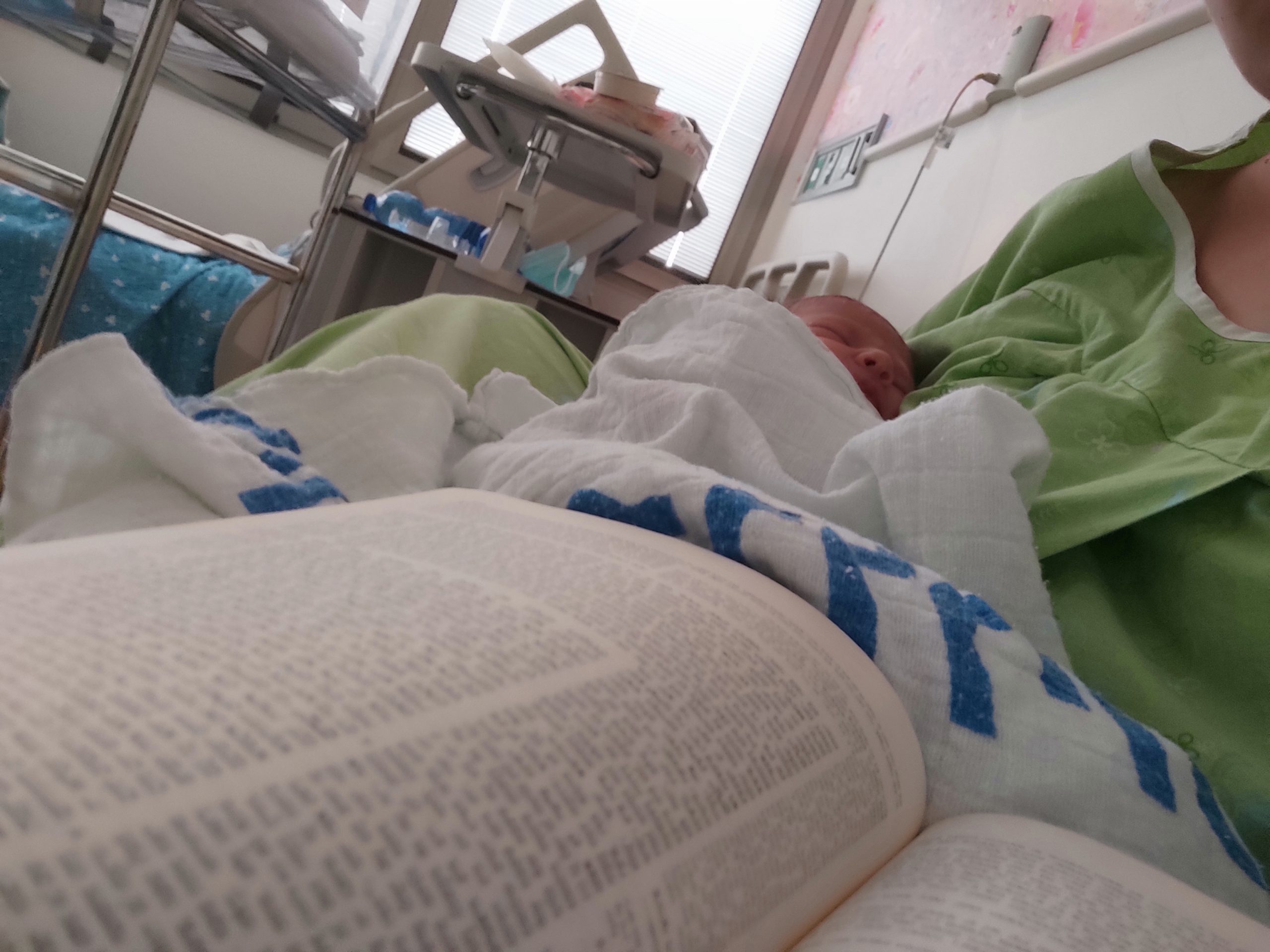
נועה שילה
רבבה, ישראל
התחלתי ללמוד דף יומי בתחילת מסכת ברכות, עוד לא ידעתי כלום. נחשפתי לסיום הש״ס, ובעצם להתחלה מחדש בתקשורת, הפתיע אותי לטובה שהיה מקום לעיסוק בתורה.
את המסכתות הראשונות למדתי, אבל לא סיימתי (חוץ מעירובין איכשהו). השנה כשהגעתי למדרשה, נכנסתי ללופ, ואני מצליחה להיות חלק, סיימתי עם החברותא שלי את כל המסכתות הקצרות, גם כשהיינו חולות קורונה ובבידודים, למדנו לבד, העיקר לא לצבור פער, ומחכות ליבמות 🙂

עדן ישורון
מזכרת בתיה, ישראל
בכורות כה
מוּתָּר.
it is permitted to pluck the hair in order to facilitate proper slaughter.
וּמִי אָמַר רַב הָכִי? וְהָא אָמַר רַב חִיָּיא בַּר אָשֵׁי מִשְּׁמֵיהּ דְּרַב: מְסוֹכַרְיָא דְּנַזְיָיתָא אָסוּר לְהַדּוֹקַיהּ בְּיוֹמָא טָבָא!
The Gemara raises a difficulty: And does Rav actually say this? But doesn’t Rav Ḥiyya bar Ashi say in the name of Rav: In the case of this cloth stopper of a barrel [mesokhrayya denazyata], it is prohibited to insert it tightly into the spout of the barrel on a Festival, because in the process liquid will be squeezed from the cloth, and squeezing liquids is prohibited on Shabbat and Festivals? Apparently, Rav prohibits even unintentional actions, and it follows that it is prohibited to clear hair with a cleaver on a Festival, as one will unintentionally pluck out some hair.
בְּהָהִיא, אֲפִילּוּ רַבִּי שִׁמְעוֹן מוֹדֶה, דְּאַבָּיֵי וְרָבָא דְּאָמְרִי תַּרְוַיְיהוּ: מוֹדֶה רַבִּי שִׁמְעוֹן בִּפְסִיק רֵישֵׁיהּ וְלָא יְמוּת.
The Gemara explains: In that case of the stopper, even the lenient authority, Rabbi Shimon, concedes that it is prohibited, as Rava and Abaye both say: Rabbi Shimon concedes that an unintentional act is prohibited if it falls under the category known as: Cut off its head and will it not die, i.e., when a prohibited labor is the inevitable consequence of an unintentional act. In the case of the cloth stopper, some water will inevitably be squeezed out.
וְהָא אָמַר רַב חִיָּיא בַּר אָשֵׁי אָמַר רַב: הֲלָכָה כְּרַבִּי יְהוּדָה, וְרַב חָנָן בַּר אַמֵּי אָמַר שְׁמוּאֵל: הֲלָכָה כְּרַבִּי שִׁמְעוֹן, וְרַב חִיָּיא בַּר אָבִין מַתְנֵי בְּלָא גַּבְרֵי: רַב אָמַר הֲלָכָה כְּרַבִּי יְהוּדָה, וּשְׁמוּאֵל אָמַר הֲלָכָה כְּרַבִּי שִׁמְעוֹן!
The Gemara objects to the claim that Rav agrees with the opinion of Rabbi Shimon that a regular unintentional act is permitted: But doesn’t Rav Ḥiyya bar Ashi say that Rav says: The halakha is in accordance with the opinion of Rabbi Yehuda, and Rav Ḥanan bar Ami says that Shmuel says: The halakha is in accordance with the opinion of Rabbi Shimon. And Rav Ḥiyya bar Avin teaches Rav and Shmuel’s rulings without mentioning either man, neither Rabbi Ḥiyya bar Ashi nor Rav Ḥanan bar Ami, and says: Rav says the halakha is in accordance with the opinion of Rabbi Yehuda, and Shmuel says the halakha is in accordance with the opinion of Rabbi Shimon.
אֶלָּא, לְעוֹלָם סָבַר רַב: דָּבָר שֶׁאֵין מִתְכַּוֵּין אָסוּר, וְתוֹלֵשׁ לָאו הַיְינוּ גּוֹזֵז, וּבְיוֹם טוֹב הַיְינוּ טַעְמָא דִּשְׁרֵי — דְּהָוֵה לֵיהּ עוֹקֵר דָּבָר מִגִּידּוּלוֹ כִּלְאַחַר יָד.
Rather, actually Rav holds that an unintentional act is prohibited, and he permits plucking the hair of a firstborn because he maintains that plucking is not considered a form of shearing. And this is the reason he permits clearing the hair with a cleaver on a Festival, because it is considered uprooting an item from its place of growth in an unusual manner, and performing a prohibited labor in an unusual manner is not prohibited by Torah law.
וְתוֹלֵשׁ לָאו הַיְינוּ גּוֹזֵז? וְהָתַנְיָא: הַתּוֹלֵשׁ אֶת הַכָּנָף, וְהַקּוֹטְמוֹ, וְהַמּוֹרְטוֹ — חַיָּיב שָׁלֹשׁ חַטָּאוֹת. וְאָמַר רֵישׁ לָקִישׁ: תּוֹלֵשׁ — חַיָּיב מִשּׁוּם גּוֹזֵז, קוֹטֵם — חַיָּיב מִשּׁוּם מְחַתֵּךְ, מְמָרֵט — חַיָּיב מִשּׁוּם מְמַחֵק! שָׁאנֵי כָּנָף, דְּהַיְינוּ אוֹרְחֵיהּ.
The Gemara raises a difficulty: And can it be claimed that plucking is not considered a form of shearing? But isn’t it taught in a baraita: One who unwittingly plucks a large feather from the wing of a bird on Shabbat, and one who snips the tip of the feather, and one who pulls out the thin threads that constitute the feather is obligated to bring three sin offerings, one for each transgression. And Reish Lakish says, in explanation: One who plucks the wing is liable due to the labor of shearing. One who snips the tip of the feather is liable due to the labor of cutting. And one who pulls out the threads is liable due to the labor of smoothing. The Gemara explains: Plucking a wing is different from plucking hair, as that is the normal method employed to remove feathers.
וּמִדְּרַב סָבַר כְּרַבִּי יוֹסֵי בֶּן הַמְשׁוּלָּם, רַבִּי יוֹסֵי בֶּן הַמְשׁוּלָּם סָבַר לַהּ כְּרַב, וְסָבַר רַבִּי יוֹסֵי בֶּן הַמְשׁוּלָּם דָּבָר שֶׁאֵין מִתְכַּוֵּין אָסוּר?
The Gemara comments: And from the fact that Rav holds in accordance with the opinion of Rabbi Yosei ben HaMeshullam that plucking is not considered shearing, it can be inferred that Rabbi Yosei ben HaMeshullam holds in accordance with the opinion of Rav that an unintentional act is prohibited. The Gemara asks: And does Rabbi Yosei ben HaMeshullam hold that an unintentional act is prohibited?
וְהָתַנְיָא: שְׁתֵּי שְׂעָרוֹת — עִיקָּרָן מַאֲדִים, וְרֹאשָׁן מַשְׁחִיר, רַבִּי יוֹסֵי בֶּן הַמְשׁוּלָּם אוֹמֵר: גּוֹזֵז בְּמִסְפָּרַיִם, וְאֵינוֹ חוֹשֵׁשׁ.
But isn’t it taught in a baraita: With regard to a red heifer, which is rendered unfit if it possesses two black hairs, that had two hairs whose roots were red but whose tops were black, Rabbi Yosei ben HaMeshullam says: One shears the tops with scissors, and he need not be concerned that he is violating the prohibition against shearing a consecrated animal. Apparently, the reason is that he does not intend to shear the red heifer but only to render it fit. This indicates that Rabbi Yosei ben HaMeshullam holds an unintentional act is permitted.
שָׁאנֵי פָּרָה, דְּלָאו בַּת גִּיזָּה הִיא. וְהָתַנְיָא: ״לֹא תַעֲבֹד בִּבְכֹר שׁוֹרֶךָ וְלֹא תָגֹז בְּכוֹר צֹאנֶךָ״, וְאֵין לִי אֶלָּא שׁוֹר בַּעֲבוֹדָה וְצֹאן בְּגִיזָּה, מִנַּיִן לִיתֵּן אֶת הָאָמוּר שֶׁל זֶה בָּזֶה וְאֶת הָאָמוּר שֶׁל זֶה בָּזֶה? תַּלְמוּד לוֹמַר: ״לֹא תַעֲבֹד… וְלֹא תָגֹז״!
The Gemara answers: A red heifer is different, as it is not subject to the prohibition against shearing a consecrated animal because it does not have wool, and that is why it is permitted to cut the tops of its hairs. The Gemara raises a difficulty: But isn’t it taught in a baraita: The verse states: “You shall do no work with the firstborn of your ox, and you shall not shear the firstborn of your flock” (Deuteronomy 15:19). I have derived only that a firstborn ox may not be used for labor and that a firstborn sheep may not be used for shearing. From where is it derived to apply what is said about that animal to this one, and what is said about this animal to that one? The verse states: “You shall do no work…and you shall not shear.” The term “and” indicates the two parts of the verse apply to both animals. Evidently, the act of shearing does apply to an ox, including a red heifer.
אֶלָּא, שָׁאנֵי פָּרָה, דְּקׇדְשֵׁי בֶּדֶק הַבַּיִת הִיא. וְהָאָמַר רַבִּי אֶלְעָזָר: קׇדְשֵׁי בֶּדֶק הַבַּיִת אֲסוּרִין בְּגִיזָּה וַעֲבוֹדָה! מִדְּרַבָּנַן. וְהָאִיכָּא אִיסּוּרָא דְּרַבָּנַן! אֶלָּא, שָׁאנֵי פָּרָה דְּלָא שְׁכִיחָא.
Rather, the red heifer is different, as it has the sanctity of items consecrated for Temple maintenance, and therefore the prohibitions that apply to offerings do not necessarily apply to it. The Gemara raises a difficulty: But doesn’t Rabbi Elazar say it is prohibited to shear or perform labor with items consecrated for Temple maintenance? The Gemara answers: That prohibition applies by rabbinic law. The Gemara retorts: But that does not resolve the difficulty, as there is nevertheless still a prohibition by rabbinic law. Why, then, did Rabbi Yosei ben HaMeshullam deem it permitted for one to shear the tops of its hairs with scissors? The Gemara accepts this objection: Rather, the red heifer is different, as it is uncommon, and Rabbi Yosei ben HaMeshullam therefore maintains that the prohibition by rabbinic law was not applied to this case.
וְלִיחַלַּהּ וְלַפְּקַהּ לְחוּלִּין, וְלִיגֻזַּהּ וַהֲדַר לַיקְדְּשַׁהּ! דָּמֶיהָ יְקָרִין. וְלֶיעְבַּד לָהּ כְּדִשְׁמוּאֵל, דְּאָמַר שְׁמוּאֵל: הֶקְדֵּשׁ שָׁוֶה מָנֶה שֶׁחִילְּלוֹ עַל שָׁוֶה פְּרוּטָה מְחוּלָּל! אֵימוֹר דְּאָמַר שְׁמוּאֵל שֶׁחִילְּלוֹ, לְכִתְחִלָּה מִי אָמַר?
The Gemara challenges: But let the owner desacralize the heifer and render it non-sacred, and shear it, and then consecrate it again. The Gemara explains it is unreasonable to demand he desacralize it, as its price is expensive, and it would take an exceptionally large sum of money to desacralize it. The Gemara challenges: But let him act in accordance with the statement of Shmuel, as Shmuel says: A consecrated animal worth one hundred dinars that one desacralized upon the value of one peruta is desacralized. The Gemara explains: You can say that Shmuel said that he has successfully desacralized the animal, but did he say an animal may be desacralized in this manner ab initio? The Gemara therefore concludes that Rabbi Yosei ben HaMeshullam deems it permitted for one to cut the tops of a red heifer’s hairs because it is an uncommon case.
אִיבָּעֵית אֵימָא: רַב סָבַר לַהּ כְּרַבִּי יוֹסֵי בֶּן הַמְשׁוּלָּם, וְרַבִּי יוֹסֵי בֶּן הַמְשׁוּלָּם לָא סָבַר לַהּ כְּרַב.
And if you wish, say instead that although Rav holds in accordance with the opinion of Rabbi Yosei ben HaMeshullam, Rabbi Yosei ben HaMeshullam does not hold in accordance with the opinion of Rav.
וְתוֹלֵשׁ אֶת הַשֵּׂעָר, וּבִלְבַד שֶׁלֹּא יְזִיזֶנּוּ מִמְּקוֹמוֹ. אָמַר רַב אָשֵׁי אָמַר רֵישׁ לָקִישׁ: לֹא שָׁנוּ אֶלָּא בַּיָּד, אֲבָל בִּכְלִי — אָסוּר. וְהָקָתָנֵי: עוֹשֶׂה מָקוֹם בְּקוֹפִיץ מִיכָּן וּמִיכָּן! תְּנִי: ״לְקוֹפִיץ״.
§ The mishna teaches: One who is slaughtering a firstborn clears space with a cleaver from here and from there, on either side of the neck, although he thereby plucks out the hair. He may clear space in this manner provided that he does not move the hair from its place. Rav Ashi says that Reish Lakish says: They taught that this is permitted only if one plucks the hair by hand, but if he does it with a tool it is prohibited, as it appears as though he is shearing the firstborn. The Gemara asks: But isn’t it taught that one may clear space with a cleaver from here and from there on either side of the neck? The Gemara answers: Teach it as: One may clear space with his hands for a cleaver, but he may not clear space with a cleaver.
וְכֵן תּוֹלֵשׁ אֶת הַשֵּׂעָר לִרְאוֹת מוּם. אִיבַּעְיָא לְהוּ: לְכַתְּחִלָּה אוֹ דִיעֲבַד? אָמַר רַבִּי יִרְמְיָה: תָּא שְׁמַע, צֶמֶר הַמְסוּבָּךְ בָּאוֹזֶן — רַבִּי יוֹסֵי בֶּן הַמְשׁוּלָּם אוֹמֵר: תּוֹלְשׁוֹ וּמַרְאֶה אֶת מוּמוֹ. שְׁמַע מִינַּהּ לְכַתְּחִלָּה, שְׁמַע מִינַּהּ.
The mishna further teaches: And likewise, one plucks the hair to enable one of the Sages to examine the place of a blemish. A dilemma was raised before the Sages: Is this permitted ab initio, or only after the fact? Rabbi Yirmeya said: Come and hear a baraita: If there is wool that is entangled in a firstborn’s ear, and it is obscuring a blemish that must be examined, Rabbi Yosei ben HaMeshullam says: One plucks the wool and shows the animal’s blemish to a Sage in order to determine whether it is permitted to slaughter the animal outside the Temple. One can conclude from the baraita that it is permitted ab initio. The Gemara affirms: Indeed, conclude from it that this is so.
אָמַר רַב מָרִי: אַף אֲנַן נָמֵי תְּנֵינָא, וְכֵן הַתּוֹלֵשׁ אֶת הַשֵּׂעָר לִרְאוֹת מְקוֹם מוּם. מַאי ״וְכֵן״? אִילֵּימָא שֶׁלֹּא (יָזִיזוּ אֶת) [יְזִיזֶנּוּ מִ]מְּקוֹמוֹ — הַשְׁתָּא וּמָה שׁוֹחֵט, דִּשְׁחִיטָתוֹ מוֹכַחַת עָלָיו, לֹא יְזִיזֶנּוּ — לִרְאוֹת מְקוֹם מוּם מִיבַּעְיָא?
The Gemara corroborates its conclusion. Rav Mari said: We learn in the mishna as well: And likewise, one plucks the hair to examine the place of a blemish. What is the mishna referring to in its comparison: And likewise? If we say it is referring to the mishna’s ruling that when one slaughters a firstborn he may not move the plucked hair from its place, then the second halakha is unnecessary. Now that it is taught that if, when one comes to slaughter the animal, where its imminent slaughter renders it evident that he does not intend to shear it, but nevertheless he may not remove the hair, is it necessary to teach that one may not remove the plucked hair in order to examine the place of a blemish?
אֶלָּא לָאו אַתּוֹלֵשׁ? שְׁמַע מִינַּהּ לְכַתְּחִלָּה, שְׁמַע מִינַּהּ.
Rather, isn’t the mishna’s comparison referring to the fact that it is permitted to pluck the hair ab initio? Just as it is permitted to pluck the hair for the purpose of slaughtering the animal, so too, it is permitted to pluck the hair in order to examine a blemish. Conclude from it that it is permitted ab initio. The Gemara affirms: Indeed, conclude from it that this is so.
מַתְנִי׳ שְׂעַר בְּכוֹר בַּעַל מוּם שֶׁנָּשַׁר, וְהִנִּיחוֹ בַּחַלּוֹן, וְאַחַר כָּךְ שְׁחָטוֹ — עֲקַבְיָא בֶּן מַהֲלַלְאֵל מַתִּיר,
MISHNA: With regard to the hair of a blemished firstborn animal that shed from the animal, and which one placed in a compartment for safekeeping, and thereafter he slaughtered the animal; given that after the animal dies he is permitted to derive benefit from the hair the animal had on its body when it died, what is the halakhic status of hair that shed from the animal while it was alive? Akavya ben Mahalalel deems its use permitted,
וַחֲכָמִים אוֹסְרִין, דִּבְרֵי רַבִּי יְהוּדָה. אָמַר לוֹ רַבִּי יוֹסֵי: לֹא בָּזֶה הִתִּיר עֲקַבְיָא בֶּן מַהֲלַלְאֵל, אֶלָּא שְׂעַר בַּעַל מוּם שֶׁנָּשַׁר וְהִנִּיחוֹ בַּחַלּוֹן וְאַחַר כָּךְ מֵת — בָּזֶה עֲקַבְיָא בֶּן מַהֲלַלְאֵל מַתִּיר וַחֲכָמִים אוֹסְרִין.
and the Rabbis deem its use prohibited; this is the statement of Rabbi Yehuda. Rabbi Yosei said to him: It was not with regard to that case that Akavya ben Mahalalel deemed use of the wool permitted. Rather, it was in the case of the hair of a blemished firstborn animal that shed from the animal which one placed in a compartment and thereafter the animal died. It was in that case that Akavya ben Mahalalel deems use of the wool permitted, and the Rabbis deem its use prohibited even after its death.
צֶמֶר הַמְדוּלְדָּל בַּבְּכוֹר, אֶת שֶׁנִּרְאֶה עִם הַגִּיזָּה — מוּתָּר, וְאֶת שֶׁאֵינוֹ נִרְאֶה עִם הַגִּיזָּה — אָסוּר.
With regard to wool that is dangling from a firstborn animal, i.e., which was not completely shed, that which appears to be part of the fleece is permitted when the animal is shorn after its death, and that which does not appear to be part of the fleece is prohibited.
גְּמָ׳ מִכְּלָל דְּאָסַר, הַשְׁתָּא בְּמֵת — שָׁרֵי, שְׁחָטוֹ מִיבַּעְיָא?
GEMARA: Rabbi Yosei’s statement, that it was not with regard to the case where the animal was slaughtered that Akavya ben Mahalalel deemed use of the wool permitted, apparently indicates by inference that Akavya ben Mahalalel deemed use of the wool prohibited if the animal was slaughtered. This is difficult: Now that it has been taught that use of the detached wool of a dead firstborn is permitted, despite the fact that the attached hair must be buried, is it necessary to teach that detached wool is permitted in a case where one slaughtered the animal, where the use of the attached hair is permitted?
אֶלָּא, לֹא בָּזֶה הִתִּיר עֲקַבְיָא וַחֲכָמִים אוֹסְרִין, שְׁחָטוֹ — דִּבְרֵי הַכֹּל שְׁרֵי, כִּי פְּלִיגִי בְּמֵת.
Rather, Rabbi Yosei means that it was not in that case that Akavya deemed use of the detached wool permitted while the Rabbis deem it prohibited, since if he slaughtered the animal, everyone agrees that use of the wool is permitted. They disagree in a case where the detached wool came from a dead animal that was not slaughtered.
אָמַר רַבִּי אַסִּי אָמַר רֵישׁ לָקִישׁ: מַחְלוֹקֶת בְּשֶׁהִתִּירוֹ מוּמְחֶה, דְּמָר סָבַר: גָּזְרִינַן דִּלְמָא אָתֵי לְשַׁהוֹיֵיהּ, וּמָר סָבַר: לָא גָּזְרִינַן, אֲבָל לֹא הִתִּירוֹ מוּמְחֶה — דִּבְרֵי הַכֹּל אָסוּר.
Rabbi Asi says that Reish Lakish says: The dispute applies in a case where an expert deemed the animal permitted for slaughter due to a blemish before the wool was shed, as one Sage, the Rabbis, holds that we decree that use of the wool the animal sheds is prohibited, lest one come to postpone its slaughter in order to collect the wool that it sheds. The Rabbis wanted a blemished firstborn to be slaughtered as soon as possible, lest one shear it or use it for labor, both of which are prohibited by Torah law. And one Sage, Akavya ben Mahalalel, holds that we do not issue such a decree. But in a case where an expert did not deem the animal permitted for slaughter before its wool was shed, all agree that use of the wool is prohibited, even after the animal died or was slaughtered.
מֵתִיב רַב שֵׁשֶׁת: בַּעֲלֵי מוּמִין אוֹסְרִין בְּכׇל שֶׁהוּא, וְרַבִּי יוֹסֵי אוֹמֵר: יְבַקֵּר.
Rav Sheshet raises an objection from a baraita: Blemished animals that become intermingled with unblemished animals render the entire group of animals prohibited in any ratio, even if there was only one blemished animal. Since blemished animals may not be sacrificed, and it is impossible to distinguish them from the unblemished animals, none may be sacrificed on the altar. And Rabbi Yosei says: Let the matter be investigated.
וְהָוֵינַן בַּהּ: מַאי ״יְבַקֵּר״? אִלֵּימָא דְּבַעַל מוּם הוּא, וְלִישְׁקְלֵיהּ — מִכְּלָל דְּתַנָּא קַמָּא אָמַר לָאו?
Rav Sheshet continues: And we discussed it, and inquired: What did Rabbi Yosei mean when he said: Let the matter be investigated? Shall we say he meant that one should search for the blemished animal and remove it from the group, so that the other animals may be slaughtered on the altar? This is difficult, as in that case, by inference, the first tanna said that in such a case the remaining unblemished animals are still not permitted. This cannot be so, as there is no reason to deem the remaining animals prohibited once the blemished animal has been removed.
אָמַר רַב נַחְמָן אָמַר רַבָּה בַּר אֲבוּהּ: הָכָא בְּגִיזַּת בְּכוֹר בַּעַל מוּם עָסְקִינַן, שֶׁנִּתְעָרְבוּ בְּגִיזֵּי חוּלִּין. וּמַאן תַּנָּא קַמָּא? רַבִּי יְהוּדָה הִיא, דְּאָמַר: נִשְׁחֲטוּ — אָסְרִי רַבָּנַן. וְרַבִּי יוֹסֵי לְטַעְמֵיהּ, דְּאָמַר: נִשְׁחֲטוּ — שָׁרוּ רַבָּנַן.
And Rav Naḥman says that Rabba bar Avuh says: Here we are dealing with a case of the shearings of a blemished firstborn, whose detached wool became intermingled with non-sacred wool. And who is the first tanna, who holds that all the wool is prohibited? It is Rabbi Yehuda, who says in the mishna here that if the firstborn were slaughtered, the Rabbis deem use of their wool prohibited. And Rabbi Yosei conforms to his line of reasoning, as he says: If the firstborn were slaughtered, the Rabbis deem use of their wool permitted.
וְקָתָנֵי: ״יְבוּקַּר״, מַאי ״יְבוּקַּר״? לָאו אִי ״מוּם קָבוּעַ״ אִי ״מוּם עוֹבֵר״ הוּא, אַף עַל גַּב שֶׁלֹּא הִתִּירוֹ מוּמְחֶה.
Rav Sheshet explains his objection to the interpretation of Reish Lakish: And it is taught that Rabbi Yosei says: Let the matter be investigated. What does he mean when he says: Let the matter be investigated? Does this not mean that an expert examines the animal to determine whether it is a permanent blemish, in which case the intermingled wool is permitted, or whether it is a temporary blemish and the use of the wool is prohibited? If so, Rabbi Yosei holds that wool shed from a firstborn is permitted even though it was shed before the expert deemed the blemish to be permanent and the animal permitted for slaughter. This contradicts the interpretation of Reish Lakish.
אָמַר רָבָא: לֹא; יְבוּקַּר, אִי הִתִּירוֹ מוּמְחֶה — אִין, וְאִי לָא — לָא.
Rava said in response: No, Rabbi Yosei meant that the matter should be investigated to determine if an expert had deemed the firstborn permitted for slaughter before its wool was shed. If he did, then yes, the wool is permitted; and if not, it is not permitted.
כִּי סְלֵיק רָבִין, אַמְרַהּ לִשְׁמַעְתָּא קַמֵּיהּ דְּרַבִּי יִרְמְיָה. אֲמַר: בַּבְלָאֵי טַפְשָׁאֵי, מִשּׁוּם דְּיָתְבִי בְּאַרְעָא דַּחֲשׁוֹכָא אָמְרִי שְׁמַעְתָּא דִּמְחַשְּׁכָן! לָא שְׁמִיעַ לְהוּ הָא דְּאָמַר רַבִּי חִיָּיא בַּר אַבָּא אָמַר רַבִּי יוֹחָנָן: מַחְלוֹקֶת בְּשֶׁבָּדַק וְלֹא מָצָא.
The Gemara relates: When Ravin ascended from Babylonia to Eretz Yisrael, he stated this halakha, including Rav Naḥman’s interpretation of the baraita, in the presence of Rabbi Yirmeya. Rabbi Yirmeya said: Foolish Babylonians! Because they dwell in a dark land, they state halakhot that are dim. Did they not hear that which Rabbi Ḥiyya bar Abba says that Rabbi Yoḥanan says: That mishna is dealing with the animals themselves, not their wool, and the dispute between the first tanna and Rabbi Yosei is with regard to a case where one examined the flock and did not find the blemished animal?
וְקָמִיפַּלְגִי בִּפְלוּגְתָּא דְּרַבִּי מֵאִיר וְרַבָּנַן, דִּתְנַן, שֶׁהָיָה רַבִּי מֵאִיר אוֹמֵר: כׇּל דָּבָר שֶׁהָיָה בְּחֶזְקַת טוּמְאָה — לְעוֹלָם הוּא בְּטוּמְאָתוֹ, עַד שֶׁתִּיוָּודַע הַטּוּמְאָה.
And they disagree with regard to the issue that is the subject of the dispute between Rabbi Meir and the Rabbis. As we learned in a mishna (Pesaḥim 10a) that Rabbi Meir would say: Any object that was held in the presumptive status of ritual impurity, e.g., it is certain that there was a grave in a particular field, that place forever remains in its ritual impurity, even if it was excavated and the source of impurity was not found, until it becomes known to you the location of the ritual impurity, and then the rest of the field is permitted. The assumption is that the impurity was not found because the search was not conducted properly.
וַחֲכָמִים אוֹמְרִים: חוֹפֵר עַד שֶׁמַּגִּיעַ לְסֶלַע אוֹ לִבְתוּלָה.
And the Rabbis say: He continues digging until he reaches bedrock or virgin soil, under which there is certainly no ritual impurity. If he searched this extensively and failed to discover any impurity, it is evidently no longer there. Similarly, in the case of the baraita, the dispute is whether or not failure to locate the blemished animal constitutes sufficient reason to conclude that it is no longer intermingled with the rest of the flock. Accordingly, the first tanna holds in accordance with the opinion of Rabbi Meir while Rabbi Yosei holds in accordance with the opinion of the Rabbis.
רַבִּי אַסִּי אָמַר רַבִּי יוֹחָנָן: מַחְלוֹקֶת כְּשֶׁבָּדַק וּמָצָא, וְקָמִיפַּלְגִי בִּפְלוּגְתָּא דְּרַבִּי וְרַבָּן שִׁמְעוֹן בֶּן גַּמְלִיאֵל.
The Gemara cites another version of Rabbi Yoḥanan’s interpretation of the baraita: Rabbi Asi says that Rabbi Yoḥanan says: The dispute is with regard to a case where he examined the flock and found the blemished animal, and they disagree with regard to the issue that is the subject of the dispute between Rabbi Yehuda HaNasi and Rabban Shimon ben Gamliel.
דְּתַנְיָא: שָׂדֶה שֶׁאָבַד בָּהּ קֶבֶר, נִכְנָס בְּתוֹכָהּ — טָמֵא. נִמְצָא בְּתוֹכָהּ קֶבֶר, נִכְנָס לְתוֹכָהּ — טָהוֹר, שֶׁאֲנִי אוֹמֵר: הוּא קֶבֶר שֶׁאָבַד הוּא קֶבֶר שֶׁנִּמְצָא, דִּבְרֵי רַבִּי. רַבָּן שִׁמְעוֹן בֶּן גַּמְלִיאֵל אוֹמֵר: תִּיבָּדֵק כׇּל הַשָּׂדֶה כּוּלָּהּ.
This is as it is taught in a baraita: With regard to a field in which a grave was lost, one who enters it becomes impure due to the possibility that he passed over the grave and thereby contracted ritual impurity. If a grave was subsequently found in it, one who enters the field not in the place of the found grave remains pure, as I say: The grave that was lost is the grave that was found. This is the statement of Rabbi Yehuda HaNasi. Rabban Shimon ben Gamliel says: Let the entire field be examined before ruling that one who enters it remains pure. Similarly, in the baraita concerning the intermingled blemished and unblemished animals, the first tanna holds in accordance with the opinion of Rabban Shimon ben Gamliel, while Rabbi Yosei holds in accordance with the opinion of Rabbi Yehuda HaNasi.
וְרַבִּי אַסִּי, מַאי טַעְמָא לָא אָמַר כְּרַבִּי חִיָּיא בַּר אַבָּא? אָמַר לָךְ: בִּשְׁלָמָא גַּבֵּי טוּמְאָה, אֵימַר בָּא עוֹרֵב וּנְטָלָהּ, בָּא עַכְבָּר וּנְטָלָהּ, אֶלָּא הָכָא — בַּעַל מוּם לְהֵיכָא אָזֵיל? וְאִידַּךְ? אֵימַר מוּם עוֹבֵר הֲוָה וְאִיתַּסִּי.
The Gemara asks: And Rabbi Asi, what is the reason he did not state the explanation of Rabbi Ḥiyya bar Abba? Rabbi Asi could have said to you: Granted, with regard to impurity one can say the impure object might no longer be there, as perhaps a raven came and took it or a mouse came and took it. But here, with regard to a blemished animal that became intermingled with unblemished animals, where could the blemished animal have gone? The Gemara asks: And how would the other amora, Rabbi Ḥiyya bar Abba, respond to this claim? He would say the blemish was a temporary blemish and it was healed, which is why there is no longer a blemished animal among the flock.
וְרַבִּי חִיָּיא בַּר אַבָּא מַאי טַעְמָא לָא אָמַר כְּרַבִּי אַסִּי? אָמַר לָךְ: בִּשְׁלָמָא שָׂדֶה, דִּרְכַּהּ לְמִיקְבַּר בַּהּ, כִּי הֵיכִי דִּקְבַר בָּהּ הַאי — קְבַר אִינָשׁ אַחֲרִינָא. אֶלָּא קָדָשִׁים, כֵּיוָן דִּבְדִקִי לַן וְקָיְימִי, דִּרְכַּיְיהוּ לְמִיפַּל בְּהוּ מוּמָא? וְאִידַּךְ — אַגַּב דִּמְנַגְּחִי אַהֲדָדֵי, שְׁכִיחַ בְּהוּ מוּמָא.
And as for Rabbi Ḥiyya bar Abba, what is the reason he did not state the explanation of Rabbi Asi? Rabbi Ḥiyya bar Abba could have said to you: Granted, in the case of a field it is normal for people to be buried in it, and therefore Rabban Shimon ben Gamliel claims that just as this person was buried in it, so too, another person might have been buried there. Therefore, there is no reason to assume the grave that was found is the grave that was lost. But with regard to sacrificial animals, once they were examined and they are found to be whole, is it normal for them to suddenly develop a blemish? In such a case even the first tanna would not deem the animals prohibited, as it can be assumed they found the only blemished one. And what would the other amora, Rabbi Asi, say in response? Since they gore each other, the development of a blemish is in fact common among them.
מֵיתִיבִי: הַתּוֹלֵשׁ צֶמֶר מִבְּכוֹר תָּם, אַף עַל פִּי שֶׁנּוֹלַד בּוֹ מוּם וּשְׁחָטוֹ — אָסוּר. טַעְמָא דְּתָם,
Rabbi Asi earlier said in the name of Reish Lakish that both Akavya ben Mahalalel and the Rabbis agree that if an expert did not deem the firstborn permitted for slaughter before its wool was shed, use of the wool is prohibited. The Gemara raises an objection from a baraita: With regard to one who plucks the wool from an unblemished firstborn, even though it later developed a blemish and the owner then slaughtered it, use of the wool is prohibited. The Gemara infers: The reason this is the halakha is that the animal was unblemished.
לעקוב

