







האם מצוות שילוח הקן נחשב מצוות לאו הניתק לעשה? האם השילוח מתקן את העבירה אם לקח את האם? למה יוני שובך ויוני עלייה נחשבים לא רשות הבעלים לעניין שילוח הקן אבל אם מישהו גוזל אותם, חייבים משום דרכי שלום להחזירם?
לימוד מסכת חולין מוקדש על ידי ג’ודי פלבר לכבודה של קהילת הדרן. "במהלך המחזור הראשון שלי בדף היומי, בדיוק כשהתחלנו את מסכת חולין, בני נפצע בעת שירותו בצה”ל. לאורך אותם חודשיים וחצי של קושי וחוסר ודאות, חברותיי ללימוד לא עזבו אותי לרגע. תודה רבה לקהילה שעטפה אותי, עודדה אותי ווידאה שאוכל להמשיך ולהתמיד בלימוד הדף גם בימים המאתגרים ההם.”
הלימוד החודש מוקדש ע”י אדם, קרולין, מיכל, ג’וש, בני, איזי, גלי, שים, זואי, זק’י ויהודה לע”נ אפריים בן קיילה וברוך.
הלימוד החודש מוקדש ע”י אדם, קרולין, מיכל, ג’וש, בני, איזי, גלי, שים, זואי, זק’י ויהודה לע”נ אפריים בן קיילה וברוך.
הלימוד השבוע מוקדש ע”י מרק גולדשטיין לכבוד אשתו רינה.
רוצה להקדיש שיעור?

0:00
0:00
כלים
לימוד מסכת חולין מוקדש על ידי ג’ודי פלבר לכבודה של קהילת הדרן. "במהלך המחזור הראשון שלי בדף היומי, בדיוק כשהתחלנו את מסכת חולין, בני נפצע בעת שירותו בצה”ל. לאורך אותם חודשיים וחצי של קושי וחוסר ודאות, חברותיי ללימוד לא עזבו אותי לרגע. תודה רבה לקהילה שעטפה אותי, עודדה אותי ווידאה שאוכל להמשיך ולהתמיד בלימוד הדף גם בימים המאתגרים ההם.”
הלימוד החודש מוקדש ע”י אדם, קרולין, מיכל, ג’וש, בני, איזי, גלי, שים, זואי, זק’י ויהודה לע”נ אפריים בן קיילה וברוך.
הלימוד החודש מוקדש ע”י אדם, קרולין, מיכל, ג’וש, בני, איזי, גלי, שים, זואי, זק’י ויהודה לע”נ אפריים בן קיילה וברוך.
הלימוד השבוע מוקדש ע”י מרק גולדשטיין לכבוד אשתו רינה.
חולין קמא
לִיתְנֵי רוֹבְדֵי אִילָן, וְכׇל שֶׁכֵּן מְעוֹפֶפֶת? מְעוֹפֶפֶת אִיצְטְרִיךְ לֵיהּ, דַּאֲפִילּוּ כְּנָפֶיהָ נוֹגְעוֹת בַּקֵּן – פָּטוּר מִלְּשַׁלֵּחַ.
let the baraita teach that one is exempt in a case where the bird is sitting between two tree branches, which resembles a case where the bird is resting upon the nest itself in that the bird is sitting in both cases, and it would be clear all the more so that one is exempt if the mother is hovering. The Gemara responds: It was necessary for the baraita to teach the case of a hovering bird in order to teach that even if its wings are touching the nest, one is exempt from sending away the mother bird. Had the baraita taught the exemption in a case of a bird resting between two tree branches, one might have thought that this is because the bird’s wings are not touching the nest.
וְהָאֲנַן תְּנַן: בִּזְמַן שֶׁכְּנָפֶיהָ נוֹגְעוֹת בַּקֵּן – חַיָּיב לְשַׁלֵּחַ! אָמַר רַב יְהוּדָה: כִּי קָתָנֵי מַתְנִיתִין – בְּנוֹגֵעַ מִן הַצַּד.
The Gemara now questions the baraita itself: How can the baraita state that even if the hovering bird’s wings are touching the nest, one is exempt from sending the bird? But didn’t we learn in the mishna: When its wings are touching the nest, one is obligated to send away the mother? Rav Yehuda said: When the case of the hovering mother bird is taught in the baraita, it is referring to a bird touching the nest from the side. In such a case, one is exempt because its wings are not touching the nest from above. By contrast, the mishna is referring to a case where the bird is hovering directly above the nest and touching the nest with its wings from above.
אֵין שָׁם אֶפְרוֹחַ וְכוּ׳. אֲמַר לֵיהּ הָהוּא מֵרַבָּנַן לְרָבָא: אֵימָא אִיפְּכָא, אֵין שָׁם אֶפְרוֹחַ אֶלָּא אֶחָד אוֹ בֵּיצָה אַחַת – פָּטוּר מִלְּשַׁלֵּחַ, דְּבָעֵינַן ״אֶפְרוֹחִים אוֹ בֵיצִים״ וְלֵיכָּא.
§ The mishna teaches: Even if there is only one fledgling or one egg, one is obligated to send away the mother, as it is stated: “If a bird’s nest happens before you” (Deuteronomy 22:6), indicating that one is obligated to send the mother bird away from the nest in any case. Additionally, if there were fledglings capable of flying or unfertilized eggs, one is exempt from sending away the mother bird, as it is stated in the same verse: “And the mother is resting upon the fledglings or upon the eggs.” From the juxtaposition of the fledglings and the eggs, one derives that the eggs or fledglings must be capable of living and they must require their mothers. With regard to this, one of the Sages said to Rava: Say the opposite, that if there is only one fledgling or one egg, one is exempt from sending away the mother, since we require that the mother be “resting upon the fledglings or upon the eggs,” and this condition is not fulfilled with fewer than two.
הָיוּ שָׁם אֶפְרוֹחִים מַפְרִיחִים אוֹ בֵּיצִים מוּזָרוֹת, חַיָּיב לְשַׁלֵּחַ, שֶׁנֶּאֱמַר ״קַן״ – קֵן מִכׇּל מָקוֹם. אִם כֵּן, נִכְתּוֹב קְרָא ״וְהָאֵם רוֹבֶצֶת עֲלֵיהֶם״, מַאי ״וְהָאֵם רֹבֶצֶת עַל הָאֶפְרֹחִים אוֹ עַל הַבֵּיצִים״? לְאַקּוֹשֵׁי אֶפְרוֹחִים לְבֵיצִים וּבֵיצִים לְאֶפְרוֹחִים.
Additionally, if there were fledglings capable of flying or unfertilized eggs in the nest, say that one is obligated to send the mother bird away, as it is stated in that verse: “Nest,” indicating that one is obligated to send the mother bird away from the nest in any case. Rava responds: If so, let the verse write: And the mother is resting upon them. For what reason does the verse state: “And the mother is resting upon the fledglings or upon the eggs”? It is to compare the fledglings to the eggs and the eggs to the fledglings, i.e., to indicate that the eggs or fledglings must be capable of living and must require their mothers. Fledglings that can fly and unfertilized eggs are therefore not included in the mitzva. Consequently, the word “nest” serves to indicate that one is obligated to send away the mother bird even if there is only one egg or fledgling in the nest.
מַתְנִי׳ שִׁלְּחָהּ וְחָזְרָה, אֲפִילּוּ אַרְבָּעָה וַחֲמִשָּׁה פְּעָמִים – חַיָּיב, שֶׁנֶּאֱמַר: ״שַׁלֵּחַ תְּשַׁלַּח אֶת הָאֵם״. אָמַר: הֲרֵינִי נוֹטֵל אֶת הָאֵם וּמְשַׁלֵּחַ אֶת הַבָּנִים – חַיָּיב, שֶׁנֶּאֱמַר: ״שַׁלֵּחַ תְּשַׁלַּח אֶת הָאֵם״. נָטַל אֶת הַבָּנִים וְהֶחְזִירָן לָהּ, וְאַחַר כָּךְ חָזְרָה הָאֵם עֲלֵיהֶן – פָּטוּר מִלְּשַׁלֵּחַ.
MISHNA: If one sent away the mother bird and it returned to rest on the eggs, even if it returned four or five times, one is obligated to send it away again, as it is stated: “You shall send [shalle’aḥ teshallaḥ] the mother” (Deuteronomy 22:7). The doubled verb indicates that one must send away the mother bird multiple times if needed. If one said: I am hereby taking the mother and sending away the offspring, he is still obligated to send away the mother even if he sent away the offspring, as it is stated: “You shall send the mother.” If one sent away the mother and took the offspring and then returned them to the mother’s nest, and thereafter the mother returned and rested upon them, one is exempt from sending away the mother bird.
גְּמָ׳ אֲמַר לֵיהּ הָהוּא מֵרַבָּנַן לְרָבָא, וְאֵימָא: ״שַׁלֵּחַ״ – חֲדָא זִימְנָא, ״תְּשַׁלַּח״ – תְּרֵי זִימְנִין.
GEMARA: The mishna teaches that if the mother bird returned to rest on the eggs, even if it returned four or five times, one is obligated to send it away again, as it is stated: “You shall send [shalle’aḥ teshallaḥ].” With regard to this, one of the Sages said to Rava: But say instead that the word “shalle’aḥ” indicates that one must send away the mother once, and the word “teshallaḥ” indicates that one must do so twice, and beyond that there is no obligation.
אֲמַר לֵיהּ: ״שַׁלֵּחַ״ – אֲפִילּוּ מֵאָה פְּעָמִים, ״תְּשַׁלַּח״ – אֵין לִי אֶלָּא לִדְבַר הָרְשׁוּת, לִדְבַר מִצְוָה מִנַּיִן? תַּלְמוּד לוֹמַר ״תְּשַׁלַּח״ – מִכׇּל מָקוֹם.
Rava said to him: Actually, the halakha that one must send away the mother multiple times is not derived from the phrase “shalle’aḥ teshallaḥ.” Rather, the word “shalle’aḥ” indicates that one must send away the mother bird even one hundred times, and the word “teshallaḥ” teaches another matter: I have derived only the obligation to send away the mother bird in a case where one takes the eggs or the fledglings and wants to take the mother bird for a discretionary purpose, e.g., to eat it. In a case where one takes the eggs or the fledglings and needs the mother bird for a matter involving a mitzva, e.g., the purification of a leper, from where is the halakha that he must send away the mother derived? The verse states: “Teshallaḥ,” to teach that in any case one must send away the mother bird.
אֲמַר לֵיהּ רַבִּי אַבָּא בְּרֵיהּ דְּרַב יוֹסֵף בַּר רָבָא לְרַב כָּהֲנָא: אֶלָּא טַעְמָא דִּכְתַב רַחֲמָנָא ״תְּשַׁלַּח״, הָא לָאו הָכִי, הָוֵה אָמֵינָא: לִדְבַר מִצְוָה לָא? עֲשֵׂה וְלֹא תַעֲשֶׂה הוּא, וְאֵין עֲשֵׂה דּוֹחֶה לֹא תַעֲשֶׂה וַעֲשֵׂה!
Rabbi Abba, son of Rav Yosef bar Rava, said to Rav Kahana: But according to this explanation, the only reason that one must send away the mother bird even when needed for a matter involving a mitzva is that the Merciful One wrote: “Teshallaḥ”; but if not for this, I would say that when the mother is needed for a matter involving a mitzva, one is not obligated to send her away. But this is difficult, as the sending of the mother bird is both a positive mitzva and a prohibition, as the verse states: “You shall not take the mother with the young; you shall send the mother” (Deuteronomy 22:6–7), and there is a principle that a positive mitzva cannot override both a prohibition and a positive mitzva.
לָא צְרִיכָא, דַּעֲבַר וְשַׁקְלַהּ לְאֵם, דְּלָאו עַבְרֵיהּ, עֲשֵׂה הוּא דְּאִיכָּא, לֵיתֵי עֲשֵׂה וְלִידְחֵי עֲשֵׂה, קָא מַשְׁמַע לַן.
Rav Kahana replied: No, the word “teshallaḥ” is necessary for a case where one transgressed and took the mother with the fledglings. In such a case, he has already transgressed the prohibition, and there is now only a positive mitzva to send away the mother. Perhaps one might say: Let the positive mitzva performed with the mother, e.g., the purification of the leper, come and override the positive mitzva of sending away the mother. Therefore, the word “teshallaḥ” teaches us that this is not so, and one is obligated to send away the mother.
הָנִיחָא לְמַאן דְּתָנֵי קִיְּימוֹ וְלֹא קִיְּימוֹ.
The Gemara notes: This works out well according to the one who teaches that the criterion for determining whether one is flogged for violating a prohibition that entails fulfillment of a positive mitzva is whether he fulfilled the mitzva immediately afterward or did not fulfill it. If he does not fulfill the mitzva immediately, he is flogged when he fails to do so. Consequently, if one does not send away the mother bird immediately after taking her with the fledglings, he has immediately violated the prohibition, and only the requirement to fulfill the positive mitzva remains.
אֶלָּא לְמַאן דְּתָנֵי בִּטְּלוֹ וְלֹא בִּטְּלוֹ, כַּמָּה דְּלָא שַׁחְטַהּ – לָא עַבְרֵיהּ לְלָאו.
The Gemara continues: But according to the one who teaches that the criterion for determining whether one is flogged in that case is whether he negated the possibility of fulfilling the positive mitzva or did not negate it, and one is flogged only if he performed an action that renders it impossible to fulfill the mitzva, this explanation does not work out well. After all, as long as one has not slaughtered the mother bird, he has not transgressed the prohibition, since he may still send her away. Consequently, even if one takes the mother, as long as he has not slaughtered her, the prohibition remains in addition to the positive mitzva. If so, there is no need for the Torah to teach that the obligation to send away the mother bird applies in the case of a mitzva.
וְתוּ, לְרַבִּי יְהוּדָה דְּאָמַר ״שַׁלֵּחַ״ מֵעִיקָּרָא מַשְׁמַע, אֲפִילּוּ עֲשֵׂה נָמֵי לֵיכָּא!
And furthermore, one may ask: According to the opinion of Rabbi Yehuda, who said that the word “shalle’aḥ” indicates that the mitzva to send away the mother bird applies only at the outset, i.e., before taking the fledglings, one who takes the mother together with the fledglings violates both the prohibition and the positive mitzva associated with it, such that even a positive mitzva does not remain.
אֶלָּא אָמַר מָר בַּר רַב אָשֵׁי: כְּגוֹן שֶׁנְּטָלָהּ עַל מְנָת לְשַׁלֵּחַ, דְּלָאו לֵיכָּא, עֲשֵׂה הוּא דְּאִיכָּא, וְלֵיתֵי עֲשֵׂה וְלִידְחֵי עֲשֵׂה.
Rather, Mar bar Rav Ashi said: The word “teshallaḥ” is necessary to indicate that the mitzva to send away the mother bird applies in a case where one took her in order to send her away immediately. In such a case, there is no prohibition, as one intends to send her away, but there is still a positive mitzva to send her away. And therefore, one might have said: Let another positive mitzva, e.g., taking the mother for the purification of a leper, come and override the positive mitzva of sending the mother. Therefore, the word “teshallaḥ” indicates that the mitzva of sending the mother bird applies even in such a case.
מַאי אוּלְמֵיהּ דְּהַאי עֲשֵׂה מֵהַאי עֲשֵׂה? סָלְקָא דַּעְתָּךְ, הוֹאִיל וְאָמַר מָר: גָּדוֹל שָׁלוֹם שֶׁבֵּין אִישׁ לְאִשְׁתּוֹ, שֶׁהֲרֵי אָמְרָה תּוֹרָה: שְׁמוֹ שֶׁל הַקָּדוֹשׁ בָּרוּךְ הוּא שֶׁנִּכְתַּב בִּקְדוּשָּׁה יִמָּחֶה עַל הַמַּיִם.
The Gemara asks: What is the strength of that other positive mitzva over this positive mitzva of sending away the mother bird? Why might the former override the latter? The Gemara responds: It might enter your mind to say that since the Master said: Great is peace between a man and his wife, as the Torah said that the name of the Holy One, Blessed be He, which is written in sanctity, shall be erased on the waters as part of the ritual of a woman suspected by her husband of adultery (see Numbers 5:23) in order to clear her from suspicion and restore peace between her and her husband, therefore, perhaps the halakha should be more lenient with regard to the leper.
וְהַאי מְצוֹרָע, כֵּיוָן דְּכַמָּה דְּלָא מִטַּהַר, אָסוּר בְּתַשְׁמִישׁ הַמִּטָּה, דִּכְתִיב: ״וְיָשַׁב מִחוּץ לְאׇהֳלוֹ שִׁבְעַת יָמִים״, ״אׇהֳלוֹ״ – זוֹ אִשְׁתּוֹ, מִכָּאן שֶׁאָסוּר בְּתַשְׁמִישׁ הַמִּטָּה. מַהוּ דְּתֵימָא: כֵּיוָן דְּאָסוּר בְּתַשְׁמִישׁ הַמִּטָּה, לֵיתֵי עֲשֵׂה דִּידֵיהּ וְלִידְחֵי עֲשֵׂה דְּשִׁלּוּחַ הַקֵּן, קָא מַשְׁמַע לַן.
The Gemara explains: And with regard to this leper, since as long as he is not purified he is prohibited from engaging in marital relations, as it is written: “But he shall dwell outside his tent seven days” (Leviticus 14:8), and when the verse states: “His tent,” this is referring to his wife, such that one may derive from here that a leper is prohibited from engaging in marital relations, perhaps his purification ceremony should take precedence. This is because perhaps you will say: Since he is prohibited from engaging in marital relations, let his positive mitzva of purification come and override the positive mitzva of the sending away of the mother bird from the nest. Therefore, the word “teshallaḥ” teaches us that even so, one may not take the mother bird.
מַתְנִי׳ הַנּוֹטֵל אֵם עַל הַבָּנִים – רַבִּי יְהוּדָה אוֹמֵר: לוֹקֶה וְאֵינוֹ מְשַׁלֵּחַ, וַחֲכָמִים אוֹמְרִים: מְשַׁלֵּחַ וְאֵינוֹ לוֹקֶה. זֶה הַכְּלָל: כׇּל מִצְוַת לֹא תַעֲשֶׂה שֶׁיֵּשׁ בָּהּ קוּם עֲשֵׂה – אֵין לוֹקִין עָלֶיהָ.
MISHNA: With regard to one who takes the mother bird with its fledglings, Rabbi Yehuda says: He is flogged for taking the mother bird, and he does not send away the mother. And the Rabbis say: He sends away the mother and is not flogged, as this is the principle: With regard to any prohibition that entails a command to arise and perform a mitzva, one is not flogged for its violation.
גְּמָ׳ בָּעֵי רַבִּי אַבָּא בַּר מֶמֶל: טַעְמָא דְּרַבִּי יְהוּדָה מִשּׁוּם דְּסָבַר לָאו שֶׁנִּיתָּק לַעֲשֵׂה לוֹקִין עָלָיו.
GEMARA: The mishna teaches that according to Rabbi Yehuda, one who takes the mother with the offspring is flogged. With regard to this, Rabbi Abba bar Memel raises a dilemma: Is the reasoning for the ruling of Rabbi Yehuda that he holds that one is flogged for violation of a prohibition that entails fulfillment of a positive mitzva? Accordingly, one is flogged for transgressing the prohibition: “You shall not take the mother with the young,” which entails the fulfillment of: “You shall send the mother.”
אוֹ דִלְמָא בְּעָלְמָא סָבַר, לָאו שֶׁנִּיתָּק לַעֲשֵׂה אֵין לוֹקִין עָלָיו, וְהָכָא הַיְינוּ טַעְמָא, מִשּׁוּם דְּקָסָבַר ״שַׁלֵּחַ״ מֵעִיקָּרָא מַשְׁמַע.
The second possibility is now presented: Or perhaps in general Rabbi Yehuda holds that one is not flogged for violation of a prohibition that entails fulfillment of a positive mitzva; and here, this is the reason one is flogged for taking the mother: It is because he holds that when the verse states: “You shall send the mother [shalle’aḥ teshallaḥ]” (Deuteronomy 22:7), the word “shalle’aḥ” indicates that the mitzva to sending the mother bird applies only at the outset, i.e., when encountering the nest. Accordingly, this is not a case of a prohibition that entails the performance of a positive mitzva, but an independent prohibition, for which one is liable to receive lashes.
תָּא שְׁמַע: גַּנָּב וְגַזְלָן יֶשְׁנָן בִּכְלַל מַלְקוֹת, דִּבְרֵי רַבִּי יְהוּדָה. וְהָא הָכָא, דְּלָאו שֶׁנִּיתָּק לַעֲשֵׂה הוּא, דְּרַחֲמָנָא אָמַר ״לֹא תִגְזוֹל״ ״וְהֵשִׁיב אֶת הַגְּזֵלָה״. שְׁמַע מִינַּהּ טַעְמָא דְּרַבִּי יְהוּדָה מִשּׁוּם דְּקָסָבַר לָאו שֶׁנִּיתָּק לַעֲשֵׂה לוֹקִין עָלָיו.
The Gemara suggests: Come and hear a resolution to the dilemma from that which is taught: A thief and a robber are included among those who are liable to receive lashes by Torah law. A thief violates the prohibition of: “You shall not steal” (Leviticus 19:11), and a robber violates the prohibition of: “You shall not rob” (Leviticus 19:13); this is the statement of Rabbi Yehuda. The Gemara continues: But here, the prohibition against robbing is a prohibition that entails fulfillment of a positive mitzva, as the Merciful One states: “You shall not rob” (Leviticus 19:13), and: “And he shall restore the robbed item” (Leviticus 5:23). And nevertheless, Rabbi Yehuda deems one liable to receive lashes for transgressing the prohibition against robbing. Therefore, conclude from it that the reasoning of the ruling of Rabbi Yehuda in the mishna is that he holds that one is flogged for violation of a prohibition that entails fulfillment of a positive mitzva.
אֲמַר לֵיהּ רַבִּי זֵירָא: לָאו אָמֵינָא לְכוּ, כֹּל מַתְנִיתָא דְּלָא תַּנְיָא בֵּי
Rabbi Zeira said to him: Didn’t I already tell you that any baraita that is not taught in the study hall
רַבִּי חִיָּיא וּבֵי רַבִּי אוֹשַׁעְיָא מְשַׁבַּשְׁתָּא הִיא, וְלָא תּוֹתְבוּ מִינַּהּ בֵּי מִדְרְשָׁא, דִּלְמָא אֵינָהּ בִּכְלַל מַלְקוֹת אַרְבָּעִים תַּנְיָא.
of Rabbi Ḥiyya or the study hall of Rabbi Oshaya, who were precise in the formulation of their baraitot, is corrupted, and you may not raise objections based upon it in the study hall? Since this baraita was not taught in either of the aforementioned study halls, you may not cite it as proof. After all, perhaps the phrase: Are not included among those who are liable to receive forty lashes by Torah law, was taught by Rabbi Yehuda in the baraita, but the text was corrupted. It is therefore possible that according to Rabbi Yehuda, one is not flogged for violation of a prohibition that entails fulfillment of a positive mitzva, and his reasoning of his ruling in the mishna is that the word “shalle’aḥ” indicates that the mitzva to send away the mother bird applies only at the outset.
תָּא שְׁמַע, דְּתָנֵי רַבִּי אוֹשַׁעְיָא וְרַבִּי חִיָּיא: ״לֹא תָשׁוּב״ וְשָׁב, ״לֹא תְכַלֶּה״ וְכִלָּה – יֶשְׁנָן בִּכְלַל מַלְקוֹת אַרְבָּעִים, דִּבְרֵי רַבִּי יְהוּדָה.
The Gemara suggests: Come and hear a resolution from that which is taught in a baraita by Rabbi Oshaya and Rabbi Ḥiyya: It is written with regard to forgotten sheaves left for the poor: “When you reap your harvest in your field and forget a sheaf in the field, you shall not return to fetch it” (Deuteronomy 24:19). If one transgressed this prohibition and one returned to fetch it, he is liable to receive lashes. Likewise, it is written with regard to produce in the corner of the field [pe’a], which is given to the poor: “And when you reap the harvest of your land, you shall not wholly reap the corner of your field” (Leviticus 19:9). If one transgressed this prohibition and reaped the corner of his field, such individuals are included among those who are liable to receive lashes by Torah law. This is the statement of Rabbi Yehuda.
שְׁמַע מִינַּהּ טַעְמֵיהּ דְּרַבִּי יְהוּדָה, מִשּׁוּם דְּקָסָבַר לָאו שֶׁנִּיתָּק לַעֲשֵׂה – לוֹקִין עָלָיו.
The Gemara concludes the resolution: Since the mitzvot of leaving pe’a and forgotten sheaves are prohibitions that entail fulfillment of a positive mitzva, as the verse states with regard to both of them: “For the poor and for the stranger you shall leave them” (Leviticus 19:10), conclude from the baraita that the reasoning of the ruling of Rabbi Yehuda in the mishna is that he holds that one is flogged for violation of a prohibition that entails fulfillment of a positive mitzva.
דִּלְמָא הָתָם הַיְינוּ טַעַם, דְּקָסָבַר ״תַּעֲזוֹב״ מֵעִיקָּרָא מַשְׁמַע.
The Gemara rejects this: Perhaps there, with regard to pe’a and forgotten sheaves, this is the reason that Rabbi Yehuda deems one liable to receive lashes: Because he holds that the positive mitzva: “For the poor and for the stranger you shall leave them,” indicates that these mitzvot apply only at the outset. Accordingly, these are not cases of prohibitions that entail fulfillment of a positive mitzva, but of independent prohibitions. Similarly, it is possible that the reasoning of the ruling of Rabbi Yehuda in the mishna is that the mitzva of the sending away of the mother bird applies only at the outset.
אֲמַר לֵיהּ רָבִינָא לְרַב אָשֵׁי: תָּא שְׁמַע, ״לֹא תוֹתִירוּ מִמֶּנּוּ עַד בֹּקֶר וְגוֹ׳ בָּאֵשׁ תִּשְׂרֹפוּ״ – בָּא הַכָּתוּב לִיתֵּן עֲשֵׂה אַחַר לֹא תַעֲשֶׂה, לוֹמַר לָךְ שֶׁאֵין לוֹקִין עָלָיו, דִּבְרֵי רַבִּי יְהוּדָה.
Ravina said to Rav Ashi: Come and hear a resolution from that which is taught in a baraita: The verse states with regard to the Paschal offering: “You shall let nothing of it remain until the morning; but that which remains of it until the morning you shall burn in fire” (Exodus 12:10). The verse comes to position the positive mitzva of burning the leftover meat after the prohibition against leaving over the meat, in order to say that one is not flogged for its violation; this is the statement of Rabbi Yehuda.
שְׁמַע מִינַּהּ: טַעְמָא דְּרַבִּי יְהוּדָה מִשּׁוּם דְּקָסָבַר ״שַׁלֵּחַ״ מֵעִיקָּרָא מַשְׁמַע, שְׁמַע מִינַּהּ.
Ravina continued: Conclude from the baraita that according to Rabbi Yehuda, one is not flogged for violation of a prohibition that entails fulfillment of a positive mitzva, and that the reasoning of the ruling of Rabbi Yehuda in the mishna is that he holds that the word “shalle’aḥ” indicates that the mitzva to send away the mother applies only at the outset. Consequently, the prohibition against taking the mother with the offspring is not one that entails fulfillment of a positive mitzva, but an independent prohibition that is punishable by lashes. The Gemara concedes: Conclude from it that this is the reasoning of Rabbi Yehuda.
אֲמַר לֵיהּ רַב אִידִי לְרַב אָשֵׁי: מַתְנִיתִין נָמֵי דַּיְקָא, דְּקָתָנֵי: הַנּוֹטֵל אֵם עַל הַבָּנִים – רַבִּי יְהוּדָה אוֹמֵר: לוֹקֶה וְאֵין מְשַׁלֵּחַ, וְאִי סָלְקָא דַעְתָּךְ טַעְמָא דְּרַבִּי יְהוּדָה לָאו שֶׁנִּיתָּק לַעֲשֵׂה לוֹקִין עָלָיו, ״לוֹקֶה וּמְשַׁלֵּחַ״ מִבְּעֵי לֵיהּ!
Rav Idi said to Rav Ashi: The language of the mishna is also precise, as it teaches: With regard to one who takes the mother with the offspring, Rabbi Yehuda says: He is flogged and there is no longer a mitzva to send away the mother. But if it enters your mind to say that the reasoning of the ruling of Rabbi Yehuda in the mishna is that one is flogged for violation of a prohibition that entails fulfillment of a positive mitzva, then Rabbi Yehuda should have said: He is flogged and sends away the mother. Rather, conclude that according to Rabbi Yehuda, this is not a prohibition that entails fulfillment of a positive mitzva.
וְדִלְמָא הָכִי קָאָמַר בְּמַתְנִיתִין: אֵין נִפְטָר עַד דְּמַלְקִין לֵיהּ.
The Gemara rejects this: One cannot infer anything from the language of the mishna, since perhaps this is what Rabbi Yehuda is saying in the mishna: There is still a mitzva to send away the mother, but one is not absolved of guilt for transgressing the prohibition against taking the mother until the court flogs him.
עַד כַּמָּה מְשַׁלְּחָהּ? אָמַר רַב יְהוּדָה: כְּדֵי שֶׁתֵּצֵא מִתַּחַת יָדוֹ. בַּמֶּה מְשַׁלְּחָהּ? רַב הוּנָא אָמַר: בְּרַגְלֶיהָ, רַב יְהוּדָה אָמַר: בַּאֲגַפֶּיהָ. רַב הוּנָא אָמַר בְּרַגְלֶיהָ, דִּכְתִיב: ״מְשַׁלְּחֵי רֶגֶל הַשּׁוֹר וְהַחֲמוֹר״. רַב יְהוּדָה אָמַר בַּאֲגַפֶּיהָ, דְּהָא כְּנָפֶיהָ נִינְהוּ.
§ The mishna teaches that according to the Rabbis, if one transgressed the mitzva and took the mother bird with the young, one must send away the mother. The Gemara asks: How far from the nest must he send her? Rav Yehuda says: Far enough that she leaves his grasp and can no longer be caught immediately. The Gemara asks: In what manner does he send her away?Rav Huna says: He holds the mother by her feet and sends her away. Rav Yehuda says: He holds her by her wings [baagappeha] and sends her away. The Gemara elaborates: Rav Huna says that one holds the mother by her feet, as it is written: “That send forth freely the feet of the ox and the donkey” (Isaiah 32:20), indicating that the sending of an animal is associated with its feet. Rav Yehuda says that one holds her by her wings, because the feet of the mother bird are her wings, as it is by means of her wings that she moves about.
הַהוּא דְּגַזִּינְהוּ לְגַפַּהּ, וְשַׁלְּחַהּ, וְאַחַר כָּךְ תַּפְשַׂהּ. נַגְּדֵיהּ רַב יְהוּדָה. אֲמַר לֵיהּ: זִיל רַבִּי לַהּ גַּדְפַיהּ, וְשַׁלְּחַהּ!
§ The Gemara relates: A certain person clipped a mother bird’s wing and sent it away and thereafter caught it. Rav Yehuda flogged him for transgressing the prohibition: “You shall not take the mother with the young” (Deuteronomy 22:6). Rav Yehuda also said to him: Go and let its wings grow back and then send it away.
כְּמַאן? אִי כְּרַבִּי יְהוּדָה – לוֹקֶה וְאֵין מְשַׁלֵּחַ, אִי כְּרַבָּנַן – מְשַׁלֵּחַ וְאֵין לוֹקֶה! לְעוֹלָם כְּרַבָּנַן, וּמַכַּת מַרְדּוּת מִדְּרַבָּנַן.
The Gemara asks: In accordance with whose opinion did Rav Yehuda act in this case? If he acted in accordance with the opinion of Rabbi Yehuda, then there was no need to send away the mother, because according to Rabbi Yehuda, he is flogged for taking the mother bird, and he does not send away the mother. If he acted in accordance with the opinion of the Rabbis, then he should not have flogged this individual, since according to the Rabbis, he sends away the mother and is not flogged. The Gemara responds: Actually, he acted in accordance with the opinion of the Rabbis, and the lashes administered by Rav Yehuda were not for transgressing a Torah prohibition; rather, they were rabbinic lashes for rebelliousness [makkat mardut], as this individual acted inappropriately.
הָהוּא דַּאֲתָא לְקַמֵּיהּ דְּרָבָא, אֲמַר לֵיהּ: תֵּימָה מַהוּ? אָמַר: לָא יָדַע הַאי גַּבְרָא דְּעוֹף טָהוֹר חַיָּיב לְשַׁלּוֹחֵי? אֲמַר לֵיהּ: דִּילְמָא חֲדָא בֵּיעֲתָא הוּא דְּרַמְיָא? אֲמַר לֵיהּ: (הַאי יָדְעִי) [אִין. אֲמַר לֵיהּ: מַאי תִּיבְּעֵי] לָךְ? מַתְנִיתִין הִיא: אֵין שָׁם אֶלָּא אֶפְרוֹחַ אֶחָד אוֹ בֵיצָה אַחַת – חַיָּיב לְשַׁלֵּחַ.
The Gemara relates that a certain man came before Rava and said to him: What is the halakha with regard to a certain kosher bird known as the teima? Is it included in the mitzva of sending away the mother bird from the nest? Rava said: Doesn’t this man know that with regard to any kosher bird one is obligated to send away the mother? The man responded: Nevertheless, I am uncertain with regard to the halakha. Rava said to him: Perhaps you are uncertain about a case where a single egg is placed in the nest, since the Torah states: “Upon the fledglings or upon the eggs” (Deuteronomy 22:6). The man replied in the affirmative. Rava said to him: That too should be known to you, as it is stated in the mishna (140b): Even if there is only one fledgling or one egg, one is obligated to send away the mother.
שַׁלְחַהּ, וְאַהְדַּר לַהּ רָבָא פְּרִסְתָּקֵי וְתַפְסַהּ. וְלֵיחוּשׁ לַחֲשָׁדָא? כִּלְאַחַר יָד.
The man sent away the bird, and Rava then surrounded her with nets [perastekei] and caught her. The Gemara asks: But shouldn’t Rava be concerned about arousing suspicion that he required the sending away of the bird only so that he might catch it for himself? The Gemara responds: The nets were positioned far from the nest in an unusual manner that did not arouse suspicion.
תָּנוּ רַבָּנַן: יוֹנֵי שׁוֹבָךְ וְיוֹנֵי עֲלִיָּיה – חַיָּיבוֹת בְּשִׁלּוּחַ, וַאֲסוּרוֹת מִשּׁוּם גָּזֵל מִפְּנֵי דַּרְכֵי שָׁלוֹם.
§ The Sages taught in a baraita: Pigeons of a dovecote and pigeons of an attic are subject to the obligation of sending away the motherbird,because they are ownerless and therefore not considered readily available. But nevertheless, they are subject to the prohibition of robbery due to a rabbinic ordinance to maintain the ways of peace.
וְאִי אִיתָא לְהָא דְּאָמַר רַבִּי יוֹסֵי בַּר רַבִּי חֲנִינָא, חֲצֵרוֹ שֶׁל אָדָם קוֹנָה לוֹ שֶׁלֹּא מִדַּעְתּוֹ, קְרִי כָּאן ״כִּי יִקָּרֵא״ – פְּרָט לִמְזוּמָּן!
The Gemara objects: But if it is so that this ruling is correct that Rabbi Yosei, son of Rabbi Ḥanina, says, i.e., that a person’s courtyard effects acquisition for him of an item placed in it even without his knowledge, then a dovecote or attic will effect acquisition for its owner of any eggs inside them. Accordingly, one should apply here the principle that the mitzva to send away the mother bird from the nest applies only in the case described in the verse: “If a bird’s nest happens before you” (Deuteronomy 22:6), which excludes from the mitzva a bird or egg readily available in one’s home. Yet the baraita rules that the mitzva does apply in this case.
אָמַר (רב) [רַבָּה]: בֵּיצָה – עִם יְצִיאַת רוּבָּהּ הוּא דְּאִחַיַּיב בְּשִׁלּוּחַ, מִקְנָא לָא קָנֵי עַד דְּתִפּוֹל לַחֲצֵרוֹ, וְכִי קָתָנֵי חַיָּיבוֹת בְּשִׁלּוּחַ – מִקַּמֵּי דְּתִפּוֹל לַחֲצֵרוֹ.
Rav says: It is from the time of the emergence of the majority of an egg from a mother bird’s body that one becomes obligated to send away the mother from the nest. On the other hand, the owner of a courtyard does not acquire the egg until it fully emerges and falls into his courtyard. And therefore, when the baraita teaches that in the case of the pigeons in a dovecote or an attic, they are subject to the obligation of sending away the mother bird, it is referring to a time before the egg falls into his courtyard.
אִי הָכִי, אַמַּאי אֲסוּרוֹת מִשּׁוּם גָּזֵל? אַאִמָּם. וְאִיבָּעֵית אֵימָא: לְעוֹלָם אַבֵּיצָה, וּבֵיצָה כֵּיוָן דִּנְפַק לֵיהּ רוּבָּא – דַּעְתֵּיהּ עֲלֵיהּ.
The Gemara asks: If that is so, that the baraita is referring to a case where the egg has not fully emerged, why does the baraita rule that the eggs are forbidden by rabbinic law for others to take due to the prohibition of robbery? The eggs have not yet been acquired by the owner of the courtyard. The Gemara answers: That ruling of the baraita is referring to their mother, i.e., the mother bird. Or, if you wish, say instead: Actually, that ruling is referring to the egg. And the reason the Sages rendered it prohibited to take the eggs due to the prohibition of robbery is that once the majority of an egg emerges from the body of the mother bird, the owner’s mind is upon the eggs to acquire them, although technically he will not acquire them until they fully emerge.
וְהַשְׁתָּא דְּאָמַר רַב יְהוּדָה אָמַר רַב: אָסוּר לִזְכּוֹת בְּבֵיצִים שֶׁהָאֵם רוֹבֶצֶת עֲלֵיהֶן, שֶׁנֶּאֱמַר: ״שַׁלֵּחַ אֶת הָאֵם״ וַהֲדַר ״הַבָּנִים תִּקַּח לָךְ״. אֲפִילּוּ תֵּימָא אַף עַל גַּב דִּנְפַל לַחֲצֵרוֹ, כֹּל הֵיכָא דְּאִיהוּ מָצֵי זָכֵי – חֲצֵרוֹ נָמֵי זָכְיָא, וְכֹל הֵיכָא דְּאִיהוּ לָא מָצֵי זָכֵי – חֲצֵרוֹ נָמֵי לָא זָכְיָא לֵיהּ.
The Gemara adds: And now that Rav Yehuda said that Rav said: It is prohibited to acquire eggs whose mother is resting upon them, as it is stated: “You shall send the mother,” and only then: “The young you may take for yourself” (Deuteronomy 22:7), you may even say: Even though the eggs fully emerged and fell into his courtyard, he must still send away the mother bird. This is because in any case in which a courtyard owner is capable of acquiring an item by himself, his courtyard can also effect acquisition of it for him. But in any case in which he is incapable of acquiring an item by himself, his courtyard cannot effect acquisition of it for him either. Since one is incapable of acquiring the eggs so long as the mother bird is resting upon them, one’s property does not acquire the eggs for him even if they have already fallen into it.
אִי הָכִי, אַמַּאי אֲסוּרוֹת מִפְּנֵי דַּרְכֵי שָׁלוֹם? אִי דְּשַׁלְּחַהּ – גָּזֵל מְעַלְּיָא הוּא, אִי דְּלָא שַׁלְּחַהּ – שַׁלּוֹחֵי בָּעֵי!
The Gemara asks: If that is so, that the baraita is referring to a case where the courtyard cannot effect acquisition of the eggs for him, why does the baraita rule: They are subject to the prohibition only due to the rabbinic ordinance to maintain the ways of peace? If one sent away the mother bird before taking the eggs, then it is full-fledged robbery by Torah law, since the courtyard has effected acquisition of the eggs on behalf of its owner, and if one did not send away the mother bird, he needs to send her away before it is permitted to take the eggs. Either way, one will have transgressed Torah law and not a rabbinic prohibition.
בְּקָטָן. קָטָן בַּר דַּרְכֵי שָׁלוֹם הוּא? הָכִי קָאָמַר: אָבִיו שֶׁל קָטָן חַיָּיב לְהַחְזִיר לוֹ, מִפְּנֵי דַּרְכֵי שָׁלוֹם.
The Gemara answers: The baraita is referring to a case where a minor took the eggs without sending away the mother. A minor is not obligated in the mitzva of sending away the mother bird. The Gemara asks: Is a minor subject to a rabbinic ordinance concerning robbery enacted to maintain the ways of peace? The Gemara responds: This is what the latter clause of the baraita is saying: The father of a minor who took such eggs is obligated to return them to the owner of the dovecote or attic, due to the rabbinic prohibition concerning robbery instituted to maintain the ways of peace.
לֵוִי בַּר סִימוֹן אַקְנִי פֵּירוֹת שׁוֹבָכוֹ לְרַב יְהוּדָה. אֲתָא לְקַמֵּיהּ דִּשְׁמוּאֵל, אֲמַר לֵיהּ: זִיל טְרוֹף אַקַּן, דְּלִיתְגַּבְהוּ וּקְנִינְהוּ.
§ The Gemara relates an additional incident with regard to pigeons of a dovecote that were discussed above: Levi bar Simon transferred ownership of the produce of his dovecote, i.e., the fledglings and the eggs contained in it, to Rav Yehuda. Rav Yehuda came before Shmuel and told him of his acquisition. Shmuel said to him: Go, bang on the nest, i.e., the dovecote, so that the fledglings will rise up and you will acquire them.
לְמַאי? אִי לְמִקְנֵא – לַקְנִינְהוּ לֵיהּ בְּסוּדָר! אִי בְּיוֹם טוֹב –
The Gemara asks: For what purpose did Shmuel tell Rav Yehuda to do this? If he meant for Rav Yehuda to finalize the acquisition so that Levi bar Simon could not retract, let him do so through acquisition by means of a cloth. There is no need for him to bang on the dovecote. If this incident occurred on the eve of a Festival, and Rav Yehuda came to ask what action to take in order to render the birds permitted for slaughter on the Festival, then banging on the dovecote should not be necessary,
לעקוב 
כלים
העמקה
רוצה להבין מה באמת קורה מתחת לפני השטח של הסוגיה?
שיעורים, פודקאסטים והרחבות של מיטב המורות שלנו יפתחו לך עוד זוויות וכיווני חשיבה.
נ”ט בר נ”ט – פרווה, יש דבר כזה?- גפת עם הרבנית חנה גודינגר (דרייפוס)
20.08.2026 | ז׳ באלול תשפ״ו

בן פקועה: איך אפשר לאכול בשר ללא שחיטה?- גפת עם הרבנית חנה גודינגר (דרייפוס)
14.07.2026 | כ״ט בתמוז תשפ״ו
טומאה בלועה – אשת כהן בהריון האם יכולה להיכנס לבית קברות?- גפת עם הרבנית חנה גודינגר (דרייפוס)
09.07.2026 | כ״ד בתמוז תשפ״ו
הביאו עלי כפרה שמיעטתי את הירח – גפת עם הרבנית חנה גודינגר (דרייפוס)
30.06.2026 | ט״ו בתמוז תשפ״ו
האם יכול להיות שיותר קל להיות יהודי מלהיות גוי?- גפת עם הרבנית חנה גודינגר (דרייפוס)
03.06.2026 | י״ח בסיון תשפ״ו
חדשה בלימוד הגמרא?
זה הדף הראשון שלך? איזו התרגשות עצומה! יש לנו בדיוק את התכנים והכלים שיעזרו לך לעשות את הצעדים הראשונים ללמידה בקצב וברמה שלך, כך תוכלי להרגיש בנוח גם בתוך הסוגיות המורכבות ומאתגרות.
פסיפס הלומדות שלנו
גלי את קהילת הלומדות שלנו, מגוון נשים, רקעים וסיפורים. כולן חלק מתנועה ומסע מרגש ועוצמתי.
התחלתי ללמוד גמרא בבית הספר בגיל צעיר והתאהבתי. המשכתי בכך כל חיי ואף היייתי מורה לגמרא בבית הספר שקד בשדה אליהו (בית הספר בו למדתי בילדותי)בתחילת מחזור דף יומי הנוכחי החלטתי להצטרף ובע”ה מקווה להתמיד ולהמשיך. אני אוהבת את המפגש עם הדף את "דרישות השלום ” שמקבלת מקשרים עם דפים אחרים שלמדתי את הסנכרון שמתחולל בין התכנים.

אריאלה ביגמן
מעלה גלבוע, ישראל
. לא תמיד נהניתי מלימוד גמרא כילדה.,בל כהתבגרתי התחלתי לאהוב את זה שוב. התחלתי ללמוד מסכת סוטה בדף היומי לפני כחמש עשרה שנה ואז הפסקתי.הגעתי לסיום הגדול של הדרן לפני שנתיים וזה נתן לי השראה. והתחלתי ללמוד למשך כמה ימים ואז היתה לי פריצת דיסק והפסקתי…עד אלול השנה. אז התחלתי עם מסכת ביצה וב”ה אני מצליחה לעמוד בקצב. המשפחה מאוד תומכת בי ויש כמה שגם לומדים את זה במקביל. אני אוהבת שיש עוגן כל יום.

רבקה דרשן
בית שמש, ישראל
התחלתי ללמוד בסבב הנוכחי לפני כשנתיים .הסביבה מתפעלת ותומכת מאוד. אני משתדלת ללמוד מכל ההסכתים הנוספים שיש באתר הדרן. אני עורכת כל סיום מסכת שיעור בביתי לכ20 נשים שמחכות בקוצר רוח למפגשים האלו.

יעל אשר
יהוד, ישראל
התחלתי לפני 8 שנים במדרשה. לאחרונה סיימתי מסכת תענית בלמידה עצמית ועכשיו לקראת סיום מסכת מגילה.

דניאלה ברוכים
רעננה, ישראל
התחלתי מעט לפני תחילת הסבב הנוכחי. אני נהנית מהאתגר של להמשיך להתמיד, מרגעים של "אהה, מפה זה הגיע!” ומהאתגר האינטלקטואלי

אילת-חן ודלר
לוד, ישראל
רציתי לקבל ידע בתחום שהרגשתי שהוא גדול וחשוב אך נעלם ממני. הלימוד מעניק אתגר וסיפוק ומעמיק את תחושת השייכות שלי לתורה וליהדות
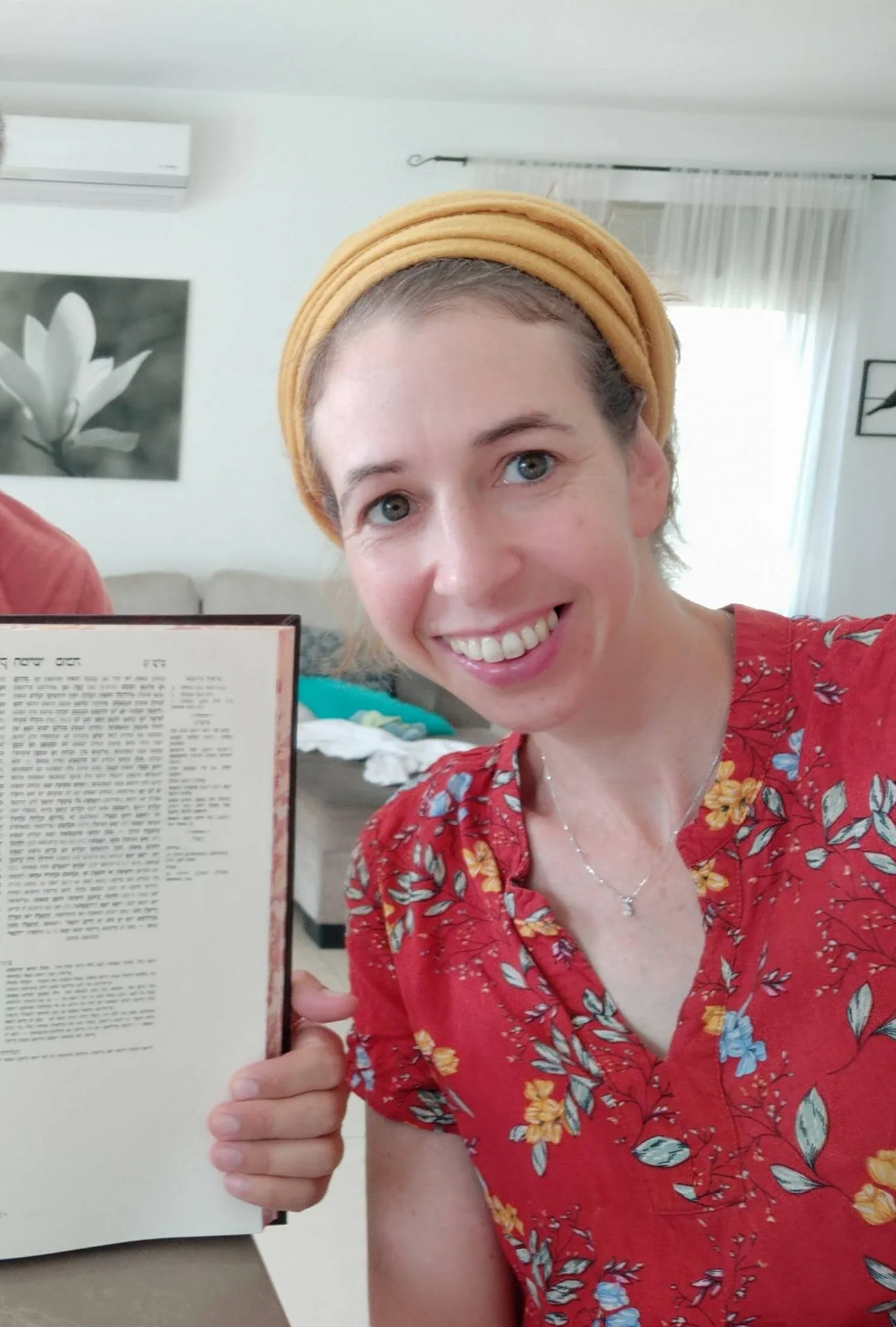
רות עגיב
עלי זהב – לשם, ישראל
בתחילת הסבב הנוכחי הצטברו אצלי תחושות שאני לא מבינה מספיק מהי ההלכה אותה אני מקיימת בכל יום. כמו כן, כאמא לבנות רציתי לתת להן מודל נשי של לימוד תורה
שתי הסיבות האלו הובילו אותי להתחיל ללמוד. נתקלתי בתגובות מפרגנות וסקרניות איך אישה לומדת גמרא..
כמו שרואים בתמונה אני ממשיכה ללמוד גם היום ואפילו במחלקת יולדות אחרי לידת ביתי השלישית.

נועה שילה
רבבה, ישראל
התחלתי להשתתף בשיעור נשים פעם בשבוע, תכננתי ללמוד רק דפים בודדים, לא האמנתי שאצליח יותר מכך.
לאט לאט נשאבתי פנימה לעולם הלימוד .משתדלת ללמוד כל בוקר ומתחילה את היום בתחושה של מלאות ומתוך התכווננות נכונה יותר.
הלימוד של הדף היומי ממלא אותי בתחושה של חיבור עמוק לעם היהודי ולכל הלומדים בעבר ובהווה.

נילי חיון
אפרת, ישראל
אחרי שראיתי את הסיום הנשי של הדף היומי בבנייני האומה זה ריגש אותי ועורר בי את הרצון להצטרף. לא למדתי גמרא קודם לכן בכלל, אז הכל היה לי חדש, ולכן אני לומדת בעיקר מהשיעורים פה בהדרן, בשוטנשטיין או בחוברות ושיננתם.

רבקה שלוס
בית שמש, ישראל
בתחילת הסבב הנוכחי של לימוד הדף היומי, נחשפתי לחגיגות המרגשות באירועי הסיום ברחבי העולם. והבטחתי לעצמי שבקרוב אצטרף גם למעגל הלומדות. הסבב התחיל כאשר הייתי בתחילת דרכי בתוכנית קרן אריאל להכשרת יועצות הלכה של נשמ”ת. לא הצלחתי להוסיף את ההתחייבות לדף היומי על הלימוד האינטנסיבי של תוכנית היועצות. בבוקר למחרת המבחן הסופי בנשמ”ת, התחלתי את לימוד הדף במסכת סוכה ומאז לא הפסקתי.

חנה שחם-רוזבי (ד”ר)
קרית גת, ישראל
התחלתי ללמוד דף יומי לפני שנתיים, עם מסכת שבת. בהתחלה ההתמדה היתה קשה אבל בזכות הקורונה והסגרים הצלחתי להדביק את הפערים בשבתות הארוכות, לסיים את מסכת שבת ולהמשיך עם המסכתות הבאות. עכשיו אני מסיימת בהתרגשות רבה את מסכת חגיגה וסדר מועד ומחכה לסדר הבא!

אילנה שכנוביץ
מודיעין, ישראל
התחלתי להשתתף בשיעור נשים פעם בשבוע, תכננתי ללמוד רק דפים בודדים, לא האמנתי שאצליח יותר מכך.
לאט לאט נשאבתי פנימה לעולם הלימוד .משתדלת ללמוד כל בוקר ומתחילה את היום בתחושה של מלאות ומתוך התכווננות נכונה יותר.
הלימוד של הדף היומי ממלא אותי בתחושה של חיבור עמוק לעם היהודי ולכל הלומדים בעבר ובהווה.
נילי חיון
אפרת, ישראל
"
גם אני התחלתי בסבב הנוכחי וב””ה הצלחתי לסיים את רוב המסכתות . בזכות הרבנית מישל משתדלת לפתוח את היום בשיעור הזום בשעה 6:20 .הלימוד הפך להיות חלק משמעותי בחיי ויש ימים בהם אני מצליחה לחזור על הדף עם מלמדים נוספים ששיעוריהם נמצאים במרשתת. שמחה להיות חלק מקהילת לומדות ברחבי העולם. ובמיוחד לשמש דוגמה לנכדותיי שאי””ה יגדלו לדור שלימוד תורה לנשים יהיה משהו שבשגרה. "

רונית שביט
נתניה, ישראל
. לא תמיד נהניתי מלימוד גמרא כילדה.,בל כהתבגרתי התחלתי לאהוב את זה שוב. התחלתי ללמוד מסכת סוטה בדף היומי לפני כחמש עשרה שנה ואז הפסקתי.הגעתי לסיום הגדול של הדרן לפני שנתיים וזה נתן לי השראה. והתחלתי ללמוד למשך כמה ימים ואז היתה לי פריצת דיסק והפסקתי…עד אלול השנה. אז התחלתי עם מסכת ביצה וב”ה אני מצליחה לעמוד בקצב. המשפחה מאוד תומכת בי ויש כמה שגם לומדים את זה במקביל. אני אוהבת שיש עוגן כל יום.
רבקה דרשן
בית שמש, ישראל
בתחילת הסבב הנוכחי הצטברו אצלי תחושות שאני לא מבינה מספיק מהי ההלכה אותה אני מקיימת בכל יום. כמו כן, כאמא לבנות רציתי לתת להן מודל נשי של לימוד תורה
שתי הסיבות האלו הובילו אותי להתחיל ללמוד. נתקלתי בתגובות מפרגנות וסקרניות איך אישה לומדת גמרא..
כמו שרואים בתמונה אני ממשיכה ללמוד גם היום ואפילו במחלקת יולדות אחרי לידת ביתי השלישית.
נועה שילה
רבבה, ישראל
רציתי לקבל ידע בתחום שהרגשתי שהוא גדול וחשוב אך נעלם ממני. הלימוד מעניק אתגר וסיפוק ומעמיק את תחושת השייכות שלי לתורה וליהדות
רות עגיב
עלי זהב – לשם, ישראל
התחלתי ללמוד דף לפני קצת יותר מ-5 שנים, כשלמדתי רבנות בישיבת מהר”ת בניו יורק. בדיעבד, עד אז, הייתי בלימוד הגמרא שלי כמו מישהו שאוסף חרוזים משרשרת שהתפזרה, פה משהו ושם משהו, ומאז נפתח עולם ומלואו…. הדף נותן לי לימוד בצורה מאורגנת, שיטתית, יום-יומית, ומלמד אותי לא רק ידע אלא את השפה ודרך החשיבה שלנו. לשמחתי, יש לי סביבה תומכת וההרגשה שלי היא כמו בציטוט שבחרתי: הדף משפיע לטובה על כל היום שלי.

מיכל כהנא
חיפה, ישראל
הצטרפתי ללומדות בתחילת מסכת תענית. ההתרגשות שלי ושל המשפחה היתה גדולה מאוד, והיא הולכת וגוברת עם כל סיום שאני זוכה לו. במשך שנים רבות רציתי להצטרף ומשום מה זה לא קרה… ב”ה מצאתי לפני מספר חודשים פרסום של הדרן, ומיד הצטרפתי והתאהבתי. הדף היומי שינה את חיי ממש והפך כל יום- ליום של תורה. מודה לכן מקרב ליבי ומאחלת לכולנו לימוד פורה מתוך אהבת התורה ולומדיה.

נעה רוזן
חיספין רמת הגולן, ישראל
התחלתי בסיום הש”ס, יצאתי באורות. נשברתי פעמיים, ובשתיהם הרבנית מישל עודדה להמשיך איפה שכולם בסבב ולהשלים כשאוכל, וכך עשיתי וכיום השלמתי הכל. מדהים אותי שאני לומדת כל יום קצת, אפילו בחדר הלידה, בבידוד או בחו”ל. לאט לאט יותר נינוחה בסוגיות. לא כולם מבינים את הרצון, בפרט כפמניסטית. חשה סיפוק גדול להכיר את המושגים וצורת החשיבה. החלום זה להמשיך ולהתמיד ובמקביל ללמוד איך מהסוגיות נוצרה והתפתחה ההלכה.

קרן וינגרטן שרינגטון
מודיעין, ישראל
התחלתי ללמוד דף יומי אחרי שחזרתי בתשובה ולמדתי במדרשה במגדל עוז. הלימוד טוב ומספק חומר למחשבה על נושאים הלכתיים ”קטנים” ועד לערכים גדולים ביהדות. חשוב לי להכיר את הגמרא לעומק. והצעד הקטן היום הוא ללמוד אותה בבקיאות, בעזרת השם, ומי יודע אולי גם אגיע לעיון בנושאים מעניינים. נושאים בגמרא מתחברים לחגים, לתפילה, ליחסים שבין אדם לחברו ולמקום ולשאר הדברים שמלווים באורח חיים דתי 🙂

גאיה דיבו
מצפה יריחו, ישראל
חולין קמא
לִיתְנֵי רוֹבְדֵי אִילָן, וְכׇל שֶׁכֵּן מְעוֹפֶפֶת? מְעוֹפֶפֶת אִיצְטְרִיךְ לֵיהּ, דַּאֲפִילּוּ כְּנָפֶיהָ נוֹגְעוֹת בַּקֵּן – פָּטוּר מִלְּשַׁלֵּחַ.
let the baraita teach that one is exempt in a case where the bird is sitting between two tree branches, which resembles a case where the bird is resting upon the nest itself in that the bird is sitting in both cases, and it would be clear all the more so that one is exempt if the mother is hovering. The Gemara responds: It was necessary for the baraita to teach the case of a hovering bird in order to teach that even if its wings are touching the nest, one is exempt from sending away the mother bird. Had the baraita taught the exemption in a case of a bird resting between two tree branches, one might have thought that this is because the bird’s wings are not touching the nest.
וְהָאֲנַן תְּנַן: בִּזְמַן שֶׁכְּנָפֶיהָ נוֹגְעוֹת בַּקֵּן – חַיָּיב לְשַׁלֵּחַ! אָמַר רַב יְהוּדָה: כִּי קָתָנֵי מַתְנִיתִין – בְּנוֹגֵעַ מִן הַצַּד.
The Gemara now questions the baraita itself: How can the baraita state that even if the hovering bird’s wings are touching the nest, one is exempt from sending the bird? But didn’t we learn in the mishna: When its wings are touching the nest, one is obligated to send away the mother? Rav Yehuda said: When the case of the hovering mother bird is taught in the baraita, it is referring to a bird touching the nest from the side. In such a case, one is exempt because its wings are not touching the nest from above. By contrast, the mishna is referring to a case where the bird is hovering directly above the nest and touching the nest with its wings from above.
אֵין שָׁם אֶפְרוֹחַ וְכוּ׳. אֲמַר לֵיהּ הָהוּא מֵרַבָּנַן לְרָבָא: אֵימָא אִיפְּכָא, אֵין שָׁם אֶפְרוֹחַ אֶלָּא אֶחָד אוֹ בֵּיצָה אַחַת – פָּטוּר מִלְּשַׁלֵּחַ, דְּבָעֵינַן ״אֶפְרוֹחִים אוֹ בֵיצִים״ וְלֵיכָּא.
§ The mishna teaches: Even if there is only one fledgling or one egg, one is obligated to send away the mother, as it is stated: “If a bird’s nest happens before you” (Deuteronomy 22:6), indicating that one is obligated to send the mother bird away from the nest in any case. Additionally, if there were fledglings capable of flying or unfertilized eggs, one is exempt from sending away the mother bird, as it is stated in the same verse: “And the mother is resting upon the fledglings or upon the eggs.” From the juxtaposition of the fledglings and the eggs, one derives that the eggs or fledglings must be capable of living and they must require their mothers. With regard to this, one of the Sages said to Rava: Say the opposite, that if there is only one fledgling or one egg, one is exempt from sending away the mother, since we require that the mother be “resting upon the fledglings or upon the eggs,” and this condition is not fulfilled with fewer than two.
הָיוּ שָׁם אֶפְרוֹחִים מַפְרִיחִים אוֹ בֵּיצִים מוּזָרוֹת, חַיָּיב לְשַׁלֵּחַ, שֶׁנֶּאֱמַר ״קַן״ – קֵן מִכׇּל מָקוֹם. אִם כֵּן, נִכְתּוֹב קְרָא ״וְהָאֵם רוֹבֶצֶת עֲלֵיהֶם״, מַאי ״וְהָאֵם רֹבֶצֶת עַל הָאֶפְרֹחִים אוֹ עַל הַבֵּיצִים״? לְאַקּוֹשֵׁי אֶפְרוֹחִים לְבֵיצִים וּבֵיצִים לְאֶפְרוֹחִים.
Additionally, if there were fledglings capable of flying or unfertilized eggs in the nest, say that one is obligated to send the mother bird away, as it is stated in that verse: “Nest,” indicating that one is obligated to send the mother bird away from the nest in any case. Rava responds: If so, let the verse write: And the mother is resting upon them. For what reason does the verse state: “And the mother is resting upon the fledglings or upon the eggs”? It is to compare the fledglings to the eggs and the eggs to the fledglings, i.e., to indicate that the eggs or fledglings must be capable of living and must require their mothers. Fledglings that can fly and unfertilized eggs are therefore not included in the mitzva. Consequently, the word “nest” serves to indicate that one is obligated to send away the mother bird even if there is only one egg or fledgling in the nest.
מַתְנִי׳ שִׁלְּחָהּ וְחָזְרָה, אֲפִילּוּ אַרְבָּעָה וַחֲמִשָּׁה פְּעָמִים – חַיָּיב, שֶׁנֶּאֱמַר: ״שַׁלֵּחַ תְּשַׁלַּח אֶת הָאֵם״. אָמַר: הֲרֵינִי נוֹטֵל אֶת הָאֵם וּמְשַׁלֵּחַ אֶת הַבָּנִים – חַיָּיב, שֶׁנֶּאֱמַר: ״שַׁלֵּחַ תְּשַׁלַּח אֶת הָאֵם״. נָטַל אֶת הַבָּנִים וְהֶחְזִירָן לָהּ, וְאַחַר כָּךְ חָזְרָה הָאֵם עֲלֵיהֶן – פָּטוּר מִלְּשַׁלֵּחַ.
MISHNA: If one sent away the mother bird and it returned to rest on the eggs, even if it returned four or five times, one is obligated to send it away again, as it is stated: “You shall send [shalle’aḥ teshallaḥ] the mother” (Deuteronomy 22:7). The doubled verb indicates that one must send away the mother bird multiple times if needed. If one said: I am hereby taking the mother and sending away the offspring, he is still obligated to send away the mother even if he sent away the offspring, as it is stated: “You shall send the mother.” If one sent away the mother and took the offspring and then returned them to the mother’s nest, and thereafter the mother returned and rested upon them, one is exempt from sending away the mother bird.
גְּמָ׳ אֲמַר לֵיהּ הָהוּא מֵרַבָּנַן לְרָבָא, וְאֵימָא: ״שַׁלֵּחַ״ – חֲדָא זִימְנָא, ״תְּשַׁלַּח״ – תְּרֵי זִימְנִין.
GEMARA: The mishna teaches that if the mother bird returned to rest on the eggs, even if it returned four or five times, one is obligated to send it away again, as it is stated: “You shall send [shalle’aḥ teshallaḥ].” With regard to this, one of the Sages said to Rava: But say instead that the word “shalle’aḥ” indicates that one must send away the mother once, and the word “teshallaḥ” indicates that one must do so twice, and beyond that there is no obligation.
אֲמַר לֵיהּ: ״שַׁלֵּחַ״ – אֲפִילּוּ מֵאָה פְּעָמִים, ״תְּשַׁלַּח״ – אֵין לִי אֶלָּא לִדְבַר הָרְשׁוּת, לִדְבַר מִצְוָה מִנַּיִן? תַּלְמוּד לוֹמַר ״תְּשַׁלַּח״ – מִכׇּל מָקוֹם.
Rava said to him: Actually, the halakha that one must send away the mother multiple times is not derived from the phrase “shalle’aḥ teshallaḥ.” Rather, the word “shalle’aḥ” indicates that one must send away the mother bird even one hundred times, and the word “teshallaḥ” teaches another matter: I have derived only the obligation to send away the mother bird in a case where one takes the eggs or the fledglings and wants to take the mother bird for a discretionary purpose, e.g., to eat it. In a case where one takes the eggs or the fledglings and needs the mother bird for a matter involving a mitzva, e.g., the purification of a leper, from where is the halakha that he must send away the mother derived? The verse states: “Teshallaḥ,” to teach that in any case one must send away the mother bird.
אֲמַר לֵיהּ רַבִּי אַבָּא בְּרֵיהּ דְּרַב יוֹסֵף בַּר רָבָא לְרַב כָּהֲנָא: אֶלָּא טַעְמָא דִּכְתַב רַחֲמָנָא ״תְּשַׁלַּח״, הָא לָאו הָכִי, הָוֵה אָמֵינָא: לִדְבַר מִצְוָה לָא? עֲשֵׂה וְלֹא תַעֲשֶׂה הוּא, וְאֵין עֲשֵׂה דּוֹחֶה לֹא תַעֲשֶׂה וַעֲשֵׂה!
Rabbi Abba, son of Rav Yosef bar Rava, said to Rav Kahana: But according to this explanation, the only reason that one must send away the mother bird even when needed for a matter involving a mitzva is that the Merciful One wrote: “Teshallaḥ”; but if not for this, I would say that when the mother is needed for a matter involving a mitzva, one is not obligated to send her away. But this is difficult, as the sending of the mother bird is both a positive mitzva and a prohibition, as the verse states: “You shall not take the mother with the young; you shall send the mother” (Deuteronomy 22:6–7), and there is a principle that a positive mitzva cannot override both a prohibition and a positive mitzva.
לָא צְרִיכָא, דַּעֲבַר וְשַׁקְלַהּ לְאֵם, דְּלָאו עַבְרֵיהּ, עֲשֵׂה הוּא דְּאִיכָּא, לֵיתֵי עֲשֵׂה וְלִידְחֵי עֲשֵׂה, קָא מַשְׁמַע לַן.
Rav Kahana replied: No, the word “teshallaḥ” is necessary for a case where one transgressed and took the mother with the fledglings. In such a case, he has already transgressed the prohibition, and there is now only a positive mitzva to send away the mother. Perhaps one might say: Let the positive mitzva performed with the mother, e.g., the purification of the leper, come and override the positive mitzva of sending away the mother. Therefore, the word “teshallaḥ” teaches us that this is not so, and one is obligated to send away the mother.
הָנִיחָא לְמַאן דְּתָנֵי קִיְּימוֹ וְלֹא קִיְּימוֹ.
The Gemara notes: This works out well according to the one who teaches that the criterion for determining whether one is flogged for violating a prohibition that entails fulfillment of a positive mitzva is whether he fulfilled the mitzva immediately afterward or did not fulfill it. If he does not fulfill the mitzva immediately, he is flogged when he fails to do so. Consequently, if one does not send away the mother bird immediately after taking her with the fledglings, he has immediately violated the prohibition, and only the requirement to fulfill the positive mitzva remains.
אֶלָּא לְמַאן דְּתָנֵי בִּטְּלוֹ וְלֹא בִּטְּלוֹ, כַּמָּה דְּלָא שַׁחְטַהּ – לָא עַבְרֵיהּ לְלָאו.
The Gemara continues: But according to the one who teaches that the criterion for determining whether one is flogged in that case is whether he negated the possibility of fulfilling the positive mitzva or did not negate it, and one is flogged only if he performed an action that renders it impossible to fulfill the mitzva, this explanation does not work out well. After all, as long as one has not slaughtered the mother bird, he has not transgressed the prohibition, since he may still send her away. Consequently, even if one takes the mother, as long as he has not slaughtered her, the prohibition remains in addition to the positive mitzva. If so, there is no need for the Torah to teach that the obligation to send away the mother bird applies in the case of a mitzva.
וְתוּ, לְרַבִּי יְהוּדָה דְּאָמַר ״שַׁלֵּחַ״ מֵעִיקָּרָא מַשְׁמַע, אֲפִילּוּ עֲשֵׂה נָמֵי לֵיכָּא!
And furthermore, one may ask: According to the opinion of Rabbi Yehuda, who said that the word “shalle’aḥ” indicates that the mitzva to send away the mother bird applies only at the outset, i.e., before taking the fledglings, one who takes the mother together with the fledglings violates both the prohibition and the positive mitzva associated with it, such that even a positive mitzva does not remain.
אֶלָּא אָמַר מָר בַּר רַב אָשֵׁי: כְּגוֹן שֶׁנְּטָלָהּ עַל מְנָת לְשַׁלֵּחַ, דְּלָאו לֵיכָּא, עֲשֵׂה הוּא דְּאִיכָּא, וְלֵיתֵי עֲשֵׂה וְלִידְחֵי עֲשֵׂה.
Rather, Mar bar Rav Ashi said: The word “teshallaḥ” is necessary to indicate that the mitzva to send away the mother bird applies in a case where one took her in order to send her away immediately. In such a case, there is no prohibition, as one intends to send her away, but there is still a positive mitzva to send her away. And therefore, one might have said: Let another positive mitzva, e.g., taking the mother for the purification of a leper, come and override the positive mitzva of sending the mother. Therefore, the word “teshallaḥ” indicates that the mitzva of sending the mother bird applies even in such a case.
מַאי אוּלְמֵיהּ דְּהַאי עֲשֵׂה מֵהַאי עֲשֵׂה? סָלְקָא דַּעְתָּךְ, הוֹאִיל וְאָמַר מָר: גָּדוֹל שָׁלוֹם שֶׁבֵּין אִישׁ לְאִשְׁתּוֹ, שֶׁהֲרֵי אָמְרָה תּוֹרָה: שְׁמוֹ שֶׁל הַקָּדוֹשׁ בָּרוּךְ הוּא שֶׁנִּכְתַּב בִּקְדוּשָּׁה יִמָּחֶה עַל הַמַּיִם.
The Gemara asks: What is the strength of that other positive mitzva over this positive mitzva of sending away the mother bird? Why might the former override the latter? The Gemara responds: It might enter your mind to say that since the Master said: Great is peace between a man and his wife, as the Torah said that the name of the Holy One, Blessed be He, which is written in sanctity, shall be erased on the waters as part of the ritual of a woman suspected by her husband of adultery (see Numbers 5:23) in order to clear her from suspicion and restore peace between her and her husband, therefore, perhaps the halakha should be more lenient with regard to the leper.
וְהַאי מְצוֹרָע, כֵּיוָן דְּכַמָּה דְּלָא מִטַּהַר, אָסוּר בְּתַשְׁמִישׁ הַמִּטָּה, דִּכְתִיב: ״וְיָשַׁב מִחוּץ לְאׇהֳלוֹ שִׁבְעַת יָמִים״, ״אׇהֳלוֹ״ – זוֹ אִשְׁתּוֹ, מִכָּאן שֶׁאָסוּר בְּתַשְׁמִישׁ הַמִּטָּה. מַהוּ דְּתֵימָא: כֵּיוָן דְּאָסוּר בְּתַשְׁמִישׁ הַמִּטָּה, לֵיתֵי עֲשֵׂה דִּידֵיהּ וְלִידְחֵי עֲשֵׂה דְּשִׁלּוּחַ הַקֵּן, קָא מַשְׁמַע לַן.
The Gemara explains: And with regard to this leper, since as long as he is not purified he is prohibited from engaging in marital relations, as it is written: “But he shall dwell outside his tent seven days” (Leviticus 14:8), and when the verse states: “His tent,” this is referring to his wife, such that one may derive from here that a leper is prohibited from engaging in marital relations, perhaps his purification ceremony should take precedence. This is because perhaps you will say: Since he is prohibited from engaging in marital relations, let his positive mitzva of purification come and override the positive mitzva of the sending away of the mother bird from the nest. Therefore, the word “teshallaḥ” teaches us that even so, one may not take the mother bird.
מַתְנִי׳ הַנּוֹטֵל אֵם עַל הַבָּנִים – רַבִּי יְהוּדָה אוֹמֵר: לוֹקֶה וְאֵינוֹ מְשַׁלֵּחַ, וַחֲכָמִים אוֹמְרִים: מְשַׁלֵּחַ וְאֵינוֹ לוֹקֶה. זֶה הַכְּלָל: כׇּל מִצְוַת לֹא תַעֲשֶׂה שֶׁיֵּשׁ בָּהּ קוּם עֲשֵׂה – אֵין לוֹקִין עָלֶיהָ.
MISHNA: With regard to one who takes the mother bird with its fledglings, Rabbi Yehuda says: He is flogged for taking the mother bird, and he does not send away the mother. And the Rabbis say: He sends away the mother and is not flogged, as this is the principle: With regard to any prohibition that entails a command to arise and perform a mitzva, one is not flogged for its violation.
גְּמָ׳ בָּעֵי רַבִּי אַבָּא בַּר מֶמֶל: טַעְמָא דְּרַבִּי יְהוּדָה מִשּׁוּם דְּסָבַר לָאו שֶׁנִּיתָּק לַעֲשֵׂה לוֹקִין עָלָיו.
GEMARA: The mishna teaches that according to Rabbi Yehuda, one who takes the mother with the offspring is flogged. With regard to this, Rabbi Abba bar Memel raises a dilemma: Is the reasoning for the ruling of Rabbi Yehuda that he holds that one is flogged for violation of a prohibition that entails fulfillment of a positive mitzva? Accordingly, one is flogged for transgressing the prohibition: “You shall not take the mother with the young,” which entails the fulfillment of: “You shall send the mother.”
אוֹ דִלְמָא בְּעָלְמָא סָבַר, לָאו שֶׁנִּיתָּק לַעֲשֵׂה אֵין לוֹקִין עָלָיו, וְהָכָא הַיְינוּ טַעְמָא, מִשּׁוּם דְּקָסָבַר ״שַׁלֵּחַ״ מֵעִיקָּרָא מַשְׁמַע.
The second possibility is now presented: Or perhaps in general Rabbi Yehuda holds that one is not flogged for violation of a prohibition that entails fulfillment of a positive mitzva; and here, this is the reason one is flogged for taking the mother: It is because he holds that when the verse states: “You shall send the mother [shalle’aḥ teshallaḥ]” (Deuteronomy 22:7), the word “shalle’aḥ” indicates that the mitzva to sending the mother bird applies only at the outset, i.e., when encountering the nest. Accordingly, this is not a case of a prohibition that entails the performance of a positive mitzva, but an independent prohibition, for which one is liable to receive lashes.
תָּא שְׁמַע: גַּנָּב וְגַזְלָן יֶשְׁנָן בִּכְלַל מַלְקוֹת, דִּבְרֵי רַבִּי יְהוּדָה. וְהָא הָכָא, דְּלָאו שֶׁנִּיתָּק לַעֲשֵׂה הוּא, דְּרַחֲמָנָא אָמַר ״לֹא תִגְזוֹל״ ״וְהֵשִׁיב אֶת הַגְּזֵלָה״. שְׁמַע מִינַּהּ טַעְמָא דְּרַבִּי יְהוּדָה מִשּׁוּם דְּקָסָבַר לָאו שֶׁנִּיתָּק לַעֲשֵׂה לוֹקִין עָלָיו.
The Gemara suggests: Come and hear a resolution to the dilemma from that which is taught: A thief and a robber are included among those who are liable to receive lashes by Torah law. A thief violates the prohibition of: “You shall not steal” (Leviticus 19:11), and a robber violates the prohibition of: “You shall not rob” (Leviticus 19:13); this is the statement of Rabbi Yehuda. The Gemara continues: But here, the prohibition against robbing is a prohibition that entails fulfillment of a positive mitzva, as the Merciful One states: “You shall not rob” (Leviticus 19:13), and: “And he shall restore the robbed item” (Leviticus 5:23). And nevertheless, Rabbi Yehuda deems one liable to receive lashes for transgressing the prohibition against robbing. Therefore, conclude from it that the reasoning of the ruling of Rabbi Yehuda in the mishna is that he holds that one is flogged for violation of a prohibition that entails fulfillment of a positive mitzva.
אֲמַר לֵיהּ רַבִּי זֵירָא: לָאו אָמֵינָא לְכוּ, כֹּל מַתְנִיתָא דְּלָא תַּנְיָא בֵּי
Rabbi Zeira said to him: Didn’t I already tell you that any baraita that is not taught in the study hall
רַבִּי חִיָּיא וּבֵי רַבִּי אוֹשַׁעְיָא מְשַׁבַּשְׁתָּא הִיא, וְלָא תּוֹתְבוּ מִינַּהּ בֵּי מִדְרְשָׁא, דִּלְמָא אֵינָהּ בִּכְלַל מַלְקוֹת אַרְבָּעִים תַּנְיָא.
of Rabbi Ḥiyya or the study hall of Rabbi Oshaya, who were precise in the formulation of their baraitot, is corrupted, and you may not raise objections based upon it in the study hall? Since this baraita was not taught in either of the aforementioned study halls, you may not cite it as proof. After all, perhaps the phrase: Are not included among those who are liable to receive forty lashes by Torah law, was taught by Rabbi Yehuda in the baraita, but the text was corrupted. It is therefore possible that according to Rabbi Yehuda, one is not flogged for violation of a prohibition that entails fulfillment of a positive mitzva, and his reasoning of his ruling in the mishna is that the word “shalle’aḥ” indicates that the mitzva to send away the mother bird applies only at the outset.
תָּא שְׁמַע, דְּתָנֵי רַבִּי אוֹשַׁעְיָא וְרַבִּי חִיָּיא: ״לֹא תָשׁוּב״ וְשָׁב, ״לֹא תְכַלֶּה״ וְכִלָּה – יֶשְׁנָן בִּכְלַל מַלְקוֹת אַרְבָּעִים, דִּבְרֵי רַבִּי יְהוּדָה.
The Gemara suggests: Come and hear a resolution from that which is taught in a baraita by Rabbi Oshaya and Rabbi Ḥiyya: It is written with regard to forgotten sheaves left for the poor: “When you reap your harvest in your field and forget a sheaf in the field, you shall not return to fetch it” (Deuteronomy 24:19). If one transgressed this prohibition and one returned to fetch it, he is liable to receive lashes. Likewise, it is written with regard to produce in the corner of the field [pe’a], which is given to the poor: “And when you reap the harvest of your land, you shall not wholly reap the corner of your field” (Leviticus 19:9). If one transgressed this prohibition and reaped the corner of his field, such individuals are included among those who are liable to receive lashes by Torah law. This is the statement of Rabbi Yehuda.
שְׁמַע מִינַּהּ טַעְמֵיהּ דְּרַבִּי יְהוּדָה, מִשּׁוּם דְּקָסָבַר לָאו שֶׁנִּיתָּק לַעֲשֵׂה – לוֹקִין עָלָיו.
The Gemara concludes the resolution: Since the mitzvot of leaving pe’a and forgotten sheaves are prohibitions that entail fulfillment of a positive mitzva, as the verse states with regard to both of them: “For the poor and for the stranger you shall leave them” (Leviticus 19:10), conclude from the baraita that the reasoning of the ruling of Rabbi Yehuda in the mishna is that he holds that one is flogged for violation of a prohibition that entails fulfillment of a positive mitzva.
דִּלְמָא הָתָם הַיְינוּ טַעַם, דְּקָסָבַר ״תַּעֲזוֹב״ מֵעִיקָּרָא מַשְׁמַע.
The Gemara rejects this: Perhaps there, with regard to pe’a and forgotten sheaves, this is the reason that Rabbi Yehuda deems one liable to receive lashes: Because he holds that the positive mitzva: “For the poor and for the stranger you shall leave them,” indicates that these mitzvot apply only at the outset. Accordingly, these are not cases of prohibitions that entail fulfillment of a positive mitzva, but of independent prohibitions. Similarly, it is possible that the reasoning of the ruling of Rabbi Yehuda in the mishna is that the mitzva of the sending away of the mother bird applies only at the outset.
אֲמַר לֵיהּ רָבִינָא לְרַב אָשֵׁי: תָּא שְׁמַע, ״לֹא תוֹתִירוּ מִמֶּנּוּ עַד בֹּקֶר וְגוֹ׳ בָּאֵשׁ תִּשְׂרֹפוּ״ – בָּא הַכָּתוּב לִיתֵּן עֲשֵׂה אַחַר לֹא תַעֲשֶׂה, לוֹמַר לָךְ שֶׁאֵין לוֹקִין עָלָיו, דִּבְרֵי רַבִּי יְהוּדָה.
Ravina said to Rav Ashi: Come and hear a resolution from that which is taught in a baraita: The verse states with regard to the Paschal offering: “You shall let nothing of it remain until the morning; but that which remains of it until the morning you shall burn in fire” (Exodus 12:10). The verse comes to position the positive mitzva of burning the leftover meat after the prohibition against leaving over the meat, in order to say that one is not flogged for its violation; this is the statement of Rabbi Yehuda.
שְׁמַע מִינַּהּ: טַעְמָא דְּרַבִּי יְהוּדָה מִשּׁוּם דְּקָסָבַר ״שַׁלֵּחַ״ מֵעִיקָּרָא מַשְׁמַע, שְׁמַע מִינַּהּ.
Ravina continued: Conclude from the baraita that according to Rabbi Yehuda, one is not flogged for violation of a prohibition that entails fulfillment of a positive mitzva, and that the reasoning of the ruling of Rabbi Yehuda in the mishna is that he holds that the word “shalle’aḥ” indicates that the mitzva to send away the mother applies only at the outset. Consequently, the prohibition against taking the mother with the offspring is not one that entails fulfillment of a positive mitzva, but an independent prohibition that is punishable by lashes. The Gemara concedes: Conclude from it that this is the reasoning of Rabbi Yehuda.
אֲמַר לֵיהּ רַב אִידִי לְרַב אָשֵׁי: מַתְנִיתִין נָמֵי דַּיְקָא, דְּקָתָנֵי: הַנּוֹטֵל אֵם עַל הַבָּנִים – רַבִּי יְהוּדָה אוֹמֵר: לוֹקֶה וְאֵין מְשַׁלֵּחַ, וְאִי סָלְקָא דַעְתָּךְ טַעְמָא דְּרַבִּי יְהוּדָה לָאו שֶׁנִּיתָּק לַעֲשֵׂה לוֹקִין עָלָיו, ״לוֹקֶה וּמְשַׁלֵּחַ״ מִבְּעֵי לֵיהּ!
Rav Idi said to Rav Ashi: The language of the mishna is also precise, as it teaches: With regard to one who takes the mother with the offspring, Rabbi Yehuda says: He is flogged and there is no longer a mitzva to send away the mother. But if it enters your mind to say that the reasoning of the ruling of Rabbi Yehuda in the mishna is that one is flogged for violation of a prohibition that entails fulfillment of a positive mitzva, then Rabbi Yehuda should have said: He is flogged and sends away the mother. Rather, conclude that according to Rabbi Yehuda, this is not a prohibition that entails fulfillment of a positive mitzva.
וְדִלְמָא הָכִי קָאָמַר בְּמַתְנִיתִין: אֵין נִפְטָר עַד דְּמַלְקִין לֵיהּ.
The Gemara rejects this: One cannot infer anything from the language of the mishna, since perhaps this is what Rabbi Yehuda is saying in the mishna: There is still a mitzva to send away the mother, but one is not absolved of guilt for transgressing the prohibition against taking the mother until the court flogs him.
עַד כַּמָּה מְשַׁלְּחָהּ? אָמַר רַב יְהוּדָה: כְּדֵי שֶׁתֵּצֵא מִתַּחַת יָדוֹ. בַּמֶּה מְשַׁלְּחָהּ? רַב הוּנָא אָמַר: בְּרַגְלֶיהָ, רַב יְהוּדָה אָמַר: בַּאֲגַפֶּיהָ. רַב הוּנָא אָמַר בְּרַגְלֶיהָ, דִּכְתִיב: ״מְשַׁלְּחֵי רֶגֶל הַשּׁוֹר וְהַחֲמוֹר״. רַב יְהוּדָה אָמַר בַּאֲגַפֶּיהָ, דְּהָא כְּנָפֶיהָ נִינְהוּ.
§ The mishna teaches that according to the Rabbis, if one transgressed the mitzva and took the mother bird with the young, one must send away the mother. The Gemara asks: How far from the nest must he send her? Rav Yehuda says: Far enough that she leaves his grasp and can no longer be caught immediately. The Gemara asks: In what manner does he send her away?Rav Huna says: He holds the mother by her feet and sends her away. Rav Yehuda says: He holds her by her wings [baagappeha] and sends her away. The Gemara elaborates: Rav Huna says that one holds the mother by her feet, as it is written: “That send forth freely the feet of the ox and the donkey” (Isaiah 32:20), indicating that the sending of an animal is associated with its feet. Rav Yehuda says that one holds her by her wings, because the feet of the mother bird are her wings, as it is by means of her wings that she moves about.
הַהוּא דְּגַזִּינְהוּ לְגַפַּהּ, וְשַׁלְּחַהּ, וְאַחַר כָּךְ תַּפְשַׂהּ. נַגְּדֵיהּ רַב יְהוּדָה. אֲמַר לֵיהּ: זִיל רַבִּי לַהּ גַּדְפַיהּ, וְשַׁלְּחַהּ!
§ The Gemara relates: A certain person clipped a mother bird’s wing and sent it away and thereafter caught it. Rav Yehuda flogged him for transgressing the prohibition: “You shall not take the mother with the young” (Deuteronomy 22:6). Rav Yehuda also said to him: Go and let its wings grow back and then send it away.
כְּמַאן? אִי כְּרַבִּי יְהוּדָה – לוֹקֶה וְאֵין מְשַׁלֵּחַ, אִי כְּרַבָּנַן – מְשַׁלֵּחַ וְאֵין לוֹקֶה! לְעוֹלָם כְּרַבָּנַן, וּמַכַּת מַרְדּוּת מִדְּרַבָּנַן.
The Gemara asks: In accordance with whose opinion did Rav Yehuda act in this case? If he acted in accordance with the opinion of Rabbi Yehuda, then there was no need to send away the mother, because according to Rabbi Yehuda, he is flogged for taking the mother bird, and he does not send away the mother. If he acted in accordance with the opinion of the Rabbis, then he should not have flogged this individual, since according to the Rabbis, he sends away the mother and is not flogged. The Gemara responds: Actually, he acted in accordance with the opinion of the Rabbis, and the lashes administered by Rav Yehuda were not for transgressing a Torah prohibition; rather, they were rabbinic lashes for rebelliousness [makkat mardut], as this individual acted inappropriately.
הָהוּא דַּאֲתָא לְקַמֵּיהּ דְּרָבָא, אֲמַר לֵיהּ: תֵּימָה מַהוּ? אָמַר: לָא יָדַע הַאי גַּבְרָא דְּעוֹף טָהוֹר חַיָּיב לְשַׁלּוֹחֵי? אֲמַר לֵיהּ: דִּילְמָא חֲדָא בֵּיעֲתָא הוּא דְּרַמְיָא? אֲמַר לֵיהּ: (הַאי יָדְעִי) [אִין. אֲמַר לֵיהּ: מַאי תִּיבְּעֵי] לָךְ? מַתְנִיתִין הִיא: אֵין שָׁם אֶלָּא אֶפְרוֹחַ אֶחָד אוֹ בֵיצָה אַחַת – חַיָּיב לְשַׁלֵּחַ.
The Gemara relates that a certain man came before Rava and said to him: What is the halakha with regard to a certain kosher bird known as the teima? Is it included in the mitzva of sending away the mother bird from the nest? Rava said: Doesn’t this man know that with regard to any kosher bird one is obligated to send away the mother? The man responded: Nevertheless, I am uncertain with regard to the halakha. Rava said to him: Perhaps you are uncertain about a case where a single egg is placed in the nest, since the Torah states: “Upon the fledglings or upon the eggs” (Deuteronomy 22:6). The man replied in the affirmative. Rava said to him: That too should be known to you, as it is stated in the mishna (140b): Even if there is only one fledgling or one egg, one is obligated to send away the mother.
שַׁלְחַהּ, וְאַהְדַּר לַהּ רָבָא פְּרִסְתָּקֵי וְתַפְסַהּ. וְלֵיחוּשׁ לַחֲשָׁדָא? כִּלְאַחַר יָד.
The man sent away the bird, and Rava then surrounded her with nets [perastekei] and caught her. The Gemara asks: But shouldn’t Rava be concerned about arousing suspicion that he required the sending away of the bird only so that he might catch it for himself? The Gemara responds: The nets were positioned far from the nest in an unusual manner that did not arouse suspicion.
תָּנוּ רַבָּנַן: יוֹנֵי שׁוֹבָךְ וְיוֹנֵי עֲלִיָּיה – חַיָּיבוֹת בְּשִׁלּוּחַ, וַאֲסוּרוֹת מִשּׁוּם גָּזֵל מִפְּנֵי דַּרְכֵי שָׁלוֹם.
§ The Sages taught in a baraita: Pigeons of a dovecote and pigeons of an attic are subject to the obligation of sending away the motherbird,because they are ownerless and therefore not considered readily available. But nevertheless, they are subject to the prohibition of robbery due to a rabbinic ordinance to maintain the ways of peace.
וְאִי אִיתָא לְהָא דְּאָמַר רַבִּי יוֹסֵי בַּר רַבִּי חֲנִינָא, חֲצֵרוֹ שֶׁל אָדָם קוֹנָה לוֹ שֶׁלֹּא מִדַּעְתּוֹ, קְרִי כָּאן ״כִּי יִקָּרֵא״ – פְּרָט לִמְזוּמָּן!
The Gemara objects: But if it is so that this ruling is correct that Rabbi Yosei, son of Rabbi Ḥanina, says, i.e., that a person’s courtyard effects acquisition for him of an item placed in it even without his knowledge, then a dovecote or attic will effect acquisition for its owner of any eggs inside them. Accordingly, one should apply here the principle that the mitzva to send away the mother bird from the nest applies only in the case described in the verse: “If a bird’s nest happens before you” (Deuteronomy 22:6), which excludes from the mitzva a bird or egg readily available in one’s home. Yet the baraita rules that the mitzva does apply in this case.
אָמַר (רב) [רַבָּה]: בֵּיצָה – עִם יְצִיאַת רוּבָּהּ הוּא דְּאִחַיַּיב בְּשִׁלּוּחַ, מִקְנָא לָא קָנֵי עַד דְּתִפּוֹל לַחֲצֵרוֹ, וְכִי קָתָנֵי חַיָּיבוֹת בְּשִׁלּוּחַ – מִקַּמֵּי דְּתִפּוֹל לַחֲצֵרוֹ.
Rav says: It is from the time of the emergence of the majority of an egg from a mother bird’s body that one becomes obligated to send away the mother from the nest. On the other hand, the owner of a courtyard does not acquire the egg until it fully emerges and falls into his courtyard. And therefore, when the baraita teaches that in the case of the pigeons in a dovecote or an attic, they are subject to the obligation of sending away the mother bird, it is referring to a time before the egg falls into his courtyard.
אִי הָכִי, אַמַּאי אֲסוּרוֹת מִשּׁוּם גָּזֵל? אַאִמָּם. וְאִיבָּעֵית אֵימָא: לְעוֹלָם אַבֵּיצָה, וּבֵיצָה כֵּיוָן דִּנְפַק לֵיהּ רוּבָּא – דַּעְתֵּיהּ עֲלֵיהּ.
The Gemara asks: If that is so, that the baraita is referring to a case where the egg has not fully emerged, why does the baraita rule that the eggs are forbidden by rabbinic law for others to take due to the prohibition of robbery? The eggs have not yet been acquired by the owner of the courtyard. The Gemara answers: That ruling of the baraita is referring to their mother, i.e., the mother bird. Or, if you wish, say instead: Actually, that ruling is referring to the egg. And the reason the Sages rendered it prohibited to take the eggs due to the prohibition of robbery is that once the majority of an egg emerges from the body of the mother bird, the owner’s mind is upon the eggs to acquire them, although technically he will not acquire them until they fully emerge.
וְהַשְׁתָּא דְּאָמַר רַב יְהוּדָה אָמַר רַב: אָסוּר לִזְכּוֹת בְּבֵיצִים שֶׁהָאֵם רוֹבֶצֶת עֲלֵיהֶן, שֶׁנֶּאֱמַר: ״שַׁלֵּחַ אֶת הָאֵם״ וַהֲדַר ״הַבָּנִים תִּקַּח לָךְ״. אֲפִילּוּ תֵּימָא אַף עַל גַּב דִּנְפַל לַחֲצֵרוֹ, כֹּל הֵיכָא דְּאִיהוּ מָצֵי זָכֵי – חֲצֵרוֹ נָמֵי זָכְיָא, וְכֹל הֵיכָא דְּאִיהוּ לָא מָצֵי זָכֵי – חֲצֵרוֹ נָמֵי לָא זָכְיָא לֵיהּ.
The Gemara adds: And now that Rav Yehuda said that Rav said: It is prohibited to acquire eggs whose mother is resting upon them, as it is stated: “You shall send the mother,” and only then: “The young you may take for yourself” (Deuteronomy 22:7), you may even say: Even though the eggs fully emerged and fell into his courtyard, he must still send away the mother bird. This is because in any case in which a courtyard owner is capable of acquiring an item by himself, his courtyard can also effect acquisition of it for him. But in any case in which he is incapable of acquiring an item by himself, his courtyard cannot effect acquisition of it for him either. Since one is incapable of acquiring the eggs so long as the mother bird is resting upon them, one’s property does not acquire the eggs for him even if they have already fallen into it.
אִי הָכִי, אַמַּאי אֲסוּרוֹת מִפְּנֵי דַּרְכֵי שָׁלוֹם? אִי דְּשַׁלְּחַהּ – גָּזֵל מְעַלְּיָא הוּא, אִי דְּלָא שַׁלְּחַהּ – שַׁלּוֹחֵי בָּעֵי!
The Gemara asks: If that is so, that the baraita is referring to a case where the courtyard cannot effect acquisition of the eggs for him, why does the baraita rule: They are subject to the prohibition only due to the rabbinic ordinance to maintain the ways of peace? If one sent away the mother bird before taking the eggs, then it is full-fledged robbery by Torah law, since the courtyard has effected acquisition of the eggs on behalf of its owner, and if one did not send away the mother bird, he needs to send her away before it is permitted to take the eggs. Either way, one will have transgressed Torah law and not a rabbinic prohibition.
בְּקָטָן. קָטָן בַּר דַּרְכֵי שָׁלוֹם הוּא? הָכִי קָאָמַר: אָבִיו שֶׁל קָטָן חַיָּיב לְהַחְזִיר לוֹ, מִפְּנֵי דַּרְכֵי שָׁלוֹם.
The Gemara answers: The baraita is referring to a case where a minor took the eggs without sending away the mother. A minor is not obligated in the mitzva of sending away the mother bird. The Gemara asks: Is a minor subject to a rabbinic ordinance concerning robbery enacted to maintain the ways of peace? The Gemara responds: This is what the latter clause of the baraita is saying: The father of a minor who took such eggs is obligated to return them to the owner of the dovecote or attic, due to the rabbinic prohibition concerning robbery instituted to maintain the ways of peace.
לֵוִי בַּר סִימוֹן אַקְנִי פֵּירוֹת שׁוֹבָכוֹ לְרַב יְהוּדָה. אֲתָא לְקַמֵּיהּ דִּשְׁמוּאֵל, אֲמַר לֵיהּ: זִיל טְרוֹף אַקַּן, דְּלִיתְגַּבְהוּ וּקְנִינְהוּ.
§ The Gemara relates an additional incident with regard to pigeons of a dovecote that were discussed above: Levi bar Simon transferred ownership of the produce of his dovecote, i.e., the fledglings and the eggs contained in it, to Rav Yehuda. Rav Yehuda came before Shmuel and told him of his acquisition. Shmuel said to him: Go, bang on the nest, i.e., the dovecote, so that the fledglings will rise up and you will acquire them.
לְמַאי? אִי לְמִקְנֵא – לַקְנִינְהוּ לֵיהּ בְּסוּדָר! אִי בְּיוֹם טוֹב –
The Gemara asks: For what purpose did Shmuel tell Rav Yehuda to do this? If he meant for Rav Yehuda to finalize the acquisition so that Levi bar Simon could not retract, let him do so through acquisition by means of a cloth. There is no need for him to bang on the dovecote. If this incident occurred on the eve of a Festival, and Rav Yehuda came to ask what action to take in order to render the birds permitted for slaughter on the Festival, then banging on the dovecote should not be necessary,
לעקוב

