







מי חייב בכיסוי? אם הרוח כסהו, האם עדיין חייב? מה קורה כשמישהו "גונב” מצווה ממישהו אחר? האם חייב לפצותו? האם חייבים בכיסוי אם הדם מעורב עם מים או משהו אחר? במה זה תלוי? האם הקריטיריונים דומים לדינים אחרים כגון זריקת דם, מכשיר לקבל טומאה, וטומאת מת?
לימוד מסכת חולין מוקדש על ידי ג’ודי פלבר לכבודה של קהילת הדרן. "במהלך המחזור הראשון שלי בדף היומי, בדיוק כשהתחלנו את מסכת חולין, בני נפצע בעת שירותו בצה”ל. לאורך אותם חודשיים וחצי של קושי וחוסר ודאות, חברותיי ללימוד לא עזבו אותי לרגע. תודה רבה לקהילה שעטפה אותי, עודדה אותי ווידאה שאוכל להמשיך ולהתמיד בלימוד הדף גם בימים המאתגרים ההם.”
הלימוד החודש מוקדש ע”י יונתן לורינג לכבוד אישתו לאה אקנר וילדיו זב ומאירה.
הלימוד החודש מוקדש לרפואת פשע אטל בת שרה.
הלימוד השבוע מוקדש ע”י שרה זהבי לרפואת טליה נחמה בת חנה.
רוצה להקדיש שיעור?

0:00
0:00
כלים
לימוד מסכת חולין מוקדש על ידי ג’ודי פלבר לכבודה של קהילת הדרן. "במהלך המחזור הראשון שלי בדף היומי, בדיוק כשהתחלנו את מסכת חולין, בני נפצע בעת שירותו בצה”ל. לאורך אותם חודשיים וחצי של קושי וחוסר ודאות, חברותיי ללימוד לא עזבו אותי לרגע. תודה רבה לקהילה שעטפה אותי, עודדה אותי ווידאה שאוכל להמשיך ולהתמיד בלימוד הדף גם בימים המאתגרים ההם.”
הלימוד החודש מוקדש ע”י יונתן לורינג לכבוד אישתו לאה אקנר וילדיו זב ומאירה.
הלימוד החודש מוקדש לרפואת פשע אטל בת שרה.
הלימוד השבוע מוקדש ע”י שרה זהבי לרפואת טליה נחמה בת חנה.
חולין פז
הָכִי הַשְׁתָּא?! הָתָם מִשְׁתֵּא וּבָרוֹכֵי בַּהֲדֵי הֲדָדֵי לָא אֶפְשָׁר, הָכָא אֶפְשָׁר דְּשָׁחֵיט בַּחֲדָא וּמְכַסֵּי בַּחֲדָא.
The Gemara rejects this: How can these cases be compared? There, in the incident involving the students of Rav, it is impossible to drink and recite a blessing simultaneously. Accordingly, by requesting a cup over which to recite the blessing of Grace after Meals, they demonstrated their desire to cease drinking. Here, when one covers the blood of the undomesticated animal before slaughtering the bird, it is possible to slaughter the bird with the one hand and cover the blood of the undomesticated animal with the other one. Accordingly, the act of covering the blood of the undomesticated animal is not considered an interruption of the acts of slaughter, since they could have been performed simultaneously.
מַתְנִי׳ שָׁחַט וְלֹא כִּסָּה, וְרָאָהוּ אַחֵר – חַיָּיב לְכַסּוֹת. כִּסָּהוּ וְנִתְגַּלָּה – פָּטוּר מִלְּכַסּוֹת. (כִּסָּהוּ) [כִּסַּתּוּ] הָרוּחַ – חַיָּיב לְכַסּוֹת.
MISHNA: If one slaughtered an undomesticated animal or bird and did not cover the blood, and another person saw the uncovered blood, the second person is obligated to cover the blood. If one covered the blood and it was then uncovered, he is exempt from covering it again. If the wind blew earth on the blood and covered it, and it was consequently uncovered, he is obligated to cover the blood.
גְּמָ׳ תָּנוּ רַבָּנַן: ״וְשָׁפַךְ וְכִסָּה״ – מִי שֶׁשָּׁפַךְ יְכַסֶּה. שָׁחַט וְלֹא כִּסָּה, וְרָאָהוּ אַחֵר, מִנַּיִן שֶׁחַיָּיב לְכַסּוֹת? שֶׁנֶּאֱמַר: ״וָאֹמַר לִבְנֵי יִשְׂרָאֵל״ – אַזְהָרָה לְכׇל בְּנֵי יִשְׂרָאֵל.
GEMARA: The Sages taught in a baraita: The verse states: “And he shall pour out its blood and cover it with earth” (Leviticus 17:13), indicating that the one who poured out its blood, i.e., slaughtered the animal, shall cover it. If one slaughtered the animal or bird and did not cover the blood, and another person saw the uncovered blood, from where is it derived that the person who saw the blood is obligated to cover it? It is derived from the following verse, as it is stated: “Therefore I said to the children of Israel” (Leviticus 17:12), which is a warning to all the children of Israel to fulfill the mitzva of covering the blood.
תַּנְיָא אִידַּךְ: ״וְשָׁפַךְ וְכִסָּה״, בַּמֶּה שֶׁשָּׁפַךְ – בּוֹ יְכַסֶּה, שֶׁלֹּא יְכַסֶּנּוּ בָּרֶגֶל, שֶׁלֹּא יִהְיוּ מִצְוֹת בְּזוּיוֹת עָלָיו. תַּנְיָא אִידַּךְ: ״וְשָׁפַךְ וְכִסָּה״, מִי שֶׁשָּׁפַךְ – הוּא יְכַסֶּנּוּ. מַעֲשֶׂה בְּאֶחָד שֶׁשָּׁחַט, וְקָדַם חֲבֵירוֹ וְכִסָּה, וְחִיְּיבוֹ רַבָּן גַּמְלִיאֵל לִיתֵּן לוֹ עֲשָׂרָה זְהוּבִים.
It is taught in another baraita: The verse states: “And he shall pour out its blood and cover it with earth,” indicating that with that which he poured out the blood he shall cover it, i.e., he must use his hand, and he may not cover it with his foot, so that mitzvot will not be contemptible to him. It is taught in another baraita: The verse states: “And he shall pour out its blood and cover it with earth,” indicating that the one who poured out the blood shall cover it. An incident occurred involving one who slaughtered an undomesticated animal or bird and another individual preempted him and covered the blood, and Rabban Gamliel deemed him obligated to give ten gold coins to the one who performed the act of slaughter.
אִיבַּעְיָא לְהוּ: שְׂכַר מִצְוָה אוֹ שְׂכַר בְּרָכָה? לְמַאי נָפְקָא מִינַּהּ? לְבִרְכַּת הַמָּזוֹן. אִי אָמְרַתְּ שְׂכַר מִצְוָה – אַחַת הִיא, וְאִי אָמְרַתְּ שְׂכַר בְּרָכָה – הָוְיָין אַרְבָּעִים. מַאי?
A dilemma was raised before the Sages: Are these ten gold coins compensation for the stolen mitzva or are they compensation for the stolen blessing recited over the mitzva? The Gemara elaborates: What is the practical difference? The difference is with regard to a similar case involving Grace after Meals. If you say the coins are compensation for the mitzva, then with regard to Grace after Meals, since all its blessings constitute one mitzva, one would be obligated to give only ten gold coins. But if you say they are compensation for the lost blessing, then with regard to Grace after Meals the compensation is forty gold coins, since Grace after Meals comprises four blessings. What is the conclusion?
תָּא שְׁמַע, דַּאֲמַר לֵיהּ הָהוּא מִינָא לְרַבִּי: מִי שֶׁיָּצַר הָרִים לֹא בָּרָא רוּחַ, וּמִי שֶׁבָּרָא רוּחַ לֹא יָצַר הָרִים, דִּכְתִיב: ״כִּי הִנֵּה יוֹצֵר הָרִים וּבֹרֵא רוּחַ״. אֲמַר לֵיהּ: שׁוֹטֶה, שְׁפֵיל לְסֵיפֵיהּ דִּקְרָא – ״ה׳ צְבָאוֹת שְׁמוֹ״.
The Gemara suggests: Come and hear a proof from an incident in which a certain heretic said to Rabbi Yehuda HaNasi: He who created mountains did not create wind, and he who created wind did not create mountains; rather, each was created by a separate deity, as it is written: “For behold, He Who forms the mountains and He Who creates the wind” (Amos 4:13), indicating that there are two deities: One who forms the mountains and one who creates the wind. Rabbi Yehuda HaNasi said to him: Imbecile, go to the end of the verse, which states: “The Lord, the God of hosts, is His name.” The verse emphasizes that God is the One Who both forms and creates.
אֲמַר לֵיהּ: נְקוֹט לִי זִימְנָא תְּלָתָא יוֹמֵי וּמַהְדַּרְנָא לָךְ תְּיוּבְתָּא. יְתֵיב רַבִּי תְּלָת תַּעֲנִיָּתָא. כִּי הֲוָה קָא בָּעֵי מִיבְרָא, אֲמַרוּ לֵיהּ: מִינָא קָאֵי אַבָּבָא. אֲמַר: ״וַיִּתְּנוּ בְּבָרוּתִי רוֹשׁ וְגוֹ׳״.
The heretic said to Rabbi Yehuda HaNasi: Give me three days’ time and I will respond to you with a rebuttal of your claim. Rabbi Yehuda HaNasi sat and fasted three days of fasting while awaiting the heretic, in order that he would not find a rebuttal. When Rabbi Yehuda HaNasi wanted to have a meal at the conclusion of those three days, they said to him: That heretic is standing at the doorway. Rabbi Yehuda HaNasi recited the following verse about himself: “They put gall into my food, and for my thirst they gave me vinegar to drink” (Psalms 69:22), i.e., my meal is embittered with the presence of this heretic.
אֲמַר לֵיהּ: רַבִּי, מְבַשֵּׂר טוֹבוֹת אֲנִי לָךְ, לֹא מָצָא תְּשׁוּבָה אוֹיִבְךָ וְנָפַל מִן הַגָּג וָמֵת. אָמַר לוֹ: רְצוֹנְךָ שֶׁתִּסְעוֹד אֶצְלִי? אָמַר לוֹ: הֵן. לְאַחַר שֶׁאָכְלוּ וְשָׁתוּ, אָמַר לוֹ: כּוֹס שֶׁל בְּרָכָה אַתָּה שׁוֹתֶה אוֹ אַרְבָּעִים זְהוּבִים אַתָּה נוֹטֵל? אָמַר לוֹ: כּוֹס שֶׁל בְּרָכָה אֲנִי שׁוֹתֶה. יָצְתָה בַּת קוֹל וְאָמְרָה: כּוֹס שֶׁל בְּרָכָה שָׁוֶה אַרְבָּעִים זְהוּבִים.
When Rabbi Yehuda HaNasi came to the door he saw that it was in fact a different heretic, not the one who asked for three days to prepare a rebuttal. This heretic said to him: Rabbi, I am a bearer of good tidings for you: Your enemy did not find a response, and he threw himself from the roof and died. Rabbi Yehuda HaNasi said to the heretic: Since you have brought me good tidings, would you like to dine with me? The heretic said to him: Yes. After they ate and drank, Rabbi Yehuda HaNasi said to the heretic: Would you like to drink the cup of blessing, i.e., the cup of wine over which the Grace after Meals is recited, or would you like to take forty gold coins instead, and I will recite the Grace after Meals? The heretic said to him: I will drink the cup of blessing. A Divine Voice emerged and said: The cup of blessing is worth forty gold coins. Evidently, each one of the blessings in the Grace after Meals is worth ten gold coins.
אָמַר רַבִּי יִצְחָק: עֲדַיִין יֶשְׁנָהּ לְאוֹתָהּ מִשְׁפָּחָה בֵּין גְּדוֹלֵי רוֹמִי, וְקוֹרְאִין אוֹתָהּ מִשְׁפַּחַת בַּר לוּיָאנוּס.
The Gemara adds: Rabbi Yitzḥak says: That family of the heretic who dined with Rabbi Yehuda HaNasi still exists among the prominent families of Rome, and that family is called: The family of bar Luyyanus.
כִּסָּהוּ וְנִתְגַּלָּה. אֲמַר לֵיהּ רַב אַחָא בְּרֵיהּ דְּרָבָא לְרַב אָשֵׁי: מַאי שְׁנָא מֵהֲשָׁבַת אֲבֵדָה, דְּאָמַר מָר: ״הָשֵׁב״ – אֲפִילּוּ מֵאָה פְּעָמִים.
§ The mishna teaches that if one covered the blood and it was then uncovered he is not obligated to cover it again. Rav Aḥa, son of Rava, said to Rav Ashi: What is different about this case from the mitzva of returning a lost item, where the Master said: The verse states with regard to the obligation to return a lost item: “You shall return them to your brother” (Deuteronomy 22:1), even one hundred times?
אֲמַר לֵיהּ: הָתָם לָא כְּתִיב מִיעוּטָא, הָכָא כְּתִיב מִיעוּטָא ״וְכִסָּהוּ״.
Rav Ashi said to Rav Aḥa: There, in the verse discussing the obligation to return a lost item, a restriction is not written in the verse to limit the obligation. Here, in the verse discussing the obligation to cover the blood, a restriction is written, as the verse states: “And he shall cover it.” The usage of the term “it” indicates that one must cover the blood only one time.
כִּסָּהוּ הָרוּחַ. אָמַר רַבָּה בַּר בַּר חָנָה אָמַר רַבִּי יוֹחָנָן: לֹא שָׁנוּ אֶלָּא שֶׁחָזַר וְנִתְגַּלָּה, אֲבָל לֹא חָזַר וְנִתְגַּלָּה – פָּטוּר מִלְּכַסּוֹת. וְכִי חָזַר וְנִתְגַּלָּה מַאי הָוֵי? הָא אִידְּחִי לֵיהּ! אָמַר רַב פָּפָּא: זֹאת אוֹמֶרֶת אֵין דִּיחוּי אֵצֶל מִצְוֹת.
§ The mishna teaches that if the wind blew earth on the blood and covered it one is obligated to cover the blood. Rabba bar bar Ḥana says that Rabbi Yoḥanan says: They taught this halakha only if the blood was again uncovered. But if the blood was not again uncovered one is exempt from the obligation to cover it. The Gemara asks: And when the blood was again uncovered, what of it? Isn’t it already rejected from the mitzva of covering since it was covered by the wind? Rav Pappa said: That is to say that there is no permanent rejection with regard to mitzvot. Although the wind covered the blood, the mitzva to cover it was not rendered null; rather, the mitzva simply could not be performed. Consequently, once the blood is again uncovered, the mitzva to cover the blood remains in place.
וּמַאי שְׁנָא מֵהָא דְּתַנְיָא: הַשּׁוֹחֵט וְנִבְלַע דָּם בַּקַּרְקַע – חַיָּיב לְכַסּוֹת. הָתָם כְּשֶׁרִשּׁוּמוֹ נִיכָּר.
The Gemara asks: But even if the wind covered the blood and it remained covered, why is one exempt from performing the mitzva of covering the blood? What is different about this case from that which is taught in a baraita: In a case where one slaughters an undomesticated animal or a bird and its blood is absorbed by the ground, one is obligated to cover the blood? The Gemara responds: There, the baraita is referring to a case where the impression of the blood is still recognizable, i.e., it was not entirely absorbed in the ground.
מַתְנִי׳ דָּם שֶׁנִּתְעָרֵב בְּמַיִם, אִם יֵשׁ בּוֹ מַרְאִית דָּם – חַיָּיב לְכַסּוֹת. נִתְעָרֵב בְּיַיִן – רוֹאִין אוֹתוֹ כְּאִילּוּ הוּא מַיִם. נִתְעָרֵב בְּדַם הַבְּהֵמָה
MISHNA: In a case of the blood of an undomesticated animal or bird that was mixed with water, if there is in the mixture the appearance of blood one is obligated to cover it. If the blood was mixed with wine one views the wine as though it is water, and if a mixture with that amount of water would have the appearance of blood one is obligated to cover it. Likewise, if the blood of an undomesticated animal or a bird was mixed with the blood of a domesticated animal, which one does not have to cover,
אוֹ בְּדַם הַחַיָּה – רוֹאִין אוֹתוֹ כְּאִילּוּ הֵן מַיִם. רַבִּי יְהוּדָה אוֹמֵר: אֵין דָּם מְבַטֵּל דָּם.
or with blood of the undomesticated animal that did not flow from the neck and does not require covering, one views the blood as though it is water. Rabbi Yehuda says: Blood does not nullify blood. Therefore, even if the undomesticated animal’s blood, which one must cover, is not recognizable in this mixture, he is obligated to cover the mixture nevertheless.
דָּם הַנִּיתָּז וְשֶׁעַל הַסַּכִּין – חַיָּיב לְכַסּוֹת. אָמַר רַבִּי יְהוּדָה: אֵימָתַי? בִּזְמַן שֶׁאֵין שָׁם דָּם אֶלָּא הוּא, אֲבָל יֵשׁ שָׁם דָּם שֶׁלֹּא הוּא – פָּטוּר מִלְּכַסּוֹת.
With regard to blood that spurts outside the pit over which the animal was slaughtered, or onto a wall, and blood that remained on the slaughtering knife, one is obligated to cover it. Rabbi Yehuda said: When is this the halakha? When no blood remains there from the slaughter except that blood. But if blood remains there from the slaughter that is not that blood, he is exempt from covering it.
גְּמָ׳ תְּנַן הָתָם: דָּם שֶׁנִּתְעָרֵב בְּמַיִם, אִם יֵשׁ בּוֹ מַרְאִית דָּם – כָּשֵׁר. נִתְעָרֵב בְּיַיִן – רוֹאִין אוֹתוֹ כְּאִילּוּ הוּא מַיִם. נִתְעָרֵב בְּדַם בְּהֵמָה אוֹ בְּדַם הַחַיָּה – רוֹאִין אוֹתוֹ כְּאִילּוּ הוּא מַיִם. רַבִּי יְהוּדָה אוֹמֵר: אֵין דָּם מְבַטֵּל דָּם.
GEMARA: We learned in a mishna there (Zevaḥim 77b): In the case of blood of an offering fit for sacrifice that was mixed with water, if the mixture has the appearance of blood it is fit for sprinkling on the altar, even though the majority of the mixture is water. If the blood was mixed with red wine, one views the wine as though it is water. If that amount of water would leave the mixture with the appearance of blood it is fit for presentation. And likewise, if the blood was mixed with the blood of a non-sacred domesticated animal or the blood of a non-sacred undomesticated animal, one considers the non-sacred blood as though it is water. Rabbi Yehuda says: Blood does not nullify blood. Therefore, the priest presents the blood of the mixture on the altar.
אָמַר רַבִּי חִיָּיא בַּר אַבָּא אָמַר רַבִּי יוֹחָנָן: לֹא שָׁנוּ אֶלָּא שֶׁנָּפְלוּ מַיִם לְתוֹךְ דָּם, אֲבָל נָפַל דָּם לְתוֹךְ מַיִם – רִאשׁוֹן רִאשׁוֹן בָּטֵל.
The mishna teaches that in a case where water became mixed with the blood of an offering, if the mixture has the appearance of blood it is fit, despite the fact that there is more water than blood. Concerning this Rabbi Ḥiyya bar Abba says that Rabbi Yoḥanan says: They taught this halakha only in a case where the water fell into the blood. But in a case where the blood fell into the water, the first drop of blood, and then the next first drop of blood, are nullified in the water, i.e., each drop is nullified in turn. Consequently, the mixture is unfit for presentation, regardless of whether it has the appearance of blood.
אָמַר רַב פָּפָּא: וּלְעִנְיַן כִּסּוּי אֵינוֹ כֵּן, אֵין דִּחוּי אֵצֶל מִצְוֹת.
Rav Pappa says: But with regard to the mitzva of covering the blood of birds or undomesticated animals that are slaughtered, it is not so. In this case, even if the blood fell into water the mitzva of covering applies to it, provided the mixture has the appearance of blood. The blood is not nullified by the water because there is no permanent rejection with regard to mitzvot other than those that relate to sacrificial rites. Therefore, its nullification was merely temporary, but once there is enough blood in the water it reassumes its status of blood.
אָמַר רַב יְהוּדָה אָמַר שְׁמוּאֵל: כׇּל מַרְאֵה אַדְּמוּמִית – מְכַפְּרִין, וּמַכְשִׁירִין, וְחַיָּיבִין בְּכִסּוּי. מַאי קָמַשְׁמַע לַן? מְכַפְּרִין – תְּנֵינָא, חַיָּיבִין בְּכִסּוּי – תְּנֵינָא!
§ With regard to mixtures of blood and water, Rav Yehuda says that Shmuel says: All mixtures of blood and water that maintain a reddish hue are considered blood and effect atonement by being presented on the altar, and render food susceptible to contracting ritual impurity, and are included in the obligation of covering the blood provided that the blood is from the slaughter of an undomesticated animal or bird. The Gemara asks: What is Rav Yehuda teaching us? If he is teaching us that such mixtures effect atonement, we already learn this from the mishna in tractate Zevaḥim. And if he is teaching us that such mixtures are included in the obligation of covering the blood, we already learn this in the mishna here.
מַכְשִׁירִין אִיצְטְרִיכָא לֵיהּ. מַכְשִׁירִין נָמֵי, אִי דָּם – אַכְשׁוֹרֵי מַכְשַׁר, אִי מַיָּא – אַכְשׁוֹרֵי מַכְשְׁרִי! לָא צְרִיכָא, שֶׁתִּמְּדוֹ בְּמֵי גְשָׁמִים.
Rather, it was necessary for Rav Yehuda to teach that such mixtures render food susceptible to contracting ritual impurity, as this was not taught in a mishna. The Gemara challenges: It is also unnecessary to teach that such mixtures render food susceptible to contracting ritual impurity. If the mixture has the status of blood it renders food susceptible, as does blood, and if the mixture has the status of water it renders food susceptible, as does water. The Gemara responds: No, this statement is necessary in a case where the blood was mixed with rainwater, which does not render food susceptible without the intent or desire of the owner of the food. If the mixture is considered blood it renders food susceptible.
מֵי גְשָׁמִים נָמֵי, כֵּיוָן דְּשָׁקֵיל וְרָמֵי, אַחְשְׁבִינְהוּ. לָא צְרִיכָא, שֶׁנִּתְמְדוּ מֵאֲלֵיהֶן.
The Gemara challenges: With regard to rainwater as well, since one took it and placed it into a vessel containing blood, he has ascribed significance to the rainwater and it should be capable of rendering food susceptible. The Gemara responds: No, this statement is necessary in a case where the rainwater was mixed with the blood by itself, i.e., it was not gathered and poured purposefully.
רַבִּי אַסִּי מִנְּהַרְבִּיל אוֹמֵר: בִּצְלַלְתָּא דִּדְמָא. רַבִּי יִרְמְיָה מִדִּפְתִּי אָמַר: עָנוּשׁ כָּרֵת, וְהוּא דְּאִיכָּא כְּזַיִת. בְּמַתְנִיתָא תָּנָא: מְטַמְּאִים בְּאֹהֶל, וְהוּא דְּאִיכָּא רְבִיעִית.
Rabbi Asi of Neharbil says: The statement of Rav Yehuda is referring to blood plasma, i.e., if the plasma has a reddish hue due to the blood, it has the status of blood and can render food susceptible to contracting ritual impurity. Rabbi Yirmeya of Difti said: Consumption of this plasma is punishable by karet, as is the halakha with regard to one who consumes blood (see Leviticus 17:14), provided that there is at least one olive-bulk of actual blood. It was taught in a baraita: Blood plasma that issues from a corpse that has a reddish hue imparts ritual impurity in a tent, provided that there is at least a quarter-log of actual blood, which is the amount of a corpse’s blood that imparts ritual impurity.
תְּנַן הָתָם: כׇּל מַשְׁקֵה הַמֵּת טְהוֹרִין, חוּץ מִדָּמוֹ, וְכׇל מַרְאֵה אַדְּמוּמִית שֶׁבּוֹ מְטַמְּאִין בְּאֹהֶל. וּמַשְׁקֵה הַמֵּת טְהוֹרִין? וּרְמִינְהוּ: מַשְׁקֶה טְבוּל יוֹם, מַשְׁקִין הַיּוֹצְאִין מִמֶּנּוּ כְּמַשְׁקִין שֶׁנּוֹגֵעַ בָּהֶן,
We learned in a baraita elsewhere (Tosefta, Oholot 4:5): All liquids that issue from a corpse, e.g., teardrops or breastmilk, are ritually pure, except for its blood. And all liquids that issue from a corpse that contain a reddish hue of blood impart ritual impurity in a tent. The Gemara asks: But are liquids that issue from a corpse ritually pure? And raise a contradiction from a mishna (Tevul Yom 2:1): With regard to liquids that issue from one who immersed that day, liquids that issue from him have the same status as liquids that he touches.
לעקוב 
כלים
העמקה
רוצה להבין מה באמת קורה מתחת לפני השטח של הסוגיה?
שיעורים, פודקאסטים והרחבות של מיטב המורות שלנו יפתחו לך עוד זוויות וכיווני חשיבה.

האם יכול להיות שיותר קל להיות יהודי מלהיות גוי?- גפת עם הרבנית חנה גודינגר (דרייפוס)
03.06.2026 | י״ח בסיון תשפ״ו
פה קבור הכלב: של מי? על איסור הנאה מחמץ- גפת עם הרבנית חנה גודינגר (דרייפוס)
25.05.2026 | ט׳ בסיון תשפ״ו
חדשה בלימוד הגמרא?
זה הדף הראשון שלך? איזו התרגשות עצומה! יש לנו בדיוק את התכנים והכלים שיעזרו לך לעשות את הצעדים הראשונים ללמידה בקצב וברמה שלך, כך תוכלי להרגיש בנוח גם בתוך הסוגיות המורכבות ומאתגרות.
פסיפס הלומדות שלנו
גלי את קהילת הלומדות שלנו, מגוון נשים, רקעים וסיפורים. כולן חלק מתנועה ומסע מרגש ועוצמתי.
התחלתי לפני כמה שנים אבל רק בסבב הזה זכיתי ללמוד יום יום ולסיים מסכתות

סיגל טל
רעננה, ישראל
אחרי שראיתי את הסיום הנשי של הדף היומי בבנייני האומה זה ריגש אותי ועורר בי את הרצון להצטרף. לא למדתי גמרא קודם לכן בכלל, אז הכל היה לי חדש, ולכן אני לומדת בעיקר מהשיעורים פה בהדרן, בשוטנשטיין או בחוברות ושיננתם.

רבקה שלוס
בית שמש, ישראל
הייתי לפני שנתיים בסיום הדרן נשים בבנייני האומה והחלטתי להתחיל. אפילו רק כמה דפים, אולי רק פרק, אולי רק מסכת… בינתיים סיימתי רבע שס ותכף את כל סדר מועד בה.
הסביבה תומכת ומפרגנת. אני בת יחידה עם ארבעה אחים שכולם לומדים דף יומי. מדי פעם אנחנו עושים סיומים יחד באירועים משפחתיים. ממש מרגש. מסכת שבת סיימנו כולנו יחד עם אבא שלנו!
אני שומעת כל יום פודקאסט בהליכה או בנסיעה ואחכ לומדת את הגמרא.

עדנה גרוס
מרכז שפירא, ישראל
למדתי גמרא מכיתה ז- ט ב Maimonides School ואחרי העליה שלי בגיל 14 לימוד הגמרא, שלא היה כל כך מקובל בימים אלה, היה די ספוראדי. אחרי "ההתגלות” בבנייני האומה התחלתי ללמוד בעיקר בדרך הביתה למדתי מפוקקטסים שונים. לאט לאט ראיתי שאני תמיד חוזרת לרבנית מישל פרבר. באיזה שהוא שלב התחלתי ללמוד בזום בשעה 7:10 .
היום "אין מצב” שאני אתחיל את היום שלי ללא לימוד עם הרבנית מישל עם כוס הקפה שלי!!

דבי גביר
חשמונאים, ישראל
באירוע של הדרן בנייני האומה. בהשראתה של אמי שלי שסיימה את הש”ס בסבב הקודם ובעידוד מאיר , אישי, וילדיי וחברותיי ללימוד במכון למנהיגות הלכתית של רשת אור תורה סטון ומורתיי הרבנית ענת נובוסלסקי והרבנית דבורה עברון, ראש המכון למנהיגות הלכתית.
הלימוד מעשיר את יומי, מחזיר אותי גם למסכתות שכבר סיימתי וידוע שאינו דומה מי ששונה פרקו מאה לשונה פרקו מאה ואחת במיוחד מרתקים אותי החיבורים בין המסכתות

רוית קלך
מודיעין, ישראל
התחלתי ללמוד לפני כשנתיים בשאיפה לסיים לראשונה מסכת אחת במהלך חופשת הלידה.
אחרי מסכת אחת כבר היה קשה להפסיק…

נעה גלנט
ירוחם, ישראל
"
גם אני התחלתי בסבב הנוכחי וב””ה הצלחתי לסיים את רוב המסכתות . בזכות הרבנית מישל משתדלת לפתוח את היום בשיעור הזום בשעה 6:20 .הלימוד הפך להיות חלק משמעותי בחיי ויש ימים בהם אני מצליחה לחזור על הדף עם מלמדים נוספים ששיעוריהם נמצאים במרשתת. שמחה להיות חלק מקהילת לומדות ברחבי העולם. ובמיוחד לשמש דוגמה לנכדותיי שאי””ה יגדלו לדור שלימוד תורה לנשים יהיה משהו שבשגרה. "

רונית שביט
נתניה, ישראל
אחי, שלומד דף יומי ממסכת ברכות, חיפש חברותא ללימוד מסכת ראש השנה והציע לי. החברותא היתה מאתגרת טכנית ורוב הזמן נעשתה דרך הטלפון, כך שבסיום המסכת נפרדו דרכינו. אחי חזר ללמוד לבד, אבל אני כבר נכבשתי בקסם הגמרא ושכנעתי את האיש שלי להצטרף אלי למסכת ביצה. מאז המשכנו הלאה, ועכשיו אנחנו מתרגשים לקראתו של סדר נשים!

שולמית סבן
נוקדים, ישראל
כבר סיפרתי בסיום של מועד קטן.
הלימוד מאוד משפיעה על היום שלי כי אני לומדת עם רבנית מישל על הבוקר בזום. זה נותן טון לכל היום – בסיס למחשבות שלי .זה זכות גדול להתחיל את היום בלימוד ובתפילה. תודה רבה !

שרה ברלוביץ
ירושלים, ישראל
התחלתי ללמוד דף יומי בסבב הקודם. זכיתי לסיים אותו במעמד המרגש של הדרן. בסבב הראשון ליווה אותי הספק, שאולי לא אצליח לעמוד בקצב ולהתמיד. בסבב השני אני לומדת ברוגע, מתוך אמונה ביכולתי ללמוד ולסיים. בסבב הלימוד הראשון ליוותה אותי חוויה מסויימת של בדידות. הדרן העניקה לי קהילת לימוד ואחוות נשים. החוויה של סיום הש”ס במעמד כה גדול כשנשים שאינן מכירות אותי, שמחות ומתרגשות עבורי , היתה חוויה מרוממת נפש

אילנית ווייל
קיבוץ מגדל עוז, ישראל
לצערי גדלתי בדור שבו לימוד גמרא לנשים לא היה דבר שבשגרה ושנים שאני חולמת להשלים את הפער הזה.. עד שלפני מספר שבועות, כמעט במקרה, נתקלתי במודעת פרסומת הקוראת להצטרף ללימוד מסכת תענית. כשקראתי את המודעה הרגשתי שהיא כאילו נכתבה עבורי – "תמיד חלמת ללמוד גמרא ולא ידעת איך להתחיל”, "בואי להתנסות במסכת קצרה וקלה” (רק היה חסר שהמודעה תיפתח במילים "מיכי שלום”..). קפצתי למים ו- ב”ה אני בדרך להגשמת החלום:)

מיכי קדוש
מורשת, ישראל
סיום השס לנשים נתן לי מוטביציה להתחיל ללמוד דף יומי. עד אז למדתי גמרא בשבתות ועשיתי כמה סיומים. אבל לימוד יומיומי זה שונה לגמרי ופתאום כל דבר שקורה בחיים מתקשר לדף היומי.

קרן פוגל
רתמים, ישראל
התחלתי ללמוד בשנת המדרשה במגדל עוז, בינתיים נהנית מאוד מהלימוד ומהגמרא, מעניין ומשמח מאוד!
משתדלת להצליח לעקוב כל יום, לפעמים משלימה קצת בהמשך השבוע.. מרגישה שיש עוגן מקובע ביום שלי והוא משמח מאוד!

אוריה קסנר
חיפה , ישראל
התחלתי ללמוד דף יומי באמצע תקופת הקורונה, שאבא שלי סיפר לי על קבוצה של בנות שתיפתח ביישוב שלנו ותלמד דף יומי כל יום. הרבה זמן רציתי להצטרף לזה וזאת הייתה ההזדמנות בשבילי. הצטרפתי במסכת שקלים ובאמצע הייתה הפסקה קצרה. כיום אני כבר לומדת באולפנה ולומדת דף יומי לבד מתוך גמרא של טיינזלץ.

שבות בראלי
עתניאל, ישראל
בתחילת הסבב הנוכחי הצטברו אצלי תחושות שאני לא מבינה מספיק מהי ההלכה אותה אני מקיימת בכל יום. כמו כן, כאמא לבנות רציתי לתת להן מודל נשי של לימוד תורה
שתי הסיבות האלו הובילו אותי להתחיל ללמוד. נתקלתי בתגובות מפרגנות וסקרניות איך אישה לומדת גמרא..
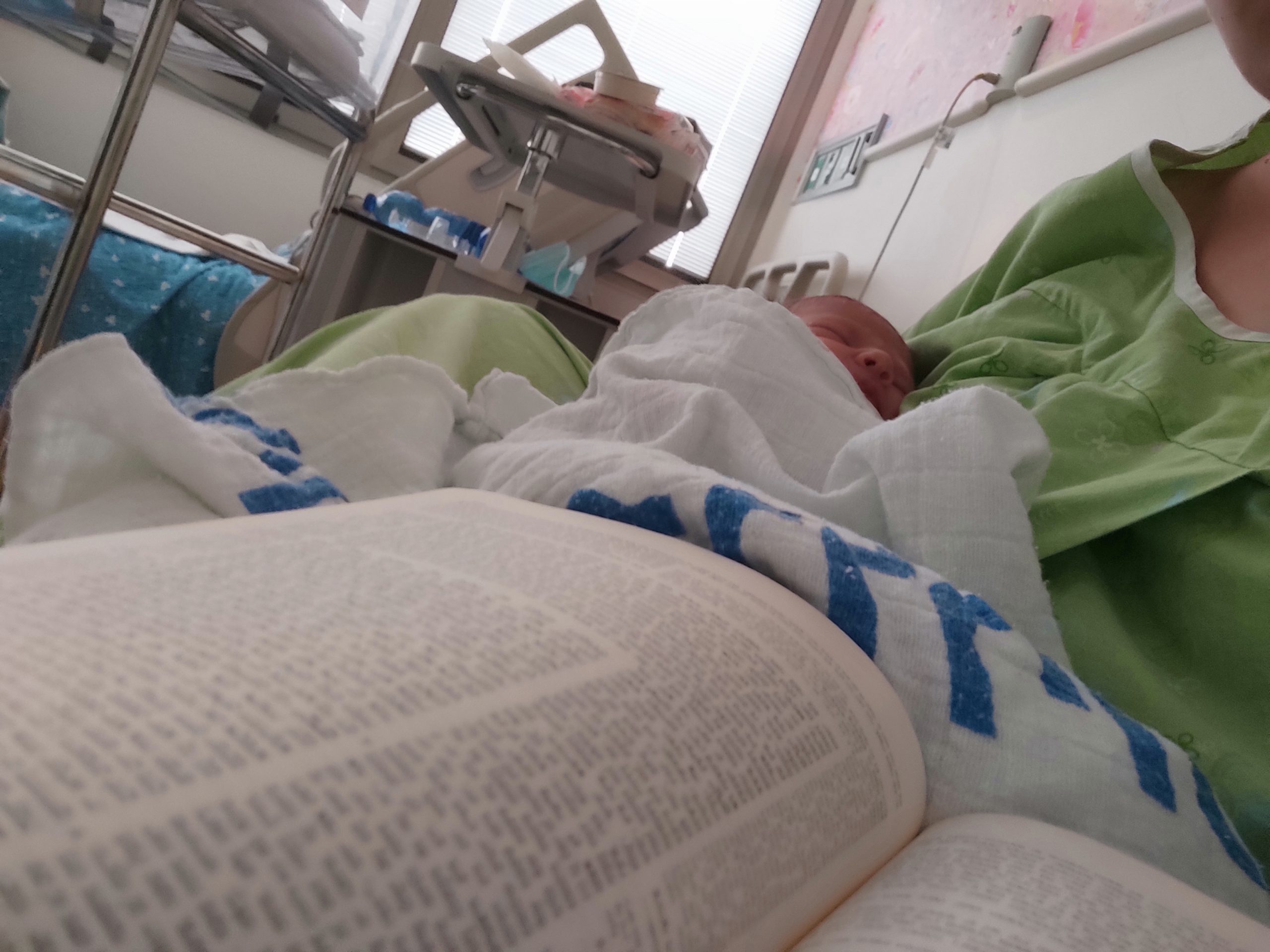
כמו שרואים בתמונה אני ממשיכה ללמוד גם היום ואפילו במחלקת יולדות אחרי לידת ביתי השלישית.
נועה שילה
רבבה, ישראל
התחלתי ללמוד דף יומי שהתחילו מסכת כתובות, לפני 7 שנים, במסגרת קבוצת לימוד שהתפרקה די מהר, ומשם המשכתי לבד בתמיכת האיש שלי. נעזרתי בגמרת שטיינזלץ ובשיעורים מוקלטים.
הסביבה מאד תומכת ואני מקבלת המון מילים טובות לאורך כל הדרך. מאז הסיום הגדול יש תחושה שאני חלק מדבר גדול יותר.
אני לומדת בשיטת ה”7 דפים בשבוע” של הרבנית תרצה קלמן – כלומר, לא נורא אם לא הצלחת ללמוד כל יום, העיקר שגמרת ארבעה דפים בשבוע

רחל גולדשטיין
עתניאל, ישראל
התחלתי בתחילת הסבב, והתמכרתי. זה נותן משמעות נוספת ליומיום ומאוד מחזק לתת לזה מקום בתוך כל שגרת הבית-עבודה השוטפת.

רעות אברהמי
בית שמש, ישראל
התחלתי ללמוד דף לפני קצת יותר מ-5 שנים, כשלמדתי רבנות בישיבת מהר”ת בניו יורק. בדיעבד, עד אז, הייתי בלימוד הגמרא שלי כמו מישהו שאוסף חרוזים משרשרת שהתפזרה, פה משהו ושם משהו, ומאז נפתח עולם ומלואו…. הדף נותן לי לימוד בצורה מאורגנת, שיטתית, יום-יומית, ומלמד אותי לא רק ידע אלא את השפה ודרך החשיבה שלנו. לשמחתי, יש לי סביבה תומכת וההרגשה שלי היא כמו בציטוט שבחרתי: הדף משפיע לטובה על כל היום שלי.

מיכל כהנא
חיפה, ישראל
התחלתי ללמוד דף יומי כאשר קיבלתי במייל ממכון שטיינזלץ את הדפים הראשונים של מסכת ברכות במייל. קודם לא ידעתי איך לקרוא אותם עד שנתתי להם להדריך אותי. הסביבה שלי לא מודעת לעניין כי אני לא מדברת על כך בפומבי. למדתי מהדפים דברים חדשים, כמו הקשר בין המבנה של בית המקדש והמשכן לגופו של האדם (יומא מה, ע”א) והקשר שלו למשפט מפורסם שמופיע בספר ההינדי "בהגוד-גיתא”. מתברר שזה רעיון כלל עולמי ולא רק יהודי

אלנה ארנבורג
נשר, ישראל
אחרי שראיתי את הסיום הנשי של הדף היומי בבנייני האומה זה ריגש אותי ועורר בי את הרצון להצטרף. לא למדתי גמרא קודם לכן בכלל, אז הכל היה לי חדש, ולכן אני לומדת בעיקר מהשיעורים פה בהדרן, בשוטנשטיין או בחוברות ושיננתם.
רבקה שלוס
בית שמש, ישראל
חולין פז
הָכִי הַשְׁתָּא?! הָתָם מִשְׁתֵּא וּבָרוֹכֵי בַּהֲדֵי הֲדָדֵי לָא אֶפְשָׁר, הָכָא אֶפְשָׁר דְּשָׁחֵיט בַּחֲדָא וּמְכַסֵּי בַּחֲדָא.
The Gemara rejects this: How can these cases be compared? There, in the incident involving the students of Rav, it is impossible to drink and recite a blessing simultaneously. Accordingly, by requesting a cup over which to recite the blessing of Grace after Meals, they demonstrated their desire to cease drinking. Here, when one covers the blood of the undomesticated animal before slaughtering the bird, it is possible to slaughter the bird with the one hand and cover the blood of the undomesticated animal with the other one. Accordingly, the act of covering the blood of the undomesticated animal is not considered an interruption of the acts of slaughter, since they could have been performed simultaneously.
מַתְנִי׳ שָׁחַט וְלֹא כִּסָּה, וְרָאָהוּ אַחֵר – חַיָּיב לְכַסּוֹת. כִּסָּהוּ וְנִתְגַּלָּה – פָּטוּר מִלְּכַסּוֹת. (כִּסָּהוּ) [כִּסַּתּוּ] הָרוּחַ – חַיָּיב לְכַסּוֹת.
MISHNA: If one slaughtered an undomesticated animal or bird and did not cover the blood, and another person saw the uncovered blood, the second person is obligated to cover the blood. If one covered the blood and it was then uncovered, he is exempt from covering it again. If the wind blew earth on the blood and covered it, and it was consequently uncovered, he is obligated to cover the blood.
גְּמָ׳ תָּנוּ רַבָּנַן: ״וְשָׁפַךְ וְכִסָּה״ – מִי שֶׁשָּׁפַךְ יְכַסֶּה. שָׁחַט וְלֹא כִּסָּה, וְרָאָהוּ אַחֵר, מִנַּיִן שֶׁחַיָּיב לְכַסּוֹת? שֶׁנֶּאֱמַר: ״וָאֹמַר לִבְנֵי יִשְׂרָאֵל״ – אַזְהָרָה לְכׇל בְּנֵי יִשְׂרָאֵל.
GEMARA: The Sages taught in a baraita: The verse states: “And he shall pour out its blood and cover it with earth” (Leviticus 17:13), indicating that the one who poured out its blood, i.e., slaughtered the animal, shall cover it. If one slaughtered the animal or bird and did not cover the blood, and another person saw the uncovered blood, from where is it derived that the person who saw the blood is obligated to cover it? It is derived from the following verse, as it is stated: “Therefore I said to the children of Israel” (Leviticus 17:12), which is a warning to all the children of Israel to fulfill the mitzva of covering the blood.
תַּנְיָא אִידַּךְ: ״וְשָׁפַךְ וְכִסָּה״, בַּמֶּה שֶׁשָּׁפַךְ – בּוֹ יְכַסֶּה, שֶׁלֹּא יְכַסֶּנּוּ בָּרֶגֶל, שֶׁלֹּא יִהְיוּ מִצְוֹת בְּזוּיוֹת עָלָיו. תַּנְיָא אִידַּךְ: ״וְשָׁפַךְ וְכִסָּה״, מִי שֶׁשָּׁפַךְ – הוּא יְכַסֶּנּוּ. מַעֲשֶׂה בְּאֶחָד שֶׁשָּׁחַט, וְקָדַם חֲבֵירוֹ וְכִסָּה, וְחִיְּיבוֹ רַבָּן גַּמְלִיאֵל לִיתֵּן לוֹ עֲשָׂרָה זְהוּבִים.
It is taught in another baraita: The verse states: “And he shall pour out its blood and cover it with earth,” indicating that with that which he poured out the blood he shall cover it, i.e., he must use his hand, and he may not cover it with his foot, so that mitzvot will not be contemptible to him. It is taught in another baraita: The verse states: “And he shall pour out its blood and cover it with earth,” indicating that the one who poured out the blood shall cover it. An incident occurred involving one who slaughtered an undomesticated animal or bird and another individual preempted him and covered the blood, and Rabban Gamliel deemed him obligated to give ten gold coins to the one who performed the act of slaughter.
אִיבַּעְיָא לְהוּ: שְׂכַר מִצְוָה אוֹ שְׂכַר בְּרָכָה? לְמַאי נָפְקָא מִינַּהּ? לְבִרְכַּת הַמָּזוֹן. אִי אָמְרַתְּ שְׂכַר מִצְוָה – אַחַת הִיא, וְאִי אָמְרַתְּ שְׂכַר בְּרָכָה – הָוְיָין אַרְבָּעִים. מַאי?
A dilemma was raised before the Sages: Are these ten gold coins compensation for the stolen mitzva or are they compensation for the stolen blessing recited over the mitzva? The Gemara elaborates: What is the practical difference? The difference is with regard to a similar case involving Grace after Meals. If you say the coins are compensation for the mitzva, then with regard to Grace after Meals, since all its blessings constitute one mitzva, one would be obligated to give only ten gold coins. But if you say they are compensation for the lost blessing, then with regard to Grace after Meals the compensation is forty gold coins, since Grace after Meals comprises four blessings. What is the conclusion?
תָּא שְׁמַע, דַּאֲמַר לֵיהּ הָהוּא מִינָא לְרַבִּי: מִי שֶׁיָּצַר הָרִים לֹא בָּרָא רוּחַ, וּמִי שֶׁבָּרָא רוּחַ לֹא יָצַר הָרִים, דִּכְתִיב: ״כִּי הִנֵּה יוֹצֵר הָרִים וּבֹרֵא רוּחַ״. אֲמַר לֵיהּ: שׁוֹטֶה, שְׁפֵיל לְסֵיפֵיהּ דִּקְרָא – ״ה׳ צְבָאוֹת שְׁמוֹ״.
The Gemara suggests: Come and hear a proof from an incident in which a certain heretic said to Rabbi Yehuda HaNasi: He who created mountains did not create wind, and he who created wind did not create mountains; rather, each was created by a separate deity, as it is written: “For behold, He Who forms the mountains and He Who creates the wind” (Amos 4:13), indicating that there are two deities: One who forms the mountains and one who creates the wind. Rabbi Yehuda HaNasi said to him: Imbecile, go to the end of the verse, which states: “The Lord, the God of hosts, is His name.” The verse emphasizes that God is the One Who both forms and creates.
אֲמַר לֵיהּ: נְקוֹט לִי זִימְנָא תְּלָתָא יוֹמֵי וּמַהְדַּרְנָא לָךְ תְּיוּבְתָּא. יְתֵיב רַבִּי תְּלָת תַּעֲנִיָּתָא. כִּי הֲוָה קָא בָּעֵי מִיבְרָא, אֲמַרוּ לֵיהּ: מִינָא קָאֵי אַבָּבָא. אֲמַר: ״וַיִּתְּנוּ בְּבָרוּתִי רוֹשׁ וְגוֹ׳״.
The heretic said to Rabbi Yehuda HaNasi: Give me three days’ time and I will respond to you with a rebuttal of your claim. Rabbi Yehuda HaNasi sat and fasted three days of fasting while awaiting the heretic, in order that he would not find a rebuttal. When Rabbi Yehuda HaNasi wanted to have a meal at the conclusion of those three days, they said to him: That heretic is standing at the doorway. Rabbi Yehuda HaNasi recited the following verse about himself: “They put gall into my food, and for my thirst they gave me vinegar to drink” (Psalms 69:22), i.e., my meal is embittered with the presence of this heretic.
אֲמַר לֵיהּ: רַבִּי, מְבַשֵּׂר טוֹבוֹת אֲנִי לָךְ, לֹא מָצָא תְּשׁוּבָה אוֹיִבְךָ וְנָפַל מִן הַגָּג וָמֵת. אָמַר לוֹ: רְצוֹנְךָ שֶׁתִּסְעוֹד אֶצְלִי? אָמַר לוֹ: הֵן. לְאַחַר שֶׁאָכְלוּ וְשָׁתוּ, אָמַר לוֹ: כּוֹס שֶׁל בְּרָכָה אַתָּה שׁוֹתֶה אוֹ אַרְבָּעִים זְהוּבִים אַתָּה נוֹטֵל? אָמַר לוֹ: כּוֹס שֶׁל בְּרָכָה אֲנִי שׁוֹתֶה. יָצְתָה בַּת קוֹל וְאָמְרָה: כּוֹס שֶׁל בְּרָכָה שָׁוֶה אַרְבָּעִים זְהוּבִים.
When Rabbi Yehuda HaNasi came to the door he saw that it was in fact a different heretic, not the one who asked for three days to prepare a rebuttal. This heretic said to him: Rabbi, I am a bearer of good tidings for you: Your enemy did not find a response, and he threw himself from the roof and died. Rabbi Yehuda HaNasi said to the heretic: Since you have brought me good tidings, would you like to dine with me? The heretic said to him: Yes. After they ate and drank, Rabbi Yehuda HaNasi said to the heretic: Would you like to drink the cup of blessing, i.e., the cup of wine over which the Grace after Meals is recited, or would you like to take forty gold coins instead, and I will recite the Grace after Meals? The heretic said to him: I will drink the cup of blessing. A Divine Voice emerged and said: The cup of blessing is worth forty gold coins. Evidently, each one of the blessings in the Grace after Meals is worth ten gold coins.
אָמַר רַבִּי יִצְחָק: עֲדַיִין יֶשְׁנָהּ לְאוֹתָהּ מִשְׁפָּחָה בֵּין גְּדוֹלֵי רוֹמִי, וְקוֹרְאִין אוֹתָהּ מִשְׁפַּחַת בַּר לוּיָאנוּס.
The Gemara adds: Rabbi Yitzḥak says: That family of the heretic who dined with Rabbi Yehuda HaNasi still exists among the prominent families of Rome, and that family is called: The family of bar Luyyanus.
כִּסָּהוּ וְנִתְגַּלָּה. אֲמַר לֵיהּ רַב אַחָא בְּרֵיהּ דְּרָבָא לְרַב אָשֵׁי: מַאי שְׁנָא מֵהֲשָׁבַת אֲבֵדָה, דְּאָמַר מָר: ״הָשֵׁב״ – אֲפִילּוּ מֵאָה פְּעָמִים.
§ The mishna teaches that if one covered the blood and it was then uncovered he is not obligated to cover it again. Rav Aḥa, son of Rava, said to Rav Ashi: What is different about this case from the mitzva of returning a lost item, where the Master said: The verse states with regard to the obligation to return a lost item: “You shall return them to your brother” (Deuteronomy 22:1), even one hundred times?
אֲמַר לֵיהּ: הָתָם לָא כְּתִיב מִיעוּטָא, הָכָא כְּתִיב מִיעוּטָא ״וְכִסָּהוּ״.
Rav Ashi said to Rav Aḥa: There, in the verse discussing the obligation to return a lost item, a restriction is not written in the verse to limit the obligation. Here, in the verse discussing the obligation to cover the blood, a restriction is written, as the verse states: “And he shall cover it.” The usage of the term “it” indicates that one must cover the blood only one time.
כִּסָּהוּ הָרוּחַ. אָמַר רַבָּה בַּר בַּר חָנָה אָמַר רַבִּי יוֹחָנָן: לֹא שָׁנוּ אֶלָּא שֶׁחָזַר וְנִתְגַּלָּה, אֲבָל לֹא חָזַר וְנִתְגַּלָּה – פָּטוּר מִלְּכַסּוֹת. וְכִי חָזַר וְנִתְגַּלָּה מַאי הָוֵי? הָא אִידְּחִי לֵיהּ! אָמַר רַב פָּפָּא: זֹאת אוֹמֶרֶת אֵין דִּיחוּי אֵצֶל מִצְוֹת.
§ The mishna teaches that if the wind blew earth on the blood and covered it one is obligated to cover the blood. Rabba bar bar Ḥana says that Rabbi Yoḥanan says: They taught this halakha only if the blood was again uncovered. But if the blood was not again uncovered one is exempt from the obligation to cover it. The Gemara asks: And when the blood was again uncovered, what of it? Isn’t it already rejected from the mitzva of covering since it was covered by the wind? Rav Pappa said: That is to say that there is no permanent rejection with regard to mitzvot. Although the wind covered the blood, the mitzva to cover it was not rendered null; rather, the mitzva simply could not be performed. Consequently, once the blood is again uncovered, the mitzva to cover the blood remains in place.
וּמַאי שְׁנָא מֵהָא דְּתַנְיָא: הַשּׁוֹחֵט וְנִבְלַע דָּם בַּקַּרְקַע – חַיָּיב לְכַסּוֹת. הָתָם כְּשֶׁרִשּׁוּמוֹ נִיכָּר.
The Gemara asks: But even if the wind covered the blood and it remained covered, why is one exempt from performing the mitzva of covering the blood? What is different about this case from that which is taught in a baraita: In a case where one slaughters an undomesticated animal or a bird and its blood is absorbed by the ground, one is obligated to cover the blood? The Gemara responds: There, the baraita is referring to a case where the impression of the blood is still recognizable, i.e., it was not entirely absorbed in the ground.
מַתְנִי׳ דָּם שֶׁנִּתְעָרֵב בְּמַיִם, אִם יֵשׁ בּוֹ מַרְאִית דָּם – חַיָּיב לְכַסּוֹת. נִתְעָרֵב בְּיַיִן – רוֹאִין אוֹתוֹ כְּאִילּוּ הוּא מַיִם. נִתְעָרֵב בְּדַם הַבְּהֵמָה
MISHNA: In a case of the blood of an undomesticated animal or bird that was mixed with water, if there is in the mixture the appearance of blood one is obligated to cover it. If the blood was mixed with wine one views the wine as though it is water, and if a mixture with that amount of water would have the appearance of blood one is obligated to cover it. Likewise, if the blood of an undomesticated animal or a bird was mixed with the blood of a domesticated animal, which one does not have to cover,
אוֹ בְּדַם הַחַיָּה – רוֹאִין אוֹתוֹ כְּאִילּוּ הֵן מַיִם. רַבִּי יְהוּדָה אוֹמֵר: אֵין דָּם מְבַטֵּל דָּם.
or with blood of the undomesticated animal that did not flow from the neck and does not require covering, one views the blood as though it is water. Rabbi Yehuda says: Blood does not nullify blood. Therefore, even if the undomesticated animal’s blood, which one must cover, is not recognizable in this mixture, he is obligated to cover the mixture nevertheless.
דָּם הַנִּיתָּז וְשֶׁעַל הַסַּכִּין – חַיָּיב לְכַסּוֹת. אָמַר רַבִּי יְהוּדָה: אֵימָתַי? בִּזְמַן שֶׁאֵין שָׁם דָּם אֶלָּא הוּא, אֲבָל יֵשׁ שָׁם דָּם שֶׁלֹּא הוּא – פָּטוּר מִלְּכַסּוֹת.
With regard to blood that spurts outside the pit over which the animal was slaughtered, or onto a wall, and blood that remained on the slaughtering knife, one is obligated to cover it. Rabbi Yehuda said: When is this the halakha? When no blood remains there from the slaughter except that blood. But if blood remains there from the slaughter that is not that blood, he is exempt from covering it.
גְּמָ׳ תְּנַן הָתָם: דָּם שֶׁנִּתְעָרֵב בְּמַיִם, אִם יֵשׁ בּוֹ מַרְאִית דָּם – כָּשֵׁר. נִתְעָרֵב בְּיַיִן – רוֹאִין אוֹתוֹ כְּאִילּוּ הוּא מַיִם. נִתְעָרֵב בְּדַם בְּהֵמָה אוֹ בְּדַם הַחַיָּה – רוֹאִין אוֹתוֹ כְּאִילּוּ הוּא מַיִם. רַבִּי יְהוּדָה אוֹמֵר: אֵין דָּם מְבַטֵּל דָּם.
GEMARA: We learned in a mishna there (Zevaḥim 77b): In the case of blood of an offering fit for sacrifice that was mixed with water, if the mixture has the appearance of blood it is fit for sprinkling on the altar, even though the majority of the mixture is water. If the blood was mixed with red wine, one views the wine as though it is water. If that amount of water would leave the mixture with the appearance of blood it is fit for presentation. And likewise, if the blood was mixed with the blood of a non-sacred domesticated animal or the blood of a non-sacred undomesticated animal, one considers the non-sacred blood as though it is water. Rabbi Yehuda says: Blood does not nullify blood. Therefore, the priest presents the blood of the mixture on the altar.
אָמַר רַבִּי חִיָּיא בַּר אַבָּא אָמַר רַבִּי יוֹחָנָן: לֹא שָׁנוּ אֶלָּא שֶׁנָּפְלוּ מַיִם לְתוֹךְ דָּם, אֲבָל נָפַל דָּם לְתוֹךְ מַיִם – רִאשׁוֹן רִאשׁוֹן בָּטֵל.
The mishna teaches that in a case where water became mixed with the blood of an offering, if the mixture has the appearance of blood it is fit, despite the fact that there is more water than blood. Concerning this Rabbi Ḥiyya bar Abba says that Rabbi Yoḥanan says: They taught this halakha only in a case where the water fell into the blood. But in a case where the blood fell into the water, the first drop of blood, and then the next first drop of blood, are nullified in the water, i.e., each drop is nullified in turn. Consequently, the mixture is unfit for presentation, regardless of whether it has the appearance of blood.
אָמַר רַב פָּפָּא: וּלְעִנְיַן כִּסּוּי אֵינוֹ כֵּן, אֵין דִּחוּי אֵצֶל מִצְוֹת.
Rav Pappa says: But with regard to the mitzva of covering the blood of birds or undomesticated animals that are slaughtered, it is not so. In this case, even if the blood fell into water the mitzva of covering applies to it, provided the mixture has the appearance of blood. The blood is not nullified by the water because there is no permanent rejection with regard to mitzvot other than those that relate to sacrificial rites. Therefore, its nullification was merely temporary, but once there is enough blood in the water it reassumes its status of blood.
אָמַר רַב יְהוּדָה אָמַר שְׁמוּאֵל: כׇּל מַרְאֵה אַדְּמוּמִית – מְכַפְּרִין, וּמַכְשִׁירִין, וְחַיָּיבִין בְּכִסּוּי. מַאי קָמַשְׁמַע לַן? מְכַפְּרִין – תְּנֵינָא, חַיָּיבִין בְּכִסּוּי – תְּנֵינָא!
§ With regard to mixtures of blood and water, Rav Yehuda says that Shmuel says: All mixtures of blood and water that maintain a reddish hue are considered blood and effect atonement by being presented on the altar, and render food susceptible to contracting ritual impurity, and are included in the obligation of covering the blood provided that the blood is from the slaughter of an undomesticated animal or bird. The Gemara asks: What is Rav Yehuda teaching us? If he is teaching us that such mixtures effect atonement, we already learn this from the mishna in tractate Zevaḥim. And if he is teaching us that such mixtures are included in the obligation of covering the blood, we already learn this in the mishna here.
מַכְשִׁירִין אִיצְטְרִיכָא לֵיהּ. מַכְשִׁירִין נָמֵי, אִי דָּם – אַכְשׁוֹרֵי מַכְשַׁר, אִי מַיָּא – אַכְשׁוֹרֵי מַכְשְׁרִי! לָא צְרִיכָא, שֶׁתִּמְּדוֹ בְּמֵי גְשָׁמִים.
Rather, it was necessary for Rav Yehuda to teach that such mixtures render food susceptible to contracting ritual impurity, as this was not taught in a mishna. The Gemara challenges: It is also unnecessary to teach that such mixtures render food susceptible to contracting ritual impurity. If the mixture has the status of blood it renders food susceptible, as does blood, and if the mixture has the status of water it renders food susceptible, as does water. The Gemara responds: No, this statement is necessary in a case where the blood was mixed with rainwater, which does not render food susceptible without the intent or desire of the owner of the food. If the mixture is considered blood it renders food susceptible.
מֵי גְשָׁמִים נָמֵי, כֵּיוָן דְּשָׁקֵיל וְרָמֵי, אַחְשְׁבִינְהוּ. לָא צְרִיכָא, שֶׁנִּתְמְדוּ מֵאֲלֵיהֶן.
The Gemara challenges: With regard to rainwater as well, since one took it and placed it into a vessel containing blood, he has ascribed significance to the rainwater and it should be capable of rendering food susceptible. The Gemara responds: No, this statement is necessary in a case where the rainwater was mixed with the blood by itself, i.e., it was not gathered and poured purposefully.
רַבִּי אַסִּי מִנְּהַרְבִּיל אוֹמֵר: בִּצְלַלְתָּא דִּדְמָא. רַבִּי יִרְמְיָה מִדִּפְתִּי אָמַר: עָנוּשׁ כָּרֵת, וְהוּא דְּאִיכָּא כְּזַיִת. בְּמַתְנִיתָא תָּנָא: מְטַמְּאִים בְּאֹהֶל, וְהוּא דְּאִיכָּא רְבִיעִית.
Rabbi Asi of Neharbil says: The statement of Rav Yehuda is referring to blood plasma, i.e., if the plasma has a reddish hue due to the blood, it has the status of blood and can render food susceptible to contracting ritual impurity. Rabbi Yirmeya of Difti said: Consumption of this plasma is punishable by karet, as is the halakha with regard to one who consumes blood (see Leviticus 17:14), provided that there is at least one olive-bulk of actual blood. It was taught in a baraita: Blood plasma that issues from a corpse that has a reddish hue imparts ritual impurity in a tent, provided that there is at least a quarter-log of actual blood, which is the amount of a corpse’s blood that imparts ritual impurity.
תְּנַן הָתָם: כׇּל מַשְׁקֵה הַמֵּת טְהוֹרִין, חוּץ מִדָּמוֹ, וְכׇל מַרְאֵה אַדְּמוּמִית שֶׁבּוֹ מְטַמְּאִין בְּאֹהֶל. וּמַשְׁקֵה הַמֵּת טְהוֹרִין? וּרְמִינְהוּ: מַשְׁקֶה טְבוּל יוֹם, מַשְׁקִין הַיּוֹצְאִין מִמֶּנּוּ כְּמַשְׁקִין שֶׁנּוֹגֵעַ בָּהֶן,
We learned in a baraita elsewhere (Tosefta, Oholot 4:5): All liquids that issue from a corpse, e.g., teardrops or breastmilk, are ritually pure, except for its blood. And all liquids that issue from a corpse that contain a reddish hue of blood impart ritual impurity in a tent. The Gemara asks: But are liquids that issue from a corpse ritually pure? And raise a contradiction from a mishna (Tevul Yom 2:1): With regard to liquids that issue from one who immersed that day, liquids that issue from him have the same status as liquids that he touches.
לעקוב

