חיפוש

עירובין מה

רוצה להקדיש שיעור?

podcast placeholder

0:00
0:00


תקציר

השיעור היום הוקדש על ידי נטלי טיילור לכבוד בטסי מלמן. אני מאחלת לך שנה מלאה בריאות והצלחה ונחת מילדיך ונכדיך.

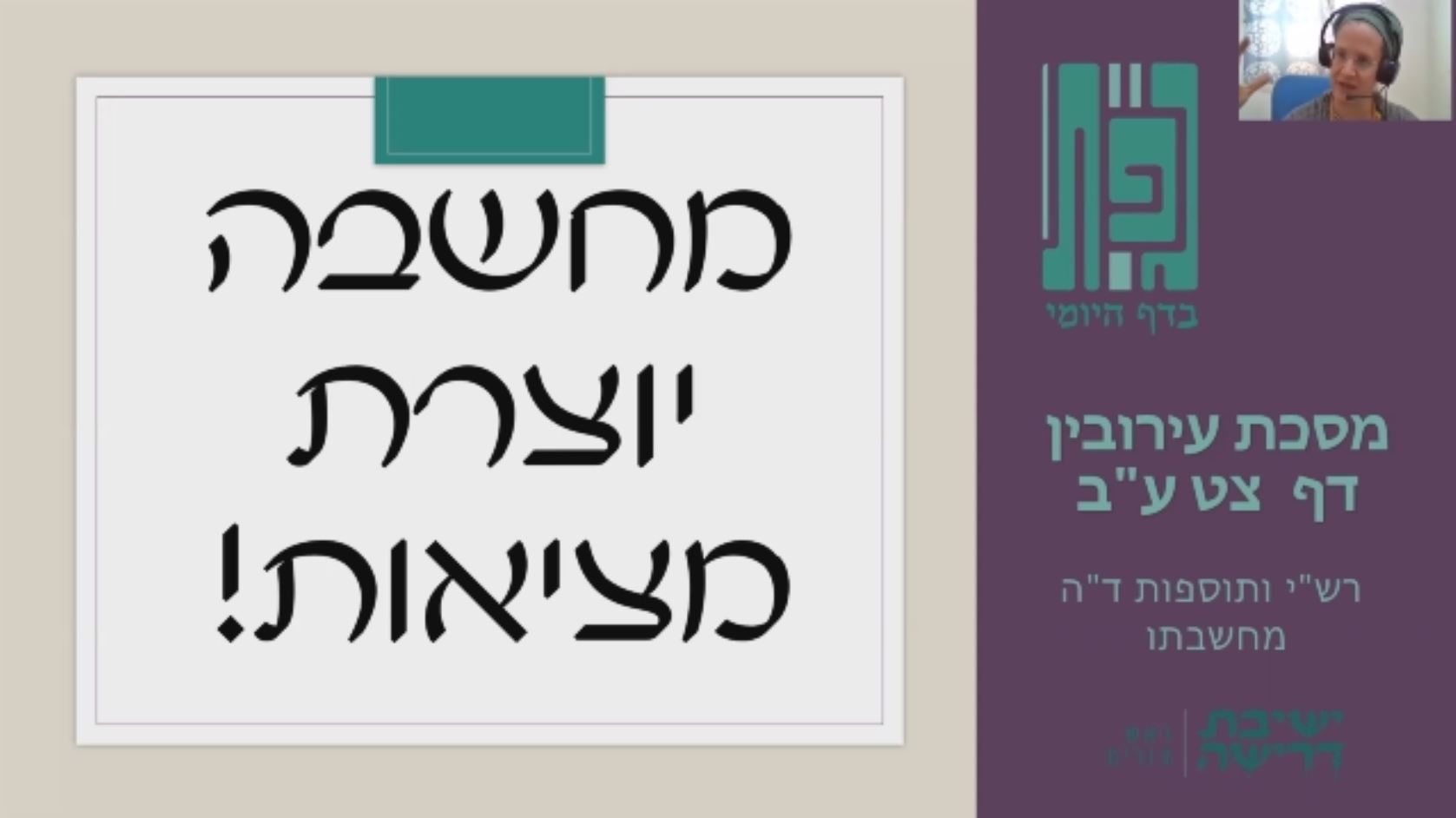
האם מוסכם על כולם שיש הבלעת תחומים? איך מבינים את דברי המשפט האחרון של המשנה שכל היוצאים להציל חוזרים למקומן כשכתוב במשנה במשפט הראשון שיש להם 2000 אמה. ואפילו אם נפרש שמדובר במקרים אחרים, במשנה בראש השנה מופיע שלכולם יש 2000 אמה. הגמרא מביאה שני פתרונות. לפי אחד מהם, לא מדובר על דיני תחומים אלא דיני הוצאה בקשר לכלי נשק. על איזה סוג של מצור אפשר לחלל שבת ועל איזה לא? מהן הקריטיריונים השונים? מי שישב קרוב לעיר בכניסת שבת אבל לא ידע, האם קנה שביתה בעיר או לא? מי שישן במקום בכניסת שבת, האם קנה שביתה או לא? יש מחלוקת – על בסיס מה חולקים? האם חולקים בעניין נכסי הפקר – האם קונים שביתה או לא? איך מוכיחים שבזה הם חולקים.

כלים

עירובין מה

וְהָתְנַן רַבִּי אֱלִיעֶזֶר אוֹמֵר: שְׁתַּיִם — יִכָּנֵס, שְׁלֹשָׁה — לֹא יִכָּנֵס. מַאי לָאו, רַבִּי אֱלִיעֶזֶר לְטַעְמֵיהּ דְּאָמַר וְהוּא בְּאֶמְצָעָן —

Didn’t we learn in a mishna that Rabbi Eliezer says: If a person left his Shabbat limit by walking two cubits beyond it, he may reenter his original limit; but if he left his Shabbat limit by walking three cubits beyond it, he may not reenter. What, is it not that Rabbi Eliezer follows his standard line of reasoning, in that he said with regard to the four cubits a person is allotted wherever he is, he is set in the middle of them, i.e., he may walk two cubits in each direction?

וְאַרְבַּע אַמּוֹת דִּיהַבוּ לֵיהּ רַבָּנַן כְּמַאן דְּמִיבַּלְעָן דָּמוּ, וְקָאָמַר ״יִכָּנֵס״ — אַלְמָא הַבְלָעַת תְּחוּמִין מִילְּתָא הִיא.

The Gemara explains that the four cubits that the Sages gave a person are regarded here as being subsumed within his original limit, and it is for this reason that he said: He may reenter his original limit. Apparently he is of the opinion that the subsuming of one Shabbat limit within another is something significant.

אֲמַר לֵיהּ רַבָּה בַּר בַּר חָנָה לְאַבָּיֵי: וּמִדְּרַבִּי אֱלִיעֶזֶר קָמוֹתְבַתְּ לֵיהּ לְמָר? אֲמַר לֵיהּ: אִין, דִּשְׁמִיעַ לִי מִינֵּיהּ דְּמָר: עַד כָּאן לָא פְּלִיגִי רַבָּנַן עֲלֵיהּ דְּרַבִּי אֱלִיעֶזֶר אֶלָּא לִדְבַר הָרְשׁוּת, אֲבָל לִדְבַר מִצְוָה מוֹדוּ לֵיהּ.

Rabba bar bar Ḥana said to Abaye: Do you raise an objection against our Master, Rabba, from the statement of Rabbi Eliezer? But isn’t the halakha in accordance with the opinion of Rabbi Eliezer? Abaye said to him: Yes, as I heard from our Master himself that the Rabbis disagree with Rabbi Eliezer only with regard to one who went beyond his limit for a voluntary matter, but with regard to one who went out for a mitzva matter, they agree with him about the subsuming of limits, i.e., that if one limit is subsumed in another, it is permitted to pass between them. This demonstrates that the halakha recognizes the principle of the subsuming of limits.

וְכׇל הַיּוֹצְאִין לְהַצִּיל חוֹזְרִין לִמְקוֹמָן. וַאֲפִילּוּ טוּבָא? וְהָא אָמְרַתְּ רֵישָׁא: ״אַלְפַּיִם אַמָּה״, וְתוּ לָא!

The mishna teaches: All who go out to save lives may return to their original locations on Shabbat. The Gemara asks: Does this mean that he may return to his original place even if he went out more than two thousand cubits beyond his limit? Didn’t the first clause say that a person who was permitted to travel beyond his Shabbat limit is allotted two thousand cubits, and no more?

אָמַר רַב יְהוּדָה אָמַר רַב: שֶׁחוֹזְרִין בִּכְלֵי זַיִין לִמְקוֹמָן. וּמַאי קוּשְׁיָא? דִּילְמָא לְהַצִּיל שָׁאנֵי!

Rav Yehuda said that Rav said: What this means is that they may return with their weapons to their original locations, provided they are within two thousand cubits. The Gemara asks: What is the difficulty with returning home in this situation? Perhaps in the case where people went out to fight and save lives the law is different, and they are allowed to go home even if they went more than two thousand cubits beyond the limit.

אֶלָּא אִי קַשְׁיָא, הָא קַשְׁיָא: דִּתְנַן בָּרִאשׁוֹנָה לֹא הָיוּ זָזִין מִשָּׁם כׇּל הַיּוֹם כּוּלּוֹ.

Rather, if there is a difficulty, this is the difficulty: As we learned in a mishna in tractate Rosh HaShana, at first they would take the witnesses who had come to Jerusalem from a distant place on Shabbat to testify that they had seen the new moon, and bring them into a special courtyard, and they would not move from there the entire day. This was in accordance with the law governing one who was permitted to go out beyond his limit, as once he fulfilled his mission, he was no longer permitted to move beyond four cubits.

הִתְקִין רַבָּן גַּמְלִיאֵל הַזָּקֵן שֶׁיֵּשׁ לָהֶן אַלְפַּיִם אַמָּה לְכׇל רוּחַ. וְלֹא אֵלּוּ בִּלְבַד אָמְרוּ, אֶלָּא אֲפִילּוּ חֲכָמָה הַבָּאָה לְיַלֵּד, וְהַבָּא לְהַצִּיל מִן הַגַּיִיס וּמִן הַנָּהָר וּמִן הַמַּפּוֹלֶת וּמִן הַדְּלֵיקָה — הֲרֵי הֵן כְּאַנְשֵׁי הָעִיר, וְיֵשׁ לָהֶן אַלְפַּיִם אַמָּה לְכׇל רוּחַ.

However, Rabban Gamliel the Elder instituted that they should have two thousand cubits in each direction, so that witnesses not refrain from coming to testify. And it is not only these whom the Sages said are given two thousand cubits in the place that they have reached, but even a midwife who comes to deliver a child, and one who comes to rescue Jews from an invasion of gentile troops or from a river or a collapsed building or a fire; they are like the inhabitants of the town at which they arrive, and they have two thousand cubits in each direction.

וְתוּ לָא? וְהָא אָמְרַתְּ: כׇּל הַיּוֹצְאִין לְהַצִּיל חוֹזְרִין לִמְקוֹמָן — אֲפִילּוּ טוּבָא!

The question may be raised: Are they given no more than two thousand cubits? Didn’t it say in the mishna: All who go out to save lives may return to their original locations on Shabbat, which indicates that they may walk even more than two thousand cubits?

אָמַר רַב [יְהוּדָה אָמַר רַב]: שֶׁחוֹזְרִין בִּכְלֵי זַיִין לִמְקוֹמָן, כִּדְתַנְיָא: בָּרִאשׁוֹנָה הָיוּ מַנִּיחִין כְּלֵי זֵיינָן בַּבַּיִת הַסָּמוּךְ לַחוֹמָה.

In response, Rav Yehuda said that Rav said: We must not infer from the mishna that they may go home even if they went out more than two thousand cubits from their limit, but rather that they may return with their weapons to their original locations, provided that they are within two thousand cubits. As it was taught in the Tosefta: At first those returning from a rescue mission would place their weapons in the first house that they encountered upon their return, i.e., the house nearest the wall, to avoid carrying on Shabbat any more than necessary.

פַּעַם אַחַת הִכִּירוּ בָּהֶן אוֹיְבִים וְרָדְפוּ אַחֲרֵיהֶם, וְנִכְנְסוּ לִיטּוֹל כְּלֵי זֵיינָן, וְנִכְנְסוּ אוֹיְבִים אַחֲרֵיהֶן. דָּחֲקוּ זֶה אֶת זֶה, וְהָרְגוּ זֶה אֶת זֶה יוֹתֵר מִמַּה שֶּׁהָרְגוּ אוֹיְבִים. בְּאוֹתָהּ שָׁעָה הִתְקִינוּ שֶׁיְּהוּ חוֹזְרִין לִמְקוֹמָן בִּכְלֵי זֵיינָן.

Once, their enemies noticed that they were no longer carrying their weapons, and they chased after them; and the defenders entered the house to take up their weapons and fight, and their enemies entered after them, causing great confusion. In the chaos, the defenders began to push one another, and they killed more of each other than their enemies killed of them. At that time the Sages instituted that they should return to their locations, i.e., their destinations, with their weapons.

רַב נַחְמָן בַּר יִצְחָק אָמַר: לָא קַשְׁיָא. כָּאן — שֶׁנִּצְּחוּ יִשְׂרָאֵל אֶת אוּמּוֹת הָעוֹלָם, כָּאן — שֶׁנִּצְּחוּ אוּמּוֹת הָעוֹלָם אֶת עַצְמָן.

The Gemara cites an alternate resolution that Rav Naḥman bar Yitzḥak said: This is not difficult. Here, in the mishna in Rosh HaShana where they only permitted two thousand cubits, it is referring to a situation where the Jews defeated the nations of the world, i.e., the gentiles, in battle; in such a case there is no concern and they need not return to their original locations. Whereas here, in the mishna which indicates that the Sages permitted even more than two thousand cubits, it is referring to a situation where the nations of the world defeated themselves, i.e., the Jews, whom the Gemara refers to euphemistically as themselves; in such a case the Sages allowed the defeated soldiers to return to their original locations.

אָמַר רַב יְהוּדָה אָמַר רַב: נׇכְרִים שֶׁצָּרוּ עַל עַיְירוֹת יִשְׂרָאֵל — אֵין יוֹצְאִין עֲלֵיהֶם בִּכְלֵי זֵיינָן, וְאֵין מְחַלְּלִין עֲלֵיהֶן אֶת הַשַּׁבָּת.

Since the Gemara discussed war on Shabbat, the Gemara cites Rav Yehuda, who said that Rav said: With regard to gentiles who besieged Jewish towns, they may not go out to fight against them with their weapons, nor may they desecrate Shabbat in any other way due to them, but rather they must wait until after Shabbat.

תַּנְיָא נָמֵי הָכִי נׇכְרִים שֶׁצָּרוּ וְכוּ׳. בַּמֶּה דְּבָרִים אֲמוּרִים, כְּשֶׁבָּאוּ עַל עִסְקֵי מָמוֹן, אֲבָל בָּאוּ עַל עִסְקֵי נְפָשׁוֹת — יוֹצְאִין עֲלֵיהֶן בִּכְלֵי זֵיינָן, וּמְחַלְּלִין עֲלֵיהֶן אֶת הַשַּׁבָּת.

That was also taught in a baraita, with a caveat: With regard to gentiles who besieged, etc. In what case is this said? It is said in a case where the gentiles came and besieged the town with regard to monetary matters, i.e., banditry. However, if they came with regard to lives, i.e., there is concern that the gentiles will attack, they may go out against them with their weapons, and they may desecrate Shabbat due to them.

וּבָעִיר הַסְּמוּכָה לַסְּפָר, אֲפִילּוּ לֹא בָּאוּ עַל עִסְקֵי נְפָשׁוֹת אֶלָּא עַל עִסְקֵי תֶּבֶן וָקַשׁ — יוֹצְאִין עֲלֵיהֶן בִּכְלֵי זֵיינָן, וּמְחַלְּלִין עֲלֵיהֶן אֶת הַשַּׁבָּת.

And with regard to a town that is located near the border, even if the gentiles did not come with regard to lives, but rather with regard to matters of hay and straw, i.e., to raid and spoil the town, they may go out against them with their weapons, and they may desecrate Shabbat due to them, as the border must be carefully guarded, in order to prevent enemies from gaining a foothold there.

אָמַר רַב יוֹסֵף בַּר מִנְיוֹמֵי אָמַר רַב נַחְמָן: וּבָבֶל, כָּעִיר הַסְּמוּכָה לַסְּפָר דָּמְיָא. וְתַרְגּוּמָא: נְהַרְדְּעָא.

Rav Yosef bar Manyumi said that Rav Naḥman said: And Babylonia is considered like a town located near the border, and war may be waged there on Shabbat even if the gentiles came for financial gain. And this means the city of Neharde’a, which was located near the border.

דָּרֵשׁ רַבִּי דּוֹסְתַּאי דְּמִן בֵּירֵי: מַאי דִּכְתִיב: ״וַיַּגִּידוּ לְדָוִד לֵאמֹר הִנֵּה פְלִשְׁתִּים נִלְחָמִים בִּקְעִילָה וְהֵמָּה שׁוֹסִים אֶת הַגֳּרָנוֹת״.

Rabbi Dostai of the town of Biri expounded: What is the meaning of that which is written: “And they told David, saying: Behold, the Philistines are fighting against Ke’ila, and they rob the threshing floors” (i Samuel 23:1), after which David asked God how he should respond.

תָּנָא: קְעִילָה עִיר הַסְּמוּכָה לַסְּפָר הָיְתָה, וְהֵם לֹא בָּאוּ אֶלָּא עַל עִסְקֵי תֶּבֶן וָקַשׁ, דִּכְתִיב: ״וְהֵמָּה שׁוֹסִים אֶת הַגֳּרָנוֹת״. וּכְתִיב ״וַיִּשְׁאַל דָּוִד בַּה׳ לֵאמֹר הַאֵלֵךְ וְהִכֵּיתִי בַּפְּלִשְׁתִּים הָאֵלֶּה וַיֹּאמֶר ה׳ אֶל דָּוִד לֵךְ וְהִכִּיתָ בַפְּלִשְׁתִּים וְהוֹשַׁעְתָּ אֶת קְעִילָה״.

It was taught in a baraita: Ke’ila was a town located near the border, and the Philistines came only with regard to matters of hay and straw, as it is written: “And they rob the threshing floors.” And in the next verse it is written: “Therefore David inquired of the Lord, saying: Shall I go and smite these Philistines? And the Lord said to David: Go and smite the Philistines, and save Ke’ila” (i Samuel 23:2), which indicates that war may be waged in a border town on Shabbat, even with regard to monetary matters.

מַאי קָמִבַּעְיָא לֵיהּ? אִילֵּימָא אִי שְׁרֵי אִי אָסוּר — הֲרֵי בֵּית דִּינוֹ שֶׁל שְׁמוּאֵל הָרָמָתִי קַיָּים.

The Gemara refutes this proof by asking: What is David’s dilemma? If you say that he had a halakhic question and was in doubt whether it was permitted or prohibited to fight the Philistines on Shabbat, it is possible to respond: But the court of Samuel from Rama was then in existence, and rather than inquire by way of the Urim VeTummim he should have inquired of the Great Sanhedrin.

אֶלָּא: אִי מַצְלַח אִי לָא מַצְלַח. דַּיְקָא נָמֵי, דִּכְתִיב: ״לֵךְ וְהִכִּיתָ בַפְּלִשְׁתִּים וְהוֹשַׁעְתָּ אֶת קְעִילָה״, שְׁמַע מִינַּהּ.

Rather, he asked: Will he succeed or will he not succeed in his war? The Gemara comments: This is also precise in the language of the verse, as it is written in the response to David’s query: “Go and smite the Philistines, and save Ke’ila.” Learn from this, from the assurance that God gave David of his victory, that this was the subject of his inquiry.

מַתְנִי׳ מִי שֶׁיָּשַׁב בַּדֶּרֶךְ, וְעָמַד וְרָאָה הֲרֵי (זֶה) הוּא סָמוּךְ לָעִיר, [הוֹאִיל] וְלֹא הָיְתָה כַּוּוֹנָתוֹ לְכָךְ — לֹא יִכָּנֵס. דִּבְרֵי רַבִּי מֵאִיר.

MISHNA: With regard to a person who was sitting along the road on Shabbat eve toward nightfall, unaware that he was within the city’s Shabbat limit, and when he stood up after Shabbat had already commenced, he saw that he was near the town, i.e., within its limit, since he had not intended to acquire his place of residence in the town, he may not enter it, but rather he measures two thousand cubits from his place; this is the statement of Rabbi Meir.

רַבִּי יְהוּדָה אוֹמֵר: יִכָּנֵס. אָמַר רַבִּי יְהוּדָה: מַעֲשֶׂה הָיָה וְנִכְנַס רַבִּי טַרְפוֹן בְּלֹא מִתְכַּוֵּין.

Rabbi Yehuda says: He may enter the town. Rabbi Yehuda said: It once happened that Rabbi Tarfon entered a town on Shabbat without intention from the beginning of Shabbat to establish residence in the city.

גְּמָ׳ תַּנְיָא, אָמַר רַבִּי יְהוּדָה: מַעֲשֶׂה בְּרַבִּי טַרְפוֹן שֶׁהָיָה מְהַלֵּךְ בַּדֶּרֶךְ וְחָשְׁכָה לוֹ, וְלָן חוּץ לָעִיר. לְשַׁחֲרִית מְצָאוּהוּ רוֹעֵי בָקָר, אָמְרוּ לוֹ: רַבִּי, הֲרֵי הָעִיר לְפָנֶיךָ, הִכָּנֵס! נִכְנַס וְיָשַׁב בְּבֵית הַמִּדְרָשׁ, וְדָרַשׁ כׇּל הַיּוֹם כּוּלּוֹ.

GEMARA: It was taught in a baraita that Rabbi Yehuda said: It once happened that Rabbi Tarfon was walking along the way on Shabbat eve, and night fell upon him, and he spent the night outside the town. In the morning, cowherds who came to graze their cattle outside the town found him and said to him: Master, the town is before you; enter. He entered and sat in the study hall and taught the entire day. This indicates that one is permitted to enter.

(אָמְרוּ לוֹ): מִשָּׁם רְאָיָיה? שֶׁמָּא בְּלִבּוֹ הָיְתָה, אוֹ בֵּית הַמִּדְרָשׁ מוּבְלָע בְּתוֹךְ תְּחוּמוֹ הָיָה.

The other Rabbis said to Rabbi Yehuda: Do you bring proof from there? Perhaps he had it in mind the day before to acquire residence in the city, or perhaps the study hall was subsumed within his Shabbat limit. If the study hall was within two thousand cubits of the spot where he established residence, all agree that he may enter there.

מַתְנִי׳ מִי שֶׁיָּשַׁן בַּדֶּרֶךְ וְלָא יָדַע שֶׁחָשֵׁיכָה — יֵשׁ לוֹ אַלְפַּיִם אַמָּה לְכׇל רוּחַ, דִּבְרֵי רַבִּי יוֹחָנָן בֶּן נוּרִי.

MISHNA: With regard to one who was sleeping along the road on Shabbat eve and did not know that night had fallen, he has two thousand cubits in each direction; this is the statement of Rabbi Yoḥanan ben Nuri, who maintains that knowledge and awareness are not necessary for one to acquire residence, but rather, a person’s presence in a given location establishes residence there.

וַחֲכָמִים אוֹמְרִים: אֵין לוֹ אֶלָּא אַרְבַּע אַמּוֹת. רַבִּי אֱלִיעֶזֶר אוֹמֵר: וְהוּא בְּאֶמְצָעָן.

But the Rabbis say: He has only four cubits, as since he did not knowingly acquire residence, he did not establish a Shabbat limit. Rabbi Eliezer says: He has only four cubits total and he is in the middle of them, i.e., he has two cubits in each direction.

רַבִּי יְהוּדָה אוֹמֵר: לְאֵיזֶה רוּחַ שֶׁיִּרְצֶה יֵלֵךְ. וּמוֹדֶה רַבִּי יְהוּדָה שֶׁאִם בֵּירַר לוֹ, שֶׁאֵינוֹ יָכוֹל לַחֲזוֹר בּוֹ.

Rabbi Yehuda says: He may walk four cubits in any direction he wishes. But Rabbi Yehuda agrees that if he selected for himself the direction in which he wants to walk those four cubits, he cannot retract and walk four cubits in a different direction.

הָיוּ שְׁנַיִם, מִקְצָת אַמּוֹתָיו שֶׁל זֶה בְּתוֹךְ אַמּוֹתָיו שֶׁל זֶה — מְבִיאִין וְאוֹכְלִין בָּאֶמְצַע,

With regard to a case where there were two people in this situation, positioned in such a way that part of the four cubits of one were subsumed within the four cubits of the other, they may each bring food and eat together in the shared area in the middle,

וּבִלְבַד שֶׁלֹּא יוֹצִיא זֶה מִתּוֹךְ שֶׁלּוֹ לְתוֹךְ שֶׁל חֲבֵרוֹ.

provided that the one does not carry anything from his four-cubit limit into that of his fellow.

הָיוּ שְׁלֹשָׁה וְהָאֶמְצָעִי מוּבְלָע בֵּינֵיהֶן — הוּא מוּתָּר עִמָּהֶן, וְהֵן מוּתָּרִין עִמּוֹ, וּשְׁנַיִם הַחִיצוֹנִים אֲסוּרִין זֶה עִם זֶה.

With regard to a case where there were three people in this situation, and certain parts of the four cubits of the middle one were subsumed within the respective limits of each of the others, so that he shared a certain area with each of them, he is permitted to eat with either of them, and they are both permitted to eat with him; but the two outer ones are forbidden to eat with each other, since they share no common area.

אָמַר רַבִּי שִׁמְעוֹן: לְמָה הַדָּבָר דּוֹמֶה — לְשָׁלֹשׁ חֲצֵירוֹת הַפְּתוּחוֹת זוֹ לָזוֹ, וּפְתוּחוֹת לִרְשׁוּת הָרַבִּים. עֵירְבוּ שְׁתַּיִם עִם הָאֶמְצָעִית — הִיא מוּתֶּרֶת עִמָּהֶן וְהֵם מוּתָּרוֹת עִמָּהּ, וּשְׁתַּיִם הַחִיצוֹנוֹת אֲסוּרוֹת זוֹ עִם זוֹ.

Rabbi Shimon said: To what is this comparable? It is like three courtyards that open into one another, and also open into a public domain. If the two outer courtyards established an eiruv with the middle one, the middle one is permitted to carry to the two outer ones, and they are permitted to carry to it, but the two outer courtyards are prohibited to carry from one to the other, as they did not establish an eiruv with one another.

גְּמָ׳ בָּעֵי רָבָא: מַאי קָסָבַר רַבִּי יוֹחָנָן בֶּן נוּרִי? מִסְבָּר קָא סָבַר: חֶפְצֵי הֶפְקֵר קוֹנִין שְׁבִיתָה.

GEMARA: Rava raised a dilemma: What does Rabbi Yoḥanan ben Nuri hold? Does he hold that ownerless objects acquire residence for Shabbat, i.e., even an article that does not belong to anyone acquires residence at the onset of Shabbat and can therefore be carried two thousand cubits in each direction?

וּבְדִין הוּא דְּלִיפְלוֹג בְּכֵלִים. וְהָא דְּקָמִיפַּלְגִי בְּאָדָם — לְהוֹדִיעֲךָ כּוֹחָן דְּרַבָּנַן, דְּאַף עַל גַּב דְּאִיכָּא לְמֵימַר: הוֹאִיל וְנֵיעוֹר קָנָה, יָשֵׁן נָמֵי קָנָה, קָא מַשְׁמַע לַן דְּלָא.

And according to this understanding, Rabbi Yoḥanan ben Nuri should by right have disagreed with the Rabbis even about utensils that were left in the field, i.e., that according to the opinion of Rabbi Yoḥanan ben Nuri, ownerless utensils can be moved two thousand cubits in each direction. And the reason that they disagreed about a person is to convey the far-reaching nature of the stringent ruling of the Rabbis, that although there is room to say: Since a person who is awake acquires for himself two thousand cubits, he also acquires them if he is sleeping, the mishna nonetheless teaches us that the Rabbis did not accept this argument, and this is why the dispute is taught specifically with respect to a person.

אוֹ דִילְמָא, קָסָבַר רַבִּי יוֹחָנָן בֶּן נוּרִי בְּעָלְמָא: חֶפְצֵי הֶפְקֵר אֵין קוֹנִין שְׁבִיתָה, וְהָכָא הַיְינוּ טַעְמָא: הוֹאִיל וְנֵיעוֹר קָנָה, יָשֵׁן נָמֵי קָנָה?

Or perhaps we should understand his position differently, that in general Rabbi Yoḥanan ben Nuri holds that ownerless objects do not acquire residence of their own. But here, with regard to a person, the reason is as follows: Since a person who is awake acquires for himself two thousand cubits, he also acquires them if he is sleeping.

אָמַר רַב יוֹסֵף, תָּא שְׁמַע: גְּשָׁמִים שֶׁיָּרְדוּ מֵעֶרֶב יוֹם טוֹב — יֵשׁ לָהֶן אַלְפַּיִם אַמָּה לְכׇל רוּחַ. בְּיוֹם טוֹב — הֲרֵי הֵן כְּרַגְלֵי כׇּל אָדָם.

Rav Yosef said: Come and hear a solution to this dilemma from the following baraita: Rain that fell on the eve of a Festival has two thousand cubits in each direction, meaning that one is permitted to carry the rainwater within a radius of two thousand cubits. But if the rain fell on the Festival itself, it is like the feet of all people, as it did not acquire residence, and consequently one is permitted to carry this water wherever he is permitted to walk.

אִי אָמְרַתְּ בִּשְׁלָמָא קָסָבַר רַבִּי יוֹחָנָן בֶּן נוּרִי: ״חֶפְצֵי הֶפְקֵר קוֹנִין שְׁבִיתָה״, הָא מַנִּי — רַבִּי יוֹחָנָן הִיא.

Granted, it is understandable if you say that Rabbi Yoḥanan ben Nuri holds that ownerless objects acquire residence; in accordance with whose opinion is this baraita? It is that of Rabbi Yoḥanan ben Nuri, and consequently the rain that fell on the eve of the Festival acquired residence in the spot where it fell.

אֶלָּא אִי אָמְרַתְּ: ״חֶפְצֵי הֶפְקֵר אֵין קוֹנִין שְׁבִיתָה״, הָא מַנִּי? לָא רַבִּי יוֹחָנָן וְלֹא רַבָּנַן!

However, if you say that he maintains that ownerless objects do not acquire residence, in accordance with whose opinion is this baraita? Neither that of Rabbi Yoḥanan ben Nuri, nor that of the Rabbis, as it clearly indicates that rain acquires a place of residence even though it has no owner. Rather, we must say that Rabbi Yoḥanan ben Nuri is of the opinion that ownerless objects acquire residence, and this baraita is in accordance with his opinion.

יְתֵיב אַבָּיֵי וְקָאָמַר לַהּ לְהָא שְׁמַעְתָּא. אֲמַר לֵיהּ רַב סָפְרָא לְאַבָּיֵי: וְדִילְמָא בִּגְשָׁמִים הַסְּמוּכִין לָעִיר עָסְקִינַן, וְאַנְשֵׁי אוֹתָהּ הָעִיר דַּעְתָּם עִילַּיְיהוּ!

Abaye sat and recited this tradition. Rav Safra said to Abaye: Perhaps we are dealing with rain that fell near a city, and the inhabitants of that city had it in mind, and that is why it acquires two thousand cubits in each direction.

אֲמַר לֵיהּ: לָא סָלְקָא דַּעְתָּךְ, דִּתְנַן: בּוֹר שֶׁל יָחִיד — כְּרַגְלֵי יָחִיד, וְשֶׁל אוֹתָהּ הָעִיר — כְּרַגְלֵי אוֹתָהּ הָעִיר, וְשֶׁל עוֹלֵי בָּבֶל — כְּרַגְלֵי הַמְמַלֵּא.

Abaye said to him: It should not enter your mind that such an understanding is correct, as we learned in a mishna: A cistern that belongs to an individual, its water is like the feet of that individual, the owner of the cistern, in that it may be carried wherever he is permitted to walk. And a cistern that belongs to a particular city, its water is like the feet of the people of that city, in that it may be carried wherever the inhabitants of that city may walk, i.e., two thousand cubits in each direction from the city. And a cistern that belongs to pilgrims from Babylonia on the way to Eretz Yisrael, meaning that it belongs to all Jews and has no particular owner, its water is like the feet of the one who draws the water, in that it may be carried wherever he is permitted to walk.

וְתַנְיָא: בּוֹר שֶׁל שְׁבָטִים — יֵשׁ לָהֶן אַלְפַּיִם אַמָּה לְכׇל רוּחַ. קַשְׁיָין אַהֲדָדֵי!

And it was taught in a baraita: A cistern that belongs to one of the tribes and has no particular owner, its water has two thousand cubits in each direction. If so, these two sources contradict each other, as the mishna teaches that water that belongs to the entire community does not establish residence, whereas the tanna of the baraita holds that it may be carried two thousand cubits from its place.

אֶלָּא לָאו, שְׁמַע מִינַּהּ: הָא — רַבִּי יוֹחָנָן בֶּן נוּרִי, הָא — רַבָּנַן.

Rather, in order to resolve the contradiction, learn from here: This source, which states that the water may be carried two thousand cubits, was taught in accordance with the opinion of Rabbi Yoḥanan ben Nuri, who says that even ownerless objects acquire residence; that source, which states that water that does not belong to any particular person is like the feet of the one who draws it, was taught in accordance with the opinion of the Rabbis, who say that ownerless objects do not acquire residence.

כִּי אֲתָא לְקַמֵּיהּ דְּרַב יוֹסֵף, אֲמַר לֵיהּ: הָכִי קָאָמַר רַב סָפְרָא, וְהָכִי אַהְדַּרִי לֵיהּ. אֲמַר לֵיהּ: וְאַמַּאי לָא תֵּימָא לֵיהּ מִגּוּפַהּ? אִי סָלְקָא דַעְתָּךְ גְּשָׁמִים הַסְּמוּכִין לָעִיר עָסְקִינַן — הַאי ״יֵשׁ לָהֶן אַלְפַּיִם אַמָּה לְכׇל רוּחַ״?!

The Gemara relates that when Abaye came before Rav Yosef, he said to him: This is what Rav Safra said, and this is what I answered him. Rav Yosef said to him: And why did you not answer him from the baraita itself? If it should enter your mind that we are dealing with rain that fell near a city, how can you understand the statement that the rainwater has two thousand cubits in each direction?

הָא ״כְּרַגְלֵי אַנְשֵׁי אוֹתָהּ הָעִיר״ מִיבַּעְיָא לֵיהּ!

According to your understanding, that the rainwater may be carried two thousand cubits because the inhabitants of the town had it in mind, the baraita should have said: The rainwater is like the feet of the inhabitants of that city. Rather, you must say that the inhabitants of the city did not acquire the water and that it may be carried within a radius of two thousand cubits, because the baraita was taught in accordance with the opinion of Rabbi Yoḥanan ben Nuri, that ownerless objects acquire residence.

אָמַר מָר: בְּיוֹם טוֹב — הֲרֵי הֵן כְּרַגְלֵי כׇּל אָדָם. וְאַמַּאי? לִיקְנֵי שְׁבִיתָה בְּאוֹקְיָינוֹס.

The Gemara further examines the baraita cited earlier. The Master said: If rain fell on the Festival itself, it is like the feet of all people. The Gemara raises a difficulty: And why should this be? The water should have acquired residence in the ocean [okeyanos], where it was when the Festival began. And since the water went out on the Festival beyond its limit after it evaporated and formed into clouds, moving the water more than four cubits should be prohibited.

לֵימָא דְּלָא כְּרַבִּי אֱלִיעֶזֶר, דְּאִי כְּרַבִּי אֱלִיעֶזֶר — הָא אָמַר: כָּל הָעוֹלָם כּוּלּוֹ מִמֵּי אוֹקְיָינוֹס הוּא שׁוֹתֶה!

Let us say that this baraita was taught not in accordance with the opinion of Rabbi Eliezer. Because if it is in accordance with the opinion of Rabbi Eliezer, he said: The entire world drinks from the waters of the ocean; that is to say, evaporated ocean water is the source of rain.

אָמַר רַבִּי יִצְחָק: הָכָא בְּעָבִים שֶׁנִּתְקַשְּׁרוּ מֵעֶרֶב יוֹם טוֹב עָסְקִינַן.

Rabbi Yitzḥak said: Here we are dealing with clouds that were already formed on the eve of the Festival. Since these clouds were already formed before the Festival, the water did not acquire residence in the ocean or travel beyond its limit on the Festival.

וְדִילְמָא הָנָךְ אָזְלִי, וְהָנָךְ אַחֲרִינֵי נִינְהוּ? דְּאִית לְהוּ סִימָנָא בְּגַוַּיְיהוּ.

The Gemara asks: But perhaps those clouds that had already been formed on the eve of the Festival went away, and these clouds, from which the rain fell, are others that did acquire residence in the ocean? The Gemara answers: We are dealing here with a case where there is an identifying sign that these are the same clouds and not others.

וְאִיבָּעֵית אֵימָא: הָוֵי סָפֵק דְּדִבְרֵיהֶם, וְסָפֵק דְּדִבְרֵיהֶם לְהָקֵל.

And if you wish, say that there is another reason we are not concerned that these might be other clouds: This matter of whether or not they are the same clouds pertains to an uncertainty with respect to a rabbinic law, and the principle is that with regard to an uncertainty concerning a rabbinic law, one may follow the lenient understanding.

וְלִיקְנִי שְׁבִיתָה בְּעָבִים! תִּיפְשׁוֹט מִינַּהּ, דְּאֵין תְּחוּמִין לְמַעְלָה מֵעֲשָׂרָה. דְּאִי יֵשׁ תְּחוּמִין לִיקְנֵי שְׁבִיתָה בְּעָבִים!

The Gemara asks: Let the water acquire residence in the clouds, where it was when the Festival began, and its limit should be measured from there. Since the baraita taught that the water is like the feet of all people, if so, resolve from here another dilemma, and say that there is no prohibition of Shabbat limits above ten handbreadths, and one is permitted to travel more than two thousand cubits above this height. For if there is a prohibition of Shabbat limits above ten handbreadths, let the water acquire residence in the clouds.

לְעוֹלָם אֵימָא לָךְ: יֵשׁ תְּחוּמִין, וּמַיָּא בְּעֵיבָא מִיבְלָע בְּלִיעִי.

The Gemara rejects this argument: Actually, I can say to you: There is a prohibition of Shabbat limits even above ten handbreadths, and the water does not acquire residence in the clouds because it is absorbed in the clouds. Since water does not exist in its usual state within the clouds, but rather takes on a different form, it does not acquire residence there.

כלים

העמקה

רוצה להבין מה באמת קורה מתחת לפני השטח של הסוגיה?
שיעורים, פודקאסטים והרחבות של מיטב המורות שלנו יפתחו לך עוד זוויות וכיווני חשיבה.

לשיעורי עוד על הדף באנגלית, לחצי כאן

חדשה בלימוד הגמרא?

זה הדף הראשון שלך? איזו התרגשות עצומה! יש לנו בדיוק את התכנים והכלים שיעזרו לך לעשות את הצעדים הראשונים ללמידה בקצב וברמה שלך, כך תוכלי להרגיש בנוח גם בתוך הסוגיות המורכבות ומאתגרות.

פסיפס הלומדות שלנו

גלי את קהילת הלומדות שלנו, מגוון נשים, רקעים וסיפורים. כולן חלק מתנועה ומסע מרגש ועוצמתי.

אמא שלי למדה איתי ש”ס משנה, והתחילה ללמוד דף יומי. אני החלטתי שאני רוצה ללמוד גם. בהתחלה למדתי איתה, אח”כ הצטרפתי ללימוד דף יומי שהרב דני וינט מעביר לנוער בנים בעתניאל. במסכת עירובין עוד חברה הצטרפה אלי וכשהתחלנו פסחים הרב דני פתח לנו שעור דף יומי לבנות. מאז אנחנו לומדות איתו קבוע כל יום את הדף היומי (ובשבת אבא שלי מחליף אותו). אני נהנית מהלימוד, הוא מאתגר ומעניין

Renana Hellman
רננה הלמן

עתניאל, ישראל

התחלתי להשתתף בשיעור נשים פעם בשבוע, תכננתי ללמוד רק דפים בודדים, לא האמנתי שאצליח יותר מכך.
לאט לאט נשאבתי פנימה לעולם הלימוד .משתדלת ללמוד כל בוקר ומתחילה את היום בתחושה של מלאות ומתוך התכווננות נכונה יותר.
הלימוד של הדף היומי ממלא אותי בתחושה של חיבור עמוק לעם היהודי ולכל הלומדים בעבר ובהווה.

Neely Hayon
נילי חיון

אפרת, ישראל

התחלתי ללמוד דף לפני קצת יותר מ-5 שנים, כשלמדתי רבנות בישיבת מהר”ת בניו יורק. בדיעבד, עד אז, הייתי בלימוד הגמרא שלי כמו מישהו שאוסף חרוזים משרשרת שהתפזרה, פה משהו ושם משהו, ומאז נפתח עולם ומלואו…. הדף נותן לי לימוד בצורה מאורגנת, שיטתית, יום-יומית, ומלמד אותי לא רק ידע אלא את השפה ודרך החשיבה שלנו. לשמחתי, יש לי סביבה תומכת וההרגשה שלי היא כמו בציטוט שבחרתי: הדף משפיע לטובה על כל היום שלי.

Michal Kahana
מיכל כהנא

חיפה, ישראל

הצטרפתי ללומדות בתחילת מסכת תענית. ההתרגשות שלי ושל המשפחה היתה גדולה מאוד, והיא הולכת וגוברת עם כל סיום שאני זוכה לו. במשך שנים רבות רציתי להצטרף ומשום מה זה לא קרה… ב”ה מצאתי לפני מספר חודשים פרסום של הדרן, ומיד הצטרפתי והתאהבתי. הדף היומי שינה את חיי ממש והפך כל יום- ליום של תורה. מודה לכן מקרב ליבי ומאחלת לכולנו לימוד פורה מתוך אהבת התורה ולומדיה.

Noa Rosen
נעה רוזן

חיספין רמת הגולן, ישראל

התחלתי ללמוד דף יומי באמצע תקופת הקורונה, שאבא שלי סיפר לי על קבוצה של בנות שתיפתח ביישוב שלנו ותלמד דף יומי כל יום. הרבה זמן רציתי להצטרף לזה וזאת הייתה ההזדמנות בשבילי. הצטרפתי במסכת שקלים ובאמצע הייתה הפסקה קצרה. כיום אני כבר לומדת באולפנה ולומדת דף יומי לבד מתוך גמרא של טיינזלץ.

Saturdays in Raleigh
שבות בראלי

עתניאל, ישראל

התחלתי ללמוד דף יומי שהתחילו מסכת כתובות, לפני 7 שנים, במסגרת קבוצת לימוד שהתפרקה די מהר, ומשם המשכתי לבד בתמיכת האיש שלי. נעזרתי בגמרת שטיינזלץ ובשיעורים מוקלטים.
הסביבה מאד תומכת ואני מקבלת המון מילים טובות לאורך כל הדרך. מאז הסיום הגדול יש תחושה שאני חלק מדבר גדול יותר.
אני לומדת בשיטת ה”7 דפים בשבוע” של הרבנית תרצה קלמן – כלומר, לא נורא אם לא הצלחת ללמוד כל יום, העיקר שגמרת ארבעה דפים בשבוע

Rachel Goldstein
רחל גולדשטיין

עתניאל, ישראל

סיום השס לנשים נתן לי מוטביציה להתחיל ללמוד דף יומי. עד אז למדתי גמרא בשבתות ועשיתי כמה סיומים. אבל לימוד יומיומי זה שונה לגמרי ופתאום כל דבר שקורה בחיים מתקשר לדף היומי.

Fogel Foundation
קרן פוגל

רתמים, ישראל

בתחילת הסבב הנוכחי הצטברו אצלי תחושות שאני לא מבינה מספיק מהי ההלכה אותה אני מקיימת בכל יום. כמו כן, כאמא לבנות רציתי לתת להן מודל נשי של לימוד תורה
שתי הסיבות האלו הובילו אותי להתחיל ללמוד. נתקלתי בתגובות מפרגנות וסקרניות איך אישה לומדת גמרא..
כמו שרואים בתמונה אני ממשיכה ללמוד גם היום ואפילו במחלקת יולדות אחרי לידת ביתי השלישית.

Noa Shiloh
נועה שילה

רבבה, ישראל

התחלתי ללמוד בשנת המדרשה במגדל עוז, בינתיים נהנית מאוד מהלימוד ומהגמרא, מעניין ומשמח מאוד!
משתדלת להצליח לעקוב כל יום, לפעמים משלימה קצת בהמשך השבוע.. מרגישה שיש עוגן מקובע ביום שלי והוא משמח מאוד!

Uriah Kesner
אוריה קסנר

חיפה , ישראל

התחלתי מחוג במסכת קידושין שהעבירה הרבנית רייסנר במסגרת בית המדרש כלנה בגבעת שמואל; לאחר מכן התחיל סבב הדף היומי אז הצטרפתי. לסביבה לקח זמן לעכל אבל היום כולם תומכים ומשתתפים איתי. הלימוד לעתים מעניין ומעשיר ולעתים קשה ואף הזוי… אך אני ממשיכה קדימה. הוא משפיע על היומיום שלי קודם כל במרדף אחרי הדף, וגם במושגים הרבים שלמדתי ובידע שהועשרתי בו, חלקו ממש מעשי

Abigail Chrissy
אביגיל כריסי

ראש העין, ישראל

התחלתי ללמוד גמרא בבית הספר בגיל צעיר והתאהבתי. המשכתי בכך כל חיי ואף היייתי מורה לגמרא בבית הספר שקד בשדה אליהו (בית הספר בו למדתי בילדותי)בתחילת מחזור דף יומי הנוכחי החלטתי להצטרף ובע”ה מקווה להתמיד ולהמשיך. אני אוהבת את המפגש עם הדף את "דרישות השלום ” שמקבלת מקשרים עם דפים אחרים שלמדתי את הסנכרון שמתחולל בין התכנים.

Ariela Bigman
אריאלה ביגמן

מעלה גלבוע, ישראל

התחלתי בסיום הש”ס, יצאתי באורות. נשברתי פעמיים, ובשתיהם הרבנית מישל עודדה להמשיך איפה שכולם בסבב ולהשלים כשאוכל, וכך עשיתי וכיום השלמתי הכל. מדהים אותי שאני לומדת כל יום קצת, אפילו בחדר הלידה, בבידוד או בחו”ל. לאט לאט יותר נינוחה בסוגיות. לא כולם מבינים את הרצון, בפרט כפמניסטית. חשה סיפוק גדול להכיר את המושגים וצורת החשיבה. החלום זה להמשיך ולהתמיד ובמקביל ללמוד איך מהסוגיות נוצרה והתפתחה ההלכה.

Weingarten Sherrington Foundation
קרן וינגרטן שרינגטון

מודיעין, ישראל

"התחלתי ללמוד דף יומי במחזור הזה, בח’ בטבת תש””ף. לקחתי על עצמי את הלימוד כדי ליצור תחום של התמדה יומיומית בחיים, והצטרפתי לקבוצת הלומדים בבית הכנסת בכפר אדומים. המשפחה והסביבה מתפעלים ותומכים.
בלימוד שלי אני מתפעלת בעיקר מכך שכדי ללמוד גמרא יש לדעת ולהכיר את כל הגמרא. זו מעין צבת בצבת עשויה שהיא עצומה בהיקפה.”

Sarah Fox
שרה פוּקס

כפר אדומים, ישראל

התחלתי ללמוד בעידוד שתי חברות אתן למדתי בעבר את הפרק היומי במסגרת 929.
בבית מתלהבים מאוד ובשבת אני לומדת את הדף עם בעלי שזה מפתיע ומשמח מאוד! לימוד הדף הוא חלק בלתי נפרד מהיום שלי. לומדת בצהריים ומחכה לזמן הזה מידי יום…

Miriam Wengerover
מרים ונגרובר

אפרת, ישראל

התחלתי בתחילת הסבב, והתמכרתי. זה נותן משמעות נוספת ליומיום ומאוד מחזק לתת לזה מקום בתוך כל שגרת הבית-עבודה השוטפת.

Reut Abrahami
רעות אברהמי

בית שמש, ישראל

התחלתי ללמוד את הדף היומי מעט אחרי שבני הקטן נולד. בהתחלה בשמיעה ולימוד באמצעות השיעור של הרבנית שפרבר. ובהמשך העזתי וקניתי לעצמי גמרא. מאז ממשיכה יום יום ללמוד עצמאית, ולפעמים בעזרת השיעור של הרבנית, כל יום. כל סיום של מסכת מביא לאושר גדול וסיפוק. הילדים בבית נהיו חלק מהלימוד, אני משתפת בסוגיות מעניינות ונהנית לשמוע את דעתם.

Eliraz Blau
אלירז בלאו

מעלה מכמש, ישראל

בסוף הסבב הקודם ראיתי את השמחה הגדולה שבסיום הלימוד, בעלי סיים כבר בפעם השלישית וכמובן הסיום הנשי בבנייני האומה וחשבתי שאולי זו הזדמנות עבורי למשהו חדש.
למרות שאני שונה בסביבה שלי, מי ששומע על הלימוד שלי מפרגן מאוד.
אני מנסה ללמוד קצת בכל יום, גם אם לא את כל הדף ובסך הכל אני בדרך כלל עומדת בקצב.
הלימוד מעניק המון משמעות ליום יום ועושה סדר בלמוד תורה, שתמיד היה (ועדיין) שאיפה. אבל אין כמו קביעות

Racheli-Mendelson
רחלי מנדלסון

טל מנשה, ישראל

התחלתי לפני 8 שנים במדרשה. לאחרונה סיימתי מסכת תענית בלמידה עצמית ועכשיו לקראת סיום מסכת מגילה.

Daniela Baruchim
דניאלה ברוכים

רעננה, ישראל

התחלתי ללמוד דף יומי אחרי שחזרתי בתשובה ולמדתי במדרשה במגדל עוז. הלימוד טוב ומספק חומר למחשבה על נושאים הלכתיים ”קטנים” ועד לערכים גדולים ביהדות. חשוב לי להכיר את הגמרא לעומק. והצעד הקטן היום הוא ללמוד אותה בבקיאות, בעזרת השם, ומי יודע אולי גם אגיע לעיון בנושאים מעניינים. נושאים בגמרא מתחברים לחגים, לתפילה, ליחסים שבין אדם לחברו ולמקום ולשאר הדברים שמלווים באורח חיים דתי 🙂

Gaia Divo
גאיה דיבו

מצפה יריחו, ישראל

ראיתי את הסיום הגדול בבנייני האומה וכל כך התרשמתי ורציתי לקחת חלק.. אבל לקח לי עוד כשנה וחצי )באמצע מסיכת שבת להצטרף..
הלימוד חשוב לי מאוד.. אני תמיד במרדף אחרי הדף וגונבת כל פעם חצי דף כשהילדים עסוקים ומשלימה אח”כ אחרי שכולם הלכו לישון..

Olga Mizrahi
אולגה מזרחי

ירושלים, ישראל

עירובין מה

וְהָתְנַן רַבִּי אֱלִיעֶזֶר אוֹמֵר: שְׁתַּיִם — יִכָּנֵס, שְׁלֹשָׁה — לֹא יִכָּנֵס. מַאי לָאו, רַבִּי אֱלִיעֶזֶר לְטַעְמֵיהּ דְּאָמַר וְהוּא בְּאֶמְצָעָן —

Didn’t we learn in a mishna that Rabbi Eliezer says: If a person left his Shabbat limit by walking two cubits beyond it, he may reenter his original limit; but if he left his Shabbat limit by walking three cubits beyond it, he may not reenter. What, is it not that Rabbi Eliezer follows his standard line of reasoning, in that he said with regard to the four cubits a person is allotted wherever he is, he is set in the middle of them, i.e., he may walk two cubits in each direction?

וְאַרְבַּע אַמּוֹת דִּיהַבוּ לֵיהּ רַבָּנַן כְּמַאן דְּמִיבַּלְעָן דָּמוּ, וְקָאָמַר ״יִכָּנֵס״ — אַלְמָא הַבְלָעַת תְּחוּמִין מִילְּתָא הִיא.

The Gemara explains that the four cubits that the Sages gave a person are regarded here as being subsumed within his original limit, and it is for this reason that he said: He may reenter his original limit. Apparently he is of the opinion that the subsuming of one Shabbat limit within another is something significant.

אֲמַר לֵיהּ רַבָּה בַּר בַּר חָנָה לְאַבָּיֵי: וּמִדְּרַבִּי אֱלִיעֶזֶר קָמוֹתְבַתְּ לֵיהּ לְמָר? אֲמַר לֵיהּ: אִין, דִּשְׁמִיעַ לִי מִינֵּיהּ דְּמָר: עַד כָּאן לָא פְּלִיגִי רַבָּנַן עֲלֵיהּ דְּרַבִּי אֱלִיעֶזֶר אֶלָּא לִדְבַר הָרְשׁוּת, אֲבָל לִדְבַר מִצְוָה מוֹדוּ לֵיהּ.

Rabba bar bar Ḥana said to Abaye: Do you raise an objection against our Master, Rabba, from the statement of Rabbi Eliezer? But isn’t the halakha in accordance with the opinion of Rabbi Eliezer? Abaye said to him: Yes, as I heard from our Master himself that the Rabbis disagree with Rabbi Eliezer only with regard to one who went beyond his limit for a voluntary matter, but with regard to one who went out for a mitzva matter, they agree with him about the subsuming of limits, i.e., that if one limit is subsumed in another, it is permitted to pass between them. This demonstrates that the halakha recognizes the principle of the subsuming of limits.

וְכׇל הַיּוֹצְאִין לְהַצִּיל חוֹזְרִין לִמְקוֹמָן. וַאֲפִילּוּ טוּבָא? וְהָא אָמְרַתְּ רֵישָׁא: ״אַלְפַּיִם אַמָּה״, וְתוּ לָא!

The mishna teaches: All who go out to save lives may return to their original locations on Shabbat. The Gemara asks: Does this mean that he may return to his original place even if he went out more than two thousand cubits beyond his limit? Didn’t the first clause say that a person who was permitted to travel beyond his Shabbat limit is allotted two thousand cubits, and no more?

אָמַר רַב יְהוּדָה אָמַר רַב: שֶׁחוֹזְרִין בִּכְלֵי זַיִין לִמְקוֹמָן. וּמַאי קוּשְׁיָא? דִּילְמָא לְהַצִּיל שָׁאנֵי!

Rav Yehuda said that Rav said: What this means is that they may return with their weapons to their original locations, provided they are within two thousand cubits. The Gemara asks: What is the difficulty with returning home in this situation? Perhaps in the case where people went out to fight and save lives the law is different, and they are allowed to go home even if they went more than two thousand cubits beyond the limit.

אֶלָּא אִי קַשְׁיָא, הָא קַשְׁיָא: דִּתְנַן בָּרִאשׁוֹנָה לֹא הָיוּ זָזִין מִשָּׁם כׇּל הַיּוֹם כּוּלּוֹ.

Rather, if there is a difficulty, this is the difficulty: As we learned in a mishna in tractate Rosh HaShana, at first they would take the witnesses who had come to Jerusalem from a distant place on Shabbat to testify that they had seen the new moon, and bring them into a special courtyard, and they would not move from there the entire day. This was in accordance with the law governing one who was permitted to go out beyond his limit, as once he fulfilled his mission, he was no longer permitted to move beyond four cubits.

הִתְקִין רַבָּן גַּמְלִיאֵל הַזָּקֵן שֶׁיֵּשׁ לָהֶן אַלְפַּיִם אַמָּה לְכׇל רוּחַ. וְלֹא אֵלּוּ בִּלְבַד אָמְרוּ, אֶלָּא אֲפִילּוּ חֲכָמָה הַבָּאָה לְיַלֵּד, וְהַבָּא לְהַצִּיל מִן הַגַּיִיס וּמִן הַנָּהָר וּמִן הַמַּפּוֹלֶת וּמִן הַדְּלֵיקָה — הֲרֵי הֵן כְּאַנְשֵׁי הָעִיר, וְיֵשׁ לָהֶן אַלְפַּיִם אַמָּה לְכׇל רוּחַ.

However, Rabban Gamliel the Elder instituted that they should have two thousand cubits in each direction, so that witnesses not refrain from coming to testify. And it is not only these whom the Sages said are given two thousand cubits in the place that they have reached, but even a midwife who comes to deliver a child, and one who comes to rescue Jews from an invasion of gentile troops or from a river or a collapsed building or a fire; they are like the inhabitants of the town at which they arrive, and they have two thousand cubits in each direction.

וְתוּ לָא? וְהָא אָמְרַתְּ: כׇּל הַיּוֹצְאִין לְהַצִּיל חוֹזְרִין לִמְקוֹמָן — אֲפִילּוּ טוּבָא!

The question may be raised: Are they given no more than two thousand cubits? Didn’t it say in the mishna: All who go out to save lives may return to their original locations on Shabbat, which indicates that they may walk even more than two thousand cubits?

אָמַר רַב [יְהוּדָה אָמַר רַב]: שֶׁחוֹזְרִין בִּכְלֵי זַיִין לִמְקוֹמָן, כִּדְתַנְיָא: בָּרִאשׁוֹנָה הָיוּ מַנִּיחִין כְּלֵי זֵיינָן בַּבַּיִת הַסָּמוּךְ לַחוֹמָה.

In response, Rav Yehuda said that Rav said: We must not infer from the mishna that they may go home even if they went out more than two thousand cubits from their limit, but rather that they may return with their weapons to their original locations, provided that they are within two thousand cubits. As it was taught in the Tosefta: At first those returning from a rescue mission would place their weapons in the first house that they encountered upon their return, i.e., the house nearest the wall, to avoid carrying on Shabbat any more than necessary.

פַּעַם אַחַת הִכִּירוּ בָּהֶן אוֹיְבִים וְרָדְפוּ אַחֲרֵיהֶם, וְנִכְנְסוּ לִיטּוֹל כְּלֵי זֵיינָן, וְנִכְנְסוּ אוֹיְבִים אַחֲרֵיהֶן. דָּחֲקוּ זֶה אֶת זֶה, וְהָרְגוּ זֶה אֶת זֶה יוֹתֵר מִמַּה שֶּׁהָרְגוּ אוֹיְבִים. בְּאוֹתָהּ שָׁעָה הִתְקִינוּ שֶׁיְּהוּ חוֹזְרִין לִמְקוֹמָן בִּכְלֵי זֵיינָן.

Once, their enemies noticed that they were no longer carrying their weapons, and they chased after them; and the defenders entered the house to take up their weapons and fight, and their enemies entered after them, causing great confusion. In the chaos, the defenders began to push one another, and they killed more of each other than their enemies killed of them. At that time the Sages instituted that they should return to their locations, i.e., their destinations, with their weapons.

רַב נַחְמָן בַּר יִצְחָק אָמַר: לָא קַשְׁיָא. כָּאן — שֶׁנִּצְּחוּ יִשְׂרָאֵל אֶת אוּמּוֹת הָעוֹלָם, כָּאן — שֶׁנִּצְּחוּ אוּמּוֹת הָעוֹלָם אֶת עַצְמָן.

The Gemara cites an alternate resolution that Rav Naḥman bar Yitzḥak said: This is not difficult. Here, in the mishna in Rosh HaShana where they only permitted two thousand cubits, it is referring to a situation where the Jews defeated the nations of the world, i.e., the gentiles, in battle; in such a case there is no concern and they need not return to their original locations. Whereas here, in the mishna which indicates that the Sages permitted even more than two thousand cubits, it is referring to a situation where the nations of the world defeated themselves, i.e., the Jews, whom the Gemara refers to euphemistically as themselves; in such a case the Sages allowed the defeated soldiers to return to their original locations.

אָמַר רַב יְהוּדָה אָמַר רַב: נׇכְרִים שֶׁצָּרוּ עַל עַיְירוֹת יִשְׂרָאֵל — אֵין יוֹצְאִין עֲלֵיהֶם בִּכְלֵי זֵיינָן, וְאֵין מְחַלְּלִין עֲלֵיהֶן אֶת הַשַּׁבָּת.

Since the Gemara discussed war on Shabbat, the Gemara cites Rav Yehuda, who said that Rav said: With regard to gentiles who besieged Jewish towns, they may not go out to fight against them with their weapons, nor may they desecrate Shabbat in any other way due to them, but rather they must wait until after Shabbat.

תַּנְיָא נָמֵי הָכִי נׇכְרִים שֶׁצָּרוּ וְכוּ׳. בַּמֶּה דְּבָרִים אֲמוּרִים, כְּשֶׁבָּאוּ עַל עִסְקֵי מָמוֹן, אֲבָל בָּאוּ עַל עִסְקֵי נְפָשׁוֹת — יוֹצְאִין עֲלֵיהֶן בִּכְלֵי זֵיינָן, וּמְחַלְּלִין עֲלֵיהֶן אֶת הַשַּׁבָּת.

That was also taught in a baraita, with a caveat: With regard to gentiles who besieged, etc. In what case is this said? It is said in a case where the gentiles came and besieged the town with regard to monetary matters, i.e., banditry. However, if they came with regard to lives, i.e., there is concern that the gentiles will attack, they may go out against them with their weapons, and they may desecrate Shabbat due to them.

וּבָעִיר הַסְּמוּכָה לַסְּפָר, אֲפִילּוּ לֹא בָּאוּ עַל עִסְקֵי נְפָשׁוֹת אֶלָּא עַל עִסְקֵי תֶּבֶן וָקַשׁ — יוֹצְאִין עֲלֵיהֶן בִּכְלֵי זֵיינָן, וּמְחַלְּלִין עֲלֵיהֶן אֶת הַשַּׁבָּת.

And with regard to a town that is located near the border, even if the gentiles did not come with regard to lives, but rather with regard to matters of hay and straw, i.e., to raid and spoil the town, they may go out against them with their weapons, and they may desecrate Shabbat due to them, as the border must be carefully guarded, in order to prevent enemies from gaining a foothold there.

אָמַר רַב יוֹסֵף בַּר מִנְיוֹמֵי אָמַר רַב נַחְמָן: וּבָבֶל, כָּעִיר הַסְּמוּכָה לַסְּפָר דָּמְיָא. וְתַרְגּוּמָא: נְהַרְדְּעָא.

Rav Yosef bar Manyumi said that Rav Naḥman said: And Babylonia is considered like a town located near the border, and war may be waged there on Shabbat even if the gentiles came for financial gain. And this means the city of Neharde’a, which was located near the border.

דָּרֵשׁ רַבִּי דּוֹסְתַּאי דְּמִן בֵּירֵי: מַאי דִּכְתִיב: ״וַיַּגִּידוּ לְדָוִד לֵאמֹר הִנֵּה פְלִשְׁתִּים נִלְחָמִים בִּקְעִילָה וְהֵמָּה שׁוֹסִים אֶת הַגֳּרָנוֹת״.

Rabbi Dostai of the town of Biri expounded: What is the meaning of that which is written: “And they told David, saying: Behold, the Philistines are fighting against Ke’ila, and they rob the threshing floors” (i Samuel 23:1), after which David asked God how he should respond.

תָּנָא: קְעִילָה עִיר הַסְּמוּכָה לַסְּפָר הָיְתָה, וְהֵם לֹא בָּאוּ אֶלָּא עַל עִסְקֵי תֶּבֶן וָקַשׁ, דִּכְתִיב: ״וְהֵמָּה שׁוֹסִים אֶת הַגֳּרָנוֹת״. וּכְתִיב ״וַיִּשְׁאַל דָּוִד בַּה׳ לֵאמֹר הַאֵלֵךְ וְהִכֵּיתִי בַּפְּלִשְׁתִּים הָאֵלֶּה וַיֹּאמֶר ה׳ אֶל דָּוִד לֵךְ וְהִכִּיתָ בַפְּלִשְׁתִּים וְהוֹשַׁעְתָּ אֶת קְעִילָה״.

It was taught in a baraita: Ke’ila was a town located near the border, and the Philistines came only with regard to matters of hay and straw, as it is written: “And they rob the threshing floors.” And in the next verse it is written: “Therefore David inquired of the Lord, saying: Shall I go and smite these Philistines? And the Lord said to David: Go and smite the Philistines, and save Ke’ila” (i Samuel 23:2), which indicates that war may be waged in a border town on Shabbat, even with regard to monetary matters.

מַאי קָמִבַּעְיָא לֵיהּ? אִילֵּימָא אִי שְׁרֵי אִי אָסוּר — הֲרֵי בֵּית דִּינוֹ שֶׁל שְׁמוּאֵל הָרָמָתִי קַיָּים.

The Gemara refutes this proof by asking: What is David’s dilemma? If you say that he had a halakhic question and was in doubt whether it was permitted or prohibited to fight the Philistines on Shabbat, it is possible to respond: But the court of Samuel from Rama was then in existence, and rather than inquire by way of the Urim VeTummim he should have inquired of the Great Sanhedrin.

אֶלָּא: אִי מַצְלַח אִי לָא מַצְלַח. דַּיְקָא נָמֵי, דִּכְתִיב: ״לֵךְ וְהִכִּיתָ בַפְּלִשְׁתִּים וְהוֹשַׁעְתָּ אֶת קְעִילָה״, שְׁמַע מִינַּהּ.

Rather, he asked: Will he succeed or will he not succeed in his war? The Gemara comments: This is also precise in the language of the verse, as it is written in the response to David’s query: “Go and smite the Philistines, and save Ke’ila.” Learn from this, from the assurance that God gave David of his victory, that this was the subject of his inquiry.

מַתְנִי׳ מִי שֶׁיָּשַׁב בַּדֶּרֶךְ, וְעָמַד וְרָאָה הֲרֵי (זֶה) הוּא סָמוּךְ לָעִיר, [הוֹאִיל] וְלֹא הָיְתָה כַּוּוֹנָתוֹ לְכָךְ — לֹא יִכָּנֵס. דִּבְרֵי רַבִּי מֵאִיר.

MISHNA: With regard to a person who was sitting along the road on Shabbat eve toward nightfall, unaware that he was within the city’s Shabbat limit, and when he stood up after Shabbat had already commenced, he saw that he was near the town, i.e., within its limit, since he had not intended to acquire his place of residence in the town, he may not enter it, but rather he measures two thousand cubits from his place; this is the statement of Rabbi Meir.

רַבִּי יְהוּדָה אוֹמֵר: יִכָּנֵס. אָמַר רַבִּי יְהוּדָה: מַעֲשֶׂה הָיָה וְנִכְנַס רַבִּי טַרְפוֹן בְּלֹא מִתְכַּוֵּין.

Rabbi Yehuda says: He may enter the town. Rabbi Yehuda said: It once happened that Rabbi Tarfon entered a town on Shabbat without intention from the beginning of Shabbat to establish residence in the city.

גְּמָ׳ תַּנְיָא, אָמַר רַבִּי יְהוּדָה: מַעֲשֶׂה בְּרַבִּי טַרְפוֹן שֶׁהָיָה מְהַלֵּךְ בַּדֶּרֶךְ וְחָשְׁכָה לוֹ, וְלָן חוּץ לָעִיר. לְשַׁחֲרִית מְצָאוּהוּ רוֹעֵי בָקָר, אָמְרוּ לוֹ: רַבִּי, הֲרֵי הָעִיר לְפָנֶיךָ, הִכָּנֵס! נִכְנַס וְיָשַׁב בְּבֵית הַמִּדְרָשׁ, וְדָרַשׁ כׇּל הַיּוֹם כּוּלּוֹ.

GEMARA: It was taught in a baraita that Rabbi Yehuda said: It once happened that Rabbi Tarfon was walking along the way on Shabbat eve, and night fell upon him, and he spent the night outside the town. In the morning, cowherds who came to graze their cattle outside the town found him and said to him: Master, the town is before you; enter. He entered and sat in the study hall and taught the entire day. This indicates that one is permitted to enter.

(אָמְרוּ לוֹ): מִשָּׁם רְאָיָיה? שֶׁמָּא בְּלִבּוֹ הָיְתָה, אוֹ בֵּית הַמִּדְרָשׁ מוּבְלָע בְּתוֹךְ תְּחוּמוֹ הָיָה.

The other Rabbis said to Rabbi Yehuda: Do you bring proof from there? Perhaps he had it in mind the day before to acquire residence in the city, or perhaps the study hall was subsumed within his Shabbat limit. If the study hall was within two thousand cubits of the spot where he established residence, all agree that he may enter there.

מַתְנִי׳ מִי שֶׁיָּשַׁן בַּדֶּרֶךְ וְלָא יָדַע שֶׁחָשֵׁיכָה — יֵשׁ לוֹ אַלְפַּיִם אַמָּה לְכׇל רוּחַ, דִּבְרֵי רַבִּי יוֹחָנָן בֶּן נוּרִי.

MISHNA: With regard to one who was sleeping along the road on Shabbat eve and did not know that night had fallen, he has two thousand cubits in each direction; this is the statement of Rabbi Yoḥanan ben Nuri, who maintains that knowledge and awareness are not necessary for one to acquire residence, but rather, a person’s presence in a given location establishes residence there.

וַחֲכָמִים אוֹמְרִים: אֵין לוֹ אֶלָּא אַרְבַּע אַמּוֹת. רַבִּי אֱלִיעֶזֶר אוֹמֵר: וְהוּא בְּאֶמְצָעָן.

But the Rabbis say: He has only four cubits, as since he did not knowingly acquire residence, he did not establish a Shabbat limit. Rabbi Eliezer says: He has only four cubits total and he is in the middle of them, i.e., he has two cubits in each direction.

רַבִּי יְהוּדָה אוֹמֵר: לְאֵיזֶה רוּחַ שֶׁיִּרְצֶה יֵלֵךְ. וּמוֹדֶה רַבִּי יְהוּדָה שֶׁאִם בֵּירַר לוֹ, שֶׁאֵינוֹ יָכוֹל לַחֲזוֹר בּוֹ.

Rabbi Yehuda says: He may walk four cubits in any direction he wishes. But Rabbi Yehuda agrees that if he selected for himself the direction in which he wants to walk those four cubits, he cannot retract and walk four cubits in a different direction.

הָיוּ שְׁנַיִם, מִקְצָת אַמּוֹתָיו שֶׁל זֶה בְּתוֹךְ אַמּוֹתָיו שֶׁל זֶה — מְבִיאִין וְאוֹכְלִין בָּאֶמְצַע,

With regard to a case where there were two people in this situation, positioned in such a way that part of the four cubits of one were subsumed within the four cubits of the other, they may each bring food and eat together in the shared area in the middle,

וּבִלְבַד שֶׁלֹּא יוֹצִיא זֶה מִתּוֹךְ שֶׁלּוֹ לְתוֹךְ שֶׁל חֲבֵרוֹ.

provided that the one does not carry anything from his four-cubit limit into that of his fellow.

הָיוּ שְׁלֹשָׁה וְהָאֶמְצָעִי מוּבְלָע בֵּינֵיהֶן — הוּא מוּתָּר עִמָּהֶן, וְהֵן מוּתָּרִין עִמּוֹ, וּשְׁנַיִם הַחִיצוֹנִים אֲסוּרִין זֶה עִם זֶה.

With regard to a case where there were three people in this situation, and certain parts of the four cubits of the middle one were subsumed within the respective limits of each of the others, so that he shared a certain area with each of them, he is permitted to eat with either of them, and they are both permitted to eat with him; but the two outer ones are forbidden to eat with each other, since they share no common area.

אָמַר רַבִּי שִׁמְעוֹן: לְמָה הַדָּבָר דּוֹמֶה — לְשָׁלֹשׁ חֲצֵירוֹת הַפְּתוּחוֹת זוֹ לָזוֹ, וּפְתוּחוֹת לִרְשׁוּת הָרַבִּים. עֵירְבוּ שְׁתַּיִם עִם הָאֶמְצָעִית — הִיא מוּתֶּרֶת עִמָּהֶן וְהֵם מוּתָּרוֹת עִמָּהּ, וּשְׁתַּיִם הַחִיצוֹנוֹת אֲסוּרוֹת זוֹ עִם זוֹ.

Rabbi Shimon said: To what is this comparable? It is like three courtyards that open into one another, and also open into a public domain. If the two outer courtyards established an eiruv with the middle one, the middle one is permitted to carry to the two outer ones, and they are permitted to carry to it, but the two outer courtyards are prohibited to carry from one to the other, as they did not establish an eiruv with one another.

גְּמָ׳ בָּעֵי רָבָא: מַאי קָסָבַר רַבִּי יוֹחָנָן בֶּן נוּרִי? מִסְבָּר קָא סָבַר: חֶפְצֵי הֶפְקֵר קוֹנִין שְׁבִיתָה.

GEMARA: Rava raised a dilemma: What does Rabbi Yoḥanan ben Nuri hold? Does he hold that ownerless objects acquire residence for Shabbat, i.e., even an article that does not belong to anyone acquires residence at the onset of Shabbat and can therefore be carried two thousand cubits in each direction?

וּבְדִין הוּא דְּלִיפְלוֹג בְּכֵלִים. וְהָא דְּקָמִיפַּלְגִי בְּאָדָם — לְהוֹדִיעֲךָ כּוֹחָן דְּרַבָּנַן, דְּאַף עַל גַּב דְּאִיכָּא לְמֵימַר: הוֹאִיל וְנֵיעוֹר קָנָה, יָשֵׁן נָמֵי קָנָה, קָא מַשְׁמַע לַן דְּלָא.

And according to this understanding, Rabbi Yoḥanan ben Nuri should by right have disagreed with the Rabbis even about utensils that were left in the field, i.e., that according to the opinion of Rabbi Yoḥanan ben Nuri, ownerless utensils can be moved two thousand cubits in each direction. And the reason that they disagreed about a person is to convey the far-reaching nature of the stringent ruling of the Rabbis, that although there is room to say: Since a person who is awake acquires for himself two thousand cubits, he also acquires them if he is sleeping, the mishna nonetheless teaches us that the Rabbis did not accept this argument, and this is why the dispute is taught specifically with respect to a person.

אוֹ דִילְמָא, קָסָבַר רַבִּי יוֹחָנָן בֶּן נוּרִי בְּעָלְמָא: חֶפְצֵי הֶפְקֵר אֵין קוֹנִין שְׁבִיתָה, וְהָכָא הַיְינוּ טַעְמָא: הוֹאִיל וְנֵיעוֹר קָנָה, יָשֵׁן נָמֵי קָנָה?

Or perhaps we should understand his position differently, that in general Rabbi Yoḥanan ben Nuri holds that ownerless objects do not acquire residence of their own. But here, with regard to a person, the reason is as follows: Since a person who is awake acquires for himself two thousand cubits, he also acquires them if he is sleeping.

אָמַר רַב יוֹסֵף, תָּא שְׁמַע: גְּשָׁמִים שֶׁיָּרְדוּ מֵעֶרֶב יוֹם טוֹב — יֵשׁ לָהֶן אַלְפַּיִם אַמָּה לְכׇל רוּחַ. בְּיוֹם טוֹב — הֲרֵי הֵן כְּרַגְלֵי כׇּל אָדָם.

Rav Yosef said: Come and hear a solution to this dilemma from the following baraita: Rain that fell on the eve of a Festival has two thousand cubits in each direction, meaning that one is permitted to carry the rainwater within a radius of two thousand cubits. But if the rain fell on the Festival itself, it is like the feet of all people, as it did not acquire residence, and consequently one is permitted to carry this water wherever he is permitted to walk.

אִי אָמְרַתְּ בִּשְׁלָמָא קָסָבַר רַבִּי יוֹחָנָן בֶּן נוּרִי: ״חֶפְצֵי הֶפְקֵר קוֹנִין שְׁבִיתָה״, הָא מַנִּי — רַבִּי יוֹחָנָן הִיא.

Granted, it is understandable if you say that Rabbi Yoḥanan ben Nuri holds that ownerless objects acquire residence; in accordance with whose opinion is this baraita? It is that of Rabbi Yoḥanan ben Nuri, and consequently the rain that fell on the eve of the Festival acquired residence in the spot where it fell.

אֶלָּא אִי אָמְרַתְּ: ״חֶפְצֵי הֶפְקֵר אֵין קוֹנִין שְׁבִיתָה״, הָא מַנִּי? לָא רַבִּי יוֹחָנָן וְלֹא רַבָּנַן!

However, if you say that he maintains that ownerless objects do not acquire residence, in accordance with whose opinion is this baraita? Neither that of Rabbi Yoḥanan ben Nuri, nor that of the Rabbis, as it clearly indicates that rain acquires a place of residence even though it has no owner. Rather, we must say that Rabbi Yoḥanan ben Nuri is of the opinion that ownerless objects acquire residence, and this baraita is in accordance with his opinion.

יְתֵיב אַבָּיֵי וְקָאָמַר לַהּ לְהָא שְׁמַעְתָּא. אֲמַר לֵיהּ רַב סָפְרָא לְאַבָּיֵי: וְדִילְמָא בִּגְשָׁמִים הַסְּמוּכִין לָעִיר עָסְקִינַן, וְאַנְשֵׁי אוֹתָהּ הָעִיר דַּעְתָּם עִילַּיְיהוּ!

Abaye sat and recited this tradition. Rav Safra said to Abaye: Perhaps we are dealing with rain that fell near a city, and the inhabitants of that city had it in mind, and that is why it acquires two thousand cubits in each direction.

אֲמַר לֵיהּ: לָא סָלְקָא דַּעְתָּךְ, דִּתְנַן: בּוֹר שֶׁל יָחִיד — כְּרַגְלֵי יָחִיד, וְשֶׁל אוֹתָהּ הָעִיר — כְּרַגְלֵי אוֹתָהּ הָעִיר, וְשֶׁל עוֹלֵי בָּבֶל — כְּרַגְלֵי הַמְמַלֵּא.

Abaye said to him: It should not enter your mind that such an understanding is correct, as we learned in a mishna: A cistern that belongs to an individual, its water is like the feet of that individual, the owner of the cistern, in that it may be carried wherever he is permitted to walk. And a cistern that belongs to a particular city, its water is like the feet of the people of that city, in that it may be carried wherever the inhabitants of that city may walk, i.e., two thousand cubits in each direction from the city. And a cistern that belongs to pilgrims from Babylonia on the way to Eretz Yisrael, meaning that it belongs to all Jews and has no particular owner, its water is like the feet of the one who draws the water, in that it may be carried wherever he is permitted to walk.

וְתַנְיָא: בּוֹר שֶׁל שְׁבָטִים — יֵשׁ לָהֶן אַלְפַּיִם אַמָּה לְכׇל רוּחַ. קַשְׁיָין אַהֲדָדֵי!

And it was taught in a baraita: A cistern that belongs to one of the tribes and has no particular owner, its water has two thousand cubits in each direction. If so, these two sources contradict each other, as the mishna teaches that water that belongs to the entire community does not establish residence, whereas the tanna of the baraita holds that it may be carried two thousand cubits from its place.

אֶלָּא לָאו, שְׁמַע מִינַּהּ: הָא — רַבִּי יוֹחָנָן בֶּן נוּרִי, הָא — רַבָּנַן.

Rather, in order to resolve the contradiction, learn from here: This source, which states that the water may be carried two thousand cubits, was taught in accordance with the opinion of Rabbi Yoḥanan ben Nuri, who says that even ownerless objects acquire residence; that source, which states that water that does not belong to any particular person is like the feet of the one who draws it, was taught in accordance with the opinion of the Rabbis, who say that ownerless objects do not acquire residence.

כִּי אֲתָא לְקַמֵּיהּ דְּרַב יוֹסֵף, אֲמַר לֵיהּ: הָכִי קָאָמַר רַב סָפְרָא, וְהָכִי אַהְדַּרִי לֵיהּ. אֲמַר לֵיהּ: וְאַמַּאי לָא תֵּימָא לֵיהּ מִגּוּפַהּ? אִי סָלְקָא דַעְתָּךְ גְּשָׁמִים הַסְּמוּכִין לָעִיר עָסְקִינַן — הַאי ״יֵשׁ לָהֶן אַלְפַּיִם אַמָּה לְכׇל רוּחַ״?!

The Gemara relates that when Abaye came before Rav Yosef, he said to him: This is what Rav Safra said, and this is what I answered him. Rav Yosef said to him: And why did you not answer him from the baraita itself? If it should enter your mind that we are dealing with rain that fell near a city, how can you understand the statement that the rainwater has two thousand cubits in each direction?

הָא ״כְּרַגְלֵי אַנְשֵׁי אוֹתָהּ הָעִיר״ מִיבַּעְיָא לֵיהּ!

According to your understanding, that the rainwater may be carried two thousand cubits because the inhabitants of the town had it in mind, the baraita should have said: The rainwater is like the feet of the inhabitants of that city. Rather, you must say that the inhabitants of the city did not acquire the water and that it may be carried within a radius of two thousand cubits, because the baraita was taught in accordance with the opinion of Rabbi Yoḥanan ben Nuri, that ownerless objects acquire residence.

אָמַר מָר: בְּיוֹם טוֹב — הֲרֵי הֵן כְּרַגְלֵי כׇּל אָדָם. וְאַמַּאי? לִיקְנֵי שְׁבִיתָה בְּאוֹקְיָינוֹס.

The Gemara further examines the baraita cited earlier. The Master said: If rain fell on the Festival itself, it is like the feet of all people. The Gemara raises a difficulty: And why should this be? The water should have acquired residence in the ocean [okeyanos], where it was when the Festival began. And since the water went out on the Festival beyond its limit after it evaporated and formed into clouds, moving the water more than four cubits should be prohibited.

לֵימָא דְּלָא כְּרַבִּי אֱלִיעֶזֶר, דְּאִי כְּרַבִּי אֱלִיעֶזֶר — הָא אָמַר: כָּל הָעוֹלָם כּוּלּוֹ מִמֵּי אוֹקְיָינוֹס הוּא שׁוֹתֶה!

Let us say that this baraita was taught not in accordance with the opinion of Rabbi Eliezer. Because if it is in accordance with the opinion of Rabbi Eliezer, he said: The entire world drinks from the waters of the ocean; that is to say, evaporated ocean water is the source of rain.

אָמַר רַבִּי יִצְחָק: הָכָא בְּעָבִים שֶׁנִּתְקַשְּׁרוּ מֵעֶרֶב יוֹם טוֹב עָסְקִינַן.

Rabbi Yitzḥak said: Here we are dealing with clouds that were already formed on the eve of the Festival. Since these clouds were already formed before the Festival, the water did not acquire residence in the ocean or travel beyond its limit on the Festival.

וְדִילְמָא הָנָךְ אָזְלִי, וְהָנָךְ אַחֲרִינֵי נִינְהוּ? דְּאִית לְהוּ סִימָנָא בְּגַוַּיְיהוּ.

The Gemara asks: But perhaps those clouds that had already been formed on the eve of the Festival went away, and these clouds, from which the rain fell, are others that did acquire residence in the ocean? The Gemara answers: We are dealing here with a case where there is an identifying sign that these are the same clouds and not others.

וְאִיבָּעֵית אֵימָא: הָוֵי סָפֵק דְּדִבְרֵיהֶם, וְסָפֵק דְּדִבְרֵיהֶם לְהָקֵל.

And if you wish, say that there is another reason we are not concerned that these might be other clouds: This matter of whether or not they are the same clouds pertains to an uncertainty with respect to a rabbinic law, and the principle is that with regard to an uncertainty concerning a rabbinic law, one may follow the lenient understanding.

וְלִיקְנִי שְׁבִיתָה בְּעָבִים! תִּיפְשׁוֹט מִינַּהּ, דְּאֵין תְּחוּמִין לְמַעְלָה מֵעֲשָׂרָה. דְּאִי יֵשׁ תְּחוּמִין לִיקְנֵי שְׁבִיתָה בְּעָבִים!

The Gemara asks: Let the water acquire residence in the clouds, where it was when the Festival began, and its limit should be measured from there. Since the baraita taught that the water is like the feet of all people, if so, resolve from here another dilemma, and say that there is no prohibition of Shabbat limits above ten handbreadths, and one is permitted to travel more than two thousand cubits above this height. For if there is a prohibition of Shabbat limits above ten handbreadths, let the water acquire residence in the clouds.

לְעוֹלָם אֵימָא לָךְ: יֵשׁ תְּחוּמִין, וּמַיָּא בְּעֵיבָא מִיבְלָע בְּלִיעִי.

The Gemara rejects this argument: Actually, I can say to you: There is a prohibition of Shabbat limits even above ten handbreadths, and the water does not acquire residence in the clouds because it is absorbed in the clouds. Since water does not exist in its usual state within the clouds, but rather takes on a different form, it does not acquire residence there.

רוצה לעקוב אחרי התכנים ולהמשיך ללמוד?

ביצירת חשבון עוד היום ניתן לעקוב אחרי ההתקדמות שלך, לסמן מה למדת, ולעקוב אחרי השיעורים שמעניינים אותך.
לנקות את כל הפריטים מהרשימה?

פעולה זו תסיר את כל הפריטים בחלק זה כולל ההתקדמות וההיסטוריה. שימי לב: לא ניתן לשחזר פעולה זו.

ביטול
מחיקה

האם את/ה בטוח/ה שברצונך למחוק פריט זה?

תאבד/י את כל ההתקדמות או ההיסטוריה הקשורות לפריט זה.

ביטול
מחיקה