חיפוש

קידושין סח

רוצה להקדיש שיעור?

podcast placeholder

0:00
0:00


תקציר

הדף היום מוקדש ע”י חנה פיוטרקובסקי "תודה לרבנית מישל על הלמידה היומיומית במיוחד בשבועות אלו, ואנו מתפללים עבור החיילים,  השבויים והפצועים.”

למדו שאין קידושין תופסים בחייבי לאוים מאחות אשה מהפסוק המסכם בעריות שמקיש בין כל המקרים. מקשים על הלימוד הזה – למה לא נלמד מהמקדש אשתו כשהיא נידה שזה אחת מהעריות וקידושין תופסים? עונים שעדיף ללמוד מחומרה מאשר לקולא. אבל רב אחא בר יעקב מציע מקור אחר לאין קידושין תופסים – מיבמה שזה רק איסור לאו ואין קידושין תופסים אם היא מתחתנת עם מישהו אחר. למה לדעתו לא לומדים לשאר חייבי לאוים שאין קידושין תופסים? מניין לנו שבשפחה כנענית ובנכרית אין קידושין תופסים? ומניין שהולד הולך אחר האמא ולא האבא?

קידושין סח

אֲפִילּוּ נִדָּה נָמֵי! אַלְּמָה אָמַר אַבָּיֵי: הַכֹּל מוֹדִים בְּבָא עַל הַנִּדָּה וְעַל הַסּוֹטָה, שֶׁאֵין הַוָּלָד מַמְזֵר? אָמַר חִזְקִיָּה: אָמַר קְרָא ״וּתְהִי נִדָּתָהּ עָלָיו״, אֲפִילּוּ בִּשְׁעַת נִדָּתָהּ – תְּהֵא בָּהּ הֲוָיָה.

then even if he betrothed a menstruating woman as well, his betrothal should not be effective and the offspring should be a mamzer, as a menstruating woman is included in the list in that chapter of those with whom sexual intercourse is forbidden. If so, why did Abaye say: All concede with regard to one who engages in intercourse with a menstruating woman or with a sota, a woman forbidden to her husband on suspicion of being unfaithful to him, that the offspring is not a mamzer? Ḥizkiyya said: In the case of a menstruating woman, the verse states: “And her impurity be [ut’hi] upon him” (Leviticus 15:24), from which it is derived that even at the time of her impurity, the type of becoming [havaya] stated with regard to betrothal (see Deuteronomy 24:2) should apply to her. The Gemara is interpreting the connection between the words ut’hi and havaya, as both share the same Hebrew root.

מִכְּדֵי אִיכָּא לְאַקּוֹשַׁהּ לְנִדָּה, וְאִיכָּא לְאַקּוֹשַׁהּ לַאֲחוֹת אִשָּׁה, מַאי חָזֵית דְּמַקְּשַׁתְּ לְהוּ לַאֲחוֹת אִשָּׁה? אַקְּשַׁהּ לְנִדָּה! קוּלָּא וְחוּמְרָא – לְחוּמְרָא מַקְּשִׁינַן.

The Gemara asks: After all, there is the possibility of juxtaposing all other forbidden relatives to a menstruating woman, and there is also the possibility of juxtaposing them to a wife’s sister. What did you see that you juxtaposed them to a wife’s sister? Why not juxtapose them instead to a menstruating woman? The Gemara answers: When there is an option of juxtaposing a case in a manner that leads to a leniency, or juxtaposing it to a halakha that entails a stringency, we juxtapose it in a fashion that leads to a stringency.

רַב אַחָא בַּר יַעֲקֹב אָמַר: אָתְיָא בְּקַל וָחוֹמֶר מִיבָמָה: וּמָה יְבָמָה, שֶׁהִיא בְּלָאו – לָא תָּפְסִי בָּהּ קִידּוּשִׁין, חַיָּיבֵי מִיתוֹת וְחַיָּיבֵי כָרֵיתוֹת לֹא כׇּל שֶׁכֵּן? אִי הָכִי, שְׁאָר חַיָּיבֵי לָאוִין נָמֵי!

Rav Aḥa bar Ya’akov said that there is a different source for the halakha that betrothal is ineffective with forbidden relatives: This principle is derived by means of an a fortiori inference from the case of a yevama: Just as a yevama, before she is released from the yavam through ḥalitza, is forbidden by a mere prohibition, which entails lashes, and yet betrothal is not effective with her, with regard to those people with whom sexual intercourse renders one liable to receive the death penalty or liable to be punished with karet, is it not all the more so the case that betrothal should not be effective in these cases? The Gemara asks: If so, meaning that this is the source, one should also derive that betrothal is ineffective with any other people with whom one is only liable for violating a prohibition of engaging in intercourse, by means of the same analogy.

אָמַר רַב פָּפָּא: חַיָּיבֵי לָאוִין בְּהֶדְיָא כְּתִיב בְּהוּ – ״כִּי תִהְיֶיןָ לְאִישׁ שְׁתֵּי נָשִׁים הָאַחַת אֲהוּבָה וְהָאַחַת שְׂנוּאָה״, וְכִי יֵשׁ שְׂנוּאָה לִפְנֵי הַמָּקוֹם וַאֲהוּבָה לִפְנֵי הַמָּקוֹם? אֶלָּא: ״אֲהוּבָה״ – אֲהוּבָה בְּנִישּׂוּאֶיהָ, ״שְׂנוּאָה״ – שְׂנוּאָה בְּנִישּׂוּאֶיהָ. וְקָאָמַר רַחֲמָנָא: ״כִּי תִהְיֶיןָ״.

Rav Pappa says: It is written explicitly in the Torah that a man can betroth women with whom he is liable for violating ordinary prohibitions of intercourse. The Torah states in a different context: “If a man has two wives, the one beloved and the one hated” (Deuteronomy 21:15). Rav Pappa asks rhetorically: But is there one who is hated before the Omnipresent and one who is beloved before the Omnipresent? Rather, “beloved” means beloved in her marriage, i.e., her marriage is permitted; “hated” means hated in her marriage, i.e., her marriage involves the violation of a prohibition. And despite the fact that the latter marriage is between a man and a woman who are forbidden to one another, their union still has the status of a marriage, as the Merciful One states: “If a man has two wives,” i.e., he is married to both of them.

וּלְרַבִּי עֲקִיבָא דְּאָמַר: אֵין קִידּוּשִׁין תּוֹפְסִין בְּחַיָּיבֵי לָאוִין, ״כִּי תִהְיֶיןָ״ בְּמַאי מוֹקֵים? בְּאַלְמָנָה לְכֹהֵן גָּדוֹל, וּכְרַבִּי סִימַאי.

The Gemara asks: And according to the opinion of Rabbi Akiva, who says: Betrothal does not take effect even with those women with whom one is only liable for violating a prohibition of engaging in intercourse, with regard to what case does he establish the verse: “If a man has two wives”? The Gemara answers: He explains that this verse is referring to a widow married to a High Priest, and this is in accordance with the opinion of Rabbi Simai.

דְּתַנְיָא, רַבִּי סִימַאי אוֹמֵר: מִן הַכֹּל הָיָה רַבִּי עֲקִיבָא עוֹשֶׂה מַמְזֵר חוּץ מֵאַלְמָנָה לְכֹהֵן גָּדוֹל, שֶׁהֲרֵי אָמְרָה תּוֹרָה: ״לֹא יְחַלֵּל״ – חִילּוּלִים עוֹשֶׂה, וְאֵין עוֹשֶׂה מַמְזֵרוּת.

As it is taught in a baraita that Rabbi Simai says: From all relationships that involve prohibitions, Rabbi Akiva would render the offspring a mamzer, except for the marriage of a widow to a High Priest, as the Torah said: “And he shall not profane [yeḥallel]” (Leviticus 21:15), which teaches that he renders them profane [ḥillulim], i.e., his children from this marriage are ḥalalim, but he does not render them labeled with mamzer status.

וּלְרַבִּי יְשֵׁבָב, דְּאָמַר: בּוֹאוּ וְנִצְוַוח עַל עֲקִיבָא בֶּן יוֹסֵף שֶׁהָיָה אוֹמֵר: כֹּל שֶׁאֵין לוֹ בִּיאָה בְּיִשְׂרָאֵל – הַוָּלָד מַמְזֵר? הָנִיחָא לְרַבִּי יְשֵׁבָב אִי לְאַפּוֹקֵי מִדְּרַבִּי סִימַאי קָאָתֵי – שַׁפִּיר.

The Gemara asks: And what can be said according to the opinion of Rabbi Yeshevav, who says: Come, let us shout at Akiva ben Yosef, who would say: In every case where a Jew may not engage in intercourse with a particular woman, and he does so, the offspring that results from this union is a mamzer, even the child of a widow and a High Priest? This works out well even according to the opinion of Rabbi Yeshevav if he comes to exclude the reason of Rabbi Simai, i.e., if he means to take issue with the ruling of Rabbi Akiva in the specific case mentioned by Rabbi Simai, that of a widow married to a High Priest, then Rabbi Yeshevav too concedes that according to the opinion of Rabbi Akiva, betrothal does take effect in a case where a positive mitzva is violated by the betrothal. Accordingly, one can establish the phrase “and the one hated” (Deuteronomy 21:15) as referring to those whose marriage entailed the violation of a positive mitzva.

אֶלָּא אִי טַעְמָא דְנַפְשֵׁיהּ קָאָמַר, וַאֲפִילּוּ חַיָּיבֵי עֲשֵׂה, בְּמַאי מוֹקֵים לַהּ?

But if he states a reasoning of his own, i.e., he states an independent statement critical of Rabbi Akiva’s ruling that the child of any illicit union is a mamzer, and it is a categorical statement that applies to all illicit unions, even those liable for violating a positive mitzva, i.e., Rabbi Akiva holds that even the offspring of this relationship is a mamzer, with regard to what case does he interpret the “hated” woman of the above verse?

בִּבְעוּלָה לְכֹהֵן גָּדוֹל. וּמַאי שְׁנָא? מִשּׁוּם דְּהָוֵי לֵיהּ עֲשֵׂה שֶׁאֵין שָׁוֶה בַּכֹּל.

The Gemara answers: Rabbi Yeshevav would say that the verse is referring to a non-virgin married to a High Priest, as there is a positive mitzva that a High Priest should marry a virgin. The Gemara asks: And in what way is this case different from the previous ones? If Rabbi Yeshevav holds that a child born of any act of intercourse prohibited by a positive mitzva is a mamzer, the marriage of a non-virgin to a High Priest likewise involves the violation of a positive mitzva. The Gemara answers: Because it is a positive mitzva that is not equally applicable to all, and since this command applies only to a High Priest and not to other Jews, its violation is considered less severe than that of other positive mitzvot.

וְרַבָּנַן, אַדְּמוֹקֵי לַהּ בְּחַיָּיבֵי לָאוִין, נוֹקְמַהּ בְּחַיָּיבֵי עֲשֵׂה!

The Gemara asks: And with regard to the Rabbis, who disagree with Rabbi Akiva’s opinion, rather than establishing the verse: “If a man has two wives, the one beloved and the one hated” (Deuteronomy 21:15), as referring to those who are liable for violating prohibitions, let them establish it as referring to those liable for violating a positive mitzva. In other words, betrothal should not be effective if it involves the violation of a prohibition. And as for the “hated” woman whose marriage is nevertheless valid, mentioned in that verse, this is referring to one whose engaging in sexual intercourse violates a positive mitzva.

הָנֵי חַיָּיבֵי עֲשֵׂה, בְּמַאי נִינְהוּ? אִי שְׁתֵּיהֶן מִצְרִיּוֹת – שְׁתֵּיהֶן שְׂנוּאוֹת, אִי אַחַת מִצְרִית וְאַחַת יִשְׂרְאֵלִית – שְׁתֵּי נָשִׁים מֵעַם אֶחָד בָּעֵינַן, אִי בְּעוּלָה לְכֹהֵן גָּדוֹל – מִי כְּתִיב ״תִּהְיֶיןָ לְכֹהֵן״?

The Gemara responds: These cases where they are liable for violating a positive mitzva, what are they? If you say that both wives are Egyptian converts, they are both hated, as both marriages are prohibited. If you claim that one is an Egyptian woman and the other a Jewish woman of unflawed lineage, this cannot be the case, as we require “two wives” from the same nation, since the Torah equates the two women. If the hated one is a non-virgin married to a High Priest, this too is problematic, as, is it written: If a priest has two wives? The verse merely says: “If a man has two wives.” Consequently, the verse cannot be interpreted as referring to those who are liable for violating a positive mitzva.

וְרַבִּי עֲקִיבָא? בְּעַל כּוּרְחֵיךְ שִׁבְקֵיהּ לִקְרָא דְּהָוֵי דָּחֵיק, וּמוֹקֵי אַנַּפְשֵׁיהּ.

The Gemara asks: But according to the opinion of Rabbi Akiva, that betrothal that involves a prohibition does not take effect, this verse can be referring only to a non-virgin who marries a High Priest, or marriage to a female Egyptian convert, which involve the violation of positive mitzvot. Can the verse really be interpreted as concerning such unlikely cases? The Gemara answers: You are forced to leave this verse aside, as it establishes itself as dealing with a difficult case. In other words, as Rabbi Akiva claims that betrothal is ineffective if any prohibition is involved, he has no choice but to explain the verse that says: “If a man has two wives,” in this forced manner.

וְכׇל מִי שֶׁאֵין לָהּ עָלָיו וְכוּ׳. שִׁפְחָה כְּנַעֲנִית מְנָלַן? אָמַר רַב הוּנָא: אָמַר קְרָא: ״שְׁבוּ לָכֶם פֹּה עִם הַחֲמוֹר״ – עַם הַדּוֹמֶה לַחֲמוֹר. אַשְׁכְּחַן דְּלָא תָּפְסִי בַּהּ קִדּוּשֵׁי,

§ The mishna teaches: And in any case where a woman cannot join in betrothal with him or with others, the offspring is like her. This ruling refers specifically to a Canaanite maidservant or a gentile woman. The Gemara asks: From where do we derive that betrothal with a Canaanite maidservant is ineffective? Rav Huna says: The verse states that Abraham commanded his slaves: “You abide here with [im] the donkey” (Genesis 22:5), which alludes to the fact that his slaves belong to a nation [am] similar to a donkey; just as betrothal is ineffective with animals, it is likewise ineffective with Canaanite maidservants. The Gemara comments: We have found that betrothal is ineffective with a Canaanite maidservant;

וְלָדָהּ כְּמוֹתָהּ מְנָלַן? דְּאָמַר קְרָא: ״הָאִשָּׁה וִילָדֶיהָ תִּהְיֶה לַאדֹנֶיהָ״.

from where do we derive that her offspring is like her? The Gemara answers: As the verse states with regard to a Hebrew slave who marries a Canaanite maidservant: “The wife and her children shall be her master’s” (Exodus 21:4). This indicates that the offspring of a Canaanite maidservant and a Hebrew slave are slaves, as she is.

נׇכְרִית מְנָלַן? אָמַר קְרָא: ״לֹא תִתְחַתֵּן בָּם״. אַשְׁכַּחְנָא דְּלָא תָּפְסִי בַּהּ קִידּוּשֵׁי, וְלָדָהּ כְּמוֹתָהּ מְנָלַן?

§ The Gemara asks: From where do we derive that betrothal with a gentile woman is ineffective? The verse states: “Neither shall you make marriages with them” (Deuteronomy 7:3), which teaches that marrying gentile women is halakhically meaningless. The Gemara asks: We have found that betrothal is ineffective with her; from where do we derive that her offspring is like her?

אָמַר רַבִּי יוֹחָנָן מִשּׁוּם רַבִּי שִׁמְעוֹן בֶּן יוֹחַי: דְּאָמַר קְרָא: ״כִּי יָסִיר אֶת בִּנְךָ מֵאַחֲרַי״ – בִּנְךָ הַבָּא מִיִּשְׂרְאֵלִית קָרוּי בִּנְךָ, וְאֵין בִּנְךָ הַבָּא מִן הַנׇּכְרִית קָרוּי בִּנְךָ, אֶלָּא בְּנָהּ.

Rabbi Yoḥanan says in the name of Rabbi Shimon ben Yoḥai: As the verse states with regard to the same issue: “Your daughter you shall not give to his son…for he will turn away your son from following Me” (Deuteronomy 7:3–4). Since the verse is concerned that after one’s daughter marries a gentile, the father will lead his children away from the service of God, this indicates that your son, i.e., your grandson, from a Jewish woman is called “your son” by the Torah, but your son from a gentile woman is not called your son, but her son.

אָמַר רָבִינָא: שְׁמַע מִינַּהּ: בֶּן בִּתְּךָ הַבָּא מִן הַנׇּכְרִי – קָרוּי בִּנְךָ. נֵימָא קָסָבַר רָבִינָא נׇכְרִי וְעֶבֶד הַבָּא עַל בַּת יִשְׂרָאֵל – הַוָּלָד מַמְזֵר?

Ravina said: Learn from it that the son of your daughter, born to a gentile, is called your son in all regards. The Gemara asks: Shall we say that Ravina holds that with regard to a gentile or a Canaanite slave who engaged in sexual intercourse with a Jewish woman, the offspring is a mamzer? One can infer from the fact that the offspring of this union is called “your son” that he is a Jew, and therefore the principle stated in the mishna should apply: If a woman cannot join in betrothal with someone, their child is a mamzer.

נְהִי דְּכָשֵׁר לָא הָוֵי, מַמְזֵר לָא הָוֵי, פָּסוּל מִיקְּרֵי.

The Gemara rejects this suggestion: Although he is not a fit offspring, he is also not a mamzer. Rather, he is merely called disqualified. Since betrothal is inapplicable to a gentile, a gentile is not included in the category of someone with whom a Jewish woman cannot personally join in betrothal, as no Jewish women can be betrothed to him. Nevertheless, as their child’s birth is the result of a transgression, he is considered disqualified.

הָהוּא בְּשִׁבְעָה גּוֹיִם כְּתִיב, שְׁאָר אוּמּוֹת מְנָלַן? אָמַר קְרָא: ״כִּי יָסִיר אֶת בִּנְךָ״ – לְרַבּוֹת כׇּל הַמְּסִירִים.

The Gemara asks a question with regard to Rabbi Yoḥanan’s statement. That verse: “Neither shall you make marriages with them” (Deuteronomy 7:3), is written with regard to the seven nations of Canaan. From where do we derive that betrothal does not take effect with the other nations? The Gemara answers: The verse states as a reason for prohibiting intermarriages: “For he will turn away your son from following Me,” which serves to include all those who might turn a child away, no matter from which nation.

הָנִיחָא לְרַבִּי שִׁמְעוֹן, דְּדָרֵישׁ טַעְמָא דִּקְרָא. אֶלָּא לְרַבָּנַן, מַאי טַעְמָא?

The Gemara asks: This works out well according to the opinion of Rabbi Shimon, who expounds the reason for the mitzvot of the verse and rules accordingly. Since the reason is that the gentile might turn away the son’s heart, there should be no distinction between the Canaanite nations and other gentiles. But according to the opinion of the Rabbis, who do not expound the reason for the mitzvot of the verse and rule accordingly, since the verse mentions only the Canaanite nations, what is the reason, the source for the prohibition, with regard to the other nations?

אָמַר קְרָא: ״וְאַחַר כֵּן תָּבוֹא אֵלֶיהָ וּבְעַלְתָּהּ וְגוֹ׳״ – מִכְּלָל דְּמֵעִיקָּרָא לָא תָּפְסִי בַּהּ קִידּוּשִׁין.

The Gemara answers: The verse states with regard to a beautiful captive woman: “And after that you may go in to her and be her husband, and she shall be your wife” (Deuteronomy 21:13). One can derive from here by inference that at the outset, before she became a Jew, betrothal would not take effect with her, despite the fact that he had already brought her into his house, and according to some opinions, had even engaged in sexual intercourse with her.

אַשְׁכְּחַן דְּלָא תָּפְסִי בַּהּ קִידּוּשִׁין, וְלָדָהּ כְּמוֹתָהּ מְנָלַן? אָמַר קְרָא: ״כִּי תִהְיֶיןָ לְאִישׁ… וְיָלְדוּ לוֹ״ – כֹּל הֵיכָא דְּקָרֵינַן בֵּיהּ ״כִּי תִּהְיֶינָה״, קָרֵינַן בֵּיהּ ״וְיָלְדוּ לוֹ״. וְכֹל הֵיכָא דְּלָא קָרֵינַן בֵּיהּ ״כִּי תִּהְיֶינָה״ – לָא קָרֵינַן בֵּיהּ ״וְיָלְדוּ לוֹ״.

The Gemara asks another question: We found a source for the halakha that betrothal is ineffective with her; from where do we derive that her child is like her? The Gemara answers that the verse states: “If a man has two wives, the one beloved and the one hated, and they have borne him children” (Deuteronomy 21:15), from which it is derived: Anywhere that we read: “If he has,” i.e., that a woman can be betrothed, we also read: “And they have borne him,” meaning that their children follow his lineage. And anywhere that we do not read: “If he has,” we likewise do not read: “And they have borne him,” as the offspring inherit their mother’s status.

אִי הָכִי, שִׁפְחָה נָמֵי! אִין הָכִי נָמֵי. אֶלָּא ״הָאִשָּׁה וִילָדֶיהָ תִּהְיֶה לַאדֹנֶיהָ״ לְמָה לִי? לְכִדְתַנְיָא:

The Gemara asks: If so, one should learn from here with regard to a Canaanite maidservant too, that her child is like her, which means that the earlier proof from the verse: “The wife and her children” (Exodus 21:4), is not necessary. The Gemara answers: Yes, it is indeed so; this source also teaches the halakha that the offspring of a maidservant is like her. The Gemara asks: But if so, why do I need the verse “The wife and her children shall be her master’s”? This verse apparently teaches nothing new with regard to the halakhot of lineage. The Gemara answers: It is required for that which is taught in a baraita:

העמקה

רוצה להבין מה באמת קורה מתחת לפני השטח של הסוגיה?
שיעורים, פודקאסטים והרחבות של מיטב המורות שלנו יפתחו לך עוד זוויות וכיווני חשיבה.

לשיעורי עוד על הדף באנגלית, לחצי כאן

חדשה בלימוד הגמרא?

זה הדף הראשון שלך? איזו התרגשות עצומה! יש לנו בדיוק את התכנים והכלים שיעזרו לך לעשות את הצעדים הראשונים ללמידה בקצב וברמה שלך, כך תוכלי להרגיש בנוח גם בתוך הסוגיות המורכבות ומאתגרות.

פסיפס הלומדות שלנו

גלי את קהילת הלומדות שלנו, מגוון נשים, רקעים וסיפורים. כולן חלק מתנועה ומסע מרגש ועוצמתי.

התחלתי ללמוד לפני 4.5 שנים, כשהודיה חברה שלי פתחה קבוצת ווטסאפ ללימוד דף יומי בתחילת מסכת סנהדרין. מאז לימוד הדף נכנס לתוך היום-יום שלי והפך לאחד ממגדירי הזהות שלי ממש.

Rosenberg Foundation
קרן רוזנברג

ירושלים, ישראל

התחלתי ללמוד דף יומי לפני שנתיים, עם מסכת שבת. בהתחלה ההתמדה היתה קשה אבל בזכות הקורונה והסגרים הצלחתי להדביק את הפערים בשבתות הארוכות, לסיים את מסכת שבת ולהמשיך עם המסכתות הבאות. עכשיו אני מסיימת בהתרגשות רבה את מסכת חגיגה וסדר מועד ומחכה לסדר הבא!

Ilana-Shachnowitz
אילנה שכנוביץ

מודיעין, ישראל

התחלתי ללמוד דף יומי באמצע תקופת הקורונה, שאבא שלי סיפר לי על קבוצה של בנות שתיפתח ביישוב שלנו ותלמד דף יומי כל יום. הרבה זמן רציתי להצטרף לזה וזאת הייתה ההזדמנות בשבילי. הצטרפתי במסכת שקלים ובאמצע הייתה הפסקה קצרה. כיום אני כבר לומדת באולפנה ולומדת דף יומי לבד מתוך גמרא של טיינזלץ.

Saturdays in Raleigh
שבות בראלי

עתניאל, ישראל

ראיתי את הסיום הגדול בבנייני האומה וכל כך התרשמתי ורציתי לקחת חלק.. אבל לקח לי עוד כשנה וחצי )באמצע מסיכת שבת להצטרף..
הלימוד חשוב לי מאוד.. אני תמיד במרדף אחרי הדף וגונבת כל פעם חצי דף כשהילדים עסוקים ומשלימה אח”כ אחרי שכולם הלכו לישון..

Olga Mizrahi
אולגה מזרחי

ירושלים, ישראל

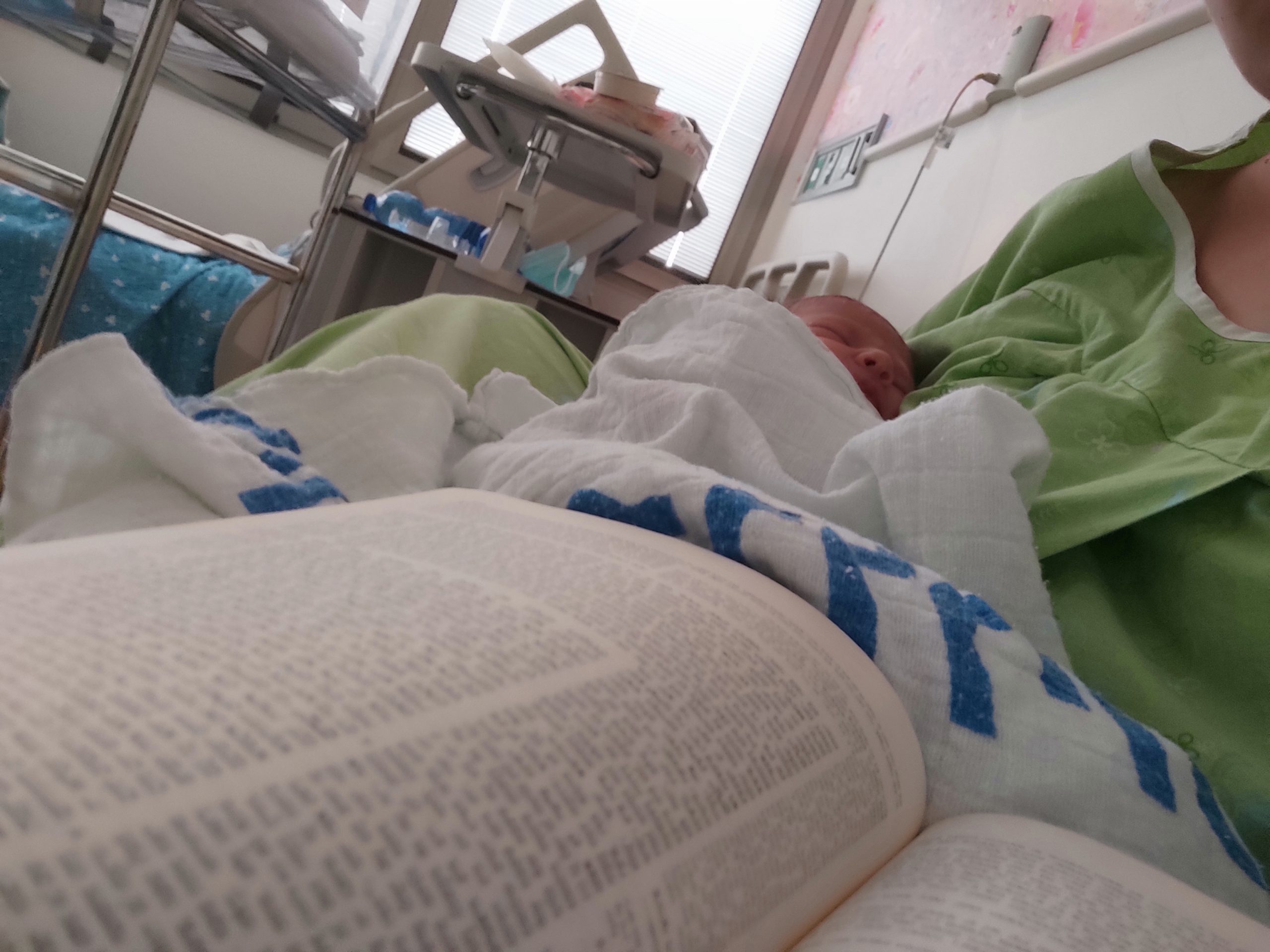
בתחילת הסבב הנוכחי הצטברו אצלי תחושות שאני לא מבינה מספיק מהי ההלכה אותה אני מקיימת בכל יום. כמו כן, כאמא לבנות רציתי לתת להן מודל נשי של לימוד תורה
שתי הסיבות האלו הובילו אותי להתחיל ללמוד. נתקלתי בתגובות מפרגנות וסקרניות איך אישה לומדת גמרא..
כמו שרואים בתמונה אני ממשיכה ללמוד גם היום ואפילו במחלקת יולדות אחרי לידת ביתי השלישית.

Noa Shiloh
נועה שילה

רבבה, ישראל

A life-changing journey started with a Chanukah family tiyul to Zippori, home of the Sanhedrin 2 years ago and continued with the Syum in Binanei Hauma where I was awed by the energy of 3000 women dedicated to learning daf Yomi. Opening my morning daily with a fresh daf, I am excited with the new insights I find enriching my life and opening new and deeper horizons for me.

Becky Goldstein
בקי גולדשטיין

Elazar gush etzion, Israel

למדתי גמרא מכיתה ז- ט ב Maimonides School ואחרי העליה שלי בגיל 14 לימוד הגמרא, שלא היה כל כך מקובל בימים אלה, היה די ספוראדי. אחרי "ההתגלות” בבנייני האומה התחלתי ללמוד בעיקר בדרך הביתה למדתי מפוקקטסים שונים. לאט לאט ראיתי שאני תמיד חוזרת לרבנית מישל פרבר. באיזה שהוא שלב התחלתי ללמוד בזום בשעה 7:10 .
היום "אין מצב” שאני אתחיל את היום שלי ללא לימוד עם הרבנית מישל עם כוס הקפה שלי!!

selfie-scaled
דבי גביר

חשמונאים, ישראל

התחלתי לפני 8 שנים במדרשה. לאחרונה סיימתי מסכת תענית בלמידה עצמית ועכשיו לקראת סיום מסכת מגילה.

Daniela Baruchim
דניאלה ברוכים

רעננה, ישראל

התחלתי ללמוד דף יומי אחרי שחזרתי בתשובה ולמדתי במדרשה במגדל עוז. הלימוד טוב ומספק חומר למחשבה על נושאים הלכתיים ”קטנים” ועד לערכים גדולים ביהדות. חשוב לי להכיר את הגמרא לעומק. והצעד הקטן היום הוא ללמוד אותה בבקיאות, בעזרת השם, ומי יודע אולי גם אגיע לעיון בנושאים מעניינים. נושאים בגמרא מתחברים לחגים, לתפילה, ליחסים שבין אדם לחברו ולמקום ולשאר הדברים שמלווים באורח חיים דתי 🙂

Gaia Divo
גאיה דיבו

מצפה יריחו, ישראל

אחרי שראיתי את הסיום הנשי של הדף היומי בבנייני האומה זה ריגש אותי ועורר בי את הרצון להצטרף. לא למדתי גמרא קודם לכן בכלל, אז הכל היה לי חדש, ולכן אני לומדת בעיקר מהשיעורים פה בהדרן, בשוטנשטיין או בחוברות ושיננתם.

Rebecca Schloss
רבקה שלוס

בית שמש, ישראל

בתחילת הסבב הנוכחי הצטברו אצלי תחושות שאני לא מבינה מספיק מהי ההלכה אותה אני מקיימת בכל יום. כמו כן, כאמא לבנות רציתי לתת להן מודל נשי של לימוד תורה
שתי הסיבות האלו הובילו אותי להתחיל ללמוד. נתקלתי בתגובות מפרגנות וסקרניות איך אישה לומדת גמרא..
כמו שרואים בתמונה אני ממשיכה ללמוד גם היום ואפילו במחלקת יולדות אחרי לידת ביתי השלישית.

Noa Shiloh
נועה שילה

רבבה, ישראל

הצטרפתי ללומדות בתחילת מסכת תענית. ההתרגשות שלי ושל המשפחה היתה גדולה מאוד, והיא הולכת וגוברת עם כל סיום שאני זוכה לו. במשך שנים רבות רציתי להצטרף ומשום מה זה לא קרה… ב”ה מצאתי לפני מספר חודשים פרסום של הדרן, ומיד הצטרפתי והתאהבתי. הדף היומי שינה את חיי ממש והפך כל יום- ליום של תורה. מודה לכן מקרב ליבי ומאחלת לכולנו לימוד פורה מתוך אהבת התורה ולומדיה.

Noa Rosen
נעה רוזן

חיספין רמת הגולן, ישראל

אני לומדת גמרא כעשור במסגרות שונות, ואת הדף היומי התחלתי כשחברה הציעה שאצטרף אליה לסיום בבנייני האומה. מאז אני לומדת עם פודקסט הדרן, משתדלת באופן יומי אך אם לא מספיקה, מדביקה פערים עד ערב שבת. בסבב הזה הלימוד הוא "ממעוף הציפור”, מקשיבה במהירות מוגברת תוך כדי פעילויות כמו בישול או נהיגה, וכך רוכשת היכרות עם הסוגיות ואופן ניתוחם על ידי חז”ל. בע”ה בסבב הבא, ואולי לפני, אצלול לתוכו באופן מעמיק יותר.

Yael Bir
יעל ביר

רמת גן, ישראל

ראיתי את הסיום הגדול בבנייני האומה וכל כך התרשמתי ורציתי לקחת חלק.. אבל לקח לי עוד כשנה וחצי )באמצע מסיכת שבת להצטרף..
הלימוד חשוב לי מאוד.. אני תמיד במרדף אחרי הדף וגונבת כל פעם חצי דף כשהילדים עסוקים ומשלימה אח”כ אחרי שכולם הלכו לישון..

Olga Mizrahi
אולגה מזרחי

ירושלים, ישראל

הייתי לפני שנתיים בסיום הדרן נשים בבנייני האומה והחלטתי להתחיל. אפילו רק כמה דפים, אולי רק פרק, אולי רק מסכת… בינתיים סיימתי רבע שס ותכף את כל סדר מועד בה.
הסביבה תומכת ומפרגנת. אני בת יחידה עם ארבעה אחים שכולם לומדים דף יומי. מדי פעם אנחנו עושים סיומים יחד באירועים משפחתיים. ממש מרגש. מסכת שבת סיימנו כולנו יחד עם אבא שלנו!
אני שומעת כל יום פודקאסט בהליכה או בנסיעה ואחכ לומדת את הגמרא.

Edna Gross
עדנה גרוס

מרכז שפירא, ישראל

התחלתי ללמוד דף יומי ממסכת נידה כי זה היה חומר הלימוד שלי אז. לאחר הסיום הגדול בבנייני האומה החלטתי להמשיך. וב”ה מאז עם הפסקות קטנות של קורונה ולידה אני משתדלת להמשיך ולהיות חלק.

זה משפיע מאוד על היום יום שלי ועל אף שאני עסוקה בלימודי הלכה ותורה כל יום, זאת המסגרת הקבועה והמחייבת ביותר שיש לי.

Moriah Taesan Michaeli
מוריה תעסן מיכאלי

גבעת הראל, ישראל

התחלתי לפני 8 שנים במדרשה. לאחרונה סיימתי מסכת תענית בלמידה עצמית ועכשיו לקראת סיום מסכת מגילה.

Daniela Baruchim
דניאלה ברוכים

רעננה, ישראל

"התחלתי ללמוד דף יומי במחזור הזה, בח’ בטבת תש””ף. לקחתי על עצמי את הלימוד כדי ליצור תחום של התמדה יומיומית בחיים, והצטרפתי לקבוצת הלומדים בבית הכנסת בכפר אדומים. המשפחה והסביבה מתפעלים ותומכים.
בלימוד שלי אני מתפעלת בעיקר מכך שכדי ללמוד גמרא יש לדעת ולהכיר את כל הגמרא. זו מעין צבת בצבת עשויה שהיא עצומה בהיקפה.”

Sarah Fox
שרה פוּקס

כפר אדומים, ישראל

התחלתי ללמוד בסבב הנוכחי לפני כשנתיים .הסביבה מתפעלת ותומכת מאוד. אני משתדלת ללמוד מכל ההסכתים הנוספים שיש באתר הדרן. אני עורכת כל סיום מסכת שיעור בביתי לכ20 נשים שמחכות בקוצר רוח למפגשים האלו.

Yael Asher
יעל אשר

יהוד, ישראל

סיום השס לנשים נתן לי מוטביציה להתחיל ללמוד דף יומי. עד אז למדתי גמרא בשבתות ועשיתי כמה סיומים. אבל לימוד יומיומי זה שונה לגמרי ופתאום כל דבר שקורה בחיים מתקשר לדף היומי.

Fogel Foundation
קרן פוגל

רתמים, ישראל

קידושין סח

אֲפִילּוּ נִדָּה נָמֵי! אַלְּמָה אָמַר אַבָּיֵי: הַכֹּל מוֹדִים בְּבָא עַל הַנִּדָּה וְעַל הַסּוֹטָה, שֶׁאֵין הַוָּלָד מַמְזֵר? אָמַר חִזְקִיָּה: אָמַר קְרָא ״וּתְהִי נִדָּתָהּ עָלָיו״, אֲפִילּוּ בִּשְׁעַת נִדָּתָהּ – תְּהֵא בָּהּ הֲוָיָה.

then even if he betrothed a menstruating woman as well, his betrothal should not be effective and the offspring should be a mamzer, as a menstruating woman is included in the list in that chapter of those with whom sexual intercourse is forbidden. If so, why did Abaye say: All concede with regard to one who engages in intercourse with a menstruating woman or with a sota, a woman forbidden to her husband on suspicion of being unfaithful to him, that the offspring is not a mamzer? Ḥizkiyya said: In the case of a menstruating woman, the verse states: “And her impurity be [ut’hi] upon him” (Leviticus 15:24), from which it is derived that even at the time of her impurity, the type of becoming [havaya] stated with regard to betrothal (see Deuteronomy 24:2) should apply to her. The Gemara is interpreting the connection between the words ut’hi and havaya, as both share the same Hebrew root.

מִכְּדֵי אִיכָּא לְאַקּוֹשַׁהּ לְנִדָּה, וְאִיכָּא לְאַקּוֹשַׁהּ לַאֲחוֹת אִשָּׁה, מַאי חָזֵית דְּמַקְּשַׁתְּ לְהוּ לַאֲחוֹת אִשָּׁה? אַקְּשַׁהּ לְנִדָּה! קוּלָּא וְחוּמְרָא – לְחוּמְרָא מַקְּשִׁינַן.

The Gemara asks: After all, there is the possibility of juxtaposing all other forbidden relatives to a menstruating woman, and there is also the possibility of juxtaposing them to a wife’s sister. What did you see that you juxtaposed them to a wife’s sister? Why not juxtapose them instead to a menstruating woman? The Gemara answers: When there is an option of juxtaposing a case in a manner that leads to a leniency, or juxtaposing it to a halakha that entails a stringency, we juxtapose it in a fashion that leads to a stringency.

רַב אַחָא בַּר יַעֲקֹב אָמַר: אָתְיָא בְּקַל וָחוֹמֶר מִיבָמָה: וּמָה יְבָמָה, שֶׁהִיא בְּלָאו – לָא תָּפְסִי בָּהּ קִידּוּשִׁין, חַיָּיבֵי מִיתוֹת וְחַיָּיבֵי כָרֵיתוֹת לֹא כׇּל שֶׁכֵּן? אִי הָכִי, שְׁאָר חַיָּיבֵי לָאוִין נָמֵי!

Rav Aḥa bar Ya’akov said that there is a different source for the halakha that betrothal is ineffective with forbidden relatives: This principle is derived by means of an a fortiori inference from the case of a yevama: Just as a yevama, before she is released from the yavam through ḥalitza, is forbidden by a mere prohibition, which entails lashes, and yet betrothal is not effective with her, with regard to those people with whom sexual intercourse renders one liable to receive the death penalty or liable to be punished with karet, is it not all the more so the case that betrothal should not be effective in these cases? The Gemara asks: If so, meaning that this is the source, one should also derive that betrothal is ineffective with any other people with whom one is only liable for violating a prohibition of engaging in intercourse, by means of the same analogy.

אָמַר רַב פָּפָּא: חַיָּיבֵי לָאוִין בְּהֶדְיָא כְּתִיב בְּהוּ – ״כִּי תִהְיֶיןָ לְאִישׁ שְׁתֵּי נָשִׁים הָאַחַת אֲהוּבָה וְהָאַחַת שְׂנוּאָה״, וְכִי יֵשׁ שְׂנוּאָה לִפְנֵי הַמָּקוֹם וַאֲהוּבָה לִפְנֵי הַמָּקוֹם? אֶלָּא: ״אֲהוּבָה״ – אֲהוּבָה בְּנִישּׂוּאֶיהָ, ״שְׂנוּאָה״ – שְׂנוּאָה בְּנִישּׂוּאֶיהָ. וְקָאָמַר רַחֲמָנָא: ״כִּי תִהְיֶיןָ״.

Rav Pappa says: It is written explicitly in the Torah that a man can betroth women with whom he is liable for violating ordinary prohibitions of intercourse. The Torah states in a different context: “If a man has two wives, the one beloved and the one hated” (Deuteronomy 21:15). Rav Pappa asks rhetorically: But is there one who is hated before the Omnipresent and one who is beloved before the Omnipresent? Rather, “beloved” means beloved in her marriage, i.e., her marriage is permitted; “hated” means hated in her marriage, i.e., her marriage involves the violation of a prohibition. And despite the fact that the latter marriage is between a man and a woman who are forbidden to one another, their union still has the status of a marriage, as the Merciful One states: “If a man has two wives,” i.e., he is married to both of them.

וּלְרַבִּי עֲקִיבָא דְּאָמַר: אֵין קִידּוּשִׁין תּוֹפְסִין בְּחַיָּיבֵי לָאוִין, ״כִּי תִהְיֶיןָ״ בְּמַאי מוֹקֵים? בְּאַלְמָנָה לְכֹהֵן גָּדוֹל, וּכְרַבִּי סִימַאי.

The Gemara asks: And according to the opinion of Rabbi Akiva, who says: Betrothal does not take effect even with those women with whom one is only liable for violating a prohibition of engaging in intercourse, with regard to what case does he establish the verse: “If a man has two wives”? The Gemara answers: He explains that this verse is referring to a widow married to a High Priest, and this is in accordance with the opinion of Rabbi Simai.

דְּתַנְיָא, רַבִּי סִימַאי אוֹמֵר: מִן הַכֹּל הָיָה רַבִּי עֲקִיבָא עוֹשֶׂה מַמְזֵר חוּץ מֵאַלְמָנָה לְכֹהֵן גָּדוֹל, שֶׁהֲרֵי אָמְרָה תּוֹרָה: ״לֹא יְחַלֵּל״ – חִילּוּלִים עוֹשֶׂה, וְאֵין עוֹשֶׂה מַמְזֵרוּת.

As it is taught in a baraita that Rabbi Simai says: From all relationships that involve prohibitions, Rabbi Akiva would render the offspring a mamzer, except for the marriage of a widow to a High Priest, as the Torah said: “And he shall not profane [yeḥallel]” (Leviticus 21:15), which teaches that he renders them profane [ḥillulim], i.e., his children from this marriage are ḥalalim, but he does not render them labeled with mamzer status.

וּלְרַבִּי יְשֵׁבָב, דְּאָמַר: בּוֹאוּ וְנִצְוַוח עַל עֲקִיבָא בֶּן יוֹסֵף שֶׁהָיָה אוֹמֵר: כֹּל שֶׁאֵין לוֹ בִּיאָה בְּיִשְׂרָאֵל – הַוָּלָד מַמְזֵר? הָנִיחָא לְרַבִּי יְשֵׁבָב אִי לְאַפּוֹקֵי מִדְּרַבִּי סִימַאי קָאָתֵי – שַׁפִּיר.

The Gemara asks: And what can be said according to the opinion of Rabbi Yeshevav, who says: Come, let us shout at Akiva ben Yosef, who would say: In every case where a Jew may not engage in intercourse with a particular woman, and he does so, the offspring that results from this union is a mamzer, even the child of a widow and a High Priest? This works out well even according to the opinion of Rabbi Yeshevav if he comes to exclude the reason of Rabbi Simai, i.e., if he means to take issue with the ruling of Rabbi Akiva in the specific case mentioned by Rabbi Simai, that of a widow married to a High Priest, then Rabbi Yeshevav too concedes that according to the opinion of Rabbi Akiva, betrothal does take effect in a case where a positive mitzva is violated by the betrothal. Accordingly, one can establish the phrase “and the one hated” (Deuteronomy 21:15) as referring to those whose marriage entailed the violation of a positive mitzva.

אֶלָּא אִי טַעְמָא דְנַפְשֵׁיהּ קָאָמַר, וַאֲפִילּוּ חַיָּיבֵי עֲשֵׂה, בְּמַאי מוֹקֵים לַהּ?

But if he states a reasoning of his own, i.e., he states an independent statement critical of Rabbi Akiva’s ruling that the child of any illicit union is a mamzer, and it is a categorical statement that applies to all illicit unions, even those liable for violating a positive mitzva, i.e., Rabbi Akiva holds that even the offspring of this relationship is a mamzer, with regard to what case does he interpret the “hated” woman of the above verse?

בִּבְעוּלָה לְכֹהֵן גָּדוֹל. וּמַאי שְׁנָא? מִשּׁוּם דְּהָוֵי לֵיהּ עֲשֵׂה שֶׁאֵין שָׁוֶה בַּכֹּל.

The Gemara answers: Rabbi Yeshevav would say that the verse is referring to a non-virgin married to a High Priest, as there is a positive mitzva that a High Priest should marry a virgin. The Gemara asks: And in what way is this case different from the previous ones? If Rabbi Yeshevav holds that a child born of any act of intercourse prohibited by a positive mitzva is a mamzer, the marriage of a non-virgin to a High Priest likewise involves the violation of a positive mitzva. The Gemara answers: Because it is a positive mitzva that is not equally applicable to all, and since this command applies only to a High Priest and not to other Jews, its violation is considered less severe than that of other positive mitzvot.

וְרַבָּנַן, אַדְּמוֹקֵי לַהּ בְּחַיָּיבֵי לָאוִין, נוֹקְמַהּ בְּחַיָּיבֵי עֲשֵׂה!

The Gemara asks: And with regard to the Rabbis, who disagree with Rabbi Akiva’s opinion, rather than establishing the verse: “If a man has two wives, the one beloved and the one hated” (Deuteronomy 21:15), as referring to those who are liable for violating prohibitions, let them establish it as referring to those liable for violating a positive mitzva. In other words, betrothal should not be effective if it involves the violation of a prohibition. And as for the “hated” woman whose marriage is nevertheless valid, mentioned in that verse, this is referring to one whose engaging in sexual intercourse violates a positive mitzva.

הָנֵי חַיָּיבֵי עֲשֵׂה, בְּמַאי נִינְהוּ? אִי שְׁתֵּיהֶן מִצְרִיּוֹת – שְׁתֵּיהֶן שְׂנוּאוֹת, אִי אַחַת מִצְרִית וְאַחַת יִשְׂרְאֵלִית – שְׁתֵּי נָשִׁים מֵעַם אֶחָד בָּעֵינַן, אִי בְּעוּלָה לְכֹהֵן גָּדוֹל – מִי כְּתִיב ״תִּהְיֶיןָ לְכֹהֵן״?

The Gemara responds: These cases where they are liable for violating a positive mitzva, what are they? If you say that both wives are Egyptian converts, they are both hated, as both marriages are prohibited. If you claim that one is an Egyptian woman and the other a Jewish woman of unflawed lineage, this cannot be the case, as we require “two wives” from the same nation, since the Torah equates the two women. If the hated one is a non-virgin married to a High Priest, this too is problematic, as, is it written: If a priest has two wives? The verse merely says: “If a man has two wives.” Consequently, the verse cannot be interpreted as referring to those who are liable for violating a positive mitzva.

וְרַבִּי עֲקִיבָא? בְּעַל כּוּרְחֵיךְ שִׁבְקֵיהּ לִקְרָא דְּהָוֵי דָּחֵיק, וּמוֹקֵי אַנַּפְשֵׁיהּ.

The Gemara asks: But according to the opinion of Rabbi Akiva, that betrothal that involves a prohibition does not take effect, this verse can be referring only to a non-virgin who marries a High Priest, or marriage to a female Egyptian convert, which involve the violation of positive mitzvot. Can the verse really be interpreted as concerning such unlikely cases? The Gemara answers: You are forced to leave this verse aside, as it establishes itself as dealing with a difficult case. In other words, as Rabbi Akiva claims that betrothal is ineffective if any prohibition is involved, he has no choice but to explain the verse that says: “If a man has two wives,” in this forced manner.

וְכׇל מִי שֶׁאֵין לָהּ עָלָיו וְכוּ׳. שִׁפְחָה כְּנַעֲנִית מְנָלַן? אָמַר רַב הוּנָא: אָמַר קְרָא: ״שְׁבוּ לָכֶם פֹּה עִם הַחֲמוֹר״ – עַם הַדּוֹמֶה לַחֲמוֹר. אַשְׁכְּחַן דְּלָא תָּפְסִי בַּהּ קִדּוּשֵׁי,

§ The mishna teaches: And in any case where a woman cannot join in betrothal with him or with others, the offspring is like her. This ruling refers specifically to a Canaanite maidservant or a gentile woman. The Gemara asks: From where do we derive that betrothal with a Canaanite maidservant is ineffective? Rav Huna says: The verse states that Abraham commanded his slaves: “You abide here with [im] the donkey” (Genesis 22:5), which alludes to the fact that his slaves belong to a nation [am] similar to a donkey; just as betrothal is ineffective with animals, it is likewise ineffective with Canaanite maidservants. The Gemara comments: We have found that betrothal is ineffective with a Canaanite maidservant;

וְלָדָהּ כְּמוֹתָהּ מְנָלַן? דְּאָמַר קְרָא: ״הָאִשָּׁה וִילָדֶיהָ תִּהְיֶה לַאדֹנֶיהָ״.

from where do we derive that her offspring is like her? The Gemara answers: As the verse states with regard to a Hebrew slave who marries a Canaanite maidservant: “The wife and her children shall be her master’s” (Exodus 21:4). This indicates that the offspring of a Canaanite maidservant and a Hebrew slave are slaves, as she is.

נׇכְרִית מְנָלַן? אָמַר קְרָא: ״לֹא תִתְחַתֵּן בָּם״. אַשְׁכַּחְנָא דְּלָא תָּפְסִי בַּהּ קִידּוּשֵׁי, וְלָדָהּ כְּמוֹתָהּ מְנָלַן?

§ The Gemara asks: From where do we derive that betrothal with a gentile woman is ineffective? The verse states: “Neither shall you make marriages with them” (Deuteronomy 7:3), which teaches that marrying gentile women is halakhically meaningless. The Gemara asks: We have found that betrothal is ineffective with her; from where do we derive that her offspring is like her?

אָמַר רַבִּי יוֹחָנָן מִשּׁוּם רַבִּי שִׁמְעוֹן בֶּן יוֹחַי: דְּאָמַר קְרָא: ״כִּי יָסִיר אֶת בִּנְךָ מֵאַחֲרַי״ – בִּנְךָ הַבָּא מִיִּשְׂרְאֵלִית קָרוּי בִּנְךָ, וְאֵין בִּנְךָ הַבָּא מִן הַנׇּכְרִית קָרוּי בִּנְךָ, אֶלָּא בְּנָהּ.

Rabbi Yoḥanan says in the name of Rabbi Shimon ben Yoḥai: As the verse states with regard to the same issue: “Your daughter you shall not give to his son…for he will turn away your son from following Me” (Deuteronomy 7:3–4). Since the verse is concerned that after one’s daughter marries a gentile, the father will lead his children away from the service of God, this indicates that your son, i.e., your grandson, from a Jewish woman is called “your son” by the Torah, but your son from a gentile woman is not called your son, but her son.

אָמַר רָבִינָא: שְׁמַע מִינַּהּ: בֶּן בִּתְּךָ הַבָּא מִן הַנׇּכְרִי – קָרוּי בִּנְךָ. נֵימָא קָסָבַר רָבִינָא נׇכְרִי וְעֶבֶד הַבָּא עַל בַּת יִשְׂרָאֵל – הַוָּלָד מַמְזֵר?

Ravina said: Learn from it that the son of your daughter, born to a gentile, is called your son in all regards. The Gemara asks: Shall we say that Ravina holds that with regard to a gentile or a Canaanite slave who engaged in sexual intercourse with a Jewish woman, the offspring is a mamzer? One can infer from the fact that the offspring of this union is called “your son” that he is a Jew, and therefore the principle stated in the mishna should apply: If a woman cannot join in betrothal with someone, their child is a mamzer.

נְהִי דְּכָשֵׁר לָא הָוֵי, מַמְזֵר לָא הָוֵי, פָּסוּל מִיקְּרֵי.

The Gemara rejects this suggestion: Although he is not a fit offspring, he is also not a mamzer. Rather, he is merely called disqualified. Since betrothal is inapplicable to a gentile, a gentile is not included in the category of someone with whom a Jewish woman cannot personally join in betrothal, as no Jewish women can be betrothed to him. Nevertheless, as their child’s birth is the result of a transgression, he is considered disqualified.

הָהוּא בְּשִׁבְעָה גּוֹיִם כְּתִיב, שְׁאָר אוּמּוֹת מְנָלַן? אָמַר קְרָא: ״כִּי יָסִיר אֶת בִּנְךָ״ – לְרַבּוֹת כׇּל הַמְּסִירִים.

The Gemara asks a question with regard to Rabbi Yoḥanan’s statement. That verse: “Neither shall you make marriages with them” (Deuteronomy 7:3), is written with regard to the seven nations of Canaan. From where do we derive that betrothal does not take effect with the other nations? The Gemara answers: The verse states as a reason for prohibiting intermarriages: “For he will turn away your son from following Me,” which serves to include all those who might turn a child away, no matter from which nation.

הָנִיחָא לְרַבִּי שִׁמְעוֹן, דְּדָרֵישׁ טַעְמָא דִּקְרָא. אֶלָּא לְרַבָּנַן, מַאי טַעְמָא?

The Gemara asks: This works out well according to the opinion of Rabbi Shimon, who expounds the reason for the mitzvot of the verse and rules accordingly. Since the reason is that the gentile might turn away the son’s heart, there should be no distinction between the Canaanite nations and other gentiles. But according to the opinion of the Rabbis, who do not expound the reason for the mitzvot of the verse and rule accordingly, since the verse mentions only the Canaanite nations, what is the reason, the source for the prohibition, with regard to the other nations?

אָמַר קְרָא: ״וְאַחַר כֵּן תָּבוֹא אֵלֶיהָ וּבְעַלְתָּהּ וְגוֹ׳״ – מִכְּלָל דְּמֵעִיקָּרָא לָא תָּפְסִי בַּהּ קִידּוּשִׁין.

The Gemara answers: The verse states with regard to a beautiful captive woman: “And after that you may go in to her and be her husband, and she shall be your wife” (Deuteronomy 21:13). One can derive from here by inference that at the outset, before she became a Jew, betrothal would not take effect with her, despite the fact that he had already brought her into his house, and according to some opinions, had even engaged in sexual intercourse with her.

אַשְׁכְּחַן דְּלָא תָּפְסִי בַּהּ קִידּוּשִׁין, וְלָדָהּ כְּמוֹתָהּ מְנָלַן? אָמַר קְרָא: ״כִּי תִהְיֶיןָ לְאִישׁ… וְיָלְדוּ לוֹ״ – כֹּל הֵיכָא דְּקָרֵינַן בֵּיהּ ״כִּי תִּהְיֶינָה״, קָרֵינַן בֵּיהּ ״וְיָלְדוּ לוֹ״. וְכֹל הֵיכָא דְּלָא קָרֵינַן בֵּיהּ ״כִּי תִּהְיֶינָה״ – לָא קָרֵינַן בֵּיהּ ״וְיָלְדוּ לוֹ״.

The Gemara asks another question: We found a source for the halakha that betrothal is ineffective with her; from where do we derive that her child is like her? The Gemara answers that the verse states: “If a man has two wives, the one beloved and the one hated, and they have borne him children” (Deuteronomy 21:15), from which it is derived: Anywhere that we read: “If he has,” i.e., that a woman can be betrothed, we also read: “And they have borne him,” meaning that their children follow his lineage. And anywhere that we do not read: “If he has,” we likewise do not read: “And they have borne him,” as the offspring inherit their mother’s status.

אִי הָכִי, שִׁפְחָה נָמֵי! אִין הָכִי נָמֵי. אֶלָּא ״הָאִשָּׁה וִילָדֶיהָ תִּהְיֶה לַאדֹנֶיהָ״ לְמָה לִי? לְכִדְתַנְיָא:

The Gemara asks: If so, one should learn from here with regard to a Canaanite maidservant too, that her child is like her, which means that the earlier proof from the verse: “The wife and her children” (Exodus 21:4), is not necessary. The Gemara answers: Yes, it is indeed so; this source also teaches the halakha that the offspring of a maidservant is like her. The Gemara asks: But if so, why do I need the verse “The wife and her children shall be her master’s”? This verse apparently teaches nothing new with regard to the halakhot of lineage. The Gemara answers: It is required for that which is taught in a baraita:

רוצה לעקוב אחרי התכנים ולהמשיך ללמוד?

ביצירת חשבון עוד היום ניתן לעקוב אחרי ההתקדמות שלך, לסמן מה למדת, ולעקוב אחרי השיעורים שמעניינים אותך.

לנקות את כל הפריטים מהרשימה?

פעולה זו תסיר את כל הפריטים בחלק זה כולל ההתקדמות וההיסטוריה. שימי לב: לא ניתן לשחזר פעולה זו.

ביטול
מחיקה

האם את/ה בטוח/ה שברצונך למחוק פריט זה?

תאבד/י את כל ההתקדמות או ההיסטוריה הקשורות לפריט זה.

ביטול
מחיקה