חיפוש

נזיר כט

רוצה להקדיש שיעור?

podcast placeholder

0:00
0:00


תקציר

הלימוד השבוע מוקדש על ידי פיליס הכט לע”נ אביה, הרב ירחמיאל בנימין בן זלמן צבי וויטקין. חבר לכולן, אהב לתת לאחרים והיה שמח בחלקו.

למה גבר יכול להדיר את בנו להיות לנזיר אבל אשה לא יכולה? רבי יוחנן אומר שזו הלכה למשה מסיני. ריש לקיש אומר שזה חלק מחובת החינוך של האב על בנו. שבע שאלות מובאות נגד דעת ריש לקיש וביניהן, מדוע לא תהיה חייבת גם אישה לחנך את שנה, מדוע אב לא יכול להדיר את בתו, וכיצד יכולים הקרובים למחות על חינוך האב לבנו. בתשובה לשאלה השביעית, מניחה הגמרא שריש לקיש סובר כרבי יוסי ברבי יהודה שלפי דין תורה אין צורך לשחוט עופות. נשאלת שאלה נגד זה כפי שנראה ממקור אחר שרבי יוסי בן רבי יהודה אכן סובר שעופות צריכות שחיטה ראויה לפי דין תורה. אבל, בסופו של דבר, ניתן להסביר שהמקור השני התייחס לחיוב מדרבנן. מציעים שהמחלוקת בין רבי יוחנן לריש לקיש היא גם מחלוקת בין תנאים – בין רבי ורבי יוסי ברבי יהודה בנוגע לגיל הבן שבו אב כבר אינו יכול עוד להדירו כנזיר. אבל הצעה זו נדחית. אז מוכיחים שהמחלוקת בין רבי לרבי יוסי ברבי יהודה זה אותה מחלוקת שיש בין רבן גמליאל ורבי יוסי כפי שנמצא בתוספתא נידה ה:ו.

נזיר כט

אָמַר רֵישׁ לָקִישׁ: כְּדֵי לְחַנְּכוֹ בְּמִצְוֹת. אִי הָכִי, אֲפִילּוּ אִשָּׁה נָמֵי! סָבַר: אִישׁ חַיָּיב לְחַנֵּךְ בְּנוֹ בְּמִצְוֹת, וְאֵין הָאִשָּׁה חַיֶּיבֶת לְחַנֵּךְ אֶת בְּנָהּ.

said that Reish Lakish said: The purpose is in order to educate him in mitzvot, to teach him how to observe the mitzva of naziriteship. The Gemara asks: If so, even a woman as well should be able to impose naziriteship on her son for educational purposes. The Gemara answers: Reish Lakish holds that a man is obligated to educate his son in mitzvot, but a woman is not obligated to educate her son in mitzvot.

בִּשְׁלָמָא לְרַבִּי יוֹחָנָן, דְּאָמַר: הֲלָכָה הִיא בְּנָזִיר, אַמְּטוּ לְהָכִי: בְּנוֹ — אִין, בִּתּוֹ — לָא. אֶלָּא לְרֵישׁ לָקִישׁ, אֲפִילּוּ בִּתּוֹ! קָסָבַר: בְּנוֹ — חַיָּיב לְחַנְּכוֹ, בִּתּוֹ — אֵינוֹ חַיָּיב לְחַנְּכָהּ.

The Gemara asks: Granted, according to the opinion of Rabbi Yoḥanan, who said it is a halakha transmitted to Moses from Sinai with regard to a nazirite, for that reason one can understand the ruling of the mishna, which indicates that for his son, yes, a father can vow that he should be a nazirite, but with regard to his daughter, no, he cannot do so, as a halakha learned by tradition cannot be questioned. However, according to the opinion of Reish Lakish, a father should even be able to impose naziriteship upon his daughter for the sake of her education. Why does the mishna specify a son? The Gemara answers that Reish Lakish holds: A father is obligated to educate his son, whereas he is not obligated to educate his daughter, and for this reason he cannot vow that she should be a nazirite.

בִּשְׁלָמָא לְרַבִּי יוֹחָנָן, דְּאָמַר: הֲלָכָה הִיא בְּנָזִיר, אַהָכִי: בִּנְזִירוּת — אִין, בִּנְדָרִים — לָא. אֶלָּא לְרֵישׁ לָקִישׁ — אֲפִילּוּ נְדָרִים נָמֵי!

The Gemara asks another question: Granted, according to the opinion of Rabbi Yoḥanan, who said that it is a halakha with regard to a nazirite, this is why the mishna indicates that with regard to naziriteship, yes, a father can impose a vow upon his son, but with regard to other vows, no, he cannot do so. However, according to the opinion of Reish Lakish, who says it is for the son’s education, a father should even be able to impose regular vows upon him as well. Why does the mishna specify naziriteship?

לָא מִיבַּעְיָא קָאָמַר: לָא מִיבַּעְיָא בִּנְדָרִים, דְּלֵית לֵיהּ נִיוּוּל, אֶלָּא אֲפִילּוּ בִּנְזִירוּת, דְּאִית לֵיהּ נִיוּוּל — אֲפִילּוּ הָכִי חַיָּיב לְחַנְּכוֹ.

The Gemara answers: According to Reish Lakish the tanna of this mishna is speaking utilizing the style of: It is not necessary, as follows: It is not necessary to ask whether a father can impose regular vows of a mitzva where there is no deprivation of the son when he fulfills his father’s vow, but even with regard to naziriteship, where there is deprivation of his son, as the son must refrain from wine and shaving, even so the father is obligated to educate him, and therefore he can vow in this manner too.

בִּשְׁלָמָא לְרַבִּי יוֹחָנָן, דְּאָמַר: הֲלָכָה הִיא בְּנָזִיר, הַיְינוּ דְּקָתָנֵי: מִיחָה אוֹ שֶׁמִּיחוּהוּ קְרוֹבָיו.

The Gemara asks another question: Granted, according to the opinion of Rabbi Yoḥanan, who said it is a halakha transmitted to Moses from Sinai with regard to a nazirite, this explanation is consistent with that which the mishna teaches: If he objected, or his relatives objected for him, the naziriteship is canceled, as the transmitted halakha may be that the acquiescence of the relatives is necessary.

אֶלָּא לְרַבִּי יוֹסֵי בְּרַבִּי חֲנִינָא אָמַר רֵישׁ לָקִישׁ, כׇּל כְּמִינֵיהוֹן קְרוֹבִים דְּאָמְרִין לֵיהּ: לָא תַּיגְמְרֵיהּ מִצְוֹת?! קָסָבַר: כֹּל חִינּוּךְ דְּלָא חֲשִׁיב — לָא נִיחָא לֵיהּ.

The Gemara continues its question: However, according to the opinion of Rabbi Yosei, son of Rabbi Ḥanina, who said that Reish Lakish said that this vow serves educational purposes, is this really in the power of the relatives to say to the father: Do not teach him mitzvot? The Gemara answers: Reish Lakish holds that with regard to any education that is not important, e.g., the optional mitzva of naziriteship, the son is not amenable to the suffering he must endure for this purpose, and therefore he or his relatives can object.

בִּשְׁלָמָא לְרַבִּי יוֹחָנָן, דְּאָמַר: הֲלָכָה הִיא בְּנָזִיר, מִשּׁוּם הָכִי מְגַלֵּחַ וְעָבֵיד הַקָּפָה.

The Gemara raises a further difficulty: Granted, according to the opinion of Rabbi Yoḥanan, who said it is a halakha with regard to a nazirite, it is due to that reason that the son must shave all of his hair at the conclusion of his naziriteship, despite the fact that he thereby performs the rounding of the corners of his head, in violation of the prohibition: “You shall not round the corners of your heads” (Leviticus 19:27). Since a halakha transmitted to Moses from Sinai has the status of Torah law, a minor nazirite shaves despite this prohibition.

אֶלָּא לְרַבִּי יוֹסֵי בְּרַבִּי חֲנִינָא אָמַר רֵישׁ לָקִישׁ כְּדֵי לְחַנְּכוֹ בְּמִצְוֹת, הָא קָעָבֵיד הַקָּפָה!

The Gemara continues its question: However, according to the opinion of Rabbi Yosei, son of Rabbi Ḥanina, who said that Reish Lakish said that the reason the vow of naziriteship takes effect is in order to educate him in mitzvot, and it applies only by rabbinic law, how does he explain the fact that this nazirite performs the rounding of the head? How does a naziriteship, which is by rabbinic law, override a Torah prohibition?

קָסָבַר: הַקָּפַת כׇּל הָרֹאשׁ מִדְּרַבָּנַן, וְחִינּוּךְ מִדְּרַבָּנַן. וְאָתֵי חִינּוּךְ דְּרַבָּנַן, וְדָחֵי הַקָּפָה דְּרַבָּנַן.

The Gemara answers: Reish Lakish holds that the rounding of the entire head is prohibited only by rabbinic law, as the Torah itself prohibited shaving only the corners of the head, and the mitzva of education also applies by rabbinic law. And therefore the mitzva of education, which is by rabbinic law, comes and overrides the prohibition against rounding the head, which likewise applies by rabbinic law.

בִּשְׁלָמָא לְרַבִּי יוֹחָנָן, דְּאָמַר: הֲלָכָה הִיא בְּנָזִיר, אַהָכִי מְגַלֵּחַ מַיְיתֵי קׇרְבָּן.

The Gemara continues to ask along the same lines: Granted, according to the opinion of Rabbi Yoḥanan, who said it is a halakha with regard to a nazirite, this is why when he shaves at the conclusion of his naziriteship he brings an offering, as the halakha is that the minor is a nazirite in all regards, which means his offering is obligatory, like that of an adult nazirite.

אֶלָּא לְרַבִּי יוֹסֵי בְּרַבִּי חֲנִינָא אָמַר רֵישׁ לָקִישׁ, כְּדֵי לְחַנְּכוֹ בְּמִצְוֹת — הָא קָא מַיְיתֵי חוּלִּין לָעֲזָרָה! קָסָבַר: חוּלִּין בַּעֲזָרָה לָאו דְּאוֹרָיְיתָא.

The Gemara continues its question: However, according to the opinion of Rabbi Yosei, son of Rabbi Ḥanina, who said that Reish Lakish said that the reason is in order to educate him in mitzvot, the minor’s offering is not a Torah obligation, which means that he brings non-sacred animals into the Temple courtyard for slaughter. The Gemara answers: Reish Lakish holds that the prohibition against slaughtering non-sacred animals in the Temple courtyard does not apply by Torah law but by rabbinic law, and therefore this prohibition is disregarded due to the importance of the son’s education.

בִּשְׁלָמָא לְרַבִּי יוֹחָנָן, דְּאָמַר: הֲלָכָה הִיא בְּנָזִיר, אַהָכִי כִּי מִיטַּמֵּא מַיְיתֵי קׇרְבַּן צִיפֳּרִין, וְאָכֵיל כֹּהֵן מְלִיקָה.

The Gemara asks yet another question: Granted, according to the opinion of Rabbi Yoḥanan, who said it is a halakha with regard to a nazirite, this is why when the son becomes ritually impure he brings an offering of birds, and the priest may eat the bird sin-offering that was killed by means of pinching, nipping the neck of the bird, rather than by regular slaughter. This permits a bird to be eaten only in the case of a proper bird offering.

אֶלָּא לְרַבִּי יוֹסֵי בְּרַבִּי חֲנִינָא אָמַר רֵישׁ לָקִישׁ, הָא קָאָכֵיל נְבֵילָה!

The Gemara continues its question: However, according to the opinion of Rabbi Yosei, son of Rabbi Ḥanina, who said that Reish Lakish said that the reason the vow takes effect is to educate the son in mitzvot, in this case the priest eats an unslaughtered animal carcass. If the son is not obligated to bring the offering, the priest will be eating a bird that was killed in a manner that does not render it fit for consumption, which means it has the status of an unslaughtered carcass.

קָסָבַר כְּרַבִּי יוֹסֵי בְּרַבִּי יְהוּדָה, דְּאֵין שְׁחִיטָה לָעוֹף מִן הַתּוֹרָה. וְחוּלִּין בַּעֲזָרָה לָאו דְּאוֹרָיְיתָא.

The Gemara answers: Reish Lakish holds in accordance with the opinion of Rabbi Yosei, son of Rabbi Yehuda, who holds that slaughter of a bird is not obligatory by Torah law. Rather, by Torah law birds are fit to be eaten no matter how they are killed, and it was the Sages who decreed that they must be slaughtered. And he also maintains that the prohibition against bringing non-sacred animals for slaughter in the Temple courtyard does not apply by Torah law. Consequently the rabbinic mitzva of education overrides these prohibitions, as they too are rabbinic.

וְסָבַר רַבִּי יוֹסֵי הָכִי? וְהָתַנְיָא, רַבִּי יוֹסֵי בְּרַבִּי יְהוּדָה אוֹמֵר: מִנַּיִן לְחַטַּאת הָעוֹף שֶׁהִיא בָּאָה עַל הַסָּפֵק שֶׁאֵינָהּ נֶאֱכֶלֶת — תַּלְמוּד לוֹמַר: ״וְהַזָּב אֶת זוֹבוֹ לַזָּכָר וְלַנְּקֵבָה״, מַקִּישׁ נְקֵבָה לְזָכָר: מָה זָכָר מֵבִיא קׇרְבָּן עַל הַוַּדַּאי — אַף נְקֵבָה מְבִיאָה קׇרְבָּן עַל הַוַּדַּאי, וּמָה זָכָר מֵבִיא עַל הַסָּפֵק — אַף נְקֵבָה מְבִיאָה עַל הַסָּפֵק.

The Gemara asks: And does Rabbi Yosei hold this opinion? But isn’t it taught in a baraita that Rabbi Yosei, son of Rabbi Yehuda, says: From where is it derived that the bird sin-offering that comes due to uncertainty is not eaten? The verse states: “And they who have an issue, whether a male or a female” (Leviticus 15:33), which juxtaposes a female to a male: Just as a male brings an offering for a definite sin, i.e., for a transgression he is sure he committed inadvertently, so too, a female brings an offering for a definite sin. And just as a male brings a provisional guilt-offering for his uncertain transgression, so too, a female brings an offering for her case of uncertainty.

וּמָה זָכָר, מִמִּין שֶׁהוּא מֵבִיא עַל הַוַּדַּאי מֵבִיא עַל הַסָּפֵק — אַף נְקֵבָה מִמִּין שֶׁהִיא מְבִיאָה עַל הַוַּדַּאי מְבִיאָה עַל הַסָּפֵק. אִי: מָה זָכָר מֵבִיא קׇרְבָּן וְנֶאֱכָל — אַף נְקֵבָה מְבִיאָה קׇרְבָּן וְנֶאֱכָל! אָמַרְתָּ:

And furthermore: Just as a male brings an animal for his uncertain transgression, a ram as a guilt-offering, from the same type from which he brings a definite sin-offering, an animal sin-offering, so too, a female brings the same type for her case of uncertainty from the same type from which she brings for a definite offering, i.e., a bird if she is a zava or gave birth. This leads to the following question: If so, one can continue this line of thought: Just as a male brings an offering and it is eaten, so too, a female brings an offering and it should be eaten when she sacrifices an offering for uncertain childbirth. With regard to this case you say:

לֹא, אִם אָמַרְתָּ בְּזָכָר — שֶׁכֵּן אִיסּוּר אֶחָד, תֹּאמַר בִּנְקֵבָה — שֶׁשְּׁנֵי אִיסּוּרִין.

No, you cannot make this claim, because if you say that this is true with regard to a male, when bringing his offering involves only one uncertain prohibition, i.e., that he might be bringing non-sacred animals into the Temple courtyard, shall you also say that this is the case with regard to a female, whose case includes two prohibitions? This concludes the baraita.

מַאי שְׁנֵי אִיסּוּרִין? לָאו אִיסּוּר נְבֵילָה וְחוּלִּין בַּעֲזָרָה? מַתְקֵיף לַהּ רַב אַחָא בְּרֵיהּ דְּרַב אִיקָא: וְדִילְמָא מִיחַיַּיב עֲלֵיהּ, מִשּׁוּם דְּמִיתְחֲזֵי כִּתְרֵין אִיסּוּרִין מִדְּרַבָּנַן!

The Gemara asks: What are these two prohibitions? Are they not the prohibition against consuming an unslaughtered animal carcass by eating a bird killed by pinching, and the prohibition against bringing non-sacred animals into the Temple courtyard? This shows that the prohibition against bringing non-sacred animals into the Temple courtyard applies by Torah law according to the opinion of Rabbi Yosei, son of Rabbi Yehuda. Rav Aḥa, son of Rav Ika, objects to this: And perhaps one is not liable for these prohibitions by Torah law, rather, the baraita means that one is liable for this because it appears like two Torah prohibitions, although they actually apply only by rabbinic law.

לֵימָא כְּתַנָּאֵי: עַד מָתַי מַדִּיר אֶת בְּנוֹ בְּנָזִיר — עַד שֶׁיָּבִיא שְׁתֵּי שְׂעָרוֹת, דִּבְרֵי רַבִּי. רַבִּי יוֹסֵי בְּרַבִּי יְהוּדָה אוֹמֵר: עַד שֶׁיַּגִּיעַ לְעוֹנַת נְדָרִים.

§ The Gemara returns to the question of whether the ruling that a man can impose naziriteship on his son is a halakha transmitted to Moses from Sinai or whether it is part of the boy’s education. Let us say that this is parallel to a dispute between tanna’im. As it is taught: Until when can a father vow that his son should be a nazirite? It is until the son develops two pubic hairs; this is the statement of Rabbi Yehuda HaNasi. Rabbi Yosei, son of Rabbi Yehuda, says: It is until he reaches the age of vows, usually approximately a year earlier, when he demonstrates an understanding of the nature of vows. If he vows at that age and comprehends the significance of his utterance, his vow is valid.

מַאי לָאו תַּנָּאֵי הִיא? דְּרַבִּי סָבַר הֲלָכָה הִיא בְּנָזִיר, וְאַף עַל גַּב דְּהִגִּיעַ לְעוֹנַת נְדָרִים, מַדִּיר לֵיהּ וְאָזֵיל עַד דְּמַיְיתֵי שְׁתֵּי שְׂעָרוֹת. וְרַבִּי יוֹסֵי בְּרַבִּי יְהוּדָה, דְּאָמַר: עַד שֶׁיַּגִּיעַ לְעוֹנַת נְדָרִים, סָבַר כְּדֵי לְחַנְּכוֹ בְּמִצְוֹת, וְכֵיוָן דְּנָפֵיק מֵרְשׁוּתֵיהּ — תּוּ לָא מִיחַיַּיב?

What, is it not the case that this is a dispute between tanna’im: As Rabbi Yehuda HaNasi holds that it is a halakha transmitted to Moses from Sinai with regard to a nazirite, and therefore even though the son has already reached the age of vows and is capable of making his own decision with regard to the vow, this halakha states that the father continues to vow for him until he develops two pubic hairs, the sign of maturity. And Rabbi Yosei, son of Rabbi Yehuda, who says that the father can vow for the son only until he reaches the age of vows, holds that he imposes a vow on his son in order to educate him in mitzvot, and since the son has left the father’s supervision to the degree that he can utter his own vows, the father is no longer obligated to educate him in this area of halakha.

אָמְרִי: לָא. דְּכוּלֵּי עָלְמָא הֲלָכָה הִיא בְּנָזִיר, וְהָכָא בְּ״מוּפְלָא הַסָּמוּךְ לְאִישׁ״ קָמִיפַּלְגִי.

The Gemara rejects this argument. The Sages say in response: No; this is not the correct explanation of that dispute, as one can say that everyone, both Rabbi Yehuda HaNasi and Rabbi Yosei, son of Rabbi Yehuda, agrees with Rabbi Yoḥanan that it is a halakha with regard to a nazirite, and here they disagree with regard to the issue of a minor one year before he or she reaches majority. In other words, they dispute the case of a child who utters a vow when he is almost mature, on the verge of puberty. It is an accepted halakha that the vow of this child is valid if he understands its meaning. The dispute concerns the source of this halakha.

רַבִּי סָבַר: מוּפְלָא הַסָּמוּךְ לְאִישׁ — דְּרַבָּנַן, וְאָתְיָא דְּאוֹרָיְיתָא דָּחֲיָא דְּרַבָּנַן. וְרַבִּי יוֹסֵי בְּרַבִּי יְהוּדָה סָבַר: מוּפְלָא הַסָּמוּךְ לְאִישׁ — דְּאוֹרָיְיתָא.

Rabbi Yehuda HaNasi holds that the status of a minor one year before he or she reaches majority applies by rabbinic law, and therefore the halakha by Torah law that a father can vow on behalf of his son comes and overrides the decree that one who is near the age of maturity is considered an independent adult with regard to vows, which is by rabbinic law. And Rabbi Yosei, son of Rabbi Yehuda, holds that the status of a minor one year before he or she reaches majority applies by Torah law. Consequently, the halakha that a father can vow on behalf of his son does not apply to this case.

וְאִיבָּעֵית אֵימָא: דְּכוּלֵּי עָלְמָא כְּדֵי לְחַנְּכוֹ בְּמִצְוֹת, וּמוּפְלָא הַסָּמוּךְ לְאִישׁ — דְּרַבָּנַן הִיא. רַבִּי סָבַר: אָתֵי חִינּוּךְ דְּרַבָּנַן וְדָחֵי מוּפְלָא הַסָּמוּךְ לְאִישׁ דְּרַבָּנַן.

And if you wish, say instead that everyone agrees that a father vows for his son in order to educate him in mitzvot, which means it is by rabbinic law, and likewise the status of a minor one year before he or she reaches majority is also by rabbinic law. In that case, the tanna’im dispute the following: Rabbi Yehuda HaNasi holds that the mitzva of education, which applies by rabbinic law, comes and overrides the status of a minor one year before he or she reaches majority, which is also by rabbinic law.

וְרַבִּי יוֹסֵי בְּרַבִּי יְהוּדָה דְּאָמַר עַד שֶׁיַּגִּיעַ לְעוֹנַת נְדָרִים, קָסָבַר: לָא אָתֵי חִינּוּךְ דְּרַבָּנַן וְדָחֵי מוּפְלָא הַסָּמוּךְ לְאִישׁ.

And Rabbi Yosei, son of Rabbi Yehuda, who said that a father can vow for his son only until he reaches the age of vows, holds that the mitzva of education by rabbinic law does not come and override the status of a minor one year before he or she reaches majority. Consequently, there is no necessary connection between this dispute of tanna’im and the argument between Rabbi Yoḥanan and Reish Lakish as to whether the ruling that a father can impose naziriteship on his son is a halakha transmitted to Moses from Sinai or an educational tool.

לֵימָא הָנֵי תַּנָּאֵי כִּי הָנֵי תַּנָּאֵי, דְּתַנְיָא: מַעֲשֶׂה בְּרַבִּי חֲנִינָא שֶׁהִדִּירוֹ אָבִיו בְּנָזִיר, וֶהֱבִיאוֹ לִפְנֵי רַבָּן גַּמְלִיאֵל. וְהָיָה רַבָּן גַּמְלִיאֵל בּוֹדְקוֹ לֵידַע אִם הֵבִיא שְׁתֵּי שְׂעָרוֹת, אִם לֹא הֵבִיא.

With regard to the dispute concerning the time period for a father’s vow on behalf of his son, the Gemara suggests: Shall we say that the dispute between these tanna’im is like the dispute between those other tanna’im, as it is taught in a baraita (Tosefta, Nidda 5:9): An incident occurred involving Rabbi Ḥanina in which his father vowed that he should be a nazirite when he was a minor, and they brought him before Rabban Gamliel, and Rabban Gamliel examined him to discern if he had already developed two pubic hairs, in which case the vow would not take effect, or if he had not developed them, which would mean that the vow was valid.

רַבִּי יוֹסֵי אוֹמֵר: לֵידַע אִם הִגִּיעַ לְעוֹנַת נְדָרִים, אִם לָאו. אָמַר לוֹ: רַבִּי, אַל תִּצְטַעֵר לְבוֹדְקֵנִי, אִם קָטָן אֲנִי — אֶהְיֶה בִּשְׁבִיל אַבָּא, אִם גָּדוֹל אֲנִי — אֶהְיֶה בִּשְׁבִיל עַצְמִי. עָמַד רַבָּן גַּמְלִיאֵל וּנְשָׁקוֹ עַל רֹאשׁוֹ, אָמַר: מוּבְטָח אֲנִי בָּזֶה שֶׁמּוֹרֶה הֲלָכָה בְּיִשְׂרָאֵל. אָמְרוּ: לֹא הָיוּ יָמִים מוּעָטִים עַד שֶׁהוֹרָה הוֹרָאָה בְּיִשְׂרָאֵל.

Rabbi Yosei says that Rabban Gamliel examined him to discern whether he had reached the age of vows or not, which he maintains is the decisive factor. The child said to Rabban Gamliel: My teacher, do not go to the trouble of examining me, since if I am a minor I shall be a nazirite due to my father’s vow, and if I am an adult, I shall be a nazirite due to my own vow. Rabban Gamliel arose and kissed the child on his head. He said: I am certain of this child that he will eventually become an authority of halakha for the Jewish people. They said: In fact, it was only a few years later that the child issued rulings for the Jewish people.

בִּשְׁלָמָא לְרַבִּי יוֹסֵי בְּרַבִּי יְהוּדָה, דְּאָמַר: עַד שֶׁיַּגִּיעַ לְעוֹנַת נְדָרִים, הַיְינוּ דְּקָאָמַר ״אִם קָטָן אֲנִי אֶהְיֶה בִּשְׁבִיל אַבָּא״. אֶלָּא לְרַבִּי, דְּאָמַר: עַד שֶׁיָּבִיא שְׁתֵּי שְׂעָרוֹת — ״וְאִם גָּדוֹל אֲנִי אֶהְיֶה בִּשְׁבִיל עַצְמִי״,

The Gemara explains its suggestion: Granted, according to the opinion of Rabbi Yosei, son of Rabbi Yehuda, who said that a father can vow on behalf of his son only until he reaches the age of vows, this is why the child said: If I am a minor I shall be a nazirite due to my father, as he means: If I have not yet reached the age of vows. However, according to the opinion of Rabbi Yehuda HaNasi, who said that a father can vow naziriteship for his son until he develops two pubic hairs, despite the fact that he is already mature with regard to vows, what is the meaning of: And if I am an adult, I shall be a nazirite due to my own vow?

העמקה

רוצה להבין מה באמת קורה מתחת לפני השטח של הסוגיה?
שיעורים, פודקאסטים והרחבות של מיטב המורות שלנו יפתחו לך עוד זוויות וכיווני חשיבה.

לשיעורי עוד על הדף באנגלית, לחצי כאן

חדשה בלימוד הגמרא?

זה הדף הראשון שלך? איזו התרגשות עצומה! יש לנו בדיוק את התכנים והכלים שיעזרו לך לעשות את הצעדים הראשונים ללמידה בקצב וברמה שלך, כך תוכלי להרגיש בנוח גם בתוך הסוגיות המורכבות ומאתגרות.

פסיפס הלומדות שלנו

גלי את קהילת הלומדות שלנו, מגוון נשים, רקעים וסיפורים. כולן חלק מתנועה ומסע מרגש ועוצמתי.

התחלתי ללמוד לפני כשנתיים בשאיפה לסיים לראשונה מסכת אחת במהלך חופשת הלידה.
אחרי מסכת אחת כבר היה קשה להפסיק…

Noa Gallant
נעה גלנט

ירוחם, ישראל

התחלתי לפני 8 שנים במדרשה. לאחרונה סיימתי מסכת תענית בלמידה עצמית ועכשיו לקראת סיום מסכת מגילה.

Daniela Baruchim
דניאלה ברוכים

רעננה, ישראל

אחי, שלומד דף יומי ממסכת ברכות, חיפש חברותא ללימוד מסכת ראש השנה והציע לי. החברותא היתה מאתגרת טכנית ורוב הזמן נעשתה דרך הטלפון, כך שבסיום המסכת נפרדו דרכינו. אחי חזר ללמוד לבד, אבל אני כבר נכבשתי בקסם הגמרא ושכנעתי את האיש שלי להצטרף אלי למסכת ביצה. מאז המשכנו הלאה, ועכשיו אנחנו מתרגשים לקראתו של סדר נשים!

Shulamit Saban
שולמית סבן

נוקדים, ישראל

כבר סיפרתי בסיום של מועד קטן.
הלימוד מאוד משפיעה על היום שלי כי אני לומדת עם רבנית מישל על הבוקר בזום. זה נותן טון לכל היום – בסיס למחשבות שלי .זה זכות גדול להתחיל את היום בלימוד ובתפילה. תודה רבה !

שרה-ברלוביץ
שרה ברלוביץ

ירושלים, ישראל

A friend in the SF Bay Area said in Dec 2019 that she might start listening on her morning drive to work. I mentioned to my husband and we decided to try the Daf when it began in Jan 2020 as part of our preparing to make Aliyah in the summer.

Hana Piotrkovsky
חנה פיוטרקובסקי

ירושלים, Israel

בתחילת הסבב הנוכחי הצטברו אצלי תחושות שאני לא מבינה מספיק מהי ההלכה אותה אני מקיימת בכל יום. כמו כן, כאמא לבנות רציתי לתת להן מודל נשי של לימוד תורה
שתי הסיבות האלו הובילו אותי להתחיל ללמוד. נתקלתי בתגובות מפרגנות וסקרניות איך אישה לומדת גמרא..
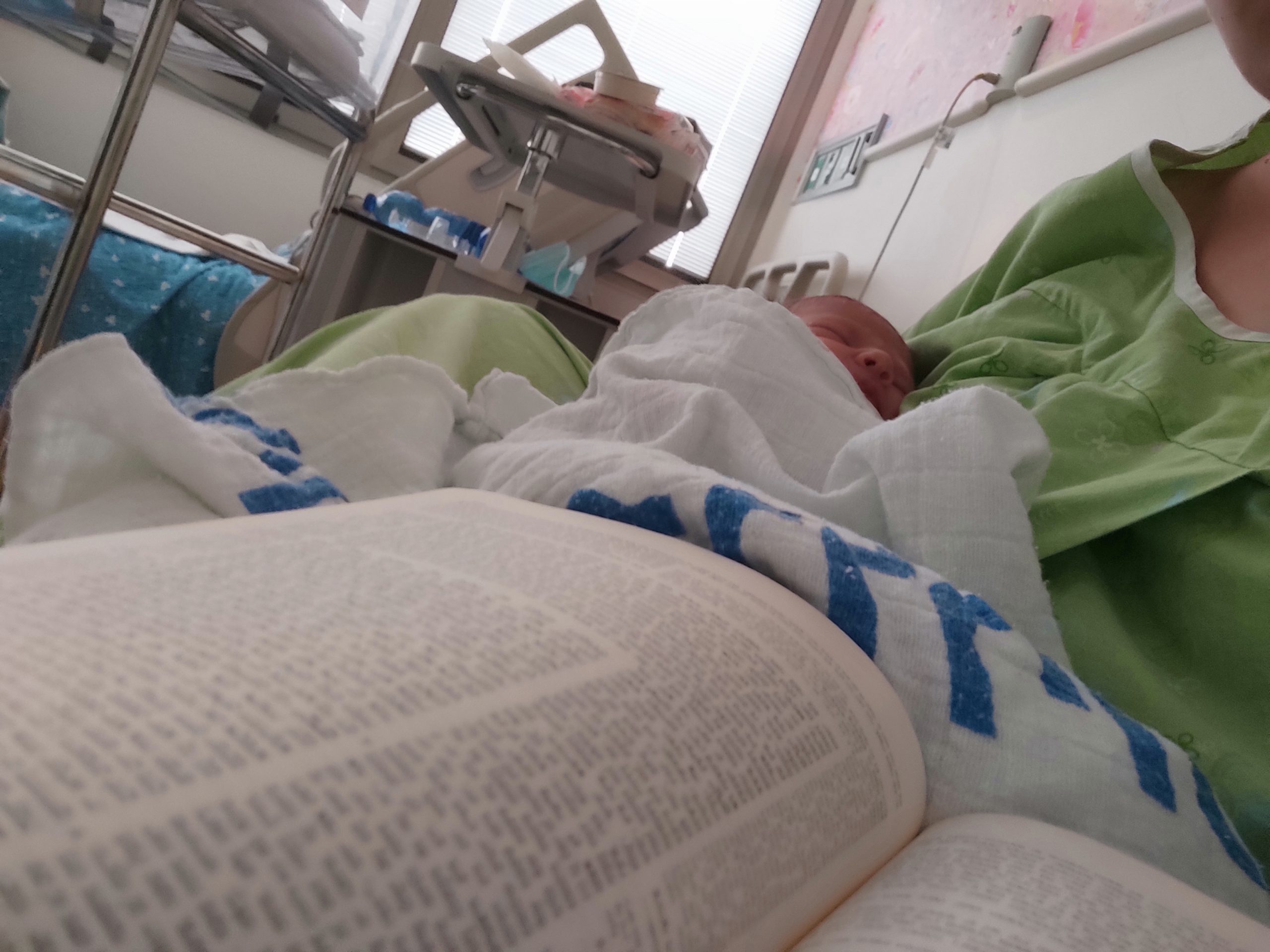
כמו שרואים בתמונה אני ממשיכה ללמוד גם היום ואפילו במחלקת יולדות אחרי לידת ביתי השלישית.

Noa Shiloh
נועה שילה

רבבה, ישראל

A life-changing journey started with a Chanukah family tiyul to Zippori, home of the Sanhedrin 2 years ago and continued with the Syum in Binanei Hauma where I was awed by the energy of 3000 women dedicated to learning daf Yomi. Opening my morning daily with a fresh daf, I am excited with the new insights I find enriching my life and opening new and deeper horizons for me.

Becky Goldstein
בקי גולדשטיין

Elazar gush etzion, Israel

התחלתי מחוג במסכת קידושין שהעבירה הרבנית רייסנר במסגרת בית המדרש כלנה בגבעת שמואל; לאחר מכן התחיל סבב הדף היומי אז הצטרפתי. לסביבה לקח זמן לעכל אבל היום כולם תומכים ומשתתפים איתי. הלימוד לעתים מעניין ומעשיר ולעתים קשה ואף הזוי… אך אני ממשיכה קדימה. הוא משפיע על היומיום שלי קודם כל במרדף אחרי הדף, וגם במושגים הרבים שלמדתי ובידע שהועשרתי בו, חלקו ממש מעשי

Abigail Chrissy
אביגיל כריסי

ראש העין, ישראל

לפני 15 שנה, אחרי עשרות שנים של "ג’ינגול” בין משפחה לקריירה תובענית בהייטק, הצטרפתי לשיעורי גמרא במתן רעננה. הלימוד המעמיק והייחודי של הרבנית אושרה קורן יחד עם קבוצת הנשים המגוונת הייתה חוויה מאלפת ומעשירה. לפני כשמונה שנים כאשר מחזור הדף היומי הגיע למסכת תענית הצטרפתי כ”חברותא” לבעלי. זו השעה היומית שלנו ביחד כאשר דפי הגמרא משתלבים בחיי היום יום, משפיעים ומושפעים, וכשלא מספיקים תמיד משלימים בשבת

Yodi Askoff
יודי אסקוף

רעננה, ישראל

אחרי שראיתי את הסיום הנשי של הדף היומי בבנייני האומה זה ריגש אותי ועורר בי את הרצון להצטרף. לא למדתי גמרא קודם לכן בכלל, אז הכל היה לי חדש, ולכן אני לומדת בעיקר מהשיעורים פה בהדרן, בשוטנשטיין או בחוברות ושיננתם.

Rebecca Schloss
רבקה שלוס

בית שמש, ישראל

התחלתי לפני כמה שנים אבל רק בסבב הזה זכיתי ללמוד יום יום ולסיים מסכתות

Sigal Tel
סיגל טל

רעננה, ישראל

התחלתי להשתתף בשיעור נשים פעם בשבוע, תכננתי ללמוד רק דפים בודדים, לא האמנתי שאצליח יותר מכך.
לאט לאט נשאבתי פנימה לעולם הלימוד .משתדלת ללמוד כל בוקר ומתחילה את היום בתחושה של מלאות ומתוך התכווננות נכונה יותר.
הלימוד של הדף היומי ממלא אותי בתחושה של חיבור עמוק לעם היהודי ולכל הלומדים בעבר ובהווה.

Neely Hayon
נילי חיון

אפרת, ישראל

התחלתי בתחילת הסבב, והתמכרתי. זה נותן משמעות נוספת ליומיום ומאוד מחזק לתת לזה מקום בתוך כל שגרת הבית-עבודה השוטפת.

Reut Abrahami
רעות אברהמי

בית שמש, ישראל

A life-changing journey started with a Chanukah family tiyul to Zippori, home of the Sanhedrin 2 years ago and continued with the Syum in Binanei Hauma where I was awed by the energy of 3000 women dedicated to learning daf Yomi. Opening my morning daily with a fresh daf, I am excited with the new insights I find enriching my life and opening new and deeper horizons for me.

Becky Goldstein
בקי גולדשטיין

Elazar gush etzion, Israel

אני לומדת גמרא כעשור במסגרות שונות, ואת הדף היומי התחלתי כשחברה הציעה שאצטרף אליה לסיום בבנייני האומה. מאז אני לומדת עם פודקסט הדרן, משתדלת באופן יומי אך אם לא מספיקה, מדביקה פערים עד ערב שבת. בסבב הזה הלימוד הוא "ממעוף הציפור”, מקשיבה במהירות מוגברת תוך כדי פעילויות כמו בישול או נהיגה, וכך רוכשת היכרות עם הסוגיות ואופן ניתוחם על ידי חז”ל. בע”ה בסבב הבא, ואולי לפני, אצלול לתוכו באופן מעמיק יותר.

Yael Bir
יעל ביר

רמת גן, ישראל

התחלתי ללמוד דף לפני קצת יותר מ-5 שנים, כשלמדתי רבנות בישיבת מהר”ת בניו יורק. בדיעבד, עד אז, הייתי בלימוד הגמרא שלי כמו מישהו שאוסף חרוזים משרשרת שהתפזרה, פה משהו ושם משהו, ומאז נפתח עולם ומלואו…. הדף נותן לי לימוד בצורה מאורגנת, שיטתית, יום-יומית, ומלמד אותי לא רק ידע אלא את השפה ודרך החשיבה שלנו. לשמחתי, יש לי סביבה תומכת וההרגשה שלי היא כמו בציטוט שבחרתי: הדף משפיע לטובה על כל היום שלי.

Michal Kahana
מיכל כהנא

חיפה, ישראל

כבר סיפרתי בסיום של מועד קטן.
הלימוד מאוד משפיעה על היום שלי כי אני לומדת עם רבנית מישל על הבוקר בזום. זה נותן טון לכל היום – בסיס למחשבות שלי .זה זכות גדול להתחיל את היום בלימוד ובתפילה. תודה רבה !

שרה-ברלוביץ
שרה ברלוביץ

ירושלים, ישראל

התחלתי ללמוד דף יומי ממסכת נידה כי זה היה חומר הלימוד שלי אז. לאחר הסיום הגדול בבנייני האומה החלטתי להמשיך. וב”ה מאז עם הפסקות קטנות של קורונה ולידה אני משתדלת להמשיך ולהיות חלק.

זה משפיע מאוד על היום יום שלי ועל אף שאני עסוקה בלימודי הלכה ותורה כל יום, זאת המסגרת הקבועה והמחייבת ביותר שיש לי.

Moriah Taesan Michaeli
מוריה תעסן מיכאלי

גבעת הראל, ישראל

התחלתי ללמוד בשנת המדרשה במגדל עוז, בינתיים נהנית מאוד מהלימוד ומהגמרא, מעניין ומשמח מאוד!
משתדלת להצליח לעקוב כל יום, לפעמים משלימה קצת בהמשך השבוע.. מרגישה שיש עוגן מקובע ביום שלי והוא משמח מאוד!

Uriah Kesner
אוריה קסנר

חיפה , ישראל

רציתי לקבל ידע בתחום שהרגשתי שהוא גדול וחשוב אך נעלם ממני. הלימוד מעניק אתגר וסיפוק ומעמיק את תחושת השייכות שלי לתורה וליהדות

Ruth Agiv
רות עגיב

עלי זהב – לשם, ישראל

נזיר כט

אָמַר רֵישׁ לָקִישׁ: כְּדֵי לְחַנְּכוֹ בְּמִצְוֹת. אִי הָכִי, אֲפִילּוּ אִשָּׁה נָמֵי! סָבַר: אִישׁ חַיָּיב לְחַנֵּךְ בְּנוֹ בְּמִצְוֹת, וְאֵין הָאִשָּׁה חַיֶּיבֶת לְחַנֵּךְ אֶת בְּנָהּ.

said that Reish Lakish said: The purpose is in order to educate him in mitzvot, to teach him how to observe the mitzva of naziriteship. The Gemara asks: If so, even a woman as well should be able to impose naziriteship on her son for educational purposes. The Gemara answers: Reish Lakish holds that a man is obligated to educate his son in mitzvot, but a woman is not obligated to educate her son in mitzvot.

בִּשְׁלָמָא לְרַבִּי יוֹחָנָן, דְּאָמַר: הֲלָכָה הִיא בְּנָזִיר, אַמְּטוּ לְהָכִי: בְּנוֹ — אִין, בִּתּוֹ — לָא. אֶלָּא לְרֵישׁ לָקִישׁ, אֲפִילּוּ בִּתּוֹ! קָסָבַר: בְּנוֹ — חַיָּיב לְחַנְּכוֹ, בִּתּוֹ — אֵינוֹ חַיָּיב לְחַנְּכָהּ.

The Gemara asks: Granted, according to the opinion of Rabbi Yoḥanan, who said it is a halakha transmitted to Moses from Sinai with regard to a nazirite, for that reason one can understand the ruling of the mishna, which indicates that for his son, yes, a father can vow that he should be a nazirite, but with regard to his daughter, no, he cannot do so, as a halakha learned by tradition cannot be questioned. However, according to the opinion of Reish Lakish, a father should even be able to impose naziriteship upon his daughter for the sake of her education. Why does the mishna specify a son? The Gemara answers that Reish Lakish holds: A father is obligated to educate his son, whereas he is not obligated to educate his daughter, and for this reason he cannot vow that she should be a nazirite.

בִּשְׁלָמָא לְרַבִּי יוֹחָנָן, דְּאָמַר: הֲלָכָה הִיא בְּנָזִיר, אַהָכִי: בִּנְזִירוּת — אִין, בִּנְדָרִים — לָא. אֶלָּא לְרֵישׁ לָקִישׁ — אֲפִילּוּ נְדָרִים נָמֵי!

The Gemara asks another question: Granted, according to the opinion of Rabbi Yoḥanan, who said that it is a halakha with regard to a nazirite, this is why the mishna indicates that with regard to naziriteship, yes, a father can impose a vow upon his son, but with regard to other vows, no, he cannot do so. However, according to the opinion of Reish Lakish, who says it is for the son’s education, a father should even be able to impose regular vows upon him as well. Why does the mishna specify naziriteship?

לָא מִיבַּעְיָא קָאָמַר: לָא מִיבַּעְיָא בִּנְדָרִים, דְּלֵית לֵיהּ נִיוּוּל, אֶלָּא אֲפִילּוּ בִּנְזִירוּת, דְּאִית לֵיהּ נִיוּוּל — אֲפִילּוּ הָכִי חַיָּיב לְחַנְּכוֹ.

The Gemara answers: According to Reish Lakish the tanna of this mishna is speaking utilizing the style of: It is not necessary, as follows: It is not necessary to ask whether a father can impose regular vows of a mitzva where there is no deprivation of the son when he fulfills his father’s vow, but even with regard to naziriteship, where there is deprivation of his son, as the son must refrain from wine and shaving, even so the father is obligated to educate him, and therefore he can vow in this manner too.

בִּשְׁלָמָא לְרַבִּי יוֹחָנָן, דְּאָמַר: הֲלָכָה הִיא בְּנָזִיר, הַיְינוּ דְּקָתָנֵי: מִיחָה אוֹ שֶׁמִּיחוּהוּ קְרוֹבָיו.

The Gemara asks another question: Granted, according to the opinion of Rabbi Yoḥanan, who said it is a halakha transmitted to Moses from Sinai with regard to a nazirite, this explanation is consistent with that which the mishna teaches: If he objected, or his relatives objected for him, the naziriteship is canceled, as the transmitted halakha may be that the acquiescence of the relatives is necessary.

אֶלָּא לְרַבִּי יוֹסֵי בְּרַבִּי חֲנִינָא אָמַר רֵישׁ לָקִישׁ, כׇּל כְּמִינֵיהוֹן קְרוֹבִים דְּאָמְרִין לֵיהּ: לָא תַּיגְמְרֵיהּ מִצְוֹת?! קָסָבַר: כֹּל חִינּוּךְ דְּלָא חֲשִׁיב — לָא נִיחָא לֵיהּ.

The Gemara continues its question: However, according to the opinion of Rabbi Yosei, son of Rabbi Ḥanina, who said that Reish Lakish said that this vow serves educational purposes, is this really in the power of the relatives to say to the father: Do not teach him mitzvot? The Gemara answers: Reish Lakish holds that with regard to any education that is not important, e.g., the optional mitzva of naziriteship, the son is not amenable to the suffering he must endure for this purpose, and therefore he or his relatives can object.

בִּשְׁלָמָא לְרַבִּי יוֹחָנָן, דְּאָמַר: הֲלָכָה הִיא בְּנָזִיר, מִשּׁוּם הָכִי מְגַלֵּחַ וְעָבֵיד הַקָּפָה.

The Gemara raises a further difficulty: Granted, according to the opinion of Rabbi Yoḥanan, who said it is a halakha with regard to a nazirite, it is due to that reason that the son must shave all of his hair at the conclusion of his naziriteship, despite the fact that he thereby performs the rounding of the corners of his head, in violation of the prohibition: “You shall not round the corners of your heads” (Leviticus 19:27). Since a halakha transmitted to Moses from Sinai has the status of Torah law, a minor nazirite shaves despite this prohibition.

אֶלָּא לְרַבִּי יוֹסֵי בְּרַבִּי חֲנִינָא אָמַר רֵישׁ לָקִישׁ כְּדֵי לְחַנְּכוֹ בְּמִצְוֹת, הָא קָעָבֵיד הַקָּפָה!

The Gemara continues its question: However, according to the opinion of Rabbi Yosei, son of Rabbi Ḥanina, who said that Reish Lakish said that the reason the vow of naziriteship takes effect is in order to educate him in mitzvot, and it applies only by rabbinic law, how does he explain the fact that this nazirite performs the rounding of the head? How does a naziriteship, which is by rabbinic law, override a Torah prohibition?

קָסָבַר: הַקָּפַת כׇּל הָרֹאשׁ מִדְּרַבָּנַן, וְחִינּוּךְ מִדְּרַבָּנַן. וְאָתֵי חִינּוּךְ דְּרַבָּנַן, וְדָחֵי הַקָּפָה דְּרַבָּנַן.

The Gemara answers: Reish Lakish holds that the rounding of the entire head is prohibited only by rabbinic law, as the Torah itself prohibited shaving only the corners of the head, and the mitzva of education also applies by rabbinic law. And therefore the mitzva of education, which is by rabbinic law, comes and overrides the prohibition against rounding the head, which likewise applies by rabbinic law.

בִּשְׁלָמָא לְרַבִּי יוֹחָנָן, דְּאָמַר: הֲלָכָה הִיא בְּנָזִיר, אַהָכִי מְגַלֵּחַ מַיְיתֵי קׇרְבָּן.

The Gemara continues to ask along the same lines: Granted, according to the opinion of Rabbi Yoḥanan, who said it is a halakha with regard to a nazirite, this is why when he shaves at the conclusion of his naziriteship he brings an offering, as the halakha is that the minor is a nazirite in all regards, which means his offering is obligatory, like that of an adult nazirite.

אֶלָּא לְרַבִּי יוֹסֵי בְּרַבִּי חֲנִינָא אָמַר רֵישׁ לָקִישׁ, כְּדֵי לְחַנְּכוֹ בְּמִצְוֹת — הָא קָא מַיְיתֵי חוּלִּין לָעֲזָרָה! קָסָבַר: חוּלִּין בַּעֲזָרָה לָאו דְּאוֹרָיְיתָא.

The Gemara continues its question: However, according to the opinion of Rabbi Yosei, son of Rabbi Ḥanina, who said that Reish Lakish said that the reason is in order to educate him in mitzvot, the minor’s offering is not a Torah obligation, which means that he brings non-sacred animals into the Temple courtyard for slaughter. The Gemara answers: Reish Lakish holds that the prohibition against slaughtering non-sacred animals in the Temple courtyard does not apply by Torah law but by rabbinic law, and therefore this prohibition is disregarded due to the importance of the son’s education.

בִּשְׁלָמָא לְרַבִּי יוֹחָנָן, דְּאָמַר: הֲלָכָה הִיא בְּנָזִיר, אַהָכִי כִּי מִיטַּמֵּא מַיְיתֵי קׇרְבַּן צִיפֳּרִין, וְאָכֵיל כֹּהֵן מְלִיקָה.

The Gemara asks yet another question: Granted, according to the opinion of Rabbi Yoḥanan, who said it is a halakha with regard to a nazirite, this is why when the son becomes ritually impure he brings an offering of birds, and the priest may eat the bird sin-offering that was killed by means of pinching, nipping the neck of the bird, rather than by regular slaughter. This permits a bird to be eaten only in the case of a proper bird offering.

אֶלָּא לְרַבִּי יוֹסֵי בְּרַבִּי חֲנִינָא אָמַר רֵישׁ לָקִישׁ, הָא קָאָכֵיל נְבֵילָה!

The Gemara continues its question: However, according to the opinion of Rabbi Yosei, son of Rabbi Ḥanina, who said that Reish Lakish said that the reason the vow takes effect is to educate the son in mitzvot, in this case the priest eats an unslaughtered animal carcass. If the son is not obligated to bring the offering, the priest will be eating a bird that was killed in a manner that does not render it fit for consumption, which means it has the status of an unslaughtered carcass.

קָסָבַר כְּרַבִּי יוֹסֵי בְּרַבִּי יְהוּדָה, דְּאֵין שְׁחִיטָה לָעוֹף מִן הַתּוֹרָה. וְחוּלִּין בַּעֲזָרָה לָאו דְּאוֹרָיְיתָא.

The Gemara answers: Reish Lakish holds in accordance with the opinion of Rabbi Yosei, son of Rabbi Yehuda, who holds that slaughter of a bird is not obligatory by Torah law. Rather, by Torah law birds are fit to be eaten no matter how they are killed, and it was the Sages who decreed that they must be slaughtered. And he also maintains that the prohibition against bringing non-sacred animals for slaughter in the Temple courtyard does not apply by Torah law. Consequently the rabbinic mitzva of education overrides these prohibitions, as they too are rabbinic.

וְסָבַר רַבִּי יוֹסֵי הָכִי? וְהָתַנְיָא, רַבִּי יוֹסֵי בְּרַבִּי יְהוּדָה אוֹמֵר: מִנַּיִן לְחַטַּאת הָעוֹף שֶׁהִיא בָּאָה עַל הַסָּפֵק שֶׁאֵינָהּ נֶאֱכֶלֶת — תַּלְמוּד לוֹמַר: ״וְהַזָּב אֶת זוֹבוֹ לַזָּכָר וְלַנְּקֵבָה״, מַקִּישׁ נְקֵבָה לְזָכָר: מָה זָכָר מֵבִיא קׇרְבָּן עַל הַוַּדַּאי — אַף נְקֵבָה מְבִיאָה קׇרְבָּן עַל הַוַּדַּאי, וּמָה זָכָר מֵבִיא עַל הַסָּפֵק — אַף נְקֵבָה מְבִיאָה עַל הַסָּפֵק.

The Gemara asks: And does Rabbi Yosei hold this opinion? But isn’t it taught in a baraita that Rabbi Yosei, son of Rabbi Yehuda, says: From where is it derived that the bird sin-offering that comes due to uncertainty is not eaten? The verse states: “And they who have an issue, whether a male or a female” (Leviticus 15:33), which juxtaposes a female to a male: Just as a male brings an offering for a definite sin, i.e., for a transgression he is sure he committed inadvertently, so too, a female brings an offering for a definite sin. And just as a male brings a provisional guilt-offering for his uncertain transgression, so too, a female brings an offering for her case of uncertainty.

וּמָה זָכָר, מִמִּין שֶׁהוּא מֵבִיא עַל הַוַּדַּאי מֵבִיא עַל הַסָּפֵק — אַף נְקֵבָה מִמִּין שֶׁהִיא מְבִיאָה עַל הַוַּדַּאי מְבִיאָה עַל הַסָּפֵק. אִי: מָה זָכָר מֵבִיא קׇרְבָּן וְנֶאֱכָל — אַף נְקֵבָה מְבִיאָה קׇרְבָּן וְנֶאֱכָל! אָמַרְתָּ:

And furthermore: Just as a male brings an animal for his uncertain transgression, a ram as a guilt-offering, from the same type from which he brings a definite sin-offering, an animal sin-offering, so too, a female brings the same type for her case of uncertainty from the same type from which she brings for a definite offering, i.e., a bird if she is a zava or gave birth. This leads to the following question: If so, one can continue this line of thought: Just as a male brings an offering and it is eaten, so too, a female brings an offering and it should be eaten when she sacrifices an offering for uncertain childbirth. With regard to this case you say:

לֹא, אִם אָמַרְתָּ בְּזָכָר — שֶׁכֵּן אִיסּוּר אֶחָד, תֹּאמַר בִּנְקֵבָה — שֶׁשְּׁנֵי אִיסּוּרִין.

No, you cannot make this claim, because if you say that this is true with regard to a male, when bringing his offering involves only one uncertain prohibition, i.e., that he might be bringing non-sacred animals into the Temple courtyard, shall you also say that this is the case with regard to a female, whose case includes two prohibitions? This concludes the baraita.

מַאי שְׁנֵי אִיסּוּרִין? לָאו אִיסּוּר נְבֵילָה וְחוּלִּין בַּעֲזָרָה? מַתְקֵיף לַהּ רַב אַחָא בְּרֵיהּ דְּרַב אִיקָא: וְדִילְמָא מִיחַיַּיב עֲלֵיהּ, מִשּׁוּם דְּמִיתְחֲזֵי כִּתְרֵין אִיסּוּרִין מִדְּרַבָּנַן!

The Gemara asks: What are these two prohibitions? Are they not the prohibition against consuming an unslaughtered animal carcass by eating a bird killed by pinching, and the prohibition against bringing non-sacred animals into the Temple courtyard? This shows that the prohibition against bringing non-sacred animals into the Temple courtyard applies by Torah law according to the opinion of Rabbi Yosei, son of Rabbi Yehuda. Rav Aḥa, son of Rav Ika, objects to this: And perhaps one is not liable for these prohibitions by Torah law, rather, the baraita means that one is liable for this because it appears like two Torah prohibitions, although they actually apply only by rabbinic law.

לֵימָא כְּתַנָּאֵי: עַד מָתַי מַדִּיר אֶת בְּנוֹ בְּנָזִיר — עַד שֶׁיָּבִיא שְׁתֵּי שְׂעָרוֹת, דִּבְרֵי רַבִּי. רַבִּי יוֹסֵי בְּרַבִּי יְהוּדָה אוֹמֵר: עַד שֶׁיַּגִּיעַ לְעוֹנַת נְדָרִים.

§ The Gemara returns to the question of whether the ruling that a man can impose naziriteship on his son is a halakha transmitted to Moses from Sinai or whether it is part of the boy’s education. Let us say that this is parallel to a dispute between tanna’im. As it is taught: Until when can a father vow that his son should be a nazirite? It is until the son develops two pubic hairs; this is the statement of Rabbi Yehuda HaNasi. Rabbi Yosei, son of Rabbi Yehuda, says: It is until he reaches the age of vows, usually approximately a year earlier, when he demonstrates an understanding of the nature of vows. If he vows at that age and comprehends the significance of his utterance, his vow is valid.

מַאי לָאו תַּנָּאֵי הִיא? דְּרַבִּי סָבַר הֲלָכָה הִיא בְּנָזִיר, וְאַף עַל גַּב דְּהִגִּיעַ לְעוֹנַת נְדָרִים, מַדִּיר לֵיהּ וְאָזֵיל עַד דְּמַיְיתֵי שְׁתֵּי שְׂעָרוֹת. וְרַבִּי יוֹסֵי בְּרַבִּי יְהוּדָה, דְּאָמַר: עַד שֶׁיַּגִּיעַ לְעוֹנַת נְדָרִים, סָבַר כְּדֵי לְחַנְּכוֹ בְּמִצְוֹת, וְכֵיוָן דְּנָפֵיק מֵרְשׁוּתֵיהּ — תּוּ לָא מִיחַיַּיב?

What, is it not the case that this is a dispute between tanna’im: As Rabbi Yehuda HaNasi holds that it is a halakha transmitted to Moses from Sinai with regard to a nazirite, and therefore even though the son has already reached the age of vows and is capable of making his own decision with regard to the vow, this halakha states that the father continues to vow for him until he develops two pubic hairs, the sign of maturity. And Rabbi Yosei, son of Rabbi Yehuda, who says that the father can vow for the son only until he reaches the age of vows, holds that he imposes a vow on his son in order to educate him in mitzvot, and since the son has left the father’s supervision to the degree that he can utter his own vows, the father is no longer obligated to educate him in this area of halakha.

אָמְרִי: לָא. דְּכוּלֵּי עָלְמָא הֲלָכָה הִיא בְּנָזִיר, וְהָכָא בְּ״מוּפְלָא הַסָּמוּךְ לְאִישׁ״ קָמִיפַּלְגִי.

The Gemara rejects this argument. The Sages say in response: No; this is not the correct explanation of that dispute, as one can say that everyone, both Rabbi Yehuda HaNasi and Rabbi Yosei, son of Rabbi Yehuda, agrees with Rabbi Yoḥanan that it is a halakha with regard to a nazirite, and here they disagree with regard to the issue of a minor one year before he or she reaches majority. In other words, they dispute the case of a child who utters a vow when he is almost mature, on the verge of puberty. It is an accepted halakha that the vow of this child is valid if he understands its meaning. The dispute concerns the source of this halakha.

רַבִּי סָבַר: מוּפְלָא הַסָּמוּךְ לְאִישׁ — דְּרַבָּנַן, וְאָתְיָא דְּאוֹרָיְיתָא דָּחֲיָא דְּרַבָּנַן. וְרַבִּי יוֹסֵי בְּרַבִּי יְהוּדָה סָבַר: מוּפְלָא הַסָּמוּךְ לְאִישׁ — דְּאוֹרָיְיתָא.

Rabbi Yehuda HaNasi holds that the status of a minor one year before he or she reaches majority applies by rabbinic law, and therefore the halakha by Torah law that a father can vow on behalf of his son comes and overrides the decree that one who is near the age of maturity is considered an independent adult with regard to vows, which is by rabbinic law. And Rabbi Yosei, son of Rabbi Yehuda, holds that the status of a minor one year before he or she reaches majority applies by Torah law. Consequently, the halakha that a father can vow on behalf of his son does not apply to this case.

וְאִיבָּעֵית אֵימָא: דְּכוּלֵּי עָלְמָא כְּדֵי לְחַנְּכוֹ בְּמִצְוֹת, וּמוּפְלָא הַסָּמוּךְ לְאִישׁ — דְּרַבָּנַן הִיא. רַבִּי סָבַר: אָתֵי חִינּוּךְ דְּרַבָּנַן וְדָחֵי מוּפְלָא הַסָּמוּךְ לְאִישׁ דְּרַבָּנַן.

And if you wish, say instead that everyone agrees that a father vows for his son in order to educate him in mitzvot, which means it is by rabbinic law, and likewise the status of a minor one year before he or she reaches majority is also by rabbinic law. In that case, the tanna’im dispute the following: Rabbi Yehuda HaNasi holds that the mitzva of education, which applies by rabbinic law, comes and overrides the status of a minor one year before he or she reaches majority, which is also by rabbinic law.

וְרַבִּי יוֹסֵי בְּרַבִּי יְהוּדָה דְּאָמַר עַד שֶׁיַּגִּיעַ לְעוֹנַת נְדָרִים, קָסָבַר: לָא אָתֵי חִינּוּךְ דְּרַבָּנַן וְדָחֵי מוּפְלָא הַסָּמוּךְ לְאִישׁ.

And Rabbi Yosei, son of Rabbi Yehuda, who said that a father can vow for his son only until he reaches the age of vows, holds that the mitzva of education by rabbinic law does not come and override the status of a minor one year before he or she reaches majority. Consequently, there is no necessary connection between this dispute of tanna’im and the argument between Rabbi Yoḥanan and Reish Lakish as to whether the ruling that a father can impose naziriteship on his son is a halakha transmitted to Moses from Sinai or an educational tool.

לֵימָא הָנֵי תַּנָּאֵי כִּי הָנֵי תַּנָּאֵי, דְּתַנְיָא: מַעֲשֶׂה בְּרַבִּי חֲנִינָא שֶׁהִדִּירוֹ אָבִיו בְּנָזִיר, וֶהֱבִיאוֹ לִפְנֵי רַבָּן גַּמְלִיאֵל. וְהָיָה רַבָּן גַּמְלִיאֵל בּוֹדְקוֹ לֵידַע אִם הֵבִיא שְׁתֵּי שְׂעָרוֹת, אִם לֹא הֵבִיא.

With regard to the dispute concerning the time period for a father’s vow on behalf of his son, the Gemara suggests: Shall we say that the dispute between these tanna’im is like the dispute between those other tanna’im, as it is taught in a baraita (Tosefta, Nidda 5:9): An incident occurred involving Rabbi Ḥanina in which his father vowed that he should be a nazirite when he was a minor, and they brought him before Rabban Gamliel, and Rabban Gamliel examined him to discern if he had already developed two pubic hairs, in which case the vow would not take effect, or if he had not developed them, which would mean that the vow was valid.

רַבִּי יוֹסֵי אוֹמֵר: לֵידַע אִם הִגִּיעַ לְעוֹנַת נְדָרִים, אִם לָאו. אָמַר לוֹ: רַבִּי, אַל תִּצְטַעֵר לְבוֹדְקֵנִי, אִם קָטָן אֲנִי — אֶהְיֶה בִּשְׁבִיל אַבָּא, אִם גָּדוֹל אֲנִי — אֶהְיֶה בִּשְׁבִיל עַצְמִי. עָמַד רַבָּן גַּמְלִיאֵל וּנְשָׁקוֹ עַל רֹאשׁוֹ, אָמַר: מוּבְטָח אֲנִי בָּזֶה שֶׁמּוֹרֶה הֲלָכָה בְּיִשְׂרָאֵל. אָמְרוּ: לֹא הָיוּ יָמִים מוּעָטִים עַד שֶׁהוֹרָה הוֹרָאָה בְּיִשְׂרָאֵל.

Rabbi Yosei says that Rabban Gamliel examined him to discern whether he had reached the age of vows or not, which he maintains is the decisive factor. The child said to Rabban Gamliel: My teacher, do not go to the trouble of examining me, since if I am a minor I shall be a nazirite due to my father’s vow, and if I am an adult, I shall be a nazirite due to my own vow. Rabban Gamliel arose and kissed the child on his head. He said: I am certain of this child that he will eventually become an authority of halakha for the Jewish people. They said: In fact, it was only a few years later that the child issued rulings for the Jewish people.

בִּשְׁלָמָא לְרַבִּי יוֹסֵי בְּרַבִּי יְהוּדָה, דְּאָמַר: עַד שֶׁיַּגִּיעַ לְעוֹנַת נְדָרִים, הַיְינוּ דְּקָאָמַר ״אִם קָטָן אֲנִי אֶהְיֶה בִּשְׁבִיל אַבָּא״. אֶלָּא לְרַבִּי, דְּאָמַר: עַד שֶׁיָּבִיא שְׁתֵּי שְׂעָרוֹת — ״וְאִם גָּדוֹל אֲנִי אֶהְיֶה בִּשְׁבִיל עַצְמִי״,

The Gemara explains its suggestion: Granted, according to the opinion of Rabbi Yosei, son of Rabbi Yehuda, who said that a father can vow on behalf of his son only until he reaches the age of vows, this is why the child said: If I am a minor I shall be a nazirite due to my father, as he means: If I have not yet reached the age of vows. However, according to the opinion of Rabbi Yehuda HaNasi, who said that a father can vow naziriteship for his son until he develops two pubic hairs, despite the fact that he is already mature with regard to vows, what is the meaning of: And if I am an adult, I shall be a nazirite due to my own vow?

רוצה לעקוב אחרי התכנים ולהמשיך ללמוד?

ביצירת חשבון עוד היום ניתן לעקוב אחרי ההתקדמות שלך, לסמן מה למדת, ולעקוב אחרי השיעורים שמעניינים אותך.

לנקות את כל הפריטים מהרשימה?

פעולה זו תסיר את כל הפריטים בחלק זה כולל ההתקדמות וההיסטוריה. שימי לב: לא ניתן לשחזר פעולה זו.

ביטול
מחיקה

האם את/ה בטוח/ה שברצונך למחוק פריט זה?

תאבד/י את כל ההתקדמות או ההיסטוריה הקשורות לפריט זה.

ביטול
מחיקה