חיפוש

נזיר נד

רוצה להקדיש שיעור?

podcast placeholder

0:00
0:00


תקציר


לגבי אבר מן המת או אבר מן החי שאין עליהם בשר כראוי, שרבי יוחנן וריש לקיש חלוקים לגביו, מה גודלו? הגמרא מוכיחה שריש לקיש יכול להגיד שמדובר באבר קטן משעורה ובכל אופן יש דרשה מיוחדת שמלמדת שהנזיר מגלח עליו ומוכיחים את זה מברייתא. איך ר’ יוחנן מסביר את אותה ברייתא? כשהמשנה אומרת שלאחר תהליך הטהרה, מתחילים את הספירה מההתחלה, לא ברור אם הם מתכוונים ליום השביעי של הטהרה או ליום השמיני. הגמרא מדייקת מלשון המשנה הבאה שבמשנה זו מתחילה הספירה ביום השמיני לאחר שהקרבת הקרבנות, כדעת חכמים שחולקים בעניין זה על ר’ אליעזר. המשנה מפרטת כעת את כל המקרים שהנזיר אינו מגלח ובתוך כך, ישנן שתי קטגוריות – אחת שבה הימים לא נחשבים בימי נזירות, למרות שזה לא סותר את הימים שלפני כן ושנייה שבה אין השפעה על ספירת ימי הנזירות. הגמרא מתחילה להסביר את המקרים במשנה – מה הם סככות ופרעות? אחד הדברים ברשימה הוא ארץ העמים כי חכמים גזרו טומאה על כל חוץ לארץ.  האם ניתן ללמוד ממשנתנו את התשובה לשאלה הבאה – האם ראו חכמים לטמאה בגלל חשש לקברות/עצמות של יהודים (גושא) או שמא היה כדי למנוע מאנשים לצאת מהארץ (אוירה)? ניסיון לענות על שאלה זו ממשנתינו נכשלה.

h

נזיר נד

דְּאָמַר מָר: טוּמְאָה בּוֹקַעַת וְעוֹלָה, בּוֹקַעַת וְיוֹרֶדֶת. וְאִילּוּ גַּבֵּי נְגִיעָה, אָמַר רַב יְהוּדָה, תַּנְיָא: ״(וְכׇל) הַנּוֹגֵעַ בַּעֶצֶם אוֹ בֶחָלָל״, ״בַּעֶצֶם״ — זֶה עֶצֶם כִּשְׂעוֹרָה, ״אוֹ בֶחָלָל״ — זֶה אֵבֶר הַנֶחְלָל מִן הַחַי וְאֵין בּוֹ לְהַעֲלוֹת אֲרוּכָה,

As the Master said: Ritual impurity in a sealed grave breaks through and ascends and breaks through and descends, so that the grave imparts impurity like the corpse itself. While with regard to contact with these sources of impurity, Rav Yehuda said that it is taught in a baraita that the verse “and upon him that touched a bone, or the slain, or the dead, or the grave” (Numbers 19:18) is expounded as follows: “A bone”; this is a bone that is a barley-grainbulk. “Or the slain”; this is a limb slain, i.e., severed, from the living, which does not contain enough flesh for it to heal.

״אוֹ בְּמֵת״ — זֶה אֵבֶר הַנֶחְלָל מִן הַמֵּת, ״אוֹ בְקָבֶר״ — אָמַר רֵישׁ לָקִישׁ: זֶה קֶבֶר שֶׁלִּפְנֵי הַדִּיבּוּר.

The baraita continues its interpretation of the verse. “Or the dead”; this is a limb slain from a corpse, which is not covered by enough flesh for it to heal were he alive. “Or the grave”; Reish Lakish said: This is a grave that contained a corpse from before the time the command of these halakhot was given to the Jewish people. These graves render people and items ritually impure by contact, but do not carry the halakhot of impurity imparted in a tent.

הַאי אֵבֶר מִן הַמֵּת, הֵיכִי דָמֵי? אִי דְּאִית בֵּיהּ עֶצֶם כִּשְׂעוֹרָה הַיְינוּ הַנּוֹגֵעַ בַּעֶצֶם! אֶלָּא דְּלֵית בֵּיהּ עֶצֶם כִּשְׂעוֹרָה, וַאֲפִילּוּ הָכִי רַחֲמָנָא רַבְּיֵיהּ!

The Gemara asks: With regard to this limb from a corpse, which is listed above as imparting ritual impurity by contact, what are the circumstances of the case? If the limb contains a bone that is a barley-grainbulk, this is included in the halakha of one who touches a bone, and it was already taught that a bone imparts impurity by contact. Rather, it must be that it does not contain a bone that is a barley-grainbulk, and even so the Merciful One includes it in the halakhot of impurity, despite the fact that it does not contain enough flesh. This indicates that a nazirite shaves for a limb of this kind, in accordance with the opinion of Reish Lakish.

אָמַר לָךְ רַבִּי יוֹחָנָן: לְעוֹלָם דְּאִית בֵּיהּ. וְאִם אֵינוֹ עִנְיָן לְמַגָּעוֹ — תְּנֵהוּ עִנְיָן לְמַשָּׂאוֹ.

The Gemara responds: In answer to this proof of Reish Lakish, Rabbi Yoḥanan could have said to you: Actually, you should explain that it does contain a bone the volume of a barley-grain-bulk, and if it does not need to refer to the matter of its contact, as the verse explicitly states: “Anyone who touches a bone,” have it refer to the matter of its carrying, i.e., that one who carries it is also rendered ritually impure.

וּמַזֶּה בַּשְּׁלִישִׁי וּבַשְּׁבִיעִי וְסוֹתֵר וְכוּ׳.

§ The mishna taught with regard to any nazirite who became impure from one of the listed sources of impurity: And a priest sprinkles the ashes of the red heifer on him on the third and on the seventh days, and he negates all the previous days he counted toward his naziriteship, and he does not begin counting a fresh term of naziriteship until after he becomes pure and brings his offerings.

אִיבַּעְיָא לְהוּ: הָא דְּקָתָנֵי ״עַד שֶׁיִּטְהַר״, בַּשְּׁבִיעִי קָאֵי — עַד דְּעָבֵיד הֶעֱרֵב שֶׁמֶשׁ, וּמַנִּי — רַבִּי אֱלִיעֶזֶר הִיא. אוֹ דִילְמָא בַּשְּׁמִינִי קָאֵי, וּמַאי ״עַד שֶׁיִּטְהַר״ — עַד שֶׁיָּבִיא קׇרְבְּנוֹתָיו. וּמַנִּי — רַבָּנַן הִיא?

A dilemma was raised before the Sages: What is the meaning of that which is taught that a nazirite does not start counting until he is purified? Does the mishna refer to one who is standing on the seventh day of his purification and mean: Until he performs the requisite waiting for sunset? And whose opinion is it? It is the opinion of Rabbi Eliezer, who rules that a nazirite starts counting from the eighth day, even before he brings his offerings. Or perhaps it is referring to one who is standing on the eighth day. And then, what is the meaning of: Until he is purified? It means: Until he brings his offerings. And who is the author of this opinion? It is the Rabbis, who maintain that he begins his fresh period of naziriteship only after he has sacrificed his offering of impurity (see 18b).

תָּא שְׁמַע, מִדְּקָתָנֵי סֵיפָא: ״מַתְחִיל וּמוֹנֶה מִיָּד״, הָא רֵישָׁא מַאי ״עַד שֶׁיִּטְהַר״ — עַד שֶׁיָּבִיא קׇרְבְּנוֹתָיו, וּמַנִּי — רַבָּנַן הִיא דְּאָמְרִי: נְזִירוּת דְּטׇהֳרָה עַד שְׁמִינִי לָא חָיְילָא.

The Gemara answers: Come and hear a resolution of this dilemma from the fact that it teaches in the latter clause of the next mishna that a nazirite who does not have to bring an offering starts counting immediately after the conclusion of his seven days of purification. The Gemara infers from this mishna: If so, what is the meaning of the different term used in the first clause: Until he is purified? It means until he brings his offerings, and whose opinion is it? It is that of the Rabbis, who say that the naziriteship of purity does not commence until the eighth day.

מַתְנִי׳ אֲבָל הַסְּכָכוֹת, וְהַפְּרָעוֹת, וּבֵית הַפְּרָס,

MISHNA: The previous mishna listed the sources of ritual impurity for which a nazirite must shave. This mishna adds: However, the nazirite does not shave for these: The hanging branches over a corpse, i.e., a tree overhanging a body that a nazirite passes, but it is uncertain which branches are over a corpse; and the projecting stones from fences when the place of the impurity is unknown; and a beit haperas, a place that contained a grave and was plowed. In the latter case, the entire area around the grave is impure from a corpse due to an uncertainty, as it might contain human bones.

וְאֶרֶץ הָעַמִּים, וְהַגּוֹלֵל, וְהַדּוֹפֵק, וּרְבִיעִית דָּם, וְאֹהֶל, וְרוֹבַע עֲצָמוֹת, וְכֵלִים הַנּוֹגְעִים בְּמֵת, וּבִימֵי סְפָרוֹ, וּבִימֵי גְמָרוֹ — עַל אֵלּוּ אֵין הַנָּזִיר מְגַלֵּחַ.

The mishna continues its list: And the land of the nations, i.e., a nazirite left Eretz Yisrael for another land. The Sages decreed that all land outside of Eretz Yisrael is ritually impure. And the grave cover; and the grave walls upon which the cover rests; and a quarter-log of blood from a corpse; and a tent; and a quarter-kav of bones of a corpse; and vessels that are touching a corpse. And if the nazirite is in the days of his counting, i.e., the seven days a leper must count after purification from his leprosy; or in his days of full leprosy, when he is a full-fledged leper, for these the nazirite does not shave. This is the case even if he is rendered impure by one of the sources listed in the previous mishna.

וּמַזֶּה בַּשְּׁלִישִׁי וּבַשְּׁבִיעִי,

And in those cases listed that involve ritual impurity from a corpse, one sprinkles the purification water upon him on the third and on the seventh days of his purification,

וְאֵינוֹ סוֹתֵר אֶת הַקּוֹדְמִים, וּמַתְחִיל וּמוֹנֶה מִיָּד, וְקׇרְבָּן אֵין לוֹ. בֶּאֱמֶת אָמְרוּ: יְמֵי הַזָּב וְהַזָּבָה וִימֵי הֶסְגֵּרוֹ שֶׁל מְצוֹרָע, הֲרֵי אֵלּוּ עוֹלִין לוֹ.

and he does not negate the earlier days of his naziriteship, but they are considered part of his naziriteship term. And he starts counting the rest of his naziriteship to complete his term immediately after his purification, and he has no obligation to sacrifice an offering of impurity for these sources of ritual impurity. Actually they said an ancient tradition that these days of the impurity of the zav (Leviticus 15:1–15) and the zava (Leviticus 15:25–30) and the days of the confinement of a leper before he is confirmed as a full-fledged leper (Leviticus 13:4–5) count for him toward the period of his naziriteship.

גְּמָ׳ וְאֵלּוּ הֵן הַסְּכָכוֹת — אִילָן הַמֵּיסֵךְ עַל הָאָרֶץ. וּפְרָעוֹת — הַיּוֹצְאוֹת מִן הַגָּדֵר.

GEMARA: The Gemara explains the terms hangings and projections by citing a mishna (Oholot 8:2). And these are the hangings: A tree that overhangs the earth. And the projections are stones that protrude from a fence.

וְאֶרֶץ הָעַמִּים. אִיבַּעְיָא לְהוּ: אֶרֶץ הָעַמִּים, מִשּׁוּם אַוֵּירָא גָּזְרוּ עָלֶיהָ, אוֹ דִילְמָא מִשּׁוּם גּוּשָּׁא גָּזְרוּ עָלֶיהָ?

§ The mishna further taught: And the land of the nations does not render a nazirite obligated to shave, despite the fact that it is considered ritually impure. The Gemara inquires with regard to the nature of this impurity. A dilemma was raised before the Sages: Did the Sages decree the land of the nations impure with regard to the air, i.e., is one rendered impure merely by being there? Or perhaps they decreed it impure with regard to the earth, i.e., one who touches the ground or overlays it becomes impure.

תָּא שְׁמַע: וּמַזֶּה בַּשְּׁלִישִׁי וּבַשְּׁבִיעִי. וְאִי אָמְרַתְּ מִשּׁוּם אַוֵּירָא, הַזָּאָה לְמָה לִי?

The Gemara suggests: Come and hear a resolution to this question from the mishna, which lists one who enters the land of the nations and states: And one sprinkles on him on the third and on the seventh days. And if you say that the decree was with regard to the air, why do I need this sprinkling? He neither touched something ritually impure nor overlaid it.

אֶלָּא לָאו, מִשּׁוּם גּוּשָּׁא? לָא, לְעוֹלָם אֵימָא לָךְ מִשּׁוּם אַוֵּירָא, וְכִי קָתָנֵי — אַשְּׁאָרָא.

Rather, is it not with regard to the earth that the land of the nations was decreed impure? The Gemara rejects this proof: No, actually I could say to you that the decree is due to the air, and when the mishna teaches that he receives the sprinkling, it is referring to the other items listed in the mishna, e.g., the grave cover, the grave walls, and a quarter-log of blood.

הָכִי נָמֵי מִסְתַּבְּרָא, מִדְּקָתָנֵי: וְכֵלִים הַנּוֹגְעִים בְּמֵת. הָנֵי כֵּלִים בְּנֵי הַזָּאָה אִינּוּן? אֶלָּא שְׁמַע מִינַּהּ אַשְּׁאָרָא.

The Gemara comments: So too, it is reasonable that this is the case, from the fact that the mishna also teaches: And vessels that are touching a corpse. Now do people who touch these vessels require sprinkling? Does one who touches a vessel that is ritually impure from a corpse require the sprinkling of purification water? This individual is impure only until that evening. Rather, learn from this that the halakha that he is sprinkled on the third and on the seventh days does not refer to all the cases in the mishna but only to some of the others.

העמקה

רוצה להבין מה באמת קורה מתחת לפני השטח של הסוגיה?
שיעורים, פודקאסטים והרחבות של מיטב המורות שלנו יפתחו לך עוד זוויות וכיווני חשיבה.

לשיעורי עוד על הדף באנגלית, לחצי כאן

חדשה בלימוד הגמרא?

זה הדף הראשון שלך? איזו התרגשות עצומה! יש לנו בדיוק את התכנים והכלים שיעזרו לך לעשות את הצעדים הראשונים ללמידה בקצב וברמה שלך, כך תוכלי להרגיש בנוח גם בתוך הסוגיות המורכבות ומאתגרות.

פסיפס הלומדות שלנו

גלי את קהילת הלומדות שלנו, מגוון נשים, רקעים וסיפורים. כולן חלק מתנועה ומסע מרגש ועוצמתי.

התחלתי ללמוד בעידוד שתי חברות אתן למדתי בעבר את הפרק היומי במסגרת 929.
בבית מתלהבים מאוד ובשבת אני לומדת את הדף עם בעלי שזה מפתיע ומשמח מאוד! לימוד הדף הוא חלק בלתי נפרד מהיום שלי. לומדת בצהריים ומחכה לזמן הזה מידי יום…

Miriam Wengerover
מרים ונגרובר

אפרת, ישראל

לצערי גדלתי בדור שבו לימוד גמרא לנשים לא היה דבר שבשגרה ושנים שאני חולמת להשלים את הפער הזה.. עד שלפני מספר שבועות, כמעט במקרה, נתקלתי במודעת פרסומת הקוראת להצטרף ללימוד מסכת תענית. כשקראתי את המודעה הרגשתי שהיא כאילו נכתבה עבורי – "תמיד חלמת ללמוד גמרא ולא ידעת איך להתחיל”, "בואי להתנסות במסכת קצרה וקלה” (רק היה חסר שהמודעה תיפתח במילים "מיכי שלום”..). קפצתי למים ו- ב”ה אני בדרך להגשמת החלום:)

Micah Kadosh
מיכי קדוש

מורשת, ישראל

בתחילת הסבב הנוכחי של לימוד הדף היומי, נחשפתי לחגיגות המרגשות באירועי הסיום ברחבי העולם. והבטחתי לעצמי שבקרוב אצטרף גם למעגל הלומדות. הסבב התחיל כאשר הייתי בתחילת דרכי בתוכנית קרן אריאל להכשרת יועצות הלכה של נשמ”ת. לא הצלחתי להוסיף את ההתחייבות לדף היומי על הלימוד האינטנסיבי של תוכנית היועצות. בבוקר למחרת המבחן הסופי בנשמ”ת, התחלתי את לימוד הדף במסכת סוכה ומאז לא הפסקתי.

Hana Shaham-Rozby (Dr.)
חנה שחם-רוזבי (ד”ר)

קרית גת, ישראל

התחלתי בתחילת הסבב, והתמכרתי. זה נותן משמעות נוספת ליומיום ומאוד מחזק לתת לזה מקום בתוך כל שגרת הבית-עבודה השוטפת.

Reut Abrahami
רעות אברהמי

בית שמש, ישראל

התחלתי ללמוד את הדף היומי מעט אחרי שבני הקטן נולד. בהתחלה בשמיעה ולימוד באמצעות השיעור של הרבנית שפרבר. ובהמשך העזתי וקניתי לעצמי גמרא. מאז ממשיכה יום יום ללמוד עצמאית, ולפעמים בעזרת השיעור של הרבנית, כל יום. כל סיום של מסכת מביא לאושר גדול וסיפוק. הילדים בבית נהיו חלק מהלימוד, אני משתפת בסוגיות מעניינות ונהנית לשמוע את דעתם.

Eliraz Blau
אלירז בלאו

מעלה מכמש, ישראל

התחלתי ללמוד דף יומי בתחילת מסכת ברכות, עוד לא ידעתי כלום. נחשפתי לסיום הש״ס, ובעצם להתחלה מחדש בתקשורת, הפתיע אותי לטובה שהיה מקום לעיסוק בתורה.
את המסכתות הראשונות למדתי, אבל לא סיימתי (חוץ מעירובין איכשהו). השנה כשהגעתי למדרשה, נכנסתי ללופ, ואני מצליחה להיות חלק, סיימתי עם החברותא שלי את כל המסכתות הקצרות, גם כשהיינו חולות קורונה ובבידודים, למדנו לבד, העיקר לא לצבור פער, ומחכות ליבמות 🙂

Eden Yeshuron
עדן ישורון

מזכרת בתיה, ישראל

התחלתי ללמוד גמרא בבית הספר בגיל צעיר והתאהבתי. המשכתי בכך כל חיי ואף היייתי מורה לגמרא בבית הספר שקד בשדה אליהו (בית הספר בו למדתי בילדותי)בתחילת מחזור דף יומי הנוכחי החלטתי להצטרף ובע”ה מקווה להתמיד ולהמשיך. אני אוהבת את המפגש עם הדף את "דרישות השלום ” שמקבלת מקשרים עם דפים אחרים שלמדתי את הסנכרון שמתחולל בין התכנים.

Ariela Bigman
אריאלה ביגמן

מעלה גלבוע, ישראל

רציתי לקבל ידע בתחום שהרגשתי שהוא גדול וחשוב אך נעלם ממני. הלימוד מעניק אתגר וסיפוק ומעמיק את תחושת השייכות שלי לתורה וליהדות

Ruth Agiv
רות עגיב

עלי זהב – לשם, ישראל

בסוף הסבב הקודם ראיתי את השמחה הגדולה שבסיום הלימוד, בעלי סיים כבר בפעם השלישית וכמובן הסיום הנשי בבנייני האומה וחשבתי שאולי זו הזדמנות עבורי למשהו חדש.
למרות שאני שונה בסביבה שלי, מי ששומע על הלימוד שלי מפרגן מאוד.
אני מנסה ללמוד קצת בכל יום, גם אם לא את כל הדף ובסך הכל אני בדרך כלל עומדת בקצב.
הלימוד מעניק המון משמעות ליום יום ועושה סדר בלמוד תורה, שתמיד היה (ועדיין) שאיפה. אבל אין כמו קביעות

Racheli-Mendelson
רחלי מנדלסון

טל מנשה, ישראל

כבר סיפרתי בסיום של מועד קטן.
הלימוד מאוד משפיעה על היום שלי כי אני לומדת עם רבנית מישל על הבוקר בזום. זה נותן טון לכל היום – בסיס למחשבות שלי .זה זכות גדול להתחיל את היום בלימוד ובתפילה. תודה רבה !

שרה-ברלוביץ
שרה ברלוביץ

ירושלים, ישראל

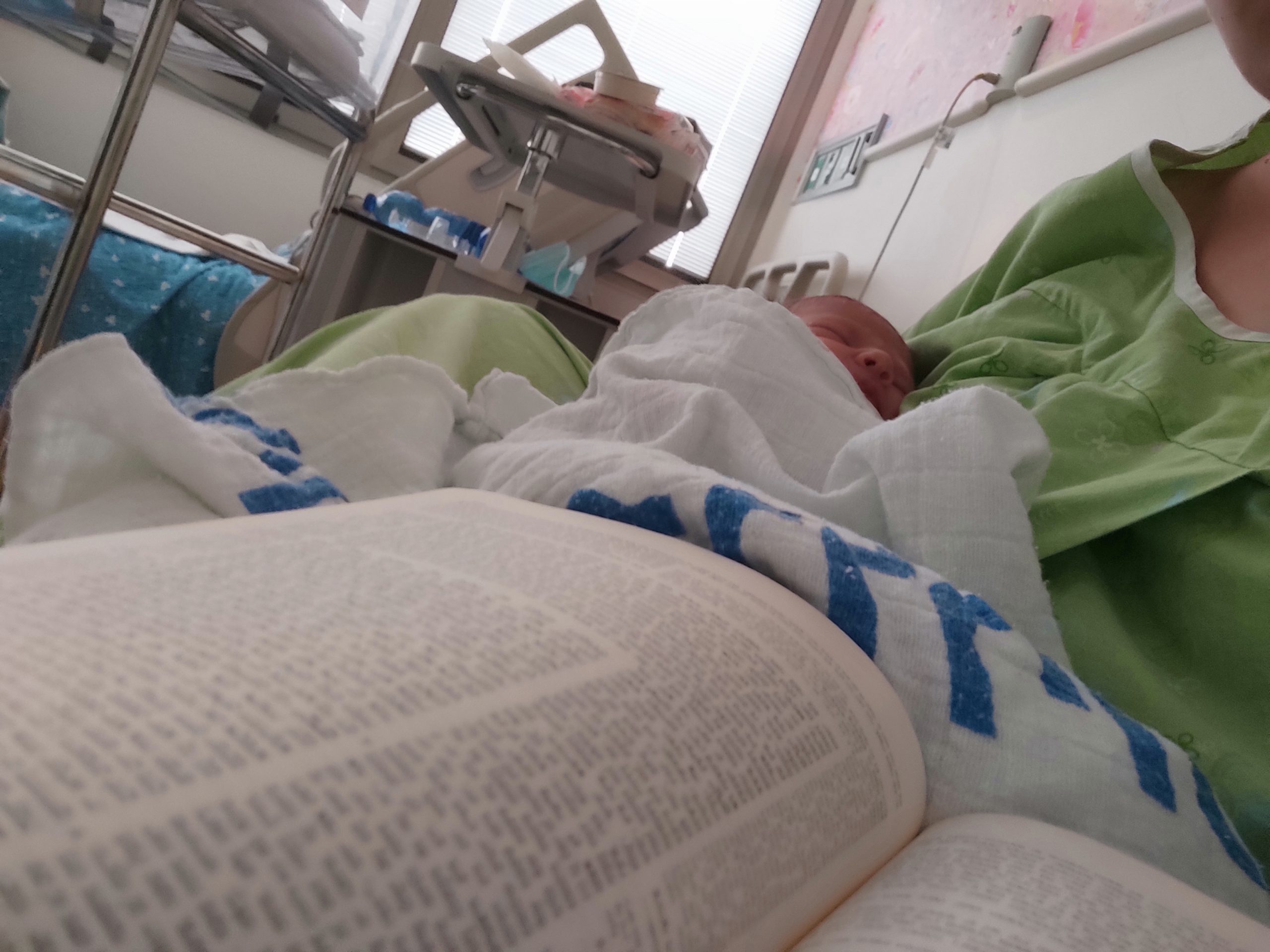
בתחילת הסבב הנוכחי הצטברו אצלי תחושות שאני לא מבינה מספיק מהי ההלכה אותה אני מקיימת בכל יום. כמו כן, כאמא לבנות רציתי לתת להן מודל נשי של לימוד תורה
שתי הסיבות האלו הובילו אותי להתחיל ללמוד. נתקלתי בתגובות מפרגנות וסקרניות איך אישה לומדת גמרא..
כמו שרואים בתמונה אני ממשיכה ללמוד גם היום ואפילו במחלקת יולדות אחרי לידת ביתי השלישית.

Noa Shiloh
נועה שילה

רבבה, ישראל

באירוע של הדרן בנייני האומה. בהשראתה של אמי שלי שסיימה את הש”ס בסבב הקודם ובעידוד מאיר , אישי, וילדיי וחברותיי ללימוד במכון למנהיגות הלכתית של רשת אור תורה סטון ומורתיי הרבנית ענת נובוסלסקי והרבנית דבורה עברון, ראש המכון למנהיגות הלכתית.
הלימוד מעשיר את יומי, מחזיר אותי גם למסכתות שכבר סיימתי וידוע שאינו דומה מי ששונה פרקו מאה לשונה פרקו מאה ואחת במיוחד מרתקים אותי החיבורים בין המסכתות

Roit Kalech
רוית קלך

מודיעין, ישראל

התחלתי בתחילת הסבב, והתמכרתי. זה נותן משמעות נוספת ליומיום ומאוד מחזק לתת לזה מקום בתוך כל שגרת הבית-עבודה השוטפת.

Reut Abrahami
רעות אברהמי

בית שמש, ישראל

אחי, שלומד דף יומי ממסכת ברכות, חיפש חברותא ללימוד מסכת ראש השנה והציע לי. החברותא היתה מאתגרת טכנית ורוב הזמן נעשתה דרך הטלפון, כך שבסיום המסכת נפרדו דרכינו. אחי חזר ללמוד לבד, אבל אני כבר נכבשתי בקסם הגמרא ושכנעתי את האיש שלי להצטרף אלי למסכת ביצה. מאז המשכנו הלאה, ועכשיו אנחנו מתרגשים לקראתו של סדר נשים!

Shulamit Saban
שולמית סבן

נוקדים, ישראל

. לא תמיד נהניתי מלימוד גמרא כילדה.,בל כהתבגרתי התחלתי לאהוב את זה שוב. התחלתי ללמוד מסכת סוטה בדף היומי לפני כחמש עשרה שנה ואז הפסקתי.הגעתי לסיום הגדול של הדרן לפני שנתיים וזה נתן לי השראה. והתחלתי ללמוד למשך כמה ימים ואז היתה לי פריצת דיסק והפסקתי…עד אלול השנה. אז התחלתי עם מסכת ביצה וב”ה אני מצליחה לעמוד בקצב. המשפחה מאוד תומכת בי ויש כמה שגם לומדים את זה במקביל. אני אוהבת שיש עוגן כל יום.

Rebecca Darshan
רבקה דרשן

בית שמש, ישראל

My explorations into Gemara started a few days into the present cycle. I binged learnt and become addicted. I’m fascinated by the rich "tapestry” of intertwined themes, connections between Masechtot, conversations between generations of Rabbanim and learners past and present all over the world. My life has acquired a golden thread, linking generations with our amazing heritage.
Thank you.

Susan Kasdan
סוזן כשדן

חשמונאים, Israel

התחלתי לפני כמה שנים אבל רק בסבב הזה זכיתי ללמוד יום יום ולסיים מסכתות

Sigal Tel
סיגל טל

רעננה, ישראל

התחלתי ללמוד בשנת המדרשה במגדל עוז, בינתיים נהנית מאוד מהלימוד ומהגמרא, מעניין ומשמח מאוד!
משתדלת להצליח לעקוב כל יום, לפעמים משלימה קצת בהמשך השבוע.. מרגישה שיש עוגן מקובע ביום שלי והוא משמח מאוד!

Uriah Kesner
אוריה קסנר

חיפה , ישראל

למדתי גמרא מכיתה ז- ט ב Maimonides School ואחרי העליה שלי בגיל 14 לימוד הגמרא, שלא היה כל כך מקובל בימים אלה, היה די ספוראדי. אחרי "ההתגלות” בבנייני האומה התחלתי ללמוד בעיקר בדרך הביתה למדתי מפוקקטסים שונים. לאט לאט ראיתי שאני תמיד חוזרת לרבנית מישל פרבר. באיזה שהוא שלב התחלתי ללמוד בזום בשעה 7:10 .
היום "אין מצב” שאני אתחיל את היום שלי ללא לימוד עם הרבנית מישל עם כוס הקפה שלי!!

selfie-scaled
דבי גביר

חשמונאים, ישראל

התחלתי ללמוד גמרא בבית הספר בגיל צעיר והתאהבתי. המשכתי בכך כל חיי ואף היייתי מורה לגמרא בבית הספר שקד בשדה אליהו (בית הספר בו למדתי בילדותי)בתחילת מחזור דף יומי הנוכחי החלטתי להצטרף ובע”ה מקווה להתמיד ולהמשיך. אני אוהבת את המפגש עם הדף את "דרישות השלום ” שמקבלת מקשרים עם דפים אחרים שלמדתי את הסנכרון שמתחולל בין התכנים.

Ariela Bigman
אריאלה ביגמן

מעלה גלבוע, ישראל

נזיר נד

דְּאָמַר מָר: טוּמְאָה בּוֹקַעַת וְעוֹלָה, בּוֹקַעַת וְיוֹרֶדֶת. וְאִילּוּ גַּבֵּי נְגִיעָה, אָמַר רַב יְהוּדָה, תַּנְיָא: ״(וְכׇל) הַנּוֹגֵעַ בַּעֶצֶם אוֹ בֶחָלָל״, ״בַּעֶצֶם״ — זֶה עֶצֶם כִּשְׂעוֹרָה, ״אוֹ בֶחָלָל״ — זֶה אֵבֶר הַנֶחְלָל מִן הַחַי וְאֵין בּוֹ לְהַעֲלוֹת אֲרוּכָה,

As the Master said: Ritual impurity in a sealed grave breaks through and ascends and breaks through and descends, so that the grave imparts impurity like the corpse itself. While with regard to contact with these sources of impurity, Rav Yehuda said that it is taught in a baraita that the verse “and upon him that touched a bone, or the slain, or the dead, or the grave” (Numbers 19:18) is expounded as follows: “A bone”; this is a bone that is a barley-grainbulk. “Or the slain”; this is a limb slain, i.e., severed, from the living, which does not contain enough flesh for it to heal.

״אוֹ בְּמֵת״ — זֶה אֵבֶר הַנֶחְלָל מִן הַמֵּת, ״אוֹ בְקָבֶר״ — אָמַר רֵישׁ לָקִישׁ: זֶה קֶבֶר שֶׁלִּפְנֵי הַדִּיבּוּר.

The baraita continues its interpretation of the verse. “Or the dead”; this is a limb slain from a corpse, which is not covered by enough flesh for it to heal were he alive. “Or the grave”; Reish Lakish said: This is a grave that contained a corpse from before the time the command of these halakhot was given to the Jewish people. These graves render people and items ritually impure by contact, but do not carry the halakhot of impurity imparted in a tent.

הַאי אֵבֶר מִן הַמֵּת, הֵיכִי דָמֵי? אִי דְּאִית בֵּיהּ עֶצֶם כִּשְׂעוֹרָה הַיְינוּ הַנּוֹגֵעַ בַּעֶצֶם! אֶלָּא דְּלֵית בֵּיהּ עֶצֶם כִּשְׂעוֹרָה, וַאֲפִילּוּ הָכִי רַחֲמָנָא רַבְּיֵיהּ!

The Gemara asks: With regard to this limb from a corpse, which is listed above as imparting ritual impurity by contact, what are the circumstances of the case? If the limb contains a bone that is a barley-grainbulk, this is included in the halakha of one who touches a bone, and it was already taught that a bone imparts impurity by contact. Rather, it must be that it does not contain a bone that is a barley-grainbulk, and even so the Merciful One includes it in the halakhot of impurity, despite the fact that it does not contain enough flesh. This indicates that a nazirite shaves for a limb of this kind, in accordance with the opinion of Reish Lakish.

אָמַר לָךְ רַבִּי יוֹחָנָן: לְעוֹלָם דְּאִית בֵּיהּ. וְאִם אֵינוֹ עִנְיָן לְמַגָּעוֹ — תְּנֵהוּ עִנְיָן לְמַשָּׂאוֹ.

The Gemara responds: In answer to this proof of Reish Lakish, Rabbi Yoḥanan could have said to you: Actually, you should explain that it does contain a bone the volume of a barley-grain-bulk, and if it does not need to refer to the matter of its contact, as the verse explicitly states: “Anyone who touches a bone,” have it refer to the matter of its carrying, i.e., that one who carries it is also rendered ritually impure.

וּמַזֶּה בַּשְּׁלִישִׁי וּבַשְּׁבִיעִי וְסוֹתֵר וְכוּ׳.

§ The mishna taught with regard to any nazirite who became impure from one of the listed sources of impurity: And a priest sprinkles the ashes of the red heifer on him on the third and on the seventh days, and he negates all the previous days he counted toward his naziriteship, and he does not begin counting a fresh term of naziriteship until after he becomes pure and brings his offerings.

אִיבַּעְיָא לְהוּ: הָא דְּקָתָנֵי ״עַד שֶׁיִּטְהַר״, בַּשְּׁבִיעִי קָאֵי — עַד דְּעָבֵיד הֶעֱרֵב שֶׁמֶשׁ, וּמַנִּי — רַבִּי אֱלִיעֶזֶר הִיא. אוֹ דִילְמָא בַּשְּׁמִינִי קָאֵי, וּמַאי ״עַד שֶׁיִּטְהַר״ — עַד שֶׁיָּבִיא קׇרְבְּנוֹתָיו. וּמַנִּי — רַבָּנַן הִיא?

A dilemma was raised before the Sages: What is the meaning of that which is taught that a nazirite does not start counting until he is purified? Does the mishna refer to one who is standing on the seventh day of his purification and mean: Until he performs the requisite waiting for sunset? And whose opinion is it? It is the opinion of Rabbi Eliezer, who rules that a nazirite starts counting from the eighth day, even before he brings his offerings. Or perhaps it is referring to one who is standing on the eighth day. And then, what is the meaning of: Until he is purified? It means: Until he brings his offerings. And who is the author of this opinion? It is the Rabbis, who maintain that he begins his fresh period of naziriteship only after he has sacrificed his offering of impurity (see 18b).

תָּא שְׁמַע, מִדְּקָתָנֵי סֵיפָא: ״מַתְחִיל וּמוֹנֶה מִיָּד״, הָא רֵישָׁא מַאי ״עַד שֶׁיִּטְהַר״ — עַד שֶׁיָּבִיא קׇרְבְּנוֹתָיו, וּמַנִּי — רַבָּנַן הִיא דְּאָמְרִי: נְזִירוּת דְּטׇהֳרָה עַד שְׁמִינִי לָא חָיְילָא.

The Gemara answers: Come and hear a resolution of this dilemma from the fact that it teaches in the latter clause of the next mishna that a nazirite who does not have to bring an offering starts counting immediately after the conclusion of his seven days of purification. The Gemara infers from this mishna: If so, what is the meaning of the different term used in the first clause: Until he is purified? It means until he brings his offerings, and whose opinion is it? It is that of the Rabbis, who say that the naziriteship of purity does not commence until the eighth day.

מַתְנִי׳ אֲבָל הַסְּכָכוֹת, וְהַפְּרָעוֹת, וּבֵית הַפְּרָס,

MISHNA: The previous mishna listed the sources of ritual impurity for which a nazirite must shave. This mishna adds: However, the nazirite does not shave for these: The hanging branches over a corpse, i.e., a tree overhanging a body that a nazirite passes, but it is uncertain which branches are over a corpse; and the projecting stones from fences when the place of the impurity is unknown; and a beit haperas, a place that contained a grave and was plowed. In the latter case, the entire area around the grave is impure from a corpse due to an uncertainty, as it might contain human bones.

וְאֶרֶץ הָעַמִּים, וְהַגּוֹלֵל, וְהַדּוֹפֵק, וּרְבִיעִית דָּם, וְאֹהֶל, וְרוֹבַע עֲצָמוֹת, וְכֵלִים הַנּוֹגְעִים בְּמֵת, וּבִימֵי סְפָרוֹ, וּבִימֵי גְמָרוֹ — עַל אֵלּוּ אֵין הַנָּזִיר מְגַלֵּחַ.

The mishna continues its list: And the land of the nations, i.e., a nazirite left Eretz Yisrael for another land. The Sages decreed that all land outside of Eretz Yisrael is ritually impure. And the grave cover; and the grave walls upon which the cover rests; and a quarter-log of blood from a corpse; and a tent; and a quarter-kav of bones of a corpse; and vessels that are touching a corpse. And if the nazirite is in the days of his counting, i.e., the seven days a leper must count after purification from his leprosy; or in his days of full leprosy, when he is a full-fledged leper, for these the nazirite does not shave. This is the case even if he is rendered impure by one of the sources listed in the previous mishna.

וּמַזֶּה בַּשְּׁלִישִׁי וּבַשְּׁבִיעִי,

And in those cases listed that involve ritual impurity from a corpse, one sprinkles the purification water upon him on the third and on the seventh days of his purification,

וְאֵינוֹ סוֹתֵר אֶת הַקּוֹדְמִים, וּמַתְחִיל וּמוֹנֶה מִיָּד, וְקׇרְבָּן אֵין לוֹ. בֶּאֱמֶת אָמְרוּ: יְמֵי הַזָּב וְהַזָּבָה וִימֵי הֶסְגֵּרוֹ שֶׁל מְצוֹרָע, הֲרֵי אֵלּוּ עוֹלִין לוֹ.

and he does not negate the earlier days of his naziriteship, but they are considered part of his naziriteship term. And he starts counting the rest of his naziriteship to complete his term immediately after his purification, and he has no obligation to sacrifice an offering of impurity for these sources of ritual impurity. Actually they said an ancient tradition that these days of the impurity of the zav (Leviticus 15:1–15) and the zava (Leviticus 15:25–30) and the days of the confinement of a leper before he is confirmed as a full-fledged leper (Leviticus 13:4–5) count for him toward the period of his naziriteship.

גְּמָ׳ וְאֵלּוּ הֵן הַסְּכָכוֹת — אִילָן הַמֵּיסֵךְ עַל הָאָרֶץ. וּפְרָעוֹת — הַיּוֹצְאוֹת מִן הַגָּדֵר.

GEMARA: The Gemara explains the terms hangings and projections by citing a mishna (Oholot 8:2). And these are the hangings: A tree that overhangs the earth. And the projections are stones that protrude from a fence.

וְאֶרֶץ הָעַמִּים. אִיבַּעְיָא לְהוּ: אֶרֶץ הָעַמִּים, מִשּׁוּם אַוֵּירָא גָּזְרוּ עָלֶיהָ, אוֹ דִילְמָא מִשּׁוּם גּוּשָּׁא גָּזְרוּ עָלֶיהָ?

§ The mishna further taught: And the land of the nations does not render a nazirite obligated to shave, despite the fact that it is considered ritually impure. The Gemara inquires with regard to the nature of this impurity. A dilemma was raised before the Sages: Did the Sages decree the land of the nations impure with regard to the air, i.e., is one rendered impure merely by being there? Or perhaps they decreed it impure with regard to the earth, i.e., one who touches the ground or overlays it becomes impure.

תָּא שְׁמַע: וּמַזֶּה בַּשְּׁלִישִׁי וּבַשְּׁבִיעִי. וְאִי אָמְרַתְּ מִשּׁוּם אַוֵּירָא, הַזָּאָה לְמָה לִי?

The Gemara suggests: Come and hear a resolution to this question from the mishna, which lists one who enters the land of the nations and states: And one sprinkles on him on the third and on the seventh days. And if you say that the decree was with regard to the air, why do I need this sprinkling? He neither touched something ritually impure nor overlaid it.

אֶלָּא לָאו, מִשּׁוּם גּוּשָּׁא? לָא, לְעוֹלָם אֵימָא לָךְ מִשּׁוּם אַוֵּירָא, וְכִי קָתָנֵי — אַשְּׁאָרָא.

Rather, is it not with regard to the earth that the land of the nations was decreed impure? The Gemara rejects this proof: No, actually I could say to you that the decree is due to the air, and when the mishna teaches that he receives the sprinkling, it is referring to the other items listed in the mishna, e.g., the grave cover, the grave walls, and a quarter-log of blood.

הָכִי נָמֵי מִסְתַּבְּרָא, מִדְּקָתָנֵי: וְכֵלִים הַנּוֹגְעִים בְּמֵת. הָנֵי כֵּלִים בְּנֵי הַזָּאָה אִינּוּן? אֶלָּא שְׁמַע מִינַּהּ אַשְּׁאָרָא.

The Gemara comments: So too, it is reasonable that this is the case, from the fact that the mishna also teaches: And vessels that are touching a corpse. Now do people who touch these vessels require sprinkling? Does one who touches a vessel that is ritually impure from a corpse require the sprinkling of purification water? This individual is impure only until that evening. Rather, learn from this that the halakha that he is sprinkled on the third and on the seventh days does not refer to all the cases in the mishna but only to some of the others.

רוצה לעקוב אחרי התכנים ולהמשיך ללמוד?

ביצירת חשבון עוד היום ניתן לעקוב אחרי ההתקדמות שלך, לסמן מה למדת, ולעקוב אחרי השיעורים שמעניינים אותך.

לנקות את כל הפריטים מהרשימה?

פעולה זו תסיר את כל הפריטים בחלק זה כולל ההתקדמות וההיסטוריה. שימי לב: לא ניתן לשחזר פעולה זו.

ביטול
מחיקה

האם את/ה בטוח/ה שברצונך למחוק פריט זה?

תאבד/י את כל ההתקדמות או ההיסטוריה הקשורות לפריט זה.

ביטול
מחיקה