







ישנם ארבעה מיני נדרים הרשומים במשנה שאינם נחשבים כנדרים תקפים ולכן לא יצטרכו ללכת לחכם כדי להתירם. המשניות בהמשך יביאו דוגמאות לכל אחד מארבעת הסוגים. הסוג הראשון הוא זירוזין, נדרים המשמשים במשא ומתן, כמו נדר שלא אמכור/אקנה בפחות/יותר מסכום מסוים. ראשית, הגמרא מציעה שהמשנה הולכת בעקבות עמדתו של רבי טרפון כפי שהובאה על ידי רבי יהודה, לפיה נדר נזיר לא יהיה יעיל אלא אם כן יגיד אמירה מוחלטת. אולם רבא מוכיח מלשון המשנה שזה יכול להתאים גם לעמדה הנגדית, שכן הלשון מעידה שמעולם לא התכוונו באמת למה שאמרו שכן מלכתחילה התכוונו להתפשר. הדבר יפסול את הנדר שכן כוונתו אינה תואמת את דבריו. רבינא שאל על מקרה שאחד נדר שלא ימכור בפחות מ-5 דינרים והשני לא יקנה יותר מ-1 דינר. האם אלו נדרים תקפים או לא? ענה הרב אשי ממשנה (נדרים ל”ג) שבה אמר אחד לחבר שדוחף הזמנה לאכול בביתו "לא אשתה אפילו טיפת מים בביתך”, והפסק הוא שאפשר. לשתות טיפת מים, שכן ברור שהכוונה הייתה לא לאכול ארוחה. לעתים קרובות אנשים מגזימים בדרכים האלה ולא באמת מתכוונים למה שהם אומרים. רבינא דוחה את ההוכחה ונשארנו עם שאלתו. מובאים שני נוסחים שונים של דברי רב אסי האומרים שארבעת סוגי הנדרים הנזכרים במשנה צריכים להתיר על ידי חכם או שצריך להתיר נדרים אחרים באופן שארבעה נדרים אלו אינם חלים, כלומר עם פתח (החכם מציע שאם האדם הבין בזמן הנדר ש____, האדם לעולם לא היה עושה את הנדר) ולא בצער. מספר מקרים מראים גישות שונות לפירוק נדרים – האם אפשר להשתמש בחרטה או רק בפתח? האם צריך צורה מוחשית יותר של חרטה, כגון, "היכן שיש שם עשרה אנשים שהיו מפייסים אותך, האם היית עושה את הנדר?” זה גם ויכוח טנאטי. מובאים ארבעה מקרים של רבנים שהתירו נדרים על פי חרטה או על סמך פתח.
הלימוד השבוע מוקדש ע”י טינה לם לרפואת מעין ליאורה בת שלומית פייגא
רוצה להקדיש שיעור?

כלים
הלימוד השבוע מוקדש ע”י טינה לם לרפואת מעין ליאורה בת שלומית פייגא
נדרים כא
שְׁנֵיהֶם רוֹצִין בִּשְׁלֹשָׁה דִּינָרִין.
In this case, one may assume that both want to complete the deal at three dinars, and they did not intend to vow but only exaggerated for purposes of bargaining.
גְּמָ׳ אַרְבָּעָה נְדָרִים הִתִּירוּ חֲכָמִים כּוּ׳. אֲמַר לֵיהּ רַבִּי אַבָּא בַּר מֶמֶל לְרַבִּי אַמֵּי: אֲמַרְתְּ לַן מִשְּׁמֵיהּ דְּרַבִּי יְהוּדָה נְשִׂיאָה: מַאן תְּנָא אַרְבָּעָה נְדָרִים — רַבִּי יְהוּדָה הִיא, דְּאָמַר מִשּׁוּם רַבִּי טַרְפוֹן: לְעוֹלָם אֵין אֶחָד מֵהֶן נָזִיר, לְפִי שֶׁלֹּא נִיתְּנָה נְזִירוּת אֶלָּא לְהַפְלָאָה.
GEMARA: The mishna states: The Sages dissolved four types of vows. Rabbi Abba bar Memel said to Rabbi Ami: You said to us in the name of Rabbi Yehuda Nesia: Who is the tanna who taught this mishna of four vows? It is the opinion of Rabbi Yehuda, who said in the name of Rabbi Tarfon: With regard to two people who entered into a wager, and each declared that he would become a nazirite if the other was right, then actually neither of them becomes a nazirite, because naziriteship is determined only by explicitness of intent. One cannot become a nazirite unless he vows clearly and with certitude. Here too, since the intent of the wagering parties was not actually to vow, the halakha is that the vow is invalid.
רָבָא אָמַר: אֲפִילּוּ תֵּימָא רַבָּנַן, מִי קָתָנֵי ״שְׁנֵיהֶן רָצוּ״? ״שְׁנֵיהֶן רוֹצִין״ קָתָנֵי.
Rava said: You can even say that the mishna is in accordance with the Rabbis, who disagree with Rabbi Yehuda. Does the mishna teach: Both wanted the price to be three dinars? It teaches: Both want, in the present tense, demonstrating that they would have been satisfied with that price from the outset and never intended to vow, so the vow is not binding.
אֲמַר לֵיהּ רָבִינָא לְרַב אָשֵׁי: אָמַר לוֹ טְפֵי מִסֶּלַע, וְהַלָּה אֹמֵר בְּצִיר מִשֶּׁקֶל, נִדְרָא הָוֵי, אוֹ זֵרוּזִין הָוֵי?
Ravina said to Rav Ashi: If the seller said to the buyer in the form of a vow that the price must remain more than a sela, and the other declared in the form of a vow that the price must remain less than a shekel, what is the halakha? Is this a vow, where each stands firmly in his position? Or perhaps this is also merely for encouragement?
אֲמַר לֵיהּ, תְּנֵינָא: הָיָה מְסָרֵב בַּחֲבֵירוֹ שֶׁיֹּאכַל אֶצְלוֹ, וְאָמַר לוֹ ״קֻוֽנָּם בֵּיתְךָ שֶׁאֲנִי נִכְנָס״, ״טִיפַּת צוֹנֵן שֶׁאֲנִי טוֹעֵם״ — מוּתָּר לִיכָּנֵס לְבֵיתוֹ וְלִשְׁתּוֹת הֵימֶנּוּ צוֹנֵן, שֶׁלֹּא נִתְכַּוֵּון זֶה אֶלָּא לְשׁוּם אֲכִילָה וּשְׁתִיָּה.
Rav Ashi said to him: We already learned about a similar case: If one was importuning another that he should eat with him and the other refused and said to him: Entering your house is konam for me, or: A drop of cold water is konam for me, and for that reason I will not taste it with you, it is permitted for him to enter his house and drink cold water since he intended it as a vow only for the purpose of eating and drinking a large amount but did not mean literally that he would not drink anything.
וְאַמַּאי? וְהָא ״טִיפַּת צוֹנֵן״ קָאָמַר! אֶלָּא מִשְׁתַּעֵי אִינִישׁ הָכִי. הָכָא נָמֵי מִשְׁתַּעֵי אִינִישׁ הָכִי.
The Gemara asks: And why is this permitted? But he said: A drop of cold water, so how can you say that the vow is only with regard to drinking a large amount? Rather, it must be that a person speaks this way in exaggerated terms but does not mean literally what he says. Here also, in the case of the buyer and seller, a person speaks this way. He exaggerates and does not intend the literal meaning of his words, even though he was quite precise in his wording.
אֲמַר לֵיהּ:
Ravina said to him:
מִי דָּמֵי? גַּבֵּי צוֹנֵן, צַדִּיקִים אוֹמְרִים מְעַט וְעוֹשִׂין הַרְבֵּה —
Are these cases comparable? Concerning the case of cold water, the righteous say little and do much. Therefore, when the host says to the other: Enter my house and drink a drop of cold water, he intended to offer him an entire meal. So too, the one who vows is referring to an entire meal and not literally to a drop of water. Therefore, he may drink a bit of cold water in the host’s house.
הָכָא סְפֵיקָא הוּא, דִּלְמָא פָּחוֹת מִסֶּלַע וְיוֹתֵר עַל שֶׁקֶל קָאָמַר, וְזֵירוּזִין הָוֵי, אוֹ דִּלְמָא דַּוְקָא קָאָמַר, וְנִידְרָא הָוֵי. תִּבְּעֵי.
But here it is uncertain. Perhaps when the seller says he will only accept more than a sela, he really intends to accept less than a sela, and when the buyer says he will not pay more than a shekel, he really intends to pay more than a shekel; and this is also an exhortation vow. Or, perhaps he meant specifically what he said, and it is a vow, because he did not intend to compromise on the price. The Gemara concludes: The dilemma remains unresolved.
אָמַר רַב יְהוּדָה אָמַר רַב אַסִּי: אַרְבָּעָה נְדָרִים הַלָּלוּ צְרִיכִין שְׁאֵלָה לְחָכָם. כִּי אַמְרִיתָא קַמֵּיהּ דִּשְׁמוּאֵל, אָמַר: תַּנָּא תָּנֵי ״אַרְבָּעָה נְדָרִים הִתִּירוּ חֲכָמִים״, וְאַתְּ אָמְרַתְּ צְרִיכִין שְׁאֵלָה לְחָכָם?!
§ Rav Yehuda said that Rav Asi said: These four vows that are taught in the mishna still require a request made to a halakhic authority to dissolve them. Rav Yehuda continues: When I said this halakha before Shmuel, he said: The tanna teaches that the Sages dissolved four vows, and you say they require a request made to a halakhic authority?
רַב יוֹסֵף מַתְנִי לַהּ לְהָא שְׁמַעְתָּא בְּהַאי לִישָּׁנָא: אָמַר רַב יְהוּדָה אָמַר רַב אַסִּי: אֵין חָכָם רַשַּׁאי לְהַתִּיר אֶלָּא כְּעֵין אַרְבָּעָה נְדָרִים הַלָּלוּ. קָסָבַר אֵין פּוֹתְחִין בַּחֲרָטָה.
Rav Yosef taught this halakha in this manner: Rav Yehuda said that Rav Asi said: A halakhic authority is able to dissolve only a vow that is similar to these four vows in that it was not intended to be a vow at all but was simply expressed in the language of a vow. In addition, he can dissolve a vow taken by mistake. The Gemara comments: It can be derived from here that he holds that a halakhic authority does not broach dissolution based on regret. A halakhic authority must search for a factor that, had the one making the vow been aware of it at the time of the vow, he would not have vowed. Simply expressing regret about the vow is an insufficient basis on which to dissolve it.
הַהוּא דַּאֲתָא לְקַמֵּיהּ דְּרַב הוּנָא, אָמַר לֵיהּ: לִבָּךְ עֲלָךְ? אֲמַר לֵיהּ: לָא, וְשַׁרְיֵיהּ.
The Gemara relates an incident that illustrates a different opinion concerning broaching dissolution based on regret. There was a certain person who came before Rav Huna to request dissolution of a vow. Rav Huna said to him: Is your heart upon you? Do you still have the same desire that you had when you made the vow? He said to him: No. And Rav Huna dissolved the vow for him. Since Rav Huna dissolved the vow based on regret alone, he evidently holds that one may broach dissolution based on regret.
הָהוּא דַּאֲתָא לְקַמֵּיהּ דְּרַבָּה בַּר רַב הוּנָא, אֲמַר לֵיהּ: אִילּוּ הָיוּ עֲשָׂרָה בְּנֵי אָדָם שֶׁיְּפַיְּיסוּךְ בְּאוֹתָהּ שָׁעָה מִי נָדַרְתָּ? אֲמַר לֵיהּ: לֹא, וְהִתִּירוֹ.
Similarly, there was a certain person who came before Rabba bar Rav Huna to dissolve his vow. Rabba bar Rav Huna said to him: Had there been ten people who could have appeased you at the time you vowed, would you have made the vow? He said to him: No. And he dissolved the vow for him.
תַּנְיָא, רַבִּי יְהוּדָה אוֹמֵר: אוֹמְרִים לוֹ לָאָדָם: לֵב זֶה עָלֶיךָ? אִם אָמַר ״לָאו״ — מַתִּירִין אוֹתוֹ. רַבִּי יִשְׁמָעֵאל בְּרַבִּי יוֹסֵי אוֹמֵר מִשּׁוּם אָבִיו: אוֹמְרִים לוֹ לָאָדָם: אִילּוּ הָיוּ עֲשָׂרָה בְּנֵי אָדָם שֶׁיְּפַיְּיסוּךְ בְּאוֹתָהּ שָׁעָה מִי נָדַרְתָּ? אִם אָמַר ״לָאו״ — מַתִּירִין אוֹתוֹ.
It is taught in a baraita that Rabbi Yehuda says: The halakhic authorities who dissolve the vow say to the person who vowed: Is this heart, i.e., this desire, still upon you? If he says no, they dissolve it. Rabbi Yishmael, son of Rabbi Yosei, says in the name of his father: They say to the person who vowed: Had there been ten people who could have appeased you at the time, would you have made the vow? If he says no, they dissolve it.
(סִימָן: אַסִּי וְאֶלְעָזָר, יוֹחָנָן וְיַנַּאי).
The Gemara prefaces the next discussion with a mnemonic device: Asi and Elazar, Yoḥanan and Yannai.
הַהוּא דַּאֲתָא לְקַמֵּיהּ דְּרַבִּי אַסִּי אֲמַר לֵיהּ: כְּדוּ תָּהֵית? אֲמַר לֵיהּ: לָא, וְשַׁרְיֵיהּ. הָהוּא דַּאֲתָא לְקַמֵּיהּ דְּרַבִּי אֶלְעָזָר, אֲמַר לֵיהּ: בָּעֵית נָדוּר? אֲמַר לֵיהּ: אִילּוּ לָא מַרְגְּזִין לִי לָא בָּעֵינַן כְּלוּם. אֲמַר לֵיהּ: תְּהֵא כְּבָעֵית. הָהִיא אִיתְּתָא דְּאַדַּרְתַּהּ לִבְרַתַּהּ, אֲתַאי לְקַמֵּיהּ דְּרַבִּי יוֹחָנָן, אָמַר לַהּ: אִילּוּ הֲוָה יָדְעַתְּ דְּאָמְרָן מְגֵירָתִיךְ עֲלַהּ דִּבְרַתִּךְ:
The Gemara relates that there was a certain person who came before Rabbi Asi to request dissolution of a vow. Rabbi Asi said to him: Do you have regret? He said to him rhetorically: No, do I not have regret? In other words, certainly I have regret. And he dissolved the vow for him. Similarly, there was a certain person who came before Rabbi Elazar, and Rabbi Elazar said to him: Did you want to vow? Was this really your desire? He said to Rabbi Elazar: If they had not angered me, I would not have wanted anything. He said to him: Let it be like you want, and the vow is dissolved. In another instance, there was a certain woman who took a vow with regard to her daughter that the daughter may not benefit from her, and she came before Rabbi Yoḥanan to dissolve the vow. He said to her: Had you known that your neighbors would say about your daughter:

כלים
העמקה
רוצה להבין מה באמת קורה מתחת לפני השטח של הסוגיה?
שיעורים, פודקאסטים והרחבות של מיטב המורות שלנו יפתחו לך עוד זוויות וכיווני חשיבה.


















חדשה בלימוד הגמרא?
זה הדף הראשון שלך? איזו התרגשות עצומה! יש לנו בדיוק את התכנים והכלים שיעזרו לך לעשות את הצעדים הראשונים ללמידה בקצב וברמה שלך, כך תוכלי להרגיש בנוח גם בתוך הסוגיות המורכבות ומאתגרות.
פסיפס הלומדות שלנו
גלי את קהילת הלומדות שלנו, מגוון נשים, רקעים וסיפורים. כולן חלק מתנועה ומסע מרגש ועוצמתי.
הייתי לפני שנתיים בסיום הדרן נשים בבנייני האומה והחלטתי להתחיל. אפילו רק כמה דפים, אולי רק פרק, אולי רק מסכת… בינתיים סיימתי רבע שס ותכף את כל סדר מועד בה.
הסביבה תומכת ומפרגנת. אני בת יחידה עם ארבעה אחים שכולם לומדים דף יומי. מדי פעם אנחנו עושים סיומים יחד באירועים משפחתיים. ממש מרגש. מסכת שבת סיימנו כולנו יחד עם אבא שלנו!
אני שומעת כל יום פודקאסט בהליכה או בנסיעה ואחכ לומדת את הגמרא.

מרכז שפירא, ישראל
A friend in the SF Bay Area said in Dec 2019 that she might start listening on her morning drive to work. I mentioned to my husband and we decided to try the Daf when it began in Jan 2020 as part of our preparing to make Aliyah in the summer.

ירושלים, Israel
התחלתי מעט לפני תחילת הסבב הנוכחי. אני נהנית מהאתגר של להמשיך להתמיד, מרגעים של "אהה, מפה זה הגיע!” ומהאתגר האינטלקטואלי

לוד, ישראל
הצטרפתי ללומדות בתחילת מסכת תענית. ההתרגשות שלי ושל המשפחה היתה גדולה מאוד, והיא הולכת וגוברת עם כל סיום שאני זוכה לו. במשך שנים רבות רציתי להצטרף ומשום מה זה לא קרה… ב”ה מצאתי לפני מספר חודשים פרסום של הדרן, ומיד הצטרפתי והתאהבתי. הדף היומי שינה את חיי ממש והפך כל יום- ליום של תורה. מודה לכן מקרב ליבי ומאחלת לכולנו לימוד פורה מתוך אהבת התורה ולומדיה.

חיספין רמת הגולן, ישראל
לפני 15 שנה, אחרי עשרות שנים של "ג’ינגול” בין משפחה לקריירה תובענית בהייטק, הצטרפתי לשיעורי גמרא במתן רעננה. הלימוד המעמיק והייחודי של הרבנית אושרה קורן יחד עם קבוצת הנשים המגוונת הייתה חוויה מאלפת ומעשירה. לפני כשמונה שנים כאשר מחזור הדף היומי הגיע למסכת תענית הצטרפתי כ”חברותא” לבעלי. זו השעה היומית שלנו ביחד כאשר דפי הגמרא משתלבים בחיי היום יום, משפיעים ומושפעים, וכשלא מספיקים תמיד משלימים בשבת

רעננה, ישראל
התחלתי בתחילת הסבב, והתמכרתי. זה נותן משמעות נוספת ליומיום ומאוד מחזק לתת לזה מקום בתוך כל שגרת הבית-עבודה השוטפת.

בית שמש, ישראל
התחלתי ללמוד דף יומי שהתחילו מסכת כתובות, לפני 7 שנים, במסגרת קבוצת לימוד שהתפרקה די מהר, ומשם המשכתי לבד בתמיכת האיש שלי. נעזרתי בגמרת שטיינזלץ ובשיעורים מוקלטים.
הסביבה מאד תומכת ואני מקבלת המון מילים טובות לאורך כל הדרך. מאז הסיום הגדול יש תחושה שאני חלק מדבר גדול יותר.
אני לומדת בשיטת ה”7 דפים בשבוע” של הרבנית תרצה קלמן – כלומר, לא נורא אם לא הצלחת ללמוד כל יום, העיקר שגמרת ארבעה דפים בשבוע

עתניאל, ישראל
התחלתי להשתתף בשיעור נשים פעם בשבוע, תכננתי ללמוד רק דפים בודדים, לא האמנתי שאצליח יותר מכך.
לאט לאט נשאבתי פנימה לעולם הלימוד .משתדלת ללמוד כל בוקר ומתחילה את היום בתחושה של מלאות ומתוך התכווננות נכונה יותר.
הלימוד של הדף היומי ממלא אותי בתחושה של חיבור עמוק לעם היהודי ולכל הלומדים בעבר ובהווה.

אפרת, ישראל
אחי, שלומד דף יומי ממסכת ברכות, חיפש חברותא ללימוד מסכת ראש השנה והציע לי. החברותא היתה מאתגרת טכנית ורוב הזמן נעשתה דרך הטלפון, כך שבסיום המסכת נפרדו דרכינו. אחי חזר ללמוד לבד, אבל אני כבר נכבשתי בקסם הגמרא ושכנעתי את האיש שלי להצטרף אלי למסכת ביצה. מאז המשכנו הלאה, ועכשיו אנחנו מתרגשים לקראתו של סדר נשים!

נוקדים, ישראל
התחלתי ללמוד דף יומי לפני שנתיים, עם מסכת שבת. בהתחלה ההתמדה היתה קשה אבל בזכות הקורונה והסגרים הצלחתי להדביק את הפערים בשבתות הארוכות, לסיים את מסכת שבת ולהמשיך עם המסכתות הבאות. עכשיו אני מסיימת בהתרגשות רבה את מסכת חגיגה וסדר מועד ומחכה לסדר הבא!

מודיעין, ישראל
הצטרפתי ללומדות בתחילת מסכת תענית. ההתרגשות שלי ושל המשפחה היתה גדולה מאוד, והיא הולכת וגוברת עם כל סיום שאני זוכה לו. במשך שנים רבות רציתי להצטרף ומשום מה זה לא קרה… ב”ה מצאתי לפני מספר חודשים פרסום של הדרן, ומיד הצטרפתי והתאהבתי. הדף היומי שינה את חיי ממש והפך כל יום- ליום של תורה. מודה לכן מקרב ליבי ומאחלת לכולנו לימוד פורה מתוך אהבת התורה ולומדיה.
חיספין רמת הגולן, ישראל
באירוע של הדרן בנייני האומה. בהשראתה של אמי שלי שסיימה את הש”ס בסבב הקודם ובעידוד מאיר , אישי, וילדיי וחברותיי ללימוד במכון למנהיגות הלכתית של רשת אור תורה סטון ומורתיי הרבנית ענת נובוסלסקי והרבנית דבורה עברון, ראש המכון למנהיגות הלכתית.
הלימוד מעשיר את יומי, מחזיר אותי גם למסכתות שכבר סיימתי וידוע שאינו דומה מי ששונה פרקו מאה לשונה פרקו מאה ואחת במיוחד מרתקים אותי החיבורים בין המסכתות

מודיעין, ישראל
התחלתי ללמוד דף יומי שהתחילו מסכת כתובות, לפני 7 שנים, במסגרת קבוצת לימוד שהתפרקה די מהר, ומשם המשכתי לבד בתמיכת האיש שלי. נעזרתי בגמרת שטיינזלץ ובשיעורים מוקלטים.
הסביבה מאד תומכת ואני מקבלת המון מילים טובות לאורך כל הדרך. מאז הסיום הגדול יש תחושה שאני חלק מדבר גדול יותר.
אני לומדת בשיטת ה”7 דפים בשבוע” של הרבנית תרצה קלמן – כלומר, לא נורא אם לא הצלחת ללמוד כל יום, העיקר שגמרת ארבעה דפים בשבוע
עתניאל, ישראל
אחרי שראיתי את הסיום הנשי של הדף היומי בבנייני האומה זה ריגש אותי ועורר בי את הרצון להצטרף. לא למדתי גמרא קודם לכן בכלל, אז הכל היה לי חדש, ולכן אני לומדת בעיקר מהשיעורים פה בהדרן, בשוטנשטיין או בחוברות ושיננתם.

בית שמש, ישראל
בתחילת הסבב הנוכחי הצטברו אצלי תחושות שאני לא מבינה מספיק מהי ההלכה אותה אני מקיימת בכל יום. כמו כן, כאמא לבנות רציתי לתת להן מודל נשי של לימוד תורה
שתי הסיבות האלו הובילו אותי להתחיל ללמוד. נתקלתי בתגובות מפרגנות וסקרניות איך אישה לומדת גמרא..
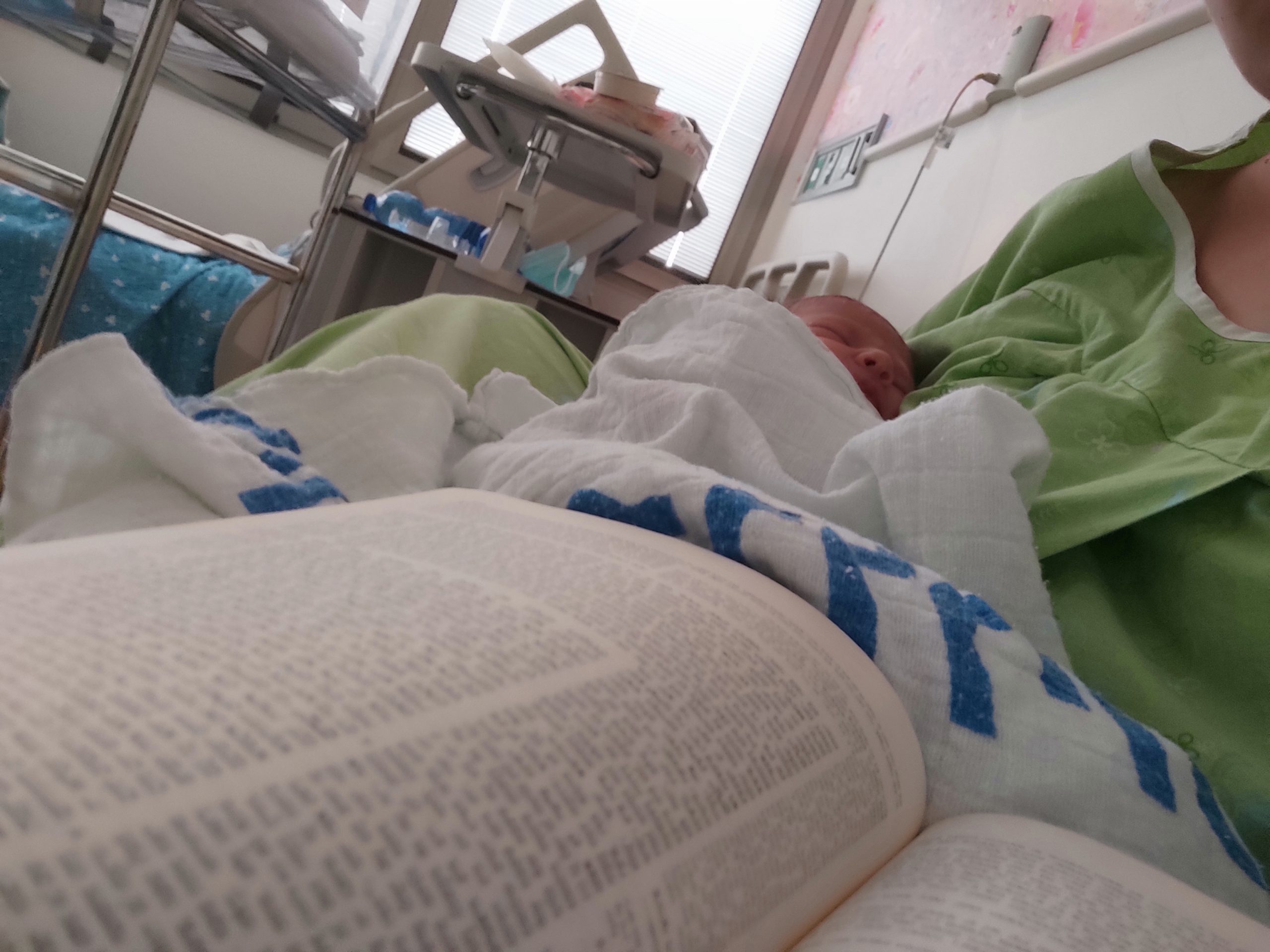
כמו שרואים בתמונה אני ממשיכה ללמוד גם היום ואפילו במחלקת יולדות אחרי לידת ביתי השלישית.
רבבה, ישראל
רציתי לקבל ידע בתחום שהרגשתי שהוא גדול וחשוב אך נעלם ממני. הלימוד מעניק אתגר וסיפוק ומעמיק את תחושת השייכות שלי לתורה וליהדות

עלי זהב – לשם, ישראל
התחלתי לפני 8 שנים במדרשה. לאחרונה סיימתי מסכת תענית בלמידה עצמית ועכשיו לקראת סיום מסכת מגילה.

רעננה, ישראל
התחלתי ללמוד דף יומי בסבב הקודם. זכיתי לסיים אותו במעמד המרגש של הדרן. בסבב הראשון ליווה אותי הספק, שאולי לא אצליח לעמוד בקצב ולהתמיד. בסבב השני אני לומדת ברוגע, מתוך אמונה ביכולתי ללמוד ולסיים. בסבב הלימוד הראשון ליוותה אותי חוויה מסויימת של בדידות. הדרן העניקה לי קהילת לימוד ואחוות נשים. החוויה של סיום הש”ס במעמד כה גדול כשנשים שאינן מכירות אותי, שמחות ומתרגשות עבורי , היתה חוויה מרוממת נפש

קיבוץ מגדל עוז, ישראל
A friend in the SF Bay Area said in Dec 2019 that she might start listening on her morning drive to work. I mentioned to my husband and we decided to try the Daf when it began in Jan 2020 as part of our preparing to make Aliyah in the summer.
ירושלים, Israel
רבנית מישל הציתה אש התלמוד בלבבות בביניני האומה ואני נדלקתי. היא פתחה פתח ותמכה במתחילות כמוני ואפשרה לנו להתקדם בצעדים נכונים וטובים. הקימה מערך שלם שמסובב את הלומדות בסביבה תומכת וכך נכנסתי למסלול לימוד מעשיר שאין כמוה. הדרן יצר קהילה גדולה וחזקה שמאפשרת התקדמות מכל נקודת מוצא. יש דיבוק לומדות שמחזק את ההתמדה של כולנו. כל פניה ושאלה נענית בזריזות ויסודיות. תודה גם למגי על כל העזרה.

נתניה, ישראל
נדרים כא
שְׁנֵיהֶם רוֹצִין בִּשְׁלֹשָׁה דִּינָרִין.
In this case, one may assume that both want to complete the deal at three dinars, and they did not intend to vow but only exaggerated for purposes of bargaining.
גְּמָ׳ אַרְבָּעָה נְדָרִים הִתִּירוּ חֲכָמִים כּוּ׳. אֲמַר לֵיהּ רַבִּי אַבָּא בַּר מֶמֶל לְרַבִּי אַמֵּי: אֲמַרְתְּ לַן מִשְּׁמֵיהּ דְּרַבִּי יְהוּדָה נְשִׂיאָה: מַאן תְּנָא אַרְבָּעָה נְדָרִים — רַבִּי יְהוּדָה הִיא, דְּאָמַר מִשּׁוּם רַבִּי טַרְפוֹן: לְעוֹלָם אֵין אֶחָד מֵהֶן נָזִיר, לְפִי שֶׁלֹּא נִיתְּנָה נְזִירוּת אֶלָּא לְהַפְלָאָה.
GEMARA: The mishna states: The Sages dissolved four types of vows. Rabbi Abba bar Memel said to Rabbi Ami: You said to us in the name of Rabbi Yehuda Nesia: Who is the tanna who taught this mishna of four vows? It is the opinion of Rabbi Yehuda, who said in the name of Rabbi Tarfon: With regard to two people who entered into a wager, and each declared that he would become a nazirite if the other was right, then actually neither of them becomes a nazirite, because naziriteship is determined only by explicitness of intent. One cannot become a nazirite unless he vows clearly and with certitude. Here too, since the intent of the wagering parties was not actually to vow, the halakha is that the vow is invalid.
רָבָא אָמַר: אֲפִילּוּ תֵּימָא רַבָּנַן, מִי קָתָנֵי ״שְׁנֵיהֶן רָצוּ״? ״שְׁנֵיהֶן רוֹצִין״ קָתָנֵי.
Rava said: You can even say that the mishna is in accordance with the Rabbis, who disagree with Rabbi Yehuda. Does the mishna teach: Both wanted the price to be three dinars? It teaches: Both want, in the present tense, demonstrating that they would have been satisfied with that price from the outset and never intended to vow, so the vow is not binding.
אֲמַר לֵיהּ רָבִינָא לְרַב אָשֵׁי: אָמַר לוֹ טְפֵי מִסֶּלַע, וְהַלָּה אֹמֵר בְּצִיר מִשֶּׁקֶל, נִדְרָא הָוֵי, אוֹ זֵרוּזִין הָוֵי?
Ravina said to Rav Ashi: If the seller said to the buyer in the form of a vow that the price must remain more than a sela, and the other declared in the form of a vow that the price must remain less than a shekel, what is the halakha? Is this a vow, where each stands firmly in his position? Or perhaps this is also merely for encouragement?
אֲמַר לֵיהּ, תְּנֵינָא: הָיָה מְסָרֵב בַּחֲבֵירוֹ שֶׁיֹּאכַל אֶצְלוֹ, וְאָמַר לוֹ ״קֻוֽנָּם בֵּיתְךָ שֶׁאֲנִי נִכְנָס״, ״טִיפַּת צוֹנֵן שֶׁאֲנִי טוֹעֵם״ — מוּתָּר לִיכָּנֵס לְבֵיתוֹ וְלִשְׁתּוֹת הֵימֶנּוּ צוֹנֵן, שֶׁלֹּא נִתְכַּוֵּון זֶה אֶלָּא לְשׁוּם אֲכִילָה וּשְׁתִיָּה.
Rav Ashi said to him: We already learned about a similar case: If one was importuning another that he should eat with him and the other refused and said to him: Entering your house is konam for me, or: A drop of cold water is konam for me, and for that reason I will not taste it with you, it is permitted for him to enter his house and drink cold water since he intended it as a vow only for the purpose of eating and drinking a large amount but did not mean literally that he would not drink anything.
וְאַמַּאי? וְהָא ״טִיפַּת צוֹנֵן״ קָאָמַר! אֶלָּא מִשְׁתַּעֵי אִינִישׁ הָכִי. הָכָא נָמֵי מִשְׁתַּעֵי אִינִישׁ הָכִי.
The Gemara asks: And why is this permitted? But he said: A drop of cold water, so how can you say that the vow is only with regard to drinking a large amount? Rather, it must be that a person speaks this way in exaggerated terms but does not mean literally what he says. Here also, in the case of the buyer and seller, a person speaks this way. He exaggerates and does not intend the literal meaning of his words, even though he was quite precise in his wording.
אֲמַר לֵיהּ:
Ravina said to him:
מִי דָּמֵי? גַּבֵּי צוֹנֵן, צַדִּיקִים אוֹמְרִים מְעַט וְעוֹשִׂין הַרְבֵּה —
Are these cases comparable? Concerning the case of cold water, the righteous say little and do much. Therefore, when the host says to the other: Enter my house and drink a drop of cold water, he intended to offer him an entire meal. So too, the one who vows is referring to an entire meal and not literally to a drop of water. Therefore, he may drink a bit of cold water in the host’s house.
הָכָא סְפֵיקָא הוּא, דִּלְמָא פָּחוֹת מִסֶּלַע וְיוֹתֵר עַל שֶׁקֶל קָאָמַר, וְזֵירוּזִין הָוֵי, אוֹ דִּלְמָא דַּוְקָא קָאָמַר, וְנִידְרָא הָוֵי. תִּבְּעֵי.
But here it is uncertain. Perhaps when the seller says he will only accept more than a sela, he really intends to accept less than a sela, and when the buyer says he will not pay more than a shekel, he really intends to pay more than a shekel; and this is also an exhortation vow. Or, perhaps he meant specifically what he said, and it is a vow, because he did not intend to compromise on the price. The Gemara concludes: The dilemma remains unresolved.
אָמַר רַב יְהוּדָה אָמַר רַב אַסִּי: אַרְבָּעָה נְדָרִים הַלָּלוּ צְרִיכִין שְׁאֵלָה לְחָכָם. כִּי אַמְרִיתָא קַמֵּיהּ דִּשְׁמוּאֵל, אָמַר: תַּנָּא תָּנֵי ״אַרְבָּעָה נְדָרִים הִתִּירוּ חֲכָמִים״, וְאַתְּ אָמְרַתְּ צְרִיכִין שְׁאֵלָה לְחָכָם?!
§ Rav Yehuda said that Rav Asi said: These four vows that are taught in the mishna still require a request made to a halakhic authority to dissolve them. Rav Yehuda continues: When I said this halakha before Shmuel, he said: The tanna teaches that the Sages dissolved four vows, and you say they require a request made to a halakhic authority?
רַב יוֹסֵף מַתְנִי לַהּ לְהָא שְׁמַעְתָּא בְּהַאי לִישָּׁנָא: אָמַר רַב יְהוּדָה אָמַר רַב אַסִּי: אֵין חָכָם רַשַּׁאי לְהַתִּיר אֶלָּא כְּעֵין אַרְבָּעָה נְדָרִים הַלָּלוּ. קָסָבַר אֵין פּוֹתְחִין בַּחֲרָטָה.
Rav Yosef taught this halakha in this manner: Rav Yehuda said that Rav Asi said: A halakhic authority is able to dissolve only a vow that is similar to these four vows in that it was not intended to be a vow at all but was simply expressed in the language of a vow. In addition, he can dissolve a vow taken by mistake. The Gemara comments: It can be derived from here that he holds that a halakhic authority does not broach dissolution based on regret. A halakhic authority must search for a factor that, had the one making the vow been aware of it at the time of the vow, he would not have vowed. Simply expressing regret about the vow is an insufficient basis on which to dissolve it.
הַהוּא דַּאֲתָא לְקַמֵּיהּ דְּרַב הוּנָא, אָמַר לֵיהּ: לִבָּךְ עֲלָךְ? אֲמַר לֵיהּ: לָא, וְשַׁרְיֵיהּ.
The Gemara relates an incident that illustrates a different opinion concerning broaching dissolution based on regret. There was a certain person who came before Rav Huna to request dissolution of a vow. Rav Huna said to him: Is your heart upon you? Do you still have the same desire that you had when you made the vow? He said to him: No. And Rav Huna dissolved the vow for him. Since Rav Huna dissolved the vow based on regret alone, he evidently holds that one may broach dissolution based on regret.
הָהוּא דַּאֲתָא לְקַמֵּיהּ דְּרַבָּה בַּר רַב הוּנָא, אֲמַר לֵיהּ: אִילּוּ הָיוּ עֲשָׂרָה בְּנֵי אָדָם שֶׁיְּפַיְּיסוּךְ בְּאוֹתָהּ שָׁעָה מִי נָדַרְתָּ? אֲמַר לֵיהּ: לֹא, וְהִתִּירוֹ.
Similarly, there was a certain person who came before Rabba bar Rav Huna to dissolve his vow. Rabba bar Rav Huna said to him: Had there been ten people who could have appeased you at the time you vowed, would you have made the vow? He said to him: No. And he dissolved the vow for him.
תַּנְיָא, רַבִּי יְהוּדָה אוֹמֵר: אוֹמְרִים לוֹ לָאָדָם: לֵב זֶה עָלֶיךָ? אִם אָמַר ״לָאו״ — מַתִּירִין אוֹתוֹ. רַבִּי יִשְׁמָעֵאל בְּרַבִּי יוֹסֵי אוֹמֵר מִשּׁוּם אָבִיו: אוֹמְרִים לוֹ לָאָדָם: אִילּוּ הָיוּ עֲשָׂרָה בְּנֵי אָדָם שֶׁיְּפַיְּיסוּךְ בְּאוֹתָהּ שָׁעָה מִי נָדַרְתָּ? אִם אָמַר ״לָאו״ — מַתִּירִין אוֹתוֹ.
It is taught in a baraita that Rabbi Yehuda says: The halakhic authorities who dissolve the vow say to the person who vowed: Is this heart, i.e., this desire, still upon you? If he says no, they dissolve it. Rabbi Yishmael, son of Rabbi Yosei, says in the name of his father: They say to the person who vowed: Had there been ten people who could have appeased you at the time, would you have made the vow? If he says no, they dissolve it.
(סִימָן: אַסִּי וְאֶלְעָזָר, יוֹחָנָן וְיַנַּאי).
The Gemara prefaces the next discussion with a mnemonic device: Asi and Elazar, Yoḥanan and Yannai.
הַהוּא דַּאֲתָא לְקַמֵּיהּ דְּרַבִּי אַסִּי אֲמַר לֵיהּ: כְּדוּ תָּהֵית? אֲמַר לֵיהּ: לָא, וְשַׁרְיֵיהּ. הָהוּא דַּאֲתָא לְקַמֵּיהּ דְּרַבִּי אֶלְעָזָר, אֲמַר לֵיהּ: בָּעֵית נָדוּר? אֲמַר לֵיהּ: אִילּוּ לָא מַרְגְּזִין לִי לָא בָּעֵינַן כְּלוּם. אֲמַר לֵיהּ: תְּהֵא כְּבָעֵית. הָהִיא אִיתְּתָא דְּאַדַּרְתַּהּ לִבְרַתַּהּ, אֲתַאי לְקַמֵּיהּ דְּרַבִּי יוֹחָנָן, אָמַר לַהּ: אִילּוּ הֲוָה יָדְעַתְּ דְּאָמְרָן מְגֵירָתִיךְ עֲלַהּ דִּבְרַתִּךְ:
The Gemara relates that there was a certain person who came before Rabbi Asi to request dissolution of a vow. Rabbi Asi said to him: Do you have regret? He said to him rhetorically: No, do I not have regret? In other words, certainly I have regret. And he dissolved the vow for him. Similarly, there was a certain person who came before Rabbi Elazar, and Rabbi Elazar said to him: Did you want to vow? Was this really your desire? He said to Rabbi Elazar: If they had not angered me, I would not have wanted anything. He said to him: Let it be like you want, and the vow is dissolved. In another instance, there was a certain woman who took a vow with regard to her daughter that the daughter may not benefit from her, and she came before Rabbi Yoḥanan to dissolve the vow. He said to her: Had you known that your neighbors would say about your daughter:

