







הנודר לאסור חפץ, חל הנדר גם אם השפה היא לא השפה הרגילה לנדר אלא זו מילה שמשתמשים בה באופן דומה (כינוי). הדבר נכון גם לגבי חרם (סוג של נדר המבוצע על ידי שימוש במונח חרם), שבועות ונזירות (אדם המקבל על העצמו להיות נזיר). אם משתמשים בשפה אחרת המעידה על התרחקות או נפרדות מחבר – ‘מודרני ממך’ ‘מופרשני ממך’ ‘מרוחקני ממך’ ‘שאני אוכל לך’ ‘שאני טועם לך’ זה גם תקף. הגמרא קוארת לזה ידות. אם משתמשים בלשון נידוי: ‘מנודה אני ממך’, רבי עקיבא לא היה בטוח כיצד להתייחס לכך ולכן פסק לחומרה. מסכת נזיר מתחילה באותו אופ – כינויי נזירות כנזירות, אך אינו מזכיר נדר, שבועות וחרם. הגמרא מציינת את ההבדל בין שתי המשניות ומנסה להבין מדוע. התשובה מובילה לשאלה נוספת בנוגע לסדר משנתנו – נדרים, חרמים, שבועות ונזיר. נושא נוסף מועלה לגבי מבנה המשנה. כדי לפתור בעיה זו הם מסבירים שבמשנה חסרות מילים. זה מוביל לשאלה נוספת שכן הסדר מטריד – הוא מתחיל בכינוי ואז עובר לידות, אחר כך מסביר את הידות ורק אז חוזר להסביר את הכינויים. למה? ניתן להסביר זאת כמבנה כיאסטי כפי שניתן למצוא במספר משניות אחרות המצוטטות בסוגיתינו. מדוע כתובות כמה משניות במבנה זה ואחרות במבנה אחר – מבנה מקביל?
רוצה להקדיש שיעור?

תקציר
נדרים ב
כָּל כִּינּוּיֵי נְדָרִים — כִּנְדָרִים,
MISHNA: When an individual takes a vow, he renders an object forbidden to himself or to others as though it were a sacrificial offering; this parallels the act of consecrating an offering, which also renders an item forbidden for personal use by means of a verbal declaration. The most direct expression of a vow is when an individual says: This object is forbidden to me, or to others, like an offering. Additionally, the mishna states that all substitutes for the language of vows are like vows. Consequently, if one states that an object is forbidden to him like a konam instead of like an offering [korban], the vow takes effect, as konam is a substitute term for the word korban (see 10a).
וַחֲרָמִים — כַּחֲרָמִים, וּשְׁבוּעוֹת — כִּשְׁבוּעוֹת, וּנְזִירוּת — כִּנְזִירוּת.
Similarly, substitutes for the language of dedications are like dedications, substitutes for the language of oaths are like oaths, and substitutes for the language of nazirite vows are like nazirite vows. Therefore, if one declared a ḥerekh instead of a dedication [ḥerem], a shevuta instead of an oath [shevua], or proclaimed that he was becoming a nazik instead of a nazirite [nazir], his statement takes effect.
הָאוֹמֵר לַחֲבֵרוֹ ״מוּדְּרַנִי מִמָּךְ״, ״מוּפְרְשַׁנִי מִמָּךְ״, ״מְרוּחֲקַנִי מִמָּךְ״, ״שֶׁאֲנִי אוֹכֵל לָךְ״, ״שֶׁאֲנִי טוֹעֵם לָךְ״ — אָסוּר.
With regard to one who says to another: I am avowed from you, or: I am separated from you, or: I am distanced from you, and he then says: That which I eat of yours, or: That which I taste of yours, even though he did not explicitly state that he is taking a vow or specify the nature of the vow, the object of his vow is nevertheless forbidden. His intention is understood based on his incomplete statement, known as an intimation of a vow, and his vow therefore takes effect.
״מְנוּדֶּה אֲנִי לָךְ״, רַבִּי עֲקִיבָא הָיָה חוֹכֵךְ בָּזֶה לְהַחְמִיר.
However, if he says: I am ostracized from you, which does not clearly declare any matter to be prohibited, Rabbi Akiva was uncertain about this halakha but was inclined to rule stringently about this and consider it a vow prohibiting the speaker from deriving benefit from his fellow.
גְּמָ׳ ״כָּל כִּינּוּיֵי נְדָרִים כִּנְדָרִים״, מַאי שְׁנָא גַּבֵּי נָזִיר דְּלָא קָתָנֵי לְהוּ לְכוּלְּהוּ, וּמַאי שְׁנָא גַּבֵּי נְדָרִים דְּקָתָנֵי לְכוּלְּהוּ?
GEMARA: It was taught in the mishna that all substitutes for the language of vows are like vows, substitutes for the language of dedications are like dedications, substitutes for the language of oaths are like oaths, and substitutes for the language of nazirite vows are like nazirite vows. The Gemara asks: What is different with regard to the first mishna of tractate Nazir that it does not teach all of them, i.e., all of the cases listed above besides nazirite vows, and what is different with regard to the first mishna of tractate Nedarim that it teaches all of them and not merely the case of vows, which is the subject directly relevant to this tractate?
מִשּׁוּם דְּנֶדֶר וּשְׁבוּעָה כְּתִיבִי גַּבֵּי הֲדָדֵי תָּנֵי תַּרְתֵּין, וְכֵיוָן דְּתָנֵי תַּרְתֵּין — תָּנֵי לְכוּלְּהוּ.
The Gemara answers that due to the fact that vows and oaths are written next to each other in the Torah in the verse: “When a man takes a vow to the Lord, or swears an oath” (Numbers 30:3), the mishna teaches these two cases, i.e., substitutes for the language of vows and oaths. And since it taught two of the cases, it taught all of them.
וְלִיתְנֵי כִּינּוּיֵי שְׁבוּעוֹת בָּתַר נְדָרִים! אַיְּידֵי דִּתְנָא נְדָרִים דְּמִיתְּסַר חֶפְצָא עֲלֵיהּ, תְּנָא נָמֵי חֲרָמִים, דְּמִיתְּסַר חֶפְצָא עֲלֵיהּ. לְאַפּוֹקֵי שְׁבוּעָה, דְּקָאָסַר נַפְשֵׁיהּ מִן חֶפְצָא.
The Gemara asks: If so, let the mishna teach the halakha with regard to substitutes for the language of oaths immediately after the case of substitutes for the language of vows. The Gemara answers: Since it taught the case of vows, whereby an object becomes forbidden to one, it taught also the case of dedications, whereby an object becomes forbidden to one. This is to the exclusion of an oath, whereby one prohibits himself from making use of an object. In the case of an oath, unlike a vow or a dedication, one prohibits himself from performing a particular action rather than declaring an object to be forbidden.
פְּתַח בְּכִינּוּיִין ״כָּל כִּנּוּיַי נְדָרִים״, וּמְפָרֵשׁ יָדוֹת: הָאוֹמֵר לַחֲבֵירוֹ ״מוּדָּר אֲנִי מִמָּךְ״! וְתוּ: יָדוֹת אִינְּשִׁי?!
§ The Gemara asks a question with regard to the style of the mishna: The mishna began with the case of substitutes when it stated: All substitutes for the language of vows are like vows, and it then immediately explains the halakha with regard to intimations of vows, as the next line addresses a case of one who says to his fellow: I am avowed from you. And furthermore, did the tanna forget to mention intimations of vows? Why doesn’t the mishna state that intimations of vows are considered vows before it gives examples of intimations?
אַיְירִי בְּהוֹן, וְחַסּוֹרֵי מִיחַסְּרָא, וְהָכִי קָתָנֵי: כָּל כִּינּוּיֵי נְדָרִים כִּנְדָרִים, וִידוֹת נְדָרִים כִּנְדָרִים.
The Gemara answers: The mishna is dealing with them, i.e., intimations of vows, and the text of the mishna is incomplete and is teaching the following: All substitutes for the language of vows are like vows, and intimations of vows are like vows. The mishna then continues by giving examples of intimations of vows.
וְלִיפְרוֹשׁ כִּינּוּיִין בְּרֵישָׁא!
The Gemara asks: Let the mishna explain the case of substitutes for the language of vows first, i.e., before it gives examples of intimations, just as the basic halakha of substitutes for the language of vows was mentioned first. In fact, it is not until later (10a) that the mishna provides examples of substitutes for the language of vows.
הָהוּא דְּסָלֵיק מִינֵּיהּ, הָהוּא מְפָרֵשׁ בְּרֵישָׁא. כְּדִתְנַן: בַּמֶּה מַדְלִיקִין וּבַמָּה אֵין מַדְלִיקִין? אֵין מַדְלִיקִין כּוּ׳.
The Gemara answers: The general style of the Mishna is that the subject with which it concludes is the one that it explains first, as in that which we learned in a mishna (Shabbat 20b): With what may one light the Shabbat lamp and with what may one not light it? One may not light with cedar bast, etc. The mishna provides examples of items one may not use to light the Shabbat lamp, which was the concluding phrase of the mishna’s introductory question, rather than beginning with examples of what one may use to light the Shabbat lamp.
בַּמֶּה טוֹמְנִין וּבַמָּה אֵין טוֹמְנִין? אֵין טוֹמְנִין כּוּ׳. בַּמָּה אִשָּׁה יוֹצְאָה וּבַמָּה אֵינָהּ יוֹצְאָה? לֹא תֵּצֵא אִשָּׁה.
Similarly, another mishna (Shabbat 47b) states: In what may one insulate a pot of cooked food on Shabbat eve, and in what may one not insulate it? One may not insulate it, etc. A third example of this style is in the following mishna (Shabbat 57a): With what items may a woman go out into the public domain on Shabbat and with what items may she not go out? A woman may not go out with strings of wool and other adornments that she may take off and carry.
וְכׇל הֵיכָא דְּפָתַח לָא מְפָרֵשׁ בְּרֵישָׁא? וְהָתְנַן: יֵשׁ נוֹחֲלִין וּמַנְחִילִין, נוֹחֲלִין וְלֹא מַנְחִילִין. וְאֵלּוּ נוֹחֲלִין וּמַנְחִילִין.
The Gemara challenges this explanation: And is it true that wherever it begins, i.e., whichever topic the mishna mentions first, it does not explain first? But didn’t we learn in a mishna (Bava Batra 108a): There are some relatives who inherit and bequeath, e.g., a father and a son, who inherit property from each other, and there are those who inherit but do not bequeath, e.g., a son and his mother; and these are the ones who inherit and bequeath, etc. This mishna provides examples of the opening line of the introductory statement before providing examples of the concluding line of the introductory statement.
יֵשׁ מוּתָּרוֹת לְבַעֲלֵיהֶן וַאֲסוּרוֹת לְיִבְמֵיהֶן, מוּתָּרוֹת לְיִבְמֵיהֶן וַאֲסוּרוֹת לְבַעֲלֵיהֶן. וְאֵלּוּ מוּתָּרוֹת לְבַעֲלֵיהֶן וַאֲסוּרוֹת לְיִבְמֵיהֶן.
Similarly, another mishna (Yevamot 84a) states: There are some women who are permitted to their husbands and forbidden to their yevamin, i.e., their husband’s brothers if their husbands die childless. These cases include one where the yavam is the High Priest, who is prohibited from marrying a widow. There are other women who are permitted to their yevamin if their husbands die childless but forbidden to their husbands, e.g., if a High Priest betrothed a widow and his brother is a common priest. The mishna immediately provides the details of the first principle: And these are the women who are permitted to their husbands and forbidden to their yevamin.
יֵשׁ טְעוּנוֹת שֶׁמֶן וּלְבוֹנָה, שֶׁמֶן וְלֹא לְבוֹנָה. וְאֵלּוּ טְעוּנוֹת שֶׁמֶן וּלְבוֹנָה. יֵשׁ טְעוּנוֹת הַגָּשָׁה וְאֵין טְעוּנוֹת תְּנוּפָה, תְּנוּפָה וְלֹא הַגָּשָׁה. וְאֵלּוּ טְעוּנוֹת הַגָּשָׁה.
Similarly, another mishna (Menaḥot 59a) states with regard to meal-offerings: There are some meal-offerings that require oil and frankincense and some that require oil but not frankincense. The mishna continues: And these are the ones that require oil and frankincense. Yet another mishna (Menaḥot 60a) states: There are meal-offerings that require bringing near, a ritual where the priests were required to carry the offering in their hands and bring it near the altar, and they do not require waving; other meal-offerings require waving but not bringing near. And these are the meal-offerings that require bringing near.
יֵשׁ בְּכוֹר לְנַחֲלָה וְאֵין בְּכוֹר לְכֹהֵן, בְּכוֹר לְכֹהֵן וְאֵין בְּכוֹר לְנַחֲלָה. וְאֵיזֶהוּ בְּכוֹר לְנַחֲלָה וְאֵין בְּכוֹר לְכֹהֵן!
Another mishna (Bekhorot 46a) states: There are some who are considered a firstborn with regard to receiving a double portion of inheritance, as they are the firstborn of their fathers, and they are not considered a firstborn with regard to a priest, i.e., with regard to the mitzva of redemption of the firstborn, which applies only to a woman’s firstborn son. There are others who are considered a firstborn with regard to a priest and are not considered a firstborn with regard to inheritance. And who is considered a firstborn with regard to inheritance who is not a firstborn with regard to a priest? In each of these five cases, the mishna first explains the opening portion of its introductory statement and only then explains the second part of its introductory statement.
הָלֵין, מִשּׁוּם דְּאָוְושׁוּ לֵיהּ, מְפָרֵשׁ הָהוּא דְּפָתַח בְּרֵישָׁא.
The Gemara explains: In these cases, because there are many [avshu] categories, the mishna explains the statement with which it began first. However, when there are only two categories, the mishna first provides detail for the latter part of its opening statement.
וְהָא בַּמֶּה בְּהֵמָה יוֹצְאָה וּבַמָּה אֵינָהּ יוֹצְאָה דְּלָא אָוְושָׁא, וְקָתָנֵי: יוֹצֵא גָּמָל!
The Gemara asks: Didn’t the mishna (Shabbat 51b) state: With what may an animal go out into the public domain on Shabbat and with what may it not go out? This is a case that does not have many categories, and yet the mishna teaches: A camel may go out on Shabbat with an afsar, etc., which clarifies the opening portion of the mishna’s introductory statement.

העמקה
רוצה להבין מה באמת קורה מתחת לפני השטח של הסוגיה?
שיעורים, פודקאסטים והרחבות של מיטב המורות שלנו יפתחו לך עוד זוויות וכיווני חשיבה.

חדשה בלימוד הגמרא?
זה הדף הראשון שלך? איזו התרגשות עצומה! יש לנו בדיוק את התכנים והכלים שיעזרו לך לעשות את הצעדים הראשונים ללמידה בקצב וברמה שלך, כך תוכלי להרגיש בנוח גם בתוך הסוגיות המורכבות ומאתגרות.
פסיפס הלומדות שלנו
גלי את קהילת הלומדות שלנו, מגוון נשים, רקעים וסיפורים. כולן חלק מתנועה ומסע מרגש ועוצמתי.
רציתי לקבל ידע בתחום שהרגשתי שהוא גדול וחשוב אך נעלם ממני. הלימוד מעניק אתגר וסיפוק ומעמיק את תחושת השייכות שלי לתורה וליהדות

עלי זהב – לשם, ישראל
התחלתי ללמוד את הדף היומי מעט אחרי שבני הקטן נולד. בהתחלה בשמיעה ולימוד באמצעות השיעור של הרבנית שפרבר. ובהמשך העזתי וקניתי לעצמי גמרא. מאז ממשיכה יום יום ללמוד עצמאית, ולפעמים בעזרת השיעור של הרבנית, כל יום. כל סיום של מסכת מביא לאושר גדול וסיפוק. הילדים בבית נהיו חלק מהלימוד, אני משתפת בסוגיות מעניינות ונהנית לשמוע את דעתם.

מעלה מכמש, ישראל
אמא שלי למדה איתי ש”ס משנה, והתחילה ללמוד דף יומי. אני החלטתי שאני רוצה ללמוד גם. בהתחלה למדתי איתה, אח”כ הצטרפתי ללימוד דף יומי שהרב דני וינט מעביר לנוער בנים בעתניאל. במסכת עירובין עוד חברה הצטרפה אלי וכשהתחלנו פסחים הרב דני פתח לנו שעור דף יומי לבנות. מאז אנחנו לומדות איתו קבוע כל יום את הדף היומי (ובשבת אבא שלי מחליף אותו). אני נהנית מהלימוד, הוא מאתגר ומעניין

עתניאל, ישראל
אני לומדת גמרא כעשור במסגרות שונות, ואת הדף היומי התחלתי כשחברה הציעה שאצטרף אליה לסיום בבנייני האומה. מאז אני לומדת עם פודקסט הדרן, משתדלת באופן יומי אך אם לא מספיקה, מדביקה פערים עד ערב שבת. בסבב הזה הלימוד הוא "ממעוף הציפור”, מקשיבה במהירות מוגברת תוך כדי פעילויות כמו בישול או נהיגה, וכך רוכשת היכרות עם הסוגיות ואופן ניתוחם על ידי חז”ל. בע”ה בסבב הבא, ואולי לפני, אצלול לתוכו באופן מעמיק יותר.

רמת גן, ישראל
. לא תמיד נהניתי מלימוד גמרא כילדה.,בל כהתבגרתי התחלתי לאהוב את זה שוב. התחלתי ללמוד מסכת סוטה בדף היומי לפני כחמש עשרה שנה ואז הפסקתי.הגעתי לסיום הגדול של הדרן לפני שנתיים וזה נתן לי השראה. והתחלתי ללמוד למשך כמה ימים ואז היתה לי פריצת דיסק והפסקתי…עד אלול השנה. אז התחלתי עם מסכת ביצה וב”ה אני מצליחה לעמוד בקצב. המשפחה מאוד תומכת בי ויש כמה שגם לומדים את זה במקביל. אני אוהבת שיש עוגן כל יום.

בית שמש, ישראל
התחלתי ללמוד דף יומי לפני שנתיים, עם מסכת שבת. בהתחלה ההתמדה היתה קשה אבל בזכות הקורונה והסגרים הצלחתי להדביק את הפערים בשבתות הארוכות, לסיים את מסכת שבת ולהמשיך עם המסכתות הבאות. עכשיו אני מסיימת בהתרגשות רבה את מסכת חגיגה וסדר מועד ומחכה לסדר הבא!

מודיעין, ישראל
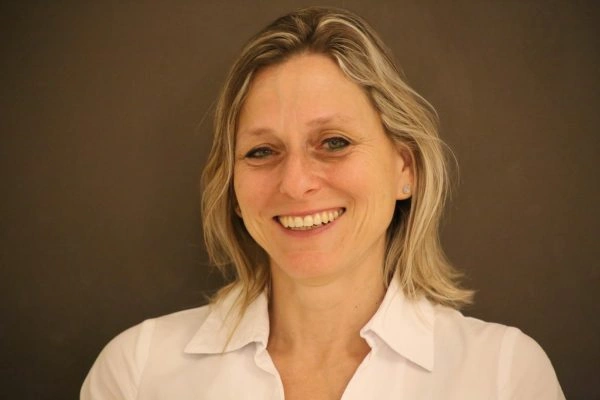
לצערי גדלתי בדור שבו לימוד גמרא לנשים לא היה דבר שבשגרה ושנים שאני חולמת להשלים את הפער הזה.. עד שלפני מספר שבועות, כמעט במקרה, נתקלתי במודעת פרסומת הקוראת להצטרף ללימוד מסכת תענית. כשקראתי את המודעה הרגשתי שהיא כאילו נכתבה עבורי – "תמיד חלמת ללמוד גמרא ולא ידעת איך להתחיל”, "בואי להתנסות במסכת קצרה וקלה” (רק היה חסר שהמודעה תיפתח במילים "מיכי שלום”..). קפצתי למים ו- ב”ה אני בדרך להגשמת החלום:)
מורשת, ישראל
התחלתי ללמוד דף יומי אחרי שחזרתי בתשובה ולמדתי במדרשה במגדל עוז. הלימוד טוב ומספק חומר למחשבה על נושאים הלכתיים ”קטנים” ועד לערכים גדולים ביהדות. חשוב לי להכיר את הגמרא לעומק. והצעד הקטן היום הוא ללמוד אותה בבקיאות, בעזרת השם, ומי יודע אולי גם אגיע לעיון בנושאים מעניינים. נושאים בגמרא מתחברים לחגים, לתפילה, ליחסים שבין אדם לחברו ולמקום ולשאר הדברים שמלווים באורח חיים דתי 🙂

מצפה יריחו, ישראל
התחלתי להשתתף בשיעור נשים פעם בשבוע, תכננתי ללמוד רק דפים בודדים, לא האמנתי שאצליח יותר מכך.
לאט לאט נשאבתי פנימה לעולם הלימוד .משתדלת ללמוד כל בוקר ומתחילה את היום בתחושה של מלאות ומתוך התכווננות נכונה יותר.
הלימוד של הדף היומי ממלא אותי בתחושה של חיבור עמוק לעם היהודי ולכל הלומדים בעבר ובהווה.

אפרת, ישראל
התחלתי ללמוד גמרא בבית הספר בגיל צעיר והתאהבתי. המשכתי בכך כל חיי ואף היייתי מורה לגמרא בבית הספר שקד בשדה אליהו (בית הספר בו למדתי בילדותי)בתחילת מחזור דף יומי הנוכחי החלטתי להצטרף ובע”ה מקווה להתמיד ולהמשיך. אני אוהבת את המפגש עם הדף את "דרישות השלום ” שמקבלת מקשרים עם דפים אחרים שלמדתי את הסנכרון שמתחולל בין התכנים.

מעלה גלבוע, ישראל
לצערי גדלתי בדור שבו לימוד גמרא לנשים לא היה דבר שבשגרה ושנים שאני חולמת להשלים את הפער הזה.. עד שלפני מספר שבועות, כמעט במקרה, נתקלתי במודעת פרסומת הקוראת להצטרף ללימוד מסכת תענית. כשקראתי את המודעה הרגשתי שהיא כאילו נכתבה עבורי – "תמיד חלמת ללמוד גמרא ולא ידעת איך להתחיל”, "בואי להתנסות במסכת קצרה וקלה” (רק היה חסר שהמודעה תיפתח במילים "מיכי שלום”..). קפצתי למים ו- ב”ה אני בדרך להגשמת החלום:)
מורשת, ישראל
התחלתי ללמוד דף יומי באמצע תקופת הקורונה, שאבא שלי סיפר לי על קבוצה של בנות שתיפתח ביישוב שלנו ותלמד דף יומי כל יום. הרבה זמן רציתי להצטרף לזה וזאת הייתה ההזדמנות בשבילי. הצטרפתי במסכת שקלים ובאמצע הייתה הפסקה קצרה. כיום אני כבר לומדת באולפנה ולומדת דף יומי לבד מתוך גמרא של טיינזלץ.

עתניאל, ישראל
A life-changing journey started with a Chanukah family tiyul to Zippori, home of the Sanhedrin 2 years ago and continued with the Syum in Binanei Hauma where I was awed by the energy of 3000 women dedicated to learning daf Yomi. Opening my morning daily with a fresh daf, I am excited with the new insights I find enriching my life and opening new and deeper horizons for me.

Elazar gush etzion, Israel
התחלתי ללמוד דף יומי בסבב הקודם. זכיתי לסיים אותו במעמד המרגש של הדרן. בסבב הראשון ליווה אותי הספק, שאולי לא אצליח לעמוד בקצב ולהתמיד. בסבב השני אני לומדת ברוגע, מתוך אמונה ביכולתי ללמוד ולסיים. בסבב הלימוד הראשון ליוותה אותי חוויה מסויימת של בדידות. הדרן העניקה לי קהילת לימוד ואחוות נשים. החוויה של סיום הש”ס במעמד כה גדול כשנשים שאינן מכירות אותי, שמחות ומתרגשות עבורי , היתה חוויה מרוממת נפש

קיבוץ מגדל עוז, ישראל
בתחילת הסבב הנוכחי של לימוד הדף היומי, נחשפתי לחגיגות המרגשות באירועי הסיום ברחבי העולם. והבטחתי לעצמי שבקרוב אצטרף גם למעגל הלומדות. הסבב התחיל כאשר הייתי בתחילת דרכי בתוכנית קרן אריאל להכשרת יועצות הלכה של נשמ”ת. לא הצלחתי להוסיף את ההתחייבות לדף היומי על הלימוד האינטנסיבי של תוכנית היועצות. בבוקר למחרת המבחן הסופי בנשמ”ת, התחלתי את לימוד הדף במסכת סוכה ומאז לא הפסקתי.

קרית גת, ישראל
אני לומדת גמרא כעשור במסגרות שונות, ואת הדף היומי התחלתי כשחברה הציעה שאצטרף אליה לסיום בבנייני האומה. מאז אני לומדת עם פודקסט הדרן, משתדלת באופן יומי אך אם לא מספיקה, מדביקה פערים עד ערב שבת. בסבב הזה הלימוד הוא "ממעוף הציפור”, מקשיבה במהירות מוגברת תוך כדי פעילויות כמו בישול או נהיגה, וכך רוכשת היכרות עם הסוגיות ואופן ניתוחם על ידי חז”ל. בע”ה בסבב הבא, ואולי לפני, אצלול לתוכו באופן מעמיק יותר.
רמת גן, ישראל
בתחילת הסבב הנוכחי הצטברו אצלי תחושות שאני לא מבינה מספיק מהי ההלכה אותה אני מקיימת בכל יום. כמו כן, כאמא לבנות רציתי לתת להן מודל נשי של לימוד תורה
שתי הסיבות האלו הובילו אותי להתחיל ללמוד. נתקלתי בתגובות מפרגנות וסקרניות איך אישה לומדת גמרא..
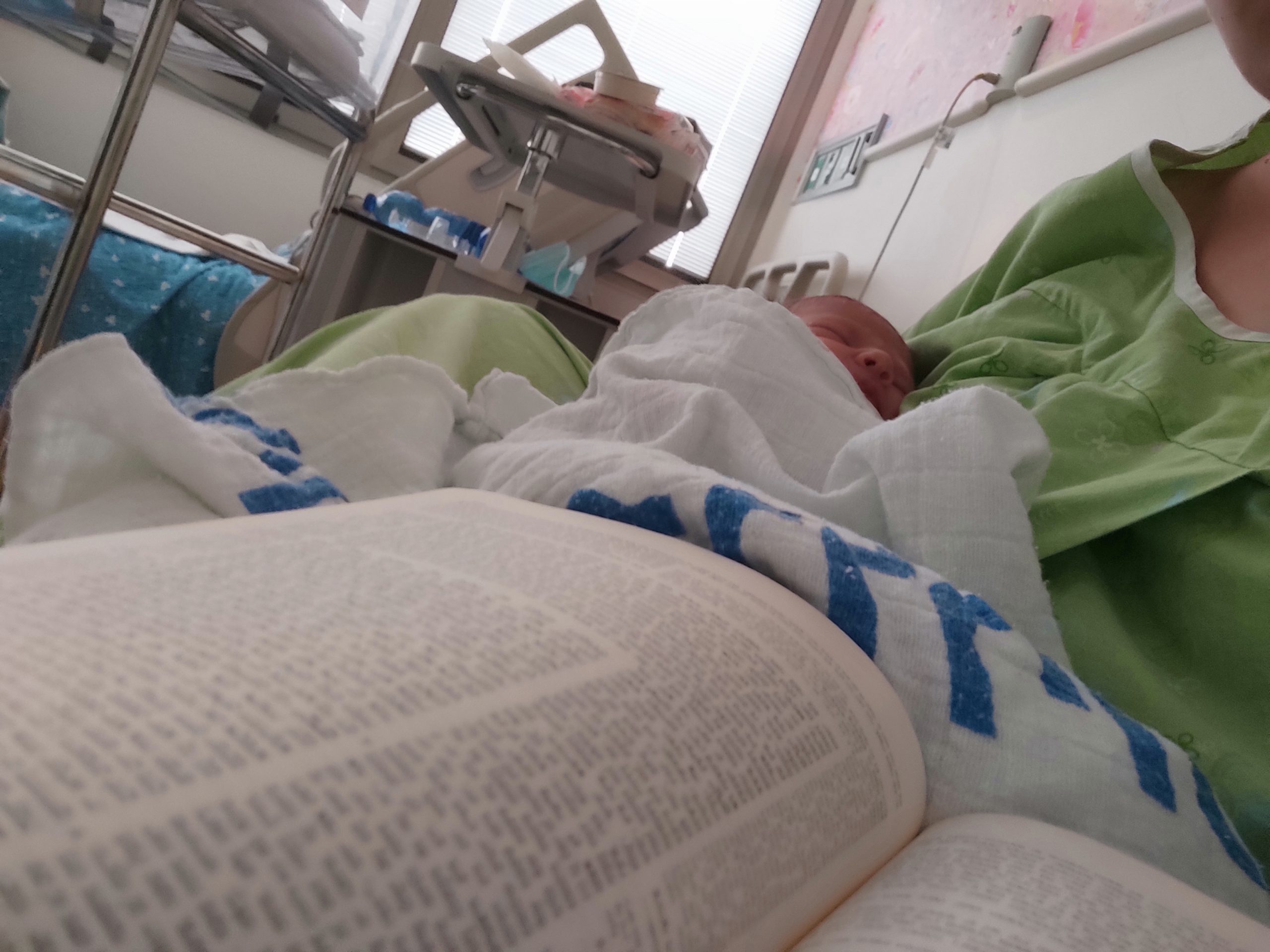
כמו שרואים בתמונה אני ממשיכה ללמוד גם היום ואפילו במחלקת יולדות אחרי לידת ביתי השלישית.
רבבה, ישראל
אחרי שראיתי את הסיום הנשי של הדף היומי בבנייני האומה זה ריגש אותי ועורר בי את הרצון להצטרף. לא למדתי גמרא קודם לכן בכלל, אז הכל היה לי חדש, ולכן אני לומדת בעיקר מהשיעורים פה בהדרן, בשוטנשטיין או בחוברות ושיננתם.

בית שמש, ישראל
התחלתי ללמוד דף יומי ממסכת נידה כי זה היה חומר הלימוד שלי אז. לאחר הסיום הגדול בבנייני האומה החלטתי להמשיך. וב”ה מאז עם הפסקות קטנות של קורונה ולידה אני משתדלת להמשיך ולהיות חלק.
זה משפיע מאוד על היום יום שלי ועל אף שאני עסוקה בלימודי הלכה ותורה כל יום, זאת המסגרת הקבועה והמחייבת ביותר שיש לי.

גבעת הראל, ישראל
כבר סיפרתי בסיום של מועד קטן.
הלימוד מאוד משפיעה על היום שלי כי אני לומדת עם רבנית מישל על הבוקר בזום. זה נותן טון לכל היום – בסיס למחשבות שלי .זה זכות גדול להתחיל את היום בלימוד ובתפילה. תודה רבה !

ירושלים, ישראל
נדרים ב
כָּל כִּינּוּיֵי נְדָרִים — כִּנְדָרִים,
MISHNA: When an individual takes a vow, he renders an object forbidden to himself or to others as though it were a sacrificial offering; this parallels the act of consecrating an offering, which also renders an item forbidden for personal use by means of a verbal declaration. The most direct expression of a vow is when an individual says: This object is forbidden to me, or to others, like an offering. Additionally, the mishna states that all substitutes for the language of vows are like vows. Consequently, if one states that an object is forbidden to him like a konam instead of like an offering [korban], the vow takes effect, as konam is a substitute term for the word korban (see 10a).
וַחֲרָמִים — כַּחֲרָמִים, וּשְׁבוּעוֹת — כִּשְׁבוּעוֹת, וּנְזִירוּת — כִּנְזִירוּת.
Similarly, substitutes for the language of dedications are like dedications, substitutes for the language of oaths are like oaths, and substitutes for the language of nazirite vows are like nazirite vows. Therefore, if one declared a ḥerekh instead of a dedication [ḥerem], a shevuta instead of an oath [shevua], or proclaimed that he was becoming a nazik instead of a nazirite [nazir], his statement takes effect.
הָאוֹמֵר לַחֲבֵרוֹ ״מוּדְּרַנִי מִמָּךְ״, ״מוּפְרְשַׁנִי מִמָּךְ״, ״מְרוּחֲקַנִי מִמָּךְ״, ״שֶׁאֲנִי אוֹכֵל לָךְ״, ״שֶׁאֲנִי טוֹעֵם לָךְ״ — אָסוּר.
With regard to one who says to another: I am avowed from you, or: I am separated from you, or: I am distanced from you, and he then says: That which I eat of yours, or: That which I taste of yours, even though he did not explicitly state that he is taking a vow or specify the nature of the vow, the object of his vow is nevertheless forbidden. His intention is understood based on his incomplete statement, known as an intimation of a vow, and his vow therefore takes effect.
״מְנוּדֶּה אֲנִי לָךְ״, רַבִּי עֲקִיבָא הָיָה חוֹכֵךְ בָּזֶה לְהַחְמִיר.
However, if he says: I am ostracized from you, which does not clearly declare any matter to be prohibited, Rabbi Akiva was uncertain about this halakha but was inclined to rule stringently about this and consider it a vow prohibiting the speaker from deriving benefit from his fellow.
גְּמָ׳ ״כָּל כִּינּוּיֵי נְדָרִים כִּנְדָרִים״, מַאי שְׁנָא גַּבֵּי נָזִיר דְּלָא קָתָנֵי לְהוּ לְכוּלְּהוּ, וּמַאי שְׁנָא גַּבֵּי נְדָרִים דְּקָתָנֵי לְכוּלְּהוּ?
GEMARA: It was taught in the mishna that all substitutes for the language of vows are like vows, substitutes for the language of dedications are like dedications, substitutes for the language of oaths are like oaths, and substitutes for the language of nazirite vows are like nazirite vows. The Gemara asks: What is different with regard to the first mishna of tractate Nazir that it does not teach all of them, i.e., all of the cases listed above besides nazirite vows, and what is different with regard to the first mishna of tractate Nedarim that it teaches all of them and not merely the case of vows, which is the subject directly relevant to this tractate?
מִשּׁוּם דְּנֶדֶר וּשְׁבוּעָה כְּתִיבִי גַּבֵּי הֲדָדֵי תָּנֵי תַּרְתֵּין, וְכֵיוָן דְּתָנֵי תַּרְתֵּין — תָּנֵי לְכוּלְּהוּ.
The Gemara answers that due to the fact that vows and oaths are written next to each other in the Torah in the verse: “When a man takes a vow to the Lord, or swears an oath” (Numbers 30:3), the mishna teaches these two cases, i.e., substitutes for the language of vows and oaths. And since it taught two of the cases, it taught all of them.
וְלִיתְנֵי כִּינּוּיֵי שְׁבוּעוֹת בָּתַר נְדָרִים! אַיְּידֵי דִּתְנָא נְדָרִים דְּמִיתְּסַר חֶפְצָא עֲלֵיהּ, תְּנָא נָמֵי חֲרָמִים, דְּמִיתְּסַר חֶפְצָא עֲלֵיהּ. לְאַפּוֹקֵי שְׁבוּעָה, דְּקָאָסַר נַפְשֵׁיהּ מִן חֶפְצָא.
The Gemara asks: If so, let the mishna teach the halakha with regard to substitutes for the language of oaths immediately after the case of substitutes for the language of vows. The Gemara answers: Since it taught the case of vows, whereby an object becomes forbidden to one, it taught also the case of dedications, whereby an object becomes forbidden to one. This is to the exclusion of an oath, whereby one prohibits himself from making use of an object. In the case of an oath, unlike a vow or a dedication, one prohibits himself from performing a particular action rather than declaring an object to be forbidden.
פְּתַח בְּכִינּוּיִין ״כָּל כִּנּוּיַי נְדָרִים״, וּמְפָרֵשׁ יָדוֹת: הָאוֹמֵר לַחֲבֵירוֹ ״מוּדָּר אֲנִי מִמָּךְ״! וְתוּ: יָדוֹת אִינְּשִׁי?!
§ The Gemara asks a question with regard to the style of the mishna: The mishna began with the case of substitutes when it stated: All substitutes for the language of vows are like vows, and it then immediately explains the halakha with regard to intimations of vows, as the next line addresses a case of one who says to his fellow: I am avowed from you. And furthermore, did the tanna forget to mention intimations of vows? Why doesn’t the mishna state that intimations of vows are considered vows before it gives examples of intimations?
אַיְירִי בְּהוֹן, וְחַסּוֹרֵי מִיחַסְּרָא, וְהָכִי קָתָנֵי: כָּל כִּינּוּיֵי נְדָרִים כִּנְדָרִים, וִידוֹת נְדָרִים כִּנְדָרִים.
The Gemara answers: The mishna is dealing with them, i.e., intimations of vows, and the text of the mishna is incomplete and is teaching the following: All substitutes for the language of vows are like vows, and intimations of vows are like vows. The mishna then continues by giving examples of intimations of vows.
וְלִיפְרוֹשׁ כִּינּוּיִין בְּרֵישָׁא!
The Gemara asks: Let the mishna explain the case of substitutes for the language of vows first, i.e., before it gives examples of intimations, just as the basic halakha of substitutes for the language of vows was mentioned first. In fact, it is not until later (10a) that the mishna provides examples of substitutes for the language of vows.
הָהוּא דְּסָלֵיק מִינֵּיהּ, הָהוּא מְפָרֵשׁ בְּרֵישָׁא. כְּדִתְנַן: בַּמֶּה מַדְלִיקִין וּבַמָּה אֵין מַדְלִיקִין? אֵין מַדְלִיקִין כּוּ׳.
The Gemara answers: The general style of the Mishna is that the subject with which it concludes is the one that it explains first, as in that which we learned in a mishna (Shabbat 20b): With what may one light the Shabbat lamp and with what may one not light it? One may not light with cedar bast, etc. The mishna provides examples of items one may not use to light the Shabbat lamp, which was the concluding phrase of the mishna’s introductory question, rather than beginning with examples of what one may use to light the Shabbat lamp.
בַּמֶּה טוֹמְנִין וּבַמָּה אֵין טוֹמְנִין? אֵין טוֹמְנִין כּוּ׳. בַּמָּה אִשָּׁה יוֹצְאָה וּבַמָּה אֵינָהּ יוֹצְאָה? לֹא תֵּצֵא אִשָּׁה.
Similarly, another mishna (Shabbat 47b) states: In what may one insulate a pot of cooked food on Shabbat eve, and in what may one not insulate it? One may not insulate it, etc. A third example of this style is in the following mishna (Shabbat 57a): With what items may a woman go out into the public domain on Shabbat and with what items may she not go out? A woman may not go out with strings of wool and other adornments that she may take off and carry.
וְכׇל הֵיכָא דְּפָתַח לָא מְפָרֵשׁ בְּרֵישָׁא? וְהָתְנַן: יֵשׁ נוֹחֲלִין וּמַנְחִילִין, נוֹחֲלִין וְלֹא מַנְחִילִין. וְאֵלּוּ נוֹחֲלִין וּמַנְחִילִין.
The Gemara challenges this explanation: And is it true that wherever it begins, i.e., whichever topic the mishna mentions first, it does not explain first? But didn’t we learn in a mishna (Bava Batra 108a): There are some relatives who inherit and bequeath, e.g., a father and a son, who inherit property from each other, and there are those who inherit but do not bequeath, e.g., a son and his mother; and these are the ones who inherit and bequeath, etc. This mishna provides examples of the opening line of the introductory statement before providing examples of the concluding line of the introductory statement.
יֵשׁ מוּתָּרוֹת לְבַעֲלֵיהֶן וַאֲסוּרוֹת לְיִבְמֵיהֶן, מוּתָּרוֹת לְיִבְמֵיהֶן וַאֲסוּרוֹת לְבַעֲלֵיהֶן. וְאֵלּוּ מוּתָּרוֹת לְבַעֲלֵיהֶן וַאֲסוּרוֹת לְיִבְמֵיהֶן.
Similarly, another mishna (Yevamot 84a) states: There are some women who are permitted to their husbands and forbidden to their yevamin, i.e., their husband’s brothers if their husbands die childless. These cases include one where the yavam is the High Priest, who is prohibited from marrying a widow. There are other women who are permitted to their yevamin if their husbands die childless but forbidden to their husbands, e.g., if a High Priest betrothed a widow and his brother is a common priest. The mishna immediately provides the details of the first principle: And these are the women who are permitted to their husbands and forbidden to their yevamin.
יֵשׁ טְעוּנוֹת שֶׁמֶן וּלְבוֹנָה, שֶׁמֶן וְלֹא לְבוֹנָה. וְאֵלּוּ טְעוּנוֹת שֶׁמֶן וּלְבוֹנָה. יֵשׁ טְעוּנוֹת הַגָּשָׁה וְאֵין טְעוּנוֹת תְּנוּפָה, תְּנוּפָה וְלֹא הַגָּשָׁה. וְאֵלּוּ טְעוּנוֹת הַגָּשָׁה.
Similarly, another mishna (Menaḥot 59a) states with regard to meal-offerings: There are some meal-offerings that require oil and frankincense and some that require oil but not frankincense. The mishna continues: And these are the ones that require oil and frankincense. Yet another mishna (Menaḥot 60a) states: There are meal-offerings that require bringing near, a ritual where the priests were required to carry the offering in their hands and bring it near the altar, and they do not require waving; other meal-offerings require waving but not bringing near. And these are the meal-offerings that require bringing near.
יֵשׁ בְּכוֹר לְנַחֲלָה וְאֵין בְּכוֹר לְכֹהֵן, בְּכוֹר לְכֹהֵן וְאֵין בְּכוֹר לְנַחֲלָה. וְאֵיזֶהוּ בְּכוֹר לְנַחֲלָה וְאֵין בְּכוֹר לְכֹהֵן!
Another mishna (Bekhorot 46a) states: There are some who are considered a firstborn with regard to receiving a double portion of inheritance, as they are the firstborn of their fathers, and they are not considered a firstborn with regard to a priest, i.e., with regard to the mitzva of redemption of the firstborn, which applies only to a woman’s firstborn son. There are others who are considered a firstborn with regard to a priest and are not considered a firstborn with regard to inheritance. And who is considered a firstborn with regard to inheritance who is not a firstborn with regard to a priest? In each of these five cases, the mishna first explains the opening portion of its introductory statement and only then explains the second part of its introductory statement.
הָלֵין, מִשּׁוּם דְּאָוְושׁוּ לֵיהּ, מְפָרֵשׁ הָהוּא דְּפָתַח בְּרֵישָׁא.
The Gemara explains: In these cases, because there are many [avshu] categories, the mishna explains the statement with which it began first. However, when there are only two categories, the mishna first provides detail for the latter part of its opening statement.
וְהָא בַּמֶּה בְּהֵמָה יוֹצְאָה וּבַמָּה אֵינָהּ יוֹצְאָה דְּלָא אָוְושָׁא, וְקָתָנֵי: יוֹצֵא גָּמָל!
The Gemara asks: Didn’t the mishna (Shabbat 51b) state: With what may an animal go out into the public domain on Shabbat and with what may it not go out? This is a case that does not have many categories, and yet the mishna teaches: A camel may go out on Shabbat with an afsar, etc., which clarifies the opening portion of the mishna’s introductory statement.

