חיפוש

נדרים פ

רוצה להקדיש שיעור?

podcast placeholder

0:00
0:00


תקציר

הדף היום מוקדש לביתנו, חני, לכבוד סיום שירותה בצה”ל. אנו גאים במסירותך ובעבודתך הקשה בשירתייך בשלוש וחצי שנים אלו למען ארצנו. 

הדף היום מוקדש ע”י הטר שטון לע”נ אביה, יהודה לייב בן נפטלי הלוי בציון סיום 11 חודשים מאז שנפטר.

הדף היום מוקדש ע”י וונדי פרוסקין לרגל שמחת בת המצווה של ביתה, אורלי זוקר, השבת, פרשת שמות. מזל טוב!

הגמרא ממשיכה לברר מה המקרים במשנה שעליה דנים תנא קמא ור’ יוסי "אם ארחץ, אם לא ארחץ, אם אתקשט, אם לא אתקשט.” עד שמסבירים בסוף שהמקרים של "אם…” זה קודם הנאת רחיצה/קישוט עלי, אם ארחץ/אתקשט היום” והמקרים של "אם לא…” זה שבועה – שבועה שלא ארחץ/אתקשט. איך חכמים יכולים לטעון שרחיצה היא עינוי נפש כשביום הכיפורים לא מקבלים כרת אם רוחצים? אם ר’ יוסי כאן אומר שרחיצה אינה עינוי נפש כשבתופסתא בבא מציעא בעניין אחר הוא טוען שלא לכבס בגדים זה נחשב כמו חיי נפש?

כלים

נדרים פ

וְאֶלָּא: דְּאָמְרָה ״קֻוֽנָּם הֲנָאַת רְחִיצָה עָלַי לְעוֹלָם אִם אֶרְחַץ״, מִשּׁוּם הָכִי מֵיפֵר לָהּ. דְּהֵיכִי תַּעֲבֵיד? תִּרְחַץ — מִתַּסְרָא הֲנָאַת רְחִיצָה עֲלַהּ, לָא תִּרְחַץ אִית לַהּ נִיוּוּלָא. וְרַבִּי יוֹסֵי סָבַר: אֶפְשָׁר דְּלָא רָחֲצָה, וּלְנִיוּוּל לָא חָיְישִׁינַן.

But rather, explain that she said: The benefit of bathing is konam for me forever if I bathe. And it is due to that reason that he may nullify her vow, as what can she do if there is no nullification? If she bathes, the benefit of bathing is thereby forbidden to her. And if she does not bathe, she will suffer temporary disfigurement [nivvula]. And Rabbi Yosei, who maintains that this is not a vow of affliction, maintains that it is possible for her not to bathe, as we are not concerned about her disfigurement.

אִי הָכִי, לִיתְנֵי הָכִי, רַבִּי יוֹסֵי אוֹמֵר: תְּנַאי זֶה אֵין בּוֹ עִנּוּי נֶפֶשׁ!

The Gemara raises a difficulty: If so, let the mishna teach like this: Rabbi Yosei says that this condition does not involve affliction, as the content of the vow itself is irrelevant, since she can fulfill the condition.

אֶלָּא דְּאָמְרָה: ״הֲנָאַת רְחִיצָה עָלַי לְעוֹלָם אִם אֶרְחַץ הַיּוֹם״. וְרַבִּי יוֹסֵי סָבַר: נִיוּוּל דְּחַד יוֹמָא לָא שְׁמֵיהּ נִיוּוּל.

The Gemara offers another explanation: Rather, explain that she said: The benefit of bathing is konam for me forever if I bathe today. And Rabbi Yosei maintains that nothing will happen if she refrains from bathing today, as the disfigurement resulting from not bathing for one day is not called disfigurement.

שַׁנֵּית ״אִם אֶרְחַץ״. ״אִם לֹא אֶרְחַץ״ הֵיכִי דָּמֵי? אִלֵּימָא דְּאָמְרָה: ״תִּיתְּסַר הֲנָאַת רְחִיצָה לְעוֹלָם עָלַי אִם לֹא אֶרְחַץ הַיּוֹם״ — לְמָה לָהּ הֲפָרָה? תִּתְסְחֵי! אָמַר רַב יְהוּדָה: דְּאָמְרָה ״הֲנָאַת רְחִיצָה עָלַי לְעוֹלָם אִם לֹא אֶרְחַץ בְּמֵי מִשְׁרָה״.

The Gemara asks: You have adequately answered the expression: If I bathe, but as for the vow: If I do not bathe, what are the circumstances? If we say that she said: The benefit of bathing shall be forbidden to me forever if I do not bathe today, why does she need nullification at all? Let her bathe today and nothing will be forbidden. Rav Yehuda said: The mishna is referring to a case where she said: The benefit of bathing is forbidden to me forever if I do not bathe in foul water in which flax was soaked. The husband can nullify this vow, as it will make her repulsive, which is a form of disfigurement.

דִּכְווֹתֵיהּ דְּקָתָנֵי ״אִם לֹא אֶתְקַשֵּׁט״ — אִם לֹא אֶתְקַשֵּׁט בְּנֵפְטְ. לִכְלוּךְ הוּא!

The Gemara raises an objection: In that case, you must similarly explain that which the tanna teaches: If I do not adorn myself, to mean: The benefit of adorning myself is forbidden to me forever if I do not do something repulsive, e.g., if I do not adorn myself with naphtha [neft]. But this cannot be, as such a substance is filthy and the term adornment cannot be applied to it at all.

אָמַר [רַב יְהוּדָה], דְּאָמְרָה: ״הֲנָאַת רְחִיצָה לְעוֹלָם עָלַי אִם אֶרְחַץ הַיּוֹם, וּשְׁבוּעָה שֶׁלֹּא אֶרְחַץ״, ״הֲנָאַת קִישּׁוּט עָלַי לְעוֹלָם אִם אֶתְקַשֵּׁט הַיּוֹם, וּשְׁבוּעָה שֶׁלֹּא אֶתְקַשֵּׁט״.

Rather, Rav Yehuda said that the mishna is referring to a case where she said: The benefit of bathing is forbidden to me forever if I bathe today, and I take an oath that I will not bathe today. Through a combination of her vow and her oath she has rendered it prohibited for her to bathe forever. The situation is similar if she said: The benefit of adornment is forbidden to me forever if I adorn myself today, and I take an oath that I will not adorn myself today.

אֲמַר לֵיהּ רָבִינָא לְרַב אָשֵׁי: הַאי ״אֵלּוּ נְדָרִים וּשְׁבוּעוֹת״ מִיבְּעֵי לֵיהּ לְמִיתְנֵי! אֲמַר לֵיהּ, תְּנִי: אֵלּוּ נְדָרִים וּשְׁבוּעוֹת. וְאִיבָּעֵית אֵימָא: שְׁבוּעוֹת נָמֵי הַיְינוּ נְדָרִים. דִּתְנַן: ״כְּנִדְרֵי רְשָׁעִים״ — נָדַר בְּנָזִיר וּבְקׇרְבָּן וּבִשְׁבוּעָה.

Ravina said to Rav Ashi: According to this explanation, this tanna of the mishna should have taught: These are the vows and oaths that he can nullify. Rav Ashi said to him: Teach so in the mishna: These are the vows and oaths. And if you wish, say instead that oaths are also included in the category of vows. As we learned in a mishna (9a): If one said: Like the vows of the wicked, he has vowed with respect to becoming a nazirite, and with regard to bringing an offering, and with regard to taking an oath. This shows that an oath can also be called a vow.

וַאֲמַרוּ רַבָּנַן: רְחִיצָה אִית בַּהּ עִנּוּי נֶפֶשׁ כִּי לָא רָחֲצָה? וּרְמִינְהִי: אַף עַל פִּי שֶׁאָסוּר בְּכוּלָּן — אֵין עָנוּשׁ כָּרֵת אֶלָּא בְּאוֹכֵל וְשׁוֹתֶה וְעוֹשֶׂה מְלָאכָה בִּלְבַד. וְאִי אָמְרַתְּ כִּי לָא רָחֲצָה אִיכָּא עִנּוּי, בְּיוֹם הַכִּיפּוּרִים כִּי רָחַץ לִיחַיַּיב כָּרֵת!

§ The Gemara asks: And do the Rabbis, i.e., the first tanna, mean to say with regard to bathing that when she does not bathe it involves affliction? The Gemara raises a contradiction from a baraita that states: Although one is prohibited from performing any of the five activities associated with affliction on Yom Kippur, i.e., eating or drinking, bathing, anointing, engaging in sexual intercourse, and wearing leather shoes, one is punished with karet only when one eats or drinks or performs prohibited labor alone. And if you say that when a woman does not bathe there is affliction, and for this reason a husband may nullify such a vow taken by his wife, then if one bathes on Yom Kippur, he should be liable to receive karet, in accordance with the verse “For whatever person shall not be afflicted on that same day, he shall be cut off [venikhreta] from his people” (Leviticus 23:29), as he has failed to observe this form of affliction.

אָמַר רָבָא: מֵעִנְיָנָא דִקְרָא. גַּבֵּי יוֹם הַכִּיפּוּרִים דִּכְתִיב ״תְּעַנּוּ אֶת נַפְשׁוֹתֵיכֶם״ — מִילְּתָא דְּיָדַע עִינּוּיָא הַשְׁתָּא. רְחִיצָה לָא יָדַע עִינּוּיָא הַשְׁתָּא. גַּבֵּי נְדָרִים דִּכְתִיב ״כׇּל נֵדֶר וְכׇל שְׁבוּעַת אִסָּר לְעַנּוֹת נָפֶשׁ״ — מִילְּתָא דְּאָתְיָא לֵיהּ לִידֵי עִנּוּי, וְכִי לָא רָחֲצָה אָתְיָא לִידֵי עִנּוּי.

Rava said: The meaning of the affliction in each case may be learned from the context of the verse. With regard to Yom Kippur, where it is written: “On the tenth of the month you shall afflict your souls” (Leviticus 16:29), the reference is to a matter for which one knows and feels the affliction right now, on Yom Kippur itself, i.e., abstention from food and drink, which is felt within a short period of time. One who abstains from bathing, however, does not know and feel the affliction now, but only later. By contrast, with regard to vows, where it is written: “Every vow and every binding oath to afflict the soul, her husband may uphold it, or her husband may nullify it” (Numbers 30:14), the reference is to a matter that leads to affliction, and if she does not bathe for an extended period of time, it eventually leads to affliction.

וְרָמֵי דְּרַבִּי יוֹסֵי אַדְּרַבִּי יוֹסֵי: מַעְיָין שֶׁל בְּנֵי הָעִיר, חַיֵּיהֶן וְחַיֵּי אֲחֵרִים — חַיֵּיהֶן קוֹדְמִין לְחַיֵּי אֲחֵרִים. בְּהֶמְתָּם [וּבֶהֱמַת אֲחֵרִים — בְּהֶמְתָּם] קוֹדֶמֶת לְבֶהֱמַת אֲחֵרִים. כְּבִיסָתָן וּכְבִיסַת אֲחֵרִים — כְּבִיסָתָן קוֹדֶמֶת לִכְבִיסַת אֲחֵרִים. חַיֵּי אֲחֵרִים וּכְבִיסָתָן — חַיֵּי אֲחֵרִים קוֹדְמִין לִכְבִיסָתָן.

§ The Gemara raises a contradiction between this statement of Rabbi Yosei and another statement of Rabbi Yosei. It was taught in a baraita: In the case of a spring belonging to the residents of a city, if the water was needed for their own lives, i.e., the city’s residents required the spring for drinking water, and it was also needed for the lives of others, their own lives take precedence over the lives of others. Likewise, if the water was needed for their own animals and also for the animals of others, their own animals take precedence over the animals of others. And if the water was needed for their own laundry and also for the laundry of others, their own laundry takes precedence over the laundry of others. However, if the spring water was needed for the lives of others and their own laundry, the lives of others take precedence over their own laundry.

רַבִּי יוֹסֵי אוֹמֵר: כְּבִיסָתָן קוֹדֶמֶת לְחַיֵּי אֲחֵרִים. הַשְׁתָּא כְּבִיסָה אָמַר רַבִּי יוֹסֵי יֵשׁ בָּהּ צַעַר,

Rabbi Yosei disagrees and says: Even their own laundry takes precedence over the lives of others, as the wearing of unlaundered clothes can eventually cause suffering and pose a danger. The Gemara clarifies the difficulty presented by this baraita: Now, if with regard to laundry, Rabbi Yosei said that refraining from laundering one’s clothes involves pain and affliction,

כלים

העמקה

רוצה להבין מה באמת קורה מתחת לפני השטח של הסוגיה?
שיעורים, פודקאסטים והרחבות של מיטב המורות שלנו יפתחו לך עוד זוויות וכיווני חשיבה.

לשיעורי עוד על הדף באנגלית, לחצי כאן

חדשה בלימוד הגמרא?

זה הדף הראשון שלך? איזו התרגשות עצומה! יש לנו בדיוק את התכנים והכלים שיעזרו לך לעשות את הצעדים הראשונים ללמידה בקצב וברמה שלך, כך תוכלי להרגיש בנוח גם בתוך הסוגיות המורכבות ומאתגרות.

פסיפס הלומדות שלנו

גלי את קהילת הלומדות שלנו, מגוון נשים, רקעים וסיפורים. כולן חלק מתנועה ומסע מרגש ועוצמתי.

התחלתי ללמוד דף יומי שהתחילו מסכת כתובות, לפני 7 שנים, במסגרת קבוצת לימוד שהתפרקה די מהר, ומשם המשכתי לבד בתמיכת האיש שלי. נעזרתי בגמרת שטיינזלץ ובשיעורים מוקלטים.
הסביבה מאד תומכת ואני מקבלת המון מילים טובות לאורך כל הדרך. מאז הסיום הגדול יש תחושה שאני חלק מדבר גדול יותר.
אני לומדת בשיטת ה”7 דפים בשבוע” של הרבנית תרצה קלמן – כלומר, לא נורא אם לא הצלחת ללמוד כל יום, העיקר שגמרת ארבעה דפים בשבוע

Rachel Goldstein
רחל גולדשטיין

עתניאל, ישראל

באירוע של הדרן בנייני האומה. בהשראתה של אמי שלי שסיימה את הש”ס בסבב הקודם ובעידוד מאיר , אישי, וילדיי וחברותיי ללימוד במכון למנהיגות הלכתית של רשת אור תורה סטון ומורתיי הרבנית ענת נובוסלסקי והרבנית דבורה עברון, ראש המכון למנהיגות הלכתית.
הלימוד מעשיר את יומי, מחזיר אותי גם למסכתות שכבר סיימתי וידוע שאינו דומה מי ששונה פרקו מאה לשונה פרקו מאה ואחת במיוחד מרתקים אותי החיבורים בין המסכתות

Roit Kalech
רוית קלך

מודיעין, ישראל

התחלתי ללמוד את הדף היומי מעט אחרי שבני הקטן נולד. בהתחלה בשמיעה ולימוד באמצעות השיעור של הרבנית שפרבר. ובהמשך העזתי וקניתי לעצמי גמרא. מאז ממשיכה יום יום ללמוד עצמאית, ולפעמים בעזרת השיעור של הרבנית, כל יום. כל סיום של מסכת מביא לאושר גדול וסיפוק. הילדים בבית נהיו חלק מהלימוד, אני משתפת בסוגיות מעניינות ונהנית לשמוע את דעתם.

Eliraz Blau
אלירז בלאו

מעלה מכמש, ישראל

בתחילת הסבב הנוכחי של לימוד הדף היומי, נחשפתי לחגיגות המרגשות באירועי הסיום ברחבי העולם. והבטחתי לעצמי שבקרוב אצטרף גם למעגל הלומדות. הסבב התחיל כאשר הייתי בתחילת דרכי בתוכנית קרן אריאל להכשרת יועצות הלכה של נשמ”ת. לא הצלחתי להוסיף את ההתחייבות לדף היומי על הלימוד האינטנסיבי של תוכנית היועצות. בבוקר למחרת המבחן הסופי בנשמ”ת, התחלתי את לימוד הדף במסכת סוכה ומאז לא הפסקתי.

Hana Shaham-Rozby (Dr.)
חנה שחם-רוזבי (ד”ר)

קרית גת, ישראל

ראיתי את הסיום הגדול בבנייני האומה וכל כך התרשמתי ורציתי לקחת חלק.. אבל לקח לי עוד כשנה וחצי )באמצע מסיכת שבת להצטרף..
הלימוד חשוב לי מאוד.. אני תמיד במרדף אחרי הדף וגונבת כל פעם חצי דף כשהילדים עסוקים ומשלימה אח”כ אחרי שכולם הלכו לישון..

Olga Mizrahi
אולגה מזרחי

ירושלים, ישראל

בתחילת הסבב הנוכחי הצטברו אצלי תחושות שאני לא מבינה מספיק מהי ההלכה אותה אני מקיימת בכל יום. כמו כן, כאמא לבנות רציתי לתת להן מודל נשי של לימוד תורה
שתי הסיבות האלו הובילו אותי להתחיל ללמוד. נתקלתי בתגובות מפרגנות וסקרניות איך אישה לומדת גמרא..
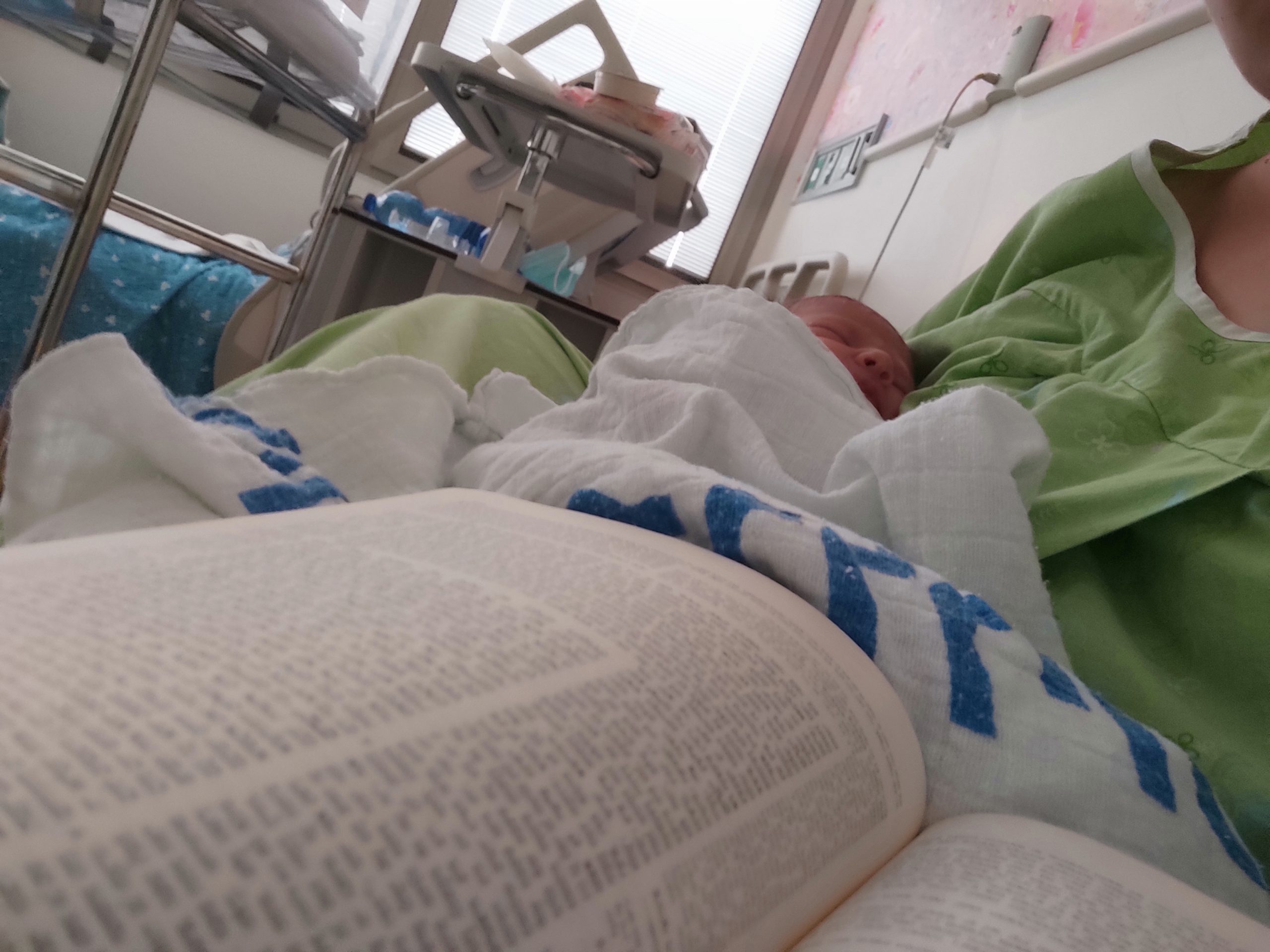
כמו שרואים בתמונה אני ממשיכה ללמוד גם היום ואפילו במחלקת יולדות אחרי לידת ביתי השלישית.

Noa Shiloh
נועה שילה

רבבה, ישראל

רציתי לקבל ידע בתחום שהרגשתי שהוא גדול וחשוב אך נעלם ממני. הלימוד מעניק אתגר וסיפוק ומעמיק את תחושת השייכות שלי לתורה וליהדות

Ruth Agiv
רות עגיב

עלי זהב – לשם, ישראל

הייתי לפני שנתיים בסיום הדרן נשים בבנייני האומה והחלטתי להתחיל. אפילו רק כמה דפים, אולי רק פרק, אולי רק מסכת… בינתיים סיימתי רבע שס ותכף את כל סדר מועד בה.
הסביבה תומכת ומפרגנת. אני בת יחידה עם ארבעה אחים שכולם לומדים דף יומי. מדי פעם אנחנו עושים סיומים יחד באירועים משפחתיים. ממש מרגש. מסכת שבת סיימנו כולנו יחד עם אבא שלנו!
אני שומעת כל יום פודקאסט בהליכה או בנסיעה ואחכ לומדת את הגמרא.

Edna Gross
עדנה גרוס

מרכז שפירא, ישראל

A life-changing journey started with a Chanukah family tiyul to Zippori, home of the Sanhedrin 2 years ago and continued with the Syum in Binanei Hauma where I was awed by the energy of 3000 women dedicated to learning daf Yomi. Opening my morning daily with a fresh daf, I am excited with the new insights I find enriching my life and opening new and deeper horizons for me.

Becky Goldstein
בקי גולדשטיין

Elazar gush etzion, Israel

אחי, שלומד דף יומי ממסכת ברכות, חיפש חברותא ללימוד מסכת ראש השנה והציע לי. החברותא היתה מאתגרת טכנית ורוב הזמן נעשתה דרך הטלפון, כך שבסיום המסכת נפרדו דרכינו. אחי חזר ללמוד לבד, אבל אני כבר נכבשתי בקסם הגמרא ושכנעתי את האיש שלי להצטרף אלי למסכת ביצה. מאז המשכנו הלאה, ועכשיו אנחנו מתרגשים לקראתו של סדר נשים!

Shulamit Saban
שולמית סבן

נוקדים, ישראל

ראיתי את הסיום הגדול בבנייני האומה וכל כך התרשמתי ורציתי לקחת חלק.. אבל לקח לי עוד כשנה וחצי )באמצע מסיכת שבת להצטרף..
הלימוד חשוב לי מאוד.. אני תמיד במרדף אחרי הדף וגונבת כל פעם חצי דף כשהילדים עסוקים ומשלימה אח”כ אחרי שכולם הלכו לישון..

Olga Mizrahi
אולגה מזרחי

ירושלים, ישראל

בתחילת הסבב הנוכחי הצטברו אצלי תחושות שאני לא מבינה מספיק מהי ההלכה אותה אני מקיימת בכל יום. כמו כן, כאמא לבנות רציתי לתת להן מודל נשי של לימוד תורה
שתי הסיבות האלו הובילו אותי להתחיל ללמוד. נתקלתי בתגובות מפרגנות וסקרניות איך אישה לומדת גמרא..
כמו שרואים בתמונה אני ממשיכה ללמוד גם היום ואפילו במחלקת יולדות אחרי לידת ביתי השלישית.

Noa Shiloh
נועה שילה

רבבה, ישראל

בסוף הסבב הקודם ראיתי את השמחה הגדולה שבסיום הלימוד, בעלי סיים כבר בפעם השלישית וכמובן הסיום הנשי בבנייני האומה וחשבתי שאולי זו הזדמנות עבורי למשהו חדש.
למרות שאני שונה בסביבה שלי, מי ששומע על הלימוד שלי מפרגן מאוד.
אני מנסה ללמוד קצת בכל יום, גם אם לא את כל הדף ובסך הכל אני בדרך כלל עומדת בקצב.
הלימוד מעניק המון משמעות ליום יום ועושה סדר בלמוד תורה, שתמיד היה (ועדיין) שאיפה. אבל אין כמו קביעות

Racheli-Mendelson
רחלי מנדלסון

טל מנשה, ישראל

אחי, שלומד דף יומי ממסכת ברכות, חיפש חברותא ללימוד מסכת ראש השנה והציע לי. החברותא היתה מאתגרת טכנית ורוב הזמן נעשתה דרך הטלפון, כך שבסיום המסכת נפרדו דרכינו. אחי חזר ללמוד לבד, אבל אני כבר נכבשתי בקסם הגמרא ושכנעתי את האיש שלי להצטרף אלי למסכת ביצה. מאז המשכנו הלאה, ועכשיו אנחנו מתרגשים לקראתו של סדר נשים!

Shulamit Saban
שולמית סבן

נוקדים, ישראל

התחלתי ללמוד בסבב הנוכחי לפני כשנתיים .הסביבה מתפעלת ותומכת מאוד. אני משתדלת ללמוד מכל ההסכתים הנוספים שיש באתר הדרן. אני עורכת כל סיום מסכת שיעור בביתי לכ20 נשים שמחכות בקוצר רוח למפגשים האלו.

Yael Asher
יעל אשר

יהוד, ישראל

כבר סיפרתי בסיום של מועד קטן.
הלימוד מאוד משפיעה על היום שלי כי אני לומדת עם רבנית מישל על הבוקר בזום. זה נותן טון לכל היום – בסיס למחשבות שלי .זה זכות גדול להתחיל את היום בלימוד ובתפילה. תודה רבה !

שרה-ברלוביץ
שרה ברלוביץ

ירושלים, ישראל

באירוע של הדרן בנייני האומה. בהשראתה של אמי שלי שסיימה את הש”ס בסבב הקודם ובעידוד מאיר , אישי, וילדיי וחברותיי ללימוד במכון למנהיגות הלכתית של רשת אור תורה סטון ומורתיי הרבנית ענת נובוסלסקי והרבנית דבורה עברון, ראש המכון למנהיגות הלכתית.
הלימוד מעשיר את יומי, מחזיר אותי גם למסכתות שכבר סיימתי וידוע שאינו דומה מי ששונה פרקו מאה לשונה פרקו מאה ואחת במיוחד מרתקים אותי החיבורים בין המסכתות

Roit Kalech
רוית קלך

מודיעין, ישראל

התחלתי ללמוד דף יומי ממסכת נידה כי זה היה חומר הלימוד שלי אז. לאחר הסיום הגדול בבנייני האומה החלטתי להמשיך. וב”ה מאז עם הפסקות קטנות של קורונה ולידה אני משתדלת להמשיך ולהיות חלק.

זה משפיע מאוד על היום יום שלי ועל אף שאני עסוקה בלימודי הלכה ותורה כל יום, זאת המסגרת הקבועה והמחייבת ביותר שיש לי.

Moriah Taesan Michaeli
מוריה תעסן מיכאלי

גבעת הראל, ישראל

הייתי לפני שנתיים בסיום הדרן נשים בבנייני האומה והחלטתי להתחיל. אפילו רק כמה דפים, אולי רק פרק, אולי רק מסכת… בינתיים סיימתי רבע שס ותכף את כל סדר מועד בה.
הסביבה תומכת ומפרגנת. אני בת יחידה עם ארבעה אחים שכולם לומדים דף יומי. מדי פעם אנחנו עושים סיומים יחד באירועים משפחתיים. ממש מרגש. מסכת שבת סיימנו כולנו יחד עם אבא שלנו!
אני שומעת כל יום פודקאסט בהליכה או בנסיעה ואחכ לומדת את הגמרא.

Edna Gross
עדנה גרוס

מרכז שפירא, ישראל

התחלתי ללמוד דף יומי שהתחילו מסכת כתובות, לפני 7 שנים, במסגרת קבוצת לימוד שהתפרקה די מהר, ומשם המשכתי לבד בתמיכת האיש שלי. נעזרתי בגמרת שטיינזלץ ובשיעורים מוקלטים.
הסביבה מאד תומכת ואני מקבלת המון מילים טובות לאורך כל הדרך. מאז הסיום הגדול יש תחושה שאני חלק מדבר גדול יותר.
אני לומדת בשיטת ה”7 דפים בשבוע” של הרבנית תרצה קלמן – כלומר, לא נורא אם לא הצלחת ללמוד כל יום, העיקר שגמרת ארבעה דפים בשבוע

Rachel Goldstein
רחל גולדשטיין

עתניאל, ישראל

נדרים פ

וְאֶלָּא: דְּאָמְרָה ״קֻוֽנָּם הֲנָאַת רְחִיצָה עָלַי לְעוֹלָם אִם אֶרְחַץ״, מִשּׁוּם הָכִי מֵיפֵר לָהּ. דְּהֵיכִי תַּעֲבֵיד? תִּרְחַץ — מִתַּסְרָא הֲנָאַת רְחִיצָה עֲלַהּ, לָא תִּרְחַץ אִית לַהּ נִיוּוּלָא. וְרַבִּי יוֹסֵי סָבַר: אֶפְשָׁר דְּלָא רָחֲצָה, וּלְנִיוּוּל לָא חָיְישִׁינַן.

But rather, explain that she said: The benefit of bathing is konam for me forever if I bathe. And it is due to that reason that he may nullify her vow, as what can she do if there is no nullification? If she bathes, the benefit of bathing is thereby forbidden to her. And if she does not bathe, she will suffer temporary disfigurement [nivvula]. And Rabbi Yosei, who maintains that this is not a vow of affliction, maintains that it is possible for her not to bathe, as we are not concerned about her disfigurement.

אִי הָכִי, לִיתְנֵי הָכִי, רַבִּי יוֹסֵי אוֹמֵר: תְּנַאי זֶה אֵין בּוֹ עִנּוּי נֶפֶשׁ!

The Gemara raises a difficulty: If so, let the mishna teach like this: Rabbi Yosei says that this condition does not involve affliction, as the content of the vow itself is irrelevant, since she can fulfill the condition.

אֶלָּא דְּאָמְרָה: ״הֲנָאַת רְחִיצָה עָלַי לְעוֹלָם אִם אֶרְחַץ הַיּוֹם״. וְרַבִּי יוֹסֵי סָבַר: נִיוּוּל דְּחַד יוֹמָא לָא שְׁמֵיהּ נִיוּוּל.

The Gemara offers another explanation: Rather, explain that she said: The benefit of bathing is konam for me forever if I bathe today. And Rabbi Yosei maintains that nothing will happen if she refrains from bathing today, as the disfigurement resulting from not bathing for one day is not called disfigurement.

שַׁנֵּית ״אִם אֶרְחַץ״. ״אִם לֹא אֶרְחַץ״ הֵיכִי דָּמֵי? אִלֵּימָא דְּאָמְרָה: ״תִּיתְּסַר הֲנָאַת רְחִיצָה לְעוֹלָם עָלַי אִם לֹא אֶרְחַץ הַיּוֹם״ — לְמָה לָהּ הֲפָרָה? תִּתְסְחֵי! אָמַר רַב יְהוּדָה: דְּאָמְרָה ״הֲנָאַת רְחִיצָה עָלַי לְעוֹלָם אִם לֹא אֶרְחַץ בְּמֵי מִשְׁרָה״.

The Gemara asks: You have adequately answered the expression: If I bathe, but as for the vow: If I do not bathe, what are the circumstances? If we say that she said: The benefit of bathing shall be forbidden to me forever if I do not bathe today, why does she need nullification at all? Let her bathe today and nothing will be forbidden. Rav Yehuda said: The mishna is referring to a case where she said: The benefit of bathing is forbidden to me forever if I do not bathe in foul water in which flax was soaked. The husband can nullify this vow, as it will make her repulsive, which is a form of disfigurement.

דִּכְווֹתֵיהּ דְּקָתָנֵי ״אִם לֹא אֶתְקַשֵּׁט״ — אִם לֹא אֶתְקַשֵּׁט בְּנֵפְטְ. לִכְלוּךְ הוּא!

The Gemara raises an objection: In that case, you must similarly explain that which the tanna teaches: If I do not adorn myself, to mean: The benefit of adorning myself is forbidden to me forever if I do not do something repulsive, e.g., if I do not adorn myself with naphtha [neft]. But this cannot be, as such a substance is filthy and the term adornment cannot be applied to it at all.

אָמַר [רַב יְהוּדָה], דְּאָמְרָה: ״הֲנָאַת רְחִיצָה לְעוֹלָם עָלַי אִם אֶרְחַץ הַיּוֹם, וּשְׁבוּעָה שֶׁלֹּא אֶרְחַץ״, ״הֲנָאַת קִישּׁוּט עָלַי לְעוֹלָם אִם אֶתְקַשֵּׁט הַיּוֹם, וּשְׁבוּעָה שֶׁלֹּא אֶתְקַשֵּׁט״.

Rather, Rav Yehuda said that the mishna is referring to a case where she said: The benefit of bathing is forbidden to me forever if I bathe today, and I take an oath that I will not bathe today. Through a combination of her vow and her oath she has rendered it prohibited for her to bathe forever. The situation is similar if she said: The benefit of adornment is forbidden to me forever if I adorn myself today, and I take an oath that I will not adorn myself today.

אֲמַר לֵיהּ רָבִינָא לְרַב אָשֵׁי: הַאי ״אֵלּוּ נְדָרִים וּשְׁבוּעוֹת״ מִיבְּעֵי לֵיהּ לְמִיתְנֵי! אֲמַר לֵיהּ, תְּנִי: אֵלּוּ נְדָרִים וּשְׁבוּעוֹת. וְאִיבָּעֵית אֵימָא: שְׁבוּעוֹת נָמֵי הַיְינוּ נְדָרִים. דִּתְנַן: ״כְּנִדְרֵי רְשָׁעִים״ — נָדַר בְּנָזִיר וּבְקׇרְבָּן וּבִשְׁבוּעָה.

Ravina said to Rav Ashi: According to this explanation, this tanna of the mishna should have taught: These are the vows and oaths that he can nullify. Rav Ashi said to him: Teach so in the mishna: These are the vows and oaths. And if you wish, say instead that oaths are also included in the category of vows. As we learned in a mishna (9a): If one said: Like the vows of the wicked, he has vowed with respect to becoming a nazirite, and with regard to bringing an offering, and with regard to taking an oath. This shows that an oath can also be called a vow.

וַאֲמַרוּ רַבָּנַן: רְחִיצָה אִית בַּהּ עִנּוּי נֶפֶשׁ כִּי לָא רָחֲצָה? וּרְמִינְהִי: אַף עַל פִּי שֶׁאָסוּר בְּכוּלָּן — אֵין עָנוּשׁ כָּרֵת אֶלָּא בְּאוֹכֵל וְשׁוֹתֶה וְעוֹשֶׂה מְלָאכָה בִּלְבַד. וְאִי אָמְרַתְּ כִּי לָא רָחֲצָה אִיכָּא עִנּוּי, בְּיוֹם הַכִּיפּוּרִים כִּי רָחַץ לִיחַיַּיב כָּרֵת!

§ The Gemara asks: And do the Rabbis, i.e., the first tanna, mean to say with regard to bathing that when she does not bathe it involves affliction? The Gemara raises a contradiction from a baraita that states: Although one is prohibited from performing any of the five activities associated with affliction on Yom Kippur, i.e., eating or drinking, bathing, anointing, engaging in sexual intercourse, and wearing leather shoes, one is punished with karet only when one eats or drinks or performs prohibited labor alone. And if you say that when a woman does not bathe there is affliction, and for this reason a husband may nullify such a vow taken by his wife, then if one bathes on Yom Kippur, he should be liable to receive karet, in accordance with the verse “For whatever person shall not be afflicted on that same day, he shall be cut off [venikhreta] from his people” (Leviticus 23:29), as he has failed to observe this form of affliction.

אָמַר רָבָא: מֵעִנְיָנָא דִקְרָא. גַּבֵּי יוֹם הַכִּיפּוּרִים דִּכְתִיב ״תְּעַנּוּ אֶת נַפְשׁוֹתֵיכֶם״ — מִילְּתָא דְּיָדַע עִינּוּיָא הַשְׁתָּא. רְחִיצָה לָא יָדַע עִינּוּיָא הַשְׁתָּא. גַּבֵּי נְדָרִים דִּכְתִיב ״כׇּל נֵדֶר וְכׇל שְׁבוּעַת אִסָּר לְעַנּוֹת נָפֶשׁ״ — מִילְּתָא דְּאָתְיָא לֵיהּ לִידֵי עִנּוּי, וְכִי לָא רָחֲצָה אָתְיָא לִידֵי עִנּוּי.

Rava said: The meaning of the affliction in each case may be learned from the context of the verse. With regard to Yom Kippur, where it is written: “On the tenth of the month you shall afflict your souls” (Leviticus 16:29), the reference is to a matter for which one knows and feels the affliction right now, on Yom Kippur itself, i.e., abstention from food and drink, which is felt within a short period of time. One who abstains from bathing, however, does not know and feel the affliction now, but only later. By contrast, with regard to vows, where it is written: “Every vow and every binding oath to afflict the soul, her husband may uphold it, or her husband may nullify it” (Numbers 30:14), the reference is to a matter that leads to affliction, and if she does not bathe for an extended period of time, it eventually leads to affliction.

וְרָמֵי דְּרַבִּי יוֹסֵי אַדְּרַבִּי יוֹסֵי: מַעְיָין שֶׁל בְּנֵי הָעִיר, חַיֵּיהֶן וְחַיֵּי אֲחֵרִים — חַיֵּיהֶן קוֹדְמִין לְחַיֵּי אֲחֵרִים. בְּהֶמְתָּם [וּבֶהֱמַת אֲחֵרִים — בְּהֶמְתָּם] קוֹדֶמֶת לְבֶהֱמַת אֲחֵרִים. כְּבִיסָתָן וּכְבִיסַת אֲחֵרִים — כְּבִיסָתָן קוֹדֶמֶת לִכְבִיסַת אֲחֵרִים. חַיֵּי אֲחֵרִים וּכְבִיסָתָן — חַיֵּי אֲחֵרִים קוֹדְמִין לִכְבִיסָתָן.

§ The Gemara raises a contradiction between this statement of Rabbi Yosei and another statement of Rabbi Yosei. It was taught in a baraita: In the case of a spring belonging to the residents of a city, if the water was needed for their own lives, i.e., the city’s residents required the spring for drinking water, and it was also needed for the lives of others, their own lives take precedence over the lives of others. Likewise, if the water was needed for their own animals and also for the animals of others, their own animals take precedence over the animals of others. And if the water was needed for their own laundry and also for the laundry of others, their own laundry takes precedence over the laundry of others. However, if the spring water was needed for the lives of others and their own laundry, the lives of others take precedence over their own laundry.

רַבִּי יוֹסֵי אוֹמֵר: כְּבִיסָתָן קוֹדֶמֶת לְחַיֵּי אֲחֵרִים. הַשְׁתָּא כְּבִיסָה אָמַר רַבִּי יוֹסֵי יֵשׁ בָּהּ צַעַר,

Rabbi Yosei disagrees and says: Even their own laundry takes precedence over the lives of others, as the wearing of unlaundered clothes can eventually cause suffering and pose a danger. The Gemara clarifies the difficulty presented by this baraita: Now, if with regard to laundry, Rabbi Yosei said that refraining from laundering one’s clothes involves pain and affliction,

רוצה לעקוב אחרי התכנים ולהמשיך ללמוד?

ביצירת חשבון עוד היום ניתן לעקוב אחרי ההתקדמות שלך, לסמן מה למדת, ולעקוב אחרי השיעורים שמעניינים אותך.

לנקות את כל הפריטים מהרשימה?

פעולה זו תסיר את כל הפריטים בחלק זה כולל ההתקדמות וההיסטוריה. שימי לב: לא ניתן לשחזר פעולה זו.

ביטול
מחיקה

האם את/ה בטוח/ה שברצונך למחוק פריט זה?

תאבד/י את כל ההתקדמות או ההיסטוריה הקשורות לפריט זה.

ביטול
מחיקה