חיפוש

נדרים ח

רוצה להקדיש שיעור?

podcast placeholder

0:00
0:00


תקציר
הלימוד השבוע מוקדש ע”י מיכאל ואריאלה רדוין לכבוד דני סדינוף ורבקה פרלין במלאת שלושים שנה להמצאת הלוח Hebcal. "דני ורבקה, המחויבות שלכם ללימוד תורה ולארץ ישראל ממשיכה להוות השראה למשפחתינו.”
מובאים עוד שלושה מאמרים של רב גידל בשם רב. אחד, אפשר להישבע לקיים מצווה. איך יכול להיות אם אנחנו מושבעים ועומדים מהר סיני ואין שבועה חלה על שבועה? השני, האומר: אשכים טאשנה פרק/מסכתא זה, זהן נדר שחייב לקיימו. למה כאן נדרו חל אם הוא מושבע ועמוד מהר סיני? השלישי, האומר לחבירו: "אשכים ואשנה פרק זה” צריך להשכים לפני חבירו. דין זה נדרש מפסוק מיחזקאל ג:כב-כג. מי שראה בחלום שנידו אותו, צריך עשרה בני אדם מלומדים התירו. מה יעשה אם לא מצליח למצוא עשרה בני אדם מלומדים? אם ראה בחלומו מי שם אותו בנידוי, האם הוא יכול למצוא את הבנאדם הזה כדי להתירו ולא לחפש עשרה אנשים? אם התירו נידויו בחלום, הוא עדיין צריך להתיר את הנידוי כשיתעורר כי תמיד יש דבירם בטלים בחלומות. אשתו של רבינא נדרה והוא שאל את רב אשי אם הוא יכול להיות שליח להתיר נדרה על ידי חרטה. רב אשי אמר שאפשר בפני שלושה. למדו מסיפור זה שלושה דינים. לגבי התרת שמתא אפשר להקל בדינים אלו כי שמתא זה חמור יותר ורוצים למהר להתירה. מצטטים דרשה בשם רבי יהודה בר אליעאי שבה הוא דורש פסוק במלאכי ג:כ שהשמש יבוא וירפא את אלו שלא מוציאים שם שמיים לבטלה. ריש לקיש מפרש את הפסוק בצורה אחרת – שמדובר על צדיקים ורשעים בעולם הבא – אין מקום שנקרא גיהנום, אלא הצדיקים ורשעים יהיו באותו מקום והקב”ה יוציא את השמש וזה ירפא את הצדיקים וישרוף את הרשעים.

נדרים ח

מִנַּיִן שֶׁנִּשְׁבָּעִין לְקַיֵּים אֶת הַמִּצְוָה, שֶׁנֶּאֱמַר: ״נִשְׁבַּעְתִּי וָאֲקַיֵּמָה לִשְׁמֹר מִשְׁפְּטֵי צִדְקֶךָ״.

From where is it derived that one may take an oath to fulfill a mitzva? It is as it is stated: “I have sworn and I have confirmed it, to observe Your righteous ordinances” (Psalms 119:106).

וַהֲלֹא מוּשְׁבָּע וְעוֹמֵד מֵהַר סִינַי הוּא. אֶלָּא הָא קָא מַשְׁמַע לַן דְּשָׁרֵי לֵיהּ לְאִינִישׁ לְזָרוֹזֵי נַפְשֵׁיהּ.

The Gemara asks: Is he not already under oath from when each Jew took an oath at Mount Sinai to fulfill all the mitzvot? An oath cannot take effect if one is already bound by a different oath. Rather, it teaches us this: It is permitted for a man to motivate himself to fulfill the mitzvot in this manner, although the oath is not technically valid.

וְאָמַר רַב גִּידֵּל אָמַר רַב: הָאוֹמֵר ״אַשְׁכִּים וְאֶשְׁנֶה פֶּרֶק זֶה״ ״אֶשְׁנֶה מַסֶּכְתָּא זוֹ״ — נֶדֶר גָּדוֹל נָדַר לֵאלֹהֵי יִשְׂרָאֵל. וַהֲלֹא מוּשְׁבָּע וְעוֹמֵד הוּא, וְאֵין שְׁבוּעָה חָלָה עַל שְׁבוּעָה! מַאי קָא מַשְׁמַע לַן, דַּאֲפִילּוּ זָרוֹזֵי בְּעָלְמָא — הַיְינוּ דְּרַב גִּידֵּל קַמַּיְיתָא!

And Rav Giddel said that Rav said: One who says: I will rise early and study this chapter, or: I will study this tractate, has taken a great vow to the God of Israel. This clearly indicates that the vow takes effect. The Gemara asks: Is he not already under oath due to the general obligation to study Torah? And an oath does not take effect upon a preexisting oath. What is he teaching us? If one claims that Rav Giddel is teaching that such a vow may be made even merely to motivate oneself to study, this is the same as the first statement of Rav Giddel.

הָא קָא מַשְׁמַע לַן: כֵּיוָן דְּאִי בָּעֵי פָּטַר נַפְשֵׁיהּ בִּקְרִיַּת שְׁמַע שַׁחֲרִית וְעַרְבִית, מִשּׁוּם הָכִי חָיֵיל שְׁבוּעָה עֲלֵיהּ.

The Gemara answers: It teaches us this: Since if he desires he can exempt himself from the obligation to study Torah with the recitation of Shema in the morning and evening, due to that reason the oath takes effect upon him and he is obligated to study the chapter or tractate that he specified.

אָמַר רַב גִּידֵּל אָמַר רַב: הָאוֹמֵר לַחֲבֵירוֹ ״נַשְׁכִּים וְנִשְׁנֶה פֶּרֶק זֶה״ — עָלָיו לְהַשְׁכִּים, שֶׁנֶּאֱמַר: ״וַיֹּאמֶר אֵלַי (בֶּן אָדָם) קוּם צֵא אֶל הַבִּקְעָה וְשָׁם אֲדַבֵּר אוֹתָךְ וָאֵצֵא אֶל הַבִּקְעָה וְהִנֵּה שָׁם כְּבוֹד ה׳ עֹמֵד״.

Rav Giddel said that Rav said: With regard to one who says to another: Let us rise early and study this chapter, and they agree to do so, it is incumbent upon him to rise early and be the first to arrive, because it was his initiative. There is an allusion to this in a verse, as it is stated: “And He said to me: Arise, go forth into the plain, and there I will speak with you. Then I arose and went forth into the plain; and behold, the glory of the Lord stood there” (Ezekiel 3:22–23). God invited Ezekiel to that place, and His glory arrived before Ezekiel did.

אָמַר רַב יוֹסֵף: נִידּוּהוּ בַּחֲלוֹם, צָרִיךְ עֲשָׂרָה בְּנֵי אָדָם לְהַתִּיר לוֹ, וְהוּא דְּתָנוּ הִלְכְתָא, אֲבָל מַתְנוּ וְלָא תָּנוּ — לָא. וְאִי לֵיכָּא דְּתָנוּ הִלְכְתָא — אֲפִילּוּ מַתְנוּ וְלָא תָּנוּ.

§ Rav Yosef said: One who was ostracized in a dream requires ten people to dissolve the ostracism for him. And the ostracism can be dissolved only by those who have studied halakha, i.e., by Torah scholars. However, if they have recited Mishna and have not studied halakha, no, they are not fit to dissolve the ostracism. And if there are not ten people who have studied halakha, then even those who have recited Mishna and have not studied halakha are fit to dissolve the ostracism.

וְאִי לֵיכָּא — לֵיזִיל וְלִיתֵּב אַפָּרָשַׁת דְּרָכִים וְיָהֵיב שְׁלָמָא לְבֵי עַשְׂרָה, עַד דְּמִקַּלְעִי לֵיהּ עַשְׂרָה דְּגָמְרִי הִלְכְתָא.

And if there are not even ten people who have studied Mishna, let him go and sit at the crossroads and extend a greeting of shalom, meaning peace, to ten people, who will respond with a similar greeting, until ten individuals who have studied halakha happen to come to him.

אֲמַר לֵיהּ רָבִינָא לְרַב אָשֵׁי: יָדַע מַאן שַׁמְתֵּיהּ, מַהוּ דְּלִישְׁרֵי לֵיהּ? אֲמַר לֵיהּ: לְשַׁמּוֹתֵיהּ שַׁוְּיוּהּ שָׁלִיחַ, לְמִישְׁרֵי לֵיהּ לָא שַׁוְּיוּהּ שָׁלִיחַ.

Ravina said to Rav Ashi: If he knows who excommunicated him in his dream, what is the halakha? Can that individual dissolve the excommunication for him? Rav Ashi said to him: It is possible that he was appointed by Heaven as an agent to excommunicate him, but he was not appointed as an agent to dissolve the excommunication for him. Consequently, the excommunication can be dissolved only by ten people.

אֲמַר לֵיהּ רַב אַחָא לְרַב אָשֵׁי: שַׁמְּתֻיהּ וּשְׁרוֹ לֵיהּ בְּחֶלְמֵיהּ, מַאי? אֲמַר לֵיהּ: כְּשֵׁם שֶׁאִי אֶפְשָׁר לַבָּר בְּלֹא תֶּבֶן,

Rav Aḥa said to Rav Ashi: If he was excommunicated and the excommunication was dissolved for him in his dream, what is the halakha? Rav Ashi said to him: Just as it is impossible for the grain to grow without straw,

כָּךְ אִי אֶפְשָׁר לַחֲלוֹם בְּלֹא דְּבָרִים בְּטֵלִים.

so too, it is impossible to dream without idle matter. It is possible that the excommunication was real and the dissolution was not real, and he must have the ostracism dissolved by ten people.

רָבִינָא הֲוָה לַהּ נִדְרָא לִדְבֵיתְהוּ. אֲתָא לְקַמֵּיהּ דְּרַב אָשֵׁי, אָמַר לֵיהּ: בַּעַל מַהוּ שֶׁיֵּעָשֶׂה שָׁלִיחַ לַחֲרָטַת אִשְׁתּוֹ? אֲמַר לֵיהּ: אִי מְכַנְּפִין — אִין, אִי לָא — לָא.

The Gemara relates that Ravina’s wife had taken a vow that he had not immediately nullified as a husband is entitled to do, and she wished to have it dissolved. Ravina came before Rav Ashi and said to him: What is the halakha with regard to whether a husband can become an agent to express his wife’s regret to a court so that they can dissolve her vow? Rav Ashi said to him: If three people who can dissolve the vow were already assembled, yes; if they are not already assembled, no, a husband cannot serve as an agent to express his wife’s regret to the court.

שְׁמַע מִינַּהּ תְּלָת. שְׁמַע מִינַּהּ: בַּעַל נַעֲשֶׂה שָׁלִיחַ לַחֲרָטַת אִשְׁתּוֹ. וּשְׁמַע מִינַּהּ: לָא שְׁרֵי לְמִישְׁרֵי נִדְרָא בְּאַתְרָא דְרַבֵּיהּ. וּשְׁמַע מִינַּהּ: כִּי מְכַנְּפִין שַׁפִּיר דָּמֵי.

The Gemara comments: Learn from this incident three halakhot: Learn from this that a husband can become an agent to express his wife’s regret. And learn from this that a Sage is not permitted to dissolve a vow in the location of his teacher, which is why Ravina, a distinguished Sage, did not dissolve the vow without consulting Rav Ashi. And learn from this that when three people were already assembled, it seems well for a husband to serve as an agent to express his wife’s regret, but if the three people were not yet assembled he cannot serve as her agent.

וְשַׁמְתָּא — אֲפִילּוּ בְּאַתְרָא דְרַבֵּיהּ, וְיָחִיד מוּמְחֶה שָׁרֵי שַׁמְתָּא.

The Gemara adds: And one may dissolve excommunication even in the location of his teacher. And an individual Sage who is an expert can dissolve excommunication even without two other judges.

אָמַר רַבִּי שִׁמְעוֹן בַּר זְבִיד, אָמַר רַבִּי יִצְחָק בַּר טַבְלָא, אָמַר רַבִּי חִיָּיא אֲרִיכָא דְּבֵי רַבִּי אַחָא, אָמַר רַבִּי זֵירָא, אָמַר רַבִּי אֶלְעָזָר, אָמַר רַבִּי חֲנִינָא, אָמַר רַבִּי מְיָאשָׁה מִשְּׁמֵיהּ דְּרַבִּי יְהוּדָה בַּר אִילְעַאי: מַאי דִּכְתִיב ״וְזָרְחָה לָכֶם יִרְאֵי שְׁמִי (שֶׁמֶשׁ צְדָקָה וְגוֹ׳)״ אֵלּוּ בְּנֵי אָדָם שֶׁהֵן יְרֵאִין לְהוֹצִיא שֵׁם שָׁמַיִם לְבַטָּלָה. ״שֶׁמֶשׁ צְדָקָה וּמַרְפֵּא״. אָמַר אַבָּיֵי: שְׁמַע מִינַּהּ חִרְגָּא דְיוֹמָא מַסֵּי.

§ Rabbi Shimon bar Zevid said that Rabbi Yitzḥak bar Tavla said that Rabbi Ḥiyya Arikha, the tall, of the school of Rabbi Aḥa said that Rabbi Zeira said that Rabbi Elazar said that Rabbi Ḥanina said that Rabbi Meyasha said in the name of Rabbi Yehuda bar Elai: What is the meaning of that which is written: “But to you that fear My name shall the sun of righteousness arise with healing in its wings; and you shall go forth and leap as calves of the stall” (Malachi 3:20)? “You that fear My name”; these are people who are afraid to mention the name of Heaven in vain. The verse states that a sun of righteousness with healing will arise to heal them. Abaye said: Learn from this verse that the dust [ḥirga] that is illuminated by the rays of the sun during the day heals, as it states: “With healing in its wings.”

וּפְלִיגָא דְּרַבִּי שִׁמְעוֹן בֶּן לָקִישׁ, דְּאָמַר: אֵין גֵּיהִנָּם לָעוֹלָם הַבָּא, אֶלָּא הַקָּדוֹשׁ בָּרוּךְ הוּא מוֹצִיא חַמָּה מִנַּרְתִּיקָהּ, צַדִּיקִים מִתְרַפְּאִין בָּהּ וּרְשָׁעִים נִידּוֹנִין בָּהּ. שֶׁנֶּאֱמַר: ״וְזָרְחָה לָכֶם יִרְאֵי שְׁמִי שֶׁמֶשׁ וְגוֹ׳״. וְלֹא עוֹד, אֶלָּא שֶׁמִּתְעַדְּנִין בָּהּ, שֶׁנֶּאֱמַר: ״וִיצָאתֶם וּפִשְׁתֶּם כְּעֶגְלֵי מַרְבֵּק״.

The Gemara comments: Abaye disagrees with the opinion of Rabbi Shimon ben Lakish, who said: There is no Gehenna in the World-to-Come. Rather, the Holy One, Blessed be He, will remove the sun from its sheath [minartika], and the righteous will be healed by it and the wicked will be punished by it. The righteous will be healed by it, as it is stated: “But to you that fear My name shall the sun of righteousness arise with healing in its wings”; and moreover, not only will they be healed by it but they will even be rejuvenated by it, as it is stated: “And you shall go forth and leap as calves of the stall.”

וְהָרְשָׁעִים נִידּוֹנִין בָּהּ, שֶׁנֶּאֱמַר: ״הִנֵּה הַיּוֹם בָּא בֹּעֵר כַּתַּנּוּר וְגוֹ׳״.

And the wicked will be punished by the same sun, as it is stated: “For behold, the day is coming, it burns as a furnace; and all the proud, and all that work wickedness, shall be stubble; and the day that comes shall set them ablaze” (Malachi 3:19). Consequently, Rabbi Shimon ben Lakish holds that the sun heals only in the World-to-Come, whereas Abaye interprets the verse as referring to this world.

העמקה

רוצה להבין מה באמת קורה מתחת לפני השטח של הסוגיה?
שיעורים, פודקאסטים והרחבות של מיטב המורות שלנו יפתחו לך עוד זוויות וכיווני חשיבה.

לשיעורי עוד על הדף באנגלית, לחצי כאן

חדשה בלימוד הגמרא?

זה הדף הראשון שלך? איזו התרגשות עצומה! יש לנו בדיוק את התכנים והכלים שיעזרו לך לעשות את הצעדים הראשונים ללמידה בקצב וברמה שלך, כך תוכלי להרגיש בנוח גם בתוך הסוגיות המורכבות ומאתגרות.

פסיפס הלומדות שלנו

גלי את קהילת הלומדות שלנו, מגוון נשים, רקעים וסיפורים. כולן חלק מתנועה ומסע מרגש ועוצמתי.

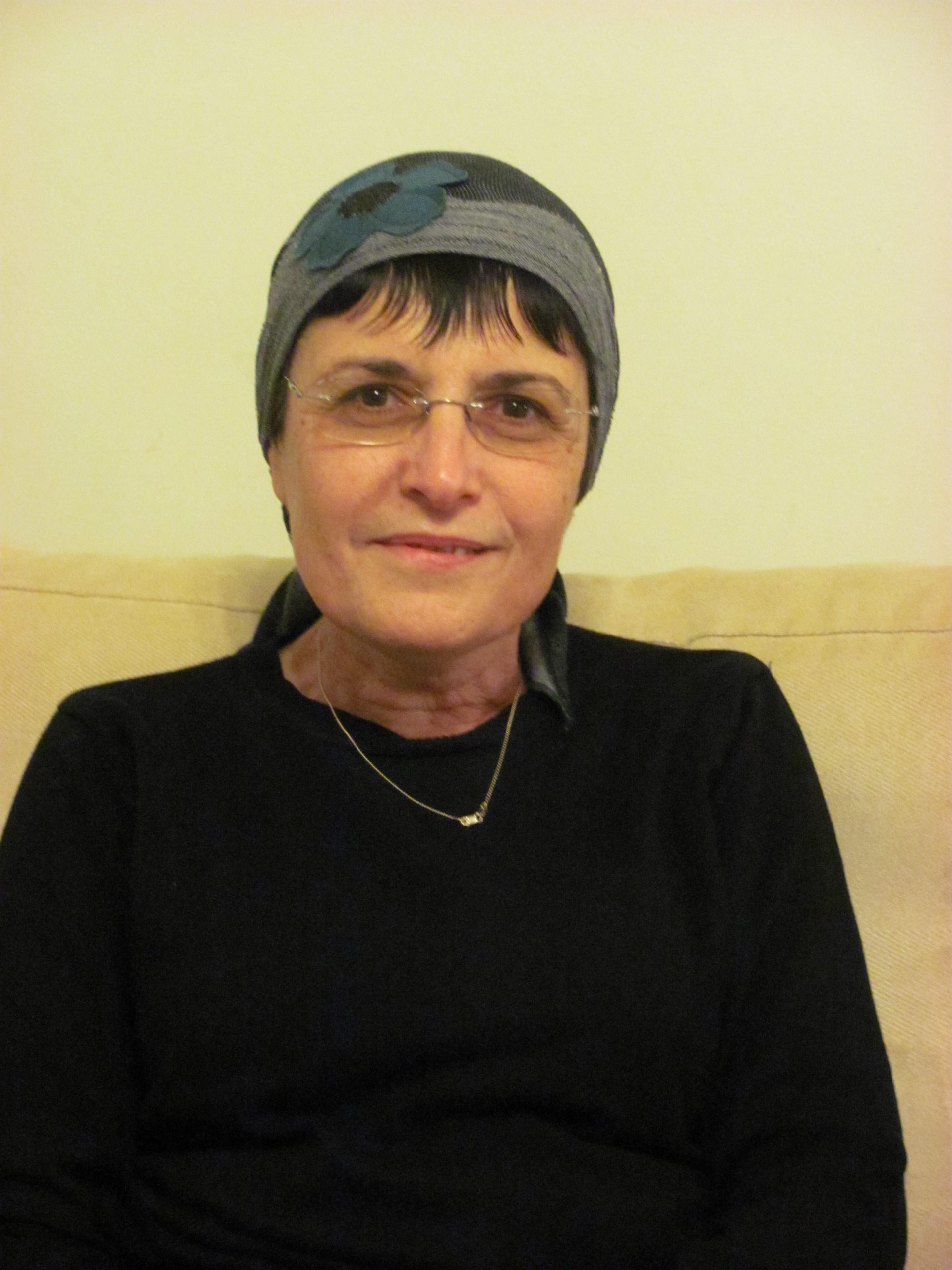
. לא תמיד נהניתי מלימוד גמרא כילדה.,בל כהתבגרתי התחלתי לאהוב את זה שוב. התחלתי ללמוד מסכת סוטה בדף היומי לפני כחמש עשרה שנה ואז הפסקתי.הגעתי לסיום הגדול של הדרן לפני שנתיים וזה נתן לי השראה. והתחלתי ללמוד למשך כמה ימים ואז היתה לי פריצת דיסק והפסקתי…עד אלול השנה. אז התחלתי עם מסכת ביצה וב”ה אני מצליחה לעמוד בקצב. המשפחה מאוד תומכת בי ויש כמה שגם לומדים את זה במקביל. אני אוהבת שיש עוגן כל יום.

Rebecca Darshan
רבקה דרשן

בית שמש, ישראל

התחלתי להשתתף בשיעור נשים פעם בשבוע, תכננתי ללמוד רק דפים בודדים, לא האמנתי שאצליח יותר מכך.
לאט לאט נשאבתי פנימה לעולם הלימוד .משתדלת ללמוד כל בוקר ומתחילה את היום בתחושה של מלאות ומתוך התכווננות נכונה יותר.
הלימוד של הדף היומי ממלא אותי בתחושה של חיבור עמוק לעם היהודי ולכל הלומדים בעבר ובהווה.

Neely Hayon
נילי חיון

אפרת, ישראל

התחלתי ללמוד לפני 4.5 שנים, כשהודיה חברה שלי פתחה קבוצת ווטסאפ ללימוד דף יומי בתחילת מסכת סנהדרין. מאז לימוד הדף נכנס לתוך היום-יום שלי והפך לאחד ממגדירי הזהות שלי ממש.

Rosenberg Foundation
קרן רוזנברג

ירושלים, ישראל

התחלתי ללמוד בעידוד שתי חברות אתן למדתי בעבר את הפרק היומי במסגרת 929.
בבית מתלהבים מאוד ובשבת אני לומדת את הדף עם בעלי שזה מפתיע ומשמח מאוד! לימוד הדף הוא חלק בלתי נפרד מהיום שלי. לומדת בצהריים ומחכה לזמן הזה מידי יום…

Miriam Wengerover
מרים ונגרובר

אפרת, ישראל

באירוע של הדרן בנייני האומה. בהשראתה של אמי שלי שסיימה את הש”ס בסבב הקודם ובעידוד מאיר , אישי, וילדיי וחברותיי ללימוד במכון למנהיגות הלכתית של רשת אור תורה סטון ומורתיי הרבנית ענת נובוסלסקי והרבנית דבורה עברון, ראש המכון למנהיגות הלכתית.
הלימוד מעשיר את יומי, מחזיר אותי גם למסכתות שכבר סיימתי וידוע שאינו דומה מי ששונה פרקו מאה לשונה פרקו מאה ואחת במיוחד מרתקים אותי החיבורים בין המסכתות

Roit Kalech
רוית קלך

מודיעין, ישראל

התחלתי ללמוד דף לפני קצת יותר מ-5 שנים, כשלמדתי רבנות בישיבת מהר”ת בניו יורק. בדיעבד, עד אז, הייתי בלימוד הגמרא שלי כמו מישהו שאוסף חרוזים משרשרת שהתפזרה, פה משהו ושם משהו, ומאז נפתח עולם ומלואו…. הדף נותן לי לימוד בצורה מאורגנת, שיטתית, יום-יומית, ומלמד אותי לא רק ידע אלא את השפה ודרך החשיבה שלנו. לשמחתי, יש לי סביבה תומכת וההרגשה שלי היא כמו בציטוט שבחרתי: הדף משפיע לטובה על כל היום שלי.

Michal Kahana
מיכל כהנא

חיפה, ישראל

שמעתי על הסיום הענק של הדף היומי ע”י נשים בבנייני האומה. רציתי גם.
החלטתי להצטרף. התחלתי ושיכנעתי את בעלי ועוד שתי חברות להצטרף. עכשיו יש לי לימוד משותף איתו בשבת ומפגש חודשי איתן בנושא (והתכתבויות תדירות על דברים מיוחדים שקראנו). הצטרפנו לקבוצות שונות בווטסאפ. אנחנו ממש נהנות. אני שומעת את השיעור מידי יום (בד”כ מהרב יוני גוטמן) וקוראת ומצטרפת לסיומים של הדרן. גם מקפידה על דף משלהן (ונהנית מאד).

Liat Citron
ליאת סיטרון

אפרת, ישראל

התחלתי מחוג במסכת קידושין שהעבירה הרבנית רייסנר במסגרת בית המדרש כלנה בגבעת שמואל; לאחר מכן התחיל סבב הדף היומי אז הצטרפתי. לסביבה לקח זמן לעכל אבל היום כולם תומכים ומשתתפים איתי. הלימוד לעתים מעניין ומעשיר ולעתים קשה ואף הזוי… אך אני ממשיכה קדימה. הוא משפיע על היומיום שלי קודם כל במרדף אחרי הדף, וגם במושגים הרבים שלמדתי ובידע שהועשרתי בו, חלקו ממש מעשי

Abigail Chrissy
אביגיל כריסי

ראש העין, ישראל

A life-changing journey started with a Chanukah family tiyul to Zippori, home of the Sanhedrin 2 years ago and continued with the Syum in Binanei Hauma where I was awed by the energy of 3000 women dedicated to learning daf Yomi. Opening my morning daily with a fresh daf, I am excited with the new insights I find enriching my life and opening new and deeper horizons for me.

Becky Goldstein
בקי גולדשטיין

Elazar gush etzion, Israel

רבנית מישל הציתה אש התלמוד בלבבות בביניני האומה ואני נדלקתי. היא פתחה פתח ותמכה במתחילות כמוני ואפשרה לנו להתקדם בצעדים נכונים וטובים. הקימה מערך שלם שמסובב את הלומדות בסביבה תומכת וכך נכנסתי למסלול לימוד מעשיר שאין כמוה. הדרן יצר קהילה גדולה וחזקה שמאפשרת התקדמות מכל נקודת מוצא. יש דיבוק לומדות שמחזק את ההתמדה של כולנו. כל פניה ושאלה נענית בזריזות ויסודיות. תודה גם למגי על כל העזרה.

Sarah Aber
שרה אבר

נתניה, ישראל

באירוע של הדרן בנייני האומה. בהשראתה של אמי שלי שסיימה את הש”ס בסבב הקודם ובעידוד מאיר , אישי, וילדיי וחברותיי ללימוד במכון למנהיגות הלכתית של רשת אור תורה סטון ומורתיי הרבנית ענת נובוסלסקי והרבנית דבורה עברון, ראש המכון למנהיגות הלכתית.
הלימוד מעשיר את יומי, מחזיר אותי גם למסכתות שכבר סיימתי וידוע שאינו דומה מי ששונה פרקו מאה לשונה פרקו מאה ואחת במיוחד מרתקים אותי החיבורים בין המסכתות

Roit Kalech
רוית קלך

מודיעין, ישראל

שמעתי על הסיום הענק של הדף היומי ע”י נשים בבנייני האומה. רציתי גם.
החלטתי להצטרף. התחלתי ושיכנעתי את בעלי ועוד שתי חברות להצטרף. עכשיו יש לי לימוד משותף איתו בשבת ומפגש חודשי איתן בנושא (והתכתבויות תדירות על דברים מיוחדים שקראנו). הצטרפנו לקבוצות שונות בווטסאפ. אנחנו ממש נהנות. אני שומעת את השיעור מידי יום (בד”כ מהרב יוני גוטמן) וקוראת ומצטרפת לסיומים של הדרן. גם מקפידה על דף משלהן (ונהנית מאד).

Liat Citron
ליאת סיטרון

אפרת, ישראל

A friend in the SF Bay Area said in Dec 2019 that she might start listening on her morning drive to work. I mentioned to my husband and we decided to try the Daf when it began in Jan 2020 as part of our preparing to make Aliyah in the summer.

Hana Piotrkovsky
חנה פיוטרקובסקי

ירושלים, Israel

אחרי שראיתי את הסיום הנשי של הדף היומי בבנייני האומה זה ריגש אותי ועורר בי את הרצון להצטרף. לא למדתי גמרא קודם לכן בכלל, אז הכל היה לי חדש, ולכן אני לומדת בעיקר מהשיעורים פה בהדרן, בשוטנשטיין או בחוברות ושיננתם.

Rebecca Schloss
רבקה שלוס

בית שמש, ישראל

התחלתי ללמוד בסבב הנוכחי לפני כשנתיים .הסביבה מתפעלת ותומכת מאוד. אני משתדלת ללמוד מכל ההסכתים הנוספים שיש באתר הדרן. אני עורכת כל סיום מסכת שיעור בביתי לכ20 נשים שמחכות בקוצר רוח למפגשים האלו.

Yael Asher
יעל אשר

יהוד, ישראל

בתחילת הסבב הנוכחי של לימוד הדף היומי, נחשפתי לחגיגות המרגשות באירועי הסיום ברחבי העולם. והבטחתי לעצמי שבקרוב אצטרף גם למעגל הלומדות. הסבב התחיל כאשר הייתי בתחילת דרכי בתוכנית קרן אריאל להכשרת יועצות הלכה של נשמ”ת. לא הצלחתי להוסיף את ההתחייבות לדף היומי על הלימוד האינטנסיבי של תוכנית היועצות. בבוקר למחרת המבחן הסופי בנשמ”ת, התחלתי את לימוד הדף במסכת סוכה ומאז לא הפסקתי.

Hana Shaham-Rozby (Dr.)
חנה שחם-רוזבי (ד”ר)

קרית גת, ישראל

למדתי גמרא מכיתה ז- ט ב Maimonides School ואחרי העליה שלי בגיל 14 לימוד הגמרא, שלא היה כל כך מקובל בימים אלה, היה די ספוראדי. אחרי "ההתגלות” בבנייני האומה התחלתי ללמוד בעיקר בדרך הביתה למדתי מפוקקטסים שונים. לאט לאט ראיתי שאני תמיד חוזרת לרבנית מישל פרבר. באיזה שהוא שלב התחלתי ללמוד בזום בשעה 7:10 .
היום "אין מצב” שאני אתחיל את היום שלי ללא לימוד עם הרבנית מישל עם כוס הקפה שלי!!

selfie-scaled
דבי גביר

חשמונאים, ישראל

התחלתי כשהייתי בחופש, עם הפרסומים על תחילת המחזור, הסביבה קיבלה את זה כמשהו מתמיד ומשמעותי ובהערכה, הלימוד זה עוגן יציב ביום יום, יש שבועות יותר ויש שפחות אבל זה משהו שנמצא שם אמין ובעל משמעות בחיים שלי….

Adi Diamant
עדי דיאמנט

גמזו, ישראל

. לא תמיד נהניתי מלימוד גמרא כילדה.,בל כהתבגרתי התחלתי לאהוב את זה שוב. התחלתי ללמוד מסכת סוטה בדף היומי לפני כחמש עשרה שנה ואז הפסקתי.הגעתי לסיום הגדול של הדרן לפני שנתיים וזה נתן לי השראה. והתחלתי ללמוד למשך כמה ימים ואז היתה לי פריצת דיסק והפסקתי…עד אלול השנה. אז התחלתי עם מסכת ביצה וב”ה אני מצליחה לעמוד בקצב. המשפחה מאוד תומכת בי ויש כמה שגם לומדים את זה במקביל. אני אוהבת שיש עוגן כל יום.

Rebecca Darshan
רבקה דרשן

בית שמש, ישראל

התחלתי ללמוד את הדף היומי מעט אחרי שבני הקטן נולד. בהתחלה בשמיעה ולימוד באמצעות השיעור של הרבנית שפרבר. ובהמשך העזתי וקניתי לעצמי גמרא. מאז ממשיכה יום יום ללמוד עצמאית, ולפעמים בעזרת השיעור של הרבנית, כל יום. כל סיום של מסכת מביא לאושר גדול וסיפוק. הילדים בבית נהיו חלק מהלימוד, אני משתפת בסוגיות מעניינות ונהנית לשמוע את דעתם.

Eliraz Blau
אלירז בלאו

מעלה מכמש, ישראל

נדרים ח

מִנַּיִן שֶׁנִּשְׁבָּעִין לְקַיֵּים אֶת הַמִּצְוָה, שֶׁנֶּאֱמַר: ״נִשְׁבַּעְתִּי וָאֲקַיֵּמָה לִשְׁמֹר מִשְׁפְּטֵי צִדְקֶךָ״.

From where is it derived that one may take an oath to fulfill a mitzva? It is as it is stated: “I have sworn and I have confirmed it, to observe Your righteous ordinances” (Psalms 119:106).

וַהֲלֹא מוּשְׁבָּע וְעוֹמֵד מֵהַר סִינַי הוּא. אֶלָּא הָא קָא מַשְׁמַע לַן דְּשָׁרֵי לֵיהּ לְאִינִישׁ לְזָרוֹזֵי נַפְשֵׁיהּ.

The Gemara asks: Is he not already under oath from when each Jew took an oath at Mount Sinai to fulfill all the mitzvot? An oath cannot take effect if one is already bound by a different oath. Rather, it teaches us this: It is permitted for a man to motivate himself to fulfill the mitzvot in this manner, although the oath is not technically valid.

וְאָמַר רַב גִּידֵּל אָמַר רַב: הָאוֹמֵר ״אַשְׁכִּים וְאֶשְׁנֶה פֶּרֶק זֶה״ ״אֶשְׁנֶה מַסֶּכְתָּא זוֹ״ — נֶדֶר גָּדוֹל נָדַר לֵאלֹהֵי יִשְׂרָאֵל. וַהֲלֹא מוּשְׁבָּע וְעוֹמֵד הוּא, וְאֵין שְׁבוּעָה חָלָה עַל שְׁבוּעָה! מַאי קָא מַשְׁמַע לַן, דַּאֲפִילּוּ זָרוֹזֵי בְּעָלְמָא — הַיְינוּ דְּרַב גִּידֵּל קַמַּיְיתָא!

And Rav Giddel said that Rav said: One who says: I will rise early and study this chapter, or: I will study this tractate, has taken a great vow to the God of Israel. This clearly indicates that the vow takes effect. The Gemara asks: Is he not already under oath due to the general obligation to study Torah? And an oath does not take effect upon a preexisting oath. What is he teaching us? If one claims that Rav Giddel is teaching that such a vow may be made even merely to motivate oneself to study, this is the same as the first statement of Rav Giddel.

הָא קָא מַשְׁמַע לַן: כֵּיוָן דְּאִי בָּעֵי פָּטַר נַפְשֵׁיהּ בִּקְרִיַּת שְׁמַע שַׁחֲרִית וְעַרְבִית, מִשּׁוּם הָכִי חָיֵיל שְׁבוּעָה עֲלֵיהּ.

The Gemara answers: It teaches us this: Since if he desires he can exempt himself from the obligation to study Torah with the recitation of Shema in the morning and evening, due to that reason the oath takes effect upon him and he is obligated to study the chapter or tractate that he specified.

אָמַר רַב גִּידֵּל אָמַר רַב: הָאוֹמֵר לַחֲבֵירוֹ ״נַשְׁכִּים וְנִשְׁנֶה פֶּרֶק זֶה״ — עָלָיו לְהַשְׁכִּים, שֶׁנֶּאֱמַר: ״וַיֹּאמֶר אֵלַי (בֶּן אָדָם) קוּם צֵא אֶל הַבִּקְעָה וְשָׁם אֲדַבֵּר אוֹתָךְ וָאֵצֵא אֶל הַבִּקְעָה וְהִנֵּה שָׁם כְּבוֹד ה׳ עֹמֵד״.

Rav Giddel said that Rav said: With regard to one who says to another: Let us rise early and study this chapter, and they agree to do so, it is incumbent upon him to rise early and be the first to arrive, because it was his initiative. There is an allusion to this in a verse, as it is stated: “And He said to me: Arise, go forth into the plain, and there I will speak with you. Then I arose and went forth into the plain; and behold, the glory of the Lord stood there” (Ezekiel 3:22–23). God invited Ezekiel to that place, and His glory arrived before Ezekiel did.

אָמַר רַב יוֹסֵף: נִידּוּהוּ בַּחֲלוֹם, צָרִיךְ עֲשָׂרָה בְּנֵי אָדָם לְהַתִּיר לוֹ, וְהוּא דְּתָנוּ הִלְכְתָא, אֲבָל מַתְנוּ וְלָא תָּנוּ — לָא. וְאִי לֵיכָּא דְּתָנוּ הִלְכְתָא — אֲפִילּוּ מַתְנוּ וְלָא תָּנוּ.

§ Rav Yosef said: One who was ostracized in a dream requires ten people to dissolve the ostracism for him. And the ostracism can be dissolved only by those who have studied halakha, i.e., by Torah scholars. However, if they have recited Mishna and have not studied halakha, no, they are not fit to dissolve the ostracism. And if there are not ten people who have studied halakha, then even those who have recited Mishna and have not studied halakha are fit to dissolve the ostracism.

וְאִי לֵיכָּא — לֵיזִיל וְלִיתֵּב אַפָּרָשַׁת דְּרָכִים וְיָהֵיב שְׁלָמָא לְבֵי עַשְׂרָה, עַד דְּמִקַּלְעִי לֵיהּ עַשְׂרָה דְּגָמְרִי הִלְכְתָא.

And if there are not even ten people who have studied Mishna, let him go and sit at the crossroads and extend a greeting of shalom, meaning peace, to ten people, who will respond with a similar greeting, until ten individuals who have studied halakha happen to come to him.

אֲמַר לֵיהּ רָבִינָא לְרַב אָשֵׁי: יָדַע מַאן שַׁמְתֵּיהּ, מַהוּ דְּלִישְׁרֵי לֵיהּ? אֲמַר לֵיהּ: לְשַׁמּוֹתֵיהּ שַׁוְּיוּהּ שָׁלִיחַ, לְמִישְׁרֵי לֵיהּ לָא שַׁוְּיוּהּ שָׁלִיחַ.

Ravina said to Rav Ashi: If he knows who excommunicated him in his dream, what is the halakha? Can that individual dissolve the excommunication for him? Rav Ashi said to him: It is possible that he was appointed by Heaven as an agent to excommunicate him, but he was not appointed as an agent to dissolve the excommunication for him. Consequently, the excommunication can be dissolved only by ten people.

אֲמַר לֵיהּ רַב אַחָא לְרַב אָשֵׁי: שַׁמְּתֻיהּ וּשְׁרוֹ לֵיהּ בְּחֶלְמֵיהּ, מַאי? אֲמַר לֵיהּ: כְּשֵׁם שֶׁאִי אֶפְשָׁר לַבָּר בְּלֹא תֶּבֶן,

Rav Aḥa said to Rav Ashi: If he was excommunicated and the excommunication was dissolved for him in his dream, what is the halakha? Rav Ashi said to him: Just as it is impossible for the grain to grow without straw,

כָּךְ אִי אֶפְשָׁר לַחֲלוֹם בְּלֹא דְּבָרִים בְּטֵלִים.

so too, it is impossible to dream without idle matter. It is possible that the excommunication was real and the dissolution was not real, and he must have the ostracism dissolved by ten people.

רָבִינָא הֲוָה לַהּ נִדְרָא לִדְבֵיתְהוּ. אֲתָא לְקַמֵּיהּ דְּרַב אָשֵׁי, אָמַר לֵיהּ: בַּעַל מַהוּ שֶׁיֵּעָשֶׂה שָׁלִיחַ לַחֲרָטַת אִשְׁתּוֹ? אֲמַר לֵיהּ: אִי מְכַנְּפִין — אִין, אִי לָא — לָא.

The Gemara relates that Ravina’s wife had taken a vow that he had not immediately nullified as a husband is entitled to do, and she wished to have it dissolved. Ravina came before Rav Ashi and said to him: What is the halakha with regard to whether a husband can become an agent to express his wife’s regret to a court so that they can dissolve her vow? Rav Ashi said to him: If three people who can dissolve the vow were already assembled, yes; if they are not already assembled, no, a husband cannot serve as an agent to express his wife’s regret to the court.

שְׁמַע מִינַּהּ תְּלָת. שְׁמַע מִינַּהּ: בַּעַל נַעֲשֶׂה שָׁלִיחַ לַחֲרָטַת אִשְׁתּוֹ. וּשְׁמַע מִינַּהּ: לָא שְׁרֵי לְמִישְׁרֵי נִדְרָא בְּאַתְרָא דְרַבֵּיהּ. וּשְׁמַע מִינַּהּ: כִּי מְכַנְּפִין שַׁפִּיר דָּמֵי.

The Gemara comments: Learn from this incident three halakhot: Learn from this that a husband can become an agent to express his wife’s regret. And learn from this that a Sage is not permitted to dissolve a vow in the location of his teacher, which is why Ravina, a distinguished Sage, did not dissolve the vow without consulting Rav Ashi. And learn from this that when three people were already assembled, it seems well for a husband to serve as an agent to express his wife’s regret, but if the three people were not yet assembled he cannot serve as her agent.

וְשַׁמְתָּא — אֲפִילּוּ בְּאַתְרָא דְרַבֵּיהּ, וְיָחִיד מוּמְחֶה שָׁרֵי שַׁמְתָּא.

The Gemara adds: And one may dissolve excommunication even in the location of his teacher. And an individual Sage who is an expert can dissolve excommunication even without two other judges.

אָמַר רַבִּי שִׁמְעוֹן בַּר זְבִיד, אָמַר רַבִּי יִצְחָק בַּר טַבְלָא, אָמַר רַבִּי חִיָּיא אֲרִיכָא דְּבֵי רַבִּי אַחָא, אָמַר רַבִּי זֵירָא, אָמַר רַבִּי אֶלְעָזָר, אָמַר רַבִּי חֲנִינָא, אָמַר רַבִּי מְיָאשָׁה מִשְּׁמֵיהּ דְּרַבִּי יְהוּדָה בַּר אִילְעַאי: מַאי דִּכְתִיב ״וְזָרְחָה לָכֶם יִרְאֵי שְׁמִי (שֶׁמֶשׁ צְדָקָה וְגוֹ׳)״ אֵלּוּ בְּנֵי אָדָם שֶׁהֵן יְרֵאִין לְהוֹצִיא שֵׁם שָׁמַיִם לְבַטָּלָה. ״שֶׁמֶשׁ צְדָקָה וּמַרְפֵּא״. אָמַר אַבָּיֵי: שְׁמַע מִינַּהּ חִרְגָּא דְיוֹמָא מַסֵּי.

§ Rabbi Shimon bar Zevid said that Rabbi Yitzḥak bar Tavla said that Rabbi Ḥiyya Arikha, the tall, of the school of Rabbi Aḥa said that Rabbi Zeira said that Rabbi Elazar said that Rabbi Ḥanina said that Rabbi Meyasha said in the name of Rabbi Yehuda bar Elai: What is the meaning of that which is written: “But to you that fear My name shall the sun of righteousness arise with healing in its wings; and you shall go forth and leap as calves of the stall” (Malachi 3:20)? “You that fear My name”; these are people who are afraid to mention the name of Heaven in vain. The verse states that a sun of righteousness with healing will arise to heal them. Abaye said: Learn from this verse that the dust [ḥirga] that is illuminated by the rays of the sun during the day heals, as it states: “With healing in its wings.”

וּפְלִיגָא דְּרַבִּי שִׁמְעוֹן בֶּן לָקִישׁ, דְּאָמַר: אֵין גֵּיהִנָּם לָעוֹלָם הַבָּא, אֶלָּא הַקָּדוֹשׁ בָּרוּךְ הוּא מוֹצִיא חַמָּה מִנַּרְתִּיקָהּ, צַדִּיקִים מִתְרַפְּאִין בָּהּ וּרְשָׁעִים נִידּוֹנִין בָּהּ. שֶׁנֶּאֱמַר: ״וְזָרְחָה לָכֶם יִרְאֵי שְׁמִי שֶׁמֶשׁ וְגוֹ׳״. וְלֹא עוֹד, אֶלָּא שֶׁמִּתְעַדְּנִין בָּהּ, שֶׁנֶּאֱמַר: ״וִיצָאתֶם וּפִשְׁתֶּם כְּעֶגְלֵי מַרְבֵּק״.

The Gemara comments: Abaye disagrees with the opinion of Rabbi Shimon ben Lakish, who said: There is no Gehenna in the World-to-Come. Rather, the Holy One, Blessed be He, will remove the sun from its sheath [minartika], and the righteous will be healed by it and the wicked will be punished by it. The righteous will be healed by it, as it is stated: “But to you that fear My name shall the sun of righteousness arise with healing in its wings”; and moreover, not only will they be healed by it but they will even be rejuvenated by it, as it is stated: “And you shall go forth and leap as calves of the stall.”

וְהָרְשָׁעִים נִידּוֹנִין בָּהּ, שֶׁנֶּאֱמַר: ״הִנֵּה הַיּוֹם בָּא בֹּעֵר כַּתַּנּוּר וְגוֹ׳״.

And the wicked will be punished by the same sun, as it is stated: “For behold, the day is coming, it burns as a furnace; and all the proud, and all that work wickedness, shall be stubble; and the day that comes shall set them ablaze” (Malachi 3:19). Consequently, Rabbi Shimon ben Lakish holds that the sun heals only in the World-to-Come, whereas Abaye interprets the verse as referring to this world.

רוצה לעקוב אחרי התכנים ולהמשיך ללמוד?

ביצירת חשבון עוד היום ניתן לעקוב אחרי ההתקדמות שלך, לסמן מה למדת, ולעקוב אחרי השיעורים שמעניינים אותך.

לנקות את כל הפריטים מהרשימה?

פעולה זו תסיר את כל הפריטים בחלק זה כולל ההתקדמות וההיסטוריה. שימי לב: לא ניתן לשחזר פעולה זו.

ביטול
מחיקה

האם את/ה בטוח/ה שברצונך למחוק פריט זה?

תאבד/י את כל ההתקדמות או ההיסטוריה הקשורות לפריט זה.

ביטול
מחיקה