








האם אשה שלא עסוקה בטהרות צריכה לבדוק לפני ואחרי תשמיש? מהן ההבדלים בעניין בדיקות לפני/אחרי תשמיש לנשים שאין להם/יש להם וסת? יש מחלוקת תנאים אם אשה בלי מחזור סדיר יכולה להישאר נשואה לבעלה כי יש חשש שהתשמיש יביא את המחזור שלה.
נדה יב
בְּעָא מִינֵּיהּ רַבִּי זֵירָא מֵרַב יְהוּדָה: אִשָּׁה מַהוּ שֶׁתִּבְדּוֹק עַצְמָהּ לְבַעְלָהּ? אֲמַר לֵיהּ: לֹא תִּבְדּוֹק. וְתִבְדּוֹק — וּמָה בְּכָךְ? אִם כֵּן — לִבּוֹ נוֹקְפוֹ וּפוֹרֵשׁ.
§ Rabbi Zeira raised a dilemma before Rav Yehuda: What is the halakha as to whether a woman should examine herself before engaging in intercourse with her husband? Rav Yehuda said to him: She should not examine herself. Rabbi Zeira asked: And let her examine herself; what would be the problem with that? Rav Yehuda answered: If so, the heart of a scrupulous husband might strike him with pangs of conscience over sins that he could transgress, and he will separate from his wife out of fear that she is impure.
בְּעָא מִינֵּיהּ רַבִּי אַבָּא מֵרַב הוּנָא: אִשָּׁה מַהוּ שֶׁתִּבְדּוֹק עַצְמָהּ כְּשִׁיעוּר וֶסֶת, כְּדֵי לְחַיֵּיב בַּעְלָהּ חַטָּאת?
Rabbi Abba raised a similar dilemma before Rav Huna: What is the halakha as to whether a woman should examine herself immediately after engaging in intercourse, within the minimum period of time needed for the onset of menstruation, in order to render her husband liable to bring a sin offering for engaging in intercourse with a menstruating woman?
אֲמַר לֵיהּ: מִי מַשְׁכַּחַתְּ לַהּ לִבְדִיקָה כְּשִׁיעוּר וֶסֶת? וְהָתַנְיָא: אֵיזֶהוּ שִׁיעוּר וֶסֶת? מָשָׁל לְשַׁמָּשׁ וָעֵד שֶׁעוֹמְדִים בְּצַד הַמַּשְׁקוֹף, בִּיצִיאַת הַשַּׁמָּשׁ נִכְנַס עֵד.
Rav Huna said to him: Can you find a case where it is physically possible to perform a full examination after intercourse within the period of time needed for the onset of menstruation? But isn’t it taught in a baraita: What is the period of time needed for the onset of menstruation? This is comparable to a male organ and an examination cloth that are standing alongside the doorpost, i.e., at the entrance to the vagina; upon the exit of the organ the examination cloth immediately enters.
הֱוֵי: וֶסֶת שֶׁאָמְרוּ — לְקִנּוּחַ, וְלֹא לִבְדִיקָה. אֶלָּא מַהוּ שֶׁתְּקַנֵּחַ?
The Gemara explains: It is apparent that the period of time that they stated is the time required for an external wipe, and not for a full internal examination. Therefore, if she did an internal examination and found blood, one cannot be certain that she was already menstruating during intercourse and thereby render the husband liable to bring a sin offering. Rather, this is Rabbi Abba’s dilemma: What is the halakha as to whether a woman should wipe herself immediately after engaging in intercourse? Since this action can be performed quickly, if she were to find blood her husband would be liable to bring a sin offering.
אִיכָּא דְאָמְרִי, הָכִי בְּעָא מִינֵּיהּ: אִשָּׁה מַהוּ שֶׁתִּבְדּוֹק עַצְמָהּ כְּדֵי לְחַיֵּיב בַּעְלָהּ אָשָׁם תָּלוּי? אָמַר לוֹ: לֹא תִּבְדּוֹק. וְתִבְדּוֹק, וּמָה בְּכָךְ? אִם כֵּן, לִבּוֹ נוֹקְפוֹ וּפוֹרֵשׁ.
Some say that this is the dilemma that Rabbi Abba raised before Rav Huna: What is the halakha as to whether a woman should examine herself immediately after engaging in intercourse, in order to render her husband liable to bring a provisional guilt offering brought by one who is uncertain as to whether he committed a sin that requires a sin offering? Rav Huna said to him: She should not examine herself. Rabbi Abba asked: And let her examine herself; what would be the problem with that? Rav Huna answered: If so, the heart of a scrupulous husband might strike him with pangs of conscience over sins that he could transgress, and he will separate from his wife out of fear that she is impure.
וּבְשָׁעָה שֶׁהִיא עוֹבֶרֶת וְכוּ׳. אָמַר רַבִּי אַמֵּי אָמַר רַבִּי יַנַּאי: וְזֶהוּ עִדָּן שֶׁל צְנוּעוֹת. אֲמַר לֵיהּ רַבִּי אַבָּא בַּר מֶמֶל לְרַבִּי אַמֵּי: תַּנָּא תָּנֵי ״צְרִיכוֹת״, וְאַתְּ תָּנֵי ״צְנוּעוֹת״! אֲמַר לֵיהּ: שֶׁאֲנִי אוֹמֵר כׇּל הַמְקַיֵּים דִּבְרֵי חֲכָמִים נִקְרָא ״צָנוּעַ״.
§ The mishna teaches: And she is also required to examine herself at a time that she is about to engage in intercourse with her husband. Rabbi Ami says that Rabbi Yannai says: And this examination performed before intercourse is known as: The examination cloth of virtuous women, as this examination is not strictly required. Rabbi Abba bar Memel said to Rabbi Ami: The tanna teaches that women are required to perform this examination, and yet you teach that only virtuous women perform it. Rabbi Ami said to him: Yes, as I say that anyone who fulfills the statements of the Sages is called virtuous. Rabbi Ami did not mean that this examination is beyond the letter of the law. He was simply praising those who abide by the established halakha.
אָמַר רָבָא: וְשֶׁאֵינוֹ מְקַיֵּים דִּבְרֵי חֲכָמִים — ״צָנוּעַ״ הוּא דְּלָא מִקְּרֵי, הָא ״רָשָׁע״ לָא מִקְּרֵי? אֶלָּא אָמַר רָבָא: צְנוּעוֹת — עַד שֶׁבָּדְקוּ בּוֹ עַצְמָן לִפְנֵי תַּשְׁמִישׁ זֶה, אֵין בּוֹדְקוֹת בּוֹ לִפְנֵי תַּשְׁמִישׁ אַחֵר, וְשֶׁאֵינָן צְנוּעוֹת — בּוֹדְקוֹת וְלֹא אִיכְפַּת לָהֶן.
With regard to Rabbi Ami’s claim, Rava says: And according to your opinion, with regard to one who does not fulfill the statements of the Sages, he is not called virtuous. But this indicates that he is not called wicked either. This cannot be correct, as one who does not heed the instructions of the Sages is certainly wicked. Rather, Rava said: Virtuous women are those who do not reuse the examination cloth that they used to examine themselves before this intercourse. Even if no blood was found on it, they do not examine themselves with it prior to another act of intercourse, as once it was used once, it is not as clean as before. And those who are not virtuous women reuse the same examination cloths and examine themselves with them and they are not particular about this matter.
גּוּפָא, אָמַר רַבִּי זֵירָא, אָמַר רַבִּי אַבָּא בַּר יִרְמְיָה, אָמַר שְׁמוּאֵל: אִשָּׁה שֶׁאֵין לָהּ וֶסֶת אֲסוּרָה לְשַׁמֵּשׁ עַד שֶׁתִּבְדּוֹק. אֲמַר לֵיהּ רַבִּי זֵירָא לְרַבִּי אַבָּא בַּר יִרְמְיָה: אֵין לָהּ וֶסֶת — בָּעֲיָא בְּדִיקָה, יֵשׁ לָהּ וֶסֶת — לָא בָּעֲיָא בְּדִיקָה?
§ The Gemara returns to the matter itself: Rabbi Zeira says that Rabbi Abba bar Yirmeya says that Shmuel says: With regard to a woman who does not have a fixed menstrual cycle, it is forbidden for her to engage in intercourse until she examines herself. Rabbi Zeira said to Rabbi Abba bar Yirmeya: Does Shmuel mean that if she does not have a fixed menstrual cycle she is required to perform an examination, but if she has a fixed menstrual cycle she is not required to perform an examination? This is difficult, as the mishna teaches that even a woman with a fixed menstrual cycle is required to perform an examination before she engages in intercourse.
אֲמַר לֵיהּ: יֵשׁ לָהּ וֶסֶת — עֵרָה בָּעֲיָא בְּדִיקָה, יְשֵׁנָה לָא בָּעֲיָא בְּדִיקָה; אֵין לָהּ וֶסֶת — בֵּין עֵרָה בֵּין יְשֵׁנָה בָּעֲיָא בְּדִיקָה.
Rabbi Abba bar Yirmeya said to him: The mishna means that if she has a fixed menstrual cycle and she is awake, she is required to perform an examination; if she is sleeping she is not required to perform an examination before intercourse, as this would involve much effort. If she does not have a fixed menstrual cycle, then whether she is awake or sleeping, she is required to perform an examination.
אָמַר רָבָא: וְלֵימָא לֵיהּ — יֵשׁ לָהּ וֶסֶת, לִטְהָרוֹת בָּעֲיָא בְּדִיקָה, לְבַעְלָהּ לָא בָּעֲיָא בְּדִיקָה; אֵין לָהּ וֶסֶת, אֲפִילּוּ לְבַעְלָהּ נָמֵי בָּעֲיָא בְּדִיקָה. וּמִדְּלָא אֲמַר לֵיהּ הָכִי, שְׁמַע מִינַּהּ קָסָבַר שְׁמוּאֵל: כֹּל לְבַעְלַהּ לָא בָּעֲיָא בְּדִיקָה.
Rava says: And let Rabbi Abba bar Yirmeya say a different answer to Rabbi Zeira: Shmuel means that if she has a fixed menstrual cycle, then in the case of a woman who handles pure items, she is required to perform an examination for the sake of intercourse as well. If she does not handle pure items, then for the sake of intercourse with her husband alone she is not required to perform an examination. By contrast, if she does not have a fixed menstrual cycle, then she is required to perform an examination even for the sake of intercourse with her husband. Rava concludes: And from the fact that Rabbi Abba bar Yirmeya did not say this answer, one can learn from it that Shmuel holds that in any case where an examination is only for the purpose of intercourse with her husband, she is not required to perform an examination.
תָּנוּ רַבָּנַן: חַמָּרִין וּפוֹעֲלִין, וְהַבָּאִין מִבֵּית הָאֵבֶל וּמִבֵּית הַמִּשְׁתֶּה — נְשֵׁיהֶם לָהֶם בְּחֶזְקַת טׇהֳרָה, וּבָאִין וְשׁוֹהִין עִמָּהֶם, בֵּין יְשֵׁנוֹת בֵּין עֵרוֹת. בַּמֶּה דְבָרִים אֲמוּרִים? שֶׁהִנִּיחָן בְּחֶזְקַת טׇהֳרָה, אֲבָל הִנִּיחָן בְּחֶזְקַת טוּמְאָה — לְעוֹלָם הִיא טְמֵאָה, עַד שֶׁתֹּאמַר לוֹ ״טְהוֹרָה אָנִי״.
§ The Sages taught in a baraita: With regard to donkey drivers and laborers who return home, and those who come home from the house of mourning or from the house of feasting for a wedding, their wives remain in a presumptive status of purity. And therefore they may come and remain with them, i.e., engage in intercourse with them, whether they are sleeping or awake. The baraita clarifies: In what case is this statement said? When the husbands left their wives in a presumptive state of purity. But if the husbands left them in a presumptive state of impurity, she remains forever in a status of impurity, until she says to him: I am ritually pure.
וְהָא שְׁמוּאֵל בְּמַאי מוֹקֵי לַהּ? אִי בְּשֶׁיֵּשׁ לָהּ וֶסֶת — קַשְׁיָא עֵרָה, וְאִי בְּשֶׁאֵין לָהּ וֶסֶת — קַשְׁיָא בֵּין עֵרָה בֵּין יְשֵׁנָה!
The Gemara asks: But according to Rabbi Abba bar Yirmeya, with regard to what case does Shmuel interpret this baraita? If the baraita is dealing with a woman who has a fixed menstrual cycle, it is difficult, as Shmuel holds that such a woman who is awake is required to perform an examination, whereas the baraita indicates that no examination is necessary. And if the baraita is referring to a woman who does not have a fixed menstrual cycle, it is also difficult, as Shmuel holds that she always is required to perform an examination, whether she is awake or sleeping.
לְעוֹלָם בְּשֶׁיֵּשׁ לָהּ וֶסֶת, וְכֵיוָן שֶׁתְּבָעָהּ — אֵין לְךָ בְּדִיקָה גְּדוֹלָה מִזּוֹ. אֲמַר לֵיהּ רַב פָּפָּא לְרָבָא: מַהוּ לְמֶעְבַּד כִּי הָא מַתְנִיתָא?
The Gemara answers: Actually, the baraita is referring to a case where she has a fixed menstrual cycle, and since her husband came home from his travels and requested of her that they engage in intercourse, there is no greater examination than this. Since she had time to consider the matter while he was asking her, she would have remembered had she sensed the onset of her menstrual cycle, whereas under regular circumstances she might not have time to recall. Based upon this explanation, Rav Pappa said to Rava: What is the halakha with regard to acting in accordance with this baraita? Perhaps it is necessary to wake her and ask her whether she is ritually pure.
אֲמַר לֵיהּ: סוּדָנִי, לָא, דְּמִגַּנְיָא בְּאַפֵּיהּ. אָמַר רַב כָּהֲנָא: שְׁאֵלְתִּינְהוּ לְאִינָשֵׁי בֵּיתֵיהּ דְּרַב פָּפָּא וּדְרַב הוּנָא בְּרֵיהּ דְּרַב יְהוֹשֻׁעַ, כִּי אֲתוֹ רַבָּנַן מִבֵּי רַב מַצְרְכִי לְכוּ בְּדִיקָה? וַאֲמַרוּ לִי: לָא. וְלִישַׁיְּילִינְהוּ לְדִידְהוּ! דִּילְמָא אִינְהוּ קָא מַחְמְירִי אַנַּפְשַׁיְיהוּ.
Rava said to Rav Pappa: Wise one [sudani]! No, won’t she be demeaned before him? It is embarrassing for her if she is awoken and has to think about whether or not she is pure. Rav Kahana says: I asked the members of the households, i.e., the wives, of Rav Pappa and of Rav Huna, son of Rav Yehoshua: When the Sages, your husbands, came home from the study hall, did they require you to perform an examination prior to intercourse? And they said to me: No. The Gemara asks: But why ask their wives? Why not ask those Sages themselves? The Gemara answers: Perhaps they might rule leniently for others, while acting stringently with themselves. Therefore, their wives were asked, to determine how the Sages conducted themselves in their personal lives.
תָּנוּ רַבָּנַן: אִשָּׁה שֶׁאֵין לָהּ וֶסֶת — אֲסוּרָה לְשַׁמֵּשׁ, וְאֵין לָהּ לֹא כְּתוּבָּה, וְלֹא פֵּירוֹת, וְלֹא מְזוֹנוֹת, וְלֹא בְּלָאוֹת, וּמוֹצִיא וְלֹא מַחְזִיר עוֹלָמִית, דִּבְרֵי רַבִּי מֵאִיר.
§ The Sages taught in a baraita: With regard to a woman who does not have a fixed menstrual cycle, she is forbidden to engage in intercourse, and she does not have the right to receive payment of her marriage contract if divorced or widowed, nor is she entitled to payment from her husband for the produce of her property that he consumed, nor is she entitled to provisions for her sustenance from his estate, nor does she get back her worn clothes or other items she brought with her to her marriage as part of her dowry. And furthermore, her husband must divorce her and he may never remarry her. This is the statement of Rabbi Meir.
רַבִּי חֲנִינָא בֶּן אַנְטִיגְנוֹס אוֹמֵר: מְשַׁמֶּשֶׁת בִּשְׁנֵי עִדִּים, הֵן עִוְּתוּהָ, הֵן תִּקְּנוּהָ. מִשּׁוּם אַבָּא חָנָן אָמְרוּ: אוֹי לוֹ לְבַעְלָהּ.
Rabbi Ḥanina ben Antigonus says: She is permitted to engage in intercourse with her husband, but she must examine herself with two examination cloths, one prior to intercourse and one afterward. They may be to her detriment if she finds blood on the cloths, or they may lead to her betterment, since if she finds no blood she is permitted to her husband. They said in the name of Abba Ḥanan: Woe to her husband!
אֲסוּרָה לְשַׁמֵּשׁ — דִּילְמָא מְקַלְקְלָה לֵיהּ. וְאֵין לָהּ כְּתוּבָּה — כֵּיוָן דְּלָא חַזְיָא לְבִיאָה, לֵית לַהּ כְּתוּבָּה.
The Gemara explains each clause of the baraita: She is forbidden to engage in intercourse, as perhaps she will ruin her husband if she emits blood during intercourse. And with regard to the halakha that she does not have the right to receive payment of her marriage contract, the reason is that since she is not fit for intercourse, she is not entitled to payment of her marriage contract.
וְלֹא פֵּירוֹת, וְלֹא מְזוֹנוֹת, וְלֹא בְּלָאוֹת — תְּנָאֵי כְּתוּבָּה כִּכְתוּבָּה דָּמוּ.
The Gemara continues its explanation: And she is not entitled to payment for the produce of her property, nor is she entitled to provisions for her sustenance from his estate, nor does she get back her worn clothes. The reason for all these is because stipulations in the marriage contract are considered like the marriage contract itself. Since she is not entitled to a marriage contract, she is likewise not entitled to these additional provisions that are stipulated in the marriage contract.
וְיוֹצִיא, וְלֹא יַחְזִיר עוֹלָמִית. פְּשִׁיטָא! לָא צְרִיכָא — דַּהֲדַרָה וְאִתַּקַּנָה. מַהוּ דְּתֵימָא לַיהְדְּרַהּ? קָא מַשְׁמַע לַן, דְּזִימְנִין דְּאָזְלָא וּמִנַּסְבָא וּמִתַּקְנָא.
The Gemara analyzes the next clause in the baraita: Her husband must divorce her and he may never remarry her. The Gemara asks: Isn’t that obvious? The Gemara answers: No, it is necessary to teach this in a case where her situation was subsequently amended, i.e., she established a fixed menstrual cycle. Lest you say that he may remarry her, the baraita teaches us that this is not permitted, as sometimes such a woman might go and marry someone else and her status is subsequently amended.
וְאָמַר: ״אִילּוּ הָיִיתִי יוֹדֵעַ שֶׁכָּךְ הָיָה, אֲפִילּוּ הֱיִיתֶם נוֹתְנִין לִי מֵאָה מָנֶה — לֹא הָיִיתִי מְגָרְשָׁהּ!״, וְנִמְצָא גֵּט בָּטֵל, וּבָנֶיהָ מַמְזֵרִין.
And the problem in this scenario is that her first husband might say: If I would have known that it is like this, that she would be cured, even if you would have given me one hundred times one hundred dinars to divorce her I would not have divorced her. And if so, the bill of divorce will be found to be void, and her children from her second husband will be considered mamzerim. Therefore it must be made clear to him from the outset that this divorce is final.
מִשּׁוּם אַבָּא חָנָן אָמְרוּ: ״אוֹי לוֹ לְבַעְלָהּ״. אִיכָּא דְאָמְרִי לְרַבִּי מֵאִיר אֲמַר לֵיהּ, דְּבָעֵי לְאַגְבּוֹיַהּ כְּתוּבְּתַהּ. אִיכָּא דְאָמְרִי לְרַבִּי חֲנִינָא בֶּן אַנְטִיגְנוֹס קָאָמַר לֵיהּ, דִּמְקַלְקְלָה לֵיהּ.
The Gemara analyzes the final clause of the baraita: They said in the name of Abba Ḥanan: Woe to her husband! Some say that he said this to Rabbi Meir, as Abba Ḥanan maintains that the husband is required to settle her payment of her marriage contract upon their divorce. And some say that he said this to Rabbi Ḥanina ben Antigonus, since Abba Ḥanan disagrees with his opinion and holds that it is forbidden to engage in intercourse with her, as perhaps she will ruin him if they engage in intercourse when she is menstruating.
אָמַר רַב יְהוּדָה אָמַר שְׁמוּאֵל: הֲלָכָה כְּרַבִּי חֲנִינָא בֶּן אַנְטִיגְנוֹס. וּבְמַאי? אִי בַּעֲסוּקָה בִּטְהָרוֹת, הָא אַמְרַהּ שְׁמוּאֵל חֲדָא זִימְנָא!
Rav Yehuda says that Shmuel says: The halakha is in accordance with the opinion of Rabbi Ḥanina ben Antigonus. The Gemara asks: And with regard to what case did Shmuel issue this ruling of halakha? The Gemara elaborates: If it is referring to a woman who is engaged in handling ritually pure items, didn’t Shmuel already say on another occasion that a woman without a fixed menstrual cycle must examine herself prior to intercourse?
וְאִי בְּשֶׁאֵינָהּ עֲסוּקָה בִּטְהָרוֹת, הָא אָמַר כֹּל לְבַעְלַהּ לָא בָּעֲיָא בְּדִיקָה, דְּאָמַר רַבִּי זֵירָא אָמַר רַבִּי אַבָּא בַּר יִרְמְיָה אָמַר שְׁמוּאֵל: ״אִשָּׁה שֶׁאֵין לָהּ וֶסֶת אֲסוּרָה לְשַׁמֵּשׁ עַד שֶׁתִּבְדּוֹק״, וְאוֹקִימְנָא לָהּ בַּעֲסוּקָה בִּטְהָרוֹת! מַאן דְּמַתְנֵי הָא לָא מַתְנֵי הָא.
And if it is referring to a woman who is not engaged in handling ritually pure items, doesn’t Shmuel say that in any case where an examination is only for the purpose of intercourse with her husband, not for handling pure items, she is not required to perform an examination? As Rabbi Zeira said that Rabbi Abba bar Yirmeya says that Shmuel says: A woman who does not have a fixed menstrual cycle is forbidden to engage in intercourse until she examines herself, and we interpreted this statement as referring to cases where she is engaged in handling ritually pure items. The Gemara answers: He who teaches this does not teach that, i.e., Shmuel’s ruling is in fact referring to a woman engaged in handling pure items, and the two rulings were cited in his name by different Sages.
הֲדַרַן עֲלָךְ שַׁמַּאי אוֹמֵר.
לעקוב

כלים
העמקה
רוצה להבין מה באמת קורה מתחת לפני השטח של הסוגיה?
שיעורים, פודקאסטים והרחבות של מיטב המורות שלנו יפתחו לך עוד זוויות וכיווני חשיבה.

לימוד תורה לנשים: פסיקות האחרונים – החפץ חיים והעולם החרדי (ג) – נשים עם בפני עצמן: עולמן ההלכתי של נשים
02.07.2025 | ו׳ בתמוז תשפ״ה

ייבום בשנת 1926 – הסיפור התורשתי של שרה וינברגר, לומדת דף יומי
11.07.2022 | י״ב בתמוז תשפ״ב







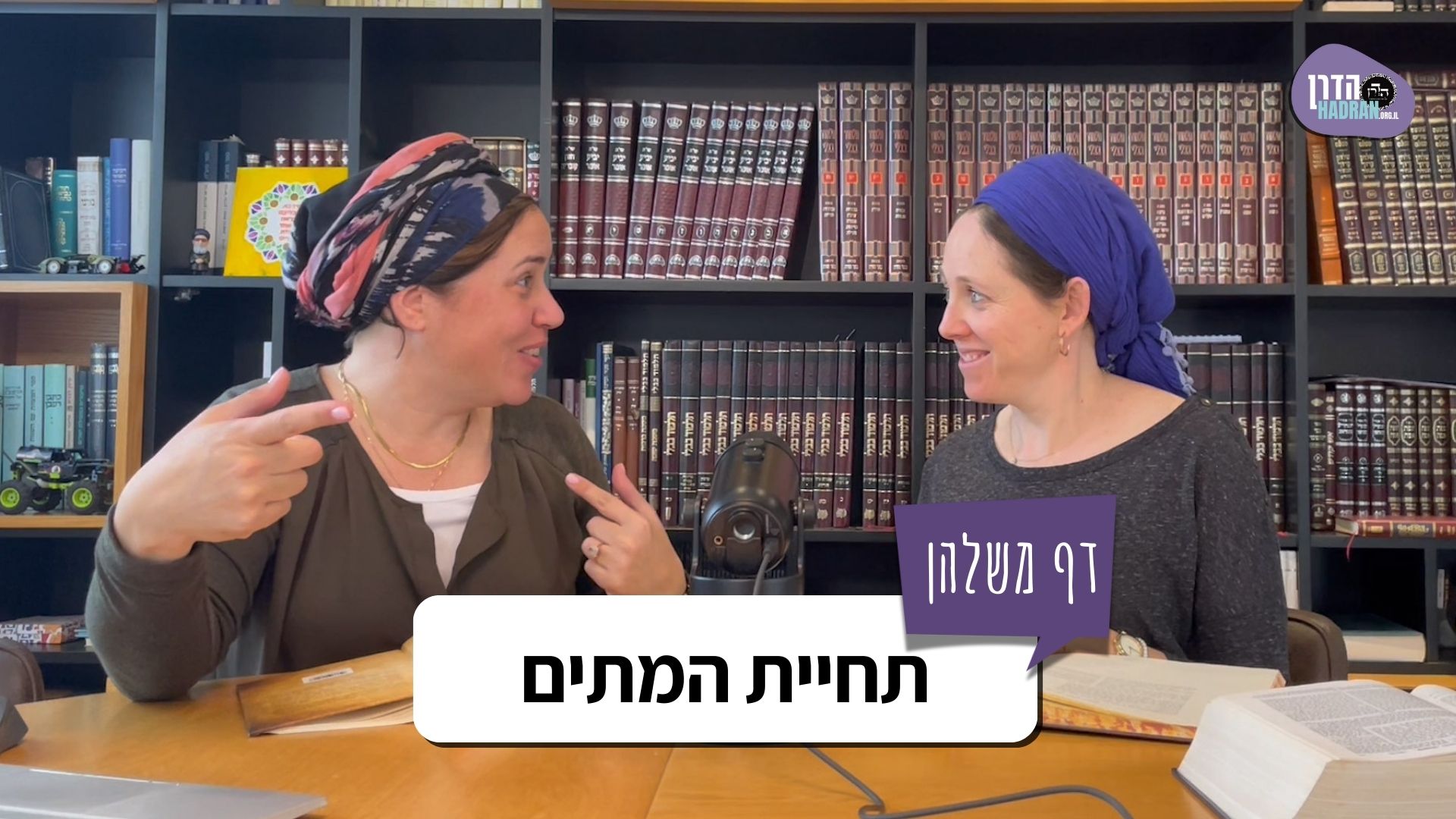
מה יקרה בתחיית המתים? מה זה עולם הבא? – דף משלהן צוללות לפרק חלק
15.03.2025 | ט״ו באדר תשפ״ה



חדשה בלימוד הגמרא?
זה הדף הראשון שלך? איזו התרגשות עצומה! יש לנו בדיוק את התכנים והכלים שיעזרו לך לעשות את הצעדים הראשונים ללמידה בקצב וברמה שלך, כך תוכלי להרגיש בנוח גם בתוך הסוגיות המורכבות ומאתגרות.
פסיפס הלומדות שלנו
גלי את קהילת הלומדות שלנו, מגוון נשים, רקעים וסיפורים. כולן חלק מתנועה ומסע מרגש ועוצמתי.
התחלתי בתחילת הסבב, והתמכרתי. זה נותן משמעות נוספת ליומיום ומאוד מחזק לתת לזה מקום בתוך כל שגרת הבית-עבודה השוטפת.

רעות אברהמי
בית שמש, ישראל
רבנית מישל הציתה אש התלמוד בלבבות בביניני האומה ואני נדלקתי. היא פתחה פתח ותמכה במתחילות כמוני ואפשרה לנו להתקדם בצעדים נכונים וטובים. הקימה מערך שלם שמסובב את הלומדות בסביבה תומכת וכך נכנסתי למסלול לימוד מעשיר שאין כמוה. הדרן יצר קהילה גדולה וחזקה שמאפשרת התקדמות מכל נקודת מוצא. יש דיבוק לומדות שמחזק את ההתמדה של כולנו. כל פניה ושאלה נענית בזריזות ויסודיות. תודה גם למגי על כל העזרה.

שרה אבר
נתניה, ישראל
רציתי לקבל ידע בתחום שהרגשתי שהוא גדול וחשוב אך נעלם ממני. הלימוד מעניק אתגר וסיפוק ומעמיק את תחושת השייכות שלי לתורה וליהדות

רות עגיב
עלי זהב – לשם, ישראל
התחלתי מעט לפני תחילת הסבב הנוכחי. אני נהנית מהאתגר של להמשיך להתמיד, מרגעים של "אהה, מפה זה הגיע!” ומהאתגר האינטלקטואלי

אילת-חן ודלר
לוד, ישראל
התחלתי ללמוד בשנת המדרשה במגדל עוז, בינתיים נהנית מאוד מהלימוד ומהגמרא, מעניין ומשמח מאוד!
משתדלת להצליח לעקוב כל יום, לפעמים משלימה קצת בהמשך השבוע.. מרגישה שיש עוגן מקובע ביום שלי והוא משמח מאוד!

אוריה קסנר
חיפה , ישראל
"התחלתי ללמוד דף יומי במחזור הזה, בח’ בטבת תש””ף. לקחתי על עצמי את הלימוד כדי ליצור תחום של התמדה יומיומית בחיים, והצטרפתי לקבוצת הלומדים בבית הכנסת בכפר אדומים. המשפחה והסביבה מתפעלים ותומכים.
בלימוד שלי אני מתפעלת בעיקר מכך שכדי ללמוד גמרא יש לדעת ולהכיר את כל הגמרא. זו מעין צבת בצבת עשויה שהיא עצומה בהיקפה.”

שרה פוּקס
כפר אדומים, ישראל
התחלתי לפני כמה שנים אבל רק בסבב הזה זכיתי ללמוד יום יום ולסיים מסכתות

סיגל טל
רעננה, ישראל
ראיתי את הסיום הגדול בבנייני האומה וכל כך התרשמתי ורציתי לקחת חלק.. אבל לקח לי עוד כשנה וחצי )באמצע מסיכת שבת להצטרף..
הלימוד חשוב לי מאוד.. אני תמיד במרדף אחרי הדף וגונבת כל פעם חצי דף כשהילדים עסוקים ומשלימה אח”כ אחרי שכולם הלכו לישון..

אולגה מזרחי
ירושלים, ישראל
התחלתי ללמוד דף יומי בתחילת מסכת ברכות, עוד לא ידעתי כלום. נחשפתי לסיום הש״ס, ובעצם להתחלה מחדש בתקשורת, הפתיע אותי לטובה שהיה מקום לעיסוק בתורה.
את המסכתות הראשונות למדתי, אבל לא סיימתי (חוץ מעירובין איכשהו). השנה כשהגעתי למדרשה, נכנסתי ללופ, ואני מצליחה להיות חלק, סיימתי עם החברותא שלי את כל המסכתות הקצרות, גם כשהיינו חולות קורונה ובבידודים, למדנו לבד, העיקר לא לצבור פער, ומחכות ליבמות 🙂

עדן ישורון
מזכרת בתיה, ישראל
התחלתי להשתתף בשיעור נשים פעם בשבוע, תכננתי ללמוד רק דפים בודדים, לא האמנתי שאצליח יותר מכך.
לאט לאט נשאבתי פנימה לעולם הלימוד .משתדלת ללמוד כל בוקר ומתחילה את היום בתחושה של מלאות ומתוך התכווננות נכונה יותר.
הלימוד של הדף היומי ממלא אותי בתחושה של חיבור עמוק לעם היהודי ולכל הלומדים בעבר ובהווה.

נילי חיון
אפרת, ישראל
לפני 15 שנה, אחרי עשרות שנים של "ג’ינגול” בין משפחה לקריירה תובענית בהייטק, הצטרפתי לשיעורי גמרא במתן רעננה. הלימוד המעמיק והייחודי של הרבנית אושרה קורן יחד עם קבוצת הנשים המגוונת הייתה חוויה מאלפת ומעשירה. לפני כשמונה שנים כאשר מחזור הדף היומי הגיע למסכת תענית הצטרפתי כ”חברותא” לבעלי. זו השעה היומית שלנו ביחד כאשר דפי הגמרא משתלבים בחיי היום יום, משפיעים ומושפעים, וכשלא מספיקים תמיד משלימים בשבת

יודי אסקוף
רעננה, ישראל
התחלתי ללמוד דף יומי בתחילת מסכת ברכות, עוד לא ידעתי כלום. נחשפתי לסיום הש״ס, ובעצם להתחלה מחדש בתקשורת, הפתיע אותי לטובה שהיה מקום לעיסוק בתורה.
את המסכתות הראשונות למדתי, אבל לא סיימתי (חוץ מעירובין איכשהו). השנה כשהגעתי למדרשה, נכנסתי ללופ, ואני מצליחה להיות חלק, סיימתי עם החברותא שלי את כל המסכתות הקצרות, גם כשהיינו חולות קורונה ובבידודים, למדנו לבד, העיקר לא לצבור פער, ומחכות ליבמות 🙂
עדן ישורון
מזכרת בתיה, ישראל
באירוע של הדרן בנייני האומה. בהשראתה של אמי שלי שסיימה את הש”ס בסבב הקודם ובעידוד מאיר , אישי, וילדיי וחברותיי ללימוד במכון למנהיגות הלכתית של רשת אור תורה סטון ומורתיי הרבנית ענת נובוסלסקי והרבנית דבורה עברון, ראש המכון למנהיגות הלכתית.
הלימוד מעשיר את יומי, מחזיר אותי גם למסכתות שכבר סיימתי וידוע שאינו דומה מי ששונה פרקו מאה לשונה פרקו מאה ואחת במיוחד מרתקים אותי החיבורים בין המסכתות

רוית קלך
מודיעין, ישראל
התחלתי מחוג במסכת קידושין שהעבירה הרבנית רייסנר במסגרת בית המדרש כלנה בגבעת שמואל; לאחר מכן התחיל סבב הדף היומי אז הצטרפתי. לסביבה לקח זמן לעכל אבל היום כולם תומכים ומשתתפים איתי. הלימוד לעתים מעניין ומעשיר ולעתים קשה ואף הזוי… אך אני ממשיכה קדימה. הוא משפיע על היומיום שלי קודם כל במרדף אחרי הדף, וגם במושגים הרבים שלמדתי ובידע שהועשרתי בו, חלקו ממש מעשי

אביגיל כריסי
ראש העין, ישראל
התחלתי לפני 8 שנים במדרשה. לאחרונה סיימתי מסכת תענית בלמידה עצמית ועכשיו לקראת סיום מסכת מגילה.

דניאלה ברוכים
רעננה, ישראל
בתחילת הסבב הנוכחי של לימוד הדף היומי, נחשפתי לחגיגות המרגשות באירועי הסיום ברחבי העולם. והבטחתי לעצמי שבקרוב אצטרף גם למעגל הלומדות. הסבב התחיל כאשר הייתי בתחילת דרכי בתוכנית קרן אריאל להכשרת יועצות הלכה של נשמ”ת. לא הצלחתי להוסיף את ההתחייבות לדף היומי על הלימוד האינטנסיבי של תוכנית היועצות. בבוקר למחרת המבחן הסופי בנשמ”ת, התחלתי את לימוד הדף במסכת סוכה ומאז לא הפסקתי.

חנה שחם-רוזבי (ד”ר)
קרית גת, ישראל
התחלתי ללמוד גמרא בבית הספר בגיל צעיר והתאהבתי. המשכתי בכך כל חיי ואף היייתי מורה לגמרא בבית הספר שקד בשדה אליהו (בית הספר בו למדתי בילדותי)בתחילת מחזור דף יומי הנוכחי החלטתי להצטרף ובע”ה מקווה להתמיד ולהמשיך. אני אוהבת את המפגש עם הדף את "דרישות השלום ” שמקבלת מקשרים עם דפים אחרים שלמדתי את הסנכרון שמתחולל בין התכנים.

אריאלה ביגמן
מעלה גלבוע, ישראל
הייתי לפני שנתיים בסיום הדרן נשים בבנייני האומה והחלטתי להתחיל. אפילו רק כמה דפים, אולי רק פרק, אולי רק מסכת… בינתיים סיימתי רבע שס ותכף את כל סדר מועד בה.
הסביבה תומכת ומפרגנת. אני בת יחידה עם ארבעה אחים שכולם לומדים דף יומי. מדי פעם אנחנו עושים סיומים יחד באירועים משפחתיים. ממש מרגש. מסכת שבת סיימנו כולנו יחד עם אבא שלנו!
אני שומעת כל יום פודקאסט בהליכה או בנסיעה ואחכ לומדת את הגמרא.

עדנה גרוס
מרכז שפירא, ישראל
הצטרפתי ללומדות בתחילת מסכת תענית. ההתרגשות שלי ושל המשפחה היתה גדולה מאוד, והיא הולכת וגוברת עם כל סיום שאני זוכה לו. במשך שנים רבות רציתי להצטרף ומשום מה זה לא קרה… ב”ה מצאתי לפני מספר חודשים פרסום של הדרן, ומיד הצטרפתי והתאהבתי. הדף היומי שינה את חיי ממש והפך כל יום- ליום של תורה. מודה לכן מקרב ליבי ומאחלת לכולנו לימוד פורה מתוך אהבת התורה ולומדיה.

נעה רוזן
חיספין רמת הגולן, ישראל
התחלתי מעט לפני תחילת הסבב הנוכחי. אני נהנית מהאתגר של להמשיך להתמיד, מרגעים של "אהה, מפה זה הגיע!” ומהאתגר האינטלקטואלי
אילת-חן ודלר
לוד, ישראל
נדה יב
בְּעָא מִינֵּיהּ רַבִּי זֵירָא מֵרַב יְהוּדָה: אִשָּׁה מַהוּ שֶׁתִּבְדּוֹק עַצְמָהּ לְבַעְלָהּ? אֲמַר לֵיהּ: לֹא תִּבְדּוֹק. וְתִבְדּוֹק — וּמָה בְּכָךְ? אִם כֵּן — לִבּוֹ נוֹקְפוֹ וּפוֹרֵשׁ.
§ Rabbi Zeira raised a dilemma before Rav Yehuda: What is the halakha as to whether a woman should examine herself before engaging in intercourse with her husband? Rav Yehuda said to him: She should not examine herself. Rabbi Zeira asked: And let her examine herself; what would be the problem with that? Rav Yehuda answered: If so, the heart of a scrupulous husband might strike him with pangs of conscience over sins that he could transgress, and he will separate from his wife out of fear that she is impure.
בְּעָא מִינֵּיהּ רַבִּי אַבָּא מֵרַב הוּנָא: אִשָּׁה מַהוּ שֶׁתִּבְדּוֹק עַצְמָהּ כְּשִׁיעוּר וֶסֶת, כְּדֵי לְחַיֵּיב בַּעְלָהּ חַטָּאת?
Rabbi Abba raised a similar dilemma before Rav Huna: What is the halakha as to whether a woman should examine herself immediately after engaging in intercourse, within the minimum period of time needed for the onset of menstruation, in order to render her husband liable to bring a sin offering for engaging in intercourse with a menstruating woman?
אֲמַר לֵיהּ: מִי מַשְׁכַּחַתְּ לַהּ לִבְדִיקָה כְּשִׁיעוּר וֶסֶת? וְהָתַנְיָא: אֵיזֶהוּ שִׁיעוּר וֶסֶת? מָשָׁל לְשַׁמָּשׁ וָעֵד שֶׁעוֹמְדִים בְּצַד הַמַּשְׁקוֹף, בִּיצִיאַת הַשַּׁמָּשׁ נִכְנַס עֵד.
Rav Huna said to him: Can you find a case where it is physically possible to perform a full examination after intercourse within the period of time needed for the onset of menstruation? But isn’t it taught in a baraita: What is the period of time needed for the onset of menstruation? This is comparable to a male organ and an examination cloth that are standing alongside the doorpost, i.e., at the entrance to the vagina; upon the exit of the organ the examination cloth immediately enters.
הֱוֵי: וֶסֶת שֶׁאָמְרוּ — לְקִנּוּחַ, וְלֹא לִבְדִיקָה. אֶלָּא מַהוּ שֶׁתְּקַנֵּחַ?
The Gemara explains: It is apparent that the period of time that they stated is the time required for an external wipe, and not for a full internal examination. Therefore, if she did an internal examination and found blood, one cannot be certain that she was already menstruating during intercourse and thereby render the husband liable to bring a sin offering. Rather, this is Rabbi Abba’s dilemma: What is the halakha as to whether a woman should wipe herself immediately after engaging in intercourse? Since this action can be performed quickly, if she were to find blood her husband would be liable to bring a sin offering.
אִיכָּא דְאָמְרִי, הָכִי בְּעָא מִינֵּיהּ: אִשָּׁה מַהוּ שֶׁתִּבְדּוֹק עַצְמָהּ כְּדֵי לְחַיֵּיב בַּעְלָהּ אָשָׁם תָּלוּי? אָמַר לוֹ: לֹא תִּבְדּוֹק. וְתִבְדּוֹק, וּמָה בְּכָךְ? אִם כֵּן, לִבּוֹ נוֹקְפוֹ וּפוֹרֵשׁ.
Some say that this is the dilemma that Rabbi Abba raised before Rav Huna: What is the halakha as to whether a woman should examine herself immediately after engaging in intercourse, in order to render her husband liable to bring a provisional guilt offering brought by one who is uncertain as to whether he committed a sin that requires a sin offering? Rav Huna said to him: She should not examine herself. Rabbi Abba asked: And let her examine herself; what would be the problem with that? Rav Huna answered: If so, the heart of a scrupulous husband might strike him with pangs of conscience over sins that he could transgress, and he will separate from his wife out of fear that she is impure.
וּבְשָׁעָה שֶׁהִיא עוֹבֶרֶת וְכוּ׳. אָמַר רַבִּי אַמֵּי אָמַר רַבִּי יַנַּאי: וְזֶהוּ עִדָּן שֶׁל צְנוּעוֹת. אֲמַר לֵיהּ רַבִּי אַבָּא בַּר מֶמֶל לְרַבִּי אַמֵּי: תַּנָּא תָּנֵי ״צְרִיכוֹת״, וְאַתְּ תָּנֵי ״צְנוּעוֹת״! אֲמַר לֵיהּ: שֶׁאֲנִי אוֹמֵר כׇּל הַמְקַיֵּים דִּבְרֵי חֲכָמִים נִקְרָא ״צָנוּעַ״.
§ The mishna teaches: And she is also required to examine herself at a time that she is about to engage in intercourse with her husband. Rabbi Ami says that Rabbi Yannai says: And this examination performed before intercourse is known as: The examination cloth of virtuous women, as this examination is not strictly required. Rabbi Abba bar Memel said to Rabbi Ami: The tanna teaches that women are required to perform this examination, and yet you teach that only virtuous women perform it. Rabbi Ami said to him: Yes, as I say that anyone who fulfills the statements of the Sages is called virtuous. Rabbi Ami did not mean that this examination is beyond the letter of the law. He was simply praising those who abide by the established halakha.
אָמַר רָבָא: וְשֶׁאֵינוֹ מְקַיֵּים דִּבְרֵי חֲכָמִים — ״צָנוּעַ״ הוּא דְּלָא מִקְּרֵי, הָא ״רָשָׁע״ לָא מִקְּרֵי? אֶלָּא אָמַר רָבָא: צְנוּעוֹת — עַד שֶׁבָּדְקוּ בּוֹ עַצְמָן לִפְנֵי תַּשְׁמִישׁ זֶה, אֵין בּוֹדְקוֹת בּוֹ לִפְנֵי תַּשְׁמִישׁ אַחֵר, וְשֶׁאֵינָן צְנוּעוֹת — בּוֹדְקוֹת וְלֹא אִיכְפַּת לָהֶן.
With regard to Rabbi Ami’s claim, Rava says: And according to your opinion, with regard to one who does not fulfill the statements of the Sages, he is not called virtuous. But this indicates that he is not called wicked either. This cannot be correct, as one who does not heed the instructions of the Sages is certainly wicked. Rather, Rava said: Virtuous women are those who do not reuse the examination cloth that they used to examine themselves before this intercourse. Even if no blood was found on it, they do not examine themselves with it prior to another act of intercourse, as once it was used once, it is not as clean as before. And those who are not virtuous women reuse the same examination cloths and examine themselves with them and they are not particular about this matter.
גּוּפָא, אָמַר רַבִּי זֵירָא, אָמַר רַבִּי אַבָּא בַּר יִרְמְיָה, אָמַר שְׁמוּאֵל: אִשָּׁה שֶׁאֵין לָהּ וֶסֶת אֲסוּרָה לְשַׁמֵּשׁ עַד שֶׁתִּבְדּוֹק. אֲמַר לֵיהּ רַבִּי זֵירָא לְרַבִּי אַבָּא בַּר יִרְמְיָה: אֵין לָהּ וֶסֶת — בָּעֲיָא בְּדִיקָה, יֵשׁ לָהּ וֶסֶת — לָא בָּעֲיָא בְּדִיקָה?
§ The Gemara returns to the matter itself: Rabbi Zeira says that Rabbi Abba bar Yirmeya says that Shmuel says: With regard to a woman who does not have a fixed menstrual cycle, it is forbidden for her to engage in intercourse until she examines herself. Rabbi Zeira said to Rabbi Abba bar Yirmeya: Does Shmuel mean that if she does not have a fixed menstrual cycle she is required to perform an examination, but if she has a fixed menstrual cycle she is not required to perform an examination? This is difficult, as the mishna teaches that even a woman with a fixed menstrual cycle is required to perform an examination before she engages in intercourse.
אֲמַר לֵיהּ: יֵשׁ לָהּ וֶסֶת — עֵרָה בָּעֲיָא בְּדִיקָה, יְשֵׁנָה לָא בָּעֲיָא בְּדִיקָה; אֵין לָהּ וֶסֶת — בֵּין עֵרָה בֵּין יְשֵׁנָה בָּעֲיָא בְּדִיקָה.
Rabbi Abba bar Yirmeya said to him: The mishna means that if she has a fixed menstrual cycle and she is awake, she is required to perform an examination; if she is sleeping she is not required to perform an examination before intercourse, as this would involve much effort. If she does not have a fixed menstrual cycle, then whether she is awake or sleeping, she is required to perform an examination.
אָמַר רָבָא: וְלֵימָא לֵיהּ — יֵשׁ לָהּ וֶסֶת, לִטְהָרוֹת בָּעֲיָא בְּדִיקָה, לְבַעְלָהּ לָא בָּעֲיָא בְּדִיקָה; אֵין לָהּ וֶסֶת, אֲפִילּוּ לְבַעְלָהּ נָמֵי בָּעֲיָא בְּדִיקָה. וּמִדְּלָא אֲמַר לֵיהּ הָכִי, שְׁמַע מִינַּהּ קָסָבַר שְׁמוּאֵל: כֹּל לְבַעְלַהּ לָא בָּעֲיָא בְּדִיקָה.
Rava says: And let Rabbi Abba bar Yirmeya say a different answer to Rabbi Zeira: Shmuel means that if she has a fixed menstrual cycle, then in the case of a woman who handles pure items, she is required to perform an examination for the sake of intercourse as well. If she does not handle pure items, then for the sake of intercourse with her husband alone she is not required to perform an examination. By contrast, if she does not have a fixed menstrual cycle, then she is required to perform an examination even for the sake of intercourse with her husband. Rava concludes: And from the fact that Rabbi Abba bar Yirmeya did not say this answer, one can learn from it that Shmuel holds that in any case where an examination is only for the purpose of intercourse with her husband, she is not required to perform an examination.
תָּנוּ רַבָּנַן: חַמָּרִין וּפוֹעֲלִין, וְהַבָּאִין מִבֵּית הָאֵבֶל וּמִבֵּית הַמִּשְׁתֶּה — נְשֵׁיהֶם לָהֶם בְּחֶזְקַת טׇהֳרָה, וּבָאִין וְשׁוֹהִין עִמָּהֶם, בֵּין יְשֵׁנוֹת בֵּין עֵרוֹת. בַּמֶּה דְבָרִים אֲמוּרִים? שֶׁהִנִּיחָן בְּחֶזְקַת טׇהֳרָה, אֲבָל הִנִּיחָן בְּחֶזְקַת טוּמְאָה — לְעוֹלָם הִיא טְמֵאָה, עַד שֶׁתֹּאמַר לוֹ ״טְהוֹרָה אָנִי״.
§ The Sages taught in a baraita: With regard to donkey drivers and laborers who return home, and those who come home from the house of mourning or from the house of feasting for a wedding, their wives remain in a presumptive status of purity. And therefore they may come and remain with them, i.e., engage in intercourse with them, whether they are sleeping or awake. The baraita clarifies: In what case is this statement said? When the husbands left their wives in a presumptive state of purity. But if the husbands left them in a presumptive state of impurity, she remains forever in a status of impurity, until she says to him: I am ritually pure.
וְהָא שְׁמוּאֵל בְּמַאי מוֹקֵי לַהּ? אִי בְּשֶׁיֵּשׁ לָהּ וֶסֶת — קַשְׁיָא עֵרָה, וְאִי בְּשֶׁאֵין לָהּ וֶסֶת — קַשְׁיָא בֵּין עֵרָה בֵּין יְשֵׁנָה!
The Gemara asks: But according to Rabbi Abba bar Yirmeya, with regard to what case does Shmuel interpret this baraita? If the baraita is dealing with a woman who has a fixed menstrual cycle, it is difficult, as Shmuel holds that such a woman who is awake is required to perform an examination, whereas the baraita indicates that no examination is necessary. And if the baraita is referring to a woman who does not have a fixed menstrual cycle, it is also difficult, as Shmuel holds that she always is required to perform an examination, whether she is awake or sleeping.
לְעוֹלָם בְּשֶׁיֵּשׁ לָהּ וֶסֶת, וְכֵיוָן שֶׁתְּבָעָהּ — אֵין לְךָ בְּדִיקָה גְּדוֹלָה מִזּוֹ. אֲמַר לֵיהּ רַב פָּפָּא לְרָבָא: מַהוּ לְמֶעְבַּד כִּי הָא מַתְנִיתָא?
The Gemara answers: Actually, the baraita is referring to a case where she has a fixed menstrual cycle, and since her husband came home from his travels and requested of her that they engage in intercourse, there is no greater examination than this. Since she had time to consider the matter while he was asking her, she would have remembered had she sensed the onset of her menstrual cycle, whereas under regular circumstances she might not have time to recall. Based upon this explanation, Rav Pappa said to Rava: What is the halakha with regard to acting in accordance with this baraita? Perhaps it is necessary to wake her and ask her whether she is ritually pure.
אֲמַר לֵיהּ: סוּדָנִי, לָא, דְּמִגַּנְיָא בְּאַפֵּיהּ. אָמַר רַב כָּהֲנָא: שְׁאֵלְתִּינְהוּ לְאִינָשֵׁי בֵּיתֵיהּ דְּרַב פָּפָּא וּדְרַב הוּנָא בְּרֵיהּ דְּרַב יְהוֹשֻׁעַ, כִּי אֲתוֹ רַבָּנַן מִבֵּי רַב מַצְרְכִי לְכוּ בְּדִיקָה? וַאֲמַרוּ לִי: לָא. וְלִישַׁיְּילִינְהוּ לְדִידְהוּ! דִּילְמָא אִינְהוּ קָא מַחְמְירִי אַנַּפְשַׁיְיהוּ.
Rava said to Rav Pappa: Wise one [sudani]! No, won’t she be demeaned before him? It is embarrassing for her if she is awoken and has to think about whether or not she is pure. Rav Kahana says: I asked the members of the households, i.e., the wives, of Rav Pappa and of Rav Huna, son of Rav Yehoshua: When the Sages, your husbands, came home from the study hall, did they require you to perform an examination prior to intercourse? And they said to me: No. The Gemara asks: But why ask their wives? Why not ask those Sages themselves? The Gemara answers: Perhaps they might rule leniently for others, while acting stringently with themselves. Therefore, their wives were asked, to determine how the Sages conducted themselves in their personal lives.
תָּנוּ רַבָּנַן: אִשָּׁה שֶׁאֵין לָהּ וֶסֶת — אֲסוּרָה לְשַׁמֵּשׁ, וְאֵין לָהּ לֹא כְּתוּבָּה, וְלֹא פֵּירוֹת, וְלֹא מְזוֹנוֹת, וְלֹא בְּלָאוֹת, וּמוֹצִיא וְלֹא מַחְזִיר עוֹלָמִית, דִּבְרֵי רַבִּי מֵאִיר.
§ The Sages taught in a baraita: With regard to a woman who does not have a fixed menstrual cycle, she is forbidden to engage in intercourse, and she does not have the right to receive payment of her marriage contract if divorced or widowed, nor is she entitled to payment from her husband for the produce of her property that he consumed, nor is she entitled to provisions for her sustenance from his estate, nor does she get back her worn clothes or other items she brought with her to her marriage as part of her dowry. And furthermore, her husband must divorce her and he may never remarry her. This is the statement of Rabbi Meir.
רַבִּי חֲנִינָא בֶּן אַנְטִיגְנוֹס אוֹמֵר: מְשַׁמֶּשֶׁת בִּשְׁנֵי עִדִּים, הֵן עִוְּתוּהָ, הֵן תִּקְּנוּהָ. מִשּׁוּם אַבָּא חָנָן אָמְרוּ: אוֹי לוֹ לְבַעְלָהּ.
Rabbi Ḥanina ben Antigonus says: She is permitted to engage in intercourse with her husband, but she must examine herself with two examination cloths, one prior to intercourse and one afterward. They may be to her detriment if she finds blood on the cloths, or they may lead to her betterment, since if she finds no blood she is permitted to her husband. They said in the name of Abba Ḥanan: Woe to her husband!
אֲסוּרָה לְשַׁמֵּשׁ — דִּילְמָא מְקַלְקְלָה לֵיהּ. וְאֵין לָהּ כְּתוּבָּה — כֵּיוָן דְּלָא חַזְיָא לְבִיאָה, לֵית לַהּ כְּתוּבָּה.
The Gemara explains each clause of the baraita: She is forbidden to engage in intercourse, as perhaps she will ruin her husband if she emits blood during intercourse. And with regard to the halakha that she does not have the right to receive payment of her marriage contract, the reason is that since she is not fit for intercourse, she is not entitled to payment of her marriage contract.
וְלֹא פֵּירוֹת, וְלֹא מְזוֹנוֹת, וְלֹא בְּלָאוֹת — תְּנָאֵי כְּתוּבָּה כִּכְתוּבָּה דָּמוּ.
The Gemara continues its explanation: And she is not entitled to payment for the produce of her property, nor is she entitled to provisions for her sustenance from his estate, nor does she get back her worn clothes. The reason for all these is because stipulations in the marriage contract are considered like the marriage contract itself. Since she is not entitled to a marriage contract, she is likewise not entitled to these additional provisions that are stipulated in the marriage contract.
וְיוֹצִיא, וְלֹא יַחְזִיר עוֹלָמִית. פְּשִׁיטָא! לָא צְרִיכָא — דַּהֲדַרָה וְאִתַּקַּנָה. מַהוּ דְּתֵימָא לַיהְדְּרַהּ? קָא מַשְׁמַע לַן, דְּזִימְנִין דְּאָזְלָא וּמִנַּסְבָא וּמִתַּקְנָא.
The Gemara analyzes the next clause in the baraita: Her husband must divorce her and he may never remarry her. The Gemara asks: Isn’t that obvious? The Gemara answers: No, it is necessary to teach this in a case where her situation was subsequently amended, i.e., she established a fixed menstrual cycle. Lest you say that he may remarry her, the baraita teaches us that this is not permitted, as sometimes such a woman might go and marry someone else and her status is subsequently amended.
וְאָמַר: ״אִילּוּ הָיִיתִי יוֹדֵעַ שֶׁכָּךְ הָיָה, אֲפִילּוּ הֱיִיתֶם נוֹתְנִין לִי מֵאָה מָנֶה — לֹא הָיִיתִי מְגָרְשָׁהּ!״, וְנִמְצָא גֵּט בָּטֵל, וּבָנֶיהָ מַמְזֵרִין.
And the problem in this scenario is that her first husband might say: If I would have known that it is like this, that she would be cured, even if you would have given me one hundred times one hundred dinars to divorce her I would not have divorced her. And if so, the bill of divorce will be found to be void, and her children from her second husband will be considered mamzerim. Therefore it must be made clear to him from the outset that this divorce is final.
מִשּׁוּם אַבָּא חָנָן אָמְרוּ: ״אוֹי לוֹ לְבַעְלָהּ״. אִיכָּא דְאָמְרִי לְרַבִּי מֵאִיר אֲמַר לֵיהּ, דְּבָעֵי לְאַגְבּוֹיַהּ כְּתוּבְּתַהּ. אִיכָּא דְאָמְרִי לְרַבִּי חֲנִינָא בֶּן אַנְטִיגְנוֹס קָאָמַר לֵיהּ, דִּמְקַלְקְלָה לֵיהּ.
The Gemara analyzes the final clause of the baraita: They said in the name of Abba Ḥanan: Woe to her husband! Some say that he said this to Rabbi Meir, as Abba Ḥanan maintains that the husband is required to settle her payment of her marriage contract upon their divorce. And some say that he said this to Rabbi Ḥanina ben Antigonus, since Abba Ḥanan disagrees with his opinion and holds that it is forbidden to engage in intercourse with her, as perhaps she will ruin him if they engage in intercourse when she is menstruating.
אָמַר רַב יְהוּדָה אָמַר שְׁמוּאֵל: הֲלָכָה כְּרַבִּי חֲנִינָא בֶּן אַנְטִיגְנוֹס. וּבְמַאי? אִי בַּעֲסוּקָה בִּטְהָרוֹת, הָא אַמְרַהּ שְׁמוּאֵל חֲדָא זִימְנָא!
Rav Yehuda says that Shmuel says: The halakha is in accordance with the opinion of Rabbi Ḥanina ben Antigonus. The Gemara asks: And with regard to what case did Shmuel issue this ruling of halakha? The Gemara elaborates: If it is referring to a woman who is engaged in handling ritually pure items, didn’t Shmuel already say on another occasion that a woman without a fixed menstrual cycle must examine herself prior to intercourse?
וְאִי בְּשֶׁאֵינָהּ עֲסוּקָה בִּטְהָרוֹת, הָא אָמַר כֹּל לְבַעְלַהּ לָא בָּעֲיָא בְּדִיקָה, דְּאָמַר רַבִּי זֵירָא אָמַר רַבִּי אַבָּא בַּר יִרְמְיָה אָמַר שְׁמוּאֵל: ״אִשָּׁה שֶׁאֵין לָהּ וֶסֶת אֲסוּרָה לְשַׁמֵּשׁ עַד שֶׁתִּבְדּוֹק״, וְאוֹקִימְנָא לָהּ בַּעֲסוּקָה בִּטְהָרוֹת! מַאן דְּמַתְנֵי הָא לָא מַתְנֵי הָא.
And if it is referring to a woman who is not engaged in handling ritually pure items, doesn’t Shmuel say that in any case where an examination is only for the purpose of intercourse with her husband, not for handling pure items, she is not required to perform an examination? As Rabbi Zeira said that Rabbi Abba bar Yirmeya says that Shmuel says: A woman who does not have a fixed menstrual cycle is forbidden to engage in intercourse until she examines herself, and we interpreted this statement as referring to cases where she is engaged in handling ritually pure items. The Gemara answers: He who teaches this does not teach that, i.e., Shmuel’s ruling is in fact referring to a woman engaged in handling pure items, and the two rulings were cited in his name by different Sages.
הֲדַרַן עֲלָךְ שַׁמַּאי אוֹמֵר.
לעקוב

