חיפוש

סנהדרין כז

רוצה להקדיש שיעור?

podcast placeholder

0:00
0:00


תקציר

הדף היום מוקדש ע”י רונית ושלומי עיני לכבוד חתונת בנם אביחי אברהם עם שילת. "שתזכו להקים בית נאמן בעם ישראל.”

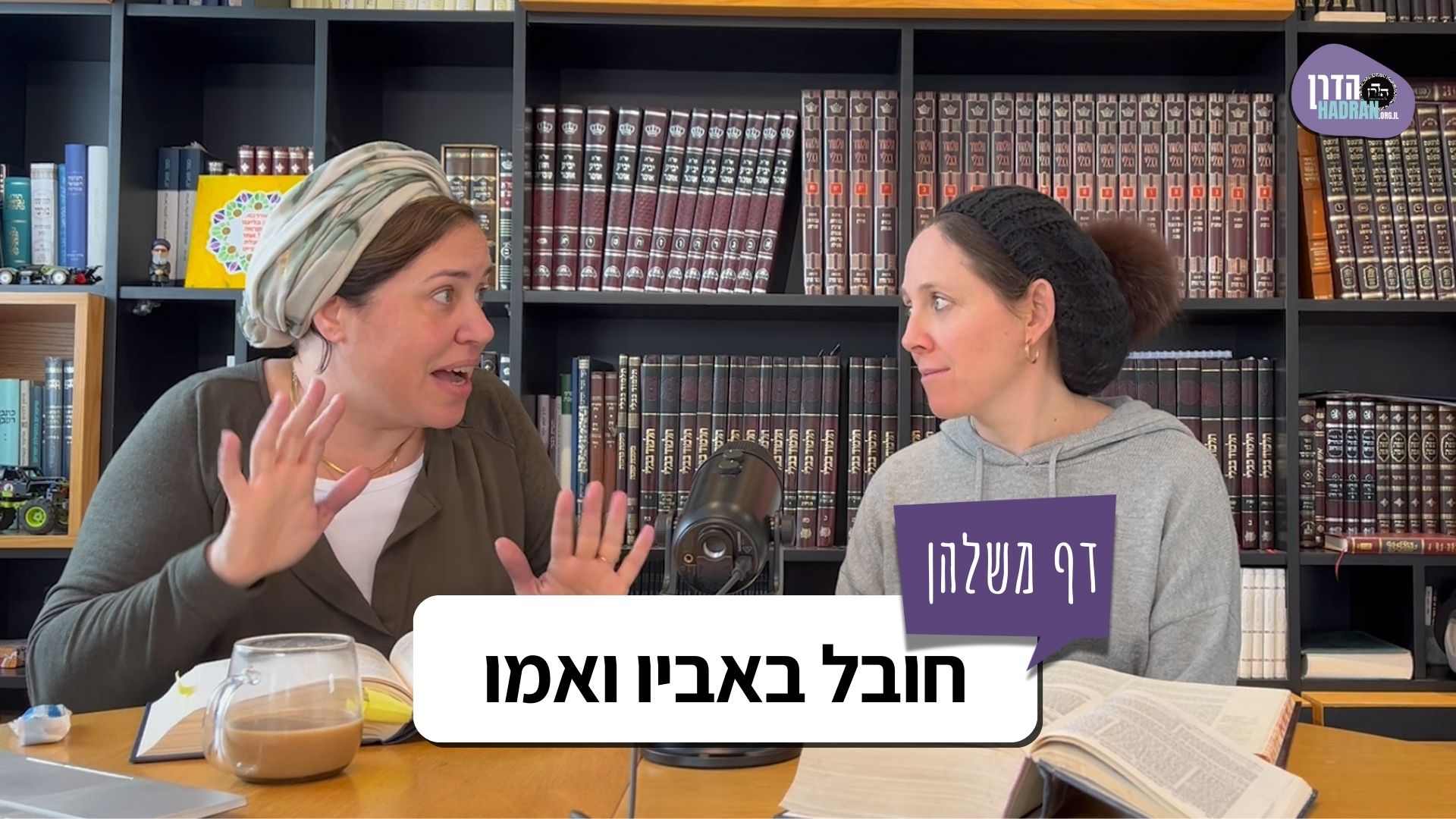
כשאדם הוזם כעד זומם, האם כל עדויותיו מהזמן שהעיד לשקר נפסלות או רק מזמן שהוזם? אביי סובר שנפסל משעת עדותו (למפרע) ורבא סובר שנפסל רק משעת הזמה. יש שתי הצעות להסביר את דעת רבא. הראשונה היא שאנחנו מאמינים לעדים השניים שסותרים את הראשונים רק בגלל חידוש שחידשה התורה ולכן הם נפסלים רק משעת הזמה. השנייה היא שרבא מסכים עקרונית עם אביי, אבל פוסל אותם רק משעת הזמה בבית דין, כי פסילה למפרע תגרום הפסד לאחרים שסמכו עליהם כעדים מבלי לדעת ששיקרו בבית דין. מה הנפקא מינה בין שתי ההצעות? מחלוקת זו היא אחת מששה מקרים (יע”ל קג”ם) בהם פוסקים כאביי נגד רבא.

מי שאוכל נבילות להכעיס, ולא מסיבות כלכליות או תאווה, האם נפסל לעדות? גם מקרה זה הוא מחלוקת בין רבא לאביי שבו אנו פוסקים כאביי שהעד פסול.

האם המחלוקת בין רבא לאביי מקבילה למחלוקת בין רבי מאיר לרבי יוסי לגבי האם עד זומם ששיקר בדיני ממונות נפסל גם לעדות בדיני נפשות? בתחילה משווים את המחלוקות ומקבילים את אביי לרבי מאיר ואת רבא לרבי יוסי, אך בסוף דוחים את ההשוואה.

למה אנחנו פוסקים כרבי מאיר ופוסלים עד ששיקר בדיני ממונות מלהעיד בדיני נפשות?

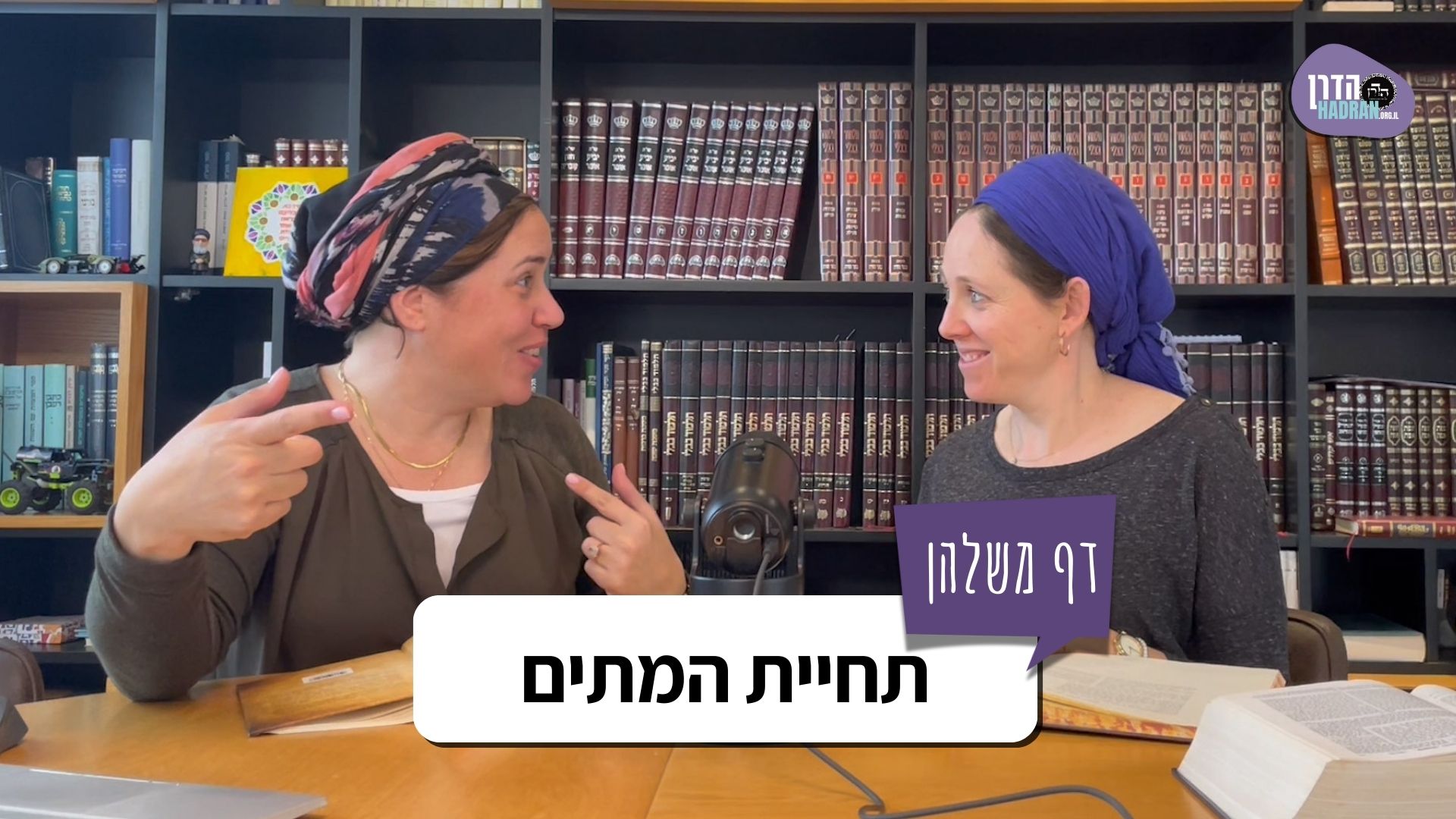
אילו קרובי משפחה פסולים לעדות? מהיכן בתורה אנחנו לומדים שקרובים אינם יכולים להעיד זה לזה?

המצגת בפורמט PDF

סנהדרין כז

סנהדרין כז

עֵד זוֹמֵם, אַבָּיֵי אָמַר: לְמַפְרֵעַ הוּא נִפְסָל; וְרָבָא אָמַר: מִיכָּן וּלְהַבָּא הוּא נִפְסָל.

concerning a conspiring witness: Abaye says: He is disqualified retroactively, from when he provided his testimony. Any testimony he may have provided after that point in time is retroactively nullified. And Rava says: He is disqualified only from that point forward, i.e., from when he was established to be a conspiring witness, but not retroactively from when he provided his testimony.

אַבָּיֵי אָמַר: לְמַפְרֵעַ הוּא נִפְסָל, מֵעִידָּנָא דְּאַסְהֵיד רָשָׁע הוּא, וְהַתּוֹרָה אָמְרָה: ״אַל תָּשֶׁת יָדְךָ עִם רָשָׁע״ – אַל תָּשֶׁת רָשָׁע עֵד.

The Gemara explains the reasons for the two opinions: Abaye says he is disqualified retroactively because it is from that time when he testified that he is considered a wicked man. And the Torah stated: “Do not put your hand with the wicked to be an unrighteous witness” (Exodus 23:1), which is interpreted to mean: Do not allow a wicked man to serve as a witness.

רָבָא אָמַר: מִיכָּן וּלְהַבָּא הוּא נִפְסָל. עֵד זוֹמֵם חִידּוּשׁ הוּא, מַאי חָזֵית דְּסָמְכַתְּ אַהָנֵי? סְמוֹךְ אַהָנֵי! אֵין לָךְ בּוֹ אֶלָּא מִשְּׁעַת חִידּוּשׁוֹ וְאֵילָךְ.

Rava says that he is disqualified only from that point forward because the disqualification of a conspiring witness is a novelty, i.e., it is not based on logic. The reason is that this is a case of two witnesses against two other witnesses, in which case the testimony of neither should be accepted. What did you see that causes you to rely on the second set of witnesses, who testify that the first set were not at the scene of the purported event? You could instead rely upon the first set of witnesses, who testify to the event, and consequently disbelieve the second set. Yet the Torah teaches that the second set of witnesses is always deemed credible and the first set is subjected to punishment as conspiring witnesses. Therefore, as the disqualification of a conspiring witness is an anomaly, you have the right to disqualify him only from the time of its novelty and onward; this counterintuitive disqualification is not applied retroactively.

אִיכָּא דְאָמְרִי: רָבָא נָמֵי כְּאַבַּיֵּי סְבִירָא לֵיהּ, וּמַאי טַעַם קָאָמַר מִכָּאן וּלְהַבָּא? מִשּׁוּם פְּסֵידָא דְלָקוֹחוֹת.

There are those who say that Rava also holds like Abaye, who says that by rights a conspiring witness should be disqualified retroactively from when he provided his testimony. And what is the reason Rava says that the witness is disqualified only from that point forward? It is due to the potential monetary loss for purchasers, whose acquisitions had been validated by these witnesses between the time of the witnesses’ first testimony and when they were rendered conspiring witnesses. If the disqualification of the witnesses were applied retroactively, as by right it should, all these transactions would be nullified, which would cause a loss to these purchasers.

מַאי בֵּינַיְיהוּ? אִיכָּא בֵּינַיְיהוּ דְּאַסְהִידוּ בֵּי תְרֵי בְּחַד. אִי נָמֵי, דְּפַסְלִינְהוּ בְּגַזְלָנוּתָא.

The Gemara asks: What is the practical difference between these two explanations of Rava’s opinion? After all, according to both explanations Rava did not apply the disqualification of conspiring witnesses retroactively. The Gemara explains that there is a difference between them in a case where two witnesses testify about one of the witnesses that he was not at the scene of the supposed event, and two other witnesses testify about the other witness in a similar manner. Alternatively, there is a practical difference between the two explanations in a case where two witnesses disqualified the first set of witnesses by testifying that the first set had once committed robbery and are therefore unfit to give testimony. If the reason Rava does not disqualify conspiring witnesses retroactively is that it is a novel ruling, it is limited to that case. But if it is to protect purchasers, that would apply to the disqualifications of all witnesses, not only conspiring witnesses.

וְאָמַר רַבִּי יִרְמְיָה מִדִּיפְתִּי: עֲבַד רַב פַּפִּי עוֹבָדָא כְּוָותֵיהּ דְּרָבָא. מָר בַּר רַב אָשֵׁי אָמַר: הִלְכְתָא כְּוָותֵיהּ דְּאַבָּיֵי.

And Rav Yirmeya of Difti related: Rav Pappi once performed an action, i.e., issued a practical ruling, in accordance with the opinion of Rava. Mar bar Rav Ashi says: The halakha is in accordance with the opinion of Abaye.

וְהִלְכְתָא כְּוָותֵיהּ דְּאַבָּיֵי בְּ״יַעַ״ל קַגַ״ם״.

The Gemara comments: And in disputes between Abaye and Rava the halakha is in accordance with the opinion of Rava, except for six cases in which the halakha is in accordance with the opinion of Abaye. They are: In the cases represented by the mnemonic yod, ayin, lamed, kuf, gimmel, mem: Unknown despair [ye’ush]; conspiring witnesses [eidim] who are disqualified retroactively; a side post [leḥi] standing alone; betrothal [kiddushin] that is not given to consummation; revealing intent with a bill of divorce [get]; and an apostate [mumar] who sins rebelliously.

מוּמָר אוֹכֵל נְבֵילוֹת לְתֵיאָבוֹן – דִּבְרֵי הַכֹּל פָּסוּל.

§ The Gemara cites another dispute between Abaye and Rava with regard to disqualification of a witness. Concerning a transgressor who eats carcasses, i.e., non-kosher meat, due to appetite, i.e., because he desires this type of meat, or because it is less expensive or otherwise more accessible, everyone agrees that he is disqualified from bearing witness; it is suspected that just as he transgresses the halakhot of the Torah to satisfy his appetite, so too, he is willing to testify falsely for personal benefit.

לְהַכְעִיס – אַבָּיֵי אָמַר: פָּסוּל, רָבָא אָמַר: כָּשֵׁר.

With regard to one who eats non-kosher meat to express insolence, Abaye says that he is disqualified from bearing witness and Rava says that he is fit.

אַבָּיֵי אָמַר: פָּסוּל, דְּהָוֵה לֵיהּ רָשָׁע, וְרַחֲמָנָא אָמַר ״אַל תָּשֶׁת רָשָׁע עֵד״. וְרָבָא אָמַר: כָּשֵׁר, רָשָׁע דְּחָמָס בָּעֵינַן.

Abaye says he is disqualified because he is wicked, and the Merciful One states: Do not put the wicked in a position to serve as a witness. And Rava says that he is fit because for one to be disqualified from bearing witness we require him to be a wicked person guilty of specifically a monetary transgression [deḥamas], e.g., robbery. This is because the verse: “Do not put your hand with the wicked to be an unrighteous [ḥamas] witness” (Exodus 23:1) alludes to such a transgression.

מֵיתִיבִי: ״אַל תָּשֶׁת רָשָׁע עֵד״, ״אַל תָּשֶׁת חָמָס עֵד״ – אֵלּוּ גַּזְלָנִין וּמוֹעֲלִין בִּשְׁבוּעוֹת. מַאי לָאו, אֶחָד שְׁבוּעַת שָׁוְא וְאֶחָד שְׁבוּעַת מָמוֹן?

The Gemara raises an objection to Rava’s opinion from a baraita: The verse: “Do not put your hand with the wicked to be an unrighteous [ḥamas] witness,” is interpreted in the following manner: Do not put the wicked in a position to serve as a witness; do not put one who is guilty of a monetary transgression in a position to serve as a witness. These are robbers and those who betray oaths, who are disqualified from bearing witness. The Gemara explains the objection: What, doesn’t the category of those who betray oaths refer to both one who takes an oath in vain, without any monetary application, and one who falsely takes an oath concerning monetary matters? Apparently, any transgressor is disqualified, even if he did so to express insolence and not for monetary gain.

לָא, אִידִי וְאִידִי שְׁבוּעַת מָמוֹן. וּמַאי ״שְׁבוּעוֹת״? שְׁבוּעוֹת דְּעָלְמָא.

The Gemara answers: No, both this and that oath included in the phrase in the baraita: Those who betray oaths, are oaths concerning monetary matters. And accordingly, what is the reason the baraita uses the word oaths, in the plural? The baraita is referring to oaths in general, not to multiple categories of oaths.

מֵיתִיבִי: ״אַל תָּשֶׁת רָשָׁע עֵד״, ״אַל תָּשֶׁת חָמָס עֵד״ – אֵלּוּ גַּזְלָנִין וּמַלְוֵי רִבִּיּוֹת. תְּיוּבְתָּא דְאַבָּיֵי, תְּיוּבְתָּא.

The Gemara raises an objection to Abaye’s opinion from a baraita: Do not put the wicked in a position to serve as a witness; do not put one who is guilty of a monetary transgression in a position to serve as a witness. These are robbers and those who lend money with interest. The fact that only monetary transgressions are mentioned does not accord with the opinion of Abaye. The Gemara concludes: The refutation of the opinion of Abaye is indeed a conclusive refutation.

נֵימָא כְּתַנָּאֵי: עֵד זוֹמֵם פָּסוּל לְכׇל הַתּוֹרָה כּוּלָּהּ, דִּבְרֵי רַבִּי מֵאִיר. רַבִּי יוֹסֵי אוֹמֵר: בַּמֶּה דְּבָרִים אֲמוּרִים? שֶׁהוּזַם בְּדִינֵי נְפָשׁוֹת; אֲבָל הוּזַם בְּדִינֵי מָמוֹנוֹת – כָּשֵׁר לְדִינֵי נְפָשׁוֹת.

The Gemara suggests: Let us say that this dispute is parallel to a dispute between tanna’im: A conspiring witness is disqualified from bearing witness about any matter in the entire Torah. This is the statement of Rabbi Meir. Rabbi Yosei says: In what situation is this statement said? Where he was rendered a conspiring witness with regard to a case of capital law; since he is assumed to have testified falsely with regard to a matter of life and death, he would certainly treat less serious testimonies lightly. Therefore, he is disqualified from bearing witness about any matter. But if he was rendered a conspiring witness with regard to a case of monetary law, he is fit to testify about cases of capital law, as there is no indication that he treats this matter lightly.

נֵימָא: אַבָּיֵי כְּרַבִּי מֵאִיר, וְרָבָא כְּרַבִּי יוֹסֵי? אַבָּיֵי כְּרַבִּי מֵאִיר, דְּאָמַר: אָמְרִינַן מִקּוּלָּא לְחוּמְרָא. וְרָבָא דְּאָמַר כְּרַבִּי יוֹסֵי, דְּאָמַר: מֵחוּמְרָא לְקוּלָּא אָמְרִינַן, מִקּוּלָּא לְחוּמְרָא לָא אָמְרִינַן.

The Gemara concludes its suggestion: Let us say that the opinion of Abaye is in accordance with the opinion of Rabbi Meir, and the opinion of Rava is in accordance with the opinion of Rabbi Yosei. The Gemara clarifies: The opinion of Abaye is in accordance with the opinion of Rabbi Meir, who says that we say that from being rendered a conspiring witness with regard to a minor issue one is disqualified from bearing witness even with regard to a major issue. And the opinion of Rava is in accordance with the opinion of Rabbi Yosei, who says that we say that from being rendered a conspiring witness with regard to a relatively major issue one is disqualified with regard to a relatively minor issue; but we do not say that from being rendered a conspiring witness with regard to a relatively minor issue one is disqualified even with regard to a relatively major issue.

לָא. אַלִּיבָּא דְּרַבִּי יוֹסֵי כּוּלֵּי עָלְמָא לָא פְלִיגִי, כִּי פְּלִיגִי אַלִּיבָּא דְּרַבִּי מֵאִיר.

The Gemara rejects this suggestion: No. Everyone agrees that according to the opinion of Rabbi Yosei one who is rendered a conspiring witness with regard to a minor issue is not suspected of lying about a major issue. When Abaye and Rava disagree, it is according to the opinion of Rabbi Meir, i.e., they disagree concerning what Rabbi Meir holds.

אַבָּיֵי כְּרַבִּי מֵאִיר, וְרָבָא: עַד כָּאן לָא קָאָמַר רַבִּי מֵאִיר הָתָם אֶלָּא גַּבֵּי עֵד זוֹמֵם דְּמָמוֹן, דְּרַע לַשָּׁמַיִם וְרַע לַבְּרִיּוֹת. אֲבָל הָכָא, דְּרַע לַשָּׁמַיִם וְאֵין רַע לַבְּרִיּוֹת – לָא.

Abaye holds in accordance with the opinion of Rabbi Meir, and derives from his opinion that one who eats non-kosher meat to express insolence is disqualified from bearing witness. And Rava holds that only there, with regard to a conspiring witness in a monetary case, does Rabbi Meir state his ruling that one who is rendered a conspiring witness about a minor issue is suspected of lying with regard to major issues as well. Rabbi Meir is of the opinion that he is both bad toward Heaven, having transgressed the prohibition against bearing false witness, and bad toward people, having caused another to lose money unrightfully. He is therefore suspected of testifying falsely with regard to any matter. But here, with regard to one who eats non-kosher meat to express insolence, a person who is bad toward Heaven but is not proven to be bad toward people, he is not disqualified.

וְהִלְכְתָא כְּוָותֵיהּ דְּאַבָּיֵי. וְהָא אִיתּוֹתַב? הָהִיא רַבִּי יוֹסֵי הִיא.

The Gemara concludes: And the halakha is in accordance with the opinion of Abaye. The Gemara asks: But wasn’t his opinion conclusively refuted? The Gemara answers: That baraita from which Abaye’s opinion was refuted is in accordance with the opinion of Rabbi Yosei, and Abaye does not accept his opinion.

וְתִיהְוֵי נָמֵי רַבִּי יוֹסֵי? רַבִּי מֵאִיר וְרַבִּי יוֹסֵי – הֲלָכָה כְּרַבִּי יוֹסֵי!

The Gemara asks: And let it even be in accordance with the opinion of Rabbi Yosei. According to the principles of halakhic ruling, in a dispute between Rabbi Meir and Rabbi Yosei, the halakha is in accordance with the opinion of Rabbi Yosei. How can his opinion be rejected?

שָׁאנֵי הָתָם, דִּסְתַם לַן תְּנָא כְּרַבִּי מֵאִיר. וְהֵיכָא סְתַם לַן?

The Gemara answers: There it is different, as the tanna taught us an unattributed mishna in accordance with the opinion of Rabbi Meir, and it is a general principle that the halakha is in accordance with rulings found in unattributed mishnayot. The Gemara asks: And where did the tanna teach us such an unattributed mishna?

כִּי הָא דְּבַר חָמָא קְטַל נַפְשָׁא, אֲמַר לֵיהּ רֵישׁ גָּלוּתָא לְרַב אַבָּא בַּר יַעֲקֹב: פּוֹק עַיֵּין בָּהּ, אִי וַדַּאי קְטַל – לִיכְהֲיוּהּ לְעֵינֵיהּ. אֲתוֹ תְּרֵי סָהֲדִי, אַסְהִידוּ בֵּיהּ דְּוַדַּאי קְטַל. אֲזַל אִיהוּ, אַיְיתִי תְּרֵי סָהֲדֵי, אַסְהִידוּ בֵּיהּ בְּחַד מֵהָנָךְ. חַד אָמַר: קַמַּאי דִּידִי גְּנַב קַבָּא דְחוּשְׁלָא, וְחַד אָמַר: קַמַּאי דִּידִי גְּנַב

The Gemara answers that this was established through a certain incident, as that incident occurred in which a man named bar Ḥama killed a person. The Exilarch said to Rav Abba bar Ya’akov: Go investigate this case, and if he certainly killed him, let them put his eyes out. Subsequently two witnesses came and testified that he certainly killed him. Bar Ḥama then went and brought two other witnesses, who testified about one of those first witnesses. One said: He stole, in my presence, a kav of barley; and one said: He stole, in my presence,

קַתָּא דְבוּרְטְיָא.

the handle of a spear [devortiya].

אֲמַר לֵיהּ: מַאי דַּעְתָּיךְ? כְּרַבִּי מֵאִיר? רַבִּי מֵאִיר וְרַבִּי יוֹסֵי – הֲלָכָה כְּרַבִּי יוֹסֵי, וְרַבִּי יוֹסֵי הָאָמַר: הוּזַם בְּדִינֵי מָמוֹנוֹת – כָּשֵׁר לְדִינֵי נְפָשׁוֹת!

Rav Abba bar Ya’akov said to bar Ḥama: Why did you bring these witnesses? What do you hold? Do you hold like Rabbi Meir, that one who is guilty of a monetary transgression is disqualified from bearing witness in capital cases too? But in a dispute between Rabbi Meir and Rabbi Yosei, the halakha is in accordance with the opinion of Rabbi Yosei, and doesn’t Rabbi Yosei say that if one was rendered a conspiring witness in a case of monetary law he is fit to testify in cases of capital law?

אֲמַר לֵיהּ רַב פַּפֵּי: הָנֵי מִילֵּי הֵיכָא דְּלָא סְתַם לַן תַּנָּא כְּרַבִּי מֵאִיר. הָכָא סְתַם לַן תַּנָּא כְּרַבִּי מֵאִיר.

Rav Pappi immediately said to him: This statement applies only where the tanna did not teach us an unattributed mishna in accordance with the opinion of Rabbi Meir. Here, the tanna taught us an unattributed mishna in accordance with the opinion of Rabbi Meir.

מִמַּאי? אִילֵּימָא מֵהָא דִּתְנַן: כׇּל הָרָאוּי לָדוּן דִּינֵי נְפָשׁוֹת רָאוּי לָדוּן דִּינֵי מָמוֹנוֹת. מַנִּי? אִילֵּימָא רַבִּי יוֹסֵי הִיא, הָא אִיכָּא עֵד זוֹמֵם דְּמָמוֹן, דְּכָשֵׁר לְדִינֵי נְפָשׁוֹת וּפָסוּל לְדִינֵי מָמוֹנוֹת! אֶלָּא לָאו, רַבִּי מֵאִיר הִיא.

The Gemara asks: From what mishna is it seen that the tanna taught an unattributed mishna in accordance with the opinion of Rabbi Meir? If we say it is from that which we learned in a mishna (Nidda 49b): Anyone who is fit to adjudicate cases of capital law is fit to adjudicate cases of monetary law, that is inconclusive. Even though one can compare the halakhot of disqualifying judges to the halakhot of disqualifying witnesses, one cannot cite this as an example of a mishna taught in accordance with the opinion of Rabbi Meir. Whose opinion is recorded in this mishna? If we say it is the opinion of Rabbi Yosei, isn’t there the counterexample of a conspiring witness in monetary matters, who is fit to adjudicate cases of capital law but is disqualified from adjudicating cases of monetary law? Rather, is the ruling of the mishna not the opinion of Rabbi Meir?

מִמַּאי? דִּילְמָא בִּפְסוּלֵי יוּחֲסִין קָאֵי!

The Gemara explains why this cannot be the source: If this is the unattributed mishna Rav Pappi was referring to, from where is it derived that it is the opinion of Rabbi Meir? Perhaps the mishna is referring to those who are disqualified from serving as judges due to their lineage, e.g., converts and mamzerim, not those who are disqualified due to sin.

דְּאִי לָא תֵּימָא הָכִי, סֵיפָא דְּקָתָנֵי: יֵשׁ רָאוּי לָדוּן דִּינֵי מָמוֹנוֹת וְאֵין רָאוּי לָדוּן דִּינֵי נְפָשׁוֹת, אַמַּאי אֵינוֹ רָאוּי? דְּאִיתַּזַּם בְּדִינֵי נְפָשׁוֹת רָאוּי לָדוּן דִּינֵי מָמוֹנוֹת? וְהָא דִּבְרֵי הַכֹּל פָּסוּל הוּא! אֶלָּא בִּפְסוּל יוּחֲסִין קָאֵי. הָכָא נָמֵי בִּפְסוּל יוּחֲסִין קָאֵי.

As, if you do not say so, then with regard to the latter clause of that mishna, which teaches: There is one who is fit to adjudicate cases of monetary law but is unfit to adjudicate cases of capital law, to whom could this be referring? Why would one be unfit to adjudicate cases of capital law? If it is referring to one who was rendered a conspiring witness in a case of capital law, is he fit to adjudicate cases of monetary law? But doesn’t everyone agree that he is disqualified? Rather, the mishna is clearly referring to those who are disqualified from serving as judges due to their lineage. Here too, in the first clause, the mishna is referring to those who are disqualified from serving as judges due to their lineage.

אֶלָּא, הָכָא קָא סָתַם לַן תְּנָא, דִּתְנַן: אֵלּוּ הֵן הַפְּסוּלִים – הַמְשַׂחֵק בְּקוּבְיָא, וּמַלְוֵי בְּרִבִּית, וּמַפְרִיחֵי יוֹנִים, וְסוֹחֲרֵי שְׁבִיעִית, וְהָעֲבָדִים. זֶה הַכְּלָל: כׇּל עֵדוּת שֶׁאֵין הָאִשָּׁה כְּשֵׁירָה לָהּ, אַף הֵן אֵין כְּשֵׁירִין לָהּ.

Rather, the tanna taught us an unattributed mishna here, as we learned in a mishna (Rosh HaShana 22a): These people are disqualified from bearing witness, as they are considered wicked and guilty of monetary transgressions: One who plays with dice, and those who lend money with interest, and those who fly pigeons, and merchants who trade in produce of the Sabbatical Year. And Canaanite slaves are also disqualified. This is the principle: For any testimony for which a woman is not fit, these too are not fit. Although in certain cases a woman’s testimony is accepted, e.g., testimony concerning the death of someone’s husband, in most cases her testimony is not valid.

מַנִּי? אִילֵּימָא רַבִּי יוֹסֵי – וְהָאִיכָּא עֵדוּת בְּדִינֵי נְפָשׁוֹת, שֶׁאֵין הָאִשָּׁה כְּשֵׁרָה לָהּ, וְהֵן כְּשֵׁרִין לַהּ? אֶלָּא לָאו רַבִּי מֵאִיר הִיא!

In accordance with whose opinion is this mishna? If we say it is the opinion of Rabbi Yosei, that is difficult: But isn’t there testimony in cases of capital law, for which a woman is not fit but for which those considered wicked due to having committed monetary transgressions are fit? Rather, is it not the opinion of Rabbi Meir, who maintains these people are disqualified from testifying in cases of capital law as well? Apparently, this unspecified mishna follows the opinion of Rabbi Meir. Therefore, the halakha is in accordance with his opinion.

קָם בַּר חָמָא, נַשְּׁקֵיהּ אַכַּרְעֵיהּ, וְקַבְּלֵיהּ לִכְרָגֵיהּ דְּכוּלֵּי שְׁנֵיהּ.

Based on this conclusion, one of the witnesses who testified against bar Ḥama with regard to the murder was disqualified, and bar Ḥama was acquitted. Bar Ḥama then arose and kissed Rabbi Pappi on his feet and accepted upon himself to pay his tax [karga] for all of his years.

מַתְנִי׳ וְאֵלּוּ הֵן הַקְּרוֹבִין: אָחִיו, וַאֲחִי אָבִיו, וַאֲחִי אִמּוֹ, וּבַעַל אֲחוֹתוֹ, וּבַעַל אֲחוֹת אָבִיו, וּבַעַל אֲחוֹת אִמּוֹ, וּבַעַל אִמּוֹ, וְחָמִיו, וְגִיסוֹ. הֵן וּבְנֵיהֶן וְחַתְנֵיהֶן, וְחוֹרְגוֹ לְבַדּוֹ.

MISHNA: And these are the ones disqualified from bearing witness or from serving as judges due to their status as relatives of one of the litigants or of each other: One’s brother, and his paternal uncle, and his maternal uncle, and his sister’s husband, and the husband of his paternal aunt, and the husband of his maternal aunt, and his mother’s husband, and his father-in-law, and his brother-in-law, i.e., the husband of his wife’s sister. They themselves, all of these people, and also their sons, and their sons-in-law are considered relatives. And his stepson alone is disqualified, but not his stepson’s sons or sons-in-law.

אָמַר רַבִּי יוֹסֵי: זוֹ מִשְׁנַת רַבִּי עֲקִיבָא, אֲבָל מִשְׁנָה רִאשׁוֹנָה – דּוֹדוֹ וּבֶן דּוֹדוֹ וְכׇל הָרָאוּי לְיוֹרְשׁוֹ, וְכׇל הַקָּרוֹב לוֹ בְּאוֹתָהּ שָׁעָה.

Rabbi Yosei says: This aforementioned halakha is Rabbi Akiva’s version of the mishna. But the initial version of the mishna reads as follows: His uncle and the son of his uncle, and anyone who is fit to inherit from him. Only paternal relatives, who are fit to inherit from him, are disqualified; maternal relatives, who do not inherit from him, are not disqualified from bearing witness about him or from adjudicating his case. And the halakha disqualifying a relative from bearing witness or serving as a judge is referring to anyone who is related to him at the time of the trial.

הָיָה קָרוֹב וְנִתְרַחֵק, הֲרֵי זֶה כָּשֵׁר. רַבִּי יְהוּדָה אוֹמֵר: אֲפִילּוּ מֵתָה בִּתּוֹ וְיֵשׁ לוֹ בָּנִים מִמֶּנָּה, הֲרֵי זֶה קָרוֹב.

If one was once a relative and became unrelated by the time of the trial, e.g., he married the daughter of one of the litigants, but she died or they were divorced, in this case he is fit. Rabbi Yehuda says: Even if his daughter died but her husband, the former son-in-law, has children from her, he is still considered a relative; the children cause them to remain related.

הָאוֹהֵב וְהַשּׂוֹנֵא. אוֹהֵב – זֶה שׁוֹשְׁבִינוֹ. שׂוֹנֵא – כֹּל שֶׁלֹּא דִּבֵּר עִמּוֹ שְׁלֹשָׁה יָמִים בְּאֵיבָה. אָמְרוּ לוֹ: לֹא נֶחְשְׁדוּ יִשְׂרָאֵל עַל כָּךְ.

One who loves or one who hates one of the litigants is also disqualified. With regard to one who loves one of the litigants, this is referring to his groomsman. One who hates is referring to anyone who, out of enmity, did not speak with the litigant for three days. The Rabbis said to Rabbi Yehuda: The Jewish people are not suspected of bearing false witness due to love or hate.

גְּמָ׳ מְנָהָנֵי מִילֵּי? דְּתָנוּ רַבָּנַן: ״לֹא יוּמְתוּ אָבוֹת עַל בָּנִים״. מָה תַּלְמוּד לוֹמַר? אִם לְלַמֵּד שֶׁלֹּא יוּמְתוּ אָבוֹת בַּעֲוֹן בָּנִים וּבָנִים בַּעֲוֹן אָבוֹת, הֲרֵי כְּבָר נֶאֱמַר: ״אִישׁ בְּחֶטְאוֹ יוּמָתוּ״.

GEMARA: From where is this matter, that relatives are disqualified from bearing witness, derived? The Gemara answers: It is as the Sages taught in a baraita: “The fathers shall not be put to death for the children, neither shall the children be put to death for the fathers; every man shall be put to death for his own sin” (Deuteronomy 24:16). Why must the verse state this first clause? If it is to teach that the fathers shall not be put to death for the sin of the children, nor shall the children be put to death for the sin of the fathers, this is unnecessary, as it is in any event stated: “Every man shall be put to death for his own sin.”

אֶלָּא, ״לֹא יוּמְתוּ אָבוֹת עַל בָּנִים״ – בְּעֵדוּת בָּנִים, ״וּבָנִים לֹא יוּמְתוּ עַל אָבוֹת״ – בְּעֵדוּת אָבוֹת.

Rather, the statement “The fathers shall not be put to death for the children” should be interpreted to mean that they shall not be put to death by the testimony of the children, and the statement “Neither shall the children be put to death for the fathers” should be interpreted to mean that they shall not be put to death by the testimony of the fathers.

וּבָנִים בַּעֲוֹן אָבוֹת לָא? וְהָכְתִיב: ״פֹּקֵד עֲוֹן אָבוֹת עַל בָּנִים״!

The Gemara asks: And are children not put to death for the sin of the fathers? But isn’t it written: “Visiting the iniquity of the fathers upon the children, and upon the children’s children, unto the third and unto the fourth generation” (Exodus 34:7)?

הָתָם, כְּשֶׁאוֹחֲזִין מַעֲשֵׂה אֲבוֹתֵיהֶן בִּידֵיהֶן.

The Gemara answers: There, the verse is referring to a situation where the children adopt the actions of their ancestors as their own. If they do not behave like their ancestors they are not punished for their ancestors’ sins.

כִּדְתַנְיָא: ״וְאַף בַּעֲוֹנֹת אֲבֹתָם אִתָּם יִמָּקּוּ״ – כְּשֶׁאוֹחֲזִין מַעֲשֵׂה אֲבוֹתֵיהֶם בִּידֵיהֶם. אַתָּה אוֹמֵר כְּשֶׁאוֹחֲזִין, אוֹ אֵינוֹ אֶלָּא כְּשֶׁאֵין אוֹחֲזִין? כְּשֶׁהוּא אוֹמֵר ״אִישׁ בְּחֶטְאוֹ יוּמָתוּ״, הֲרֵי כְּשֶׁאוֹחֲזִין מַעֲשֵׂה אֲבוֹתֵיהֶן בִּידֵיהֶן.

This is as it is taught in a baraita: The verse: “And also in the iniquities of their fathers shall they pine away with them” (Leviticus 26:39), is referring to a case where they adopt the actions of their ancestors as their own. Do you say that it is referring specifically to a case where they adopt the actions of their ancestors, or perhaps it applies even where they do not adopt their ancestors’ actions? When the verse states: “Every man shall be put to death for his own sin,” the Torah explicates that one is not put to death if he did not sin. Therefore, the verse in Leviticus is clearly referring to a case where they adopt the actions of their ancestors as their own.

וְלָא? וְהָכְתִיב: ״וְכָשְׁלוּ אִישׁ בְּאָחִיו״ – אִישׁ בַּעֲוֹן אָחִיו, מְלַמֵּד שֶׁכּוּלָּן עֲרֵבִים זֶה בָּזֶה.

The Gemara asks: And are descendants not punished for the sins of their ancestors unless they adopt their behavior? But isn’t it written: “And they shall stumble one upon another” (Leviticus 26:37)? This verse is homiletically interpreted to mean that the Jewish people shall stumble, one due to the iniquity of another, i.e., they are punished for each other’s sins, which teaches that all Jews are considered guarantors, i.e., responsible, for one another.

הָתָם, שֶׁהָיָה בְּיָדָם לִמְחוֹת וְלֹא מִיחוּ.

The Gemara answers: There, in the verse in Leviticus, the reference is to a case where others had the ability to protest the sin but they did not protest. Consequently, they are punished for not protesting, regardless of any familial relationship they may have with the sinner.

העמקה

רוצה להבין מה באמת קורה מתחת לפני השטח של הסוגיה?
שיעורים, פודקאסטים והרחבות של מיטב המורות שלנו יפתחו לך עוד זוויות וכיווני חשיבה.

לשיעורי עוד על הדף באנגלית, לחצי כאן

חדשה בלימוד הגמרא?

זה הדף הראשון שלך? איזו התרגשות עצומה! יש לנו בדיוק את התכנים והכלים שיעזרו לך לעשות את הצעדים הראשונים ללמידה בקצב וברמה שלך, כך תוכלי להרגיש בנוח גם בתוך הסוגיות המורכבות ומאתגרות.

פסיפס הלומדות שלנו

גלי את קהילת הלומדות שלנו, מגוון נשים, רקעים וסיפורים. כולן חלק מתנועה ומסע מרגש ועוצמתי.

התחלתי בסיום הש”ס, יצאתי באורות. נשברתי פעמיים, ובשתיהם הרבנית מישל עודדה להמשיך איפה שכולם בסבב ולהשלים כשאוכל, וכך עשיתי וכיום השלמתי הכל. מדהים אותי שאני לומדת כל יום קצת, אפילו בחדר הלידה, בבידוד או בחו”ל. לאט לאט יותר נינוחה בסוגיות. לא כולם מבינים את הרצון, בפרט כפמניסטית. חשה סיפוק גדול להכיר את המושגים וצורת החשיבה. החלום זה להמשיך ולהתמיד ובמקביל ללמוד איך מהסוגיות נוצרה והתפתחה ההלכה.

Weingarten Sherrington Foundation
קרן וינגרטן שרינגטון

מודיעין, ישראל

התחלתי מחוג במסכת קידושין שהעבירה הרבנית רייסנר במסגרת בית המדרש כלנה בגבעת שמואל; לאחר מכן התחיל סבב הדף היומי אז הצטרפתי. לסביבה לקח זמן לעכל אבל היום כולם תומכים ומשתתפים איתי. הלימוד לעתים מעניין ומעשיר ולעתים קשה ואף הזוי… אך אני ממשיכה קדימה. הוא משפיע על היומיום שלי קודם כל במרדף אחרי הדף, וגם במושגים הרבים שלמדתי ובידע שהועשרתי בו, חלקו ממש מעשי

Abigail Chrissy
אביגיל כריסי

ראש העין, ישראל

התחלתי ללמוד דף לפני קצת יותר מ-5 שנים, כשלמדתי רבנות בישיבת מהר”ת בניו יורק. בדיעבד, עד אז, הייתי בלימוד הגמרא שלי כמו מישהו שאוסף חרוזים משרשרת שהתפזרה, פה משהו ושם משהו, ומאז נפתח עולם ומלואו…. הדף נותן לי לימוד בצורה מאורגנת, שיטתית, יום-יומית, ומלמד אותי לא רק ידע אלא את השפה ודרך החשיבה שלנו. לשמחתי, יש לי סביבה תומכת וההרגשה שלי היא כמו בציטוט שבחרתי: הדף משפיע לטובה על כל היום שלי.

Michal Kahana
מיכל כהנא

חיפה, ישראל

A friend in the SF Bay Area said in Dec 2019 that she might start listening on her morning drive to work. I mentioned to my husband and we decided to try the Daf when it began in Jan 2020 as part of our preparing to make Aliyah in the summer.

Hana Piotrkovsky
חנה פיוטרקובסקי

ירושלים, Israel

באירוע של הדרן בנייני האומה. בהשראתה של אמי שלי שסיימה את הש”ס בסבב הקודם ובעידוד מאיר , אישי, וילדיי וחברותיי ללימוד במכון למנהיגות הלכתית של רשת אור תורה סטון ומורתיי הרבנית ענת נובוסלסקי והרבנית דבורה עברון, ראש המכון למנהיגות הלכתית.
הלימוד מעשיר את יומי, מחזיר אותי גם למסכתות שכבר סיימתי וידוע שאינו דומה מי ששונה פרקו מאה לשונה פרקו מאה ואחת במיוחד מרתקים אותי החיבורים בין המסכתות

Roit Kalech
רוית קלך

מודיעין, ישראל

בתחילת הסבב הנוכחי הצטברו אצלי תחושות שאני לא מבינה מספיק מהי ההלכה אותה אני מקיימת בכל יום. כמו כן, כאמא לבנות רציתי לתת להן מודל נשי של לימוד תורה
שתי הסיבות האלו הובילו אותי להתחיל ללמוד. נתקלתי בתגובות מפרגנות וסקרניות איך אישה לומדת גמרא..
כמו שרואים בתמונה אני ממשיכה ללמוד גם היום ואפילו במחלקת יולדות אחרי לידת ביתי השלישית.

Noa Shiloh
נועה שילה

רבבה, ישראל

למדתי גמרא מכיתה ז- ט ב Maimonides School ואחרי העליה שלי בגיל 14 לימוד הגמרא, שלא היה כל כך מקובל בימים אלה, היה די ספוראדי. אחרי "ההתגלות” בבנייני האומה התחלתי ללמוד בעיקר בדרך הביתה למדתי מפוקקטסים שונים. לאט לאט ראיתי שאני תמיד חוזרת לרבנית מישל פרבר. באיזה שהוא שלב התחלתי ללמוד בזום בשעה 7:10 .
היום "אין מצב” שאני אתחיל את היום שלי ללא לימוד עם הרבנית מישל עם כוס הקפה שלי!!

selfie-scaled
דבי גביר

חשמונאים, ישראל

רציתי לקבל ידע בתחום שהרגשתי שהוא גדול וחשוב אך נעלם ממני. הלימוד מעניק אתגר וסיפוק ומעמיק את תחושת השייכות שלי לתורה וליהדות

Ruth Agiv
רות עגיב

עלי זהב – לשם, ישראל

התחלתי ללמוד דף יומי בתחילת מסכת ברכות, עוד לא ידעתי כלום. נחשפתי לסיום הש״ס, ובעצם להתחלה מחדש בתקשורת, הפתיע אותי לטובה שהיה מקום לעיסוק בתורה.
את המסכתות הראשונות למדתי, אבל לא סיימתי (חוץ מעירובין איכשהו). השנה כשהגעתי למדרשה, נכנסתי ללופ, ואני מצליחה להיות חלק, סיימתי עם החברותא שלי את כל המסכתות הקצרות, גם כשהיינו חולות קורונה ובבידודים, למדנו לבד, העיקר לא לצבור פער, ומחכות ליבמות 🙂

Eden Yeshuron
עדן ישורון

מזכרת בתיה, ישראל

התחלתי להשתתף בשיעור נשים פעם בשבוע, תכננתי ללמוד רק דפים בודדים, לא האמנתי שאצליח יותר מכך.
לאט לאט נשאבתי פנימה לעולם הלימוד .משתדלת ללמוד כל בוקר ומתחילה את היום בתחושה של מלאות ומתוך התכווננות נכונה יותר.
הלימוד של הדף היומי ממלא אותי בתחושה של חיבור עמוק לעם היהודי ולכל הלומדים בעבר ובהווה.

Neely Hayon
נילי חיון

אפרת, ישראל

ראיתי את הסיום הגדול בבנייני האומה וכל כך התרשמתי ורציתי לקחת חלק.. אבל לקח לי עוד כשנה וחצי )באמצע מסיכת שבת להצטרף..
הלימוד חשוב לי מאוד.. אני תמיד במרדף אחרי הדף וגונבת כל פעם חצי דף כשהילדים עסוקים ומשלימה אח”כ אחרי שכולם הלכו לישון..

Olga Mizrahi
אולגה מזרחי

ירושלים, ישראל

התחלתי מחוג במסכת קידושין שהעבירה הרבנית רייסנר במסגרת בית המדרש כלנה בגבעת שמואל; לאחר מכן התחיל סבב הדף היומי אז הצטרפתי. לסביבה לקח זמן לעכל אבל היום כולם תומכים ומשתתפים איתי. הלימוד לעתים מעניין ומעשיר ולעתים קשה ואף הזוי… אך אני ממשיכה קדימה. הוא משפיע על היומיום שלי קודם כל במרדף אחרי הדף, וגם במושגים הרבים שלמדתי ובידע שהועשרתי בו, חלקו ממש מעשי

Abigail Chrissy
אביגיל כריסי

ראש העין, ישראל

רבנית מישל הציתה אש התלמוד בלבבות בביניני האומה ואני נדלקתי. היא פתחה פתח ותמכה במתחילות כמוני ואפשרה לנו להתקדם בצעדים נכונים וטובים. הקימה מערך שלם שמסובב את הלומדות בסביבה תומכת וכך נכנסתי למסלול לימוד מעשיר שאין כמוה. הדרן יצר קהילה גדולה וחזקה שמאפשרת התקדמות מכל נקודת מוצא. יש דיבוק לומדות שמחזק את ההתמדה של כולנו. כל פניה ושאלה נענית בזריזות ויסודיות. תודה גם למגי על כל העזרה.

Sarah Aber
שרה אבר

נתניה, ישראל

בסוף הסבב הקודם ראיתי את השמחה הגדולה שבסיום הלימוד, בעלי סיים כבר בפעם השלישית וכמובן הסיום הנשי בבנייני האומה וחשבתי שאולי זו הזדמנות עבורי למשהו חדש.
למרות שאני שונה בסביבה שלי, מי ששומע על הלימוד שלי מפרגן מאוד.
אני מנסה ללמוד קצת בכל יום, גם אם לא את כל הדף ובסך הכל אני בדרך כלל עומדת בקצב.
הלימוד מעניק המון משמעות ליום יום ועושה סדר בלמוד תורה, שתמיד היה (ועדיין) שאיפה. אבל אין כמו קביעות

Racheli-Mendelson
רחלי מנדלסון

טל מנשה, ישראל

My explorations into Gemara started a few days into the present cycle. I binged learnt and become addicted. I’m fascinated by the rich "tapestry” of intertwined themes, connections between Masechtot, conversations between generations of Rabbanim and learners past and present all over the world. My life has acquired a golden thread, linking generations with our amazing heritage.
Thank you.

Susan Kasdan
סוזן כשדן

חשמונאים, Israel

סיום השס לנשים נתן לי מוטביציה להתחיל ללמוד דף יומי. עד אז למדתי גמרא בשבתות ועשיתי כמה סיומים. אבל לימוד יומיומי זה שונה לגמרי ופתאום כל דבר שקורה בחיים מתקשר לדף היומי.

Fogel Foundation
קרן פוגל

רתמים, ישראל

. לא תמיד נהניתי מלימוד גמרא כילדה.,בל כהתבגרתי התחלתי לאהוב את זה שוב. התחלתי ללמוד מסכת סוטה בדף היומי לפני כחמש עשרה שנה ואז הפסקתי.הגעתי לסיום הגדול של הדרן לפני שנתיים וזה נתן לי השראה. והתחלתי ללמוד למשך כמה ימים ואז היתה לי פריצת דיסק והפסקתי…עד אלול השנה. אז התחלתי עם מסכת ביצה וב”ה אני מצליחה לעמוד בקצב. המשפחה מאוד תומכת בי ויש כמה שגם לומדים את זה במקביל. אני אוהבת שיש עוגן כל יום.

Rebecca Darshan
רבקה דרשן

בית שמש, ישראל

בתחילת הסבב הנוכחי של לימוד הדף היומי, נחשפתי לחגיגות המרגשות באירועי הסיום ברחבי העולם. והבטחתי לעצמי שבקרוב אצטרף גם למעגל הלומדות. הסבב התחיל כאשר הייתי בתחילת דרכי בתוכנית קרן אריאל להכשרת יועצות הלכה של נשמ”ת. לא הצלחתי להוסיף את ההתחייבות לדף היומי על הלימוד האינטנסיבי של תוכנית היועצות. בבוקר למחרת המבחן הסופי בנשמ”ת, התחלתי את לימוד הדף במסכת סוכה ומאז לא הפסקתי.

Hana Shaham-Rozby (Dr.)
חנה שחם-רוזבי (ד”ר)

קרית גת, ישראל

התחלתי ללמוד לפני 4.5 שנים, כשהודיה חברה שלי פתחה קבוצת ווטסאפ ללימוד דף יומי בתחילת מסכת סנהדרין. מאז לימוד הדף נכנס לתוך היום-יום שלי והפך לאחד ממגדירי הזהות שלי ממש.

Rosenberg Foundation
קרן רוזנברג

ירושלים, ישראל

כבר סיפרתי בסיום של מועד קטן.
הלימוד מאוד משפיעה על היום שלי כי אני לומדת עם רבנית מישל על הבוקר בזום. זה נותן טון לכל היום – בסיס למחשבות שלי .זה זכות גדול להתחיל את היום בלימוד ובתפילה. תודה רבה !

שרה-ברלוביץ
שרה ברלוביץ

ירושלים, ישראל

סנהדרין כז

עֵד זוֹמֵם, אַבָּיֵי אָמַר: לְמַפְרֵעַ הוּא נִפְסָל; וְרָבָא אָמַר: מִיכָּן וּלְהַבָּא הוּא נִפְסָל.

concerning a conspiring witness: Abaye says: He is disqualified retroactively, from when he provided his testimony. Any testimony he may have provided after that point in time is retroactively nullified. And Rava says: He is disqualified only from that point forward, i.e., from when he was established to be a conspiring witness, but not retroactively from when he provided his testimony.

אַבָּיֵי אָמַר: לְמַפְרֵעַ הוּא נִפְסָל, מֵעִידָּנָא דְּאַסְהֵיד רָשָׁע הוּא, וְהַתּוֹרָה אָמְרָה: ״אַל תָּשֶׁת יָדְךָ עִם רָשָׁע״ – אַל תָּשֶׁת רָשָׁע עֵד.

The Gemara explains the reasons for the two opinions: Abaye says he is disqualified retroactively because it is from that time when he testified that he is considered a wicked man. And the Torah stated: “Do not put your hand with the wicked to be an unrighteous witness” (Exodus 23:1), which is interpreted to mean: Do not allow a wicked man to serve as a witness.

רָבָא אָמַר: מִיכָּן וּלְהַבָּא הוּא נִפְסָל. עֵד זוֹמֵם חִידּוּשׁ הוּא, מַאי חָזֵית דְּסָמְכַתְּ אַהָנֵי? סְמוֹךְ אַהָנֵי! אֵין לָךְ בּוֹ אֶלָּא מִשְּׁעַת חִידּוּשׁוֹ וְאֵילָךְ.

Rava says that he is disqualified only from that point forward because the disqualification of a conspiring witness is a novelty, i.e., it is not based on logic. The reason is that this is a case of two witnesses against two other witnesses, in which case the testimony of neither should be accepted. What did you see that causes you to rely on the second set of witnesses, who testify that the first set were not at the scene of the purported event? You could instead rely upon the first set of witnesses, who testify to the event, and consequently disbelieve the second set. Yet the Torah teaches that the second set of witnesses is always deemed credible and the first set is subjected to punishment as conspiring witnesses. Therefore, as the disqualification of a conspiring witness is an anomaly, you have the right to disqualify him only from the time of its novelty and onward; this counterintuitive disqualification is not applied retroactively.

אִיכָּא דְאָמְרִי: רָבָא נָמֵי כְּאַבַּיֵּי סְבִירָא לֵיהּ, וּמַאי טַעַם קָאָמַר מִכָּאן וּלְהַבָּא? מִשּׁוּם פְּסֵידָא דְלָקוֹחוֹת.

There are those who say that Rava also holds like Abaye, who says that by rights a conspiring witness should be disqualified retroactively from when he provided his testimony. And what is the reason Rava says that the witness is disqualified only from that point forward? It is due to the potential monetary loss for purchasers, whose acquisitions had been validated by these witnesses between the time of the witnesses’ first testimony and when they were rendered conspiring witnesses. If the disqualification of the witnesses were applied retroactively, as by right it should, all these transactions would be nullified, which would cause a loss to these purchasers.

מַאי בֵּינַיְיהוּ? אִיכָּא בֵּינַיְיהוּ דְּאַסְהִידוּ בֵּי תְרֵי בְּחַד. אִי נָמֵי, דְּפַסְלִינְהוּ בְּגַזְלָנוּתָא.

The Gemara asks: What is the practical difference between these two explanations of Rava’s opinion? After all, according to both explanations Rava did not apply the disqualification of conspiring witnesses retroactively. The Gemara explains that there is a difference between them in a case where two witnesses testify about one of the witnesses that he was not at the scene of the supposed event, and two other witnesses testify about the other witness in a similar manner. Alternatively, there is a practical difference between the two explanations in a case where two witnesses disqualified the first set of witnesses by testifying that the first set had once committed robbery and are therefore unfit to give testimony. If the reason Rava does not disqualify conspiring witnesses retroactively is that it is a novel ruling, it is limited to that case. But if it is to protect purchasers, that would apply to the disqualifications of all witnesses, not only conspiring witnesses.

וְאָמַר רַבִּי יִרְמְיָה מִדִּיפְתִּי: עֲבַד רַב פַּפִּי עוֹבָדָא כְּוָותֵיהּ דְּרָבָא. מָר בַּר רַב אָשֵׁי אָמַר: הִלְכְתָא כְּוָותֵיהּ דְּאַבָּיֵי.

And Rav Yirmeya of Difti related: Rav Pappi once performed an action, i.e., issued a practical ruling, in accordance with the opinion of Rava. Mar bar Rav Ashi says: The halakha is in accordance with the opinion of Abaye.

וְהִלְכְתָא כְּוָותֵיהּ דְּאַבָּיֵי בְּ״יַעַ״ל קַגַ״ם״.

The Gemara comments: And in disputes between Abaye and Rava the halakha is in accordance with the opinion of Rava, except for six cases in which the halakha is in accordance with the opinion of Abaye. They are: In the cases represented by the mnemonic yod, ayin, lamed, kuf, gimmel, mem: Unknown despair [ye’ush]; conspiring witnesses [eidim] who are disqualified retroactively; a side post [leḥi] standing alone; betrothal [kiddushin] that is not given to consummation; revealing intent with a bill of divorce [get]; and an apostate [mumar] who sins rebelliously.

מוּמָר אוֹכֵל נְבֵילוֹת לְתֵיאָבוֹן – דִּבְרֵי הַכֹּל פָּסוּל.

§ The Gemara cites another dispute between Abaye and Rava with regard to disqualification of a witness. Concerning a transgressor who eats carcasses, i.e., non-kosher meat, due to appetite, i.e., because he desires this type of meat, or because it is less expensive or otherwise more accessible, everyone agrees that he is disqualified from bearing witness; it is suspected that just as he transgresses the halakhot of the Torah to satisfy his appetite, so too, he is willing to testify falsely for personal benefit.

לְהַכְעִיס – אַבָּיֵי אָמַר: פָּסוּל, רָבָא אָמַר: כָּשֵׁר.

With regard to one who eats non-kosher meat to express insolence, Abaye says that he is disqualified from bearing witness and Rava says that he is fit.

אַבָּיֵי אָמַר: פָּסוּל, דְּהָוֵה לֵיהּ רָשָׁע, וְרַחֲמָנָא אָמַר ״אַל תָּשֶׁת רָשָׁע עֵד״. וְרָבָא אָמַר: כָּשֵׁר, רָשָׁע דְּחָמָס בָּעֵינַן.

Abaye says he is disqualified because he is wicked, and the Merciful One states: Do not put the wicked in a position to serve as a witness. And Rava says that he is fit because for one to be disqualified from bearing witness we require him to be a wicked person guilty of specifically a monetary transgression [deḥamas], e.g., robbery. This is because the verse: “Do not put your hand with the wicked to be an unrighteous [ḥamas] witness” (Exodus 23:1) alludes to such a transgression.

מֵיתִיבִי: ״אַל תָּשֶׁת רָשָׁע עֵד״, ״אַל תָּשֶׁת חָמָס עֵד״ – אֵלּוּ גַּזְלָנִין וּמוֹעֲלִין בִּשְׁבוּעוֹת. מַאי לָאו, אֶחָד שְׁבוּעַת שָׁוְא וְאֶחָד שְׁבוּעַת מָמוֹן?

The Gemara raises an objection to Rava’s opinion from a baraita: The verse: “Do not put your hand with the wicked to be an unrighteous [ḥamas] witness,” is interpreted in the following manner: Do not put the wicked in a position to serve as a witness; do not put one who is guilty of a monetary transgression in a position to serve as a witness. These are robbers and those who betray oaths, who are disqualified from bearing witness. The Gemara explains the objection: What, doesn’t the category of those who betray oaths refer to both one who takes an oath in vain, without any monetary application, and one who falsely takes an oath concerning monetary matters? Apparently, any transgressor is disqualified, even if he did so to express insolence and not for monetary gain.

לָא, אִידִי וְאִידִי שְׁבוּעַת מָמוֹן. וּמַאי ״שְׁבוּעוֹת״? שְׁבוּעוֹת דְּעָלְמָא.

The Gemara answers: No, both this and that oath included in the phrase in the baraita: Those who betray oaths, are oaths concerning monetary matters. And accordingly, what is the reason the baraita uses the word oaths, in the plural? The baraita is referring to oaths in general, not to multiple categories of oaths.

מֵיתִיבִי: ״אַל תָּשֶׁת רָשָׁע עֵד״, ״אַל תָּשֶׁת חָמָס עֵד״ – אֵלּוּ גַּזְלָנִין וּמַלְוֵי רִבִּיּוֹת. תְּיוּבְתָּא דְאַבָּיֵי, תְּיוּבְתָּא.

The Gemara raises an objection to Abaye’s opinion from a baraita: Do not put the wicked in a position to serve as a witness; do not put one who is guilty of a monetary transgression in a position to serve as a witness. These are robbers and those who lend money with interest. The fact that only monetary transgressions are mentioned does not accord with the opinion of Abaye. The Gemara concludes: The refutation of the opinion of Abaye is indeed a conclusive refutation.

נֵימָא כְּתַנָּאֵי: עֵד זוֹמֵם פָּסוּל לְכׇל הַתּוֹרָה כּוּלָּהּ, דִּבְרֵי רַבִּי מֵאִיר. רַבִּי יוֹסֵי אוֹמֵר: בַּמֶּה דְּבָרִים אֲמוּרִים? שֶׁהוּזַם בְּדִינֵי נְפָשׁוֹת; אֲבָל הוּזַם בְּדִינֵי מָמוֹנוֹת – כָּשֵׁר לְדִינֵי נְפָשׁוֹת.

The Gemara suggests: Let us say that this dispute is parallel to a dispute between tanna’im: A conspiring witness is disqualified from bearing witness about any matter in the entire Torah. This is the statement of Rabbi Meir. Rabbi Yosei says: In what situation is this statement said? Where he was rendered a conspiring witness with regard to a case of capital law; since he is assumed to have testified falsely with regard to a matter of life and death, he would certainly treat less serious testimonies lightly. Therefore, he is disqualified from bearing witness about any matter. But if he was rendered a conspiring witness with regard to a case of monetary law, he is fit to testify about cases of capital law, as there is no indication that he treats this matter lightly.

נֵימָא: אַבָּיֵי כְּרַבִּי מֵאִיר, וְרָבָא כְּרַבִּי יוֹסֵי? אַבָּיֵי כְּרַבִּי מֵאִיר, דְּאָמַר: אָמְרִינַן מִקּוּלָּא לְחוּמְרָא. וְרָבָא דְּאָמַר כְּרַבִּי יוֹסֵי, דְּאָמַר: מֵחוּמְרָא לְקוּלָּא אָמְרִינַן, מִקּוּלָּא לְחוּמְרָא לָא אָמְרִינַן.

The Gemara concludes its suggestion: Let us say that the opinion of Abaye is in accordance with the opinion of Rabbi Meir, and the opinion of Rava is in accordance with the opinion of Rabbi Yosei. The Gemara clarifies: The opinion of Abaye is in accordance with the opinion of Rabbi Meir, who says that we say that from being rendered a conspiring witness with regard to a minor issue one is disqualified from bearing witness even with regard to a major issue. And the opinion of Rava is in accordance with the opinion of Rabbi Yosei, who says that we say that from being rendered a conspiring witness with regard to a relatively major issue one is disqualified with regard to a relatively minor issue; but we do not say that from being rendered a conspiring witness with regard to a relatively minor issue one is disqualified even with regard to a relatively major issue.

לָא. אַלִּיבָּא דְּרַבִּי יוֹסֵי כּוּלֵּי עָלְמָא לָא פְלִיגִי, כִּי פְּלִיגִי אַלִּיבָּא דְּרַבִּי מֵאִיר.

The Gemara rejects this suggestion: No. Everyone agrees that according to the opinion of Rabbi Yosei one who is rendered a conspiring witness with regard to a minor issue is not suspected of lying about a major issue. When Abaye and Rava disagree, it is according to the opinion of Rabbi Meir, i.e., they disagree concerning what Rabbi Meir holds.

אַבָּיֵי כְּרַבִּי מֵאִיר, וְרָבָא: עַד כָּאן לָא קָאָמַר רַבִּי מֵאִיר הָתָם אֶלָּא גַּבֵּי עֵד זוֹמֵם דְּמָמוֹן, דְּרַע לַשָּׁמַיִם וְרַע לַבְּרִיּוֹת. אֲבָל הָכָא, דְּרַע לַשָּׁמַיִם וְאֵין רַע לַבְּרִיּוֹת – לָא.

Abaye holds in accordance with the opinion of Rabbi Meir, and derives from his opinion that one who eats non-kosher meat to express insolence is disqualified from bearing witness. And Rava holds that only there, with regard to a conspiring witness in a monetary case, does Rabbi Meir state his ruling that one who is rendered a conspiring witness about a minor issue is suspected of lying with regard to major issues as well. Rabbi Meir is of the opinion that he is both bad toward Heaven, having transgressed the prohibition against bearing false witness, and bad toward people, having caused another to lose money unrightfully. He is therefore suspected of testifying falsely with regard to any matter. But here, with regard to one who eats non-kosher meat to express insolence, a person who is bad toward Heaven but is not proven to be bad toward people, he is not disqualified.

וְהִלְכְתָא כְּוָותֵיהּ דְּאַבָּיֵי. וְהָא אִיתּוֹתַב? הָהִיא רַבִּי יוֹסֵי הִיא.

The Gemara concludes: And the halakha is in accordance with the opinion of Abaye. The Gemara asks: But wasn’t his opinion conclusively refuted? The Gemara answers: That baraita from which Abaye’s opinion was refuted is in accordance with the opinion of Rabbi Yosei, and Abaye does not accept his opinion.

וְתִיהְוֵי נָמֵי רַבִּי יוֹסֵי? רַבִּי מֵאִיר וְרַבִּי יוֹסֵי – הֲלָכָה כְּרַבִּי יוֹסֵי!

The Gemara asks: And let it even be in accordance with the opinion of Rabbi Yosei. According to the principles of halakhic ruling, in a dispute between Rabbi Meir and Rabbi Yosei, the halakha is in accordance with the opinion of Rabbi Yosei. How can his opinion be rejected?

שָׁאנֵי הָתָם, דִּסְתַם לַן תְּנָא כְּרַבִּי מֵאִיר. וְהֵיכָא סְתַם לַן?

The Gemara answers: There it is different, as the tanna taught us an unattributed mishna in accordance with the opinion of Rabbi Meir, and it is a general principle that the halakha is in accordance with rulings found in unattributed mishnayot. The Gemara asks: And where did the tanna teach us such an unattributed mishna?

כִּי הָא דְּבַר חָמָא קְטַל נַפְשָׁא, אֲמַר לֵיהּ רֵישׁ גָּלוּתָא לְרַב אַבָּא בַּר יַעֲקֹב: פּוֹק עַיֵּין בָּהּ, אִי וַדַּאי קְטַל – לִיכְהֲיוּהּ לְעֵינֵיהּ. אֲתוֹ תְּרֵי סָהֲדִי, אַסְהִידוּ בֵּיהּ דְּוַדַּאי קְטַל. אֲזַל אִיהוּ, אַיְיתִי תְּרֵי סָהֲדֵי, אַסְהִידוּ בֵּיהּ בְּחַד מֵהָנָךְ. חַד אָמַר: קַמַּאי דִּידִי גְּנַב קַבָּא דְחוּשְׁלָא, וְחַד אָמַר: קַמַּאי דִּידִי גְּנַב

The Gemara answers that this was established through a certain incident, as that incident occurred in which a man named bar Ḥama killed a person. The Exilarch said to Rav Abba bar Ya’akov: Go investigate this case, and if he certainly killed him, let them put his eyes out. Subsequently two witnesses came and testified that he certainly killed him. Bar Ḥama then went and brought two other witnesses, who testified about one of those first witnesses. One said: He stole, in my presence, a kav of barley; and one said: He stole, in my presence,

קַתָּא דְבוּרְטְיָא.

the handle of a spear [devortiya].

אֲמַר לֵיהּ: מַאי דַּעְתָּיךְ? כְּרַבִּי מֵאִיר? רַבִּי מֵאִיר וְרַבִּי יוֹסֵי – הֲלָכָה כְּרַבִּי יוֹסֵי, וְרַבִּי יוֹסֵי הָאָמַר: הוּזַם בְּדִינֵי מָמוֹנוֹת – כָּשֵׁר לְדִינֵי נְפָשׁוֹת!

Rav Abba bar Ya’akov said to bar Ḥama: Why did you bring these witnesses? What do you hold? Do you hold like Rabbi Meir, that one who is guilty of a monetary transgression is disqualified from bearing witness in capital cases too? But in a dispute between Rabbi Meir and Rabbi Yosei, the halakha is in accordance with the opinion of Rabbi Yosei, and doesn’t Rabbi Yosei say that if one was rendered a conspiring witness in a case of monetary law he is fit to testify in cases of capital law?

אֲמַר לֵיהּ רַב פַּפֵּי: הָנֵי מִילֵּי הֵיכָא דְּלָא סְתַם לַן תַּנָּא כְּרַבִּי מֵאִיר. הָכָא סְתַם לַן תַּנָּא כְּרַבִּי מֵאִיר.

Rav Pappi immediately said to him: This statement applies only where the tanna did not teach us an unattributed mishna in accordance with the opinion of Rabbi Meir. Here, the tanna taught us an unattributed mishna in accordance with the opinion of Rabbi Meir.

מִמַּאי? אִילֵּימָא מֵהָא דִּתְנַן: כׇּל הָרָאוּי לָדוּן דִּינֵי נְפָשׁוֹת רָאוּי לָדוּן דִּינֵי מָמוֹנוֹת. מַנִּי? אִילֵּימָא רַבִּי יוֹסֵי הִיא, הָא אִיכָּא עֵד זוֹמֵם דְּמָמוֹן, דְּכָשֵׁר לְדִינֵי נְפָשׁוֹת וּפָסוּל לְדִינֵי מָמוֹנוֹת! אֶלָּא לָאו, רַבִּי מֵאִיר הִיא.

The Gemara asks: From what mishna is it seen that the tanna taught an unattributed mishna in accordance with the opinion of Rabbi Meir? If we say it is from that which we learned in a mishna (Nidda 49b): Anyone who is fit to adjudicate cases of capital law is fit to adjudicate cases of monetary law, that is inconclusive. Even though one can compare the halakhot of disqualifying judges to the halakhot of disqualifying witnesses, one cannot cite this as an example of a mishna taught in accordance with the opinion of Rabbi Meir. Whose opinion is recorded in this mishna? If we say it is the opinion of Rabbi Yosei, isn’t there the counterexample of a conspiring witness in monetary matters, who is fit to adjudicate cases of capital law but is disqualified from adjudicating cases of monetary law? Rather, is the ruling of the mishna not the opinion of Rabbi Meir?

מִמַּאי? דִּילְמָא בִּפְסוּלֵי יוּחֲסִין קָאֵי!

The Gemara explains why this cannot be the source: If this is the unattributed mishna Rav Pappi was referring to, from where is it derived that it is the opinion of Rabbi Meir? Perhaps the mishna is referring to those who are disqualified from serving as judges due to their lineage, e.g., converts and mamzerim, not those who are disqualified due to sin.

דְּאִי לָא תֵּימָא הָכִי, סֵיפָא דְּקָתָנֵי: יֵשׁ רָאוּי לָדוּן דִּינֵי מָמוֹנוֹת וְאֵין רָאוּי לָדוּן דִּינֵי נְפָשׁוֹת, אַמַּאי אֵינוֹ רָאוּי? דְּאִיתַּזַּם בְּדִינֵי נְפָשׁוֹת רָאוּי לָדוּן דִּינֵי מָמוֹנוֹת? וְהָא דִּבְרֵי הַכֹּל פָּסוּל הוּא! אֶלָּא בִּפְסוּל יוּחֲסִין קָאֵי. הָכָא נָמֵי בִּפְסוּל יוּחֲסִין קָאֵי.

As, if you do not say so, then with regard to the latter clause of that mishna, which teaches: There is one who is fit to adjudicate cases of monetary law but is unfit to adjudicate cases of capital law, to whom could this be referring? Why would one be unfit to adjudicate cases of capital law? If it is referring to one who was rendered a conspiring witness in a case of capital law, is he fit to adjudicate cases of monetary law? But doesn’t everyone agree that he is disqualified? Rather, the mishna is clearly referring to those who are disqualified from serving as judges due to their lineage. Here too, in the first clause, the mishna is referring to those who are disqualified from serving as judges due to their lineage.

אֶלָּא, הָכָא קָא סָתַם לַן תְּנָא, דִּתְנַן: אֵלּוּ הֵן הַפְּסוּלִים – הַמְשַׂחֵק בְּקוּבְיָא, וּמַלְוֵי בְּרִבִּית, וּמַפְרִיחֵי יוֹנִים, וְסוֹחֲרֵי שְׁבִיעִית, וְהָעֲבָדִים. זֶה הַכְּלָל: כׇּל עֵדוּת שֶׁאֵין הָאִשָּׁה כְּשֵׁירָה לָהּ, אַף הֵן אֵין כְּשֵׁירִין לָהּ.

Rather, the tanna taught us an unattributed mishna here, as we learned in a mishna (Rosh HaShana 22a): These people are disqualified from bearing witness, as they are considered wicked and guilty of monetary transgressions: One who plays with dice, and those who lend money with interest, and those who fly pigeons, and merchants who trade in produce of the Sabbatical Year. And Canaanite slaves are also disqualified. This is the principle: For any testimony for which a woman is not fit, these too are not fit. Although in certain cases a woman’s testimony is accepted, e.g., testimony concerning the death of someone’s husband, in most cases her testimony is not valid.

מַנִּי? אִילֵּימָא רַבִּי יוֹסֵי – וְהָאִיכָּא עֵדוּת בְּדִינֵי נְפָשׁוֹת, שֶׁאֵין הָאִשָּׁה כְּשֵׁרָה לָהּ, וְהֵן כְּשֵׁרִין לַהּ? אֶלָּא לָאו רַבִּי מֵאִיר הִיא!

In accordance with whose opinion is this mishna? If we say it is the opinion of Rabbi Yosei, that is difficult: But isn’t there testimony in cases of capital law, for which a woman is not fit but for which those considered wicked due to having committed monetary transgressions are fit? Rather, is it not the opinion of Rabbi Meir, who maintains these people are disqualified from testifying in cases of capital law as well? Apparently, this unspecified mishna follows the opinion of Rabbi Meir. Therefore, the halakha is in accordance with his opinion.

קָם בַּר חָמָא, נַשְּׁקֵיהּ אַכַּרְעֵיהּ, וְקַבְּלֵיהּ לִכְרָגֵיהּ דְּכוּלֵּי שְׁנֵיהּ.

Based on this conclusion, one of the witnesses who testified against bar Ḥama with regard to the murder was disqualified, and bar Ḥama was acquitted. Bar Ḥama then arose and kissed Rabbi Pappi on his feet and accepted upon himself to pay his tax [karga] for all of his years.

מַתְנִי׳ וְאֵלּוּ הֵן הַקְּרוֹבִין: אָחִיו, וַאֲחִי אָבִיו, וַאֲחִי אִמּוֹ, וּבַעַל אֲחוֹתוֹ, וּבַעַל אֲחוֹת אָבִיו, וּבַעַל אֲחוֹת אִמּוֹ, וּבַעַל אִמּוֹ, וְחָמִיו, וְגִיסוֹ. הֵן וּבְנֵיהֶן וְחַתְנֵיהֶן, וְחוֹרְגוֹ לְבַדּוֹ.

MISHNA: And these are the ones disqualified from bearing witness or from serving as judges due to their status as relatives of one of the litigants or of each other: One’s brother, and his paternal uncle, and his maternal uncle, and his sister’s husband, and the husband of his paternal aunt, and the husband of his maternal aunt, and his mother’s husband, and his father-in-law, and his brother-in-law, i.e., the husband of his wife’s sister. They themselves, all of these people, and also their sons, and their sons-in-law are considered relatives. And his stepson alone is disqualified, but not his stepson’s sons or sons-in-law.

אָמַר רַבִּי יוֹסֵי: זוֹ מִשְׁנַת רַבִּי עֲקִיבָא, אֲבָל מִשְׁנָה רִאשׁוֹנָה – דּוֹדוֹ וּבֶן דּוֹדוֹ וְכׇל הָרָאוּי לְיוֹרְשׁוֹ, וְכׇל הַקָּרוֹב לוֹ בְּאוֹתָהּ שָׁעָה.

Rabbi Yosei says: This aforementioned halakha is Rabbi Akiva’s version of the mishna. But the initial version of the mishna reads as follows: His uncle and the son of his uncle, and anyone who is fit to inherit from him. Only paternal relatives, who are fit to inherit from him, are disqualified; maternal relatives, who do not inherit from him, are not disqualified from bearing witness about him or from adjudicating his case. And the halakha disqualifying a relative from bearing witness or serving as a judge is referring to anyone who is related to him at the time of the trial.

הָיָה קָרוֹב וְנִתְרַחֵק, הֲרֵי זֶה כָּשֵׁר. רַבִּי יְהוּדָה אוֹמֵר: אֲפִילּוּ מֵתָה בִּתּוֹ וְיֵשׁ לוֹ בָּנִים מִמֶּנָּה, הֲרֵי זֶה קָרוֹב.

If one was once a relative and became unrelated by the time of the trial, e.g., he married the daughter of one of the litigants, but she died or they were divorced, in this case he is fit. Rabbi Yehuda says: Even if his daughter died but her husband, the former son-in-law, has children from her, he is still considered a relative; the children cause them to remain related.

הָאוֹהֵב וְהַשּׂוֹנֵא. אוֹהֵב – זֶה שׁוֹשְׁבִינוֹ. שׂוֹנֵא – כֹּל שֶׁלֹּא דִּבֵּר עִמּוֹ שְׁלֹשָׁה יָמִים בְּאֵיבָה. אָמְרוּ לוֹ: לֹא נֶחְשְׁדוּ יִשְׂרָאֵל עַל כָּךְ.

One who loves or one who hates one of the litigants is also disqualified. With regard to one who loves one of the litigants, this is referring to his groomsman. One who hates is referring to anyone who, out of enmity, did not speak with the litigant for three days. The Rabbis said to Rabbi Yehuda: The Jewish people are not suspected of bearing false witness due to love or hate.

גְּמָ׳ מְנָהָנֵי מִילֵּי? דְּתָנוּ רַבָּנַן: ״לֹא יוּמְתוּ אָבוֹת עַל בָּנִים״. מָה תַּלְמוּד לוֹמַר? אִם לְלַמֵּד שֶׁלֹּא יוּמְתוּ אָבוֹת בַּעֲוֹן בָּנִים וּבָנִים בַּעֲוֹן אָבוֹת, הֲרֵי כְּבָר נֶאֱמַר: ״אִישׁ בְּחֶטְאוֹ יוּמָתוּ״.

GEMARA: From where is this matter, that relatives are disqualified from bearing witness, derived? The Gemara answers: It is as the Sages taught in a baraita: “The fathers shall not be put to death for the children, neither shall the children be put to death for the fathers; every man shall be put to death for his own sin” (Deuteronomy 24:16). Why must the verse state this first clause? If it is to teach that the fathers shall not be put to death for the sin of the children, nor shall the children be put to death for the sin of the fathers, this is unnecessary, as it is in any event stated: “Every man shall be put to death for his own sin.”

אֶלָּא, ״לֹא יוּמְתוּ אָבוֹת עַל בָּנִים״ – בְּעֵדוּת בָּנִים, ״וּבָנִים לֹא יוּמְתוּ עַל אָבוֹת״ – בְּעֵדוּת אָבוֹת.

Rather, the statement “The fathers shall not be put to death for the children” should be interpreted to mean that they shall not be put to death by the testimony of the children, and the statement “Neither shall the children be put to death for the fathers” should be interpreted to mean that they shall not be put to death by the testimony of the fathers.

וּבָנִים בַּעֲוֹן אָבוֹת לָא? וְהָכְתִיב: ״פֹּקֵד עֲוֹן אָבוֹת עַל בָּנִים״!

The Gemara asks: And are children not put to death for the sin of the fathers? But isn’t it written: “Visiting the iniquity of the fathers upon the children, and upon the children’s children, unto the third and unto the fourth generation” (Exodus 34:7)?

הָתָם, כְּשֶׁאוֹחֲזִין מַעֲשֵׂה אֲבוֹתֵיהֶן בִּידֵיהֶן.

The Gemara answers: There, the verse is referring to a situation where the children adopt the actions of their ancestors as their own. If they do not behave like their ancestors they are not punished for their ancestors’ sins.

כִּדְתַנְיָא: ״וְאַף בַּעֲוֹנֹת אֲבֹתָם אִתָּם יִמָּקּוּ״ – כְּשֶׁאוֹחֲזִין מַעֲשֵׂה אֲבוֹתֵיהֶם בִּידֵיהֶם. אַתָּה אוֹמֵר כְּשֶׁאוֹחֲזִין, אוֹ אֵינוֹ אֶלָּא כְּשֶׁאֵין אוֹחֲזִין? כְּשֶׁהוּא אוֹמֵר ״אִישׁ בְּחֶטְאוֹ יוּמָתוּ״, הֲרֵי כְּשֶׁאוֹחֲזִין מַעֲשֵׂה אֲבוֹתֵיהֶן בִּידֵיהֶן.

This is as it is taught in a baraita: The verse: “And also in the iniquities of their fathers shall they pine away with them” (Leviticus 26:39), is referring to a case where they adopt the actions of their ancestors as their own. Do you say that it is referring specifically to a case where they adopt the actions of their ancestors, or perhaps it applies even where they do not adopt their ancestors’ actions? When the verse states: “Every man shall be put to death for his own sin,” the Torah explicates that one is not put to death if he did not sin. Therefore, the verse in Leviticus is clearly referring to a case where they adopt the actions of their ancestors as their own.

וְלָא? וְהָכְתִיב: ״וְכָשְׁלוּ אִישׁ בְּאָחִיו״ – אִישׁ בַּעֲוֹן אָחִיו, מְלַמֵּד שֶׁכּוּלָּן עֲרֵבִים זֶה בָּזֶה.

The Gemara asks: And are descendants not punished for the sins of their ancestors unless they adopt their behavior? But isn’t it written: “And they shall stumble one upon another” (Leviticus 26:37)? This verse is homiletically interpreted to mean that the Jewish people shall stumble, one due to the iniquity of another, i.e., they are punished for each other’s sins, which teaches that all Jews are considered guarantors, i.e., responsible, for one another.

הָתָם, שֶׁהָיָה בְּיָדָם לִמְחוֹת וְלֹא מִיחוּ.

The Gemara answers: There, in the verse in Leviticus, the reference is to a case where others had the ability to protest the sin but they did not protest. Consequently, they are punished for not protesting, regardless of any familial relationship they may have with the sinner.

רוצה לעקוב אחרי התכנים ולהמשיך ללמוד?

ביצירת חשבון עוד היום ניתן לעקוב אחרי ההתקדמות שלך, לסמן מה למדת, ולעקוב אחרי השיעורים שמעניינים אותך.

לנקות את כל הפריטים מהרשימה?

פעולה זו תסיר את כל הפריטים בחלק זה כולל ההתקדמות וההיסטוריה. שימי לב: לא ניתן לשחזר פעולה זו.

ביטול
מחיקה

האם את/ה בטוח/ה שברצונך למחוק פריט זה?

תאבד/י את כל ההתקדמות או ההיסטוריה הקשורות לפריט זה.

ביטול
מחיקה