חיפוש

שקלים ה

רוצה להקדיש שיעור?

podcast placeholder

0:00
0:00


תקציר

הדף היום מוקדש ע”י מונה ודוד שוורץ, ומשפחתם שמציינים את היארצייט ה27 של אמה של מונה, מארי הורוויץ ע”ה בת אהרון הלוי ומירל. אישה שהבית שלה היה תמיד מלא באורחים.” וע”י שרה ברלוביץ "לכבוד נכדנו החדש, בן של עליזה ואשי הארו.”

איפה היו שמים שופרות בכדי לאסוף את הכספים? האם אפשר להעביר את השקלים למטבעות אחרות או לכלים? על מי חל אחריות על מחצית השקל לפני שהגיע למקדש? במה זה תלוי? מה הדין במי שלקח שקלו של חבירו ותרם בעבור עצמו – מתי יש דין מעילה? מה עושים במקרה שתרם מכספי מעשר שני או דמי שביעית?

כלים

שקלים ה

אֵלּוּ הֵן הַמְמֻנִּין שֶׁהָיוּ בַּמִּקְדָּשׁ, יוֹחָנָן בֶּן פִּנְחָס עַל הַחוֹתָמוֹת, אֲחִיָּה עַל הַנְּסָכִים, מַתִּתְיָה בֶּן שְׁמוּאֵל עַל הַפְּיָסוֹת, פְּתַחְיָה עַל הַקִּנִּין. פְּתַחְיָה, זֶה מָרְדְּכָי. לָמָּה נִקְרָא שְׁמוֹ פְּתַחְיָה. שֶׁהָיָה פּוֹתֵחַ בִּדְבָרִים וְדוֹרְשָׁן, וְיוֹדֵעַ שִׁבְעִים לָשׁוֹן. בֶּן אֲחִיָּה עַל חוֹלֵי מֵעַיִם, נְחוּנְיָא חוֹפֵר שִׁיחִין, גְּבִינֵי כָרוֹז, בֶּן גֶּבֶר עַל נְעִילַת שְׁעָרִים, בֶּן בֵּבָי עַל הַפָּקִיעַ, בֶּן אַרְזָה עַל הַצִּלְצָל, הֻגְרַס בֶּן לֵוִי עַל הַשִּׁיר, בֵּית גַּרְמוּ עַל מַעֲשֵׂה לֶחֶם הַפָּנִים, בֵּית אַבְטִינָס עַל מַעֲשֵׂה הַקְּטֹרֶת, אֶלְעָזָר עַל הַפָּרוֹכוֹת, וּפִנְחָס עַל הַמַּלְבּוּשׁ:

These are the officials who served in specific positions in the Temple: Yoḥanan ben Pineḥas was responsible for the seals. One who paid for a specific type of sacrificial item received a seal, which he presented to the Temple official in exchange for that item. Aḥiyya was responsible for the libations, i.e., the wine, oil, and flour prepared with the level of ritual purity necessary for the libation offerings and the meal-offerings, which accompanied many animal offerings. Aḥiyya supplied the libations to those who presented the appropriate seal. Matya ben Shmuel was responsible for the lotteries, which were used to select priests for the various Temple services each day. Petaḥya was responsible for the pairs of birds, i.e., the turtledoves or pigeons, brought by a zav, a zava, a woman after childbirth, and a leper. They placed the appropriate sum of money into the horn designated for this purpose, and each day Petaḥya oversaw the purchase of birds from that money and their sacrifice in the proper manner. Incidentally, the Gemara mentions: Petaḥya is Mordecai from the book of Esther. And why was he called Petaḥya, which resembles the word for opening [petaḥ]? The reason is that he would open, i.e., elucidate, difficult topics and interpret them to the people, and because he knew all seventy languages known at the time. The mishna resumes the list of officials. Ben Aḥiyya was responsible for the care of the priests who suffered from intestinal disease. Neḥunya was the well digger for pilgrims on their way to Jerusalem for the Festivals. Gevini was the Temple crier who would awaken the priests and the Levites for their Temple duties. Ben Gever was responsible for locking the Temple gates in the evening and for unlocking them in the morning. Ben Bevai was appointed over the shreds of garments, which were formed into wicks for the Temple candelabra. He also supervised the twisting of those wicks into the appropriate thickness for the various nights during the different seasons of the year. Ben Arza was responsible for the cymbal, which was rung as a signal that the Levites should commence their song. Hugras ben Levi was responsible for the song. He taught and conducted the singers in the Temple. The house of Garmu was responsible for the preparation of the shewbread; the house of Avtinas was responsible for the preparation of the incense; and Elazar was responsible for weaving the Temple curtains; and Pineḥas was the valet, who assisted the priests in fitting their clothes and dressing themselves for their Temple service.

אֵין פּוֹחֲתִין מִשְּׁלֹשָה גִּזְבָּרִין וּמִשִּׁבְעָה אֲמַרְכָּלִין, וְאֵין עוֹשִׂין שְׂרָרָה עַל הַצִּבּוּר בְּמָמוֹן פָּחוּת מִשְּׁנַיִם, חוּץ מִבֶּן אֲחִיָּה שֶׁעַל חוֹלֵי מֵעַיִם וְאֶלְעָזָר שֶׁעַל הַפָּרוֹכוֹת, שֶׁאוֹתָן קִבְּלוּ רוֹב הַצִּבּוּר עֲלֵיהֶן:

There must be no fewer than seven trustees [amarkolin] and three treasurers appointed over the Temple administration. And we do not appoint an authority over the public comprised of fewer than two people, except for ben Aḥiyya, who was responsible for healing priests who suffered from intestinal disease, and Elazar, who was responsible for the weaving of the Temple curtains. The reason for these exceptions is that the majority of the public accepted these men upon themselves as officials who served without the assistance of even a single partner.

אַרְבָּעָה חוֹתָמוֹת הָיוּ בַּמִּקְדָּשׁ, וְכָתוּב עֲלֵיהֶן, עֵגֶל, זָכָר, גְּדִי, חוֹטֵא. בֶּן עַזַּאי אוֹמֵר, חֲמִשָּׁה הָיוּ, וַאֲרָמִית כָּתוּב עֲלֵיהֶן, עֵגֶל, זָכָר, גְּדִי, חוֹטֵא דַּל, וְחוֹטֵא עָשִׁיר. עֵגֶל מְשַׁמֵּשׁ עִם נִסְכֵּי בָּקָר גְּדוֹלִים וּקְטַנִּים, זְכָרִים וּנְקֵבוֹת. גְּדִי מְשַׁמֵּשׁ עִם נִסְכֵּי צֹאן גְּדוֹלִים וּקְטַנִּים, זְכָרִים וּנְקֵבוֹת, חוּץ מִשֶּׁל אֵילִים. זָכָר מְשַׁמֵּשׁ עִם נִסְכֵּי אֵילִים בִּלְבָד. חוֹטֵא מְשַׁמֵּשׁ עִם נִסְכֵּי שָׁלשׁ בְּהֵמוֹת שֶׁל מְצוֹרָעִין:

This mishna provides details of the functions performed by Yoḥanan ben Pineḥas and Aḥiyya, the officials mentioned in the first mishna of this chapter, which concerns the seals and libations. There were four seals in the Temple that confirmed that the bearer had paid for the libations that accompanied his offering. And one of the following inscriptions was written on them: Calf; male, i.e., a ram; kid; and sinner, i.e., a leper, as leprosy is a punishment for one of seven sins (see Arakhin 16a). Conversely, ben Azzai says: There were five seals, and the following was written upon them in Aramaic, not Hebrew: Calf, male, kid, poor sinner, and rich sinner. The mishna explains the significance of each of the four aforementioned seals. The calf seal serves as a payment receipt for libations of cattle offerings, whether they are large or small, male or female, as all offerings from the cow family are accompanied by the same libation. The kid seal serves for libations of sheep or goat offerings, whether large or small, male or female, except for those of rams aged thirteen months and older. The ram seal, which was earlier called the male seal, serves exclusively for ram libations. The sinner seal serves for libations of the three animal offerings of a leper, for the completion of his purification.

מִי שֶׁהוּא מְבַקֵּשׁ נְסָכִים הוֹלֵךְ לוֹ אֵצֶל יוֹחָנָן שֶׁהוּא מְמֻנֶּה עַל הַחוֹתָמוֹת, נוֹתֵן לוֹ מָעוֹת וּמְקַבֵּל מִמֶּנּוּ חוֹתָם. בָּא לוֹ אֵצֶל אֲחִיָּה שֶׁהוּא מְמֻנֶּה עַל הַנְּסָכִים, וְנוֹתֵן לוֹ חוֹתָם וּמְקַבֵּל מִמֶּנּוּ נְסָכִים. וְלָעֶרֶב בָּאִין זֶה אֵצֶל זֶה, וַאֲחִיָּה מוֹצִיא אֶת הַחוֹתָמוֹת וּמְקַבֵּל כְּנֶגְדָּן מָעוֹת. וְאִם הוֹתִירוּ הוֹתִירוּ לַהֶקְדֵּשׁ. וְאִם פָּחָתוּ, הָיָה מְשַׁלֵּם יוֹחָנָן מִבֵּיתוֹ, שֶׁיַּד הֶקְדֵּשׁ עַל הָעֶלְיוֹנָה:

One who seeks libations for his offering goes to Yoḥanan, the official who was responsible for the seals, and gives him the appropriate sum of money and receives a seal from him. With that seal he subsequently comes to Aḥiyya, who was responsible for the libations, and gives him Yoḥanan’s seal and receives his libations from him. In the evening, Yoḥanan and Aḥiyya would get together to reconcile their accounts, and Aḥiyya would take out the seals he had received and accept the money Yoḥanan had received in exchange for them. If the money was less than the value of the seals, they were less to him, i.e., Yoḥanan would bear the loss, and Yoḥanan would have to pay the difference to the Temple treasury from his own property. And if there was some money left over, i.e., the total money was greater than the value of the seals, they were left over to the benefit of the Temple treasury of consecrated property, as the Temple treasury always has the upper hand.

מִי שֶׁאָבַד מִמֶּנּוּ חוֹתָמוֹ, מַמְתִּינִין לוֹ עַד הָעֶרֶב. אִם מוֹצְאִין לוֹ כְּדֵי חוֹתָמוֹ, נוֹתְנִין לוֹ. וְאִם לָאו לֹא הָיָה לוֹ. וְשֵׁם הַיּוֹם כָּתוּב עֲלֵיהֶן מִפְּנֵי הָרַמָּאִין:

With regard to one who lost his seal that he purchased from Yoḥanan, Yoḥanan and Aḥiyya would wait to resolve his problem until the evening. And when they added their accounts in the evening, if they found for him a surplus of money equivalent to the value of his seal, they would give him the corresponding libations. And if not, they would not give him libations. And the name of the day of the week was written upon the seals because of the cheats. They might try to use old seals that had been lost by the Temple officials or by someone who had brought an offering at an earlier date, so as to receive libations in a deceitful manner.

שְׁתֵּי לְשָׁכוֹת הָיוּ בַּמִּקְדָּשׁ, אַחַת לִשְׁכַּת חֲשָׁאִים, וְאַחַת לִשְׁכַּת הַכֵּלִים, לִשְׁכַּת חֲשָׁאִים יִרְאֵי חֵטְא נוֹתְנִים לְתוֹכָה בַּחֲשַׁאי, וַעֲנִיִּים בְּנֵי טוֹבִים מִתְפַּרְנְסִים מִתוֹכָהּ בַּחֲשַׁאי. לִשְׁכַּת הַכֵּלִים, כָּל מִי שֶׁהוּא מִתְנַדֵּב כֶּלִי, זוֹרְקוֹ לְתוֹכָהּ. וְאַחַת לִשְׁלשִׁים יוֹם, גִּזְבָּרִין פּוֹתְחִין אוֹתָהּ. וְכָל כְּלִי שֶׁמּוֹצְאִין בּוֹ צֹרֶךְ לְבֶדֶק הַבַּיִת, מַנִּיחִין אוֹתוֹ. וְהַשְּׁאָר נִמְכָּרִין בִּדְמֵיהֶן וְנוֹפְלִין לְלִשְׁכַּת בֶּדֶק הַבַּיִת:

There were two special chambers in the Temple, one called the chamber of secret gifts and the other one called the chamber of vessels. The mishna explains the purpose of these chambers. In the chamber of secret gifts, sin-fearing people put money secretly and poor people of noble descent support themselves from it secretly. With regard to the chamber of vessels, anyone who donates a vessel to the Temple drops it inside that chamber, and once every thirty days the treasurers open it. And any vessel that they found for it a use for Temple maintenance, they leave it for that purpose, and the rest are sold, and their monetary value is allocated to Temple maintenance.

כלים

העמקה

רוצה להבין מה באמת קורה מתחת לפני השטח של הסוגיה?
שיעורים, פודקאסטים והרחבות של מיטב המורות שלנו יפתחו לך עוד זוויות וכיווני חשיבה.

לשיעורי עוד על הדף באנגלית, לחצי כאן

חדשה בלימוד הגמרא?

זה הדף הראשון שלך? איזו התרגשות עצומה! יש לנו בדיוק את התכנים והכלים שיעזרו לך לעשות את הצעדים הראשונים ללמידה בקצב וברמה שלך, כך תוכלי להרגיש בנוח גם בתוך הסוגיות המורכבות ומאתגרות.

פסיפס הלומדות שלנו

גלי את קהילת הלומדות שלנו, מגוון נשים, רקעים וסיפורים. כולן חלק מתנועה ומסע מרגש ועוצמתי.

התחלתי ללמוד דף יומי בסבב הקודם. זכיתי לסיים אותו במעמד המרגש של הדרן. בסבב הראשון ליווה אותי הספק, שאולי לא אצליח לעמוד בקצב ולהתמיד. בסבב השני אני לומדת ברוגע, מתוך אמונה ביכולתי ללמוד ולסיים. בסבב הלימוד הראשון ליוותה אותי חוויה מסויימת של בדידות. הדרן העניקה לי קהילת לימוד ואחוות נשים. החוויה של סיום הש”ס במעמד כה גדול כשנשים שאינן מכירות אותי, שמחות ומתרגשות עבורי , היתה חוויה מרוממת נפש

Ilanit Weil
אילנית ווייל

קיבוץ מגדל עוז, ישראל

התחלתי בסיום הש”ס, יצאתי באורות. נשברתי פעמיים, ובשתיהם הרבנית מישל עודדה להמשיך איפה שכולם בסבב ולהשלים כשאוכל, וכך עשיתי וכיום השלמתי הכל. מדהים אותי שאני לומדת כל יום קצת, אפילו בחדר הלידה, בבידוד או בחו”ל. לאט לאט יותר נינוחה בסוגיות. לא כולם מבינים את הרצון, בפרט כפמניסטית. חשה סיפוק גדול להכיר את המושגים וצורת החשיבה. החלום זה להמשיך ולהתמיד ובמקביל ללמוד איך מהסוגיות נוצרה והתפתחה ההלכה.

Weingarten Sherrington Foundation
קרן וינגרטן שרינגטון

מודיעין, ישראל

התחלתי ללמוד לפני 4.5 שנים, כשהודיה חברה שלי פתחה קבוצת ווטסאפ ללימוד דף יומי בתחילת מסכת סנהדרין. מאז לימוד הדף נכנס לתוך היום-יום שלי והפך לאחד ממגדירי הזהות שלי ממש.

Rosenberg Foundation
קרן רוזנברג

ירושלים, ישראל

התחלתי להשתתף בשיעור נשים פעם בשבוע, תכננתי ללמוד רק דפים בודדים, לא האמנתי שאצליח יותר מכך.
לאט לאט נשאבתי פנימה לעולם הלימוד .משתדלת ללמוד כל בוקר ומתחילה את היום בתחושה של מלאות ומתוך התכווננות נכונה יותר.
הלימוד של הדף היומי ממלא אותי בתחושה של חיבור עמוק לעם היהודי ולכל הלומדים בעבר ובהווה.

Neely Hayon
נילי חיון

אפרת, ישראל

התחלתי בתחילת הסבב, והתמכרתי. זה נותן משמעות נוספת ליומיום ומאוד מחזק לתת לזה מקום בתוך כל שגרת הבית-עבודה השוטפת.

Reut Abrahami
רעות אברהמי

בית שמש, ישראל

התחלתי ללמוד דף יומי שהתחילו מסכת כתובות, לפני 7 שנים, במסגרת קבוצת לימוד שהתפרקה די מהר, ומשם המשכתי לבד בתמיכת האיש שלי. נעזרתי בגמרת שטיינזלץ ובשיעורים מוקלטים.
הסביבה מאד תומכת ואני מקבלת המון מילים טובות לאורך כל הדרך. מאז הסיום הגדול יש תחושה שאני חלק מדבר גדול יותר.
אני לומדת בשיטת ה”7 דפים בשבוע” של הרבנית תרצה קלמן – כלומר, לא נורא אם לא הצלחת ללמוד כל יום, העיקר שגמרת ארבעה דפים בשבוע

Rachel Goldstein
רחל גולדשטיין

עתניאל, ישראל

בתחילת הסבב הנוכחי הצטברו אצלי תחושות שאני לא מבינה מספיק מהי ההלכה אותה אני מקיימת בכל יום. כמו כן, כאמא לבנות רציתי לתת להן מודל נשי של לימוד תורה
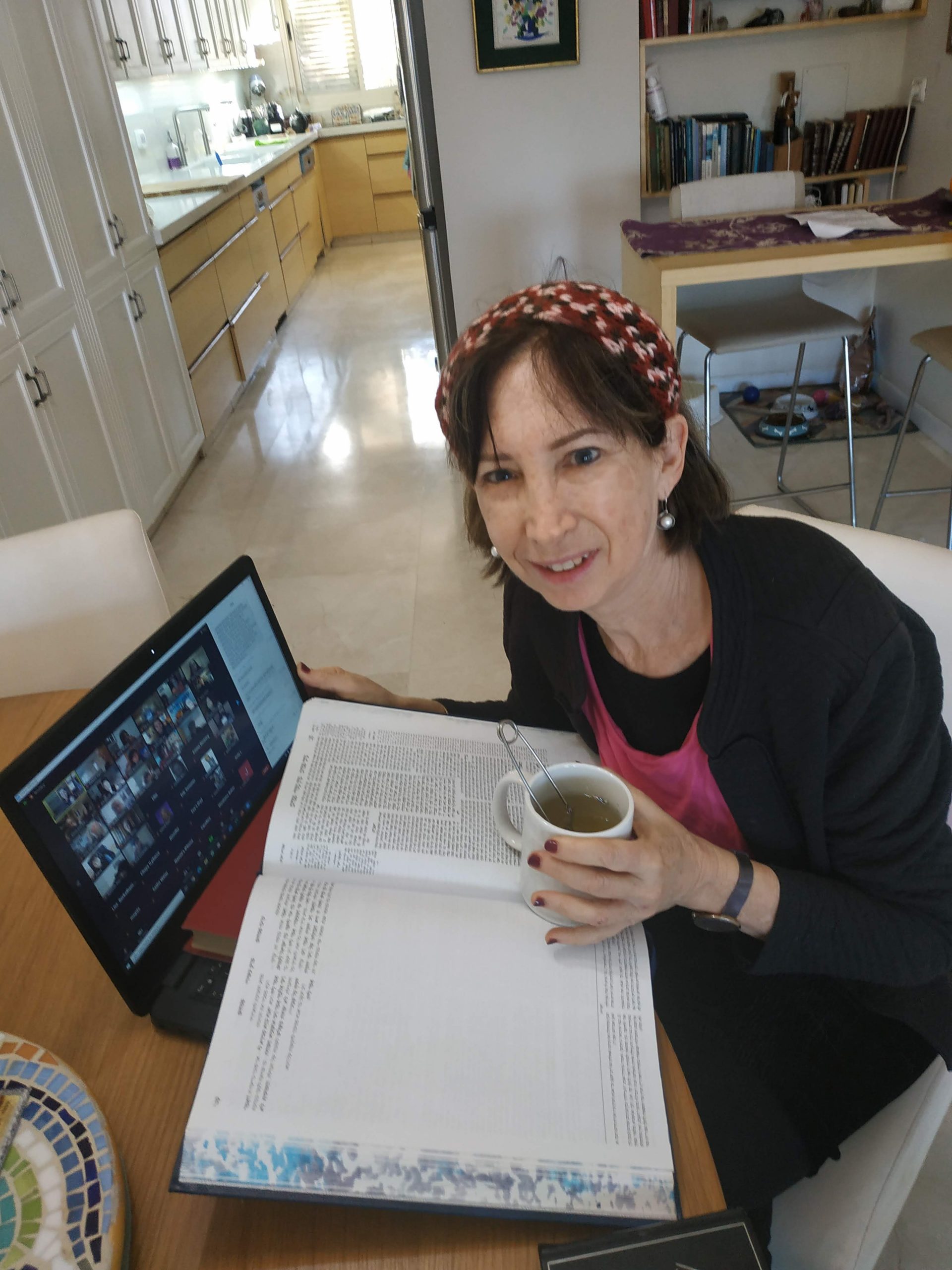
שתי הסיבות האלו הובילו אותי להתחיל ללמוד. נתקלתי בתגובות מפרגנות וסקרניות איך אישה לומדת גמרא..
כמו שרואים בתמונה אני ממשיכה ללמוד גם היום ואפילו במחלקת יולדות אחרי לידת ביתי השלישית.

Noa Shiloh
נועה שילה

רבבה, ישראל

התחלתי לפני 8 שנים במדרשה. לאחרונה סיימתי מסכת תענית בלמידה עצמית ועכשיו לקראת סיום מסכת מגילה.

Daniela Baruchim
דניאלה ברוכים

רעננה, ישראל

ראיתי את הסיום הגדול בבנייני האומה וכל כך התרשמתי ורציתי לקחת חלק.. אבל לקח לי עוד כשנה וחצי )באמצע מסיכת שבת להצטרף..
הלימוד חשוב לי מאוד.. אני תמיד במרדף אחרי הדף וגונבת כל פעם חצי דף כשהילדים עסוקים ומשלימה אח”כ אחרי שכולם הלכו לישון..

Olga Mizrahi
אולגה מזרחי

ירושלים, ישראל

התחלתי ללמוד לפני כשנתיים בשאיפה לסיים לראשונה מסכת אחת במהלך חופשת הלידה.
אחרי מסכת אחת כבר היה קשה להפסיק…

Noa Gallant
נעה גלנט

ירוחם, ישראל

התחלתי ללמוד בשנת המדרשה במגדל עוז, בינתיים נהנית מאוד מהלימוד ומהגמרא, מעניין ומשמח מאוד!
משתדלת להצליח לעקוב כל יום, לפעמים משלימה קצת בהמשך השבוע.. מרגישה שיש עוגן מקובע ביום שלי והוא משמח מאוד!

Uriah Kesner
אוריה קסנר

חיפה , ישראל

התחלתי כשהייתי בחופש, עם הפרסומים על תחילת המחזור, הסביבה קיבלה את זה כמשהו מתמיד ומשמעותי ובהערכה, הלימוד זה עוגן יציב ביום יום, יש שבועות יותר ויש שפחות אבל זה משהו שנמצא שם אמין ובעל משמעות בחיים שלי….

Adi Diamant
עדי דיאמנט

גמזו, ישראל

. לא תמיד נהניתי מלימוד גמרא כילדה.,בל כהתבגרתי התחלתי לאהוב את זה שוב. התחלתי ללמוד מסכת סוטה בדף היומי לפני כחמש עשרה שנה ואז הפסקתי.הגעתי לסיום הגדול של הדרן לפני שנתיים וזה נתן לי השראה. והתחלתי ללמוד למשך כמה ימים ואז היתה לי פריצת דיסק והפסקתי…עד אלול השנה. אז התחלתי עם מסכת ביצה וב”ה אני מצליחה לעמוד בקצב. המשפחה מאוד תומכת בי ויש כמה שגם לומדים את זה במקביל. אני אוהבת שיש עוגן כל יום.

Rebecca Darshan
רבקה דרשן

בית שמש, ישראל

התחלתי ללמוד לפני כשנתיים בשאיפה לסיים לראשונה מסכת אחת במהלך חופשת הלידה.
אחרי מסכת אחת כבר היה קשה להפסיק…

Noa Gallant
נעה גלנט

ירוחם, ישראל

התחלתי ללמוד דף יומי כאשר קיבלתי במייל ממכון שטיינזלץ את הדפים הראשונים של מסכת ברכות במייל. קודם לא ידעתי איך לקרוא אותם עד שנתתי להם להדריך אותי. הסביבה שלי לא מודעת לעניין כי אני לא מדברת על כך בפומבי. למדתי מהדפים דברים חדשים, כמו הקשר בין המבנה של בית המקדש והמשכן לגופו של האדם (יומא מה, ע”א) והקשר שלו למשפט מפורסם שמופיע בספר ההינדי "בהגוד-גיתא”. מתברר שזה רעיון כלל עולמי ולא רק יהודי

Elena Arenburg
אלנה ארנבורג

נשר, ישראל

My explorations into Gemara started a few days into the present cycle. I binged learnt and become addicted. I’m fascinated by the rich "tapestry” of intertwined themes, connections between Masechtot, conversations between generations of Rabbanim and learners past and present all over the world. My life has acquired a golden thread, linking generations with our amazing heritage.
Thank you.

Susan Kasdan
סוזן כשדן

חשמונאים, Israel

התחלתי ללמוד לפני 4.5 שנים, כשהודיה חברה שלי פתחה קבוצת ווטסאפ ללימוד דף יומי בתחילת מסכת סנהדרין. מאז לימוד הדף נכנס לתוך היום-יום שלי והפך לאחד ממגדירי הזהות שלי ממש.

Rosenberg Foundation
קרן רוזנברג

ירושלים, ישראל

שמעתי על הסיום הענק של הדף היומי ע”י נשים בבנייני האומה. רציתי גם.
החלטתי להצטרף. התחלתי ושיכנעתי את בעלי ועוד שתי חברות להצטרף. עכשיו יש לי לימוד משותף איתו בשבת ומפגש חודשי איתן בנושא (והתכתבויות תדירות על דברים מיוחדים שקראנו). הצטרפנו לקבוצות שונות בווטסאפ. אנחנו ממש נהנות. אני שומעת את השיעור מידי יום (בד”כ מהרב יוני גוטמן) וקוראת ומצטרפת לסיומים של הדרן. גם מקפידה על דף משלהן (ונהנית מאד).

Liat Citron
ליאת סיטרון

אפרת, ישראל

בסוף הסבב הקודם ראיתי את השמחה הגדולה שבסיום הלימוד, בעלי סיים כבר בפעם השלישית וכמובן הסיום הנשי בבנייני האומה וחשבתי שאולי זו הזדמנות עבורי למשהו חדש.
למרות שאני שונה בסביבה שלי, מי ששומע על הלימוד שלי מפרגן מאוד.
אני מנסה ללמוד קצת בכל יום, גם אם לא את כל הדף ובסך הכל אני בדרך כלל עומדת בקצב.
הלימוד מעניק המון משמעות ליום יום ועושה סדר בלמוד תורה, שתמיד היה (ועדיין) שאיפה. אבל אין כמו קביעות

Racheli-Mendelson
רחלי מנדלסון

טל מנשה, ישראל

רבנית מישל הציתה אש התלמוד בלבבות בביניני האומה ואני נדלקתי. היא פתחה פתח ותמכה במתחילות כמוני ואפשרה לנו להתקדם בצעדים נכונים וטובים. הקימה מערך שלם שמסובב את הלומדות בסביבה תומכת וכך נכנסתי למסלול לימוד מעשיר שאין כמוה. הדרן יצר קהילה גדולה וחזקה שמאפשרת התקדמות מכל נקודת מוצא. יש דיבוק לומדות שמחזק את ההתמדה של כולנו. כל פניה ושאלה נענית בזריזות ויסודיות. תודה גם למגי על כל העזרה.

Sarah Aber
שרה אבר

נתניה, ישראל

שקלים ה

אֵלּוּ הֵן הַמְמֻנִּין שֶׁהָיוּ בַּמִּקְדָּשׁ, יוֹחָנָן בֶּן פִּנְחָס עַל הַחוֹתָמוֹת, אֲחִיָּה עַל הַנְּסָכִים, מַתִּתְיָה בֶּן שְׁמוּאֵל עַל הַפְּיָסוֹת, פְּתַחְיָה עַל הַקִּנִּין. פְּתַחְיָה, זֶה מָרְדְּכָי. לָמָּה נִקְרָא שְׁמוֹ פְּתַחְיָה. שֶׁהָיָה פּוֹתֵחַ בִּדְבָרִים וְדוֹרְשָׁן, וְיוֹדֵעַ שִׁבְעִים לָשׁוֹן. בֶּן אֲחִיָּה עַל חוֹלֵי מֵעַיִם, נְחוּנְיָא חוֹפֵר שִׁיחִין, גְּבִינֵי כָרוֹז, בֶּן גֶּבֶר עַל נְעִילַת שְׁעָרִים, בֶּן בֵּבָי עַל הַפָּקִיעַ, בֶּן אַרְזָה עַל הַצִּלְצָל, הֻגְרַס בֶּן לֵוִי עַל הַשִּׁיר, בֵּית גַּרְמוּ עַל מַעֲשֵׂה לֶחֶם הַפָּנִים, בֵּית אַבְטִינָס עַל מַעֲשֵׂה הַקְּטֹרֶת, אֶלְעָזָר עַל הַפָּרוֹכוֹת, וּפִנְחָס עַל הַמַּלְבּוּשׁ:

These are the officials who served in specific positions in the Temple: Yoḥanan ben Pineḥas was responsible for the seals. One who paid for a specific type of sacrificial item received a seal, which he presented to the Temple official in exchange for that item. Aḥiyya was responsible for the libations, i.e., the wine, oil, and flour prepared with the level of ritual purity necessary for the libation offerings and the meal-offerings, which accompanied many animal offerings. Aḥiyya supplied the libations to those who presented the appropriate seal. Matya ben Shmuel was responsible for the lotteries, which were used to select priests for the various Temple services each day. Petaḥya was responsible for the pairs of birds, i.e., the turtledoves or pigeons, brought by a zav, a zava, a woman after childbirth, and a leper. They placed the appropriate sum of money into the horn designated for this purpose, and each day Petaḥya oversaw the purchase of birds from that money and their sacrifice in the proper manner. Incidentally, the Gemara mentions: Petaḥya is Mordecai from the book of Esther. And why was he called Petaḥya, which resembles the word for opening [petaḥ]? The reason is that he would open, i.e., elucidate, difficult topics and interpret them to the people, and because he knew all seventy languages known at the time. The mishna resumes the list of officials. Ben Aḥiyya was responsible for the care of the priests who suffered from intestinal disease. Neḥunya was the well digger for pilgrims on their way to Jerusalem for the Festivals. Gevini was the Temple crier who would awaken the priests and the Levites for their Temple duties. Ben Gever was responsible for locking the Temple gates in the evening and for unlocking them in the morning. Ben Bevai was appointed over the shreds of garments, which were formed into wicks for the Temple candelabra. He also supervised the twisting of those wicks into the appropriate thickness for the various nights during the different seasons of the year. Ben Arza was responsible for the cymbal, which was rung as a signal that the Levites should commence their song. Hugras ben Levi was responsible for the song. He taught and conducted the singers in the Temple. The house of Garmu was responsible for the preparation of the shewbread; the house of Avtinas was responsible for the preparation of the incense; and Elazar was responsible for weaving the Temple curtains; and Pineḥas was the valet, who assisted the priests in fitting their clothes and dressing themselves for their Temple service.

אֵין פּוֹחֲתִין מִשְּׁלֹשָה גִּזְבָּרִין וּמִשִּׁבְעָה אֲמַרְכָּלִין, וְאֵין עוֹשִׂין שְׂרָרָה עַל הַצִּבּוּר בְּמָמוֹן פָּחוּת מִשְּׁנַיִם, חוּץ מִבֶּן אֲחִיָּה שֶׁעַל חוֹלֵי מֵעַיִם וְאֶלְעָזָר שֶׁעַל הַפָּרוֹכוֹת, שֶׁאוֹתָן קִבְּלוּ רוֹב הַצִּבּוּר עֲלֵיהֶן:

There must be no fewer than seven trustees [amarkolin] and three treasurers appointed over the Temple administration. And we do not appoint an authority over the public comprised of fewer than two people, except for ben Aḥiyya, who was responsible for healing priests who suffered from intestinal disease, and Elazar, who was responsible for the weaving of the Temple curtains. The reason for these exceptions is that the majority of the public accepted these men upon themselves as officials who served without the assistance of even a single partner.

אַרְבָּעָה חוֹתָמוֹת הָיוּ בַּמִּקְדָּשׁ, וְכָתוּב עֲלֵיהֶן, עֵגֶל, זָכָר, גְּדִי, חוֹטֵא. בֶּן עַזַּאי אוֹמֵר, חֲמִשָּׁה הָיוּ, וַאֲרָמִית כָּתוּב עֲלֵיהֶן, עֵגֶל, זָכָר, גְּדִי, חוֹטֵא דַּל, וְחוֹטֵא עָשִׁיר. עֵגֶל מְשַׁמֵּשׁ עִם נִסְכֵּי בָּקָר גְּדוֹלִים וּקְטַנִּים, זְכָרִים וּנְקֵבוֹת. גְּדִי מְשַׁמֵּשׁ עִם נִסְכֵּי צֹאן גְּדוֹלִים וּקְטַנִּים, זְכָרִים וּנְקֵבוֹת, חוּץ מִשֶּׁל אֵילִים. זָכָר מְשַׁמֵּשׁ עִם נִסְכֵּי אֵילִים בִּלְבָד. חוֹטֵא מְשַׁמֵּשׁ עִם נִסְכֵּי שָׁלשׁ בְּהֵמוֹת שֶׁל מְצוֹרָעִין:

This mishna provides details of the functions performed by Yoḥanan ben Pineḥas and Aḥiyya, the officials mentioned in the first mishna of this chapter, which concerns the seals and libations. There were four seals in the Temple that confirmed that the bearer had paid for the libations that accompanied his offering. And one of the following inscriptions was written on them: Calf; male, i.e., a ram; kid; and sinner, i.e., a leper, as leprosy is a punishment for one of seven sins (see Arakhin 16a). Conversely, ben Azzai says: There were five seals, and the following was written upon them in Aramaic, not Hebrew: Calf, male, kid, poor sinner, and rich sinner. The mishna explains the significance of each of the four aforementioned seals. The calf seal serves as a payment receipt for libations of cattle offerings, whether they are large or small, male or female, as all offerings from the cow family are accompanied by the same libation. The kid seal serves for libations of sheep or goat offerings, whether large or small, male or female, except for those of rams aged thirteen months and older. The ram seal, which was earlier called the male seal, serves exclusively for ram libations. The sinner seal serves for libations of the three animal offerings of a leper, for the completion of his purification.

מִי שֶׁהוּא מְבַקֵּשׁ נְסָכִים הוֹלֵךְ לוֹ אֵצֶל יוֹחָנָן שֶׁהוּא מְמֻנֶּה עַל הַחוֹתָמוֹת, נוֹתֵן לוֹ מָעוֹת וּמְקַבֵּל מִמֶּנּוּ חוֹתָם. בָּא לוֹ אֵצֶל אֲחִיָּה שֶׁהוּא מְמֻנֶּה עַל הַנְּסָכִים, וְנוֹתֵן לוֹ חוֹתָם וּמְקַבֵּל מִמֶּנּוּ נְסָכִים. וְלָעֶרֶב בָּאִין זֶה אֵצֶל זֶה, וַאֲחִיָּה מוֹצִיא אֶת הַחוֹתָמוֹת וּמְקַבֵּל כְּנֶגְדָּן מָעוֹת. וְאִם הוֹתִירוּ הוֹתִירוּ לַהֶקְדֵּשׁ. וְאִם פָּחָתוּ, הָיָה מְשַׁלֵּם יוֹחָנָן מִבֵּיתוֹ, שֶׁיַּד הֶקְדֵּשׁ עַל הָעֶלְיוֹנָה:

One who seeks libations for his offering goes to Yoḥanan, the official who was responsible for the seals, and gives him the appropriate sum of money and receives a seal from him. With that seal he subsequently comes to Aḥiyya, who was responsible for the libations, and gives him Yoḥanan’s seal and receives his libations from him. In the evening, Yoḥanan and Aḥiyya would get together to reconcile their accounts, and Aḥiyya would take out the seals he had received and accept the money Yoḥanan had received in exchange for them. If the money was less than the value of the seals, they were less to him, i.e., Yoḥanan would bear the loss, and Yoḥanan would have to pay the difference to the Temple treasury from his own property. And if there was some money left over, i.e., the total money was greater than the value of the seals, they were left over to the benefit of the Temple treasury of consecrated property, as the Temple treasury always has the upper hand.

מִי שֶׁאָבַד מִמֶּנּוּ חוֹתָמוֹ, מַמְתִּינִין לוֹ עַד הָעֶרֶב. אִם מוֹצְאִין לוֹ כְּדֵי חוֹתָמוֹ, נוֹתְנִין לוֹ. וְאִם לָאו לֹא הָיָה לוֹ. וְשֵׁם הַיּוֹם כָּתוּב עֲלֵיהֶן מִפְּנֵי הָרַמָּאִין:

With regard to one who lost his seal that he purchased from Yoḥanan, Yoḥanan and Aḥiyya would wait to resolve his problem until the evening. And when they added their accounts in the evening, if they found for him a surplus of money equivalent to the value of his seal, they would give him the corresponding libations. And if not, they would not give him libations. And the name of the day of the week was written upon the seals because of the cheats. They might try to use old seals that had been lost by the Temple officials or by someone who had brought an offering at an earlier date, so as to receive libations in a deceitful manner.

שְׁתֵּי לְשָׁכוֹת הָיוּ בַּמִּקְדָּשׁ, אַחַת לִשְׁכַּת חֲשָׁאִים, וְאַחַת לִשְׁכַּת הַכֵּלִים, לִשְׁכַּת חֲשָׁאִים יִרְאֵי חֵטְא נוֹתְנִים לְתוֹכָה בַּחֲשַׁאי, וַעֲנִיִּים בְּנֵי טוֹבִים מִתְפַּרְנְסִים מִתוֹכָהּ בַּחֲשַׁאי. לִשְׁכַּת הַכֵּלִים, כָּל מִי שֶׁהוּא מִתְנַדֵּב כֶּלִי, זוֹרְקוֹ לְתוֹכָהּ. וְאַחַת לִשְׁלשִׁים יוֹם, גִּזְבָּרִין פּוֹתְחִין אוֹתָהּ. וְכָל כְּלִי שֶׁמּוֹצְאִין בּוֹ צֹרֶךְ לְבֶדֶק הַבַּיִת, מַנִּיחִין אוֹתוֹ. וְהַשְּׁאָר נִמְכָּרִין בִּדְמֵיהֶן וְנוֹפְלִין לְלִשְׁכַּת בֶּדֶק הַבַּיִת:

There were two special chambers in the Temple, one called the chamber of secret gifts and the other one called the chamber of vessels. The mishna explains the purpose of these chambers. In the chamber of secret gifts, sin-fearing people put money secretly and poor people of noble descent support themselves from it secretly. With regard to the chamber of vessels, anyone who donates a vessel to the Temple drops it inside that chamber, and once every thirty days the treasurers open it. And any vessel that they found for it a use for Temple maintenance, they leave it for that purpose, and the rest are sold, and their monetary value is allocated to Temple maintenance.

רוצה לעקוב אחרי התכנים ולהמשיך ללמוד?

ביצירת חשבון עוד היום ניתן לעקוב אחרי ההתקדמות שלך, לסמן מה למדת, ולעקוב אחרי השיעורים שמעניינים אותך.

לנקות את כל הפריטים מהרשימה?

פעולה זו תסיר את כל הפריטים בחלק זה כולל ההתקדמות וההיסטוריה. שימי לב: לא ניתן לשחזר פעולה זו.

ביטול
מחיקה

האם את/ה בטוח/ה שברצונך למחוק פריט זה?

תאבד/י את כל ההתקדמות או ההיסטוריה הקשורות לפריט זה.

ביטול
מחיקה