חיפוש

שקלים ח

רוצה להקדיש שיעור?

podcast placeholder

0:00
0:00


תקציר

הדף היום מוקדש ע”י ברברה אשכנז "לכבוד בעלי הנפלא רון, שהתמיכה שלו בלימוד הדף היומי עודד אותי להמשיך את המסע הלמידה שלי. אני מודה לו בכל הלב!”

מה התאריך לשנה החדשה למעשר בהמה? ישנן שלוש דעות שונות. הגמרא מסבירה כל אחת. מה קורה עם בעלי חיים שנולדים בסוף השנה ועדיין אינם מוכנים להקריב כקורבנות (מכיוון שהם צריכים להיות בני שמונה ימים) – האם הם חלק מהמעשר לשנה היוצאת או הנכנסת? המשנה מתארת ​​כמה קופות שימשו לפעילות תרומת הלישכה. איך תויגו הסלים? למי שהולך לעשות פעילות זו היו כללים נוקשים בנוגע ללבושו כדי להבטיח שהוא לא נחשד בגניבת כסף. הרבנים לומדים ממשנה זו את גודל הסלים שהוזכרו במשנה במסכת שבת בנוגע לכמה סלים מותר להעביר מאוצר בשבת אם צריך את המקום לאורחים או לבית מדרש. שיעורים אחרים נדונים כאן, כמו כמות היין שהמצויא מרשות לרשות בשבת חייב עליו. שיעור זה נגזר מהכמות שצריכה להיות בכל אחת מארבע הכוסות על בפסח. האם אפשר לשתות את כל ארבע הכוסות בבת אחת? האם אפשר לשתות אותם לאט לאט? חייבים לשתות יין אדום מכיוון שהוא נחשב ליין חזק יותר. האם ניתן לשתות סוגים אחרים של יינות כמו יין מתוק, יין מבושל, יין מדולל, יין מתובל – שרבים מהם לא ניתן היה לנסך על גבי המזבח?


כלים

שקלים ח

כָּל הָרֻקִּין הַנִּמְצָאִים בִּירוּשָׁלַיִם טְהוֹרִין, חוּץ מִשֶּׁל שׁוּק הָעֶלְיוֹן, דִּבְרֵי רַבִּי מֵאִיר. רַבִּי יוֹסֵי אוֹמֵר, בִּשְׁאָר יְמוֹת הַשָּׁנָה, שֶׁבָּאֶמְצַע טְמֵאִין וְשֶׁבַּצְּדָדִין טְהוֹרִין. וּבִשְׁעַת הָרֶגֶל, שֶׁבָּאֶמְצַע טְהוֹרִין וְשֶׁבַּצְּדָדִין טְמֵאִין, שֶׁמִּפְּנֵי שֶׁהֵן מֻעָטִין מִסְתַּלְּקִין לַצְּדָדִין:

The mishna discusses the ritual purity of items found either in the Temple or in Jerusalem and its environs, in continuation of the previous chapter’s discussion of found money, animals, or meat. All the spittle that is found in Jerusalem is ritually pure. Since neither ritually impure people nor gentiles were commonly present in Jerusalem, the Sages decreed an exception to the rule that spittle that is found is ritually impure since it presumably comes from one of those groups. This is the case except for spittle found in the upper marketplace, where gentiles and ritually impure Jews were likely to be present. This is the statement of Rabbi Meir. Rabbi Yosei says: On all the other days of the year, i.e., any day that is not on one of the three pilgrim Festivals, Passover, Shavuot, and Sukkot, spittle that is found in the middle of the street is ritually impure, and spittle that is found on the sides of the street is ritually pure. According to Rabbi Yosei, it was common for people who were ritually impure to be present in the streets of Jerusalem. They would be careful to walk in the middle of the street, while the ritually pure who wished to remain so would walk on the sides. Therefore, it is reasonable to presume that spittle found in the middle of the street is from one who is impure, while spittle found on the side of the street is from one who is pure. But during the time of the Festival, when most of the people in Jerusalem were there for the Festival and were ritually pure, the spittle found in the middle of the street was ritually pure, and that found on the sides of the street was ritually impure. The difference is due to the fact that at the time of the Festival, the ritually impure minority moves to the sides of the streets.

כָּל הַכֵּלִים הַנִּמְצָאִין בִּירוּשָׁלַיִם דֶּרֶךְ יְרִידָה לְבֵית הַטְבִילָה טְמֵאִין. דֶּרֶךְ עֲלִיָּה, טְהוֹרִין, שֶׁלֹּא כְּדֶרֶךְ יְרִידָתָן עֲלִיָּתָן, דִּבְרֵי רַבִּי מֵאִיר. רַבִּי יוֹסֵי אוֹמֵר, כֻּלָּן טְהוֹרִין, חוּץ מִן הַסַּל וְהַמַּגְרֵפָה וְהַמְּרִצָּה הַמְיֻחָדִין לַקְּבָרוֹת:

The mishna continues: All the vessels that are found in Jerusalem on the way down into the bathhouse, wherein one purifies vessels in a ritual bath, are ritually impure, and those that are found on the way up are ritually pure. The mishna explains: Their descent into the bathhouse is not by the same route as their ascent out of it, and it can be assumed that those found on the way down have not yet been immersed, while those found on the way up have been. This is the statement of Rabbi Meir. However, Rabbi Yosei says: They are all ritually pure, except for the basket, and the shovel, and the meritza, which are specifically used for graves, to gather up the bones of the dead. These tools must be presumed to be ritually impure, but in general, vessels are presumed to be pure.

סַכִּין שֶׁנִּמְצֵאת בְּאַרְבָּעָה עָשָׂר, שׁוֹחֵט בָּהּ מִיָּד. בִּשְׁלשָׁה עָשָׂר, שׁוֹנֶה וּמַטְבִּיל. וְקוֹפִיץ, בֵּין בָּזֶה וּבֵין בָּזֶה שׁוֹנֶה וּמַטְבִּיל. חָל אַרְבָּעָה עָשָׂר לִהְיוֹת בְּשַׁבָּת, שׁוֹחֵט בָּהּ מִיָּד. בַּחֲמִשָּׁה עָשָׂר, שׁוֹחֵט בָּהּ מִיָּד. נִמְצֵאת קְשׁוּרָה לְסַכִּין, הֲרֵי זוֹ כַּסַּכִּין:

The mishna continues with another ruling about ritual purity: One may slaughter immediately with a knife that was found on the fourteenth of Nisan, i.e., the day the Paschal lamb is slaughtered, and need not be concerned that it is ritually impure. Presumably it was immersed the day before so that it could be used to slaughter the Paschal offering. If he found it on the thirteenth of Nisan, he immerses it again. Perhaps its owners had not yet immersed it, since they still had time to do so before the evening. If one finds a cleaver [kofitz], which is used to slaughter an animal and break its bones, whether it was on this day, i.e., the fourteenth, or on that day, i.e., the thirteenth, he immerses it again out of doubt. Since breaking the bones of the Paschal lamb is prohibited, its owners would have no need for it on the fourteenth, and it cannot be presumed that it has already been immersed to make it ritually pure. However, if the fourteenth occurs on Shabbat, he may slaughter with the cleaver immediately. Since immersing a vessel is prohibited on Shabbat, and presumably the owner of the cleaver wants it to be ritually pure on the fifteenth, one can assume that he immersed it already on Friday, the thirteenth of Nisan. It is therefore ritually pure. If the cleaver was found on the fifteenth of Nisan, i.e., if it was found on the Festival itself, he may slaughter with it immediately. The owners of the cleaver would have immersed it so that they could use it on the fifteenth to cut up the bones of a Festival peace-offering. If the cleaver was found attached to a knife, it is like a knife, i.e., if it was found on the thirteenth of Nisan it is presumed impure, and if it was found on the fourteenth he may slaughter with it immediately, as it was certainly immersed on the day before.

פָּרֹכֶת שֶׁנִּטְמֵאת בִּוְלַד הַטֻמְאָה, מַטְבִּילִין אוֹתָהּ בִּפְנִים וּמַכְנִיסִין אוֹתָהּ מִיָּד. וְאֶת שֶׁנִּטְמֵאת בְּאַב הַטֻמְאָה, מַטְבִּילִין אוֹתָהּ בַּחוּץ וְשׁוֹטְחִין אוֹתָהּ בַּחֵיל. וְאִם הָיְתָה חֲדָשָׁה, שׁוֹטְחִין אוֹתָהּ עַל גַּג הָאִצְטַבָּא, כְּדֵי שֶׁיִּרְאוּ הָעָם אֶת מְלַאכְתָּהּ שֶׁהִיא נָאָה:

With regard to a curtain that became ritually impure from a secondary source of impurity, since its ritual impurity is by rabbinic law and not Torah law, there is no need to remove it from the Temple. Rather, it is immersed inside the Temple. And if it were removed to outside the courtyard in order to immerse it, it can be brought back into the courtyard immediately. Since it is ritually impure only by rabbinic law, there is no need to wait until sunset before returning it. But if it became impure from a primary source of impurity, e.g., it came into contact with the carcass of one of the eight creeping animals that confer impurity by Torah law, it is immersed outside the courtyard and is spread out to dry on the rampart. This is the low wall surrounding the Temple courtyard and the buildings within it, which has a lower level of holiness than the courtyard. The reason for this policy is because the sun needs to set on it. Immersion does not confer ritual purity on an item that became impure by Torah law until after the sun has set. And if this curtain were new, it is spread out to dry on top of the bench [itztabba], a prominent place on the Temple Mount, so that the people will see its craftsmanship and perceive its beauty.

רַבָּן שִׁמְעוֹן בֶּן גַּמְלִיאֵל אוֹמֵר מִשּׁוּם רַבִּי שִׁמְעוֹן בֶּן הַסְּגַן, פָּרֹכֶת עָבְיָהּ טֶפַח, וְעַל שִׁבְעִים וּשְׁתַּיִם נִימִין נֶאֱרֶגֶת, וְעַל כָּל נִימָא וְנִימָא עֶשְׂרִים וְאַרְבָּעָה חוּטִין. אָרְכָּהּ אַרְבָּעִים אַמָּה וְרָחְבָּהּ עֶשְׂרִים אַמָּה, וּמִשְּׁמוֹנִים וּשְׁתֵּי רִבּוֹא נַעֲשֵׂית. וּשְׁתַּיִם עוֹשִׂין בְּכָל שָׁנָה, וּשְׁלשׁ מֵאוֹת כֹּהֲנִים מַטְבִּילִין אוֹתָהּ:

The Gemara discusses the aforementioned curtain that separated the Holy of Holies from the Sanctuary. Rabban Shimon ben Gamliel says in the name of Rabbi Shimon the son of the deputy High Priest: The curtain has the thickness of a handbreadth, and it is woven from seventy-two strands of yarn. And each and every strand from those seventy-two is made from twenty-four threads. The curtain was made from four materials: Sky-blue wool, purple wool, scarlet wool, and fine linen, and a strand was made up of six threads of each type of material. And with regard to the dimensions of the curtain, its length was forty cubits, as the height of the ceiling of the Sanctuary; and its width was twenty cubits, to match the width of the entrance; and it was made from eighty-two ten-thousands, i.e., 820,000 golden dinar. And they used to make two new curtains every year. And the curtain was so heavy that they needed three hundred priests to carry it when they would immerse it.

בְּשַׂר קָדְשֵׁי קָדָשִׁים שֶׁנִּטְמָא, בֵּין בְּאַב הַטֻמְאָה, בֵּין בִּוְלַד הַטֻמְאָה, בֵּין בִּפְנִים, בֵּין בַּחוּץ, בֵּית שַׁמַּאי אוֹמְרִים, הַכֹּל יִשָּׂרֵף בִּפְנִים, חוּץ מִשֶּׁנִּטְמָא בְּאַב הַטֻמְאָה בַּחוּץ. וּבֵית הִלֵּל אוֹמְרִים, הַכֹּל יִשָּׂרֵף בַּחוּץ, חוּץ מִשֶּׁנִּטְמָא בִּוְלַד הַטֻמְאָה בִּפְנִים:

With regard to the flesh of offerings of the most sacred order that became impure, whether it became impure from a primary source of impurity or from a secondary source of impurity, whether it became impure inside the courtyard or outside, it must be burned. There is a dispute among the tanna’im with regard to where it is burned. Beit Shammai say: It all should be burned inside the Temple courtyard, except for that which became impure from a primary source of ritual impurity outside, as under such circumstances, it is not appropriate to bring it inside the Temple. Beit Hillel say: It all should be burned outside the Temple courtyard, except for that which became ritually impure by a secondary source of impurity inside. In such a case the flesh need not be removed from the courtyard and is burned there.

רַבִּי אֱלִיעֶזֶר אוֹמֵר, אֶת שֶׁנִּטְמָא בְּאַב הַטֻמְאָה, בֵּין בִּפְנִים בֵּין בַּחוּץ, יִשָּׂרֵף בַּחוּץ. וְאֶת שֶׁנִּטְמָא בִּוְלַד הַטֻמְאָה, בֵּין בִּפְנִים בֵּין בַּחוּץ, יִשָּׂרֵף בִּפְנִים. רַבִּי עֲקִיבָא אוֹמֵר, מְקוֹם טֻמְאָתוֹ שָׁם שְׂרֵפָתוֹ:

Rabbi Elazar says: Flesh from offerings of the most sacred order that became ritually impure from a primary source of ritual impurity, whether it became so inside the courtyard or outside, is burned outside. Since its ritual impurity is of the most stringent type, it is not to be brought into the courtyard, or allowed to remain there. However, an item that became ritually impure from a secondary source of ritual impurity, whether it became ritually impure outside or inside, is burned inside. Since its ritual impurity is of a lenient type, it can be brought into the courtyard in order to be burned. Rabbi Akiva says: The place of its impurity is where its burning should occur. Therefore, regardless of whether the source is primary or secondary, such flesh is burned wherever it presently is.

אֵבָרֵי הַתָּמִיד, נִתָּנִין מֵחֲצִי כֶּבֶשׁ וּלְמַטָה בַּמִּזְרָח, וְשֶׁל מוּסָפִין נִתָּנִין מֵחֲצִי כֶּבֶשׁ וּלְמַטָה בַּמַּעֲרָב, וְשֶׁל רָאשֵׁי חֳדָשִׁים נִתָּנִין מִתַּחַת כַּרְכֹּב הַמִּזְבֵּחַ מִלְּמָטָה, הַשְּׁקָלִים וְהַבִּכּוּרִים אֵין נוֹהֲגִין אֶלָּא בִּפְנֵי הַבַּיִת, אֲבָל מַעְשַׂר דָּגָן וּמַעְשַׂר בְּהֵמָה וְהַבְּכוֹרוֹת נוֹהֲגִין בֵּין בִּפְנֵי הַבַּיִת בֵּין שֶׁלֹּא בִּפְנֵי הַבַּיִת. הַמַּקְדִּישׁ שְׁקָלִים וּבִכּוּרִים, הֲרֵי זֶה קֹדֶשׁ. רַבִּי שִׁמְעוֹן אוֹמֵר, הָאוֹמֵר בִּכּוּרִים קֹדֶשׁ, אֵינָן קֹדֶשׁ:

The limbs of the daily offering were not placed directly on the altar fire. Instead, after cutting up the offering, its limbs were placed first on the ramp of the altar, from the halfway point and below, on the lower sixteen cubits of the ramp, on its western side. Limbs of the additional offerings of the Shabbat and Festivals were placed on the ramp from the halfway point and below on its eastern side. Additional New Moon offerings were placed on top of the upper part of the edge [karkov] of the altar. Another law: The obligation to give half-shekels each year and to offer the first fruits is practiced only in the presence of the Temple,as fulfillment of these mitzvot is only possible then. But the mitzvot of produce tithes and grain tithes and of animal tithes and of the sanctified firstborn animals are practiced whether one is in the presence of the Temple, or one is not in the presence of the Temple. Although animal tithes and firstborn cannot be sacrificed without a Temple, once they develop a blemish, they may be eaten by their owners. If, in the present time when there is no Temple, one consecrates shekels for the mitzva of the half-shekel or fruits for the mitzva of first fruits, they are consecrated, and it is prohibited to derive benefit from them. Rabbi Shimon says: One who declared first fruits to be consecrated, in the present time, does not give them that status and they are not consecrated.

כלים

העמקה

רוצה להבין מה באמת קורה מתחת לפני השטח של הסוגיה?
שיעורים, פודקאסטים והרחבות של מיטב המורות שלנו יפתחו לך עוד זוויות וכיווני חשיבה.

לשיעורי עוד על הדף באנגלית, לחצי כאן

חדשה בלימוד הגמרא?

זה הדף הראשון שלך? איזו התרגשות עצומה! יש לנו בדיוק את התכנים והכלים שיעזרו לך לעשות את הצעדים הראשונים ללמידה בקצב וברמה שלך, כך תוכלי להרגיש בנוח גם בתוך הסוגיות המורכבות ומאתגרות.

פסיפס הלומדות שלנו

גלי את קהילת הלומדות שלנו, מגוון נשים, רקעים וסיפורים. כולן חלק מתנועה ומסע מרגש ועוצמתי.

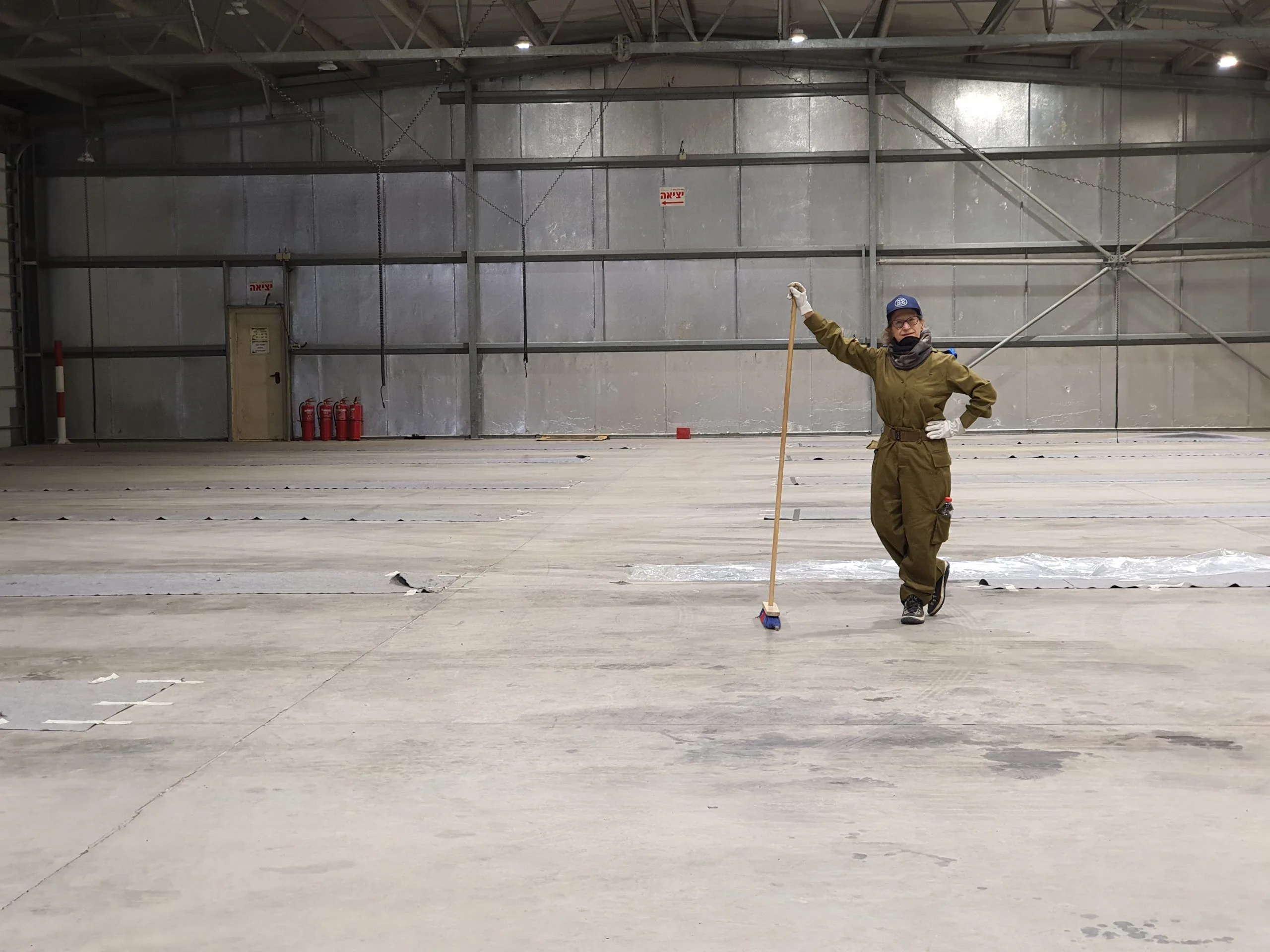
התחלתי ללמוד דף יומי שהתחילו מסכת כתובות, לפני 7 שנים, במסגרת קבוצת לימוד שהתפרקה די מהר, ומשם המשכתי לבד בתמיכת האיש שלי. נעזרתי בגמרת שטיינזלץ ובשיעורים מוקלטים.
הסביבה מאד תומכת ואני מקבלת המון מילים טובות לאורך כל הדרך. מאז הסיום הגדול יש תחושה שאני חלק מדבר גדול יותר.
אני לומדת בשיטת ה”7 דפים בשבוע” של הרבנית תרצה קלמן – כלומר, לא נורא אם לא הצלחת ללמוד כל יום, העיקר שגמרת ארבעה דפים בשבוע

Rachel Goldstein
רחל גולדשטיין

עתניאל, ישראל

התחלתי בתחילת הסבב, והתמכרתי. זה נותן משמעות נוספת ליומיום ומאוד מחזק לתת לזה מקום בתוך כל שגרת הבית-עבודה השוטפת.

Reut Abrahami
רעות אברהמי

בית שמש, ישראל

למדתי גמרא מכיתה ז- ט ב Maimonides School ואחרי העליה שלי בגיל 14 לימוד הגמרא, שלא היה כל כך מקובל בימים אלה, היה די ספוראדי. אחרי "ההתגלות” בבנייני האומה התחלתי ללמוד בעיקר בדרך הביתה למדתי מפוקקטסים שונים. לאט לאט ראיתי שאני תמיד חוזרת לרבנית מישל פרבר. באיזה שהוא שלב התחלתי ללמוד בזום בשעה 7:10 .
היום "אין מצב” שאני אתחיל את היום שלי ללא לימוד עם הרבנית מישל עם כוס הקפה שלי!!

selfie-scaled
דבי גביר

חשמונאים, ישראל

רבנית מישל הציתה אש התלמוד בלבבות בביניני האומה ואני נדלקתי. היא פתחה פתח ותמכה במתחילות כמוני ואפשרה לנו להתקדם בצעדים נכונים וטובים. הקימה מערך שלם שמסובב את הלומדות בסביבה תומכת וכך נכנסתי למסלול לימוד מעשיר שאין כמוה. הדרן יצר קהילה גדולה וחזקה שמאפשרת התקדמות מכל נקודת מוצא. יש דיבוק לומדות שמחזק את ההתמדה של כולנו. כל פניה ושאלה נענית בזריזות ויסודיות. תודה גם למגי על כל העזרה.

Sarah Aber
שרה אבר

נתניה, ישראל

התחלתי מחוג במסכת קידושין שהעבירה הרבנית רייסנר במסגרת בית המדרש כלנה בגבעת שמואל; לאחר מכן התחיל סבב הדף היומי אז הצטרפתי. לסביבה לקח זמן לעכל אבל היום כולם תומכים ומשתתפים איתי. הלימוד לעתים מעניין ומעשיר ולעתים קשה ואף הזוי… אך אני ממשיכה קדימה. הוא משפיע על היומיום שלי קודם כל במרדף אחרי הדף, וגם במושגים הרבים שלמדתי ובידע שהועשרתי בו, חלקו ממש מעשי

Abigail Chrissy
אביגיל כריסי

ראש העין, ישראל

בתחילת הסבב הנוכחי הצטברו אצלי תחושות שאני לא מבינה מספיק מהי ההלכה אותה אני מקיימת בכל יום. כמו כן, כאמא לבנות רציתי לתת להן מודל נשי של לימוד תורה
שתי הסיבות האלו הובילו אותי להתחיל ללמוד. נתקלתי בתגובות מפרגנות וסקרניות איך אישה לומדת גמרא..
כמו שרואים בתמונה אני ממשיכה ללמוד גם היום ואפילו במחלקת יולדות אחרי לידת ביתי השלישית.

Noa Shiloh
נועה שילה

רבבה, ישראל

התחלתי ללמוד בעידוד שתי חברות אתן למדתי בעבר את הפרק היומי במסגרת 929.
בבית מתלהבים מאוד ובשבת אני לומדת את הדף עם בעלי שזה מפתיע ומשמח מאוד! לימוד הדף הוא חלק בלתי נפרד מהיום שלי. לומדת בצהריים ומחכה לזמן הזה מידי יום…

Miriam Wengerover
מרים ונגרובר

אפרת, ישראל

התחלתי ללמוד לפני כשנתיים בשאיפה לסיים לראשונה מסכת אחת במהלך חופשת הלידה.
אחרי מסכת אחת כבר היה קשה להפסיק…

Noa Gallant
נעה גלנט

ירוחם, ישראל

התחלתי ללמוד דף יומי באמצע תקופת הקורונה, שאבא שלי סיפר לי על קבוצה של בנות שתיפתח ביישוב שלנו ותלמד דף יומי כל יום. הרבה זמן רציתי להצטרף לזה וזאת הייתה ההזדמנות בשבילי. הצטרפתי במסכת שקלים ובאמצע הייתה הפסקה קצרה. כיום אני כבר לומדת באולפנה ולומדת דף יומי לבד מתוך גמרא של טיינזלץ.

Saturdays in Raleigh
שבות בראלי

עתניאל, ישראל

רציתי לקבל ידע בתחום שהרגשתי שהוא גדול וחשוב אך נעלם ממני. הלימוד מעניק אתגר וסיפוק ומעמיק את תחושת השייכות שלי לתורה וליהדות

Ruth Agiv
רות עגיב

עלי זהב – לשם, ישראל

רציתי לקבל ידע בתחום שהרגשתי שהוא גדול וחשוב אך נעלם ממני. הלימוד מעניק אתגר וסיפוק ומעמיק את תחושת השייכות שלי לתורה וליהדות

Ruth Agiv
רות עגיב

עלי זהב – לשם, ישראל

התחלתי ללמוד בשנת המדרשה במגדל עוז, בינתיים נהנית מאוד מהלימוד ומהגמרא, מעניין ומשמח מאוד!
משתדלת להצליח לעקוב כל יום, לפעמים משלימה קצת בהמשך השבוע.. מרגישה שיש עוגן מקובע ביום שלי והוא משמח מאוד!

Uriah Kesner
אוריה קסנר

חיפה , ישראל

התחלתי בסיום הש”ס, יצאתי באורות. נשברתי פעמיים, ובשתיהם הרבנית מישל עודדה להמשיך איפה שכולם בסבב ולהשלים כשאוכל, וכך עשיתי וכיום השלמתי הכל. מדהים אותי שאני לומדת כל יום קצת, אפילו בחדר הלידה, בבידוד או בחו”ל. לאט לאט יותר נינוחה בסוגיות. לא כולם מבינים את הרצון, בפרט כפמניסטית. חשה סיפוק גדול להכיר את המושגים וצורת החשיבה. החלום זה להמשיך ולהתמיד ובמקביל ללמוד איך מהסוגיות נוצרה והתפתחה ההלכה.

Weingarten Sherrington Foundation
קרן וינגרטן שרינגטון

מודיעין, ישראל

My explorations into Gemara started a few days into the present cycle. I binged learnt and become addicted. I’m fascinated by the rich "tapestry” of intertwined themes, connections between Masechtot, conversations between generations of Rabbanim and learners past and present all over the world. My life has acquired a golden thread, linking generations with our amazing heritage.
Thank you.

Susan Kasdan
סוזן כשדן

חשמונאים, Israel

התחלתי כשהייתי בחופש, עם הפרסומים על תחילת המחזור, הסביבה קיבלה את זה כמשהו מתמיד ומשמעותי ובהערכה, הלימוד זה עוגן יציב ביום יום, יש שבועות יותר ויש שפחות אבל זה משהו שנמצא שם אמין ובעל משמעות בחיים שלי….

Adi Diamant
עדי דיאמנט

גמזו, ישראל

הייתי לפני שנתיים בסיום הדרן נשים בבנייני האומה והחלטתי להתחיל. אפילו רק כמה דפים, אולי רק פרק, אולי רק מסכת… בינתיים סיימתי רבע שס ותכף את כל סדר מועד בה.
הסביבה תומכת ומפרגנת. אני בת יחידה עם ארבעה אחים שכולם לומדים דף יומי. מדי פעם אנחנו עושים סיומים יחד באירועים משפחתיים. ממש מרגש. מסכת שבת סיימנו כולנו יחד עם אבא שלנו!
אני שומעת כל יום פודקאסט בהליכה או בנסיעה ואחכ לומדת את הגמרא.

Edna Gross
עדנה גרוס

מרכז שפירא, ישראל

אני לומדת גמרא כעשור במסגרות שונות, ואת הדף היומי התחלתי כשחברה הציעה שאצטרף אליה לסיום בבנייני האומה. מאז אני לומדת עם פודקסט הדרן, משתדלת באופן יומי אך אם לא מספיקה, מדביקה פערים עד ערב שבת. בסבב הזה הלימוד הוא "ממעוף הציפור”, מקשיבה במהירות מוגברת תוך כדי פעילויות כמו בישול או נהיגה, וכך רוכשת היכרות עם הסוגיות ואופן ניתוחם על ידי חז”ל. בע”ה בסבב הבא, ואולי לפני, אצלול לתוכו באופן מעמיק יותר.

Yael Bir
יעל ביר

רמת גן, ישראל

ראיתי את הסיום הגדול בבנייני האומה וכל כך התרשמתי ורציתי לקחת חלק.. אבל לקח לי עוד כשנה וחצי )באמצע מסיכת שבת להצטרף..
הלימוד חשוב לי מאוד.. אני תמיד במרדף אחרי הדף וגונבת כל פעם חצי דף כשהילדים עסוקים ומשלימה אח”כ אחרי שכולם הלכו לישון..

Olga Mizrahi
אולגה מזרחי

ירושלים, ישראל

A life-changing journey started with a Chanukah family tiyul to Zippori, home of the Sanhedrin 2 years ago and continued with the Syum in Binanei Hauma where I was awed by the energy of 3000 women dedicated to learning daf Yomi. Opening my morning daily with a fresh daf, I am excited with the new insights I find enriching my life and opening new and deeper horizons for me.

Becky Goldstein
בקי גולדשטיין

Elazar gush etzion, Israel

התחלתי ללמוד דף יומי בתחילת מסכת ברכות, עוד לא ידעתי כלום. נחשפתי לסיום הש״ס, ובעצם להתחלה מחדש בתקשורת, הפתיע אותי לטובה שהיה מקום לעיסוק בתורה.
את המסכתות הראשונות למדתי, אבל לא סיימתי (חוץ מעירובין איכשהו). השנה כשהגעתי למדרשה, נכנסתי ללופ, ואני מצליחה להיות חלק, סיימתי עם החברותא שלי את כל המסכתות הקצרות, גם כשהיינו חולות קורונה ובבידודים, למדנו לבד, העיקר לא לצבור פער, ומחכות ליבמות 🙂

Eden Yeshuron
עדן ישורון

מזכרת בתיה, ישראל

שקלים ח

כָּל הָרֻקִּין הַנִּמְצָאִים בִּירוּשָׁלַיִם טְהוֹרִין, חוּץ מִשֶּׁל שׁוּק הָעֶלְיוֹן, דִּבְרֵי רַבִּי מֵאִיר. רַבִּי יוֹסֵי אוֹמֵר, בִּשְׁאָר יְמוֹת הַשָּׁנָה, שֶׁבָּאֶמְצַע טְמֵאִין וְשֶׁבַּצְּדָדִין טְהוֹרִין. וּבִשְׁעַת הָרֶגֶל, שֶׁבָּאֶמְצַע טְהוֹרִין וְשֶׁבַּצְּדָדִין טְמֵאִין, שֶׁמִּפְּנֵי שֶׁהֵן מֻעָטִין מִסְתַּלְּקִין לַצְּדָדִין:

The mishna discusses the ritual purity of items found either in the Temple or in Jerusalem and its environs, in continuation of the previous chapter’s discussion of found money, animals, or meat. All the spittle that is found in Jerusalem is ritually pure. Since neither ritually impure people nor gentiles were commonly present in Jerusalem, the Sages decreed an exception to the rule that spittle that is found is ritually impure since it presumably comes from one of those groups. This is the case except for spittle found in the upper marketplace, where gentiles and ritually impure Jews were likely to be present. This is the statement of Rabbi Meir. Rabbi Yosei says: On all the other days of the year, i.e., any day that is not on one of the three pilgrim Festivals, Passover, Shavuot, and Sukkot, spittle that is found in the middle of the street is ritually impure, and spittle that is found on the sides of the street is ritually pure. According to Rabbi Yosei, it was common for people who were ritually impure to be present in the streets of Jerusalem. They would be careful to walk in the middle of the street, while the ritually pure who wished to remain so would walk on the sides. Therefore, it is reasonable to presume that spittle found in the middle of the street is from one who is impure, while spittle found on the side of the street is from one who is pure. But during the time of the Festival, when most of the people in Jerusalem were there for the Festival and were ritually pure, the spittle found in the middle of the street was ritually pure, and that found on the sides of the street was ritually impure. The difference is due to the fact that at the time of the Festival, the ritually impure minority moves to the sides of the streets.

כָּל הַכֵּלִים הַנִּמְצָאִין בִּירוּשָׁלַיִם דֶּרֶךְ יְרִידָה לְבֵית הַטְבִילָה טְמֵאִין. דֶּרֶךְ עֲלִיָּה, טְהוֹרִין, שֶׁלֹּא כְּדֶרֶךְ יְרִידָתָן עֲלִיָּתָן, דִּבְרֵי רַבִּי מֵאִיר. רַבִּי יוֹסֵי אוֹמֵר, כֻּלָּן טְהוֹרִין, חוּץ מִן הַסַּל וְהַמַּגְרֵפָה וְהַמְּרִצָּה הַמְיֻחָדִין לַקְּבָרוֹת:

The mishna continues: All the vessels that are found in Jerusalem on the way down into the bathhouse, wherein one purifies vessels in a ritual bath, are ritually impure, and those that are found on the way up are ritually pure. The mishna explains: Their descent into the bathhouse is not by the same route as their ascent out of it, and it can be assumed that those found on the way down have not yet been immersed, while those found on the way up have been. This is the statement of Rabbi Meir. However, Rabbi Yosei says: They are all ritually pure, except for the basket, and the shovel, and the meritza, which are specifically used for graves, to gather up the bones of the dead. These tools must be presumed to be ritually impure, but in general, vessels are presumed to be pure.

סַכִּין שֶׁנִּמְצֵאת בְּאַרְבָּעָה עָשָׂר, שׁוֹחֵט בָּהּ מִיָּד. בִּשְׁלשָׁה עָשָׂר, שׁוֹנֶה וּמַטְבִּיל. וְקוֹפִיץ, בֵּין בָּזֶה וּבֵין בָּזֶה שׁוֹנֶה וּמַטְבִּיל. חָל אַרְבָּעָה עָשָׂר לִהְיוֹת בְּשַׁבָּת, שׁוֹחֵט בָּהּ מִיָּד. בַּחֲמִשָּׁה עָשָׂר, שׁוֹחֵט בָּהּ מִיָּד. נִמְצֵאת קְשׁוּרָה לְסַכִּין, הֲרֵי זוֹ כַּסַּכִּין:

The mishna continues with another ruling about ritual purity: One may slaughter immediately with a knife that was found on the fourteenth of Nisan, i.e., the day the Paschal lamb is slaughtered, and need not be concerned that it is ritually impure. Presumably it was immersed the day before so that it could be used to slaughter the Paschal offering. If he found it on the thirteenth of Nisan, he immerses it again. Perhaps its owners had not yet immersed it, since they still had time to do so before the evening. If one finds a cleaver [kofitz], which is used to slaughter an animal and break its bones, whether it was on this day, i.e., the fourteenth, or on that day, i.e., the thirteenth, he immerses it again out of doubt. Since breaking the bones of the Paschal lamb is prohibited, its owners would have no need for it on the fourteenth, and it cannot be presumed that it has already been immersed to make it ritually pure. However, if the fourteenth occurs on Shabbat, he may slaughter with the cleaver immediately. Since immersing a vessel is prohibited on Shabbat, and presumably the owner of the cleaver wants it to be ritually pure on the fifteenth, one can assume that he immersed it already on Friday, the thirteenth of Nisan. It is therefore ritually pure. If the cleaver was found on the fifteenth of Nisan, i.e., if it was found on the Festival itself, he may slaughter with it immediately. The owners of the cleaver would have immersed it so that they could use it on the fifteenth to cut up the bones of a Festival peace-offering. If the cleaver was found attached to a knife, it is like a knife, i.e., if it was found on the thirteenth of Nisan it is presumed impure, and if it was found on the fourteenth he may slaughter with it immediately, as it was certainly immersed on the day before.

פָּרֹכֶת שֶׁנִּטְמֵאת בִּוְלַד הַטֻמְאָה, מַטְבִּילִין אוֹתָהּ בִּפְנִים וּמַכְנִיסִין אוֹתָהּ מִיָּד. וְאֶת שֶׁנִּטְמֵאת בְּאַב הַטֻמְאָה, מַטְבִּילִין אוֹתָהּ בַּחוּץ וְשׁוֹטְחִין אוֹתָהּ בַּחֵיל. וְאִם הָיְתָה חֲדָשָׁה, שׁוֹטְחִין אוֹתָהּ עַל גַּג הָאִצְטַבָּא, כְּדֵי שֶׁיִּרְאוּ הָעָם אֶת מְלַאכְתָּהּ שֶׁהִיא נָאָה:

With regard to a curtain that became ritually impure from a secondary source of impurity, since its ritual impurity is by rabbinic law and not Torah law, there is no need to remove it from the Temple. Rather, it is immersed inside the Temple. And if it were removed to outside the courtyard in order to immerse it, it can be brought back into the courtyard immediately. Since it is ritually impure only by rabbinic law, there is no need to wait until sunset before returning it. But if it became impure from a primary source of impurity, e.g., it came into contact with the carcass of one of the eight creeping animals that confer impurity by Torah law, it is immersed outside the courtyard and is spread out to dry on the rampart. This is the low wall surrounding the Temple courtyard and the buildings within it, which has a lower level of holiness than the courtyard. The reason for this policy is because the sun needs to set on it. Immersion does not confer ritual purity on an item that became impure by Torah law until after the sun has set. And if this curtain were new, it is spread out to dry on top of the bench [itztabba], a prominent place on the Temple Mount, so that the people will see its craftsmanship and perceive its beauty.

רַבָּן שִׁמְעוֹן בֶּן גַּמְלִיאֵל אוֹמֵר מִשּׁוּם רַבִּי שִׁמְעוֹן בֶּן הַסְּגַן, פָּרֹכֶת עָבְיָהּ טֶפַח, וְעַל שִׁבְעִים וּשְׁתַּיִם נִימִין נֶאֱרֶגֶת, וְעַל כָּל נִימָא וְנִימָא עֶשְׂרִים וְאַרְבָּעָה חוּטִין. אָרְכָּהּ אַרְבָּעִים אַמָּה וְרָחְבָּהּ עֶשְׂרִים אַמָּה, וּמִשְּׁמוֹנִים וּשְׁתֵּי רִבּוֹא נַעֲשֵׂית. וּשְׁתַּיִם עוֹשִׂין בְּכָל שָׁנָה, וּשְׁלשׁ מֵאוֹת כֹּהֲנִים מַטְבִּילִין אוֹתָהּ:

The Gemara discusses the aforementioned curtain that separated the Holy of Holies from the Sanctuary. Rabban Shimon ben Gamliel says in the name of Rabbi Shimon the son of the deputy High Priest: The curtain has the thickness of a handbreadth, and it is woven from seventy-two strands of yarn. And each and every strand from those seventy-two is made from twenty-four threads. The curtain was made from four materials: Sky-blue wool, purple wool, scarlet wool, and fine linen, and a strand was made up of six threads of each type of material. And with regard to the dimensions of the curtain, its length was forty cubits, as the height of the ceiling of the Sanctuary; and its width was twenty cubits, to match the width of the entrance; and it was made from eighty-two ten-thousands, i.e., 820,000 golden dinar. And they used to make two new curtains every year. And the curtain was so heavy that they needed three hundred priests to carry it when they would immerse it.

בְּשַׂר קָדְשֵׁי קָדָשִׁים שֶׁנִּטְמָא, בֵּין בְּאַב הַטֻמְאָה, בֵּין בִּוְלַד הַטֻמְאָה, בֵּין בִּפְנִים, בֵּין בַּחוּץ, בֵּית שַׁמַּאי אוֹמְרִים, הַכֹּל יִשָּׂרֵף בִּפְנִים, חוּץ מִשֶּׁנִּטְמָא בְּאַב הַטֻמְאָה בַּחוּץ. וּבֵית הִלֵּל אוֹמְרִים, הַכֹּל יִשָּׂרֵף בַּחוּץ, חוּץ מִשֶּׁנִּטְמָא בִּוְלַד הַטֻמְאָה בִּפְנִים:

With regard to the flesh of offerings of the most sacred order that became impure, whether it became impure from a primary source of impurity or from a secondary source of impurity, whether it became impure inside the courtyard or outside, it must be burned. There is a dispute among the tanna’im with regard to where it is burned. Beit Shammai say: It all should be burned inside the Temple courtyard, except for that which became impure from a primary source of ritual impurity outside, as under such circumstances, it is not appropriate to bring it inside the Temple. Beit Hillel say: It all should be burned outside the Temple courtyard, except for that which became ritually impure by a secondary source of impurity inside. In such a case the flesh need not be removed from the courtyard and is burned there.

רַבִּי אֱלִיעֶזֶר אוֹמֵר, אֶת שֶׁנִּטְמָא בְּאַב הַטֻמְאָה, בֵּין בִּפְנִים בֵּין בַּחוּץ, יִשָּׂרֵף בַּחוּץ. וְאֶת שֶׁנִּטְמָא בִּוְלַד הַטֻמְאָה, בֵּין בִּפְנִים בֵּין בַּחוּץ, יִשָּׂרֵף בִּפְנִים. רַבִּי עֲקִיבָא אוֹמֵר, מְקוֹם טֻמְאָתוֹ שָׁם שְׂרֵפָתוֹ:

Rabbi Elazar says: Flesh from offerings of the most sacred order that became ritually impure from a primary source of ritual impurity, whether it became so inside the courtyard or outside, is burned outside. Since its ritual impurity is of the most stringent type, it is not to be brought into the courtyard, or allowed to remain there. However, an item that became ritually impure from a secondary source of ritual impurity, whether it became ritually impure outside or inside, is burned inside. Since its ritual impurity is of a lenient type, it can be brought into the courtyard in order to be burned. Rabbi Akiva says: The place of its impurity is where its burning should occur. Therefore, regardless of whether the source is primary or secondary, such flesh is burned wherever it presently is.

אֵבָרֵי הַתָּמִיד, נִתָּנִין מֵחֲצִי כֶּבֶשׁ וּלְמַטָה בַּמִּזְרָח, וְשֶׁל מוּסָפִין נִתָּנִין מֵחֲצִי כֶּבֶשׁ וּלְמַטָה בַּמַּעֲרָב, וְשֶׁל רָאשֵׁי חֳדָשִׁים נִתָּנִין מִתַּחַת כַּרְכֹּב הַמִּזְבֵּחַ מִלְּמָטָה, הַשְּׁקָלִים וְהַבִּכּוּרִים אֵין נוֹהֲגִין אֶלָּא בִּפְנֵי הַבַּיִת, אֲבָל מַעְשַׂר דָּגָן וּמַעְשַׂר בְּהֵמָה וְהַבְּכוֹרוֹת נוֹהֲגִין בֵּין בִּפְנֵי הַבַּיִת בֵּין שֶׁלֹּא בִּפְנֵי הַבַּיִת. הַמַּקְדִּישׁ שְׁקָלִים וּבִכּוּרִים, הֲרֵי זֶה קֹדֶשׁ. רַבִּי שִׁמְעוֹן אוֹמֵר, הָאוֹמֵר בִּכּוּרִים קֹדֶשׁ, אֵינָן קֹדֶשׁ:

The limbs of the daily offering were not placed directly on the altar fire. Instead, after cutting up the offering, its limbs were placed first on the ramp of the altar, from the halfway point and below, on the lower sixteen cubits of the ramp, on its western side. Limbs of the additional offerings of the Shabbat and Festivals were placed on the ramp from the halfway point and below on its eastern side. Additional New Moon offerings were placed on top of the upper part of the edge [karkov] of the altar. Another law: The obligation to give half-shekels each year and to offer the first fruits is practiced only in the presence of the Temple,as fulfillment of these mitzvot is only possible then. But the mitzvot of produce tithes and grain tithes and of animal tithes and of the sanctified firstborn animals are practiced whether one is in the presence of the Temple, or one is not in the presence of the Temple. Although animal tithes and firstborn cannot be sacrificed without a Temple, once they develop a blemish, they may be eaten by their owners. If, in the present time when there is no Temple, one consecrates shekels for the mitzva of the half-shekel or fruits for the mitzva of first fruits, they are consecrated, and it is prohibited to derive benefit from them. Rabbi Shimon says: One who declared first fruits to be consecrated, in the present time, does not give them that status and they are not consecrated.

רוצה לעקוב אחרי התכנים ולהמשיך ללמוד?

ביצירת חשבון עוד היום ניתן לעקוב אחרי ההתקדמות שלך, לסמן מה למדת, ולעקוב אחרי השיעורים שמעניינים אותך.

לנקות את כל הפריטים מהרשימה?

פעולה זו תסיר את כל הפריטים בחלק זה כולל ההתקדמות וההיסטוריה. שימי לב: לא ניתן לשחזר פעולה זו.

ביטול
מחיקה

האם את/ה בטוח/ה שברצונך למחוק פריט זה?

תאבד/י את כל ההתקדמות או ההיסטוריה הקשורות לפריט זה.

ביטול
מחיקה