







מספר עניינים לגבי הימים הנזכרים במגילת תענית בחודש ניסן טעונים בירור. מדוע יש חפיפה של ימים? לגבי הוויכוח במשנה האם הימים שלפני או אחרי הם גם ימים שאי אפשר לצום בהם, כפי אנחנו פוסקים? מובאות דעות שונות. רבי יוחנן מצוטט כפוסק בסוגיה זו כמו רבי יוסי. אולם נראה שהדבר סותר משנה סתם (שמופיע בלי שם של תנא ובלי מחלוקת) וידוע שרבי יוחנן תמיד פוסק כסתם משנה. איך זה נפתר? במסגרת כל הדיונים הללו עולים עוד כמה ימים המפורטים במגילת תענית והגמרא מסבירה מדוע ימים אלו היו ימים של שמחה. הפרק השלישי מתחיל בתיאור אסונות אחרים שעליהם מתריעים. אך הם שונים מתעניות לגשמים כי בגשמים אנו מחכים קצת זמן לפני שגוזרים תעניות ובדברים המוזכרים במשנה, מתריעים מיד. מה הכוונה ‘מתריעים’?
הלימוד השבוע מוקדש ע”י טינה לם לרפואת מעין ליאורה בת שלומית פייגא
רוצה להקדיש שיעור?

0:00
0:00
כלים
הלימוד השבוע מוקדש ע”י טינה לם לרפואת מעין ליאורה בת שלומית פייגא
תענית יח
אֶלָּא לֶאֱסוֹר יוֹם שֶׁלְּפָנָיו, הָכָא נָמֵי — לָא נִצְרְכָה אֶלָּא לֶאֱסוֹר יוֹם שֶׁלְּאַחֲרָיו. כְּמַאן, כְּרַבִּי יוֹסֵי דְּאָמַר: בֵּין לְפָנָיו וּבֵין לְאַחֲרָיו אָסוּר. אִי הָכִי בְּעֶשְׂרִים וְתִשְׁעָה נָמֵי — מַאי אִירְיָא דְּהָוֵי יוֹמָא דְּמִקַּמֵּי יוֹמָא דְּמִיתּוֹקַם תְּמִידָא? תִּיפּוֹק לֵיהּ דְּהָוֵה לֵיהּ יוֹמָא דְּבָתַר עֶשְׂרִין וּתְמָנְיָא בֵּיהּ!
only to prohibit eulogizing on the day before. Here too, it is necessary to mention Passover only to prohibit eulogizing on the following day. The Gemara asks: In accordance with whose opinion is this ruling? It is in accordance with the opinion of Rabbi Yosei, who said that eulogizing is prohibited both on the day before the date recorded in Megillat Ta’anit and on the following day. The Gemara asks: If so, with regard to the twenty-ninth of Adar too, why state specifically that eulogizing is prohibited then because it is the day before the day on which the daily offering was established? Let him derive this prohibition from the fact that it is the day after the twenty-eighth of Adar.
דְּתַנְיָא: בְּעֶשְׂרִים וּתְמָנְיָא בֵּיהּ, אֲתָת בְּשׂוֹרְתָּא טָבְתָּא לִיהוּדָאֵי דְּלָא יְעִידוֹן מִן אוֹרָיְיתָא. שֶׁפַּעַם אַחַת גָּזְרָה מַלְכוּת הָרְשָׁעָה שְׁמָד עַל יִשְׂרָאֵל שֶׁלֹּא יַעַסְקוּ בַּתּוֹרָה, וְשֶׁלֹּא יָמוּלוּ אֶת בְּנֵיהֶם, וְשֶׁיְּחַלְּלוּ שַׁבָּתוֹת. מָה עָשָׂה יְהוּדָה בֶּן שַׁמּוּעַ וַחֲבֵרָיו? הָלְכוּ וְנָטְלוּ עֵצָה מִמַּטְרוֹנִיתָא אַחַת שֶׁכׇּל גְּדוֹלֵי רוֹמִי מְצוּיִין אֶצְלָהּ.
As it is taught in Megillat Ta’anit: On the twenty-eighth of Adar good tidings came to the Jews, that they would not be restricted from Torah study, and they declared this date a commemorative day. The baraita proceeds to describe the events of this day. As on one occasion the wicked empire, Rome, issued a decree of apostasy against the Jews, that they may not occupy themselves with Torah study, and that they may not circumcise their sons, and that they must desecrate Shabbat. What did Yehuda ben Shammua and his colleagues do? They went and sought the advice of a certain Roman matron [matronita] whose company was kept by all the prominent people of Rome.
אָמְרָה לָהֶם: עִמְדוּ וְהַפְגִּינוּ בַּלַּיְלָה. הָלְכוּ וְהִפְגִּינוּ בַּלַּיְלָה, אָמְרוּ: אֵי שָׁמַיִם! לֹא אַחִים אֲנַחְנוּ, לֹא בְּנֵי אָב אֶחָד אֲנַחְנוּ, לֹא בְּנֵי אֵם אַחַת אֲנַחְנוּ? מָה נִשְׁתַּנֵּינוּ מִכׇּל אוּמָּה וְלָשׁוֹן שֶׁאַתֶּם גּוֹזְרִין עָלֵינוּ גְּזֵירוֹת רָעוֹת! וּבִטְּלוּם, וְאוֹתוֹ יוֹם עֲשָׂאוּהוּ יוֹם טוֹב.
She said to them: Arise and cry out [hafginu] at night. They went and cried out at night, saying: O Heaven! Are we not brothers? Are we not children of one father? Are we not the children of one mother? How are we different from any other nation and tongue that you single us out and issue against us evil decrees? Their cries were effective, and the authorities annulled the decrees, and they made that day a commemorative holiday.
אָמַר אַבָּיֵי: לֹא נִצְרְכָה אֶלָּא לְחֹדֶשׁ מְעוּבָּר.
§ Since the twenty-eighth of Adar is also a commemorative day, according to the opinion of Rabbi Yosei, it is also prohibited to fast on the following day. The question therefore remains: Why was it necessary to list the New Moon of Nisan, when the day before was already prohibited? Abaye said: It is necessary to include the New Moon of Nisan only for the case of a full, thirty-day month. If the month of Adar is thirty days long, fasting on the thirtieth day would be prohibited only because it is the day preceding the New Moon, not because it follows the twenty-eighth of Adar.
רַב אָשֵׁי אָמַר: אֲפִילּוּ תֵּימָא לְחוֹדֶשׁ חָסֵר, כׇּל שֶׁלְּאַחֲרָיו — בְּתַעֲנִית אָסוּר, בְּהֶסְפֵּד מוּתָּר. וְזֶה, הוֹאִיל וּמוּטָל בֵּין שְׁנֵי יָמִים טוֹבִים — עֲשָׂאוּהוּ כְּיוֹם טוֹב עַצְמוֹ, וַאֲפִילּוּ בְּהֶסְפֵּד נָמֵי אָסוּר.
Rav Ashi said: Even if you say that we are dealing with a deficient month, with twenty-nine days, the inclusion of the New Moon of Nisan can still be explained. The reason is that with regard to all days that follow the dates listed in Megillat Ta’anit, fasting is prohibited but eulogizing is permitted. But in this case, since the twenty-ninth of Adar is positioned between two commemorative holidays, the twenty-eighth of Adar and the New Moon of Nisan, the Sages made it like a commemorative holiday in its own right, and it is therefore prohibited even to eulogize on this date.
אָמַר מָר: מִתְּמָנְיָא בֵּיהּ וְעַד סוֹף מוֹעֲדָא אִיתּוֹתַב חַגָּא דְשָׁבוּעַיָּא, דְּלָא לְמִיסְפַּד. לְמָה לִי לְמֵימַר מִתְּמָנְיָא בֵּיהּ? לֵימָא מִתִּשְׁעָה בֵּיהּ, וּתְמָנְיָא גּוּפֵיהּ אָסוּר, דְּהָוֵה לֵיהּ יוֹמָא דְּאִיתּוֹקַם בֵּיהּ תְּמִידָא!
§ The Master said above, in Megillat Ta’anit: From the eighth of Nisan until the end of the festival of Passover, the festival of Shavuot was restored, and it was decreed not to eulogize during this period. The Gemara asks: Why do I need it to say: From the eighth of Nisan? Let the tanna say: From the ninth of Nisan, and the eighth itself will still be prohibited because, as stated earlier, it is the day on which the daily offering was established.
כֵּיוָן דְּאִילּוּ מִקְּלַע לֵיהּ מִילְּתָא וּבַטְּלִינֵּיהּ לְשִׁבְעָה — תְּמָנְיָא גּוּפֵיהּ אָסוּר, דְּהָוֵה לֵיהּ יוֹמָא קַמָּא דְּאִיתּוֹתַב בֵּיהּ חַגָּא דְשָׁבוּעַיָּא.
The Gemara answers: Since if a calamitous event happened and they canceled the seven days commemorating the establishment of the daily offering, the eighth day itself will remain prohibited, as it is the first day on which the festival of Shavuot was restored. Since this date is not merely the last of the series for the daily offering, but it also commemorates the restoration of Shavuot, it is not affected by the cancellation of the previous seven days.
הַשְׁתָּא דְּאָתֵית לְהָכִי, עֶשְׂרִים וְתִשְׁעָה נָמֵי: כֵּיוָן דְּאִילּוּ מִיקְּלַע מִילְּתָא וּבַטְּלִינֵּיהּ לְעֶשְׂרִים וּתְמָנְיָא — עֶשְׂרִין וְתִשְׁעָה גּוּפֵיהּ אָסוּר, דְּהָוֵה לֵיהּ יוֹמָא דְּמִקַּמֵּי יוֹמָא דְּאִיתּוֹקַם תְּמִידָא.
The Gemara notes: Now that you have arrived at this conclusion, the same logic can be applied to the twenty-ninth of Adar as well: Since if a calamitous event happened and they canceled the commemoration of the twenty-eighth of Adar, nevertheless, the twenty-ninth day itself will remain prohibited, as it is the first day on which the daily offering was established.
אִיתְּמַר, רַב חִיָּיא בַּר אַסִּי אָמַר רַב: הֲלָכָה כְּרַבִּי יוֹסֵי, וּשְׁמוּאֵל אָמַר: הֲלָכָה כְּרַבִּי מֵאִיר.
It was stated that there is a dispute between amora’im: Rav Ḥiyya bar Asi said that Rav said: The halakha is in accordance with the opinion of Rabbi Yosei, that with regard to all the days mentioned in Megillat Ta’anit on which eulogizing is prohibited, it is likewise prohibited to eulogize on the day before and the day after. And Shmuel said: The halakha is in accordance with the opinion of Rabbi Meir, the tanna of the unattributed mishna, who said that although it is prohibited to eulogize on the day before, it is permitted on the day after.
וּמִי אָמַר שְׁמוּאֵל הָכִי? וְהָתַנְיָא, רַבָּן שִׁמְעוֹן בֶּן גַּמְלִיאֵל אוֹמֵר: וּמָה תַּלְמוּד לוֹמַר ״בְּהוֹן״ ״בְּהוֹן״ שְׁתֵּי פְעָמִים — לוֹמַר לָךְ שֶׁהֵן אֲסוּרִין, לִפְנֵיהֶן וּלְאַחֲרֵיהֶן מוּתָּרִין. וְאָמַר שְׁמוּאֵל: הֲלָכָה כְּרַבָּן שִׁמְעוֹן בֶּן גַּמְלִיאֵל.
The Gemara asks: And did Shmuel actually say this? But isn’t it taught in a baraita that Rabban Shimon ben Gamliel says: And what is the meaning when Megillat Ta’anit states: On them, on them, twice, in the phrases: Not to eulogize on them, and: Not to fast on them. This phrase is repeated to say to you that fasting and eulogizing on these days themselves is prohibited, but on the days before and on the following days it is permitted. And Shmuel said: The halakha is in accordance with the opinion of Rabban Shimon ben Gamliel. How, then, can it be said that Shmuel ruled in accordance with the opinion of Rabbi Meir?
מֵעִיקָּרָא סָבַר: כֵּיוָן דְּלֵיכָּא תַּנָּא דְּמֵיקֵל כְּרַבִּי מֵאִיר, אָמַר הֲלָכָה כְּרַבִּי מֵאִיר. כֵּיוָן דְּשַׁמְעֵיהּ לְרַבָּן שִׁמְעוֹן דְּמֵיקֵל טְפֵי, אָמַר: הֲלָכָה כְּרַבָּן שִׁמְעוֹן בֶּן גַּמְלִיאֵל.
The Gemara answers: Initially, Shmuel maintained that since there is no other tanna as lenient as Rabbi Meir, he said that the halakha is in accordance with the opinion of Rabbi Meir. When he heard that the opinion of Rabban Shimon ben Gamliel was more lenient, he said that the halakha is in accordance with the opinion of Rabban Shimon ben Gamliel. Shmuel consistently ruled in the most lenient manner possible on this issue.
וְכֵן אָמַר בָּאלִי אָמַר רַבִּי חִיָּיא בַּר אַבָּא אָמַר רַבִּי יוֹחָנָן: הֲלָכָה כְּרַבִּי יוֹסֵי. אֲמַר לֵיהּ רַבִּי חִיָּיא לְבָאלִי: אַסְבְּרַהּ לָךְ, כִּי אָמַר רַבִּי יוֹחָנָן הֲלָכָה כְּרַבִּי יוֹסֵי — אַדְּלָא לְהִתְעַנָּאָה.
And similarly, the Sage Bali said that Rabbi Ḥiyya bar Abba said that Rabbi Yoḥanan said: The halakha is in accordance with the opinion of Rabbi Yosei. The Gemara relates that Rabbi Ḥiyya bar Abba said to Bali: I will explain this ruling to you. When Rabbi Yoḥanan said that the halakha is in accordance with the opinion of Rabbi Yosei, he was not referring to all matters. Rather, he spoke specifically with regard to the day before those dates concerning which Megillat Ta’anit said: Fasting is prohibited. However, with regard to those days on which it is prohibited to eulogize, he did not rule in accordance with the opinion of Rabbi Yosei, as Rabbi Yoḥanan maintains that eulogizing on the following day is permitted.
וּמִי אָמַר רַבִּי יוֹחָנָן הָכִי? וְהָאָמַר רַבִּי יוֹחָנָן: הֲלָכָה כִּסְתַם מִשְׁנָה. וּתְנַן: אַף עַל פִּי שֶׁאָמְרוּ מַקְדִּימִין וְלֹא מְאַחֲרִין,
The Gemara asks: And did Rabbi Yoḥanan actually say this? But didn’t Rabbi Yoḥanan say as a principle that the halakha is always in accordance with an unattributed mishna. And we learned in a mishna: Although the Sages said, with regard to reading of the Scroll of Esther, that one may read it earlier but one may not read it later,
מוּתָּרִין בְּהֶסְפֵּד וְתַעֲנִית. אֵימַת? אִילֵּימָא בְּנֵי חֲמֵיסַר וְקָא קָרוּ לֵיהּ בְּאַרְבֵּיסַר, וּמִי שְׁרֵי?
as the Sages decreed that in certain places one may read the Scroll of Esther on the eleventh, twelfth, or thirteenth of Adar, nevertheless, it is permitted to eulogize and fast on these days. The Gemara clarifies: When does this ruling apply? If we say that it applies to those in walled cities, who normally read the scroll on the fifteenth of Adar and yet this year they read it on the fourteenth, a day on which they normally are permitted to fast and eulogize, but this cannot be the case, as are they permitted to fast and eulogize at all on these days?
וְהָכְתִיב בִּמְגִילַּת תַּעֲנִית: יוֹם אַרְבָּעָה עָשָׂר בּוֹ וְיוֹם חֲמִשָּׁה עָשָׂר בּוֹ, יוֹמֵי פּוּרַיָּא אִינּוּן דְּלָא לְמִיסְפַּד בְּהוֹן. וְאָמַר רָבָא: לֹא נִצְרְכָא, אֶלָּא לֶאֱסוֹר אֶת שֶׁל זֶה בָּזֶה וְאֶת שֶׁל זֶה בָּזֶה.
But isn’t it written in Megillat Ta’anit: The day of the fourteenth of Adar and the day of the fifteenth of Adar are the days of Purim, on which eulogizing is prohibited. And Rava said: Since these days are already mentioned in the Bible (Esther 9:18–19), it is necessary to state this halakha in Megillat Ta’anit only to prohibit those living in these walled cities from fasting and eulogizing on this date, the fourteenth, and those living in these non-walled cities from fasting and eulogizing on this date, the fifteenth.
וְאֶלָּא, בְּנֵי אַרְבֵּיסַר וְקָא קָרֵי לֵיהּ בִּתְלֵיסַר — יוֹם נִיקָנוֹר הוּא! וְאֶלָּא, בְּנֵי אַרְבֵּיסַר וְקָא קָרֵי לֵיהּ בִּתְרֵיסַר — יוֹם טוּרְיָינוֹס הוּא!
The Gemara continues its explanation of the difficulty. But rather, the mishna must be referring to those who normally read on the fourteenth of Adar, but who read the Scroll of Esther early, on the thirteenth. However, it is already prohibited to fast on the thirteenth, as it is Nicanor’s Day, which is a commemorative day in its own right. But rather, you will say that the mishna is referring to those residents of cities who normally read on the fourteenth, but who read it early that year, on the twelfth; however, the twelfth of Adar is also a commemorative day, as it is Trajan’s Day.
אֶלָּא לָאו, דְּקָא קָרוּ לֵיהּ בַּחֲדֵיסַר, וְקָתָנֵי מוּתָּר בְּהֶסְפֵּד וּבְתַעֲנִית!
Rather, isn’t the mishna referring to a case where they read the Scroll of Esther on the eleventh of Adar, and nevertheless that mishna teaches that it is permitted to eulogize and fast on this day, despite the fact that it is the day before Trajan’s Day? The opinion in this unattributed mishna is not in accordance with that of Rabbi Yosei, which means that there is a contradiction between the two statements of Rabbi Yoḥanan.
לָא, בְּנֵי אַרְבָּעָה עָשָׂר, וְקָא קָרוּ לֵיהּ בִּתְרֵיסַר. וּדְקָאָמְרַתְּ יוֹם טֻרְיָינוֹס הוּא — יוֹם טֻרְיָינוֹס גּוּפֵיהּ בַּטּוֹלֵי בַּטְּלוּהּ, הוֹאִיל וְנֶהֶרְגוּ בּוֹ שְׁמַעְיָה וַאֲחִיָּה אֶחָיו. כִּי הָא דְּרַב נַחְמָן גְּזַר תַּעֲנִיתָא בִּתְרֵיסַר, אֲמַרוּ לֵיהּ רַבָּנַן: יוֹם טוּרְיָינוֹס הוּא! אֲמַר לְהוּ: יוֹם טוּרְיָינוֹס גּוּפֵיהּ בַּטּוֹלֵי בַּטְּלוּהּ, הוֹאִיל וְנֶהֶרְגוּ בּוֹ שְׁמַעְיָה וַאֲחִיָּה אָחִיו.
The Gemara answers: No; the mishna is actually referring to those who normally read on the fourteenth, but who read it that year on the twelfth of Adar. And with regard to that which you said, that it is Trajan’s Day, Trajan’s Day itself was annulled and is no longer celebrated, since Shemaya and his brother Aḥiya were killed on that day. We learn this as in the incident when Rav Naḥman decreed a fast on the twelfth of Adar and the Sages said to him: It is Trajan’s Day. He said to them: Trajan’s Day itself was annulled, since Shemaya and his brother Aḥiya were killed on that day.
וְתִיפּוֹק לֵיהּ דְּהָוֵה לֵיהּ יוֹם שֶׁלִּפְנֵי נִיקָנוֹר! אָמַר רַב אָשֵׁי: הַשְׁתָּא אִיהוּ גּוּפֵיהּ בַּטְּלוּהּ, מִשּׁוּם יוֹם נִיקָנוֹר נֵיקוּם וְנִגְזֹר?
The Gemara asks: And let him derive that fasting on the twelfth is prohibited in any case, as it is the day before Nicanor’s Day. Rav Ashi said: Now that with regard to Trajan’s Day itself, they annulled it, will we then arise and issue a decree not to fast on this date due to the following day, Nicanor’s Day?
מַאי נִיקָנוֹר וּמַאי טוּרְיָינוֹס? דְּתַנְיָא: נִיקָנוֹר, אֶחָד מֵאִפַּרְכֵי יְוָונִים הָיָה, וּבְכׇל יוֹם וָיוֹם הָיָה מֵנִיף יָדוֹ עַל יְהוּדָה וִירוּשָׁלַיִם, וְאוֹמֵר: אֵימָתַי תִּפּוֹל בְּיָדִי וְאֶרְמְסֶנָּה. וּכְשֶׁגָּבְרָה מַלְכוּת בֵּית חַשְׁמוֹנַאי וְנִצְּחוּם, קָצְצוּ בְּהוֹנוֹת יָדָיו וְרַגְלָיו וּתְלָאוּם בְּשַׁעֲרֵי יְרוּשָׁלַיִם, וְאָמְרוּ: פֶּה שֶׁהָיָה מְדַבֵּר בְּגַאֲוָה, וְיָדַיִים שֶׁהָיוּ מְנִיפוֹת עַל יְרוּשָׁלַיִם — תֵּעָשֶׂה בָּהֶם נְקָמָה.
In relation to the above, the Gemara inquires: What is the origin of Nicanor’s Day and what is the origin of Trajan’s Day? As it is taught in a baraita: Nicanor was one of the generals [iparkhei] in the Greek army, and each and every day he would wave his hand over Judea and Jerusalem and say: When will this city fall into my hands, and I shall trample it? And when the Hasmonean monarchy overcame the Greeks and emerged victorious over them, they killed Nicanor in battle, cut off his thumbs and big toes, and hung them on the gates of Jerusalem, saying: The mouth that spoke with pride, and the hands that waved over Jerusalem, may vengeance be taken against them. This occurred on the thirteenth of Adar.
מַאי טוּרְיָינוֹס? אָמְרוּ: כְּשֶׁבִּקֵּשׁ טוּרְיָינוֹס לַהֲרוֹג אֶת לוּלְיָנוּס וּפַפּוּס אָחִיו בְּלוּדְקִיָּא, אָמַר לָהֶם: אִם מֵעַמּוֹ שֶׁל חֲנַנְיָה מִישָׁאֵל וַעֲזַרְיָה אַתֶּם — יָבֹא אֱלֹהֵיכֶם וְיַצִּיל אֶתְכֶם מִיָּדִי, כְּדֶרֶךְ שֶׁהִצִּיל אֶת חֲנַנְיָה מִישָׁאֵל וַעֲזַרְיָה מִיַּד נְבוּכַדְנֶצַּר! אָמְרוּ לוֹ: חֲנַנְיָה מִישָׁאֵל וַעֲזַרְיָה צַדִּיקִים גְּמוּרִין הָיוּ, וּרְאוּיִין הָיוּ לֵיעָשׂוֹת לָהֶם נֵס. וּנְבוּכַדְנֶצַּר מֶלֶךְ הָגוּן הָיָה, וְרָאוּי לַעֲשׂוֹת נֵס עַל יָדוֹ.
What is the origin of Trajan’s Day? They said in explanation: When Trajan sought to kill the important leaders Luleyanus and his brother Pappas in Laodicea, he said to them: If you are from the nation of Hananiah, Mishael, and Azariah, let your God come and save you from my hand, just as He saved Hananiah, Mishael, and Azariah from the hand of Nebuchadnezzar. Luleyanus and Pappas said to him: Hananiah, Mishael, and Azariah were full-fledged righteous people, and they were worthy that a miracle should be performed for them, and Nebuchadnezzar was a legitimate king who rose to power through his merit, and it is fitting that a miracle be performed through him.
וְאוֹתוֹ רָשָׁע, הֶדְיוֹט הוּא, וְאֵינוֹ רָאוּי לַעֲשׂוֹת נֵס עַל יָדוֹ. וְאָנוּ נִתְחַיַּיבְנוּ כְּלָיָה לַמָּקוֹם, וְאִם אֵין אַתָּה הוֹרְגֵנוּ — הַרְבֵּה הוֹרְגִים יֵשׁ לוֹ לַמָּקוֹם, וְהַרְבֵּה דּוּבִּין וַאֲרָיוֹת יֵשׁ לוֹ לַמָּקוֹם בְּעוֹלָמוֹ שֶׁפּוֹגְעִין בָּנוּ וְהוֹרְגִין אוֹתָנוּ. אֶלָּא, לֹא מְסָרָנוּ הַקָּדוֹשׁ בָּרוּךְ הוּא בְּיָדְךָ, אֶלָּא שֶׁעָתִיד לִיפָּרַע דָּמֵינוּ מִיָּדֶךָ.
But this wicked man, Trajan, is a commoner, not a real king, and it is not fitting that a miracle be performed through him. Luleyanus and Pappas continued: And we are not wholly righteous, and have been condemned to destruction by the Omnipresent for our sins. And if you do not kill us, the Omnipresent has many other executioners. And if men do not kill us, the Omnipresent has many bears and lions in His world that can hurt us and kill us. Instead, the Holy One, Blessed be He, placed us into your hands only so that He will avenge our blood in the future.
אַף עַל פִּי כֵן הֲרָגָן מִיָּד. אָמְרוּ: לֹא זָזוּ מִשָּׁם, עַד שֶׁבָּאוּ דְּיוֹפָּלֵי מֵרוֹמִי וּפָצְעוּ אֶת מוֹחוֹ בְּגִיזְרִין.
Even so, Trajan remained unmoved by their response and killed them immediately. It is said that they had not moved from the place of execution when two officials [diyoflei] arrived from Rome with permission to remove Trajan from power, and they split his skull with clubs. This was viewed as an act of divine retribution and was established as a commemorative day.
אֵין גּוֹזְרִין תַּעֲנִית עַל הַצִּבּוּר בַּתְּחִלָּה בַּחֲמִישִׁי כּוּ׳, אֵין גּוֹזְרִין תַּעֲנִית בְּרָאשֵׁי חֳדָשִׁים כּוּ׳. וְכַמָּה הָוְיָא הַתְחָלָה? רַב אַחָא אָמַר: שָׁלֹשׁ. רַבִּי אַסִּי אָמַר: אַחַת.
§ The mishna taught: One may not decree a fast on the community starting on a Thursday, so as not to cause prices to rise. Furthermore, one may not decree a fast on New Moons, on Hanukkah, or on Purim. However, if one began a set of fasts, one does not interrupt the sequence for these days. The Gemara asks: And how many fasts are considered a beginning? Rav Aḥa said: If one fasted three fasts before the festive day. Rabbi Asi said: Even if one fasted one fast before it.
אָמַר רַב יְהוּדָה אָמַר רַב: זוֹ דִּבְרֵי רַבִּי מֵאִיר שֶׁאָמַר מִשּׁוּם רַבָּן גַּמְלִיאֵל, אֲבָל חֲכָמִים אוֹמְרִים: מִתְעַנֶּה וּמַשְׁלִים. דָּרֵשׁ מָר זוּטְרָא מִשְּׁמֵיהּ דְּרַב הוּנָא: הֲלָכָה מִתְעַנֶּה וּמַשְׁלִים.
Rav Yehuda said that Rav said: This halakha of the mishna that a fast that occurs on a festival is not observed, is the statement of Rabbi Meir, who said it in the name of Rabban Gamliel. However, the Rabbis say: If a communal fast occurs on one of these days, one must fast and complete the fast until nightfall. Mar Zutra taught in the name of Rav Huna: The practical halakha is in accordance with the opinion of the Rabbis, that one fasts and completes his fast until nightfall.
הֲדַרַן עֲלָךְ סֵדֶר תַּעֲנִיּוֹת כֵּיצַד
סֵדֶר תַּעֲנִיּוֹת אֵלּוּ, הָאָמוּר בִּרְבִיעָה רִאשׁוֹנָה. אֲבָל צְמָחִים שֶׁשָּׁנוּ — מַתְרִיעִין עֲלֵיהֶן מִיָּד. וְכֵן שֶׁפָּסְקוּ גְּשָׁמִים בֵּין גֶּשֶׁם לְגֶשֶׁם אַרְבָּעִים יוֹם — מַתְרִיעִין עֲלֵיהֶן, מִפְּנֵי שֶׁהִיא מַכַּת בַּצּוֹרֶת.
MISHNA: The order of these fasts of increasing severity, as explained in Chapter One, is stated only in a case when the first rainfall has not materialized. However, if there is vegetation that grew and its appearance changed due to disease, the court does not wait at all; they cry out about it immediately. And likewise, if rain ceased for a period of forty days between one rainfall and another, they cry out about it because it is a plague of drought.
יָרְדוּ לַצְּמָחִין אֲבָל לֹא יָרְדוּ לָאִילָן, לְאִילָן וְלֹא לַצְּמָחִין, לָזֶה וְלָזֶה אֲבָל לֹא לַבּוֹרוֹת לַשִּׁיחִין וְלַמְּעָרוֹת — מַתְרִיעִין עֲלֵיהֶן מִיָּד. וְכֵן עִיר שֶׁלֹּא יָרְדוּ עָלֶיהָ גְּשָׁמִים, דִּכְתִיב: ״וְהִמְטַרְתִּי עַל עִיר אֶחָת וְעַל עִיר אַחַת לֹא אַמְטִיר חֶלְקָה אַחַת תִּמָּטֵר וְגוֹ׳״.
If sufficient rain fell for the vegetation but not enough fell for the trees; or if it was enough for the trees but not for the vegetation; or if sufficient rain fell for both this and that, i.e., vegetation and trees, but not enough to fill the cisterns, ditches, and caves with water to last the summer, they cry out about it immediately. And likewise, if there is a particular city upon which it did not rain, while the surrounding area did receive rain, this is considered a divine curse, as it is written: “And I caused it to rain upon one city, but caused it not to rain upon another city; one piece was rained upon, and the portion upon which it did not rain withered” (Amos 4:7).
לעקוב 
כלים
העמקה
רוצה להבין מה באמת קורה מתחת לפני השטח של הסוגיה?
שיעורים, פודקאסטים והרחבות של מיטב המורות שלנו יפתחו לך עוד זוויות וכיווני חשיבה.

















חדשה בלימוד הגמרא?
זה הדף הראשון שלך? איזו התרגשות עצומה! יש לנו בדיוק את התכנים והכלים שיעזרו לך לעשות את הצעדים הראשונים ללמידה בקצב וברמה שלך, כך תוכלי להרגיש בנוח גם בתוך הסוגיות המורכבות ומאתגרות.
פסיפס הלומדות שלנו
גלי את קהילת הלומדות שלנו, מגוון נשים, רקעים וסיפורים. כולן חלק מתנועה ומסע מרגש ועוצמתי.
בסוף הסבב הקודם ראיתי את השמחה הגדולה שבסיום הלימוד, בעלי סיים כבר בפעם השלישית וכמובן הסיום הנשי בבנייני האומה וחשבתי שאולי זו הזדמנות עבורי למשהו חדש.
למרות שאני שונה בסביבה שלי, מי ששומע על הלימוד שלי מפרגן מאוד.
אני מנסה ללמוד קצת בכל יום, גם אם לא את כל הדף ובסך הכל אני בדרך כלל עומדת בקצב.
הלימוד מעניק המון משמעות ליום יום ועושה סדר בלמוד תורה, שתמיד היה (ועדיין) שאיפה. אבל אין כמו קביעות

רחלי מנדלסון
טל מנשה, ישראל
בתחילת הסבב הנוכחי הצטברו אצלי תחושות שאני לא מבינה מספיק מהי ההלכה אותה אני מקיימת בכל יום. כמו כן, כאמא לבנות רציתי לתת להן מודל נשי של לימוד תורה
שתי הסיבות האלו הובילו אותי להתחיל ללמוד. נתקלתי בתגובות מפרגנות וסקרניות איך אישה לומדת גמרא..
כמו שרואים בתמונה אני ממשיכה ללמוד גם היום ואפילו במחלקת יולדות אחרי לידת ביתי השלישית.
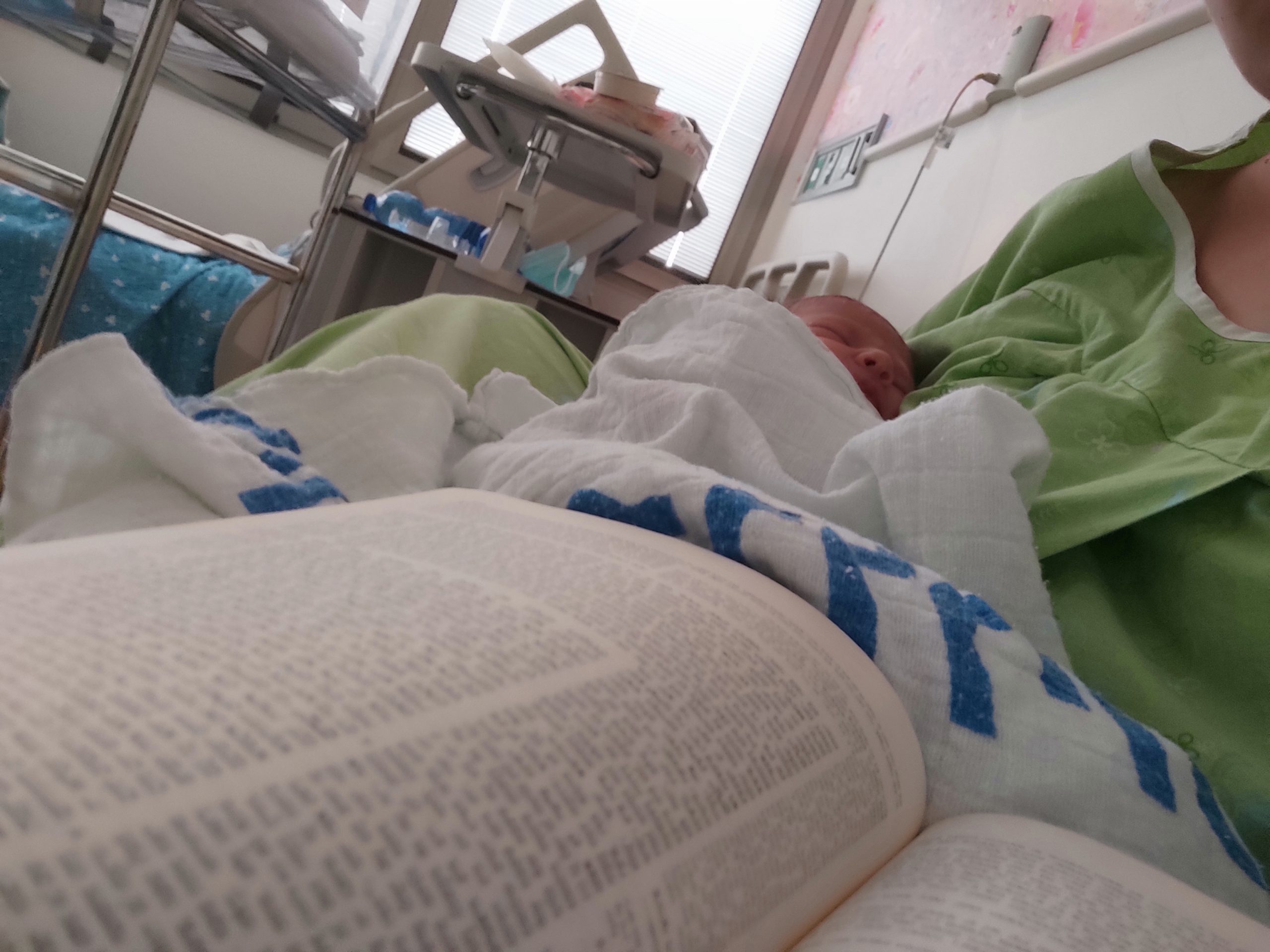
נועה שילה
רבבה, ישראל
למדתי גמרא מכיתה ז- ט ב Maimonides School ואחרי העליה שלי בגיל 14 לימוד הגמרא, שלא היה כל כך מקובל בימים אלה, היה די ספוראדי. אחרי "ההתגלות” בבנייני האומה התחלתי ללמוד בעיקר בדרך הביתה למדתי מפוקקטסים שונים. לאט לאט ראיתי שאני תמיד חוזרת לרבנית מישל פרבר. באיזה שהוא שלב התחלתי ללמוד בזום בשעה 7:10 .
היום "אין מצב” שאני אתחיל את היום שלי ללא לימוד עם הרבנית מישל עם כוס הקפה שלי!!

דבי גביר
חשמונאים, ישראל
רבנית מישל הציתה אש התלמוד בלבבות בביניני האומה ואני נדלקתי. היא פתחה פתח ותמכה במתחילות כמוני ואפשרה לנו להתקדם בצעדים נכונים וטובים. הקימה מערך שלם שמסובב את הלומדות בסביבה תומכת וכך נכנסתי למסלול לימוד מעשיר שאין כמוה. הדרן יצר קהילה גדולה וחזקה שמאפשרת התקדמות מכל נקודת מוצא. יש דיבוק לומדות שמחזק את ההתמדה של כולנו. כל פניה ושאלה נענית בזריזות ויסודיות. תודה גם למגי על כל העזרה.
שרה אבר
נתניה, ישראל
התחלתי ללמוד דף יומי בסבב הקודם. זכיתי לסיים אותו במעמד המרגש של הדרן. בסבב הראשון ליווה אותי הספק, שאולי לא אצליח לעמוד בקצב ולהתמיד. בסבב השני אני לומדת ברוגע, מתוך אמונה ביכולתי ללמוד ולסיים. בסבב הלימוד הראשון ליוותה אותי חוויה מסויימת של בדידות. הדרן העניקה לי קהילת לימוד ואחוות נשים. החוויה של סיום הש”ס במעמד כה גדול כשנשים שאינן מכירות אותי, שמחות ומתרגשות עבורי , היתה חוויה מרוממת נפש

אילנית ווייל
קיבוץ מגדל עוז, ישראל
התחלתי כשהייתי בחופש, עם הפרסומים על תחילת המחזור, הסביבה קיבלה את זה כמשהו מתמיד ומשמעותי ובהערכה, הלימוד זה עוגן יציב ביום יום, יש שבועות יותר ויש שפחות אבל זה משהו שנמצא שם אמין ובעל משמעות בחיים שלי….

עדי דיאמנט
גמזו, ישראל
התחלתי ללמוד את הדף היומי מעט אחרי שבני הקטן נולד. בהתחלה בשמיעה ולימוד באמצעות השיעור של הרבנית שפרבר. ובהמשך העזתי וקניתי לעצמי גמרא. מאז ממשיכה יום יום ללמוד עצמאית, ולפעמים בעזרת השיעור של הרבנית, כל יום. כל סיום של מסכת מביא לאושר גדול וסיפוק. הילדים בבית נהיו חלק מהלימוד, אני משתפת בסוגיות מעניינות ונהנית לשמוע את דעתם.

אלירז בלאו
מעלה מכמש, ישראל
הצטרפתי ללומדות בתחילת מסכת תענית. ההתרגשות שלי ושל המשפחה היתה גדולה מאוד, והיא הולכת וגוברת עם כל סיום שאני זוכה לו. במשך שנים רבות רציתי להצטרף ומשום מה זה לא קרה… ב”ה מצאתי לפני מספר חודשים פרסום של הדרן, ומיד הצטרפתי והתאהבתי. הדף היומי שינה את חיי ממש והפך כל יום- ליום של תורה. מודה לכן מקרב ליבי ומאחלת לכולנו לימוד פורה מתוך אהבת התורה ולומדיה.

נעה רוזן
חיספין רמת הגולן, ישראל
הייתי לפני שנתיים בסיום הדרן נשים בבנייני האומה והחלטתי להתחיל. אפילו רק כמה דפים, אולי רק פרק, אולי רק מסכת… בינתיים סיימתי רבע שס ותכף את כל סדר מועד בה.
הסביבה תומכת ומפרגנת. אני בת יחידה עם ארבעה אחים שכולם לומדים דף יומי. מדי פעם אנחנו עושים סיומים יחד באירועים משפחתיים. ממש מרגש. מסכת שבת סיימנו כולנו יחד עם אבא שלנו!
אני שומעת כל יום פודקאסט בהליכה או בנסיעה ואחכ לומדת את הגמרא.

עדנה גרוס
מרכז שפירא, ישראל
התחלתי ללמוד דף לפני קצת יותר מ-5 שנים, כשלמדתי רבנות בישיבת מהר”ת בניו יורק. בדיעבד, עד אז, הייתי בלימוד הגמרא שלי כמו מישהו שאוסף חרוזים משרשרת שהתפזרה, פה משהו ושם משהו, ומאז נפתח עולם ומלואו…. הדף נותן לי לימוד בצורה מאורגנת, שיטתית, יום-יומית, ומלמד אותי לא רק ידע אלא את השפה ודרך החשיבה שלנו. לשמחתי, יש לי סביבה תומכת וההרגשה שלי היא כמו בציטוט שבחרתי: הדף משפיע לטובה על כל היום שלי.

מיכל כהנא
חיפה, ישראל
אחרי שראיתי את הסיום הנשי של הדף היומי בבנייני האומה זה ריגש אותי ועורר בי את הרצון להצטרף. לא למדתי גמרא קודם לכן בכלל, אז הכל היה לי חדש, ולכן אני לומדת בעיקר מהשיעורים פה בהדרן, בשוטנשטיין או בחוברות ושיננתם.

רבקה שלוס
בית שמש, ישראל
התחלתי ללמוד דף לפני קצת יותר מ-5 שנים, כשלמדתי רבנות בישיבת מהר”ת בניו יורק. בדיעבד, עד אז, הייתי בלימוד הגמרא שלי כמו מישהו שאוסף חרוזים משרשרת שהתפזרה, פה משהו ושם משהו, ומאז נפתח עולם ומלואו…. הדף נותן לי לימוד בצורה מאורגנת, שיטתית, יום-יומית, ומלמד אותי לא רק ידע אלא את השפה ודרך החשיבה שלנו. לשמחתי, יש לי סביבה תומכת וההרגשה שלי היא כמו בציטוט שבחרתי: הדף משפיע לטובה על כל היום שלי.
מיכל כהנא
חיפה, ישראל
סיום השס לנשים נתן לי מוטביציה להתחיל ללמוד דף יומי. עד אז למדתי גמרא בשבתות ועשיתי כמה סיומים. אבל לימוד יומיומי זה שונה לגמרי ופתאום כל דבר שקורה בחיים מתקשר לדף היומי.

קרן פוגל
רתמים, ישראל
התחלתי ללמוד את הדף היומי מעט אחרי שבני הקטן נולד. בהתחלה בשמיעה ולימוד באמצעות השיעור של הרבנית שפרבר. ובהמשך העזתי וקניתי לעצמי גמרא. מאז ממשיכה יום יום ללמוד עצמאית, ולפעמים בעזרת השיעור של הרבנית, כל יום. כל סיום של מסכת מביא לאושר גדול וסיפוק. הילדים בבית נהיו חלק מהלימוד, אני משתפת בסוגיות מעניינות ונהנית לשמוע את דעתם.
אלירז בלאו
מעלה מכמש, ישראל
כבר סיפרתי בסיום של מועד קטן.
הלימוד מאוד משפיעה על היום שלי כי אני לומדת עם רבנית מישל על הבוקר בזום. זה נותן טון לכל היום – בסיס למחשבות שלי .זה זכות גדול להתחיל את היום בלימוד ובתפילה. תודה רבה !

שרה ברלוביץ
ירושלים, ישראל
התחלתי בתחילת הסבב, והתמכרתי. זה נותן משמעות נוספת ליומיום ומאוד מחזק לתת לזה מקום בתוך כל שגרת הבית-עבודה השוטפת.

רעות אברהמי
בית שמש, ישראל
A life-changing journey started with a Chanukah family tiyul to Zippori, home of the Sanhedrin 2 years ago and continued with the Syum in Binanei Hauma where I was awed by the energy of 3000 women dedicated to learning daf Yomi. Opening my morning daily with a fresh daf, I am excited with the new insights I find enriching my life and opening new and deeper horizons for me.

בקי גולדשטיין
Elazar gush etzion, Israel
לפני 15 שנה, אחרי עשרות שנים של "ג’ינגול” בין משפחה לקריירה תובענית בהייטק, הצטרפתי לשיעורי גמרא במתן רעננה. הלימוד המעמיק והייחודי של הרבנית אושרה קורן יחד עם קבוצת הנשים המגוונת הייתה חוויה מאלפת ומעשירה. לפני כשמונה שנים כאשר מחזור הדף היומי הגיע למסכת תענית הצטרפתי כ”חברותא” לבעלי. זו השעה היומית שלנו ביחד כאשר דפי הגמרא משתלבים בחיי היום יום, משפיעים ומושפעים, וכשלא מספיקים תמיד משלימים בשבת

יודי אסקוף
רעננה, ישראל
בסוף הסבב הקודם ראיתי את השמחה הגדולה שבסיום הלימוד, בעלי סיים כבר בפעם השלישית וכמובן הסיום הנשי בבנייני האומה וחשבתי שאולי זו הזדמנות עבורי למשהו חדש.
למרות שאני שונה בסביבה שלי, מי ששומע על הלימוד שלי מפרגן מאוד.
אני מנסה ללמוד קצת בכל יום, גם אם לא את כל הדף ובסך הכל אני בדרך כלל עומדת בקצב.
הלימוד מעניק המון משמעות ליום יום ועושה סדר בלמוד תורה, שתמיד היה (ועדיין) שאיפה. אבל אין כמו קביעות
רחלי מנדלסון
טל מנשה, ישראל
הצטרפתי ללומדות בתחילת מסכת תענית. ההתרגשות שלי ושל המשפחה היתה גדולה מאוד, והיא הולכת וגוברת עם כל סיום שאני זוכה לו. במשך שנים רבות רציתי להצטרף ומשום מה זה לא קרה… ב”ה מצאתי לפני מספר חודשים פרסום של הדרן, ומיד הצטרפתי והתאהבתי. הדף היומי שינה את חיי ממש והפך כל יום- ליום של תורה. מודה לכן מקרב ליבי ומאחלת לכולנו לימוד פורה מתוך אהבת התורה ולומדיה.
נעה רוזן
חיספין רמת הגולן, ישראל
תענית יח
אֶלָּא לֶאֱסוֹר יוֹם שֶׁלְּפָנָיו, הָכָא נָמֵי — לָא נִצְרְכָה אֶלָּא לֶאֱסוֹר יוֹם שֶׁלְּאַחֲרָיו. כְּמַאן, כְּרַבִּי יוֹסֵי דְּאָמַר: בֵּין לְפָנָיו וּבֵין לְאַחֲרָיו אָסוּר. אִי הָכִי בְּעֶשְׂרִים וְתִשְׁעָה נָמֵי — מַאי אִירְיָא דְּהָוֵי יוֹמָא דְּמִקַּמֵּי יוֹמָא דְּמִיתּוֹקַם תְּמִידָא? תִּיפּוֹק לֵיהּ דְּהָוֵה לֵיהּ יוֹמָא דְּבָתַר עֶשְׂרִין וּתְמָנְיָא בֵּיהּ!
only to prohibit eulogizing on the day before. Here too, it is necessary to mention Passover only to prohibit eulogizing on the following day. The Gemara asks: In accordance with whose opinion is this ruling? It is in accordance with the opinion of Rabbi Yosei, who said that eulogizing is prohibited both on the day before the date recorded in Megillat Ta’anit and on the following day. The Gemara asks: If so, with regard to the twenty-ninth of Adar too, why state specifically that eulogizing is prohibited then because it is the day before the day on which the daily offering was established? Let him derive this prohibition from the fact that it is the day after the twenty-eighth of Adar.
דְּתַנְיָא: בְּעֶשְׂרִים וּתְמָנְיָא בֵּיהּ, אֲתָת בְּשׂוֹרְתָּא טָבְתָּא לִיהוּדָאֵי דְּלָא יְעִידוֹן מִן אוֹרָיְיתָא. שֶׁפַּעַם אַחַת גָּזְרָה מַלְכוּת הָרְשָׁעָה שְׁמָד עַל יִשְׂרָאֵל שֶׁלֹּא יַעַסְקוּ בַּתּוֹרָה, וְשֶׁלֹּא יָמוּלוּ אֶת בְּנֵיהֶם, וְשֶׁיְּחַלְּלוּ שַׁבָּתוֹת. מָה עָשָׂה יְהוּדָה בֶּן שַׁמּוּעַ וַחֲבֵרָיו? הָלְכוּ וְנָטְלוּ עֵצָה מִמַּטְרוֹנִיתָא אַחַת שֶׁכׇּל גְּדוֹלֵי רוֹמִי מְצוּיִין אֶצְלָהּ.
As it is taught in Megillat Ta’anit: On the twenty-eighth of Adar good tidings came to the Jews, that they would not be restricted from Torah study, and they declared this date a commemorative day. The baraita proceeds to describe the events of this day. As on one occasion the wicked empire, Rome, issued a decree of apostasy against the Jews, that they may not occupy themselves with Torah study, and that they may not circumcise their sons, and that they must desecrate Shabbat. What did Yehuda ben Shammua and his colleagues do? They went and sought the advice of a certain Roman matron [matronita] whose company was kept by all the prominent people of Rome.
אָמְרָה לָהֶם: עִמְדוּ וְהַפְגִּינוּ בַּלַּיְלָה. הָלְכוּ וְהִפְגִּינוּ בַּלַּיְלָה, אָמְרוּ: אֵי שָׁמַיִם! לֹא אַחִים אֲנַחְנוּ, לֹא בְּנֵי אָב אֶחָד אֲנַחְנוּ, לֹא בְּנֵי אֵם אַחַת אֲנַחְנוּ? מָה נִשְׁתַּנֵּינוּ מִכׇּל אוּמָּה וְלָשׁוֹן שֶׁאַתֶּם גּוֹזְרִין עָלֵינוּ גְּזֵירוֹת רָעוֹת! וּבִטְּלוּם, וְאוֹתוֹ יוֹם עֲשָׂאוּהוּ יוֹם טוֹב.
She said to them: Arise and cry out [hafginu] at night. They went and cried out at night, saying: O Heaven! Are we not brothers? Are we not children of one father? Are we not the children of one mother? How are we different from any other nation and tongue that you single us out and issue against us evil decrees? Their cries were effective, and the authorities annulled the decrees, and they made that day a commemorative holiday.
אָמַר אַבָּיֵי: לֹא נִצְרְכָה אֶלָּא לְחֹדֶשׁ מְעוּבָּר.
§ Since the twenty-eighth of Adar is also a commemorative day, according to the opinion of Rabbi Yosei, it is also prohibited to fast on the following day. The question therefore remains: Why was it necessary to list the New Moon of Nisan, when the day before was already prohibited? Abaye said: It is necessary to include the New Moon of Nisan only for the case of a full, thirty-day month. If the month of Adar is thirty days long, fasting on the thirtieth day would be prohibited only because it is the day preceding the New Moon, not because it follows the twenty-eighth of Adar.
רַב אָשֵׁי אָמַר: אֲפִילּוּ תֵּימָא לְחוֹדֶשׁ חָסֵר, כׇּל שֶׁלְּאַחֲרָיו — בְּתַעֲנִית אָסוּר, בְּהֶסְפֵּד מוּתָּר. וְזֶה, הוֹאִיל וּמוּטָל בֵּין שְׁנֵי יָמִים טוֹבִים — עֲשָׂאוּהוּ כְּיוֹם טוֹב עַצְמוֹ, וַאֲפִילּוּ בְּהֶסְפֵּד נָמֵי אָסוּר.
Rav Ashi said: Even if you say that we are dealing with a deficient month, with twenty-nine days, the inclusion of the New Moon of Nisan can still be explained. The reason is that with regard to all days that follow the dates listed in Megillat Ta’anit, fasting is prohibited but eulogizing is permitted. But in this case, since the twenty-ninth of Adar is positioned between two commemorative holidays, the twenty-eighth of Adar and the New Moon of Nisan, the Sages made it like a commemorative holiday in its own right, and it is therefore prohibited even to eulogize on this date.
אָמַר מָר: מִתְּמָנְיָא בֵּיהּ וְעַד סוֹף מוֹעֲדָא אִיתּוֹתַב חַגָּא דְשָׁבוּעַיָּא, דְּלָא לְמִיסְפַּד. לְמָה לִי לְמֵימַר מִתְּמָנְיָא בֵּיהּ? לֵימָא מִתִּשְׁעָה בֵּיהּ, וּתְמָנְיָא גּוּפֵיהּ אָסוּר, דְּהָוֵה לֵיהּ יוֹמָא דְּאִיתּוֹקַם בֵּיהּ תְּמִידָא!
§ The Master said above, in Megillat Ta’anit: From the eighth of Nisan until the end of the festival of Passover, the festival of Shavuot was restored, and it was decreed not to eulogize during this period. The Gemara asks: Why do I need it to say: From the eighth of Nisan? Let the tanna say: From the ninth of Nisan, and the eighth itself will still be prohibited because, as stated earlier, it is the day on which the daily offering was established.
כֵּיוָן דְּאִילּוּ מִקְּלַע לֵיהּ מִילְּתָא וּבַטְּלִינֵּיהּ לְשִׁבְעָה — תְּמָנְיָא גּוּפֵיהּ אָסוּר, דְּהָוֵה לֵיהּ יוֹמָא קַמָּא דְּאִיתּוֹתַב בֵּיהּ חַגָּא דְשָׁבוּעַיָּא.
The Gemara answers: Since if a calamitous event happened and they canceled the seven days commemorating the establishment of the daily offering, the eighth day itself will remain prohibited, as it is the first day on which the festival of Shavuot was restored. Since this date is not merely the last of the series for the daily offering, but it also commemorates the restoration of Shavuot, it is not affected by the cancellation of the previous seven days.
הַשְׁתָּא דְּאָתֵית לְהָכִי, עֶשְׂרִים וְתִשְׁעָה נָמֵי: כֵּיוָן דְּאִילּוּ מִיקְּלַע מִילְּתָא וּבַטְּלִינֵּיהּ לְעֶשְׂרִים וּתְמָנְיָא — עֶשְׂרִין וְתִשְׁעָה גּוּפֵיהּ אָסוּר, דְּהָוֵה לֵיהּ יוֹמָא דְּמִקַּמֵּי יוֹמָא דְּאִיתּוֹקַם תְּמִידָא.
The Gemara notes: Now that you have arrived at this conclusion, the same logic can be applied to the twenty-ninth of Adar as well: Since if a calamitous event happened and they canceled the commemoration of the twenty-eighth of Adar, nevertheless, the twenty-ninth day itself will remain prohibited, as it is the first day on which the daily offering was established.
אִיתְּמַר, רַב חִיָּיא בַּר אַסִּי אָמַר רַב: הֲלָכָה כְּרַבִּי יוֹסֵי, וּשְׁמוּאֵל אָמַר: הֲלָכָה כְּרַבִּי מֵאִיר.
It was stated that there is a dispute between amora’im: Rav Ḥiyya bar Asi said that Rav said: The halakha is in accordance with the opinion of Rabbi Yosei, that with regard to all the days mentioned in Megillat Ta’anit on which eulogizing is prohibited, it is likewise prohibited to eulogize on the day before and the day after. And Shmuel said: The halakha is in accordance with the opinion of Rabbi Meir, the tanna of the unattributed mishna, who said that although it is prohibited to eulogize on the day before, it is permitted on the day after.
וּמִי אָמַר שְׁמוּאֵל הָכִי? וְהָתַנְיָא, רַבָּן שִׁמְעוֹן בֶּן גַּמְלִיאֵל אוֹמֵר: וּמָה תַּלְמוּד לוֹמַר ״בְּהוֹן״ ״בְּהוֹן״ שְׁתֵּי פְעָמִים — לוֹמַר לָךְ שֶׁהֵן אֲסוּרִין, לִפְנֵיהֶן וּלְאַחֲרֵיהֶן מוּתָּרִין. וְאָמַר שְׁמוּאֵל: הֲלָכָה כְּרַבָּן שִׁמְעוֹן בֶּן גַּמְלִיאֵל.
The Gemara asks: And did Shmuel actually say this? But isn’t it taught in a baraita that Rabban Shimon ben Gamliel says: And what is the meaning when Megillat Ta’anit states: On them, on them, twice, in the phrases: Not to eulogize on them, and: Not to fast on them. This phrase is repeated to say to you that fasting and eulogizing on these days themselves is prohibited, but on the days before and on the following days it is permitted. And Shmuel said: The halakha is in accordance with the opinion of Rabban Shimon ben Gamliel. How, then, can it be said that Shmuel ruled in accordance with the opinion of Rabbi Meir?
מֵעִיקָּרָא סָבַר: כֵּיוָן דְּלֵיכָּא תַּנָּא דְּמֵיקֵל כְּרַבִּי מֵאִיר, אָמַר הֲלָכָה כְּרַבִּי מֵאִיר. כֵּיוָן דְּשַׁמְעֵיהּ לְרַבָּן שִׁמְעוֹן דְּמֵיקֵל טְפֵי, אָמַר: הֲלָכָה כְּרַבָּן שִׁמְעוֹן בֶּן גַּמְלִיאֵל.
The Gemara answers: Initially, Shmuel maintained that since there is no other tanna as lenient as Rabbi Meir, he said that the halakha is in accordance with the opinion of Rabbi Meir. When he heard that the opinion of Rabban Shimon ben Gamliel was more lenient, he said that the halakha is in accordance with the opinion of Rabban Shimon ben Gamliel. Shmuel consistently ruled in the most lenient manner possible on this issue.
וְכֵן אָמַר בָּאלִי אָמַר רַבִּי חִיָּיא בַּר אַבָּא אָמַר רַבִּי יוֹחָנָן: הֲלָכָה כְּרַבִּי יוֹסֵי. אֲמַר לֵיהּ רַבִּי חִיָּיא לְבָאלִי: אַסְבְּרַהּ לָךְ, כִּי אָמַר רַבִּי יוֹחָנָן הֲלָכָה כְּרַבִּי יוֹסֵי — אַדְּלָא לְהִתְעַנָּאָה.
And similarly, the Sage Bali said that Rabbi Ḥiyya bar Abba said that Rabbi Yoḥanan said: The halakha is in accordance with the opinion of Rabbi Yosei. The Gemara relates that Rabbi Ḥiyya bar Abba said to Bali: I will explain this ruling to you. When Rabbi Yoḥanan said that the halakha is in accordance with the opinion of Rabbi Yosei, he was not referring to all matters. Rather, he spoke specifically with regard to the day before those dates concerning which Megillat Ta’anit said: Fasting is prohibited. However, with regard to those days on which it is prohibited to eulogize, he did not rule in accordance with the opinion of Rabbi Yosei, as Rabbi Yoḥanan maintains that eulogizing on the following day is permitted.
וּמִי אָמַר רַבִּי יוֹחָנָן הָכִי? וְהָאָמַר רַבִּי יוֹחָנָן: הֲלָכָה כִּסְתַם מִשְׁנָה. וּתְנַן: אַף עַל פִּי שֶׁאָמְרוּ מַקְדִּימִין וְלֹא מְאַחֲרִין,
The Gemara asks: And did Rabbi Yoḥanan actually say this? But didn’t Rabbi Yoḥanan say as a principle that the halakha is always in accordance with an unattributed mishna. And we learned in a mishna: Although the Sages said, with regard to reading of the Scroll of Esther, that one may read it earlier but one may not read it later,
מוּתָּרִין בְּהֶסְפֵּד וְתַעֲנִית. אֵימַת? אִילֵּימָא בְּנֵי חֲמֵיסַר וְקָא קָרוּ לֵיהּ בְּאַרְבֵּיסַר, וּמִי שְׁרֵי?
as the Sages decreed that in certain places one may read the Scroll of Esther on the eleventh, twelfth, or thirteenth of Adar, nevertheless, it is permitted to eulogize and fast on these days. The Gemara clarifies: When does this ruling apply? If we say that it applies to those in walled cities, who normally read the scroll on the fifteenth of Adar and yet this year they read it on the fourteenth, a day on which they normally are permitted to fast and eulogize, but this cannot be the case, as are they permitted to fast and eulogize at all on these days?
וְהָכְתִיב בִּמְגִילַּת תַּעֲנִית: יוֹם אַרְבָּעָה עָשָׂר בּוֹ וְיוֹם חֲמִשָּׁה עָשָׂר בּוֹ, יוֹמֵי פּוּרַיָּא אִינּוּן דְּלָא לְמִיסְפַּד בְּהוֹן. וְאָמַר רָבָא: לֹא נִצְרְכָא, אֶלָּא לֶאֱסוֹר אֶת שֶׁל זֶה בָּזֶה וְאֶת שֶׁל זֶה בָּזֶה.
But isn’t it written in Megillat Ta’anit: The day of the fourteenth of Adar and the day of the fifteenth of Adar are the days of Purim, on which eulogizing is prohibited. And Rava said: Since these days are already mentioned in the Bible (Esther 9:18–19), it is necessary to state this halakha in Megillat Ta’anit only to prohibit those living in these walled cities from fasting and eulogizing on this date, the fourteenth, and those living in these non-walled cities from fasting and eulogizing on this date, the fifteenth.
וְאֶלָּא, בְּנֵי אַרְבֵּיסַר וְקָא קָרֵי לֵיהּ בִּתְלֵיסַר — יוֹם נִיקָנוֹר הוּא! וְאֶלָּא, בְּנֵי אַרְבֵּיסַר וְקָא קָרֵי לֵיהּ בִּתְרֵיסַר — יוֹם טוּרְיָינוֹס הוּא!
The Gemara continues its explanation of the difficulty. But rather, the mishna must be referring to those who normally read on the fourteenth of Adar, but who read the Scroll of Esther early, on the thirteenth. However, it is already prohibited to fast on the thirteenth, as it is Nicanor’s Day, which is a commemorative day in its own right. But rather, you will say that the mishna is referring to those residents of cities who normally read on the fourteenth, but who read it early that year, on the twelfth; however, the twelfth of Adar is also a commemorative day, as it is Trajan’s Day.
אֶלָּא לָאו, דְּקָא קָרוּ לֵיהּ בַּחֲדֵיסַר, וְקָתָנֵי מוּתָּר בְּהֶסְפֵּד וּבְתַעֲנִית!
Rather, isn’t the mishna referring to a case where they read the Scroll of Esther on the eleventh of Adar, and nevertheless that mishna teaches that it is permitted to eulogize and fast on this day, despite the fact that it is the day before Trajan’s Day? The opinion in this unattributed mishna is not in accordance with that of Rabbi Yosei, which means that there is a contradiction between the two statements of Rabbi Yoḥanan.
לָא, בְּנֵי אַרְבָּעָה עָשָׂר, וְקָא קָרוּ לֵיהּ בִּתְרֵיסַר. וּדְקָאָמְרַתְּ יוֹם טֻרְיָינוֹס הוּא — יוֹם טֻרְיָינוֹס גּוּפֵיהּ בַּטּוֹלֵי בַּטְּלוּהּ, הוֹאִיל וְנֶהֶרְגוּ בּוֹ שְׁמַעְיָה וַאֲחִיָּה אֶחָיו. כִּי הָא דְּרַב נַחְמָן גְּזַר תַּעֲנִיתָא בִּתְרֵיסַר, אֲמַרוּ לֵיהּ רַבָּנַן: יוֹם טוּרְיָינוֹס הוּא! אֲמַר לְהוּ: יוֹם טוּרְיָינוֹס גּוּפֵיהּ בַּטּוֹלֵי בַּטְּלוּהּ, הוֹאִיל וְנֶהֶרְגוּ בּוֹ שְׁמַעְיָה וַאֲחִיָּה אָחִיו.
The Gemara answers: No; the mishna is actually referring to those who normally read on the fourteenth, but who read it that year on the twelfth of Adar. And with regard to that which you said, that it is Trajan’s Day, Trajan’s Day itself was annulled and is no longer celebrated, since Shemaya and his brother Aḥiya were killed on that day. We learn this as in the incident when Rav Naḥman decreed a fast on the twelfth of Adar and the Sages said to him: It is Trajan’s Day. He said to them: Trajan’s Day itself was annulled, since Shemaya and his brother Aḥiya were killed on that day.
וְתִיפּוֹק לֵיהּ דְּהָוֵה לֵיהּ יוֹם שֶׁלִּפְנֵי נִיקָנוֹר! אָמַר רַב אָשֵׁי: הַשְׁתָּא אִיהוּ גּוּפֵיהּ בַּטְּלוּהּ, מִשּׁוּם יוֹם נִיקָנוֹר נֵיקוּם וְנִגְזֹר?
The Gemara asks: And let him derive that fasting on the twelfth is prohibited in any case, as it is the day before Nicanor’s Day. Rav Ashi said: Now that with regard to Trajan’s Day itself, they annulled it, will we then arise and issue a decree not to fast on this date due to the following day, Nicanor’s Day?
מַאי נִיקָנוֹר וּמַאי טוּרְיָינוֹס? דְּתַנְיָא: נִיקָנוֹר, אֶחָד מֵאִפַּרְכֵי יְוָונִים הָיָה, וּבְכׇל יוֹם וָיוֹם הָיָה מֵנִיף יָדוֹ עַל יְהוּדָה וִירוּשָׁלַיִם, וְאוֹמֵר: אֵימָתַי תִּפּוֹל בְּיָדִי וְאֶרְמְסֶנָּה. וּכְשֶׁגָּבְרָה מַלְכוּת בֵּית חַשְׁמוֹנַאי וְנִצְּחוּם, קָצְצוּ בְּהוֹנוֹת יָדָיו וְרַגְלָיו וּתְלָאוּם בְּשַׁעֲרֵי יְרוּשָׁלַיִם, וְאָמְרוּ: פֶּה שֶׁהָיָה מְדַבֵּר בְּגַאֲוָה, וְיָדַיִים שֶׁהָיוּ מְנִיפוֹת עַל יְרוּשָׁלַיִם — תֵּעָשֶׂה בָּהֶם נְקָמָה.
In relation to the above, the Gemara inquires: What is the origin of Nicanor’s Day and what is the origin of Trajan’s Day? As it is taught in a baraita: Nicanor was one of the generals [iparkhei] in the Greek army, and each and every day he would wave his hand over Judea and Jerusalem and say: When will this city fall into my hands, and I shall trample it? And when the Hasmonean monarchy overcame the Greeks and emerged victorious over them, they killed Nicanor in battle, cut off his thumbs and big toes, and hung them on the gates of Jerusalem, saying: The mouth that spoke with pride, and the hands that waved over Jerusalem, may vengeance be taken against them. This occurred on the thirteenth of Adar.
מַאי טוּרְיָינוֹס? אָמְרוּ: כְּשֶׁבִּקֵּשׁ טוּרְיָינוֹס לַהֲרוֹג אֶת לוּלְיָנוּס וּפַפּוּס אָחִיו בְּלוּדְקִיָּא, אָמַר לָהֶם: אִם מֵעַמּוֹ שֶׁל חֲנַנְיָה מִישָׁאֵל וַעֲזַרְיָה אַתֶּם — יָבֹא אֱלֹהֵיכֶם וְיַצִּיל אֶתְכֶם מִיָּדִי, כְּדֶרֶךְ שֶׁהִצִּיל אֶת חֲנַנְיָה מִישָׁאֵל וַעֲזַרְיָה מִיַּד נְבוּכַדְנֶצַּר! אָמְרוּ לוֹ: חֲנַנְיָה מִישָׁאֵל וַעֲזַרְיָה צַדִּיקִים גְּמוּרִין הָיוּ, וּרְאוּיִין הָיוּ לֵיעָשׂוֹת לָהֶם נֵס. וּנְבוּכַדְנֶצַּר מֶלֶךְ הָגוּן הָיָה, וְרָאוּי לַעֲשׂוֹת נֵס עַל יָדוֹ.
What is the origin of Trajan’s Day? They said in explanation: When Trajan sought to kill the important leaders Luleyanus and his brother Pappas in Laodicea, he said to them: If you are from the nation of Hananiah, Mishael, and Azariah, let your God come and save you from my hand, just as He saved Hananiah, Mishael, and Azariah from the hand of Nebuchadnezzar. Luleyanus and Pappas said to him: Hananiah, Mishael, and Azariah were full-fledged righteous people, and they were worthy that a miracle should be performed for them, and Nebuchadnezzar was a legitimate king who rose to power through his merit, and it is fitting that a miracle be performed through him.
וְאוֹתוֹ רָשָׁע, הֶדְיוֹט הוּא, וְאֵינוֹ רָאוּי לַעֲשׂוֹת נֵס עַל יָדוֹ. וְאָנוּ נִתְחַיַּיבְנוּ כְּלָיָה לַמָּקוֹם, וְאִם אֵין אַתָּה הוֹרְגֵנוּ — הַרְבֵּה הוֹרְגִים יֵשׁ לוֹ לַמָּקוֹם, וְהַרְבֵּה דּוּבִּין וַאֲרָיוֹת יֵשׁ לוֹ לַמָּקוֹם בְּעוֹלָמוֹ שֶׁפּוֹגְעִין בָּנוּ וְהוֹרְגִין אוֹתָנוּ. אֶלָּא, לֹא מְסָרָנוּ הַקָּדוֹשׁ בָּרוּךְ הוּא בְּיָדְךָ, אֶלָּא שֶׁעָתִיד לִיפָּרַע דָּמֵינוּ מִיָּדֶךָ.
But this wicked man, Trajan, is a commoner, not a real king, and it is not fitting that a miracle be performed through him. Luleyanus and Pappas continued: And we are not wholly righteous, and have been condemned to destruction by the Omnipresent for our sins. And if you do not kill us, the Omnipresent has many other executioners. And if men do not kill us, the Omnipresent has many bears and lions in His world that can hurt us and kill us. Instead, the Holy One, Blessed be He, placed us into your hands only so that He will avenge our blood in the future.
אַף עַל פִּי כֵן הֲרָגָן מִיָּד. אָמְרוּ: לֹא זָזוּ מִשָּׁם, עַד שֶׁבָּאוּ דְּיוֹפָּלֵי מֵרוֹמִי וּפָצְעוּ אֶת מוֹחוֹ בְּגִיזְרִין.
Even so, Trajan remained unmoved by their response and killed them immediately. It is said that they had not moved from the place of execution when two officials [diyoflei] arrived from Rome with permission to remove Trajan from power, and they split his skull with clubs. This was viewed as an act of divine retribution and was established as a commemorative day.
אֵין גּוֹזְרִין תַּעֲנִית עַל הַצִּבּוּר בַּתְּחִלָּה בַּחֲמִישִׁי כּוּ׳, אֵין גּוֹזְרִין תַּעֲנִית בְּרָאשֵׁי חֳדָשִׁים כּוּ׳. וְכַמָּה הָוְיָא הַתְחָלָה? רַב אַחָא אָמַר: שָׁלֹשׁ. רַבִּי אַסִּי אָמַר: אַחַת.
§ The mishna taught: One may not decree a fast on the community starting on a Thursday, so as not to cause prices to rise. Furthermore, one may not decree a fast on New Moons, on Hanukkah, or on Purim. However, if one began a set of fasts, one does not interrupt the sequence for these days. The Gemara asks: And how many fasts are considered a beginning? Rav Aḥa said: If one fasted three fasts before the festive day. Rabbi Asi said: Even if one fasted one fast before it.
אָמַר רַב יְהוּדָה אָמַר רַב: זוֹ דִּבְרֵי רַבִּי מֵאִיר שֶׁאָמַר מִשּׁוּם רַבָּן גַּמְלִיאֵל, אֲבָל חֲכָמִים אוֹמְרִים: מִתְעַנֶּה וּמַשְׁלִים. דָּרֵשׁ מָר זוּטְרָא מִשְּׁמֵיהּ דְּרַב הוּנָא: הֲלָכָה מִתְעַנֶּה וּמַשְׁלִים.
Rav Yehuda said that Rav said: This halakha of the mishna that a fast that occurs on a festival is not observed, is the statement of Rabbi Meir, who said it in the name of Rabban Gamliel. However, the Rabbis say: If a communal fast occurs on one of these days, one must fast and complete the fast until nightfall. Mar Zutra taught in the name of Rav Huna: The practical halakha is in accordance with the opinion of the Rabbis, that one fasts and completes his fast until nightfall.
הֲדַרַן עֲלָךְ סֵדֶר תַּעֲנִיּוֹת כֵּיצַד
סֵדֶר תַּעֲנִיּוֹת אֵלּוּ, הָאָמוּר בִּרְבִיעָה רִאשׁוֹנָה. אֲבָל צְמָחִים שֶׁשָּׁנוּ — מַתְרִיעִין עֲלֵיהֶן מִיָּד. וְכֵן שֶׁפָּסְקוּ גְּשָׁמִים בֵּין גֶּשֶׁם לְגֶשֶׁם אַרְבָּעִים יוֹם — מַתְרִיעִין עֲלֵיהֶן, מִפְּנֵי שֶׁהִיא מַכַּת בַּצּוֹרֶת.
MISHNA: The order of these fasts of increasing severity, as explained in Chapter One, is stated only in a case when the first rainfall has not materialized. However, if there is vegetation that grew and its appearance changed due to disease, the court does not wait at all; they cry out about it immediately. And likewise, if rain ceased for a period of forty days between one rainfall and another, they cry out about it because it is a plague of drought.
יָרְדוּ לַצְּמָחִין אֲבָל לֹא יָרְדוּ לָאִילָן, לְאִילָן וְלֹא לַצְּמָחִין, לָזֶה וְלָזֶה אֲבָל לֹא לַבּוֹרוֹת לַשִּׁיחִין וְלַמְּעָרוֹת — מַתְרִיעִין עֲלֵיהֶן מִיָּד. וְכֵן עִיר שֶׁלֹּא יָרְדוּ עָלֶיהָ גְּשָׁמִים, דִּכְתִיב: ״וְהִמְטַרְתִּי עַל עִיר אֶחָת וְעַל עִיר אַחַת לֹא אַמְטִיר חֶלְקָה אַחַת תִּמָּטֵר וְגוֹ׳״.
If sufficient rain fell for the vegetation but not enough fell for the trees; or if it was enough for the trees but not for the vegetation; or if sufficient rain fell for both this and that, i.e., vegetation and trees, but not enough to fill the cisterns, ditches, and caves with water to last the summer, they cry out about it immediately. And likewise, if there is a particular city upon which it did not rain, while the surrounding area did receive rain, this is considered a divine curse, as it is written: “And I caused it to rain upon one city, but caused it not to rain upon another city; one piece was rained upon, and the portion upon which it did not rain withered” (Amos 4:7).
לעקוב

