חיפוש

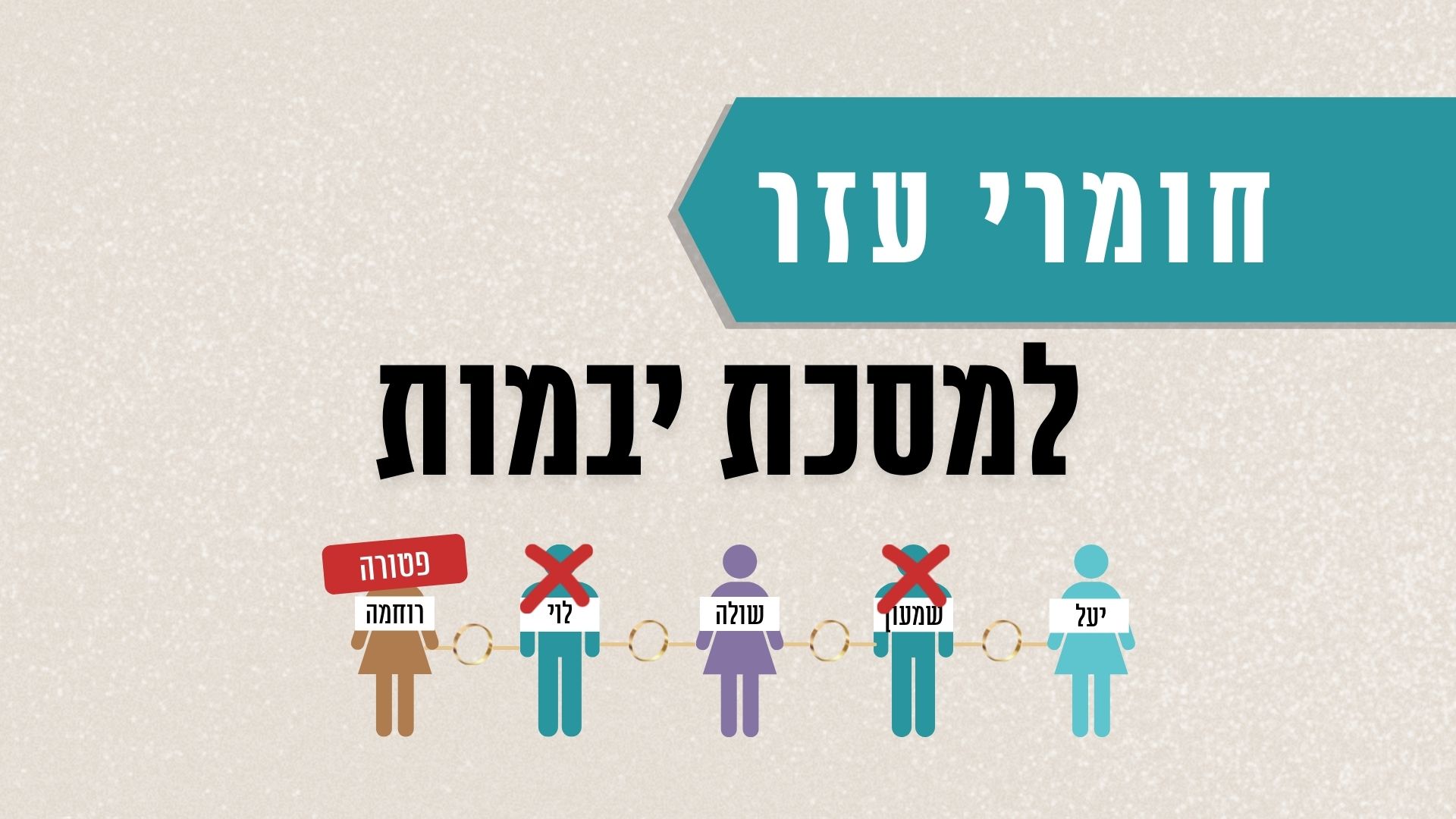
יבמות קא

רוצה להקדיש שיעור?

podcast placeholder

0:00
0:00


תקציר

אם נולד ילד/ה לאישה שהייתה נשואה לשני גברים שונים בתוך שלושה חודשים ולא ברור מי האב, אם הבן/בת קילל/ה או היכה את שני האבות, האם הוא/היא חייב/ת? יש ויכוח אם זה משנה אם הוא/היא קילל/ה את שניהם בו זמנית או אחד אחרי השני. אם שני האבות כהנים, עליו לעבוד בבית המקדש בשבוע שבו כל אב אמור לעבוד כדי שלא יחשדו אנשים שיש בעיה עם הכהונה באותה משפחה. מותר לו לקבל חלק באוכל (מהקרבנות וכו’) של אותו שבוע רק אם שני האבות היו באותו משמר ובאותו בית אב, שתפקידם יהיה לעבוד בבית המקדש באותו היום בדיוק. כמה דיינים צריך לחליצה? עם איזה סוג נעל? האם אתה יכול להשתמש בנעל של מישהו אחר? מה אם לאחד יש רגל פרוסתטית? האם הנעל צריכה להתאים כמו שצריך? אם אין לך דיינים אלא שלושה אנשים רגילים, אפשר להשתמש בהם, אבל הם צריכים לדעת לקרוא. הגמרא מראה כיצד רבי יהודה ורבי יהודה מפרישים את הפסוקים בצורה שונה כדי להראות אם צריך שלושה או חמישה דיינים. מה כל אחד עושה עם הפסוקים שבהם משתמש השני כדי להוכיח את דבריו? בסופו של דבר הם מסיקים שאפילו רבי יהודה, שדורש חמישה דיינים, שינה את דעתו ודרש רק שלושה. לגבי מיאון נראה שאנו פוסקים שרק צריך שני דיינים, אף על פי שסתם משנה אומרת שלושה ממש כמו בחליצה. מדוע אנו מבחינים בין חליצה ​​למיאון? הדיינים צריכים גם לייעד מקום לחליצה. לאחר שהחליטה הגמרא שצריך שלושה דיינים לחליצה, מביאה הגמרא מעשים שבהם דרשו רבנים חמישה דיינים. זה נעשה כדי להבטיח שהדבר יתפרסם. מהמקרים שהובאו עולה הסוגיה לגבי גר והאם הוא יכול לשמש כדיין.


כלים

יבמות קא

הָיוּ שְׁנֵיהֶם כֹּהֲנִים וְכוּ׳. תָּנוּ רַבָּנַן: הִכָּה זֶה וְחָזַר וְהִכָּה זֶה, קִלֵּל זֶה וְחָזַר וְקִלֵּל זֶה, קִלֵּל שְׁנֵיהֶם בְּבַת אַחַת, הִכָּה שְׁנֵיהֶם בְּבַת אַחַת — חַיָּיב. רַבִּי יְהוּדָה אוֹמֵר: בְּבַת אַחַת — חַיָּיב, בָּזֶה אַחַר זֶה — פָּטוּר.

§ It is stated in the mishna that if both uncertain fathers were priests, the son is exempt from punishment for striking and for cursing them. The Sages taught: If he struck this uncertain father, and then struck that one, or if he cursed this one and then cursed that one, or if he cursed both of them simultaneously or struck both of them simultaneously, in all these cases he is liable to receive capital punishment, as one of them is certainly his father. Rabbi Yehuda says: Although if he struck or cursed both of them simultaneously he is liable, if he struck or cursed them one after the other, he is exempt.

וְהָתַנְיָא, רַבִּי יְהוּדָה אוֹמֵר: פָּטוּר בְּבַת אַחַת! תְּרֵי תַּנָּאֵי אַלִּיבָּא דְּרַבִּי יְהוּדָה.

The Gemara asks: But isn’t it taught in a baraita that Rabbi Yehuda says: He is exempt even if he struck or cursed them simultaneously? The Gemara answers: These are the opinions of two tanna’im, and they each expressed their opinion in accordance with that of Rabbi Yehuda.

מַאי טַעְמָא דְּמַאן דְּפָטַר? אָמַר רַבִּי חֲנִינָא: נֶאֶמְרָה בְּרָכָה לְמַטָּה, וְנֶאֶמְרָה בְּרָכָה לְמַעְלָה. מָה לְמַעְלָה שֶׁאֵין בָּהּ שׁוּתָּפוּת — אַף לְמַטָּה שֶׁאֵין בָּהּ שׁוּתָּפוּת. וְאִיתַּקַּשׁ הַכָּאָה לִקְלָלָה.

The Gemara asks: What is the reasoning of the one who exempts the son from punishment? Rabbi Ḥanina said: Blessing is stated below (Leviticus 20:9), with regard to cursing parents, and blessing is stated above (Exodus 22:27), with regard to cursing God. The Sages used the word blessing as a euphemism for cursing, as it was their custom to avoid uncouth language. Just as the statement above, in Exodus, is referring to a curse that does not involve partnership, as God is One, so too the statement below, in Leviticus, is referring exclusively to a curse of a parent that does not involve partnership, i.e., when there is no doubt with regard to his identity. And striking is juxtaposed with cursing. Just as one is not liable for cursing when it is unclear who his father is, the same applies to striking.

וְעוֹלֶה בְּמִשְׁמָרוֹ וְכוּ׳. וְכִי מֵאַחַר דְּאֵינוֹ חוֹלֵק, לָמָּה עוֹלֶה? לָמָּה עוֹלֶה?! הָאָמַר: בָּעֵינָא דְּנֶיעְבֵּיד מִצְוָה! אֶלָּא: ״עָלָה״ לָא קָתָנֵי, אֶלָּא ״עוֹלֶה״ — בְּעַל כׇּרְחוֹ.

§ It is stated in the mishna: And he ascends to the Temple service with the priestly watch of both uncertain fathers. However, he does not receive a share of the offerings of either watch. The Gemara asks: Since he does not receive a share, why does he ascend? The Gemara is puzzled by this question: Why does he ascend? Doesn’t he naturally say: I wish to perform a mitzva by serving as a priest? The Gemara explains: However, note that the mishna does not state: If he ascended, but rather: He ascends, in the present tense. Apparently he is obligated to ascend, even against his will.

אָמַר רַב אַחָא בַּר חֲנִינָא אָמַר אַבָּיֵי אָמַר רַבִּי אַסִּי אָמַר רַבִּי יוֹחָנָן: מִשּׁוּם פְּגַם מִשְׁפָּחָה.

Why is he under obligation to serve in the Temple? Rav Aḥa bar Ḥanina said that Abaye said that Rabbi Yoḥanan said: He is obligated due to the potential family flaw, i.e., harm to the family name. If he does not serve with these watches, people will infer that both families are unfit for the priesthood, which is not the case.

וְאִם הָיוּ שְׁנֵיהֶם בְּמִשְׁמָר כּוּ׳. מַאי שְׁנָא שְׁנֵי מִשְׁמָרוֹת דְּלָא — דְּאָזֵיל לְהָא מִשְׁמָרָה וּמְדַחוּ לֵיהּ, וְאָזֵיל לְהָא מִשְׁמָרָה וּמְדַחוּ לֵיהּ. מִשְׁמָר אֶחָד נָמֵי: אָזֵיל לְהַאי בֵּית אָב וּמְדַחוּ לֵיהּ!

It is stated in the mishna: And if both uncertain fathers were in one priestly watch, he receives one share. The Gemara asks: What is different about the case in which the uncertain fathers belonged to two priestly watches, with regard to which the mishna states that the son does not receive a share, and the case in which they belonged to the same watch? Just as in the case where they belonged to two watches, he goes to this watch to receive a share and they reject him, claiming that he belongs to the other watch, and he goes to that watch and they reject him in the same manner, so too, where they belonged to one watch, he goes to this patrilineal family to receive a share on their day, and they reject him, and the other patrilineal family rejects him too, as his true patrilineal family is unknown.

אָמַר רַב פָּפָּא, הָכִי קָאָמַר: אִם הָיוּ שְׁנֵיהֶם מִשְׁמָר אֶחָד וּבֵית אָב אֶחָד — נוֹטֵל חֵלֶק אֶחָד.

Rav Pappa said that this is what the mishna is saying: If they were both in one priestly watch and one patrilineal family, he receives one share, as he cannot be rejected.


הֲדַרַן עֲלָךְ נוֹשְׂאִין עַל הָאֲנוּסָה

מִצְוַת חֲלִיצָה בִּשְׁלֹשָׁה דַּיָּינִין, וַאֲפִילּוּ שְׁלָשְׁתָּן הֶדְיוֹטוֹת. חָלְצָה בְּמִנְעָל — חֲלִיצָתָהּ כְּשֵׁרָה, בְּאַנְפִּילְיָא — חֲלִיצָתָהּ פְּסוּלָה. בְּסַנְדָּל שֶׁיֵּשׁ לוֹ עָקֵב — כָּשֵׁר, וְשֶׁאֵין לוֹ עָקֵב — פְּסוּל.

MISHNA: The mitzva of ḥalitza, the ritual through which the yavam frees the yevama of her levirate bonds, must be performed before three judges, and the ritual does not require the judges to be experts fit to adjudicate other matters, as even if all three are laymen, it is acceptable. If she performed ḥalitza while he was wearing a shoe made of soft leather that covers the whole foot, her ḥalitza is valid, but if she performed ḥalitza while he was wearing a soft shoe [anpileya] made of cloth, her ḥalitza is invalid, as it is not considered a real shoe. If ḥalitza was performed while he was wearing a sandal, i.e., footwear made of hard leather, that has a heel, it is valid; but if performed with a sandal without a heel, it is invalid ḥalitza.

מִן הָאַרְכּוּבָּה וּלְמַטָּה — חֲלִיצָה כְּשֵׁרָה. מִן הָאַרְכּוּבָּה וּלְמַעְלָה — חֲלִיצָה פְּסוּלָה. חָלְצָה בְּסַנְדָּל שֶׁאֵין שֶׁלּוֹ, אוֹ בְּסַנְדָּל שֶׁל עֵץ, אוֹ בְּשֶׁל שְׂמֹאל בְּיָמִין — חֲלִיצָה כְּשֵׁרָה. חָלְצָה בְּגָדוֹל שֶׁהוּא יָכוֹל לַהֲלוֹךְ בּוֹ, אוֹ בְּקָטָן שֶׁהוּא חוֹפֶה אֶת רוֹב רַגְלוֹ — חֲלִיצָתָהּ כְּשֵׁרָה.

If the leg of the yavam was amputated anywhere from the knee down and she performed ḥalitza as he wore a shoe on the stump of his leg, it is valid ḥalitza. If, however, the leg was amputated anywhere from the knee and above, and she performed ḥalitza as he wore a shoe on the stump of his leg, it is invalid ḥalitza. If she performed ḥalitza while the man was wearing a sandal that did not belong to him, or a sandal made of wood, or on the left shoe, which was being worn on his right foot, it is valid ḥalitza. If she performed ḥalitza as the man was wearing a shoe that was too large for him but which he can still walk in, or a shoe that was too small but that covered most of his foot, her ḥalitza is valid.

גְּמָ׳ וּמֵאַחַר דַּאֲפִילּוּ שְׁלֹשָׁה הֶדְיוֹטוֹת, דַּיָּינִין לְמָה לִי? הָא קָא מַשְׁמַע לַן דְּבָעֵינַן בִּשְׁלֹשָׁה שֶׁיּוֹדְעִים לְהַקְרוֹת כְּעֵין דַּיָּינִים. תְּנֵינָא לְהָא דְּתָנוּ רַבָּנַן: מִצְוַת חֲלִיצָה בִּשְׁלֹשָׁה שֶׁיּוֹדְעִין לְהַקְרוֹת כְּעֵין דַּיָּינִים. רַבִּי יְהוּדָה אוֹמֵר: בַּחֲמִשָּׁה.

GEMARA: The Gemara asks: Now that the mishna says that even three laymen are qualified for ḥalitza, why do I need it to mention judges? It would be sufficient to say that the mitzva requires three people. The Gemara answers: This teaches us that we require three people who can at least dictate the verses read during the ḥalitza ritual to the participants like judges, as they are not complete laymen in that they are literate. The Gemara comments: We already learned this halakha in a baraita, as the Sages taught: The mitzva of ḥalitza is performed before three individuals who know how to dictate the verses like judges. Rabbi Yehuda says: Ḥalitza must be performed before five individuals acting as judges.

מַאי טַעְמָא דְּתַנָּא קַמָּא, דְּתַנְיָא: ״זְקֵנִים״ — שְׁנַיִם, וְאֵין בֵּית דִּין שָׁקוּל, מוֹסִיפִין עֲלֵיהֶן עוֹד אֶחָד — הֲרֵי כָּאן שְׁלֹשָׁה. וְרַבִּי יְהוּדָה: ״זִקְנֵי״ — שְׁנַיִם, ״זְקֵנִים״ — שְׁנַיִם, וְאֵין בֵּית דִּין שָׁקוּל, מוֹסִיפִין עֲלֵיהֶן עוֹד אֶחָד — הֲרֵי כָּאן חֲמִשָּׁה.

The Gemara discusses the dispute as to how many individuals must conduct the ḥalitza: What is the reason of the first tanna, who requires three? As it is taught in a baraita concerning ḥalitza: “His yevama shall ascend to the gate to the Elders” (Deuteronomy 25:7). Since the minimum number of the plural term “Elders” is two, and since, in order to prevent a paralyzing disagreement between an even number of judges, a court may not be composed of an even number of judges, one more is added to them. Therefore, there are three judges. And Rabbi Yehuda interprets the verse otherwise, for one verse states: “And the Elders of his city shall call him” (Deuteronomy 25:8), indicating a minimum of two judges, and it says in the following verse “Elders” another time, indicating an additional two people, and since a court may not be composed of an even number of judges, one more is added to them. Therefore, there are five judges.

וְתַנָּא קַמָּא, הַאי ״זִקְנֵי״ מַאי עָבֵיד לֵיהּ? מִיבְּעֵי לֵיהּ לְרַבּוֹיֵי אֲפִילּוּ שְׁלֹשָׁה הֶדְיוֹטוֹת.

The Gemara asks: And what does the first tanna do with this second appearance of the word “Elders”? The Gemara explains: He requires it for allowing the inclusion of even three laymen as presiding judges for ḥalitza. The word “Elders” would seem to limit ḥalitza to recognized judges, but since it is mentioned twice, it becomes an instance of the hermeneutic principle that one restrictive expression appearing after another restrictive expression comes to include some additional halakha. Therefore, repeating the restrictive term “Elders” twice actually comes to include laymen rather than exclude them.

וְרַבִּי יְהוּדָה, הֶדְיוֹטוֹת מְנָא לֵיהּ? נָפְקָא לֵיהּ מִ״לְּעֵינֵי״, דְּאָמַר מָר: ״לְעֵינֵי״ — פְּרָט לְסוֹמִים,

The Gemara asks: From where does Rabbi Yehuda derive the halakha that ḥalitza can be done in the presence of laymen? The Gemara answers: He derives it from what is written: “Before the eyes of the Elders” (Deuteronomy 25:9), for the Master said: “Before the eyes of” excludes blind individuals from being the judges conducting the ḥalitza.

וּמִדְּאִיצְטְרִיךְ ״לְעֵינֵי״ לְמַעוֹטֵי סוֹמִים, שְׁמַע מִינַּהּ דַּאֲפִילּוּ הֶדְיוֹטוֹת. דְּאִי סָלְקָא דַעְתָּךְ סַנְהֶדְרִין בָּעֵינַן, לְמָה לִי לְמַעוֹטֵי סוֹמִין? מִדְּתָנֵי רַב יוֹסֵף נָפְקָא, דְּתָנֵי רַב יוֹסֵף: כְּשֵׁם שֶׁבֵּית דִּין מְנוּקִּים בְּצֶדֶק, כָּךְ בֵּית דִּין מְנוּקִּים מִכׇּל מוּם,

And since it was necessary to say “before the eyes of” to exclude blind individuals from being judges for ḥalitza, learn from here that even laymen are qualified to be judges for ḥalitza. For if it enters your mind to say that we require expert judges who are fit to sit on the high court of the Sanhedrin, then why do I need to exclude blind individuals? For that matter can be derived from a baraita that Rav Yosef taught, as Rav Yosef taught: Just as a court must be clean in righteousness, as they are careful to judge others justly, and are free of guilt and suspicion, likewise a court must be clean of any physical blemish, with judges who are physically complete.

שֶׁנֶּאֱמַר: ״כֻּלָּךְ יָפָה רַעְיָתִי וּמוּם אֵין בָּךְ״. וְאִידַּךְ: הַהוּא ״לְעֵינֵי״ מַאי עָבֵיד לֵיהּ? הַהוּא לְכִדְרָבָא הוּא דַּאֲתָא. דְּאָמַר רָבָא: צְרִיכִי דַּיָּינֵי לְמִיחְזֵי רוּקָּא דְּקָא נָפֵיק מִפּוּמָּא דִיבָמָה, דִּכְתִיב: ״לְעֵינֵי הַזְּקֵנִים … וְיָרְקָה״.

This is as it is stated: “You are entirely beautiful, my love, and there is no blemish in you” (Song of Songs 4:7). If the Elders conducting ḥalitza needed to be expert judges, there would be no reason to explicitly exclude the blind, as they are unfit to be judges in a regular court. Evidently it is permitted for laymen to be judges for ḥalitza, and only blind individuals are excluded. The Gemara asks: And the other Sage, the first tanna, what does he do with the verse “before the eyes of”? The Gemara answers: That verse comes for that which Rava taught, as Rava said: The judges must see the spittle that exits from the mouth of the yevama as part of the ceremony of ḥalitza, as it is written: “His yevama shall approach him, before the eyes of the Elders, and remove his shoe from on his foot and spit before him and respond and say: So shall it be done to the man who does not build his brother’s house” (Deuteronomy 25:9).

וְאִידַּךְ נָמֵי, מִיבְּעֵי לֵיהּ לְכִדְרָבָא! אִין הָכִי נָמֵי, וְאֶלָּא הֶדְיוֹטוֹת מְנָא לֵיהּ? נָפְקָא מִ״בְּיִשְׂרָאֵל״ — יִשְׂרָאֵל כֹּל דְּהוּ.

The Gemara asks: If so, the other Sage, Rabbi Yehuda, should also require “before the eyes” to teach Rava’s statement. The Gemara answers: Yes, this is so, as Rabbi Yehuda understands “before the eyes” as requiring the judges to see the spittle. But then from where does he derive the eligibility of laymen? He derives it from the phrase: “In Israel,” in the verse “And his name shall be called in Israel” (Deuteronomy 25:10), which indicates that any Israelite, even one who is not an expert judge, may preside over ḥalitza.

וְאִידַּךְ, הַאי ״יִשְׂרָאֵל״ מַאי עָבֵיד לֵיהּ? מִיבְּעֵי לֵיהּ לְכִדְתָנֵי רַב שְׁמוּאֵל בַּר יְהוּדָה: ״בְּיִשְׂרָאֵל״ — בְּבֵית דִּין שֶׁל יִשְׂרָאֵל, וְלֹא בְּבֵית דִּין שֶׁל גֵּרִים.

The Gemara asks: And with regard to the other Sage, the first tanna, what does he do with this phrase: “In Israel”? The Gemara answers: He requires it for that which was taught by Rav Shmuel bar Yehuda: “In Israel means in a court of Israelites from birth, and not in a court of converts. The mitzva of ḥalitza must be conducted by judges who can trace their lineage to other Jews from birth, and not converts.

וְאִידַּךְ? ״בְּיִשְׂרָאֵל״ אַחֲרִינָא כְּתִיב. וְאִידַּךְ? מִיבְּעֵי לֵיהּ לְכִדְתַנְיָא, אָמַר רַבִּי יְהוּדָה: פַּעַם אַחַת הָיִינוּ יוֹשְׁבִין לִפְנֵי רַבִּי טַרְפוֹן, וּבָאָה יְבָמָה לַחְלוֹץ, וְאָמַר לָנוּ, עֲנוּ כּוּלְּכֶם: ״חֲלוּץ הַנָּעַל״.

The Gemara asks: And with regard to the other Sage, Rabbi Yehuda, from where does he derive this halakha? The Gemara answers: “In Israel” is written another time as well (Deuteronomy 25:7, 10), and that is the source of this principle. And the other, the first tanna, what does he do with this additional “In Israel”? The Gemara explains: He requires it for that which is taught in a baraita, that Rabbi Yehuda said: Once we were sitting in study before Rabbi Tarfon, and a yevama came to perform ḥalitza, and he said to us: After the ḥalitza is completed, you should all respond: “He who had his shoe removed.” He understands the verse “His name shall be called in Israel” (Deuteronomy 25:10) to mean that all those who witness the ḥalitza must respond: “He who had his shoe removed” (Deuteronomy 25:10).

וְאִידַּךְ? מִ״וְּנִקְרָא״ נָפְקָא.

The Gemara asks: And the other, Rabbi Yehuda, from where did he derive this halakha? The Gemara answers: He derives it from the phrase “Shall be called,” that those who attend the ḥalitza must respond aloud.

אֶלָּא מֵעַתָּה, ״וְקָרְאוּ״ — שְׁנַיִם, ״וְדִבְּרוּ״ שְׁנַיִם! הָכִי נָמֵי, לְרַבִּי יְהוּדָה הֲרֵי כָּאן תִּשְׁעָה, לְרַבָּנַן הֲרֵי כָּאן שִׁבְעָה!

The Gemara returns to the dispute concerning the number of judges: However, if that is so, that the plural term “Elders” indicates the need for additional judges, there are other plural terms written in the verse that should also indicate the need for additional judges. As the verse states: “And they shall call”; this is referring to two people. “And they shall speak” indicates two more. Therefore, according to Rabbi Yehuda’s interpretation there should be nine judges here, and according to the Rabbis there should be seven here.

הָהוּא מִיבְּעֵי לֵיהּ לְכִדְתַנְיָא: ״וְקָרְאוּ לוֹ״ — וְלֹא שְׁלוּחָם, ״וְדִבְּרוּ אֵלָיו״ — מְלַמֵּד שֶׁמַּשִּׂיאִין לוֹ עֵצָה הַהוֹגֶנֶת לוֹ. שֶׁאִם הָיָה הוּא יֶלֶד וְהִיא זְקֵנָה, הוּא זָקֵן וְהִיא יַלְדָּה, אוֹמְרִים לוֹ: מָה לְךָ אֵצֶל יַלְדָּה, מָה לְךָ אֵצֶל זְקֵנָה? כְּלָךְ אֵצֶל שֶׁכְּמוֹתְךָ, וְאַל תַּכְנִיס קְטָטָה לְתוֹךְ בֵּיתְךָ.

The Gemara answers: That verse is necessary for him to derive the halakha that is taught in a baraita: “They shall call him” means the judges themselves and not their agents. “They shall speak to him” teaches that they give him counsel appropriate for him concerning whether he should perform levirate marriage or ḥalitza. For example, if he was a young boy and she was elderly, or if he was elderly and she was a young girl, they would tell him not to enter into levirate marriage because: What are you doing with a young girl if you are an old man? What are you doing with an elderly woman if you are a young boy? Go be with someone like yourself, closer to your own age, and do not bring a quarrel into your household, as the age difference will be a cause for disputes and strife later.

אָמַר רָבָא אָמַר רַב נַחְמָן: הֲלָכָה, חֲלִיצָה בִּשְׁלֹשָׁה, הוֹאִיל וּסְתַם לַן תְּנָא כְּווֹתֵיהּ. אֲמַר לֵיהּ רָבָא לְרַב נַחְמָן: אִי הָכִי, מֵיאוּן נָמֵי, דִּתְנַן: הַמֵּיאוּן וְהַחֲלִיצָה בִּשְׁלֹשָׁה.

Rava said that Rav Naḥman said: The halakha is that ḥalitza takes place before three men, since the tanna taught us this opinion as an unattributed mishna in the beginning of the chapter, in accordance with this opinion, indicating that this is the halakha. After he heard him say this, Rava said to Rav Naḥman: If that is so, then declarations of refusal, written on behalf of a girl who as a minor was married to a man by her brother or mother after the death of her father, and is given the right to refuse the marriage upon reaching majority, also should be performed before three men. As we learned in a mishna (25b): Declarations of refusal and ḥalitza are performed before three judges.

וְכִי תֵּימָא: הָכִי נָמֵי, וְהָתַנְיָא: מֵיאוּן, בֵּית שַׁמַּאי אוֹמְרִים בֵּית דִּין מוּמְחִין, וּבֵית הִלֵּל אוֹמְרִים: בְּבֵית דִּין וְשֶׁלֹּא בְּבֵית דִּין. אֵלּוּ וְאֵלּוּ מוֹדִים שֶׁצָּרִיךְ שְׁלֹשָׁה. רַבִּי יוֹסֵי בְּרַבִּי יְהוּדָה וְרַבִּי אֶלְעָזָר בְּרַבִּי יוֹסֵי מַכְשִׁירִין בִּשְׁנַיִם. וְאָמַר רַב יוֹסֵף בַּר מִנְיוֹמֵי אָמַר רַב נַחְמָן: הֲלָכָה כְּאוֹתוֹ הַזּוּג.

And if you would say that indeed three men are required, but isn’t it taught in a baraita: With regard to refusal, Beit Shammai say that a declaration of refusal may be performed only by a court of experts, and Beit Hillel say: It may be performed in a court of experts, or not in a court of experts. Both concede that whether the judges are experts or not, three men are required. On the other hand, Rabbi Yosei, son of Rabbi Yehuda, and Rabbi Elazar, son of Rabbi Yosei, validate declarations of refusal even before two men. And Rav Yosef bar Minyumi said that Rav Naḥman said: The halakha follows that pair. Evidently, Rav Naḥman is willing to rule differently from the unattributed mishna that rules that three judges are necessary for ḥalitza.

הָתָם חַד סְתָמָא, וְהָכָא תְּרֵי סְתָמֵי. הָתָם נָמֵי תְּרֵי סְתָמֵי נִינְהוּ, דִּתְנַן: מֵיאֲנָה אוֹ שֶׁחָלְצָה בְּפָנָיו — יִשָּׂאֶנָּה, מִפְּנֵי שֶׁהוּא בְּבֵית דִּין.

The Gemara answers: There, with respect to declarations of refusal, there is only one unattributed mishna (Sanhedrin 2a) that states that refusals are performed before three judges, and here, there are two unattributed mishnayot that state that ḥalitza is performed before three judges, both here and also in that same mishna in tractate Sanhedrin. The Gemara challenges the previous claim: There too, with regard to refusals, there are two unattributed mishnayot, as we learned in a mishna (25b): If she made a declaration of refusal or performed ḥalitza before a judge, this judge may marry her if he wishes to, as there is no suspicion of ulterior motives, because he is a member of a court. This mishna implies that declarations of refusal may take place only before a court.

אֶלָּא, הָתָם תְּרֵי סְתָמֵי הָכָא תְּלָתָא סְתָמֵי.

The Gemara concedes: Rather, there, with regard to refusals, there are only two unattributed statements found in the mishna, and here, with regard to ḥalitza, there are three unattributed statements found in the mishna. That convinces us to rule in accordance with those three sources requiring three for ḥalitza.

מִכְּדֵי הָא סְתָמָא וְהָא סְתָמָא, מָה לִי חַד סְתָם, מָה לִי תְּרֵי סְתָם, מָה לִי תְּלָתָא? אֶלָּא, אָמַר רַב נַחְמָן בַּר יִצְחָק: הוֹאִיל וּסְתָם בִּמְקוֹם מַחְלוֹקֶת,

The Gemara asks: Since this is supported by an unattributed mishna and that is supported by an unattributed mishna, what difference does it make to me if there is one unattributed mishna? What difference does it make to me if there are two unattributed mishnayot? What difference does it make to me if there are three unattributed mishnayot? Rather, Rav Naḥman bar Yitzḥak said: This ruling was made because the unattributed mishna, which states that ḥalitza requires three men, is recorded unequivocally in a place where it is adjacent to a different dispute involving Rabbi Yehuda.

דִּתְנַן: סְמִיכַת זְקֵנִים וְעֶגְלָה עֲרוּפָה בִּשְׁלֹשָׁה, דִּבְרֵי רַבִּי יוֹסֵי. רַבִּי יְהוּדָה אוֹמֵר: בַּחֲמִשָּׁה. הַחֲלִיצָה וְהַמֵּיאוּנִין בִּשְׁלֹשָׁה, וְלָא קָפָלֵיג רַבִּי יְהוּדָה — שְׁמַע מִינַּהּ הֲדַר בֵּיהּ רַבִּי יְהוּדָה. שְׁמַע מִינַּהּ.

As we learned in a mishna (Sanhedrin 2a): Ordination of Elders and the ceremony of the heifer whose neck is broken are performed before three judges; this is the statement of Rabbi Yosei. Rabbi Yehuda says: Before five. Ḥalitza and declarations of refusal are performed before three. The Gemara explains the rationale to rule on the basis of this mishna that ḥalitza should in fact be performed before three: And since Rabbi Yehuda did not dispute this second statement concerning ḥalitza even though he disputed the first halakha in the mishna, learn from here: Rabbi Yehuda retracted his opinion concerning ḥalitza and no longer required that it be performed before five men. The Gemara concludes: Indeed, learn from here that he retracted his opinion, and three judges are sufficient for conducting ḥalitza.

אָמַר רָבָא: צְרִיכִי דַּיָּינֵי לְמִיקְבַּע דּוּכְתָּא, דִּכְתִיב: ״וְעָלְתָה יְבִמְתּוֹ הַשַּׁעְרָה אֶל הַזְּקֵנִים״. רַב פָּפָּא וְרַב הוּנָא בְּרֵיהּ דְּרַב יְהוֹשֻׁעַ עָבְדִי עוֹבָדָא בְּחַמְשָׁה. כְּמַאן — כְּרַבִּי יְהוּדָה, וְהָא הֲדַר בֵּיהּ! לְפִרְסוֹמֵי מִילְּתָא.

§ The Gemara begins a discussion concerning the halakhic details of ḥalitza. Rava said: The judges need to establish a location ahead of time where the ḥalitza will be performed, as it is written: “His yevama shall ascend to the gate to the Elders” (Deuteronomy 25:7), indicating that there is an established place, “the gate,” for the court to convene for ḥalitza. The Gemara relates: Rav Pappa and Rav Huna, son of Rav Yehoshua, conducted a case of ḥalitza before five judges. The Gemara asks: In accordance with whose opinion were they ruling? If you say they ruled in accordance with the opinion of Rabbi Yehuda, but it was proven above that Rabbi Yehuda retracted his initial opinion and requires only three judges. The Gemara answers: They did this only to publicize the matter and not because this number of judges is required.

רַב אָשֵׁי אִיקְּלַע לְבֵי רַב כָּהֲנָא, אֲמַר לֵיהּ: סְלֵיק מָר לְגַבַּן לְמַלּוֹיֵי בֵּי חַמְשָׁה. אָמַר רַב כָּהֲנָא: הֲוָה קָאֵימְנָא קַמֵּיהּ דְּרַב יְהוּדָה, וַאֲמַר לִי: תָּא סַק לְזִירְזָא דִּקְנֵי, לְאִיצְטְרוֹפֵי בֵּי חַמְשָׁה. אָמְרוּ לוֹ: לְמָה לִי חַמְשָׁה? אֲמַר לְהוּ: כִּי הֵיכִי דְּלִיפַּרְסַם מִילְּתָא.

It is told further: Rav Ashi once happened to come to Rav Kahana’s house. Rav Kahana said to Rav Ashi: Will the master come up with us to complete the quorum of five men in order to perform ḥalitza? Rav Kahana said further: When I stood before Rav Yehuda, he said to me: Go up to the bundle [zirza] of reeds to join the five men who will oversee the performance of ḥalitza, as a bundle of reeds had been set aside to be the established location where the court will convene to conduct cases of ḥalitza. Those in attendance said to Rav Yehuda: Why do I need five if three are sufficient? He said to them: In order to publicize the matter, and not because it is a halakhic obligation.

רַב שְׁמוּאֵל בַּר יְהוּדָה הֲוָה קָאֵי קַמֵּיהּ דְּרַב יְהוּדָה, אֲמַר לֵיהּ: סַק תָּא לְזִירְזָא דִּקְנֵי לְאִצְטְרוֹפֵי בֵּי חַמְשָׁה, לְפַרְסוֹמֵי מִילְּתָא. אֲמַר לֵיהּ, תְּנֵינָא: ״בְּיִשְׂרָאֵל״ — בְּבֵית דִּין יִשְׂרָאֵל וְלֹא בְּבֵית דִּין שֶׁל גֵּרִים, וַאֲנָא גֵּר אֲנָא.

It is told: Rav Shmuel bar Yehuda was standing before Rav Yehuda. Rav Yehuda said to him: Go up to the bundle of reeds to complete the quorum of five in order to publicize the matter of this ḥalitza. Rav Shmuel bar Yehuda said to him: We learned that the phrase “In Israel in the verse: “And his name shall be called in Israel” (Deuteronomy 25:10) indicates that ḥalitza must be performed before a court of Israelites from birth, and not before a court composed of converts, but I am a convert, as Rav Shmuel bar Yehuda had converted along with his father.

אָמַר רַב יְהוּדָה: כְּגוֹן רַב שְׁמוּאֵל בַּר יְהוּדָה, מַפֵּיקְנָא מָמוֹנָא אַפּוּמֵּיהּ. מַפֵּיקְנָא סָלְקָא דַּעְתָּךְ? וְהָא ״עַל פִּי שְׁנַיִם עֵדִים״ אָמַר רַחֲמָנָא! אֶלָּא: מַרַעְנָא שְׁטָרָא אַפּוּמֵּיהּ.

Rav Yehuda said to him: I would exact payment based on the word of someone such as Rav Shmuel bar Yehuda, as he has shown that he is upright and honest by revealing this unknown fact about himself. The Gemara questions: Does it enter your mind that one can actually exact payment based on the word of one man, no matter how honest he seems to be? Doesn’t the Merciful One state in the Torah: “By the mouth of two witnesses or by the mouth of three witnesses, shall a matter be established” (Deuteronomy 19:15), indicating that one can exact payment based only on the evidence of at least two witnesses? Rather, the Gemara explains that Rav Yehuda’s intention was to say: I would declare a bill of indebtedness invalid based on his word, accepting his claim that the debt had been collected.

אָמַר רָבָא:

Parenthetical to mentioning the status of a convert with regard to a court of ḥalitza, the Gemara relates: Rava said:

כלים

העמקה

רוצה להבין מה באמת קורה מתחת לפני השטח של הסוגיה?
שיעורים, פודקאסטים והרחבות של מיטב המורות שלנו יפתחו לך עוד זוויות וכיווני חשיבה.

לשיעורי עוד על הדף באנגלית, לחצי כאן

חדשה בלימוד הגמרא?

זה הדף הראשון שלך? איזו התרגשות עצומה! יש לנו בדיוק את התכנים והכלים שיעזרו לך לעשות את הצעדים הראשונים ללמידה בקצב וברמה שלך, כך תוכלי להרגיש בנוח גם בתוך הסוגיות המורכבות ומאתגרות.

פסיפס הלומדות שלנו

גלי את קהילת הלומדות שלנו, מגוון נשים, רקעים וסיפורים. כולן חלק מתנועה ומסע מרגש ועוצמתי.

אמא שלי למדה איתי ש”ס משנה, והתחילה ללמוד דף יומי. אני החלטתי שאני רוצה ללמוד גם. בהתחלה למדתי איתה, אח”כ הצטרפתי ללימוד דף יומי שהרב דני וינט מעביר לנוער בנים בעתניאל. במסכת עירובין עוד חברה הצטרפה אלי וכשהתחלנו פסחים הרב דני פתח לנו שעור דף יומי לבנות. מאז אנחנו לומדות איתו קבוע כל יום את הדף היומי (ובשבת אבא שלי מחליף אותו). אני נהנית מהלימוד, הוא מאתגר ומעניין

Renana Hellman
רננה הלמן

עתניאל, ישראל

רבנית מישל הציתה אש התלמוד בלבבות בביניני האומה ואני נדלקתי. היא פתחה פתח ותמכה במתחילות כמוני ואפשרה לנו להתקדם בצעדים נכונים וטובים. הקימה מערך שלם שמסובב את הלומדות בסביבה תומכת וכך נכנסתי למסלול לימוד מעשיר שאין כמוה. הדרן יצר קהילה גדולה וחזקה שמאפשרת התקדמות מכל נקודת מוצא. יש דיבוק לומדות שמחזק את ההתמדה של כולנו. כל פניה ושאלה נענית בזריזות ויסודיות. תודה גם למגי על כל העזרה.

Sarah Aber
שרה אבר

נתניה, ישראל

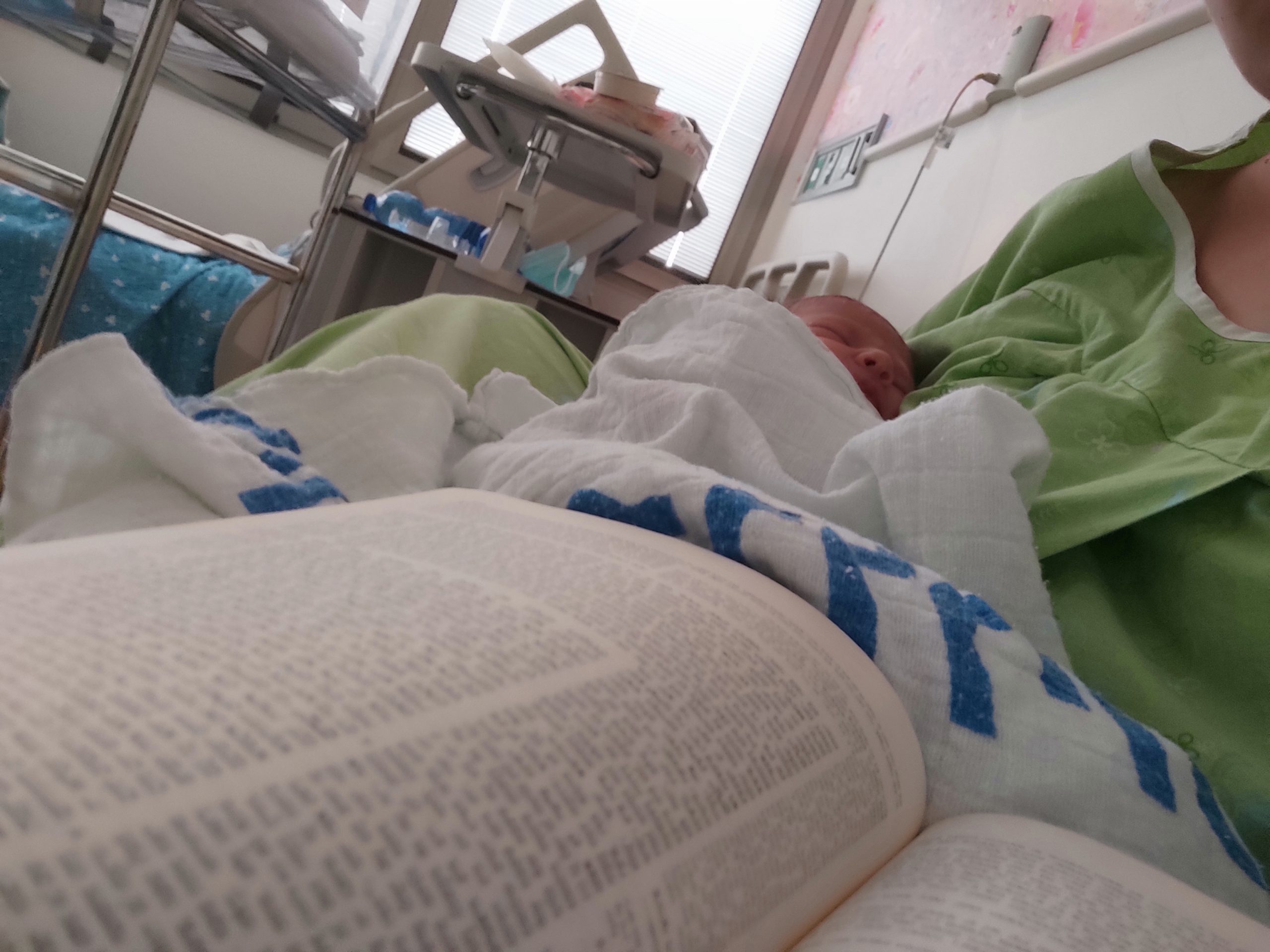
התחלתי בסיום הש”ס, יצאתי באורות. נשברתי פעמיים, ובשתיהם הרבנית מישל עודדה להמשיך איפה שכולם בסבב ולהשלים כשאוכל, וכך עשיתי וכיום השלמתי הכל. מדהים אותי שאני לומדת כל יום קצת, אפילו בחדר הלידה, בבידוד או בחו”ל. לאט לאט יותר נינוחה בסוגיות. לא כולם מבינים את הרצון, בפרט כפמניסטית. חשה סיפוק גדול להכיר את המושגים וצורת החשיבה. החלום זה להמשיך ולהתמיד ובמקביל ללמוד איך מהסוגיות נוצרה והתפתחה ההלכה.

Weingarten Sherrington Foundation
קרן וינגרטן שרינגטון

מודיעין, ישראל

התחלתי ללמוד גמרא בבית הספר בגיל צעיר והתאהבתי. המשכתי בכך כל חיי ואף היייתי מורה לגמרא בבית הספר שקד בשדה אליהו (בית הספר בו למדתי בילדותי)בתחילת מחזור דף יומי הנוכחי החלטתי להצטרף ובע”ה מקווה להתמיד ולהמשיך. אני אוהבת את המפגש עם הדף את "דרישות השלום ” שמקבלת מקשרים עם דפים אחרים שלמדתי את הסנכרון שמתחולל בין התכנים.

Ariela Bigman
אריאלה ביגמן

מעלה גלבוע, ישראל

התחלתי לפני 8 שנים במדרשה. לאחרונה סיימתי מסכת תענית בלמידה עצמית ועכשיו לקראת סיום מסכת מגילה.

Daniela Baruchim
דניאלה ברוכים

רעננה, ישראל

התחלתי ללמוד את הדף היומי מעט אחרי שבני הקטן נולד. בהתחלה בשמיעה ולימוד באמצעות השיעור של הרבנית שפרבר. ובהמשך העזתי וקניתי לעצמי גמרא. מאז ממשיכה יום יום ללמוד עצמאית, ולפעמים בעזרת השיעור של הרבנית, כל יום. כל סיום של מסכת מביא לאושר גדול וסיפוק. הילדים בבית נהיו חלק מהלימוד, אני משתפת בסוגיות מעניינות ונהנית לשמוע את דעתם.

Eliraz Blau
אלירז בלאו

מעלה מכמש, ישראל

אני לומדת גמרא כעשור במסגרות שונות, ואת הדף היומי התחלתי כשחברה הציעה שאצטרף אליה לסיום בבנייני האומה. מאז אני לומדת עם פודקסט הדרן, משתדלת באופן יומי אך אם לא מספיקה, מדביקה פערים עד ערב שבת. בסבב הזה הלימוד הוא "ממעוף הציפור”, מקשיבה במהירות מוגברת תוך כדי פעילויות כמו בישול או נהיגה, וכך רוכשת היכרות עם הסוגיות ואופן ניתוחם על ידי חז”ל. בע”ה בסבב הבא, ואולי לפני, אצלול לתוכו באופן מעמיק יותר.

Yael Bir
יעל ביר

רמת גן, ישראל

הייתי לפני שנתיים בסיום הדרן נשים בבנייני האומה והחלטתי להתחיל. אפילו רק כמה דפים, אולי רק פרק, אולי רק מסכת… בינתיים סיימתי רבע שס ותכף את כל סדר מועד בה.
הסביבה תומכת ומפרגנת. אני בת יחידה עם ארבעה אחים שכולם לומדים דף יומי. מדי פעם אנחנו עושים סיומים יחד באירועים משפחתיים. ממש מרגש. מסכת שבת סיימנו כולנו יחד עם אבא שלנו!
אני שומעת כל יום פודקאסט בהליכה או בנסיעה ואחכ לומדת את הגמרא.

Edna Gross
עדנה גרוס

מרכז שפירא, ישראל

לצערי גדלתי בדור שבו לימוד גמרא לנשים לא היה דבר שבשגרה ושנים שאני חולמת להשלים את הפער הזה.. עד שלפני מספר שבועות, כמעט במקרה, נתקלתי במודעת פרסומת הקוראת להצטרף ללימוד מסכת תענית. כשקראתי את המודעה הרגשתי שהיא כאילו נכתבה עבורי – "תמיד חלמת ללמוד גמרא ולא ידעת איך להתחיל”, "בואי להתנסות במסכת קצרה וקלה” (רק היה חסר שהמודעה תיפתח במילים "מיכי שלום”..). קפצתי למים ו- ב”ה אני בדרך להגשמת החלום:)

Micah Kadosh
מיכי קדוש

מורשת, ישראל

התחלתי ללמוד דף יומי שהתחילו מסכת כתובות, לפני 7 שנים, במסגרת קבוצת לימוד שהתפרקה די מהר, ומשם המשכתי לבד בתמיכת האיש שלי. נעזרתי בגמרת שטיינזלץ ובשיעורים מוקלטים.
הסביבה מאד תומכת ואני מקבלת המון מילים טובות לאורך כל הדרך. מאז הסיום הגדול יש תחושה שאני חלק מדבר גדול יותר.
אני לומדת בשיטת ה”7 דפים בשבוע” של הרבנית תרצה קלמן – כלומר, לא נורא אם לא הצלחת ללמוד כל יום, העיקר שגמרת ארבעה דפים בשבוע

Rachel Goldstein
רחל גולדשטיין

עתניאל, ישראל

התחלתי להשתתף בשיעור נשים פעם בשבוע, תכננתי ללמוד רק דפים בודדים, לא האמנתי שאצליח יותר מכך.
לאט לאט נשאבתי פנימה לעולם הלימוד .משתדלת ללמוד כל בוקר ומתחילה את היום בתחושה של מלאות ומתוך התכווננות נכונה יותר.
הלימוד של הדף היומי ממלא אותי בתחושה של חיבור עמוק לעם היהודי ולכל הלומדים בעבר ובהווה.

Neely Hayon
נילי חיון

אפרת, ישראל

הייתי לפני שנתיים בסיום הדרן נשים בבנייני האומה והחלטתי להתחיל. אפילו רק כמה דפים, אולי רק פרק, אולי רק מסכת… בינתיים סיימתי רבע שס ותכף את כל סדר מועד בה.
הסביבה תומכת ומפרגנת. אני בת יחידה עם ארבעה אחים שכולם לומדים דף יומי. מדי פעם אנחנו עושים סיומים יחד באירועים משפחתיים. ממש מרגש. מסכת שבת סיימנו כולנו יחד עם אבא שלנו!
אני שומעת כל יום פודקאסט בהליכה או בנסיעה ואחכ לומדת את הגמרא.

Edna Gross
עדנה גרוס

מרכז שפירא, ישראל

רבנית מישל הציתה אש התלמוד בלבבות בביניני האומה ואני נדלקתי. היא פתחה פתח ותמכה במתחילות כמוני ואפשרה לנו להתקדם בצעדים נכונים וטובים. הקימה מערך שלם שמסובב את הלומדות בסביבה תומכת וכך נכנסתי למסלול לימוד מעשיר שאין כמוה. הדרן יצר קהילה גדולה וחזקה שמאפשרת התקדמות מכל נקודת מוצא. יש דיבוק לומדות שמחזק את ההתמדה של כולנו. כל פניה ושאלה נענית בזריזות ויסודיות. תודה גם למגי על כל העזרה.

Sarah Aber
שרה אבר

נתניה, ישראל

התחלתי מעט לפני תחילת הסבב הנוכחי. אני נהנית מהאתגר של להמשיך להתמיד, מרגעים של "אהה, מפה זה הגיע!” ומהאתגר האינטלקטואלי

Eilat-Chen and Deller
אילת-חן ודלר

לוד, ישראל

אמא שלי למדה איתי ש”ס משנה, והתחילה ללמוד דף יומי. אני החלטתי שאני רוצה ללמוד גם. בהתחלה למדתי איתה, אח”כ הצטרפתי ללימוד דף יומי שהרב דני וינט מעביר לנוער בנים בעתניאל. במסכת עירובין עוד חברה הצטרפה אלי וכשהתחלנו פסחים הרב דני פתח לנו שעור דף יומי לבנות. מאז אנחנו לומדות איתו קבוע כל יום את הדף היומי (ובשבת אבא שלי מחליף אותו). אני נהנית מהלימוד, הוא מאתגר ומעניין

Renana Hellman
רננה הלמן

עתניאל, ישראל

התחלתי ללמוד דף יומי לפני שנתיים, עם מסכת שבת. בהתחלה ההתמדה היתה קשה אבל בזכות הקורונה והסגרים הצלחתי להדביק את הפערים בשבתות הארוכות, לסיים את מסכת שבת ולהמשיך עם המסכתות הבאות. עכשיו אני מסיימת בהתרגשות רבה את מסכת חגיגה וסדר מועד ומחכה לסדר הבא!

Ilana-Shachnowitz
אילנה שכנוביץ

מודיעין, ישראל

התחלתי ללמוד גמרא בבית הספר בגיל צעיר והתאהבתי. המשכתי בכך כל חיי ואף היייתי מורה לגמרא בבית הספר שקד בשדה אליהו (בית הספר בו למדתי בילדותי)בתחילת מחזור דף יומי הנוכחי החלטתי להצטרף ובע”ה מקווה להתמיד ולהמשיך. אני אוהבת את המפגש עם הדף את "דרישות השלום ” שמקבלת מקשרים עם דפים אחרים שלמדתי את הסנכרון שמתחולל בין התכנים.

Ariela Bigman
אריאלה ביגמן

מעלה גלבוע, ישראל

לצערי גדלתי בדור שבו לימוד גמרא לנשים לא היה דבר שבשגרה ושנים שאני חולמת להשלים את הפער הזה.. עד שלפני מספר שבועות, כמעט במקרה, נתקלתי במודעת פרסומת הקוראת להצטרף ללימוד מסכת תענית. כשקראתי את המודעה הרגשתי שהיא כאילו נכתבה עבורי – "תמיד חלמת ללמוד גמרא ולא ידעת איך להתחיל”, "בואי להתנסות במסכת קצרה וקלה” (רק היה חסר שהמודעה תיפתח במילים "מיכי שלום”..). קפצתי למים ו- ב”ה אני בדרך להגשמת החלום:)

Micah Kadosh
מיכי קדוש

מורשת, ישראל

לפני 15 שנה, אחרי עשרות שנים של "ג’ינגול” בין משפחה לקריירה תובענית בהייטק, הצטרפתי לשיעורי גמרא במתן רעננה. הלימוד המעמיק והייחודי של הרבנית אושרה קורן יחד עם קבוצת הנשים המגוונת הייתה חוויה מאלפת ומעשירה. לפני כשמונה שנים כאשר מחזור הדף היומי הגיע למסכת תענית הצטרפתי כ”חברותא” לבעלי. זו השעה היומית שלנו ביחד כאשר דפי הגמרא משתלבים בחיי היום יום, משפיעים ומושפעים, וכשלא מספיקים תמיד משלימים בשבת

Yodi Askoff
יודי אסקוף

רעננה, ישראל

סיום השס לנשים נתן לי מוטביציה להתחיל ללמוד דף יומי. עד אז למדתי גמרא בשבתות ועשיתי כמה סיומים. אבל לימוד יומיומי זה שונה לגמרי ופתאום כל דבר שקורה בחיים מתקשר לדף היומי.

Fogel Foundation
קרן פוגל

רתמים, ישראל

יבמות קא

הָיוּ שְׁנֵיהֶם כֹּהֲנִים וְכוּ׳. תָּנוּ רַבָּנַן: הִכָּה זֶה וְחָזַר וְהִכָּה זֶה, קִלֵּל זֶה וְחָזַר וְקִלֵּל זֶה, קִלֵּל שְׁנֵיהֶם בְּבַת אַחַת, הִכָּה שְׁנֵיהֶם בְּבַת אַחַת — חַיָּיב. רַבִּי יְהוּדָה אוֹמֵר: בְּבַת אַחַת — חַיָּיב, בָּזֶה אַחַר זֶה — פָּטוּר.

§ It is stated in the mishna that if both uncertain fathers were priests, the son is exempt from punishment for striking and for cursing them. The Sages taught: If he struck this uncertain father, and then struck that one, or if he cursed this one and then cursed that one, or if he cursed both of them simultaneously or struck both of them simultaneously, in all these cases he is liable to receive capital punishment, as one of them is certainly his father. Rabbi Yehuda says: Although if he struck or cursed both of them simultaneously he is liable, if he struck or cursed them one after the other, he is exempt.

וְהָתַנְיָא, רַבִּי יְהוּדָה אוֹמֵר: פָּטוּר בְּבַת אַחַת! תְּרֵי תַּנָּאֵי אַלִּיבָּא דְּרַבִּי יְהוּדָה.

The Gemara asks: But isn’t it taught in a baraita that Rabbi Yehuda says: He is exempt even if he struck or cursed them simultaneously? The Gemara answers: These are the opinions of two tanna’im, and they each expressed their opinion in accordance with that of Rabbi Yehuda.

מַאי טַעְמָא דְּמַאן דְּפָטַר? אָמַר רַבִּי חֲנִינָא: נֶאֶמְרָה בְּרָכָה לְמַטָּה, וְנֶאֶמְרָה בְּרָכָה לְמַעְלָה. מָה לְמַעְלָה שֶׁאֵין בָּהּ שׁוּתָּפוּת — אַף לְמַטָּה שֶׁאֵין בָּהּ שׁוּתָּפוּת. וְאִיתַּקַּשׁ הַכָּאָה לִקְלָלָה.

The Gemara asks: What is the reasoning of the one who exempts the son from punishment? Rabbi Ḥanina said: Blessing is stated below (Leviticus 20:9), with regard to cursing parents, and blessing is stated above (Exodus 22:27), with regard to cursing God. The Sages used the word blessing as a euphemism for cursing, as it was their custom to avoid uncouth language. Just as the statement above, in Exodus, is referring to a curse that does not involve partnership, as God is One, so too the statement below, in Leviticus, is referring exclusively to a curse of a parent that does not involve partnership, i.e., when there is no doubt with regard to his identity. And striking is juxtaposed with cursing. Just as one is not liable for cursing when it is unclear who his father is, the same applies to striking.

וְעוֹלֶה בְּמִשְׁמָרוֹ וְכוּ׳. וְכִי מֵאַחַר דְּאֵינוֹ חוֹלֵק, לָמָּה עוֹלֶה? לָמָּה עוֹלֶה?! הָאָמַר: בָּעֵינָא דְּנֶיעְבֵּיד מִצְוָה! אֶלָּא: ״עָלָה״ לָא קָתָנֵי, אֶלָּא ״עוֹלֶה״ — בְּעַל כׇּרְחוֹ.

§ It is stated in the mishna: And he ascends to the Temple service with the priestly watch of both uncertain fathers. However, he does not receive a share of the offerings of either watch. The Gemara asks: Since he does not receive a share, why does he ascend? The Gemara is puzzled by this question: Why does he ascend? Doesn’t he naturally say: I wish to perform a mitzva by serving as a priest? The Gemara explains: However, note that the mishna does not state: If he ascended, but rather: He ascends, in the present tense. Apparently he is obligated to ascend, even against his will.

אָמַר רַב אַחָא בַּר חֲנִינָא אָמַר אַבָּיֵי אָמַר רַבִּי אַסִּי אָמַר רַבִּי יוֹחָנָן: מִשּׁוּם פְּגַם מִשְׁפָּחָה.

Why is he under obligation to serve in the Temple? Rav Aḥa bar Ḥanina said that Abaye said that Rabbi Yoḥanan said: He is obligated due to the potential family flaw, i.e., harm to the family name. If he does not serve with these watches, people will infer that both families are unfit for the priesthood, which is not the case.

וְאִם הָיוּ שְׁנֵיהֶם בְּמִשְׁמָר כּוּ׳. מַאי שְׁנָא שְׁנֵי מִשְׁמָרוֹת דְּלָא — דְּאָזֵיל לְהָא מִשְׁמָרָה וּמְדַחוּ לֵיהּ, וְאָזֵיל לְהָא מִשְׁמָרָה וּמְדַחוּ לֵיהּ. מִשְׁמָר אֶחָד נָמֵי: אָזֵיל לְהַאי בֵּית אָב וּמְדַחוּ לֵיהּ!

It is stated in the mishna: And if both uncertain fathers were in one priestly watch, he receives one share. The Gemara asks: What is different about the case in which the uncertain fathers belonged to two priestly watches, with regard to which the mishna states that the son does not receive a share, and the case in which they belonged to the same watch? Just as in the case where they belonged to two watches, he goes to this watch to receive a share and they reject him, claiming that he belongs to the other watch, and he goes to that watch and they reject him in the same manner, so too, where they belonged to one watch, he goes to this patrilineal family to receive a share on their day, and they reject him, and the other patrilineal family rejects him too, as his true patrilineal family is unknown.

אָמַר רַב פָּפָּא, הָכִי קָאָמַר: אִם הָיוּ שְׁנֵיהֶם מִשְׁמָר אֶחָד וּבֵית אָב אֶחָד — נוֹטֵל חֵלֶק אֶחָד.

Rav Pappa said that this is what the mishna is saying: If they were both in one priestly watch and one patrilineal family, he receives one share, as he cannot be rejected.

הֲדַרַן עֲלָךְ נוֹשְׂאִין עַל הָאֲנוּסָה

מִצְוַת חֲלִיצָה בִּשְׁלֹשָׁה דַּיָּינִין, וַאֲפִילּוּ שְׁלָשְׁתָּן הֶדְיוֹטוֹת. חָלְצָה בְּמִנְעָל — חֲלִיצָתָהּ כְּשֵׁרָה, בְּאַנְפִּילְיָא — חֲלִיצָתָהּ פְּסוּלָה. בְּסַנְדָּל שֶׁיֵּשׁ לוֹ עָקֵב — כָּשֵׁר, וְשֶׁאֵין לוֹ עָקֵב — פְּסוּל.

MISHNA: The mitzva of ḥalitza, the ritual through which the yavam frees the yevama of her levirate bonds, must be performed before three judges, and the ritual does not require the judges to be experts fit to adjudicate other matters, as even if all three are laymen, it is acceptable. If she performed ḥalitza while he was wearing a shoe made of soft leather that covers the whole foot, her ḥalitza is valid, but if she performed ḥalitza while he was wearing a soft shoe [anpileya] made of cloth, her ḥalitza is invalid, as it is not considered a real shoe. If ḥalitza was performed while he was wearing a sandal, i.e., footwear made of hard leather, that has a heel, it is valid; but if performed with a sandal without a heel, it is invalid ḥalitza.

מִן הָאַרְכּוּבָּה וּלְמַטָּה — חֲלִיצָה כְּשֵׁרָה. מִן הָאַרְכּוּבָּה וּלְמַעְלָה — חֲלִיצָה פְּסוּלָה. חָלְצָה בְּסַנְדָּל שֶׁאֵין שֶׁלּוֹ, אוֹ בְּסַנְדָּל שֶׁל עֵץ, אוֹ בְּשֶׁל שְׂמֹאל בְּיָמִין — חֲלִיצָה כְּשֵׁרָה. חָלְצָה בְּגָדוֹל שֶׁהוּא יָכוֹל לַהֲלוֹךְ בּוֹ, אוֹ בְּקָטָן שֶׁהוּא חוֹפֶה אֶת רוֹב רַגְלוֹ — חֲלִיצָתָהּ כְּשֵׁרָה.

If the leg of the yavam was amputated anywhere from the knee down and she performed ḥalitza as he wore a shoe on the stump of his leg, it is valid ḥalitza. If, however, the leg was amputated anywhere from the knee and above, and she performed ḥalitza as he wore a shoe on the stump of his leg, it is invalid ḥalitza. If she performed ḥalitza while the man was wearing a sandal that did not belong to him, or a sandal made of wood, or on the left shoe, which was being worn on his right foot, it is valid ḥalitza. If she performed ḥalitza as the man was wearing a shoe that was too large for him but which he can still walk in, or a shoe that was too small but that covered most of his foot, her ḥalitza is valid.

גְּמָ׳ וּמֵאַחַר דַּאֲפִילּוּ שְׁלֹשָׁה הֶדְיוֹטוֹת, דַּיָּינִין לְמָה לִי? הָא קָא מַשְׁמַע לַן דְּבָעֵינַן בִּשְׁלֹשָׁה שֶׁיּוֹדְעִים לְהַקְרוֹת כְּעֵין דַּיָּינִים. תְּנֵינָא לְהָא דְּתָנוּ רַבָּנַן: מִצְוַת חֲלִיצָה בִּשְׁלֹשָׁה שֶׁיּוֹדְעִין לְהַקְרוֹת כְּעֵין דַּיָּינִים. רַבִּי יְהוּדָה אוֹמֵר: בַּחֲמִשָּׁה.

GEMARA: The Gemara asks: Now that the mishna says that even three laymen are qualified for ḥalitza, why do I need it to mention judges? It would be sufficient to say that the mitzva requires three people. The Gemara answers: This teaches us that we require three people who can at least dictate the verses read during the ḥalitza ritual to the participants like judges, as they are not complete laymen in that they are literate. The Gemara comments: We already learned this halakha in a baraita, as the Sages taught: The mitzva of ḥalitza is performed before three individuals who know how to dictate the verses like judges. Rabbi Yehuda says: Ḥalitza must be performed before five individuals acting as judges.

מַאי טַעְמָא דְּתַנָּא קַמָּא, דְּתַנְיָא: ״זְקֵנִים״ — שְׁנַיִם, וְאֵין בֵּית דִּין שָׁקוּל, מוֹסִיפִין עֲלֵיהֶן עוֹד אֶחָד — הֲרֵי כָּאן שְׁלֹשָׁה. וְרַבִּי יְהוּדָה: ״זִקְנֵי״ — שְׁנַיִם, ״זְקֵנִים״ — שְׁנַיִם, וְאֵין בֵּית דִּין שָׁקוּל, מוֹסִיפִין עֲלֵיהֶן עוֹד אֶחָד — הֲרֵי כָּאן חֲמִשָּׁה.

The Gemara discusses the dispute as to how many individuals must conduct the ḥalitza: What is the reason of the first tanna, who requires three? As it is taught in a baraita concerning ḥalitza: “His yevama shall ascend to the gate to the Elders” (Deuteronomy 25:7). Since the minimum number of the plural term “Elders” is two, and since, in order to prevent a paralyzing disagreement between an even number of judges, a court may not be composed of an even number of judges, one more is added to them. Therefore, there are three judges. And Rabbi Yehuda interprets the verse otherwise, for one verse states: “And the Elders of his city shall call him” (Deuteronomy 25:8), indicating a minimum of two judges, and it says in the following verse “Elders” another time, indicating an additional two people, and since a court may not be composed of an even number of judges, one more is added to them. Therefore, there are five judges.

וְתַנָּא קַמָּא, הַאי ״זִקְנֵי״ מַאי עָבֵיד לֵיהּ? מִיבְּעֵי לֵיהּ לְרַבּוֹיֵי אֲפִילּוּ שְׁלֹשָׁה הֶדְיוֹטוֹת.

The Gemara asks: And what does the first tanna do with this second appearance of the word “Elders”? The Gemara explains: He requires it for allowing the inclusion of even three laymen as presiding judges for ḥalitza. The word “Elders” would seem to limit ḥalitza to recognized judges, but since it is mentioned twice, it becomes an instance of the hermeneutic principle that one restrictive expression appearing after another restrictive expression comes to include some additional halakha. Therefore, repeating the restrictive term “Elders” twice actually comes to include laymen rather than exclude them.

וְרַבִּי יְהוּדָה, הֶדְיוֹטוֹת מְנָא לֵיהּ? נָפְקָא לֵיהּ מִ״לְּעֵינֵי״, דְּאָמַר מָר: ״לְעֵינֵי״ — פְּרָט לְסוֹמִים,

The Gemara asks: From where does Rabbi Yehuda derive the halakha that ḥalitza can be done in the presence of laymen? The Gemara answers: He derives it from what is written: “Before the eyes of the Elders” (Deuteronomy 25:9), for the Master said: “Before the eyes of” excludes blind individuals from being the judges conducting the ḥalitza.

וּמִדְּאִיצְטְרִיךְ ״לְעֵינֵי״ לְמַעוֹטֵי סוֹמִים, שְׁמַע מִינַּהּ דַּאֲפִילּוּ הֶדְיוֹטוֹת. דְּאִי סָלְקָא דַעְתָּךְ סַנְהֶדְרִין בָּעֵינַן, לְמָה לִי לְמַעוֹטֵי סוֹמִין? מִדְּתָנֵי רַב יוֹסֵף נָפְקָא, דְּתָנֵי רַב יוֹסֵף: כְּשֵׁם שֶׁבֵּית דִּין מְנוּקִּים בְּצֶדֶק, כָּךְ בֵּית דִּין מְנוּקִּים מִכׇּל מוּם,

And since it was necessary to say “before the eyes of” to exclude blind individuals from being judges for ḥalitza, learn from here that even laymen are qualified to be judges for ḥalitza. For if it enters your mind to say that we require expert judges who are fit to sit on the high court of the Sanhedrin, then why do I need to exclude blind individuals? For that matter can be derived from a baraita that Rav Yosef taught, as Rav Yosef taught: Just as a court must be clean in righteousness, as they are careful to judge others justly, and are free of guilt and suspicion, likewise a court must be clean of any physical blemish, with judges who are physically complete.

שֶׁנֶּאֱמַר: ״כֻּלָּךְ יָפָה רַעְיָתִי וּמוּם אֵין בָּךְ״. וְאִידַּךְ: הַהוּא ״לְעֵינֵי״ מַאי עָבֵיד לֵיהּ? הַהוּא לְכִדְרָבָא הוּא דַּאֲתָא. דְּאָמַר רָבָא: צְרִיכִי דַּיָּינֵי לְמִיחְזֵי רוּקָּא דְּקָא נָפֵיק מִפּוּמָּא דִיבָמָה, דִּכְתִיב: ״לְעֵינֵי הַזְּקֵנִים … וְיָרְקָה״.

This is as it is stated: “You are entirely beautiful, my love, and there is no blemish in you” (Song of Songs 4:7). If the Elders conducting ḥalitza needed to be expert judges, there would be no reason to explicitly exclude the blind, as they are unfit to be judges in a regular court. Evidently it is permitted for laymen to be judges for ḥalitza, and only blind individuals are excluded. The Gemara asks: And the other Sage, the first tanna, what does he do with the verse “before the eyes of”? The Gemara answers: That verse comes for that which Rava taught, as Rava said: The judges must see the spittle that exits from the mouth of the yevama as part of the ceremony of ḥalitza, as it is written: “His yevama shall approach him, before the eyes of the Elders, and remove his shoe from on his foot and spit before him and respond and say: So shall it be done to the man who does not build his brother’s house” (Deuteronomy 25:9).

וְאִידַּךְ נָמֵי, מִיבְּעֵי לֵיהּ לְכִדְרָבָא! אִין הָכִי נָמֵי, וְאֶלָּא הֶדְיוֹטוֹת מְנָא לֵיהּ? נָפְקָא מִ״בְּיִשְׂרָאֵל״ — יִשְׂרָאֵל כֹּל דְּהוּ.

The Gemara asks: If so, the other Sage, Rabbi Yehuda, should also require “before the eyes” to teach Rava’s statement. The Gemara answers: Yes, this is so, as Rabbi Yehuda understands “before the eyes” as requiring the judges to see the spittle. But then from where does he derive the eligibility of laymen? He derives it from the phrase: “In Israel,” in the verse “And his name shall be called in Israel” (Deuteronomy 25:10), which indicates that any Israelite, even one who is not an expert judge, may preside over ḥalitza.

וְאִידַּךְ, הַאי ״יִשְׂרָאֵל״ מַאי עָבֵיד לֵיהּ? מִיבְּעֵי לֵיהּ לְכִדְתָנֵי רַב שְׁמוּאֵל בַּר יְהוּדָה: ״בְּיִשְׂרָאֵל״ — בְּבֵית דִּין שֶׁל יִשְׂרָאֵל, וְלֹא בְּבֵית דִּין שֶׁל גֵּרִים.

The Gemara asks: And with regard to the other Sage, the first tanna, what does he do with this phrase: “In Israel”? The Gemara answers: He requires it for that which was taught by Rav Shmuel bar Yehuda: “In Israel means in a court of Israelites from birth, and not in a court of converts. The mitzva of ḥalitza must be conducted by judges who can trace their lineage to other Jews from birth, and not converts.

וְאִידַּךְ? ״בְּיִשְׂרָאֵל״ אַחֲרִינָא כְּתִיב. וְאִידַּךְ? מִיבְּעֵי לֵיהּ לְכִדְתַנְיָא, אָמַר רַבִּי יְהוּדָה: פַּעַם אַחַת הָיִינוּ יוֹשְׁבִין לִפְנֵי רַבִּי טַרְפוֹן, וּבָאָה יְבָמָה לַחְלוֹץ, וְאָמַר לָנוּ, עֲנוּ כּוּלְּכֶם: ״חֲלוּץ הַנָּעַל״.

The Gemara asks: And with regard to the other Sage, Rabbi Yehuda, from where does he derive this halakha? The Gemara answers: “In Israel” is written another time as well (Deuteronomy 25:7, 10), and that is the source of this principle. And the other, the first tanna, what does he do with this additional “In Israel”? The Gemara explains: He requires it for that which is taught in a baraita, that Rabbi Yehuda said: Once we were sitting in study before Rabbi Tarfon, and a yevama came to perform ḥalitza, and he said to us: After the ḥalitza is completed, you should all respond: “He who had his shoe removed.” He understands the verse “His name shall be called in Israel” (Deuteronomy 25:10) to mean that all those who witness the ḥalitza must respond: “He who had his shoe removed” (Deuteronomy 25:10).

וְאִידַּךְ? מִ״וְּנִקְרָא״ נָפְקָא.

The Gemara asks: And the other, Rabbi Yehuda, from where did he derive this halakha? The Gemara answers: He derives it from the phrase “Shall be called,” that those who attend the ḥalitza must respond aloud.

אֶלָּא מֵעַתָּה, ״וְקָרְאוּ״ — שְׁנַיִם, ״וְדִבְּרוּ״ שְׁנַיִם! הָכִי נָמֵי, לְרַבִּי יְהוּדָה הֲרֵי כָּאן תִּשְׁעָה, לְרַבָּנַן הֲרֵי כָּאן שִׁבְעָה!

The Gemara returns to the dispute concerning the number of judges: However, if that is so, that the plural term “Elders” indicates the need for additional judges, there are other plural terms written in the verse that should also indicate the need for additional judges. As the verse states: “And they shall call”; this is referring to two people. “And they shall speak” indicates two more. Therefore, according to Rabbi Yehuda’s interpretation there should be nine judges here, and according to the Rabbis there should be seven here.

הָהוּא מִיבְּעֵי לֵיהּ לְכִדְתַנְיָא: ״וְקָרְאוּ לוֹ״ — וְלֹא שְׁלוּחָם, ״וְדִבְּרוּ אֵלָיו״ — מְלַמֵּד שֶׁמַּשִּׂיאִין לוֹ עֵצָה הַהוֹגֶנֶת לוֹ. שֶׁאִם הָיָה הוּא יֶלֶד וְהִיא זְקֵנָה, הוּא זָקֵן וְהִיא יַלְדָּה, אוֹמְרִים לוֹ: מָה לְךָ אֵצֶל יַלְדָּה, מָה לְךָ אֵצֶל זְקֵנָה? כְּלָךְ אֵצֶל שֶׁכְּמוֹתְךָ, וְאַל תַּכְנִיס קְטָטָה לְתוֹךְ בֵּיתְךָ.

The Gemara answers: That verse is necessary for him to derive the halakha that is taught in a baraita: “They shall call him” means the judges themselves and not their agents. “They shall speak to him” teaches that they give him counsel appropriate for him concerning whether he should perform levirate marriage or ḥalitza. For example, if he was a young boy and she was elderly, or if he was elderly and she was a young girl, they would tell him not to enter into levirate marriage because: What are you doing with a young girl if you are an old man? What are you doing with an elderly woman if you are a young boy? Go be with someone like yourself, closer to your own age, and do not bring a quarrel into your household, as the age difference will be a cause for disputes and strife later.

אָמַר רָבָא אָמַר רַב נַחְמָן: הֲלָכָה, חֲלִיצָה בִּשְׁלֹשָׁה, הוֹאִיל וּסְתַם לַן תְּנָא כְּווֹתֵיהּ. אֲמַר לֵיהּ רָבָא לְרַב נַחְמָן: אִי הָכִי, מֵיאוּן נָמֵי, דִּתְנַן: הַמֵּיאוּן וְהַחֲלִיצָה בִּשְׁלֹשָׁה.

Rava said that Rav Naḥman said: The halakha is that ḥalitza takes place before three men, since the tanna taught us this opinion as an unattributed mishna in the beginning of the chapter, in accordance with this opinion, indicating that this is the halakha. After he heard him say this, Rava said to Rav Naḥman: If that is so, then declarations of refusal, written on behalf of a girl who as a minor was married to a man by her brother or mother after the death of her father, and is given the right to refuse the marriage upon reaching majority, also should be performed before three men. As we learned in a mishna (25b): Declarations of refusal and ḥalitza are performed before three judges.

וְכִי תֵּימָא: הָכִי נָמֵי, וְהָתַנְיָא: מֵיאוּן, בֵּית שַׁמַּאי אוֹמְרִים בֵּית דִּין מוּמְחִין, וּבֵית הִלֵּל אוֹמְרִים: בְּבֵית דִּין וְשֶׁלֹּא בְּבֵית דִּין. אֵלּוּ וְאֵלּוּ מוֹדִים שֶׁצָּרִיךְ שְׁלֹשָׁה. רַבִּי יוֹסֵי בְּרַבִּי יְהוּדָה וְרַבִּי אֶלְעָזָר בְּרַבִּי יוֹסֵי מַכְשִׁירִין בִּשְׁנַיִם. וְאָמַר רַב יוֹסֵף בַּר מִנְיוֹמֵי אָמַר רַב נַחְמָן: הֲלָכָה כְּאוֹתוֹ הַזּוּג.

And if you would say that indeed three men are required, but isn’t it taught in a baraita: With regard to refusal, Beit Shammai say that a declaration of refusal may be performed only by a court of experts, and Beit Hillel say: It may be performed in a court of experts, or not in a court of experts. Both concede that whether the judges are experts or not, three men are required. On the other hand, Rabbi Yosei, son of Rabbi Yehuda, and Rabbi Elazar, son of Rabbi Yosei, validate declarations of refusal even before two men. And Rav Yosef bar Minyumi said that Rav Naḥman said: The halakha follows that pair. Evidently, Rav Naḥman is willing to rule differently from the unattributed mishna that rules that three judges are necessary for ḥalitza.

הָתָם חַד סְתָמָא, וְהָכָא תְּרֵי סְתָמֵי. הָתָם נָמֵי תְּרֵי סְתָמֵי נִינְהוּ, דִּתְנַן: מֵיאֲנָה אוֹ שֶׁחָלְצָה בְּפָנָיו — יִשָּׂאֶנָּה, מִפְּנֵי שֶׁהוּא בְּבֵית דִּין.

The Gemara answers: There, with respect to declarations of refusal, there is only one unattributed mishna (Sanhedrin 2a) that states that refusals are performed before three judges, and here, there are two unattributed mishnayot that state that ḥalitza is performed before three judges, both here and also in that same mishna in tractate Sanhedrin. The Gemara challenges the previous claim: There too, with regard to refusals, there are two unattributed mishnayot, as we learned in a mishna (25b): If she made a declaration of refusal or performed ḥalitza before a judge, this judge may marry her if he wishes to, as there is no suspicion of ulterior motives, because he is a member of a court. This mishna implies that declarations of refusal may take place only before a court.

אֶלָּא, הָתָם תְּרֵי סְתָמֵי הָכָא תְּלָתָא סְתָמֵי.

The Gemara concedes: Rather, there, with regard to refusals, there are only two unattributed statements found in the mishna, and here, with regard to ḥalitza, there are three unattributed statements found in the mishna. That convinces us to rule in accordance with those three sources requiring three for ḥalitza.

מִכְּדֵי הָא סְתָמָא וְהָא סְתָמָא, מָה לִי חַד סְתָם, מָה לִי תְּרֵי סְתָם, מָה לִי תְּלָתָא? אֶלָּא, אָמַר רַב נַחְמָן בַּר יִצְחָק: הוֹאִיל וּסְתָם בִּמְקוֹם מַחְלוֹקֶת,

The Gemara asks: Since this is supported by an unattributed mishna and that is supported by an unattributed mishna, what difference does it make to me if there is one unattributed mishna? What difference does it make to me if there are two unattributed mishnayot? What difference does it make to me if there are three unattributed mishnayot? Rather, Rav Naḥman bar Yitzḥak said: This ruling was made because the unattributed mishna, which states that ḥalitza requires three men, is recorded unequivocally in a place where it is adjacent to a different dispute involving Rabbi Yehuda.

דִּתְנַן: סְמִיכַת זְקֵנִים וְעֶגְלָה עֲרוּפָה בִּשְׁלֹשָׁה, דִּבְרֵי רַבִּי יוֹסֵי. רַבִּי יְהוּדָה אוֹמֵר: בַּחֲמִשָּׁה. הַחֲלִיצָה וְהַמֵּיאוּנִין בִּשְׁלֹשָׁה, וְלָא קָפָלֵיג רַבִּי יְהוּדָה — שְׁמַע מִינַּהּ הֲדַר בֵּיהּ רַבִּי יְהוּדָה. שְׁמַע מִינַּהּ.

As we learned in a mishna (Sanhedrin 2a): Ordination of Elders and the ceremony of the heifer whose neck is broken are performed before three judges; this is the statement of Rabbi Yosei. Rabbi Yehuda says: Before five. Ḥalitza and declarations of refusal are performed before three. The Gemara explains the rationale to rule on the basis of this mishna that ḥalitza should in fact be performed before three: And since Rabbi Yehuda did not dispute this second statement concerning ḥalitza even though he disputed the first halakha in the mishna, learn from here: Rabbi Yehuda retracted his opinion concerning ḥalitza and no longer required that it be performed before five men. The Gemara concludes: Indeed, learn from here that he retracted his opinion, and three judges are sufficient for conducting ḥalitza.

אָמַר רָבָא: צְרִיכִי דַּיָּינֵי לְמִיקְבַּע דּוּכְתָּא, דִּכְתִיב: ״וְעָלְתָה יְבִמְתּוֹ הַשַּׁעְרָה אֶל הַזְּקֵנִים״. רַב פָּפָּא וְרַב הוּנָא בְּרֵיהּ דְּרַב יְהוֹשֻׁעַ עָבְדִי עוֹבָדָא בְּחַמְשָׁה. כְּמַאן — כְּרַבִּי יְהוּדָה, וְהָא הֲדַר בֵּיהּ! לְפִרְסוֹמֵי מִילְּתָא.

§ The Gemara begins a discussion concerning the halakhic details of ḥalitza. Rava said: The judges need to establish a location ahead of time where the ḥalitza will be performed, as it is written: “His yevama shall ascend to the gate to the Elders” (Deuteronomy 25:7), indicating that there is an established place, “the gate,” for the court to convene for ḥalitza. The Gemara relates: Rav Pappa and Rav Huna, son of Rav Yehoshua, conducted a case of ḥalitza before five judges. The Gemara asks: In accordance with whose opinion were they ruling? If you say they ruled in accordance with the opinion of Rabbi Yehuda, but it was proven above that Rabbi Yehuda retracted his initial opinion and requires only three judges. The Gemara answers: They did this only to publicize the matter and not because this number of judges is required.

רַב אָשֵׁי אִיקְּלַע לְבֵי רַב כָּהֲנָא, אֲמַר לֵיהּ: סְלֵיק מָר לְגַבַּן לְמַלּוֹיֵי בֵּי חַמְשָׁה. אָמַר רַב כָּהֲנָא: הֲוָה קָאֵימְנָא קַמֵּיהּ דְּרַב יְהוּדָה, וַאֲמַר לִי: תָּא סַק לְזִירְזָא דִּקְנֵי, לְאִיצְטְרוֹפֵי בֵּי חַמְשָׁה. אָמְרוּ לוֹ: לְמָה לִי חַמְשָׁה? אֲמַר לְהוּ: כִּי הֵיכִי דְּלִיפַּרְסַם מִילְּתָא.

It is told further: Rav Ashi once happened to come to Rav Kahana’s house. Rav Kahana said to Rav Ashi: Will the master come up with us to complete the quorum of five men in order to perform ḥalitza? Rav Kahana said further: When I stood before Rav Yehuda, he said to me: Go up to the bundle [zirza] of reeds to join the five men who will oversee the performance of ḥalitza, as a bundle of reeds had been set aside to be the established location where the court will convene to conduct cases of ḥalitza. Those in attendance said to Rav Yehuda: Why do I need five if three are sufficient? He said to them: In order to publicize the matter, and not because it is a halakhic obligation.

רַב שְׁמוּאֵל בַּר יְהוּדָה הֲוָה קָאֵי קַמֵּיהּ דְּרַב יְהוּדָה, אֲמַר לֵיהּ: סַק תָּא לְזִירְזָא דִּקְנֵי לְאִצְטְרוֹפֵי בֵּי חַמְשָׁה, לְפַרְסוֹמֵי מִילְּתָא. אֲמַר לֵיהּ, תְּנֵינָא: ״בְּיִשְׂרָאֵל״ — בְּבֵית דִּין יִשְׂרָאֵל וְלֹא בְּבֵית דִּין שֶׁל גֵּרִים, וַאֲנָא גֵּר אֲנָא.

It is told: Rav Shmuel bar Yehuda was standing before Rav Yehuda. Rav Yehuda said to him: Go up to the bundle of reeds to complete the quorum of five in order to publicize the matter of this ḥalitza. Rav Shmuel bar Yehuda said to him: We learned that the phrase “In Israel in the verse: “And his name shall be called in Israel” (Deuteronomy 25:10) indicates that ḥalitza must be performed before a court of Israelites from birth, and not before a court composed of converts, but I am a convert, as Rav Shmuel bar Yehuda had converted along with his father.

אָמַר רַב יְהוּדָה: כְּגוֹן רַב שְׁמוּאֵל בַּר יְהוּדָה, מַפֵּיקְנָא מָמוֹנָא אַפּוּמֵּיהּ. מַפֵּיקְנָא סָלְקָא דַּעְתָּךְ? וְהָא ״עַל פִּי שְׁנַיִם עֵדִים״ אָמַר רַחֲמָנָא! אֶלָּא: מַרַעְנָא שְׁטָרָא אַפּוּמֵּיהּ.

Rav Yehuda said to him: I would exact payment based on the word of someone such as Rav Shmuel bar Yehuda, as he has shown that he is upright and honest by revealing this unknown fact about himself. The Gemara questions: Does it enter your mind that one can actually exact payment based on the word of one man, no matter how honest he seems to be? Doesn’t the Merciful One state in the Torah: “By the mouth of two witnesses or by the mouth of three witnesses, shall a matter be established” (Deuteronomy 19:15), indicating that one can exact payment based only on the evidence of at least two witnesses? Rather, the Gemara explains that Rav Yehuda’s intention was to say: I would declare a bill of indebtedness invalid based on his word, accepting his claim that the debt had been collected.

אָמַר רָבָא:

Parenthetical to mentioning the status of a convert with regard to a court of ḥalitza, the Gemara relates: Rava said:

רוצה לעקוב אחרי התכנים ולהמשיך ללמוד?

ביצירת חשבון עוד היום ניתן לעקוב אחרי ההתקדמות שלך, לסמן מה למדת, ולעקוב אחרי השיעורים שמעניינים אותך.

לנקות את כל הפריטים מהרשימה?

פעולה זו תסיר את כל הפריטים בחלק זה כולל ההתקדמות וההיסטוריה. שימי לב: לא ניתן לשחזר פעולה זו.
ביטול
מחיקה

האם את/ה בטוח/ה שברצונך למחוק פריט זה?

תאבד/י את כל ההתקדמות או ההיסטוריה הקשורות לפריט זה.

ביטול
מחיקה