חיפוש

יבמות קה

רוצה להקדיש שיעור?

podcast placeholder

0:00
0:00


תקציר

הדף היום מוקדש ע”י ג’ודי וזאב ברמן לרפואת גיסתינו, פיליס הכט, גיטל פעשא בת מאשה רחל. "מאחלים לך רפואה שלמה ומהירה!”

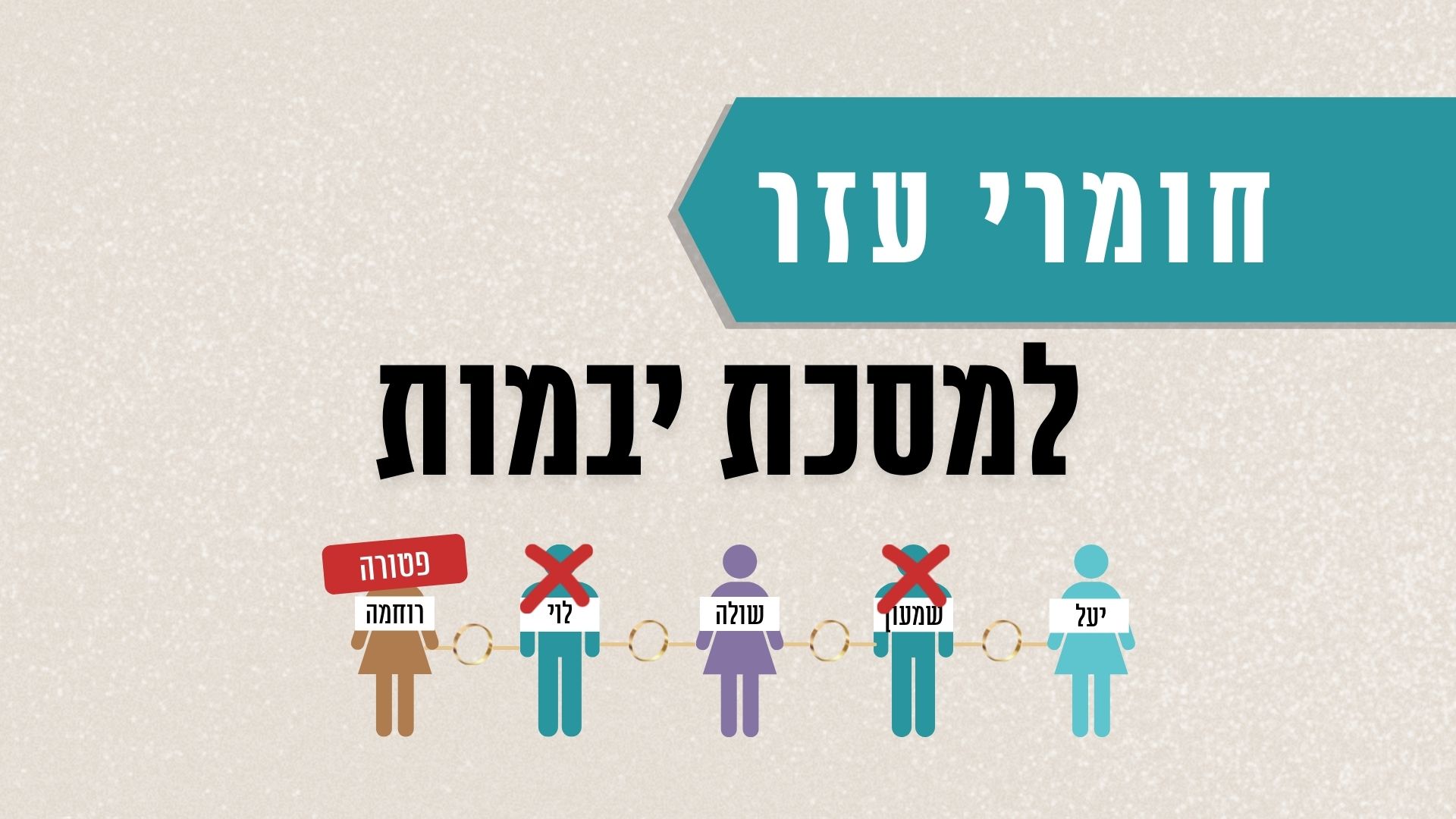
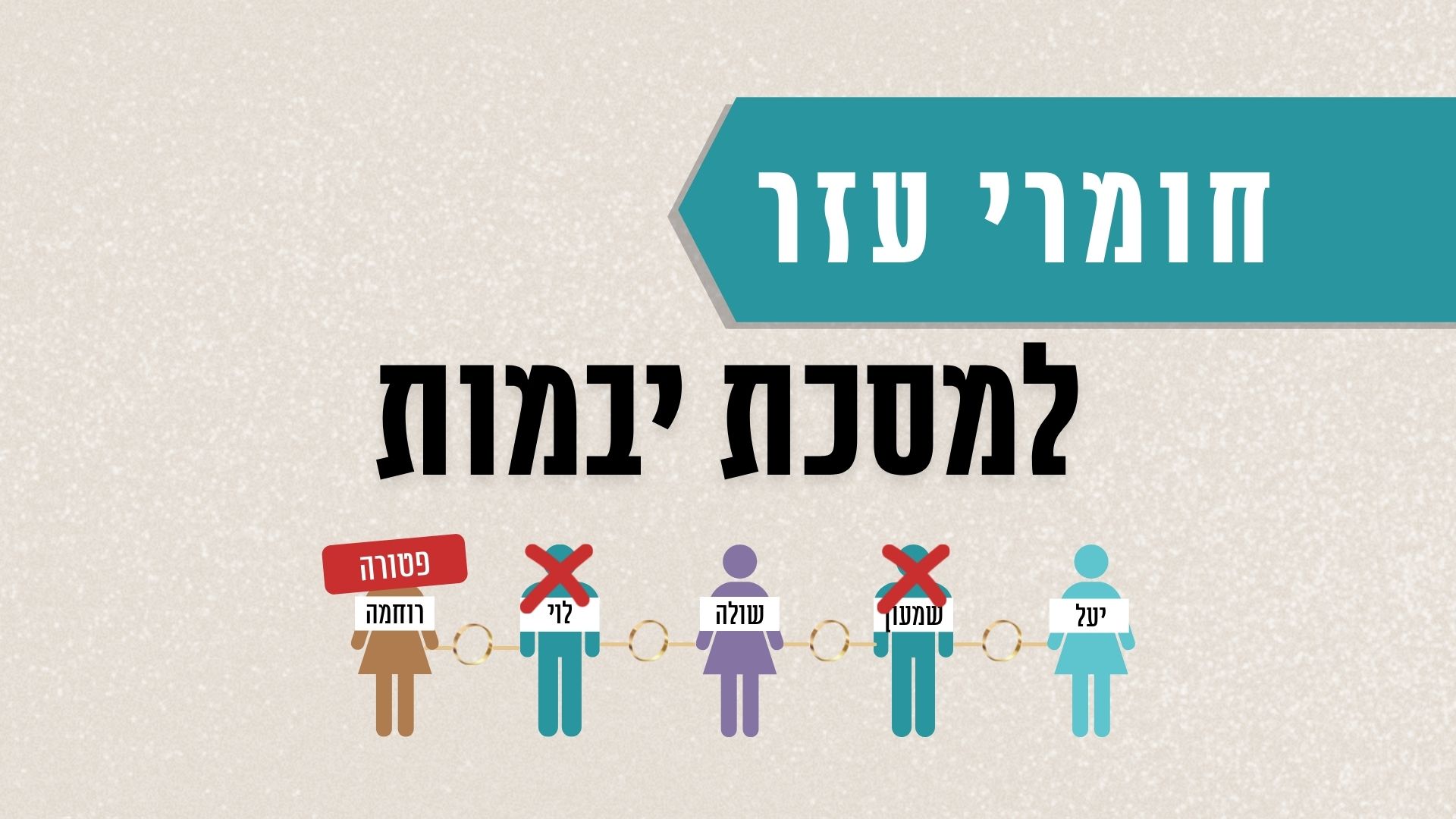
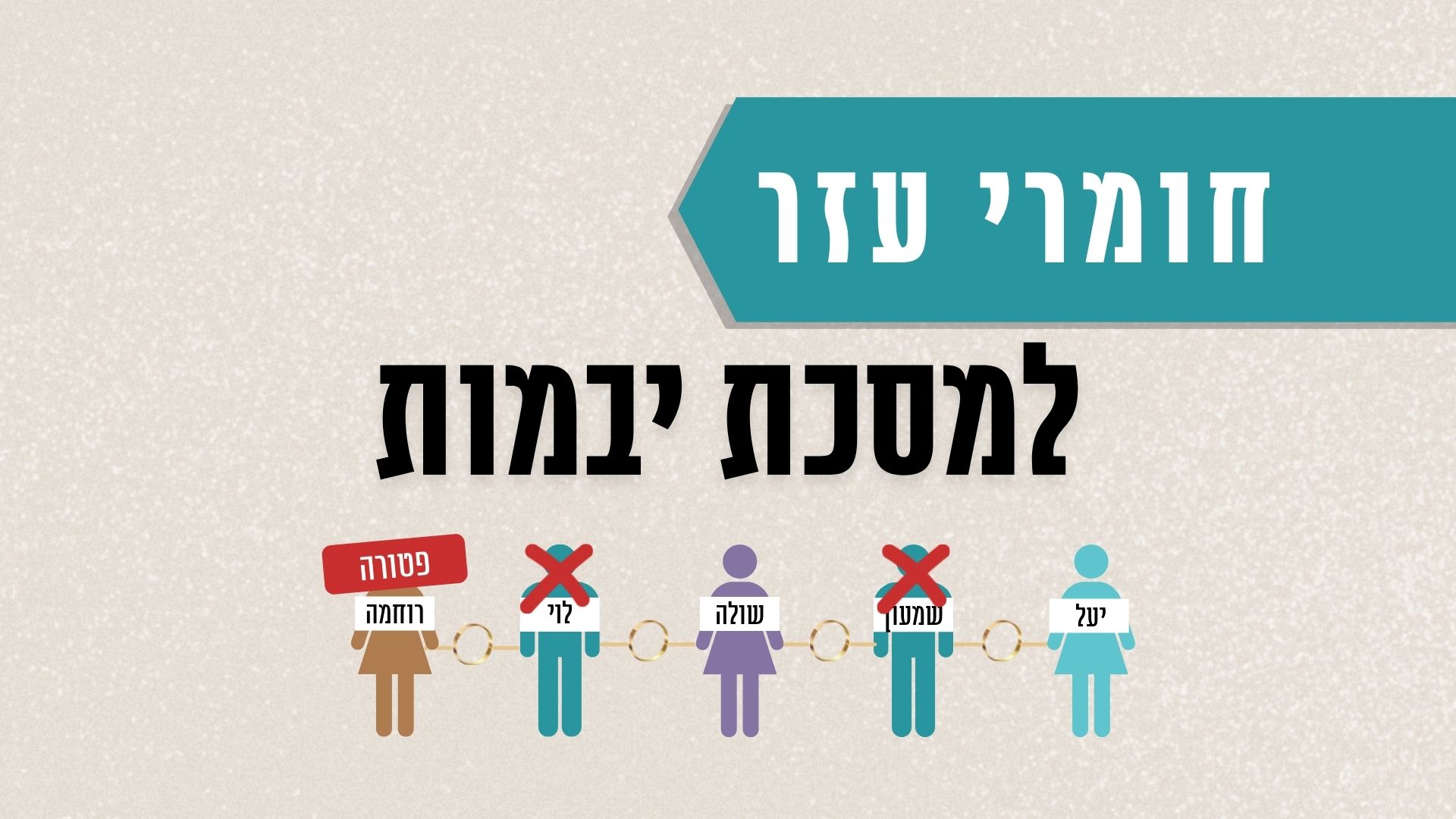
ההלכה שנאמרה לאביו של שמואל כי אישה שיורקת על יבמה בלבד, אוסרת על כל האחים לקיים ייבום, יכולה להיות מובנת גם על פי דעתו של רבי עקיבא. אֵיך? אם רבי עקיבא לא חושב שיריקה היא חלק מהותי מהטקס, מדוע הוא מבחין בין קריאה ליריקה לגבי פסילת האחים מייבום? מובא גרסה אחרת לגבי ההלכה שנשלחה לאביו של שמואל – שאם יבמה ירקה אך לא עשתה חליצה, היא צריכה לעשות חליצה ​​ואינה צריכה לירוק שוב. קרה מקרה כזה והיא לא ירקה פעם שנייה. מה רע בלירוק פעם שנייה ליתר בטחון? לוי נשאל שלוש שאלות על ידי אנשים בכפר אך הוא לא ידע לענות והלך לבית המדרש לברר את הדברים. שתי שאלות היו על חליצה ​​ואחת על "כתב אמת” המוזכר בפסוק בדניאל י:כא. מתוך ‘כתבי אמת’ נכנסת הגמרא לדיון לגבי תשובה ואיזה גזירות ניתן לבטלם ואילו לא. למרות שמשפחתו של עלי (בשמואל א’) נענשה וה’ נשבע שלא יתכפרו בקרבנות, הם יכולים להתכפר על ידי לימוד תורה או בגמילות חסדים. מה ההבדל בין כוחו של היחיד לבין כוחה של הקהילה לגבי תפילות שיכולות לבטל גזירה? מהו האופי הייחודי של עשרת ימי תשובה שבין ראש השנה ליום כיפור? הלכה נוספת שנשלחה לאביו של שמואל התייחסה גם לשאלה ששאלו את לוי, אם יבמה ירק דם, זה יעיל שכן דם מעורבב ברוק. מקור מובא לסתור אבל זה נפתר מכיוון שיש דרכים שונות שבהן מישהו מדמם בפה. יש ויכוח לגבי תוקף חליצה ​​עם אישה קטינה. מאיפה כל אחד דורש את שיטתו? כדי להראות שדעת התנא קמא היא של רבי יוסי מובא סיפור הכולל מתח רציני בין רבי ישמעאל בנו של רבי יוסי ואבדן. הסיפור מסתיים במספר עונשים לאבדן על כך שהעליב את רבי ישמעאל. מדוע היה צורך לקבוע הן שההלכה אינה כזוג חכמים שאמרו שניתן לערוך חליצה ​​בפני שני אנשים והן שצריכה לערוך חליצה ​​בפני שלושה אנשים? נשאלות כמה שאלות לגבי המקרה שהמשנה ציטטה לגבי החליצה ​​בבית האסורים. האם יתכן שאף אחד לא היה עד לכך – האם לא צריך עדות שתאשר שזה אכן התרחש? האם רבי עקיבא היה בבית האסורים כשפסק  או בני הזוג עצמם היו שם כשעשו את החליצה?


כלים

יבמות קה

רָקְקָה וְלֹא קָרְאָה — חֲלִיצָתָהּ כְּשֵׁירָה, רָקְקָה וְלֹא חָלְצָה וְלֹא קָרְאָה — חֲלִיצָתָהּ פְּסוּלָה. קָרְאָה וְלֹא רָקְקָה וְלֹא חָלְצָה — אֵין כָּאן בֵּית מֵיחוֹשׁ.

spit and did not recite the verses, her ḥalitza is valid. If she spat but did not remove the shoe and did not recite the text, her ḥalitza is disqualified. If she recited the verses but did not spit or did not remove the shoe, there is no doubt that she has done nothing, and her action has no halakhic significance.

מַנִּי? אִילֵימָא רַבִּי אֱלִיעֶזֶר: חָלְצָה וְלֹא רָקְקָה וְלֹא קָרְאָה חֲלִיצָתָהּ כְּשֵׁירָה? וְהָא אָמַר רַבִּי אֱלִיעֶזֶר: ״כָּכָה יֵעָשֶׂה״, דָּבָר שֶׁהוּא מַעֲשֵׂה מְעַכֵּב! אֶלָּא פְּשִׁיטָא רַבִּי עֲקִיבָא, וְקָתָנֵי: רָקְקָה וְלֹא חָלְצָה וְלֹא קָרְאָה — חֲלִיצָתָהּ פְּסוּלָה. לְמַאן?

The Gemara clarifies: Who is the author of the baraita? If we say it is in accordance with the opinion of Rabbi Eliezer, could it be that he would hold that if she removed the shoe but did not spit or did not recite the verses, her ḥalitza is valid, as stated in the baraita? But didn’t Rabbi Eliezer say: The phrase “so shall it be done” (Deuteronomy 25:9) indicates that any element of the ḥalitza process that constitutes an action is indispensable; therefore spitting is necessary. Rather, it is obvious that the baraita is in accordance with the opinion of Rabbi Akiva, and he teaches at the end of the baraita that if she spat but did not remove the shoe or did not recite the text, her ḥalitza is disqualified. The Gemara clarifies: To whom is the yevama disqualified from marrying after such a ḥalitza?

אִילֵימָא לְעָלְמָא, פְּשִׁיטָא! מִי הָוְיָא חֲלִיצָה דְּאִישְׁתַּרְיָא לְעָלְמָא? אֶלָּא לָאו לָאַחִין, שְׁמַע מִינַּהּ.

If we say that Rabbi Akiva means to teach us that she is disqualified from marriage to everyone in the world, this is unnecessary, as it is clear that spitting alone will not permit her to marry any stranger. It is obvious that her ḥalitza is invalid, as did any ḥalitza take place in order for her to be permitted to a stranger? Rather, is it not clear that Rabbi Akiva is ruling that she is disqualified from marriage to the brothers? Learn from here that Rabbi Akiva also thinks that spitting alone disqualifies her from marriage to the brothers, which is not in accordance with the previous assumption with regard to his opinion.

וּלְרַבִּי עֲקִיבָא, מַאי שְׁנָא רְקִיקָה וּמַאי שְׁנָא קְרִיָּיה?

The Gemara asks: But according to Rabbi Akiva’s understanding that only an action performed on the body of the yavam is indispensable for ḥalitza, what is different about spitting and what is different about recitation? Both are not indispensable, so why is it that if she spat but did not remove the shoe she is disqualified from marriage to the brothers, yet if she recited the text but did not remove the shoe her action has no halakhic significance?

קְרִיָּיה, דְּאִיתַהּ בֵּין בַּתְּחִלָּה בֵּין בַּסּוֹף — לָא מִיחַלְּפָא לֵיהּ. רְקִיקָה, דְּבִתְחִלָּה לֵיתַהּ וְלִבְסוֹף אִיתַהּ — מִיחַלְּפָא לֵיהּ, וְאָתוּ לְמִישְׁרֵי חֲלוּצָה לָאַחִין.

The Gemara answers: Rabbi Akiva finds a reason to rabbinically prohibit the woman after spitting, yet holds that the reason is not valid after the recitation alone. The recitation of the verses, which takes place both at the beginning of the process, before the removal of the shoe, and at the end, will not cause him to be confused about a proper ḥalitza, as one who witnesses her recitation knows that she may have only recited the text but has not yet removed the shoe, and therefore it will cause no harm to invalidate her ḥalitza and permit her in levirate marriage to the yevamin. But with regard to spitting, which does not take place at the beginning but takes place at the end, after the removal of the shoe, one who witnesses her spitting might assume that she had already removed the shoe, and he might confuse this woman with a woman who removed the shoe, and if we would allow her to perform levirate marriage after the spitting, they will come to permit a yevama who performed ḥalitza to marry the brothers of the yavam after the ḥalitza. Therefore, Rabbi Akiva finds reason to rabbinically prohibit a woman after spitting, although he doesn’t do so if they merely recited the verses of ḥalitza.

וְאִיכָּא דְאָמְרִי, הָכִי שְׁלַחוּ לֵיהּ: יְבָמָהּ שֶׁרָקְקָה — תַּחְלוֹץ, וְאֵינָהּ צְרִיכָה לָרוֹק פַּעַם אַחֶרֶת. כִּי הַהִיא דַּאֲתַאי לְקַמֵּיהּ דְּרַבִּי אַמֵּי, הֲוָה יָתֵיב רַבִּי אַבָּא בַּר מֶמֶל קַמֵּיהּ. רְקַקָה מִקַּמֵּי דְּתַחְלוֹץ. אֲמַר לֵיהּ רַבִּי אַמֵּי: חֲלוֹץ לַהּ, וּשְׁרֵי לַהּ תִּיגְרָא.

And there are those who say that this is what they sent to Shmuel’s father: A yevama who spat before removing the shoe shall remove the shoe, and she is not required to spit another time. This is like the incident where a certain woman came before Rabbi Ami for ḥalitza, and Rabbi Abba bar Memel sat before him at the time. She spat before she removed the shoe. Rabbi Ami said to him: Rabbi Abba, tell her to remove the shoe of the yavam, so one may dismiss her case from the court, as she does not require another act of spitting.

אֲמַר לֵיהּ רַבִּי אַבָּא: וְהָא בָּעֵינַן מֵירַק! הָא רְקַקָה לַהּ. וְתֵירוֹק, וּמָה בְּכָךְ? נָפֵיק מִינֵּיהּ חוּרְבָּא, דְּאִי אָמְרַתְּ תִּיהְדַּר וְתֵירוֹק, אָמְרִי: רְקִיקָה קַמַּיְיתָא לֵית בַּהּ מְשָׁשָׁא, וְאָתֵי לְמִישְׁרֵי חֲלוּצָה לָאַחִין.

Rabbi Abba said to him: But for ḥalitza we need her to spit. He answered: She already spat. Rabbi Abba said to him: That spitting was done before the removal, so let her spit again, and what would be the problem with that? He answered him: A disaster could be brought out from it, as, if you say she should spit again there will be others who say: The first spitting has no halakhic significance and she is still permitted to the brothers if no spitting was performed subsequently, and they will come to permit a bona fide ḥalutza, i.e., a yevama who has performed ḥalitza, to the brothers, because when they see her spitting the first time they will say that she certainly already removed the shoe beforehand.

וְהָא בָּעֵינַן כְּסִדְרָן! כְּסִדְרָן לָא מְעַכְּבָא. הוּא סָבַר: דַּחוֹיֵי קָא מְדַחֵי לֵיהּ. נְפַק, דָּק וְאַשְׁכַּח, דְּתַנְיָא: בֵּין שֶׁהִקְדִּים חֲלִיצָה לִרְקִיקָה, בֵּין שֶׁהִקְדִּים רְקִיקָה לַחֲלִיצָה — מַה שֶּׁעָשָׂה עָשׂוּי.

He challenged again: But we require that ḥalitza be performed in the proper order, as recorded in the Torah. He answered him: Their proper order is not indispensable. Rabbi Abba bar Memel thought: He is merely pushing off my legitimate questions with far-fetched attempts to justify his statements that are not well founded. Afterward, he went out from the house of study and examined the matter and discovered that it was as Rabbi Ami said. As it is taught in a baraita: Whether the removal of the shoe preceded the spitting, as the proper order requires, or whether the spitting preceded the removal of the shoe, what he did is done, i.e., is effective, as the woman is therefore permitted to remarry.

לֵוִי נְפַק לְקִרְיָיתָא. בְּעוֹ מִינֵּהּ: גִּידֶּמֶת, מַהוּ שֶׁתַּחְלוֹץ? יְבָמָה שֶׁרָקְקָה דָּם, מַהוּ? ״אֲבָל אַגִּיד לְךָ אֶת הָרָשׁוּם בִּכְתָב אֱמֶת״ — מִכְּלָל דְּאִיכָּא כְּתָב שֶׁאֵינוֹ אֱמֶת?

Apropos adherence to instructions given in the Torah, the Gemara relates a story. Levi went out to the villages to teach people Torah. They asked him several questions: Firstly, what is the halakha for an armless woman, may she perform ḥalitza with her teeth? Secondly, what is the halakha if a yevama spat blood instead of saliva, is the ḥalitza valid? Furthermore, they asked with regard to the verse: “But I will declare to you that which is inscribed in the writing of truth” (Daniel 10:21), if by inference, there is writing in Heaven that is not truth.

לָא הֲוָה בִּידֵיהּ. אֲתָא שַׁאֵיל בֵּי מִדְרְשָׁא, אֲמַרוּ לֵיהּ: מִי כְּתִיב ״וְחָלְצָה בַּיָּד״? וּמִי כְּתִיב ״וְיָרְקָה רוֹק״?

He did not have an answer at hand to these questions, so he came and asked at the house of study. They said to him in response to the first question: Does it say in the Torah: And she shall remove the shoe by hand? Clearly, she may remove the shoe in any manner and there is no reason to disqualify an armless woman. With regard to the second question, they said: And does it say in the verse: And she shall spit saliva? It merely states: “And she shall spit,” indicating that even if she spits blood the ḥalitza is valid.

״אֲבָל אַגִּיד לָךְ הָרָשׁוּם בִּכְתָב אֱמֶת״, וְכִי יֵשׁ כְּתָב שֶׁאֵינוֹ אֱמֶת?

With regard to the verse cited in the third question: “But I will declare to you that which is inscribed in the writing of truth,” about which you ask: But is there writing in Heaven that is not truth?

לָא קַשְׁיָא: כָּאן בִּגְזַר דִּין שֶׁיֵּשׁ עִמּוֹ שְׁבוּעָה. כָּאן בִּגְזַר דִּין שֶׁאֵין עִמּוֹ שְׁבוּעָה.

This is not difficult. Here, i.e., a writing of truth, refers to a sentence of judgment accompanied by an oath; this is called “writing of truth” as it cannot ever be canceled. There, i.e., the inferred untruthful writing, refers to a sentence of judgment that is not accompanied by an oath, as it could be canceled if conditions change.

כִּדְרַב שְׁמוּאֵל בַּר אַמֵּי. דְּאָמַר רַב שְׁמוּאֵל בַּר אַמֵּי אָמַר רַבִּי יוֹנָתָן: מִנַּיִן לִגְזַר דִּין שֶׁיֵּשׁ עִמּוֹ שְׁבוּעָה שֶׁאֵינוֹ מִתְקָרֵעַ, שֶׁנֶּאֱמַר: ״לָכֵן נִשְׁבַּעְתִּי לְבֵית עֵלִי אִם יִתְכַּפֵּר עֲוֹן בֵּית עֵלִי בְּזֶבַח וּבְמִנְחָה עַד עוֹלָם״.

This is in accordance with the words of Rav Shmuel bar Ami, as Rav Shmuel bar Ami said that Rabbi Yonatan said: From where is it derived that a sentence of judgment accompanied by an oath cannot be torn up? It is as it is stated: “Therefore I have sworn unto the house of Eli, that the iniquity of Eli’s house shall not be atoned for with sacrifice nor offering forever” (I Samuel 3:14), which indicates that due to the accompanying oath, the sentence of judgment cannot ever be rescinded, even if offerings of atonement are brought.

אָמַר רַבָּה: בְּזֶבַח וּבְמִנְחָה אֵינוֹ מִתְכַּפֵּר, אֲבָל מִתְכַּפֵּר הוּא בְּדִבְרֵי תוֹרָה. אַבָּיֵי אָמַר: בְּזֶבַח וּבְמִנְחָה אֵינוֹ מִתְכַּפֵּר, אֲבָל מִתְכַּפֵּר בִּגְמִילוּת חֲסָדִים. רַבָּה וְאַבָּיֵי מִדְּבֵית עֵלִי קָאָתוּ, רַבָּה דַּעֲסַק בַּתּוֹרָה — חֲיָה אַרְבְּעִין שְׁנִין, אַבָּיֵי דַּעֲסַק בְּתוֹרָה וּבִגְמִילוּת חֲסָדִים — חֲיָה שִׁיתִּין שְׁנִין.

Apropos this verse, the Gemara mentions what Rabba said with regard to it: With sacrifice and offering, one from the house of Eli will not be atoned for, but he may gain atonement through words of Torah study. Abaye said: Through sacrifice and offering he may not achieve atonement, but he may gain atonement through acts of kindness. The Gemara relates that Rabba and Abaye themselves descended from the house of Eli. Rabba, who immersed himself primarily in Torah study, lived forty years, while Abaye, who immersed himself both in Torah and acts of kindness, lived sixty years. They both lived longer lives than usual for descendants of the house of Eli, due to their actions.

תָּנוּ רַבָּנַן: מִשְׁפָּחָה אַחַת הָיְתָה בִּירוּשָׁלַיִם שֶׁהָיוּ מֵתִים כְּבֶן שְׁמֹנֶה עֶשְׂרֵה שָׁנָה. בָּאוּ וְהוֹדִיעוּ אֶת רַבָּן יוֹחָנָן בֶּן זַכַּאי. אָמַר לָהֶם: שֶׁמָּא מִמִּשְׁפַּחַת עֵלִי אַתֶּם, שֶׁנֶּאֱמַר: ״וְכׇל מַרְבִּית בֵּיתְךָ יָמוּתוּ אֲנָשִׁים״ — לְכוּ וְעִסְקוּ בַּתּוֹרָה וְתִחְיוּ. הָלְכוּ וְעָסְקוּ בַּתּוֹרָה וְחָיוּ, וְהָיוּ קוֹרִין אוֹתָן ״מִשְׁפַּחַת יוֹחָנָן״ עַל שְׁמוֹ.

The Gemara relates a similar story from a baraita: The Sages taught: There was a certain family in Jerusalem whose children were dying at around age eighteen. The members of the family came and told Rabban Yoḥanan ben Zakkai about these tragic deaths. He said to them: Perhaps you are from the house of Eli, as it is stated: “All the increase of your house shall die young men” (I Samuel 2:33), which teaches that as soon as they reach full maturity, old enough to be called “men,” they die. Therefore, you must go out and immerse yourselves in Torah, and you will live. They went and immersed themselves in Torah and lived longer lives, and people would call them: The family of Yoḥanan, after his name, as the advice he gave them enabled them to live.

אָמַר רַב שְׁמוּאֵל בַּר אוּנְיָא אָמַר רַב: מִנַּיִן לִגְזַר דִּין שֶׁל צִבּוּר שֶׁאֵינוֹ נֶחְתָּם? אֵינוֹ נֶחְתָּם?! וְהָא כְּתִיב: ״כִּי אִם תְּכַבְּסִי בַּנֶּתֶר וְתַרְבִּי לָךְ בּוֹרִית נִכְתָּם עֲוֹנֵךְ לְפָנַי״!

With regard to a decree of judgment that cannot be torn up, Rav Shmuel bar Unya said that Rav said: From where is it derived that a sentence of judgment upon a community is never sealed? The Gemara expresses surprise: Is it truly not sealed? But isn’t it written: “For although you wash yourself with niter, and take much soap for yourself, yet your iniquity is marked before Me” (Jeremiah 2:22), indicating that there is no longer any atonement for iniquity of a community.

אֶלָּא: מִנַּיִן שֶׁאֲפִילּוּ נֶחְתַּם מִתְקָרֵעַ — שֶׁנֶּאֱמַר: ״מִי כַּה׳ אֱלֹהֵינוּ בְּכׇל קׇרְאֵנוּ אֵלָיו״, וְהָכְתִיב: ״דִּרְשׁוּ ה׳ בְּהִמָּצְאוֹ״! לָא קַשְׁיָא: הָא בְּיָחִיד, הָא בְּצִיבּוּר.

Rather, one must say as follows: From where is it derived that even when a community’s sentence is sealed, it may be torn up as a result of repentance, as it is stated: “For what great nation is there, that has God so close unto them, as the Lord our God is whenever we call upon Him?” (Deuteronomy 4:7). The Gemara objects: But isn’t it written in another verse: “Seek the Lord while He may be found, call upon Him when He is near (Isaiah 55:6), implying that God is not always near and may not always answer whenever we call upon Him? The Gemara answers: This contradiction is not difficult. This verse is concerning an individual who must seek God where He is found, as He is not always equally accessible to answer those who call out to Him. That first verse is concerning a community, for whom He is accessible “whenever we call upon Him.”

יָחִיד אֵימַת? אָמַר רַב נַחְמָן אָמַר רַבָּה בַּר אֲבוּהּ: אֵלּוּ עֲשָׂרָה יָמִים שֶׁבֵּין רֹאשׁ הַשָּׁנָה לְיוֹם הַכִּפּוּרִים.

The Gemara asks: For an individual, when is the time that God is close to him? Rav Naḥman said that Rabba bar Avuh said: These are the ten days that are between Rosh HaShana and Yom Kippur.

שְׁלַחוּ לֵיהּ לַאֲבוּהּ דִּשְׁמוּאֵל: יְבָמָה שֶׁרָקְקָה דָּם — תַּחְלוֹץ, לְפִי שֶׁאִי אֶפְשָׁר לַדָּם בְּלֹא צִחְצוּחַ רוֹק.

The Gemara returns to the questions the villagers asked Levi: The Sages in Eretz Yisrael sent this halakha to Shmuel’s father: A yevama who spat blood shall remove the shoe, because it is not possible that blood came out of her mouth without any trace of saliva, and she fulfills her obligation through this saliva.

מֵיתִיבִי: יָכוֹל יְהֵא דָּם הַיּוֹצֵא מִפִּיו וּמִפִּי הָאַמָּה טָמֵא — תַּלְמוּד לוֹמַר: ״זוֹבוֹ טָמֵא״, וְאֵין דָּם הַיּוֹצֵא מִפִּיו וּמִפִּי הָאַמָּה טָמֵא, אֶלָּא טָהוֹר.

The Gemara raises an objection from a baraita that states with regard to a zav: One might have thought that blood that issues from his mouth or from the opening of his genital organ should be ritually impure, like any of the secretions that issue from a zav e.g., saliva and urine; therefore, the verse states: “His discharge is impure” (Leviticus 15:2), to teach: Only his white, pus-like discharge and other secretions similar to it are ritually impure, but blood that issues from his mouth or from his genital organ is not impure, but it is pure. And from here one may learn that blood can issue from the mouth without saliva, for if it was as they said, that all spittle necessarily contains saliva, the blood in the spittle would be ritually impure due to the saliva.

לָא קַשְׁיָא: כָּאן בְּמוֹצֶצֶת, כָּאן בְּשׁוֹתֵת.

The Gemara answers: This is not difficult. Here, where it said that blood cannot issue from the mouth without saliva, it is referring to a woman who sucks up the blood in her mouth before spitting it out, in which case there will certainly be some saliva in the mouth. There, it is referring to blood that was flowing by itself from an oral wound of the zav, in which case the spittle of blood might contain no saliva in it at all.

חֵרֵשׁ שֶׁנֶּחְלַץ וְכוּ׳.

It was taught in the mishna: if a deaf-mute man underwent ḥalitza or a deaf-mute woman performed ḥalitza, or if an adult woman performs ḥalitza with a male minor, her ḥalitza is invalid.

אָמַר רַב יְהוּדָה אָמַר רַב: זוֹ דִּבְרֵי רַבִּי מֵאִיר, אֲבָל חֲכָמִים אוֹמְרִים: אֵין חֲלִיצַת קָטָן כְּלוּם.

Rav Yehuda said that Rav said: This teaching of the mishna with regard to a minor is the statement of Rabbi Meir, who maintains that such a ḥalitza has significance in that it disqualifies a subsequent levirate marriage, but it is insufficient to permit the woman to marry a stranger. But the Rabbis say: The ḥalitza of a male minor isn’t significant of anything, as she is permitted to one of the brothers in levirate marriage as one who performed no ḥalitza at all.

קְטַנָּה שֶׁחָלְצָה וְכוּ׳. אָמַר רַב יְהוּדָה אָמַר רַב: זוֹ דִּבְרֵי רַבִּי מֵאִיר, דְּאָמַר: ״אִישׁ״ כָּתוּב בַּפָּרָשָׁה, וּמַקְּשִׁינַן אִשָּׁה לְאִישׁ.

§ It was taught in the mishna: If a female minor performed ḥalitza, she must perform ḥalitza a second time once she becomes an adult, and if she does not, her first ḥalitza is invalid. Rav Yehuda said that Rav said: This is the statement of Rabbi Meir, who said: “Man” is written in the Torah portion about ḥalitza: “And if the man does not wish” (Deuteronomy 25:7), implying an adult must perform ḥalitza, and we juxtapose and compare a woman with a man, indicating that the woman must also be an adult at the time of ḥalitza.

אֲבָל חֲכָמִים אוֹמְרִים: ״אִישׁ״ כְּתִיב בַּפָּרָשָׁה. אִשָּׁה — בֵּין גְּדוֹלָה בֵּין קְטַנָּה.

But the Rabbis say: “Man” is written in this Torah portion, which indicates that an adult male must perform ḥalitza, but with respect to the woman who removes the shoe, since the term woman is not used to describe her, but rather the more general term yevama is written, as the continuation of the above-mentioned verse says: “To take his yevama” (Deuteronomy 25:9), she may be either an adult or a female minor.

מַאן חֲכָמִים? רַבִּי יוֹסֵי הִיא. דְּרַבִּי חִיָּיא וְרַבִּי שִׁמְעוֹן בַּר רַבִּי הֲווֹ יָתְבִי. פְּתַח חַד מִינַּיְיהוּ וַאֲמַר: הַמִּתְפַּלֵּל, צָרִיךְ שֶׁיִּתֵּן עֵינָיו לְמַטָּה, שֶׁנֶּאֱמַר: ״וְהָיוּ עֵינַי וְלִבִּי שָׁם כׇּל הַיָּמִים״.

The Gemara asks: Who are these Rabbis who disagree with Rabbi Meir? The Gemara answers: It is Rabbi Yosei, as it seems from this incident: As, Rabbi Ḥiyya and Rabbi Shimon bar Rabbi Yehuda HaNasi were sitting outside the house of study, immersed in Torah learning. One of them began and said: One who prays must direct his gaze downward while praying, as it is stated by God with regard to the Holy Temple: “And My eyes and My heart shall be there perpetually” (I Kings 9:3), meaning: The Divine Presence rests in the Eretz Yisrael, and one must direct his gaze to the sacred land when praying.

וְחַד אָמַר: עֵינָיו לְמַעְלָה, שֶׁנֶּאֱמַר: ״נִשָּׂא לְבָבֵנוּ אֶל כַּפָּיִם״. אַדְּהָכִי אֲתָא רַבִּי יִשְׁמָעֵאל בְּרַבִּי יוֹסֵי לְגַבַּיְיהוּ. אֲמַר לְהוּ: בְּמַאי עָסְקִיתוּ? אֲמַרוּ לֵיהּ: בִּתְפִלָּה. אֲמַר לְהוּ: כָּךְ אָמַר אַבָּא: הַמִּתְפַּלֵּל צָרִיךְ שֶׁיִּתֵּן עֵינָיו לְמַטָּה וְלִבּוֹ לְמַעְלָה, כְּדֵי שֶׁיִּתְקַיְּימוּ שְׁנֵי מִקְרָאוֹת הַלָּלוּ.

And one of them said he must direct his eyes upward, because it is stated: “Let us lift our hearts with our hands toward God in Heaven” (Lamentations 3:41). In the meantime, Rabbi Yishmael, son of Rabbi Yosei, came beside them. He said to them: What are you dealing with? They said to him: With prayer, as we are debating the proper posture for prayer. He said to them: My father, Rabbi Yosei, said as follows: One who prays must direct his eyes downward and his heart upward, in order to fulfill both of these verses.

אַדְּהָכִי, אֲתָא רַבִּי לִמְתִיבְתָּא. אִינְהוּ דַּהֲווֹ קַלִּילֵי, יְתִיבוּ בְּדוּכְתַּיְיהוּ. רַבִּי יִשְׁמָעֵאל בְּרַבִּי יוֹסֵי, אַגַּב יוּקְרֵיהּ הֲוָה מְפַסַּע וְאָזֵיל.

In the meantime, while they were talking, Rabbi Yehuda HaNasi came to the house of study and everyone quickly went to sit in their assigned places. Those who were light-footed hurried and sat in their places. Rabbi Yishmael, son of Rabbi Yosei, due to his being very heavy, was stepping and walking slowly, as everyone was already sitting in his place on the ground, requiring him to pass over their heads in order to get to his place.

אֲמַר לֵיהּ אַבָּדָן: מִי הוּא זֶה שֶׁמְּפַסֵּעַ עַל רָאשֵׁי עַם קָדוֹשׁ! אֲמַר לֵיהּ: אֲנִי יִשְׁמָעֵאל בְּרַבִּי יוֹסֵי שֶׁבָּאתִי לִלְמוֹד תּוֹרָה מֵרַבִּי. אֲמַר לֵיהּ: וְכִי אַתָּה הָגוּן לִלְמוֹד תּוֹרָה מֵרַבִּי?

Abdon, the shortened form of the name of Rabbi Yehuda HaNasi’s student and attendant, Abba Yudan, said to him: Who is that individual stepping over the heads of a sacred people, for it appeared to him as an act of disrespect to those sitting that Rabbi Yishmael stepped over their heads. He said to him: I am Yishmael, son of Rabbi Yosei, who came to learn Torah from Rabbi Yehuda HaNasi. Abdon said to him: But are you fit to learn Torah from Rabbi Yehuda HaNasi, for it seems that you are showing disrespect to others in order to accomplish it?

אֲמַר לֵיהּ: וְכִי מֹשֶׁה הָיָה הָגוּן לִלְמוֹד תּוֹרָה מִפִּי הַגְּבוּרָה? אֲמַר לֵיהּ: וְכִי מֹשֶׁה אַתָּה? אֲמַר לֵיהּ: וְכִי רַבְּךָ אֱלֹהִים הוּא? אָמַר רַב יוֹסֵף: שַׁקְלֵיהּ רַבִּי לְמַטְרַפְסֵיהּ — דְּקָאָמַר לֵיהּ: ״רַבְּךָ״ וְלָא ״רַבִּי״.

He said to him: Was Moses fit to learn Torah from the mouth of the Almighty? Rather, it is not necessary that the student be as dignified as his teacher. He said to him: And are you Moses? Rabbi Yishmael said to him: And is your teacher God? Rav Yosef said about this part of the story: Here Rabbi Yehuda HaNasi received his retribution [mittarpesei] for remaining silent during this discussion and not reprimanding his student for humiliating Rabbi Yishmael. And what is his retribution? When Rabbi Yishmael spoke to Abdon, he said your teacher, and not my teacher, implying that he did not accept Rabbi Yehuda HaNasi’s authority upon himself.

אַדְּהָכִי אַתְיָא יְבָמָה לְקַמֵּיהּ דְּרַבִּי. אֲמַר לֵיהּ רַבִּי לְאַבָּדָן: פּוֹק בִּדְקַהּ. לְבָתַר דִּנְפַק, אֲמַר לֵיהּ רַבִּי יִשְׁמָעֵאל, כָּךְ אָמַר אַבָּא: ״אִישׁ״ כָּתוּב בַּפָּרָשָׁה, אֲבָל אִשָּׁה — בֵּין גְּדוֹלָה בֵּין קְטַנָּה.

In the meantime, a yevama came before Rabbi, and she was a minor close to the age of maturity who had performed ḥalitza, but it was not clear whether she had already reached the age of maturity necessary to validate her ḥalitza. Rabbi Yehuda HaNasi said to Abdon: Go and check to see if she has already reached maturity. After Abdon left, Rabbi Yishmael said to Rabbi Yehuda HaNasi: My father, Rabbi Yosei, said as follows: “Man” is written in the Torah portion of ḥalitza, but the woman may be either an adult woman or a female minor.

אֲמַר לֵיהּ: תָּא, לָא צְרִיכַתְּ, כְּבָר הוֹרָה זָקֵן. קָמְפַסַּע אַבָּדָן וְאָתֵי. אֲמַר לֵיהּ רַבִּי יִשְׁמָעֵאל בְּרַבִּי יוֹסֵי: מִי שֶׁצָּרִיךְ לוֹ עַם קָדוֹשׁ, יְפַסֵּעַ עַל רָאשֵׁי עַם קָדוֹשׁ. מִי שֶׁאֵין צָרִיךְ לוֹ עַם קָדוֹשׁ, הֵיאַךְ יְפַסֵּעַ עַל רָאשֵׁי עַם קָדוֹשׁ?

Rabbi Yehuda HaNasi said to Abdon: Come back. You do not need to check, as the Elder, Rabbi Yosei, has already ruled that a minor can perform ḥalitza, and therefore no further examination is required. Abdon was stepping and coming over the heads of the others in order to return to his place. Rabbi Yishmael, son of Rabbi Yosei, said to him: One upon whom a holy people depends may step over the heads of a holy people. But one upon whom a holy people does not depend, as there is no longer a need for Abdon to examine the woman, how can he step over the heads of a holy people?

אֲמַר לֵיהּ רַבִּי לְאַבָּדָן: קוּם בְּדוּכְתִּיךְ! תָּאנָא: בְּאוֹתָהּ שָׁעָה נִצְטָרַע אַבָּדָן, וְטָבְעוּ שְׁנֵי בָנָיו, וּמֵאֲנוּ שְׁתֵּי כַלּוֹתָיו. אָמַר רַב נַחְמָן בַּר יִצְחָק: בְּרִיךְ רַחֲמָנָא דְּכַסְּפֵיהּ לְאַבָּדָן בְּהַאי עָלְמָא.

Rabbi Yehuda HaNasi said to Abdon: Stand in your place and do not go any further. It was taught: At that moment Abdon was afflicted with leprosy as a punishment for insulting Rabbi Yishmael, son of Rabbi Yosei, and two of his sons who were recently married drowned, and his two daughters-in-law, who were minors married to those sons, made declarations of refusal and annulled their marriages. Rav Naḥman bar Yitzḥak said: Blessed is the Merciful One, Who shames Abdon in this world, for this prevents him from being punished further in the World-to-Come, as all his iniquities have been forgiven through this suffering.

אָמַר רַבִּי אַמֵּי: מִדְּבָרָיו שֶׁל בְּרַבִּי נִלְמוֹד: קְטַנָּה חוֹלֶצֶת בִּפְעוּטוּת. רָבָא אָמַר: עַד שֶׁתַּגִּיעַ לְעוֹנַת נְדָרִים. וְהִלְכְתָא: עַד שֶׁתָּבִיא שְׁתֵּי שְׂעָרוֹת.

Rabbi Ami said: From the words of the great man, Rabbi Yosei, let us learn: A female minor performs ḥalitza even as a young child, at age six or seven. Rava said: She may not perform ḥalitza until she reaches the age of vows as an eleven-year-old, when she has enough intellectual capacity to understand the meaning of a vow. However, the Gemara concludes: And the halakha is: She may not perform ḥalitza until she has two pubic hairs.

חָלְצָה בִּשְׁנַיִם וְכוּ׳. אָמַר רַב יוֹסֵף בַּר מִנְיוֹמֵי אָמַר רַב נַחְמָן: אֵין הֲלָכָה כְּאוֹתוֹ הַזּוּג. וְהָא אָמַר רַב נַחְמָן חֲדָא זִימְנָא. דְּאָמַר רַב יוֹסֵף בַּר מִנְיוֹמֵי אָמַר רַב נַחְמָן: חֲלִיצָה בִּשְׁלֹשָׁה!

It was taught in the mishna: If she performed ḥalitza before two or three people, and one of them is found to be disqualified to serve as a judge, Rabbi Shimon and Rabbi Yoḥanan the Cobbler validate it. Rav Yosef bar Minyumi said that Rav Naḥman said: The halakha does not follow this pair who validate such a case. The Gemara asks: But didn’t Rav Naḥman already say this same ruling one time before? As Rav Yosef bar Minyumi said that Rav Naḥman said: Ḥalitza must be conducted before three people, indicating that there must be no fewer than three valid judges.

צְרִיכִי, דְּאִי אִיתְּמַר הָךְ קַמַּיְיתָא, הֲוָה אָמֵינָא: הָנֵי מִילֵּי לְכַתְּחִילָּה, אֲבָל דִּיעֲבַד — אֲפִילּוּ תְּרֵי, קָא מַשְׁמַע לַן: אֵין הֲלָכָה כְּאוֹתוֹ הַזּוּג. וְאִי אַשְׁמוֹעִינַן אֵין הֲלָכָה כְּאוֹתוֹ הַזּוּג, אֶלָּא כְּתַנָּא קַמָּא, הֲוָה אָמֵינָא: דִּיעֲבַד, אֲבָל לְכַתְּחִילָּה לִיבְעֵי חֲמִשָּׁה, צְרִיכָא.

The Gemara answers: Both are necessary, for if only the first one, stating that ḥalitza must be before three judges, were stated, I would say: This applies ab initio, but after the fact even two is acceptable. Therefore, he teaches us that the halakha does not follow this pair of Sages, and her ḥalitza before two people is invalid even after the fact. And vice versa: If he would have told us only that the halakha does not follow this pair, but rather the first tanna, I would say that it is valid if performed before three people only after the fact, but they must require five people ab initio, in accordance with Rabbi Yehuda’s opinion. Therefore it is necessary to say both of these statements.

מַעֲשֶׂה שֶׁחָלְצוּ כּוּ׳. בֵּינוֹ לְבֵינָהּ מִי יָדַעְנָא? אָמַר רַב יְהוּדָה אָמַר שְׁמוּאֵל: וְעֵדִים רוֹאִין אוֹתוֹ מִבַּחוּץ.

§ A story is told in the mishna about an incident in which a couple once performed ḥalitza between themselves in private while alone in prison, and the case later came before Rabbi Akiva and he validated it. The Gemara asks: How can we know what happened between him and her? There was no testimony to confirm it, and how can we be certain that the ḥalitza was done properly to validate it? Rav Yehuda said that Shmuel said: And the ḥalitza was validated because there were witnesses who saw them from outside the prison, who testified that the ḥalitza was performed properly.

אִיבַּעְיָא לְהוּ: מַעֲשֶׂה שֶׁחָלְצוּ בֵּינוֹ לְבֵינָהּ אַבָּרַאי, וּבָא מַעֲשֶׂה לִפְנֵי רַבִּי עֲקִיבָא בְּבֵית הָאֲסוּרִין, אוֹ דִלְמָא: מַעֲשֶׂה שֶׁחָלְצוּ בֵּינוֹ לְבֵינָהּ בְּבֵית הָאֲסוּרִין? אָמַר רַב יְהוּדָה אָמַר רַב: בְּבֵית הָאֲסוּרִין הָיָה מַעֲשֶׂה, וּלְבֵית הָאֲסוּרִין בָּא מַעֲשֶׂה.

A dilemma was raised before the students in the house of study with regard to the incident recorded in the mishna in which a private ḥalitza performed in a prison was validated: Did the incident in which they performed ḥalitza between him and her privately actually take place outside in a different locale, and the reference to prison is that the case came before Rabbi Akiva when he was confined in prison? Or, perhaps the incident when they performed ḥalitza between him and her took place in prison, and then this case came before Rabbi Akiva? Rav Yehuda said that Rav said: The ḥalitza incident took place in prison, and also the case came to Rabbi Akiva when he was in prison.

כלים

העמקה

רוצה להבין מה באמת קורה מתחת לפני השטח של הסוגיה?
שיעורים, פודקאסטים והרחבות של מיטב המורות שלנו יפתחו לך עוד זוויות וכיווני חשיבה.

לשיעורי עוד על הדף באנגלית, לחצי כאן

חדשה בלימוד הגמרא?

זה הדף הראשון שלך? איזו התרגשות עצומה! יש לנו בדיוק את התכנים והכלים שיעזרו לך לעשות את הצעדים הראשונים ללמידה בקצב וברמה שלך, כך תוכלי להרגיש בנוח גם בתוך הסוגיות המורכבות ומאתגרות.

פסיפס הלומדות שלנו

גלי את קהילת הלומדות שלנו, מגוון נשים, רקעים וסיפורים. כולן חלק מתנועה ומסע מרגש ועוצמתי.

בסוף הסבב הקודם ראיתי את השמחה הגדולה שבסיום הלימוד, בעלי סיים כבר בפעם השלישית וכמובן הסיום הנשי בבנייני האומה וחשבתי שאולי זו הזדמנות עבורי למשהו חדש.
למרות שאני שונה בסביבה שלי, מי ששומע על הלימוד שלי מפרגן מאוד.
אני מנסה ללמוד קצת בכל יום, גם אם לא את כל הדף ובסך הכל אני בדרך כלל עומדת בקצב.
הלימוד מעניק המון משמעות ליום יום ועושה סדר בלמוד תורה, שתמיד היה (ועדיין) שאיפה. אבל אין כמו קביעות

Racheli-Mendelson
רחלי מנדלסון

טל מנשה, ישראל

התחלתי לפני כמה שנים אבל רק בסבב הזה זכיתי ללמוד יום יום ולסיים מסכתות

Sigal Tel
סיגל טל

רעננה, ישראל

התחלתי בתחילת הסבב, והתמכרתי. זה נותן משמעות נוספת ליומיום ומאוד מחזק לתת לזה מקום בתוך כל שגרת הבית-עבודה השוטפת.

Reut Abrahami
רעות אברהמי

בית שמש, ישראל

התחלתי מעט לפני תחילת הסבב הנוכחי. אני נהנית מהאתגר של להמשיך להתמיד, מרגעים של "אהה, מפה זה הגיע!” ומהאתגר האינטלקטואלי

Eilat-Chen and Deller
אילת-חן ודלר

לוד, ישראל

התחלתי ללמוד בעידוד שתי חברות אתן למדתי בעבר את הפרק היומי במסגרת 929.
בבית מתלהבים מאוד ובשבת אני לומדת את הדף עם בעלי שזה מפתיע ומשמח מאוד! לימוד הדף הוא חלק בלתי נפרד מהיום שלי. לומדת בצהריים ומחכה לזמן הזה מידי יום…

Miriam Wengerover
מרים ונגרובר

אפרת, ישראל

לצערי גדלתי בדור שבו לימוד גמרא לנשים לא היה דבר שבשגרה ושנים שאני חולמת להשלים את הפער הזה.. עד שלפני מספר שבועות, כמעט במקרה, נתקלתי במודעת פרסומת הקוראת להצטרף ללימוד מסכת תענית. כשקראתי את המודעה הרגשתי שהיא כאילו נכתבה עבורי – "תמיד חלמת ללמוד גמרא ולא ידעת איך להתחיל”, "בואי להתנסות במסכת קצרה וקלה” (רק היה חסר שהמודעה תיפתח במילים "מיכי שלום”..). קפצתי למים ו- ב”ה אני בדרך להגשמת החלום:)

Micah Kadosh
מיכי קדוש

מורשת, ישראל

התחלתי לפני 8 שנים במדרשה. לאחרונה סיימתי מסכת תענית בלמידה עצמית ועכשיו לקראת סיום מסכת מגילה.

Daniela Baruchim
דניאלה ברוכים

רעננה, ישראל

התחלתי ללמוד גמרא בבית הספר בגיל צעיר והתאהבתי. המשכתי בכך כל חיי ואף היייתי מורה לגמרא בבית הספר שקד בשדה אליהו (בית הספר בו למדתי בילדותי)בתחילת מחזור דף יומי הנוכחי החלטתי להצטרף ובע”ה מקווה להתמיד ולהמשיך. אני אוהבת את המפגש עם הדף את "דרישות השלום ” שמקבלת מקשרים עם דפים אחרים שלמדתי את הסנכרון שמתחולל בין התכנים.

Ariela Bigman
אריאלה ביגמן

מעלה גלבוע, ישראל

A life-changing journey started with a Chanukah family tiyul to Zippori, home of the Sanhedrin 2 years ago and continued with the Syum in Binanei Hauma where I was awed by the energy of 3000 women dedicated to learning daf Yomi. Opening my morning daily with a fresh daf, I am excited with the new insights I find enriching my life and opening new and deeper horizons for me.

Becky Goldstein
בקי גולדשטיין

Elazar gush etzion, Israel

ראיתי את הסיום הגדול בבנייני האומה וכל כך התרשמתי ורציתי לקחת חלק.. אבל לקח לי עוד כשנה וחצי )באמצע מסיכת שבת להצטרף..
הלימוד חשוב לי מאוד.. אני תמיד במרדף אחרי הדף וגונבת כל פעם חצי דף כשהילדים עסוקים ומשלימה אח”כ אחרי שכולם הלכו לישון..

Olga Mizrahi
אולגה מזרחי

ירושלים, ישראל

כבר סיפרתי בסיום של מועד קטן.
הלימוד מאוד משפיעה על היום שלי כי אני לומדת עם רבנית מישל על הבוקר בזום. זה נותן טון לכל היום – בסיס למחשבות שלי .זה זכות גדול להתחיל את היום בלימוד ובתפילה. תודה רבה !

שרה-ברלוביץ
שרה ברלוביץ

ירושלים, ישראל

התחלתי ללמוד דף יומי בתחילת מסכת ברכות, עוד לא ידעתי כלום. נחשפתי לסיום הש״ס, ובעצם להתחלה מחדש בתקשורת, הפתיע אותי לטובה שהיה מקום לעיסוק בתורה.
את המסכתות הראשונות למדתי, אבל לא סיימתי (חוץ מעירובין איכשהו). השנה כשהגעתי למדרשה, נכנסתי ללופ, ואני מצליחה להיות חלק, סיימתי עם החברותא שלי את כל המסכתות הקצרות, גם כשהיינו חולות קורונה ובבידודים, למדנו לבד, העיקר לא לצבור פער, ומחכות ליבמות 🙂

Eden Yeshuron
עדן ישורון

מזכרת בתיה, ישראל

התחלתי ללמוד בשנת המדרשה במגדל עוז, בינתיים נהנית מאוד מהלימוד ומהגמרא, מעניין ומשמח מאוד!
משתדלת להצליח לעקוב כל יום, לפעמים משלימה קצת בהמשך השבוע.. מרגישה שיש עוגן מקובע ביום שלי והוא משמח מאוד!

Uriah Kesner
אוריה קסנר

חיפה , ישראל

התחלתי מחוג במסכת קידושין שהעבירה הרבנית רייסנר במסגרת בית המדרש כלנה בגבעת שמואל; לאחר מכן התחיל סבב הדף היומי אז הצטרפתי. לסביבה לקח זמן לעכל אבל היום כולם תומכים ומשתתפים איתי. הלימוד לעתים מעניין ומעשיר ולעתים קשה ואף הזוי… אך אני ממשיכה קדימה. הוא משפיע על היומיום שלי קודם כל במרדף אחרי הדף, וגם במושגים הרבים שלמדתי ובידע שהועשרתי בו, חלקו ממש מעשי

Abigail Chrissy
אביגיל כריסי

ראש העין, ישראל

התחלתי בתחילת הסבב, והתמכרתי. זה נותן משמעות נוספת ליומיום ומאוד מחזק לתת לזה מקום בתוך כל שגרת הבית-עבודה השוטפת.

Reut Abrahami
רעות אברהמי

בית שמש, ישראל

התחלתי לפני 8 שנים במדרשה. לאחרונה סיימתי מסכת תענית בלמידה עצמית ועכשיו לקראת סיום מסכת מגילה.

Daniela Baruchim
דניאלה ברוכים

רעננה, ישראל

בסוף הסבב הקודם ראיתי את השמחה הגדולה שבסיום הלימוד, בעלי סיים כבר בפעם השלישית וכמובן הסיום הנשי בבנייני האומה וחשבתי שאולי זו הזדמנות עבורי למשהו חדש.
למרות שאני שונה בסביבה שלי, מי ששומע על הלימוד שלי מפרגן מאוד.
אני מנסה ללמוד קצת בכל יום, גם אם לא את כל הדף ובסך הכל אני בדרך כלל עומדת בקצב.
הלימוד מעניק המון משמעות ליום יום ועושה סדר בלמוד תורה, שתמיד היה (ועדיין) שאיפה. אבל אין כמו קביעות

Racheli-Mendelson
רחלי מנדלסון

טל מנשה, ישראל

התחלתי ללמוד דף לפני קצת יותר מ-5 שנים, כשלמדתי רבנות בישיבת מהר”ת בניו יורק. בדיעבד, עד אז, הייתי בלימוד הגמרא שלי כמו מישהו שאוסף חרוזים משרשרת שהתפזרה, פה משהו ושם משהו, ומאז נפתח עולם ומלואו…. הדף נותן לי לימוד בצורה מאורגנת, שיטתית, יום-יומית, ומלמד אותי לא רק ידע אלא את השפה ודרך החשיבה שלנו. לשמחתי, יש לי סביבה תומכת וההרגשה שלי היא כמו בציטוט שבחרתי: הדף משפיע לטובה על כל היום שלי.

Michal Kahana
מיכל כהנא

חיפה, ישראל

A life-changing journey started with a Chanukah family tiyul to Zippori, home of the Sanhedrin 2 years ago and continued with the Syum in Binanei Hauma where I was awed by the energy of 3000 women dedicated to learning daf Yomi. Opening my morning daily with a fresh daf, I am excited with the new insights I find enriching my life and opening new and deeper horizons for me.

Becky Goldstein
בקי גולדשטיין

Elazar gush etzion, Israel

התחלתי ללמוד דף יומי לפני שנתיים, עם מסכת שבת. בהתחלה ההתמדה היתה קשה אבל בזכות הקורונה והסגרים הצלחתי להדביק את הפערים בשבתות הארוכות, לסיים את מסכת שבת ולהמשיך עם המסכתות הבאות. עכשיו אני מסיימת בהתרגשות רבה את מסכת חגיגה וסדר מועד ומחכה לסדר הבא!

Ilana-Shachnowitz
אילנה שכנוביץ

מודיעין, ישראל

יבמות קה

רָקְקָה וְלֹא קָרְאָה — חֲלִיצָתָהּ כְּשֵׁירָה, רָקְקָה וְלֹא חָלְצָה וְלֹא קָרְאָה — חֲלִיצָתָהּ פְּסוּלָה. קָרְאָה וְלֹא רָקְקָה וְלֹא חָלְצָה — אֵין כָּאן בֵּית מֵיחוֹשׁ.

spit and did not recite the verses, her ḥalitza is valid. If she spat but did not remove the shoe and did not recite the text, her ḥalitza is disqualified. If she recited the verses but did not spit or did not remove the shoe, there is no doubt that she has done nothing, and her action has no halakhic significance.

מַנִּי? אִילֵימָא רַבִּי אֱלִיעֶזֶר: חָלְצָה וְלֹא רָקְקָה וְלֹא קָרְאָה חֲלִיצָתָהּ כְּשֵׁירָה? וְהָא אָמַר רַבִּי אֱלִיעֶזֶר: ״כָּכָה יֵעָשֶׂה״, דָּבָר שֶׁהוּא מַעֲשֵׂה מְעַכֵּב! אֶלָּא פְּשִׁיטָא רַבִּי עֲקִיבָא, וְקָתָנֵי: רָקְקָה וְלֹא חָלְצָה וְלֹא קָרְאָה — חֲלִיצָתָהּ פְּסוּלָה. לְמַאן?

The Gemara clarifies: Who is the author of the baraita? If we say it is in accordance with the opinion of Rabbi Eliezer, could it be that he would hold that if she removed the shoe but did not spit or did not recite the verses, her ḥalitza is valid, as stated in the baraita? But didn’t Rabbi Eliezer say: The phrase “so shall it be done” (Deuteronomy 25:9) indicates that any element of the ḥalitza process that constitutes an action is indispensable; therefore spitting is necessary. Rather, it is obvious that the baraita is in accordance with the opinion of Rabbi Akiva, and he teaches at the end of the baraita that if she spat but did not remove the shoe or did not recite the text, her ḥalitza is disqualified. The Gemara clarifies: To whom is the yevama disqualified from marrying after such a ḥalitza?

אִילֵימָא לְעָלְמָא, פְּשִׁיטָא! מִי הָוְיָא חֲלִיצָה דְּאִישְׁתַּרְיָא לְעָלְמָא? אֶלָּא לָאו לָאַחִין, שְׁמַע מִינַּהּ.

If we say that Rabbi Akiva means to teach us that she is disqualified from marriage to everyone in the world, this is unnecessary, as it is clear that spitting alone will not permit her to marry any stranger. It is obvious that her ḥalitza is invalid, as did any ḥalitza take place in order for her to be permitted to a stranger? Rather, is it not clear that Rabbi Akiva is ruling that she is disqualified from marriage to the brothers? Learn from here that Rabbi Akiva also thinks that spitting alone disqualifies her from marriage to the brothers, which is not in accordance with the previous assumption with regard to his opinion.

וּלְרַבִּי עֲקִיבָא, מַאי שְׁנָא רְקִיקָה וּמַאי שְׁנָא קְרִיָּיה?

The Gemara asks: But according to Rabbi Akiva’s understanding that only an action performed on the body of the yavam is indispensable for ḥalitza, what is different about spitting and what is different about recitation? Both are not indispensable, so why is it that if she spat but did not remove the shoe she is disqualified from marriage to the brothers, yet if she recited the text but did not remove the shoe her action has no halakhic significance?

קְרִיָּיה, דְּאִיתַהּ בֵּין בַּתְּחִלָּה בֵּין בַּסּוֹף — לָא מִיחַלְּפָא לֵיהּ. רְקִיקָה, דְּבִתְחִלָּה לֵיתַהּ וְלִבְסוֹף אִיתַהּ — מִיחַלְּפָא לֵיהּ, וְאָתוּ לְמִישְׁרֵי חֲלוּצָה לָאַחִין.

The Gemara answers: Rabbi Akiva finds a reason to rabbinically prohibit the woman after spitting, yet holds that the reason is not valid after the recitation alone. The recitation of the verses, which takes place both at the beginning of the process, before the removal of the shoe, and at the end, will not cause him to be confused about a proper ḥalitza, as one who witnesses her recitation knows that she may have only recited the text but has not yet removed the shoe, and therefore it will cause no harm to invalidate her ḥalitza and permit her in levirate marriage to the yevamin. But with regard to spitting, which does not take place at the beginning but takes place at the end, after the removal of the shoe, one who witnesses her spitting might assume that she had already removed the shoe, and he might confuse this woman with a woman who removed the shoe, and if we would allow her to perform levirate marriage after the spitting, they will come to permit a yevama who performed ḥalitza to marry the brothers of the yavam after the ḥalitza. Therefore, Rabbi Akiva finds reason to rabbinically prohibit a woman after spitting, although he doesn’t do so if they merely recited the verses of ḥalitza.

וְאִיכָּא דְאָמְרִי, הָכִי שְׁלַחוּ לֵיהּ: יְבָמָהּ שֶׁרָקְקָה — תַּחְלוֹץ, וְאֵינָהּ צְרִיכָה לָרוֹק פַּעַם אַחֶרֶת. כִּי הַהִיא דַּאֲתַאי לְקַמֵּיהּ דְּרַבִּי אַמֵּי, הֲוָה יָתֵיב רַבִּי אַבָּא בַּר מֶמֶל קַמֵּיהּ. רְקַקָה מִקַּמֵּי דְּתַחְלוֹץ. אֲמַר לֵיהּ רַבִּי אַמֵּי: חֲלוֹץ לַהּ, וּשְׁרֵי לַהּ תִּיגְרָא.

And there are those who say that this is what they sent to Shmuel’s father: A yevama who spat before removing the shoe shall remove the shoe, and she is not required to spit another time. This is like the incident where a certain woman came before Rabbi Ami for ḥalitza, and Rabbi Abba bar Memel sat before him at the time. She spat before she removed the shoe. Rabbi Ami said to him: Rabbi Abba, tell her to remove the shoe of the yavam, so one may dismiss her case from the court, as she does not require another act of spitting.

אֲמַר לֵיהּ רַבִּי אַבָּא: וְהָא בָּעֵינַן מֵירַק! הָא רְקַקָה לַהּ. וְתֵירוֹק, וּמָה בְּכָךְ? נָפֵיק מִינֵּיהּ חוּרְבָּא, דְּאִי אָמְרַתְּ תִּיהְדַּר וְתֵירוֹק, אָמְרִי: רְקִיקָה קַמַּיְיתָא לֵית בַּהּ מְשָׁשָׁא, וְאָתֵי לְמִישְׁרֵי חֲלוּצָה לָאַחִין.

Rabbi Abba said to him: But for ḥalitza we need her to spit. He answered: She already spat. Rabbi Abba said to him: That spitting was done before the removal, so let her spit again, and what would be the problem with that? He answered him: A disaster could be brought out from it, as, if you say she should spit again there will be others who say: The first spitting has no halakhic significance and she is still permitted to the brothers if no spitting was performed subsequently, and they will come to permit a bona fide ḥalutza, i.e., a yevama who has performed ḥalitza, to the brothers, because when they see her spitting the first time they will say that she certainly already removed the shoe beforehand.

וְהָא בָּעֵינַן כְּסִדְרָן! כְּסִדְרָן לָא מְעַכְּבָא. הוּא סָבַר: דַּחוֹיֵי קָא מְדַחֵי לֵיהּ. נְפַק, דָּק וְאַשְׁכַּח, דְּתַנְיָא: בֵּין שֶׁהִקְדִּים חֲלִיצָה לִרְקִיקָה, בֵּין שֶׁהִקְדִּים רְקִיקָה לַחֲלִיצָה — מַה שֶּׁעָשָׂה עָשׂוּי.

He challenged again: But we require that ḥalitza be performed in the proper order, as recorded in the Torah. He answered him: Their proper order is not indispensable. Rabbi Abba bar Memel thought: He is merely pushing off my legitimate questions with far-fetched attempts to justify his statements that are not well founded. Afterward, he went out from the house of study and examined the matter and discovered that it was as Rabbi Ami said. As it is taught in a baraita: Whether the removal of the shoe preceded the spitting, as the proper order requires, or whether the spitting preceded the removal of the shoe, what he did is done, i.e., is effective, as the woman is therefore permitted to remarry.

לֵוִי נְפַק לְקִרְיָיתָא. בְּעוֹ מִינֵּהּ: גִּידֶּמֶת, מַהוּ שֶׁתַּחְלוֹץ? יְבָמָה שֶׁרָקְקָה דָּם, מַהוּ? ״אֲבָל אַגִּיד לְךָ אֶת הָרָשׁוּם בִּכְתָב אֱמֶת״ — מִכְּלָל דְּאִיכָּא כְּתָב שֶׁאֵינוֹ אֱמֶת?

Apropos adherence to instructions given in the Torah, the Gemara relates a story. Levi went out to the villages to teach people Torah. They asked him several questions: Firstly, what is the halakha for an armless woman, may she perform ḥalitza with her teeth? Secondly, what is the halakha if a yevama spat blood instead of saliva, is the ḥalitza valid? Furthermore, they asked with regard to the verse: “But I will declare to you that which is inscribed in the writing of truth” (Daniel 10:21), if by inference, there is writing in Heaven that is not truth.

לָא הֲוָה בִּידֵיהּ. אֲתָא שַׁאֵיל בֵּי מִדְרְשָׁא, אֲמַרוּ לֵיהּ: מִי כְּתִיב ״וְחָלְצָה בַּיָּד״? וּמִי כְּתִיב ״וְיָרְקָה רוֹק״?

He did not have an answer at hand to these questions, so he came and asked at the house of study. They said to him in response to the first question: Does it say in the Torah: And she shall remove the shoe by hand? Clearly, she may remove the shoe in any manner and there is no reason to disqualify an armless woman. With regard to the second question, they said: And does it say in the verse: And she shall spit saliva? It merely states: “And she shall spit,” indicating that even if she spits blood the ḥalitza is valid.

״אֲבָל אַגִּיד לָךְ הָרָשׁוּם בִּכְתָב אֱמֶת״, וְכִי יֵשׁ כְּתָב שֶׁאֵינוֹ אֱמֶת?

With regard to the verse cited in the third question: “But I will declare to you that which is inscribed in the writing of truth,” about which you ask: But is there writing in Heaven that is not truth?

לָא קַשְׁיָא: כָּאן בִּגְזַר דִּין שֶׁיֵּשׁ עִמּוֹ שְׁבוּעָה. כָּאן בִּגְזַר דִּין שֶׁאֵין עִמּוֹ שְׁבוּעָה.

This is not difficult. Here, i.e., a writing of truth, refers to a sentence of judgment accompanied by an oath; this is called “writing of truth” as it cannot ever be canceled. There, i.e., the inferred untruthful writing, refers to a sentence of judgment that is not accompanied by an oath, as it could be canceled if conditions change.

כִּדְרַב שְׁמוּאֵל בַּר אַמֵּי. דְּאָמַר רַב שְׁמוּאֵל בַּר אַמֵּי אָמַר רַבִּי יוֹנָתָן: מִנַּיִן לִגְזַר דִּין שֶׁיֵּשׁ עִמּוֹ שְׁבוּעָה שֶׁאֵינוֹ מִתְקָרֵעַ, שֶׁנֶּאֱמַר: ״לָכֵן נִשְׁבַּעְתִּי לְבֵית עֵלִי אִם יִתְכַּפֵּר עֲוֹן בֵּית עֵלִי בְּזֶבַח וּבְמִנְחָה עַד עוֹלָם״.

This is in accordance with the words of Rav Shmuel bar Ami, as Rav Shmuel bar Ami said that Rabbi Yonatan said: From where is it derived that a sentence of judgment accompanied by an oath cannot be torn up? It is as it is stated: “Therefore I have sworn unto the house of Eli, that the iniquity of Eli’s house shall not be atoned for with sacrifice nor offering forever” (I Samuel 3:14), which indicates that due to the accompanying oath, the sentence of judgment cannot ever be rescinded, even if offerings of atonement are brought.

אָמַר רַבָּה: בְּזֶבַח וּבְמִנְחָה אֵינוֹ מִתְכַּפֵּר, אֲבָל מִתְכַּפֵּר הוּא בְּדִבְרֵי תוֹרָה. אַבָּיֵי אָמַר: בְּזֶבַח וּבְמִנְחָה אֵינוֹ מִתְכַּפֵּר, אֲבָל מִתְכַּפֵּר בִּגְמִילוּת חֲסָדִים. רַבָּה וְאַבָּיֵי מִדְּבֵית עֵלִי קָאָתוּ, רַבָּה דַּעֲסַק בַּתּוֹרָה — חֲיָה אַרְבְּעִין שְׁנִין, אַבָּיֵי דַּעֲסַק בְּתוֹרָה וּבִגְמִילוּת חֲסָדִים — חֲיָה שִׁיתִּין שְׁנִין.

Apropos this verse, the Gemara mentions what Rabba said with regard to it: With sacrifice and offering, one from the house of Eli will not be atoned for, but he may gain atonement through words of Torah study. Abaye said: Through sacrifice and offering he may not achieve atonement, but he may gain atonement through acts of kindness. The Gemara relates that Rabba and Abaye themselves descended from the house of Eli. Rabba, who immersed himself primarily in Torah study, lived forty years, while Abaye, who immersed himself both in Torah and acts of kindness, lived sixty years. They both lived longer lives than usual for descendants of the house of Eli, due to their actions.

תָּנוּ רַבָּנַן: מִשְׁפָּחָה אַחַת הָיְתָה בִּירוּשָׁלַיִם שֶׁהָיוּ מֵתִים כְּבֶן שְׁמֹנֶה עֶשְׂרֵה שָׁנָה. בָּאוּ וְהוֹדִיעוּ אֶת רַבָּן יוֹחָנָן בֶּן זַכַּאי. אָמַר לָהֶם: שֶׁמָּא מִמִּשְׁפַּחַת עֵלִי אַתֶּם, שֶׁנֶּאֱמַר: ״וְכׇל מַרְבִּית בֵּיתְךָ יָמוּתוּ אֲנָשִׁים״ — לְכוּ וְעִסְקוּ בַּתּוֹרָה וְתִחְיוּ. הָלְכוּ וְעָסְקוּ בַּתּוֹרָה וְחָיוּ, וְהָיוּ קוֹרִין אוֹתָן ״מִשְׁפַּחַת יוֹחָנָן״ עַל שְׁמוֹ.

The Gemara relates a similar story from a baraita: The Sages taught: There was a certain family in Jerusalem whose children were dying at around age eighteen. The members of the family came and told Rabban Yoḥanan ben Zakkai about these tragic deaths. He said to them: Perhaps you are from the house of Eli, as it is stated: “All the increase of your house shall die young men” (I Samuel 2:33), which teaches that as soon as they reach full maturity, old enough to be called “men,” they die. Therefore, you must go out and immerse yourselves in Torah, and you will live. They went and immersed themselves in Torah and lived longer lives, and people would call them: The family of Yoḥanan, after his name, as the advice he gave them enabled them to live.

אָמַר רַב שְׁמוּאֵל בַּר אוּנְיָא אָמַר רַב: מִנַּיִן לִגְזַר דִּין שֶׁל צִבּוּר שֶׁאֵינוֹ נֶחְתָּם? אֵינוֹ נֶחְתָּם?! וְהָא כְּתִיב: ״כִּי אִם תְּכַבְּסִי בַּנֶּתֶר וְתַרְבִּי לָךְ בּוֹרִית נִכְתָּם עֲוֹנֵךְ לְפָנַי״!

With regard to a decree of judgment that cannot be torn up, Rav Shmuel bar Unya said that Rav said: From where is it derived that a sentence of judgment upon a community is never sealed? The Gemara expresses surprise: Is it truly not sealed? But isn’t it written: “For although you wash yourself with niter, and take much soap for yourself, yet your iniquity is marked before Me” (Jeremiah 2:22), indicating that there is no longer any atonement for iniquity of a community.

אֶלָּא: מִנַּיִן שֶׁאֲפִילּוּ נֶחְתַּם מִתְקָרֵעַ — שֶׁנֶּאֱמַר: ״מִי כַּה׳ אֱלֹהֵינוּ בְּכׇל קׇרְאֵנוּ אֵלָיו״, וְהָכְתִיב: ״דִּרְשׁוּ ה׳ בְּהִמָּצְאוֹ״! לָא קַשְׁיָא: הָא בְּיָחִיד, הָא בְּצִיבּוּר.

Rather, one must say as follows: From where is it derived that even when a community’s sentence is sealed, it may be torn up as a result of repentance, as it is stated: “For what great nation is there, that has God so close unto them, as the Lord our God is whenever we call upon Him?” (Deuteronomy 4:7). The Gemara objects: But isn’t it written in another verse: “Seek the Lord while He may be found, call upon Him when He is near (Isaiah 55:6), implying that God is not always near and may not always answer whenever we call upon Him? The Gemara answers: This contradiction is not difficult. This verse is concerning an individual who must seek God where He is found, as He is not always equally accessible to answer those who call out to Him. That first verse is concerning a community, for whom He is accessible “whenever we call upon Him.”

יָחִיד אֵימַת? אָמַר רַב נַחְמָן אָמַר רַבָּה בַּר אֲבוּהּ: אֵלּוּ עֲשָׂרָה יָמִים שֶׁבֵּין רֹאשׁ הַשָּׁנָה לְיוֹם הַכִּפּוּרִים.

The Gemara asks: For an individual, when is the time that God is close to him? Rav Naḥman said that Rabba bar Avuh said: These are the ten days that are between Rosh HaShana and Yom Kippur.

שְׁלַחוּ לֵיהּ לַאֲבוּהּ דִּשְׁמוּאֵל: יְבָמָה שֶׁרָקְקָה דָּם — תַּחְלוֹץ, לְפִי שֶׁאִי אֶפְשָׁר לַדָּם בְּלֹא צִחְצוּחַ רוֹק.

The Gemara returns to the questions the villagers asked Levi: The Sages in Eretz Yisrael sent this halakha to Shmuel’s father: A yevama who spat blood shall remove the shoe, because it is not possible that blood came out of her mouth without any trace of saliva, and she fulfills her obligation through this saliva.

מֵיתִיבִי: יָכוֹל יְהֵא דָּם הַיּוֹצֵא מִפִּיו וּמִפִּי הָאַמָּה טָמֵא — תַּלְמוּד לוֹמַר: ״זוֹבוֹ טָמֵא״, וְאֵין דָּם הַיּוֹצֵא מִפִּיו וּמִפִּי הָאַמָּה טָמֵא, אֶלָּא טָהוֹר.

The Gemara raises an objection from a baraita that states with regard to a zav: One might have thought that blood that issues from his mouth or from the opening of his genital organ should be ritually impure, like any of the secretions that issue from a zav e.g., saliva and urine; therefore, the verse states: “His discharge is impure” (Leviticus 15:2), to teach: Only his white, pus-like discharge and other secretions similar to it are ritually impure, but blood that issues from his mouth or from his genital organ is not impure, but it is pure. And from here one may learn that blood can issue from the mouth without saliva, for if it was as they said, that all spittle necessarily contains saliva, the blood in the spittle would be ritually impure due to the saliva.

לָא קַשְׁיָא: כָּאן בְּמוֹצֶצֶת, כָּאן בְּשׁוֹתֵת.

The Gemara answers: This is not difficult. Here, where it said that blood cannot issue from the mouth without saliva, it is referring to a woman who sucks up the blood in her mouth before spitting it out, in which case there will certainly be some saliva in the mouth. There, it is referring to blood that was flowing by itself from an oral wound of the zav, in which case the spittle of blood might contain no saliva in it at all.

חֵרֵשׁ שֶׁנֶּחְלַץ וְכוּ׳.

It was taught in the mishna: if a deaf-mute man underwent ḥalitza or a deaf-mute woman performed ḥalitza, or if an adult woman performs ḥalitza with a male minor, her ḥalitza is invalid.

אָמַר רַב יְהוּדָה אָמַר רַב: זוֹ דִּבְרֵי רַבִּי מֵאִיר, אֲבָל חֲכָמִים אוֹמְרִים: אֵין חֲלִיצַת קָטָן כְּלוּם.

Rav Yehuda said that Rav said: This teaching of the mishna with regard to a minor is the statement of Rabbi Meir, who maintains that such a ḥalitza has significance in that it disqualifies a subsequent levirate marriage, but it is insufficient to permit the woman to marry a stranger. But the Rabbis say: The ḥalitza of a male minor isn’t significant of anything, as she is permitted to one of the brothers in levirate marriage as one who performed no ḥalitza at all.

קְטַנָּה שֶׁחָלְצָה וְכוּ׳. אָמַר רַב יְהוּדָה אָמַר רַב: זוֹ דִּבְרֵי רַבִּי מֵאִיר, דְּאָמַר: ״אִישׁ״ כָּתוּב בַּפָּרָשָׁה, וּמַקְּשִׁינַן אִשָּׁה לְאִישׁ.

§ It was taught in the mishna: If a female minor performed ḥalitza, she must perform ḥalitza a second time once she becomes an adult, and if she does not, her first ḥalitza is invalid. Rav Yehuda said that Rav said: This is the statement of Rabbi Meir, who said: “Man” is written in the Torah portion about ḥalitza: “And if the man does not wish” (Deuteronomy 25:7), implying an adult must perform ḥalitza, and we juxtapose and compare a woman with a man, indicating that the woman must also be an adult at the time of ḥalitza.

אֲבָל חֲכָמִים אוֹמְרִים: ״אִישׁ״ כְּתִיב בַּפָּרָשָׁה. אִשָּׁה — בֵּין גְּדוֹלָה בֵּין קְטַנָּה.

But the Rabbis say: “Man” is written in this Torah portion, which indicates that an adult male must perform ḥalitza, but with respect to the woman who removes the shoe, since the term woman is not used to describe her, but rather the more general term yevama is written, as the continuation of the above-mentioned verse says: “To take his yevama” (Deuteronomy 25:9), she may be either an adult or a female minor.

מַאן חֲכָמִים? רַבִּי יוֹסֵי הִיא. דְּרַבִּי חִיָּיא וְרַבִּי שִׁמְעוֹן בַּר רַבִּי הֲווֹ יָתְבִי. פְּתַח חַד מִינַּיְיהוּ וַאֲמַר: הַמִּתְפַּלֵּל, צָרִיךְ שֶׁיִּתֵּן עֵינָיו לְמַטָּה, שֶׁנֶּאֱמַר: ״וְהָיוּ עֵינַי וְלִבִּי שָׁם כׇּל הַיָּמִים״.

The Gemara asks: Who are these Rabbis who disagree with Rabbi Meir? The Gemara answers: It is Rabbi Yosei, as it seems from this incident: As, Rabbi Ḥiyya and Rabbi Shimon bar Rabbi Yehuda HaNasi were sitting outside the house of study, immersed in Torah learning. One of them began and said: One who prays must direct his gaze downward while praying, as it is stated by God with regard to the Holy Temple: “And My eyes and My heart shall be there perpetually” (I Kings 9:3), meaning: The Divine Presence rests in the Eretz Yisrael, and one must direct his gaze to the sacred land when praying.

וְחַד אָמַר: עֵינָיו לְמַעְלָה, שֶׁנֶּאֱמַר: ״נִשָּׂא לְבָבֵנוּ אֶל כַּפָּיִם״. אַדְּהָכִי אֲתָא רַבִּי יִשְׁמָעֵאל בְּרַבִּי יוֹסֵי לְגַבַּיְיהוּ. אֲמַר לְהוּ: בְּמַאי עָסְקִיתוּ? אֲמַרוּ לֵיהּ: בִּתְפִלָּה. אֲמַר לְהוּ: כָּךְ אָמַר אַבָּא: הַמִּתְפַּלֵּל צָרִיךְ שֶׁיִּתֵּן עֵינָיו לְמַטָּה וְלִבּוֹ לְמַעְלָה, כְּדֵי שֶׁיִּתְקַיְּימוּ שְׁנֵי מִקְרָאוֹת הַלָּלוּ.

And one of them said he must direct his eyes upward, because it is stated: “Let us lift our hearts with our hands toward God in Heaven” (Lamentations 3:41). In the meantime, Rabbi Yishmael, son of Rabbi Yosei, came beside them. He said to them: What are you dealing with? They said to him: With prayer, as we are debating the proper posture for prayer. He said to them: My father, Rabbi Yosei, said as follows: One who prays must direct his eyes downward and his heart upward, in order to fulfill both of these verses.

אַדְּהָכִי, אֲתָא רַבִּי לִמְתִיבְתָּא. אִינְהוּ דַּהֲווֹ קַלִּילֵי, יְתִיבוּ בְּדוּכְתַּיְיהוּ. רַבִּי יִשְׁמָעֵאל בְּרַבִּי יוֹסֵי, אַגַּב יוּקְרֵיהּ הֲוָה מְפַסַּע וְאָזֵיל.

In the meantime, while they were talking, Rabbi Yehuda HaNasi came to the house of study and everyone quickly went to sit in their assigned places. Those who were light-footed hurried and sat in their places. Rabbi Yishmael, son of Rabbi Yosei, due to his being very heavy, was stepping and walking slowly, as everyone was already sitting in his place on the ground, requiring him to pass over their heads in order to get to his place.

אֲמַר לֵיהּ אַבָּדָן: מִי הוּא זֶה שֶׁמְּפַסֵּעַ עַל רָאשֵׁי עַם קָדוֹשׁ! אֲמַר לֵיהּ: אֲנִי יִשְׁמָעֵאל בְּרַבִּי יוֹסֵי שֶׁבָּאתִי לִלְמוֹד תּוֹרָה מֵרַבִּי. אֲמַר לֵיהּ: וְכִי אַתָּה הָגוּן לִלְמוֹד תּוֹרָה מֵרַבִּי?

Abdon, the shortened form of the name of Rabbi Yehuda HaNasi’s student and attendant, Abba Yudan, said to him: Who is that individual stepping over the heads of a sacred people, for it appeared to him as an act of disrespect to those sitting that Rabbi Yishmael stepped over their heads. He said to him: I am Yishmael, son of Rabbi Yosei, who came to learn Torah from Rabbi Yehuda HaNasi. Abdon said to him: But are you fit to learn Torah from Rabbi Yehuda HaNasi, for it seems that you are showing disrespect to others in order to accomplish it?

אֲמַר לֵיהּ: וְכִי מֹשֶׁה הָיָה הָגוּן לִלְמוֹד תּוֹרָה מִפִּי הַגְּבוּרָה? אֲמַר לֵיהּ: וְכִי מֹשֶׁה אַתָּה? אֲמַר לֵיהּ: וְכִי רַבְּךָ אֱלֹהִים הוּא? אָמַר רַב יוֹסֵף: שַׁקְלֵיהּ רַבִּי לְמַטְרַפְסֵיהּ — דְּקָאָמַר לֵיהּ: ״רַבְּךָ״ וְלָא ״רַבִּי״.

He said to him: Was Moses fit to learn Torah from the mouth of the Almighty? Rather, it is not necessary that the student be as dignified as his teacher. He said to him: And are you Moses? Rabbi Yishmael said to him: And is your teacher God? Rav Yosef said about this part of the story: Here Rabbi Yehuda HaNasi received his retribution [mittarpesei] for remaining silent during this discussion and not reprimanding his student for humiliating Rabbi Yishmael. And what is his retribution? When Rabbi Yishmael spoke to Abdon, he said your teacher, and not my teacher, implying that he did not accept Rabbi Yehuda HaNasi’s authority upon himself.

אַדְּהָכִי אַתְיָא יְבָמָה לְקַמֵּיהּ דְּרַבִּי. אֲמַר לֵיהּ רַבִּי לְאַבָּדָן: פּוֹק בִּדְקַהּ. לְבָתַר דִּנְפַק, אֲמַר לֵיהּ רַבִּי יִשְׁמָעֵאל, כָּךְ אָמַר אַבָּא: ״אִישׁ״ כָּתוּב בַּפָּרָשָׁה, אֲבָל אִשָּׁה — בֵּין גְּדוֹלָה בֵּין קְטַנָּה.

In the meantime, a yevama came before Rabbi, and she was a minor close to the age of maturity who had performed ḥalitza, but it was not clear whether she had already reached the age of maturity necessary to validate her ḥalitza. Rabbi Yehuda HaNasi said to Abdon: Go and check to see if she has already reached maturity. After Abdon left, Rabbi Yishmael said to Rabbi Yehuda HaNasi: My father, Rabbi Yosei, said as follows: “Man” is written in the Torah portion of ḥalitza, but the woman may be either an adult woman or a female minor.

אֲמַר לֵיהּ: תָּא, לָא צְרִיכַתְּ, כְּבָר הוֹרָה זָקֵן. קָמְפַסַּע אַבָּדָן וְאָתֵי. אֲמַר לֵיהּ רַבִּי יִשְׁמָעֵאל בְּרַבִּי יוֹסֵי: מִי שֶׁצָּרִיךְ לוֹ עַם קָדוֹשׁ, יְפַסֵּעַ עַל רָאשֵׁי עַם קָדוֹשׁ. מִי שֶׁאֵין צָרִיךְ לוֹ עַם קָדוֹשׁ, הֵיאַךְ יְפַסֵּעַ עַל רָאשֵׁי עַם קָדוֹשׁ?

Rabbi Yehuda HaNasi said to Abdon: Come back. You do not need to check, as the Elder, Rabbi Yosei, has already ruled that a minor can perform ḥalitza, and therefore no further examination is required. Abdon was stepping and coming over the heads of the others in order to return to his place. Rabbi Yishmael, son of Rabbi Yosei, said to him: One upon whom a holy people depends may step over the heads of a holy people. But one upon whom a holy people does not depend, as there is no longer a need for Abdon to examine the woman, how can he step over the heads of a holy people?

אֲמַר לֵיהּ רַבִּי לְאַבָּדָן: קוּם בְּדוּכְתִּיךְ! תָּאנָא: בְּאוֹתָהּ שָׁעָה נִצְטָרַע אַבָּדָן, וְטָבְעוּ שְׁנֵי בָנָיו, וּמֵאֲנוּ שְׁתֵּי כַלּוֹתָיו. אָמַר רַב נַחְמָן בַּר יִצְחָק: בְּרִיךְ רַחֲמָנָא דְּכַסְּפֵיהּ לְאַבָּדָן בְּהַאי עָלְמָא.

Rabbi Yehuda HaNasi said to Abdon: Stand in your place and do not go any further. It was taught: At that moment Abdon was afflicted with leprosy as a punishment for insulting Rabbi Yishmael, son of Rabbi Yosei, and two of his sons who were recently married drowned, and his two daughters-in-law, who were minors married to those sons, made declarations of refusal and annulled their marriages. Rav Naḥman bar Yitzḥak said: Blessed is the Merciful One, Who shames Abdon in this world, for this prevents him from being punished further in the World-to-Come, as all his iniquities have been forgiven through this suffering.

אָמַר רַבִּי אַמֵּי: מִדְּבָרָיו שֶׁל בְּרַבִּי נִלְמוֹד: קְטַנָּה חוֹלֶצֶת בִּפְעוּטוּת. רָבָא אָמַר: עַד שֶׁתַּגִּיעַ לְעוֹנַת נְדָרִים. וְהִלְכְתָא: עַד שֶׁתָּבִיא שְׁתֵּי שְׂעָרוֹת.

Rabbi Ami said: From the words of the great man, Rabbi Yosei, let us learn: A female minor performs ḥalitza even as a young child, at age six or seven. Rava said: She may not perform ḥalitza until she reaches the age of vows as an eleven-year-old, when she has enough intellectual capacity to understand the meaning of a vow. However, the Gemara concludes: And the halakha is: She may not perform ḥalitza until she has two pubic hairs.

חָלְצָה בִּשְׁנַיִם וְכוּ׳. אָמַר רַב יוֹסֵף בַּר מִנְיוֹמֵי אָמַר רַב נַחְמָן: אֵין הֲלָכָה כְּאוֹתוֹ הַזּוּג. וְהָא אָמַר רַב נַחְמָן חֲדָא זִימְנָא. דְּאָמַר רַב יוֹסֵף בַּר מִנְיוֹמֵי אָמַר רַב נַחְמָן: חֲלִיצָה בִּשְׁלֹשָׁה!

It was taught in the mishna: If she performed ḥalitza before two or three people, and one of them is found to be disqualified to serve as a judge, Rabbi Shimon and Rabbi Yoḥanan the Cobbler validate it. Rav Yosef bar Minyumi said that Rav Naḥman said: The halakha does not follow this pair who validate such a case. The Gemara asks: But didn’t Rav Naḥman already say this same ruling one time before? As Rav Yosef bar Minyumi said that Rav Naḥman said: Ḥalitza must be conducted before three people, indicating that there must be no fewer than three valid judges.

צְרִיכִי, דְּאִי אִיתְּמַר הָךְ קַמַּיְיתָא, הֲוָה אָמֵינָא: הָנֵי מִילֵּי לְכַתְּחִילָּה, אֲבָל דִּיעֲבַד — אֲפִילּוּ תְּרֵי, קָא מַשְׁמַע לַן: אֵין הֲלָכָה כְּאוֹתוֹ הַזּוּג. וְאִי אַשְׁמוֹעִינַן אֵין הֲלָכָה כְּאוֹתוֹ הַזּוּג, אֶלָּא כְּתַנָּא קַמָּא, הֲוָה אָמֵינָא: דִּיעֲבַד, אֲבָל לְכַתְּחִילָּה לִיבְעֵי חֲמִשָּׁה, צְרִיכָא.

The Gemara answers: Both are necessary, for if only the first one, stating that ḥalitza must be before three judges, were stated, I would say: This applies ab initio, but after the fact even two is acceptable. Therefore, he teaches us that the halakha does not follow this pair of Sages, and her ḥalitza before two people is invalid even after the fact. And vice versa: If he would have told us only that the halakha does not follow this pair, but rather the first tanna, I would say that it is valid if performed before three people only after the fact, but they must require five people ab initio, in accordance with Rabbi Yehuda’s opinion. Therefore it is necessary to say both of these statements.

מַעֲשֶׂה שֶׁחָלְצוּ כּוּ׳. בֵּינוֹ לְבֵינָהּ מִי יָדַעְנָא? אָמַר רַב יְהוּדָה אָמַר שְׁמוּאֵל: וְעֵדִים רוֹאִין אוֹתוֹ מִבַּחוּץ.

§ A story is told in the mishna about an incident in which a couple once performed ḥalitza between themselves in private while alone in prison, and the case later came before Rabbi Akiva and he validated it. The Gemara asks: How can we know what happened between him and her? There was no testimony to confirm it, and how can we be certain that the ḥalitza was done properly to validate it? Rav Yehuda said that Shmuel said: And the ḥalitza was validated because there were witnesses who saw them from outside the prison, who testified that the ḥalitza was performed properly.

אִיבַּעְיָא לְהוּ: מַעֲשֶׂה שֶׁחָלְצוּ בֵּינוֹ לְבֵינָהּ אַבָּרַאי, וּבָא מַעֲשֶׂה לִפְנֵי רַבִּי עֲקִיבָא בְּבֵית הָאֲסוּרִין, אוֹ דִלְמָא: מַעֲשֶׂה שֶׁחָלְצוּ בֵּינוֹ לְבֵינָהּ בְּבֵית הָאֲסוּרִין? אָמַר רַב יְהוּדָה אָמַר רַב: בְּבֵית הָאֲסוּרִין הָיָה מַעֲשֶׂה, וּלְבֵית הָאֲסוּרִין בָּא מַעֲשֶׂה.

A dilemma was raised before the students in the house of study with regard to the incident recorded in the mishna in which a private ḥalitza performed in a prison was validated: Did the incident in which they performed ḥalitza between him and her privately actually take place outside in a different locale, and the reference to prison is that the case came before Rabbi Akiva when he was confined in prison? Or, perhaps the incident when they performed ḥalitza between him and her took place in prison, and then this case came before Rabbi Akiva? Rav Yehuda said that Rav said: The ḥalitza incident took place in prison, and also the case came to Rabbi Akiva when he was in prison.

רוצה לעקוב אחרי התכנים ולהמשיך ללמוד?

ביצירת חשבון עוד היום ניתן לעקוב אחרי ההתקדמות שלך, לסמן מה למדת, ולעקוב אחרי השיעורים שמעניינים אותך.

לנקות את כל הפריטים מהרשימה?

פעולה זו תסיר את כל הפריטים בחלק זה כולל ההתקדמות וההיסטוריה. שימי לב: לא ניתן לשחזר פעולה זו.

ביטול
מחיקה

האם את/ה בטוח/ה שברצונך למחוק פריט זה?

תאבד/י את כל ההתקדמות או ההיסטוריה הקשורות לפריט זה.

ביטול
מחיקה