חיפוש

יבמות קט

רוצה להקדיש שיעור?

podcast placeholder

0:00
0:00


תקציר

הדף היום מוקדש ע”י ארט גולד וקרול רובינסון לכבוד יום הנישואין שלהם.

יש ויכוח בין רבי אלעזר לחכמים על אישה שנישאת לבעלה לאחר שהתגרשה – אם ימות בלי ילדים, האם היא יכולה לעשות ייבום. יש להם ויכוח זהה לגבי קטנה במצב זה. אם היא נישאה על ידי אביה והתגרשה, היא אינה נחשבת עוד באחריות אביה (כלומר שהוא אינו יכול לחתן אותה), גם אם היא עדיין קטנה. אז אם הבעל נישא אותה בשנית, כולם מסכימים שאין ייבום כדין תורה, היא נחשבת כגרושה, שהרי יכולתה להינשא בשנית הייתה רק בתוקף מדרבנן, ואסור להתחתן עם אחיו של בעלה הגרוש, כי גרוש ממנה מדאורייתא. הגמרא מביאה ארבעה הסברים שונים לרבי אלעזר שאוסר ייבום בכל המקרים. לדברי רבי אלעזר, הצרה במקרים אלו יכולה לעשות ייבום. אם שני אחים נשואים לשתי אחיות קטנות (נישאו על ידי אמם או אחיהן) או שתי חירשות-אילמות, אם בעל אחד מת, אשתו פטורה מייבום בהיותה נופלת לבעלה של אחותה. אבל אם אחות אחת הייתה קטנה ואשתו של המת לא הייתה קטנה, מה קורה עם ייבום? שלוש דעות מובאות במשנה. הצעה אחת היא לעודד את הקטנה למאן לו כדי שאחותה תוכל לעשות ייבום. הגמרא מפקפקת בכך ברייתא שמפרטת שלוש פעולות שצריך לנהוג בהן ושלוש שצריך להימנע מהן ומיאון רשום עם הפעולות שכדאי להימנע מהן – אז איך זה שאנחנו מעודדים את הקטנה למאן? יש כאן יוצא מן הכלל כי זה על מנת לאפשר את קיום מצוות ייבום. שש הפעולות המפורטות נדונות יותר לעומק. במקרה שאחות קטנה נפלה לייבום לבעלה, קבע רבן גמליאל שאנו ממתינים עד שהקטנה תתבגר ואז היבמה פטורה מייבום. רב מסביר (בתשובה לשאלת רבי אלעזר) שנישואי הקטנה הופכים לנישואין מדאורייתא אשר יפטור את האחות רק כאשר יקיימו יחסי מין לאחר התבגרה. על סמך זה פוטר רבן גמליאל את האחות הגדולה מייבום כי הוא סובר שמי שמקדש אשה אחות היבמה, פוטר את היבמה מייבום. רב ששת מטיל ספק בהנחה זו של רב בהתבסס על ברייתא, אך רבין מסביר את הברייתא כדי להסתדר עם הבנתו של רב.

כלים

יבמות קט

וְרַבִּי אֶלְעָזָר אוֹסֵר. וְכֵן הַמְגָרֵשׁ אֶת הַיְּתוֹמָה וְהֶחְזִירָהּ — מוּתֶּרֶת לַיָּבָם. וְרַבִּי אֶלְעָזָר אוֹסֵר. קְטַנָּה שֶׁהִשִּׂיאָהּ אָבִיהָ, וְנִתְגָּרְשָׁה — כִּיתוֹמָה בְּחַיֵּי הָאָב. וְהֶחְזִירָהּ — דִּבְרֵי הַכֹּל אֲסוּרָה לַיָּבָם.

but Rabbi Elazar prohibits this. Likewise, with regard to one who divorces an orphaned minor girl whose mother and brothers married her off and remarries her and subsequently dies, she is permitted to the yavam in levirate marriage, and Rabbi Elazar prohibits it. A minor girl whose father married her off, in which case the marriage is valid by Torah law, and who was subsequently divorced while she was still a minor is like an orphan during the lifetime of her father, as he no longer has the right to marry her off, and she cannot become fully married because she is a minor. And if the husband remarries her while she is still a minor and then dies childless, everyone agrees that she is forbidden to the yavam and may not enter into levirate marriage.

גְּמָ׳ אָמַר עֵיפָה: מַאי טַעְמָא דְּרַבִּי אֶלְעָזָר — הוֹאִיל וְעָמְדָה עָלָיו שָׁעָה אַחַת בְּאִיסּוּרָא. אֲמַרוּ לֵיהּ רַבָּנַן לְעֵיפָה: אִי הָכִי, חֲלִיצָה נָמֵי לָא תִּיבְעֵי!

GEMARA: The Sage Eifa said: What is the reasoning of Rabbi Elazar, who prohibits a man from entering into levirate marriage with a woman whom his brother had divorced and remarried? It is because she was forbidden to him at one time; when the first brother divorced her, she became forbidden to the second brother due to her status as the first brother’s ex-wife. A husband’s relatives are forbidden to the wife even after death or divorce. However, the mitzva of levirate marriage grants a special exemption from the prohibition against marrying one’s brother’s wife. In this case, if the first brother had died while they were still divorced, the mitzva of levirate marriage would not have applied, and she would have been forbidden to him. The Sages said to Eifa: If that is so, she should also not require ḥalitza, since she is a forbidden relative.

וְכִי תֵּימָא: הָכִי נָמֵי, וְהָתַנְיָא, מִשּׁוּם רַבִּי אֶלְעָזָר אָמְרוּ: חוֹלֶצֶת! אֶלָּא אָמַר עֵיפָה: רַבִּי אֶלְעָזָר לָא יָדַעְנָא מַאי טַעְמָא.

And if you would say: Indeed, Rabbi Elazar also exempts her from ḥalitza, isn’t it taught in a baraita: It was said in the name of Rabbi Elazar that she performs ḥalitza? Rather, Eifa said: I do not know the reason for the opinion of Rabbi Elazar.

אָמַר אַבָּיֵי, הַיְינוּ טַעְמָא דְּרַבִּי אֶלְעָזָר: מְסַפְּקָא לֵיהּ אִי מִיתָה מַפֶּלֶת, אִי נִשּׂוּאִין הָרִאשׁוֹנִים מַפִּילִים. אִי מִיתָה מַפֶּלֶת — הָא רַמְיָא קַמֵּיהּ לְיִיבּוּם, אִי נִשּׂוּאִין הָרִאשׁוֹנִים מַפִּילִים — הָא עָמְדָה עָלָיו שָׁעָה אַחַת בְּאִיסּוּר.

Abaye said: This is the reasoning of Rabbi Elazar: He is uncertain whether the death of the husband determines that she is a candidate for levirate marriage, or whether the original marriage determines it. In other words, he is uncertain as to whether the obligation to perform levirate marriage is established only at the death of one’s brother or already from the beginning of the brother’s marriage. If death determines that she is a candidate for levirate marriage, then she has happened before him for levirate marriage, as she is the wife of his childless brother who died. If the original marriage determines that she is a candidate for levirate marriage, then she was forbidden to him for a time as his brother’s ex-wife and is consequently exempt from levirate marriage. According to Rabbi Elazar, it is due to this uncertainty that the brother may not enter into levirate marriage yet must perform ḥalitza.

רָבָא אָמַר: לְעוֹלָם פְּשִׁיטָא לְרַבִּי אֶלְעָזָר דְּמִיתָה מַפֶּלֶת, וּמִיהוּ הַכֹּל בְּקִיאִין בְּגֵירוּשִׁין, וְאֵין הַכֹּל בְּקִיאִין בַּחֲזָרָה.

Rava said: Actually, it is obvious to Rabbi Elazar that death determines that she is a candidate for levirate marriage. However, everyone is well informed with regard to divorces. Everyone knows that the woman was divorced, while not everyone is well informed with regard to remarriage, and they do not necessarily know that she remarried him. Therefore, there is concern that people will mistakenly think that one entered into levirate marriage with his brother’s ex-wife.

אַדְּרַבָּה: חֲזָרָה, כֵּיוָן דְּיָתְבָא תּוּתֵיהּ, אִית לֵיהּ קָלָא! מִי לָא עָסְקִינַן דְּאַהְדְּרַהּ בְּאוּרְתָּא וּשְׁכֵיב בְּצַפְרָא.

The Gemara argues against this point: On the contrary, her return to her former husband, since she is living with him, generates publicity, so that it is known that they are remarried. The Gemara answers: Are we not dealing even with a case in which he remarried her in the evening and died in the morning? In this instance and others like it, not everyone would know that he remarried her, and they will think that the brother took his deceased brother’s ex-wife in levirate marriage. In order to avoid such situations, Rabbi Elazar decreed that she is always forbidden.

רַב אָשֵׁי אָמַר: הַיְינוּ טַעְמָא דְּרַבִּי אֶלְעָזָר, דְּגָזַר הָנֵי מִשּׁוּם יְתוֹמָה בְּחַיֵּי הָאָב וְהֶחְזִירָהּ. הָכִי נָמֵי מִסְתַּבְּרָא, מִדְּקָתָנֵי סֵיפָא: קְטַנָּה שֶׁהִשִּׂיאָהּ אָבִיהָ וְנִתְגָּרְשָׁה, כִּיתוֹמָה בְּחַיֵּי הָאָב. וְהֶחְזִירָהּ — דִּבְרֵי הַכֹּל שֶׁאֲסוּרָה לַיָּבָם.

Rav Ashi said: This is the reasoning of Rabbi Elazar: He decreed to prohibit levirate marriage with these, i.e., women who were divorced and remarried, due to the case of a girl who is considered an orphan in the lifetime of her father, who was divorced by her husband and he subsequently remarried her. If a minor girl was married off by her father and was subsequently divorced, she is no longer subject to her father with regard to marriage and divorce, but because she is a minor, any marriage she enters into is by rabbinic rather than by Torah law. The Gemara comments: So too, this is reasonable based on what was taught in the latter clause of the mishna: A minor girl whose father married her off and who was subsequently divorced while she was still a minor, is like an orphan during her father’s lifetime. And if the husband remarries her while she is still a minor and then dies, everyone agrees that she is forbidden to the yavam and may not enter into levirate marriage.

הַאי מַאי לְמֵימְרָא? פְּשִׁיטָא! אֶלָּא לָאו הָא קָא מַשְׁמַע לַן, טַעְמָא דְּרַבִּי אֶלְעָזָר דְּגָזַר הָנָךְ מִשּׁוּם הַאי. שְׁמַע מִינַּהּ.

What is the purpose of stating this halakha? It is obvious. Rather, is it not teaching us Rabbi Elazar’s reason for decreeing that these women who were divorced and remarried are forbidden due to that woman, the girl who is considered an orphan in the lifetime of her father? The Gemara concludes: Learn from here that this is his reason.

תַּנְיָא כְּווֹתֵיהּ דְּרַב אָשֵׁי: מוֹדִים חֲכָמִים לְרַבִּי אֶלְעָזָר בִּקְטַנָּה שֶׁהִשִּׂיאָהּ אָבִיהָ וְנִתְגָּרְשָׁה — הֲרֵי הִיא כִּיתוֹמָה בְּחַיֵּי הָאָב, וְהֶחְזִירָהּ — שֶׁאֲסוּרָה לַיָּבָם, מִפְּנֵי שֶׁגֵּירוּשֶׁיהָ גֵּירוּשִׁין גְּמוּרִין, וְאֵין חֲזָרָתָהּ חֲזָרָה גְּמוּרָה.

The Gemara comments: It is taught in a baraita in accordance with the opinion of Rav Ashi: The Rabbis concede to Rabbi Elazar concerning a minor girl whose father married her off and who was divorced, that she is like an orphan in the lifetime of her father, and that if her husband remarried her, she is forbidden to the yavam, because her divorce was a full-fledged divorce by Torah law while her remarriage was not a full-fledged remarriage, as she was still a minor. This implies that Rabbi Elazar’s ruling is prompted by the case of a girl who is like an orphan in her father’s lifetime and that this was the reason for his decree.

בַּמֶּה דְּבָרִים אֲמוּרִים — שֶׁגֵּירְשָׁהּ כְּשֶׁהִיא קְטַנָּה וְהֶחְזִירָהּ כְּשֶׁהִיא קְטַנָּה. אֲבָל גֵּירְשָׁהּ כְּשֶׁהִיא קְטַנָּה וְהֶחְזִירָהּ כְּשֶׁהִיא גְּדוֹלָה, אִי נָמֵי הֶחְזִירָהּ כְּשֶׁהִיא קְטַנָּה וְגָדְלָה אֶצְלוֹ וָמֵת — אוֹ חוֹלֶצֶת אוֹ מִתְיַיבֶּמֶת. מִשּׁוּם רַבִּי אֶלְעָזָר אָמְרוּ: חוֹלֶצֶת וְלֹא מִתְיַיבֶּמֶת.

The baraita continues: In what case is this statement said? In a case where he divorced her while she was a minor and he remarried her while she was still a minor. But if he divorced her while she was a minor and remarried her when she was already an adult, or if he remarried her while she was a minor and she matured to legal adulthood while with him, and he subsequently died, she may either perform ḥalitza or enter into levirate marriage. It was said in the name of Rabbi Elazar: She must perform ḥalitza and may not enter into levirate marriage, since he decreed that all remarried women may not enter into levirate marriage due to the case of one who is like an orphan in her father’s lifetime.

בְּעָא מִינֵּיהּ רָבָא מֵרַב נַחְמָן: צָרָתָהּ, מַהוּ? אֲמַר לֵיהּ: הִיא גּוּפַהּ גְּזֵירָה, וַאֲנַן נֵיקוּם וְנִיגְזוֹר גְּזֵירָה לִגְזֵירָה?

Rav asked Rav Naḥman: What is the halakha with regard to the rival wife of a girl whose husband remarried her, according to Rabbi Elazar? Is the girl regarded as a forbidden relative to the extent that even her rival wife may not enter into levirate marriage? He said to him: She herself is forbidden due to a rabbinic decree, as explained already. And will we then proceed to issue a decree to prevent violation of a decree? Accordingly, her rival wife is permitted to enter into levirate marriage.

וְהָא תַּנְיָא, מִשּׁוּם רַבִּי אֶלְעָזָר אָמְרוּ: הִיא וְצָרָתָהּ חוֹלֶצֶת. הִיא וְצָרָתָהּ סָלְקָא דַּעְתָּךְ?! אֶלָּא לָאו: אוֹ הִיא אוֹ צָרָתָהּ חוֹלֶצֶת? לָאו תָּרוֹצֵי קָמְתָרְצַתְּ, תָּרֵיץ הָכִי: הִיא — חוֹלֶצֶת, צָרָתָהּ — אוֹ חוֹלֶצֶת אוֹ מִתְיַיבֶּמֶת.

The Gemara challenges: Isn’t it taught in a baraita: It was said in the name of Rabbi Elazar: Both she and her rival wife must perform ḥalitza? The Gemara asks: Would it enter your mind to say: She and her rival wife? Why should two women from the same household perform ḥalitza? Ḥalitza performed by one of them exempts the other. Rather, should it not say: Either she or her rival wife must perform ḥalitza, but even the rival wife may not enter into levirate marriage. The Gemara responds: Are you not emending the mishna? If so, emend it as follows: She can only perform ḥalitza; her rival wife may either perform ḥalitza or enter into levirate marriage.

מַתְנִי׳ שְׁנֵי אַחִין נְשׂוּאִין לִשְׁתֵּי אֲחָיוֹת קְטַנּוֹת, וּמֵת בַּעְלָהּ שֶׁל אַחַת מֵהֶן — הַלֵּזוּ תֵּצֵא מִשּׁוּם אֲחוֹת אִשָּׁה. וְכֵן שְׁתֵּי חֵרְשׁוֹת. גְּדוֹלָה וּקְטַנָּה, מֵת בַּעְלָהּ שֶׁל קְטַנָּה — תֵּצֵא הַקְּטַנָּה מִשּׁוּם אֲחוֹת אִשָּׁה.

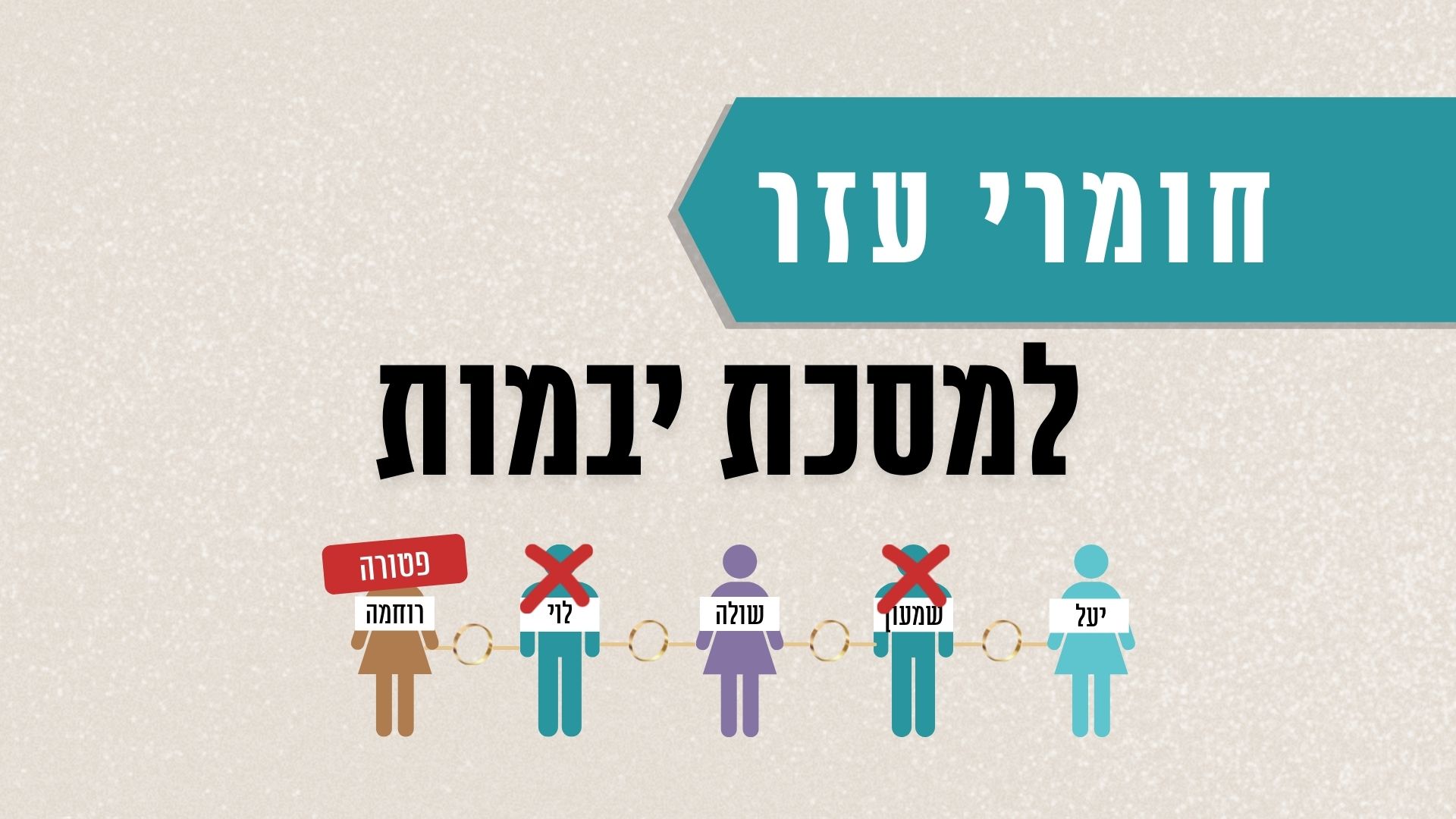
MISHNA: If two brothers are married to two minor sisters, and the husband of one of them dies childless, this widowed girl shall be exempt from levirate marriage due to her status as a forbidden relative, as one is prohibited from marrying the sister of his wife. The same halakha applies to two deaf-mute women, whose status is like that of two minors in this matter, as their marriages are valid by rabbinic law. And if two brothers were married to two sisters, one of them an adult and the other a minor, and the husband of the minor dies, the minor shall leave due to her status as the sister of a wife, as in the first case in the mishna.

מֵת בַּעְלָהּ שֶׁל גְּדוֹלָה, רַבִּי אֱלִיעֶזֶר אוֹמֵר: מְלַמְּדִין אֶת הַקְּטַנָּה שֶׁתְּמָאֵן בּוֹ.

But if the husband of the adult dies, it generates a Torah obligation of levirate marriage, which is not abrogated by the rabbinic prohibition proscribing the yevama as his wife’s sister. This prohibition is by rabbinic law, because marriage to a minor is rabbinic in origin. What does one do under such circumstances? Rabbi Eliezer says: We instruct the minor, i.e., his wife, to refuse him, so that her marriage is dissolved and he may then enter into levirate marriage with her adult sister, the widow of his childless brother.

רַבָּן גַּמְלִיאֵל אוֹמֵר: אִם מֵיאֲנָה — מֵיאֲנָה, וְאִם לָאו — תַּמְתִּין עַד שֶׁתַּגְדִּיל, וְתֵצֵא הַלֵּזוּ מִשּׁוּם אֲחוֹת אִשָּׁה.

Rabban Gamliel says: If the minor refuses of her own accord, her refusal is valid. And if not, she should wait until she reaches majority, whereupon her marriage is valid by Torah law, and that widowed adult sister shall be exempt from levirate marriage due to her status as the sister of a wife.

רַבִּי יְהוֹשֻׁעַ אוֹמֵר: אִי לוֹ עַל אִשְׁתּוֹ, אִי לוֹ עַל אֵשֶׁת אָחִיו. מוֹצִיא אֶת אִשְׁתּוֹ בְּגֵט — וְאֵשֶׁת אָחִיו בַּחֲלִיצָה.

Rabbi Yehoshua says: When the brother married to the adult sister dies, leaving the brother married to the minor, woe [ee] to him for his wife, woe to him for his brother’s wife. Under these circumstances, he loses both women: He must release his own wife with a bill of divorce and his brother’s wife by performing ḥalitza. He cannot stay married to his wife because she is the sister of his yevama, and he cannot enter into levirate marriage with the yevama even after divorcing his wife, because the yevama is his wife’s sister. The principle that one is completely absolved from levirate marriage when the potential yevama is a forbidden relative does not apply because Torah law does not recognize his marriage to his minor wife. That marriage’s rabbinic sanction does not suffice to render the yevama, his wife’s sister, a forbidden relative who is not a candidate for levirate marriage.

גְּמָ׳ וּמִי שְׁרֵי? וְהָתָנֵי בַּר קַפָּרָא: לְעוֹלָם יִדְבַּק אָדָם בִּשְׁלֹשָׁה דְּבָרִים, וְיִתְרַחֵק מִשְּׁלֹשָׁה דְּבָרִים. יִדְבַּק בִּשְׁלֹשָׁה דְּבָרִים: בַּחֲלִיצָה, וּבַהֲבָאַת שָׁלוֹם, וּבַהֲפָרַת נְדָרִים. וְיִתְרַחֵק מִשְּׁלֹשָׁה דְּבָרִים: מִן הַמֵּיאוּן, וּמִן הַפִּקְדוֹנוֹת, וּמִן הָעֵרְבוֹנוֹת! מֵיאוּן דְּמִצְוָה שָׁאנֵי.

GEMARA: The Gemara inquires about Rabbi Eliezer’s suggestion to instruct the minor to refuse: Is it permitted to instruct her to refuse? Doesn’t bar Kappara teach: A person should always cling to three things and distance himself from three things. He should cling to three things: To ḥalitza rather than levirate marriage, to bringing about peace, and to the nullification of vows. And he should distance himself from three things: From refusal; and from accepting deposits, as he is then responsible for them; and from serving as a guarantor. The Gemara answers: A refusal for a mitzva is different, as this refusal is performed to allow the mitzva of levirate marriage to be fulfilled with the other sister.

גּוּפָא. תָּנֵי בַּר קַפָּרָא: לְעוֹלָם יִדְבַּק אָדָם בִּשְׁלֹשָׁה דְּבָרִים: בַּחֲלִיצָה — כְּאַבָּא שָׁאוּל, דְּתַנְיָא, אַבָּא שָׁאוּל אוֹמֵר: הַכּוֹנֵס אֶת יְבִמְתּוֹ לְשֵׁם נוֹי, לְשֵׁם אִישׁוּת, לְשֵׁם דָּבָר אַחֵר — כְּאִילּוּ פּוֹגֵעַ בְּעֶרְוָה, וְקָרוֹב בְּעֵינַי לִהְיוֹת הַוָּלָד מַמְזֵר.

§ The Gemara explains the details of the matter itself. Bar Kappara taught: A person should always cling to three things: To ḥalitza; this is in accordance with the opinion of Abba Shaul, as it is taught in a baraita: Abba Shaul said: One who marries his yevama for her beauty, or for the sake of matrimony because he wants to be married to her, or for some other reason, such as her money, it is as if he is having intercourse with a woman forbidden to him, and in my eyes it is almost as if his offspring were a mamzer. Therefore, it is preferable that one performs ḥalitza and avoids sin.

בַּהֲבָאַת שָׁלוֹם, דִּכְתִיב: ״בַּקֵּשׁ שָׁלוֹם וְרׇדְפֵהוּ״,

One should cling to bringing about peace, as it is written “Seek peace and pursue it” (Psalms 34:15).

וְאָמַר רַבִּי אֲבָהוּ: אָתְיָא ״רְדִיפָה״ ״רְדִיפָה״. כְּתִיב הָכָא: ״בַּקֵּשׁ שָׁלוֹם וְרׇדְפֵהוּ״, וּכְתִיב הָתָם: ״רוֹדֵף צְדָקָה וָחָסֶד יִמְצָא חַיִּים צְדָקָה וְכָבוֹד״. בַּהֲפָרַת נְדָרִים, כְּרַבִּי נָתָן. דְּתַנְיָא, רַבִּי נָתָן אוֹמֵר: הַנּוֹדֵר — כְּאִילּוּ בָּנָה בָּמָה. וְהַמְקַיְּימוֹ — כְּאִילּוּ הִקְרִיב עָלֶיהָ קׇרְבָּן.

And Rabbi Abbahu said: It is derived by verbal analogy from the terms pursuit and pursuit. It is written here: “Seek peace and pursue it” (Psalms 34:15) and it is written there: “He who pursues righteousness and mercy finds life, prosperity, and honor” (Proverbs 21:21), indicating that pursuing peace is a mitzva, just as pursuing righteousness and mercy is. As for the nullification of vows, this is in accordance with the opinion of Rabbi Natan, as it is taught in a baraita: Rabbi Natan says: With regard to one who vows, it is as if he built a personal altar when it is prohibited to build an altar outside the Temple. And one who fulfills that vow, it is as if he sacrificed an offering on this personal altar, thereby doubling his sin. Therefore, it is preferable that he ask a halakhic authority to dissolve the vow.

וְיִתְרַחֵק מִשְּׁלֹשָׁה דְּבָרִים: מִן הַמֵּיאוּנִין — דִּלְמָא גָּדְלָה וּמִיחָרְטָא בָּהּ. מִן הַפִּקְדוֹנוֹת — בְּבַר מָתָא, דְּבַיְיתֵיהּ כִּי בַיְיתֵיהּ דָּמֵי. מִן הָעֵרָבוֹן — בַּעֲרָבֵי שַׁלְצִיּוֹן.

And one should distance himself from three things: From refusals, as perhaps she will grow up and regret her decision, and it will turn out that she refused a husband who was suitable for her. From deposits entrusted to him by an inhabitant of the same city, as he will treat the bailee’s home as his home. The owner might enter the bailee’s house and take the deposit without the latter’s knowledge, and subsequently falsely sue him for its return. From serving as a guarantor: This is referring to Sheltziyyon guarantees, in which the lender is entitled to demand payment from the guarantor even before the borrower defaults on the loan.

דְּאָמַר רַבִּי יִצְחָק: מַאי דִּכְתִיב: ״רַע יֵרוֹעַ כִּי עָרַב זָר״ — רָעָה אַחַר רָעָה תָּבֹא לִמְקַבְּלֵי גֵרִים, וְלַעֲרָבֵי שַׁלְצִיּוֹן, וּלְתוֹקֵעַ עַצְמוֹ לִדְבַר הֲלָכָה. מְקַבְּלֵי גֵרִים — כְּרַבִּי חֶלְבּוֹ. דְּאָמַר רַבִּי חֶלְבּוֹ: קָשִׁים גֵּרִים לְיִשְׂרָאֵל כְּסַפַּחַת בָּעוֹר.

As Rabbi Yitzḥak said: What is the meaning of that which is written: “He who serves as a guarantor for a stranger shall suffer evil; but he who hates those who shake hands is secure” (Proverbs 11:15)? This means: Evil after evil will befall those who accept converts, and Sheltziyyon guarantors, and one who confounds himself in matters of halakha. The Gemara clarifies. Evil will befall those who accept converts: This is in accordance with the opinion of Rabbi Ḥelbo. As Rabbi Ḥelbo says: Converts are difficult for the Jewish people like a leprous sore on the skin.

עֲרָבֵי שַׁלְצִיּוֹן — דְּעָבְדִי שְׁלוֹף דּוֹץ. תּוֹקֵעַ עַצְמוֹ לִדְבַר הֲלָכָה — דְּתַנְיָא, רַבִּי יוֹסֵי אוֹמֵר: כׇּל הָאוֹמֵר אֵין לוֹ תּוֹרָה — אֵין לוֹ תּוֹרָה. פְּשִׁיטָא! אֶלָּא: כׇּל הָאוֹמֵר אֵין לוֹ אֶלָּא תּוֹרָה — אֵין לוֹ אֶלָּא תּוֹרָה.

Evil shall befall Sheltziyyon guarantors because they practice: Pull out, thrust in. That is, they pull out the borrower and thrust the guarantor in his place as the one responsible for the loan. Evil befalls one who confounds himself in matters of halakha, as it is taught in a baraita: Rabbi Yosei says: Anyone who says he has no Torah, has no Torah. The Gemara asks: Is this not obvious? Rather, anyone who says he has nothing other than Torah, has nothing other than Torah.

הָא נָמֵי פְּשִׁיטָא! אֶלָּא דַּאֲפִילּוּ תּוֹרָה אֵין לוֹ. מַאי טַעְמָא? אָמַר רַב פָּפָּא, אָמַר קְרָא: ״וְלִמַּדְתֶּם וַעֲשִׂיתֶם״ — כֹּל שֶׁיֶּשְׁנוֹ בַּעֲשִׂיָּה יֶשְׁנוֹ בִּלְמִידָה, כֹּל שֶׁאֵינוֹ בַּעֲשִׂיָּה אֵינוֹ בִּלְמִידָה.

The Gemara asks: But isn’t this also obvious? One does not receive more reward than he deserves. Rather, it means that he does not even have Torah. What is the reason? Rav Pappa said: The verse states: That you may learn them and perform them, which is an abridged version of the verse “Hear, O Israel, the statutes and the ordinances that I speak in your ears this day, that you may learn them, and take care to perform them” (Deuteronomy 5:1). The verse teaches that anyone who is engaged in performing mitzvot is engaged in Torah study, while anyone not engaged in performing mitzvot is not engaged in Torah study; the Torah study of one who wishes only to immerse himself in his studies without fulfilling the mitzvot is not considered to be fulfilling even the mitzva of Torah study.

וְאִיבָּעֵית אֵימָא, לְעוֹלָם כִּדְאָמְרִיתוּ מֵעִיקָּרָא: כׇּל הָאוֹמֵר אֵין לוֹ אֶלָּא תּוֹרָה — אֵין לוֹ אֶלָּא תּוֹרָה, לָא צְרִיכָא דְּקָא מַגְמַר לְאַחֲרִינֵי וְאָזְלִי וְעָבְדִי. מַהוּ דְּתֵימָא: אִית לֵיהּ אַגְרָא לְדִידֵיהּ, קָא מַשְׁמַע לַן.

And if you wish, say: Actually, it is as you initially said: Anyone who says he has nothing other than Torah has nothing other than Torah. Rather, this statement is necessary with regard to one who teaches others and they go and perform the mitzvot. Lest you say that there is reward for him in it, Rabbi Yosei teaches us that since that person engaged in Torah study without the intention of observing the mitzvot himself, he does not receive a reward for the mitzvot that he taught others and which they performed.

וְאִיבָּעֵית אֵימָא, תּוֹקֵעַ עַצְמוֹ לִדְבַר הֲלָכָה: בְּדַיָּינָא דְּאָתֵי דִּינָא לְקַמֵּיהּ, וְגָמַר הֲלָכָה וּמְדַמֵּי מִילְּתָא לְמִילְּתָא, וְאִית לֵיהּ רַבָּה וְלָא אָזֵיל מְשַׁאֵיל.

And if you wish, say that one who confounds himself in matters of halakha is referring to a judge who had a case come before him, and he learned the tradition about a ruling in a similar case, and he likens one matter to the other in order to reach a conclusion; and he has a teacher nearby but he does not go and ask him. This is inappropriate, as judges must be very careful not to err in judgment.

דְּאָמַר רַבִּי שְׁמוּאֵל בַּר נַחְמָנִי אָמַר רַבִּי יוֹנָתָן: לְעוֹלָם יִרְאֶה דַּיָּין עַצְמוֹ כְּאִילּוּ חֶרֶב מוּנַּחַת לוֹ בֵּין יְרֵיכוֹתָיו, וְגֵיהִנָּם פְּתוּחָה לוֹ מִתַּחְתָּיו, שֶׁנֶּאֱמַר: ״הִנֵּה מִטָּתוֹ שֶׁלִּשְׁלֹמֹה שִׁשִּׁים גִּבּוֹרִים סָבִיב לָהּ מִגִּבּוֹרֵי יִשְׂרָאֵל וְגוֹ׳ מִפַּחַד בַּלֵּילוֹת״, מִפַּחַד שֶׁל גֵּיהִנָּם שֶׁדּוֹמֶה לְלַיְלָה.

As Rabbi Shmuel bar Naḥmani said that Rabbi Yonatan said: A judge should always view himself as if a sword were placed between his thighs, so that if he leans right or left he will be injured, and as if Gehenna was open beneath him, as it is stated: “Behold, it is the bed of Solomon; sixty mighty men are around it, of the mighty men of Israel. They all handle the sword, and are expert in war; every man has his sword upon his thigh, because of dread in the night” (Song of Songs 3:7–8), i.e., because of the dread of Gehenna, which is similar to the night. Rabbi Shmuel bar Naḥmani understands the mighty men of Israel in this verse to refer to the judges who sit in judgment around the bed of Solomon, i.e., in the Temple.

רַבָּן גַּמְלִיאֵל אוֹמֵר: אִם מֵיאֲנָה וְכוּ׳. בְּעָא מִינֵּיהּ רַבִּי אֶלְעָזָר מֵרַב: מַאי טַעְמָא דְּרַבָּן גַּמְלִיאֵל — מִשּׁוּם דְּקָסָבַר קִידּוּשֵׁי קְטַנָּה מִיתְלָא תְּלוּ, וְכִי גָּדְלָה גָּדְלִי בַּהֲדַהּ, אַף עַל גַּב דְּלָא בְּעַל,

§ It was taught in the mishna that Rabban Gamliel says: If the minor refuses of her own accord, her refusal is valid. And if not, she should wait until she reaches majority, whereupon her marriage is valid by Torah law, and the widowed adult sister shall be exempt from levirate marriage due to her status as the sister of a wife. Rabbi Elazar raised a dilemma to Rav: What is Rabban Gamliel’s reasoning? Is it because he holds that the betrothal of a minor girl is in suspension and when she reaches majority, the betrothal reaches majority, i.e., is fully realized, with her? Accordingly, the betrothal would then be realized even if he did not engage in intercourse with her after she reached majority.

אוֹ דִלְמָא מִשּׁוּם דְּקָסָבַר: הַמְקַדֵּשׁ אֲחוֹת יְבָמָה — נִפְטְרָה יְבָמָה וְהָלְכָה לָהּ, אִי בְּעַל — אִין, אִי לָא בְּעַל — לָא?

Or perhaps, is it because he holds that when a yavam betroths the sister of his yevama, causing the yevama to be forbidden to him, the yevama is exempt and is released even though her levirate bond came first? If he engaged in sexual intercourse with his betrothed after she reached majority, then yes, the yevama is exempt as a forbidden relative, because only then does Rabban Gamliel consider the betrothal to be fully realized, but if he did not engage in intercourse with his betrothed, then the yevama is not exempt from levirate marriage.

אֲמַר לֵיהּ: הַיְינוּ טַעְמָא דְּרַבָּן גַּמְלִיאֵל, מִשּׁוּם דְּקָסָבַר: הַמְקַדֵּשׁ אֲחוֹת יְבָמָה — נִפְטְרָה יְבָמָה וְהָלְכָה לָהּ, אִי בְּעַל — אִין, אִי לָא בְּעַל — לָא.

Rav said to him: This is Rabban Gamliel’s reasoning: Because he holds that in the case of one who betroths the sister of his yevama, the yevama is exempt and is released, then if he engaged in sexual intercourse with the sister after she reached majority then yes, the yevama is exempt from levirate marriage, but if he did not engage in intercourse with the sister after she reached majority, the yevama is not exempt.

אָמַר רַב שֵׁשֶׁת: אָמֵינָא, כִּי נָיֵים וְשָׁכֵיב רַב, אֲמַר לְהָא שְׁמַעְתָּא. דְּתַנְיָא: הַמְקַדֵּשׁ אֶת הַקְּטַנָּה — קִידּוּשֶׁיהָ תְּלוּיִין. מַאי ״תְּלוּיִין״? לָאו כִּי גָּדְלָה גָּדְלִי בַּהֲדַהּ, וְאַף עַל גַּב דְּלָא בָּעַל?

Rav Sheshet said: I say that Rav said this halakha when he was dozing and lying down, as it is difficult. As it is taught in a baraita: In the case of one who betroths a minor girl, her betrothal is in suspension. What does it mean that it is in suspension? Is it not that when she reaches majority, the betrothal reaches majority with her and is fully realized even if he did not have intercourse with her after she reached majority?

אֲמַר לֵיהּ רָבִין בְּרֵיהּ דְּרַב נַחְמָן: הָא מִילְּתָא דִקְטַנָּה, מִיתְלָא תַּלְיָא וְקָיְימָא, אִי בְּעַל — אִין, אִי לָא בְּעַל — לָא. דְּאָמְרָה: הוּא עָדִיף מִינַּאי, וַאֲנָא עֲדִיפְנָא מִינֵּיהּ.

Ravin, son of Rav Naḥman, said to Rav Sheshet: This matter, that the betrothal of a minor girl remains in suspension, should be understood differently. It means that her betrothal is provisional as long as she is still a minor: If he has sexual intercourse with her after she reaches majority, yes, her betrothal is realized; if he does not engage in intercourse with her after she reaches majority, her betrothal is not realized. For she says to herself: He has an advantage over me in that he can divorce me, and I have an advantage over him, as I can refuse him. Since the marriage of a minor depends upon her ongoing consent, as she can refuse him at any time, it remains provisional until it is consummated when she is an adult.

וְסָבַר רַב: אִי בְּעַל — אִין, אִי לָא בְּעַל — לָא? וְהָא אִיתְּמַר: קְטַנָּה שֶׁלֹּא מֵיאֲנָה, וְהִגְדִּילָה, וְעָמְדָה וְנִשֵּׂאת, רַב אָמַר: אֵינָהּ צְרִיכָה גֵּט מִשֵּׁנִי, וּשְׁמוּאֵל אָמַר: צְרִיכָה גֵּט מִשֵּׁנִי.

The Gemara asks: But does Rav truly think that only if he has intercourse with her after she becomes an adult, then yes, her betrothal is realized, but if he did not engage in intercourse with her, then no, it is not realized? Wasn’t it stated that with regard to a minor who had not refused her husband and reached majority, and then went and married another, Rav said: She does not require a bill of divorce from the second man, as she is fully married to the first and consequently her second marriage is invalid? And Shmuel said: She does require a bill of divorce from the second man, as it is uncertain whether her second marriage is valid.

כלים

העמקה

רוצה להבין מה באמת קורה מתחת לפני השטח של הסוגיה?
שיעורים, פודקאסטים והרחבות של מיטב המורות שלנו יפתחו לך עוד זוויות וכיווני חשיבה.

לשיעורי עוד על הדף באנגלית, לחצי כאן

חדשה בלימוד הגמרא?

זה הדף הראשון שלך? איזו התרגשות עצומה! יש לנו בדיוק את התכנים והכלים שיעזרו לך לעשות את הצעדים הראשונים ללמידה בקצב וברמה שלך, כך תוכלי להרגיש בנוח גם בתוך הסוגיות המורכבות ומאתגרות.

פסיפס הלומדות שלנו

גלי את קהילת הלומדות שלנו, מגוון נשים, רקעים וסיפורים. כולן חלק מתנועה ומסע מרגש ועוצמתי.

התחלתי ללמוד דף יומי לפני שנתיים, עם מסכת שבת. בהתחלה ההתמדה היתה קשה אבל בזכות הקורונה והסגרים הצלחתי להדביק את הפערים בשבתות הארוכות, לסיים את מסכת שבת ולהמשיך עם המסכתות הבאות. עכשיו אני מסיימת בהתרגשות רבה את מסכת חגיגה וסדר מועד ומחכה לסדר הבא!

Ilana-Shachnowitz
אילנה שכנוביץ

מודיעין, ישראל

. לא תמיד נהניתי מלימוד גמרא כילדה.,בל כהתבגרתי התחלתי לאהוב את זה שוב. התחלתי ללמוד מסכת סוטה בדף היומי לפני כחמש עשרה שנה ואז הפסקתי.הגעתי לסיום הגדול של הדרן לפני שנתיים וזה נתן לי השראה. והתחלתי ללמוד למשך כמה ימים ואז היתה לי פריצת דיסק והפסקתי…עד אלול השנה. אז התחלתי עם מסכת ביצה וב”ה אני מצליחה לעמוד בקצב. המשפחה מאוד תומכת בי ויש כמה שגם לומדים את זה במקביל. אני אוהבת שיש עוגן כל יום.

Rebecca Darshan
רבקה דרשן

בית שמש, ישראל

התחלתי כשהייתי בחופש, עם הפרסומים על תחילת המחזור, הסביבה קיבלה את זה כמשהו מתמיד ומשמעותי ובהערכה, הלימוד זה עוגן יציב ביום יום, יש שבועות יותר ויש שפחות אבל זה משהו שנמצא שם אמין ובעל משמעות בחיים שלי….

Adi Diamant
עדי דיאמנט

גמזו, ישראל

באירוע של הדרן בנייני האומה. בהשראתה של אמי שלי שסיימה את הש”ס בסבב הקודם ובעידוד מאיר , אישי, וילדיי וחברותיי ללימוד במכון למנהיגות הלכתית של רשת אור תורה סטון ומורתיי הרבנית ענת נובוסלסקי והרבנית דבורה עברון, ראש המכון למנהיגות הלכתית.
הלימוד מעשיר את יומי, מחזיר אותי גם למסכתות שכבר סיימתי וידוע שאינו דומה מי ששונה פרקו מאה לשונה פרקו מאה ואחת במיוחד מרתקים אותי החיבורים בין המסכתות

Roit Kalech
רוית קלך

מודיעין, ישראל

התחלתי ללמוד דף יומי ממסכת נידה כי זה היה חומר הלימוד שלי אז. לאחר הסיום הגדול בבנייני האומה החלטתי להמשיך. וב”ה מאז עם הפסקות קטנות של קורונה ולידה אני משתדלת להמשיך ולהיות חלק.

זה משפיע מאוד על היום יום שלי ועל אף שאני עסוקה בלימודי הלכה ותורה כל יום, זאת המסגרת הקבועה והמחייבת ביותר שיש לי.

Moriah Taesan Michaeli
מוריה תעסן מיכאלי

גבעת הראל, ישראל

כבר סיפרתי בסיום של מועד קטן.
הלימוד מאוד משפיעה על היום שלי כי אני לומדת עם רבנית מישל על הבוקר בזום. זה נותן טון לכל היום – בסיס למחשבות שלי .זה זכות גדול להתחיל את היום בלימוד ובתפילה. תודה רבה !

שרה-ברלוביץ
שרה ברלוביץ

ירושלים, ישראל

רציתי לקבל ידע בתחום שהרגשתי שהוא גדול וחשוב אך נעלם ממני. הלימוד מעניק אתגר וסיפוק ומעמיק את תחושת השייכות שלי לתורה וליהדות

Ruth Agiv
רות עגיב

עלי זהב – לשם, ישראל

בסוף הסבב הקודם ראיתי את השמחה הגדולה שבסיום הלימוד, בעלי סיים כבר בפעם השלישית וכמובן הסיום הנשי בבנייני האומה וחשבתי שאולי זו הזדמנות עבורי למשהו חדש.
למרות שאני שונה בסביבה שלי, מי ששומע על הלימוד שלי מפרגן מאוד.
אני מנסה ללמוד קצת בכל יום, גם אם לא את כל הדף ובסך הכל אני בדרך כלל עומדת בקצב.
הלימוד מעניק המון משמעות ליום יום ועושה סדר בלמוד תורה, שתמיד היה (ועדיין) שאיפה. אבל אין כמו קביעות

Racheli-Mendelson
רחלי מנדלסון

טל מנשה, ישראל

התחלתי ללמוד דף יומי באמצע תקופת הקורונה, שאבא שלי סיפר לי על קבוצה של בנות שתיפתח ביישוב שלנו ותלמד דף יומי כל יום. הרבה זמן רציתי להצטרף לזה וזאת הייתה ההזדמנות בשבילי. הצטרפתי במסכת שקלים ובאמצע הייתה הפסקה קצרה. כיום אני כבר לומדת באולפנה ולומדת דף יומי לבד מתוך גמרא של טיינזלץ.

Saturdays in Raleigh
שבות בראלי

עתניאל, ישראל

התחלתי מעט לפני תחילת הסבב הנוכחי. אני נהנית מהאתגר של להמשיך להתמיד, מרגעים של "אהה, מפה זה הגיע!” ומהאתגר האינטלקטואלי

Eilat-Chen and Deller
אילת-חן ודלר

לוד, ישראל

התחלתי ללמוד דף יומי בתחילת מסכת ברכות, עוד לא ידעתי כלום. נחשפתי לסיום הש״ס, ובעצם להתחלה מחדש בתקשורת, הפתיע אותי לטובה שהיה מקום לעיסוק בתורה.
את המסכתות הראשונות למדתי, אבל לא סיימתי (חוץ מעירובין איכשהו). השנה כשהגעתי למדרשה, נכנסתי ללופ, ואני מצליחה להיות חלק, סיימתי עם החברותא שלי את כל המסכתות הקצרות, גם כשהיינו חולות קורונה ובבידודים, למדנו לבד, העיקר לא לצבור פער, ומחכות ליבמות 🙂

Eden Yeshuron
עדן ישורון

מזכרת בתיה, ישראל

. לא תמיד נהניתי מלימוד גמרא כילדה.,בל כהתבגרתי התחלתי לאהוב את זה שוב. התחלתי ללמוד מסכת סוטה בדף היומי לפני כחמש עשרה שנה ואז הפסקתי.הגעתי לסיום הגדול של הדרן לפני שנתיים וזה נתן לי השראה. והתחלתי ללמוד למשך כמה ימים ואז היתה לי פריצת דיסק והפסקתי…עד אלול השנה. אז התחלתי עם מסכת ביצה וב”ה אני מצליחה לעמוד בקצב. המשפחה מאוד תומכת בי ויש כמה שגם לומדים את זה במקביל. אני אוהבת שיש עוגן כל יום.

Rebecca Darshan
רבקה דרשן

בית שמש, ישראל

שמעתי על הסיום הענק של הדף היומי ע”י נשים בבנייני האומה. רציתי גם.
החלטתי להצטרף. התחלתי ושיכנעתי את בעלי ועוד שתי חברות להצטרף. עכשיו יש לי לימוד משותף איתו בשבת ומפגש חודשי איתן בנושא (והתכתבויות תדירות על דברים מיוחדים שקראנו). הצטרפנו לקבוצות שונות בווטסאפ. אנחנו ממש נהנות. אני שומעת את השיעור מידי יום (בד”כ מהרב יוני גוטמן) וקוראת ומצטרפת לסיומים של הדרן. גם מקפידה על דף משלהן (ונהנית מאד).

Liat Citron
ליאת סיטרון

אפרת, ישראל

התחלתי ללמוד דף יומי אחרי שחזרתי בתשובה ולמדתי במדרשה במגדל עוז. הלימוד טוב ומספק חומר למחשבה על נושאים הלכתיים ”קטנים” ועד לערכים גדולים ביהדות. חשוב לי להכיר את הגמרא לעומק. והצעד הקטן היום הוא ללמוד אותה בבקיאות, בעזרת השם, ומי יודע אולי גם אגיע לעיון בנושאים מעניינים. נושאים בגמרא מתחברים לחגים, לתפילה, ליחסים שבין אדם לחברו ולמקום ולשאר הדברים שמלווים באורח חיים דתי 🙂

Gaia Divo
גאיה דיבו

מצפה יריחו, ישראל

אמא שלי למדה איתי ש”ס משנה, והתחילה ללמוד דף יומי. אני החלטתי שאני רוצה ללמוד גם. בהתחלה למדתי איתה, אח”כ הצטרפתי ללימוד דף יומי שהרב דני וינט מעביר לנוער בנים בעתניאל. במסכת עירובין עוד חברה הצטרפה אלי וכשהתחלנו פסחים הרב דני פתח לנו שעור דף יומי לבנות. מאז אנחנו לומדות איתו קבוע כל יום את הדף היומי (ובשבת אבא שלי מחליף אותו). אני נהנית מהלימוד, הוא מאתגר ומעניין

Renana Hellman
רננה הלמן

עתניאל, ישראל

התחלתי כשהייתי בחופש, עם הפרסומים על תחילת המחזור, הסביבה קיבלה את זה כמשהו מתמיד ומשמעותי ובהערכה, הלימוד זה עוגן יציב ביום יום, יש שבועות יותר ויש שפחות אבל זה משהו שנמצא שם אמין ובעל משמעות בחיים שלי….

Adi Diamant
עדי דיאמנט

גמזו, ישראל

התחלתי ללמוד דף לפני קצת יותר מ-5 שנים, כשלמדתי רבנות בישיבת מהר”ת בניו יורק. בדיעבד, עד אז, הייתי בלימוד הגמרא שלי כמו מישהו שאוסף חרוזים משרשרת שהתפזרה, פה משהו ושם משהו, ומאז נפתח עולם ומלואו…. הדף נותן לי לימוד בצורה מאורגנת, שיטתית, יום-יומית, ומלמד אותי לא רק ידע אלא את השפה ודרך החשיבה שלנו. לשמחתי, יש לי סביבה תומכת וההרגשה שלי היא כמו בציטוט שבחרתי: הדף משפיע לטובה על כל היום שלי.

Michal Kahana
מיכל כהנא

חיפה, ישראל

סיום השס לנשים נתן לי מוטביציה להתחיל ללמוד דף יומי. עד אז למדתי גמרא בשבתות ועשיתי כמה סיומים. אבל לימוד יומיומי זה שונה לגמרי ופתאום כל דבר שקורה בחיים מתקשר לדף היומי.

Fogel Foundation
קרן פוגל

רתמים, ישראל

התחלתי בתחילת הסבב, והתמכרתי. זה נותן משמעות נוספת ליומיום ומאוד מחזק לתת לזה מקום בתוך כל שגרת הבית-עבודה השוטפת.

Reut Abrahami
רעות אברהמי

בית שמש, ישראל

בתחילת הסבב הנוכחי של לימוד הדף היומי, נחשפתי לחגיגות המרגשות באירועי הסיום ברחבי העולם. והבטחתי לעצמי שבקרוב אצטרף גם למעגל הלומדות. הסבב התחיל כאשר הייתי בתחילת דרכי בתוכנית קרן אריאל להכשרת יועצות הלכה של נשמ”ת. לא הצלחתי להוסיף את ההתחייבות לדף היומי על הלימוד האינטנסיבי של תוכנית היועצות. בבוקר למחרת המבחן הסופי בנשמ”ת, התחלתי את לימוד הדף במסכת סוכה ומאז לא הפסקתי.

Hana Shaham-Rozby (Dr.)
חנה שחם-רוזבי (ד”ר)

קרית גת, ישראל

יבמות קט

וְרַבִּי אֶלְעָזָר אוֹסֵר. וְכֵן הַמְגָרֵשׁ אֶת הַיְּתוֹמָה וְהֶחְזִירָהּ — מוּתֶּרֶת לַיָּבָם. וְרַבִּי אֶלְעָזָר אוֹסֵר. קְטַנָּה שֶׁהִשִּׂיאָהּ אָבִיהָ, וְנִתְגָּרְשָׁה — כִּיתוֹמָה בְּחַיֵּי הָאָב. וְהֶחְזִירָהּ — דִּבְרֵי הַכֹּל אֲסוּרָה לַיָּבָם.

but Rabbi Elazar prohibits this. Likewise, with regard to one who divorces an orphaned minor girl whose mother and brothers married her off and remarries her and subsequently dies, she is permitted to the yavam in levirate marriage, and Rabbi Elazar prohibits it. A minor girl whose father married her off, in which case the marriage is valid by Torah law, and who was subsequently divorced while she was still a minor is like an orphan during the lifetime of her father, as he no longer has the right to marry her off, and she cannot become fully married because she is a minor. And if the husband remarries her while she is still a minor and then dies childless, everyone agrees that she is forbidden to the yavam and may not enter into levirate marriage.

גְּמָ׳ אָמַר עֵיפָה: מַאי טַעְמָא דְּרַבִּי אֶלְעָזָר — הוֹאִיל וְעָמְדָה עָלָיו שָׁעָה אַחַת בְּאִיסּוּרָא. אֲמַרוּ לֵיהּ רַבָּנַן לְעֵיפָה: אִי הָכִי, חֲלִיצָה נָמֵי לָא תִּיבְעֵי!

GEMARA: The Sage Eifa said: What is the reasoning of Rabbi Elazar, who prohibits a man from entering into levirate marriage with a woman whom his brother had divorced and remarried? It is because she was forbidden to him at one time; when the first brother divorced her, she became forbidden to the second brother due to her status as the first brother’s ex-wife. A husband’s relatives are forbidden to the wife even after death or divorce. However, the mitzva of levirate marriage grants a special exemption from the prohibition against marrying one’s brother’s wife. In this case, if the first brother had died while they were still divorced, the mitzva of levirate marriage would not have applied, and she would have been forbidden to him. The Sages said to Eifa: If that is so, she should also not require ḥalitza, since she is a forbidden relative.

וְכִי תֵּימָא: הָכִי נָמֵי, וְהָתַנְיָא, מִשּׁוּם רַבִּי אֶלְעָזָר אָמְרוּ: חוֹלֶצֶת! אֶלָּא אָמַר עֵיפָה: רַבִּי אֶלְעָזָר לָא יָדַעְנָא מַאי טַעְמָא.

And if you would say: Indeed, Rabbi Elazar also exempts her from ḥalitza, isn’t it taught in a baraita: It was said in the name of Rabbi Elazar that she performs ḥalitza? Rather, Eifa said: I do not know the reason for the opinion of Rabbi Elazar.

אָמַר אַבָּיֵי, הַיְינוּ טַעְמָא דְּרַבִּי אֶלְעָזָר: מְסַפְּקָא לֵיהּ אִי מִיתָה מַפֶּלֶת, אִי נִשּׂוּאִין הָרִאשׁוֹנִים מַפִּילִים. אִי מִיתָה מַפֶּלֶת — הָא רַמְיָא קַמֵּיהּ לְיִיבּוּם, אִי נִשּׂוּאִין הָרִאשׁוֹנִים מַפִּילִים — הָא עָמְדָה עָלָיו שָׁעָה אַחַת בְּאִיסּוּר.

Abaye said: This is the reasoning of Rabbi Elazar: He is uncertain whether the death of the husband determines that she is a candidate for levirate marriage, or whether the original marriage determines it. In other words, he is uncertain as to whether the obligation to perform levirate marriage is established only at the death of one’s brother or already from the beginning of the brother’s marriage. If death determines that she is a candidate for levirate marriage, then she has happened before him for levirate marriage, as she is the wife of his childless brother who died. If the original marriage determines that she is a candidate for levirate marriage, then she was forbidden to him for a time as his brother’s ex-wife and is consequently exempt from levirate marriage. According to Rabbi Elazar, it is due to this uncertainty that the brother may not enter into levirate marriage yet must perform ḥalitza.

רָבָא אָמַר: לְעוֹלָם פְּשִׁיטָא לְרַבִּי אֶלְעָזָר דְּמִיתָה מַפֶּלֶת, וּמִיהוּ הַכֹּל בְּקִיאִין בְּגֵירוּשִׁין, וְאֵין הַכֹּל בְּקִיאִין בַּחֲזָרָה.

Rava said: Actually, it is obvious to Rabbi Elazar that death determines that she is a candidate for levirate marriage. However, everyone is well informed with regard to divorces. Everyone knows that the woman was divorced, while not everyone is well informed with regard to remarriage, and they do not necessarily know that she remarried him. Therefore, there is concern that people will mistakenly think that one entered into levirate marriage with his brother’s ex-wife.

אַדְּרַבָּה: חֲזָרָה, כֵּיוָן דְּיָתְבָא תּוּתֵיהּ, אִית לֵיהּ קָלָא! מִי לָא עָסְקִינַן דְּאַהְדְּרַהּ בְּאוּרְתָּא וּשְׁכֵיב בְּצַפְרָא.

The Gemara argues against this point: On the contrary, her return to her former husband, since she is living with him, generates publicity, so that it is known that they are remarried. The Gemara answers: Are we not dealing even with a case in which he remarried her in the evening and died in the morning? In this instance and others like it, not everyone would know that he remarried her, and they will think that the brother took his deceased brother’s ex-wife in levirate marriage. In order to avoid such situations, Rabbi Elazar decreed that she is always forbidden.

רַב אָשֵׁי אָמַר: הַיְינוּ טַעְמָא דְּרַבִּי אֶלְעָזָר, דְּגָזַר הָנֵי מִשּׁוּם יְתוֹמָה בְּחַיֵּי הָאָב וְהֶחְזִירָהּ. הָכִי נָמֵי מִסְתַּבְּרָא, מִדְּקָתָנֵי סֵיפָא: קְטַנָּה שֶׁהִשִּׂיאָהּ אָבִיהָ וְנִתְגָּרְשָׁה, כִּיתוֹמָה בְּחַיֵּי הָאָב. וְהֶחְזִירָהּ — דִּבְרֵי הַכֹּל שֶׁאֲסוּרָה לַיָּבָם.

Rav Ashi said: This is the reasoning of Rabbi Elazar: He decreed to prohibit levirate marriage with these, i.e., women who were divorced and remarried, due to the case of a girl who is considered an orphan in the lifetime of her father, who was divorced by her husband and he subsequently remarried her. If a minor girl was married off by her father and was subsequently divorced, she is no longer subject to her father with regard to marriage and divorce, but because she is a minor, any marriage she enters into is by rabbinic rather than by Torah law. The Gemara comments: So too, this is reasonable based on what was taught in the latter clause of the mishna: A minor girl whose father married her off and who was subsequently divorced while she was still a minor, is like an orphan during her father’s lifetime. And if the husband remarries her while she is still a minor and then dies, everyone agrees that she is forbidden to the yavam and may not enter into levirate marriage.

הַאי מַאי לְמֵימְרָא? פְּשִׁיטָא! אֶלָּא לָאו הָא קָא מַשְׁמַע לַן, טַעְמָא דְּרַבִּי אֶלְעָזָר דְּגָזַר הָנָךְ מִשּׁוּם הַאי. שְׁמַע מִינַּהּ.

What is the purpose of stating this halakha? It is obvious. Rather, is it not teaching us Rabbi Elazar’s reason for decreeing that these women who were divorced and remarried are forbidden due to that woman, the girl who is considered an orphan in the lifetime of her father? The Gemara concludes: Learn from here that this is his reason.

תַּנְיָא כְּווֹתֵיהּ דְּרַב אָשֵׁי: מוֹדִים חֲכָמִים לְרַבִּי אֶלְעָזָר בִּקְטַנָּה שֶׁהִשִּׂיאָהּ אָבִיהָ וְנִתְגָּרְשָׁה — הֲרֵי הִיא כִּיתוֹמָה בְּחַיֵּי הָאָב, וְהֶחְזִירָהּ — שֶׁאֲסוּרָה לַיָּבָם, מִפְּנֵי שֶׁגֵּירוּשֶׁיהָ גֵּירוּשִׁין גְּמוּרִין, וְאֵין חֲזָרָתָהּ חֲזָרָה גְּמוּרָה.

The Gemara comments: It is taught in a baraita in accordance with the opinion of Rav Ashi: The Rabbis concede to Rabbi Elazar concerning a minor girl whose father married her off and who was divorced, that she is like an orphan in the lifetime of her father, and that if her husband remarried her, she is forbidden to the yavam, because her divorce was a full-fledged divorce by Torah law while her remarriage was not a full-fledged remarriage, as she was still a minor. This implies that Rabbi Elazar’s ruling is prompted by the case of a girl who is like an orphan in her father’s lifetime and that this was the reason for his decree.

בַּמֶּה דְּבָרִים אֲמוּרִים — שֶׁגֵּירְשָׁהּ כְּשֶׁהִיא קְטַנָּה וְהֶחְזִירָהּ כְּשֶׁהִיא קְטַנָּה. אֲבָל גֵּירְשָׁהּ כְּשֶׁהִיא קְטַנָּה וְהֶחְזִירָהּ כְּשֶׁהִיא גְּדוֹלָה, אִי נָמֵי הֶחְזִירָהּ כְּשֶׁהִיא קְטַנָּה וְגָדְלָה אֶצְלוֹ וָמֵת — אוֹ חוֹלֶצֶת אוֹ מִתְיַיבֶּמֶת. מִשּׁוּם רַבִּי אֶלְעָזָר אָמְרוּ: חוֹלֶצֶת וְלֹא מִתְיַיבֶּמֶת.

The baraita continues: In what case is this statement said? In a case where he divorced her while she was a minor and he remarried her while she was still a minor. But if he divorced her while she was a minor and remarried her when she was already an adult, or if he remarried her while she was a minor and she matured to legal adulthood while with him, and he subsequently died, she may either perform ḥalitza or enter into levirate marriage. It was said in the name of Rabbi Elazar: She must perform ḥalitza and may not enter into levirate marriage, since he decreed that all remarried women may not enter into levirate marriage due to the case of one who is like an orphan in her father’s lifetime.

בְּעָא מִינֵּיהּ רָבָא מֵרַב נַחְמָן: צָרָתָהּ, מַהוּ? אֲמַר לֵיהּ: הִיא גּוּפַהּ גְּזֵירָה, וַאֲנַן נֵיקוּם וְנִיגְזוֹר גְּזֵירָה לִגְזֵירָה?

Rav asked Rav Naḥman: What is the halakha with regard to the rival wife of a girl whose husband remarried her, according to Rabbi Elazar? Is the girl regarded as a forbidden relative to the extent that even her rival wife may not enter into levirate marriage? He said to him: She herself is forbidden due to a rabbinic decree, as explained already. And will we then proceed to issue a decree to prevent violation of a decree? Accordingly, her rival wife is permitted to enter into levirate marriage.

וְהָא תַּנְיָא, מִשּׁוּם רַבִּי אֶלְעָזָר אָמְרוּ: הִיא וְצָרָתָהּ חוֹלֶצֶת. הִיא וְצָרָתָהּ סָלְקָא דַּעְתָּךְ?! אֶלָּא לָאו: אוֹ הִיא אוֹ צָרָתָהּ חוֹלֶצֶת? לָאו תָּרוֹצֵי קָמְתָרְצַתְּ, תָּרֵיץ הָכִי: הִיא — חוֹלֶצֶת, צָרָתָהּ — אוֹ חוֹלֶצֶת אוֹ מִתְיַיבֶּמֶת.

The Gemara challenges: Isn’t it taught in a baraita: It was said in the name of Rabbi Elazar: Both she and her rival wife must perform ḥalitza? The Gemara asks: Would it enter your mind to say: She and her rival wife? Why should two women from the same household perform ḥalitza? Ḥalitza performed by one of them exempts the other. Rather, should it not say: Either she or her rival wife must perform ḥalitza, but even the rival wife may not enter into levirate marriage. The Gemara responds: Are you not emending the mishna? If so, emend it as follows: She can only perform ḥalitza; her rival wife may either perform ḥalitza or enter into levirate marriage.

מַתְנִי׳ שְׁנֵי אַחִין נְשׂוּאִין לִשְׁתֵּי אֲחָיוֹת קְטַנּוֹת, וּמֵת בַּעְלָהּ שֶׁל אַחַת מֵהֶן — הַלֵּזוּ תֵּצֵא מִשּׁוּם אֲחוֹת אִשָּׁה. וְכֵן שְׁתֵּי חֵרְשׁוֹת. גְּדוֹלָה וּקְטַנָּה, מֵת בַּעְלָהּ שֶׁל קְטַנָּה — תֵּצֵא הַקְּטַנָּה מִשּׁוּם אֲחוֹת אִשָּׁה.

MISHNA: If two brothers are married to two minor sisters, and the husband of one of them dies childless, this widowed girl shall be exempt from levirate marriage due to her status as a forbidden relative, as one is prohibited from marrying the sister of his wife. The same halakha applies to two deaf-mute women, whose status is like that of two minors in this matter, as their marriages are valid by rabbinic law. And if two brothers were married to two sisters, one of them an adult and the other a minor, and the husband of the minor dies, the minor shall leave due to her status as the sister of a wife, as in the first case in the mishna.

מֵת בַּעְלָהּ שֶׁל גְּדוֹלָה, רַבִּי אֱלִיעֶזֶר אוֹמֵר: מְלַמְּדִין אֶת הַקְּטַנָּה שֶׁתְּמָאֵן בּוֹ.

But if the husband of the adult dies, it generates a Torah obligation of levirate marriage, which is not abrogated by the rabbinic prohibition proscribing the yevama as his wife’s sister. This prohibition is by rabbinic law, because marriage to a minor is rabbinic in origin. What does one do under such circumstances? Rabbi Eliezer says: We instruct the minor, i.e., his wife, to refuse him, so that her marriage is dissolved and he may then enter into levirate marriage with her adult sister, the widow of his childless brother.

רַבָּן גַּמְלִיאֵל אוֹמֵר: אִם מֵיאֲנָה — מֵיאֲנָה, וְאִם לָאו — תַּמְתִּין עַד שֶׁתַּגְדִּיל, וְתֵצֵא הַלֵּזוּ מִשּׁוּם אֲחוֹת אִשָּׁה.

Rabban Gamliel says: If the minor refuses of her own accord, her refusal is valid. And if not, she should wait until she reaches majority, whereupon her marriage is valid by Torah law, and that widowed adult sister shall be exempt from levirate marriage due to her status as the sister of a wife.

רַבִּי יְהוֹשֻׁעַ אוֹמֵר: אִי לוֹ עַל אִשְׁתּוֹ, אִי לוֹ עַל אֵשֶׁת אָחִיו. מוֹצִיא אֶת אִשְׁתּוֹ בְּגֵט — וְאֵשֶׁת אָחִיו בַּחֲלִיצָה.

Rabbi Yehoshua says: When the brother married to the adult sister dies, leaving the brother married to the minor, woe [ee] to him for his wife, woe to him for his brother’s wife. Under these circumstances, he loses both women: He must release his own wife with a bill of divorce and his brother’s wife by performing ḥalitza. He cannot stay married to his wife because she is the sister of his yevama, and he cannot enter into levirate marriage with the yevama even after divorcing his wife, because the yevama is his wife’s sister. The principle that one is completely absolved from levirate marriage when the potential yevama is a forbidden relative does not apply because Torah law does not recognize his marriage to his minor wife. That marriage’s rabbinic sanction does not suffice to render the yevama, his wife’s sister, a forbidden relative who is not a candidate for levirate marriage.

גְּמָ׳ וּמִי שְׁרֵי? וְהָתָנֵי בַּר קַפָּרָא: לְעוֹלָם יִדְבַּק אָדָם בִּשְׁלֹשָׁה דְּבָרִים, וְיִתְרַחֵק מִשְּׁלֹשָׁה דְּבָרִים. יִדְבַּק בִּשְׁלֹשָׁה דְּבָרִים: בַּחֲלִיצָה, וּבַהֲבָאַת שָׁלוֹם, וּבַהֲפָרַת נְדָרִים. וְיִתְרַחֵק מִשְּׁלֹשָׁה דְּבָרִים: מִן הַמֵּיאוּן, וּמִן הַפִּקְדוֹנוֹת, וּמִן הָעֵרְבוֹנוֹת! מֵיאוּן דְּמִצְוָה שָׁאנֵי.

GEMARA: The Gemara inquires about Rabbi Eliezer’s suggestion to instruct the minor to refuse: Is it permitted to instruct her to refuse? Doesn’t bar Kappara teach: A person should always cling to three things and distance himself from three things. He should cling to three things: To ḥalitza rather than levirate marriage, to bringing about peace, and to the nullification of vows. And he should distance himself from three things: From refusal; and from accepting deposits, as he is then responsible for them; and from serving as a guarantor. The Gemara answers: A refusal for a mitzva is different, as this refusal is performed to allow the mitzva of levirate marriage to be fulfilled with the other sister.

גּוּפָא. תָּנֵי בַּר קַפָּרָא: לְעוֹלָם יִדְבַּק אָדָם בִּשְׁלֹשָׁה דְּבָרִים: בַּחֲלִיצָה — כְּאַבָּא שָׁאוּל, דְּתַנְיָא, אַבָּא שָׁאוּל אוֹמֵר: הַכּוֹנֵס אֶת יְבִמְתּוֹ לְשֵׁם נוֹי, לְשֵׁם אִישׁוּת, לְשֵׁם דָּבָר אַחֵר — כְּאִילּוּ פּוֹגֵעַ בְּעֶרְוָה, וְקָרוֹב בְּעֵינַי לִהְיוֹת הַוָּלָד מַמְזֵר.

§ The Gemara explains the details of the matter itself. Bar Kappara taught: A person should always cling to three things: To ḥalitza; this is in accordance with the opinion of Abba Shaul, as it is taught in a baraita: Abba Shaul said: One who marries his yevama for her beauty, or for the sake of matrimony because he wants to be married to her, or for some other reason, such as her money, it is as if he is having intercourse with a woman forbidden to him, and in my eyes it is almost as if his offspring were a mamzer. Therefore, it is preferable that one performs ḥalitza and avoids sin.

בַּהֲבָאַת שָׁלוֹם, דִּכְתִיב: ״בַּקֵּשׁ שָׁלוֹם וְרׇדְפֵהוּ״,

One should cling to bringing about peace, as it is written “Seek peace and pursue it” (Psalms 34:15).

וְאָמַר רַבִּי אֲבָהוּ: אָתְיָא ״רְדִיפָה״ ״רְדִיפָה״. כְּתִיב הָכָא: ״בַּקֵּשׁ שָׁלוֹם וְרׇדְפֵהוּ״, וּכְתִיב הָתָם: ״רוֹדֵף צְדָקָה וָחָסֶד יִמְצָא חַיִּים צְדָקָה וְכָבוֹד״. בַּהֲפָרַת נְדָרִים, כְּרַבִּי נָתָן. דְּתַנְיָא, רַבִּי נָתָן אוֹמֵר: הַנּוֹדֵר — כְּאִילּוּ בָּנָה בָּמָה. וְהַמְקַיְּימוֹ — כְּאִילּוּ הִקְרִיב עָלֶיהָ קׇרְבָּן.

And Rabbi Abbahu said: It is derived by verbal analogy from the terms pursuit and pursuit. It is written here: “Seek peace and pursue it” (Psalms 34:15) and it is written there: “He who pursues righteousness and mercy finds life, prosperity, and honor” (Proverbs 21:21), indicating that pursuing peace is a mitzva, just as pursuing righteousness and mercy is. As for the nullification of vows, this is in accordance with the opinion of Rabbi Natan, as it is taught in a baraita: Rabbi Natan says: With regard to one who vows, it is as if he built a personal altar when it is prohibited to build an altar outside the Temple. And one who fulfills that vow, it is as if he sacrificed an offering on this personal altar, thereby doubling his sin. Therefore, it is preferable that he ask a halakhic authority to dissolve the vow.

וְיִתְרַחֵק מִשְּׁלֹשָׁה דְּבָרִים: מִן הַמֵּיאוּנִין — דִּלְמָא גָּדְלָה וּמִיחָרְטָא בָּהּ. מִן הַפִּקְדוֹנוֹת — בְּבַר מָתָא, דְּבַיְיתֵיהּ כִּי בַיְיתֵיהּ דָּמֵי. מִן הָעֵרָבוֹן — בַּעֲרָבֵי שַׁלְצִיּוֹן.

And one should distance himself from three things: From refusals, as perhaps she will grow up and regret her decision, and it will turn out that she refused a husband who was suitable for her. From deposits entrusted to him by an inhabitant of the same city, as he will treat the bailee’s home as his home. The owner might enter the bailee’s house and take the deposit without the latter’s knowledge, and subsequently falsely sue him for its return. From serving as a guarantor: This is referring to Sheltziyyon guarantees, in which the lender is entitled to demand payment from the guarantor even before the borrower defaults on the loan.

דְּאָמַר רַבִּי יִצְחָק: מַאי דִּכְתִיב: ״רַע יֵרוֹעַ כִּי עָרַב זָר״ — רָעָה אַחַר רָעָה תָּבֹא לִמְקַבְּלֵי גֵרִים, וְלַעֲרָבֵי שַׁלְצִיּוֹן, וּלְתוֹקֵעַ עַצְמוֹ לִדְבַר הֲלָכָה. מְקַבְּלֵי גֵרִים — כְּרַבִּי חֶלְבּוֹ. דְּאָמַר רַבִּי חֶלְבּוֹ: קָשִׁים גֵּרִים לְיִשְׂרָאֵל כְּסַפַּחַת בָּעוֹר.

As Rabbi Yitzḥak said: What is the meaning of that which is written: “He who serves as a guarantor for a stranger shall suffer evil; but he who hates those who shake hands is secure” (Proverbs 11:15)? This means: Evil after evil will befall those who accept converts, and Sheltziyyon guarantors, and one who confounds himself in matters of halakha. The Gemara clarifies. Evil will befall those who accept converts: This is in accordance with the opinion of Rabbi Ḥelbo. As Rabbi Ḥelbo says: Converts are difficult for the Jewish people like a leprous sore on the skin.

עֲרָבֵי שַׁלְצִיּוֹן — דְּעָבְדִי שְׁלוֹף דּוֹץ. תּוֹקֵעַ עַצְמוֹ לִדְבַר הֲלָכָה — דְּתַנְיָא, רַבִּי יוֹסֵי אוֹמֵר: כׇּל הָאוֹמֵר אֵין לוֹ תּוֹרָה — אֵין לוֹ תּוֹרָה. פְּשִׁיטָא! אֶלָּא: כׇּל הָאוֹמֵר אֵין לוֹ אֶלָּא תּוֹרָה — אֵין לוֹ אֶלָּא תּוֹרָה.

Evil shall befall Sheltziyyon guarantors because they practice: Pull out, thrust in. That is, they pull out the borrower and thrust the guarantor in his place as the one responsible for the loan. Evil befalls one who confounds himself in matters of halakha, as it is taught in a baraita: Rabbi Yosei says: Anyone who says he has no Torah, has no Torah. The Gemara asks: Is this not obvious? Rather, anyone who says he has nothing other than Torah, has nothing other than Torah.

הָא נָמֵי פְּשִׁיטָא! אֶלָּא דַּאֲפִילּוּ תּוֹרָה אֵין לוֹ. מַאי טַעְמָא? אָמַר רַב פָּפָּא, אָמַר קְרָא: ״וְלִמַּדְתֶּם וַעֲשִׂיתֶם״ — כֹּל שֶׁיֶּשְׁנוֹ בַּעֲשִׂיָּה יֶשְׁנוֹ בִּלְמִידָה, כֹּל שֶׁאֵינוֹ בַּעֲשִׂיָּה אֵינוֹ בִּלְמִידָה.

The Gemara asks: But isn’t this also obvious? One does not receive more reward than he deserves. Rather, it means that he does not even have Torah. What is the reason? Rav Pappa said: The verse states: That you may learn them and perform them, which is an abridged version of the verse “Hear, O Israel, the statutes and the ordinances that I speak in your ears this day, that you may learn them, and take care to perform them” (Deuteronomy 5:1). The verse teaches that anyone who is engaged in performing mitzvot is engaged in Torah study, while anyone not engaged in performing mitzvot is not engaged in Torah study; the Torah study of one who wishes only to immerse himself in his studies without fulfilling the mitzvot is not considered to be fulfilling even the mitzva of Torah study.

וְאִיבָּעֵית אֵימָא, לְעוֹלָם כִּדְאָמְרִיתוּ מֵעִיקָּרָא: כׇּל הָאוֹמֵר אֵין לוֹ אֶלָּא תּוֹרָה — אֵין לוֹ אֶלָּא תּוֹרָה, לָא צְרִיכָא דְּקָא מַגְמַר לְאַחֲרִינֵי וְאָזְלִי וְעָבְדִי. מַהוּ דְּתֵימָא: אִית לֵיהּ אַגְרָא לְדִידֵיהּ, קָא מַשְׁמַע לַן.

And if you wish, say: Actually, it is as you initially said: Anyone who says he has nothing other than Torah has nothing other than Torah. Rather, this statement is necessary with regard to one who teaches others and they go and perform the mitzvot. Lest you say that there is reward for him in it, Rabbi Yosei teaches us that since that person engaged in Torah study without the intention of observing the mitzvot himself, he does not receive a reward for the mitzvot that he taught others and which they performed.

וְאִיבָּעֵית אֵימָא, תּוֹקֵעַ עַצְמוֹ לִדְבַר הֲלָכָה: בְּדַיָּינָא דְּאָתֵי דִּינָא לְקַמֵּיהּ, וְגָמַר הֲלָכָה וּמְדַמֵּי מִילְּתָא לְמִילְּתָא, וְאִית לֵיהּ רַבָּה וְלָא אָזֵיל מְשַׁאֵיל.

And if you wish, say that one who confounds himself in matters of halakha is referring to a judge who had a case come before him, and he learned the tradition about a ruling in a similar case, and he likens one matter to the other in order to reach a conclusion; and he has a teacher nearby but he does not go and ask him. This is inappropriate, as judges must be very careful not to err in judgment.

דְּאָמַר רַבִּי שְׁמוּאֵל בַּר נַחְמָנִי אָמַר רַבִּי יוֹנָתָן: לְעוֹלָם יִרְאֶה דַּיָּין עַצְמוֹ כְּאִילּוּ חֶרֶב מוּנַּחַת לוֹ בֵּין יְרֵיכוֹתָיו, וְגֵיהִנָּם פְּתוּחָה לוֹ מִתַּחְתָּיו, שֶׁנֶּאֱמַר: ״הִנֵּה מִטָּתוֹ שֶׁלִּשְׁלֹמֹה שִׁשִּׁים גִּבּוֹרִים סָבִיב לָהּ מִגִּבּוֹרֵי יִשְׂרָאֵל וְגוֹ׳ מִפַּחַד בַּלֵּילוֹת״, מִפַּחַד שֶׁל גֵּיהִנָּם שֶׁדּוֹמֶה לְלַיְלָה.

As Rabbi Shmuel bar Naḥmani said that Rabbi Yonatan said: A judge should always view himself as if a sword were placed between his thighs, so that if he leans right or left he will be injured, and as if Gehenna was open beneath him, as it is stated: “Behold, it is the bed of Solomon; sixty mighty men are around it, of the mighty men of Israel. They all handle the sword, and are expert in war; every man has his sword upon his thigh, because of dread in the night” (Song of Songs 3:7–8), i.e., because of the dread of Gehenna, which is similar to the night. Rabbi Shmuel bar Naḥmani understands the mighty men of Israel in this verse to refer to the judges who sit in judgment around the bed of Solomon, i.e., in the Temple.

רַבָּן גַּמְלִיאֵל אוֹמֵר: אִם מֵיאֲנָה וְכוּ׳. בְּעָא מִינֵּיהּ רַבִּי אֶלְעָזָר מֵרַב: מַאי טַעְמָא דְּרַבָּן גַּמְלִיאֵל — מִשּׁוּם דְּקָסָבַר קִידּוּשֵׁי קְטַנָּה מִיתְלָא תְּלוּ, וְכִי גָּדְלָה גָּדְלִי בַּהֲדַהּ, אַף עַל גַּב דְּלָא בְּעַל,

§ It was taught in the mishna that Rabban Gamliel says: If the minor refuses of her own accord, her refusal is valid. And if not, she should wait until she reaches majority, whereupon her marriage is valid by Torah law, and the widowed adult sister shall be exempt from levirate marriage due to her status as the sister of a wife. Rabbi Elazar raised a dilemma to Rav: What is Rabban Gamliel’s reasoning? Is it because he holds that the betrothal of a minor girl is in suspension and when she reaches majority, the betrothal reaches majority, i.e., is fully realized, with her? Accordingly, the betrothal would then be realized even if he did not engage in intercourse with her after she reached majority.

אוֹ דִלְמָא מִשּׁוּם דְּקָסָבַר: הַמְקַדֵּשׁ אֲחוֹת יְבָמָה — נִפְטְרָה יְבָמָה וְהָלְכָה לָהּ, אִי בְּעַל — אִין, אִי לָא בְּעַל — לָא?

Or perhaps, is it because he holds that when a yavam betroths the sister of his yevama, causing the yevama to be forbidden to him, the yevama is exempt and is released even though her levirate bond came first? If he engaged in sexual intercourse with his betrothed after she reached majority, then yes, the yevama is exempt as a forbidden relative, because only then does Rabban Gamliel consider the betrothal to be fully realized, but if he did not engage in intercourse with his betrothed, then the yevama is not exempt from levirate marriage.

אֲמַר לֵיהּ: הַיְינוּ טַעְמָא דְּרַבָּן גַּמְלִיאֵל, מִשּׁוּם דְּקָסָבַר: הַמְקַדֵּשׁ אֲחוֹת יְבָמָה — נִפְטְרָה יְבָמָה וְהָלְכָה לָהּ, אִי בְּעַל — אִין, אִי לָא בְּעַל — לָא.

Rav said to him: This is Rabban Gamliel’s reasoning: Because he holds that in the case of one who betroths the sister of his yevama, the yevama is exempt and is released, then if he engaged in sexual intercourse with the sister after she reached majority then yes, the yevama is exempt from levirate marriage, but if he did not engage in intercourse with the sister after she reached majority, the yevama is not exempt.

אָמַר רַב שֵׁשֶׁת: אָמֵינָא, כִּי נָיֵים וְשָׁכֵיב רַב, אֲמַר לְהָא שְׁמַעְתָּא. דְּתַנְיָא: הַמְקַדֵּשׁ אֶת הַקְּטַנָּה — קִידּוּשֶׁיהָ תְּלוּיִין. מַאי ״תְּלוּיִין״? לָאו כִּי גָּדְלָה גָּדְלִי בַּהֲדַהּ, וְאַף עַל גַּב דְּלָא בָּעַל?

Rav Sheshet said: I say that Rav said this halakha when he was dozing and lying down, as it is difficult. As it is taught in a baraita: In the case of one who betroths a minor girl, her betrothal is in suspension. What does it mean that it is in suspension? Is it not that when she reaches majority, the betrothal reaches majority with her and is fully realized even if he did not have intercourse with her after she reached majority?

אֲמַר לֵיהּ רָבִין בְּרֵיהּ דְּרַב נַחְמָן: הָא מִילְּתָא דִקְטַנָּה, מִיתְלָא תַּלְיָא וְקָיְימָא, אִי בְּעַל — אִין, אִי לָא בְּעַל — לָא. דְּאָמְרָה: הוּא עָדִיף מִינַּאי, וַאֲנָא עֲדִיפְנָא מִינֵּיהּ.

Ravin, son of Rav Naḥman, said to Rav Sheshet: This matter, that the betrothal of a minor girl remains in suspension, should be understood differently. It means that her betrothal is provisional as long as she is still a minor: If he has sexual intercourse with her after she reaches majority, yes, her betrothal is realized; if he does not engage in intercourse with her after she reaches majority, her betrothal is not realized. For she says to herself: He has an advantage over me in that he can divorce me, and I have an advantage over him, as I can refuse him. Since the marriage of a minor depends upon her ongoing consent, as she can refuse him at any time, it remains provisional until it is consummated when she is an adult.

וְסָבַר רַב: אִי בְּעַל — אִין, אִי לָא בְּעַל — לָא? וְהָא אִיתְּמַר: קְטַנָּה שֶׁלֹּא מֵיאֲנָה, וְהִגְדִּילָה, וְעָמְדָה וְנִשֵּׂאת, רַב אָמַר: אֵינָהּ צְרִיכָה גֵּט מִשֵּׁנִי, וּשְׁמוּאֵל אָמַר: צְרִיכָה גֵּט מִשֵּׁנִי.

The Gemara asks: But does Rav truly think that only if he has intercourse with her after she becomes an adult, then yes, her betrothal is realized, but if he did not engage in intercourse with her, then no, it is not realized? Wasn’t it stated that with regard to a minor who had not refused her husband and reached majority, and then went and married another, Rav said: She does not require a bill of divorce from the second man, as she is fully married to the first and consequently her second marriage is invalid? And Shmuel said: She does require a bill of divorce from the second man, as it is uncertain whether her second marriage is valid.

רוצה לעקוב אחרי התכנים ולהמשיך ללמוד?

ביצירת חשבון עוד היום ניתן לעקוב אחרי ההתקדמות שלך, לסמן מה למדת, ולעקוב אחרי השיעורים שמעניינים אותך.

לנקות את כל הפריטים מהרשימה?

פעולה זו תסיר את כל הפריטים בחלק זה כולל ההתקדמות וההיסטוריה. שימי לב: לא ניתן לשחזר פעולה זו.

ביטול
מחיקה

האם את/ה בטוח/ה שברצונך למחוק פריט זה?

תאבד/י את כל ההתקדמות או ההיסטוריה הקשורות לפריט זה.

ביטול
מחיקה