חיפוש

יבמות יח

רוצה להקדיש שיעור?

podcast placeholder

0:00
0:00


תקציר

המצגת בפורמט pdf 

הלימוד השבוע מוקדש ע”י רינה ומרק גולדסטיין לזכר נשמת מו ספטי.

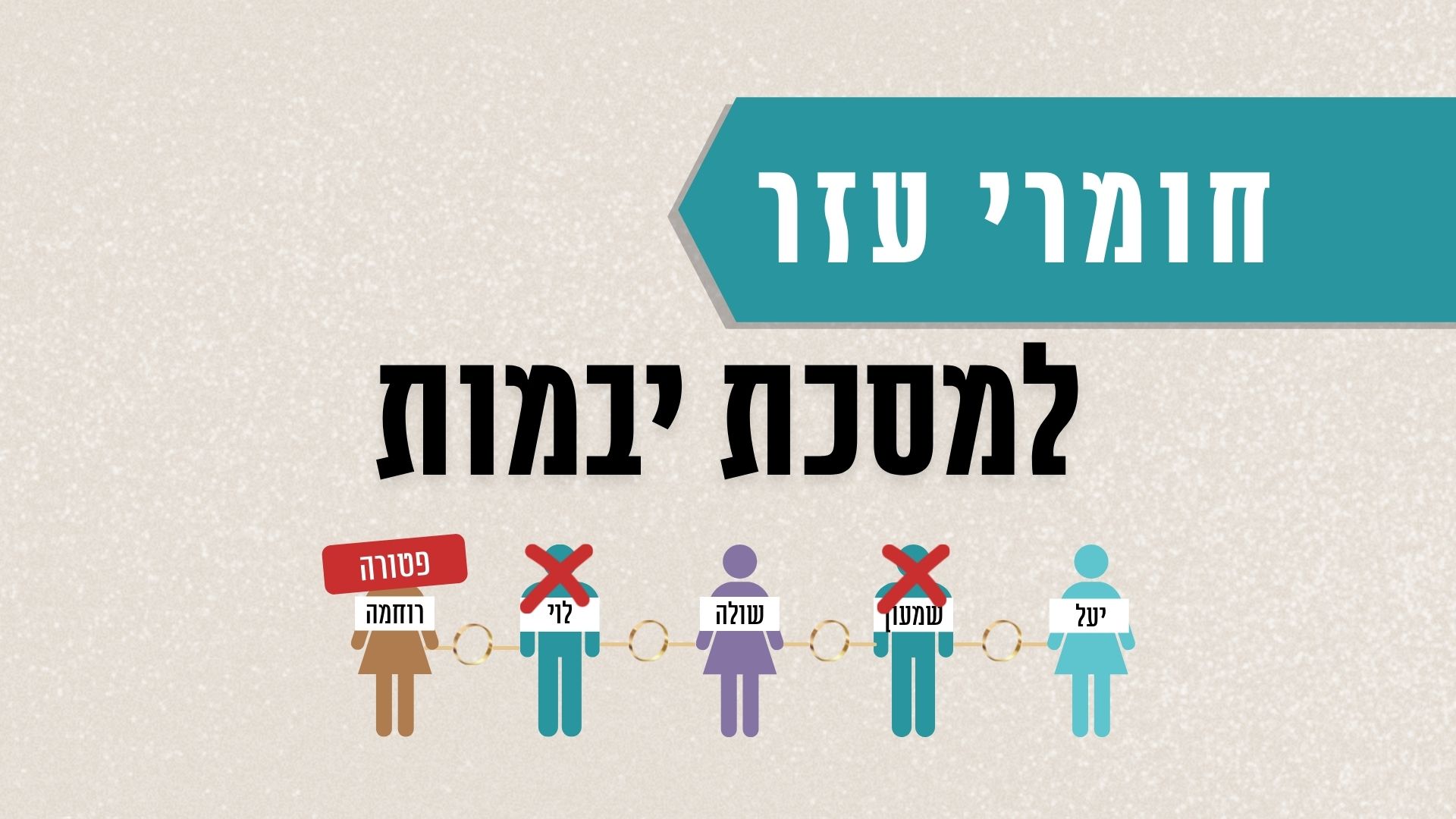
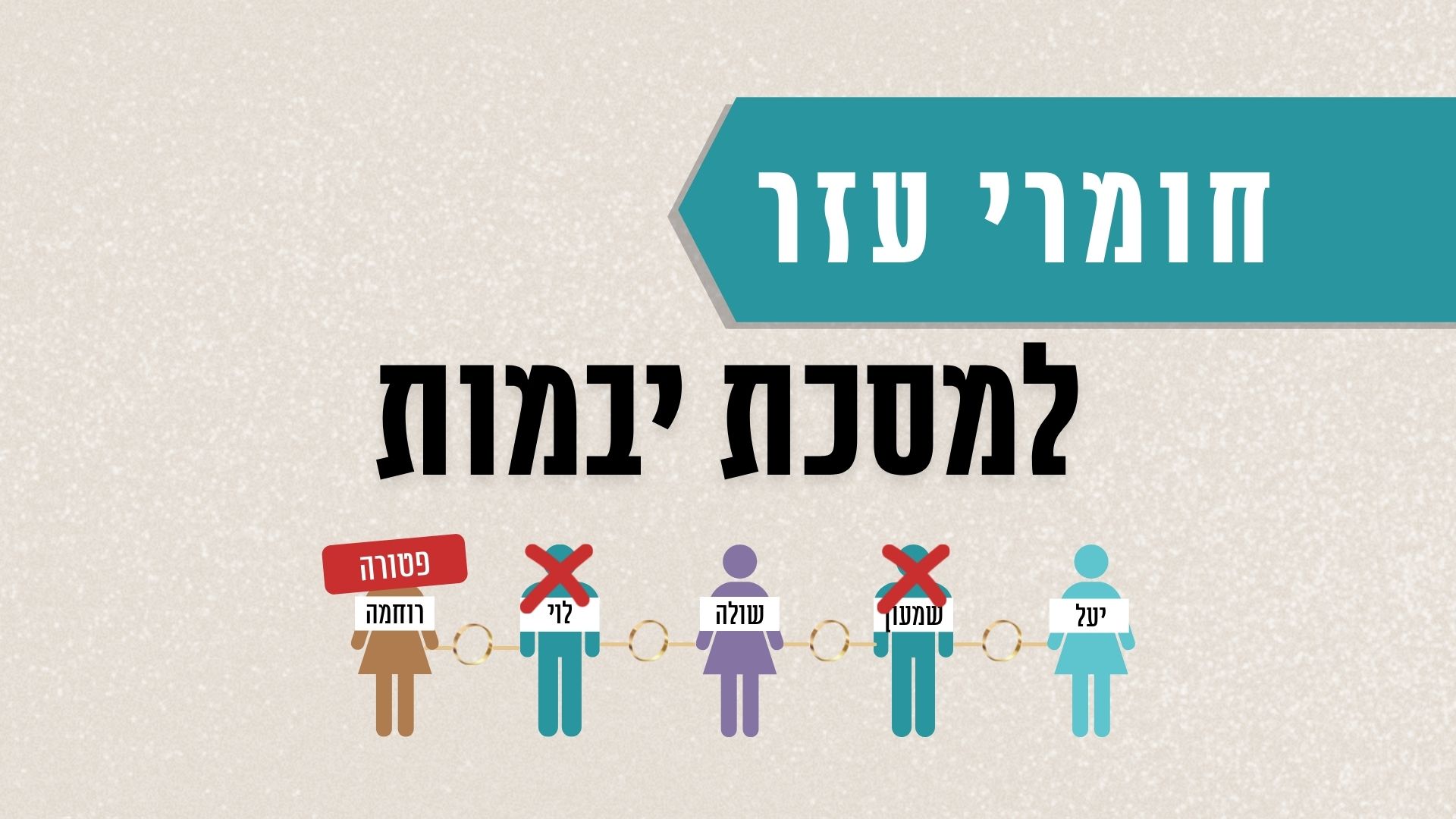
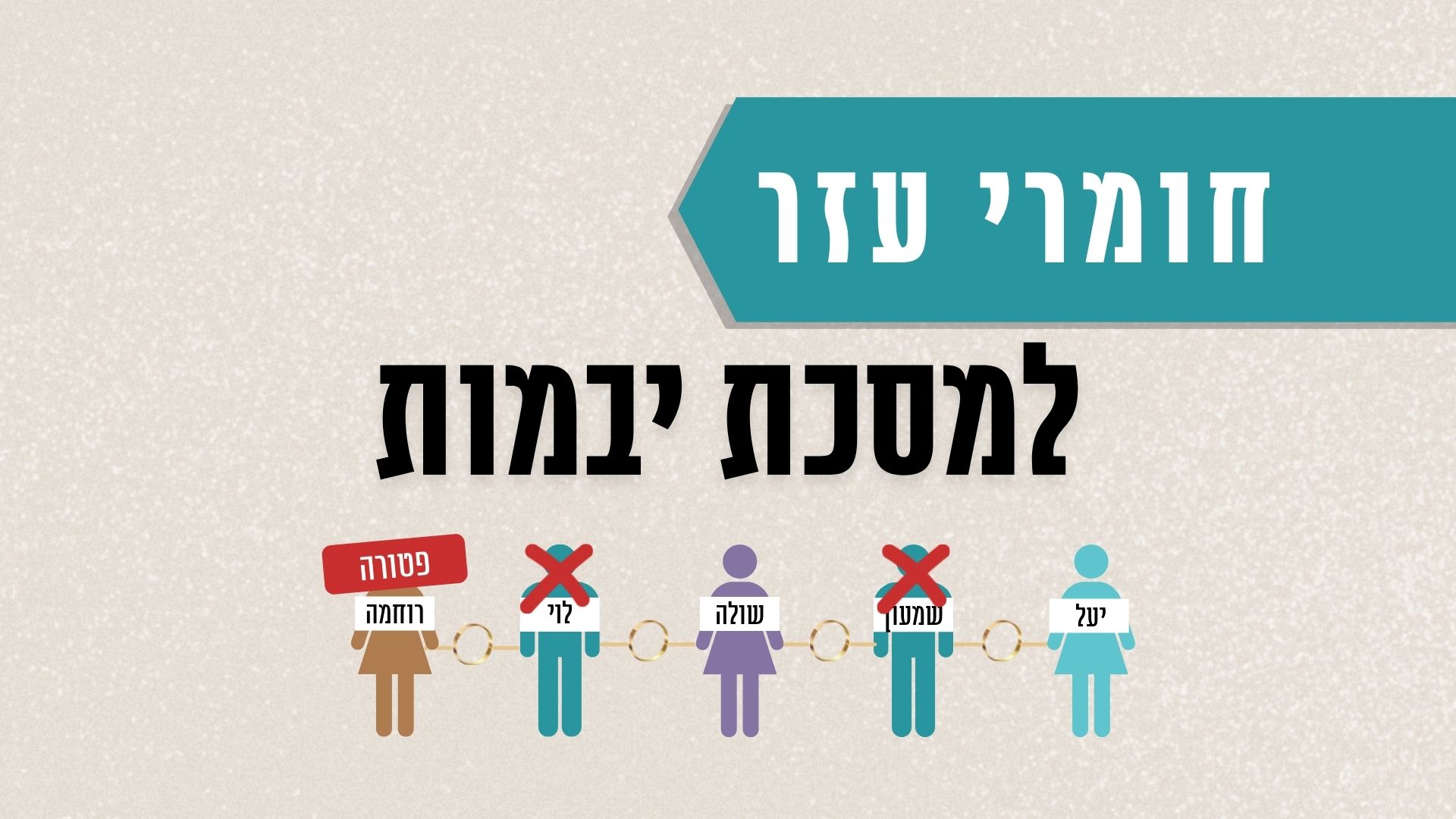
עד כמה יש קשר (זיקה, כלומר כאילו היו נשואים) בין הגבר והאישה הפוטנציאליים שאמורים לעסוק בייבום? רב הונא בשם רב ורב יהודה חלוקים בסוגיה זו. שתי קושיות מועלות נגד רב יהודה שקבע שיש זיקה. שתי הקושיות נפתרות. דעתו מיוחסת לשמואל. לשמואל היו למעשה שני מקרים שבהם הביע דעה זו – מדוע שניהם נחוצים? המשנה מביאה ויכוח בין רבי שמעון לחכמים על מקרה שבו נפטר הבעל ולאחר ייבום, נולד אח שלישי. רבי שמעון מתיר את האח ההוא. האם רבי שמעון חלק על חכמים אם האח נולד לאחר פטירת הבעל הראשון בכל מקרה בו האח נולד לאחר פטירת הבעל הראשון או רק אם הוא נולד לאחר הייבום? רבי אושעיא סבור שהוא חולק על שניהם, על סמך העיקרון שזיקה ככנוסה דמיא – כאילו הם כבר נשואים. רב יוסף מקשה עליו בכך שהוא מראה ממקור אחר שרבי שמעון הסתפק אם זיקה ומאמר נחשבות חזקות מספיק כדי שתיחשב ככנוסה.


יבמות יח

הֲוָה אָמֵינָא מֵחַיִּים, אֲבָל לְאַחַר מִיתָה — פָּקְעָה לַהּ זִיקָה, קָא מַשְׁמַע לַן דְּזִיקָה בִּכְדִי לָא פָּקְעָה. לֵימָא מְסַיַּיע לֵיהּ: יְבִמְתּוֹ שֶׁמֵּתָה — מוּתָּר בַּאֲחוֹתָהּ. בַּאֲחוֹתָהּ אִין, בְּאִמָּהּ לָא!

I would say that the levirate bond applies as long as the yevama requiring levirate marriage is alive but that after her death the bond was terminated. In other words, after the yevama died any relationship between the two dissolved. This comes to teach us that the bond is not terminated without cause but instead requires an actual act, such as ḥalitza or levirate marriage. Until one of these acts is performed, the bond remains in place. Let us say that it supports Rav Yehuda’s opinion from that which was taught: If his yevama dies, he is permitted to marry her sister. From here the Gemara deduces: Her sister, yes; her mother, no, in accordance with the opinion of Rav Yehuda.

הוּא הַדִּין דַּאֲפִילּוּ בְּאִמָּהּ, וְאַיְּידֵי דִּתְנָא רֵישָׁא: אִשְׁתּוֹ שֶׁמֵּתָה — מוּתָּר בַּאֲחוֹתָהּ, דַּוְקָא בַּאֲחוֹתָהּ, אֲבָל בְּאִמָּהּ לָא, דְּהָוְיָא לַהּ אִיסּוּרָא דְּאוֹרָיְיתָא — תְּנָא נָמֵי סֵיפָא מוּתָּר בַּאֲחוֹתָהּ.

The Gemara rejects this: The same is true, that even her mother is permitted. And this language was used only since he taught in the first clause of the baraita: If his wife dies he is permitted to take her sister; specifically her sister but not her mother, as she is forbidden by Torah law. Therefore, he also taught in the latter clause that he is permitted to marry her sister.

מֵתִיב רַב הוּנָא בַּר חִיָּיא: עָשָׂה בָּהּ מַאֲמָר וּמֵת — שְׁנִיָּה חוֹלֶצֶת וְלֹא מִתְיַיבֶּמֶת. טַעְמָא דַּעֲבַד בַּהּ מַאֲמָר, הָא לָא עֲבַד בַּהּ מַאֲמָר — שְׁנִיָּה נָמֵי יַבּוֹמֵי מְיַיבְּמָה, וְאִי אָמְרַתְּ יֵשׁ זִיקָה, הָוְיָא לַהּ צָרַת אֵשֶׁת אָחִיו שֶׁלֹּא הָיָה בְּעוֹלָמוֹ בְּזִיקָה!

Rav Huna bar Ḥiyya raised an objection to this from the mishna: If he performed levirate betrothal with her and then died, the second woman performs ḥalitza and may not enter into levirate marriage. This implies that the reason is specifically that he performed levirate betrothal with her. Had the brother not performed levirate betrothal with her, the second woman would also be permitted to enter into levirate marriage. And if you say that the levirate bond is substantial, then she would be considered a rival wife of the wife of a brother with whom the third brother did not coexist by that bond. Since the wife of a brother with whom he did not coexist is prohibited from entering into levirate marriage, her rival wife would likewise be forbidden from doing so.

אָמַר רַבָּה: הוּא הַדִּין דְּאַף עַל גַּב דְּלָא עֲבַד בַּהּ מַאֲמָר — שְׁנִיָּה מִחְלָץ חָלְצָה, יַבּוֹמֵי לָא מִיַּיבְּמָה.

Rabba said: This should not be read precisely, as the same is true even if the second brother did not perform levirate betrothal; the second woman must perform ḥalitza but may not enter into levirate marriage, as the levirate bond renders her a rival wife of the wife of a brother with whom the third brother did not coexist.

וְהָא דְּקָתָנֵי מַאֲמָר, לְאַפּוֹקֵי מִבֵּית שַׁמַּאי, דְּאָמְרִי: מַאֲמָר קוֹנֶה קִנְיָן גָּמוּר — קָא מַשְׁמַע לַן.

And the reason that it teaches the case of levirate betrothal specifically was in order to exclude the opinion of Beit Shammai, who said: The legal status of levirate betrothal with a yevama eligible for levirate marriage is that of a full-fledged acquisition, and it is legally binding to the same degree as an actual betrothal. Therefore, even ḥalitza would be unnecessary, similar to the case of a rival wife of a forbidden relation. This is what it comes to teach us: Even if he performed levirate betrothal she is not truly considered the rival wife of a forbidden relation; the prohibition concerning her is by rabbinic law, and she is therefore required to perform ḥalitza.

אֵיתִיבֵיהּ אַבָּיֵי: שְׁנֵי אַחִין בְּעוֹלָם אֶחָד, וָמֵת אֶחָד מֵהֶן בְּלֹא וָלָד, וְעָמַד הַשֵּׁנִי הַזֶּה לַעֲשׂוֹת מַאֲמָר בִּיבִמְתּוֹ, וְלֹא הִסְפִּיק לַעֲשׂוֹת בָּהּ מַאֲמָר עַד שֶׁנּוֹלַד לוֹ אָח, וּמֵת. הָרִאשׁוֹנָה — יוֹצְאָה מִשּׁוּם אֵשֶׁת אָחִיו שֶׁלֹּא הָיָה בְּעוֹלָמוֹ, וּשְׁנִיָּה — אוֹ חוֹלֶצֶת אוֹ מִתְיַיבֶּמֶת. וְאִי אָמְרַתְּ יֵשׁ זִיקָה, הָוְיָא לַהּ צָרַת אֵשֶׁת אָחִיו שֶׁלֹּא הָיָה בְּעוֹלָמוֹ בְּזִיקָה!

Abaye raised an objection to this from that which was taught: In the case of two brothers who coexisted, and one died childless and the second arose to perform levirate betrothal with his yevama but did not manage to perform levirate betrothal before a third brother was born, and then the second brother, who also had a wife, died, whereby both women would fall before the newly born brother for levirate marriage, then the first goes out and is not obligated in levirate marriage because she is the wife of his brother with whom he did not coexist, and the second woman, who was the wife of the second brother, either performs ḥalitza or enters into levirate marriage. But if you say that the levirate bond is substantial, then the wife of the second brother would be rendered a rival wife of the wife of a brother with whom he did not coexist by that bond.

הָא מַנִּי — רַבִּי מֵאִיר הִיא, דְּאָמַר: אֵין זִיקָה. וּמִי סְבִירָא לֵיהּ לְרַבִּי מֵאִיר אֵין זִיקָה? וְהָתְנַן: אַרְבָּעָה אַחִים, שְׁנַיִם מֵהֶן נְשׂוּאִים שְׁתֵּי אֲחָיוֹת, וּמֵתוּ הַנְּשׂוּאִין הָאֲחָיוֹת — הֲרֵי אֵלּוּ חוֹלְצוֹת וְלֹא מִתְיַיבְּמוֹת.

The Gemara rejects that: In accordance with whose opinion is this? It is the opinion of Rabbi Meir, who said: The levirate bond is not substantial. The Gemara asks: Does Rabbi Meir hold that the levirate bond is not substantial? After all, unattributed mishnayot are in accordance with the opinion of Rabbi Meir, and didn’t we learn in a mishna (26a): In the case of four brothers, two of whom are married to two sisters, if those married to the sisters died, whereby both sisters fall before the surviving brothers for levirate marriage, then those two sisters must perform ḥalitza and may not enter into levirate marriage. It would seem that the reason for this is that each of the sisters has a levirate bond to both remaining brothers.

וְאִי סָלְקָא דַעְתָּךְ סָבַר רַבִּי מֵאִיר אֵין זִיקָה, הָנֵי מִתְּרֵי בָּתֵּי קָאָתְיָין, הַאי לְיַיבֵּם חֲדָא וְהַאי לְיַיבֵּם חֲדָא!

And if it enters your mind to say that Rabbi Meir held that the levirate bond is not substantial, didn’t these two sisters come from two different houses, as each was married to a different brother? If so, one brother should take one in levirate marriage and the other should take one in levirate marriage.

לְעוֹלָם אֵין זִיקָה. מִשּׁוּם דְּקָסָבַר אָסוּר לְבַטֵּל מִצְוַת יְבָמִין — דְּדִלְמָא אַדִּמְיַיבֵּם חַד, מָיֵית אִידַּךְ, וְקָא בָּטְלָת מִצְוַת יְבָמִין.

The Gemara answers: Actually, in Rabbi Meir’s opinion the levirate bond is not substantial. The mishna states that they perform ḥalitza and do not enter into levirate marriage because he held that it is prohibited to nullify the mitzva of levirate marriage. That is to say, it is prohibited to act in such a way that the mitzva of levirate marriage becomes obviated. Under these circumstances there is concern that perhaps as one brother performs levirate marriage to one of the sisters the other brother dies before he manages to perform levirate marriage to the other. If that were to happen, you would thereby nullify the mitzva of levirate marriage since the sister that would now fall before the remaining brother would be his wife’s sister and therefore prohibited from entering into levirate marriage with him.

וְאִי אֵין זִיקָה — תִּיבְטַל! דְּהָא רַבָּן גַּמְלִיאֵל אָמַר: אֵין זִיקָה, וּמוּתָּר לְבַטֵּל מִצְוַת יְבָמִין.

The Gemara objects: But if the levirate bond is not substantial, then let the mitzva of levirate marriage be nullified. That is, if the levirate bond does not carry any real obligation, then the mitzva itself never truly came into effect. As Rabban Gamliel said: The levirate bond is not substantial, and it is permitted to nullify the mitzva of levirate marriage.

דִּתְנַן, רַבָּן גַּמְלִיאֵל אוֹמֵר: אִם מֵאֲנָה — מֵאֲנָה, וְאִם לֹא מֵאֲנָה — תַּמְתִּין עַד שֶׁתַּגְדִּיל, וְתֵצֵא הַלֵּזוּ, מִשּׁוּם אֲחוֹת אִשָּׁה.

As we learned in a mishna (109a): That mishna discusses a case of two brothers who were married to two sisters. One sister is an adult and therefore her marriage was fully effectual, and one sister is still a minor, and she was orphaned from her father, and her marriage was valid only by rabbinic ordinance. If the brother who was married to the elder sister died, then that sister falls for levirate marriage before the brother married to the minor. Under these circumstances, the Sages suggested directing the minor to refuse her marriage to her husband so that he would be able to take his brother’s wife in levirate marriage. If the minor does not do so, he would be unable to take her sister in marriage, as she would be the sister of his minor wife and thereby fully exempt from the levirate obligation. Rabban Gamliel said: If the minor refused in the meantime of her own accord, then she refused, but if she did not refuse, let her wait until she reaches the age of maturity, and then that other adult sister will be exempt from performing ḥalitza or levirate marriage due to the fact that she is his wife’s sister. Here it is apparent that Rabban Gamliel is not concerned about nullifying the mitzva of levirate marriage from one of them.

אֲמַר לֵיהּ: דְּרַבָּן גַּמְלִיאֵל אַדְּרַבִּי מֵאִיר קָרָמֵית?! לָא, הָכִי קָאָמְרִינַן: רַבִּי מֵאִיר חָיֵישׁ אֲפִילּוּ לִסְפֵיקָא, רַבָּן גַּמְלִיאֵל אֲפִילּוּ לְוַדַּאי לָא חָיֵישׁ! דִּלְמָא מַאן דְּלָא חָיֵישׁ — אֲפִילּוּ לְוַדַּאי לָא חָיֵישׁ, וּמַאן דְּחָיֵישׁ — אֲפִילּוּ לִסְפֵיקָא חָיֵישׁ.

Rabba said to Abaye: Do you wish to raise a contradiction between the words of Rabban Gamliel and Rabbi Meir? This would imply that the contradiction needs to be resolved, but statements from two different tanna’im do not need to agree or to be resolved. Abaye responded: No, in fact this is what we meant to say: How could one possibly say that Rabbi Meir is concerned lest there be nullification of the mitzva of levirate marriage even when it is uncertain because perhaps the first brother will not die, whereas Rabban Gamliel is not concerned that the mitzva be nullified even when it is certain? It is surprising that there should be such a great difference between the tannaitic opinions. Rabba answered: Perhaps the one who is not concerned about nullification of the mitzva of levirate marriage is not concerned even if nullification is certain, and the one who is concerned is concerned even if nullification is uncertain.

אֲמַר לֵיהּ אַבָּיֵי לְרַב יוֹסֵף: הָא דְּרַב יְהוּדָה — דִּשְׁמוּאֵל הִיא. דִּתְנַן:

With regard to the actual dispute between Rav Huna and Rav Yehuda, Abaye said to Rav Yosef: This halakha stated by Rav Yehuda, that even if a woman waiting for levirate marriage dies her mother is still forbidden to the yavam, is from his teacher Shmuel and not from Rav, who was also one of his teachers. Evidence for this can be found in that which we learned in a mishna (41a):

שׁוֹמֶרֶת יָבָם שֶׁקִּדֵּשׁ אָחִיו אֶת אֲחוֹתָהּ, מִשּׁוּם רַבִּי יְהוּדָה בֶּן בְּתִירָה אָמְרוּ: אוֹמְרִים לוֹ: הַמְתֵּן עַד שֶׁיַּעֲשֶׂה אָחִיךָ מַעֲשֶׂה. וְאָמַר שְׁמוּאֵל: הֲלָכָה כְּרַבִּי יְהוּדָה בֶּן בְּתִירָה.

In the case of a widow waiting for her yavam to take her in levirate marriage or perform ḥalitza, if his brother betrothed her sister they said in the name of Rabbi Yehuda ben Beteira: They say to the brother who betrothed her: Wait and do not marry your betrothed until your brother performs the required action, either ḥalitza or levirate marriage. This is because until that time the levirate bond is still applicable and the woman betrothed to you is forbidden to you as the sister of a woman bonded to you. And Shmuel said: The halakha is in accordance with the opinion of Rabbi Yehuda ben Beteira. From here one may infer that Shmuel holds that the levirate bond is substantial.

אֲמַר לֵיהּ: דְּאִי דְּרַב מַאי? (אֲמַר לֵיהּ:) קַשְׁיָא דְּרַב אַדְּרַב! דִּלְמָא אָמוֹרָאֵי נִינְהוּ, וְאַלִּיבָּא דְּרַב. כֵּיוָן דְּאִיתְּמַר מִשְּׁמֵיהּ דִּשְׁמוּאֵל בְּהֶדְיָא, וּמִשְּׁמֵיהּ דְּרַב כְּאָמוֹרָאֵי — לָא שָׁבְקִינַן מִשְּׁמֵיהּ דִּשְׁמוּאֵל בְּהֶדְיָא וּמוֹקְמִינַן כְּאָמוֹרָאֵי וְאַלִּיבָּא דְּרַב.

Rav Yosef said to him: And if it were the opinion of Rav, what problem would there be? Abaye said to him: It is difficult because there would be a contradiction between the opinion of Rav and another statement of Rav, since Rav Huna cited Rav, and the conclusion from his statements was that the levirate bond is not substantial. He said to him: Rav Huna and Rav Yehuda each cited Rav. Perhaps they are amora’im and disagree in accordance with the opinion of Rav, i.e., with regard to his opinion? The Gemara answers: Since that which was stated in the name of Shmuel was explicit, while that said in the name of Rav must be explained as an amoraic dispute, we will not leave that statement said explicitly in the name of Shmuel and explain it as an amoraic dispute according to the opinion of Rav.

אָמַר רַב כָּהֲנָא: אַמְרִיתַהּ לִשְׁמַעְתָּא קַמֵּיהּ דְּרַב זְבִיד מִנְּהַרְדְּעָא, אָמַר: אַתּוּן, הָכִי מַתְנִיתוּ לַהּ! אֲנַן, בְּהֶדְיָא מַתְנֵינַן. אָמַר רַב יְהוּדָה אָמַר שְׁמוּאֵל: שׁוֹמֶרֶת יָבָם שֶׁמֵּתָה — אָסוּר בְּאִמָּהּ. אַלְמָא קָסָבַר יֵשׁ זִיקָה. וְאַזְדָּא שְׁמוּאֵל לְטַעְמֵיהּ, דְּאָמַר שְׁמוּאֵל: הֲלָכָה כְּרַבִּי יְהוּדָה בֶּן בְּתִירָה.

Rav Kahana said: I reported this discussion before Rav Zevid of Neharde’a. He said: That is how you teach this, without knowing for certain that Rav Yehuda was stating the halakha in the name of Shmuel. We learn it explicitly: Rav Yehuda said that Shmuel said: In the case of a widow waiting for her yavam who died before he could perform ḥalitza or levirate marriage, he is prohibited from marrying her mother. Apparently Shmuel holds that the levirate bond is substantial. And Shmuel conforms to his standard line of reasoning, as Shmuel also said: The halakha is in accordance with the opinion of Rabbi Yehuda ben Beteira.

וּצְרִיכִי, דְּאִי אַשְׁמְעִינַן יֵשׁ זִיקָה, הֲוָה אָמֵינָא: הָנֵי מִילֵּי בְּחַד, אֲבָל בִּתְרֵי — לָא, קָא מַשְׁמַע לַן. וְאִי אַשְׁמְעִינַן הֲלָכָה כְּרַבִּי יְהוּדָה בֶּן בְּתִירָה, הֲוָה אָמֵינָא: הָנֵי מִילֵּי מֵחַיִּים, אֲבָל לְאַחַר מִיתָה — פָּקְעָה לַהּ זִיקָה, קָא מַשְׁמַע לַן דְּזִיקָה בִּכְדִי לָא פָּקְעָה.

The Gemara comments: Both statements by Shmuel on the subject are necessary and there was no redundancy here, as, if he were to teach us only the principle that the levirate bond is substantial, I would say that this applies only to the case of one yavam but not to a case of two yevamin, where the levirate bond is not as strong. This comes to teach us that even in the case of two yevamin there is a bond, and that is the conclusive halakha put forth by Rabbi Yehuda ben Beteira. And if he were to teach us only that the halakha is in accordance with the opinion of Rabbi Yehuda ben Beteira, I would say that this applies only in the case where the woman awaiting levirate marriage is living, but after her death the levirate bond is terminated and he is permitted to marry her relatives. This comes to teach us that the levirate bond is not terminated without cause but rather it is necessary to perform some act in order to exempt her from it.

מַתְנִי׳ שְׁנֵי אַחִים, וּמֵת אֶחָד מֵהֶן, וְיִבֵּם הַשֵּׁנִי אֶת אֵשֶׁת אָחִיו, וְאַחַר כָּךְ נוֹלַד לָהֶן אָח, וּמֵת, הָרִאשׁוֹנָה יוֹצְאָה מִשּׁוּם אֵשֶׁת אָחִיו שֶׁלֹּא הָיָה בְּעוֹלָמוֹ, וְהַשְּׁנִיָּה — מִשּׁוּם צָרָתָהּ. עָשָׂה בָּהּ מַאֲמָר וּמֵת — הַשְּׁנִיָּה חוֹלֶצֶת וְלֹא מִתְיַיבֶּמֶת.

MISHNA: If there were two brothers, and one died, and the second entered into levirate marriage with his brother’s wife while he was already married to another woman, and subsequently a third brother was born to them, and the second brother then died, whereby both of his wives happened before the third brother for levirate marriage, then the first woman, who was the wife of the first brother, is exempt due to the fact that she is the wife of a brother with whom the third brother did not coexist, and the second woman, who was the first wife of the second brother, is exempt due to her rival wife. If the second brother had performed only levirate betrothal with her and then died before fully marrying her, the second woman performs ḥalitza and may not enter into levirate marriage, as the levirate betrothal is not considered a sufficiently valid marriage so as to render her the rival wife of a relation forbidden to the third brother.

רַבִּי שִׁמְעוֹן אוֹמֵר: מְיַיבֵּם לְאֵיזוֹ מֵהֶן שֶׁיִּרְצֶה, אוֹ חוֹלֵץ לְאֵיזוֹ מֵהֶן שֶׁיִּרְצֶה.

Rabbi Shimon says with regard to the first clause of the mishna: The third brother either enters into levirate marriage with whichever one he wishes, or he performs ḥalitza with whichever one he wishes. Since he was born after his second brother had already entered into levirate marriage with the first brother’s widow, she is considered the wife of a brother with whom he did coexist, not the wife of a brother with whom he did not coexist. Therefore, he may enter into levirate marriage with her.

גְּמָ׳ אָמַר רַב אוֹשַׁעְיָא: חָלוּק הָיָה רַבִּי שִׁמְעוֹן אַף בָּרִאשׁוֹנָה. מִמַּאי — מִדְּקָתָנֵי מִשְׁנָה יַתִּירָה.

GEMARA: Rav Oshaya said: Rabbi Shimon’s opinion differed even on the first mishna. That is, Rabbi Shimon disagreed not only in the case stated explicitly in this mishna, in which the newly born brother came into the world after the widow of his first brother had already married his second brother, but he also disagreed in the case of the first mishna in the chapter, where the third brother was born prior to his second brother entering into levirate marriage with the widow. From where is this derived? Rav Oshaya came to this conclusion from the fact that it teaches a superfluous mishna.

בָּבָא דְרֵישָׁא לְמַאן קָתָנֵי לַהּ? אִילֵּימָא לְרַבָּנַן, הַשְׁתָּא יִבֵּם וּלְבַסּוֹף נוֹלַד, דְּכִי אַשְׁכְּחַהּ — בְּהֶתֵּירָא אַשְׁכְּחַהּ, אָסְרִי רַבָּנַן, נוֹלַד וְאַחַר כָּךְ יִבֵּם, מִיבַּעְיָא? אֶלָּא לָאו, לְרַבִּי שִׁמְעוֹן אִיצְטְרִיךְ,

How so? In accordance with whose opinion is it teaching the section of the first clause, i.e., the previous mishna? If we say it is the opinion of the Rabbis, who prohibit marriage to the wife of a brother with whom one did not coexist in all cases, then let us look at the second mishna. Now that even in the case where the second brother entered into levirate marriage and afterward the third brother was born, such that when he found her, i.e., when he was born, she had a permitted status, as she was already married to the second brother, she was never in his lifetime the wife of a brother with whom he did not coexist but was in fact for him the wife of a living brother. Nevertheless, even under such circumstances, the Rabbis prohibit him from entering into levirate marriage with her. Is it necessary, then, to teach the case presented in the first mishna of a third brother who was born and subsequently the second brother entered into levirate marriage with the wife of the first brother? According to the opinion of the Rabbis, this first mishna is redundant. Rather, is it not that it was necessary to state this first mishna for the opinion of Rabbi Shimon?

וּתְנָא רֵישָׁא לְהוֹדִיעֲךָ כֹּחוֹ דְּרַבִּי שִׁמְעוֹן, וּתְנָא סֵיפָא לְהוֹדִיעֲךָ כֹּחָן דְּרַבָּנַן. וּבְדִין הוּא דְּנִפְלוֹג רַבִּי שִׁמְעוֹן בְּרֵישָׁא, אֶלָּא נָטַר לְהוּ לְרַבָּנַן עַד דִּמְסַיְּימִי לְמִילְּתַיְיהוּ, וַהֲדַר פְּלִיג עֲלַיְיהוּ.

If so, this is how it must be understood: The first mishna was taught in order to convey to you the far-reaching nature of the opinion of Rabbi Shimon, which allows even the case specified in the first mishna, and the latter clause, i.e., the present mishna, was taught to convey the far-reaching nature of the opinion of the Rabbis, that even if the third brother was born after levirate marriage to the second brother she remains forbidden to the third brother. And by right it should have explained that Rabbi Shimon disagrees even in the first mishna, but the author of the mishna waited until the Rabbis finished their words, and then he went back and wrote that Rabbi Shimon disagreed with them.

אֶלָּא אֵשֶׁת אָחִיו שֶׁלֹּא הָיָה בְּעוֹלָמוֹ לְרַבִּי שִׁמְעוֹן הֵיכִי מַשְׁכַּחַתְּ לַהּ? בְּחַד אַחָא, וּמִית, וְנוֹלַד לוֹ אָח. אִי נָמֵי: בִּתְרֵי, וְלָא יִבֵּם, וְלָא מִית.

The Gemara asks: But according to the opinion of Rabbi Shimon, how can you find this case of the wife of a brother with whom he did not coexist? The Gemara answers: It is in the case of a single brother who died and subsequently another brother was born to him. Here, the widow would be the wife of a brother with whom he did not coexist, and she would not be required to perform ḥalitza or enter into levirate marriage with him. Alternatively, it can be found in the case of two brothers, one of whom died, and the remaining brother did not take the deceased brother’s wife in levirate marriage, and did not die, and in the meantime a third brother was born. She still has the levirate bond due to the deceased brother, who was a brother with whom the newly born brother did not coexist.

בִּשְׁלָמָא יִבֵּם וְאַחַר כָּךְ נוֹלַד, כִּי אַשְׁכְּחַהּ — בְּהֶתֵּירָא אַשְׁכְּחַהּ. אֶלָּא נוֹלַד וְאַחַר כָּךְ יִבֵּם — מַאי טַעְמָא? קָסָבַר: יֵשׁ זִיקָה, וְזִיקָה כִּכְנוּסָה דָּמְיָא.

The Gemara proceeds to clarify Rabbi Shimon’s position: Granted, in the case when the second brother first performed levirate marriage and subsequently the third brother was born, it is possible to explain that when the third brother found her, i.e., when he was born, he found her in a permitted state because when he was born she was already the wife of a living brother with whom he coexisted. But if he was born and subsequently the second brother performed levirate marriage, what is the reason that Rabbi Shimon renders her permitted? The Gemara answers: One must say that Rabbi Shimon holds that the levirate bond is substantial, and that the bond itself created a tie of kinship. Moreover, a woman with a levirate bond is considered like a married woman. Since there is a bond between the yevama and the living brother it is as though she were already married to him. Accordingly, she is, for the new brother, like the wife of his brother with whom he coexisted.

מַתְקֵיף לַהּ רַב יוֹסֵף: הַשְׁתָּא זִיקָה וּמַאֲמָר מְסַפְּקָא לֵיהּ לְרַבִּי שִׁמְעוֹן אִי כִּכְנוּסָה דָּמְיָא אִי לָאו כִּכְנוּסָה דָּמְיָא, זִיקָה לְחוֹדַהּ מִיבַּעְיָא?

Rav Yosef strongly objects to this: Now that in the case of a levirate bond and a levirate betrothal together Rabbi Shimon is uncertain as to whether she is similar to a married woman or an unmarried woman, is it necessary to say that by levirate bond alone she is not like a married woman? If so, how can the Gemara assume that for Rabbi Shimon, the levirate bond alone gives her the status of a married woman?

מַאי הִיא — דִּתְנַן: שְׁלֹשָׁה אַחִין נְשׂוּאִין שָׁלֹשׁ נָשִׁים נׇכְרִיּוֹת, וּמֵת אֶחָד מֵהֶם, וְעָשָׂה בָּהּ שֵׁנִי מַאֲמָר, וּמֵת — הֲרֵי אֵלּוּ חוֹלְצוֹת וְלֹא מִתְיַיבְּמוֹת.

What is the proof that this is Rabbi Shimon’s opinion? As we learned in a mishna (31b): In the case of three brothers who were married to three unrelated women, and one of the brothers died, and the second brother performed levirate betrothal with the widow and subsequently died, then these women, both the first wife of the second brother and the betrothed widow of the first brother, must perform ḥalitza and may not enter into levirate marriage with the third brother.

שֶׁנֶּאֱמַר: ״וּמֵת אֶחָד מֵהֶם … יְבָמָהּ יָבֹא עָלֶיהָ״, מִי שֶׁעָלֶיהָ זִיקַת יָבָם אֶחָד, וְלֹא שֶׁעָלֶיהָ זִיקַת שְׁנֵי יְבָמִין.

What is the reason that the wife of the first brother is not eligible for levirate marriage? As it is stated: “And one of them dies…her brother-in-law will have intercourse with her and will take her to him to be his wife and consummate the levirate marriage” (Deuteronomy 25:5). From here it is derived: She who is subject to a levirate bond with a single yavam enters levirate marriage and not she who is subject to a levirate bond with two yevamin. This woman requires levirate marriage due to the death of the first brother, and also, due to the subsequent levirate betrothal, requires levirate marriage following the death of the second brother.

רַבִּי שִׁמְעוֹן אוֹמֵר: מְיַיבֵּם לְאֵיזֶהוּ מֵהֶן שֶׁיִּרְצֶה, וְחוֹלֵץ לַשְּׁנִיָּה. יַבּוֹמֵי תַּרְוַיְיהוּ לָא — דְּדִלְמָא יֵשׁ זִיקָה, וְהָווּ שְׁתֵּי יְבָמוֹת הַבָּאוֹת

However, Rabbi Shimon says: Let him enter into levirate marriage with whichever he wishes and perform ḥalitza with the second. Rabbi Shimon does not accept the homiletical interpretation forbidding a woman who is subject to two levirate bonds. The Gemara explains his opinion: Rabbi Shimon does not allow him to take both in levirate marriage. Why not? Perhaps the levirate bond is substantial, and combined with the levirate bond to the second brother the woman might be considered to be already married to the second brother, and then these two women would be two yevamot who come

העמקה

רוצה להבין מה באמת קורה מתחת לפני השטח של הסוגיה?
שיעורים, פודקאסטים והרחבות של מיטב המורות שלנו יפתחו לך עוד זוויות וכיווני חשיבה.

לשיעורי עוד על הדף באנגלית, לחצי כאן

חדשה בלימוד הגמרא?

זה הדף הראשון שלך? איזו התרגשות עצומה! יש לנו בדיוק את התכנים והכלים שיעזרו לך לעשות את הצעדים הראשונים ללמידה בקצב וברמה שלך, כך תוכלי להרגיש בנוח גם בתוך הסוגיות המורכבות ומאתגרות.

פסיפס הלומדות שלנו

גלי את קהילת הלומדות שלנו, מגוון נשים, רקעים וסיפורים. כולן חלק מתנועה ומסע מרגש ועוצמתי.

ראיתי את הסיום הגדול בבנייני האומה וכל כך התרשמתי ורציתי לקחת חלק.. אבל לקח לי עוד כשנה וחצי )באמצע מסיכת שבת להצטרף..
הלימוד חשוב לי מאוד.. אני תמיד במרדף אחרי הדף וגונבת כל פעם חצי דף כשהילדים עסוקים ומשלימה אח”כ אחרי שכולם הלכו לישון..

Olga Mizrahi
אולגה מזרחי

ירושלים, ישראל

התחלתי לפני כמה שנים אבל רק בסבב הזה זכיתי ללמוד יום יום ולסיים מסכתות

Sigal Tel
סיגל טל

רעננה, ישראל

My explorations into Gemara started a few days into the present cycle. I binged learnt and become addicted. I’m fascinated by the rich "tapestry” of intertwined themes, connections between Masechtot, conversations between generations of Rabbanim and learners past and present all over the world. My life has acquired a golden thread, linking generations with our amazing heritage.
Thank you.

Susan Kasdan
סוזן כשדן

חשמונאים, Israel

התחלתי ללמוד דף יומי ממסכת נידה כי זה היה חומר הלימוד שלי אז. לאחר הסיום הגדול בבנייני האומה החלטתי להמשיך. וב”ה מאז עם הפסקות קטנות של קורונה ולידה אני משתדלת להמשיך ולהיות חלק.

זה משפיע מאוד על היום יום שלי ועל אף שאני עסוקה בלימודי הלכה ותורה כל יום, זאת המסגרת הקבועה והמחייבת ביותר שיש לי.

Moriah Taesan Michaeli
מוריה תעסן מיכאלי

גבעת הראל, ישראל

התחלתי ללמוד לפני כשנתיים בשאיפה לסיים לראשונה מסכת אחת במהלך חופשת הלידה.
אחרי מסכת אחת כבר היה קשה להפסיק…

Noa Gallant
נעה גלנט

ירוחם, ישראל

לצערי גדלתי בדור שבו לימוד גמרא לנשים לא היה דבר שבשגרה ושנים שאני חולמת להשלים את הפער הזה.. עד שלפני מספר שבועות, כמעט במקרה, נתקלתי במודעת פרסומת הקוראת להצטרף ללימוד מסכת תענית. כשקראתי את המודעה הרגשתי שהיא כאילו נכתבה עבורי – "תמיד חלמת ללמוד גמרא ולא ידעת איך להתחיל”, "בואי להתנסות במסכת קצרה וקלה” (רק היה חסר שהמודעה תיפתח במילים "מיכי שלום”..). קפצתי למים ו- ב”ה אני בדרך להגשמת החלום:)

Micah Kadosh
מיכי קדוש

מורשת, ישראל

למדתי גמרא מכיתה ז- ט ב Maimonides School ואחרי העליה שלי בגיל 14 לימוד הגמרא, שלא היה כל כך מקובל בימים אלה, היה די ספוראדי. אחרי "ההתגלות” בבנייני האומה התחלתי ללמוד בעיקר בדרך הביתה למדתי מפוקקטסים שונים. לאט לאט ראיתי שאני תמיד חוזרת לרבנית מישל פרבר. באיזה שהוא שלב התחלתי ללמוד בזום בשעה 7:10 .
היום "אין מצב” שאני אתחיל את היום שלי ללא לימוד עם הרבנית מישל עם כוס הקפה שלי!!

selfie-scaled
דבי גביר

חשמונאים, ישראל

התחלתי ללמוד דף יומי בתחילת מסכת ברכות, עוד לא ידעתי כלום. נחשפתי לסיום הש״ס, ובעצם להתחלה מחדש בתקשורת, הפתיע אותי לטובה שהיה מקום לעיסוק בתורה.
את המסכתות הראשונות למדתי, אבל לא סיימתי (חוץ מעירובין איכשהו). השנה כשהגעתי למדרשה, נכנסתי ללופ, ואני מצליחה להיות חלק, סיימתי עם החברותא שלי את כל המסכתות הקצרות, גם כשהיינו חולות קורונה ובבידודים, למדנו לבד, העיקר לא לצבור פער, ומחכות ליבמות 🙂

Eden Yeshuron
עדן ישורון

מזכרת בתיה, ישראל

אחרי שראיתי את הסיום הנשי של הדף היומי בבנייני האומה זה ריגש אותי ועורר בי את הרצון להצטרף. לא למדתי גמרא קודם לכן בכלל, אז הכל היה לי חדש, ולכן אני לומדת בעיקר מהשיעורים פה בהדרן, בשוטנשטיין או בחוברות ושיננתם.

Rebecca Schloss
רבקה שלוס

בית שמש, ישראל

אני לומדת גמרא כעשור במסגרות שונות, ואת הדף היומי התחלתי כשחברה הציעה שאצטרף אליה לסיום בבנייני האומה. מאז אני לומדת עם פודקסט הדרן, משתדלת באופן יומי אך אם לא מספיקה, מדביקה פערים עד ערב שבת. בסבב הזה הלימוד הוא "ממעוף הציפור”, מקשיבה במהירות מוגברת תוך כדי פעילויות כמו בישול או נהיגה, וכך רוכשת היכרות עם הסוגיות ואופן ניתוחם על ידי חז”ל. בע”ה בסבב הבא, ואולי לפני, אצלול לתוכו באופן מעמיק יותר.

Yael Bir
יעל ביר

רמת גן, ישראל

הצטרפתי ללומדות בתחילת מסכת תענית. ההתרגשות שלי ושל המשפחה היתה גדולה מאוד, והיא הולכת וגוברת עם כל סיום שאני זוכה לו. במשך שנים רבות רציתי להצטרף ומשום מה זה לא קרה… ב”ה מצאתי לפני מספר חודשים פרסום של הדרן, ומיד הצטרפתי והתאהבתי. הדף היומי שינה את חיי ממש והפך כל יום- ליום של תורה. מודה לכן מקרב ליבי ומאחלת לכולנו לימוד פורה מתוך אהבת התורה ולומדיה.

Noa Rosen
נעה רוזן

חיספין רמת הגולן, ישראל

A life-changing journey started with a Chanukah family tiyul to Zippori, home of the Sanhedrin 2 years ago and continued with the Syum in Binanei Hauma where I was awed by the energy of 3000 women dedicated to learning daf Yomi. Opening my morning daily with a fresh daf, I am excited with the new insights I find enriching my life and opening new and deeper horizons for me.

Becky Goldstein
בקי גולדשטיין

Elazar gush etzion, Israel

התחלתי ללמוד גמרא בבית הספר בגיל צעיר והתאהבתי. המשכתי בכך כל חיי ואף היייתי מורה לגמרא בבית הספר שקד בשדה אליהו (בית הספר בו למדתי בילדותי)בתחילת מחזור דף יומי הנוכחי החלטתי להצטרף ובע”ה מקווה להתמיד ולהמשיך. אני אוהבת את המפגש עם הדף את "דרישות השלום ” שמקבלת מקשרים עם דפים אחרים שלמדתי את הסנכרון שמתחולל בין התכנים.

Ariela Bigman
אריאלה ביגמן

מעלה גלבוע, ישראל

התחלתי ללמוד דף יומי בתחילת מסכת ברכות, עוד לא ידעתי כלום. נחשפתי לסיום הש״ס, ובעצם להתחלה מחדש בתקשורת, הפתיע אותי לטובה שהיה מקום לעיסוק בתורה.
את המסכתות הראשונות למדתי, אבל לא סיימתי (חוץ מעירובין איכשהו). השנה כשהגעתי למדרשה, נכנסתי ללופ, ואני מצליחה להיות חלק, סיימתי עם החברותא שלי את כל המסכתות הקצרות, גם כשהיינו חולות קורונה ובבידודים, למדנו לבד, העיקר לא לצבור פער, ומחכות ליבמות 🙂

Eden Yeshuron
עדן ישורון

מזכרת בתיה, ישראל

. לא תמיד נהניתי מלימוד גמרא כילדה.,בל כהתבגרתי התחלתי לאהוב את זה שוב. התחלתי ללמוד מסכת סוטה בדף היומי לפני כחמש עשרה שנה ואז הפסקתי.הגעתי לסיום הגדול של הדרן לפני שנתיים וזה נתן לי השראה. והתחלתי ללמוד למשך כמה ימים ואז היתה לי פריצת דיסק והפסקתי…עד אלול השנה. אז התחלתי עם מסכת ביצה וב”ה אני מצליחה לעמוד בקצב. המשפחה מאוד תומכת בי ויש כמה שגם לומדים את זה במקביל. אני אוהבת שיש עוגן כל יום.

Rebecca Darshan
רבקה דרשן

בית שמש, ישראל

"
גם אני התחלתי בסבב הנוכחי וב””ה הצלחתי לסיים את רוב המסכתות . בזכות הרבנית מישל משתדלת לפתוח את היום בשיעור הזום בשעה 6:20 .הלימוד הפך להיות חלק משמעותי בחיי ויש ימים בהם אני מצליחה לחזור על הדף עם מלמדים נוספים ששיעוריהם נמצאים במרשתת. שמחה להיות חלק מקהילת לומדות ברחבי העולם. ובמיוחד לשמש דוגמה לנכדותיי שאי””ה יגדלו לדור שלימוד תורה לנשים יהיה משהו שבשגרה. "

Ronit Shavit
רונית שביט

נתניה, ישראל

שמעתי על הסיום הענק של הדף היומי ע”י נשים בבנייני האומה. רציתי גם.
החלטתי להצטרף. התחלתי ושיכנעתי את בעלי ועוד שתי חברות להצטרף. עכשיו יש לי לימוד משותף איתו בשבת ומפגש חודשי איתן בנושא (והתכתבויות תדירות על דברים מיוחדים שקראנו). הצטרפנו לקבוצות שונות בווטסאפ. אנחנו ממש נהנות. אני שומעת את השיעור מידי יום (בד”כ מהרב יוני גוטמן) וקוראת ומצטרפת לסיומים של הדרן. גם מקפידה על דף משלהן (ונהנית מאד).

Liat Citron
ליאת סיטרון

אפרת, ישראל

לצערי גדלתי בדור שבו לימוד גמרא לנשים לא היה דבר שבשגרה ושנים שאני חולמת להשלים את הפער הזה.. עד שלפני מספר שבועות, כמעט במקרה, נתקלתי במודעת פרסומת הקוראת להצטרף ללימוד מסכת תענית. כשקראתי את המודעה הרגשתי שהיא כאילו נכתבה עבורי – "תמיד חלמת ללמוד גמרא ולא ידעת איך להתחיל”, "בואי להתנסות במסכת קצרה וקלה” (רק היה חסר שהמודעה תיפתח במילים "מיכי שלום”..). קפצתי למים ו- ב”ה אני בדרך להגשמת החלום:)

Micah Kadosh
מיכי קדוש

מורשת, ישראל

התחלתי ללמוד לפני 4.5 שנים, כשהודיה חברה שלי פתחה קבוצת ווטסאפ ללימוד דף יומי בתחילת מסכת סנהדרין. מאז לימוד הדף נכנס לתוך היום-יום שלי והפך לאחד ממגדירי הזהות שלי ממש.

Rosenberg Foundation
קרן רוזנברג

ירושלים, ישראל

אחי, שלומד דף יומי ממסכת ברכות, חיפש חברותא ללימוד מסכת ראש השנה והציע לי. החברותא היתה מאתגרת טכנית ורוב הזמן נעשתה דרך הטלפון, כך שבסיום המסכת נפרדו דרכינו. אחי חזר ללמוד לבד, אבל אני כבר נכבשתי בקסם הגמרא ושכנעתי את האיש שלי להצטרף אלי למסכת ביצה. מאז המשכנו הלאה, ועכשיו אנחנו מתרגשים לקראתו של סדר נשים!

Shulamit Saban
שולמית סבן

נוקדים, ישראל

יבמות יח

הֲוָה אָמֵינָא מֵחַיִּים, אֲבָל לְאַחַר מִיתָה — פָּקְעָה לַהּ זִיקָה, קָא מַשְׁמַע לַן דְּזִיקָה בִּכְדִי לָא פָּקְעָה. לֵימָא מְסַיַּיע לֵיהּ: יְבִמְתּוֹ שֶׁמֵּתָה — מוּתָּר בַּאֲחוֹתָהּ. בַּאֲחוֹתָהּ אִין, בְּאִמָּהּ לָא!

I would say that the levirate bond applies as long as the yevama requiring levirate marriage is alive but that after her death the bond was terminated. In other words, after the yevama died any relationship between the two dissolved. This comes to teach us that the bond is not terminated without cause but instead requires an actual act, such as ḥalitza or levirate marriage. Until one of these acts is performed, the bond remains in place. Let us say that it supports Rav Yehuda’s opinion from that which was taught: If his yevama dies, he is permitted to marry her sister. From here the Gemara deduces: Her sister, yes; her mother, no, in accordance with the opinion of Rav Yehuda.

הוּא הַדִּין דַּאֲפִילּוּ בְּאִמָּהּ, וְאַיְּידֵי דִּתְנָא רֵישָׁא: אִשְׁתּוֹ שֶׁמֵּתָה — מוּתָּר בַּאֲחוֹתָהּ, דַּוְקָא בַּאֲחוֹתָהּ, אֲבָל בְּאִמָּהּ לָא, דְּהָוְיָא לַהּ אִיסּוּרָא דְּאוֹרָיְיתָא — תְּנָא נָמֵי סֵיפָא מוּתָּר בַּאֲחוֹתָהּ.

The Gemara rejects this: The same is true, that even her mother is permitted. And this language was used only since he taught in the first clause of the baraita: If his wife dies he is permitted to take her sister; specifically her sister but not her mother, as she is forbidden by Torah law. Therefore, he also taught in the latter clause that he is permitted to marry her sister.

מֵתִיב רַב הוּנָא בַּר חִיָּיא: עָשָׂה בָּהּ מַאֲמָר וּמֵת — שְׁנִיָּה חוֹלֶצֶת וְלֹא מִתְיַיבֶּמֶת. טַעְמָא דַּעֲבַד בַּהּ מַאֲמָר, הָא לָא עֲבַד בַּהּ מַאֲמָר — שְׁנִיָּה נָמֵי יַבּוֹמֵי מְיַיבְּמָה, וְאִי אָמְרַתְּ יֵשׁ זִיקָה, הָוְיָא לַהּ צָרַת אֵשֶׁת אָחִיו שֶׁלֹּא הָיָה בְּעוֹלָמוֹ בְּזִיקָה!

Rav Huna bar Ḥiyya raised an objection to this from the mishna: If he performed levirate betrothal with her and then died, the second woman performs ḥalitza and may not enter into levirate marriage. This implies that the reason is specifically that he performed levirate betrothal with her. Had the brother not performed levirate betrothal with her, the second woman would also be permitted to enter into levirate marriage. And if you say that the levirate bond is substantial, then she would be considered a rival wife of the wife of a brother with whom the third brother did not coexist by that bond. Since the wife of a brother with whom he did not coexist is prohibited from entering into levirate marriage, her rival wife would likewise be forbidden from doing so.

אָמַר רַבָּה: הוּא הַדִּין דְּאַף עַל גַּב דְּלָא עֲבַד בַּהּ מַאֲמָר — שְׁנִיָּה מִחְלָץ חָלְצָה, יַבּוֹמֵי לָא מִיַּיבְּמָה.

Rabba said: This should not be read precisely, as the same is true even if the second brother did not perform levirate betrothal; the second woman must perform ḥalitza but may not enter into levirate marriage, as the levirate bond renders her a rival wife of the wife of a brother with whom the third brother did not coexist.

וְהָא דְּקָתָנֵי מַאֲמָר, לְאַפּוֹקֵי מִבֵּית שַׁמַּאי, דְּאָמְרִי: מַאֲמָר קוֹנֶה קִנְיָן גָּמוּר — קָא מַשְׁמַע לַן.

And the reason that it teaches the case of levirate betrothal specifically was in order to exclude the opinion of Beit Shammai, who said: The legal status of levirate betrothal with a yevama eligible for levirate marriage is that of a full-fledged acquisition, and it is legally binding to the same degree as an actual betrothal. Therefore, even ḥalitza would be unnecessary, similar to the case of a rival wife of a forbidden relation. This is what it comes to teach us: Even if he performed levirate betrothal she is not truly considered the rival wife of a forbidden relation; the prohibition concerning her is by rabbinic law, and she is therefore required to perform ḥalitza.

אֵיתִיבֵיהּ אַבָּיֵי: שְׁנֵי אַחִין בְּעוֹלָם אֶחָד, וָמֵת אֶחָד מֵהֶן בְּלֹא וָלָד, וְעָמַד הַשֵּׁנִי הַזֶּה לַעֲשׂוֹת מַאֲמָר בִּיבִמְתּוֹ, וְלֹא הִסְפִּיק לַעֲשׂוֹת בָּהּ מַאֲמָר עַד שֶׁנּוֹלַד לוֹ אָח, וּמֵת. הָרִאשׁוֹנָה — יוֹצְאָה מִשּׁוּם אֵשֶׁת אָחִיו שֶׁלֹּא הָיָה בְּעוֹלָמוֹ, וּשְׁנִיָּה — אוֹ חוֹלֶצֶת אוֹ מִתְיַיבֶּמֶת. וְאִי אָמְרַתְּ יֵשׁ זִיקָה, הָוְיָא לַהּ צָרַת אֵשֶׁת אָחִיו שֶׁלֹּא הָיָה בְּעוֹלָמוֹ בְּזִיקָה!

Abaye raised an objection to this from that which was taught: In the case of two brothers who coexisted, and one died childless and the second arose to perform levirate betrothal with his yevama but did not manage to perform levirate betrothal before a third brother was born, and then the second brother, who also had a wife, died, whereby both women would fall before the newly born brother for levirate marriage, then the first goes out and is not obligated in levirate marriage because she is the wife of his brother with whom he did not coexist, and the second woman, who was the wife of the second brother, either performs ḥalitza or enters into levirate marriage. But if you say that the levirate bond is substantial, then the wife of the second brother would be rendered a rival wife of the wife of a brother with whom he did not coexist by that bond.

הָא מַנִּי — רַבִּי מֵאִיר הִיא, דְּאָמַר: אֵין זִיקָה. וּמִי סְבִירָא לֵיהּ לְרַבִּי מֵאִיר אֵין זִיקָה? וְהָתְנַן: אַרְבָּעָה אַחִים, שְׁנַיִם מֵהֶן נְשׂוּאִים שְׁתֵּי אֲחָיוֹת, וּמֵתוּ הַנְּשׂוּאִין הָאֲחָיוֹת — הֲרֵי אֵלּוּ חוֹלְצוֹת וְלֹא מִתְיַיבְּמוֹת.

The Gemara rejects that: In accordance with whose opinion is this? It is the opinion of Rabbi Meir, who said: The levirate bond is not substantial. The Gemara asks: Does Rabbi Meir hold that the levirate bond is not substantial? After all, unattributed mishnayot are in accordance with the opinion of Rabbi Meir, and didn’t we learn in a mishna (26a): In the case of four brothers, two of whom are married to two sisters, if those married to the sisters died, whereby both sisters fall before the surviving brothers for levirate marriage, then those two sisters must perform ḥalitza and may not enter into levirate marriage. It would seem that the reason for this is that each of the sisters has a levirate bond to both remaining brothers.

וְאִי סָלְקָא דַעְתָּךְ סָבַר רַבִּי מֵאִיר אֵין זִיקָה, הָנֵי מִתְּרֵי בָּתֵּי קָאָתְיָין, הַאי לְיַיבֵּם חֲדָא וְהַאי לְיַיבֵּם חֲדָא!

And if it enters your mind to say that Rabbi Meir held that the levirate bond is not substantial, didn’t these two sisters come from two different houses, as each was married to a different brother? If so, one brother should take one in levirate marriage and the other should take one in levirate marriage.

לְעוֹלָם אֵין זִיקָה. מִשּׁוּם דְּקָסָבַר אָסוּר לְבַטֵּל מִצְוַת יְבָמִין — דְּדִלְמָא אַדִּמְיַיבֵּם חַד, מָיֵית אִידַּךְ, וְקָא בָּטְלָת מִצְוַת יְבָמִין.

The Gemara answers: Actually, in Rabbi Meir’s opinion the levirate bond is not substantial. The mishna states that they perform ḥalitza and do not enter into levirate marriage because he held that it is prohibited to nullify the mitzva of levirate marriage. That is to say, it is prohibited to act in such a way that the mitzva of levirate marriage becomes obviated. Under these circumstances there is concern that perhaps as one brother performs levirate marriage to one of the sisters the other brother dies before he manages to perform levirate marriage to the other. If that were to happen, you would thereby nullify the mitzva of levirate marriage since the sister that would now fall before the remaining brother would be his wife’s sister and therefore prohibited from entering into levirate marriage with him.

וְאִי אֵין זִיקָה — תִּיבְטַל! דְּהָא רַבָּן גַּמְלִיאֵל אָמַר: אֵין זִיקָה, וּמוּתָּר לְבַטֵּל מִצְוַת יְבָמִין.

The Gemara objects: But if the levirate bond is not substantial, then let the mitzva of levirate marriage be nullified. That is, if the levirate bond does not carry any real obligation, then the mitzva itself never truly came into effect. As Rabban Gamliel said: The levirate bond is not substantial, and it is permitted to nullify the mitzva of levirate marriage.

דִּתְנַן, רַבָּן גַּמְלִיאֵל אוֹמֵר: אִם מֵאֲנָה — מֵאֲנָה, וְאִם לֹא מֵאֲנָה — תַּמְתִּין עַד שֶׁתַּגְדִּיל, וְתֵצֵא הַלֵּזוּ, מִשּׁוּם אֲחוֹת אִשָּׁה.

As we learned in a mishna (109a): That mishna discusses a case of two brothers who were married to two sisters. One sister is an adult and therefore her marriage was fully effectual, and one sister is still a minor, and she was orphaned from her father, and her marriage was valid only by rabbinic ordinance. If the brother who was married to the elder sister died, then that sister falls for levirate marriage before the brother married to the minor. Under these circumstances, the Sages suggested directing the minor to refuse her marriage to her husband so that he would be able to take his brother’s wife in levirate marriage. If the minor does not do so, he would be unable to take her sister in marriage, as she would be the sister of his minor wife and thereby fully exempt from the levirate obligation. Rabban Gamliel said: If the minor refused in the meantime of her own accord, then she refused, but if she did not refuse, let her wait until she reaches the age of maturity, and then that other adult sister will be exempt from performing ḥalitza or levirate marriage due to the fact that she is his wife’s sister. Here it is apparent that Rabban Gamliel is not concerned about nullifying the mitzva of levirate marriage from one of them.

אֲמַר לֵיהּ: דְּרַבָּן גַּמְלִיאֵל אַדְּרַבִּי מֵאִיר קָרָמֵית?! לָא, הָכִי קָאָמְרִינַן: רַבִּי מֵאִיר חָיֵישׁ אֲפִילּוּ לִסְפֵיקָא, רַבָּן גַּמְלִיאֵל אֲפִילּוּ לְוַדַּאי לָא חָיֵישׁ! דִּלְמָא מַאן דְּלָא חָיֵישׁ — אֲפִילּוּ לְוַדַּאי לָא חָיֵישׁ, וּמַאן דְּחָיֵישׁ — אֲפִילּוּ לִסְפֵיקָא חָיֵישׁ.

Rabba said to Abaye: Do you wish to raise a contradiction between the words of Rabban Gamliel and Rabbi Meir? This would imply that the contradiction needs to be resolved, but statements from two different tanna’im do not need to agree or to be resolved. Abaye responded: No, in fact this is what we meant to say: How could one possibly say that Rabbi Meir is concerned lest there be nullification of the mitzva of levirate marriage even when it is uncertain because perhaps the first brother will not die, whereas Rabban Gamliel is not concerned that the mitzva be nullified even when it is certain? It is surprising that there should be such a great difference between the tannaitic opinions. Rabba answered: Perhaps the one who is not concerned about nullification of the mitzva of levirate marriage is not concerned even if nullification is certain, and the one who is concerned is concerned even if nullification is uncertain.

אֲמַר לֵיהּ אַבָּיֵי לְרַב יוֹסֵף: הָא דְּרַב יְהוּדָה — דִּשְׁמוּאֵל הִיא. דִּתְנַן:

With regard to the actual dispute between Rav Huna and Rav Yehuda, Abaye said to Rav Yosef: This halakha stated by Rav Yehuda, that even if a woman waiting for levirate marriage dies her mother is still forbidden to the yavam, is from his teacher Shmuel and not from Rav, who was also one of his teachers. Evidence for this can be found in that which we learned in a mishna (41a):

שׁוֹמֶרֶת יָבָם שֶׁקִּדֵּשׁ אָחִיו אֶת אֲחוֹתָהּ, מִשּׁוּם רַבִּי יְהוּדָה בֶּן בְּתִירָה אָמְרוּ: אוֹמְרִים לוֹ: הַמְתֵּן עַד שֶׁיַּעֲשֶׂה אָחִיךָ מַעֲשֶׂה. וְאָמַר שְׁמוּאֵל: הֲלָכָה כְּרַבִּי יְהוּדָה בֶּן בְּתִירָה.

In the case of a widow waiting for her yavam to take her in levirate marriage or perform ḥalitza, if his brother betrothed her sister they said in the name of Rabbi Yehuda ben Beteira: They say to the brother who betrothed her: Wait and do not marry your betrothed until your brother performs the required action, either ḥalitza or levirate marriage. This is because until that time the levirate bond is still applicable and the woman betrothed to you is forbidden to you as the sister of a woman bonded to you. And Shmuel said: The halakha is in accordance with the opinion of Rabbi Yehuda ben Beteira. From here one may infer that Shmuel holds that the levirate bond is substantial.

אֲמַר לֵיהּ: דְּאִי דְּרַב מַאי? (אֲמַר לֵיהּ:) קַשְׁיָא דְּרַב אַדְּרַב! דִּלְמָא אָמוֹרָאֵי נִינְהוּ, וְאַלִּיבָּא דְּרַב. כֵּיוָן דְּאִיתְּמַר מִשְּׁמֵיהּ דִּשְׁמוּאֵל בְּהֶדְיָא, וּמִשְּׁמֵיהּ דְּרַב כְּאָמוֹרָאֵי — לָא שָׁבְקִינַן מִשְּׁמֵיהּ דִּשְׁמוּאֵל בְּהֶדְיָא וּמוֹקְמִינַן כְּאָמוֹרָאֵי וְאַלִּיבָּא דְּרַב.

Rav Yosef said to him: And if it were the opinion of Rav, what problem would there be? Abaye said to him: It is difficult because there would be a contradiction between the opinion of Rav and another statement of Rav, since Rav Huna cited Rav, and the conclusion from his statements was that the levirate bond is not substantial. He said to him: Rav Huna and Rav Yehuda each cited Rav. Perhaps they are amora’im and disagree in accordance with the opinion of Rav, i.e., with regard to his opinion? The Gemara answers: Since that which was stated in the name of Shmuel was explicit, while that said in the name of Rav must be explained as an amoraic dispute, we will not leave that statement said explicitly in the name of Shmuel and explain it as an amoraic dispute according to the opinion of Rav.

אָמַר רַב כָּהֲנָא: אַמְרִיתַהּ לִשְׁמַעְתָּא קַמֵּיהּ דְּרַב זְבִיד מִנְּהַרְדְּעָא, אָמַר: אַתּוּן, הָכִי מַתְנִיתוּ לַהּ! אֲנַן, בְּהֶדְיָא מַתְנֵינַן. אָמַר רַב יְהוּדָה אָמַר שְׁמוּאֵל: שׁוֹמֶרֶת יָבָם שֶׁמֵּתָה — אָסוּר בְּאִמָּהּ. אַלְמָא קָסָבַר יֵשׁ זִיקָה. וְאַזְדָּא שְׁמוּאֵל לְטַעְמֵיהּ, דְּאָמַר שְׁמוּאֵל: הֲלָכָה כְּרַבִּי יְהוּדָה בֶּן בְּתִירָה.

Rav Kahana said: I reported this discussion before Rav Zevid of Neharde’a. He said: That is how you teach this, without knowing for certain that Rav Yehuda was stating the halakha in the name of Shmuel. We learn it explicitly: Rav Yehuda said that Shmuel said: In the case of a widow waiting for her yavam who died before he could perform ḥalitza or levirate marriage, he is prohibited from marrying her mother. Apparently Shmuel holds that the levirate bond is substantial. And Shmuel conforms to his standard line of reasoning, as Shmuel also said: The halakha is in accordance with the opinion of Rabbi Yehuda ben Beteira.

וּצְרִיכִי, דְּאִי אַשְׁמְעִינַן יֵשׁ זִיקָה, הֲוָה אָמֵינָא: הָנֵי מִילֵּי בְּחַד, אֲבָל בִּתְרֵי — לָא, קָא מַשְׁמַע לַן. וְאִי אַשְׁמְעִינַן הֲלָכָה כְּרַבִּי יְהוּדָה בֶּן בְּתִירָה, הֲוָה אָמֵינָא: הָנֵי מִילֵּי מֵחַיִּים, אֲבָל לְאַחַר מִיתָה — פָּקְעָה לַהּ זִיקָה, קָא מַשְׁמַע לַן דְּזִיקָה בִּכְדִי לָא פָּקְעָה.

The Gemara comments: Both statements by Shmuel on the subject are necessary and there was no redundancy here, as, if he were to teach us only the principle that the levirate bond is substantial, I would say that this applies only to the case of one yavam but not to a case of two yevamin, where the levirate bond is not as strong. This comes to teach us that even in the case of two yevamin there is a bond, and that is the conclusive halakha put forth by Rabbi Yehuda ben Beteira. And if he were to teach us only that the halakha is in accordance with the opinion of Rabbi Yehuda ben Beteira, I would say that this applies only in the case where the woman awaiting levirate marriage is living, but after her death the levirate bond is terminated and he is permitted to marry her relatives. This comes to teach us that the levirate bond is not terminated without cause but rather it is necessary to perform some act in order to exempt her from it.

מַתְנִי׳ שְׁנֵי אַחִים, וּמֵת אֶחָד מֵהֶן, וְיִבֵּם הַשֵּׁנִי אֶת אֵשֶׁת אָחִיו, וְאַחַר כָּךְ נוֹלַד לָהֶן אָח, וּמֵת, הָרִאשׁוֹנָה יוֹצְאָה מִשּׁוּם אֵשֶׁת אָחִיו שֶׁלֹּא הָיָה בְּעוֹלָמוֹ, וְהַשְּׁנִיָּה — מִשּׁוּם צָרָתָהּ. עָשָׂה בָּהּ מַאֲמָר וּמֵת — הַשְּׁנִיָּה חוֹלֶצֶת וְלֹא מִתְיַיבֶּמֶת.

MISHNA: If there were two brothers, and one died, and the second entered into levirate marriage with his brother’s wife while he was already married to another woman, and subsequently a third brother was born to them, and the second brother then died, whereby both of his wives happened before the third brother for levirate marriage, then the first woman, who was the wife of the first brother, is exempt due to the fact that she is the wife of a brother with whom the third brother did not coexist, and the second woman, who was the first wife of the second brother, is exempt due to her rival wife. If the second brother had performed only levirate betrothal with her and then died before fully marrying her, the second woman performs ḥalitza and may not enter into levirate marriage, as the levirate betrothal is not considered a sufficiently valid marriage so as to render her the rival wife of a relation forbidden to the third brother.

רַבִּי שִׁמְעוֹן אוֹמֵר: מְיַיבֵּם לְאֵיזוֹ מֵהֶן שֶׁיִּרְצֶה, אוֹ חוֹלֵץ לְאֵיזוֹ מֵהֶן שֶׁיִּרְצֶה.

Rabbi Shimon says with regard to the first clause of the mishna: The third brother either enters into levirate marriage with whichever one he wishes, or he performs ḥalitza with whichever one he wishes. Since he was born after his second brother had already entered into levirate marriage with the first brother’s widow, she is considered the wife of a brother with whom he did coexist, not the wife of a brother with whom he did not coexist. Therefore, he may enter into levirate marriage with her.

גְּמָ׳ אָמַר רַב אוֹשַׁעְיָא: חָלוּק הָיָה רַבִּי שִׁמְעוֹן אַף בָּרִאשׁוֹנָה. מִמַּאי — מִדְּקָתָנֵי מִשְׁנָה יַתִּירָה.

GEMARA: Rav Oshaya said: Rabbi Shimon’s opinion differed even on the first mishna. That is, Rabbi Shimon disagreed not only in the case stated explicitly in this mishna, in which the newly born brother came into the world after the widow of his first brother had already married his second brother, but he also disagreed in the case of the first mishna in the chapter, where the third brother was born prior to his second brother entering into levirate marriage with the widow. From where is this derived? Rav Oshaya came to this conclusion from the fact that it teaches a superfluous mishna.

בָּבָא דְרֵישָׁא לְמַאן קָתָנֵי לַהּ? אִילֵּימָא לְרַבָּנַן, הַשְׁתָּא יִבֵּם וּלְבַסּוֹף נוֹלַד, דְּכִי אַשְׁכְּחַהּ — בְּהֶתֵּירָא אַשְׁכְּחַהּ, אָסְרִי רַבָּנַן, נוֹלַד וְאַחַר כָּךְ יִבֵּם, מִיבַּעְיָא? אֶלָּא לָאו, לְרַבִּי שִׁמְעוֹן אִיצְטְרִיךְ,

How so? In accordance with whose opinion is it teaching the section of the first clause, i.e., the previous mishna? If we say it is the opinion of the Rabbis, who prohibit marriage to the wife of a brother with whom one did not coexist in all cases, then let us look at the second mishna. Now that even in the case where the second brother entered into levirate marriage and afterward the third brother was born, such that when he found her, i.e., when he was born, she had a permitted status, as she was already married to the second brother, she was never in his lifetime the wife of a brother with whom he did not coexist but was in fact for him the wife of a living brother. Nevertheless, even under such circumstances, the Rabbis prohibit him from entering into levirate marriage with her. Is it necessary, then, to teach the case presented in the first mishna of a third brother who was born and subsequently the second brother entered into levirate marriage with the wife of the first brother? According to the opinion of the Rabbis, this first mishna is redundant. Rather, is it not that it was necessary to state this first mishna for the opinion of Rabbi Shimon?

וּתְנָא רֵישָׁא לְהוֹדִיעֲךָ כֹּחוֹ דְּרַבִּי שִׁמְעוֹן, וּתְנָא סֵיפָא לְהוֹדִיעֲךָ כֹּחָן דְּרַבָּנַן. וּבְדִין הוּא דְּנִפְלוֹג רַבִּי שִׁמְעוֹן בְּרֵישָׁא, אֶלָּא נָטַר לְהוּ לְרַבָּנַן עַד דִּמְסַיְּימִי לְמִילְּתַיְיהוּ, וַהֲדַר פְּלִיג עֲלַיְיהוּ.

If so, this is how it must be understood: The first mishna was taught in order to convey to you the far-reaching nature of the opinion of Rabbi Shimon, which allows even the case specified in the first mishna, and the latter clause, i.e., the present mishna, was taught to convey the far-reaching nature of the opinion of the Rabbis, that even if the third brother was born after levirate marriage to the second brother she remains forbidden to the third brother. And by right it should have explained that Rabbi Shimon disagrees even in the first mishna, but the author of the mishna waited until the Rabbis finished their words, and then he went back and wrote that Rabbi Shimon disagreed with them.

אֶלָּא אֵשֶׁת אָחִיו שֶׁלֹּא הָיָה בְּעוֹלָמוֹ לְרַבִּי שִׁמְעוֹן הֵיכִי מַשְׁכַּחַתְּ לַהּ? בְּחַד אַחָא, וּמִית, וְנוֹלַד לוֹ אָח. אִי נָמֵי: בִּתְרֵי, וְלָא יִבֵּם, וְלָא מִית.

The Gemara asks: But according to the opinion of Rabbi Shimon, how can you find this case of the wife of a brother with whom he did not coexist? The Gemara answers: It is in the case of a single brother who died and subsequently another brother was born to him. Here, the widow would be the wife of a brother with whom he did not coexist, and she would not be required to perform ḥalitza or enter into levirate marriage with him. Alternatively, it can be found in the case of two brothers, one of whom died, and the remaining brother did not take the deceased brother’s wife in levirate marriage, and did not die, and in the meantime a third brother was born. She still has the levirate bond due to the deceased brother, who was a brother with whom the newly born brother did not coexist.

בִּשְׁלָמָא יִבֵּם וְאַחַר כָּךְ נוֹלַד, כִּי אַשְׁכְּחַהּ — בְּהֶתֵּירָא אַשְׁכְּחַהּ. אֶלָּא נוֹלַד וְאַחַר כָּךְ יִבֵּם — מַאי טַעְמָא? קָסָבַר: יֵשׁ זִיקָה, וְזִיקָה כִּכְנוּסָה דָּמְיָא.

The Gemara proceeds to clarify Rabbi Shimon’s position: Granted, in the case when the second brother first performed levirate marriage and subsequently the third brother was born, it is possible to explain that when the third brother found her, i.e., when he was born, he found her in a permitted state because when he was born she was already the wife of a living brother with whom he coexisted. But if he was born and subsequently the second brother performed levirate marriage, what is the reason that Rabbi Shimon renders her permitted? The Gemara answers: One must say that Rabbi Shimon holds that the levirate bond is substantial, and that the bond itself created a tie of kinship. Moreover, a woman with a levirate bond is considered like a married woman. Since there is a bond between the yevama and the living brother it is as though she were already married to him. Accordingly, she is, for the new brother, like the wife of his brother with whom he coexisted.

מַתְקֵיף לַהּ רַב יוֹסֵף: הַשְׁתָּא זִיקָה וּמַאֲמָר מְסַפְּקָא לֵיהּ לְרַבִּי שִׁמְעוֹן אִי כִּכְנוּסָה דָּמְיָא אִי לָאו כִּכְנוּסָה דָּמְיָא, זִיקָה לְחוֹדַהּ מִיבַּעְיָא?

Rav Yosef strongly objects to this: Now that in the case of a levirate bond and a levirate betrothal together Rabbi Shimon is uncertain as to whether she is similar to a married woman or an unmarried woman, is it necessary to say that by levirate bond alone she is not like a married woman? If so, how can the Gemara assume that for Rabbi Shimon, the levirate bond alone gives her the status of a married woman?

מַאי הִיא — דִּתְנַן: שְׁלֹשָׁה אַחִין נְשׂוּאִין שָׁלֹשׁ נָשִׁים נׇכְרִיּוֹת, וּמֵת אֶחָד מֵהֶם, וְעָשָׂה בָּהּ שֵׁנִי מַאֲמָר, וּמֵת — הֲרֵי אֵלּוּ חוֹלְצוֹת וְלֹא מִתְיַיבְּמוֹת.

What is the proof that this is Rabbi Shimon’s opinion? As we learned in a mishna (31b): In the case of three brothers who were married to three unrelated women, and one of the brothers died, and the second brother performed levirate betrothal with the widow and subsequently died, then these women, both the first wife of the second brother and the betrothed widow of the first brother, must perform ḥalitza and may not enter into levirate marriage with the third brother.

שֶׁנֶּאֱמַר: ״וּמֵת אֶחָד מֵהֶם … יְבָמָהּ יָבֹא עָלֶיהָ״, מִי שֶׁעָלֶיהָ זִיקַת יָבָם אֶחָד, וְלֹא שֶׁעָלֶיהָ זִיקַת שְׁנֵי יְבָמִין.

What is the reason that the wife of the first brother is not eligible for levirate marriage? As it is stated: “And one of them dies…her brother-in-law will have intercourse with her and will take her to him to be his wife and consummate the levirate marriage” (Deuteronomy 25:5). From here it is derived: She who is subject to a levirate bond with a single yavam enters levirate marriage and not she who is subject to a levirate bond with two yevamin. This woman requires levirate marriage due to the death of the first brother, and also, due to the subsequent levirate betrothal, requires levirate marriage following the death of the second brother.

רַבִּי שִׁמְעוֹן אוֹמֵר: מְיַיבֵּם לְאֵיזֶהוּ מֵהֶן שֶׁיִּרְצֶה, וְחוֹלֵץ לַשְּׁנִיָּה. יַבּוֹמֵי תַּרְוַיְיהוּ לָא — דְּדִלְמָא יֵשׁ זִיקָה, וְהָווּ שְׁתֵּי יְבָמוֹת הַבָּאוֹת

However, Rabbi Shimon says: Let him enter into levirate marriage with whichever he wishes and perform ḥalitza with the second. Rabbi Shimon does not accept the homiletical interpretation forbidding a woman who is subject to two levirate bonds. The Gemara explains his opinion: Rabbi Shimon does not allow him to take both in levirate marriage. Why not? Perhaps the levirate bond is substantial, and combined with the levirate bond to the second brother the woman might be considered to be already married to the second brother, and then these two women would be two yevamot who come

רוצה לעקוב אחרי התכנים ולהמשיך ללמוד?

ביצירת חשבון עוד היום ניתן לעקוב אחרי ההתקדמות שלך, לסמן מה למדת, ולעקוב אחרי השיעורים שמעניינים אותך.

לנקות את כל הפריטים מהרשימה?

פעולה זו תסיר את כל הפריטים בחלק זה כולל ההתקדמות וההיסטוריה. שימי לב: לא ניתן לשחזר פעולה זו.

ביטול
מחיקה

האם את/ה בטוח/ה שברצונך למחוק פריט זה?

תאבד/י את כל ההתקדמות או ההיסטוריה הקשורות לפריט זה.

ביטול
מחיקה