חיפוש

יבמות כא

רוצה להקדיש שיעור?

podcast placeholder

0:00
0:00


תקציר

המצגת בפורמט pdf

הדף היום מוקדש ע”י דן רוס וג’ייד סנק רוס לכבוד הולדת הבת, עדינה ספיר.

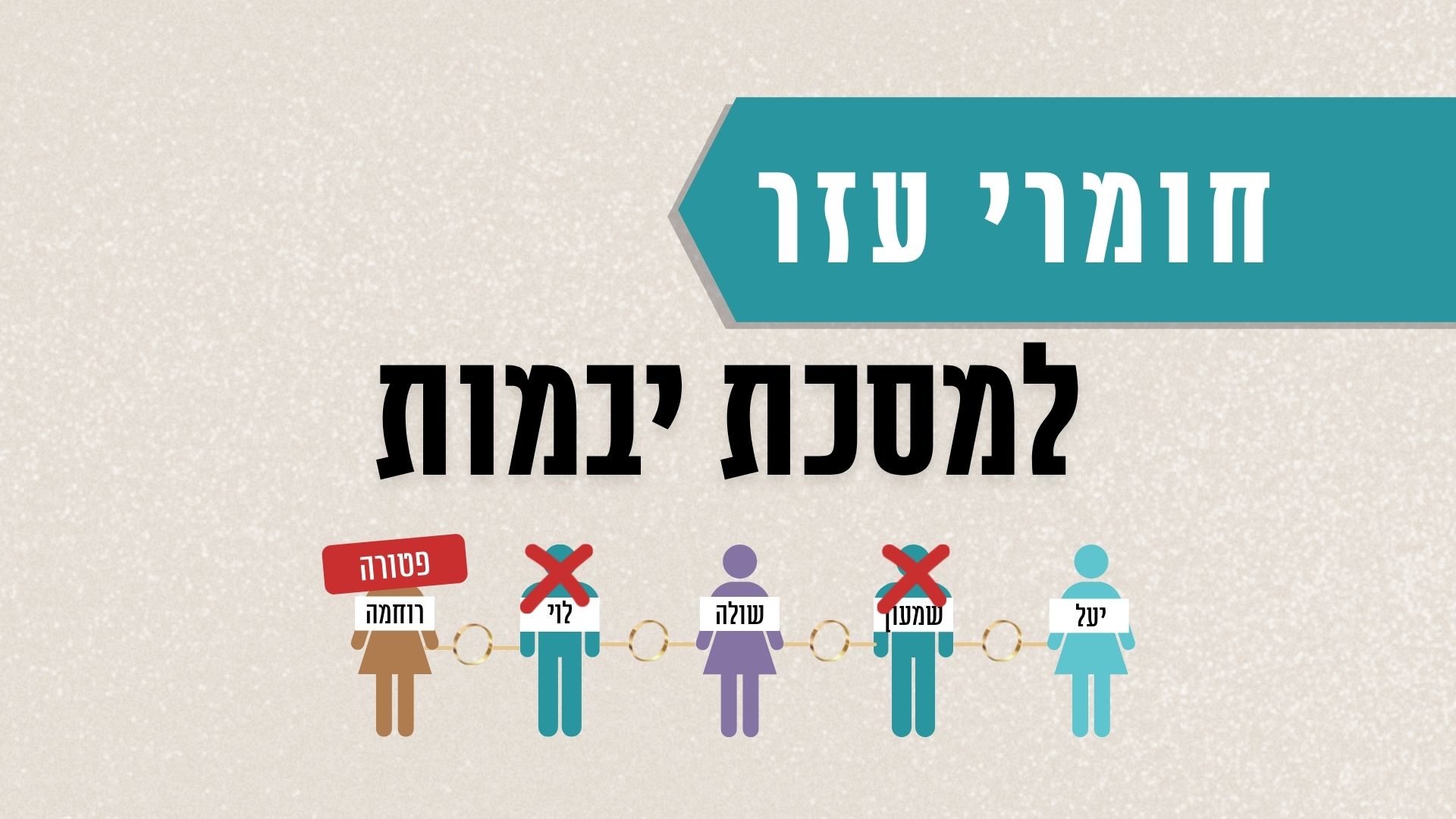
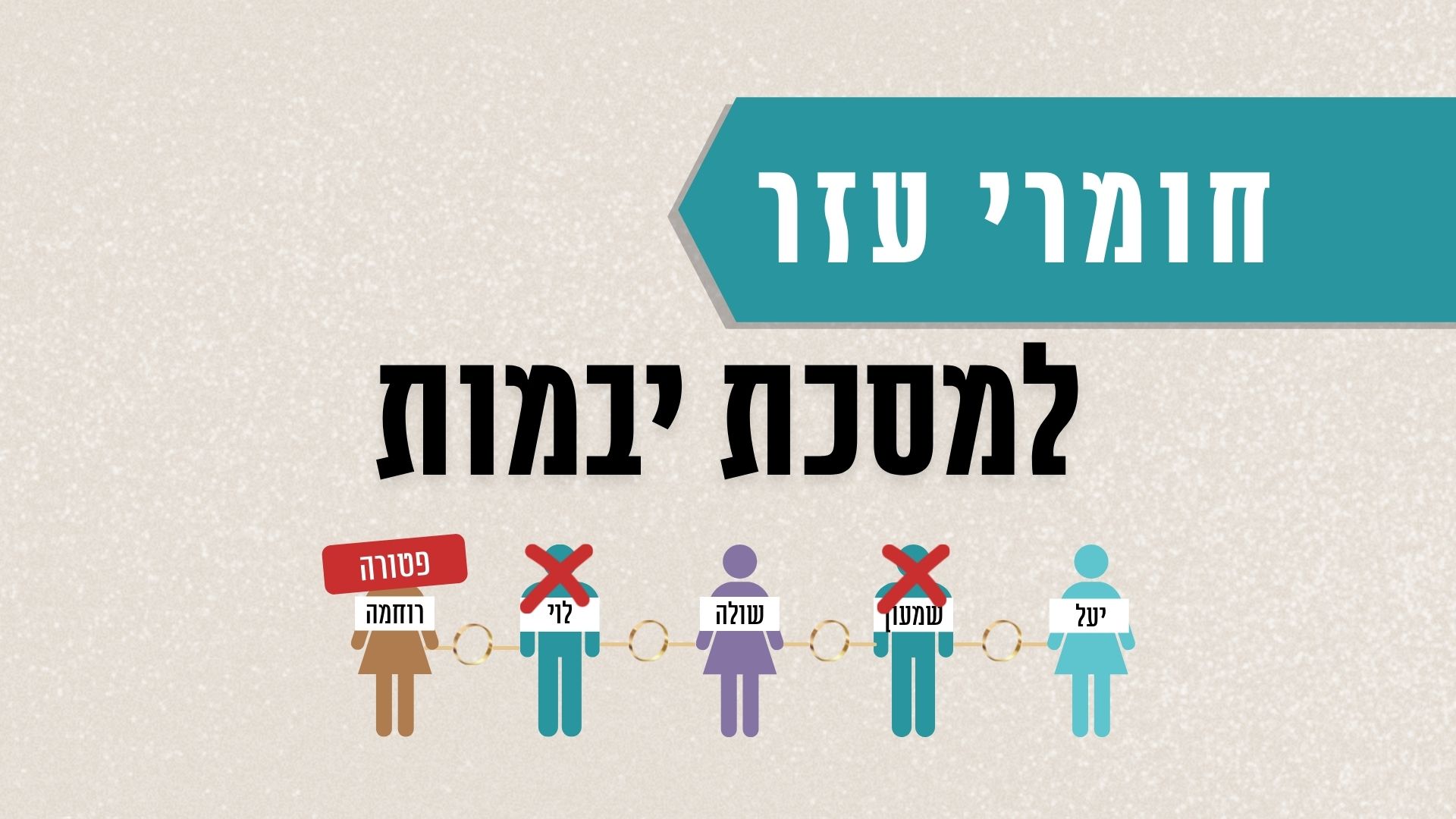
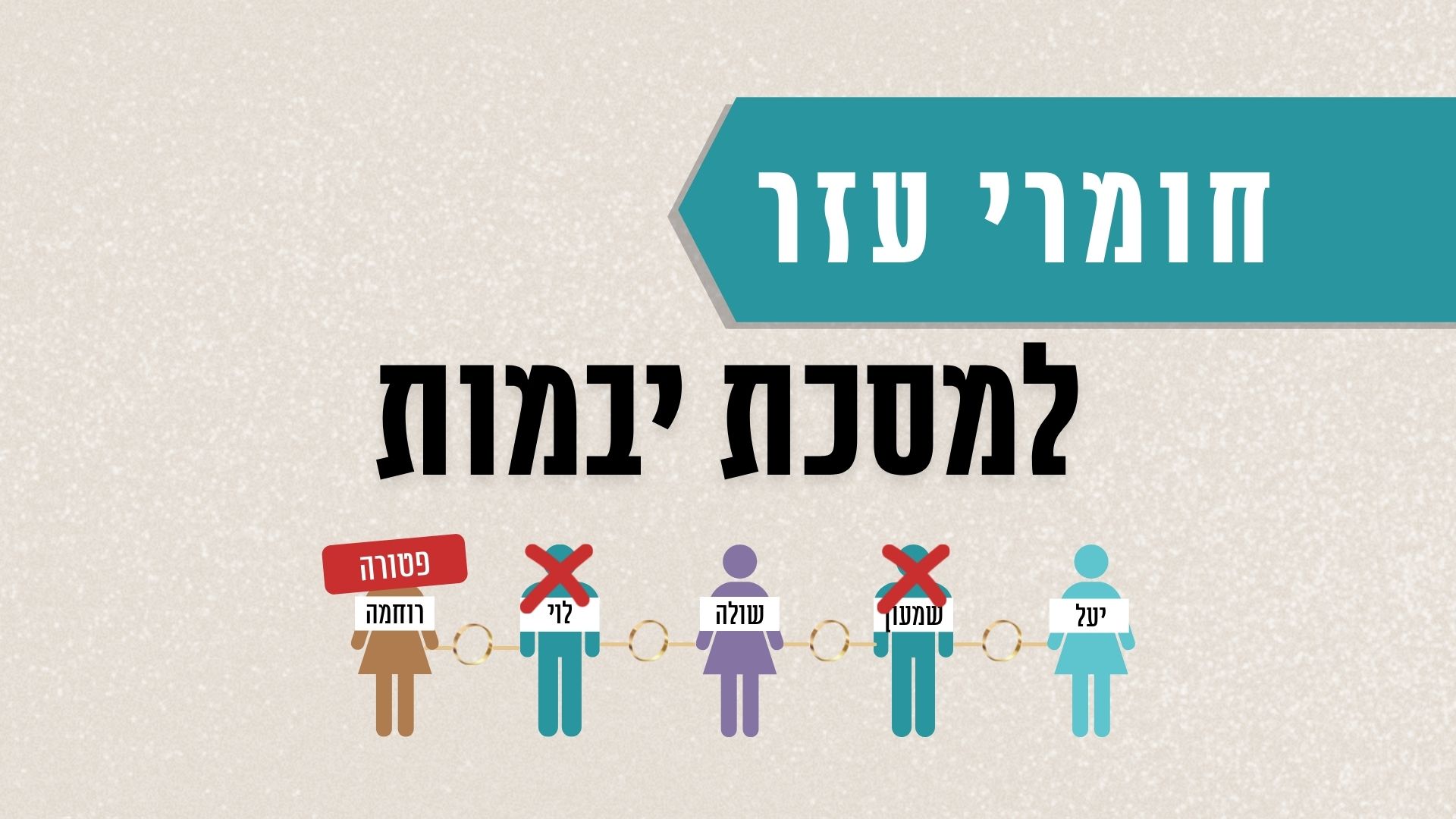
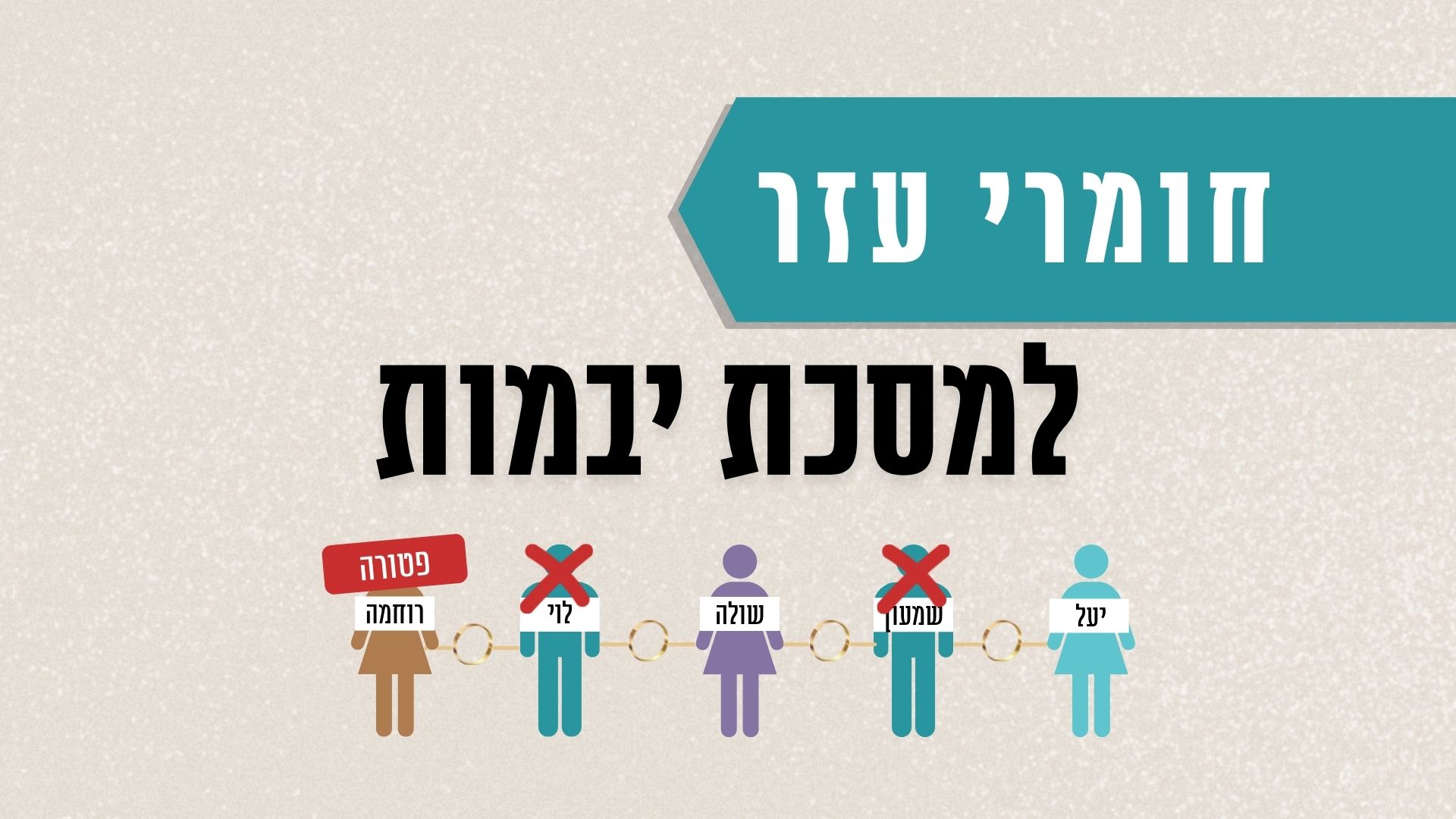
אם כהן גדול מקיים ייבום עם אלמנה, האם הייבום תקף, לפטור צרתה? זהו ויכוח בין רבי יוחנן לרבי אלעזר. נגד אחת הדעות מועלה קושי. מהיכן ניתן למצוא רמז בתורה להרחבה דרבנן של איסורי עריות (שניות)? מובאים ארבעה פסוקים שונים. מובא ברייתא המפרטת שמונה קרובים הכלולים בגזירת שניות. אחד מהם שמוזכר הוא דין תורה – אם כן, מדוע הוא מופיע כאן? רב אומר שיש ארבעה קרובים שאסורים רק באותו דור אבל זה לא מורחב לדורות מוקדמים או מאוחרים יותר. מהם ארבעת המקרים? כמו כן, כלתו ברשימה ואסורה על פי דין תורה. לפיכך מניחים שהכוונה היא לכלת בתו, שאסורה מחמת כלת בנו. האם אשתו של הדוד מצד האם שאחיו מאמם (לדוד ולאמה יש אותה אם) אסורה? מדוע זה לא נחשב כגזירה על גזירה? כדי לענות על השאלה הם מביאים אמירה של רב יהודה בר שילא שכל יחס שהוא ערוה, אם זה גבר, אוסרים גם אשתו. כיוון שישנם מספר יוצאים מן הכלל לאותו כלל שמביא רבא, ההנחה היא שרב יהודה מתייחס למקרה הנדון. מה ההבדל בין המקרה שלו ליוצאים מן הכלל? מה לגבי אשתו של הדוד רבה מצד אביו או דודה רבה מצד אביו (אחותו של סבו)?


יבמות כא

בְּאַלְמָנָה מִן הַנִּשּׂוּאִין — כּוּלֵּי עָלְמָא לָא פְּלִיגִי דְּלָא פָּטְרָה, דְּאֵין עֲשֵׂה דּוֹחֶה לֹא תַעֲשֶׂה וַעֲשֵׂה. כִּי פְּלִיגִי בְּאַלְמָנָה מִן הָאֵרוּסִין. מַאן דְּאָמַר פּוֹטֶרֶת — אָתֵי עֲשֵׂה וְדָחֵי אֶת לֹא תַעֲשֶׂה. וּמַאן דְּאָמַר אֵינָהּ פּוֹטֶרֶת — לָא אָתֵי עֲשֵׂה וְדָחֵי אֶת לֹא תַעֲשֶׂה, כֵּיוָן דְּאֶפְשָׁר בַּחֲלִיצָה.

As for a widow from marriage, everyone agrees that this does not exempt the rival wife, as a positive mitzva does not override a prohibition and a positive mitzva together. When they disagree, it is in the case of a widow from betrothal. The one who said that it exempts the rival wife holds that the positive mitzva of levirate marriage comes and overrides the prohibition against a High Priest marrying a widow. And the one who said that it does not exempt the rival wife held that a positive mitzva does not come and override a prohibition, since it is possible to perform ḥalitza.

מֵיתִיבִי: וְאִם בָּעֲלוּ קָנוּ! תְּיוּבְתָּא.

The Gemara raises an objection to the opinion that the rival wife would not be exempt, from the previously cited baraita: If one of those yevamin engaged in intercourse, he acquired her as a wife. This shows that the act of levirate marriage is valid, even when prohibited. If so, in the case of the High Priest and a widow as well, her rival wife should be exempt. This is a conclusive refutation, and that opinion is rejected.

לֵימָא תִּיהְוֵי נָמֵי תְּיוּבְתָּא דְּרֵישׁ לָקִישׁ?! אָמַר לָךְ רֵישׁ לָקִישׁ: כִּי אָמֵינָא אֲנָא — הֵיכָא דִּמְקַיְּימִי מִצְוָה, אֲבָל הָכָא, חֲלִיצָה בִּמְקוֹם יִיבּוּם — לָאו מִצְוָה הִיא.

The Gemara asks: Shall we say that this is also a conclusive refutation of the opinion of Reish Lakish and therefore reject his principle? The Gemara answers: Reish Lakish could have said to you: When I say that in every place that you find a positive mitzva and a prohibition applying to the same matter, if you can fulfill both of them together without transgressing the prohibition, this is best, and the positive mitzva does not override the prohibition, this is applicable only when the mitzva is fulfilled properly; but here, ḥalitza in place of levirate marriage is not considered a proper fulfillment of the mitzva.

אָמַר רָבָא: רֶמֶז לִשְׁנִיּוֹת מִן הַתּוֹרָה מִנַּיִן — שֶׁנֶּאֱמַר: ״כִּי אֶת כׇּל הַתּוֹעֵבוֹת הָאֵל עָשׂוּ אַנְשֵׁי הָאָרֶץ״, ״הָאֵל״ — קָשׁוֹת, מִכְּלָל דְּאִיכָּא רַכּוֹת, וּמַאי נִינְהוּ — שְׁנִיּוֹת.

§ Rava said: Where is the prohibition against secondary forbidden relationships hinted at in the Torah? As it is stated at the end of the portion discussing forbidden incestuous relations: “For all these abominations have the men of the land done” (Leviticus 18:27). “These” must be understood to mean the harsh ones, i.e., the severe transgressions. This proves by inference that there are also lesser transgressions that are, as it were, soft ones. And what are those soft ones? They are secondary forbidden relationships.

וּמַאי מַשְׁמַע דְּ״הָאֵל״ לִישָּׁנָא דְקָשֶׁה הוּא — דִּכְתִיב: ״וְאֶת אֵילֵי הָאָרֶץ לָקָח״.

The Gemara asks: From where may it be inferred that the word “these” [ha’el] is an expression meaning harsh? As it is written: “And the mighty [eilei] of the land he took away” (Ezekiel 17:13). The similarity of these words implies that “these” also has connotations of mighty or harsh.

לֵימָא פְּלִיגָא דְּרַבִּי לֵוִי, דְּאָמַר רַבִּי לֵוִי: קָשֶׁה עוֹנְשָׁן שֶׁל מִדּוֹת יוֹתֵר מֵעוֹנְשָׁן שֶׁל עֲרָיוֹת, שֶׁזֶּה נֶאֱמַר בָּהֶן ״אֵל״, וְזֶה נֶאֱמַר בָּהֶן ״אֵלֶּה״! ״אֵל״ קָשֶׁה, וְ״אֵלֶּה״ קָשֶׁה מֵ״אֵל״.

The Gemara asks: Shall we say that this statement contradicts the opinion of Rabbi Levi? As Rabbi Levi said: The harshness of the punishment for using dishonest measures is more than the punishment for transgressing the prohibition of forbidden relationships, as with regard to this, forbidden relations, it is stated only: “These [el],” whereas with regard to that, dishonest measures, it is stated: “These [eleh]” with an additional letter heh as a suffix: “For all that do these [eleh] things, even all that do unrighteously, are an abomination unto the Lord your God” (Deuteronomy 25:16). This implies that the word eleh indicates harshness and not the word el. The Gemara answers: This does not contradict his opinion. The word el has the connotation of harsh, but eleh has the connotation of even harsher than el.

גַּבֵּי עֲרָיוֹת נָמֵי הָא כְּתִיב ״אֵלֶּה״! הָהוּא לְמַעוֹטֵי מִדּוֹת מִכָּרֵת.

The Gemara asks: With regard to forbidden relationships the word eleh is also written: “For whosoever shall do any of these [eleh] abominations, even the souls that do them shall be cut off from among their people” (Leviticus 18:29). If so, why is the punishment for using dishonest measures considered harsher? The Gemara answers: That expression meaning these [eleh] in the context of forbidden relations does not emphasize their severity; rather, it comes to exclude one who uses deception in measures from the penalty of karet.

אֶלָּא מַאי חוּמְרַיְיהוּ? הָנֵי — אֶפְשָׁר בִּתְשׁוּבָה, הָנֵי — לָא אֶפְשָׁר בִּתְשׁוּבָה.

The Gemara asks: Rather, in what way is deception in measurements more severe than forbidden relations? The Gemara answers: Those who engage in forbidden relations have the possibility of repentance. If one engaged in relations with a forbidden relative he can rectify the sin through repentance. In the case of those who deceive the public with dishonest measures, it is not possible to repent fully because, having deceived the general public, they have no way of returning the money. Whereas generally a thief can return stolen property to its rightful owner, one who used dishonest measures with multiple customers has no way to track them all down in order to return the money.

רַב יְהוּדָה אָמַר מֵהָכָא: ״וְאִזֵּן וְחִקֵּר תִּקֵּן מְשָׁלִים הַרְבֵּה״, וְאָמַר עוּלָּא אָמַר רַבִּי אֶלְעָזָר: קוֹדֶם שֶׁבָּא שְׁלֹמֹה, הָיְתָה תּוֹרָה דּוֹמָה לִכְפִיפָה שֶׁאֵין לָהּ אׇזְנַיִם, עַד שֶׁבָּא שְׁלֹמֹה וְעָשָׂה לָהּ אׇזְנַיִם.

Rav Yehuda said that the prohibition of secondary forbidden relationships is learned from here: As it says with regard to King Solomon: “He weighed [izzen] and sought out, and set in order many proverbs” (Ecclesiastes 12:9), and Ulla said that Rabbi Elazar said: Before Solomon came, the Torah was like a basket [kefifa] without handles [oznayim], until Solomon came and made handles for it. By means of his explanation and proverbs he enabled each person to understand and take hold of the Torah, fulfill its mitzvot, and distance himself from transgressions.

רַבִּי אוֹשַׁעְיָא אָמַר מֵהָכָא: ״פְּרָעֵהוּ אַל תַּעֲבׇר בּוֹ שְׂטֵה מֵעָלָיו וַעֲבוֹר״.

Rabbi Oshaya said that the prohibition of secondary forbidden relationships is learned from here: “Avoid it, pass not by it; turn from it, and pass on” (Proverbs 4:15). One must distance oneself from any prohibited act and not pass near a place of forbidden objects or situations.

אָמַר רַב אָשֵׁי: מָשָׁל דְּרַבִּי אוֹשַׁעְיָא לְמָה הַדָּבָר דּוֹמֶה — לְאָדָם מְשַׁמֵּר פַּרְדֵּס, מְשַׁמְּרוֹ מִבַּחוּץ — כּוּלּוֹ מִשְׁתַּמֵּר. מְשַׁמְּרוֹ מִבִּפְנִים, שֶׁלְּפָנָיו — מִשְׁתַּמֵּר, שֶׁלְּאַחֲרָיו — אֵינוֹ מִשְׁתַּמֵּר. וְהָא דְּרַב אָשֵׁי בְּדוּתָא הִיא. הָתָם, שֶׁלְּפָנָיו מִיהָא מִשְׁתַּמֵּר. הָכָא, אִי לָאו שְׁנִיּוֹת, פָּגַע בְּעֶרְוָה גּוּפַהּ.

Rav Ashi said a parable: To what is this matter, the opinion of Rabbi Oshaya, comparable? It is comparable to a man guarding an orchard; if he guards it from the outside, all of it is guarded. But if he guards it from the inside, only that which is in front of him that he can see is guarded, while that which is behind him is unguarded. The Gemara comments: And this parable of Rav Ashi is a mistake [beduta] and is not accurate. There, in his metaphor, that which is in front of him at least is guarded; here, in the case of forbidden relationships, were it not for the rabbinic decree against secondary forbidden relationships one would eventually encounter and transgress the biblically forbidden relationship itself. Guarding from the outside is not only preferable, it is essential.

רַב כָּהֲנָא אָמַר מֵהָכָא: ״וּשְׁמַרְתֶּם אֶת מִשְׁמַרְתִּי״ — עֲשׂוּ מִשְׁמֶרֶת לְמִשְׁמַרְתִּי.

Rav Kahana said that the prohibition of secondary forbidden relationships is alluded to from here, in the verse stated at the conclusion of the verses discussing the halakhot of forbidden relationships: “Therefore shall you protect [ushmartem] My prized possession [mishmarti], that you do not any of these abominable customs” (Leviticus 18:30). This means: Establish a safeguard [mishmeret] for My prized possession.

אֲמַר לֵיהּ אַבָּיֵי לְרַב יוֹסֵף: הָא דְּאוֹרָיְיתָא הִיא! דְּאוֹרָיְיתָא, וּפֵירְשׁוּ רַבָּנַן. כׇּל הַתּוֹרָה נָמֵי פֵּירְשׁוּ רַבָּנַן! אֶלָּא: מִדְּרַבָּנַן, וּקְרָא אַסְמַכְתָּא בְּעָלְמָא.

Abaye said to Rav Yosef: If the prohibition against secondary forbidden relationships is learned from here then it would be by Torah law, yet the prohibition against secondary forbidden relationships is by rabbinic law. He answered him: The requirement to add an additional safeguard itself is in fact by Torah law, and the Sages interpreted and defined where and when to apply this law. Abaye objected: But isn’t all of the Torah also interpreted by the Sages and yet has the force of Torah law? In that case, why are these laws considered to be rabbinic? Rather, the prohibition of secondary forbidden relationships was decreed by rabbinic law, and the verse is a mere support but does not indicate a Torah law.

תָּנוּ רַבָּנַן, מָה הֵם שְׁנִיּוֹת: אֵם אִמּוֹ, וְאֵם אָבִיו, וְאֵשֶׁת אֲבִי אָבִיו, וְאֵשֶׁת אֲבִי אִמּוֹ, וְאֵשֶׁת אֲחִי הָאָב מִן הָאֵם, וְאֵשֶׁת אֲחִי הָאֵם מִן הָאָב, וְכַלַּת בְּנוֹ, וְכַלַּת בִּתּוֹ. וּמוּתָּר אָדָם בְּאֵשֶׁת חָמִיו וּבְאֵשֶׁת חוֹרְגוֹ, וְאָסוּר בְּבַת חוֹרְגוֹ. וְחוֹרְגוֹ מוּתָּר בְּאִשְׁתּוֹ וּבִתּוֹ.

§ The Sages taught in a baraita: What are the secondary forbidden relationships that were prohibited? His mother’s mother, and his father’s mother, and his father’s father’s wife, and his mother’s father’s wife, and the wife of his father’s maternal half brother, and the wife of his mother’s paternal half brother, and his son’s daughter-in-law, and his daughter’s daughter-in-law. A man is permitted to take his father-in-law’s former wife, provided she is not the mother of his wife, and his stepson’s wife, if the stepson died or divorced her. And he is prohibited from marrying the daughter of his stepson. And it is permitted for one’s stepson to marry the stepfather’s wife or daughter.

וְאֵשֶׁת חוֹרְגוֹ אוֹמֶרֶת לוֹ: אֲנִי מוּתֶּרֶת לְךָ, וּבִתִּי אֲסוּרָה לָךְ.

Due to these rabbinic decrees concerning stepsons, unusual situations might arise. For example: And his stepson’s wife says to him, i.e., her husband’s stepfather, I am permitted to you, but my daughter is forbidden to you, since she is your stepson’s daughter.

בַּת חוֹרְגוֹ דְּאוֹרָיְיתָא הִיא, דִּכְתִיב: ״אֶת בַּת בְּנָהּ וְאֶת בַּת בִּתָּהּ״! מִשּׁוּם דְּקָבָעֵי לְמִיתְנֵי סֵיפָא: אֵשֶׁת חוֹרְגוֹ אוֹמֶרֶת לוֹ: ״אֲנִי מוּתֶּרֶת לְךָ וּבִתִּי אֲסוּרָה לְךָ״, וְאַף עַל גַּב דְּבִתִּי אֲסוּרָה לְךָ מִדְּאוֹרָיְיתָא, בְּדִידִי לָא גְּזוּר בִּיה רַבָּנַן — תְּנָא רֵישָׁא נָמֵי בַּת חוֹרְגוֹ.

The Gemara challenges that which is stated in the baraita: His stepson’s daughter is not a secondary relation by rabbinic law. She is forbidden by Torah law, since the daughter of his stepson is the daughter of his wife’s son, as it is written: “You shall not take her son’s daughter or her daughter’s daughter” (Leviticus 18:17). The Gemara answers: This case was included because the baraita wanted to teach the latter clause, which states: His stepson’s wife says to him: I am permitted to you, but my daughter is forbidden to you. And although my daughter is forbidden to you by Torah law, nevertheless the Sages did not issue a decree forbidding me. Therefore, the case of his stepson’s daughter was also taught in the first clause, even though she is forbidden by Torah law and is not a secondary relation.

אִי הָכִי, אֵשֶׁת חָמִיו נָמֵי תֵּימָא: אֲנִי מוּתֶּרֶת לְךָ וּבִתִּי אֲסוּרָה לָךְ, דְּהָוְיָא אֲחוֹת אִשְׁתּוֹ! הָא פְּסִיקָא לֵיהּ, הָא לָא פְּסִיקָא לֵיהּ.

The Gemara raises an objection: If so, that the baraita wished to teach this peculiarity, then why did it not teach: His father-in-law’s wife also says: I am permitted to you and my daughter is forbidden to you, as she is his wife’s sister. The Gemara answers: This matter is conclusive for him. In other words, his stepson’s wife is forever permitted and his stepson’s daughter is always forbidden to him. But as for the matter of his father-in-law’s wife’s daughter, this is not conclusive for him. This ruling is not final and might change, since if his wife dies her sister is permitted to him.

אָמַר רַב, אַרְבַּע נָשִׁים יֵשׁ לָהֶן הֶפְסֵק. נָקֵיט רַב בִּידֵיהּ תְּלָת: אֵשֶׁת אֲחִי הָאֵם מִן הָאָב, וְאֵשֶׁת אֲחִי הָאָב מִן הָאֵם, וְכַלָּתוֹ. וּזְעֵירִי מוֹסִיף אַף אֵשֶׁת אֲבִי אִמּוֹ. אָמַר רַב נַחְמָן בַּר יִצְחָק, וְסִימָנָיךְ: דְּעִילַּאי, דְּרַב.

Rav said that he received a tradition with regard to secondary forbidden relationships that four women have a conclusion; i.e., the prohibition does not continue to later generations but applies only to those women who were mentioned explicitly. Rav held three of them in his hand; he knew with certainty three of the four categories. They were: The wife of his mother’s paternal half brother, and the wife of his father’s maternal half brother, and his daughter-in-law. And Ze’eiri adds: Also the wife of his mother’s father. Rav Naḥman bar Yitzḥak said: And your mnemonic for remembering who said what is as follows: Ze’eiri adds an extra generation on top of the prohibitions of Rav, i.e., the wife of his mother’s father, which Rav did not mention.

וְרַב מַאי טַעְמָא לָא חָשֵׁיב לֵיהּ? מִיחַלְּפָא לֵיהּ בְּאֵשֶׁת אֲבִי אָבִיו.

The Gemara asks: And what is the reason that Rav did not reckon this category mentioned by Ze’eiri to be among those who have a conclusion? The Gemara answers: In his opinion, this category might be mistakenly switched with the category of the wife of his father’s father, which does not have a conclusion. With regard to the wife of his father, the prohibition applies equally to the wife of all ancestors in the father’s line. Therefore, according to Rav, the Sages also included the ancestors of the mother’s father’s wife as secondary forbidden relationships.

וּזְעֵירִי? לְהָתָם שְׁכִיחַ וְאָזֵיל, לְהָכָא לָא שְׁכִיחַ וְאָזֵיל.

The Gemara asks: And why is Ze’eiri not concerned that the two categories will become confused? The Gemara answers: He is often found there, in his father’s father’s home, and goes there frequently, but here, to his mother’s household, he is not commonly found to go. Since he goes to his father’s home frequently, he knows that his father’s relatives are forbidden to him, and he will not confuse them with his mother’s relatives.

כַּלָּתוֹ

Among the women enumerated by Rav is his daughter-in-law.

דְּאוֹרָיְיתָא הִיא, דִּכְתִיב: ״עֶרְוַת כַּלָּתְךָ לֹא תְגַלֵּה״! אֵימָא כַּלַּת בְּנוֹ. וְכַלַּת בְּנוֹ יֵשׁ לָהּ הֶפְסֵק? וְהָא תַּנְיָא: כַּלָּתוֹ עֶרְוָה, כַּלַּת בְּנוֹ שְׁנִיָּה, וְכֵן אַתָּה אוֹמֵר בִּבְנוֹ וּבֶן בְּנוֹ עַד סוֹף כׇּל הַדּוֹרוֹת. אֶלָּא אֵימָא: כַּלַּת בִּתּוֹ.

The Gemara asks: Is this relationship not forbidden by Torah law? As it is written: “You shall not uncover the nakedness of your daughter-in-law” (Leviticus 18:15). The Gemara emends: Say instead his son’s daughter-in-law. The Gemara asks: And does the prohibition against having a relationship with his son’s daughter-in-law indeed have a conclusion? Isn’t it taught in a baraita: His daughter-in-law is a forbidden relation by Torah law, his son’s daughter-in-law is a secondary forbidden relation, and similarly, you say the daughter-in-law of his son and the daughter-in-law of his son’s son until the end of all generations are secondary forbidden relationships. Rather, say instead that Rav was referring to his daughter’s daughter-in-law.

דְּאָמַר רַב חִסְדָּא: הָא מִילְּתָא מִגַּבְרָא רַבָּה שְׁמִיעַ לִי, וּמַנּוּ — רַבִּי אַמֵּי: לֹא אָסְרוּ כַּלָּה אֶלָּא מִפְּנֵי כַּלָּה. וַאֲמַרוּ לִי כַּלְדָּאֵי: מַלְּפָנָא הָוֵית.

As Rav Ḥisda said: I heard this matter from a great man, and who was that great man? It was Rabbi Ami, and he said: They prohibited a daughter-in-law only due to the daughter-in-law. Rav Ḥisda heard this in his youth but did not understand the meaning. The Chaldean astrologers said to me: You will be a teacher.

אָמֵינָא: אִי גַּבְרָא רַבָּה הָוֵינָא — אֶסְבְּרַא מִדַּעְתַּי, אִי מַקְרֵי דַרְדְּקֵי הָוֵינָא — אֱשַׁיְּילַהּ מֵרַבָּנַן דְּאָתוּ לְבֵי כְנִישְׁתָּא. הַשְׁתָּא סְבַרְתַּהּ מִדַּעְתַּי: לֹא אָסְרוּ כַּלַּת בִּתּוֹ אֶלָּא מִשּׁוּם כַּלַּת בְּנוֹ.

Rav Ḥisda further said: I said to myself: If the astrologers meant that I will become a great man and one who teaches the public, I will certainly be able to reason and understand this matter with my knowledge. If the astrologers meant that I will become the teacher of children, I will ask it of the Sages who come to the synagogue and in that way I will learn the meaning of Rabbi Ami’s teaching. Now I understand the matter on my own. Rabbi Ami meant: They prohibited his daughter’s daughter-in-law only due to his son’s daughter-in-law, to avoid confusion between these daughters-in-law. The rabbinic decree prohibited one’s daughter’s daughter-in-law but did not extend to subsequent generations.

אֲמַר לֵיהּ אַבָּיֵי לְרָבָא, אַסְבְּרַהּ לָךְ: כְּגוֹן כַּלָּתֵהּ דְּבֵי בַּר צֵיתַאי. רַב פָּפָּא אָמַר: כְּגוֹן כַּלָּתֵהּ דְּבֵי רַב פָּפָּא בַּר אַבָּא. רַב אָשֵׁי אָמַר: כְּגוֹן כַּלָּתֵהּ דְּבֵי מָרִי בַּר אִיסַק.

Various Sages proceed to give contemporary examples of families where the halakhic status of the daughters-in-law of the sons and the daughters-in-law of the daughters could be confused with each other. Abaye said to Rava: I will explain to you with an example how one might become confused about these daughters-in-law. For example, this would be possible in the case of the daughter-in-law of the house of bar Tzitai, as there the children of the sons and the daughters of the same family lived together, and it was possible to confuse the halakhic status of the sons’ daughters-in-law and the daughters’ daughters-in-law. Rav Pappa said: For example, the daughter-in-law of the house of Rav Pappa bar Abba. Rav Ashi said: For example, the daughter-in-law of the house of Mari bar Isak.

אִיבַּעְיָא לְהוּ: אֵשֶׁת אֲחִי הָאֵם מִן הָאֵם, מַהוּ? אֵשֶׁת אֲחִי הָאָב מִן הָאֵם וְאֵשֶׁת אֲחִי הָאֵם מִן הָאָב, דְּאִיכָּא צַד אָב — הוּא דִּגְזַרוּ רַבָּנַן, אֲבָל הֵיכָא דְּלֵיכָּא צַד אָב — לָא גְּזַרוּ בְּהוּ רַבָּנַן, אוֹ דִלְמָא לָא שְׁנָא?

§ A dilemma was raised before the Sages: What is the halakha with regard to the wife of one’s mother’s maternal half brother? The Gemara presents the different sides of the question: Both the wife of one’s father’s maternal half brother and the wife of one’s mother’s paternal half brother contain some aspect of a father, and perhaps this is the reason that the Sages enacted a prohibition. That is, they were both forbidden rabbinically to avoid confusion with the case of the wife of one’s father’s paternal half brother, who is forbidden by Torah law. But in the case of the wife of one’s mother’s maternal half brother, where there is no aspect of a father whatsoever, perhaps the Sages did not make a decree? Or perhaps this case is no different?

אָמַר רַב סָפְרָא: הִיא גּוּפַהּ גְּזֵירָה, וַאֲנַן נֵיקוּם וְנִגְזוֹר גְּזֵירָה לִגְזֵירָה?! אָמַר רָבָא: אַטּוּ כּוּלְּהוּ לָאו גְּזֵירָה לִגְזֵירָה נִינְהוּ? אִמּוֹ — עֶרְוָה, אֵם אִמּוֹ — שְׁנִיָּה, וּגְזַרוּ עַל אֵם אָבִיו מִשּׁוּם אֵם אִמּוֹ. וְטַעְמָא מַאי — כּוּלְּהוּ ״דְּבֵי אִימָּא רַבָּתִי״ קָרוּ לַיהּ.

Rav Safra said: She herself, the wife of the mother’s paternal half brother, is forbidden by rabbinic decree, and will we then proceed to issue a decree to prevent violation of a decree? Rava said: Is that to say that all of these rabbinic decrees with regard to secondary relations are not decrees to prevent violation of a decree? For example, his mother is a forbidden relation by Torah law, and the Sages decreed that his mother’s mother is a secondary forbidden relationship. And they decreed that his father’s mother is also a secondary forbidden relationship due to his mother’s mother. And what is the reason? They are all called the house of the grandmother, and therefore people may confuse their halakhic status.

אֵשֶׁת אָבִיו — עֶרְוָה, אֵשֶׁת אֲבִי אָבִיו — שְׁנִיָּה, וּגְזַרוּ עַל אֵשֶׁת אֲבִי אִמּוֹ מִשּׁוּם אֵשֶׁת אֲבִי אָבִיו. וְטַעְמָא מַאי — כּוּלְּהוּ ״דְּבֵי אַבָּא רַבָּה״ קָרוּ לֵיהּ.

Rava continues: Similarly, his father’s wife is a forbidden relation by Torah law, and the Sages decreed that his father’s father’s wife is a secondary forbidden relationship. And they decreed that his mother’s father’s wife is also a secondary forbidden relationship due to his father’s father’s wife. And what is the reason? They are all called the house of the grandfather.

אֵשֶׁת אֲחִי הָאָב מִן הָאָב — עֶרְוָה, אֵשֶׁת אֲחִי הָאָב מִן הָאֵם — שְׁנִיָּה, וְגָזְרוּ עַל אֵשֶׁת אֲחִי הָאֵם מִן הָאָב מִשּׁוּם אֵשֶׁת אֲחִי הָאָב מִן הָאֵם. וְטַעְמָא מַאי — מִשּׁוּם דְּכוּלְּהוּ ״דְּבֵי דוֹדֵי״ קָרֵי לְהוּ.

Also, the wife of his father’s paternal half brother, his uncle, who is mentioned explicitly in the Torah (Leviticus 18:16), is a forbidden relation by Torah law, and the Sages decreed that the wife of his father’s maternal half brother is a secondary forbidden relationship. And they decreed that the wife of his mother’s paternal half brother is also a secondary forbidden relationship due to the wife of his father’s maternal half brother. And what is the reason? It is because they are all called the house of the uncle; it seems that in the realm of forbidden relations the Sages did issue decrees to prevent violation of a decree, and Rav Safra’s claim is incorrect.

מַאי? תָּא שְׁמַע, דְּכִי אֲתָא רַב יְהוּדָה בַּר שֵׁילָא, אֲמַר: אָמְרִי בְּמַעְרְבָא: כֹּל שֶׁבִּנְקֵבָה עֶרְוָה, בְּזָכָר גָּזְרוּ עַל אִשְׁתּוֹ מִשּׁוּם שְׁנִיָּה.

If so, then what is the halakha in this case of the wife of his mother’s maternal half brother? Come and hear: As when Rav Yehuda bar Sheila came from Eretz Yisrael to Babylonia, he said: In the West, Eretz Yisrael, they say this principle: For every female relative who is a forbidden relation by Torah law, the Sages decreed on the wife of the equivalent male relative due to her similarity to a secondary forbidden relationship.

וְאָמַר רָבָא: וּכְלָלָא הוּא? חֲמוֹתוֹ עֶרְוָה, אֵשֶׁת חָמִיו מוּתֶּרֶת. בַּת חֲמוֹתוֹ עֶרְוָה, אֵשֶׁת בֶּן חֲמוֹתוֹ מוּתֶּרֶת. בַּת חָמִיו עֶרְוָה, אֵשֶׁת בֶּן חָמִיו מוּתֶּרֶת. חוֹרַגְתּוֹ עֶרְוָה, אֵשֶׁת חוֹרְגוֹ מוּתֶּרֶת. בַּת חוֹרַגְתּוֹ עֶרְוָה, אֵשֶׁת בֶּן חוֹרְגוֹ מוּתֶּרֶת!

And Rava said: Is this really an established principle? Isn’t his mother-in-law a forbidden relation by Torah law, while his father-in-law’s wife is permitted? Also, his mother-in-law’s daughter is a forbidden relation by Torah law, as she is his wife’s sister, yet his mother-in-law’s son’s wife is permitted. His father-in-law’s daughter is a forbidden relation by Torah law, yet the wife of his father-in-law’s son is permitted. His stepdaughter is a forbidden relation by Torah law, yet his stepson’s wife is permitted. His stepdaughter’s daughter, i.e., his wife’s granddaughter, is a forbidden relation, yet the wife of his stepson’s son is permitted.

וְהָא דְּרַב יְהוּדָה בַּר שֵׁילָא לְאֵיתוֹיֵי מַאי? לָאו לְאֵיתוֹיֵי אֵשֶׁת אֲחִי הָאֵם מִן הָאֵם, דְּכֹל שֶׁבִּנְקֵבָה עֶרְוָה, בְּזָכָר גָּזְרוּ אִשְׁתּוֹ מִשּׁוּם שְׁנִיָּה?

The Gemara continues: If so, what did that statement of Rav Yehuda bar Sheila come to include? Since his principle is not true in every case, it must be intended to include a specific halakha. Does it not come to include the case of the wife of one’s mother’s maternal half brother, since for every female relative who is a forbidden relation by Torah law, such as his mother’s maternal half sister, the Sages decreed on the wife of the equivalent male relative, in this case his mother’s maternal half brother’s wife, due to her similarity to a secondary relation.

מַאי שְׁנָא הָנֵי, וּמַאי שְׁנָא הָא? הָא — בְּחַד קִידּוּשִׁין מְקָרֵב לַהּ, הָנֵי — עַד דְּאִיכָּא תְּרֵי קִידּוּשִׁין לָא מְקָרֵב לְהוּ.

The Gemara asks: What is different with regard to these cases, the wife of his father-in-law or the wife of his mother-in-law’s son, who are permitted, and this case of the wife of a mother’s maternal half brother, who is prohibited? The Gemara answers: This, the wife of a mother’s maternal half brother, is related by a single act of betrothal. One’s mother’s brother is a blood relative, and his wife is therefore a secondary relation. In contrast, these other cases with regard to which the Sages did not issue a decree are related only when there are two acts of betrothal. For example, one’s father-in-law is related to one through one’s marriage to his own wife, and his father in law’s wife is related to him through his father-in-law’s marriage.

שְׁלַח לֵיהּ רַב מְשַׁרְשְׁיָא מִתּוֹסַנְיָיא לְרַב פַּפֵּי: יְלַמְּדֵנוּ רַבֵּינוּ, אֵשֶׁת אֲחִי אֲבִי הָאָב, וַאֲחוֹת אֲבִי הָאָב, מַהוּ? מִדִּלְמַטָּה עֶרְוָה — לְמַעְלָה נָמֵי גְּזַרוּ בֵּיהּ, אוֹ דִלְמָא, הָא אִיתְפְּלִיג דָּרָתָא.

§ Rav Mesharshiyya from Tusneya sent a message to Rav Pappi: Let our Master teach us: What is the halakha with regard to the wife of a father’s father’s brother and the sister of a father’s father? Did the Sages prohibit these as secondary forbidden relations? The Gemara presents the different sides of the dilemma: Since one generation below is a forbidden relation, i.e., a father’s sister and the wife of a father’s paternal brother, who are both forbidden by Torah law, perhaps the Sages also decreed about the women one generation above. Or, perhaps the generations are separate and the women in the generation above are not considered to be forbidden relatives.

תָּא שְׁמַע ״מָה הֵן שְׁנִיּוֹת״, וְלָא קָחָשֵׁיב לְהוּ בַּהֲדַיְיהוּ!

The Gemara attempts to answer: Come and hear from that baraita cited above, which taught: What are the secondary forbidden relationships that were prohibited? And these women, i.e., the wife of one’s father’s father’s brother and the sister of his father’s father were not reckoned among them. This implies that these women are permitted.

תְּנָא וְשַׁיַּיר. מַאי שַׁיֵּיר דְּהַאי שַׁיַּיר? שַׁיַּיר שְׁנִיּוֹת דְּבֵי רַבִּי חִיָּיא.

The Gemara replies that this is not conclusive. Perhaps the tanna of the baraita taught some examples and omitted other examples of secondary forbidden relations; i.e., perhaps the list is not exhaustive. The Gemara asks: What else did he omit that he omitted this? It cannot be that the tanna had an exhaustive list except for one case. He either left out more than one case or he included all possible cases. The Gemara answers: He omitted the list of secondary forbidden relationships that were enumerated by the school of Rabbi Ḥiyya, which is listed later. Therefore, this baraita is not conclusive, as the tanna left out many cases.

אַמֵּימָר אַכְשַׁר בְּאֵשֶׁת אֲחִי אֲבִי אָבִיו וּבַאֲחוֹת אֲבִי אָבִיו. אָמַר לֵיהּ רַב הִלֵּל לְרַב אָשֵׁי: לְדִידִי חַזְיָא לִי שְׁנִיּוֹת מָר בְּרֵיהּ דְּרַבְנָא, וּכְתִיבָן שִׁיתַּסְרֵי לְאִיסּוּרָא. מַאי לָאו: תַּמְנֵי דְּמַתְנִיתָא, וְשֵׁית דְּבֵי רַבִּי חִיָּיא, וְהָנָךְ תַּרְתֵּי — הָא שִׁיתַּסְרֵי.

The Gemara states that Ameimar permitted the wife of one’s father’s father’s brother and the sister of one’s father’s father. Rav Hillel said to Rav Ashi, challenging Ameimar’s statement: I myself saw a list of secondary forbidden relationships written by Mar, son of Rabbana, and it was written there that sixteen women were forbidden. What, is it not that these sixteen must be the eight cases listed in the baraita, and six from the school of Rabbi Ḥiyya, and these two cases of the wife of one’s father’s father’s brother and one’s father’s father’s sister, and this totals sixteen?

וּלְטַעְמָיךְ: שִׁיבְסְרֵי הָוְיָין, דְּהָא אִיכָּא אֵשֶׁת אֲחִי הָאֵם מִן הָאֵם, דְּפָשְׁטִינַן לְאִיסּוּרָא! הָא לָא קַשְׁיָא,

Rav Ashi defended Ameimar’s opinion: And according to your reasoning, Rav Hillel, that these cases should be included, there are seventeen cases, as there is the additional case of the wife of a mother’s maternal half brother, whose status was resolved earlier, concluding that she is forbidden. If it is as you say, then there should be seventeen cases. The Gemara answers on behalf of Rav Hillel: This is not difficult.

העמקה

רוצה להבין מה באמת קורה מתחת לפני השטח של הסוגיה?
שיעורים, פודקאסטים והרחבות של מיטב המורות שלנו יפתחו לך עוד זוויות וכיווני חשיבה.

לשיעורי עוד על הדף באנגלית, לחצי כאן

חדשה בלימוד הגמרא?

זה הדף הראשון שלך? איזו התרגשות עצומה! יש לנו בדיוק את התכנים והכלים שיעזרו לך לעשות את הצעדים הראשונים ללמידה בקצב וברמה שלך, כך תוכלי להרגיש בנוח גם בתוך הסוגיות המורכבות ומאתגרות.

פסיפס הלומדות שלנו

גלי את קהילת הלומדות שלנו, מגוון נשים, רקעים וסיפורים. כולן חלק מתנועה ומסע מרגש ועוצמתי.

התחלתי בתחילת הסבב, והתמכרתי. זה נותן משמעות נוספת ליומיום ומאוד מחזק לתת לזה מקום בתוך כל שגרת הבית-עבודה השוטפת.

Reut Abrahami
רעות אברהמי

בית שמש, ישראל

התחלתי כשהייתי בחופש, עם הפרסומים על תחילת המחזור, הסביבה קיבלה את זה כמשהו מתמיד ומשמעותי ובהערכה, הלימוד זה עוגן יציב ביום יום, יש שבועות יותר ויש שפחות אבל זה משהו שנמצא שם אמין ובעל משמעות בחיים שלי….

Adi Diamant
עדי דיאמנט

גמזו, ישראל

התחלתי ללמוד בסבב הנוכחי לפני כשנתיים .הסביבה מתפעלת ותומכת מאוד. אני משתדלת ללמוד מכל ההסכתים הנוספים שיש באתר הדרן. אני עורכת כל סיום מסכת שיעור בביתי לכ20 נשים שמחכות בקוצר רוח למפגשים האלו.

Yael Asher
יעל אשר

יהוד, ישראל

התחלתי לפני 8 שנים במדרשה. לאחרונה סיימתי מסכת תענית בלמידה עצמית ועכשיו לקראת סיום מסכת מגילה.

Daniela Baruchim
דניאלה ברוכים

רעננה, ישראל

כבר סיפרתי בסיום של מועד קטן.
הלימוד מאוד משפיעה על היום שלי כי אני לומדת עם רבנית מישל על הבוקר בזום. זה נותן טון לכל היום – בסיס למחשבות שלי .זה זכות גדול להתחיל את היום בלימוד ובתפילה. תודה רבה !

שרה-ברלוביץ
שרה ברלוביץ

ירושלים, ישראל

A friend in the SF Bay Area said in Dec 2019 that she might start listening on her morning drive to work. I mentioned to my husband and we decided to try the Daf when it began in Jan 2020 as part of our preparing to make Aliyah in the summer.

Hana Piotrkovsky
חנה פיוטרקובסקי

ירושלים, Israel

התחלתי ללמוד דף לפני קצת יותר מ-5 שנים, כשלמדתי רבנות בישיבת מהר”ת בניו יורק. בדיעבד, עד אז, הייתי בלימוד הגמרא שלי כמו מישהו שאוסף חרוזים משרשרת שהתפזרה, פה משהו ושם משהו, ומאז נפתח עולם ומלואו…. הדף נותן לי לימוד בצורה מאורגנת, שיטתית, יום-יומית, ומלמד אותי לא רק ידע אלא את השפה ודרך החשיבה שלנו. לשמחתי, יש לי סביבה תומכת וההרגשה שלי היא כמו בציטוט שבחרתי: הדף משפיע לטובה על כל היום שלי.

Michal Kahana
מיכל כהנא

חיפה, ישראל

התחלתי ללמוד דף יומי באמצע תקופת הקורונה, שאבא שלי סיפר לי על קבוצה של בנות שתיפתח ביישוב שלנו ותלמד דף יומי כל יום. הרבה זמן רציתי להצטרף לזה וזאת הייתה ההזדמנות בשבילי. הצטרפתי במסכת שקלים ובאמצע הייתה הפסקה קצרה. כיום אני כבר לומדת באולפנה ולומדת דף יומי לבד מתוך גמרא של טיינזלץ.

Saturdays in Raleigh
שבות בראלי

עתניאל, ישראל

התחלתי לפני כמה שנים אבל רק בסבב הזה זכיתי ללמוד יום יום ולסיים מסכתות

Sigal Tel
סיגל טל

רעננה, ישראל

התחלתי בסיום הש”ס, יצאתי באורות. נשברתי פעמיים, ובשתיהם הרבנית מישל עודדה להמשיך איפה שכולם בסבב ולהשלים כשאוכל, וכך עשיתי וכיום השלמתי הכל. מדהים אותי שאני לומדת כל יום קצת, אפילו בחדר הלידה, בבידוד או בחו”ל. לאט לאט יותר נינוחה בסוגיות. לא כולם מבינים את הרצון, בפרט כפמניסטית. חשה סיפוק גדול להכיר את המושגים וצורת החשיבה. החלום זה להמשיך ולהתמיד ובמקביל ללמוד איך מהסוגיות נוצרה והתפתחה ההלכה.

Weingarten Sherrington Foundation
קרן וינגרטן שרינגטון

מודיעין, ישראל

התחלתי ללמוד דף יומי שהתחילו מסכת כתובות, לפני 7 שנים, במסגרת קבוצת לימוד שהתפרקה די מהר, ומשם המשכתי לבד בתמיכת האיש שלי. נעזרתי בגמרת שטיינזלץ ובשיעורים מוקלטים.
הסביבה מאד תומכת ואני מקבלת המון מילים טובות לאורך כל הדרך. מאז הסיום הגדול יש תחושה שאני חלק מדבר גדול יותר.
אני לומדת בשיטת ה”7 דפים בשבוע” של הרבנית תרצה קלמן – כלומר, לא נורא אם לא הצלחת ללמוד כל יום, העיקר שגמרת ארבעה דפים בשבוע

Rachel Goldstein
רחל גולדשטיין

עתניאל, ישראל

בתחילת הסבב הנוכחי הצטברו אצלי תחושות שאני לא מבינה מספיק מהי ההלכה אותה אני מקיימת בכל יום. כמו כן, כאמא לבנות רציתי לתת להן מודל נשי של לימוד תורה
שתי הסיבות האלו הובילו אותי להתחיל ללמוד. נתקלתי בתגובות מפרגנות וסקרניות איך אישה לומדת גמרא..
כמו שרואים בתמונה אני ממשיכה ללמוד גם היום ואפילו במחלקת יולדות אחרי לידת ביתי השלישית.

Noa Shiloh
נועה שילה

רבבה, ישראל

התחלתי ללמוד לפני כשנתיים בשאיפה לסיים לראשונה מסכת אחת במהלך חופשת הלידה.
אחרי מסכת אחת כבר היה קשה להפסיק…

Noa Gallant
נעה גלנט

ירוחם, ישראל

התחלתי ללמוד גמרא בבית הספר בגיל צעיר והתאהבתי. המשכתי בכך כל חיי ואף היייתי מורה לגמרא בבית הספר שקד בשדה אליהו (בית הספר בו למדתי בילדותי)בתחילת מחזור דף יומי הנוכחי החלטתי להצטרף ובע”ה מקווה להתמיד ולהמשיך. אני אוהבת את המפגש עם הדף את "דרישות השלום ” שמקבלת מקשרים עם דפים אחרים שלמדתי את הסנכרון שמתחולל בין התכנים.

Ariela Bigman
אריאלה ביגמן

מעלה גלבוע, ישראל

לפני 15 שנה, אחרי עשרות שנים של "ג’ינגול” בין משפחה לקריירה תובענית בהייטק, הצטרפתי לשיעורי גמרא במתן רעננה. הלימוד המעמיק והייחודי של הרבנית אושרה קורן יחד עם קבוצת הנשים המגוונת הייתה חוויה מאלפת ומעשירה. לפני כשמונה שנים כאשר מחזור הדף היומי הגיע למסכת תענית הצטרפתי כ”חברותא” לבעלי. זו השעה היומית שלנו ביחד כאשר דפי הגמרא משתלבים בחיי היום יום, משפיעים ומושפעים, וכשלא מספיקים תמיד משלימים בשבת

Yodi Askoff
יודי אסקוף

רעננה, ישראל

התחלתי ללמוד דף יומי בסבב הקודם. זכיתי לסיים אותו במעמד המרגש של הדרן. בסבב הראשון ליווה אותי הספק, שאולי לא אצליח לעמוד בקצב ולהתמיד. בסבב השני אני לומדת ברוגע, מתוך אמונה ביכולתי ללמוד ולסיים. בסבב הלימוד הראשון ליוותה אותי חוויה מסויימת של בדידות. הדרן העניקה לי קהילת לימוד ואחוות נשים. החוויה של סיום הש”ס במעמד כה גדול כשנשים שאינן מכירות אותי, שמחות ומתרגשות עבורי , היתה חוויה מרוממת נפש

Ilanit Weil
אילנית ווייל

קיבוץ מגדל עוז, ישראל

My explorations into Gemara started a few days into the present cycle. I binged learnt and become addicted. I’m fascinated by the rich "tapestry” of intertwined themes, connections between Masechtot, conversations between generations of Rabbanim and learners past and present all over the world. My life has acquired a golden thread, linking generations with our amazing heritage.
Thank you.

Susan Kasdan
סוזן כשדן

חשמונאים, Israel

התחלתי מעט לפני תחילת הסבב הנוכחי. אני נהנית מהאתגר של להמשיך להתמיד, מרגעים של "אהה, מפה זה הגיע!” ומהאתגר האינטלקטואלי

Eilat-Chen and Deller
אילת-חן ודלר

לוד, ישראל

התחלתי כשהייתי בחופש, עם הפרסומים על תחילת המחזור, הסביבה קיבלה את זה כמשהו מתמיד ומשמעותי ובהערכה, הלימוד זה עוגן יציב ביום יום, יש שבועות יותר ויש שפחות אבל זה משהו שנמצא שם אמין ובעל משמעות בחיים שלי….

Adi Diamant
עדי דיאמנט

גמזו, ישראל

התחלתי ללמוד דף יומי כאשר קיבלתי במייל ממכון שטיינזלץ את הדפים הראשונים של מסכת ברכות במייל. קודם לא ידעתי איך לקרוא אותם עד שנתתי להם להדריך אותי. הסביבה שלי לא מודעת לעניין כי אני לא מדברת על כך בפומבי. למדתי מהדפים דברים חדשים, כמו הקשר בין המבנה של בית המקדש והמשכן לגופו של האדם (יומא מה, ע”א) והקשר שלו למשפט מפורסם שמופיע בספר ההינדי "בהגוד-גיתא”. מתברר שזה רעיון כלל עולמי ולא רק יהודי

Elena Arenburg
אלנה ארנבורג

נשר, ישראל

יבמות כא

בְּאַלְמָנָה מִן הַנִּשּׂוּאִין — כּוּלֵּי עָלְמָא לָא פְּלִיגִי דְּלָא פָּטְרָה, דְּאֵין עֲשֵׂה דּוֹחֶה לֹא תַעֲשֶׂה וַעֲשֵׂה. כִּי פְּלִיגִי בְּאַלְמָנָה מִן הָאֵרוּסִין. מַאן דְּאָמַר פּוֹטֶרֶת — אָתֵי עֲשֵׂה וְדָחֵי אֶת לֹא תַעֲשֶׂה. וּמַאן דְּאָמַר אֵינָהּ פּוֹטֶרֶת — לָא אָתֵי עֲשֵׂה וְדָחֵי אֶת לֹא תַעֲשֶׂה, כֵּיוָן דְּאֶפְשָׁר בַּחֲלִיצָה.

As for a widow from marriage, everyone agrees that this does not exempt the rival wife, as a positive mitzva does not override a prohibition and a positive mitzva together. When they disagree, it is in the case of a widow from betrothal. The one who said that it exempts the rival wife holds that the positive mitzva of levirate marriage comes and overrides the prohibition against a High Priest marrying a widow. And the one who said that it does not exempt the rival wife held that a positive mitzva does not come and override a prohibition, since it is possible to perform ḥalitza.

מֵיתִיבִי: וְאִם בָּעֲלוּ קָנוּ! תְּיוּבְתָּא.

The Gemara raises an objection to the opinion that the rival wife would not be exempt, from the previously cited baraita: If one of those yevamin engaged in intercourse, he acquired her as a wife. This shows that the act of levirate marriage is valid, even when prohibited. If so, in the case of the High Priest and a widow as well, her rival wife should be exempt. This is a conclusive refutation, and that opinion is rejected.

לֵימָא תִּיהְוֵי נָמֵי תְּיוּבְתָּא דְּרֵישׁ לָקִישׁ?! אָמַר לָךְ רֵישׁ לָקִישׁ: כִּי אָמֵינָא אֲנָא — הֵיכָא דִּמְקַיְּימִי מִצְוָה, אֲבָל הָכָא, חֲלִיצָה בִּמְקוֹם יִיבּוּם — לָאו מִצְוָה הִיא.

The Gemara asks: Shall we say that this is also a conclusive refutation of the opinion of Reish Lakish and therefore reject his principle? The Gemara answers: Reish Lakish could have said to you: When I say that in every place that you find a positive mitzva and a prohibition applying to the same matter, if you can fulfill both of them together without transgressing the prohibition, this is best, and the positive mitzva does not override the prohibition, this is applicable only when the mitzva is fulfilled properly; but here, ḥalitza in place of levirate marriage is not considered a proper fulfillment of the mitzva.

אָמַר רָבָא: רֶמֶז לִשְׁנִיּוֹת מִן הַתּוֹרָה מִנַּיִן — שֶׁנֶּאֱמַר: ״כִּי אֶת כׇּל הַתּוֹעֵבוֹת הָאֵל עָשׂוּ אַנְשֵׁי הָאָרֶץ״, ״הָאֵל״ — קָשׁוֹת, מִכְּלָל דְּאִיכָּא רַכּוֹת, וּמַאי נִינְהוּ — שְׁנִיּוֹת.

§ Rava said: Where is the prohibition against secondary forbidden relationships hinted at in the Torah? As it is stated at the end of the portion discussing forbidden incestuous relations: “For all these abominations have the men of the land done” (Leviticus 18:27). “These” must be understood to mean the harsh ones, i.e., the severe transgressions. This proves by inference that there are also lesser transgressions that are, as it were, soft ones. And what are those soft ones? They are secondary forbidden relationships.

וּמַאי מַשְׁמַע דְּ״הָאֵל״ לִישָּׁנָא דְקָשֶׁה הוּא — דִּכְתִיב: ״וְאֶת אֵילֵי הָאָרֶץ לָקָח״.

The Gemara asks: From where may it be inferred that the word “these” [ha’el] is an expression meaning harsh? As it is written: “And the mighty [eilei] of the land he took away” (Ezekiel 17:13). The similarity of these words implies that “these” also has connotations of mighty or harsh.

לֵימָא פְּלִיגָא דְּרַבִּי לֵוִי, דְּאָמַר רַבִּי לֵוִי: קָשֶׁה עוֹנְשָׁן שֶׁל מִדּוֹת יוֹתֵר מֵעוֹנְשָׁן שֶׁל עֲרָיוֹת, שֶׁזֶּה נֶאֱמַר בָּהֶן ״אֵל״, וְזֶה נֶאֱמַר בָּהֶן ״אֵלֶּה״! ״אֵל״ קָשֶׁה, וְ״אֵלֶּה״ קָשֶׁה מֵ״אֵל״.

The Gemara asks: Shall we say that this statement contradicts the opinion of Rabbi Levi? As Rabbi Levi said: The harshness of the punishment for using dishonest measures is more than the punishment for transgressing the prohibition of forbidden relationships, as with regard to this, forbidden relations, it is stated only: “These [el],” whereas with regard to that, dishonest measures, it is stated: “These [eleh]” with an additional letter heh as a suffix: “For all that do these [eleh] things, even all that do unrighteously, are an abomination unto the Lord your God” (Deuteronomy 25:16). This implies that the word eleh indicates harshness and not the word el. The Gemara answers: This does not contradict his opinion. The word el has the connotation of harsh, but eleh has the connotation of even harsher than el.

גַּבֵּי עֲרָיוֹת נָמֵי הָא כְּתִיב ״אֵלֶּה״! הָהוּא לְמַעוֹטֵי מִדּוֹת מִכָּרֵת.

The Gemara asks: With regard to forbidden relationships the word eleh is also written: “For whosoever shall do any of these [eleh] abominations, even the souls that do them shall be cut off from among their people” (Leviticus 18:29). If so, why is the punishment for using dishonest measures considered harsher? The Gemara answers: That expression meaning these [eleh] in the context of forbidden relations does not emphasize their severity; rather, it comes to exclude one who uses deception in measures from the penalty of karet.

אֶלָּא מַאי חוּמְרַיְיהוּ? הָנֵי — אֶפְשָׁר בִּתְשׁוּבָה, הָנֵי — לָא אֶפְשָׁר בִּתְשׁוּבָה.

The Gemara asks: Rather, in what way is deception in measurements more severe than forbidden relations? The Gemara answers: Those who engage in forbidden relations have the possibility of repentance. If one engaged in relations with a forbidden relative he can rectify the sin through repentance. In the case of those who deceive the public with dishonest measures, it is not possible to repent fully because, having deceived the general public, they have no way of returning the money. Whereas generally a thief can return stolen property to its rightful owner, one who used dishonest measures with multiple customers has no way to track them all down in order to return the money.

רַב יְהוּדָה אָמַר מֵהָכָא: ״וְאִזֵּן וְחִקֵּר תִּקֵּן מְשָׁלִים הַרְבֵּה״, וְאָמַר עוּלָּא אָמַר רַבִּי אֶלְעָזָר: קוֹדֶם שֶׁבָּא שְׁלֹמֹה, הָיְתָה תּוֹרָה דּוֹמָה לִכְפִיפָה שֶׁאֵין לָהּ אׇזְנַיִם, עַד שֶׁבָּא שְׁלֹמֹה וְעָשָׂה לָהּ אׇזְנַיִם.

Rav Yehuda said that the prohibition of secondary forbidden relationships is learned from here: As it says with regard to King Solomon: “He weighed [izzen] and sought out, and set in order many proverbs” (Ecclesiastes 12:9), and Ulla said that Rabbi Elazar said: Before Solomon came, the Torah was like a basket [kefifa] without handles [oznayim], until Solomon came and made handles for it. By means of his explanation and proverbs he enabled each person to understand and take hold of the Torah, fulfill its mitzvot, and distance himself from transgressions.

רַבִּי אוֹשַׁעְיָא אָמַר מֵהָכָא: ״פְּרָעֵהוּ אַל תַּעֲבׇר בּוֹ שְׂטֵה מֵעָלָיו וַעֲבוֹר״.

Rabbi Oshaya said that the prohibition of secondary forbidden relationships is learned from here: “Avoid it, pass not by it; turn from it, and pass on” (Proverbs 4:15). One must distance oneself from any prohibited act and not pass near a place of forbidden objects or situations.

אָמַר רַב אָשֵׁי: מָשָׁל דְּרַבִּי אוֹשַׁעְיָא לְמָה הַדָּבָר דּוֹמֶה — לְאָדָם מְשַׁמֵּר פַּרְדֵּס, מְשַׁמְּרוֹ מִבַּחוּץ — כּוּלּוֹ מִשְׁתַּמֵּר. מְשַׁמְּרוֹ מִבִּפְנִים, שֶׁלְּפָנָיו — מִשְׁתַּמֵּר, שֶׁלְּאַחֲרָיו — אֵינוֹ מִשְׁתַּמֵּר. וְהָא דְּרַב אָשֵׁי בְּדוּתָא הִיא. הָתָם, שֶׁלְּפָנָיו מִיהָא מִשְׁתַּמֵּר. הָכָא, אִי לָאו שְׁנִיּוֹת, פָּגַע בְּעֶרְוָה גּוּפַהּ.

Rav Ashi said a parable: To what is this matter, the opinion of Rabbi Oshaya, comparable? It is comparable to a man guarding an orchard; if he guards it from the outside, all of it is guarded. But if he guards it from the inside, only that which is in front of him that he can see is guarded, while that which is behind him is unguarded. The Gemara comments: And this parable of Rav Ashi is a mistake [beduta] and is not accurate. There, in his metaphor, that which is in front of him at least is guarded; here, in the case of forbidden relationships, were it not for the rabbinic decree against secondary forbidden relationships one would eventually encounter and transgress the biblically forbidden relationship itself. Guarding from the outside is not only preferable, it is essential.

רַב כָּהֲנָא אָמַר מֵהָכָא: ״וּשְׁמַרְתֶּם אֶת מִשְׁמַרְתִּי״ — עֲשׂוּ מִשְׁמֶרֶת לְמִשְׁמַרְתִּי.

Rav Kahana said that the prohibition of secondary forbidden relationships is alluded to from here, in the verse stated at the conclusion of the verses discussing the halakhot of forbidden relationships: “Therefore shall you protect [ushmartem] My prized possession [mishmarti], that you do not any of these abominable customs” (Leviticus 18:30). This means: Establish a safeguard [mishmeret] for My prized possession.

אֲמַר לֵיהּ אַבָּיֵי לְרַב יוֹסֵף: הָא דְּאוֹרָיְיתָא הִיא! דְּאוֹרָיְיתָא, וּפֵירְשׁוּ רַבָּנַן. כׇּל הַתּוֹרָה נָמֵי פֵּירְשׁוּ רַבָּנַן! אֶלָּא: מִדְּרַבָּנַן, וּקְרָא אַסְמַכְתָּא בְּעָלְמָא.

Abaye said to Rav Yosef: If the prohibition against secondary forbidden relationships is learned from here then it would be by Torah law, yet the prohibition against secondary forbidden relationships is by rabbinic law. He answered him: The requirement to add an additional safeguard itself is in fact by Torah law, and the Sages interpreted and defined where and when to apply this law. Abaye objected: But isn’t all of the Torah also interpreted by the Sages and yet has the force of Torah law? In that case, why are these laws considered to be rabbinic? Rather, the prohibition of secondary forbidden relationships was decreed by rabbinic law, and the verse is a mere support but does not indicate a Torah law.

תָּנוּ רַבָּנַן, מָה הֵם שְׁנִיּוֹת: אֵם אִמּוֹ, וְאֵם אָבִיו, וְאֵשֶׁת אֲבִי אָבִיו, וְאֵשֶׁת אֲבִי אִמּוֹ, וְאֵשֶׁת אֲחִי הָאָב מִן הָאֵם, וְאֵשֶׁת אֲחִי הָאֵם מִן הָאָב, וְכַלַּת בְּנוֹ, וְכַלַּת בִּתּוֹ. וּמוּתָּר אָדָם בְּאֵשֶׁת חָמִיו וּבְאֵשֶׁת חוֹרְגוֹ, וְאָסוּר בְּבַת חוֹרְגוֹ. וְחוֹרְגוֹ מוּתָּר בְּאִשְׁתּוֹ וּבִתּוֹ.

§ The Sages taught in a baraita: What are the secondary forbidden relationships that were prohibited? His mother’s mother, and his father’s mother, and his father’s father’s wife, and his mother’s father’s wife, and the wife of his father’s maternal half brother, and the wife of his mother’s paternal half brother, and his son’s daughter-in-law, and his daughter’s daughter-in-law. A man is permitted to take his father-in-law’s former wife, provided she is not the mother of his wife, and his stepson’s wife, if the stepson died or divorced her. And he is prohibited from marrying the daughter of his stepson. And it is permitted for one’s stepson to marry the stepfather’s wife or daughter.

וְאֵשֶׁת חוֹרְגוֹ אוֹמֶרֶת לוֹ: אֲנִי מוּתֶּרֶת לְךָ, וּבִתִּי אֲסוּרָה לָךְ.

Due to these rabbinic decrees concerning stepsons, unusual situations might arise. For example: And his stepson’s wife says to him, i.e., her husband’s stepfather, I am permitted to you, but my daughter is forbidden to you, since she is your stepson’s daughter.

בַּת חוֹרְגוֹ דְּאוֹרָיְיתָא הִיא, דִּכְתִיב: ״אֶת בַּת בְּנָהּ וְאֶת בַּת בִּתָּהּ״! מִשּׁוּם דְּקָבָעֵי לְמִיתְנֵי סֵיפָא: אֵשֶׁת חוֹרְגוֹ אוֹמֶרֶת לוֹ: ״אֲנִי מוּתֶּרֶת לְךָ וּבִתִּי אֲסוּרָה לְךָ״, וְאַף עַל גַּב דְּבִתִּי אֲסוּרָה לְךָ מִדְּאוֹרָיְיתָא, בְּדִידִי לָא גְּזוּר בִּיה רַבָּנַן — תְּנָא רֵישָׁא נָמֵי בַּת חוֹרְגוֹ.

The Gemara challenges that which is stated in the baraita: His stepson’s daughter is not a secondary relation by rabbinic law. She is forbidden by Torah law, since the daughter of his stepson is the daughter of his wife’s son, as it is written: “You shall not take her son’s daughter or her daughter’s daughter” (Leviticus 18:17). The Gemara answers: This case was included because the baraita wanted to teach the latter clause, which states: His stepson’s wife says to him: I am permitted to you, but my daughter is forbidden to you. And although my daughter is forbidden to you by Torah law, nevertheless the Sages did not issue a decree forbidding me. Therefore, the case of his stepson’s daughter was also taught in the first clause, even though she is forbidden by Torah law and is not a secondary relation.

אִי הָכִי, אֵשֶׁת חָמִיו נָמֵי תֵּימָא: אֲנִי מוּתֶּרֶת לְךָ וּבִתִּי אֲסוּרָה לָךְ, דְּהָוְיָא אֲחוֹת אִשְׁתּוֹ! הָא פְּסִיקָא לֵיהּ, הָא לָא פְּסִיקָא לֵיהּ.

The Gemara raises an objection: If so, that the baraita wished to teach this peculiarity, then why did it not teach: His father-in-law’s wife also says: I am permitted to you and my daughter is forbidden to you, as she is his wife’s sister. The Gemara answers: This matter is conclusive for him. In other words, his stepson’s wife is forever permitted and his stepson’s daughter is always forbidden to him. But as for the matter of his father-in-law’s wife’s daughter, this is not conclusive for him. This ruling is not final and might change, since if his wife dies her sister is permitted to him.

אָמַר רַב, אַרְבַּע נָשִׁים יֵשׁ לָהֶן הֶפְסֵק. נָקֵיט רַב בִּידֵיהּ תְּלָת: אֵשֶׁת אֲחִי הָאֵם מִן הָאָב, וְאֵשֶׁת אֲחִי הָאָב מִן הָאֵם, וְכַלָּתוֹ. וּזְעֵירִי מוֹסִיף אַף אֵשֶׁת אֲבִי אִמּוֹ. אָמַר רַב נַחְמָן בַּר יִצְחָק, וְסִימָנָיךְ: דְּעִילַּאי, דְּרַב.

Rav said that he received a tradition with regard to secondary forbidden relationships that four women have a conclusion; i.e., the prohibition does not continue to later generations but applies only to those women who were mentioned explicitly. Rav held three of them in his hand; he knew with certainty three of the four categories. They were: The wife of his mother’s paternal half brother, and the wife of his father’s maternal half brother, and his daughter-in-law. And Ze’eiri adds: Also the wife of his mother’s father. Rav Naḥman bar Yitzḥak said: And your mnemonic for remembering who said what is as follows: Ze’eiri adds an extra generation on top of the prohibitions of Rav, i.e., the wife of his mother’s father, which Rav did not mention.

וְרַב מַאי טַעְמָא לָא חָשֵׁיב לֵיהּ? מִיחַלְּפָא לֵיהּ בְּאֵשֶׁת אֲבִי אָבִיו.

The Gemara asks: And what is the reason that Rav did not reckon this category mentioned by Ze’eiri to be among those who have a conclusion? The Gemara answers: In his opinion, this category might be mistakenly switched with the category of the wife of his father’s father, which does not have a conclusion. With regard to the wife of his father, the prohibition applies equally to the wife of all ancestors in the father’s line. Therefore, according to Rav, the Sages also included the ancestors of the mother’s father’s wife as secondary forbidden relationships.

וּזְעֵירִי? לְהָתָם שְׁכִיחַ וְאָזֵיל, לְהָכָא לָא שְׁכִיחַ וְאָזֵיל.

The Gemara asks: And why is Ze’eiri not concerned that the two categories will become confused? The Gemara answers: He is often found there, in his father’s father’s home, and goes there frequently, but here, to his mother’s household, he is not commonly found to go. Since he goes to his father’s home frequently, he knows that his father’s relatives are forbidden to him, and he will not confuse them with his mother’s relatives.

כַּלָּתוֹ

Among the women enumerated by Rav is his daughter-in-law.

דְּאוֹרָיְיתָא הִיא, דִּכְתִיב: ״עֶרְוַת כַּלָּתְךָ לֹא תְגַלֵּה״! אֵימָא כַּלַּת בְּנוֹ. וְכַלַּת בְּנוֹ יֵשׁ לָהּ הֶפְסֵק? וְהָא תַּנְיָא: כַּלָּתוֹ עֶרְוָה, כַּלַּת בְּנוֹ שְׁנִיָּה, וְכֵן אַתָּה אוֹמֵר בִּבְנוֹ וּבֶן בְּנוֹ עַד סוֹף כׇּל הַדּוֹרוֹת. אֶלָּא אֵימָא: כַּלַּת בִּתּוֹ.

The Gemara asks: Is this relationship not forbidden by Torah law? As it is written: “You shall not uncover the nakedness of your daughter-in-law” (Leviticus 18:15). The Gemara emends: Say instead his son’s daughter-in-law. The Gemara asks: And does the prohibition against having a relationship with his son’s daughter-in-law indeed have a conclusion? Isn’t it taught in a baraita: His daughter-in-law is a forbidden relation by Torah law, his son’s daughter-in-law is a secondary forbidden relation, and similarly, you say the daughter-in-law of his son and the daughter-in-law of his son’s son until the end of all generations are secondary forbidden relationships. Rather, say instead that Rav was referring to his daughter’s daughter-in-law.

דְּאָמַר רַב חִסְדָּא: הָא מִילְּתָא מִגַּבְרָא רַבָּה שְׁמִיעַ לִי, וּמַנּוּ — רַבִּי אַמֵּי: לֹא אָסְרוּ כַּלָּה אֶלָּא מִפְּנֵי כַּלָּה. וַאֲמַרוּ לִי כַּלְדָּאֵי: מַלְּפָנָא הָוֵית.

As Rav Ḥisda said: I heard this matter from a great man, and who was that great man? It was Rabbi Ami, and he said: They prohibited a daughter-in-law only due to the daughter-in-law. Rav Ḥisda heard this in his youth but did not understand the meaning. The Chaldean astrologers said to me: You will be a teacher.

אָמֵינָא: אִי גַּבְרָא רַבָּה הָוֵינָא — אֶסְבְּרַא מִדַּעְתַּי, אִי מַקְרֵי דַרְדְּקֵי הָוֵינָא — אֱשַׁיְּילַהּ מֵרַבָּנַן דְּאָתוּ לְבֵי כְנִישְׁתָּא. הַשְׁתָּא סְבַרְתַּהּ מִדַּעְתַּי: לֹא אָסְרוּ כַּלַּת בִּתּוֹ אֶלָּא מִשּׁוּם כַּלַּת בְּנוֹ.

Rav Ḥisda further said: I said to myself: If the astrologers meant that I will become a great man and one who teaches the public, I will certainly be able to reason and understand this matter with my knowledge. If the astrologers meant that I will become the teacher of children, I will ask it of the Sages who come to the synagogue and in that way I will learn the meaning of Rabbi Ami’s teaching. Now I understand the matter on my own. Rabbi Ami meant: They prohibited his daughter’s daughter-in-law only due to his son’s daughter-in-law, to avoid confusion between these daughters-in-law. The rabbinic decree prohibited one’s daughter’s daughter-in-law but did not extend to subsequent generations.

אֲמַר לֵיהּ אַבָּיֵי לְרָבָא, אַסְבְּרַהּ לָךְ: כְּגוֹן כַּלָּתֵהּ דְּבֵי בַּר צֵיתַאי. רַב פָּפָּא אָמַר: כְּגוֹן כַּלָּתֵהּ דְּבֵי רַב פָּפָּא בַּר אַבָּא. רַב אָשֵׁי אָמַר: כְּגוֹן כַּלָּתֵהּ דְּבֵי מָרִי בַּר אִיסַק.

Various Sages proceed to give contemporary examples of families where the halakhic status of the daughters-in-law of the sons and the daughters-in-law of the daughters could be confused with each other. Abaye said to Rava: I will explain to you with an example how one might become confused about these daughters-in-law. For example, this would be possible in the case of the daughter-in-law of the house of bar Tzitai, as there the children of the sons and the daughters of the same family lived together, and it was possible to confuse the halakhic status of the sons’ daughters-in-law and the daughters’ daughters-in-law. Rav Pappa said: For example, the daughter-in-law of the house of Rav Pappa bar Abba. Rav Ashi said: For example, the daughter-in-law of the house of Mari bar Isak.

אִיבַּעְיָא לְהוּ: אֵשֶׁת אֲחִי הָאֵם מִן הָאֵם, מַהוּ? אֵשֶׁת אֲחִי הָאָב מִן הָאֵם וְאֵשֶׁת אֲחִי הָאֵם מִן הָאָב, דְּאִיכָּא צַד אָב — הוּא דִּגְזַרוּ רַבָּנַן, אֲבָל הֵיכָא דְּלֵיכָּא צַד אָב — לָא גְּזַרוּ בְּהוּ רַבָּנַן, אוֹ דִלְמָא לָא שְׁנָא?

§ A dilemma was raised before the Sages: What is the halakha with regard to the wife of one’s mother’s maternal half brother? The Gemara presents the different sides of the question: Both the wife of one’s father’s maternal half brother and the wife of one’s mother’s paternal half brother contain some aspect of a father, and perhaps this is the reason that the Sages enacted a prohibition. That is, they were both forbidden rabbinically to avoid confusion with the case of the wife of one’s father’s paternal half brother, who is forbidden by Torah law. But in the case of the wife of one’s mother’s maternal half brother, where there is no aspect of a father whatsoever, perhaps the Sages did not make a decree? Or perhaps this case is no different?

אָמַר רַב סָפְרָא: הִיא גּוּפַהּ גְּזֵירָה, וַאֲנַן נֵיקוּם וְנִגְזוֹר גְּזֵירָה לִגְזֵירָה?! אָמַר רָבָא: אַטּוּ כּוּלְּהוּ לָאו גְּזֵירָה לִגְזֵירָה נִינְהוּ? אִמּוֹ — עֶרְוָה, אֵם אִמּוֹ — שְׁנִיָּה, וּגְזַרוּ עַל אֵם אָבִיו מִשּׁוּם אֵם אִמּוֹ. וְטַעְמָא מַאי — כּוּלְּהוּ ״דְּבֵי אִימָּא רַבָּתִי״ קָרוּ לַיהּ.

Rav Safra said: She herself, the wife of the mother’s paternal half brother, is forbidden by rabbinic decree, and will we then proceed to issue a decree to prevent violation of a decree? Rava said: Is that to say that all of these rabbinic decrees with regard to secondary relations are not decrees to prevent violation of a decree? For example, his mother is a forbidden relation by Torah law, and the Sages decreed that his mother’s mother is a secondary forbidden relationship. And they decreed that his father’s mother is also a secondary forbidden relationship due to his mother’s mother. And what is the reason? They are all called the house of the grandmother, and therefore people may confuse their halakhic status.

אֵשֶׁת אָבִיו — עֶרְוָה, אֵשֶׁת אֲבִי אָבִיו — שְׁנִיָּה, וּגְזַרוּ עַל אֵשֶׁת אֲבִי אִמּוֹ מִשּׁוּם אֵשֶׁת אֲבִי אָבִיו. וְטַעְמָא מַאי — כּוּלְּהוּ ״דְּבֵי אַבָּא רַבָּה״ קָרוּ לֵיהּ.

Rava continues: Similarly, his father’s wife is a forbidden relation by Torah law, and the Sages decreed that his father’s father’s wife is a secondary forbidden relationship. And they decreed that his mother’s father’s wife is also a secondary forbidden relationship due to his father’s father’s wife. And what is the reason? They are all called the house of the grandfather.

אֵשֶׁת אֲחִי הָאָב מִן הָאָב — עֶרְוָה, אֵשֶׁת אֲחִי הָאָב מִן הָאֵם — שְׁנִיָּה, וְגָזְרוּ עַל אֵשֶׁת אֲחִי הָאֵם מִן הָאָב מִשּׁוּם אֵשֶׁת אֲחִי הָאָב מִן הָאֵם. וְטַעְמָא מַאי — מִשּׁוּם דְּכוּלְּהוּ ״דְּבֵי דוֹדֵי״ קָרֵי לְהוּ.

Also, the wife of his father’s paternal half brother, his uncle, who is mentioned explicitly in the Torah (Leviticus 18:16), is a forbidden relation by Torah law, and the Sages decreed that the wife of his father’s maternal half brother is a secondary forbidden relationship. And they decreed that the wife of his mother’s paternal half brother is also a secondary forbidden relationship due to the wife of his father’s maternal half brother. And what is the reason? It is because they are all called the house of the uncle; it seems that in the realm of forbidden relations the Sages did issue decrees to prevent violation of a decree, and Rav Safra’s claim is incorrect.

מַאי? תָּא שְׁמַע, דְּכִי אֲתָא רַב יְהוּדָה בַּר שֵׁילָא, אֲמַר: אָמְרִי בְּמַעְרְבָא: כֹּל שֶׁבִּנְקֵבָה עֶרְוָה, בְּזָכָר גָּזְרוּ עַל אִשְׁתּוֹ מִשּׁוּם שְׁנִיָּה.

If so, then what is the halakha in this case of the wife of his mother’s maternal half brother? Come and hear: As when Rav Yehuda bar Sheila came from Eretz Yisrael to Babylonia, he said: In the West, Eretz Yisrael, they say this principle: For every female relative who is a forbidden relation by Torah law, the Sages decreed on the wife of the equivalent male relative due to her similarity to a secondary forbidden relationship.

וְאָמַר רָבָא: וּכְלָלָא הוּא? חֲמוֹתוֹ עֶרְוָה, אֵשֶׁת חָמִיו מוּתֶּרֶת. בַּת חֲמוֹתוֹ עֶרְוָה, אֵשֶׁת בֶּן חֲמוֹתוֹ מוּתֶּרֶת. בַּת חָמִיו עֶרְוָה, אֵשֶׁת בֶּן חָמִיו מוּתֶּרֶת. חוֹרַגְתּוֹ עֶרְוָה, אֵשֶׁת חוֹרְגוֹ מוּתֶּרֶת. בַּת חוֹרַגְתּוֹ עֶרְוָה, אֵשֶׁת בֶּן חוֹרְגוֹ מוּתֶּרֶת!

And Rava said: Is this really an established principle? Isn’t his mother-in-law a forbidden relation by Torah law, while his father-in-law’s wife is permitted? Also, his mother-in-law’s daughter is a forbidden relation by Torah law, as she is his wife’s sister, yet his mother-in-law’s son’s wife is permitted. His father-in-law’s daughter is a forbidden relation by Torah law, yet the wife of his father-in-law’s son is permitted. His stepdaughter is a forbidden relation by Torah law, yet his stepson’s wife is permitted. His stepdaughter’s daughter, i.e., his wife’s granddaughter, is a forbidden relation, yet the wife of his stepson’s son is permitted.

וְהָא דְּרַב יְהוּדָה בַּר שֵׁילָא לְאֵיתוֹיֵי מַאי? לָאו לְאֵיתוֹיֵי אֵשֶׁת אֲחִי הָאֵם מִן הָאֵם, דְּכֹל שֶׁבִּנְקֵבָה עֶרְוָה, בְּזָכָר גָּזְרוּ אִשְׁתּוֹ מִשּׁוּם שְׁנִיָּה?

The Gemara continues: If so, what did that statement of Rav Yehuda bar Sheila come to include? Since his principle is not true in every case, it must be intended to include a specific halakha. Does it not come to include the case of the wife of one’s mother’s maternal half brother, since for every female relative who is a forbidden relation by Torah law, such as his mother’s maternal half sister, the Sages decreed on the wife of the equivalent male relative, in this case his mother’s maternal half brother’s wife, due to her similarity to a secondary relation.

מַאי שְׁנָא הָנֵי, וּמַאי שְׁנָא הָא? הָא — בְּחַד קִידּוּשִׁין מְקָרֵב לַהּ, הָנֵי — עַד דְּאִיכָּא תְּרֵי קִידּוּשִׁין לָא מְקָרֵב לְהוּ.

The Gemara asks: What is different with regard to these cases, the wife of his father-in-law or the wife of his mother-in-law’s son, who are permitted, and this case of the wife of a mother’s maternal half brother, who is prohibited? The Gemara answers: This, the wife of a mother’s maternal half brother, is related by a single act of betrothal. One’s mother’s brother is a blood relative, and his wife is therefore a secondary relation. In contrast, these other cases with regard to which the Sages did not issue a decree are related only when there are two acts of betrothal. For example, one’s father-in-law is related to one through one’s marriage to his own wife, and his father in law’s wife is related to him through his father-in-law’s marriage.

שְׁלַח לֵיהּ רַב מְשַׁרְשְׁיָא מִתּוֹסַנְיָיא לְרַב פַּפֵּי: יְלַמְּדֵנוּ רַבֵּינוּ, אֵשֶׁת אֲחִי אֲבִי הָאָב, וַאֲחוֹת אֲבִי הָאָב, מַהוּ? מִדִּלְמַטָּה עֶרְוָה — לְמַעְלָה נָמֵי גְּזַרוּ בֵּיהּ, אוֹ דִלְמָא, הָא אִיתְפְּלִיג דָּרָתָא.

§ Rav Mesharshiyya from Tusneya sent a message to Rav Pappi: Let our Master teach us: What is the halakha with regard to the wife of a father’s father’s brother and the sister of a father’s father? Did the Sages prohibit these as secondary forbidden relations? The Gemara presents the different sides of the dilemma: Since one generation below is a forbidden relation, i.e., a father’s sister and the wife of a father’s paternal brother, who are both forbidden by Torah law, perhaps the Sages also decreed about the women one generation above. Or, perhaps the generations are separate and the women in the generation above are not considered to be forbidden relatives.

תָּא שְׁמַע ״מָה הֵן שְׁנִיּוֹת״, וְלָא קָחָשֵׁיב לְהוּ בַּהֲדַיְיהוּ!

The Gemara attempts to answer: Come and hear from that baraita cited above, which taught: What are the secondary forbidden relationships that were prohibited? And these women, i.e., the wife of one’s father’s father’s brother and the sister of his father’s father were not reckoned among them. This implies that these women are permitted.

תְּנָא וְשַׁיַּיר. מַאי שַׁיֵּיר דְּהַאי שַׁיַּיר? שַׁיַּיר שְׁנִיּוֹת דְּבֵי רַבִּי חִיָּיא.

The Gemara replies that this is not conclusive. Perhaps the tanna of the baraita taught some examples and omitted other examples of secondary forbidden relations; i.e., perhaps the list is not exhaustive. The Gemara asks: What else did he omit that he omitted this? It cannot be that the tanna had an exhaustive list except for one case. He either left out more than one case or he included all possible cases. The Gemara answers: He omitted the list of secondary forbidden relationships that were enumerated by the school of Rabbi Ḥiyya, which is listed later. Therefore, this baraita is not conclusive, as the tanna left out many cases.

אַמֵּימָר אַכְשַׁר בְּאֵשֶׁת אֲחִי אֲבִי אָבִיו וּבַאֲחוֹת אֲבִי אָבִיו. אָמַר לֵיהּ רַב הִלֵּל לְרַב אָשֵׁי: לְדִידִי חַזְיָא לִי שְׁנִיּוֹת מָר בְּרֵיהּ דְּרַבְנָא, וּכְתִיבָן שִׁיתַּסְרֵי לְאִיסּוּרָא. מַאי לָאו: תַּמְנֵי דְּמַתְנִיתָא, וְשֵׁית דְּבֵי רַבִּי חִיָּיא, וְהָנָךְ תַּרְתֵּי — הָא שִׁיתַּסְרֵי.

The Gemara states that Ameimar permitted the wife of one’s father’s father’s brother and the sister of one’s father’s father. Rav Hillel said to Rav Ashi, challenging Ameimar’s statement: I myself saw a list of secondary forbidden relationships written by Mar, son of Rabbana, and it was written there that sixteen women were forbidden. What, is it not that these sixteen must be the eight cases listed in the baraita, and six from the school of Rabbi Ḥiyya, and these two cases of the wife of one’s father’s father’s brother and one’s father’s father’s sister, and this totals sixteen?

וּלְטַעְמָיךְ: שִׁיבְסְרֵי הָוְיָין, דְּהָא אִיכָּא אֵשֶׁת אֲחִי הָאֵם מִן הָאֵם, דְּפָשְׁטִינַן לְאִיסּוּרָא! הָא לָא קַשְׁיָא,

Rav Ashi defended Ameimar’s opinion: And according to your reasoning, Rav Hillel, that these cases should be included, there are seventeen cases, as there is the additional case of the wife of a mother’s maternal half brother, whose status was resolved earlier, concluding that she is forbidden. If it is as you say, then there should be seventeen cases. The Gemara answers on behalf of Rav Hillel: This is not difficult.

רוצה לעקוב אחרי התכנים ולהמשיך ללמוד?

ביצירת חשבון עוד היום ניתן לעקוב אחרי ההתקדמות שלך, לסמן מה למדת, ולעקוב אחרי השיעורים שמעניינים אותך.

לנקות את כל הפריטים מהרשימה?

פעולה זו תסיר את כל הפריטים בחלק זה כולל ההתקדמות וההיסטוריה. שימי לב: לא ניתן לשחזר פעולה זו.

ביטול
מחיקה

האם את/ה בטוח/ה שברצונך למחוק פריט זה?

תאבד/י את כל ההתקדמות או ההיסטוריה הקשורות לפריט זה.

ביטול
מחיקה