חיפוש

יבמות לח

רוצה להקדיש שיעור?

podcast placeholder

0:00
0:00


תקציר

הדף היום מוקדש ע”י אליסה הרטסטיין לכבוד בתה שסיימה את הצבא היום. ובהכרת תודה לכל החיילים וחיילות שמגינים על ארצינו. 

הדף היום מוקדש ע”י מונה ודויד שוורץ לעילוי נשמת מרים אטל בת אהרון הלוי ומירל מלצר.

הדף היום מוקדש ע”י מדינה קורן לעילוי נשמת סבתה וסבה ביילה טויבה בת אברהם אריה וצירל דבורה ויעקב בן מאיר זב ומלכה רשא.

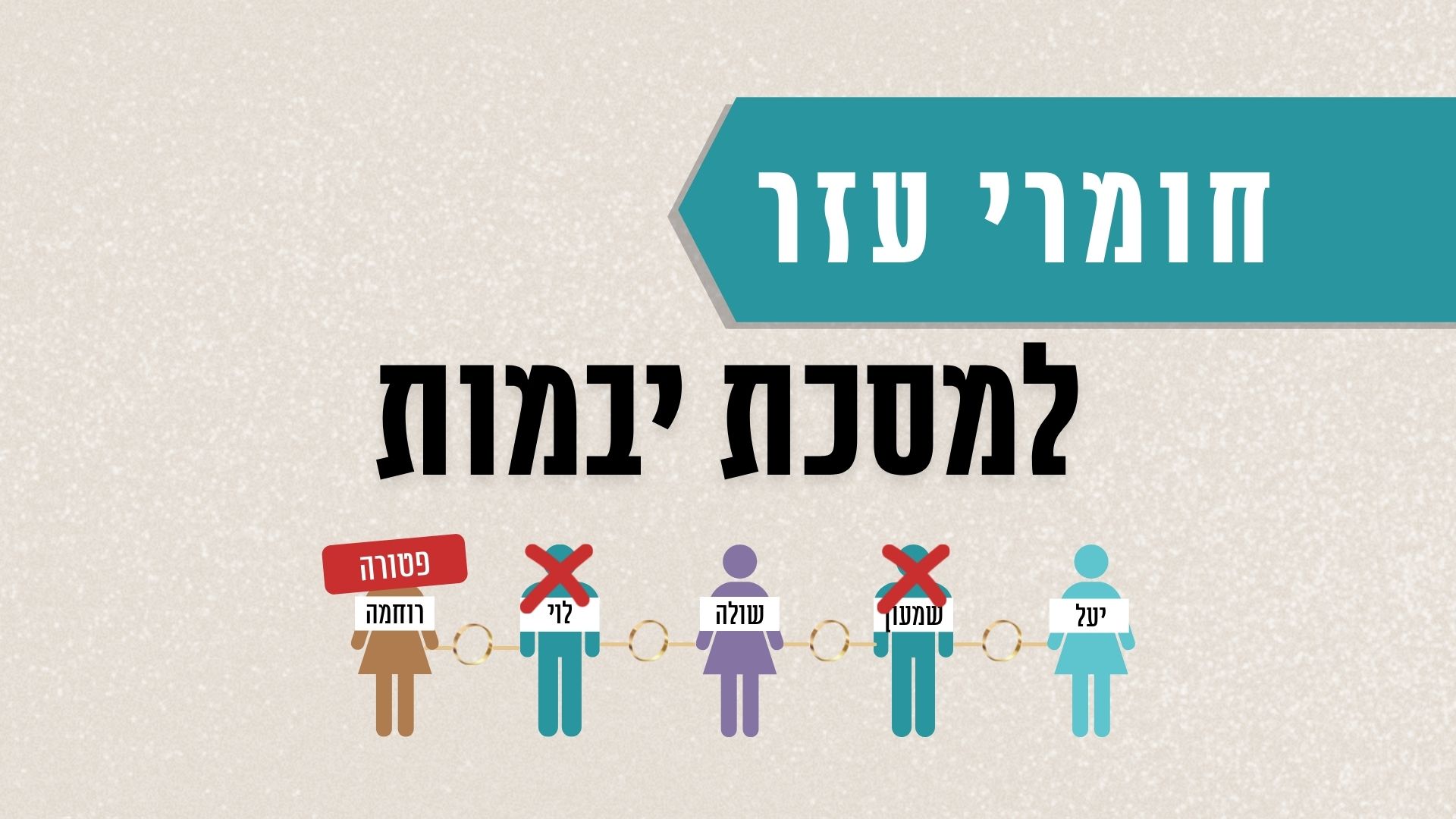
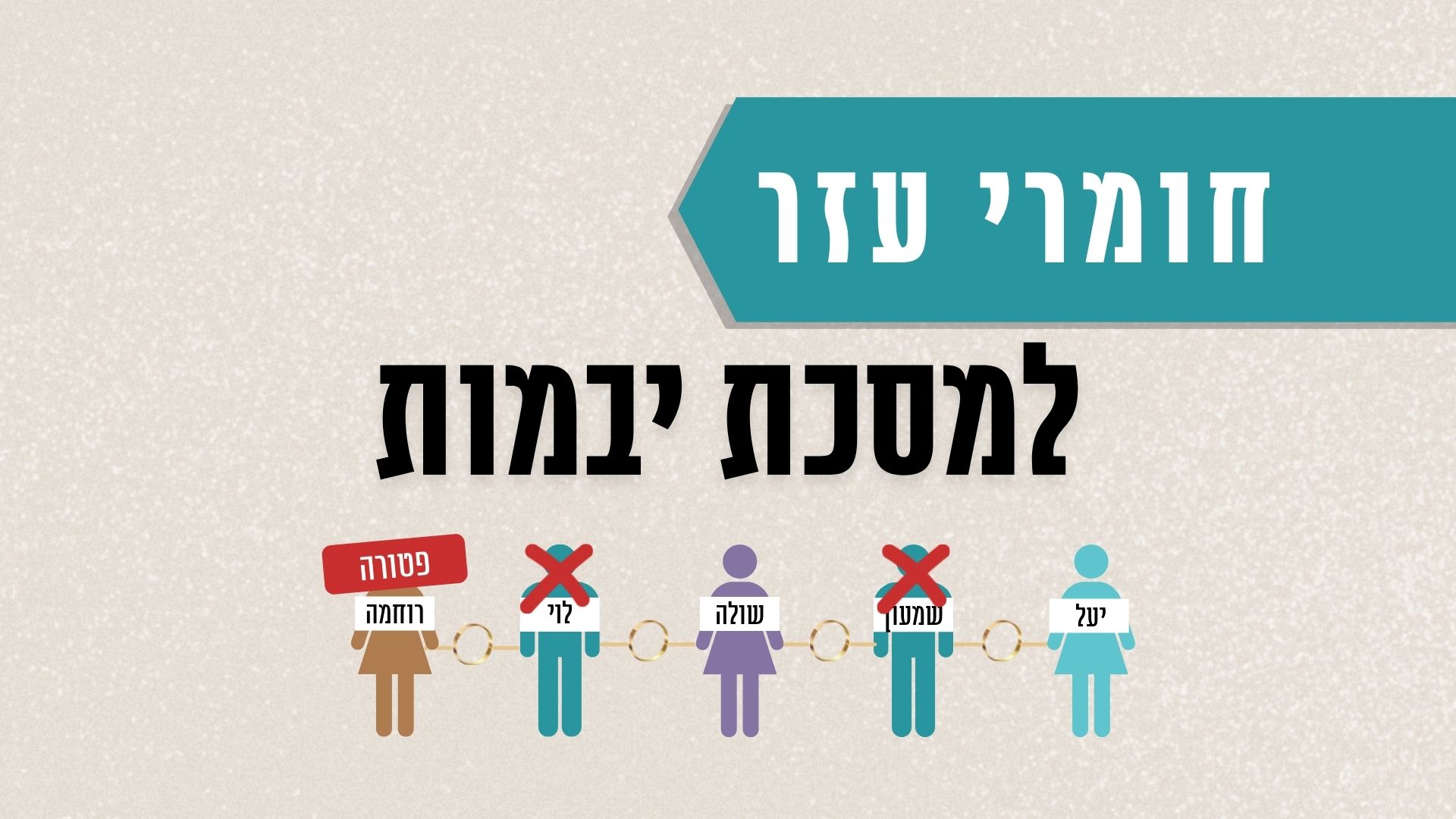
במקרה שבו הילד נולד ספק בן תשעה לבעל הראשון וספק בן שבעה ליבם, באילו מקרים הילד יכול לרשת מהבעל הראשון או היבם, בני היבם או הסבא? ברוב המקרים טענותיו אינן מבוססות (ספק), אולם במקרים בהם יש לו טענת ודאי, הוא יכול לגבות. כאשר אישה ממתינה לייבום (שומרת יבם), מה מצב רכושה שנופלת לה בירושה או מתנה? בית שמאי ובית הלל מסכימים שהיא יכולה למכור את רכושה לפי רצונה מאחר שליבם הפוטנציאלי אין זכויות בנכסיה. אבל אם היא מתה, חלוקים בדעתם מי יורש את רכושה – האם זה חוזר למשפחתה או זה הולך ליבם? מובאים ארבעה הסברים שונים להסביר דברי המשנה וההבדל בין שני חלקי המשנה – מדוע שניהם מסכימים לגבי המקרה הראשון שיש לאישה זכויות ברורות ברכוש, אך חלוקים לגבי השני? לדברי עולא, כל אחד מהם מתייחס למצב אחר – בחלק הראשון האישה הייתה רק מאורסת לבעלה הראשון שנפטר והחלק השני מתייחס לנשואה. יחסיה עם היבם בחלק הראשון נחשבים לספק מאורסת ובחלק השני, ספק נשואה. לדברי רבה, בשני המקרים היא הייתה נשואה; ההבדל הוא שבחלק הראשון היא עדיין הייתה בחיים, ובמקרה זה תביעתה לנכס חזקה יותר מאשר בחלק השני כאשר היא כבר לא בחיים ולאנשים שטוענים זכויות עליו אין לאף אחד טענה ברורה ברכוש, למרות שהיבם מוחזק ברכוש. לפיכך, בחלק השני, פוסקים בית שמאי שחולקים את הרכוש. אביי מקשה על רבה – האם באמת בית שמאי סבור שבמקרה שבו יש לאחד תביעת ודאי (היבם שמוחזק ברכוש) ותביעת האחר ספק, ספק מוציא מידי ודאי ומשפחת האישה יכולה לקבל חצי מהרכוש? שאלה זו מתחזקת במשנה בבבא בתרא קנז בעניין בית שנפל והורג אדם ואביו, ולא ברור מי נפטר ראשון ומתחוללת מחלוקת בין יורשי הבן לבין בעל חוב של האדם. בית שמאי פוסק שמחלקים את הנכסים. מדוע לא אומרים שהיורשים מוחזקים ברכוש ולכן יש להם טענת ודאי ואילו לבעל חוב אין? בית שמאי נותן לבעל חוב זכויות לגבות מסיבה אחרת, המוכחת מהלכות סוטה – אם בעלה נפטר לפני שתיית מי הסוטה, בית שמאי קובעים כי היא יכולה לגבות כתובתה למרות שאין לה תביעת ודאי. נראה שניתן להסיק כי שטר העומד לגבות כגבוי דמי. מדוע אביי לא הקשה על רבה ממקרה הסוטה? אולי הכתובה שונה שכן היא הוקמה כדי להגן על הנשים על מנת לעודד אותן להתחתן ולכן ניתן לגבות אותה גם ללא תביעת ודאי. מדוע לא הקשה אביי על רבה מהכתובה במשנתנו שבה אין למשפחת האישה תביעת ודאי על רכושה בעוד שליבם יש תביעת ודאי (שהרכוש מוחזק ברשותו) ובכל זאת הם מחלקים את הרכוש לפי בית שמאי? כדי לענות על השאלה, הם מבינים את המשנה בצורה אחרת וטוענים שדין בית שמאי של יחלוקו לא מתייחס למקרה של הרכוש שהיה מוחזק בידי היבם. אביי מביא הסבר שלישי לשני חלקי המשנה בהבחנה בין מתי הגיע הרכוש לאישה. החלק הראשון מתייחס לרכוש שניתן לה כשהמתינה לייבום, ולכן אין ליבם טענה ברכוש. השני היה רכוש שניתן לה כשהייתה נשואה לבעל הראשון, שאז יעבור ליבם עם מות הבעל.

יבמות לח

דַּרְכַּי (חַד גַּבָּךְ) [גַּבֵּי חַד] הוּא. אֲבָל הָכָא, מִי אִיכָּא לְמֵימַר הָכִי?

my one path is with you in one of your pieces of land. Since his claim is based on facts that are clear and certain, his claim is successful. However, here, in the dispute over the inheritance, is the son of uncertain descent able to state a claim like this? Although the son of uncertain descent claims that ultimately, whatever the nature of his relationship with the deceased is, he should have the right to inherit, nevertheless, since it is not actually known what that relationship is, his claim in reality is merely a composite of uncertain claims.

וְרַבִּי יִרְמְיָה אָמַר לָךְ: אֲנָא דַּאֲמַרִי אֲפִילּוּ לְרַבָּנַן, עַד כָּאן לָא קָאָמְרִי רַבָּנַן הָתָם, אֶלָּא מִשּׁוּם דְּאָמַר לֵיהּ: אִי שָׁתְקַתְּ — שָׁתְקַתְּ. וְאִי לָא, מַהְדַּרְנָא שְׁטָרָא לְמָרַיְיהוּ וְלָא מָצֵית לְאִשְׁתַּעוֹיֵי דִּינָא בַּהֲדַיְיהוּ, אֲבָל הָכָא — מִי אִיכָּא לְמֵימַר הָכִי?

And Rabbi Yirmeya could have said to you: I stated my ruling even in accordance with the opinion of the Rabbis, since perhaps the Rabbis state their ruling only there, in the case of the lost path, because the owner of the surrounding land said to the field owner: If you do not press your claim and are silent, then be silent and I will sell you the path at a reasonable price; but if not, then I will return the bills of purchase of the pieces of land to their previous owners and then you will not be able to successfully engage in a legal dispute with them. He is successful with this claim because it is within his power to return the fields and thereby recreate the original circumstances in which the owner of the field would forfeit the path. However, here, are the sons of the yavam able to state a claim like this? The original circumstance, in which the inheritance of the deceased had still not been divided, cannot be recreated. Therefore, a claim based on that circumstance will be unsuccessful.

סָפֵק וְיָבָם שֶׁבָּאוּ לַחֲלוֹק בְּנִכְסֵי סָבָא. סָפֵק אָמַר: הַאי גַּבְרָא בַּר מִיתָנָא הוּא, וּפַלְגָא דִּידִי הוּא. יָבָם אָמַר: אַתְּ, בְּרַאי דִּידִי אַתְּ, וְלֵית לָךְ וְלָא מִידֵּי.

The Gemara brings another case, that of one of uncertain descent, who is either the son of the deceased or the son of the yavam, and the yavam who came to divide up the possessions of the grandfather, i.e., the father of the yavam and the deceased, and each one made a claim to the inheritance. The son of uncertain descent said: That man, referring to himself, is the son of the deceased, and therefore half of the possessions are mine because the inheritance should be split between the two sons, i.e., the deceased and the yavam, and since I am the sole heir of the deceased, I should receive his portion. The yavam said to him: You are my son, and therefore you have absolutely no rights to the possessions; rather, I should receive all the inheritance. One half is mine because I am the grandfather’s son, and the other half, which would have gone to my deceased brother, I should receive by virtue of the fact that I consummated the levirate marriage with his widow.

הָוֵי יָבָם וַדַּאי, וְסָפֵק סָפֵק, וְאֵין סָפֵק מוֹצִיא מִידֵי וַדַּאי.

The Gemara rules on this case: This is a case in which the yavam has a definite claim because he is the grandfather’s son, and the son of uncertain descent has only an uncertain claim, and the halakha is that one with an uncertain claim cannot extract property from one who has a definite claim to it. Therefore, the yavam receives all the inheritance.

סָפֵק וּבְנֵי יָבָם שֶׁבָּאוּ לַחֲלוֹק בְּנִכְסֵי סָבָא. סָפֵק אָמַר: הָהוּא גַּבְרָא בַּר מִיתָנָא הוּא, וּפַלְגָא דִּידִי הוּא. וּבְנֵי יָבָם אָמְרִי: אֲחוּנָא אַתְּ וּמְנָתָא אִית לָךְ בַּהֲדַן.

The Gemara raises yet another case, that of one of uncertain descent, who is either the son of the deceased or the son of the yavam, and the sons of the yavam who came to divide up the possessions of the grandfather, and each one made a claim to the inheritance. The son of uncertain descent said: That man, referring to himself, is the son of the deceased, and therefore half of the possessions are mine because the inheritance should be split between the two sons, i.e., the deceased and the yavam, and since I am the lone heir of the deceased I should receive his portion. And the sons of the yavam said: You are our brother, and therefore you should receive only a portion together with us.

פַּלְגָא דְּקָמוֹדֵי לְהוּ — שָׁקְלִי. תִּילְתָּא דְּקָא מוֹדוּ לֵיהּ — שָׁקֵל. פָּשׁ לְהוּ דַּנְקָא — הָוֵי מָמוֹן הַמּוּטָּל בְּסָפֵק וְחוֹלְקִין.

The Gemara rules on this case: The half of the grandfather’s possessions that the son of uncertain descent concedes belongs to them, the sons of the yavam, they take for themselves. By claiming to be the son of the brother who died first, he forfeits any rights to the other brother’s portion. The third of the grandfather’s possessions that the sons of the yavam concede belong to him, the son of uncertain descent, he takes for himself. By claiming he is their brother, they admit that he should at least receive an equal portion to them, which would mean one-third if they are three. This leaves them with one-sixth [danka] of the possessions that is property of uncertain ownership, and so they should divide it up between them.

סָבָא וְיָבָם בְּנִכְסֵי סָפֵק. אוֹ סָבָא וְסָפֵק בְּנִכְסֵי יָבָם —

The Gemara presents two additional cases. One is a case where a son of uncertain descent, who is either the son of the deceased or the son of the yavam, died, and the grandfather and the yavam come to divide up the possessions of the son of uncertain descent. In the absence of any children, a father inherits from his son. The grandfather claims that the son of uncertain descent was actually the son of the deceased, and since the deceased has already died, the grandfather should be next in line to inherit from him. The yavam claims that the son of uncertain descent was his own son, and therefore he should inherit from him. Or, the second case is one in which the yavam died and the grandfather and the son of uncertain descent come to divide up the possessions of the yavam. The son of uncertain descent claims to be the lone son of the yavam and therefore he should inherit, whereas the grandfather claims that the son of uncertain descent was the son of the deceased and that the yavam died childless, and therefore the grandfather, who is the father of the yavam, should inherit from him.

הָוֵי מָמוֹן הַמּוּטָּל בְּסָפֵק וְחוֹלְקִין.

The Gemara rules in these cases: This is a case of property of uncertain ownership, and so they should divide up the possessions between them.

מַתְנִי׳ שׁוֹמֶרֶת יָבָם שֶׁנָּפְלוּ לָהּ נְכָסִים — מוֹדִים בֵּית שַׁמַּאי וּבֵית הִלֵּל שֶׁמּוֹכֶרֶת וְנוֹתֶנֶת, וְקַיָּים.

MISHNA: With regard to a widow waiting for her yavam to either consummate a levirate marriage or perform ḥalitza with her, i.e., a yevama, to whom property was bequeathed: Beit Shammai and Beit Hillel both agree that she may sell or give away that property ab initio, and that if she did, the transfer is valid. Since she has only a levirate bond with the yavam, she retains total control of the property. This is in contrast to a betrothed woman, concerning whom Beit Hillel rule that she may not sell such property because her betrothed also has rights to it (Ketubot 78a).

מֵתָה, מָה יַעֲשֶׂה בִּכְתוּבָּתָהּ, וּבִנְכָסִים הַנִּכְנָסִים וְיוֹצְאִין עִמָּהּ? בֵּית שַׁמַּאי אוֹמְרִים: יַחְלוֹקוּ יוֹרְשֵׁי הַבַּעַל עִם יוֹרְשֵׁי הָאָב. וּבֵית הִלֵּל אוֹמְרִים: נְכָסִים בְּחֶזְקָתָן. כְּתוּבָּה — בְּחֶזְקַת יוֹרְשֵׁי הַבַּעַל, נְכָסִים הַנִּכְנָסִים וְיוֹצְאִין עִמָּהּ — בְּחֶזְקַת יוֹרְשֵׁי הָאָב.

If she died, what should be done with the money assured to her in her marriage contract by her deceased husband and with her property that enters and leaves the marriage with her, in which a husband only ever has a usufructuary interest? Beit Shammai say: The husband’s heirs, i.e., the yavam, who stands to inherit from the husband when he consummates the levirate marriage, should divide up the property together with her father’s heirs, i.e., the woman’s family. And Beit Hillel say: The property retains its previous ownership status. Therefore, money assured to her in her marriage contract remains in the possession of the husband’s heirs. Since it was to be paid from the husband’s own property, the money is retained by his estate and passes to his heirs. And her property that enters and leaves the marriage with her remains in the possession of the father’s heirs. Since those properties belonged to her, upon her death they are inherited by her father or his heirs.

כְּנָסָהּ — הֲרֵי הִיא כְּאִשְׁתּוֹ לְכׇל דָּבָר. וּבִלְבַד שֶׁתְּהֵא כְּתוּבָּ[תָ]הּ עַל נִכְסֵי בַּעְלָהּ הָרִאשׁוֹן.

If the yavam consummated the levirate marriage with her, then her legal status is that of his wife in every sense, and therefore the yavam has the same rights to her property as in a regular marriage. And the only exception to this is that her marriage contract will still be payable from the property of her first husband and not from the property of the yavam.

גְּמָ׳ מַאי שְׁנָא רֵישָׁא דְּלָא פְּלִיגִי, וּמַאי שְׁנָא סֵיפָא דִּפְלִיגִי?

GEMARA: The Gemara asks: What is different about the first clause, concerning a yevama who is still alive, that Beit Shammai do not disagree with Beit Hillel that the woman has full possession of the property since there is only a levirate bond but no marriage, and what is different about the latter clause that Beit Shammai disagree with Beit Hillel and rule that the yavam does take a share of the property, which would imply that the levirate bond alone is sufficient to afford the yavam rights over her property?

אָמַר עוּלָּא: רֵישָׁא דְּנָפְלָה כְּשֶׁהִיא אֲרוּסָה, וְסֵיפָא דְּנָפְלָה כְּשֶׁהִיא נְשׂוּאָה.

Ulla said: The two clauses concern different cases: The first clause concerns a case where she happened before her yavam for levirate marriage at a time when she was a betrothed woman and only then did she come into the possession of property. Since when she was betrothed her husband did not have any rights to the property, neither does the yavam. And the latter clause concerns a case where she happened before her yavam at a time when she was a married woman. In such a case, were her husband still alive, he would have full rights to the property; therefore, so does the yavam.

וְקָסָבַר עוּלָּא: זִיקַּת אֲרוּסָה עוֹשָׂה סְפֵק אֲרוּסָה,

The Gemara explains: And Ulla holds that a levirate bond formed with a betrothed woman affords her a status equivalent to a woman about whom there is an uncertainty whether she is betrothed,

זִיקַּת נְשׂוּאָה עוֹשָׂה סְפֵק נְשׂוּאָה.

and a levirate bond formed with a married woman affords her a status equivalent to that of a woman for whom there is an uncertainty whether she is married, i.e., when her husband dies, the same level of relationship that existed with the first husband is created with the yavam. However, since the new relationship exists only by virtue of a levirate bond, it exists to a lower degree, and so the rights afforded to the yavam are more limited than those the first husband would have enjoyed; the rights granted to the yavam are equivalent to the rights of husband in a case where there is uncertainty whether that level of relationship exists at all.

זִיקַּת אֲרוּסָה עוֹשָׂה סְפֵק אֲרוּסָה — דְּאִי סָלְקָא דַעְתָּךְ וַדַּאי אֲרוּסָה, מוֹדִים בֵּית הִלֵּל שֶׁמּוֹכֶרֶת וְנוֹתֶנֶת וְקַיָּים?

The Gemara proceeds to demonstrate this: It must be that a levirate bond formed with a betrothed woman affords her a status equivalent to that of a woman for whom there is an uncertainty whether she is betrothed, because if it enters your mind to suggest that her status is equivalent to that of a definitely betrothed woman, would Beit Hillel concede that she may sell or give away her property ab initio, and that if she does the transfer is valid?

וְהָתְנַן: נָפְלוּ לָהּ נְכָסִים מִשֶּׁנִּתְאָרְסָה, בֵּית שַׁמַּאי אוֹמְרִים: תִּמְכּוֹר, וּבֵית הִלֵּל אוֹמְרִים: לֹא תִּמְכּוֹר. אֵלּוּ וְאֵלּוּ מוֹדִים שֶׁאִם מָכְרָה וְנָתְנָה — קַיָּים. אֶלָּא שְׁמַע מִינַּהּ: זִיקַּת אֲרוּסָה עוֹשָׂה סְפֵק אֲרוּסָה.

But didn’t we learn in a mishna (Ketubot 78a): If property was bequeathed to a woman after she was betrothed, Beit Shammai say: She may sell that property, and Beit Hillel say: She may not sell that property. However, both agree that if she sold it or gave it away, the transfer is valid. The mishna clearly states that according to Beit Hillel, a woman who is definitely betrothed may not sell the property ab initio. Rather, conclude from here, from the fact that here Beit Hillel permit the yevama to sell her property ab initio, that a levirate bond formed with a betrothed woman affords her a status equivalent to that of a woman for whom there is an uncertainty whether she is betrothed.

זִיקַּת נְשׂוּאָה עוֹשָׂה סְפֵק נְשׂוּאָה. דְּאִי סָלְקָא דַעְתָּךְ וַדַּאי נְשׂוּאָה, בֵּית שַׁמַּאי אוֹמְרִים יַחְלוֹקוּ יוֹרְשֵׁי הַבַּעַל עִם יוֹרְשֵׁי הָאָב?

Similarly, it must be that a levirate bond formed with a married woman affords her a status equivalent to that of a woman for whom there is an uncertainty whether she is married, because if it enters your mind to suggest that her status is equivalent to that of a definitely married woman, would Beit Shammai say that the husband’s heirs should divide up the property together with the father’s heirs?

וְהָתְנַן: נָפְלוּ לָהּ נְכָסִים מִשֶּׁנִּישֵּׂאת, אֵלּוּ וָאֵלּוּ מוֹדִים שֶׁאִם מָכְרָה וְנָתְנָה — שֶׁהַבַּעַל מוֹצִיא מִיַּד הַלָּקוֹחוֹת. אֶלָּא שְׁמַע מִינַּהּ: זִיקַּת נְשׂוּאָה עוֹשָׂה סְפֵק נְשׂוּאָה.

But didn’t we learn in a mishna (Ketubot 78a): If property was bequeathed to a woman after she was married, both Beit Hillel and Beit Shammai agree that if she sold the property or gave it away, then the husband repossesses it from the purchasers. Rather, conclude from here, from the fact that here Beit Shammai assume the rights of the yavam are limited, that a levirate bond formed with a married woman affords her a status equivalent to a woman for whom there is an uncertainty whether she is married.

אֲמַר לֵיהּ רַבָּה: אַדְּמִפַּלְגִי בְּגוּפַהּ וּלְאַחַר מִיתָה, לִפַּלְגוּ בְּחַיֶּיהָ וּלְפֵירוֹת!

Rabba challenges Ulla’s understanding of the mishna: Rabba said to him: If your explanation is correct, then in the latter clause, instead of disagreeing with regard to who has the rights to the property itself, which necessitates considering the case after her death, let Beit Hillel and Beit Shammai disagree with regard to the more immediate case when she is still alive and dispute who has the rights to the use and produce of the property.

אֶלָּא אָמַר רַבָּה: אִידֵּי וְאִידֵּי דְּנָפְלָה כְּשֶׁהִיא נְשׂוּאָה, וְזִיקַּת נְשׂוּאָה עוֹשָׂה סְפֵק נְשׂוּאָה. רֵישָׁא דְּאִיהִי קָיְימָא — הָוְיָא לַהּ אִיהִי וַדַּאי וְאִינְהוּ סָפֵק, וְאֵין סָפֵק מוֹצִיא מִידֵי וַדַּאי.

Rather, Rabba said a different resolution to the apparent inconsistency in Beit Shammai’s rulings: Both this first clause and that latter clause of the mishna concern a case in which she happened before her yavam for levirate marriage once she was already a married woman, and a levirate bond formed with a married woman affords her a status equivalent to that of a woman about whom there is an uncertainty whether she is married. The distinction between the two clauses is as follows: In the first clause, where she is alive, she has a certain claim to the property, while they, i.e., the yavam, are considered to have only an uncertain claim to the property, as she has the status of a woman for whom there is an uncertainty whether she is married. And since one who has an uncertain claim cannot extract property from one who has a definite claim to it, she therefore retains full possession of the property.

סֵיפָא דְּמֵתָה, הַלָּלוּ בָּאִין לִירַשׁ, וְהַלָּלוּ בָּאִין לִירַשׁ — וְיַחְלוֹקוּ.

In the latter clause, however, where she died, neither party has a definite claim; rather, these heirs of the father come to inherit, and those heirs of the husband come to inherit, and therefore they should divide up the property.

אֵיתִיבֵיהּ אַבָּיֵי: וּלְבֵית שַׁמַּאי אֵין סָפֵק מוֹצִיא מִידֵי וַדַּאי? וְהָתְנַן: נָפַל הַבַּיִת עָלָיו וְעַל אָבִיו, עָלָיו וְעַל מוֹרִישָׁיו, וְהָיוּ עָלָיו כְּתוּבַּת אִשָּׁה וּבַעַל חוֹב.

Abaye raised an objection to Rabba’s opinion: But is it true that according to Beit Shammai, one with an uncertain claim cannot extract property from one who has a definite claim to it? Didn’t we learn in a mishna (Bava Batra 157a): In a case where a house collapsed upon a person and upon his father, or upon him and upon those from whom he stood to inherit, and there were outstanding debts against that person from his wife’s marriage contract and to a creditor, but he had no money with which to pay those debts, and it is not known who died first, the following situation arises: If the father died first, then before the son died he had already inherited the father’s property and therefore the son’s creditors gained a lien over that property and have the rights to collect their debts from that property even after the son’s death.

יוֹרְשֵׁי הָאָב אוֹמְרִים: הַבֵּן מֵת רִאשׁוֹן, וְאַחַר כָּךְ מֵת הָאָב, וּבַעַל חוֹב אוֹמֵר: הָאָב מֵת רִאשׁוֹן, וְאַחַר כָּךְ מֵת הַבֵּן —

Accordingly, the father’s heirs and the creditor offer opposing claims: The father’s heirs say: The son died first and only afterward the father died. Therefore, the creditor never gained any rights to collect from the property. And the creditor says: The father died first and only afterward the son died. Therefore, the father’s property was liened to the son’s debts, and the creditor has a right to collect.

בֵּית שַׁמַּאי אוֹמְרִים: יַחְלוֹקוּ, וּבֵית הִלֵּל אוֹמְרִים: נְכָסִים בְּחֶזְקָתָן.

The mishna continues: Beit Shammai say: They should divide up the property between them. And Beit Hillel say: The property retains its previous ownership status, which in this case means that since the last known possessor was the father, so the father’s heirs gain full rights to it.

וְהָא הָכָא, יוֹרְשֵׁי הָאָב וַדַּאי, וּבַעַל חוֹב סָפֵק, וְקָאָתֵי סָפֵק וּמוֹצִיא מִידֵי וַדַּאי!

Abaye explains his proof: Isn’t it the case here that the father’s heirs have a definite claim and the creditor has only an uncertain claim? Therefore, since Beit Shammai rule that the property should be divided up, it is apparent that they hold that one with an uncertain claim can extract property from one who has a definite claim to it.

קָסָבְרִי בֵּית שַׁמַּאי: שְׁטָר הָעוֹמֵד לִגְבּוֹת כְּגָבוּי דָּמֵי.

Rabba rejects the proof: Beit Shammai’s ruling in this case cannot be adduced as a proof because Beit Shammai hold: A debt recorded in a bill of debt that is awaiting collection is as though it was already collected to the extent that the creditor is considered to be in possession of the debt. Therefore, the creditor is considered to be in possession of the property to the same extent as the father’s heirs; consequently, the property is divided between them.

וּמְנָא תֵּימְרָא, דִּתְנַן: מֵתוּ בַּעֲלֵיהֶן עַד שֶׁלֹּא שָׁתוּ — בֵּית שַׁמַּאי אוֹמְרִים: נוֹטְלוֹת כְּתוּבָּתָן וְאֵינָן שׁוֹתוֹת. וּבֵית הִלֵּל אוֹמְרִים: אוֹ שׁוֹתוֹת אוֹ לֹא נוֹטְלוֹת כְּתוּבָּתָן.

And from where do you say that Beit Shammai hold this opinion? As we learned in a mishna (Sota 24a): A married woman who secluded herself with another man after her husband had warned her not to do so is suspected of having committed adultery. To establish her guilt or innocence she is brought to the Temple, where she drinks the bitter waters. With regard to such women, if their husbands died before they drank the bitter waters, Beit Shammai say: They collect the money assured to them in their marriage contracts and do not drink the waters. And Beit Hillel say: Either they drink, and if they survive they collect their marriage contracts, or they do not drink and they cannot collect their marriage contracts, and all the husband’s property passes to his heirs.

אוֹ שׁוֹתוֹת?! ״וְהֵבִיא הָאִישׁ אֶת אִשְׁתּוֹ״ אָמַר רַחֲמָנָא, וְלֵיכָּא! אֶלָּא: מִתּוֹךְ שֶׁלֹּא שׁוֹתוֹת לֹא נוֹטְלוֹת כְּתוּבָּתָן.

The Gemara clarifies the statement of Beit Hillel: Did Beit Hillel really mean: Either they drink, which implies they may actually choose to drink? But doesn’t the Merciful One state: “And the man shall bring his wife” (Numbers 5:15), which indicates that the ritual of drinking the bitter waters applies only when the husband is still alive, and in this case there is no husband to do so; consequently, she should not be able to drink. Rather, Beit Hillel’s intent is as follows: The only means by which a suspected adulteress is able to collect her marriage contract is by drinking the bitter waters and proving her innocence. Therefore, where this is not possible due to the death of the husband, since the wives do not drink, they cannot collect their marriage contracts.

וְהָא הָכָא, דְּסָפֵק הוּא: סָפֵק זַנַּאי סָפֵק לָא זַנַּאי, וְקָאָתֵי סָפֵק וּמוֹצִיא מִידֵי וַדַּאי! אֶלָּא שְׁמַע מִינַּהּ: שְׁטָר הָעוֹמֵד לִגְבּוֹת כְּגָבוּי דָּמֵי.

Rabba explains his proof from this mishna: Isn’t it the case here that the wife’s claim to her marriage contract is uncertain because there is uncertainty whether she was unfaithful or whether she was not unfaithful, and so it would appear that one with an uncertain claim is coming and undermining the definite claim of the husband’s heirs? This is untenable, as even were one to hold that someone with an uncertain claim can extract property from someone who has a definite claim to it, that would only allow for the money to be divided between the two sides, whereas in this case Beit Shammai rule that the creditor collects the entire debt. Rather, conclude from that mishna that Beit Shammai hold that a debt recorded in a bill of debt that is awaiting collection is considered as though it were already collected to the extent that the one who is owed the money is considered to be in possession of the debt. It is due to this reason that she is empowered to be able to collect her marriage contract.

וְאַבָּיֵי, לוֹתְבֵיהּ מֵהָא! דִּלְמָא כְּתוּבַּת אִשָּׁה שָׁאנֵי, מִשּׁוּם חִינָּא.

The Gemara asks: And why did Abaye object to Rabba’s opinion based on the mishna in tractate Bava Batra? Let him object to Rabba’s opinion based on this mishna in tractate Sota since based on Abaye’s assumption that a bill of debt is not considered as though it were already collected, this mishna perforce demonstrates that Beit Shammai hold that one with an uncertain claim can extract property from one who has a definite claim to it. The Gemara answers: Abaye did not object based on this mishna because he reasoned that perhaps a woman’s marriage contract is different from a regular bill of debt in that the Sages uniquely reinforced a woman’s hold over the debt in her marriage contract due to the increased desirability that this would bring her when trying to remarry. This would ensure that she would bring some money with her into a new marriage.

וְלוֹתְבֵיהּ כְּתוּבָּה דְמַתְנִיתִין!

The Gemara asks again concerning Abaye’s decision to object to Rabba’s opinion based on the mishna in Bava Batra: Let him object to Rabba’s opinion based on the case of the marriage contract in the mishna here (38a). In its latter clause, the mishna states that if a widow waiting for her yavam dies, Beit Shammai rule that her marriage contract and other property are divided between her father’s heirs and the yavam. In that case, the yavam has certain possession of that property, and the father’s heirs come with an uncertain claim to collect the value of the marriage contract. The fact that Beit Shammai rule that they should divide up the value of the marriage contract between them demonstrates that they hold that one with an uncertain claim can extract property from one who has a definite claim to it.

לָא פְּלִיגִי. וְלָא?! וְהָא קָתָנֵי: מֵתָה, מָה יַעֲשֶׂה בִּכְתוּבָּתָהּ וּבִנְכָסִים הַנִּכְנָסִים וְיוֹצְאִין עִמָּהּ — בֵּית שַׁמַּאי אוֹמְרִים: יַחְלוֹקוּ יוֹרְשֵׁי הַבַּעַל עִם יוֹרְשֵׁי הָאָב, וּבֵית הִלֵּל אוֹמְרִים: נְכָסִים בְּחֶזְקָתָן.

The Gemara responds: In truth, Beit Shammai do not disagree on that point. The Gemara challenges this claim: Do they not disagree? But it is explicitly taught in the mishna that they disagree in that case: If the widow waiting for her yavam died, what should be done with the money assured to her in her marriage contract, and with her property that enters and leaves the marriage with her? Beit Shammai say: The husband’s heirs should divide up the property together with the father’s heirs. And Beit Hillel say: The property retains its previous ownership status.

הָכִי קָאָמַר: מֵתָה, מָה יַעֲשֶׂה בִּכְתוּבָּתָהּ, וְשַׁבְקַהּ. נְכָסִים הַנִּכְנָסִים וְהַיּוֹצְאִים עִמָּהּ — בֵּית שַׁמַּאי אוֹמְרִים: יַחְלוֹקוּ יוֹרְשֵׁי הַבַּעַל עִם יוֹרְשֵׁי הָאָב, וּבֵית הִלֵּל אוֹמְרִים: נְכָסִים בְּחֶזְקָתָן.

The Gemara answers: This is what that mishna is saying: If she died, what should be done with the money assured to her in her marriage contract? And the tanna then left this question unanswered, and addressed an additional case: What should be done with her property that enters and leaves the marriage with her? Beit Shammai say: The husband’s heirs should divide up the property together with the father’s heirs. And Beit Hillel say: The property retains its previous ownership status.

אָמַר רַב אָשֵׁי: מַתְנִיתִין נָמֵי דַּיְקָא — דְּקָתָנֵי: יַחְלוֹקוּ יוֹרְשֵׁי הַבַּעַל עִם יוֹרְשֵׁי הָאָב. וְלָא קָתָנֵי: יוֹרְשֵׁי הָאָב עִם יוֹרְשֵׁי הַבַּעַל. שְׁמַע מִינַּהּ.

Rav Ashi said: The language of the mishna is also precise according to this interpretation, as it teaches: Beit Shammai say that the husband’s heirs should divide up the property together with the father’s heirs, which implies that the father’s heirs had de facto possession of the property and the husband’s heirs then came and divided that property with them. This is true with regard to her property that enters and leaves the marriage with her. And the mishna does not teach using the reverse formulation: Beit Shammai say that the father’s heirs should divide up the property together with the husband’s heirs, which would imply that the husband’s heirs had de facto possession of the property; this is true with regard to the payment of the marriage contract. Conclude from here that Beit Shammai did not rule what should be done with the payment of the marriage contract, as the Gemara claimed.

אַבָּיֵי אָמַר: רֵישָׁא דְּנָפְלוּ לָהּ כְּשֶׁהִיא שׁוֹמֶרֶת יָבָם, סֵיפָא דְּנָפְלוּ לָהּ כְּשֶׁהִיא תַּחְתָּיו דְּבַעַל.

The Gemara presents a third resolution to the apparent inconsistency in Beit Shammai’s rulings in the mishna: Abaye said: The first clause concerns a case in which property was bequeathed to her when she was still a widow waiting for her yavam to perform levirate marriage or ḥalitza, and the latter clause concerns a case in which property was bequeathed to her when she was still under, i.e., married to, her first husband, before he died.

העמקה

רוצה להבין מה באמת קורה מתחת לפני השטח של הסוגיה?
שיעורים, פודקאסטים והרחבות של מיטב המורות שלנו יפתחו לך עוד זוויות וכיווני חשיבה.

לשיעורי עוד על הדף באנגלית, לחצי כאן

חדשה בלימוד הגמרא?

זה הדף הראשון שלך? איזו התרגשות עצומה! יש לנו בדיוק את התכנים והכלים שיעזרו לך לעשות את הצעדים הראשונים ללמידה בקצב וברמה שלך, כך תוכלי להרגיש בנוח גם בתוך הסוגיות המורכבות ומאתגרות.

פסיפס הלומדות שלנו

גלי את קהילת הלומדות שלנו, מגוון נשים, רקעים וסיפורים. כולן חלק מתנועה ומסע מרגש ועוצמתי.

התחלתי מחוג במסכת קידושין שהעבירה הרבנית רייסנר במסגרת בית המדרש כלנה בגבעת שמואל; לאחר מכן התחיל סבב הדף היומי אז הצטרפתי. לסביבה לקח זמן לעכל אבל היום כולם תומכים ומשתתפים איתי. הלימוד לעתים מעניין ומעשיר ולעתים קשה ואף הזוי… אך אני ממשיכה קדימה. הוא משפיע על היומיום שלי קודם כל במרדף אחרי הדף, וגם במושגים הרבים שלמדתי ובידע שהועשרתי בו, חלקו ממש מעשי

Abigail Chrissy
אביגיל כריסי

ראש העין, ישראל

התחלתי ללמוד לפני 4.5 שנים, כשהודיה חברה שלי פתחה קבוצת ווטסאפ ללימוד דף יומי בתחילת מסכת סנהדרין. מאז לימוד הדף נכנס לתוך היום-יום שלי והפך לאחד ממגדירי הזהות שלי ממש.

Rosenberg Foundation
קרן רוזנברג

ירושלים, ישראל

התחלתי ללמוד דף יומי אחרי שחזרתי בתשובה ולמדתי במדרשה במגדל עוז. הלימוד טוב ומספק חומר למחשבה על נושאים הלכתיים ”קטנים” ועד לערכים גדולים ביהדות. חשוב לי להכיר את הגמרא לעומק. והצעד הקטן היום הוא ללמוד אותה בבקיאות, בעזרת השם, ומי יודע אולי גם אגיע לעיון בנושאים מעניינים. נושאים בגמרא מתחברים לחגים, לתפילה, ליחסים שבין אדם לחברו ולמקום ולשאר הדברים שמלווים באורח חיים דתי 🙂

Gaia Divo
גאיה דיבו

מצפה יריחו, ישראל

באירוע של הדרן בנייני האומה. בהשראתה של אמי שלי שסיימה את הש”ס בסבב הקודם ובעידוד מאיר , אישי, וילדיי וחברותיי ללימוד במכון למנהיגות הלכתית של רשת אור תורה סטון ומורתיי הרבנית ענת נובוסלסקי והרבנית דבורה עברון, ראש המכון למנהיגות הלכתית.
הלימוד מעשיר את יומי, מחזיר אותי גם למסכתות שכבר סיימתי וידוע שאינו דומה מי ששונה פרקו מאה לשונה פרקו מאה ואחת במיוחד מרתקים אותי החיבורים בין המסכתות

Roit Kalech
רוית קלך

מודיעין, ישראל

. לא תמיד נהניתי מלימוד גמרא כילדה.,בל כהתבגרתי התחלתי לאהוב את זה שוב. התחלתי ללמוד מסכת סוטה בדף היומי לפני כחמש עשרה שנה ואז הפסקתי.הגעתי לסיום הגדול של הדרן לפני שנתיים וזה נתן לי השראה. והתחלתי ללמוד למשך כמה ימים ואז היתה לי פריצת דיסק והפסקתי…עד אלול השנה. אז התחלתי עם מסכת ביצה וב”ה אני מצליחה לעמוד בקצב. המשפחה מאוד תומכת בי ויש כמה שגם לומדים את זה במקביל. אני אוהבת שיש עוגן כל יום.

Rebecca Darshan
רבקה דרשן

בית שמש, ישראל

התחלתי לפני כמה שנים אבל רק בסבב הזה זכיתי ללמוד יום יום ולסיים מסכתות

Sigal Tel
סיגל טל

רעננה, ישראל

אחרי שראיתי את הסיום הנשי של הדף היומי בבנייני האומה זה ריגש אותי ועורר בי את הרצון להצטרף. לא למדתי גמרא קודם לכן בכלל, אז הכל היה לי חדש, ולכן אני לומדת בעיקר מהשיעורים פה בהדרן, בשוטנשטיין או בחוברות ושיננתם.

Rebecca Schloss
רבקה שלוס

בית שמש, ישראל

כבר סיפרתי בסיום של מועד קטן.
הלימוד מאוד משפיעה על היום שלי כי אני לומדת עם רבנית מישל על הבוקר בזום. זה נותן טון לכל היום – בסיס למחשבות שלי .זה זכות גדול להתחיל את היום בלימוד ובתפילה. תודה רבה !

שרה-ברלוביץ
שרה ברלוביץ

ירושלים, ישראל

התחלתי ללמוד בעידוד שתי חברות אתן למדתי בעבר את הפרק היומי במסגרת 929.
בבית מתלהבים מאוד ובשבת אני לומדת את הדף עם בעלי שזה מפתיע ומשמח מאוד! לימוד הדף הוא חלק בלתי נפרד מהיום שלי. לומדת בצהריים ומחכה לזמן הזה מידי יום…

Miriam Wengerover
מרים ונגרובר

אפרת, ישראל

הצטרפתי ללומדות בתחילת מסכת תענית. ההתרגשות שלי ושל המשפחה היתה גדולה מאוד, והיא הולכת וגוברת עם כל סיום שאני זוכה לו. במשך שנים רבות רציתי להצטרף ומשום מה זה לא קרה… ב”ה מצאתי לפני מספר חודשים פרסום של הדרן, ומיד הצטרפתי והתאהבתי. הדף היומי שינה את חיי ממש והפך כל יום- ליום של תורה. מודה לכן מקרב ליבי ומאחלת לכולנו לימוד פורה מתוך אהבת התורה ולומדיה.

Noa Rosen
נעה רוזן

חיספין רמת הגולן, ישראל

A life-changing journey started with a Chanukah family tiyul to Zippori, home of the Sanhedrin 2 years ago and continued with the Syum in Binanei Hauma where I was awed by the energy of 3000 women dedicated to learning daf Yomi. Opening my morning daily with a fresh daf, I am excited with the new insights I find enriching my life and opening new and deeper horizons for me.

Becky Goldstein
בקי גולדשטיין

Elazar gush etzion, Israel

שמעתי על הסיום הענק של הדף היומי ע”י נשים בבנייני האומה. רציתי גם.
החלטתי להצטרף. התחלתי ושיכנעתי את בעלי ועוד שתי חברות להצטרף. עכשיו יש לי לימוד משותף איתו בשבת ומפגש חודשי איתן בנושא (והתכתבויות תדירות על דברים מיוחדים שקראנו). הצטרפנו לקבוצות שונות בווטסאפ. אנחנו ממש נהנות. אני שומעת את השיעור מידי יום (בד”כ מהרב יוני גוטמן) וקוראת ומצטרפת לסיומים של הדרן. גם מקפידה על דף משלהן (ונהנית מאד).

Liat Citron
ליאת סיטרון

אפרת, ישראל

התחלתי ללמוד דף יומי לפני שנתיים, עם מסכת שבת. בהתחלה ההתמדה היתה קשה אבל בזכות הקורונה והסגרים הצלחתי להדביק את הפערים בשבתות הארוכות, לסיים את מסכת שבת ולהמשיך עם המסכתות הבאות. עכשיו אני מסיימת בהתרגשות רבה את מסכת חגיגה וסדר מועד ומחכה לסדר הבא!

Ilana-Shachnowitz
אילנה שכנוביץ

מודיעין, ישראל

אחרי שראיתי את הסיום הנשי של הדף היומי בבנייני האומה זה ריגש אותי ועורר בי את הרצון להצטרף. לא למדתי גמרא קודם לכן בכלל, אז הכל היה לי חדש, ולכן אני לומדת בעיקר מהשיעורים פה בהדרן, בשוטנשטיין או בחוברות ושיננתם.

Rebecca Schloss
רבקה שלוס

בית שמש, ישראל

התחלתי בסיום הש”ס, יצאתי באורות. נשברתי פעמיים, ובשתיהם הרבנית מישל עודדה להמשיך איפה שכולם בסבב ולהשלים כשאוכל, וכך עשיתי וכיום השלמתי הכל. מדהים אותי שאני לומדת כל יום קצת, אפילו בחדר הלידה, בבידוד או בחו”ל. לאט לאט יותר נינוחה בסוגיות. לא כולם מבינים את הרצון, בפרט כפמניסטית. חשה סיפוק גדול להכיר את המושגים וצורת החשיבה. החלום זה להמשיך ולהתמיד ובמקביל ללמוד איך מהסוגיות נוצרה והתפתחה ההלכה.

Weingarten Sherrington Foundation
קרן וינגרטן שרינגטון

מודיעין, ישראל

. לא תמיד נהניתי מלימוד גמרא כילדה.,בל כהתבגרתי התחלתי לאהוב את זה שוב. התחלתי ללמוד מסכת סוטה בדף היומי לפני כחמש עשרה שנה ואז הפסקתי.הגעתי לסיום הגדול של הדרן לפני שנתיים וזה נתן לי השראה. והתחלתי ללמוד למשך כמה ימים ואז היתה לי פריצת דיסק והפסקתי…עד אלול השנה. אז התחלתי עם מסכת ביצה וב”ה אני מצליחה לעמוד בקצב. המשפחה מאוד תומכת בי ויש כמה שגם לומדים את זה במקביל. אני אוהבת שיש עוגן כל יום.

Rebecca Darshan
רבקה דרשן

בית שמש, ישראל

התחלתי ללמוד בסבב הנוכחי לפני כשנתיים .הסביבה מתפעלת ותומכת מאוד. אני משתדלת ללמוד מכל ההסכתים הנוספים שיש באתר הדרן. אני עורכת כל סיום מסכת שיעור בביתי לכ20 נשים שמחכות בקוצר רוח למפגשים האלו.

Yael Asher
יעל אשר

יהוד, ישראל

"
גם אני התחלתי בסבב הנוכחי וב””ה הצלחתי לסיים את רוב המסכתות . בזכות הרבנית מישל משתדלת לפתוח את היום בשיעור הזום בשעה 6:20 .הלימוד הפך להיות חלק משמעותי בחיי ויש ימים בהם אני מצליחה לחזור על הדף עם מלמדים נוספים ששיעוריהם נמצאים במרשתת. שמחה להיות חלק מקהילת לומדות ברחבי העולם. ובמיוחד לשמש דוגמה לנכדותיי שאי””ה יגדלו לדור שלימוד תורה לנשים יהיה משהו שבשגרה. "

Ronit Shavit
רונית שביט

נתניה, ישראל

סיום השס לנשים נתן לי מוטביציה להתחיל ללמוד דף יומי. עד אז למדתי גמרא בשבתות ועשיתי כמה סיומים. אבל לימוד יומיומי זה שונה לגמרי ופתאום כל דבר שקורה בחיים מתקשר לדף היומי.

Fogel Foundation
קרן פוגל

רתמים, ישראל

כבר סיפרתי בסיום של מועד קטן.
הלימוד מאוד משפיעה על היום שלי כי אני לומדת עם רבנית מישל על הבוקר בזום. זה נותן טון לכל היום – בסיס למחשבות שלי .זה זכות גדול להתחיל את היום בלימוד ובתפילה. תודה רבה !

שרה-ברלוביץ
שרה ברלוביץ

ירושלים, ישראל

יבמות לח

דַּרְכַּי (חַד גַּבָּךְ) [גַּבֵּי חַד] הוּא. אֲבָל הָכָא, מִי אִיכָּא לְמֵימַר הָכִי?

my one path is with you in one of your pieces of land. Since his claim is based on facts that are clear and certain, his claim is successful. However, here, in the dispute over the inheritance, is the son of uncertain descent able to state a claim like this? Although the son of uncertain descent claims that ultimately, whatever the nature of his relationship with the deceased is, he should have the right to inherit, nevertheless, since it is not actually known what that relationship is, his claim in reality is merely a composite of uncertain claims.

וְרַבִּי יִרְמְיָה אָמַר לָךְ: אֲנָא דַּאֲמַרִי אֲפִילּוּ לְרַבָּנַן, עַד כָּאן לָא קָאָמְרִי רַבָּנַן הָתָם, אֶלָּא מִשּׁוּם דְּאָמַר לֵיהּ: אִי שָׁתְקַתְּ — שָׁתְקַתְּ. וְאִי לָא, מַהְדַּרְנָא שְׁטָרָא לְמָרַיְיהוּ וְלָא מָצֵית לְאִשְׁתַּעוֹיֵי דִּינָא בַּהֲדַיְיהוּ, אֲבָל הָכָא — מִי אִיכָּא לְמֵימַר הָכִי?

And Rabbi Yirmeya could have said to you: I stated my ruling even in accordance with the opinion of the Rabbis, since perhaps the Rabbis state their ruling only there, in the case of the lost path, because the owner of the surrounding land said to the field owner: If you do not press your claim and are silent, then be silent and I will sell you the path at a reasonable price; but if not, then I will return the bills of purchase of the pieces of land to their previous owners and then you will not be able to successfully engage in a legal dispute with them. He is successful with this claim because it is within his power to return the fields and thereby recreate the original circumstances in which the owner of the field would forfeit the path. However, here, are the sons of the yavam able to state a claim like this? The original circumstance, in which the inheritance of the deceased had still not been divided, cannot be recreated. Therefore, a claim based on that circumstance will be unsuccessful.

סָפֵק וְיָבָם שֶׁבָּאוּ לַחֲלוֹק בְּנִכְסֵי סָבָא. סָפֵק אָמַר: הַאי גַּבְרָא בַּר מִיתָנָא הוּא, וּפַלְגָא דִּידִי הוּא. יָבָם אָמַר: אַתְּ, בְּרַאי דִּידִי אַתְּ, וְלֵית לָךְ וְלָא מִידֵּי.

The Gemara brings another case, that of one of uncertain descent, who is either the son of the deceased or the son of the yavam, and the yavam who came to divide up the possessions of the grandfather, i.e., the father of the yavam and the deceased, and each one made a claim to the inheritance. The son of uncertain descent said: That man, referring to himself, is the son of the deceased, and therefore half of the possessions are mine because the inheritance should be split between the two sons, i.e., the deceased and the yavam, and since I am the sole heir of the deceased, I should receive his portion. The yavam said to him: You are my son, and therefore you have absolutely no rights to the possessions; rather, I should receive all the inheritance. One half is mine because I am the grandfather’s son, and the other half, which would have gone to my deceased brother, I should receive by virtue of the fact that I consummated the levirate marriage with his widow.

הָוֵי יָבָם וַדַּאי, וְסָפֵק סָפֵק, וְאֵין סָפֵק מוֹצִיא מִידֵי וַדַּאי.

The Gemara rules on this case: This is a case in which the yavam has a definite claim because he is the grandfather’s son, and the son of uncertain descent has only an uncertain claim, and the halakha is that one with an uncertain claim cannot extract property from one who has a definite claim to it. Therefore, the yavam receives all the inheritance.

סָפֵק וּבְנֵי יָבָם שֶׁבָּאוּ לַחֲלוֹק בְּנִכְסֵי סָבָא. סָפֵק אָמַר: הָהוּא גַּבְרָא בַּר מִיתָנָא הוּא, וּפַלְגָא דִּידִי הוּא. וּבְנֵי יָבָם אָמְרִי: אֲחוּנָא אַתְּ וּמְנָתָא אִית לָךְ בַּהֲדַן.

The Gemara raises yet another case, that of one of uncertain descent, who is either the son of the deceased or the son of the yavam, and the sons of the yavam who came to divide up the possessions of the grandfather, and each one made a claim to the inheritance. The son of uncertain descent said: That man, referring to himself, is the son of the deceased, and therefore half of the possessions are mine because the inheritance should be split between the two sons, i.e., the deceased and the yavam, and since I am the lone heir of the deceased I should receive his portion. And the sons of the yavam said: You are our brother, and therefore you should receive only a portion together with us.

פַּלְגָא דְּקָמוֹדֵי לְהוּ — שָׁקְלִי. תִּילְתָּא דְּקָא מוֹדוּ לֵיהּ — שָׁקֵל. פָּשׁ לְהוּ דַּנְקָא — הָוֵי מָמוֹן הַמּוּטָּל בְּסָפֵק וְחוֹלְקִין.

The Gemara rules on this case: The half of the grandfather’s possessions that the son of uncertain descent concedes belongs to them, the sons of the yavam, they take for themselves. By claiming to be the son of the brother who died first, he forfeits any rights to the other brother’s portion. The third of the grandfather’s possessions that the sons of the yavam concede belong to him, the son of uncertain descent, he takes for himself. By claiming he is their brother, they admit that he should at least receive an equal portion to them, which would mean one-third if they are three. This leaves them with one-sixth [danka] of the possessions that is property of uncertain ownership, and so they should divide it up between them.

סָבָא וְיָבָם בְּנִכְסֵי סָפֵק. אוֹ סָבָא וְסָפֵק בְּנִכְסֵי יָבָם —

The Gemara presents two additional cases. One is a case where a son of uncertain descent, who is either the son of the deceased or the son of the yavam, died, and the grandfather and the yavam come to divide up the possessions of the son of uncertain descent. In the absence of any children, a father inherits from his son. The grandfather claims that the son of uncertain descent was actually the son of the deceased, and since the deceased has already died, the grandfather should be next in line to inherit from him. The yavam claims that the son of uncertain descent was his own son, and therefore he should inherit from him. Or, the second case is one in which the yavam died and the grandfather and the son of uncertain descent come to divide up the possessions of the yavam. The son of uncertain descent claims to be the lone son of the yavam and therefore he should inherit, whereas the grandfather claims that the son of uncertain descent was the son of the deceased and that the yavam died childless, and therefore the grandfather, who is the father of the yavam, should inherit from him.

הָוֵי מָמוֹן הַמּוּטָּל בְּסָפֵק וְחוֹלְקִין.

The Gemara rules in these cases: This is a case of property of uncertain ownership, and so they should divide up the possessions between them.

מַתְנִי׳ שׁוֹמֶרֶת יָבָם שֶׁנָּפְלוּ לָהּ נְכָסִים — מוֹדִים בֵּית שַׁמַּאי וּבֵית הִלֵּל שֶׁמּוֹכֶרֶת וְנוֹתֶנֶת, וְקַיָּים.

MISHNA: With regard to a widow waiting for her yavam to either consummate a levirate marriage or perform ḥalitza with her, i.e., a yevama, to whom property was bequeathed: Beit Shammai and Beit Hillel both agree that she may sell or give away that property ab initio, and that if she did, the transfer is valid. Since she has only a levirate bond with the yavam, she retains total control of the property. This is in contrast to a betrothed woman, concerning whom Beit Hillel rule that she may not sell such property because her betrothed also has rights to it (Ketubot 78a).

מֵתָה, מָה יַעֲשֶׂה בִּכְתוּבָּתָהּ, וּבִנְכָסִים הַנִּכְנָסִים וְיוֹצְאִין עִמָּהּ? בֵּית שַׁמַּאי אוֹמְרִים: יַחְלוֹקוּ יוֹרְשֵׁי הַבַּעַל עִם יוֹרְשֵׁי הָאָב. וּבֵית הִלֵּל אוֹמְרִים: נְכָסִים בְּחֶזְקָתָן. כְּתוּבָּה — בְּחֶזְקַת יוֹרְשֵׁי הַבַּעַל, נְכָסִים הַנִּכְנָסִים וְיוֹצְאִין עִמָּהּ — בְּחֶזְקַת יוֹרְשֵׁי הָאָב.

If she died, what should be done with the money assured to her in her marriage contract by her deceased husband and with her property that enters and leaves the marriage with her, in which a husband only ever has a usufructuary interest? Beit Shammai say: The husband’s heirs, i.e., the yavam, who stands to inherit from the husband when he consummates the levirate marriage, should divide up the property together with her father’s heirs, i.e., the woman’s family. And Beit Hillel say: The property retains its previous ownership status. Therefore, money assured to her in her marriage contract remains in the possession of the husband’s heirs. Since it was to be paid from the husband’s own property, the money is retained by his estate and passes to his heirs. And her property that enters and leaves the marriage with her remains in the possession of the father’s heirs. Since those properties belonged to her, upon her death they are inherited by her father or his heirs.

כְּנָסָהּ — הֲרֵי הִיא כְּאִשְׁתּוֹ לְכׇל דָּבָר. וּבִלְבַד שֶׁתְּהֵא כְּתוּבָּ[תָ]הּ עַל נִכְסֵי בַּעְלָהּ הָרִאשׁוֹן.

If the yavam consummated the levirate marriage with her, then her legal status is that of his wife in every sense, and therefore the yavam has the same rights to her property as in a regular marriage. And the only exception to this is that her marriage contract will still be payable from the property of her first husband and not from the property of the yavam.

גְּמָ׳ מַאי שְׁנָא רֵישָׁא דְּלָא פְּלִיגִי, וּמַאי שְׁנָא סֵיפָא דִּפְלִיגִי?

GEMARA: The Gemara asks: What is different about the first clause, concerning a yevama who is still alive, that Beit Shammai do not disagree with Beit Hillel that the woman has full possession of the property since there is only a levirate bond but no marriage, and what is different about the latter clause that Beit Shammai disagree with Beit Hillel and rule that the yavam does take a share of the property, which would imply that the levirate bond alone is sufficient to afford the yavam rights over her property?

אָמַר עוּלָּא: רֵישָׁא דְּנָפְלָה כְּשֶׁהִיא אֲרוּסָה, וְסֵיפָא דְּנָפְלָה כְּשֶׁהִיא נְשׂוּאָה.

Ulla said: The two clauses concern different cases: The first clause concerns a case where she happened before her yavam for levirate marriage at a time when she was a betrothed woman and only then did she come into the possession of property. Since when she was betrothed her husband did not have any rights to the property, neither does the yavam. And the latter clause concerns a case where she happened before her yavam at a time when she was a married woman. In such a case, were her husband still alive, he would have full rights to the property; therefore, so does the yavam.

וְקָסָבַר עוּלָּא: זִיקַּת אֲרוּסָה עוֹשָׂה סְפֵק אֲרוּסָה,

The Gemara explains: And Ulla holds that a levirate bond formed with a betrothed woman affords her a status equivalent to a woman about whom there is an uncertainty whether she is betrothed,

זִיקַּת נְשׂוּאָה עוֹשָׂה סְפֵק נְשׂוּאָה.

and a levirate bond formed with a married woman affords her a status equivalent to that of a woman for whom there is an uncertainty whether she is married, i.e., when her husband dies, the same level of relationship that existed with the first husband is created with the yavam. However, since the new relationship exists only by virtue of a levirate bond, it exists to a lower degree, and so the rights afforded to the yavam are more limited than those the first husband would have enjoyed; the rights granted to the yavam are equivalent to the rights of husband in a case where there is uncertainty whether that level of relationship exists at all.

זִיקַּת אֲרוּסָה עוֹשָׂה סְפֵק אֲרוּסָה — דְּאִי סָלְקָא דַעְתָּךְ וַדַּאי אֲרוּסָה, מוֹדִים בֵּית הִלֵּל שֶׁמּוֹכֶרֶת וְנוֹתֶנֶת וְקַיָּים?

The Gemara proceeds to demonstrate this: It must be that a levirate bond formed with a betrothed woman affords her a status equivalent to that of a woman for whom there is an uncertainty whether she is betrothed, because if it enters your mind to suggest that her status is equivalent to that of a definitely betrothed woman, would Beit Hillel concede that she may sell or give away her property ab initio, and that if she does the transfer is valid?

וְהָתְנַן: נָפְלוּ לָהּ נְכָסִים מִשֶּׁנִּתְאָרְסָה, בֵּית שַׁמַּאי אוֹמְרִים: תִּמְכּוֹר, וּבֵית הִלֵּל אוֹמְרִים: לֹא תִּמְכּוֹר. אֵלּוּ וְאֵלּוּ מוֹדִים שֶׁאִם מָכְרָה וְנָתְנָה — קַיָּים. אֶלָּא שְׁמַע מִינַּהּ: זִיקַּת אֲרוּסָה עוֹשָׂה סְפֵק אֲרוּסָה.

But didn’t we learn in a mishna (Ketubot 78a): If property was bequeathed to a woman after she was betrothed, Beit Shammai say: She may sell that property, and Beit Hillel say: She may not sell that property. However, both agree that if she sold it or gave it away, the transfer is valid. The mishna clearly states that according to Beit Hillel, a woman who is definitely betrothed may not sell the property ab initio. Rather, conclude from here, from the fact that here Beit Hillel permit the yevama to sell her property ab initio, that a levirate bond formed with a betrothed woman affords her a status equivalent to that of a woman for whom there is an uncertainty whether she is betrothed.

זִיקַּת נְשׂוּאָה עוֹשָׂה סְפֵק נְשׂוּאָה. דְּאִי סָלְקָא דַעְתָּךְ וַדַּאי נְשׂוּאָה, בֵּית שַׁמַּאי אוֹמְרִים יַחְלוֹקוּ יוֹרְשֵׁי הַבַּעַל עִם יוֹרְשֵׁי הָאָב?

Similarly, it must be that a levirate bond formed with a married woman affords her a status equivalent to that of a woman for whom there is an uncertainty whether she is married, because if it enters your mind to suggest that her status is equivalent to that of a definitely married woman, would Beit Shammai say that the husband’s heirs should divide up the property together with the father’s heirs?

וְהָתְנַן: נָפְלוּ לָהּ נְכָסִים מִשֶּׁנִּישֵּׂאת, אֵלּוּ וָאֵלּוּ מוֹדִים שֶׁאִם מָכְרָה וְנָתְנָה — שֶׁהַבַּעַל מוֹצִיא מִיַּד הַלָּקוֹחוֹת. אֶלָּא שְׁמַע מִינַּהּ: זִיקַּת נְשׂוּאָה עוֹשָׂה סְפֵק נְשׂוּאָה.

But didn’t we learn in a mishna (Ketubot 78a): If property was bequeathed to a woman after she was married, both Beit Hillel and Beit Shammai agree that if she sold the property or gave it away, then the husband repossesses it from the purchasers. Rather, conclude from here, from the fact that here Beit Shammai assume the rights of the yavam are limited, that a levirate bond formed with a married woman affords her a status equivalent to a woman for whom there is an uncertainty whether she is married.

אֲמַר לֵיהּ רַבָּה: אַדְּמִפַּלְגִי בְּגוּפַהּ וּלְאַחַר מִיתָה, לִפַּלְגוּ בְּחַיֶּיהָ וּלְפֵירוֹת!

Rabba challenges Ulla’s understanding of the mishna: Rabba said to him: If your explanation is correct, then in the latter clause, instead of disagreeing with regard to who has the rights to the property itself, which necessitates considering the case after her death, let Beit Hillel and Beit Shammai disagree with regard to the more immediate case when she is still alive and dispute who has the rights to the use and produce of the property.

אֶלָּא אָמַר רַבָּה: אִידֵּי וְאִידֵּי דְּנָפְלָה כְּשֶׁהִיא נְשׂוּאָה, וְזִיקַּת נְשׂוּאָה עוֹשָׂה סְפֵק נְשׂוּאָה. רֵישָׁא דְּאִיהִי קָיְימָא — הָוְיָא לַהּ אִיהִי וַדַּאי וְאִינְהוּ סָפֵק, וְאֵין סָפֵק מוֹצִיא מִידֵי וַדַּאי.

Rather, Rabba said a different resolution to the apparent inconsistency in Beit Shammai’s rulings: Both this first clause and that latter clause of the mishna concern a case in which she happened before her yavam for levirate marriage once she was already a married woman, and a levirate bond formed with a married woman affords her a status equivalent to that of a woman about whom there is an uncertainty whether she is married. The distinction between the two clauses is as follows: In the first clause, where she is alive, she has a certain claim to the property, while they, i.e., the yavam, are considered to have only an uncertain claim to the property, as she has the status of a woman for whom there is an uncertainty whether she is married. And since one who has an uncertain claim cannot extract property from one who has a definite claim to it, she therefore retains full possession of the property.

סֵיפָא דְּמֵתָה, הַלָּלוּ בָּאִין לִירַשׁ, וְהַלָּלוּ בָּאִין לִירַשׁ — וְיַחְלוֹקוּ.

In the latter clause, however, where she died, neither party has a definite claim; rather, these heirs of the father come to inherit, and those heirs of the husband come to inherit, and therefore they should divide up the property.

אֵיתִיבֵיהּ אַבָּיֵי: וּלְבֵית שַׁמַּאי אֵין סָפֵק מוֹצִיא מִידֵי וַדַּאי? וְהָתְנַן: נָפַל הַבַּיִת עָלָיו וְעַל אָבִיו, עָלָיו וְעַל מוֹרִישָׁיו, וְהָיוּ עָלָיו כְּתוּבַּת אִשָּׁה וּבַעַל חוֹב.

Abaye raised an objection to Rabba’s opinion: But is it true that according to Beit Shammai, one with an uncertain claim cannot extract property from one who has a definite claim to it? Didn’t we learn in a mishna (Bava Batra 157a): In a case where a house collapsed upon a person and upon his father, or upon him and upon those from whom he stood to inherit, and there were outstanding debts against that person from his wife’s marriage contract and to a creditor, but he had no money with which to pay those debts, and it is not known who died first, the following situation arises: If the father died first, then before the son died he had already inherited the father’s property and therefore the son’s creditors gained a lien over that property and have the rights to collect their debts from that property even after the son’s death.

יוֹרְשֵׁי הָאָב אוֹמְרִים: הַבֵּן מֵת רִאשׁוֹן, וְאַחַר כָּךְ מֵת הָאָב, וּבַעַל חוֹב אוֹמֵר: הָאָב מֵת רִאשׁוֹן, וְאַחַר כָּךְ מֵת הַבֵּן —

Accordingly, the father’s heirs and the creditor offer opposing claims: The father’s heirs say: The son died first and only afterward the father died. Therefore, the creditor never gained any rights to collect from the property. And the creditor says: The father died first and only afterward the son died. Therefore, the father’s property was liened to the son’s debts, and the creditor has a right to collect.

בֵּית שַׁמַּאי אוֹמְרִים: יַחְלוֹקוּ, וּבֵית הִלֵּל אוֹמְרִים: נְכָסִים בְּחֶזְקָתָן.

The mishna continues: Beit Shammai say: They should divide up the property between them. And Beit Hillel say: The property retains its previous ownership status, which in this case means that since the last known possessor was the father, so the father’s heirs gain full rights to it.

וְהָא הָכָא, יוֹרְשֵׁי הָאָב וַדַּאי, וּבַעַל חוֹב סָפֵק, וְקָאָתֵי סָפֵק וּמוֹצִיא מִידֵי וַדַּאי!

Abaye explains his proof: Isn’t it the case here that the father’s heirs have a definite claim and the creditor has only an uncertain claim? Therefore, since Beit Shammai rule that the property should be divided up, it is apparent that they hold that one with an uncertain claim can extract property from one who has a definite claim to it.

קָסָבְרִי בֵּית שַׁמַּאי: שְׁטָר הָעוֹמֵד לִגְבּוֹת כְּגָבוּי דָּמֵי.

Rabba rejects the proof: Beit Shammai’s ruling in this case cannot be adduced as a proof because Beit Shammai hold: A debt recorded in a bill of debt that is awaiting collection is as though it was already collected to the extent that the creditor is considered to be in possession of the debt. Therefore, the creditor is considered to be in possession of the property to the same extent as the father’s heirs; consequently, the property is divided between them.

וּמְנָא תֵּימְרָא, דִּתְנַן: מֵתוּ בַּעֲלֵיהֶן עַד שֶׁלֹּא שָׁתוּ — בֵּית שַׁמַּאי אוֹמְרִים: נוֹטְלוֹת כְּתוּבָּתָן וְאֵינָן שׁוֹתוֹת. וּבֵית הִלֵּל אוֹמְרִים: אוֹ שׁוֹתוֹת אוֹ לֹא נוֹטְלוֹת כְּתוּבָּתָן.

And from where do you say that Beit Shammai hold this opinion? As we learned in a mishna (Sota 24a): A married woman who secluded herself with another man after her husband had warned her not to do so is suspected of having committed adultery. To establish her guilt or innocence she is brought to the Temple, where she drinks the bitter waters. With regard to such women, if their husbands died before they drank the bitter waters, Beit Shammai say: They collect the money assured to them in their marriage contracts and do not drink the waters. And Beit Hillel say: Either they drink, and if they survive they collect their marriage contracts, or they do not drink and they cannot collect their marriage contracts, and all the husband’s property passes to his heirs.

אוֹ שׁוֹתוֹת?! ״וְהֵבִיא הָאִישׁ אֶת אִשְׁתּוֹ״ אָמַר רַחֲמָנָא, וְלֵיכָּא! אֶלָּא: מִתּוֹךְ שֶׁלֹּא שׁוֹתוֹת לֹא נוֹטְלוֹת כְּתוּבָּתָן.

The Gemara clarifies the statement of Beit Hillel: Did Beit Hillel really mean: Either they drink, which implies they may actually choose to drink? But doesn’t the Merciful One state: “And the man shall bring his wife” (Numbers 5:15), which indicates that the ritual of drinking the bitter waters applies only when the husband is still alive, and in this case there is no husband to do so; consequently, she should not be able to drink. Rather, Beit Hillel’s intent is as follows: The only means by which a suspected adulteress is able to collect her marriage contract is by drinking the bitter waters and proving her innocence. Therefore, where this is not possible due to the death of the husband, since the wives do not drink, they cannot collect their marriage contracts.

וְהָא הָכָא, דְּסָפֵק הוּא: סָפֵק זַנַּאי סָפֵק לָא זַנַּאי, וְקָאָתֵי סָפֵק וּמוֹצִיא מִידֵי וַדַּאי! אֶלָּא שְׁמַע מִינַּהּ: שְׁטָר הָעוֹמֵד לִגְבּוֹת כְּגָבוּי דָּמֵי.

Rabba explains his proof from this mishna: Isn’t it the case here that the wife’s claim to her marriage contract is uncertain because there is uncertainty whether she was unfaithful or whether she was not unfaithful, and so it would appear that one with an uncertain claim is coming and undermining the definite claim of the husband’s heirs? This is untenable, as even were one to hold that someone with an uncertain claim can extract property from someone who has a definite claim to it, that would only allow for the money to be divided between the two sides, whereas in this case Beit Shammai rule that the creditor collects the entire debt. Rather, conclude from that mishna that Beit Shammai hold that a debt recorded in a bill of debt that is awaiting collection is considered as though it were already collected to the extent that the one who is owed the money is considered to be in possession of the debt. It is due to this reason that she is empowered to be able to collect her marriage contract.

וְאַבָּיֵי, לוֹתְבֵיהּ מֵהָא! דִּלְמָא כְּתוּבַּת אִשָּׁה שָׁאנֵי, מִשּׁוּם חִינָּא.

The Gemara asks: And why did Abaye object to Rabba’s opinion based on the mishna in tractate Bava Batra? Let him object to Rabba’s opinion based on this mishna in tractate Sota since based on Abaye’s assumption that a bill of debt is not considered as though it were already collected, this mishna perforce demonstrates that Beit Shammai hold that one with an uncertain claim can extract property from one who has a definite claim to it. The Gemara answers: Abaye did not object based on this mishna because he reasoned that perhaps a woman’s marriage contract is different from a regular bill of debt in that the Sages uniquely reinforced a woman’s hold over the debt in her marriage contract due to the increased desirability that this would bring her when trying to remarry. This would ensure that she would bring some money with her into a new marriage.

וְלוֹתְבֵיהּ כְּתוּבָּה דְמַתְנִיתִין!

The Gemara asks again concerning Abaye’s decision to object to Rabba’s opinion based on the mishna in Bava Batra: Let him object to Rabba’s opinion based on the case of the marriage contract in the mishna here (38a). In its latter clause, the mishna states that if a widow waiting for her yavam dies, Beit Shammai rule that her marriage contract and other property are divided between her father’s heirs and the yavam. In that case, the yavam has certain possession of that property, and the father’s heirs come with an uncertain claim to collect the value of the marriage contract. The fact that Beit Shammai rule that they should divide up the value of the marriage contract between them demonstrates that they hold that one with an uncertain claim can extract property from one who has a definite claim to it.

לָא פְּלִיגִי. וְלָא?! וְהָא קָתָנֵי: מֵתָה, מָה יַעֲשֶׂה בִּכְתוּבָּתָהּ וּבִנְכָסִים הַנִּכְנָסִים וְיוֹצְאִין עִמָּהּ — בֵּית שַׁמַּאי אוֹמְרִים: יַחְלוֹקוּ יוֹרְשֵׁי הַבַּעַל עִם יוֹרְשֵׁי הָאָב, וּבֵית הִלֵּל אוֹמְרִים: נְכָסִים בְּחֶזְקָתָן.

The Gemara responds: In truth, Beit Shammai do not disagree on that point. The Gemara challenges this claim: Do they not disagree? But it is explicitly taught in the mishna that they disagree in that case: If the widow waiting for her yavam died, what should be done with the money assured to her in her marriage contract, and with her property that enters and leaves the marriage with her? Beit Shammai say: The husband’s heirs should divide up the property together with the father’s heirs. And Beit Hillel say: The property retains its previous ownership status.

הָכִי קָאָמַר: מֵתָה, מָה יַעֲשֶׂה בִּכְתוּבָּתָהּ, וְשַׁבְקַהּ. נְכָסִים הַנִּכְנָסִים וְהַיּוֹצְאִים עִמָּהּ — בֵּית שַׁמַּאי אוֹמְרִים: יַחְלוֹקוּ יוֹרְשֵׁי הַבַּעַל עִם יוֹרְשֵׁי הָאָב, וּבֵית הִלֵּל אוֹמְרִים: נְכָסִים בְּחֶזְקָתָן.

The Gemara answers: This is what that mishna is saying: If she died, what should be done with the money assured to her in her marriage contract? And the tanna then left this question unanswered, and addressed an additional case: What should be done with her property that enters and leaves the marriage with her? Beit Shammai say: The husband’s heirs should divide up the property together with the father’s heirs. And Beit Hillel say: The property retains its previous ownership status.

אָמַר רַב אָשֵׁי: מַתְנִיתִין נָמֵי דַּיְקָא — דְּקָתָנֵי: יַחְלוֹקוּ יוֹרְשֵׁי הַבַּעַל עִם יוֹרְשֵׁי הָאָב. וְלָא קָתָנֵי: יוֹרְשֵׁי הָאָב עִם יוֹרְשֵׁי הַבַּעַל. שְׁמַע מִינַּהּ.

Rav Ashi said: The language of the mishna is also precise according to this interpretation, as it teaches: Beit Shammai say that the husband’s heirs should divide up the property together with the father’s heirs, which implies that the father’s heirs had de facto possession of the property and the husband’s heirs then came and divided that property with them. This is true with regard to her property that enters and leaves the marriage with her. And the mishna does not teach using the reverse formulation: Beit Shammai say that the father’s heirs should divide up the property together with the husband’s heirs, which would imply that the husband’s heirs had de facto possession of the property; this is true with regard to the payment of the marriage contract. Conclude from here that Beit Shammai did not rule what should be done with the payment of the marriage contract, as the Gemara claimed.

אַבָּיֵי אָמַר: רֵישָׁא דְּנָפְלוּ לָהּ כְּשֶׁהִיא שׁוֹמֶרֶת יָבָם, סֵיפָא דְּנָפְלוּ לָהּ כְּשֶׁהִיא תַּחְתָּיו דְּבַעַל.

The Gemara presents a third resolution to the apparent inconsistency in Beit Shammai’s rulings in the mishna: Abaye said: The first clause concerns a case in which property was bequeathed to her when she was still a widow waiting for her yavam to perform levirate marriage or ḥalitza, and the latter clause concerns a case in which property was bequeathed to her when she was still under, i.e., married to, her first husband, before he died.

רוצה לעקוב אחרי התכנים ולהמשיך ללמוד?

ביצירת חשבון עוד היום ניתן לעקוב אחרי ההתקדמות שלך, לסמן מה למדת, ולעקוב אחרי השיעורים שמעניינים אותך.

לנקות את כל הפריטים מהרשימה?

פעולה זו תסיר את כל הפריטים בחלק זה כולל ההתקדמות וההיסטוריה. שימי לב: לא ניתן לשחזר פעולה זו.

ביטול
מחיקה

האם את/ה בטוח/ה שברצונך למחוק פריט זה?

תאבד/י את כל ההתקדמות או ההיסטוריה הקשורות לפריט זה.

ביטול
מחיקה