







אם בוצעה חליצה בשלושת החודשים הראשונים לאחר מות הבעל, האישה צריכה להמתין שלושה חודשים לפני שמתחתנת מחדש. האם זה שלושה חודשים מהחליצה או מהפטירה? מה הסיבה לכך שכל הנשים צריכות להמתין שלושה חודשים לאחר מוות או גירושין מבעלה? ההסבר הראשון הוא שאנו רוצים לדעת למי שייך הילד/ה כי השכינה שורה על אלו שמיוחסים. רבא אומר שזה כדי למנוע נישואים אסורים – הוא מביא ארבע דוגמאות לבעיות שעלולות להתעורר, כמו להתחתן עם אחותו מאביו כי הוא לא יודע שהיא אחותו. גם גר וגיורת צריכים לחכות – למה? הגמרא מנסה להבין מדוע פרק זמן קצר יותר לא היה מספיק. מדוע איננו יכולים להשתמש בשיטות אחרות כדי לקבוע אם האישה הייתה בהריון או לא? אם אנחנו יודעים שהיא בהריון, היא עדיין לא יכולה להתחתן כי יש בעיה אחרת – שגבר לא יכול להתחתן עם אישה בהריון או מניקה. למה זה אסור? שלוש דעות היו במשנה לגבי אילו נשים צריכות להמתין שלושה חודשים לפני נישואין חוזרים. לפי איזו דעה אנחנו פוסקים? רבי יוחנן פסק כרבי יוסי שהתיר לנשים מאורסות להינשא בשנית בלי לחכות, אך נראה ששינה את דעתו וחייב את כל הנשים להמתין שלושה חודשים. באילו מקרים סובר רבי יוחנן כמו דעה המובאת בלי שם במשנה (סתם)? מהן הכללים בעניין הזה?
הלימוד השבוע מוקדש לזכות ולשלום הַיְימׇנוֹט אֱמוּנָה בַּת באנצ’י (קָסָאוּ) בת 11 שנעלמה במקום מגוריה בצפת, לפני שנתיים, ביום ט”ז אדר תשפ”ד (25.2.24), ולא נודעו עקבותיה.
הלימוד השבוע מוקדש למען ביטחון המדינה, החיילים והאזרחים, ולמען חירותו של העם האיראני. שנזכה בקרוב שיתקיים בנו הפסוק: "לַיְּהוּדִים הָיְתָה אוֹרָה וְשִׂמְחָה וְשָׂשֹׂן וִיקָר”.
רוצה להקדיש שיעור?

תקציר
הלימוד השבוע מוקדש לזכות ולשלום הַיְימׇנוֹט אֱמוּנָה בַּת באנצ’י (קָסָאוּ) בת 11 שנעלמה במקום מגוריה בצפת, לפני שנתיים, ביום ט”ז אדר תשפ”ד (25.2.24), ולא נודעו עקבותיה.
הלימוד השבוע מוקדש למען ביטחון המדינה, החיילים והאזרחים, ולמען חירותו של העם האיראני. שנזכה בקרוב שיתקיים בנו הפסוק: "לַיְּהוּדִים הָיְתָה אוֹרָה וְשִׂמְחָה וְשָׂשֹׂן וִיקָר”.
יבמות מב
לְאַחַר שְׁלֹשָׁה — אֵין צְרִיכָה לְהַמְתִּין שְׁלֹשָׁה חֳדָשִׁים.
If they performed the ḥalitza after three months, she does not need to wait three months and may marry immediately.
הֱוֵי (הַ)שְׁלֹשָׁה חֳדָשִׁים שֶׁאָמְרוּ, מִשְּׁעַת מִיתַת הַבַּעַל, וְלֹא מִשְּׁעַת חֲלִיצַת הַיָּבָם.
The Gemara infers from the latter clause of the baraita: It must be that the three months that are stated throughout the baraita are counted from the time of the husband’s death and not from the time of the ḥalitza of the yavam.
מַאי שְׁנָא מִגֵּט, דְּרַב אָמַר: מִשְּׁעַת נְתִינָה, וּשְׁמוּאֵל אָמַר: מִשְּׁעַת כְּתִיבָה!
The Gemara asks: In what way is this case different from the case of a bill of divorce, where Rav said that the three months are counted from the time of the giving of the bill of divorce, and Shmuel said that the count is from the time of the writing of the bill. If a couple is secluded together after the bill of divorce is written, the bill of divorce is invalid. Therefore, there is no concern that they were secluded from that time. This is why Shmuel holds that the three months are counted from the writing. Rav apparently assumes that even so, the count always begins from the formal end of the marriage and not from the point from which there was no possibility of her becoming pregnant. Why, then, does the baraita not rule also in the case when a woman happens for levirate marriage, that the count should begin from the point of ḥalitza, since the marriage is only fully severed at that point?
אָמַר רָבָא, קַל וָחוֹמֶר: אִיסּוּר כָּרֵת הִתַּרְתָּ, אִיסּוּר לָאו — לֹא כׇּל שֶׁכֵּן.
Rava said: With regard to a yevama, all agree that the count begins from the time of her husband’s death. This can be derived through an a fortiori inference, as follows: If a prohibition that entails karet, i.e., the prohibition against engaging in relations with one’s brother’s wife in the event she is pregnant and not subject to levirate marriage, you have permitted after three months from the husband’s death, then in the case of a standard negative prohibition, such as the prohibition against engaging in relations with a woman within three months of the death of her previous husband, is it not all the more so clear that she should be permitted to remarry after three months from her husband’s death? Therefore, even Rav agrees that in this case, the count begins from the husband’s death.
וְכֵן שְׁאָר כׇּל הַנָּשִׁים. בִּשְׁלָמָא יְבָמָה, כְּדַאֲמַרַן. אֶלָּא שְׁאָר כׇּל הַנָּשִׁים אַמַּאי?
§ The mishna states: And similarly, all other women may not be betrothed or marry until they have waited three months. The Gemara asks: Granted, a yevama has to wait, in accordance with the reason that we said, that if she is pregnant with viable offspring, consummating the levirate marriage would violate the prohibition against engaging in relations with one’s brother’s wife. But with regard to all other women, why shouldn’t they remarry immediately even if they are pregnant?
אָמַר רַב נַחְמָן אָמַר שְׁמוּאֵל, מִשּׁוּם דְּאָמַר קְרָא: ״לִהְיוֹת לְךָ לֵאלֹהִים וּלְזַרְעֲךָ אַחֲרֶיךָ״, לְהַבְחִין בֵּין זַרְעוֹ שֶׁל רִאשׁוֹן לְזַרְעוֹ שֶׁל שֵׁנִי.
Rav Naḥman said that Shmuel said: It is due to the fact that the verse states with regard to Abraham: “To be a God to you and your seed after you” (Genesis 17:7), which indicates that the Divine Presence rests with someone only when his seed can be identified as being descended from him, i.e., there are no uncertainties with regard to their lineage. Therefore, to prevent any uncertainties concerning the lineage of her child, the woman must wait so that it will be possible to distinguish between the seed of the first husband and the seed of the second husband. After three months, if she has conceived from her previous husband, the pregnancy will already be noticeable.
מֵתִיב רָבָא: לְפִיכָךְ גֵּר וְגִיּוֹרֶת צְרִיכִין לְהַמְתִּין שְׁלֹשָׁה חֳדָשִׁים, הָכָא מַאי לְהַבְחִין אִיכָּא?
Rava raised an objection from a baraita: Therefore, on account of the requirement to wait three months, a male convert and a female convert who were originally married to each other and converted need to wait three months before they may remarry following their conversion. Rava asks: Here, in this case, what reason is there to distinguish? Even if they do not wait and she is found to be pregnant, it is clear who the child’s parents are.
הָכָא נָמֵי, אִיכָּא לְהַבְחִין בֵּין זֶרַע שֶׁנִּזְרַע בִּקְדוּשָּׁה לְזֶרַע שֶׁלֹּא נִזְרַע בִּקְדוּשָּׁה.
The Gemara explains: Here, too, there is a need to distinguish between seed that was sown in sanctity, i.e., a child conceived by a Jewish parents, and seed that was not sown in sanctity, i.e., a child conceived by gentile parents.
רָבָא אָמַר: גְּזֵירָה שֶׁמָּא יִשָּׂא אֶת אֲחוֹתוֹ מֵאָבִיו, וִייַבֵּם אֵשֶׁת אָחִיו מֵאִמּוֹ.
Rava stated a different reason for the need to wait: It is a rabbinic decree lest a child be born and be incorrectly identified as the son of his mother’s second husband when he is fact the son of her first husband. This could result in him marrying his paternal sister, unaware of the true relationship between them, or consummating a levirate marriage with the wife of his maternal brother under the misconception that his maternal brother was also his paternal brother. This would be prohibited because the prohibition to engage in relations with one’s brother’s wife is waived only in the case where there is a mitzva of levirate marriage, which applies only to paternal brothers.
וְיוֹצִיא אֶת אִמּוֹ לַשּׁוּק. וְיִפְטוֹר אֶת יְבִמְתּוֹ לַשּׁוּק.
Or in the event that his mother’s second husband died and he was assumed to be his only offspring, he would cause his mother to go out and be permitted to the general public because, under the misconception that he was the offspring of the deceased, he assumed that there was no mitzva of levirate marriage. Or, in the event that his maternal brother died childless and the brother’s widow became subject to levirate marriage, under the misconception that he was the paternal brother of the deceased he might perform ḥalitza and permit his supposed yevama to marry a man from the general public. To avoid these problems, the Sages decreed that a woman must wait before remarrying.
מֵתִיב רַב חֲנַנְיָה: בְּכוּלָּן אֲנִי קוֹרֵא בָּהֶן מִשּׁוּם תַּקָּנַת עֶרְוָה, וְכָאן מִשּׁוּם תַּקָּנַת וָלָד. וְאִם אִיתָא, כּוּלְּהוּ מִשּׁוּם תַּקָּנַת עֶרְוָה!
Rav Ḥananya raised an objection from a baraita: In all of those cases where the Sages prohibit a woman from marrying or consummating a levirate marriage, I identify that the prohibition is due to an ordinance instituted to prevent a violation of forbidden relations, and here, with regard to the prohibition against marrying within three months, it is due to an ordinance for the benefit of the offspring. Rav Ḥananya explains the challenge: And if it is so that Rava’s understanding of the prohibition against marrying within three months is correct, then all of the cases of forbidden marriages are due to an ordinance to prevent violation of forbidden relations. However, the baraita indicates otherwise.
הַאי מִשּׁוּם תַּקָּנַת וָלָד, דְּלָא לִפְגַע בְּהוּ עֶרְוָה.
The Gemara defends Rava’s opinion and explains that the baraita can be interpreted in a way that is consistent with his understanding: When the baraita says that this prohibition is due to an ordinance for the benefit of the offspring, it means that due to the prohibition the offspring will not encounter a prohibition of forbidden relations.
בִּשְׁלָמָא תַּמְתִּין שְׁנֵי חֳדָשִׁים וְתִנָּשֵׂא — לָא, דְּהַיְינוּ סְפֵיקָא: אִי בַּר תִּשְׁעָה לְקַמָּא, אִי בַּר שִׁבְעָה לְבָתְרָא.
§ The Gemara analyzes the prohibition against marrying before three months have passed: Granted, she should not wait for only two months and then marry, as this is still a case that could give rise to an uncertainty whether the child born to her seven months after remarrying is nine months old, i.e., counting from conception, and it is the offspring of the first husband, or whether the child is only seven months old and is the offspring of the latter husband.
אֶלָּא תַּמְתִּין חֹדֶשׁ אֶחָד וְתִנָּשֵׂא, וְאִי לְשִׁבְעָה יָלְדָה — הַאי בַּר שִׁבְעָה לְבָתְרָא הוּא. וְאִי לִתְמָנְיָא יָלְדָה — הַאי בַּר תִּשְׁעָה לְקַמָּא הוּא!
However, let her wait only one month and then marry, and then, since it is presumed that a baby born during its eighth month since conception is not viable but a baby born during its seventh or nine month is viable, if after seven months since remarrying she gives birth, then the child is clearly seven months old and is the offspring of the latter husband, and if after eight months since remarrying she gives birth, then this child is clearly nine months old and is the offspring of the first husband. Why, then, is there a need to wait three months?
אִי נָמֵי לִתְמָנְיָא יָלְדָה, אִיכָּא לְמֵימַר דְּבָתְרָא הוּא. דִּלְמָא אִישְׁתַּהוֹיֵי אִישְׁתַּהַי חֹדֶשׁ אֶחָד וְאִיעַבַּר.
The Gemara explains: Even if she gave birth after eight months since remarrying one could say that the child is the offspring of the latter husband, as perhaps she waited one month after remarrying and conceived only then. As such, the baby would be only seven months old, and that would explain its viability.
וְתַמְתִּין שְׁנֵי חֳדָשִׁים וּמֶחֱצָה וְתִנָּשֵׂא, דְּאִי לְשִׁבְעָה יָלְדָה — הַאי בַּר שִׁבְעָה לְבָתְרָא הוּא, וְאִי לְשִׁיתָּא וּפַלְגָא יָלְדָה — הַאי בַּר תִּשְׁעָה לְקַמָּא הוּא. דְּאִי בַּר בָּתְרָא הוּא — בַּר שִׁיתָּא וּפַלְגָא לָא חָיֵי!
The Gemara asks further: But let her wait for two and a half months and then marry, as, if after seven months since remarrying she gives birth, then this child is clearly seven months old and is the offspring of the latter husband. And if after six and a half months since remarrying she gives birth, then this child is clearly nine months old and is the offspring of the first husband, because if one would suggest it is the offspring of the latter husband, in that case it would be six and a half months old, at which age it cannot survive.
אִי נָמֵי לְשִׁיתָּא וּפַלְגָא יָלְדָה, אִיכָּא לְמֵימַר דְּבָתְרָא הוּא, דְּאָמַר מָר זוּטְרָא: אֲפִילּוּ לְמַאן דְּאָמַר יוֹלֶדֶת לְתִשְׁעָה אֵינָהּ יוֹלֶדֶת לִמְקוּטָּעִין, יָלְדָה לְשִׁבְעָה — יוֹלֶדֶת לִמְקוּטָּעִין.
The Gemara objects: Even if after six and a half months since remarrying she gave birth, one could say that the child is the offspring of the latter husband, as Mar Zutra said: Even according to the one who says that a woman who gives birth after nine months does not give birth after an incomplete number of months, i.e., she carries for a full nine months, nevertheless, a woman who gives birth after seven months can give birth after an incomplete number of months, and therefore it is possible that the baby was actually born after six and a half months.
שֶׁנֶּאֱמַר: ״וַיְהִי לִתְקֻפוֹת הַיָּמִים״, מִעוּט ״תְּקוּפוֹת״ — שְׁתַּיִם, מִעוּט ״יָמִים״ — שְׁנַיִם.
This fact is derived from the verse concerning the birth of Samuel the prophet, as it is stated: “And it came to pass, when the seasons of the days had come, that Hannah conceived, and bore a son” (I Samuel 1:20). How much time is indicated by the phrase “the seasons of the days”? The minimal sense of the word “seasons” is two, and since each season of the year is three months, that indicates six months. The minimal sense of the word “days” is two. Accordingly, one may conclude that Samuel the prophet was born after six months and two days.
וְתַמְתִּין מַשֶּׁהוּ וְתִנָּשֵׂא, וְכִי מָלוּ שְׁלֹשָׁה חֳדָשִׁים — לִבְדְּקַהּ!
The Gemara suggests further: But let her wait any minimal amount of time, less than a month, and then marry, and then when three months after the end of her first marriage are complete, examine her body to see if she is noticeably pregnant. If she is, then perforce the baby is the offspring of her previous husband because a pregnancy is not noticeable until three months.
אָמַר רַב סָפְרָא: אֵין בּוֹדְקִין אֶת הַנְּשׂוּאוֹת, שֶׁלֹּא יִתְגַּנּוּ עַל בַּעֲלֵיהֶן. וְנִבְדְּקַהּ בְּהִלּוּכַהּ!
Rav Safra said: This solution is not possible because one does not examine the bodies of married women so as not to shame them before their husbands. The Gemara suggests: But let her be examined through the way she walks, since after three months a pregnant woman walks differently than a woman who is not pregnant.
אָמַר רָמֵי בַּר חָמָא: אִשָּׁה מְחַפָּה עַצְמָהּ, כְּדֵי שֶׁיִּירַשׁ בְּנָהּ בְּנִכְסֵי בַעֲלָהּ.
Rami bar Ḥama said: A woman who conceived from her previous husband would mask herself by purposefully walking in a manner in which her pregnancy will not be discerned, so that her child will be identified as the son of her new husband in order that her child will ultimately inherit her new husband’s property. Therefore, it is impossible to rely upon a test of this kind. In summary, the Gemara has demonstrated that it would be ineffective to wait any less than three months.
הֵיכָא דְּקִים לַן דִּמְעוּבֶּרֶת הִיא, תִּנָּשֵׂא! אַלְּמָה תַּנְיָא: לֹא יִשָּׂא אָדָם מְעוּבֶּרֶת חֲבֵרוֹ וּמֵינֶקֶת חֲבֵרוֹ. וְאִם נָשָׂא — יוֹצִיא וְלֹא יַחְזִיר עוֹלָמִית!
§ The Gemara asks: In cases where we are convinced that she is pregnant, let her marry immediately, as the reason to wait three months does not apply. Why, then, is it taught in a baraita: A man may not marry a woman who is pregnant with the child of another man, nor a woman who is nursing the child of another man; and if he transgressed and married her, he is penalized for violating the prohibition, and he must divorce her and may never take her back?
גְּזֵרָה שֶׁמָּא תַּעֲשֶׂה עוּבָּרָהּ סַנְדָּל. אִי הָכִי, דִּידֵיהּ נָמֵי!
The Gemara explains: This prohibition is a rabbinic decree lest she become pregnant a second time and her original fetus will be deformed into the shape of a sandal fish. The Gemara asks: If so, even if his wife is pregnant with his own child, the same concern applies.
אִי לְמַאן דְּאָמַר בְּמוֹךְ — בְּמוֹךְ, וְאִי לְמַאן דְּאָמַר מִן הַשָּׁמַיִם יְרַחֲמוּ — מִן הַשָּׁמַיִם יְרַחֲמוּ.
The Gemara responds: She is permitted to engage in relations, both if one holds in accordance with the one who said that a young girl, for whom it is dangerous to become pregnant, is permitted to engage in relations using a contraceptive resorbent placed at the entrance to her womb, then also a woman pregnant with her husband’s child may engage in relations using a resorbent, and similarly if one holds in accordance with the one who said a young girl is permitted to engage in relations in her usual manner and Heaven will have mercy upon her and prevent any mishap, then in this case as well a pregnant woman should continue to engage in relations and Heaven will have mercy upon her.
הָכָא נָמֵי: אִי לְמַאן דְּאָמַר בְּמוֹךְ — בְּמוֹךְ, אִי לְמַאן דְּאָמַר מִן הַשָּׁמַיִם יְרַחֲמוּ — מִן הַשָּׁמַיִם יְרַחֲמוּ!
The Gemara objects: But here, too, in the case of a woman who is pregnant with the child of another man, these solutions could be employed: Both if one holds in accordance with the one who says that a young girl may engage in relations using a resorbent, in this case as well she may do so using a resorbent, and similarly if one holds in accordance with the one who says that Heaven will have mercy upon her, in this case as well Heaven will have mercy upon her.
אֶלָּא, מִשּׁוּם דַּחְסָה. אִי הָכִי, דִּידֵיהּ נָמֵי! דִּידֵיהּ — חָיֵיס עִילָּוֵיהּ. הָכָא נָמֵי: חָיֵיס עִילָּוֵיהּ!
The Gemara suggests a different reason for the prohibition against marrying a woman who is pregnant with the child of another man: Rather, it is due to the damage that could be caused to the fetus by the pressure applied to it at the time of intercourse. The Gemara asks: If so, even if his wife his pregnant with his own child, the same concern applies. The Gemara explains: When it is his own child, he has mercy upon it and tries not to apply too much pressure. The Gemara asks: But here, too, when it is the child of another man, he will have mercy upon it, as certainly one is careful not to cause harm to any human life and will be careful not to press down too hard.
אֶלָּא: סְתָם מְעוּבֶּרֶת לְמֵנִיקָה קַיְימָא,
The Gemara suggests a different reason: Rather, the reason for the prohibition is that a typical pregnant woman is poised to nurse her child once it is born;
דִּלְמָא אִיעַבַּרָה וּמִעֲכַר חַלְבַהּ, וְקָטְלָה לֵיהּ. אִי הָכִי, דִּידֵיהּ נָמֵי! דִּידֵיהּ — מְמַסְמְסָא לֵיהּ בְּבֵיצִים. וְחָלָב דִּידַהּ נָמֵי, מְמַסְמְסָא לֵיהּ בְּבֵצִים וְחָלָב! לָא יָהֵב לַהּ בַּעַל. (וְלִיתְבְּעִינֵיהּ) [וְתִתְבְּעִינְהוּ] לְיוֹרְשִׁים! אָמַר אַבָּיֵי: אִשָּׁה בּוֹשָׁה לָבֹא לְבֵית דִּין, וְהוֹרֶגֶת אֶת בְּנָהּ.
therefore, one should be concerned that perhaps she will become pregnant and her milk will dry up during pregnancy, and the lack of milk will kill her newborn child. The Gemara asks: If so, even if his wife is pregnant with his own child, the same concern applies. The Gemara explains: For his own child, she will feed [memasmesa] him with eggs and milk as a substitute for the mother’s milk. The Gemara asks: Even if the child is not his, it is still the mother’s child, and for her child she will also feed him with eggs and milk. The Gemara answers: The husband will not give her money to procure food for a child that is not his. The Gemara asks: But she could sue her first husband’s heirs to provide subsistence for the child. Abaye said: A woman is embarrassed to come to court, and therefore she will not obtain enough sustenance for him. Consequently, she effectively kills her son as a result.
אַחַת בְּתוּלוֹת וְאַחַת בְּעוּלוֹת. הֵי נִיהוּ בְּתוּלוֹת וְהֵי נִיהוּ אֲרוּסוֹת? הֵי נִיהוּ בְּעוּלוֹת וְהֵי נִיהוּ נְשׂוּאוֹת?
§ The mishna states: The requirement to wait three months before remarrying applies both to virgins and non-virgins, both to divorcées and to widows, and both to women who were married to their previous husbands and to women who were only betrothed. The Gemara asks: Which women are referred to as virgins and which are referred to as those who were betrothed? Although the two terms appear to be synonymous, since a virgin will be subject to levirate marriage only if she was betrothed, they must certainly refer to two different categories of women. Similarly, which women are referred to as non-virgins and which are referred to as married, as a married woman is always considered to be a non-virgin?
אָמַר רַבִּי יְהוּדָה, הָכִי קָאָמַר: אַחַת בְּתוּלוֹת וְאַחַת בְּעוּלוֹת שֶׁנִּתְאַרְמְלוּ אוֹ שֶׁנִּתְגָּרְשׁוּ, בֵּין מִן הָאֵרוּסִין בֵּין מִן הַנִּשּׂוּאִין.
Rabbi Yehuda said this is what the mishna is saying: The requirement to wait applies to both virgins and non-virgins who were widowed or divorced, whether from betrothal or from marriage, i.e., the mishna does not list different categories of women but instead establishes a general principle.
רַבִּי אֶלְעָזָר לָא עָל לְבֵי מִדְרְשָׁא. אַשְׁכְּחֵיהּ לְרַבִּי אַסִּי, אֲמַר לֵיהּ: מַאי אֲמוּר רַבָּנַן בְּבֵי מִדְרְשָׁא? אֲמַר לֵיהּ, הָכִי אָמַר רַבִּי יוֹחָנָן: הֲלָכָה כְּרַבִּי יוֹסֵי.
The Gemara relates: Rabbi Elazar did not enter the study hall one day. He found Rabbi Asi and said to him: What was said by the Sages in the study hall today? He said to him: This is what Rabbi Yoḥanan said: The halakha is in accordance with the opinion of Rabbi Yosei that a woman is permitted to be betrothed even before three months have passed, since the reason for waiting does not apply in that case.
מִכְּלָל דִּיחִידָאָה פְּלִיג עֲלֵיהּ? אִין, וְהָתַנְיָא: הֲרֵי שֶׁהָיְתָה רְדוּפָה לֵילֵךְ לְבֵית אָבִיהָ, אוֹ שֶׁהָיָה לָהּ כַּעַס בְּבֵית בַּעְלָהּ, אוֹ שֶׁהָיָה בַּעְלָהּ חָבוּשׁ בְּבֵית הָאֲסוּרִין, אוֹ שֶׁהָיָה בַּעְלָהּ זָקֵן אוֹ חוֹלֶה, אוֹ שֶׁהָיְתָה הִיא חוֹלָה,
Rabbi Elazar said: From the fact that Rabbi Yoḥanan needed to state this, it would seem that there is an individual opinion that disagrees with him, even though no such opinion is mentioned in the mishna. Rabbi Asi answered: Yes, that is correct, and so it is taught in a baraita in the Tosefta (Yevamot 6:6): With regard to a woman who is certainly not pregnant, for example, a woman who, at the time of her husband’s death, had not lived with her husband for some time because she always eagerly hurried, like one pursued, to go to her father’s house, or because she had been subject to anger in her husband’s house, or because her husband had been incarcerated in prison, or because her husband was elderly or infirm, or because she was infirm.
אוֹ שֶׁהִפִּילָה אַחַר מִיתַת בַּעְלָהּ, אוֹ שֶׁהָיְתָה עֲקָרָה, אוֹ זְקֵנָה, אוֹ קְטַנָּה, אוֹ אַיְלוֹנִית, אוֹ שֶׁאֵינָהּ רְאוּיָה לֵילֵד — צְרִיכָה לְהַמְתִּין שְׁלֹשָׁה חֳדָשִׁים, דִּבְרֵי רַבִּי מֵאִיר. רַבִּי יְהוּדָה מַתִּיר לֵיאָרֵס וְלִינָּשֵׂא מִיָּד.
Or a woman who could not be pregnant because she miscarried after her husband’s death, or because she was barren, or elderly, or a minor, or a sexually underdeveloped woman [aylonit], or if for some other reason she was unsuited to give birth; even though the reason for the decree to wait three months does not apply to such a woman, nevertheless, she must wait three months. This is the statement of Rabbi Meir. Rabbi Yehuda permits such women to be betrothed or to marry immediately. It is apparent from the baraita that the question of whether a woman is required to wait the three months when the reason to do so does not apply is subject to a dispute.
אָמַר רַבִּי חִיָּיא בַּר אַבָּא: חָזַר בּוֹ רַבִּי יוֹחָנָן. אָמַר רַב יוֹסֵף: אִי הֲדַר בֵּיהּ — מִמַּתְנִיתִין דְּכַרְמָא הֲדַר בֵּיהּ. דְּתַנְיָא: אָמַר רַבִּי יִשְׁמָעֵאל בְּנוֹ שֶׁל רַבִּי יוֹחָנָן בֶּן בְּרוֹקָה, שָׁמַעְתִּי מִפִּי חֲכָמִים בַּכֶּרֶם בְּיַבְנֶה: כּוּלָּן צְרִיכוֹת לְהַמְתִּין שְׁלֹשָׁה חֳדָשִׁים.
Rabbi Ḥiyya bar Abba said: Rabbi Yoḥanan retracted his statement that the halakha is in accordance with the opinion of Rabbi Yosei. Rav Yosef said: Even if he wanted to retract his statement, would he retract from the baraita that records the opinions of the Sages of the vineyard of Yavne? As it is taught in a baraita: Rabbi Yishmael, son of Rabbi Yoḥanan ben Beroka, said: I heard from the mouth of the Sages in the vineyard of Yavne that all those women enumerated in the baraita above need to wait three months. If the great Sages of Yavne held in accordance with the opinion Rabbi Yosei, then the halakha is certainly in accordance with his opinion.
אֲמַר לֵיהּ רַבִּי יִרְמְיָה לְרַבִּי זְרִיקָא: כִּי עָיְילַתְּ לְקַמֵּיהּ דְּרַבִּי אֲבָהוּ, רְמִי לֵיהּ: מִי אָמַר רַבִּי יוֹחָנָן הֲלָכָה כְּרַבִּי יוֹסֵי? וְהָאָמַר רַבִּי יוֹחָנָן: הֲלָכָה כִּסְתַם מִשְׁנָה. וּתְנַן: כׇּל הַנָּשִׁים לֹא יִנָּשְׂאוּ וְלֹא יִתְאָרְסוּ עַד שֶׁיְּהוּ לָהֶם שְׁלֹשָׁה חֳדָשִׁים, אַחַת בְּתוּלוֹת וְאַחַת בְּעוּלוֹת!
Rabbi Yirmeya said to Rabbi Zerika: When you come before Rabbi Abbahu, raise the following contradiction: Did Rabbi Yoḥanan actually say that the halakha is in accordance with the opinion of Rabbi Yosei? Didn’t Rabbi Yoḥanan say that the halakha is always established in accordance with the ruling of an unattributed mishna? And we learned in the mishna an unattributed ruling: All women may not marry and may not be betrothed until they have waited three months since their previous marriage ended; this applies to both virgins and non-virgins.
אֲמַר לֵיהּ: דִּרְמָא לָךְ הָא — לָא חַשׁ לְקִמְחֵיהּ. סְתָם וְאַחַר כָּךְ מַחְלוֹקֶת הִיא, וְאֵין הֲלָכָה כִּסְתָם. דְּאָמַר רַב פָּפָּא, וְאִיתֵּימָא רַבִּי יוֹחָנָן: מַחְלוֹקֶת וְאַחַר כָּךְ סְתָם — הֲלָכָה כִּסְתָם. סְתָם וְאַחַר כָּךְ מַחְלוֹקֶת — אֵין הֲלָכָה כִּסְתָם.
When Rabbi Zerika went and asked, Rabbi Abbahu said to him: The one who raised this contradiction to you is clearly not concerned for his flour; this is a case of an unattributed ruling followed by a dispute on that ruling, and in such cases the halakha is not necessarily in accordance with the unattributed opinion. As Rav Pappa said, and some say it was Rabbi Yoḥanan who said the following principle: When the Mishna first records a dispute, and afterward it records only one side of that dispute as an unattributed opinion, then the halakha is in accordance with the unattributed opinion. However, when the Mishna first records an unattributed opinion and afterward records that the ruling is subject to a dispute, the halakha is not necessarily in accordance with the unattributed opinion. In each case, the later reference is considered to be a summary of the matter.
מִסְתְּמִיךְ וְאָזֵיל רַבִּי אֲבָהוּ אַכַּתְפֵּיהּ דְּרַבִּי נַחוּם שַׁמָּעֵיהּ, מְנַקֵּיט וְאָזֵיל הִלְכָתָא מִינֵּיהּ. בְּעָא מִינֵּיהּ: מַחְלוֹקֶת וְאַחַר כָּךְ סְתָם מַאי? אֲמַר לֵיהּ: הֲלָכָה כִּסְתָם. סְתָם וְאַחַר כָּךְ מַחְלוֹקֶת מַאי? אֲמַר לֵיהּ: אֵין הֲלָכָה כִּסְתָם.
§ The Gemara relates: Rabbi Abbahu would walk while leaning upon the shoulder of Rabbi Naḥum, his attendant, and along the way Rabbi Naḥum would walk and gather halakhic rulings from him. Once, Rabbi Naḥum asked him: When the Mishna first records a dispute, and afterward it records only one side of that dispute as an unattributed opinion, what is the halakha? Rabbi Abbahu said to him: The halakha is in accordance with the unattributed opinion. Rabbi Naḥum then asked: When the Mishna first records an unattributed opinion and afterward records that the ruling is subject to a dispute, what is the halakha? Rabbi Abbahu said to him: The halakha is not necessarily in accordance with the unattributed opinion.
סְתָמָא דְּמַתְנִיתִין וּמַחְלוֹקֶת בְּבָרַיְיתָא, מַאי? אֲמַר לֵיהּ: הֲלָכָה כִּסְתָם. מַחְלוֹקֶת בְּמַתְנִיתִין וּסְתָמָא בְּבָרַיְיתָא, מַאי? אֲמַר לֵיהּ:
Rabbi Naḥum asked: When a ruling is recorded in the Mishna as unattributed and it is subject to a dispute in a baraita, what is the halakha? Rabbi Abbahu said to him: The halakha is in accordance with the unattributed opinion in the Mishna. Rabbi Naḥum then asked: When the Mishna records that a matter is subject to a dispute, and only one side is recorded as an unattributed opinion in a baraita, what is the halakha? Rabbi Abbahu said to him:

העמקה
רוצה להבין מה באמת קורה מתחת לפני השטח של הסוגיה?
שיעורים, פודקאסטים והרחבות של מיטב המורות שלנו יפתחו לך עוד זוויות וכיווני חשיבה.


ייבום בשנת 1926 – הסיפור התורשתי של שרה וינברגר, לומדת דף יומי










חדשה בלימוד הגמרא?
זה הדף הראשון שלך? איזו התרגשות עצומה! יש לנו בדיוק את התכנים והכלים שיעזרו לך לעשות את הצעדים הראשונים ללמידה בקצב וברמה שלך, כך תוכלי להרגיש בנוח גם בתוך הסוגיות המורכבות ומאתגרות.
פסיפס הלומדות שלנו
גלי את קהילת הלומדות שלנו, מגוון נשים, רקעים וסיפורים. כולן חלק מתנועה ומסע מרגש ועוצמתי.
התחלתי להשתתף בשיעור נשים פעם בשבוע, תכננתי ללמוד רק דפים בודדים, לא האמנתי שאצליח יותר מכך.
לאט לאט נשאבתי פנימה לעולם הלימוד .משתדלת ללמוד כל בוקר ומתחילה את היום בתחושה של מלאות ומתוך התכווננות נכונה יותר.
הלימוד של הדף היומי ממלא אותי בתחושה של חיבור עמוק לעם היהודי ולכל הלומדים בעבר ובהווה.

אפרת, ישראל
לפני 15 שנה, אחרי עשרות שנים של "ג’ינגול” בין משפחה לקריירה תובענית בהייטק, הצטרפתי לשיעורי גמרא במתן רעננה. הלימוד המעמיק והייחודי של הרבנית אושרה קורן יחד עם קבוצת הנשים המגוונת הייתה חוויה מאלפת ומעשירה. לפני כשמונה שנים כאשר מחזור הדף היומי הגיע למסכת תענית הצטרפתי כ”חברותא” לבעלי. זו השעה היומית שלנו ביחד כאשר דפי הגמרא משתלבים בחיי היום יום, משפיעים ומושפעים, וכשלא מספיקים תמיד משלימים בשבת

רעננה, ישראל
אחרי שראיתי את הסיום הנשי של הדף היומי בבנייני האומה זה ריגש אותי ועורר בי את הרצון להצטרף. לא למדתי גמרא קודם לכן בכלל, אז הכל היה לי חדש, ולכן אני לומדת בעיקר מהשיעורים פה בהדרן, בשוטנשטיין או בחוברות ושיננתם.

בית שמש, ישראל
התחלתי ללמוד דף לפני קצת יותר מ-5 שנים, כשלמדתי רבנות בישיבת מהר”ת בניו יורק. בדיעבד, עד אז, הייתי בלימוד הגמרא שלי כמו מישהו שאוסף חרוזים משרשרת שהתפזרה, פה משהו ושם משהו, ומאז נפתח עולם ומלואו…. הדף נותן לי לימוד בצורה מאורגנת, שיטתית, יום-יומית, ומלמד אותי לא רק ידע אלא את השפה ודרך החשיבה שלנו. לשמחתי, יש לי סביבה תומכת וההרגשה שלי היא כמו בציטוט שבחרתי: הדף משפיע לטובה על כל היום שלי.
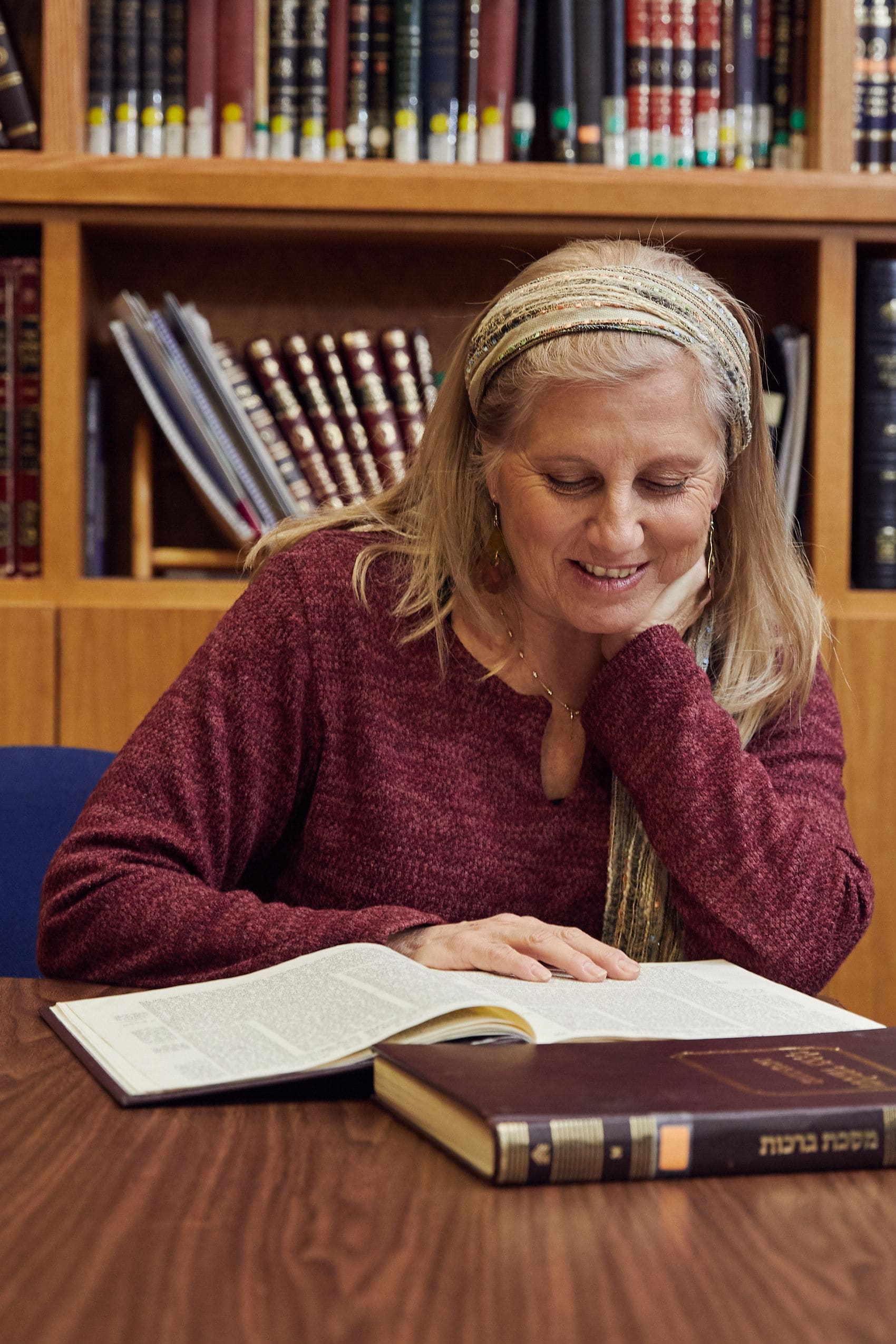
חיפה, ישראל
התחלתי ללמוד דף יומי אחרי שחזרתי בתשובה ולמדתי במדרשה במגדל עוז. הלימוד טוב ומספק חומר למחשבה על נושאים הלכתיים ”קטנים” ועד לערכים גדולים ביהדות. חשוב לי להכיר את הגמרא לעומק. והצעד הקטן היום הוא ללמוד אותה בבקיאות, בעזרת השם, ומי יודע אולי גם אגיע לעיון בנושאים מעניינים. נושאים בגמרא מתחברים לחגים, לתפילה, ליחסים שבין אדם לחברו ולמקום ולשאר הדברים שמלווים באורח חיים דתי 🙂

מצפה יריחו, ישראל
התחלתי ללמוד דף יומי כאשר קיבלתי במייל ממכון שטיינזלץ את הדפים הראשונים של מסכת ברכות במייל. קודם לא ידעתי איך לקרוא אותם עד שנתתי להם להדריך אותי. הסביבה שלי לא מודעת לעניין כי אני לא מדברת על כך בפומבי. למדתי מהדפים דברים חדשים, כמו הקשר בין המבנה של בית המקדש והמשכן לגופו של האדם (יומא מה, ע”א) והקשר שלו למשפט מפורסם שמופיע בספר ההינדי "בהגוד-גיתא”. מתברר שזה רעיון כלל עולמי ולא רק יהודי

נשר, ישראל
בתחילת הסבב הנוכחי הצטברו אצלי תחושות שאני לא מבינה מספיק מהי ההלכה אותה אני מקיימת בכל יום. כמו כן, כאמא לבנות רציתי לתת להן מודל נשי של לימוד תורה
שתי הסיבות האלו הובילו אותי להתחיל ללמוד. נתקלתי בתגובות מפרגנות וסקרניות איך אישה לומדת גמרא..
כמו שרואים בתמונה אני ממשיכה ללמוד גם היום ואפילו במחלקת יולדות אחרי לידת ביתי השלישית.

רבבה, ישראל
בתחילת הסבב הנוכחי של לימוד הדף היומי, נחשפתי לחגיגות המרגשות באירועי הסיום ברחבי העולם. והבטחתי לעצמי שבקרוב אצטרף גם למעגל הלומדות. הסבב התחיל כאשר הייתי בתחילת דרכי בתוכנית קרן אריאל להכשרת יועצות הלכה של נשמ”ת. לא הצלחתי להוסיף את ההתחייבות לדף היומי על הלימוד האינטנסיבי של תוכנית היועצות. בבוקר למחרת המבחן הסופי בנשמ”ת, התחלתי את לימוד הדף במסכת סוכה ומאז לא הפסקתי.

קרית גת, ישראל
רבנית מישל הציתה אש התלמוד בלבבות בביניני האומה ואני נדלקתי. היא פתחה פתח ותמכה במתחילות כמוני ואפשרה לנו להתקדם בצעדים נכונים וטובים. הקימה מערך שלם שמסובב את הלומדות בסביבה תומכת וכך נכנסתי למסלול לימוד מעשיר שאין כמוה. הדרן יצר קהילה גדולה וחזקה שמאפשרת התקדמות מכל נקודת מוצא. יש דיבוק לומדות שמחזק את ההתמדה של כולנו. כל פניה ושאלה נענית בזריזות ויסודיות. תודה גם למגי על כל העזרה.

נתניה, ישראל
My explorations into Gemara started a few days into the present cycle. I binged learnt and become addicted. I’m fascinated by the rich "tapestry” of intertwined themes, connections between Masechtot, conversations between generations of Rabbanim and learners past and present all over the world. My life has acquired a golden thread, linking generations with our amazing heritage.
Thank you.

חשמונאים, Israel
התחלתי בסיום הש”ס, יצאתי באורות. נשברתי פעמיים, ובשתיהם הרבנית מישל עודדה להמשיך איפה שכולם בסבב ולהשלים כשאוכל, וכך עשיתי וכיום השלמתי הכל. מדהים אותי שאני לומדת כל יום קצת, אפילו בחדר הלידה, בבידוד או בחו”ל. לאט לאט יותר נינוחה בסוגיות. לא כולם מבינים את הרצון, בפרט כפמניסטית. חשה סיפוק גדול להכיר את המושגים וצורת החשיבה. החלום זה להמשיך ולהתמיד ובמקביל ללמוד איך מהסוגיות נוצרה והתפתחה ההלכה.

מודיעין, ישראל
לפני 15 שנה, אחרי עשרות שנים של "ג’ינגול” בין משפחה לקריירה תובענית בהייטק, הצטרפתי לשיעורי גמרא במתן רעננה. הלימוד המעמיק והייחודי של הרבנית אושרה קורן יחד עם קבוצת הנשים המגוונת הייתה חוויה מאלפת ומעשירה. לפני כשמונה שנים כאשר מחזור הדף היומי הגיע למסכת תענית הצטרפתי כ”חברותא” לבעלי. זו השעה היומית שלנו ביחד כאשר דפי הגמרא משתלבים בחיי היום יום, משפיעים ומושפעים, וכשלא מספיקים תמיד משלימים בשבת
רעננה, ישראל
התחלתי ללמוד גמרא בבית הספר בגיל צעיר והתאהבתי. המשכתי בכך כל חיי ואף היייתי מורה לגמרא בבית הספר שקד בשדה אליהו (בית הספר בו למדתי בילדותי)בתחילת מחזור דף יומי הנוכחי החלטתי להצטרף ובע”ה מקווה להתמיד ולהמשיך. אני אוהבת את המפגש עם הדף את "דרישות השלום ” שמקבלת מקשרים עם דפים אחרים שלמדתי את הסנכרון שמתחולל בין התכנים.

מעלה גלבוע, ישראל
התחלתי ללמוד בשנת המדרשה במגדל עוז, בינתיים נהנית מאוד מהלימוד ומהגמרא, מעניין ומשמח מאוד!
משתדלת להצליח לעקוב כל יום, לפעמים משלימה קצת בהמשך השבוע.. מרגישה שיש עוגן מקובע ביום שלי והוא משמח מאוד!

חיפה , ישראל
למדתי גמרא מכיתה ז- ט ב Maimonides School ואחרי העליה שלי בגיל 14 לימוד הגמרא, שלא היה כל כך מקובל בימים אלה, היה די ספוראדי. אחרי "ההתגלות” בבנייני האומה התחלתי ללמוד בעיקר בדרך הביתה למדתי מפוקקטסים שונים. לאט לאט ראיתי שאני תמיד חוזרת לרבנית מישל פרבר. באיזה שהוא שלב התחלתי ללמוד בזום בשעה 7:10 .
היום "אין מצב” שאני אתחיל את היום שלי ללא לימוד עם הרבנית מישל עם כוס הקפה שלי!!

חשמונאים, ישראל
התחלתי מחוג במסכת קידושין שהעבירה הרבנית רייסנר במסגרת בית המדרש כלנה בגבעת שמואל; לאחר מכן התחיל סבב הדף היומי אז הצטרפתי. לסביבה לקח זמן לעכל אבל היום כולם תומכים ומשתתפים איתי. הלימוד לעתים מעניין ומעשיר ולעתים קשה ואף הזוי… אך אני ממשיכה קדימה. הוא משפיע על היומיום שלי קודם כל במרדף אחרי הדף, וגם במושגים הרבים שלמדתי ובידע שהועשרתי בו, חלקו ממש מעשי

ראש העין, ישראל
"התחלתי ללמוד דף יומי במחזור הזה, בח’ בטבת תש””ף. לקחתי על עצמי את הלימוד כדי ליצור תחום של התמדה יומיומית בחיים, והצטרפתי לקבוצת הלומדים בבית הכנסת בכפר אדומים. המשפחה והסביבה מתפעלים ותומכים.
בלימוד שלי אני מתפעלת בעיקר מכך שכדי ללמוד גמרא יש לדעת ולהכיר את כל הגמרא. זו מעין צבת בצבת עשויה שהיא עצומה בהיקפה.”

כפר אדומים, ישראל
התחלתי ללמוד דף יומי כאשר קיבלתי במייל ממכון שטיינזלץ את הדפים הראשונים של מסכת ברכות במייל. קודם לא ידעתי איך לקרוא אותם עד שנתתי להם להדריך אותי. הסביבה שלי לא מודעת לעניין כי אני לא מדברת על כך בפומבי. למדתי מהדפים דברים חדשים, כמו הקשר בין המבנה של בית המקדש והמשכן לגופו של האדם (יומא מה, ע”א) והקשר שלו למשפט מפורסם שמופיע בספר ההינדי "בהגוד-גיתא”. מתברר שזה רעיון כלל עולמי ולא רק יהודי
נשר, ישראל
התחלתי בתחילת הסבב, והתמכרתי. זה נותן משמעות נוספת ליומיום ומאוד מחזק לתת לזה מקום בתוך כל שגרת הבית-עבודה השוטפת.
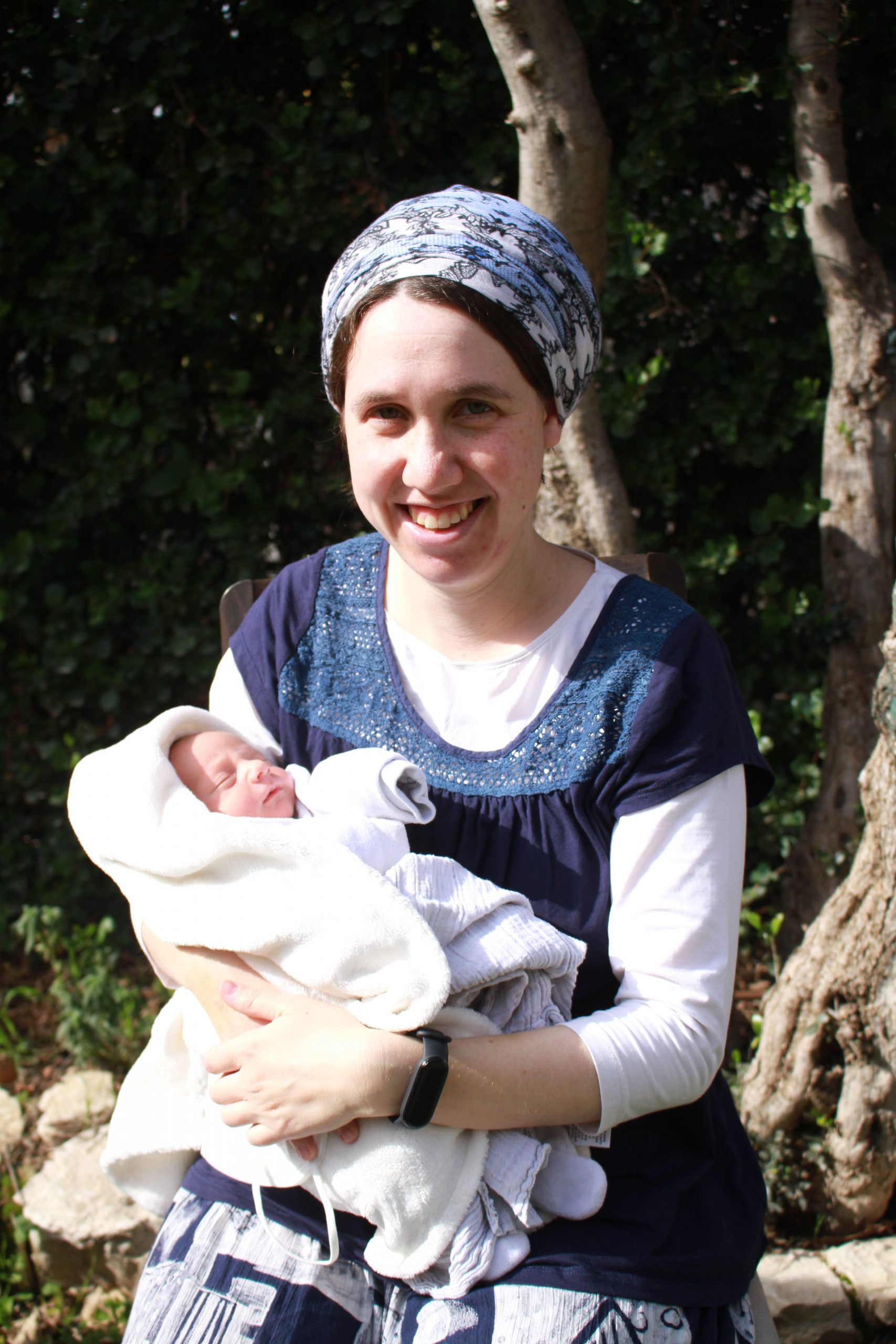
בית שמש, ישראל
אחרי שראיתי את הסיום הנשי של הדף היומי בבנייני האומה זה ריגש אותי ועורר בי את הרצון להצטרף. לא למדתי גמרא קודם לכן בכלל, אז הכל היה לי חדש, ולכן אני לומדת בעיקר מהשיעורים פה בהדרן, בשוטנשטיין או בחוברות ושיננתם.
בית שמש, ישראל
יבמות מב
לְאַחַר שְׁלֹשָׁה — אֵין צְרִיכָה לְהַמְתִּין שְׁלֹשָׁה חֳדָשִׁים.
If they performed the ḥalitza after three months, she does not need to wait three months and may marry immediately.
הֱוֵי (הַ)שְׁלֹשָׁה חֳדָשִׁים שֶׁאָמְרוּ, מִשְּׁעַת מִיתַת הַבַּעַל, וְלֹא מִשְּׁעַת חֲלִיצַת הַיָּבָם.
The Gemara infers from the latter clause of the baraita: It must be that the three months that are stated throughout the baraita are counted from the time of the husband’s death and not from the time of the ḥalitza of the yavam.
מַאי שְׁנָא מִגֵּט, דְּרַב אָמַר: מִשְּׁעַת נְתִינָה, וּשְׁמוּאֵל אָמַר: מִשְּׁעַת כְּתִיבָה!
The Gemara asks: In what way is this case different from the case of a bill of divorce, where Rav said that the three months are counted from the time of the giving of the bill of divorce, and Shmuel said that the count is from the time of the writing of the bill. If a couple is secluded together after the bill of divorce is written, the bill of divorce is invalid. Therefore, there is no concern that they were secluded from that time. This is why Shmuel holds that the three months are counted from the writing. Rav apparently assumes that even so, the count always begins from the formal end of the marriage and not from the point from which there was no possibility of her becoming pregnant. Why, then, does the baraita not rule also in the case when a woman happens for levirate marriage, that the count should begin from the point of ḥalitza, since the marriage is only fully severed at that point?
אָמַר רָבָא, קַל וָחוֹמֶר: אִיסּוּר כָּרֵת הִתַּרְתָּ, אִיסּוּר לָאו — לֹא כׇּל שֶׁכֵּן.
Rava said: With regard to a yevama, all agree that the count begins from the time of her husband’s death. This can be derived through an a fortiori inference, as follows: If a prohibition that entails karet, i.e., the prohibition against engaging in relations with one’s brother’s wife in the event she is pregnant and not subject to levirate marriage, you have permitted after three months from the husband’s death, then in the case of a standard negative prohibition, such as the prohibition against engaging in relations with a woman within three months of the death of her previous husband, is it not all the more so clear that she should be permitted to remarry after three months from her husband’s death? Therefore, even Rav agrees that in this case, the count begins from the husband’s death.
וְכֵן שְׁאָר כׇּל הַנָּשִׁים. בִּשְׁלָמָא יְבָמָה, כְּדַאֲמַרַן. אֶלָּא שְׁאָר כׇּל הַנָּשִׁים אַמַּאי?
§ The mishna states: And similarly, all other women may not be betrothed or marry until they have waited three months. The Gemara asks: Granted, a yevama has to wait, in accordance with the reason that we said, that if she is pregnant with viable offspring, consummating the levirate marriage would violate the prohibition against engaging in relations with one’s brother’s wife. But with regard to all other women, why shouldn’t they remarry immediately even if they are pregnant?
אָמַר רַב נַחְמָן אָמַר שְׁמוּאֵל, מִשּׁוּם דְּאָמַר קְרָא: ״לִהְיוֹת לְךָ לֵאלֹהִים וּלְזַרְעֲךָ אַחֲרֶיךָ״, לְהַבְחִין בֵּין זַרְעוֹ שֶׁל רִאשׁוֹן לְזַרְעוֹ שֶׁל שֵׁנִי.
Rav Naḥman said that Shmuel said: It is due to the fact that the verse states with regard to Abraham: “To be a God to you and your seed after you” (Genesis 17:7), which indicates that the Divine Presence rests with someone only when his seed can be identified as being descended from him, i.e., there are no uncertainties with regard to their lineage. Therefore, to prevent any uncertainties concerning the lineage of her child, the woman must wait so that it will be possible to distinguish between the seed of the first husband and the seed of the second husband. After three months, if she has conceived from her previous husband, the pregnancy will already be noticeable.
מֵתִיב רָבָא: לְפִיכָךְ גֵּר וְגִיּוֹרֶת צְרִיכִין לְהַמְתִּין שְׁלֹשָׁה חֳדָשִׁים, הָכָא מַאי לְהַבְחִין אִיכָּא?
Rava raised an objection from a baraita: Therefore, on account of the requirement to wait three months, a male convert and a female convert who were originally married to each other and converted need to wait three months before they may remarry following their conversion. Rava asks: Here, in this case, what reason is there to distinguish? Even if they do not wait and she is found to be pregnant, it is clear who the child’s parents are.
הָכָא נָמֵי, אִיכָּא לְהַבְחִין בֵּין זֶרַע שֶׁנִּזְרַע בִּקְדוּשָּׁה לְזֶרַע שֶׁלֹּא נִזְרַע בִּקְדוּשָּׁה.
The Gemara explains: Here, too, there is a need to distinguish between seed that was sown in sanctity, i.e., a child conceived by a Jewish parents, and seed that was not sown in sanctity, i.e., a child conceived by gentile parents.
רָבָא אָמַר: גְּזֵירָה שֶׁמָּא יִשָּׂא אֶת אֲחוֹתוֹ מֵאָבִיו, וִייַבֵּם אֵשֶׁת אָחִיו מֵאִמּוֹ.
Rava stated a different reason for the need to wait: It is a rabbinic decree lest a child be born and be incorrectly identified as the son of his mother’s second husband when he is fact the son of her first husband. This could result in him marrying his paternal sister, unaware of the true relationship between them, or consummating a levirate marriage with the wife of his maternal brother under the misconception that his maternal brother was also his paternal brother. This would be prohibited because the prohibition to engage in relations with one’s brother’s wife is waived only in the case where there is a mitzva of levirate marriage, which applies only to paternal brothers.
וְיוֹצִיא אֶת אִמּוֹ לַשּׁוּק. וְיִפְטוֹר אֶת יְבִמְתּוֹ לַשּׁוּק.
Or in the event that his mother’s second husband died and he was assumed to be his only offspring, he would cause his mother to go out and be permitted to the general public because, under the misconception that he was the offspring of the deceased, he assumed that there was no mitzva of levirate marriage. Or, in the event that his maternal brother died childless and the brother’s widow became subject to levirate marriage, under the misconception that he was the paternal brother of the deceased he might perform ḥalitza and permit his supposed yevama to marry a man from the general public. To avoid these problems, the Sages decreed that a woman must wait before remarrying.
מֵתִיב רַב חֲנַנְיָה: בְּכוּלָּן אֲנִי קוֹרֵא בָּהֶן מִשּׁוּם תַּקָּנַת עֶרְוָה, וְכָאן מִשּׁוּם תַּקָּנַת וָלָד. וְאִם אִיתָא, כּוּלְּהוּ מִשּׁוּם תַּקָּנַת עֶרְוָה!
Rav Ḥananya raised an objection from a baraita: In all of those cases where the Sages prohibit a woman from marrying or consummating a levirate marriage, I identify that the prohibition is due to an ordinance instituted to prevent a violation of forbidden relations, and here, with regard to the prohibition against marrying within three months, it is due to an ordinance for the benefit of the offspring. Rav Ḥananya explains the challenge: And if it is so that Rava’s understanding of the prohibition against marrying within three months is correct, then all of the cases of forbidden marriages are due to an ordinance to prevent violation of forbidden relations. However, the baraita indicates otherwise.
הַאי מִשּׁוּם תַּקָּנַת וָלָד, דְּלָא לִפְגַע בְּהוּ עֶרְוָה.
The Gemara defends Rava’s opinion and explains that the baraita can be interpreted in a way that is consistent with his understanding: When the baraita says that this prohibition is due to an ordinance for the benefit of the offspring, it means that due to the prohibition the offspring will not encounter a prohibition of forbidden relations.
בִּשְׁלָמָא תַּמְתִּין שְׁנֵי חֳדָשִׁים וְתִנָּשֵׂא — לָא, דְּהַיְינוּ סְפֵיקָא: אִי בַּר תִּשְׁעָה לְקַמָּא, אִי בַּר שִׁבְעָה לְבָתְרָא.
§ The Gemara analyzes the prohibition against marrying before three months have passed: Granted, she should not wait for only two months and then marry, as this is still a case that could give rise to an uncertainty whether the child born to her seven months after remarrying is nine months old, i.e., counting from conception, and it is the offspring of the first husband, or whether the child is only seven months old and is the offspring of the latter husband.
אֶלָּא תַּמְתִּין חֹדֶשׁ אֶחָד וְתִנָּשֵׂא, וְאִי לְשִׁבְעָה יָלְדָה — הַאי בַּר שִׁבְעָה לְבָתְרָא הוּא. וְאִי לִתְמָנְיָא יָלְדָה — הַאי בַּר תִּשְׁעָה לְקַמָּא הוּא!
However, let her wait only one month and then marry, and then, since it is presumed that a baby born during its eighth month since conception is not viable but a baby born during its seventh or nine month is viable, if after seven months since remarrying she gives birth, then the child is clearly seven months old and is the offspring of the latter husband, and if after eight months since remarrying she gives birth, then this child is clearly nine months old and is the offspring of the first husband. Why, then, is there a need to wait three months?
אִי נָמֵי לִתְמָנְיָא יָלְדָה, אִיכָּא לְמֵימַר דְּבָתְרָא הוּא. דִּלְמָא אִישְׁתַּהוֹיֵי אִישְׁתַּהַי חֹדֶשׁ אֶחָד וְאִיעַבַּר.
The Gemara explains: Even if she gave birth after eight months since remarrying one could say that the child is the offspring of the latter husband, as perhaps she waited one month after remarrying and conceived only then. As such, the baby would be only seven months old, and that would explain its viability.
וְתַמְתִּין שְׁנֵי חֳדָשִׁים וּמֶחֱצָה וְתִנָּשֵׂא, דְּאִי לְשִׁבְעָה יָלְדָה — הַאי בַּר שִׁבְעָה לְבָתְרָא הוּא, וְאִי לְשִׁיתָּא וּפַלְגָא יָלְדָה — הַאי בַּר תִּשְׁעָה לְקַמָּא הוּא. דְּאִי בַּר בָּתְרָא הוּא — בַּר שִׁיתָּא וּפַלְגָא לָא חָיֵי!
The Gemara asks further: But let her wait for two and a half months and then marry, as, if after seven months since remarrying she gives birth, then this child is clearly seven months old and is the offspring of the latter husband. And if after six and a half months since remarrying she gives birth, then this child is clearly nine months old and is the offspring of the first husband, because if one would suggest it is the offspring of the latter husband, in that case it would be six and a half months old, at which age it cannot survive.
אִי נָמֵי לְשִׁיתָּא וּפַלְגָא יָלְדָה, אִיכָּא לְמֵימַר דְּבָתְרָא הוּא, דְּאָמַר מָר זוּטְרָא: אֲפִילּוּ לְמַאן דְּאָמַר יוֹלֶדֶת לְתִשְׁעָה אֵינָהּ יוֹלֶדֶת לִמְקוּטָּעִין, יָלְדָה לְשִׁבְעָה — יוֹלֶדֶת לִמְקוּטָּעִין.
The Gemara objects: Even if after six and a half months since remarrying she gave birth, one could say that the child is the offspring of the latter husband, as Mar Zutra said: Even according to the one who says that a woman who gives birth after nine months does not give birth after an incomplete number of months, i.e., she carries for a full nine months, nevertheless, a woman who gives birth after seven months can give birth after an incomplete number of months, and therefore it is possible that the baby was actually born after six and a half months.
שֶׁנֶּאֱמַר: ״וַיְהִי לִתְקֻפוֹת הַיָּמִים״, מִעוּט ״תְּקוּפוֹת״ — שְׁתַּיִם, מִעוּט ״יָמִים״ — שְׁנַיִם.
This fact is derived from the verse concerning the birth of Samuel the prophet, as it is stated: “And it came to pass, when the seasons of the days had come, that Hannah conceived, and bore a son” (I Samuel 1:20). How much time is indicated by the phrase “the seasons of the days”? The minimal sense of the word “seasons” is two, and since each season of the year is three months, that indicates six months. The minimal sense of the word “days” is two. Accordingly, one may conclude that Samuel the prophet was born after six months and two days.
וְתַמְתִּין מַשֶּׁהוּ וְתִנָּשֵׂא, וְכִי מָלוּ שְׁלֹשָׁה חֳדָשִׁים — לִבְדְּקַהּ!
The Gemara suggests further: But let her wait any minimal amount of time, less than a month, and then marry, and then when three months after the end of her first marriage are complete, examine her body to see if she is noticeably pregnant. If she is, then perforce the baby is the offspring of her previous husband because a pregnancy is not noticeable until three months.
אָמַר רַב סָפְרָא: אֵין בּוֹדְקִין אֶת הַנְּשׂוּאוֹת, שֶׁלֹּא יִתְגַּנּוּ עַל בַּעֲלֵיהֶן. וְנִבְדְּקַהּ בְּהִלּוּכַהּ!
Rav Safra said: This solution is not possible because one does not examine the bodies of married women so as not to shame them before their husbands. The Gemara suggests: But let her be examined through the way she walks, since after three months a pregnant woman walks differently than a woman who is not pregnant.
אָמַר רָמֵי בַּר חָמָא: אִשָּׁה מְחַפָּה עַצְמָהּ, כְּדֵי שֶׁיִּירַשׁ בְּנָהּ בְּנִכְסֵי בַעֲלָהּ.
Rami bar Ḥama said: A woman who conceived from her previous husband would mask herself by purposefully walking in a manner in which her pregnancy will not be discerned, so that her child will be identified as the son of her new husband in order that her child will ultimately inherit her new husband’s property. Therefore, it is impossible to rely upon a test of this kind. In summary, the Gemara has demonstrated that it would be ineffective to wait any less than three months.
הֵיכָא דְּקִים לַן דִּמְעוּבֶּרֶת הִיא, תִּנָּשֵׂא! אַלְּמָה תַּנְיָא: לֹא יִשָּׂא אָדָם מְעוּבֶּרֶת חֲבֵרוֹ וּמֵינֶקֶת חֲבֵרוֹ. וְאִם נָשָׂא — יוֹצִיא וְלֹא יַחְזִיר עוֹלָמִית!
§ The Gemara asks: In cases where we are convinced that she is pregnant, let her marry immediately, as the reason to wait three months does not apply. Why, then, is it taught in a baraita: A man may not marry a woman who is pregnant with the child of another man, nor a woman who is nursing the child of another man; and if he transgressed and married her, he is penalized for violating the prohibition, and he must divorce her and may never take her back?
גְּזֵרָה שֶׁמָּא תַּעֲשֶׂה עוּבָּרָהּ סַנְדָּל. אִי הָכִי, דִּידֵיהּ נָמֵי!
The Gemara explains: This prohibition is a rabbinic decree lest she become pregnant a second time and her original fetus will be deformed into the shape of a sandal fish. The Gemara asks: If so, even if his wife is pregnant with his own child, the same concern applies.
אִי לְמַאן דְּאָמַר בְּמוֹךְ — בְּמוֹךְ, וְאִי לְמַאן דְּאָמַר מִן הַשָּׁמַיִם יְרַחֲמוּ — מִן הַשָּׁמַיִם יְרַחֲמוּ.
The Gemara responds: She is permitted to engage in relations, both if one holds in accordance with the one who said that a young girl, for whom it is dangerous to become pregnant, is permitted to engage in relations using a contraceptive resorbent placed at the entrance to her womb, then also a woman pregnant with her husband’s child may engage in relations using a resorbent, and similarly if one holds in accordance with the one who said a young girl is permitted to engage in relations in her usual manner and Heaven will have mercy upon her and prevent any mishap, then in this case as well a pregnant woman should continue to engage in relations and Heaven will have mercy upon her.
הָכָא נָמֵי: אִי לְמַאן דְּאָמַר בְּמוֹךְ — בְּמוֹךְ, אִי לְמַאן דְּאָמַר מִן הַשָּׁמַיִם יְרַחֲמוּ — מִן הַשָּׁמַיִם יְרַחֲמוּ!
The Gemara objects: But here, too, in the case of a woman who is pregnant with the child of another man, these solutions could be employed: Both if one holds in accordance with the one who says that a young girl may engage in relations using a resorbent, in this case as well she may do so using a resorbent, and similarly if one holds in accordance with the one who says that Heaven will have mercy upon her, in this case as well Heaven will have mercy upon her.
אֶלָּא, מִשּׁוּם דַּחְסָה. אִי הָכִי, דִּידֵיהּ נָמֵי! דִּידֵיהּ — חָיֵיס עִילָּוֵיהּ. הָכָא נָמֵי: חָיֵיס עִילָּוֵיהּ!
The Gemara suggests a different reason for the prohibition against marrying a woman who is pregnant with the child of another man: Rather, it is due to the damage that could be caused to the fetus by the pressure applied to it at the time of intercourse. The Gemara asks: If so, even if his wife his pregnant with his own child, the same concern applies. The Gemara explains: When it is his own child, he has mercy upon it and tries not to apply too much pressure. The Gemara asks: But here, too, when it is the child of another man, he will have mercy upon it, as certainly one is careful not to cause harm to any human life and will be careful not to press down too hard.
אֶלָּא: סְתָם מְעוּבֶּרֶת לְמֵנִיקָה קַיְימָא,
The Gemara suggests a different reason: Rather, the reason for the prohibition is that a typical pregnant woman is poised to nurse her child once it is born;
דִּלְמָא אִיעַבַּרָה וּמִעֲכַר חַלְבַהּ, וְקָטְלָה לֵיהּ. אִי הָכִי, דִּידֵיהּ נָמֵי! דִּידֵיהּ — מְמַסְמְסָא לֵיהּ בְּבֵיצִים. וְחָלָב דִּידַהּ נָמֵי, מְמַסְמְסָא לֵיהּ בְּבֵצִים וְחָלָב! לָא יָהֵב לַהּ בַּעַל. (וְלִיתְבְּעִינֵיהּ) [וְתִתְבְּעִינְהוּ] לְיוֹרְשִׁים! אָמַר אַבָּיֵי: אִשָּׁה בּוֹשָׁה לָבֹא לְבֵית דִּין, וְהוֹרֶגֶת אֶת בְּנָהּ.
therefore, one should be concerned that perhaps she will become pregnant and her milk will dry up during pregnancy, and the lack of milk will kill her newborn child. The Gemara asks: If so, even if his wife is pregnant with his own child, the same concern applies. The Gemara explains: For his own child, she will feed [memasmesa] him with eggs and milk as a substitute for the mother’s milk. The Gemara asks: Even if the child is not his, it is still the mother’s child, and for her child she will also feed him with eggs and milk. The Gemara answers: The husband will not give her money to procure food for a child that is not his. The Gemara asks: But she could sue her first husband’s heirs to provide subsistence for the child. Abaye said: A woman is embarrassed to come to court, and therefore she will not obtain enough sustenance for him. Consequently, she effectively kills her son as a result.
אַחַת בְּתוּלוֹת וְאַחַת בְּעוּלוֹת. הֵי נִיהוּ בְּתוּלוֹת וְהֵי נִיהוּ אֲרוּסוֹת? הֵי נִיהוּ בְּעוּלוֹת וְהֵי נִיהוּ נְשׂוּאוֹת?
§ The mishna states: The requirement to wait three months before remarrying applies both to virgins and non-virgins, both to divorcées and to widows, and both to women who were married to their previous husbands and to women who were only betrothed. The Gemara asks: Which women are referred to as virgins and which are referred to as those who were betrothed? Although the two terms appear to be synonymous, since a virgin will be subject to levirate marriage only if she was betrothed, they must certainly refer to two different categories of women. Similarly, which women are referred to as non-virgins and which are referred to as married, as a married woman is always considered to be a non-virgin?
אָמַר רַבִּי יְהוּדָה, הָכִי קָאָמַר: אַחַת בְּתוּלוֹת וְאַחַת בְּעוּלוֹת שֶׁנִּתְאַרְמְלוּ אוֹ שֶׁנִּתְגָּרְשׁוּ, בֵּין מִן הָאֵרוּסִין בֵּין מִן הַנִּשּׂוּאִין.
Rabbi Yehuda said this is what the mishna is saying: The requirement to wait applies to both virgins and non-virgins who were widowed or divorced, whether from betrothal or from marriage, i.e., the mishna does not list different categories of women but instead establishes a general principle.
רַבִּי אֶלְעָזָר לָא עָל לְבֵי מִדְרְשָׁא. אַשְׁכְּחֵיהּ לְרַבִּי אַסִּי, אֲמַר לֵיהּ: מַאי אֲמוּר רַבָּנַן בְּבֵי מִדְרְשָׁא? אֲמַר לֵיהּ, הָכִי אָמַר רַבִּי יוֹחָנָן: הֲלָכָה כְּרַבִּי יוֹסֵי.
The Gemara relates: Rabbi Elazar did not enter the study hall one day. He found Rabbi Asi and said to him: What was said by the Sages in the study hall today? He said to him: This is what Rabbi Yoḥanan said: The halakha is in accordance with the opinion of Rabbi Yosei that a woman is permitted to be betrothed even before three months have passed, since the reason for waiting does not apply in that case.
מִכְּלָל דִּיחִידָאָה פְּלִיג עֲלֵיהּ? אִין, וְהָתַנְיָא: הֲרֵי שֶׁהָיְתָה רְדוּפָה לֵילֵךְ לְבֵית אָבִיהָ, אוֹ שֶׁהָיָה לָהּ כַּעַס בְּבֵית בַּעְלָהּ, אוֹ שֶׁהָיָה בַּעְלָהּ חָבוּשׁ בְּבֵית הָאֲסוּרִין, אוֹ שֶׁהָיָה בַּעְלָהּ זָקֵן אוֹ חוֹלֶה, אוֹ שֶׁהָיְתָה הִיא חוֹלָה,
Rabbi Elazar said: From the fact that Rabbi Yoḥanan needed to state this, it would seem that there is an individual opinion that disagrees with him, even though no such opinion is mentioned in the mishna. Rabbi Asi answered: Yes, that is correct, and so it is taught in a baraita in the Tosefta (Yevamot 6:6): With regard to a woman who is certainly not pregnant, for example, a woman who, at the time of her husband’s death, had not lived with her husband for some time because she always eagerly hurried, like one pursued, to go to her father’s house, or because she had been subject to anger in her husband’s house, or because her husband had been incarcerated in prison, or because her husband was elderly or infirm, or because she was infirm.
אוֹ שֶׁהִפִּילָה אַחַר מִיתַת בַּעְלָהּ, אוֹ שֶׁהָיְתָה עֲקָרָה, אוֹ זְקֵנָה, אוֹ קְטַנָּה, אוֹ אַיְלוֹנִית, אוֹ שֶׁאֵינָהּ רְאוּיָה לֵילֵד — צְרִיכָה לְהַמְתִּין שְׁלֹשָׁה חֳדָשִׁים, דִּבְרֵי רַבִּי מֵאִיר. רַבִּי יְהוּדָה מַתִּיר לֵיאָרֵס וְלִינָּשֵׂא מִיָּד.
Or a woman who could not be pregnant because she miscarried after her husband’s death, or because she was barren, or elderly, or a minor, or a sexually underdeveloped woman [aylonit], or if for some other reason she was unsuited to give birth; even though the reason for the decree to wait three months does not apply to such a woman, nevertheless, she must wait three months. This is the statement of Rabbi Meir. Rabbi Yehuda permits such women to be betrothed or to marry immediately. It is apparent from the baraita that the question of whether a woman is required to wait the three months when the reason to do so does not apply is subject to a dispute.
אָמַר רַבִּי חִיָּיא בַּר אַבָּא: חָזַר בּוֹ רַבִּי יוֹחָנָן. אָמַר רַב יוֹסֵף: אִי הֲדַר בֵּיהּ — מִמַּתְנִיתִין דְּכַרְמָא הֲדַר בֵּיהּ. דְּתַנְיָא: אָמַר רַבִּי יִשְׁמָעֵאל בְּנוֹ שֶׁל רַבִּי יוֹחָנָן בֶּן בְּרוֹקָה, שָׁמַעְתִּי מִפִּי חֲכָמִים בַּכֶּרֶם בְּיַבְנֶה: כּוּלָּן צְרִיכוֹת לְהַמְתִּין שְׁלֹשָׁה חֳדָשִׁים.
Rabbi Ḥiyya bar Abba said: Rabbi Yoḥanan retracted his statement that the halakha is in accordance with the opinion of Rabbi Yosei. Rav Yosef said: Even if he wanted to retract his statement, would he retract from the baraita that records the opinions of the Sages of the vineyard of Yavne? As it is taught in a baraita: Rabbi Yishmael, son of Rabbi Yoḥanan ben Beroka, said: I heard from the mouth of the Sages in the vineyard of Yavne that all those women enumerated in the baraita above need to wait three months. If the great Sages of Yavne held in accordance with the opinion Rabbi Yosei, then the halakha is certainly in accordance with his opinion.
אֲמַר לֵיהּ רַבִּי יִרְמְיָה לְרַבִּי זְרִיקָא: כִּי עָיְילַתְּ לְקַמֵּיהּ דְּרַבִּי אֲבָהוּ, רְמִי לֵיהּ: מִי אָמַר רַבִּי יוֹחָנָן הֲלָכָה כְּרַבִּי יוֹסֵי? וְהָאָמַר רַבִּי יוֹחָנָן: הֲלָכָה כִּסְתַם מִשְׁנָה. וּתְנַן: כׇּל הַנָּשִׁים לֹא יִנָּשְׂאוּ וְלֹא יִתְאָרְסוּ עַד שֶׁיְּהוּ לָהֶם שְׁלֹשָׁה חֳדָשִׁים, אַחַת בְּתוּלוֹת וְאַחַת בְּעוּלוֹת!
Rabbi Yirmeya said to Rabbi Zerika: When you come before Rabbi Abbahu, raise the following contradiction: Did Rabbi Yoḥanan actually say that the halakha is in accordance with the opinion of Rabbi Yosei? Didn’t Rabbi Yoḥanan say that the halakha is always established in accordance with the ruling of an unattributed mishna? And we learned in the mishna an unattributed ruling: All women may not marry and may not be betrothed until they have waited three months since their previous marriage ended; this applies to both virgins and non-virgins.
אֲמַר לֵיהּ: דִּרְמָא לָךְ הָא — לָא חַשׁ לְקִמְחֵיהּ. סְתָם וְאַחַר כָּךְ מַחְלוֹקֶת הִיא, וְאֵין הֲלָכָה כִּסְתָם. דְּאָמַר רַב פָּפָּא, וְאִיתֵּימָא רַבִּי יוֹחָנָן: מַחְלוֹקֶת וְאַחַר כָּךְ סְתָם — הֲלָכָה כִּסְתָם. סְתָם וְאַחַר כָּךְ מַחְלוֹקֶת — אֵין הֲלָכָה כִּסְתָם.
When Rabbi Zerika went and asked, Rabbi Abbahu said to him: The one who raised this contradiction to you is clearly not concerned for his flour; this is a case of an unattributed ruling followed by a dispute on that ruling, and in such cases the halakha is not necessarily in accordance with the unattributed opinion. As Rav Pappa said, and some say it was Rabbi Yoḥanan who said the following principle: When the Mishna first records a dispute, and afterward it records only one side of that dispute as an unattributed opinion, then the halakha is in accordance with the unattributed opinion. However, when the Mishna first records an unattributed opinion and afterward records that the ruling is subject to a dispute, the halakha is not necessarily in accordance with the unattributed opinion. In each case, the later reference is considered to be a summary of the matter.
מִסְתְּמִיךְ וְאָזֵיל רַבִּי אֲבָהוּ אַכַּתְפֵּיהּ דְּרַבִּי נַחוּם שַׁמָּעֵיהּ, מְנַקֵּיט וְאָזֵיל הִלְכָתָא מִינֵּיהּ. בְּעָא מִינֵּיהּ: מַחְלוֹקֶת וְאַחַר כָּךְ סְתָם מַאי? אֲמַר לֵיהּ: הֲלָכָה כִּסְתָם. סְתָם וְאַחַר כָּךְ מַחְלוֹקֶת מַאי? אֲמַר לֵיהּ: אֵין הֲלָכָה כִּסְתָם.
§ The Gemara relates: Rabbi Abbahu would walk while leaning upon the shoulder of Rabbi Naḥum, his attendant, and along the way Rabbi Naḥum would walk and gather halakhic rulings from him. Once, Rabbi Naḥum asked him: When the Mishna first records a dispute, and afterward it records only one side of that dispute as an unattributed opinion, what is the halakha? Rabbi Abbahu said to him: The halakha is in accordance with the unattributed opinion. Rabbi Naḥum then asked: When the Mishna first records an unattributed opinion and afterward records that the ruling is subject to a dispute, what is the halakha? Rabbi Abbahu said to him: The halakha is not necessarily in accordance with the unattributed opinion.
סְתָמָא דְּמַתְנִיתִין וּמַחְלוֹקֶת בְּבָרַיְיתָא, מַאי? אֲמַר לֵיהּ: הֲלָכָה כִּסְתָם. מַחְלוֹקֶת בְּמַתְנִיתִין וּסְתָמָא בְּבָרַיְיתָא, מַאי? אֲמַר לֵיהּ:
Rabbi Naḥum asked: When a ruling is recorded in the Mishna as unattributed and it is subject to a dispute in a baraita, what is the halakha? Rabbi Abbahu said to him: The halakha is in accordance with the unattributed opinion in the Mishna. Rabbi Naḥum then asked: When the Mishna records that a matter is subject to a dispute, and only one side is recorded as an unattributed opinion in a baraita, what is the halakha? Rabbi Abbahu said to him:

