







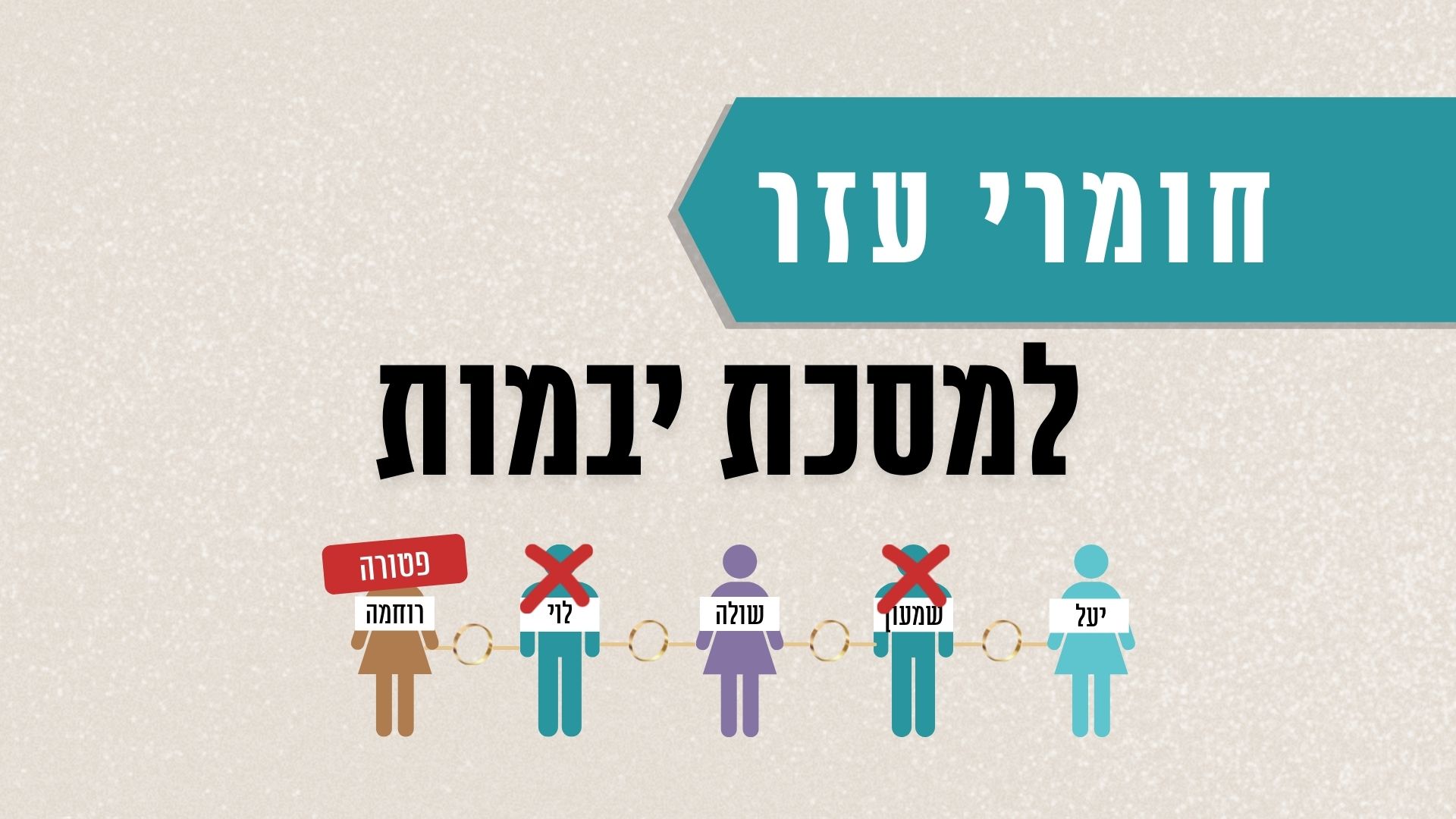
המשנה מסבירה שאם יש ארבעה אחים שמתו כולם ללא ילדים, האח הגדול שעדיין חי יכול לעשות ייבום עם כל אחת מנשותיהם. איך אפשר להתחתן עם ארבע נשים – זה לא אחראי מבחינה כלכלית? מי שיש לו שתי נשים, רק אחת מהן צריכה לעשות ייבום או חליצה. מאיפה זה נדרש? למה שניהם לא צריכות לעשות ייבום? האם עדיף שאחת תעשה ייבום והשנייה חליצה? למה לא עושים ככה? רבי עקיבא סבור שמי שמתחתן עם מי שאסור בחייבי לאוים, הילד שנולד מאותו זיווג הוא ממזר. חכמים סוברים כי רק נחשב ממזר כאשר מדובר באיסור כרת. הדוגמה שהובאה בה מסכימים הרבנים שהילד הוא ממזר היא קרובת גרושתו. המשנה הזכירה שרבי עקיבא סבר שמי שמתחתן עם קרובת חלוצתו, הולד ממזר. אבל האם זה לא אסור רק מדרבנן – ואם כן, איך אפשר להגיד שהולד ממזר? מציעים לשנות את נוסח המשנה לקרובת גרושתו. הגמרא מנסה למצוא ראייה לנוסח זה מלשון המשנה בהמשך המשנה אך הוכחה זו נדחית. מובאת תשובה אחרת להסביר מדוע רבי עקיבא אומר שקרובת חלוצתו יכול ליצור ממזר, כי ניתן לדרוש הלכה זו מהתורה. רב יוסף אמר כי כולם מסכימים שהילד שנולד ממי שנישא לגרושתו בשנית לאחר שנישאה לאדם אחר, פסול מלהתחתן עם כהן. שלוש שאלות עולות נגד דבריו – שתיים נענות אך אחת לא. לפיכך, דבריו של רב יוסף מתוקנים לומר שכולם מסכימים שאם גבר מתחתן עם אישה שאסורה עליו באיסור כרת, הולד פסול לכהונה. מי זה "כולם” שמסכימים לפי דברי רב יוסף? זה מתייחס לר’ יהושע ונלמד מקל וחומר מאלמנה.
הלימוד השבוע מוקדש לזכות ולשלום הַיְימׇנוֹט אֱמוּנָה בַּת באנצ’י (קָסָאוּ) בת 11 שנעלמה במקום מגוריה בצפת, לפני שנתיים, ביום ט”ז אדר תשפ”ד (25.2.24), ולא נודעו עקבותיה.
הלימוד השבוע מוקדש למען ביטחון המדינה, החיילים והאזרחים, ולמען חירותו של העם האיראני. שנזכה בקרוב שיתקיים בנו הפסוק: "לַיְּהוּדִים הָיְתָה אוֹרָה וְשִׂמְחָה וְשָׂשֹׂן וִיקָר”.
רוצה להקדיש שיעור?

כלים
הלימוד השבוע מוקדש לזכות ולשלום הַיְימׇנוֹט אֱמוּנָה בַּת באנצ’י (קָסָאוּ) בת 11 שנעלמה במקום מגוריה בצפת, לפני שנתיים, ביום ט”ז אדר תשפ”ד (25.2.24), ולא נודעו עקבותיה.
הלימוד השבוע מוקדש למען ביטחון המדינה, החיילים והאזרחים, ולמען חירותו של העם האיראני. שנזכה בקרוב שיתקיים בנו הפסוק: "לַיְּהוּדִים הָיְתָה אוֹרָה וְשִׂמְחָה וְשָׂשֹׂן וִיקָר”.
יבמות מד
הָיְתָה אַחַת כְּשֵׁרָה וְאַחַת פְּסוּלָה, אִם הָיָה חוֹלֵץ — חוֹלֵץ לַפְּסוּלָה, וְאִם הָיָה מְיַיבֵּם — מְיַיבֵּם לַכְּשֵׁרָה.
If one of these women was fit to marry into the priesthood and one was unfit, then if he performs ḥalitza, he should perform ḥalitza with the unfit woman rather than with the one who is fit for the priesthood, since doing so with the woman who is fit would needlessly disqualify her from marrying into the priesthood. But if he consummates the levirate marriage, he may consummate the levirate marriage with the one who is fit.
גְּמָ׳ אַרְבָּעָה אַחִין סָלְקָא דַּעְתָּךְ? אֶלָּא אֵימָא: אַרְבָּעָה מֵאַחִין.
GEMARA: The simple reading of the mishna’s first clause implies that all four brothers died. The Gemara questions this: Can it enter your mind to say that all four brothers died? If they all died, then who remains to consummate the levirate marriage? Rather, emend the mishna and say instead: Four married men of a set of more than four brothers died.
הָרְשׁוּת בְּיָדוֹ. וְשָׁבְקִי לֵיהּ? וְהָתַנְיָא: ״וְקָרְאוּ לוֹ זִקְנֵי עִירוֹ״ — הֵן וְלֹא שְׁלוּחָן. ״וְדִבְּרוּ אֵלָיו״ — מְלַמֵּד שֶׁמַּשִּׂיאִין לוֹ עֵצָה הוֹגֶנֶת לוֹ.
The mishna continues: If the eldest of them wished to consummate the levirate marriage with all of his yevamot, he has permission to do so. The Gemara asks: Do they actually leave him to do so? Isn’t it taught in a baraita: The verse states: “And the Elders of his city shall call him” (Deuteronomy 25:8), which indicates that they, the Elders, and not their agent, should call him. The verse continues: “And they speak to him”; this phrase teaches that they offer him advice that is appropriate for him.
שֶׁאִם הָיָה הוּא יֶלֶד וְהִיא זְקֵנָה, הוּא זָקֵן וְהִיא יַלְדָּה, אוֹמְרִין לוֹ: מָה לְךָ אֵצֶל יַלְדָּה, מָה לְךָ אֵצֶל זְקֵנָה? כְּלָךְ אֵצֶל שֶׁכְּמוֹתְךָ, וְאַל תָּשִׂים קְטָטָה בְּבֵיתֶךָ.
The baraita explains: Appropriate advice means that if he was a young man and she an elderly woman or if he was an elderly man and she a young woman, they say to him: What do you want with a young woman when you are elderly? Or: What do you want with an elderly woman when you are young? Go after your own kind, i.e., a woman of a similar age, and do not place discord in your household that could be caused by marrying a woman of a significantly different age. From the baraita it is apparent that if consummating the levirate marriage will ultimately lead to contention between the couple, it is preferable to perform ḥalitza. Similarly, in the case of the mishna, marrying four women will likely lead to contention since it is difficult to support so many people, and poverty will lead to strife. Therefore, the yavam should not be allowed to consummate levirate marriages with all of them.
לָא צְרִיכָא, דְּאֶפְשָׁר לֵיהּ. אִי הָכִי, אֲפִילּוּ טוּבָא נָמֵי! עֵצָה טוֹבָה קָא מַשְׁמַע לַן: אַרְבַּע — אִין, טְפֵי — לָא, כִּי הֵיכִי דְּנִמְטְיֵיהּ עוֹנָה בְּחֹדֶשׁ.
The Gemara qualifies the mishna’s case: No, it is necessary to teach that he has permission to consummate the levirate marriage with all of his yevamot in the case where it is possible for him to provide for all four women. The Gemara asks: If so, then the same should be true even if there are many more women as well; why does the mishna specifically discuss a case of four women? The Gemara explains: The mishna teaches us good advice; in a case of up to four women, yes, if he can provide for them then it is acceptable to marry all of them. But if there are any more than that, no, he should not, in order that he will be able to meet the conjugal rights of each woman at least once in each month. A Torah scholar is expected to provide conjugal relations once a week. If he marries no more than four women, then that will ensure that each of his wives will receive their conjugal rights at least once a month.
מִי שֶׁהָיָה נָשׂוּי וְכוּ׳. וּנְיַיבֵּם לְתַרְוַיְיהוּ! אָמַר רַבִּי חִיָּיא בַּר אַבָּא אָמַר רַבִּי יוֹחָנָן: אָמַר קְרָא: ״אֲשֶׁר לֹא יִבְנֶה אֶת בֵּית אָחִיו״, בַּיִת אֶחָד הוּא בּוֹנֶה, וְאֵין בּוֹנֵה שְׁנֵי בָתִּים.
§ The mishna states: In the case of one who was married to two women and died childless, the intercourse or ḥalitza of either one of them with the yavam releases her rival wife from the levirate bond. The Gemara questions why the mishna considers only the possibility that he would do so with only one of the women: But let him instead consummate levirate marriages with both of them. Rabbi Ḥiyya bar Abba said that Rabbi Yoḥanan said: The verse states that a yavam who performs ḥalitza is referred to as: “The man who does not build his brother’s house” (Deuteronomy 25:9). The fact that the word “house” appears in the singular indicates that even had he instead chosen to consummate a levirate marriage, only one house may he build, by consummating a levirate marriage with one of his brother’s wives, but he may not build two houses.
וְנַחְלוֹץ לְתַרְוַיְיהוּ?! אָמַר מָר זוּטְרָא בַּר טוֹבִיָּה, אָמַר קְרָא: ״בֵּית חֲלוּץ הַנַּעַל״, בַּיִת אֶחָד הוּא חוֹלֵץ, וְאֵין חוֹלֵץ שְׁנֵי בָתִּים.
The Gemara suggests: But let him perform ḥalitza with both of them; why does the mishna state that he does so with only one woman? Mar Zutra bar Toviya said: The verse states that following the ḥalitza the man is called: “The house of him who had his shoe removed” (Deuteronomy 25:10). The fact that the word “house” appears in the singular indicates that he performs ḥalitza with only one house, i.e., only one of his brother’s wives, and he does not perform ḥalitza with two houses.
וּנְיַיבֵּם לַחֲדָא וְנַחְלוֹץ לַחֲדָא! אָמַר קְרָא: ״אִם לֹא יַחְפּוֹץ״, הָא חָפֵץ — יְיַבֵּם. כׇּל הָעוֹלֶה לְיִבּוּם — עוֹלֶה לַחֲלִיצָה, כֹּל שֶׁאֵין עוֹלֶה לְיִיבּוּם — אֵין עוֹלֶה לַחֲלִיצָה.
The Gemara suggests: But let him consummate the levirate marriage with one and perform ḥalitza with the other. The Gemara explains that the verse states: “If the man does not wish to take his yevama” (Deuteronomy 25:7), which implies that with regard to anyone who performs ḥalitza, were he to wish to, he could consummate the levirate marriage. This teaches the principle that only one who is eligible for levirate marriage is eligible for ḥalitza, but one who is ineligible for levirate marriage is ineligible for ḥalitza. And since, in the case of the mishna, if the yavam consummated the levirate marriage with one of his brother’s wives he may not do so with the second, consequently he may not perform ḥalitza with her either.
וְעוֹד, שֶׁלֹּא יֹאמְרוּ: בַּיִת מִקְצָתוֹ בָּנוּי וּמִקְצָתוֹ חָלוּץ. וְיֹאמְרוּ! אִי דִּמְיַיבֵּם וַהֲדַר חָלֵיץ — הָכִי נָמֵי. אֶלָּא, [דִּלְמָא] חָלֵיץ וַהֲדַר מְיַיבֵּם, וְקָם לֵיהּ בְּ״לֹא יִבְנֶה״.
And furthermore, an additional reason that one may not do so is so that people should not say that the brother’s house was partially built through levirate marriage and partially released through ḥalitza. The Gemara asks: And even if they will say that, what of it? The Gemara explains: If he first consummated the levirate marriage with one wife and subsequently performed ḥalitza with the other, indeed, there is no reason not to do this. However, perhaps he might first perform ḥalitza with one wife and subsequently consummate levirate marriage with the other, and by doing so he is liable for a violation of the prohibition of: “He does not build his brother’s house” (Deuteronomy 25:9). The verse indicates that one who performs ḥalitza has not built his brother’s house and is therefore subsequently prohibited from attempting to do so by consummating a levirate marriage with either the ḥalutza or any of her rival wives.
וְאֵימָא: כִּי אִיכָּא חֲדָא — תִּתְקַיֵּים מִצְוַת יִבּוּם, כִּי אִיכָּא תַּרְתֵּי — לֹא תִּתְקַיֵּים מִצְוַת יִבּוּם!
The Gemara asks. But since the Torah’s description of levirate marriage mentions only a case in which the deceased brother had only one wife, say: When there is only one wife, the mitzva of levirate marriage exists, but when there are two wives, the mitzva of levirate marriage does not exist.
אִם כֵּן, צָרַת עֶרְוָה דְּאָסַר רַחֲמָנָא לְמָה לִי? הַשְׁתָּא תַּרְתֵּי בְּעָלְמָא אָמְרַתְּ לָאו בְּנֵי חֲלִיצָה וְיִבּוּם נִינְהוּ — צָרַת עֶרְוָה מִיבַּעְיָא?
The Gemara suggests a proof: If that were so, why do I need the halakha concerning a rival wife of a forbidden relation, which is forbidden by the Merciful One in the Torah? Now that even in the case of two women in general, where neither woman is a forbidden relation, you say that they are not eligible for ḥalitza and levirate marriage, is it necessary to say a rival wife of a forbidden relation is also forbidden? The fact that the Torah does prohibit a rival wife of a forbidden relation indicates that the mitzva of levirate marriage does exist in a general case of two wives in which neither is a forbidden relation.
אַלְּמָה לָא? אִצְטְרִיךְ, סָלְקָא דַּעְתָּךְ אָמֵינָא: עֶרְוָה אַבָּרַאי קָיְימָא, וְתִתְיַיבֵּם צָרָתַהּ, קָא מַשְׁמַע לַן דַּאֲסִירָא.
The Gemara objects: Why not? Even if one assumes that there is no mitzva of levirate marriage when the deceased brother had two wives, it is still necessary to teach the halakha concerning a rival wife of a forbidden relation because it could enter your mind to say that since there is no possibility of consummating the levirate marriage with her, the forbidden relation stands outside the calculation such that her presence is disregarded, and her rival wife should enter into levirate marriage as though she were the only wife. Therefore, the verse needs to teach us that the rival wife is forbidden.
אֶלָּא: ״יְבִמְתּוֹ״ ״יְבִמְתּוֹ״ — רִיבָּה.
Rather, the repeated use of the phrase “his yevama,” “his yevama” in the verses concerning levirate marriage amplifies the mitzva of levirate marriage so that it applies even when the deceased brother had more than one wife.
הָיְתָה אַחַת כְּשֵׁרָה. אָמַר רַב יוֹסֵף, כָּאן שָׁנָה רַבִּי: לֹא יִשְׁפּוֹךְ אָדָם מֵי בוֹרוֹ, וַאֲחֵרִים צְרִיכִים לָהֶם.
§ The mishna states: If one of these wives of the deceased brother was fit for the priesthood and one was unfit, ḥalitza should not be performed with the fit woman since doing so would needlessly disqualify her from the priesthood. Rav Yosef said that here, through this mishna, Rabbi Yehuda HaNasi taught the principle that one should not perform an action that will needlessly disadvantage others, and so a person should not spill out water collected in his pit that he does not need when others are in need of it.
מַתְנִי׳ הַמַּחְזִיר גְּרוּשָׁתוֹ, וְהַנּוֹשֵׂא חֲלוּצָתוֹ, וְהַנּוֹשֵׂא קְרוֹבַת חֲלוּצָתוֹ — יוֹצִיא, וְהַוָּלָד מַמְזֵר, דִּבְרֵי רַבִּי עֲקִיבָא.
MISHNA: With regard to one who remarries his divorcée after she had been married to another man from whom she was then widowed or divorced, or one who marries the woman with whom he performed ḥalitza [ḥalutza], or one who marries a relative of his ḥalutza, since all such marriages are forbidden he must divorce her, and the offspring born from such unions is a mamzer; this is the statement of Rabbi Akiva. He holds that even the offspring from relations forbidden by a prohibition punishable by lashes is a mamzer.
וַחֲכָמִים אוֹמְרִים: אֵין הַוָּלָד מַמְזֵר. וּמוֹדִים בְּנוֹשֵׂא קְרוֹבַת גְּרוּשָׁתוֹ — שֶׁהַוָּלָד מַמְזֵר.
The Rabbis say: The offspring in those cases is not a mamzer, but they concede with regard to one who marries a relative of his divorcée, a union forbidden by a prohibition entailing karet, that the offspring is a mamzer. They hold that only the offspring from relations forbidden by a prohibition entailing karet is a mamzer.
גְּמָ׳ וְסָבַר רַבִּי עֲקִיבָא הַנּוֹשֵׂא קְרוֹבַת חֲלוּצָתוֹ הַוָּלָד מַמְזֵר? וְהָאָמַר רֵישׁ לָקִישׁ, כָּאן שָׁנָה רַבִּי: אֲחוֹת גְּרוּשָׁה מִדִּבְרֵי תוֹרָה, אֲחוֹת חֲלוּצָה מִדִּבְרֵי סוֹפְרִים! תְּנִי: קְרוֹבַת גְּרוּשָׁתוֹ.
GEMARA: The Gemara asks: But does Rabbi Akiva actually hold that with regard to one who marries a relative of his ḥalutza, the offspring is a mamzer? Didn’t Reish Lakish say that through the mishna here, Rabbi Yehuda HaNasi taught that a sister of one’s divorcée is forbidden by Torah law whereas a sister of one’s ḥalutza is forbidden by rabbinic law? If a relative of one’s ḥalutza is forbidden by rabbinic law, how can the offspring of that union be a mamzer? The Gemara concedes: Emend the mishna and teach instead: A relative of his divorcée.
הָכִי נָמֵי מִסְתַּבְּרָא, דְּקָתָנֵי סֵיפָא: וּמוֹדִים בְּנוֹשֵׂא קְרוֹבַת גְּרוּשָׁתוֹ שֶׁהַוָּלָד מַמְזֵר. אִי אָמְרַתְּ בִּשְׁלָמָא אַיְירִי בָּהּ — הַיְינוּ דְּקָתָנֵי ״וּמוֹדִים״. אֶלָּא אִי אָמְרַתְּ לָא אַיְירִי בַּהּ, מַאי ״וּמוֹדִים״?
The Gemara notes: So, too, it is reasonable that this is the correct version of the mishna, as the latter clause teaches: But they concede in the case of one who marries a relative of his divorcée that the offspring is a mamzer. Granted, if you say that Rabbi Akiva was talking about that case, this is consistent with that which the mishna teaches: They concede, which implies that they agree to a case already mentioned. However, if you say that he was not talking about that case, what could the phrase: They concede, possibly be referring to?
וְדִלְמָא הָא קָא מַשְׁמַע לַן, דְּיֵשׁ מַמְזֵר מֵחַיָּיבֵי כָּרֵיתוֹת. הָא קָתָנֵי לַהּ לְקַמַּן: אֵיזֶהוּ מַמְזֵר — כׇּל שְׁאֵר בָּשָׂר שֶׁהוּא בְּ״לֹא יָבֹא״ — דִּבְרֵי רַבִּי עֲקִיבָא, רַבִּי שִׁמְעוֹן הַתִּימְנִי אוֹמֵר: כֹּל שֶׁחַיָּיבִין עָלָיו כָּרֵת בִּידֵי שָׁמַיִם. וַהֲלָכָה כִּדְבָרָיו.
The Gemara objects: But perhaps this phrase teaches us that the Rabbis concede that the offspring from forbidden relations for which one is liable to receive karet is a mamzer. The Gemara rejects this option: This is already taught later on in a mishna (49a): Which offspring of forbidden relations has the status of a mamzer? It is the offspring of a union with any next of kin that is subject to a Torah prohibition that one should not engage in sexual relations with them; this is the statement of Rabbi Akiva. Rabbi Shimon HaTimni says: It is the offspring of a union with any forbidden relative for which one is liable to receive karet at the hand of Heaven. And the halakha is in accordance with his statement. Since the mishna explicitly rules in accordance with Rabbi Shimon HaTimni, it would be unnecessary for the mishna here to teach that fact.
וְדִלְמָא קָסָתֵים לַן תַּנָּא כְּרַבִּי שִׁמְעוֹן הַתִּימְנִי. אִם כֵּן, לִיתְנֵי שְׁאָר חַיָּיבֵי כָּרֵיתוֹת, קְרוֹבַת גְּרוּשָׁתוֹ לְמָה לִי? אֶלָּא שְׁמַע מִינַּהּ אַיְירִי בַּהּ.
The Gemara persists: But perhaps the tanna taught us as unattributed a mishna that is in accordance with the opinion of Rabbi Shimon HaTimni to indicate that this is indeed the accepted halakha. The Gemara rejects this: If so, then let him teach other cases of forbidden relations for which one is liable to receive karet; why do I need the mishna to specifically consider the case of a relative of one’s divorcée? Rather, conclude from this that Rabbi Akiva indeed was talking about that case.
[וְדִלְמָא] לְעוֹלָם לָא אַיְירִי בַּהּ, וְאַיְּידֵי דִּתְנָא מַחֲזִיר גְּרוּשָׁתוֹ וְנוֹשֵׂא חֲלוּצָתוֹ וּקְרוֹבַת חֲלוּצָתוֹ — תָּנֵי נָמֵי קְרוֹבַת גְּרוּשָׁתוֹ.
The Gemara persists: But perhaps he was not actually talking about that case, but since Rabbi Akiva taught the cases of one who remarries his divorcée, or one who marries his ḥalutza or a relative of his ḥalutza, the mishna also taught in the name of the Rabbis the case of one who marries a relative of his divorcée because it is a similar case. The Gemara concedes that this would be an acceptable reading of the mishna.
אֶלָּא: קְרוֹבַת חֲלוּצָתוֹ לְרַבִּי עֲקִיבָא הָוֵי מַמְזֵר. אָמַר רַבִּי חִיָּיא בַּר אַבָּא אָמַר רַבִּי יוֹחָנָן: הַיְינוּ טַעְמָא דְּרַבִּי עֲקִיבָא, דְּאָמַר קְרָא: ״בֵּית חֲלוּץ הַנַּעַל״, הַכָּתוּב קְרָאוֹ ״בֵּיתוֹ״.
Rather, the mishna should not be emended, and with regard to the Gemara’s original question as to how Rabbi Akiva could claim that the offspring from one’s union with a relative of his ḥalutza is a mamzer if that union is forbidden only by rabbinic law, one must conclude that a relative of one’s ḥalutza is forbidden by Torah law according to Rabbi Akiva and therefore the offspring is a mamzer. Rabbi Ḥiyya bar Abba said that Rabbi Yoḥanan said that this is Rabbi Akiva’s reasoning: As the verse states: “The house of he who had his shoe removed” (Deuteronomy 25:10). The verse called his relationship with the ḥalutza his house, indicating that the ḥalutza is considered as though she had been married to the yavam, and therefore her relative is forbidden to him by Torah law.
אָמַר רַב יוֹסֵף אָמַר רַבִּי שִׁמְעוֹן בַּר רַבִּי: הַכֹּל מוֹדִים בְּמַחֲזִיר גְּרוּשָׁתוֹ,
Rav Yosef said that Rabbi Shimon bar Rabbi Yehuda HaNasi said: All agree in the case of one who remarries his divorcée
שֶׁהַוָּלָד פָּגוּם לַכְּהוּנָּה. מַאן הַכֹּל מוֹדִים — שִׁמְעוֹן הַתִּימְנִי, דְּאַף עַל גַּב דְּאָמַר שִׁמְעוֹן הַתִּימְנִי: אֵין מַמְזֵר מֵחַיָּיבֵי לָאוִין, נְהִי דְּמַמְזֵר לָא הָוֵי, פָּגוּם מִיהָא הָוֵי,
that the offspring, even if not a mamzer, has flawed lineage and, if the offspring is a girl, is unfit to marry into the priesthood. The Gemara clarifies: Who is included by saying: All agree? It is Shimon HaTimni, as although Shimon HaTimni said that the offspring of relations for which one is liable for violating a prohibition is not a mamzer, nevertheless, granted that Shimon HaTimni holds that he is not a mamzer; he would agree, however, that he is of flawed lineage.
מִקַּל וָחוֹמֶר מֵאַלְמָנָה. וּמָה אַלְמָנָה לְכֹהֵן גָּדוֹל, שֶׁאֵין אִיסּוּרָהּ שָׁוֶה בַּכֹּל — בְּנָהּ פָּגוּם, זוֹ, שֶׁאִיסּוּרָהּ שָׁוֶה בַּכֹּל — אֵינוֹ דִּין שֶׁבְּנָהּ פָּגוּם?
This is derived through an a fortiori inference from the halakha pertaining to a widow, as follows: Just as in the case of a widow who is married to a High Priest, where the prohibition that pertains to her is not equally applicable to all, i.e., only a High Priest is prohibited from marrying a widow, and nevertheless her child from that union will have flawed lineage, then so too with regard to this divorcée, who married another man and is therefore prohibited from marrying her original husband, where the prohibition that pertains to her is equally applicable to all Jews, as the prohibition to remarry one’s divorcée after she was married to another man applies to all Jews, isn’t it logical that her child from that union will have flawed lineage?
אִיכָּא לְמִיפְרַךְ: מָה לְאַלְמָנָה שֶׁכֵּן הִיא עַצְמָהּ מִתְחַלֶּלֶת.
The Gemara raises a number of objections: The logic of this a fortiori inference can be refuted: What is true with regard to a widow, where her union with a High Priest is what makes her herself disqualified from subsequently marrying any priest and, if she is the daughter of a priest, from eating teruma, is not true with regard to a remarried divorcée, where her remarriage to another man is permitted and is not the cause of any further disqualification. Therefore, one case cannot be deduced from the other.
וְעוֹד: ״הִיא תּוֹעֵבָה״ כְּתִיב, וְאֵין בָּנֶיהָ תּוֹעֲבִין.
And furthermore, “She is an abomination” (Deuteronomy 24:4) is written with regard to remarrying with one’s divorcée, and the emphasis on the word “she” teaches that only she is considered so, but her children are not abominations and they have unflawed lineage.
וְעוֹד, תַּנְיָא: הַמַּחֲזִיר גְּרוּשָׁתוֹ וְהַנּוֹשֵׂא חֲלוּצָתוֹ וְהַנּוֹשֵׂא קְרוֹבַת חֲלוּצָתוֹ, רַבִּי עֲקִיבָא אוֹמֵר: אֵין לוֹ בָּהּ קִדּוּשִׁין, וְאֵינָהּ צְרִיכָה הֵימֶנּוּ גֵּט, וְהִיא פְּסוּלָה, וּוְלָדָהּ פָּסוּל, וְכוֹפִין אוֹתוֹ לְהוֹצִיא. וַחֲכָמִים אוֹמְרִים: יֵשׁ לוֹ בָּהּ קִדּוּשִׁין, וּצְרִיכָה הֵימֶנּוּ גֵּט, וְהִיא כְּשֵׁרָה וּוְלָדָהּ כָּשֵׁר.
And furthermore, it is taught in a baraita: With regard to one who remarries his divorcée, and one who marries his ḥalutza, and one who marries a relative of his ḥalutza, Rabbi Akiva says that one’s betrothal of such women is not effective. And therefore, even if he attempts to do so, it is meaningless and she does not require a bill of divorce from him in order to separate from him. And if she has relations with him she is rendered unfit and her child is unfit, and we force him to send her away. The Rabbis say that one’s betrothal of such women is effective, and therefore if he betrothed her she requires a bill of divorce from him, and if she has relations with him she remains fit and her child is fit.
לְמַאן, לָאו לִכְהוּנָּה? לָא, לַקָּהָל. אִי הָכִי, הִיא כְּשֵׁרָה, לְמַאן? אִילֵימָא לַקָּהָל — פְּשִׁיטָא, מִשּׁוּם דְּזַנְּיָא אִפַּסְלָה לַקָּהָל?! אֶלָּא לָאו לִכְהוּנָּה,
The Gemara clarifies: When the baraita states she and her child are rendered unfit, to whom are they unfit to be married? Is it not to the priesthood? No, it is to the congregation of Israel. If so, when the baraita states she is fit, to whom is she fit to be married? If we say it is to the congregation of Israel, this is obvious; could it be that because she engaged in forbidden sexual relations that she is rendered unfit from marrying into the congregation of Israel? Although by doing so she is rendered a zona, that can disqualify her only from marrying a priest. Rather, is it not that the intention is that she is fit to marry into the priesthood?
וּמִדְּהִיא לִכְהוּנָּה, וְלָדָהּ נָמֵי לִכְהוּנָּה! מִידֵּי אִירְיָא? הָא כִּדְאִיתָא וְהָא כִּדְאִיתָא.
The Gemara suggests: And since in reference to her the word fit in the baraita means fit for the priesthood, it follows that for the child as well, the word fit means fit for the priesthood. The Gemara objects: Are these cases comparable? This case is as it is, and that case is as it is, and although the two cases are juxtaposed in the baraita they need not be relating to the same issue. Rather, when referring to the mother the baraita mentions fitness for the priesthood, and when referring to the child it mentions fitness for the congregation of Israel.
הָכִי נָמֵי מִסְתַּבְּרָא, דְּקָתָנֵי רֵישָׁא: הִיא פְּסוּלָה וּוְלָדָהּ פָּסוּל. הִיא פְּסוּלָה לְמַאן? אִילֵימָא לַקָּהָל, מִשּׁוּם דְּזַנְּיָא אִפַּסְלָה לֵיהּ לַקָּהָל?! אֶלָּא לָאו לִכְהוּנָּה.
The Gemara notes: So, too, it is reasonable to assume that the two clauses concern different issues, as the first clause teaches in the name of Rabbi Akiva: She is unfit and her child is unfit. When that first clause states: She is unfit, to whom is she unfit to be married? If we say it is to the congregation of Israel, could it be that because she engaged in forbidden sexual relations she is rendered unfit to marry into the congregation of Israel? Rather, is it not that the intention is that she is rendered unfit to marry into the priesthood?
וּוְלָדָהּ פָּסוּל, לְמַאן? אִילֵימָא לִכְהוּנָּה: הָא לַקָּהָל כָּשֵׁר? הָאָמַר רַבִּי עֲקִיבָא: הַוָּלָד מַמְזֵר! אֶלָּא פְּשִׁיטָא לַקָּהָל.
And then when the first clause continues and states: And her child is unfit, to whom is she unfit to be married? If we say that it is to the priesthood, that would imply that the child is fit to marry into the congregation of Israel. However, this is untenable because didn’t Rabbi Akiva himself say in the mishna here that the offspring is a mamzer and is unfit from entering the congregation of Israel? Rather, it is obvious that the intention of the baraita is that the child is unfit even to marry into the congregation of Israel.
וּמִדְּרֵישָׁא הָא כִּדְאִיתָא וְהָא כִּדְאִיתָא, סֵיפָא נָמֵי הָא כִּדְאִיתָא וְהָא כִּדְאִיתָא.
And since in the first clause of the baraita it is apparent that, although two cases are juxtaposed, this case is as it is and that case is as it is, in the latter clause as well one should assume that this case is as it is and that case is as it is.
וְ״הִיא תּוֹעֵבָה״ נָמֵי — הִיא תּוֹעֵבָה וְאֵין צָרָתָהּ תּוֹעֵבָה, אֲבָל בָּנֶיהָ תּוֹעֲבִין.
Having resolved the objection raised from the baraita, the Gemara returns to its preceding objection: And the objection raised from the verse: “She is an abomination,” in which the Gemara suggested that the emphasis on “she” teaches that only she is an abomination but her children are not, can also be resolved, as the emphasis on “she” could be interpreted differently to teach: “She is an abomination” but her rival wife is not an abomination, and if they both fell together for levirate marriage, the yavam may consummate the levirate marriage with her rival wife. However, it is possible that her children are in fact abominations and are unfit to marry into the priesthood.
אֶלָּא אַלְמָנָה קַשְׁיָא: מָה לְאַלְמָנָה שֶׁכֵּן הִיא עַצְמָהּ מִתְחַלֶּלֶת!
The Gemara concludes: However, although two of the objections were resolved, the objection to the logic of the a fortiori inference from the case of a widow remains difficult, as the Gemara noted earlier: What is true with regard to a widow, where her union with a High Priest is what makes her herself disqualified from subsequently marrying any priest and, if she is the daughter of a priest, from eating teruma, is not true with regard to a remarried divorcée, where her remarriage to another man is permitted and is not the cause of any further disqualification. Therefore, there is no basis for assuming that the child of one who remarries his divorcée after she had been married to another man will have flawed lineage.
אֶלָּא, אִי אִתְּמַר הָכִי אִתְּמַר: אָמַר רַב יוֹסֵף אָמַר רַבִּי שִׁמְעוֹן בְּרַבִּי: הַכֹּל מוֹדִים בְּבָא עַל חַיָּיבֵי כָּרֵיתוֹת שֶׁהַוָּלָד פָּגוּם. מַאן הַכֹּל מוֹדִים, רַבִּי יְהוֹשֻׁעַ. דְּאַף עַל גַּב דְּאָמַר רַבִּי יְהוֹשֻׁעַ: אֵין מַמְזֵר מֵחַיָּיבֵי כָּרֵיתוֹת, נְהִי דְּמַמְזֵר לָא הָוֵי — פָּגוּם מִיהָא הָוֵי,
Rather, if this was stated, it was stated as follows: Rav Yosef said that Rabbi Shimon, son of Rabbi Yehuda HaNasi, said: All agree with regard to one who engages in intercourse with a forbidden relation for which one is liable to receive karet that the offspring has flawed lineage. The Gemara clarifies: Who is included by saying: All agree? It is Rabbi Yehoshua, as although Rabbi Yehoshua said in the mishna (49b) that the offspring born from a union for which one is liable to receive karet is not a mamzer, nevertheless, granted that Rabbi Yehoshua holds that he is not a mamzer; he would agree, however, that he is of flawed lineage.
מִקַּל וָחוֹמֶר מֵאַלְמָנָה: וּמָה אַלְמָנָה לְכֹהֵן גָּדוֹל, שֶׁאֵין אִיסּוּרָהּ שָׁוֶה — בַּכֹּל בְּנָהּ פָּגוּם, זוֹ שֶׁאִיסּוּרָהּ שָׁוֶה בַּכֹּל — אֵינוֹ דִּין שֶׁבְּנָהּ פָּגוּם.
This is derived through an a fortiori inference from the halakha of a widow, as follows: Just as in the case of a widow who is married to High Priest, where the prohibition that pertains to her is not equally applicable to all, i.e., only a High Priest is prohibited from marrying a widow, and nevertheless her child from that union will have flawed lineage, then so too with regard to this woman, where the prohibition that pertains to her is equally applicable to all Jews, isn’t it logical that her child from that union should have flawed lineage?
וְכִי תֵּימָא: מָה לְאַלְמָנָה, שֶׁכֵּן הִיא עַצְמָהּ מִתְחַלֶּלֶת — הָכָא נָמֵי, כֵּיוָן שֶׁבְּעָלָהּ, עֲשָׂאָהּ זוֹנָה.
And if you would say that the logic of this a fortiori inference could be refuted in a manner similar to the suggestion above that what is true with regard to a widow, who is herself disqualified from marrying a priest, is not true with regard to a woman who is forbidden by a prohibition for which one is liable to karet, that is not correct because here, too, once he has engaged in intercourse with her he renders her a zona, and as such she is disqualified from marrying into the priesthood.
אָמַר רַבָּה בַּר בַּר חָנָה אָמַר רַבִּי יוֹחָנָן: הַכֹּל מוֹדִים בְּעֶבֶד וְגוֹי הַבָּא עַל בַּת יִשְׂרָאֵל שֶׁהַוָּלָד מַמְזֵר.
§ The Gemara considers the status of other children born from forbidden unions: Rabba bar bar Ḥana said that Rabbi Yoḥanan said: All agree with regard to a slave or a gentile who engaged in intercourse with a Jewish woman that the offspring born from such a union is a mamzer.
מַאן ״הַכֹּל מוֹדִים״ — שִׁמְעוֹן הַתִּימְנִי. דְּאַף עַל גַּב דְּאָמַר שִׁמְעוֹן הַתִּימְנִי אֵין מַמְזֵר מֵחַיָּיבֵי לָאוִין — הָנֵי מִילֵּי
The Gemara clarifies: Who is included by saying: All agree? It is Shimon HaTimni, as although Shimon HaTimni said that the offspring of relations for which one is liable for violating a prohibition is not a mamzer, this applies only

כלים
העמקה
רוצה להבין מה באמת קורה מתחת לפני השטח של הסוגיה?
שיעורים, פודקאסטים והרחבות של מיטב המורות שלנו יפתחו לך עוד זוויות וכיווני חשיבה.


ייבום בשנת 1926 – הסיפור התורשתי של שרה וינברגר, לומדת דף יומי







חדשה בלימוד הגמרא?
זה הדף הראשון שלך? איזו התרגשות עצומה! יש לנו בדיוק את התכנים והכלים שיעזרו לך לעשות את הצעדים הראשונים ללמידה בקצב וברמה שלך, כך תוכלי להרגיש בנוח גם בתוך הסוגיות המורכבות ומאתגרות.
פסיפס הלומדות שלנו
גלי את קהילת הלומדות שלנו, מגוון נשים, רקעים וסיפורים. כולן חלק מתנועה ומסע מרגש ועוצמתי.
ראיתי את הסיום הגדול בבנייני האומה וכל כך התרשמתי ורציתי לקחת חלק.. אבל לקח לי עוד כשנה וחצי )באמצע מסיכת שבת להצטרף..
הלימוד חשוב לי מאוד.. אני תמיד במרדף אחרי הדף וגונבת כל פעם חצי דף כשהילדים עסוקים ומשלימה אח”כ אחרי שכולם הלכו לישון..

ירושלים, ישראל
הצטרפתי ללומדות בתחילת מסכת תענית. ההתרגשות שלי ושל המשפחה היתה גדולה מאוד, והיא הולכת וגוברת עם כל סיום שאני זוכה לו. במשך שנים רבות רציתי להצטרף ומשום מה זה לא קרה… ב”ה מצאתי לפני מספר חודשים פרסום של הדרן, ומיד הצטרפתי והתאהבתי. הדף היומי שינה את חיי ממש והפך כל יום- ליום של תורה. מודה לכן מקרב ליבי ומאחלת לכולנו לימוד פורה מתוך אהבת התורה ולומדיה.

חיספין רמת הגולן, ישראל
התחלתי מחוג במסכת קידושין שהעבירה הרבנית רייסנר במסגרת בית המדרש כלנה בגבעת שמואל; לאחר מכן התחיל סבב הדף היומי אז הצטרפתי. לסביבה לקח זמן לעכל אבל היום כולם תומכים ומשתתפים איתי. הלימוד לעתים מעניין ומעשיר ולעתים קשה ואף הזוי… אך אני ממשיכה קדימה. הוא משפיע על היומיום שלי קודם כל במרדף אחרי הדף, וגם במושגים הרבים שלמדתי ובידע שהועשרתי בו, חלקו ממש מעשי

ראש העין, ישראל
בתחילת הסבב הנוכחי של לימוד הדף היומי, נחשפתי לחגיגות המרגשות באירועי הסיום ברחבי העולם. והבטחתי לעצמי שבקרוב אצטרף גם למעגל הלומדות. הסבב התחיל כאשר הייתי בתחילת דרכי בתוכנית קרן אריאל להכשרת יועצות הלכה של נשמ”ת. לא הצלחתי להוסיף את ההתחייבות לדף היומי על הלימוד האינטנסיבי של תוכנית היועצות. בבוקר למחרת המבחן הסופי בנשמ”ת, התחלתי את לימוד הדף במסכת סוכה ומאז לא הפסקתי.

קרית גת, ישראל
התחלתי ללמוד בעידוד שתי חברות אתן למדתי בעבר את הפרק היומי במסגרת 929.
בבית מתלהבים מאוד ובשבת אני לומדת את הדף עם בעלי שזה מפתיע ומשמח מאוד! לימוד הדף הוא חלק בלתי נפרד מהיום שלי. לומדת בצהריים ומחכה לזמן הזה מידי יום…

אפרת, ישראל
אחי, שלומד דף יומי ממסכת ברכות, חיפש חברותא ללימוד מסכת ראש השנה והציע לי. החברותא היתה מאתגרת טכנית ורוב הזמן נעשתה דרך הטלפון, כך שבסיום המסכת נפרדו דרכינו. אחי חזר ללמוד לבד, אבל אני כבר נכבשתי בקסם הגמרא ושכנעתי את האיש שלי להצטרף אלי למסכת ביצה. מאז המשכנו הלאה, ועכשיו אנחנו מתרגשים לקראתו של סדר נשים!

נוקדים, ישראל
אני לומדת גמרא כעשור במסגרות שונות, ואת הדף היומי התחלתי כשחברה הציעה שאצטרף אליה לסיום בבנייני האומה. מאז אני לומדת עם פודקסט הדרן, משתדלת באופן יומי אך אם לא מספיקה, מדביקה פערים עד ערב שבת. בסבב הזה הלימוד הוא "ממעוף הציפור”, מקשיבה במהירות מוגברת תוך כדי פעילויות כמו בישול או נהיגה, וכך רוכשת היכרות עם הסוגיות ואופן ניתוחם על ידי חז”ל. בע”ה בסבב הבא, ואולי לפני, אצלול לתוכו באופן מעמיק יותר.

רמת גן, ישראל
התחלתי ללמוד דף יומי בסבב הקודם. זכיתי לסיים אותו במעמד המרגש של הדרן. בסבב הראשון ליווה אותי הספק, שאולי לא אצליח לעמוד בקצב ולהתמיד. בסבב השני אני לומדת ברוגע, מתוך אמונה ביכולתי ללמוד ולסיים. בסבב הלימוד הראשון ליוותה אותי חוויה מסויימת של בדידות. הדרן העניקה לי קהילת לימוד ואחוות נשים. החוויה של סיום הש”ס במעמד כה גדול כשנשים שאינן מכירות אותי, שמחות ומתרגשות עבורי , היתה חוויה מרוממת נפש

קיבוץ מגדל עוז, ישראל
התחלתי ללמוד בסבב הנוכחי לפני כשנתיים .הסביבה מתפעלת ותומכת מאוד. אני משתדלת ללמוד מכל ההסכתים הנוספים שיש באתר הדרן. אני עורכת כל סיום מסכת שיעור בביתי לכ20 נשים שמחכות בקוצר רוח למפגשים האלו.

יהוד, ישראל
רבנית מישל הציתה אש התלמוד בלבבות בביניני האומה ואני נדלקתי. היא פתחה פתח ותמכה במתחילות כמוני ואפשרה לנו להתקדם בצעדים נכונים וטובים. הקימה מערך שלם שמסובב את הלומדות בסביבה תומכת וכך נכנסתי למסלול לימוד מעשיר שאין כמוה. הדרן יצר קהילה גדולה וחזקה שמאפשרת התקדמות מכל נקודת מוצא. יש דיבוק לומדות שמחזק את ההתמדה של כולנו. כל פניה ושאלה נענית בזריזות ויסודיות. תודה גם למגי על כל העזרה.

נתניה, ישראל
בסוף הסבב הקודם ראיתי את השמחה הגדולה שבסיום הלימוד, בעלי סיים כבר בפעם השלישית וכמובן הסיום הנשי בבנייני האומה וחשבתי שאולי זו הזדמנות עבורי למשהו חדש.
למרות שאני שונה בסביבה שלי, מי ששומע על הלימוד שלי מפרגן מאוד.
אני מנסה ללמוד קצת בכל יום, גם אם לא את כל הדף ובסך הכל אני בדרך כלל עומדת בקצב.
הלימוד מעניק המון משמעות ליום יום ועושה סדר בלמוד תורה, שתמיד היה (ועדיין) שאיפה. אבל אין כמו קביעות

טל מנשה, ישראל
התחלתי ללמוד דף יומי לפני שנתיים, עם מסכת שבת. בהתחלה ההתמדה היתה קשה אבל בזכות הקורונה והסגרים הצלחתי להדביק את הפערים בשבתות הארוכות, לסיים את מסכת שבת ולהמשיך עם המסכתות הבאות. עכשיו אני מסיימת בהתרגשות רבה את מסכת חגיגה וסדר מועד ומחכה לסדר הבא!

מודיעין, ישראל
התחלתי ללמוד בסבב הנוכחי לפני כשנתיים .הסביבה מתפעלת ותומכת מאוד. אני משתדלת ללמוד מכל ההסכתים הנוספים שיש באתר הדרן. אני עורכת כל סיום מסכת שיעור בביתי לכ20 נשים שמחכות בקוצר רוח למפגשים האלו.
יהוד, ישראל
אחי, שלומד דף יומי ממסכת ברכות, חיפש חברותא ללימוד מסכת ראש השנה והציע לי. החברותא היתה מאתגרת טכנית ורוב הזמן נעשתה דרך הטלפון, כך שבסיום המסכת נפרדו דרכינו. אחי חזר ללמוד לבד, אבל אני כבר נכבשתי בקסם הגמרא ושכנעתי את האיש שלי להצטרף אלי למסכת ביצה. מאז המשכנו הלאה, ועכשיו אנחנו מתרגשים לקראתו של סדר נשים!
נוקדים, ישראל
התחלתי ללמוד לפני כשנתיים בשאיפה לסיים לראשונה מסכת אחת במהלך חופשת הלידה.
אחרי מסכת אחת כבר היה קשה להפסיק…

ירוחם, ישראל
התחלתי בסיום הש”ס, יצאתי באורות. נשברתי פעמיים, ובשתיהם הרבנית מישל עודדה להמשיך איפה שכולם בסבב ולהשלים כשאוכל, וכך עשיתי וכיום השלמתי הכל. מדהים אותי שאני לומדת כל יום קצת, אפילו בחדר הלידה, בבידוד או בחו”ל. לאט לאט יותר נינוחה בסוגיות. לא כולם מבינים את הרצון, בפרט כפמניסטית. חשה סיפוק גדול להכיר את המושגים וצורת החשיבה. החלום זה להמשיך ולהתמיד ובמקביל ללמוד איך מהסוגיות נוצרה והתפתחה ההלכה.

מודיעין, ישראל
בתחילת הסבב הנוכחי הצטברו אצלי תחושות שאני לא מבינה מספיק מהי ההלכה אותה אני מקיימת בכל יום. כמו כן, כאמא לבנות רציתי לתת להן מודל נשי של לימוד תורה
שתי הסיבות האלו הובילו אותי להתחיל ללמוד. נתקלתי בתגובות מפרגנות וסקרניות איך אישה לומדת גמרא..
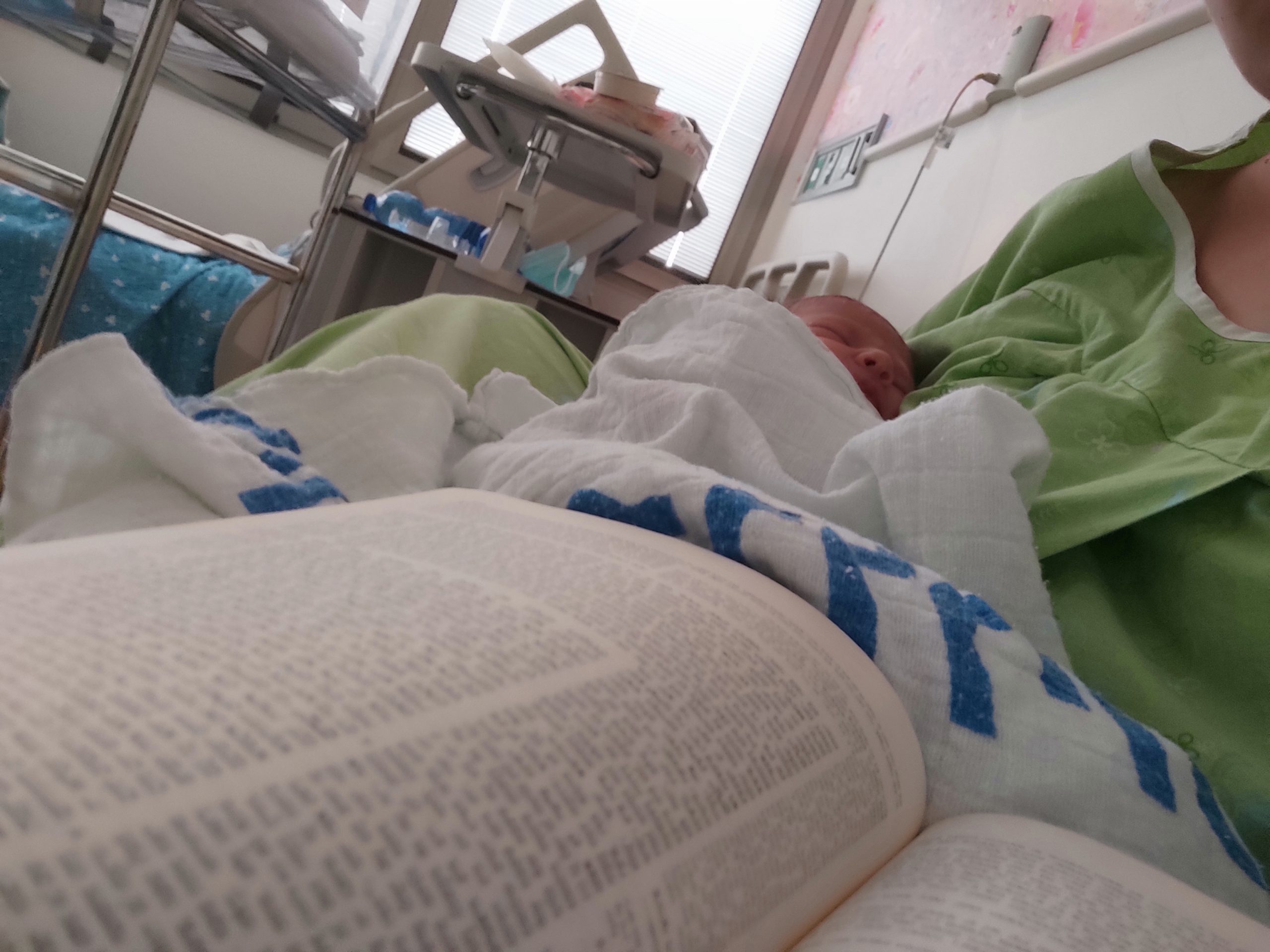
כמו שרואים בתמונה אני ממשיכה ללמוד גם היום ואפילו במחלקת יולדות אחרי לידת ביתי השלישית.
רבבה, ישראל
התחלתי ללמוד לפני 4.5 שנים, כשהודיה חברה שלי פתחה קבוצת ווטסאפ ללימוד דף יומי בתחילת מסכת סנהדרין. מאז לימוד הדף נכנס לתוך היום-יום שלי והפך לאחד ממגדירי הזהות שלי ממש.

ירושלים, ישראל
בתחילת הסבב הנוכחי של לימוד הדף היומי, נחשפתי לחגיגות המרגשות באירועי הסיום ברחבי העולם. והבטחתי לעצמי שבקרוב אצטרף גם למעגל הלומדות. הסבב התחיל כאשר הייתי בתחילת דרכי בתוכנית קרן אריאל להכשרת יועצות הלכה של נשמ”ת. לא הצלחתי להוסיף את ההתחייבות לדף היומי על הלימוד האינטנסיבי של תוכנית היועצות. בבוקר למחרת המבחן הסופי בנשמ”ת, התחלתי את לימוד הדף במסכת סוכה ומאז לא הפסקתי.
קרית גת, ישראל
התחלתי ללמוד את הדף היומי מעט אחרי שבני הקטן נולד. בהתחלה בשמיעה ולימוד באמצעות השיעור של הרבנית שפרבר. ובהמשך העזתי וקניתי לעצמי גמרא. מאז ממשיכה יום יום ללמוד עצמאית, ולפעמים בעזרת השיעור של הרבנית, כל יום. כל סיום של מסכת מביא לאושר גדול וסיפוק. הילדים בבית נהיו חלק מהלימוד, אני משתפת בסוגיות מעניינות ונהנית לשמוע את דעתם.

מעלה מכמש, ישראל
יבמות מד
הָיְתָה אַחַת כְּשֵׁרָה וְאַחַת פְּסוּלָה, אִם הָיָה חוֹלֵץ — חוֹלֵץ לַפְּסוּלָה, וְאִם הָיָה מְיַיבֵּם — מְיַיבֵּם לַכְּשֵׁרָה.
If one of these women was fit to marry into the priesthood and one was unfit, then if he performs ḥalitza, he should perform ḥalitza with the unfit woman rather than with the one who is fit for the priesthood, since doing so with the woman who is fit would needlessly disqualify her from marrying into the priesthood. But if he consummates the levirate marriage, he may consummate the levirate marriage with the one who is fit.
גְּמָ׳ אַרְבָּעָה אַחִין סָלְקָא דַּעְתָּךְ? אֶלָּא אֵימָא: אַרְבָּעָה מֵאַחִין.
GEMARA: The simple reading of the mishna’s first clause implies that all four brothers died. The Gemara questions this: Can it enter your mind to say that all four brothers died? If they all died, then who remains to consummate the levirate marriage? Rather, emend the mishna and say instead: Four married men of a set of more than four brothers died.
הָרְשׁוּת בְּיָדוֹ. וְשָׁבְקִי לֵיהּ? וְהָתַנְיָא: ״וְקָרְאוּ לוֹ זִקְנֵי עִירוֹ״ — הֵן וְלֹא שְׁלוּחָן. ״וְדִבְּרוּ אֵלָיו״ — מְלַמֵּד שֶׁמַּשִּׂיאִין לוֹ עֵצָה הוֹגֶנֶת לוֹ.
The mishna continues: If the eldest of them wished to consummate the levirate marriage with all of his yevamot, he has permission to do so. The Gemara asks: Do they actually leave him to do so? Isn’t it taught in a baraita: The verse states: “And the Elders of his city shall call him” (Deuteronomy 25:8), which indicates that they, the Elders, and not their agent, should call him. The verse continues: “And they speak to him”; this phrase teaches that they offer him advice that is appropriate for him.
שֶׁאִם הָיָה הוּא יֶלֶד וְהִיא זְקֵנָה, הוּא זָקֵן וְהִיא יַלְדָּה, אוֹמְרִין לוֹ: מָה לְךָ אֵצֶל יַלְדָּה, מָה לְךָ אֵצֶל זְקֵנָה? כְּלָךְ אֵצֶל שֶׁכְּמוֹתְךָ, וְאַל תָּשִׂים קְטָטָה בְּבֵיתֶךָ.
The baraita explains: Appropriate advice means that if he was a young man and she an elderly woman or if he was an elderly man and she a young woman, they say to him: What do you want with a young woman when you are elderly? Or: What do you want with an elderly woman when you are young? Go after your own kind, i.e., a woman of a similar age, and do not place discord in your household that could be caused by marrying a woman of a significantly different age. From the baraita it is apparent that if consummating the levirate marriage will ultimately lead to contention between the couple, it is preferable to perform ḥalitza. Similarly, in the case of the mishna, marrying four women will likely lead to contention since it is difficult to support so many people, and poverty will lead to strife. Therefore, the yavam should not be allowed to consummate levirate marriages with all of them.
לָא צְרִיכָא, דְּאֶפְשָׁר לֵיהּ. אִי הָכִי, אֲפִילּוּ טוּבָא נָמֵי! עֵצָה טוֹבָה קָא מַשְׁמַע לַן: אַרְבַּע — אִין, טְפֵי — לָא, כִּי הֵיכִי דְּנִמְטְיֵיהּ עוֹנָה בְּחֹדֶשׁ.
The Gemara qualifies the mishna’s case: No, it is necessary to teach that he has permission to consummate the levirate marriage with all of his yevamot in the case where it is possible for him to provide for all four women. The Gemara asks: If so, then the same should be true even if there are many more women as well; why does the mishna specifically discuss a case of four women? The Gemara explains: The mishna teaches us good advice; in a case of up to four women, yes, if he can provide for them then it is acceptable to marry all of them. But if there are any more than that, no, he should not, in order that he will be able to meet the conjugal rights of each woman at least once in each month. A Torah scholar is expected to provide conjugal relations once a week. If he marries no more than four women, then that will ensure that each of his wives will receive their conjugal rights at least once a month.
מִי שֶׁהָיָה נָשׂוּי וְכוּ׳. וּנְיַיבֵּם לְתַרְוַיְיהוּ! אָמַר רַבִּי חִיָּיא בַּר אַבָּא אָמַר רַבִּי יוֹחָנָן: אָמַר קְרָא: ״אֲשֶׁר לֹא יִבְנֶה אֶת בֵּית אָחִיו״, בַּיִת אֶחָד הוּא בּוֹנֶה, וְאֵין בּוֹנֵה שְׁנֵי בָתִּים.
§ The mishna states: In the case of one who was married to two women and died childless, the intercourse or ḥalitza of either one of them with the yavam releases her rival wife from the levirate bond. The Gemara questions why the mishna considers only the possibility that he would do so with only one of the women: But let him instead consummate levirate marriages with both of them. Rabbi Ḥiyya bar Abba said that Rabbi Yoḥanan said: The verse states that a yavam who performs ḥalitza is referred to as: “The man who does not build his brother’s house” (Deuteronomy 25:9). The fact that the word “house” appears in the singular indicates that even had he instead chosen to consummate a levirate marriage, only one house may he build, by consummating a levirate marriage with one of his brother’s wives, but he may not build two houses.
וְנַחְלוֹץ לְתַרְוַיְיהוּ?! אָמַר מָר זוּטְרָא בַּר טוֹבִיָּה, אָמַר קְרָא: ״בֵּית חֲלוּץ הַנַּעַל״, בַּיִת אֶחָד הוּא חוֹלֵץ, וְאֵין חוֹלֵץ שְׁנֵי בָתִּים.
The Gemara suggests: But let him perform ḥalitza with both of them; why does the mishna state that he does so with only one woman? Mar Zutra bar Toviya said: The verse states that following the ḥalitza the man is called: “The house of him who had his shoe removed” (Deuteronomy 25:10). The fact that the word “house” appears in the singular indicates that he performs ḥalitza with only one house, i.e., only one of his brother’s wives, and he does not perform ḥalitza with two houses.
וּנְיַיבֵּם לַחֲדָא וְנַחְלוֹץ לַחֲדָא! אָמַר קְרָא: ״אִם לֹא יַחְפּוֹץ״, הָא חָפֵץ — יְיַבֵּם. כׇּל הָעוֹלֶה לְיִבּוּם — עוֹלֶה לַחֲלִיצָה, כֹּל שֶׁאֵין עוֹלֶה לְיִיבּוּם — אֵין עוֹלֶה לַחֲלִיצָה.
The Gemara suggests: But let him consummate the levirate marriage with one and perform ḥalitza with the other. The Gemara explains that the verse states: “If the man does not wish to take his yevama” (Deuteronomy 25:7), which implies that with regard to anyone who performs ḥalitza, were he to wish to, he could consummate the levirate marriage. This teaches the principle that only one who is eligible for levirate marriage is eligible for ḥalitza, but one who is ineligible for levirate marriage is ineligible for ḥalitza. And since, in the case of the mishna, if the yavam consummated the levirate marriage with one of his brother’s wives he may not do so with the second, consequently he may not perform ḥalitza with her either.
וְעוֹד, שֶׁלֹּא יֹאמְרוּ: בַּיִת מִקְצָתוֹ בָּנוּי וּמִקְצָתוֹ חָלוּץ. וְיֹאמְרוּ! אִי דִּמְיַיבֵּם וַהֲדַר חָלֵיץ — הָכִי נָמֵי. אֶלָּא, [דִּלְמָא] חָלֵיץ וַהֲדַר מְיַיבֵּם, וְקָם לֵיהּ בְּ״לֹא יִבְנֶה״.
And furthermore, an additional reason that one may not do so is so that people should not say that the brother’s house was partially built through levirate marriage and partially released through ḥalitza. The Gemara asks: And even if they will say that, what of it? The Gemara explains: If he first consummated the levirate marriage with one wife and subsequently performed ḥalitza with the other, indeed, there is no reason not to do this. However, perhaps he might first perform ḥalitza with one wife and subsequently consummate levirate marriage with the other, and by doing so he is liable for a violation of the prohibition of: “He does not build his brother’s house” (Deuteronomy 25:9). The verse indicates that one who performs ḥalitza has not built his brother’s house and is therefore subsequently prohibited from attempting to do so by consummating a levirate marriage with either the ḥalutza or any of her rival wives.
וְאֵימָא: כִּי אִיכָּא חֲדָא — תִּתְקַיֵּים מִצְוַת יִבּוּם, כִּי אִיכָּא תַּרְתֵּי — לֹא תִּתְקַיֵּים מִצְוַת יִבּוּם!
The Gemara asks. But since the Torah’s description of levirate marriage mentions only a case in which the deceased brother had only one wife, say: When there is only one wife, the mitzva of levirate marriage exists, but when there are two wives, the mitzva of levirate marriage does not exist.
אִם כֵּן, צָרַת עֶרְוָה דְּאָסַר רַחֲמָנָא לְמָה לִי? הַשְׁתָּא תַּרְתֵּי בְּעָלְמָא אָמְרַתְּ לָאו בְּנֵי חֲלִיצָה וְיִבּוּם נִינְהוּ — צָרַת עֶרְוָה מִיבַּעְיָא?
The Gemara suggests a proof: If that were so, why do I need the halakha concerning a rival wife of a forbidden relation, which is forbidden by the Merciful One in the Torah? Now that even in the case of two women in general, where neither woman is a forbidden relation, you say that they are not eligible for ḥalitza and levirate marriage, is it necessary to say a rival wife of a forbidden relation is also forbidden? The fact that the Torah does prohibit a rival wife of a forbidden relation indicates that the mitzva of levirate marriage does exist in a general case of two wives in which neither is a forbidden relation.
אַלְּמָה לָא? אִצְטְרִיךְ, סָלְקָא דַּעְתָּךְ אָמֵינָא: עֶרְוָה אַבָּרַאי קָיְימָא, וְתִתְיַיבֵּם צָרָתַהּ, קָא מַשְׁמַע לַן דַּאֲסִירָא.
The Gemara objects: Why not? Even if one assumes that there is no mitzva of levirate marriage when the deceased brother had two wives, it is still necessary to teach the halakha concerning a rival wife of a forbidden relation because it could enter your mind to say that since there is no possibility of consummating the levirate marriage with her, the forbidden relation stands outside the calculation such that her presence is disregarded, and her rival wife should enter into levirate marriage as though she were the only wife. Therefore, the verse needs to teach us that the rival wife is forbidden.
אֶלָּא: ״יְבִמְתּוֹ״ ״יְבִמְתּוֹ״ — רִיבָּה.
Rather, the repeated use of the phrase “his yevama,” “his yevama” in the verses concerning levirate marriage amplifies the mitzva of levirate marriage so that it applies even when the deceased brother had more than one wife.
הָיְתָה אַחַת כְּשֵׁרָה. אָמַר רַב יוֹסֵף, כָּאן שָׁנָה רַבִּי: לֹא יִשְׁפּוֹךְ אָדָם מֵי בוֹרוֹ, וַאֲחֵרִים צְרִיכִים לָהֶם.
§ The mishna states: If one of these wives of the deceased brother was fit for the priesthood and one was unfit, ḥalitza should not be performed with the fit woman since doing so would needlessly disqualify her from the priesthood. Rav Yosef said that here, through this mishna, Rabbi Yehuda HaNasi taught the principle that one should not perform an action that will needlessly disadvantage others, and so a person should not spill out water collected in his pit that he does not need when others are in need of it.
מַתְנִי׳ הַמַּחְזִיר גְּרוּשָׁתוֹ, וְהַנּוֹשֵׂא חֲלוּצָתוֹ, וְהַנּוֹשֵׂא קְרוֹבַת חֲלוּצָתוֹ — יוֹצִיא, וְהַוָּלָד מַמְזֵר, דִּבְרֵי רַבִּי עֲקִיבָא.
MISHNA: With regard to one who remarries his divorcée after she had been married to another man from whom she was then widowed or divorced, or one who marries the woman with whom he performed ḥalitza [ḥalutza], or one who marries a relative of his ḥalutza, since all such marriages are forbidden he must divorce her, and the offspring born from such unions is a mamzer; this is the statement of Rabbi Akiva. He holds that even the offspring from relations forbidden by a prohibition punishable by lashes is a mamzer.
וַחֲכָמִים אוֹמְרִים: אֵין הַוָּלָד מַמְזֵר. וּמוֹדִים בְּנוֹשֵׂא קְרוֹבַת גְּרוּשָׁתוֹ — שֶׁהַוָּלָד מַמְזֵר.
The Rabbis say: The offspring in those cases is not a mamzer, but they concede with regard to one who marries a relative of his divorcée, a union forbidden by a prohibition entailing karet, that the offspring is a mamzer. They hold that only the offspring from relations forbidden by a prohibition entailing karet is a mamzer.
גְּמָ׳ וְסָבַר רַבִּי עֲקִיבָא הַנּוֹשֵׂא קְרוֹבַת חֲלוּצָתוֹ הַוָּלָד מַמְזֵר? וְהָאָמַר רֵישׁ לָקִישׁ, כָּאן שָׁנָה רַבִּי: אֲחוֹת גְּרוּשָׁה מִדִּבְרֵי תוֹרָה, אֲחוֹת חֲלוּצָה מִדִּבְרֵי סוֹפְרִים! תְּנִי: קְרוֹבַת גְּרוּשָׁתוֹ.
GEMARA: The Gemara asks: But does Rabbi Akiva actually hold that with regard to one who marries a relative of his ḥalutza, the offspring is a mamzer? Didn’t Reish Lakish say that through the mishna here, Rabbi Yehuda HaNasi taught that a sister of one’s divorcée is forbidden by Torah law whereas a sister of one’s ḥalutza is forbidden by rabbinic law? If a relative of one’s ḥalutza is forbidden by rabbinic law, how can the offspring of that union be a mamzer? The Gemara concedes: Emend the mishna and teach instead: A relative of his divorcée.
הָכִי נָמֵי מִסְתַּבְּרָא, דְּקָתָנֵי סֵיפָא: וּמוֹדִים בְּנוֹשֵׂא קְרוֹבַת גְּרוּשָׁתוֹ שֶׁהַוָּלָד מַמְזֵר. אִי אָמְרַתְּ בִּשְׁלָמָא אַיְירִי בָּהּ — הַיְינוּ דְּקָתָנֵי ״וּמוֹדִים״. אֶלָּא אִי אָמְרַתְּ לָא אַיְירִי בַּהּ, מַאי ״וּמוֹדִים״?
The Gemara notes: So, too, it is reasonable that this is the correct version of the mishna, as the latter clause teaches: But they concede in the case of one who marries a relative of his divorcée that the offspring is a mamzer. Granted, if you say that Rabbi Akiva was talking about that case, this is consistent with that which the mishna teaches: They concede, which implies that they agree to a case already mentioned. However, if you say that he was not talking about that case, what could the phrase: They concede, possibly be referring to?
וְדִלְמָא הָא קָא מַשְׁמַע לַן, דְּיֵשׁ מַמְזֵר מֵחַיָּיבֵי כָּרֵיתוֹת. הָא קָתָנֵי לַהּ לְקַמַּן: אֵיזֶהוּ מַמְזֵר — כׇּל שְׁאֵר בָּשָׂר שֶׁהוּא בְּ״לֹא יָבֹא״ — דִּבְרֵי רַבִּי עֲקִיבָא, רַבִּי שִׁמְעוֹן הַתִּימְנִי אוֹמֵר: כֹּל שֶׁחַיָּיבִין עָלָיו כָּרֵת בִּידֵי שָׁמַיִם. וַהֲלָכָה כִּדְבָרָיו.
The Gemara objects: But perhaps this phrase teaches us that the Rabbis concede that the offspring from forbidden relations for which one is liable to receive karet is a mamzer. The Gemara rejects this option: This is already taught later on in a mishna (49a): Which offspring of forbidden relations has the status of a mamzer? It is the offspring of a union with any next of kin that is subject to a Torah prohibition that one should not engage in sexual relations with them; this is the statement of Rabbi Akiva. Rabbi Shimon HaTimni says: It is the offspring of a union with any forbidden relative for which one is liable to receive karet at the hand of Heaven. And the halakha is in accordance with his statement. Since the mishna explicitly rules in accordance with Rabbi Shimon HaTimni, it would be unnecessary for the mishna here to teach that fact.
וְדִלְמָא קָסָתֵים לַן תַּנָּא כְּרַבִּי שִׁמְעוֹן הַתִּימְנִי. אִם כֵּן, לִיתְנֵי שְׁאָר חַיָּיבֵי כָּרֵיתוֹת, קְרוֹבַת גְּרוּשָׁתוֹ לְמָה לִי? אֶלָּא שְׁמַע מִינַּהּ אַיְירִי בַּהּ.
The Gemara persists: But perhaps the tanna taught us as unattributed a mishna that is in accordance with the opinion of Rabbi Shimon HaTimni to indicate that this is indeed the accepted halakha. The Gemara rejects this: If so, then let him teach other cases of forbidden relations for which one is liable to receive karet; why do I need the mishna to specifically consider the case of a relative of one’s divorcée? Rather, conclude from this that Rabbi Akiva indeed was talking about that case.
[וְדִלְמָא] לְעוֹלָם לָא אַיְירִי בַּהּ, וְאַיְּידֵי דִּתְנָא מַחֲזִיר גְּרוּשָׁתוֹ וְנוֹשֵׂא חֲלוּצָתוֹ וּקְרוֹבַת חֲלוּצָתוֹ — תָּנֵי נָמֵי קְרוֹבַת גְּרוּשָׁתוֹ.
The Gemara persists: But perhaps he was not actually talking about that case, but since Rabbi Akiva taught the cases of one who remarries his divorcée, or one who marries his ḥalutza or a relative of his ḥalutza, the mishna also taught in the name of the Rabbis the case of one who marries a relative of his divorcée because it is a similar case. The Gemara concedes that this would be an acceptable reading of the mishna.
אֶלָּא: קְרוֹבַת חֲלוּצָתוֹ לְרַבִּי עֲקִיבָא הָוֵי מַמְזֵר. אָמַר רַבִּי חִיָּיא בַּר אַבָּא אָמַר רַבִּי יוֹחָנָן: הַיְינוּ טַעְמָא דְּרַבִּי עֲקִיבָא, דְּאָמַר קְרָא: ״בֵּית חֲלוּץ הַנַּעַל״, הַכָּתוּב קְרָאוֹ ״בֵּיתוֹ״.
Rather, the mishna should not be emended, and with regard to the Gemara’s original question as to how Rabbi Akiva could claim that the offspring from one’s union with a relative of his ḥalutza is a mamzer if that union is forbidden only by rabbinic law, one must conclude that a relative of one’s ḥalutza is forbidden by Torah law according to Rabbi Akiva and therefore the offspring is a mamzer. Rabbi Ḥiyya bar Abba said that Rabbi Yoḥanan said that this is Rabbi Akiva’s reasoning: As the verse states: “The house of he who had his shoe removed” (Deuteronomy 25:10). The verse called his relationship with the ḥalutza his house, indicating that the ḥalutza is considered as though she had been married to the yavam, and therefore her relative is forbidden to him by Torah law.
אָמַר רַב יוֹסֵף אָמַר רַבִּי שִׁמְעוֹן בַּר רַבִּי: הַכֹּל מוֹדִים בְּמַחֲזִיר גְּרוּשָׁתוֹ,
Rav Yosef said that Rabbi Shimon bar Rabbi Yehuda HaNasi said: All agree in the case of one who remarries his divorcée
שֶׁהַוָּלָד פָּגוּם לַכְּהוּנָּה. מַאן הַכֹּל מוֹדִים — שִׁמְעוֹן הַתִּימְנִי, דְּאַף עַל גַּב דְּאָמַר שִׁמְעוֹן הַתִּימְנִי: אֵין מַמְזֵר מֵחַיָּיבֵי לָאוִין, נְהִי דְּמַמְזֵר לָא הָוֵי, פָּגוּם מִיהָא הָוֵי,
that the offspring, even if not a mamzer, has flawed lineage and, if the offspring is a girl, is unfit to marry into the priesthood. The Gemara clarifies: Who is included by saying: All agree? It is Shimon HaTimni, as although Shimon HaTimni said that the offspring of relations for which one is liable for violating a prohibition is not a mamzer, nevertheless, granted that Shimon HaTimni holds that he is not a mamzer; he would agree, however, that he is of flawed lineage.
מִקַּל וָחוֹמֶר מֵאַלְמָנָה. וּמָה אַלְמָנָה לְכֹהֵן גָּדוֹל, שֶׁאֵין אִיסּוּרָהּ שָׁוֶה בַּכֹּל — בְּנָהּ פָּגוּם, זוֹ, שֶׁאִיסּוּרָהּ שָׁוֶה בַּכֹּל — אֵינוֹ דִּין שֶׁבְּנָהּ פָּגוּם?
This is derived through an a fortiori inference from the halakha pertaining to a widow, as follows: Just as in the case of a widow who is married to a High Priest, where the prohibition that pertains to her is not equally applicable to all, i.e., only a High Priest is prohibited from marrying a widow, and nevertheless her child from that union will have flawed lineage, then so too with regard to this divorcée, who married another man and is therefore prohibited from marrying her original husband, where the prohibition that pertains to her is equally applicable to all Jews, as the prohibition to remarry one’s divorcée after she was married to another man applies to all Jews, isn’t it logical that her child from that union will have flawed lineage?
אִיכָּא לְמִיפְרַךְ: מָה לְאַלְמָנָה שֶׁכֵּן הִיא עַצְמָהּ מִתְחַלֶּלֶת.
The Gemara raises a number of objections: The logic of this a fortiori inference can be refuted: What is true with regard to a widow, where her union with a High Priest is what makes her herself disqualified from subsequently marrying any priest and, if she is the daughter of a priest, from eating teruma, is not true with regard to a remarried divorcée, where her remarriage to another man is permitted and is not the cause of any further disqualification. Therefore, one case cannot be deduced from the other.
וְעוֹד: ״הִיא תּוֹעֵבָה״ כְּתִיב, וְאֵין בָּנֶיהָ תּוֹעֲבִין.
And furthermore, “She is an abomination” (Deuteronomy 24:4) is written with regard to remarrying with one’s divorcée, and the emphasis on the word “she” teaches that only she is considered so, but her children are not abominations and they have unflawed lineage.
וְעוֹד, תַּנְיָא: הַמַּחֲזִיר גְּרוּשָׁתוֹ וְהַנּוֹשֵׂא חֲלוּצָתוֹ וְהַנּוֹשֵׂא קְרוֹבַת חֲלוּצָתוֹ, רַבִּי עֲקִיבָא אוֹמֵר: אֵין לוֹ בָּהּ קִדּוּשִׁין, וְאֵינָהּ צְרִיכָה הֵימֶנּוּ גֵּט, וְהִיא פְּסוּלָה, וּוְלָדָהּ פָּסוּל, וְכוֹפִין אוֹתוֹ לְהוֹצִיא. וַחֲכָמִים אוֹמְרִים: יֵשׁ לוֹ בָּהּ קִדּוּשִׁין, וּצְרִיכָה הֵימֶנּוּ גֵּט, וְהִיא כְּשֵׁרָה וּוְלָדָהּ כָּשֵׁר.
And furthermore, it is taught in a baraita: With regard to one who remarries his divorcée, and one who marries his ḥalutza, and one who marries a relative of his ḥalutza, Rabbi Akiva says that one’s betrothal of such women is not effective. And therefore, even if he attempts to do so, it is meaningless and she does not require a bill of divorce from him in order to separate from him. And if she has relations with him she is rendered unfit and her child is unfit, and we force him to send her away. The Rabbis say that one’s betrothal of such women is effective, and therefore if he betrothed her she requires a bill of divorce from him, and if she has relations with him she remains fit and her child is fit.
לְמַאן, לָאו לִכְהוּנָּה? לָא, לַקָּהָל. אִי הָכִי, הִיא כְּשֵׁרָה, לְמַאן? אִילֵימָא לַקָּהָל — פְּשִׁיטָא, מִשּׁוּם דְּזַנְּיָא אִפַּסְלָה לַקָּהָל?! אֶלָּא לָאו לִכְהוּנָּה,
The Gemara clarifies: When the baraita states she and her child are rendered unfit, to whom are they unfit to be married? Is it not to the priesthood? No, it is to the congregation of Israel. If so, when the baraita states she is fit, to whom is she fit to be married? If we say it is to the congregation of Israel, this is obvious; could it be that because she engaged in forbidden sexual relations that she is rendered unfit from marrying into the congregation of Israel? Although by doing so she is rendered a zona, that can disqualify her only from marrying a priest. Rather, is it not that the intention is that she is fit to marry into the priesthood?
וּמִדְּהִיא לִכְהוּנָּה, וְלָדָהּ נָמֵי לִכְהוּנָּה! מִידֵּי אִירְיָא? הָא כִּדְאִיתָא וְהָא כִּדְאִיתָא.
The Gemara suggests: And since in reference to her the word fit in the baraita means fit for the priesthood, it follows that for the child as well, the word fit means fit for the priesthood. The Gemara objects: Are these cases comparable? This case is as it is, and that case is as it is, and although the two cases are juxtaposed in the baraita they need not be relating to the same issue. Rather, when referring to the mother the baraita mentions fitness for the priesthood, and when referring to the child it mentions fitness for the congregation of Israel.
הָכִי נָמֵי מִסְתַּבְּרָא, דְּקָתָנֵי רֵישָׁא: הִיא פְּסוּלָה וּוְלָדָהּ פָּסוּל. הִיא פְּסוּלָה לְמַאן? אִילֵימָא לַקָּהָל, מִשּׁוּם דְּזַנְּיָא אִפַּסְלָה לֵיהּ לַקָּהָל?! אֶלָּא לָאו לִכְהוּנָּה.
The Gemara notes: So, too, it is reasonable to assume that the two clauses concern different issues, as the first clause teaches in the name of Rabbi Akiva: She is unfit and her child is unfit. When that first clause states: She is unfit, to whom is she unfit to be married? If we say it is to the congregation of Israel, could it be that because she engaged in forbidden sexual relations she is rendered unfit to marry into the congregation of Israel? Rather, is it not that the intention is that she is rendered unfit to marry into the priesthood?
וּוְלָדָהּ פָּסוּל, לְמַאן? אִילֵימָא לִכְהוּנָּה: הָא לַקָּהָל כָּשֵׁר? הָאָמַר רַבִּי עֲקִיבָא: הַוָּלָד מַמְזֵר! אֶלָּא פְּשִׁיטָא לַקָּהָל.
And then when the first clause continues and states: And her child is unfit, to whom is she unfit to be married? If we say that it is to the priesthood, that would imply that the child is fit to marry into the congregation of Israel. However, this is untenable because didn’t Rabbi Akiva himself say in the mishna here that the offspring is a mamzer and is unfit from entering the congregation of Israel? Rather, it is obvious that the intention of the baraita is that the child is unfit even to marry into the congregation of Israel.
וּמִדְּרֵישָׁא הָא כִּדְאִיתָא וְהָא כִּדְאִיתָא, סֵיפָא נָמֵי הָא כִּדְאִיתָא וְהָא כִּדְאִיתָא.
And since in the first clause of the baraita it is apparent that, although two cases are juxtaposed, this case is as it is and that case is as it is, in the latter clause as well one should assume that this case is as it is and that case is as it is.
וְ״הִיא תּוֹעֵבָה״ נָמֵי — הִיא תּוֹעֵבָה וְאֵין צָרָתָהּ תּוֹעֵבָה, אֲבָל בָּנֶיהָ תּוֹעֲבִין.
Having resolved the objection raised from the baraita, the Gemara returns to its preceding objection: And the objection raised from the verse: “She is an abomination,” in which the Gemara suggested that the emphasis on “she” teaches that only she is an abomination but her children are not, can also be resolved, as the emphasis on “she” could be interpreted differently to teach: “She is an abomination” but her rival wife is not an abomination, and if they both fell together for levirate marriage, the yavam may consummate the levirate marriage with her rival wife. However, it is possible that her children are in fact abominations and are unfit to marry into the priesthood.
אֶלָּא אַלְמָנָה קַשְׁיָא: מָה לְאַלְמָנָה שֶׁכֵּן הִיא עַצְמָהּ מִתְחַלֶּלֶת!
The Gemara concludes: However, although two of the objections were resolved, the objection to the logic of the a fortiori inference from the case of a widow remains difficult, as the Gemara noted earlier: What is true with regard to a widow, where her union with a High Priest is what makes her herself disqualified from subsequently marrying any priest and, if she is the daughter of a priest, from eating teruma, is not true with regard to a remarried divorcée, where her remarriage to another man is permitted and is not the cause of any further disqualification. Therefore, there is no basis for assuming that the child of one who remarries his divorcée after she had been married to another man will have flawed lineage.
אֶלָּא, אִי אִתְּמַר הָכִי אִתְּמַר: אָמַר רַב יוֹסֵף אָמַר רַבִּי שִׁמְעוֹן בְּרַבִּי: הַכֹּל מוֹדִים בְּבָא עַל חַיָּיבֵי כָּרֵיתוֹת שֶׁהַוָּלָד פָּגוּם. מַאן הַכֹּל מוֹדִים, רַבִּי יְהוֹשֻׁעַ. דְּאַף עַל גַּב דְּאָמַר רַבִּי יְהוֹשֻׁעַ: אֵין מַמְזֵר מֵחַיָּיבֵי כָּרֵיתוֹת, נְהִי דְּמַמְזֵר לָא הָוֵי — פָּגוּם מִיהָא הָוֵי,
Rather, if this was stated, it was stated as follows: Rav Yosef said that Rabbi Shimon, son of Rabbi Yehuda HaNasi, said: All agree with regard to one who engages in intercourse with a forbidden relation for which one is liable to receive karet that the offspring has flawed lineage. The Gemara clarifies: Who is included by saying: All agree? It is Rabbi Yehoshua, as although Rabbi Yehoshua said in the mishna (49b) that the offspring born from a union for which one is liable to receive karet is not a mamzer, nevertheless, granted that Rabbi Yehoshua holds that he is not a mamzer; he would agree, however, that he is of flawed lineage.
מִקַּל וָחוֹמֶר מֵאַלְמָנָה: וּמָה אַלְמָנָה לְכֹהֵן גָּדוֹל, שֶׁאֵין אִיסּוּרָהּ שָׁוֶה — בַּכֹּל בְּנָהּ פָּגוּם, זוֹ שֶׁאִיסּוּרָהּ שָׁוֶה בַּכֹּל — אֵינוֹ דִּין שֶׁבְּנָהּ פָּגוּם.
This is derived through an a fortiori inference from the halakha of a widow, as follows: Just as in the case of a widow who is married to High Priest, where the prohibition that pertains to her is not equally applicable to all, i.e., only a High Priest is prohibited from marrying a widow, and nevertheless her child from that union will have flawed lineage, then so too with regard to this woman, where the prohibition that pertains to her is equally applicable to all Jews, isn’t it logical that her child from that union should have flawed lineage?
וְכִי תֵּימָא: מָה לְאַלְמָנָה, שֶׁכֵּן הִיא עַצְמָהּ מִתְחַלֶּלֶת — הָכָא נָמֵי, כֵּיוָן שֶׁבְּעָלָהּ, עֲשָׂאָהּ זוֹנָה.
And if you would say that the logic of this a fortiori inference could be refuted in a manner similar to the suggestion above that what is true with regard to a widow, who is herself disqualified from marrying a priest, is not true with regard to a woman who is forbidden by a prohibition for which one is liable to karet, that is not correct because here, too, once he has engaged in intercourse with her he renders her a zona, and as such she is disqualified from marrying into the priesthood.
אָמַר רַבָּה בַּר בַּר חָנָה אָמַר רַבִּי יוֹחָנָן: הַכֹּל מוֹדִים בְּעֶבֶד וְגוֹי הַבָּא עַל בַּת יִשְׂרָאֵל שֶׁהַוָּלָד מַמְזֵר.
§ The Gemara considers the status of other children born from forbidden unions: Rabba bar bar Ḥana said that Rabbi Yoḥanan said: All agree with regard to a slave or a gentile who engaged in intercourse with a Jewish woman that the offspring born from such a union is a mamzer.
מַאן ״הַכֹּל מוֹדִים״ — שִׁמְעוֹן הַתִּימְנִי. דְּאַף עַל גַּב דְּאָמַר שִׁמְעוֹן הַתִּימְנִי אֵין מַמְזֵר מֵחַיָּיבֵי לָאוִין — הָנֵי מִילֵּי
The Gemara clarifies: Who is included by saying: All agree? It is Shimon HaTimni, as although Shimon HaTimni said that the offspring of relations for which one is liable for violating a prohibition is not a mamzer, this applies only

