







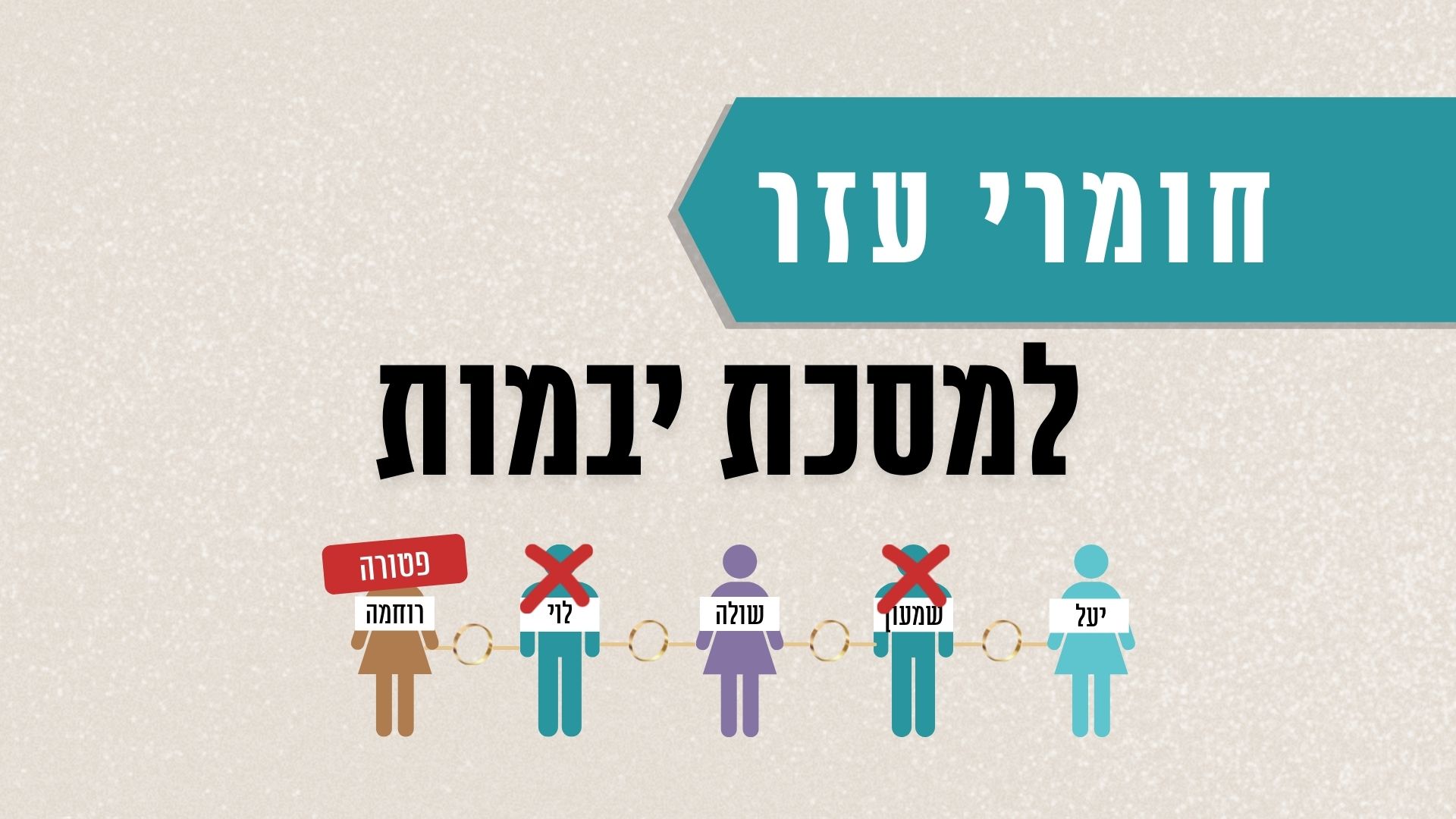
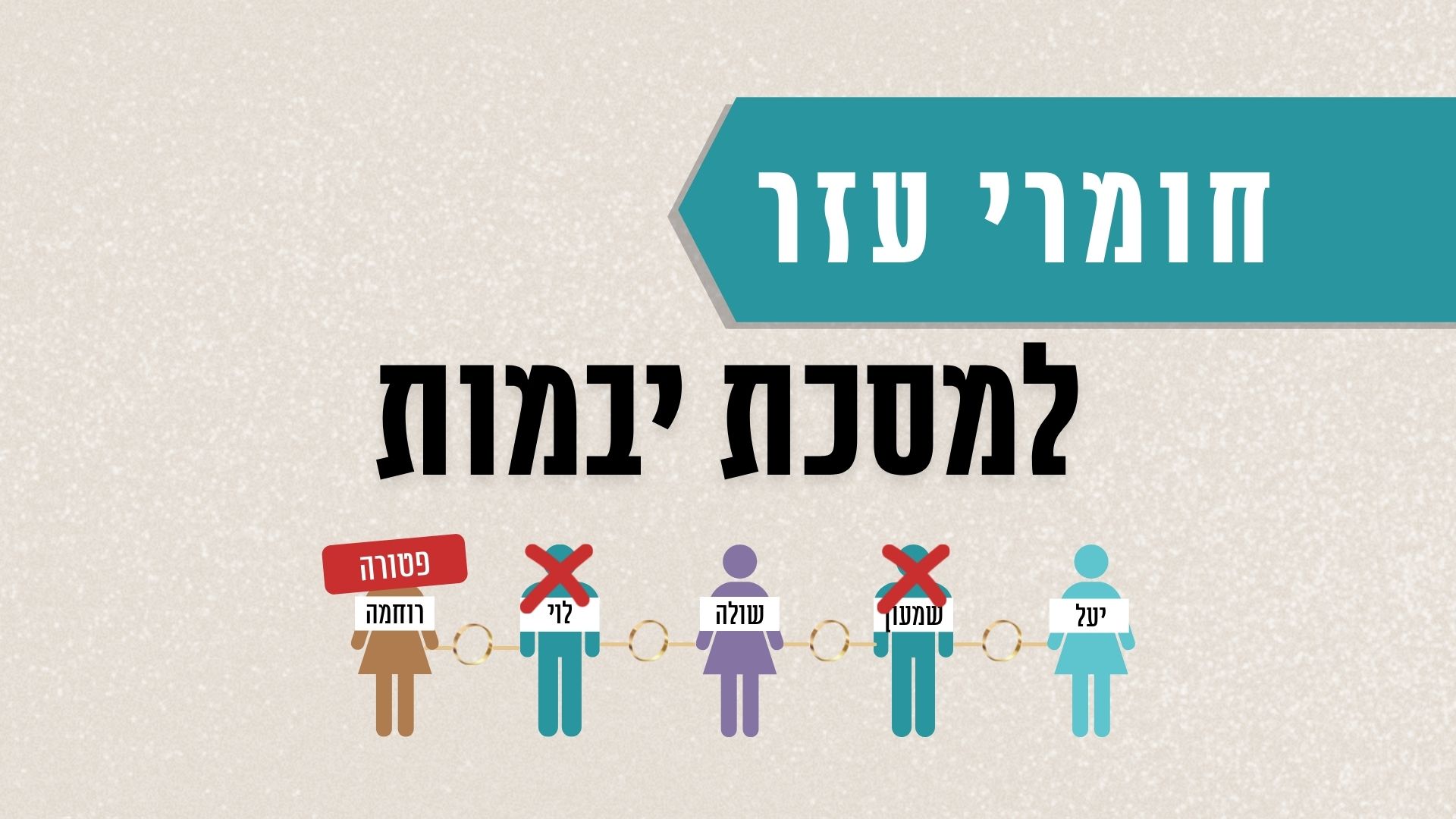
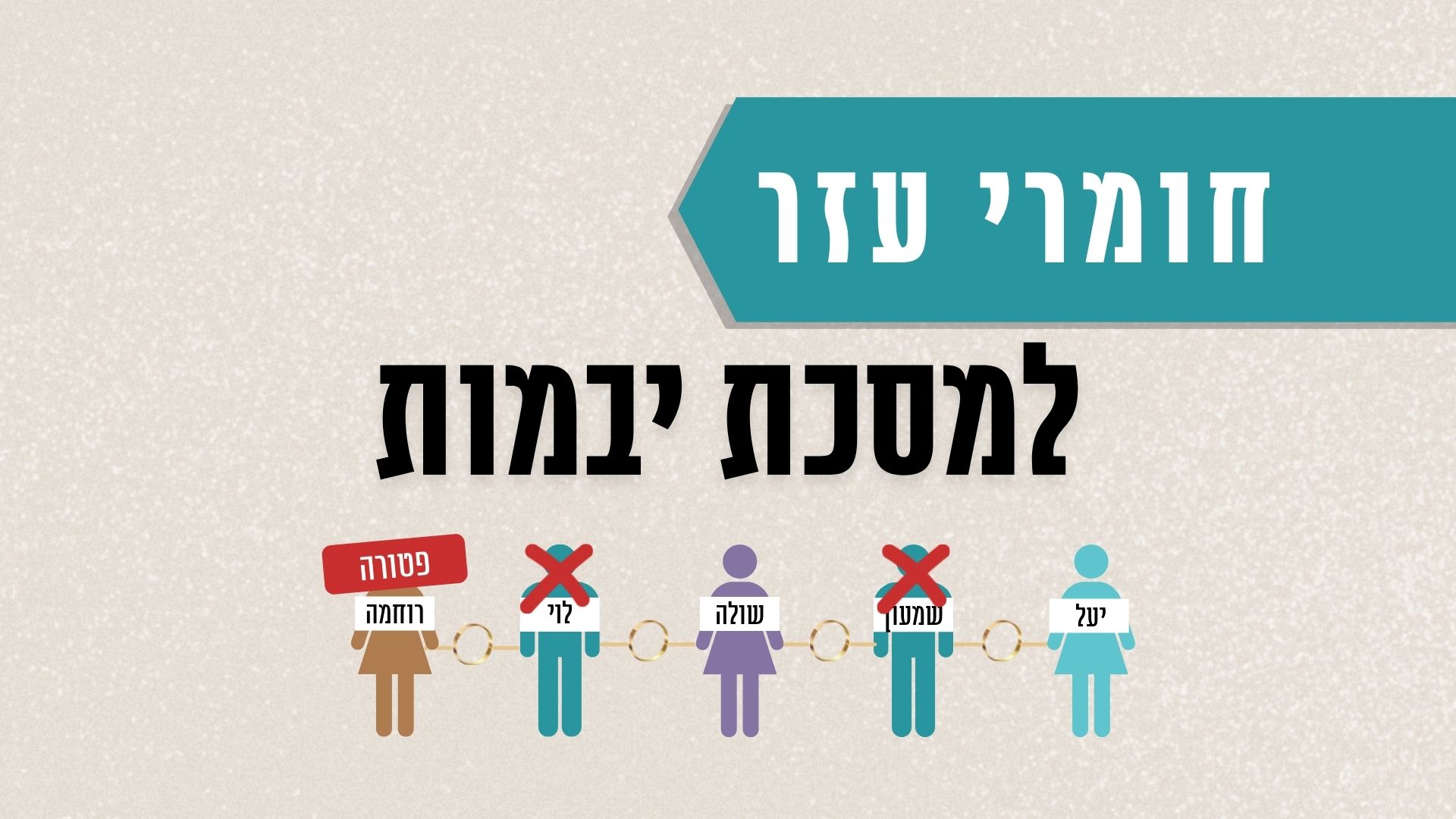
איזהו ממזר? ישנן שלוש דעות שונות – האם זה מיחסים אסורים שהם רק חייבי לאוים (רבי עקיבא), כאלה שדינם כרת (שמעון התימני) ואלה שדינם מיתת בית הדין (רבי יהושע)? המשנה פוסקת כרבי שמעון התימני אך מביאה תמיכה לדעתו של רבי יהושע מתוך ספר יוחסין שבו מופיע מישהו שהיה ממזר ונולד מאשת איש, שדינם במיתת בית דין. אם אשתו או יבמה של מישהו מתה, אפשר להתחתן עם אחותה. זה מותר רק בפטירתה, אבל אסור לאחר גירושין או חליצה. ישנן שלוש דרכים שונות להבין את דעתו של רבי עקיבא. כיצד נלמדות הדרכים השונות הללו מתוך הפסוקים, וכיצד נלמדות דעותיהם של רבי שמעון התימני ורבי יהושע? כל הדעות מסכימות שמי ששוכב עם אשתו כשהיא בנידה או אשה סוטה (לאחר שבגדה בו), הילד אינו ממזר. הסיבה היא בגלל שקידושין תופסים. לגבי אשה הממתינה לייבום אשר מקודשת על ידי גבר אחר (זר), יש ויכוח אם קידושין תופסים ולכן מקרה זה לא הוזכר ברשימה זו שצאצאיהם אינם ממזרים. שלושה דברים היו רשומים במגילת היוחסין שהוזכרה במשנה: שאדם מסוים היה ממזר (כנזכר במשנה), משנתו של רבי אליעזר בן יעקב קו ונקי, ושמנשה המלך הרג את ישעיהו. מדוע מנשה הרג את ישעיהו? הוא דן אותו לדין מוות כי אמר שלושה דברים נגד משה רבינו. מה היו שלושת הדברים? מה יכול היה ישעיהו להשיב למנשה ולמה הוא לא ענה לו? איך הרגו אותו?
הלימוד השבוע מוקדש לזכות ולשלום הַיְימׇנוֹט אֱמוּנָה בַּת באנצ’י (קָסָאוּ) בת 11 שנעלמה במקום מגוריה בצפת, לפני שנתיים, ביום ט”ז אדר תשפ”ד (25.2.24), ולא נודעו עקבותיה.
הלימוד השבוע מוקדש למען ביטחון המדינה, החיילים והאזרחים, ולמען חירותו של העם האיראני. שנזכה בקרוב שיתקיים בנו הפסוק: "לַיְּהוּדִים הָיְתָה אוֹרָה וְשִׂמְחָה וְשָׂשֹׂן וִיקָר”.
רוצה להקדיש שיעור?

כלים
הלימוד השבוע מוקדש לזכות ולשלום הַיְימׇנוֹט אֱמוּנָה בַּת באנצ’י (קָסָאוּ) בת 11 שנעלמה במקום מגוריה בצפת, לפני שנתיים, ביום ט”ז אדר תשפ”ד (25.2.24), ולא נודעו עקבותיה.
הלימוד השבוע מוקדש למען ביטחון המדינה, החיילים והאזרחים, ולמען חירותו של העם האיראני. שנזכה בקרוב שיתקיים בנו הפסוק: "לַיְּהוּדִים הָיְתָה אוֹרָה וְשִׂמְחָה וְשָׂשֹׂן וִיקָר”.
יבמות מט
מַתְנִי׳ אֵיזֶהוּ מַמְזֵר — כׇּל שְׁאֵר בָּשָׂר שֶׁהוּא בְּ״לֹא יָבֹא״, דִּבְרֵי רַבִּי עֲקִיבָא. שִׁמְעוֹן הַתִּימְנִי אוֹמֵר: כֹּל שֶׁחַיָּיבִים עָלָיו כָּרֵת בִּידֵי שָׁמַיִם, וַהֲלָכָה כִּדְבָרָיו. וְרַבִּי יְהוֹשֻׁעַ אוֹמֵר: כֹּל שֶׁחַיָּיבִין עָלָיו מִיתַת בֵּית דִּין.
MISHNA: Which offspring of forbidden relations have the status of a mamzer? It is the offspring of a union with any next of kin that is subject to a Torah prohibition that he should not engage in sexual relations with them; this is the statement of Rabbi Akiva. Shimon HaTimni says: It is the offspring of a union with any forbidden relation for which one is liable to receive karet at the hand of Heaven. And the halakha is in accordance with his statement. Rabbi Yehoshua says: It is the offspring of a union with any forbidden relation for which one is liable to receive court-imposed capital punishment.
אָמַר רַבִּי שִׁמְעוֹן בֶּן עַזַּאי: מָצָאתִי מְגִלַּת יוּחֲסִין בִּירוּשָׁלַיִם, וְכָתוּב בָּהּ: אִישׁ פְּלוֹנִי מַמְזֵר מֵאֵשֶׁת אִישׁ, לְקַיֵּים דִּבְרֵי רַבִּי יְהוֹשֻׁעַ.
Rabbi Shimon ben Azzai said: I found a scroll recording people’s lineages in Jerusalem, and it was written in it that so-and-so is a mamzer from an adulterous union with a married woman, a sin punishable by court-imposed capital punishment. The only reason for the scroll to state the reason that this individual is a mamzer is in order to support the statement of Rabbi Yehoshua.
אִשְׁתּוֹ שֶׁמֵּתָה — מוּתָּר בַּאֲחוֹתָהּ. גֵּרְשָׁהּ וּמֵתָה — מוּתָּר בַּאֲחוֹתָהּ. נִשֵּׂאת לְאַחֵר וּמֵתָה — מוּתָּר בַּאֲחוֹתָהּ. יְבִמְתּוֹ שֶׁמֵּתָה — מוּתָּר בַּאֲחוֹתָהּ. חָלַץ לָהּ וּמֵתָה — מוּתָּר בַּאֲחוֹתָהּ. נִשֵּׂאת לְאַחֵר וּמֵתָה — מוּתָּר בַּאֲחוֹתָהּ.
The mishna delineates the circumstances in which it is prohibited to engage in relations with the sister of one’s wife and the sister of one’s yevama: If a man’s wife died, he is permitted to her sister. If he divorced her and then she died, he is permitted to her sister. If he divorced his wife and then she was married to another and then died, he is permitted to her sister. If his yevama died, he is permitted to her sister. If he performed ḥalitza with her and then she died, he is permitted to her sister. If after ḥalitza she was married to another and then died, he is permitted to her sister. The principle underlying all these cases is that the prohibition against engaging in relations with her sister only applies while the wife or yevama remain alive, irrespective of their current relationship to the man.
גְּמָ׳ מַאי טַעְמָא דְּרַבִּי עֲקִיבָא? דִּכְתִיב: ״לֹא יִקַּח אִישׁ אֶת אֵשֶׁת אָבִיו וְלֹא יְגַלֶּה כְּנַף אָבִיו״. כָּנָף שֶׁרָאָה אָבִיו — לֹא יְגַלֶּה.
GEMARA: What is Rabbi Akiva’s reasoning? As it is written: “A man shall not take his father’s wife, and he shall not uncover his father’s cloak” (Deuteronomy 23:1). This teaches that a cloak that his father saw, i.e., a woman with whom his father engaged in sexual relations, the son may not uncover.
וְסָבַר לַהּ כְּרַבִּי יְהוּדָה, דְּאָמַר: בַּאֲנוּסַת אָבִיו הַכָּתוּב מְדַבֵּר, דְּהָוְיָא לַהּ חַיָּיבֵי לָאוִין,
And in this interpretation of the verse, Rabbi Akiva holds in accordance with the opinion of Rabbi Yehuda, who said: The verse states only that such relations are forbidden, but they would not render him liable to receive karet; perforce the verse speaks of a woman raped by one’s father, since she is one of the women with whom relations render one liable for violating a prohibition. The verse could not refer to one’s father’s wife since relations with her render one liable to receive karet.
וּסְמִיךְ לֵיהּ: ״לֹא יָבֹא מַמְזֵר בִּקְהַל ה׳״, אַלְמָא מֵהָנֵי הָוֵי מַמְזֵר.
The Gemara completes its explanation of Rabbi Akiva’s opinion: And in close proximity to that verse is the verse: “A mamzer shall not enter into the congregation of the Lord” (Deuteronomy 23:3). Apparently, even from these forbidden relations, which render one liable for the violation of a prohibition, the offspring is a mamzer.
וּלְרַבִּי סִימַאי, דִּמְרַבֵּה שְׁאָר חַיָּיבֵי לָאוִין דְּלָאו דִּ״שְׁאֵר״, וּלְרַבִּי יְשֵׁבָב, דִּמְרַבֵּה אֲפִילּוּ חַיָּיבֵי עֲשֵׂה —
The Gemara asks: But according to Rabbi Simai, who holds that Rabbi Akiva includes as a mamzer the offspring of all other forbidden relations for which one is liable for violation of a prohibition, even those that are not with his next of kin; and also according to Rabbi Yeshevav, who holds that Rabbi Akiva includes even the offspring of relations for which one is liable for the violation of a positive mitzva; since according to them, Rabbi Akiva includes cases that are not similar to the case of a woman raped by his father, what is his source?
נָפְקָא לְהוּ מִ״וְּלֹא״.
The Gemara answers: They derive it from the verse that states: “And he shall not uncover his father’s cloak” (Deuteronomy 23:1). The word “and” is superfluous and serves to include additional cases.
וְשִׁמְעוֹן הַתִּימְנִי סָבַר לַהּ כְּרַבָּנַן, דְּאָמְרִי: בְּשׁוֹמֶרֶת יָבָם שֶׁל אָבִיו הַכָּתוּב מְדַבֵּר, דְּהָוְיָא לַהּ חַיָּיבֵי כָּרֵיתוֹת, וּסְמִיךְ לֵיהּ ״לֹא יָבֹא מַמְזֵר״. אַלְמָא: מֵחַיָּיבֵי כָּרֵיתוֹת הָוֵי מַמְזֵר.
And Shimon HaTimni holds in accordance with the opinion of the Rabbis, who say: It is with regard to the widow waiting for his father to perform levirate marriage that the verse is speaking, and it indicates that she is one of the women with whom relations render one liable to receive karet. And in close proximity to that verse is the verse: “A mamzer shall not enter into the congregation of the Lord” (Deuteronomy 23:3). Apparently, only the offspring of a union for which one is liable to receive karet is a mamzer.
וְרַבִּי יְהוֹשֻׁעַ — לִכְתּוֹב רַחֲמָנָא ״לֹא יְגַלֶּה״. ״לֹא יִקַּח״ (״וְלֹא יְגַלֶּה״) לְמָה לִי? אֶלָּא לָאו, הָכִי קָאָמַר: מִ״לֹּא יִקַּח״ עַד ״לֹא יְגַלֶּה״ — הָוֵי מַמְזֵר, טְפֵי — לָא הָוֵי מַמְזֵר.
And how does Rabbi Yehoshua derive his opinion? If the verses should be derived as Rabbi Akiva and Shimon HaTimni suggest, let the Merciful One write only: “He shall not uncover his father’s cloak.” It is unnecessary for the verse to mention the prohibition with regard to one’s father’s wife, as the fact that the offspring of that union is a mamzer would be known through an a fortiori inference, since that prohibition is more stringent than the one derived from the verse: “And shall not uncover his father’s cloak.” Why do I need both the clause “a man shall not take his father’s wife” and the clause “and shall not uncover his father’s cloak”? Rather, is it not that this is what the Torah is saying: Only the offspring of relations with the woman mentioned in the verse after the words “a man shall not take” until the words “he shall not uncover,” i.e., his father’s wife, is a mamzer, but the offspring of relations with the woman mentioned beyond that point, i.e., the woman referred to as “his father’s cloak,” is not a mamzer.
אָמַר אַבָּיֵי: הַכֹּל מוֹדִים בְּבָא עַל הַנִּדָּה
§ Abaye said: All tanna’im in the mishna agree with regard to one who engages in sexual relations with a menstruating woman,
וְעַל הַסּוֹטָה — שֶׁאֵין הַוָּלָד מַמְזֵר.
or with a sota, that the offspring is not a mamzer.
נִדָּה, דְּהָא תָּפְסִי בַּהּ קִידּוּשִׁין, שֶׁנֶּאֱמַר: ״וּתְהִי נִדָּתָהּ עָלָיו״, אֲפִילּוּ בִּשְׁעַת נִדָּתָהּ תָּפְסִי בַּהּ קִידּוּשִׁין.
With regard to a menstruating woman the offspring is not a mamzer because one’s betrothal of her takes effect, as it is stated: “And her impurity shall be upon him” (Leviticus 15:24). The phrase “shall be” alludes to the fact that a betrothal with her takes effect. The verse teaches that even at the time of her menstrual impurity, betrothal with her takes effect.
סוֹטָה נָמֵי, דְּהָא תָּפְסִי בַּהּ קִידּוּשִׁין.
With regard to a sota, too, the offspring is not a mamzer because one’s betrothal of her takes effect.
תַּנְיָא נָמֵי הָכִי: הַכֹּל מוֹדִים בְּבָא עַל הַנִּדָּה וְעַל הַסּוֹטָה וְעַל שׁוֹמֶרֶת יָבָם, שֶׁאֵין הַוָּלָד מַמְזֵר.
The Gemara notes: This teaching of Abaye is also taught in a baraita: All agree with regard to one who engages in sexual relations with a menstruating woman, or with a sota, or with a widow waiting for her yavam to perform levirate marriage, that the offspring is not a mamzer.
וְאַבָּיֵי, שׁוֹמֶרֶת יָבָם — מְסַפְּקָא לֵיהּ אִי כְּרַב אִי כִּשְׁמוּאֵל.
The Gemara explains: And Abaye did not mention the case of a widow waiting for her yavam because he is uncertain whether, if someone other than the yavam betrothed her, the halakha is in accordance with the opinion of Rav that it does not take effect or in accordance with the opinion of Shmuel that it might take effect.
אָמַר רַבִּי שִׁמְעוֹן בֶּן עַזַּאי כּוּ׳. תָּנֵי, שִׁמְעוֹן בֶּן עַזַּאי אוֹמֵר: מָצָאתִי מְגִלַּת יוּחֲסִין בִּירוּשָׁלַיִם, וְכָתוּב בָּהּ: אִישׁ פְּלוֹנִי מַמְזֵר מֵאֵשֶׁת אִישׁ, וְכָתוּב בָּהּ: מִשְׁנַת רַבִּי אֱלִיעֶזֶר בֶּן יַעֲקֹב קַב וְנָקִי. וְכָתוּב בָּהּ: מְנַשֶּׁה הָרַג אֶת יְשַׁעְיָה.
§ The mishna states: Rabbi Shimon ben Azzai said: I found a scroll recording people’s lineages. The Gemara cites an expanded version of the contents of the scroll. It is taught in a baraita that Rabbi Shimon ben Azzai said: I found a scroll recording people’s lineages, in Jerusalem, and it was written in it that so-and-so is a mamzer from an adulterous union with a married woman. And it was also written in it: The teachings of Rabbi Eliezer ben Ya’akov measure only a kav but are clean and accurate, and so the halakha is decided in accordance with his opinions. And it was written in it: Manasseh, king of Israel, killed Isaiah the prophet.
אָמַר רָבָא: מֵידָן דַּיְינֵיהּ וְקַטְלֵיהּ. אֲמַר לֵיהּ, מֹשֶׁה רַבְּךָ אָמַר: ״כִּי לֹא יִרְאַנִי הָאָדָם וָחָי״, וְאַתְּ אָמְרַתְּ: ״וָאֶרְאֶה אֶת ה׳ יוֹשֵׁב עַל כִּסֵּא רָם וְנִשָּׂא״. מֹשֶׁה רַבְּךָ אָמַר: ״מִי כַּה׳ אֱלֹהֵינוּ בְּכׇל קׇרְאֵנוּ אֵלָיו״, וְאַתְּ אָמְרַתְּ: ״דִּרְשׁוּ ה׳ בְּהִמָּצְאוֹ״. מֹשֶׁה רַבְּךָ אָמַר: ״אֶת מִסְפַּר יָמֶיךָ אֲמַלֵּא״, וְאַתְּ אָמְרַתְּ: ״וְהוֹסַפְתִּי עַל יָמֶיךָ חֲמֵשׁ עֶשְׂרֵה שָׁנָה״!
The Gemara expands on the events surrounding Isaiah’s death: Rava said: Manasseh judged him as a false witness for issuing statements contradicting the Torah and only then killed him. Manasseh said to Isaiah: Moses your master said in the Torah: “And He said: You cannot see My face, for man cannot see Me and live” (Exodus 33:20), and yet you said: “I saw the Lord sitting upon a high and lofty throne” (Isaiah 6:1). Moses your master said: “For which great nation is there, that has God so near to it, as the Lord our God is, whenever we call upon Him?” (Deuteronomy 4:7), and yet you said: “Seek the Lord while He may be found, call upon Him while He is near” (Isaiah 55:6), which implies that God is not always near. Moses your master said: “I will fulfill the number of your days” (Exodus 23:26), which implies that each individual has a preordained allotted lifespan that he cannot outlive, and yet you said in a prophecy to King Hezekiah: “And I will add to your days, fifteen years” (II Kings 20:6).
אָמַר יְשַׁעְיָה: יָדַעְנָא בֵּיהּ דְּלָא מְקַבֵּל מָה דְּאֵימָא לֵיהּ, וְאִי אֵימָא לֵיהּ — אֶישַּׁוְּיֵיהּ מֵזִיד. אֲמַר שֵׁם אִיבְּלַע בְּאַרְזָא, אַתְיוּהּ לְאַרְזָא וְנַסְּרוּהּ. כִּי מְטָא לַהֲדֵי פּוּמָּא, נָח נַפְשֵׁיהּ. מִשּׁוּם דַּאֲמַר: ״וּבְתוֹךְ עַם טְמֵא שְׂפָתַיִם אָנֹכִי יוֹשֵׁב״.
Isaiah said to himself: I know him, i.e., Manasseh, that he will not accept whatever explanation that I will say to him to resolve my prophecies with the words of the Torah. And even if I say it to him, I will make him into an intentional transgressor since he will kill me anyway. Therefore, in order to escape, he uttered a divine name and was swallowed within a cedar tree. Manasseh’s servants brought the cedar tree and sawed through it in order to kill him. When the saw reached to where his mouth was, Isaiah died. He died specifically at this point due to that which he said: “In the midst of a people of unclean lips, I dwell” (Isaiah 6:5). He was punished for referring to the Jewish people in a derogatory manner.
מִכׇּל מָקוֹם קָשׁוּ קְרָאֵי אַהֲדָדֵי?
The Gemara asks: In any case, as Manasseh pointed out, these verses contradict each other; how are these contradictions to be resolved?
״וָאֶרְאֶה אֶת ה׳״, כִּדְתַנְיָא: כׇּל הַנְּבִיאִים נִסְתַּכְּלוּ בְּאַסְפַּקְלַרְיָא שֶׁאֵינָהּ מְאִירָה, מֹשֶׁה רַבֵּינוּ נִסְתַּכֵּל בְּאַסְפַּקְלַרְיָא הַמְּאִירָה.
The Gemara resolves the first contradiction: “I saw the Lord” is to be understood as it is taught in a baraita: All of the prophets observed their prophecies through an obscure looking glass [aspaklaria], i.e., their prophecies were given as metaphoric visions but were not a direct perception of the matter. However, Moses our master observed his prophecies through a clear looking glass, i.e., he gained a direct and accurate perception of the matter.
״דִּרְשׁוּ ה׳ בְּהִמָּצְאוֹ״ — הָא בְּיָחִיד, הָא בְּצִבּוּר. וְיָחִיד אֵימַת? אָמַר רַב נַחְמָן אָמַר רַבָּה בַּר אֲבוּהּ: אֵלּוּ עֲשָׂרָה יָמִים שֶׁבֵּין רֹאשׁ הַשָּׁנָה לְיוֹם הַכִּפּוּרִים.
The Gemara resolves the second contradiction: Isaiah’s prophecy: “Seek the Lord while He may be found,” does not contradict the verse in the Torah that God is near to His nation “whenever we call upon Him,” because this prophecy of Isaiah was made with regard to the individual and this verse in the Torah is stated with regard to a community, as the prayer of the community is always accepted. The Gemara asks: And when is the time that God is to be found near the individual? Rav Naḥman said Rabba bar Avuh said: These are the ten days between Rosh HaShana and Yom Kippur.
״אֶת מִסְפַּר יָמֶיךָ אֲמַלֵּא״ — תַּנָּאֵי הִיא, דְּתַנְיָא: ״אֶת מִסְפַּר יָמֶיךָ אֲמַלֵּא״,
The resolution of the third contradiction from the verse: “I will fulfill the number of your days,” is subject to a dispute between tanna’im, as it is taught in a baraita: The verse states: “I will fulfill the number of your days”;

כלים
העמקה
רוצה להבין מה באמת קורה מתחת לפני השטח של הסוגיה?
שיעורים, פודקאסטים והרחבות של מיטב המורות שלנו יפתחו לך עוד זוויות וכיווני חשיבה.


ייבום בשנת 1926 – הסיפור התורשתי של שרה וינברגר, לומדת דף יומי







חדשה בלימוד הגמרא?
זה הדף הראשון שלך? איזו התרגשות עצומה! יש לנו בדיוק את התכנים והכלים שיעזרו לך לעשות את הצעדים הראשונים ללמידה בקצב וברמה שלך, כך תוכלי להרגיש בנוח גם בתוך הסוגיות המורכבות ומאתגרות.
פסיפס הלומדות שלנו
גלי את קהילת הלומדות שלנו, מגוון נשים, רקעים וסיפורים. כולן חלק מתנועה ומסע מרגש ועוצמתי.
הייתי לפני שנתיים בסיום הדרן נשים בבנייני האומה והחלטתי להתחיל. אפילו רק כמה דפים, אולי רק פרק, אולי רק מסכת… בינתיים סיימתי רבע שס ותכף את כל סדר מועד בה.
הסביבה תומכת ומפרגנת. אני בת יחידה עם ארבעה אחים שכולם לומדים דף יומי. מדי פעם אנחנו עושים סיומים יחד באירועים משפחתיים. ממש מרגש. מסכת שבת סיימנו כולנו יחד עם אבא שלנו!
אני שומעת כל יום פודקאסט בהליכה או בנסיעה ואחכ לומדת את הגמרא.

מרכז שפירא, ישראל
אני לומדת גמרא כעשור במסגרות שונות, ואת הדף היומי התחלתי כשחברה הציעה שאצטרף אליה לסיום בבנייני האומה. מאז אני לומדת עם פודקסט הדרן, משתדלת באופן יומי אך אם לא מספיקה, מדביקה פערים עד ערב שבת. בסבב הזה הלימוד הוא "ממעוף הציפור”, מקשיבה במהירות מוגברת תוך כדי פעילויות כמו בישול או נהיגה, וכך רוכשת היכרות עם הסוגיות ואופן ניתוחם על ידי חז”ל. בע”ה בסבב הבא, ואולי לפני, אצלול לתוכו באופן מעמיק יותר.
רמת גן, ישראל
התחלתי ללמוד את הדף היומי מעט אחרי שבני הקטן נולד. בהתחלה בשמיעה ולימוד באמצעות השיעור של הרבנית שפרבר. ובהמשך העזתי וקניתי לעצמי גמרא. מאז ממשיכה יום יום ללמוד עצמאית, ולפעמים בעזרת השיעור של הרבנית, כל יום. כל סיום של מסכת מביא לאושר גדול וסיפוק. הילדים בבית נהיו חלק מהלימוד, אני משתפת בסוגיות מעניינות ונהנית לשמוע את דעתם.

מעלה מכמש, ישראל
בתחילת הסבב הנוכחי הצטברו אצלי תחושות שאני לא מבינה מספיק מהי ההלכה אותה אני מקיימת בכל יום. כמו כן, כאמא לבנות רציתי לתת להן מודל נשי של לימוד תורה
שתי הסיבות האלו הובילו אותי להתחיל ללמוד. נתקלתי בתגובות מפרגנות וסקרניות איך אישה לומדת גמרא..
כמו שרואים בתמונה אני ממשיכה ללמוד גם היום ואפילו במחלקת יולדות אחרי לידת ביתי השלישית.
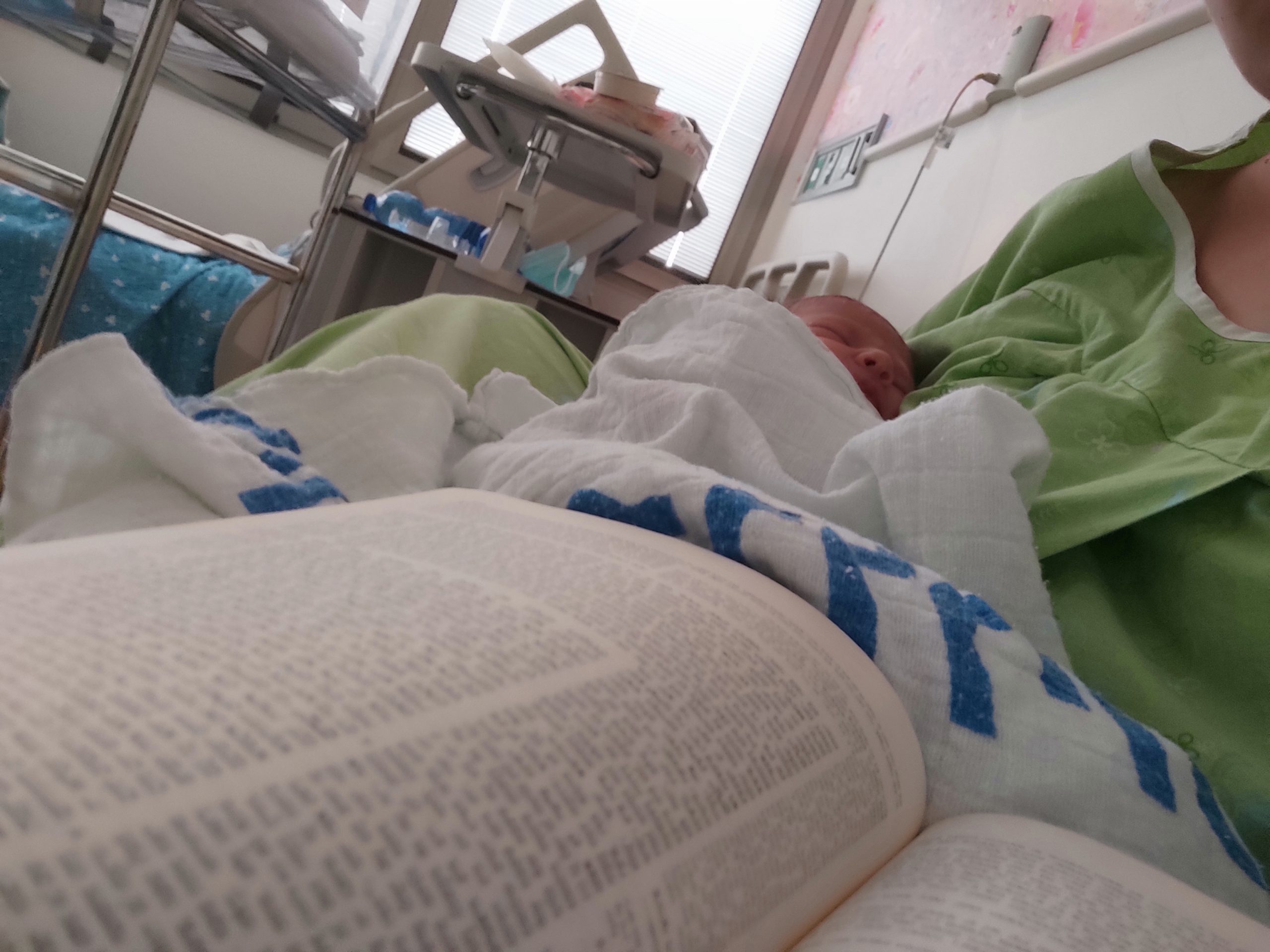
רבבה, ישראל
התחלתי ללמוד דף יומי לפני שנתיים, עם מסכת שבת. בהתחלה ההתמדה היתה קשה אבל בזכות הקורונה והסגרים הצלחתי להדביק את הפערים בשבתות הארוכות, לסיים את מסכת שבת ולהמשיך עם המסכתות הבאות. עכשיו אני מסיימת בהתרגשות רבה את מסכת חגיגה וסדר מועד ומחכה לסדר הבא!

מודיעין, ישראל
התחלתי להשתתף בשיעור נשים פעם בשבוע, תכננתי ללמוד רק דפים בודדים, לא האמנתי שאצליח יותר מכך.
לאט לאט נשאבתי פנימה לעולם הלימוד .משתדלת ללמוד כל בוקר ומתחילה את היום בתחושה של מלאות ומתוך התכווננות נכונה יותר.
הלימוד של הדף היומי ממלא אותי בתחושה של חיבור עמוק לעם היהודי ולכל הלומדים בעבר ובהווה.

אפרת, ישראל
A life-changing journey started with a Chanukah family tiyul to Zippori, home of the Sanhedrin 2 years ago and continued with the Syum in Binanei Hauma where I was awed by the energy of 3000 women dedicated to learning daf Yomi. Opening my morning daily with a fresh daf, I am excited with the new insights I find enriching my life and opening new and deeper horizons for me.

Elazar gush etzion, Israel
רבנית מישל הציתה אש התלמוד בלבבות בביניני האומה ואני נדלקתי. היא פתחה פתח ותמכה במתחילות כמוני ואפשרה לנו להתקדם בצעדים נכונים וטובים. הקימה מערך שלם שמסובב את הלומדות בסביבה תומכת וכך נכנסתי למסלול לימוד מעשיר שאין כמוה. הדרן יצר קהילה גדולה וחזקה שמאפשרת התקדמות מכל נקודת מוצא. יש דיבוק לומדות שמחזק את ההתמדה של כולנו. כל פניה ושאלה נענית בזריזות ויסודיות. תודה גם למגי על כל העזרה.

נתניה, ישראל
התחלתי לפני כמה שנים אבל רק בסבב הזה זכיתי ללמוד יום יום ולסיים מסכתות

רעננה, ישראל
התחלתי בתחילת הסבב, והתמכרתי. זה נותן משמעות נוספת ליומיום ומאוד מחזק לתת לזה מקום בתוך כל שגרת הבית-עבודה השוטפת.

בית שמש, ישראל
רבנית מישל הציתה אש התלמוד בלבבות בביניני האומה ואני נדלקתי. היא פתחה פתח ותמכה במתחילות כמוני ואפשרה לנו להתקדם בצעדים נכונים וטובים. הקימה מערך שלם שמסובב את הלומדות בסביבה תומכת וכך נכנסתי למסלול לימוד מעשיר שאין כמוה. הדרן יצר קהילה גדולה וחזקה שמאפשרת התקדמות מכל נקודת מוצא. יש דיבוק לומדות שמחזק את ההתמדה של כולנו. כל פניה ושאלה נענית בזריזות ויסודיות. תודה גם למגי על כל העזרה.
נתניה, ישראל
אמא שלי למדה איתי ש”ס משנה, והתחילה ללמוד דף יומי. אני החלטתי שאני רוצה ללמוד גם. בהתחלה למדתי איתה, אח”כ הצטרפתי ללימוד דף יומי שהרב דני וינט מעביר לנוער בנים בעתניאל. במסכת עירובין עוד חברה הצטרפה אלי וכשהתחלנו פסחים הרב דני פתח לנו שעור דף יומי לבנות. מאז אנחנו לומדות איתו קבוע כל יום את הדף היומי (ובשבת אבא שלי מחליף אותו). אני נהנית מהלימוד, הוא מאתגר ומעניין

עתניאל, ישראל
אחרי שראיתי את הסיום הנשי של הדף היומי בבנייני האומה זה ריגש אותי ועורר בי את הרצון להצטרף. לא למדתי גמרא קודם לכן בכלל, אז הכל היה לי חדש, ולכן אני לומדת בעיקר מהשיעורים פה בהדרן, בשוטנשטיין או בחוברות ושיננתם.

בית שמש, ישראל
רציתי לקבל ידע בתחום שהרגשתי שהוא גדול וחשוב אך נעלם ממני. הלימוד מעניק אתגר וסיפוק ומעמיק את תחושת השייכות שלי לתורה וליהדות

עלי זהב – לשם, ישראל
התחלתי ללמוד גמרא בבית הספר בגיל צעיר והתאהבתי. המשכתי בכך כל חיי ואף היייתי מורה לגמרא בבית הספר שקד בשדה אליהו (בית הספר בו למדתי בילדותי)בתחילת מחזור דף יומי הנוכחי החלטתי להצטרף ובע”ה מקווה להתמיד ולהמשיך. אני אוהבת את המפגש עם הדף את "דרישות השלום ” שמקבלת מקשרים עם דפים אחרים שלמדתי את הסנכרון שמתחולל בין התכנים.

מעלה גלבוע, ישראל
התחלתי ללמוד לפני 4.5 שנים, כשהודיה חברה שלי פתחה קבוצת ווטסאפ ללימוד דף יומי בתחילת מסכת סנהדרין. מאז לימוד הדף נכנס לתוך היום-יום שלי והפך לאחד ממגדירי הזהות שלי ממש.

ירושלים, ישראל
הצטרפתי ללומדות בתחילת מסכת תענית. ההתרגשות שלי ושל המשפחה היתה גדולה מאוד, והיא הולכת וגוברת עם כל סיום שאני זוכה לו. במשך שנים רבות רציתי להצטרף ומשום מה זה לא קרה… ב”ה מצאתי לפני מספר חודשים פרסום של הדרן, ומיד הצטרפתי והתאהבתי. הדף היומי שינה את חיי ממש והפך כל יום- ליום של תורה. מודה לכן מקרב ליבי ומאחלת לכולנו לימוד פורה מתוך אהבת התורה ולומדיה.

חיספין רמת הגולן, ישראל
אני לומדת גמרא כעשור במסגרות שונות, ואת הדף היומי התחלתי כשחברה הציעה שאצטרף אליה לסיום בבנייני האומה. מאז אני לומדת עם פודקסט הדרן, משתדלת באופן יומי אך אם לא מספיקה, מדביקה פערים עד ערב שבת. בסבב הזה הלימוד הוא "ממעוף הציפור”, מקשיבה במהירות מוגברת תוך כדי פעילויות כמו בישול או נהיגה, וכך רוכשת היכרות עם הסוגיות ואופן ניתוחם על ידי חז”ל. בע”ה בסבב הבא, ואולי לפני, אצלול לתוכו באופן מעמיק יותר.
רמת גן, ישראל
התחלתי ללמוד דף יומי לפני שנתיים, עם מסכת שבת. בהתחלה ההתמדה היתה קשה אבל בזכות הקורונה והסגרים הצלחתי להדביק את הפערים בשבתות הארוכות, לסיים את מסכת שבת ולהמשיך עם המסכתות הבאות. עכשיו אני מסיימת בהתרגשות רבה את מסכת חגיגה וסדר מועד ומחכה לסדר הבא!
מודיעין, ישראל
התחלתי לפני 8 שנים במדרשה. לאחרונה סיימתי מסכת תענית בלמידה עצמית ועכשיו לקראת סיום מסכת מגילה.

רעננה, ישראל
יבמות מט
מַתְנִי׳ אֵיזֶהוּ מַמְזֵר — כׇּל שְׁאֵר בָּשָׂר שֶׁהוּא בְּ״לֹא יָבֹא״, דִּבְרֵי רַבִּי עֲקִיבָא. שִׁמְעוֹן הַתִּימְנִי אוֹמֵר: כֹּל שֶׁחַיָּיבִים עָלָיו כָּרֵת בִּידֵי שָׁמַיִם, וַהֲלָכָה כִּדְבָרָיו. וְרַבִּי יְהוֹשֻׁעַ אוֹמֵר: כֹּל שֶׁחַיָּיבִין עָלָיו מִיתַת בֵּית דִּין.
MISHNA: Which offspring of forbidden relations have the status of a mamzer? It is the offspring of a union with any next of kin that is subject to a Torah prohibition that he should not engage in sexual relations with them; this is the statement of Rabbi Akiva. Shimon HaTimni says: It is the offspring of a union with any forbidden relation for which one is liable to receive karet at the hand of Heaven. And the halakha is in accordance with his statement. Rabbi Yehoshua says: It is the offspring of a union with any forbidden relation for which one is liable to receive court-imposed capital punishment.
אָמַר רַבִּי שִׁמְעוֹן בֶּן עַזַּאי: מָצָאתִי מְגִלַּת יוּחֲסִין בִּירוּשָׁלַיִם, וְכָתוּב בָּהּ: אִישׁ פְּלוֹנִי מַמְזֵר מֵאֵשֶׁת אִישׁ, לְקַיֵּים דִּבְרֵי רַבִּי יְהוֹשֻׁעַ.
Rabbi Shimon ben Azzai said: I found a scroll recording people’s lineages in Jerusalem, and it was written in it that so-and-so is a mamzer from an adulterous union with a married woman, a sin punishable by court-imposed capital punishment. The only reason for the scroll to state the reason that this individual is a mamzer is in order to support the statement of Rabbi Yehoshua.
אִשְׁתּוֹ שֶׁמֵּתָה — מוּתָּר בַּאֲחוֹתָהּ. גֵּרְשָׁהּ וּמֵתָה — מוּתָּר בַּאֲחוֹתָהּ. נִשֵּׂאת לְאַחֵר וּמֵתָה — מוּתָּר בַּאֲחוֹתָהּ. יְבִמְתּוֹ שֶׁמֵּתָה — מוּתָּר בַּאֲחוֹתָהּ. חָלַץ לָהּ וּמֵתָה — מוּתָּר בַּאֲחוֹתָהּ. נִשֵּׂאת לְאַחֵר וּמֵתָה — מוּתָּר בַּאֲחוֹתָהּ.
The mishna delineates the circumstances in which it is prohibited to engage in relations with the sister of one’s wife and the sister of one’s yevama: If a man’s wife died, he is permitted to her sister. If he divorced her and then she died, he is permitted to her sister. If he divorced his wife and then she was married to another and then died, he is permitted to her sister. If his yevama died, he is permitted to her sister. If he performed ḥalitza with her and then she died, he is permitted to her sister. If after ḥalitza she was married to another and then died, he is permitted to her sister. The principle underlying all these cases is that the prohibition against engaging in relations with her sister only applies while the wife or yevama remain alive, irrespective of their current relationship to the man.
גְּמָ׳ מַאי טַעְמָא דְּרַבִּי עֲקִיבָא? דִּכְתִיב: ״לֹא יִקַּח אִישׁ אֶת אֵשֶׁת אָבִיו וְלֹא יְגַלֶּה כְּנַף אָבִיו״. כָּנָף שֶׁרָאָה אָבִיו — לֹא יְגַלֶּה.
GEMARA: What is Rabbi Akiva’s reasoning? As it is written: “A man shall not take his father’s wife, and he shall not uncover his father’s cloak” (Deuteronomy 23:1). This teaches that a cloak that his father saw, i.e., a woman with whom his father engaged in sexual relations, the son may not uncover.
וְסָבַר לַהּ כְּרַבִּי יְהוּדָה, דְּאָמַר: בַּאֲנוּסַת אָבִיו הַכָּתוּב מְדַבֵּר, דְּהָוְיָא לַהּ חַיָּיבֵי לָאוִין,
And in this interpretation of the verse, Rabbi Akiva holds in accordance with the opinion of Rabbi Yehuda, who said: The verse states only that such relations are forbidden, but they would not render him liable to receive karet; perforce the verse speaks of a woman raped by one’s father, since she is one of the women with whom relations render one liable for violating a prohibition. The verse could not refer to one’s father’s wife since relations with her render one liable to receive karet.
וּסְמִיךְ לֵיהּ: ״לֹא יָבֹא מַמְזֵר בִּקְהַל ה׳״, אַלְמָא מֵהָנֵי הָוֵי מַמְזֵר.
The Gemara completes its explanation of Rabbi Akiva’s opinion: And in close proximity to that verse is the verse: “A mamzer shall not enter into the congregation of the Lord” (Deuteronomy 23:3). Apparently, even from these forbidden relations, which render one liable for the violation of a prohibition, the offspring is a mamzer.
וּלְרַבִּי סִימַאי, דִּמְרַבֵּה שְׁאָר חַיָּיבֵי לָאוִין דְּלָאו דִּ״שְׁאֵר״, וּלְרַבִּי יְשֵׁבָב, דִּמְרַבֵּה אֲפִילּוּ חַיָּיבֵי עֲשֵׂה —
The Gemara asks: But according to Rabbi Simai, who holds that Rabbi Akiva includes as a mamzer the offspring of all other forbidden relations for which one is liable for violation of a prohibition, even those that are not with his next of kin; and also according to Rabbi Yeshevav, who holds that Rabbi Akiva includes even the offspring of relations for which one is liable for the violation of a positive mitzva; since according to them, Rabbi Akiva includes cases that are not similar to the case of a woman raped by his father, what is his source?
נָפְקָא לְהוּ מִ״וְּלֹא״.
The Gemara answers: They derive it from the verse that states: “And he shall not uncover his father’s cloak” (Deuteronomy 23:1). The word “and” is superfluous and serves to include additional cases.
וְשִׁמְעוֹן הַתִּימְנִי סָבַר לַהּ כְּרַבָּנַן, דְּאָמְרִי: בְּשׁוֹמֶרֶת יָבָם שֶׁל אָבִיו הַכָּתוּב מְדַבֵּר, דְּהָוְיָא לַהּ חַיָּיבֵי כָּרֵיתוֹת, וּסְמִיךְ לֵיהּ ״לֹא יָבֹא מַמְזֵר״. אַלְמָא: מֵחַיָּיבֵי כָּרֵיתוֹת הָוֵי מַמְזֵר.
And Shimon HaTimni holds in accordance with the opinion of the Rabbis, who say: It is with regard to the widow waiting for his father to perform levirate marriage that the verse is speaking, and it indicates that she is one of the women with whom relations render one liable to receive karet. And in close proximity to that verse is the verse: “A mamzer shall not enter into the congregation of the Lord” (Deuteronomy 23:3). Apparently, only the offspring of a union for which one is liable to receive karet is a mamzer.
וְרַבִּי יְהוֹשֻׁעַ — לִכְתּוֹב רַחֲמָנָא ״לֹא יְגַלֶּה״. ״לֹא יִקַּח״ (״וְלֹא יְגַלֶּה״) לְמָה לִי? אֶלָּא לָאו, הָכִי קָאָמַר: מִ״לֹּא יִקַּח״ עַד ״לֹא יְגַלֶּה״ — הָוֵי מַמְזֵר, טְפֵי — לָא הָוֵי מַמְזֵר.
And how does Rabbi Yehoshua derive his opinion? If the verses should be derived as Rabbi Akiva and Shimon HaTimni suggest, let the Merciful One write only: “He shall not uncover his father’s cloak.” It is unnecessary for the verse to mention the prohibition with regard to one’s father’s wife, as the fact that the offspring of that union is a mamzer would be known through an a fortiori inference, since that prohibition is more stringent than the one derived from the verse: “And shall not uncover his father’s cloak.” Why do I need both the clause “a man shall not take his father’s wife” and the clause “and shall not uncover his father’s cloak”? Rather, is it not that this is what the Torah is saying: Only the offspring of relations with the woman mentioned in the verse after the words “a man shall not take” until the words “he shall not uncover,” i.e., his father’s wife, is a mamzer, but the offspring of relations with the woman mentioned beyond that point, i.e., the woman referred to as “his father’s cloak,” is not a mamzer.
אָמַר אַבָּיֵי: הַכֹּל מוֹדִים בְּבָא עַל הַנִּדָּה
§ Abaye said: All tanna’im in the mishna agree with regard to one who engages in sexual relations with a menstruating woman,
וְעַל הַסּוֹטָה — שֶׁאֵין הַוָּלָד מַמְזֵר.
or with a sota, that the offspring is not a mamzer.
נִדָּה, דְּהָא תָּפְסִי בַּהּ קִידּוּשִׁין, שֶׁנֶּאֱמַר: ״וּתְהִי נִדָּתָהּ עָלָיו״, אֲפִילּוּ בִּשְׁעַת נִדָּתָהּ תָּפְסִי בַּהּ קִידּוּשִׁין.
With regard to a menstruating woman the offspring is not a mamzer because one’s betrothal of her takes effect, as it is stated: “And her impurity shall be upon him” (Leviticus 15:24). The phrase “shall be” alludes to the fact that a betrothal with her takes effect. The verse teaches that even at the time of her menstrual impurity, betrothal with her takes effect.
סוֹטָה נָמֵי, דְּהָא תָּפְסִי בַּהּ קִידּוּשִׁין.
With regard to a sota, too, the offspring is not a mamzer because one’s betrothal of her takes effect.
תַּנְיָא נָמֵי הָכִי: הַכֹּל מוֹדִים בְּבָא עַל הַנִּדָּה וְעַל הַסּוֹטָה וְעַל שׁוֹמֶרֶת יָבָם, שֶׁאֵין הַוָּלָד מַמְזֵר.
The Gemara notes: This teaching of Abaye is also taught in a baraita: All agree with regard to one who engages in sexual relations with a menstruating woman, or with a sota, or with a widow waiting for her yavam to perform levirate marriage, that the offspring is not a mamzer.
וְאַבָּיֵי, שׁוֹמֶרֶת יָבָם — מְסַפְּקָא לֵיהּ אִי כְּרַב אִי כִּשְׁמוּאֵל.
The Gemara explains: And Abaye did not mention the case of a widow waiting for her yavam because he is uncertain whether, if someone other than the yavam betrothed her, the halakha is in accordance with the opinion of Rav that it does not take effect or in accordance with the opinion of Shmuel that it might take effect.
אָמַר רַבִּי שִׁמְעוֹן בֶּן עַזַּאי כּוּ׳. תָּנֵי, שִׁמְעוֹן בֶּן עַזַּאי אוֹמֵר: מָצָאתִי מְגִלַּת יוּחֲסִין בִּירוּשָׁלַיִם, וְכָתוּב בָּהּ: אִישׁ פְּלוֹנִי מַמְזֵר מֵאֵשֶׁת אִישׁ, וְכָתוּב בָּהּ: מִשְׁנַת רַבִּי אֱלִיעֶזֶר בֶּן יַעֲקֹב קַב וְנָקִי. וְכָתוּב בָּהּ: מְנַשֶּׁה הָרַג אֶת יְשַׁעְיָה.
§ The mishna states: Rabbi Shimon ben Azzai said: I found a scroll recording people’s lineages. The Gemara cites an expanded version of the contents of the scroll. It is taught in a baraita that Rabbi Shimon ben Azzai said: I found a scroll recording people’s lineages, in Jerusalem, and it was written in it that so-and-so is a mamzer from an adulterous union with a married woman. And it was also written in it: The teachings of Rabbi Eliezer ben Ya’akov measure only a kav but are clean and accurate, and so the halakha is decided in accordance with his opinions. And it was written in it: Manasseh, king of Israel, killed Isaiah the prophet.
אָמַר רָבָא: מֵידָן דַּיְינֵיהּ וְקַטְלֵיהּ. אֲמַר לֵיהּ, מֹשֶׁה רַבְּךָ אָמַר: ״כִּי לֹא יִרְאַנִי הָאָדָם וָחָי״, וְאַתְּ אָמְרַתְּ: ״וָאֶרְאֶה אֶת ה׳ יוֹשֵׁב עַל כִּסֵּא רָם וְנִשָּׂא״. מֹשֶׁה רַבְּךָ אָמַר: ״מִי כַּה׳ אֱלֹהֵינוּ בְּכׇל קׇרְאֵנוּ אֵלָיו״, וְאַתְּ אָמְרַתְּ: ״דִּרְשׁוּ ה׳ בְּהִמָּצְאוֹ״. מֹשֶׁה רַבְּךָ אָמַר: ״אֶת מִסְפַּר יָמֶיךָ אֲמַלֵּא״, וְאַתְּ אָמְרַתְּ: ״וְהוֹסַפְתִּי עַל יָמֶיךָ חֲמֵשׁ עֶשְׂרֵה שָׁנָה״!
The Gemara expands on the events surrounding Isaiah’s death: Rava said: Manasseh judged him as a false witness for issuing statements contradicting the Torah and only then killed him. Manasseh said to Isaiah: Moses your master said in the Torah: “And He said: You cannot see My face, for man cannot see Me and live” (Exodus 33:20), and yet you said: “I saw the Lord sitting upon a high and lofty throne” (Isaiah 6:1). Moses your master said: “For which great nation is there, that has God so near to it, as the Lord our God is, whenever we call upon Him?” (Deuteronomy 4:7), and yet you said: “Seek the Lord while He may be found, call upon Him while He is near” (Isaiah 55:6), which implies that God is not always near. Moses your master said: “I will fulfill the number of your days” (Exodus 23:26), which implies that each individual has a preordained allotted lifespan that he cannot outlive, and yet you said in a prophecy to King Hezekiah: “And I will add to your days, fifteen years” (II Kings 20:6).
אָמַר יְשַׁעְיָה: יָדַעְנָא בֵּיהּ דְּלָא מְקַבֵּל מָה דְּאֵימָא לֵיהּ, וְאִי אֵימָא לֵיהּ — אֶישַּׁוְּיֵיהּ מֵזִיד. אֲמַר שֵׁם אִיבְּלַע בְּאַרְזָא, אַתְיוּהּ לְאַרְזָא וְנַסְּרוּהּ. כִּי מְטָא לַהֲדֵי פּוּמָּא, נָח נַפְשֵׁיהּ. מִשּׁוּם דַּאֲמַר: ״וּבְתוֹךְ עַם טְמֵא שְׂפָתַיִם אָנֹכִי יוֹשֵׁב״.
Isaiah said to himself: I know him, i.e., Manasseh, that he will not accept whatever explanation that I will say to him to resolve my prophecies with the words of the Torah. And even if I say it to him, I will make him into an intentional transgressor since he will kill me anyway. Therefore, in order to escape, he uttered a divine name and was swallowed within a cedar tree. Manasseh’s servants brought the cedar tree and sawed through it in order to kill him. When the saw reached to where his mouth was, Isaiah died. He died specifically at this point due to that which he said: “In the midst of a people of unclean lips, I dwell” (Isaiah 6:5). He was punished for referring to the Jewish people in a derogatory manner.
מִכׇּל מָקוֹם קָשׁוּ קְרָאֵי אַהֲדָדֵי?
The Gemara asks: In any case, as Manasseh pointed out, these verses contradict each other; how are these contradictions to be resolved?
״וָאֶרְאֶה אֶת ה׳״, כִּדְתַנְיָא: כׇּל הַנְּבִיאִים נִסְתַּכְּלוּ בְּאַסְפַּקְלַרְיָא שֶׁאֵינָהּ מְאִירָה, מֹשֶׁה רַבֵּינוּ נִסְתַּכֵּל בְּאַסְפַּקְלַרְיָא הַמְּאִירָה.
The Gemara resolves the first contradiction: “I saw the Lord” is to be understood as it is taught in a baraita: All of the prophets observed their prophecies through an obscure looking glass [aspaklaria], i.e., their prophecies were given as metaphoric visions but were not a direct perception of the matter. However, Moses our master observed his prophecies through a clear looking glass, i.e., he gained a direct and accurate perception of the matter.
״דִּרְשׁוּ ה׳ בְּהִמָּצְאוֹ״ — הָא בְּיָחִיד, הָא בְּצִבּוּר. וְיָחִיד אֵימַת? אָמַר רַב נַחְמָן אָמַר רַבָּה בַּר אֲבוּהּ: אֵלּוּ עֲשָׂרָה יָמִים שֶׁבֵּין רֹאשׁ הַשָּׁנָה לְיוֹם הַכִּפּוּרִים.
The Gemara resolves the second contradiction: Isaiah’s prophecy: “Seek the Lord while He may be found,” does not contradict the verse in the Torah that God is near to His nation “whenever we call upon Him,” because this prophecy of Isaiah was made with regard to the individual and this verse in the Torah is stated with regard to a community, as the prayer of the community is always accepted. The Gemara asks: And when is the time that God is to be found near the individual? Rav Naḥman said Rabba bar Avuh said: These are the ten days between Rosh HaShana and Yom Kippur.
״אֶת מִסְפַּר יָמֶיךָ אֲמַלֵּא״ — תַּנָּאֵי הִיא, דְּתַנְיָא: ״אֶת מִסְפַּר יָמֶיךָ אֲמַלֵּא״,
The resolution of the third contradiction from the verse: “I will fulfill the number of your days,” is subject to a dispute between tanna’im, as it is taught in a baraita: The verse states: “I will fulfill the number of your days”;

