חיפוש

יבמות נו

רוצה להקדיש שיעור?

podcast placeholder

0:00
0:00


תקציר

השיעור היום מוקדש ע”י דויד ומיצי גפן לזכר נשמת אביה של דויד, ד”ר אברהם גפן.

השיעור היום מקודש לעילוי נשמת הרב אהרון ליכטנשטיין זצ”ל. 

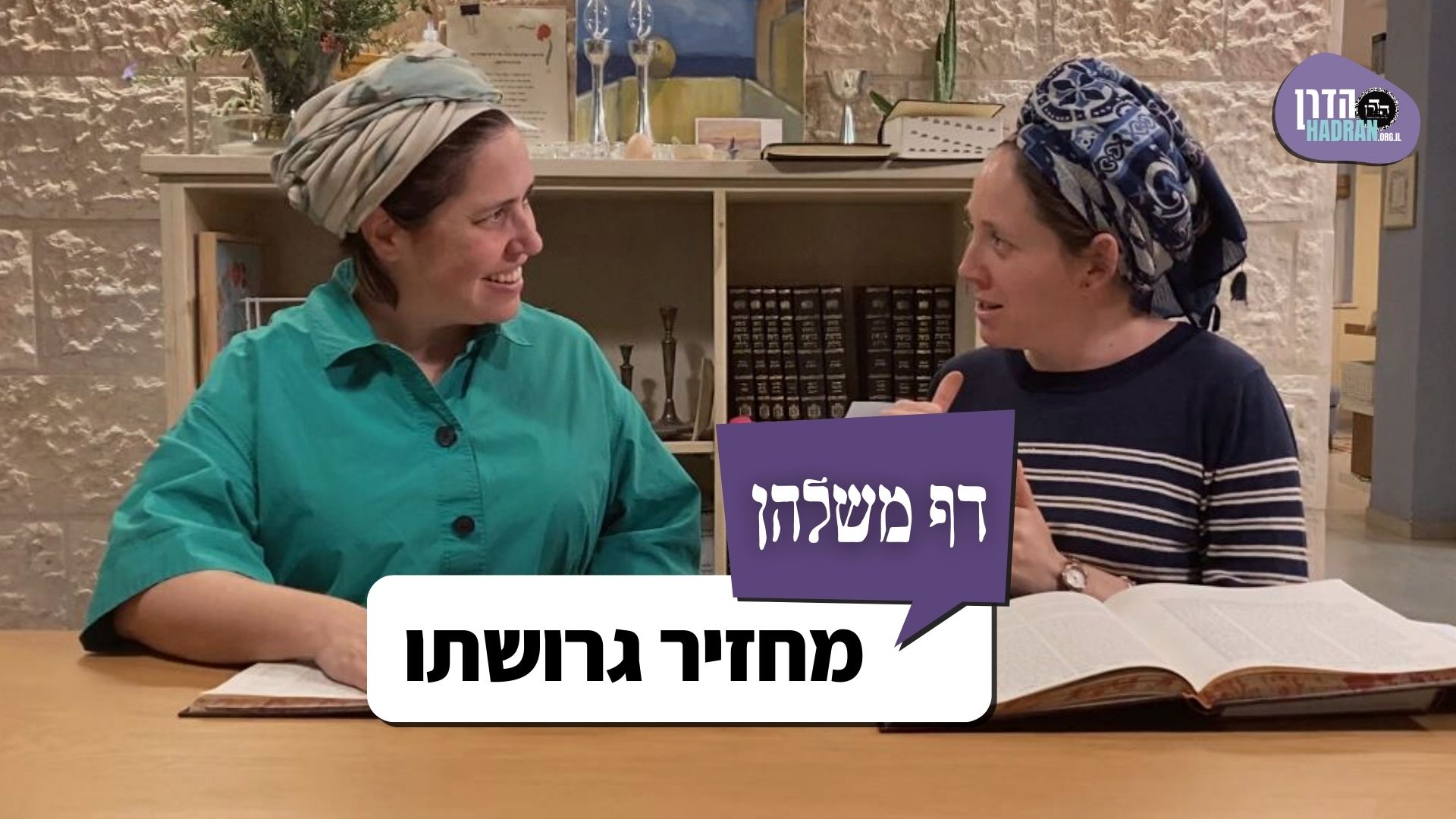
רב ושמואל חלוקים בשאלה האם ייבום שמתבצע בצורה חלשה יותר (למשל, אם היה שוגג) יעיל באופן מלא או רק חלקי (כלומר, אולי לא מותר לה לאכול תרומה אם הוא כהן). האם הוויכוח שלהם הוא במקרה שהיא נפלה לייבום מאירוסין או מנישואין? מובאות שתי גרסאות שונות של הוויכוח ולפי כל גרסה מובאת אמירה של שמואל כדי להראות או שהוא עקבי בשיטתו או שהוא סותר את עצמו, ומובא מקור תנאי להעלות קושי נגד שיטת שמואל. לפי הגרסה הראשונה יש פתרון לקושי, אבל לפי השני אין פתרון. כיוון שהברייתא שהובאה כקושיה נגד שמואל דנה בדין של כהן שהתחרש בין אירוסין לנישואין, ברייתא אחרת בונה על אותו מקרה – אף על פי שהאשה אינה יכולה לאכול תרומה, אם יש להם ילד, אז היא יכולה. מה אם הילד מת? רבי נתן וחכמים חלוקים בשאלה אם היא יכולה להמשיך אכול תרומה או לא. מה ההיגיון מאחורי כל גישה? רבה ורב יוסף מסבירים בדרכים אחרות ואביי מקשה עליהם. רב ששת מנסה להוכיח מלשון משנתנו "וכן… או פסולות (לכהונה), והכוונה היא ל”בין בשוגג ובין במזיד, באונס בין ברצון” שאישה שהייתה נשואה לישראל ונאנסה לא יכולה להתחתן עם כהן. אבל בסופו של דבר, מילה זו "וכן” מתייחסת לדין אחר במשנה ולא ניתן להשתמש בה כדי להוכיח זאת. רבא אמר שאם כהן חוזר לאשתו לאחר שנאנסה וקיים עמה יחסים, מקבל מלקות על קיום יחסים עם זונה. מדוע אינו מקבל מלקות על טומאה? ואולי הוא כן לוקה משום טומאה? מובא גרסה אחרת של דברי רבא – הוא לוקה על טומאה ולא זונה כי מי שנאנסה אינה נחשבת לזונה. אם בת כהן היא גרושה ונישאת לכהן, או כל אישה אחרת שאסור לה להינשא לכהן, אינה יכולה עוד לאכול תרומה. מה אם היא הייתה רק מאורסת לו? מה אם היא היתה מאורסת ואז הוא מת או התגרש ממנה עוד לפני שהם התחתנו?

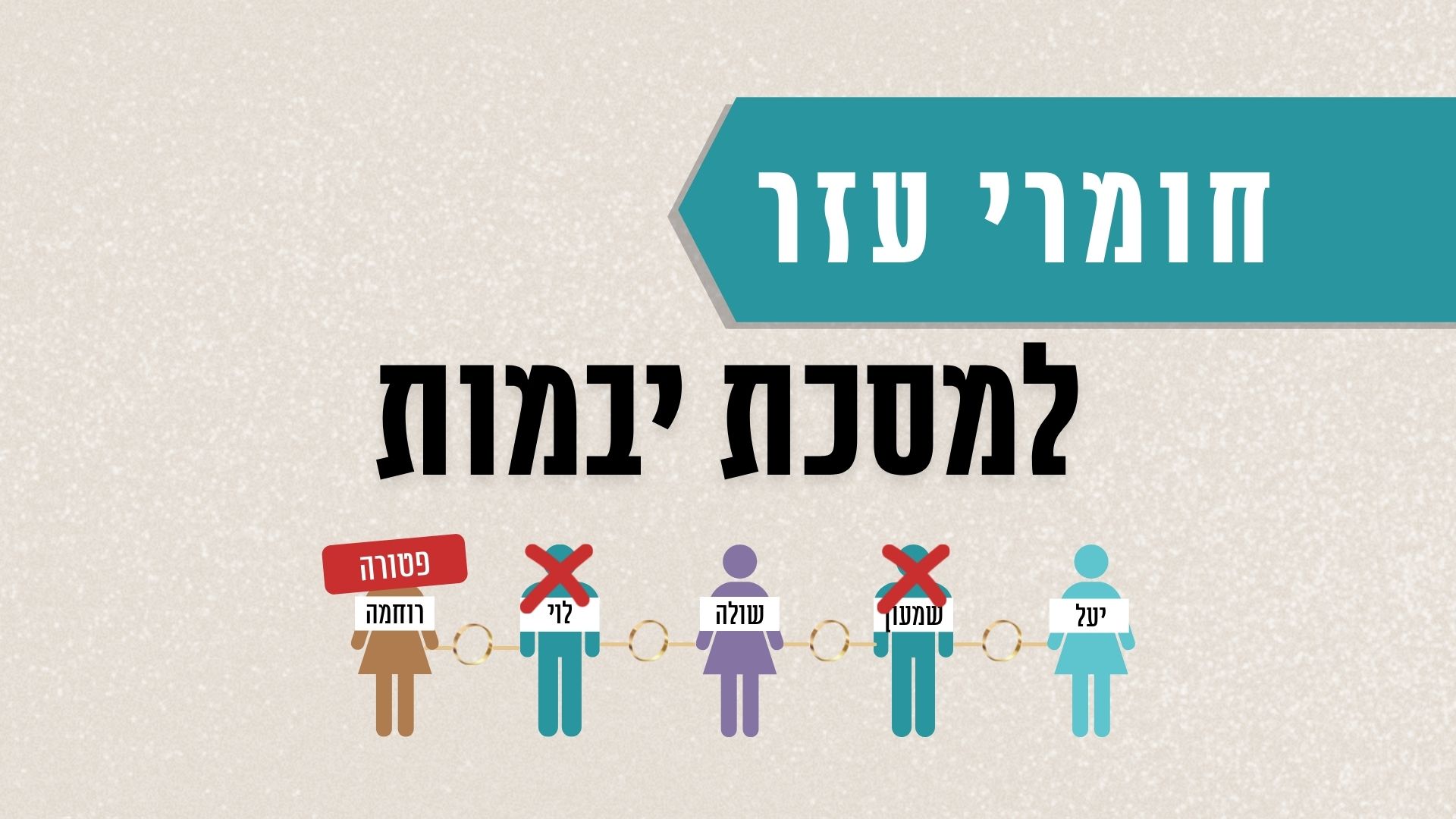
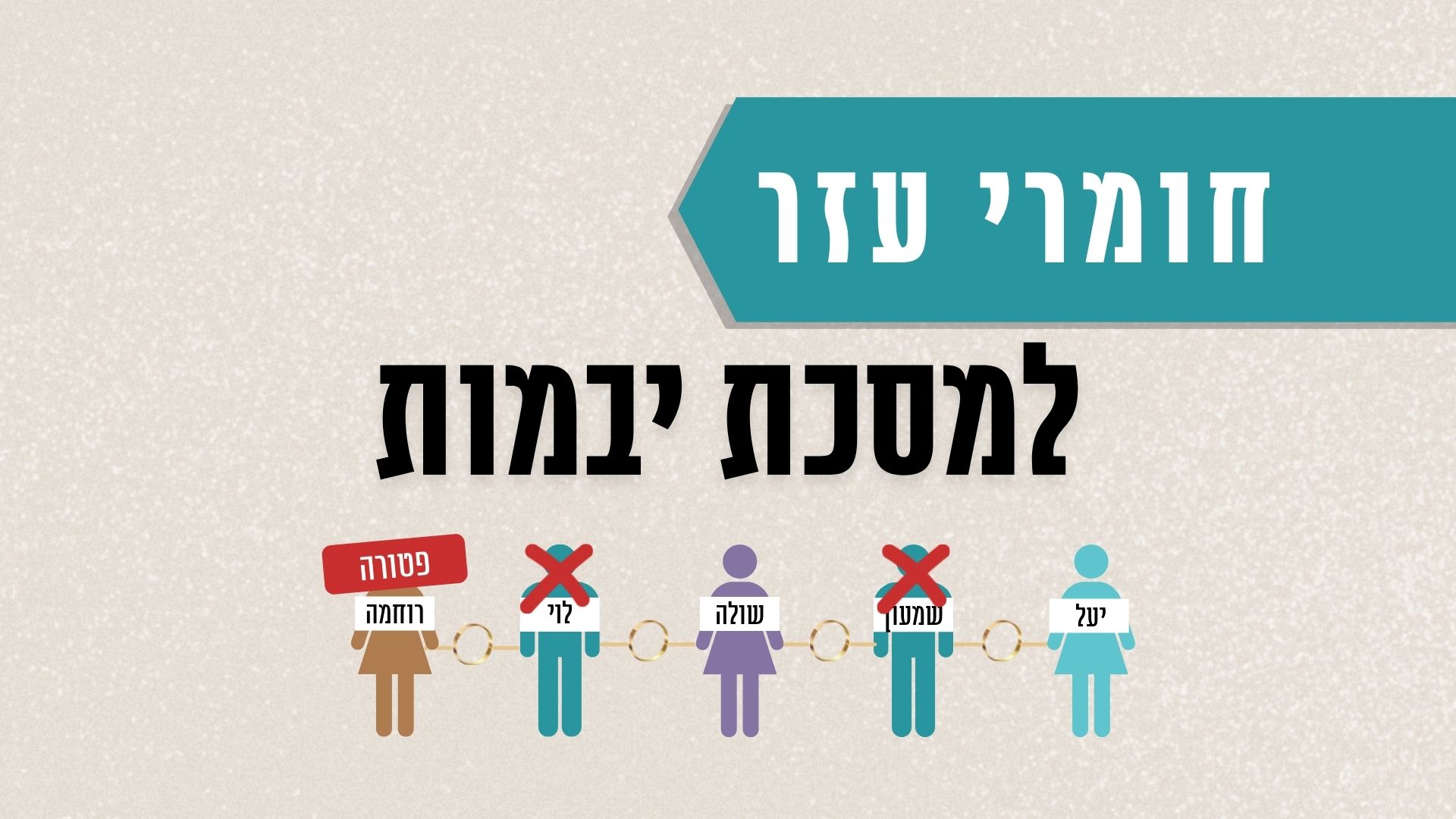
כלים

יבמות נו

מִכָּאן וְאֵילָךְ — אֵינוֹ אֶלָּא נְשִׁיקָה, וּפָטוּר עָלֶיהָ. וּפְלִיג אַדִּשְׁמוּאֵל.

From this point forward, insertion of anything less than the corona is only considered a kiss, for which he is exempt. And this statement disagrees with that of Shmuel, who maintains that one is liable to receive punishment for external contact of the sexual organs.

אֶחָד הַמְעָרֶה וְאֶחָד הַגּוֹמֵר — קָנָה. מַאי קָנָה? רַב אָמַר: קָנָה לַכֹּל, וּשְׁמוּאֵל אָמַר: לֹא קָנָה אֶלָּא לִדְבָרִים הָאֲמוּרִים בַּפָּרָשָׁה: לִירַשׁ בְּנִכְסֵי אֶחָיו, וּלְפוֹטְרָהּ מִן הַיִּיבּוּם.

§ It was taught in the mishna that both one who merely engages in the initial stage of intercourse and one who completes the act of intercourse have thereby acquired the yevama. The Gemara asks: What does it mean that he has acquired his yevama? Rav said: He has acquired her for everything. In other words, she is considered his wife in all regards. Therefore, if he is a priest, she may partake of teruma. And Shmuel said he has only acquired her with regard to the matters stated in the chapter of levirate marriage, i.e., to inherit his brother’s property and to exempt her from levirate marriage if he then dies and leaves behind children from another wife.

מִן הַנִּשּׂוּאִין — לְדִבְרֵי הַכֹּל אָכְלָה, דְּהָא הֲוָת קָאָכְלָה מֵעִיקָּרָא. כִּי פְּלִיגִי מִן הָאֵירוּסִין. רַב אָמַר: אוֹכֶלֶת, דְּהָא רַבִּי רַחֲמָנָא בִּיאַת שׁוֹגֵג כְּמֵזִיד.

The Gemara adds: If she was a yevama from marriage, everyone agrees that she may partake of teruma after the initial stage of intercourse, as she was already partaking at the outset, when she was married to the deceased brother. Therefore, even a minimal act of intercourse is enough to allow her to continue to partake of teruma. When they disagree it is with regard to a yevama from betrothal. Rav said: She may partake, as the Merciful One includes unwitting intercourse and the other forms of intercourse listed in the mishna, and considers them like intentional intercourse.

וּשְׁמוּאֵל אָמַר: כִּי רַבִּי רַחֲמָנָא, לְאוֹקְמֵיהּ בִּמְקוֹם בַּעַל, לְאַלּוֹמֵי מִבַּעַל — לָא.

And Shmuel said: When the Merciful One includes these forms of intercourse, He does so only to establish the yavam in place of the husband, but to strengthen him more than the husband, no. Since she was merely betrothed to the deceased brother, she was not permitted to partake of teruma, and therefore she may not partake of teruma at this point either.

וְאַזְדָּא שְׁמוּאֵל לְטַעְמֵיהּ, דְּאָמַר רַב נַחְמָן אָמַר שְׁמוּאֵל: כֹּל שֶׁהַבַּעַל מַאֲכִיל — יָבָם מַאֲכִיל, וְכֹל שֶׁאֵין הַבַּעַל מַאֲכִיל — יָבָם אֵינוֹ מַאֲכִיל.

The Gemara comments: And Shmuel follows his regular line of reasoning, as Rav Naḥman said that Shmuel said: In any case where the woman’s marriage to her original husband entitles her to partake of teruma, intercourse with the yavam in any of the manners described in the mishna also entitles her to partake of teruma, and any case where her relationship with her original husband does not entitle her to partake of teruma, i.e., if she had been betrothed but not married, intercourse with the yavam in the manners described in the mishna also does not entitle her to partake of teruma.

מֵיתִיבִי: בַּת יִשְׂרָאֵל פִּקַּחַת שֶׁנִּתְאָרְסָה לְכֹהֵן פִּקֵּחַ, וְלֹא הִסְפִּיק לְכוֹנְסָהּ עַד שֶׁנִּתְחָרֵשׁ — אֵינָהּ אוֹכֶלֶת. מֵת, וְנָפְלָה לִפְנֵי יָבָם חֵרֵשׁ — אוֹכֶלֶת, וּבָזוֹ יָפֶה כֹּחַ הַיָּבָם מִכֹּחַ הַבַּעַל.

The Gemara raises an objection from the following baraita: In the case of a mentally competent daughter of an Israelite who was betrothed to a competent priest, and he did not have a chance to marry her before he became a deaf-mute and was no longer mentally competent, she may not partake of teruma, as marriage to a deaf-mute does not enable a woman to partake of teruma. If the deaf-mute husband subsequently died and the yevama happened before a deaf-mute yavam for levirate marriage, she may partake of teruma. And in this regard the strength of the yavam is greater than the strength of the husband.

בִּשְׁלָמָא לְרַב נִיחָא — אֶלָּא לִשְׁמוּאֵל קַשְׁיָא!

Granted, according Rav, this works out well, as intercourse with the deaf-mute yavam, which is comparable to the unwitting intercourse mentioned in the mishna because the deaf-mute is not mentally competent, effects the levirate marriage and allows her to partake of teruma despite the fact that she could not do so during the lifetime of her first husband. However, according to Shmuel, this is difficult, as he maintains that a yavam cannot have more rights than the deceased husband due to intercourse undertaken without intent to perform levirate marriage.

אָמַר לְךָ שְׁמוּאֵל, אֵימָא הָכִי: וְלֹא הִסְפִּיק לְכוֹנְסָהּ עַד שֶׁנִּתְחָרֵשׁ — אֵינָהּ אוֹכֶלֶת בִּתְרוּמָה, כָּנַס וְאַחַר כָּךְ נִתְחָרֵשׁ — אוֹכֶלֶת. מֵת וְנָפְלָה לִפְנֵי יָבָם חֵרֵשׁ — אוֹכֶלֶת.

The Gemara answers: Shmuel could have said to you: Amend the baraita and say as follows: If he did not have a chance to marry her before he became a deaf-mute, she may not partake of teruma. If he married her and afterward became a deaf-mute, she may partake of teruma. If he then died, and she happened before a deaf-mute yavam for levirate marriage, she may partake of teruma.

וּמַאי ״בָּזוֹ״? דְּאִילּוּ בַּעַל חֵרֵשׁ מֵעִיקָּרָא — לֹא אוֹכֶלֶת. וְאִילּוּ יָבָם חֵרֵשׁ מֵעִיקָּרָא — אָכְלָה.

And what is the meaning of the phrase: In this regard the strength of the yavam is greater than the strength of the husband? It means to say that if the original husband was a deaf-mute from the outset, i.e., before consummating the marriage, she would not have been allowed to partake of teruma, whereas if the yavam was a deaf-mute from the outset she may partake of teruma once they perform levirate marriage, because she had been fully married to the deceased brother.

וְאִיכָּא דְּאָמְרִי: מִן הָאֵירוּסִין — דִּבְרֵי הַכֹּל לָא אָכְלָה, דְּהָא לָא אָכְלָה בְּחַיֵּי בַעַל.

And some say a different version of the dispute between Rav and Shmuel: If she was a yevama from betrothal, i.e., her marriage with the deceased brother had never been completed, and she and the brother-in-law engaged in an inferior form of intercourse as described in the mishna, everyone agrees that she may not partake of teruma, as she did not partake of teruma in her husband’s lifetime.

כִּי פְּלִיגִי מִן הַנִּשּׂוּאִין. רַב אָמַר: אוֹכֶלֶת, דְּהָא הֲוָת אָכְלָה מֵעִיקָּרָא, וּשְׁמוּאֵל אָמַר: אֵינָהּ אוֹכֶלֶת, כִּי רַבִּי רַחֲמָנָא בִּיאַת שׁוֹגֵג כְּמֵזִיד — לִדְבָרִים הָאֲמוּרִים בַּפָּרָשָׁה, אֲבָל לְכֹל מִילֵּי — לָא.

When they disagree, it is with regard to a yevama from marriage. Rav says: She may partake of teruma as she was permitted to partake of teruma initially, while married to the deceased brother. And Shmuel says she may not partake of teruma, because when the Merciful One includes unwitting intercourse and considers it like intentional intercourse, it was only with regard to the matters stated in the chapter of levirate marriage, but for every other issue, no.

וְהָאָמַר רַב נַחְמָן אָמַר שְׁמוּאֵל: כֹּל שֶׁהַבַּעַל מַאֲכִיל — יָבָם מַאֲכִיל! אֵימָא: כׇּל בִּיאָה שֶׁהַבַּעַל מַאֲכִיל בָּהּ — יָבָם מַאֲכִיל בָּהּ, וְכׇל בִּיאָה שֶׁאֵין הַבַּעַל מַאֲכִיל בָּהּ — אֵין הַיָּבָם מַאֲכִיל בָּהּ.

The Gemara raises a difficulty: Didn’t Rav Naḥman say that Shmuel himself said: In any case where the woman’s marriage to her original husband entitles her to partake of teruma, intercourse with the yavam in one of the manners listed in the mishna also entitles her to partake of teruma? The Gemara answers: Emend the wording and say as follows: With regard to any act of intercourse through which the husband entitles her to partake of teruma, a yavam also entitles her to partake of teruma; and with regard to any act of intercourse through which the husband does not entitle her to partake of teruma, a yavam also does not entitle her to partake of teruma. Just as betrothal cannot be performed via an unwitting act of intercourse, this act does not entitle a yevama to partake of teruma.

מֵיתִיבִי: בַּת יִשְׂרָאֵל פִּקַּחַת שֶׁנִּתְאָרְסָה לְכֹהֵן פִּקֵּחַ, וְלֹא הִסְפִּיק לְכוֹנְסָהּ עַד שֶׁנִּתְחָרֵשׁ — אֵינָהּ אוֹכֶלֶת. מֵת, וְנָפְלָה לִפְנֵי יָבָם חֵרֵשׁ — אוֹכֶלֶת. וּבָזוֹ יָפֶה כֹּחַ יָבָם מִכֹּחַ בַּעַל. בִּשְׁלָמָא לְרַב — מְתָרֵץ כִּדְתָרֵיץ מֵעִיקָּרָא. אֶלָּא לִשְׁמוּאֵל קַשְׁיָא! קַשְׁיָא.

The Gemara raises an objection from the following baraita: In the case of a mentally competent daughter of an Israelite who was betrothed to a competent priest, and he did not have a chance to marry her before he became a deaf-mute and was no longer mentally competent, she may not partake of teruma. If the deaf-mute husband subsequently died, and the yevama happened before a deaf-mute yavam for levirate marriage, she may partake of teruma. And in this regard the strength of the yavam is greater than the strength of the husband. Granted, according to Rav, he can answer as Shmuel answered initially, i.e., according to the first version of the dispute between Rav and Shmuel. However, according to Shmuel, it is difficult. The Gemara concludes: Indeed, it is difficult.

תָּנוּ רַבָּנַן: בַּת יִשְׂרָאֵל פִּקַּחַת שֶׁנִּתְאָרְסָה לְכֹהֵן פִּקֵּחַ, וְלֹא הִסְפִּיק לְכוֹנְסָהּ עַד שֶׁנִּתְחָרֵשׁ — אֵינָהּ אוֹכֶלֶת. נוֹלַד לָהּ בֵּן — אוֹכֶלֶת. מֵת הַבֵּן, רַבִּי נָתָן אוֹמֵר: אוֹכֶלֶת, וַחֲכָמִים אוֹמְרִים: אֵינָהּ אוֹכֶלֶת.

§ The Sages taught: In the case of a mentally competent daughter of an Israelite who was betrothed to a mentally competent priest, and he did not have a chance to marry her before he became a deaf-mute and was no longer mentally competent, she may not partake of teruma. If a son was born to her from this priest, she may partake of teruma on account of her son. If the son died, Rabbi Natan says she may continue to partake of teruma, and the Rabbis say she may not continue to partake of teruma.

מַאי טַעְמָא דְּרַבִּי נָתָן? אָמַר רַבָּה: הוֹאִיל שֶׁכְּבָר אָכְלָה. אֲמַר לֵיהּ אַבָּיֵי: אֶלָּא מֵעַתָּה, בַּת יִשְׂרָאֵל שֶׁנִּיסֵּת לְכֹהֵן וּמִית לֵיהּ, תֵּיכוֹל, שֶׁכְּבָר אָכְלָה! אֶלָּא כֵּיוָן דְּמִית לֵיהּ, פְּקַעָ לֵיהּ קְדוּשְׁתֵּיהּ מִינַּהּ. הָכָא נָמֵי: כֵּיוָן דְּמִית לֵיהּ, פְּקַעָ קְדוּשְׁתֵּיהּ מִינַּהּ!

The Gemara asks: What is the reasoning of Rabbi Natan? Rabba said: Since she has already partaken of teruma in a permitted manner, she may continue. Abaye said to him: However, if that is so, in the case of the daughter of an Israelite who was married to a priest, and he died childless, she should be allowed to partake of teruma, as she has already partaken of it in the past. Rather, it must be that since he has passed away, his priestly sanctity has left her, and she is considered a regular Israelite in all regards. Here too, since the son has passed away, his priestly sanctity has left her, and therefore she should not be entitled to partake of teruma. Rabba’s explanation should consequently be rejected.

אֶלָּא אָמַר רַב יוֹסֵף: קָסָבַר רַבִּי נָתָן נִשּׂוּאֵי חֵרֵשׁ מַאֲכִילִין בִּתְרוּמָה, וְלָא גָּזְרִינַן נִשּׂוּאֵי חֵרֵשׁ אַטּוּ קִדּוּשֵׁי חֵרֵשׁ. אֲמַר לֵיהּ אַבָּיֵי: אִי הָכִי, נוֹלַד לָהּ בֵּן לְמָה לִי? מִשּׁוּם רַבָּנַן.

Rather, Rav Yosef said: Rabbi Natan holds that the marriage of a deaf-mute who was competent when he betrothed his wife entitles her to partake of teruma, and we do not issue a decree against the wife partaking of teruma through marriage to a deaf-mute due to the case of betrothal to a deaf-mute. Although the betrothal of a deaf-mute does not take effect, his consummation of a marriage does take effect and entitles his wife to partake of teruma. Abaye said to him: If so, why do I need the baraita to specify that a son was born to her? She should be entitled to eat teruma even if she did not have a son. Rav Yosef responded: That case is mentioned due to the opinion of the Rabbis, who hold that she is entitled to partake of teruma only if she has a child.

וְלִיפְלוֹג רַבִּי נָתָן עֲלַיְיהוּ בְּרֵישָׁא! שָׁבֵיק לְהוּ לְרַבָּנַן עַד דִּמְסַיְּימִי מִילְּתַיְיהוּ וַהֲדַר פְּלִיג עֲלַיְיהוּ. אִי הָכִי, לִיתְנֵי: מֵת הַבֵּן אֵינָהּ אוֹכֶלֶת, רַבִּי נָתָן אוֹמֵר: אוֹכֶלֶת! קַשְׁיָא.

Abaye asks further: And let Rabbi Natan disagree with them in the first clause of the baraita as well. Rav Yosef responds: Rabbi Natan left the Rabbis until they finished their statement, and then disagreed with them with regard to their entire statement. The Gemara asks: If so, let the baraita first teach that if the son died she may not partake of teruma, and subsequently state: Rabbi Natan said she may eat. Why is Rabbi Natan’s opinion mentioned before the Rabbis finished stating their opinion? The Gemara concludes: Indeed, this is difficult according to Rav Yosef.

וְכֵן הַבָּא עַל אַחַת מִכׇּל הָעֲרָיוֹת. אָמַר רַב עַמְרָם: הָא מִלְּתָא אֲמַר לַן רַב שֵׁשֶׁת,

§ It was taught in the mishna: And so too, one who had intercourse with any one of those with whom relations are forbidden by the Torah in any form is liable to receive punishment. Rav Amram said: This matter was said to us by Rav Sheshet,

וְאַנְהֲרִינְהוּ לְעַיְינִין מִמַּתְנִיתִין: אֵשֶׁת יִשְׂרָאֵל שֶׁנֶּאֶנְסָה, אַף עַל פִּי שֶׁמּוּתֶּרֶת לְבַעְלָהּ — פְּסוּלָה לִכְהוּנָּה. וְתַנָּא תּוּנָא: וְכֵן הַבָּא עַל אַחַת מִכׇּל הָעֲרָיוֹת הָאֲמוּרוֹת בְּתוֹרָה, אוֹ פְּסוּלוֹת.

and he illuminated our eyes from the mishna, i.e., he demonstrated that the mishna serves as the basis for his opinion: With regard to the wife of an Israelite who was raped, although she is permitted to her husband, she is disqualified for the priesthood. Therefore, if her husband dies, she may not marry a priest. And the tanna of our mishna also taught: And so too, in the case of one who had intercourse with any one of those with whom relations are forbidden [arayot] by the Torah or with those who are unfit to marry him even though they are not in the category of arayot, the woman is disqualified from marrying a priest.

מַאי ״וְכֵן״? מַאי לָאו: לָא שְׁנָא בְּשׁוֹגֵג, וְלָא שְׁנָא בְּמֵזִיד, וְלָא שְׁנָא בְּאוֹנֶס, וְלָא שְׁנָא בְּרָצוֹן, וְקָתָנֵי: פְּסָלָהּ.

What is the meaning of the phrase: And so too? What, is it not that it is no different whether they have intercourse unwittingly or intentionally, and it is no different whether they have intercourse due to coercion or willingly? And it is taught that he has rendered her disqualified from marrying a priest.

לָא. מַאי ״וְכֵן״ — אַהַעֲרָאָה. הַעֲרָאָה דְּמַאן, אִילֵימָא דַּעֲרָיוֹת — לְמֵימְרָא דַּעֲרָיוֹת יָלְפִינַן מִיְּבָמָה? אַדְּרַבָּה: יְבָמָה יָלְפִינַן מֵעֲרָיוֹת, דְּעִיקַּר הַעֲרָאָה בַּעֲרָיוֹת כְּתִיב!

The Gemara refutes this proof: No, what is the meaning of the phrase: And so too? It is referring to the initial stage of intercourse, as this too invalidates her. The Gemara asks: The initial stage of intercourse of whom? If we say it is referring to those with whom relations are prohibited and carry a punishment of karet or death [arayot], is this to say that the halakha with regard to those with whom relations are prohibited is derived from the halakha with regard to a yevama, as implied by the phrase: And so too? On the contrary, we derive the halakha of a yevama from the halakha with regard to those with whom relations are prohibited, as the main source that indicates that the initial stage of intercourse is considered intercourse is stated in the context of those with whom relations are prohibited and not in the context of a yevama.

אֶלָּא, מַאי ״וְכֵן״? אַשֶּׁלֹּא כְּדַרְכָּהּ דַּעֲרָיוֹת. אַדְּרַבָּה: עִיקַּר ״מִשְׁכְּבֵי אִשָּׁה״ בַּעֲרָיוֹת כְּתִיב!

Rather, what is the meaning of the phrase: And so too? It is referring to atypical, i.e., anal, sexual intercourse with those with whom relations are prohibited [arayot]. The Gemara rejects this suggestion: On the contrary, the main source that atypical intercourse is considered intercourse, which is based upon the verse “The cohabitations of a woman” (Leviticus 18:22) is written with regard to those with whom relations are prohibited [arayot].

אֶלָּא, מַאי ״וְכֵן״? אַשֶּׁלֹּא כְּדַרְכָּהּ דְּחַיָּיבֵי לָאוִין.

Rather, what is the meaning of the phrase: And so too? It is referring to atypical intercourse by those liable for violating an ordinary prohibition not punishable by karet, with regard to whom the expression: The cohabitations of a woman, does not appear. In any event, Rav Sheshet’s proof from the mishna is not conclusive.

אָמַר רָבָא: אֵשֶׁת כֹּהֵן שֶׁנֶּאֶנְסָה, בַּעְלָהּ — לוֹקֶה עָלֶיהָ מִשּׁוּם זוֹנָה. מִשּׁוּם זוֹנָה אִין, מִשּׁוּם טוּמְאָה לָא? אֵימָא אַף מִשּׁוּם זוֹנָה.

§ Rava said: With regard to the wife of a priest who was raped, her husband is flogged if he later has intercourse with her, due to the fact that it is prohibited for a priest to have intercourse with a zona. The Gemara expresses surprise: Due to the prohibition proscribing a zona, yes; due to ritual impurity, no? The Torah refers to a married woman who has had intercourse with another man as ritually impure, and she is forbidden to her husband. The Gemara emends Rava’s statement: Say that he is also flogged due to the prohibition with regard to a zona.

מֵתִיב רַבִּי זֵירָא: ״וְהִיא לֹא נִתְפָּשָׂה״ — אֲסוּרָה, הָא נִתְפָּשָׂה — מוּתֶּרֶת. וְיֵשׁ לְךָ אַחֶרֶת שֶׁאַף עַל פִּי שֶׁנִּתְפָּשָׂה — אֲסוּרָה, וְאֵי זוֹ — זוֹ אֵשֶׁת כֹּהֵן.

Rabbi Zeira raised an objection based upon a verse with regard to a sota: “And neither was she taken” (Numbers 5:13) indicates that she is forbidden to her husband because she willingly committed adultery, but if she was forcibly taken, i.e., raped, she is permitted to her husband. The term “And…she” indicates that although these principles apply in this case, you have another case of a woman who is prohibited even though she was forcibly taken. And which is this? This is the wife of a priest.

וְלָאו הַבָּא מִכְּלַל עֲשֵׂה, עֲשֵׂה!

And a prohibition that stems from a positive mitzva, e.g., the prohibition proscribing a priest’s wife to her husband if she has been raped, which is derived from the fact that the Torah indicates that the wife of an Israelite remains permitted, has the status of a positive mitzva, not a prohibition. Consequently, one should not be flogged for this offense, as one is flogged only for violating a prohibition.

אָמַר רַבָּה: הַכֹּל הָיוּ בִּכְלַל זוֹנָה, כְּשֶׁפָּרַט לְךָ הַכָּתוּב גַּבֵּי אֵשֶׁת יִשְׂרָאֵל ״וְהִיא לֹא נִתְפָּשָׂה״ אֲסוּרָה, הָא נִתְפָּשָׂה מוּתֶּרֶת — מִכְּלָל דְּאֵשֶׁת כֹּהֵן כִּדְקָיְימָא קָיְימָא.

Rabba said in response: All married women who engaged in extramarital intercourse were included in the category of zona. When the verse specified with regard to the wife of an Israelite: “And neither was she taken,” as it is only in that case that she is forbidden, it thereby indicates that if in fact she was forcibly taken, she is permitted. By inference, unlike the wife of an Israelite, the wife of a priest remains as she was. Since the Torah does not limit the category of zona with regard to the wife of a priest, she is considered a zona even if she was raped.

וְאִיכָּא דְּאָמְרִי, אָמַר רַבָּה: אֵשֶׁת כֹּהֵן שֶׁנֶּאֶנְסָה — בַּעְלָהּ לוֹקֶה עָלֶיהָ מִשּׁוּם טוּמְאָה. מִשּׁוּם טוּמְאָה — אִין, מִשּׁוּם זוֹנָה — לָא, אַלְמָא בְּאוֹנֶס לָא קָרֵינָא בַּיהּ זוֹנָה.

And some say a different version of this discussion. Rabba said: With regard to the wife of a priest who was raped, her husband is flogged for having intercourse with her due to her ritual impurity. The Gemara asks: Due to ritual impurity, yes; due to the prohibition proscribing a zona, no? Apparently, in a case of rape, the victim is not called a zona.

מֵתִיב רַבִּי זֵירָא: ״וְהִיא לֹא נִתְפָּשָׂה״ — אֲסוּרָה, הָא נִתְפָּשָׂה — מוּתֶּרֶת. וְיֵשׁ לְךָ אַחֶרֶת, שֶׁאַף עַל פִּי שֶׁנִּתְפָּשָׂה — אֲסוּרָה, וְאֵיזוֹ — זוֹ אֵשֶׁת כֹּהֵן, וְלָאו הַבָּא מִכְּלַל עֲשֵׂה, עֲשֵׂה!

Rabbi Zeira raised an objection from the verse: “And neither was she taken” indicates that she is forbidden to her husband because she willingly committed adultery, but if she was forcibly taken, she is permitted to her husband. The term: “And…she,” indicates that although these principles apply in this case, you have another case of a woman who is forbidden even though she was forcibly taken. And which is this? This is the wife of a priest. And a prohibition that stems from a positive mitzva has the status of a positive mitzva, not a prohibition. Consequently, one should not be flogged for this offense, as one is flogged only for violating a prohibition.

אָמַר רָבָא: הַכֹּל הָיוּ בִּכְלַל ״אַחֲרֵי אֲשֶׁר הֻטַּמָּאָה״, כְּשֶׁפָּרַט לְךָ הַכָּתוּב גַּבֵּי אֵשֶׁת יִשְׂרָאֵל ״וְהִיא לֹא נִתְפָּשָׂה״ — אֲסוּרָה, הָא נִתְפָּשָׂה — מוּתֶּרֶת, מִכְּלַל דְּאֵשֶׁת כֹּהֵן כִּדְקָיְימָא — קָיְימָא.

Rava said: All were included in the verse “Her former husband, who sent her away, may not take her again to be his wife after she was made ritually impure” (Deuteronomy 24:4). When the verse specified with regard to the wife of an Israelite: “And neither was she taken,” as it is only in that case that she is forbidden, it thereby indicates that if she was forcibly taken she is permitted. By inference, the wife of a priest remains as she was, and she is forbidden.

מַתְנִי׳ אַלְמָנָה לְכֹהֵן גָּדוֹל, גְּרוּשָׁה וַחֲלוּצָה לְכֹהֵן הֶדְיוֹט, מִן הָאֵירוּסִין — לֹא יֹאכְלוּ בִּתְרוּמָה. רַבִּי אֶלְעָזָר וְרַבִּי שִׁמְעוֹן מַכְשִׁירִין.

MISHNA: A widow to a High Priest, a divorcée, or a ḥalutza to a common priest, even if they had only engaged in betrothal and had not yet had intercourse, may not partake of teruma. Since they are forbidden to the men who betrothed them, the betrothal itself disqualifies them from the privileges of priesthood even if they are the daughters of priests. Rabbi Elazar and Rabbi Shimon declare them fit to partake of teruma. Since the prohibition is violated through the act of intercourse and not betrothal, the women are disqualified only once they have intercourse.

נִתְאַרְמְלוּ אוֹ נִתְגָּרְשׁוּ, מִן הַנִּשּׂוּאִין — פְּסוּלוֹת, מִן הָאֵירוּסִין — כְּשֵׁרוֹת.

In a case where these women were widowed or divorced, if it was from marriage, they are disqualified from the priesthood and may not partake of teruma. This is because a woman prohibited from marrying a priest who has intercourse with a priest becomes a ḥalala, and is thereby disqualified from partaking of teruma. However, if they were widowed or divorced from their state of betrothal, they are once again fit to partake of teruma according to all opinions.

גְּמָ׳ תַּנְיָא, אָמַר רַבִּי מֵאִיר: קַל וָחוֹמֶר, וּמָה קִדּוּשֵׁי רְשׁוּת — אֵין מַאֲכִילִין, קִדּוּשֵׁי עֲבֵירָה — לֹא כׇּל שֶׁכֵּן?!

GEMARA: It is taught in a baraita that Rabbi Meir said: This is an a fortiori inference: Just as optional betrothal, e.g., in the case of an Israelite who betroths the daughter of a priest, does not entitle her to partake of teruma, as her betrothal to a non-priest disqualifies her from partaking of her father’s teruma, is it not all the more so true in a case of betrothal that constitutes a transgression, as in the cases in the mishna?

אָמְרוּ לוֹ: לֹא. אִם אָמַרְתָּ בְּקִידּוּשֵׁי רְשׁוּת שֶׁכֵּן אֵין לוֹ לְהַאֲכִיל בְּמָקוֹם אַחֵר, תֹּאמַר בְּקִדּוּשֵׁי עֲבֵירָה, שֶׁכֵּן יֵשׁ לוֹ לְהַאֲכִיל בְּמָקוֹם אַחֵר.

They said to him: No, if you say that this is true with regard to an Israelite, whose status cannot entitle her to partake of teruma in another case, as one betrothed to an Israelite may never partake of teruma, shall you also say that this is the case with regard to betrothal to a priest that constitutes a transgression, where his status does entitle her to partake of teruma in a different case, as marriage to a priest entitles a woman to partake of teruma in a case where it is permitted for them to marry?

אָמַר רַבִּי אֶלְעָזָר אָמַר רַבִּי אוֹשַׁעְיָא: פְּצוּעַ דַּכָּא כֹּהֵן שֶׁקִּדֵּשׁ בַּת יִשְׂרָאֵל, בָּאנוּ לְמַחְלוֹקֶת רַבִּי מֵאִיר וְרַבִּי אֶלְעָזָר וְרַבִּי שִׁמְעוֹן.

Rabbi Elazar said that Rabbi Oshaya said: In the case of a priest with crushed testicles or with other wounds to his genitals who betrothed the daughter of an Israelite, which is prohibited by the verse “He that is crushed or maimed shall not enter into the congregation of the Lord” (Deuteronomy 23:2), we have arrived at the dispute between Rabbi Meir on the one hand and Rabbi Elazar and Rabbi Shimon on the other.

לְרַבִּי מֵאִיר, דְּאָמַר מִשְׁתַּמֶּרֶת לְבִיאָה פְּסוּלָה דְּאוֹרָיְיתָא לָא אָכְלָה — הָא נָמֵי לָא אָכְלָה. לְרַבִּי אֶלְעָזָר וְרַבִּי שִׁמְעוֹן, דְּאָמְרִי מִשְׁתַּמֶּרֶת לְבִיאָה פְּסוּלָה דְּאוֹרָיְיתָא אָכְלָה —

According to Rabbi Meir, who said that a woman who is reserved for intercourse that is invalid, i.e., prohibited, by Torah law may not partake of teruma, this one may also not partake of teruma, as it is prohibited by Torah law for her to have intercourse with a man with crushed testicles. According to Rabbi Elazar and Rabbi Shimon, who say that a woman who is reserved for intercourse that is invalid by Torah law may partake of teruma until she actually engages in the prohibited act of intercourse,

כלים

העמקה

רוצה להבין מה באמת קורה מתחת לפני השטח של הסוגיה?
שיעורים, פודקאסטים והרחבות של מיטב המורות שלנו יפתחו לך עוד זוויות וכיווני חשיבה.

לשיעורי עוד על הדף באנגלית, לחצי כאן

חדשה בלימוד הגמרא?

זה הדף הראשון שלך? איזו התרגשות עצומה! יש לנו בדיוק את התכנים והכלים שיעזרו לך לעשות את הצעדים הראשונים ללמידה בקצב וברמה שלך, כך תוכלי להרגיש בנוח גם בתוך הסוגיות המורכבות ומאתגרות.

פסיפס הלומדות שלנו

גלי את קהילת הלומדות שלנו, מגוון נשים, רקעים וסיפורים. כולן חלק מתנועה ומסע מרגש ועוצמתי.

התחלתי ללמוד את הדף היומי מעט אחרי שבני הקטן נולד. בהתחלה בשמיעה ולימוד באמצעות השיעור של הרבנית שפרבר. ובהמשך העזתי וקניתי לעצמי גמרא. מאז ממשיכה יום יום ללמוד עצמאית, ולפעמים בעזרת השיעור של הרבנית, כל יום. כל סיום של מסכת מביא לאושר גדול וסיפוק. הילדים בבית נהיו חלק מהלימוד, אני משתפת בסוגיות מעניינות ונהנית לשמוע את דעתם.

Eliraz Blau
אלירז בלאו

מעלה מכמש, ישראל

התחלתי ללמוד בעידוד שתי חברות אתן למדתי בעבר את הפרק היומי במסגרת 929.
בבית מתלהבים מאוד ובשבת אני לומדת את הדף עם בעלי שזה מפתיע ומשמח מאוד! לימוד הדף הוא חלק בלתי נפרד מהיום שלי. לומדת בצהריים ומחכה לזמן הזה מידי יום…

Miriam Wengerover
מרים ונגרובר

אפרת, ישראל

רציתי לקבל ידע בתחום שהרגשתי שהוא גדול וחשוב אך נעלם ממני. הלימוד מעניק אתגר וסיפוק ומעמיק את תחושת השייכות שלי לתורה וליהדות

Ruth Agiv
רות עגיב

עלי זהב – לשם, ישראל

כבר סיפרתי בסיום של מועד קטן.
הלימוד מאוד משפיעה על היום שלי כי אני לומדת עם רבנית מישל על הבוקר בזום. זה נותן טון לכל היום – בסיס למחשבות שלי .זה זכות גדול להתחיל את היום בלימוד ובתפילה. תודה רבה !

שרה-ברלוביץ
שרה ברלוביץ

ירושלים, ישראל

התחלתי ללמוד דף לפני קצת יותר מ-5 שנים, כשלמדתי רבנות בישיבת מהר”ת בניו יורק. בדיעבד, עד אז, הייתי בלימוד הגמרא שלי כמו מישהו שאוסף חרוזים משרשרת שהתפזרה, פה משהו ושם משהו, ומאז נפתח עולם ומלואו…. הדף נותן לי לימוד בצורה מאורגנת, שיטתית, יום-יומית, ומלמד אותי לא רק ידע אלא את השפה ודרך החשיבה שלנו. לשמחתי, יש לי סביבה תומכת וההרגשה שלי היא כמו בציטוט שבחרתי: הדף משפיע לטובה על כל היום שלי.

Michal Kahana
מיכל כהנא

חיפה, ישראל

התחלתי לפני 8 שנים במדרשה. לאחרונה סיימתי מסכת תענית בלמידה עצמית ועכשיו לקראת סיום מסכת מגילה.

Daniela Baruchim
דניאלה ברוכים

רעננה, ישראל

לפני 15 שנה, אחרי עשרות שנים של "ג’ינגול” בין משפחה לקריירה תובענית בהייטק, הצטרפתי לשיעורי גמרא במתן רעננה. הלימוד המעמיק והייחודי של הרבנית אושרה קורן יחד עם קבוצת הנשים המגוונת הייתה חוויה מאלפת ומעשירה. לפני כשמונה שנים כאשר מחזור הדף היומי הגיע למסכת תענית הצטרפתי כ”חברותא” לבעלי. זו השעה היומית שלנו ביחד כאשר דפי הגמרא משתלבים בחיי היום יום, משפיעים ומושפעים, וכשלא מספיקים תמיד משלימים בשבת

Yodi Askoff
יודי אסקוף

רעננה, ישראל

התחלתי להשתתף בשיעור נשים פעם בשבוע, תכננתי ללמוד רק דפים בודדים, לא האמנתי שאצליח יותר מכך.
לאט לאט נשאבתי פנימה לעולם הלימוד .משתדלת ללמוד כל בוקר ומתחילה את היום בתחושה של מלאות ומתוך התכווננות נכונה יותר.
הלימוד של הדף היומי ממלא אותי בתחושה של חיבור עמוק לעם היהודי ולכל הלומדים בעבר ובהווה.

Neely Hayon
נילי חיון

אפרת, ישראל

התחלתי ללמוד דף יומי באמצע תקופת הקורונה, שאבא שלי סיפר לי על קבוצה של בנות שתיפתח ביישוב שלנו ותלמד דף יומי כל יום. הרבה זמן רציתי להצטרף לזה וזאת הייתה ההזדמנות בשבילי. הצטרפתי במסכת שקלים ובאמצע הייתה הפסקה קצרה. כיום אני כבר לומדת באולפנה ולומדת דף יומי לבד מתוך גמרא של טיינזלץ.

Saturdays in Raleigh
שבות בראלי

עתניאל, ישראל

רבנית מישל הציתה אש התלמוד בלבבות בביניני האומה ואני נדלקתי. היא פתחה פתח ותמכה במתחילות כמוני ואפשרה לנו להתקדם בצעדים נכונים וטובים. הקימה מערך שלם שמסובב את הלומדות בסביבה תומכת וכך נכנסתי למסלול לימוד מעשיר שאין כמוה. הדרן יצר קהילה גדולה וחזקה שמאפשרת התקדמות מכל נקודת מוצא. יש דיבוק לומדות שמחזק את ההתמדה של כולנו. כל פניה ושאלה נענית בזריזות ויסודיות. תודה גם למגי על כל העזרה.

Sarah Aber
שרה אבר

נתניה, ישראל

בסוף הסבב הקודם ראיתי את השמחה הגדולה שבסיום הלימוד, בעלי סיים כבר בפעם השלישית וכמובן הסיום הנשי בבנייני האומה וחשבתי שאולי זו הזדמנות עבורי למשהו חדש.
למרות שאני שונה בסביבה שלי, מי ששומע על הלימוד שלי מפרגן מאוד.
אני מנסה ללמוד קצת בכל יום, גם אם לא את כל הדף ובסך הכל אני בדרך כלל עומדת בקצב.
הלימוד מעניק המון משמעות ליום יום ועושה סדר בלמוד תורה, שתמיד היה (ועדיין) שאיפה. אבל אין כמו קביעות

Racheli-Mendelson
רחלי מנדלסון

טל מנשה, ישראל

בתחילת הסבב הנוכחי של לימוד הדף היומי, נחשפתי לחגיגות המרגשות באירועי הסיום ברחבי העולם. והבטחתי לעצמי שבקרוב אצטרף גם למעגל הלומדות. הסבב התחיל כאשר הייתי בתחילת דרכי בתוכנית קרן אריאל להכשרת יועצות הלכה של נשמ”ת. לא הצלחתי להוסיף את ההתחייבות לדף היומי על הלימוד האינטנסיבי של תוכנית היועצות. בבוקר למחרת המבחן הסופי בנשמ”ת, התחלתי את לימוד הדף במסכת סוכה ומאז לא הפסקתי.

Hana Shaham-Rozby (Dr.)
חנה שחם-רוזבי (ד”ר)

קרית גת, ישראל

התחלתי מחוג במסכת קידושין שהעבירה הרבנית רייסנר במסגרת בית המדרש כלנה בגבעת שמואל; לאחר מכן התחיל סבב הדף היומי אז הצטרפתי. לסביבה לקח זמן לעכל אבל היום כולם תומכים ומשתתפים איתי. הלימוד לעתים מעניין ומעשיר ולעתים קשה ואף הזוי… אך אני ממשיכה קדימה. הוא משפיע על היומיום שלי קודם כל במרדף אחרי הדף, וגם במושגים הרבים שלמדתי ובידע שהועשרתי בו, חלקו ממש מעשי

Abigail Chrissy
אביגיל כריסי

ראש העין, ישראל

. לא תמיד נהניתי מלימוד גמרא כילדה.,בל כהתבגרתי התחלתי לאהוב את זה שוב. התחלתי ללמוד מסכת סוטה בדף היומי לפני כחמש עשרה שנה ואז הפסקתי.הגעתי לסיום הגדול של הדרן לפני שנתיים וזה נתן לי השראה. והתחלתי ללמוד למשך כמה ימים ואז היתה לי פריצת דיסק והפסקתי…עד אלול השנה. אז התחלתי עם מסכת ביצה וב”ה אני מצליחה לעמוד בקצב. המשפחה מאוד תומכת בי ויש כמה שגם לומדים את זה במקביל. אני אוהבת שיש עוגן כל יום.

Rebecca Darshan
רבקה דרשן

בית שמש, ישראל

התחלתי ללמוד דף יומי שהתחילו מסכת כתובות, לפני 7 שנים, במסגרת קבוצת לימוד שהתפרקה די מהר, ומשם המשכתי לבד בתמיכת האיש שלי. נעזרתי בגמרת שטיינזלץ ובשיעורים מוקלטים.
הסביבה מאד תומכת ואני מקבלת המון מילים טובות לאורך כל הדרך. מאז הסיום הגדול יש תחושה שאני חלק מדבר גדול יותר.
אני לומדת בשיטת ה”7 דפים בשבוע” של הרבנית תרצה קלמן – כלומר, לא נורא אם לא הצלחת ללמוד כל יום, העיקר שגמרת ארבעה דפים בשבוע

Rachel Goldstein
רחל גולדשטיין

עתניאל, ישראל

רציתי לקבל ידע בתחום שהרגשתי שהוא גדול וחשוב אך נעלם ממני. הלימוד מעניק אתגר וסיפוק ומעמיק את תחושת השייכות שלי לתורה וליהדות

Ruth Agiv
רות עגיב

עלי זהב – לשם, ישראל

"התחלתי ללמוד דף יומי במחזור הזה, בח’ בטבת תש””ף. לקחתי על עצמי את הלימוד כדי ליצור תחום של התמדה יומיומית בחיים, והצטרפתי לקבוצת הלומדים בבית הכנסת בכפר אדומים. המשפחה והסביבה מתפעלים ותומכים.
בלימוד שלי אני מתפעלת בעיקר מכך שכדי ללמוד גמרא יש לדעת ולהכיר את כל הגמרא. זו מעין צבת בצבת עשויה שהיא עצומה בהיקפה.”

Sarah Fox
שרה פוּקס

כפר אדומים, ישראל

באירוע של הדרן בנייני האומה. בהשראתה של אמי שלי שסיימה את הש”ס בסבב הקודם ובעידוד מאיר , אישי, וילדיי וחברותיי ללימוד במכון למנהיגות הלכתית של רשת אור תורה סטון ומורתיי הרבנית ענת נובוסלסקי והרבנית דבורה עברון, ראש המכון למנהיגות הלכתית.
הלימוד מעשיר את יומי, מחזיר אותי גם למסכתות שכבר סיימתי וידוע שאינו דומה מי ששונה פרקו מאה לשונה פרקו מאה ואחת במיוחד מרתקים אותי החיבורים בין המסכתות

Roit Kalech
רוית קלך

מודיעין, ישראל

התחלתי ללמוד בסבב הנוכחי לפני כשנתיים .הסביבה מתפעלת ותומכת מאוד. אני משתדלת ללמוד מכל ההסכתים הנוספים שיש באתר הדרן. אני עורכת כל סיום מסכת שיעור בביתי לכ20 נשים שמחכות בקוצר רוח למפגשים האלו.

Yael Asher
יעל אשר

יהוד, ישראל

A friend in the SF Bay Area said in Dec 2019 that she might start listening on her morning drive to work. I mentioned to my husband and we decided to try the Daf when it began in Jan 2020 as part of our preparing to make Aliyah in the summer.

Hana Piotrkovsky
חנה פיוטרקובסקי

ירושלים, Israel

יבמות נו

מִכָּאן וְאֵילָךְ — אֵינוֹ אֶלָּא נְשִׁיקָה, וּפָטוּר עָלֶיהָ. וּפְלִיג אַדִּשְׁמוּאֵל.

From this point forward, insertion of anything less than the corona is only considered a kiss, for which he is exempt. And this statement disagrees with that of Shmuel, who maintains that one is liable to receive punishment for external contact of the sexual organs.

אֶחָד הַמְעָרֶה וְאֶחָד הַגּוֹמֵר — קָנָה. מַאי קָנָה? רַב אָמַר: קָנָה לַכֹּל, וּשְׁמוּאֵל אָמַר: לֹא קָנָה אֶלָּא לִדְבָרִים הָאֲמוּרִים בַּפָּרָשָׁה: לִירַשׁ בְּנִכְסֵי אֶחָיו, וּלְפוֹטְרָהּ מִן הַיִּיבּוּם.

§ It was taught in the mishna that both one who merely engages in the initial stage of intercourse and one who completes the act of intercourse have thereby acquired the yevama. The Gemara asks: What does it mean that he has acquired his yevama? Rav said: He has acquired her for everything. In other words, she is considered his wife in all regards. Therefore, if he is a priest, she may partake of teruma. And Shmuel said he has only acquired her with regard to the matters stated in the chapter of levirate marriage, i.e., to inherit his brother’s property and to exempt her from levirate marriage if he then dies and leaves behind children from another wife.

מִן הַנִּשּׂוּאִין — לְדִבְרֵי הַכֹּל אָכְלָה, דְּהָא הֲוָת קָאָכְלָה מֵעִיקָּרָא. כִּי פְּלִיגִי מִן הָאֵירוּסִין. רַב אָמַר: אוֹכֶלֶת, דְּהָא רַבִּי רַחֲמָנָא בִּיאַת שׁוֹגֵג כְּמֵזִיד.

The Gemara adds: If she was a yevama from marriage, everyone agrees that she may partake of teruma after the initial stage of intercourse, as she was already partaking at the outset, when she was married to the deceased brother. Therefore, even a minimal act of intercourse is enough to allow her to continue to partake of teruma. When they disagree it is with regard to a yevama from betrothal. Rav said: She may partake, as the Merciful One includes unwitting intercourse and the other forms of intercourse listed in the mishna, and considers them like intentional intercourse.

וּשְׁמוּאֵל אָמַר: כִּי רַבִּי רַחֲמָנָא, לְאוֹקְמֵיהּ בִּמְקוֹם בַּעַל, לְאַלּוֹמֵי מִבַּעַל — לָא.

And Shmuel said: When the Merciful One includes these forms of intercourse, He does so only to establish the yavam in place of the husband, but to strengthen him more than the husband, no. Since she was merely betrothed to the deceased brother, she was not permitted to partake of teruma, and therefore she may not partake of teruma at this point either.

וְאַזְדָּא שְׁמוּאֵל לְטַעְמֵיהּ, דְּאָמַר רַב נַחְמָן אָמַר שְׁמוּאֵל: כֹּל שֶׁהַבַּעַל מַאֲכִיל — יָבָם מַאֲכִיל, וְכֹל שֶׁאֵין הַבַּעַל מַאֲכִיל — יָבָם אֵינוֹ מַאֲכִיל.

The Gemara comments: And Shmuel follows his regular line of reasoning, as Rav Naḥman said that Shmuel said: In any case where the woman’s marriage to her original husband entitles her to partake of teruma, intercourse with the yavam in any of the manners described in the mishna also entitles her to partake of teruma, and any case where her relationship with her original husband does not entitle her to partake of teruma, i.e., if she had been betrothed but not married, intercourse with the yavam in the manners described in the mishna also does not entitle her to partake of teruma.

מֵיתִיבִי: בַּת יִשְׂרָאֵל פִּקַּחַת שֶׁנִּתְאָרְסָה לְכֹהֵן פִּקֵּחַ, וְלֹא הִסְפִּיק לְכוֹנְסָהּ עַד שֶׁנִּתְחָרֵשׁ — אֵינָהּ אוֹכֶלֶת. מֵת, וְנָפְלָה לִפְנֵי יָבָם חֵרֵשׁ — אוֹכֶלֶת, וּבָזוֹ יָפֶה כֹּחַ הַיָּבָם מִכֹּחַ הַבַּעַל.

The Gemara raises an objection from the following baraita: In the case of a mentally competent daughter of an Israelite who was betrothed to a competent priest, and he did not have a chance to marry her before he became a deaf-mute and was no longer mentally competent, she may not partake of teruma, as marriage to a deaf-mute does not enable a woman to partake of teruma. If the deaf-mute husband subsequently died and the yevama happened before a deaf-mute yavam for levirate marriage, she may partake of teruma. And in this regard the strength of the yavam is greater than the strength of the husband.

בִּשְׁלָמָא לְרַב נִיחָא — אֶלָּא לִשְׁמוּאֵל קַשְׁיָא!

Granted, according Rav, this works out well, as intercourse with the deaf-mute yavam, which is comparable to the unwitting intercourse mentioned in the mishna because the deaf-mute is not mentally competent, effects the levirate marriage and allows her to partake of teruma despite the fact that she could not do so during the lifetime of her first husband. However, according to Shmuel, this is difficult, as he maintains that a yavam cannot have more rights than the deceased husband due to intercourse undertaken without intent to perform levirate marriage.

אָמַר לְךָ שְׁמוּאֵל, אֵימָא הָכִי: וְלֹא הִסְפִּיק לְכוֹנְסָהּ עַד שֶׁנִּתְחָרֵשׁ — אֵינָהּ אוֹכֶלֶת בִּתְרוּמָה, כָּנַס וְאַחַר כָּךְ נִתְחָרֵשׁ — אוֹכֶלֶת. מֵת וְנָפְלָה לִפְנֵי יָבָם חֵרֵשׁ — אוֹכֶלֶת.

The Gemara answers: Shmuel could have said to you: Amend the baraita and say as follows: If he did not have a chance to marry her before he became a deaf-mute, she may not partake of teruma. If he married her and afterward became a deaf-mute, she may partake of teruma. If he then died, and she happened before a deaf-mute yavam for levirate marriage, she may partake of teruma.

וּמַאי ״בָּזוֹ״? דְּאִילּוּ בַּעַל חֵרֵשׁ מֵעִיקָּרָא — לֹא אוֹכֶלֶת. וְאִילּוּ יָבָם חֵרֵשׁ מֵעִיקָּרָא — אָכְלָה.

And what is the meaning of the phrase: In this regard the strength of the yavam is greater than the strength of the husband? It means to say that if the original husband was a deaf-mute from the outset, i.e., before consummating the marriage, she would not have been allowed to partake of teruma, whereas if the yavam was a deaf-mute from the outset she may partake of teruma once they perform levirate marriage, because she had been fully married to the deceased brother.

וְאִיכָּא דְּאָמְרִי: מִן הָאֵירוּסִין — דִּבְרֵי הַכֹּל לָא אָכְלָה, דְּהָא לָא אָכְלָה בְּחַיֵּי בַעַל.

And some say a different version of the dispute between Rav and Shmuel: If she was a yevama from betrothal, i.e., her marriage with the deceased brother had never been completed, and she and the brother-in-law engaged in an inferior form of intercourse as described in the mishna, everyone agrees that she may not partake of teruma, as she did not partake of teruma in her husband’s lifetime.

כִּי פְּלִיגִי מִן הַנִּשּׂוּאִין. רַב אָמַר: אוֹכֶלֶת, דְּהָא הֲוָת אָכְלָה מֵעִיקָּרָא, וּשְׁמוּאֵל אָמַר: אֵינָהּ אוֹכֶלֶת, כִּי רַבִּי רַחֲמָנָא בִּיאַת שׁוֹגֵג כְּמֵזִיד — לִדְבָרִים הָאֲמוּרִים בַּפָּרָשָׁה, אֲבָל לְכֹל מִילֵּי — לָא.

When they disagree, it is with regard to a yevama from marriage. Rav says: She may partake of teruma as she was permitted to partake of teruma initially, while married to the deceased brother. And Shmuel says she may not partake of teruma, because when the Merciful One includes unwitting intercourse and considers it like intentional intercourse, it was only with regard to the matters stated in the chapter of levirate marriage, but for every other issue, no.

וְהָאָמַר רַב נַחְמָן אָמַר שְׁמוּאֵל: כֹּל שֶׁהַבַּעַל מַאֲכִיל — יָבָם מַאֲכִיל! אֵימָא: כׇּל בִּיאָה שֶׁהַבַּעַל מַאֲכִיל בָּהּ — יָבָם מַאֲכִיל בָּהּ, וְכׇל בִּיאָה שֶׁאֵין הַבַּעַל מַאֲכִיל בָּהּ — אֵין הַיָּבָם מַאֲכִיל בָּהּ.

The Gemara raises a difficulty: Didn’t Rav Naḥman say that Shmuel himself said: In any case where the woman’s marriage to her original husband entitles her to partake of teruma, intercourse with the yavam in one of the manners listed in the mishna also entitles her to partake of teruma? The Gemara answers: Emend the wording and say as follows: With regard to any act of intercourse through which the husband entitles her to partake of teruma, a yavam also entitles her to partake of teruma; and with regard to any act of intercourse through which the husband does not entitle her to partake of teruma, a yavam also does not entitle her to partake of teruma. Just as betrothal cannot be performed via an unwitting act of intercourse, this act does not entitle a yevama to partake of teruma.

מֵיתִיבִי: בַּת יִשְׂרָאֵל פִּקַּחַת שֶׁנִּתְאָרְסָה לְכֹהֵן פִּקֵּחַ, וְלֹא הִסְפִּיק לְכוֹנְסָהּ עַד שֶׁנִּתְחָרֵשׁ — אֵינָהּ אוֹכֶלֶת. מֵת, וְנָפְלָה לִפְנֵי יָבָם חֵרֵשׁ — אוֹכֶלֶת. וּבָזוֹ יָפֶה כֹּחַ יָבָם מִכֹּחַ בַּעַל. בִּשְׁלָמָא לְרַב — מְתָרֵץ כִּדְתָרֵיץ מֵעִיקָּרָא. אֶלָּא לִשְׁמוּאֵל קַשְׁיָא! קַשְׁיָא.

The Gemara raises an objection from the following baraita: In the case of a mentally competent daughter of an Israelite who was betrothed to a competent priest, and he did not have a chance to marry her before he became a deaf-mute and was no longer mentally competent, she may not partake of teruma. If the deaf-mute husband subsequently died, and the yevama happened before a deaf-mute yavam for levirate marriage, she may partake of teruma. And in this regard the strength of the yavam is greater than the strength of the husband. Granted, according to Rav, he can answer as Shmuel answered initially, i.e., according to the first version of the dispute between Rav and Shmuel. However, according to Shmuel, it is difficult. The Gemara concludes: Indeed, it is difficult.

תָּנוּ רַבָּנַן: בַּת יִשְׂרָאֵל פִּקַּחַת שֶׁנִּתְאָרְסָה לְכֹהֵן פִּקֵּחַ, וְלֹא הִסְפִּיק לְכוֹנְסָהּ עַד שֶׁנִּתְחָרֵשׁ — אֵינָהּ אוֹכֶלֶת. נוֹלַד לָהּ בֵּן — אוֹכֶלֶת. מֵת הַבֵּן, רַבִּי נָתָן אוֹמֵר: אוֹכֶלֶת, וַחֲכָמִים אוֹמְרִים: אֵינָהּ אוֹכֶלֶת.

§ The Sages taught: In the case of a mentally competent daughter of an Israelite who was betrothed to a mentally competent priest, and he did not have a chance to marry her before he became a deaf-mute and was no longer mentally competent, she may not partake of teruma. If a son was born to her from this priest, she may partake of teruma on account of her son. If the son died, Rabbi Natan says she may continue to partake of teruma, and the Rabbis say she may not continue to partake of teruma.

מַאי טַעְמָא דְּרַבִּי נָתָן? אָמַר רַבָּה: הוֹאִיל שֶׁכְּבָר אָכְלָה. אֲמַר לֵיהּ אַבָּיֵי: אֶלָּא מֵעַתָּה, בַּת יִשְׂרָאֵל שֶׁנִּיסֵּת לְכֹהֵן וּמִית לֵיהּ, תֵּיכוֹל, שֶׁכְּבָר אָכְלָה! אֶלָּא כֵּיוָן דְּמִית לֵיהּ, פְּקַעָ לֵיהּ קְדוּשְׁתֵּיהּ מִינַּהּ. הָכָא נָמֵי: כֵּיוָן דְּמִית לֵיהּ, פְּקַעָ קְדוּשְׁתֵּיהּ מִינַּהּ!

The Gemara asks: What is the reasoning of Rabbi Natan? Rabba said: Since she has already partaken of teruma in a permitted manner, she may continue. Abaye said to him: However, if that is so, in the case of the daughter of an Israelite who was married to a priest, and he died childless, she should be allowed to partake of teruma, as she has already partaken of it in the past. Rather, it must be that since he has passed away, his priestly sanctity has left her, and she is considered a regular Israelite in all regards. Here too, since the son has passed away, his priestly sanctity has left her, and therefore she should not be entitled to partake of teruma. Rabba’s explanation should consequently be rejected.

אֶלָּא אָמַר רַב יוֹסֵף: קָסָבַר רַבִּי נָתָן נִשּׂוּאֵי חֵרֵשׁ מַאֲכִילִין בִּתְרוּמָה, וְלָא גָּזְרִינַן נִשּׂוּאֵי חֵרֵשׁ אַטּוּ קִדּוּשֵׁי חֵרֵשׁ. אֲמַר לֵיהּ אַבָּיֵי: אִי הָכִי, נוֹלַד לָהּ בֵּן לְמָה לִי? מִשּׁוּם רַבָּנַן.

Rather, Rav Yosef said: Rabbi Natan holds that the marriage of a deaf-mute who was competent when he betrothed his wife entitles her to partake of teruma, and we do not issue a decree against the wife partaking of teruma through marriage to a deaf-mute due to the case of betrothal to a deaf-mute. Although the betrothal of a deaf-mute does not take effect, his consummation of a marriage does take effect and entitles his wife to partake of teruma. Abaye said to him: If so, why do I need the baraita to specify that a son was born to her? She should be entitled to eat teruma even if she did not have a son. Rav Yosef responded: That case is mentioned due to the opinion of the Rabbis, who hold that she is entitled to partake of teruma only if she has a child.

וְלִיפְלוֹג רַבִּי נָתָן עֲלַיְיהוּ בְּרֵישָׁא! שָׁבֵיק לְהוּ לְרַבָּנַן עַד דִּמְסַיְּימִי מִילְּתַיְיהוּ וַהֲדַר פְּלִיג עֲלַיְיהוּ. אִי הָכִי, לִיתְנֵי: מֵת הַבֵּן אֵינָהּ אוֹכֶלֶת, רַבִּי נָתָן אוֹמֵר: אוֹכֶלֶת! קַשְׁיָא.

Abaye asks further: And let Rabbi Natan disagree with them in the first clause of the baraita as well. Rav Yosef responds: Rabbi Natan left the Rabbis until they finished their statement, and then disagreed with them with regard to their entire statement. The Gemara asks: If so, let the baraita first teach that if the son died she may not partake of teruma, and subsequently state: Rabbi Natan said she may eat. Why is Rabbi Natan’s opinion mentioned before the Rabbis finished stating their opinion? The Gemara concludes: Indeed, this is difficult according to Rav Yosef.

וְכֵן הַבָּא עַל אַחַת מִכׇּל הָעֲרָיוֹת. אָמַר רַב עַמְרָם: הָא מִלְּתָא אֲמַר לַן רַב שֵׁשֶׁת,

§ It was taught in the mishna: And so too, one who had intercourse with any one of those with whom relations are forbidden by the Torah in any form is liable to receive punishment. Rav Amram said: This matter was said to us by Rav Sheshet,

וְאַנְהֲרִינְהוּ לְעַיְינִין מִמַּתְנִיתִין: אֵשֶׁת יִשְׂרָאֵל שֶׁנֶּאֶנְסָה, אַף עַל פִּי שֶׁמּוּתֶּרֶת לְבַעְלָהּ — פְּסוּלָה לִכְהוּנָּה. וְתַנָּא תּוּנָא: וְכֵן הַבָּא עַל אַחַת מִכׇּל הָעֲרָיוֹת הָאֲמוּרוֹת בְּתוֹרָה, אוֹ פְּסוּלוֹת.

and he illuminated our eyes from the mishna, i.e., he demonstrated that the mishna serves as the basis for his opinion: With regard to the wife of an Israelite who was raped, although she is permitted to her husband, she is disqualified for the priesthood. Therefore, if her husband dies, she may not marry a priest. And the tanna of our mishna also taught: And so too, in the case of one who had intercourse with any one of those with whom relations are forbidden [arayot] by the Torah or with those who are unfit to marry him even though they are not in the category of arayot, the woman is disqualified from marrying a priest.

מַאי ״וְכֵן״? מַאי לָאו: לָא שְׁנָא בְּשׁוֹגֵג, וְלָא שְׁנָא בְּמֵזִיד, וְלָא שְׁנָא בְּאוֹנֶס, וְלָא שְׁנָא בְּרָצוֹן, וְקָתָנֵי: פְּסָלָהּ.

What is the meaning of the phrase: And so too? What, is it not that it is no different whether they have intercourse unwittingly or intentionally, and it is no different whether they have intercourse due to coercion or willingly? And it is taught that he has rendered her disqualified from marrying a priest.

לָא. מַאי ״וְכֵן״ — אַהַעֲרָאָה. הַעֲרָאָה דְּמַאן, אִילֵימָא דַּעֲרָיוֹת — לְמֵימְרָא דַּעֲרָיוֹת יָלְפִינַן מִיְּבָמָה? אַדְּרַבָּה: יְבָמָה יָלְפִינַן מֵעֲרָיוֹת, דְּעִיקַּר הַעֲרָאָה בַּעֲרָיוֹת כְּתִיב!

The Gemara refutes this proof: No, what is the meaning of the phrase: And so too? It is referring to the initial stage of intercourse, as this too invalidates her. The Gemara asks: The initial stage of intercourse of whom? If we say it is referring to those with whom relations are prohibited and carry a punishment of karet or death [arayot], is this to say that the halakha with regard to those with whom relations are prohibited is derived from the halakha with regard to a yevama, as implied by the phrase: And so too? On the contrary, we derive the halakha of a yevama from the halakha with regard to those with whom relations are prohibited, as the main source that indicates that the initial stage of intercourse is considered intercourse is stated in the context of those with whom relations are prohibited and not in the context of a yevama.

אֶלָּא, מַאי ״וְכֵן״? אַשֶּׁלֹּא כְּדַרְכָּהּ דַּעֲרָיוֹת. אַדְּרַבָּה: עִיקַּר ״מִשְׁכְּבֵי אִשָּׁה״ בַּעֲרָיוֹת כְּתִיב!

Rather, what is the meaning of the phrase: And so too? It is referring to atypical, i.e., anal, sexual intercourse with those with whom relations are prohibited [arayot]. The Gemara rejects this suggestion: On the contrary, the main source that atypical intercourse is considered intercourse, which is based upon the verse “The cohabitations of a woman” (Leviticus 18:22) is written with regard to those with whom relations are prohibited [arayot].

אֶלָּא, מַאי ״וְכֵן״? אַשֶּׁלֹּא כְּדַרְכָּהּ דְּחַיָּיבֵי לָאוִין.

Rather, what is the meaning of the phrase: And so too? It is referring to atypical intercourse by those liable for violating an ordinary prohibition not punishable by karet, with regard to whom the expression: The cohabitations of a woman, does not appear. In any event, Rav Sheshet’s proof from the mishna is not conclusive.

אָמַר רָבָא: אֵשֶׁת כֹּהֵן שֶׁנֶּאֶנְסָה, בַּעְלָהּ — לוֹקֶה עָלֶיהָ מִשּׁוּם זוֹנָה. מִשּׁוּם זוֹנָה אִין, מִשּׁוּם טוּמְאָה לָא? אֵימָא אַף מִשּׁוּם זוֹנָה.

§ Rava said: With regard to the wife of a priest who was raped, her husband is flogged if he later has intercourse with her, due to the fact that it is prohibited for a priest to have intercourse with a zona. The Gemara expresses surprise: Due to the prohibition proscribing a zona, yes; due to ritual impurity, no? The Torah refers to a married woman who has had intercourse with another man as ritually impure, and she is forbidden to her husband. The Gemara emends Rava’s statement: Say that he is also flogged due to the prohibition with regard to a zona.

מֵתִיב רַבִּי זֵירָא: ״וְהִיא לֹא נִתְפָּשָׂה״ — אֲסוּרָה, הָא נִתְפָּשָׂה — מוּתֶּרֶת. וְיֵשׁ לְךָ אַחֶרֶת שֶׁאַף עַל פִּי שֶׁנִּתְפָּשָׂה — אֲסוּרָה, וְאֵי זוֹ — זוֹ אֵשֶׁת כֹּהֵן.

Rabbi Zeira raised an objection based upon a verse with regard to a sota: “And neither was she taken” (Numbers 5:13) indicates that she is forbidden to her husband because she willingly committed adultery, but if she was forcibly taken, i.e., raped, she is permitted to her husband. The term “And…she” indicates that although these principles apply in this case, you have another case of a woman who is prohibited even though she was forcibly taken. And which is this? This is the wife of a priest.

וְלָאו הַבָּא מִכְּלַל עֲשֵׂה, עֲשֵׂה!

And a prohibition that stems from a positive mitzva, e.g., the prohibition proscribing a priest’s wife to her husband if she has been raped, which is derived from the fact that the Torah indicates that the wife of an Israelite remains permitted, has the status of a positive mitzva, not a prohibition. Consequently, one should not be flogged for this offense, as one is flogged only for violating a prohibition.

אָמַר רַבָּה: הַכֹּל הָיוּ בִּכְלַל זוֹנָה, כְּשֶׁפָּרַט לְךָ הַכָּתוּב גַּבֵּי אֵשֶׁת יִשְׂרָאֵל ״וְהִיא לֹא נִתְפָּשָׂה״ אֲסוּרָה, הָא נִתְפָּשָׂה מוּתֶּרֶת — מִכְּלָל דְּאֵשֶׁת כֹּהֵן כִּדְקָיְימָא קָיְימָא.

Rabba said in response: All married women who engaged in extramarital intercourse were included in the category of zona. When the verse specified with regard to the wife of an Israelite: “And neither was she taken,” as it is only in that case that she is forbidden, it thereby indicates that if in fact she was forcibly taken, she is permitted. By inference, unlike the wife of an Israelite, the wife of a priest remains as she was. Since the Torah does not limit the category of zona with regard to the wife of a priest, she is considered a zona even if she was raped.

וְאִיכָּא דְּאָמְרִי, אָמַר רַבָּה: אֵשֶׁת כֹּהֵן שֶׁנֶּאֶנְסָה — בַּעְלָהּ לוֹקֶה עָלֶיהָ מִשּׁוּם טוּמְאָה. מִשּׁוּם טוּמְאָה — אִין, מִשּׁוּם זוֹנָה — לָא, אַלְמָא בְּאוֹנֶס לָא קָרֵינָא בַּיהּ זוֹנָה.

And some say a different version of this discussion. Rabba said: With regard to the wife of a priest who was raped, her husband is flogged for having intercourse with her due to her ritual impurity. The Gemara asks: Due to ritual impurity, yes; due to the prohibition proscribing a zona, no? Apparently, in a case of rape, the victim is not called a zona.

מֵתִיב רַבִּי זֵירָא: ״וְהִיא לֹא נִתְפָּשָׂה״ — אֲסוּרָה, הָא נִתְפָּשָׂה — מוּתֶּרֶת. וְיֵשׁ לְךָ אַחֶרֶת, שֶׁאַף עַל פִּי שֶׁנִּתְפָּשָׂה — אֲסוּרָה, וְאֵיזוֹ — זוֹ אֵשֶׁת כֹּהֵן, וְלָאו הַבָּא מִכְּלַל עֲשֵׂה, עֲשֵׂה!

Rabbi Zeira raised an objection from the verse: “And neither was she taken” indicates that she is forbidden to her husband because she willingly committed adultery, but if she was forcibly taken, she is permitted to her husband. The term: “And…she,” indicates that although these principles apply in this case, you have another case of a woman who is forbidden even though she was forcibly taken. And which is this? This is the wife of a priest. And a prohibition that stems from a positive mitzva has the status of a positive mitzva, not a prohibition. Consequently, one should not be flogged for this offense, as one is flogged only for violating a prohibition.

אָמַר רָבָא: הַכֹּל הָיוּ בִּכְלַל ״אַחֲרֵי אֲשֶׁר הֻטַּמָּאָה״, כְּשֶׁפָּרַט לְךָ הַכָּתוּב גַּבֵּי אֵשֶׁת יִשְׂרָאֵל ״וְהִיא לֹא נִתְפָּשָׂה״ — אֲסוּרָה, הָא נִתְפָּשָׂה — מוּתֶּרֶת, מִכְּלַל דְּאֵשֶׁת כֹּהֵן כִּדְקָיְימָא — קָיְימָא.

Rava said: All were included in the verse “Her former husband, who sent her away, may not take her again to be his wife after she was made ritually impure” (Deuteronomy 24:4). When the verse specified with regard to the wife of an Israelite: “And neither was she taken,” as it is only in that case that she is forbidden, it thereby indicates that if she was forcibly taken she is permitted. By inference, the wife of a priest remains as she was, and she is forbidden.

מַתְנִי׳ אַלְמָנָה לְכֹהֵן גָּדוֹל, גְּרוּשָׁה וַחֲלוּצָה לְכֹהֵן הֶדְיוֹט, מִן הָאֵירוּסִין — לֹא יֹאכְלוּ בִּתְרוּמָה. רַבִּי אֶלְעָזָר וְרַבִּי שִׁמְעוֹן מַכְשִׁירִין.

MISHNA: A widow to a High Priest, a divorcée, or a ḥalutza to a common priest, even if they had only engaged in betrothal and had not yet had intercourse, may not partake of teruma. Since they are forbidden to the men who betrothed them, the betrothal itself disqualifies them from the privileges of priesthood even if they are the daughters of priests. Rabbi Elazar and Rabbi Shimon declare them fit to partake of teruma. Since the prohibition is violated through the act of intercourse and not betrothal, the women are disqualified only once they have intercourse.

נִתְאַרְמְלוּ אוֹ נִתְגָּרְשׁוּ, מִן הַנִּשּׂוּאִין — פְּסוּלוֹת, מִן הָאֵירוּסִין — כְּשֵׁרוֹת.

In a case where these women were widowed or divorced, if it was from marriage, they are disqualified from the priesthood and may not partake of teruma. This is because a woman prohibited from marrying a priest who has intercourse with a priest becomes a ḥalala, and is thereby disqualified from partaking of teruma. However, if they were widowed or divorced from their state of betrothal, they are once again fit to partake of teruma according to all opinions.

גְּמָ׳ תַּנְיָא, אָמַר רַבִּי מֵאִיר: קַל וָחוֹמֶר, וּמָה קִדּוּשֵׁי רְשׁוּת — אֵין מַאֲכִילִין, קִדּוּשֵׁי עֲבֵירָה — לֹא כׇּל שֶׁכֵּן?!

GEMARA: It is taught in a baraita that Rabbi Meir said: This is an a fortiori inference: Just as optional betrothal, e.g., in the case of an Israelite who betroths the daughter of a priest, does not entitle her to partake of teruma, as her betrothal to a non-priest disqualifies her from partaking of her father’s teruma, is it not all the more so true in a case of betrothal that constitutes a transgression, as in the cases in the mishna?

אָמְרוּ לוֹ: לֹא. אִם אָמַרְתָּ בְּקִידּוּשֵׁי רְשׁוּת שֶׁכֵּן אֵין לוֹ לְהַאֲכִיל בְּמָקוֹם אַחֵר, תֹּאמַר בְּקִדּוּשֵׁי עֲבֵירָה, שֶׁכֵּן יֵשׁ לוֹ לְהַאֲכִיל בְּמָקוֹם אַחֵר.

They said to him: No, if you say that this is true with regard to an Israelite, whose status cannot entitle her to partake of teruma in another case, as one betrothed to an Israelite may never partake of teruma, shall you also say that this is the case with regard to betrothal to a priest that constitutes a transgression, where his status does entitle her to partake of teruma in a different case, as marriage to a priest entitles a woman to partake of teruma in a case where it is permitted for them to marry?

אָמַר רַבִּי אֶלְעָזָר אָמַר רַבִּי אוֹשַׁעְיָא: פְּצוּעַ דַּכָּא כֹּהֵן שֶׁקִּדֵּשׁ בַּת יִשְׂרָאֵל, בָּאנוּ לְמַחְלוֹקֶת רַבִּי מֵאִיר וְרַבִּי אֶלְעָזָר וְרַבִּי שִׁמְעוֹן.

Rabbi Elazar said that Rabbi Oshaya said: In the case of a priest with crushed testicles or with other wounds to his genitals who betrothed the daughter of an Israelite, which is prohibited by the verse “He that is crushed or maimed shall not enter into the congregation of the Lord” (Deuteronomy 23:2), we have arrived at the dispute between Rabbi Meir on the one hand and Rabbi Elazar and Rabbi Shimon on the other.

לְרַבִּי מֵאִיר, דְּאָמַר מִשְׁתַּמֶּרֶת לְבִיאָה פְּסוּלָה דְּאוֹרָיְיתָא לָא אָכְלָה — הָא נָמֵי לָא אָכְלָה. לְרַבִּי אֶלְעָזָר וְרַבִּי שִׁמְעוֹן, דְּאָמְרִי מִשְׁתַּמֶּרֶת לְבִיאָה פְּסוּלָה דְּאוֹרָיְיתָא אָכְלָה —

According to Rabbi Meir, who said that a woman who is reserved for intercourse that is invalid, i.e., prohibited, by Torah law may not partake of teruma, this one may also not partake of teruma, as it is prohibited by Torah law for her to have intercourse with a man with crushed testicles. According to Rabbi Elazar and Rabbi Shimon, who say that a woman who is reserved for intercourse that is invalid by Torah law may partake of teruma until she actually engages in the prohibited act of intercourse,

רוצה לעקוב אחרי התכנים ולהמשיך ללמוד?

ביצירת חשבון עוד היום ניתן לעקוב אחרי ההתקדמות שלך, לסמן מה למדת, ולעקוב אחרי השיעורים שמעניינים אותך.

לנקות את כל הפריטים מהרשימה?

פעולה זו תסיר את כל הפריטים בחלק זה כולל ההתקדמות וההיסטוריה. שימי לב: לא ניתן לשחזר פעולה זו.

ביטול
מחיקה

האם את/ה בטוח/ה שברצונך למחוק פריט זה?

תאבד/י את כל ההתקדמות או ההיסטוריה הקשורות לפריט זה.

ביטול
מחיקה