חיפוש

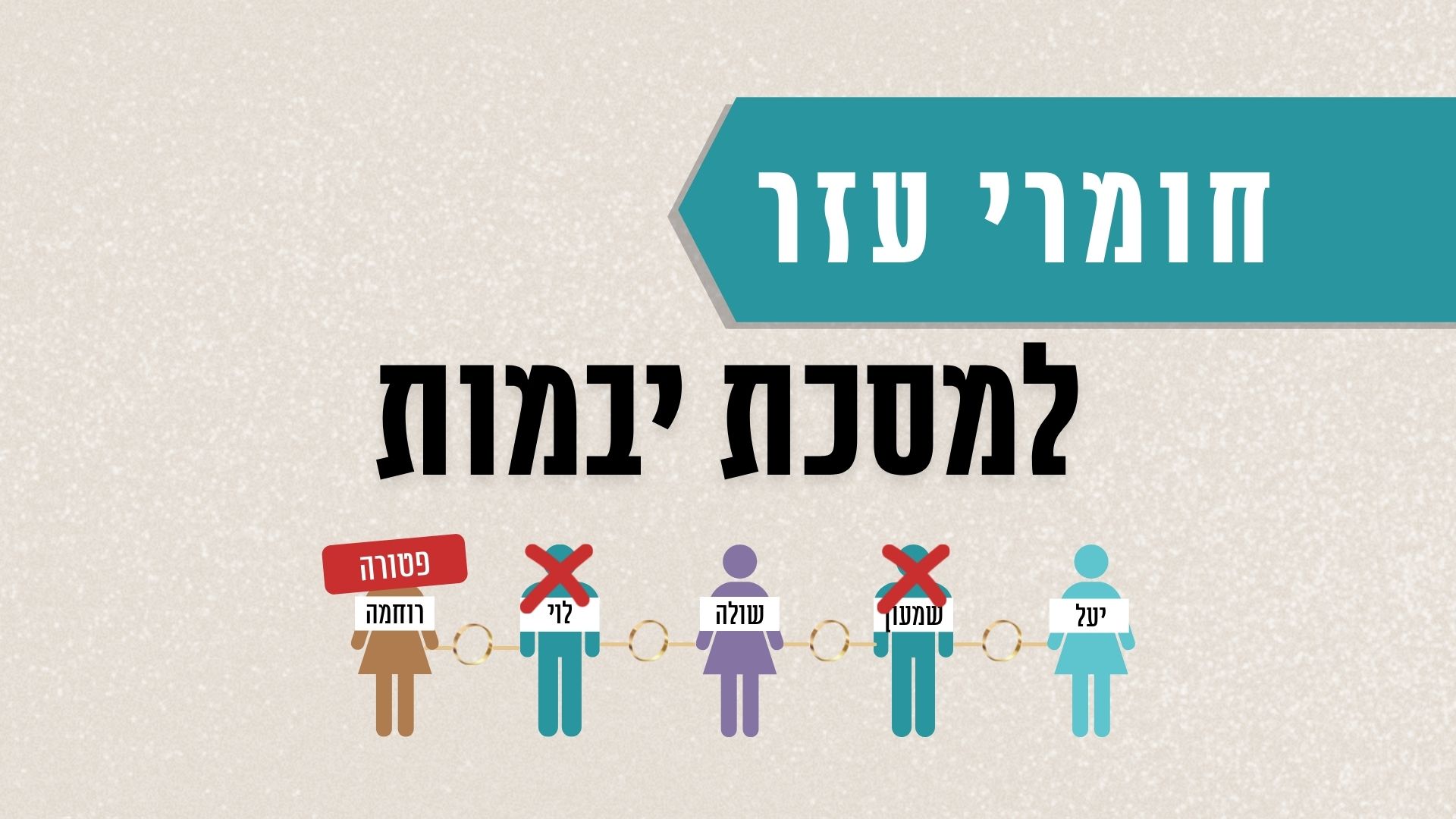
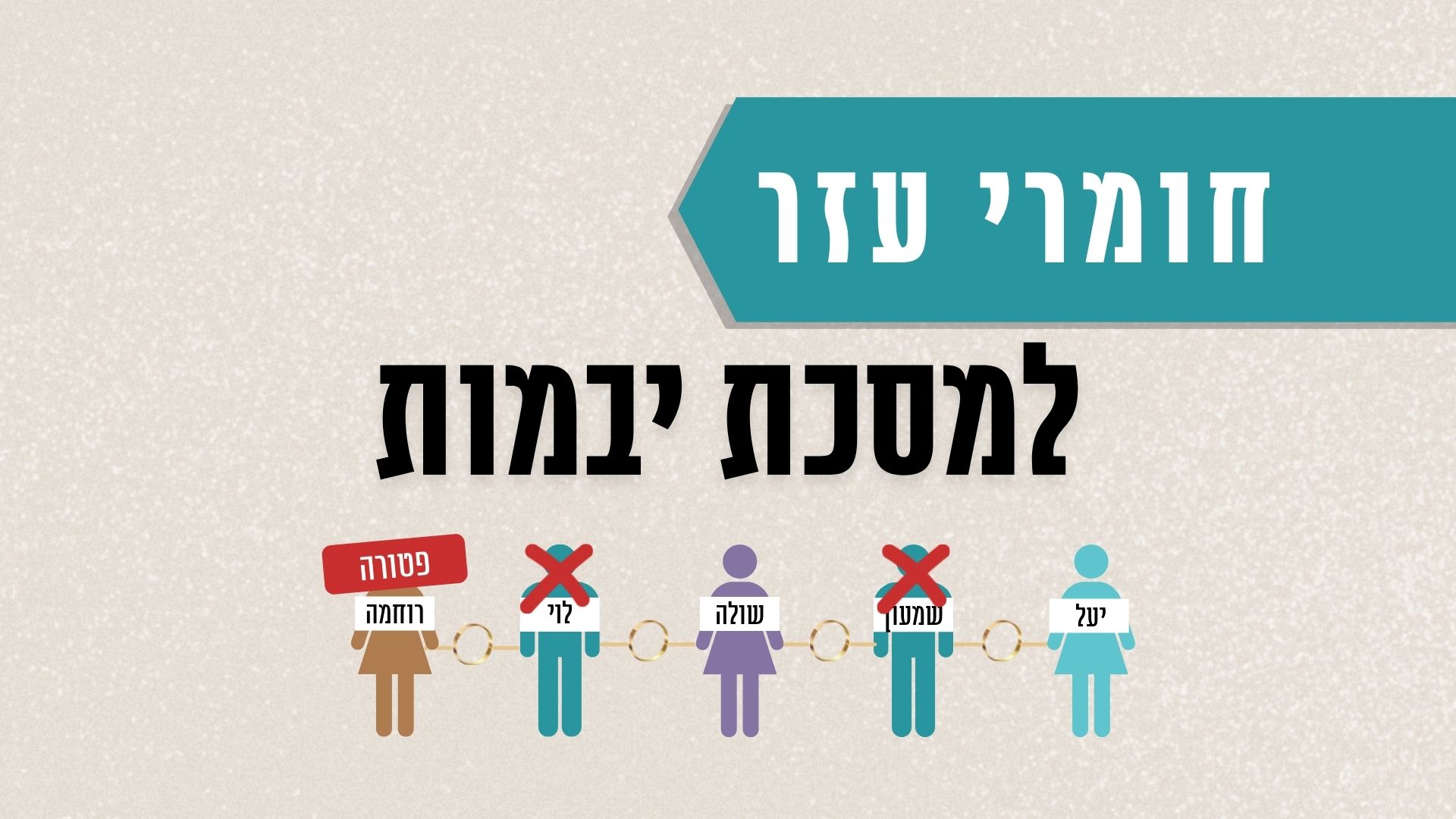
יבמות נט

רוצה להקדיש שיעור?

podcast placeholder

0:00
0:00


תקציר

הלימוד היום מוקדש למדינת ישראל לרגל יום עצמאותה ה74.

הדף היום מוקדש ע”י לורה שכטר לכבוד בתה, קיילה שזכתה בחידון התנ”ך באיזור שלה בארצות הברית וזכתה למקום בחידון הבינלאומי לשנה הבאה. "היה מאוד כיף ללמוד יחד לחידון. אני ואבא מאוד גאים בך.”

הדף היום מוקדש ע”י טינה ושלום לם לכבוד נכדה חדשה, צופיה מרים.

הדף היום מוקדש ע”י קהילת הדרן לכבוד יום הולדתה של מדינה קורן.

יש דעה שאוסרת על הכהן גדול להתחתן עם בוגרת (אשה שגילה יותר משתים עשרה שנים וששה חודשים). רבי חייא בר יוסף שאל את שמואל: אם כהן גדול מקדש אישה כשהיא צעירה אבל כשנשא אותה היא כבר עברה את הגיל המותר לו לשאת אותה, האם הוא יכול להמשיך בנישואין – האם הגבלת הגיל נקבעת בשעת הקידושין או בשעת הנישואין? שמואל מנסה לענות ממשנתנו, אך לאחר שרבי חייא העלה בכך קושי, ניסה שמואל לדרוש אותה ממשנה אחרת בפרק זה. רבי חייא דוחה גם את ההשוואה הזו. כהן גדול לא יכול להתחתן עם אלמנה, גם אם היא הייתה רק מאורסת למישהו אחר. מאיפה זה נלמד? הסוגיה האם יש הגבלת גיל (מעל שתים עשרה וחצי – בוגרת – היא מחלוקת במשנה בין רבי מאיר לרבי שמעון ואלעזר. כיצד דורש כל אחד את דעתו מהפסוקים בתורה (ויקרא כא:יג). רב קובע שאישה שקיימה יחסים שלא כדרכה (שלא גרם לאובדן בתולים) אף היא פסולה להינשא לכהן גדול. רבא מעלה קושי נגד רב מברייתא. הגמרא מנסה לענות שהחילוק ביניהם זה כפי שיטות רבי מאיר/רבי אלעזר), אולם תשובה זו נדחית. רב יוסף מגביל את היקף דבריו של רב לאשה שנבעלה שלא כדרכה לבהמה כדי לפתור את הקושי. קושי מועלה גם נגד תשובתו והרבי זירא מביאה תשובה שלישית – מדובר בממאנת. האם אשה שנבעלה לבהמה אסורה להתחתן עם כהן גדול? אם הכהן הגדול אנס או פיתה אישה, הוא אינו יכול להתחתן איתה, אבל אם הוא עושה כן, הנישואין תקפים. עם זאת, הוא חייב להתגרש ממנה.


כלים

יבמות נט

מַהוּ? בָּתַר נִישּׂוּאִין אָזְלִינַן, אוֹ בָּתַר אֵירוּסִין אָזְלִינַן.

what is the halakha? The Gemara clarifies the dilemma: Do we follow the time of marriage, at which point she was unfit for him according to most tanna’im, who hold that a High Priest may not marry a grown woman, as she is no longer called “a wife in her virginity” (Leviticus 21:13)? Or do we follow the time of betrothal, at which point she was of suitable age?

אֲמַר לֵיהּ, תְּנֵיתוּהָ: נִתְאַרְמְלוּ אוֹ נִתְגָּרְשׁוּ, מִן הַנִּשּׂוּאִין — פְּסוּלוֹת, מִן הָאֵירוּסִין — כְּשֵׁרוֹת.

Shmuel said to him: You learned it in the mishna: If they were widowed or divorced from marriage, they are disqualified from partaking of teruma, but if they were widowed or divorced from betrothal, they are fit to partake of teruma. This indicates that disqualifications from the privileges of priesthood are determined based upon marriage rather than betrothal.

אֲמַר לֵיהּ: לְשַׁוּוֹיֵהּ חֲלָלָה לָא קָמִיבַּעְיָא לִי, דְּבִיאָה הִיא דִּמְשַׁוְּויָה חֲלָלָה. כִּי קָמִיבַּעְיָא לִי: ״וְהוּא אִשָּׁה בִבְתוּלֶיהָ יִקָּח״, מַאי? קִיחָה דְקִדּוּשִׁין בָּעֵינַן, אוֹ קִיחָה דְנִישּׂוּאִין בָּעֵינַן.

Rabbi Ḥiyya bar Yosef said to Shmuel: With regard to causing her to become a ḥalala I did not raise a dilemma, as it is clear that it is intercourse that causes her to become a ḥalala. When I raised a dilemma, it was with regard to the verse pertaining to a High Priest: “And he shall take a wife in her virginity” (Leviticus 21:13). What does “take” mean in this verse? Do we require that only the taking of betrothal must occur when she is in her virginity, i.e., when she is a minor or a young woman, or perhaps we require even the taking of marriage to be performed when she is a minor or young woman?

אֲמַר לֵיהּ, הָא נָמֵי תְּנֵיתוּהָ: אֵירַס אֶת הָאַלְמָנָה וְנִתְמַנָּה לִהְיוֹת כֹּהֵן גָּדוֹל — יִכְנוֹס. שָׁאנֵי הָתָם, דִּכְתִיב: ״יִקַּח אִשָּׁה״.

Shmuel said to him: This, too, you learned in a mishna (61a): If he betrothed a widow and was subsequently appointed to be High Priest, he may marry her, despite the fact that a High Priest is prohibited from marrying a widow. This indicates that her permissibility to him is determined according to the time of the betrothal rather than the time of marriage. The Gemara refutes this proof: There it is different, as it is written: “He shall take for a wife” (Leviticus 21:14). The superfluous expression “for a wife” indicates that he is permitted to marry the widow in this case.

הָכָא נָמֵי, כְּתִיב ״אִשָּׁה״! אַחַת וְלֹא שְׁתַּיִם.

The Gemara objects: Here, too, with regard to a woman who matured after betrothal, it is written: “And he shall take a wife in her virginity,” and this should indicate that he may marry the grown woman in this case. The Gemara answers that the term “wife” allows for the inclusion of one case but not two. Consequently, since a High Priest may marry a widow he had betrothed before he was appointed High Priest, it cannot also be derived that he may marry a grown woman that he had betrothed before she matured.

וּמָה רָאִיתָ? הָא — אִישְׁתַּנִּי גּוּפַהּ, וְהָא — לָא אִישְׁתַּנִּי גּוּפַהּ.

The Gemara asks: And what did you see that led you to include the case of a widow and exclude that of a grown woman? The Gemara answers: In this case, of the grown woman, her body has changed, and therefore she is forbidden to him even though she was betrothed before she matured. In that case, of the widow, her body has not changed. It is the priest’s personal status that has changed, and therefore she remains permitted.

מַתְנִי׳ כֹּהֵן גָּדוֹל לֹא יִשָּׂא אַלְמָנָה, בֵּין אַלְמָנָה מִן הָאֵירוּסִין, בֵּין אַלְמָנָה מִן הַנִּישּׂוּאִין. וְלֹא יִשָּׂא אֶת הַבּוֹגֶרֶת. רַבִּי אֶלְעָזָר וְרַבִּי שִׁמְעוֹן מַכְשִׁירִין בְּבוֹגֶרֶת [וְלֹא יִשָּׂא אֶת מוּכַּת עֵץ].

MISHNA: A High Priest may not marry a widow, whether she is a widow from betrothal or a widow from marriage. And he may not marry a grown woman. He may marry only a minor or a young woman. Rabbi Elazar and Rabbi Shimon declare a grown woman fit to marry a High Priest. And he may not marry a woman whose hymen was torn accidentally.

גְּמָ׳ תָּנוּ רַבָּנַן: ״אַלְמָנָה … לֹא יִקַּח״ — בֵּין אַלְמָנָה מִן הָאֵירוּסִין, בֵּין אַלְמָנָה מִן הַנִּישּׂוּאִין. פְּשִׁיטָא! מַהוּ דְּתֵימָא: לֵילַף ״אַלְמָנָה״ ״אַלְמָנָה״ מִתָּמָר, מָה לְהַלָּן מִן הַנִּישּׂוּאִין — אַף כָּאן מִן הַנִּישּׂוּאִין, קָא מַשְׁמַע לַן.

GEMARA: The Sages taught: The verse states with regard to a High Priest: “A widow…he shall not take” (Leviticus 21:14), which prohibits him from marrying any widow, whether she is a widow from betrothal or a widow from marriage. The Gemara is surprised by this statement: This is obvious, as the verse is referring to a widow without further specification. The Gemara answers: It is necessary; lest you say that one should derive a verbal analogy between the words “widow” and “widow,” based upon the usage of that term in a verse with regard to Tamar, Judah’s daughter-in-law (Genesis 38:11), as follows: Just as there, Tamar was a widow from marriage, so too here the verse is referring only to a widow from marriage. The tanna therefore teaches us that this is not the case.

וְאֵימָא הָכִי נָמֵי?! דּוּמְיָא דִּגְרוּשָׁה: מָה גְּרוּשָׁה — בֵּין מִן הַנִּישּׂוּאִין בֵּין מִן הָאֵירוּסִין, אַף אַלְמָנָה — בֵּין מִן הָאֵירוּסִין בֵּין מִן הַנִּישּׂוּאִין.

The Gemara asks: And say that it is indeed so, that the suggested verbal analogy is correct. The Gemara answers: It is similar to the case of a divorcée: Just as a divorcée is forbidden to a priest whether she was divorced from marriage or from betrothal, so too a widow is forbidden to a High Priest whether she is a widow from marriage or from betrothal.

וְלֹא יִשָּׂא אֶת הַבּוֹגֶרֶת. תָּנוּ רַבָּנַן: ״וְהוּא אִשָּׁה בִבְתוּלֶיהָ יִקָּח״, פְּרָט לַבּוֹגֶרֶת — שֶׁכָּלוּ לָהּ בְּתוּלֶיהָ. דִּבְרֵי רַבִּי מֵאִיר. רַבִּי אֶלְעָזָר וְרַבִּי שִׁמְעוֹן מַכְשִׁירִין בְּבוֹגֶרֶת.

§ It was taught in the mishna: And a High Priest may not marry a grown woman. The Sages taught that the verse: “And he shall take a wife in her virginity” (Leviticus 21:13) excludes a grown woman, whose hymen has worn away, i.e., it is no longer as complete as that of a minor or a young woman; this is the statement of Rabbi Meir. Rabbi Elazar and Rabbi Shimon declare a grown woman fit to marry a High Priest.

בְּמַאי קָא מִיפַּלְגִי? רַבִּי מֵאִיר סָבַר: ״בְּתוּלָה״ — אֲפִילּוּ מִקְצָת בְּתוּלִים מַשְׁמַע. ״בְּתוּלֶיהָ״ — עַד דְּאִיכָּא כׇּל הַבְּתוּלִים. ״בִּבְתוּלֶיהָ״, בִּכְדַרְכָּהּ — אִין, שֶׁלֹּא כְּדַרְכָּהּ — לָא.

The Gemara asks: With regard to what do they disagree? The Gemara explains: Rabbi Meir holds that were the verse referring simply to a virgin it would have indicated that even a woman with partial signs of virginity, i.e., a grown woman, is permitted. Since the verse states “her virginity,” it means that she is fit to marry a High Priest only if all of the signs of her virginity are intact, which excludes a grown woman. The full expression “in her virginity” indicates that if she has experienced sexual intercourse in a typical manner, which takes place in the area of her virginity, i.e., her hymen, yes, she is disqualified from marrying a High Priest; but if she has experienced sexual intercourse in an atypical manner i.e., anal intercourse, no, she is not disqualified.

וְרַבִּי אֶלְעָזָר וְרַבִּי שִׁמְעוֹן סָבְרִי: ״בְּתוּלָה״ — בְּתוּלָה שְׁלֵימָה מַשְׁמַע. ״בְּתוּלֶיהָ״ — וַאֲפִילּוּ מִקְצָת בְּתוּלִים. ״בִּבְתוּלֶיהָ״ — עַד שֶׁיִּהְיוּ כׇּל בְּתוּלֶיהָ קַיָּימִין, בֵּין בִּכְדַרְכָּהּ, בֵּין שֶׁלֹּא כְּדַרְכָּהּ.

And Rabbi Elazar and Rabbi Shimon hold that were the verse referring simply to a virgin, it would have indicated that only a complete virgin is fit to marry a High Priest, but not a grown woman. When it states “her virginity,” it indicates that even a woman with partial signs of virginity, i.e., a grown woman, is fit to marry the High Priest. The full expression “in her virginity” indicates that she is not fit to marry a High Priest unless all of her virginity is intact, i.e., she has not engaged in intercourse of any kind, whether typical sexual intercourse or atypical sexual intercourse.

אָמַר רַב יְהוּדָה אָמַר רַב: נִבְעֲלָה שֶׁלֹּא כְּדַרְכָּהּ — פְּסוּלָה לַכְּהוּנָּה. מֵתִיב רָבָא: ״וְלוֹ תִהְיֶה לְאִשָּׁה״ — בְּאִשָּׁה הָרְאוּיָה לוֹ, פְּרָט לְאַלְמָנָה לְכֹהֵן גָּדוֹל, גְּרוּשָׁה וַחֲלוּצָה לְכֹהֵן הֶדְיוֹט.

Rav Yehuda said that Rav said: If she had atypical sexual intercourse, she is disqualified from the High Priesthood, i.e., from marrying the High Priest. Rava raised an objection based upon a baraita: The verse states with regard to rape: “And she shall be his wife” (Deuteronomy 22:19), and the Sages explained that this is referring only to a woman suitable for him, excluding a widow for a High Priest and a divorcée or a ḥalutza for a common priest. In these cases, the rapist is not permitted to marry his victim.

הֵיכִי דָּמֵי? אִלֵּימָא בִּכְדַרְכָּהּ, מַאי אִירְיָא מִשּׁוּם אַלְמָנָה? תִּיפּוֹק לֵיהּ מִשּׁוּם דְּהָוְיָא לַהּ בְּעוּלָה, אֶלָּא לָאו: שֶׁלֹּא כְּדַרְכָּהּ, וּמִשּׁוּם אַלְמָנָה — אִין, מִשּׁוּם בְּעוּלָה — לָא!

The Gemara clarifies: What are the circumstances of this halakha? If we say that the High Priest raped her by engaging in typical intercourse, why does the baraita specifically state that she is forbidden to him because she is a widow? Let him derive this halakha from the fact that she is now a non-virgin. Rather, is it not that he had atypical intercourse with her, and due to the fact that she is a widow, yes, that is the reason she is forbidden, but due to the fact that she is a non-virgin, no, that is not the reason she is forbidden? This indicates that a woman who had intercourse in an atypical manner is not considered a non-virgin and is not disqualified from marrying a High Priest.

הָא מַנִּי — רַבִּי מֵאִיר הִיא, וְרַב דְּאָמַר כְּרַבִּי אֶלְעָזָר.

The Gemara refutes this proof: In accordance with whose opinion is this baraita? It is in accordance with the opinion of Rabbi Meir, who maintains that a woman who engaged in atypical intercourse is permitted to a High Priest, and when Rav said his statement, it was in accordance with the opinion of Rabbi Elazar, who holds that such a woman is disqualified from marrying a High Priest.

אִי כְּרַבִּי אֶלְעָזָר, מַאי אִירְיָא מִשּׁוּם בְּעוּלָה? תִּיפּוֹק לֵיהּ דְּהָוְיָא לַהּ זוֹנָה! דְּהָא אָמַר רַבִּי אֶלְעָזָר: פָּנוּי הַבָּא עַל הַפְּנוּיָה שֶׁלֹּא לְשֵׁם אִישׁוּת — עֲשָׂאָהּ זוֹנָה.

The Gemara asks: If Rav’s statement is in accordance with the opinion of Rabbi Elazar, why did he specifically state that she is forbidden to him because she is a non-virgin? Let him derive it from the fact that she is a zona, as Rabbi Elazar said: Even in the case of an unmarried man who had intercourse with an unmarried woman not for the purpose of marriage, he has thereby caused her to become a zona.

אָמַר רַב יוֹסֵף: כְּגוֹן שֶׁנִּבְעֲלָה לִבְהֵמָה, דְּהָתָם מִשּׁוּם בְּעוּלָה אִיכָּא, מִשּׁוּם זוֹנָה לֵיכָּא.

Rav Yosef said: When Rav said that a woman who had anal intercourse is disqualified from marrying a High Priest, he was referring to a woman who had intercourse with an animal, as there she is disqualified because she is a non-virgin, but she is not disqualified because of the prohibition of a zona.

אֲמַר לֵיהּ אַבָּיֵי, מִמָּה נַפְשָׁךְ: אִי בְּעוּלָה הָוְיָא — זוֹנָה נָמֵי הָוְיָא. וְאִי זוֹנָה לָא הָוְיָא — בְּעוּלָה נָמֵי לָא הָוְיָא. וְכִי תֵּימָא: מִידֵי דְּהָוֵיא אַמוּכַּת עֵץ שֶׁלֹּא כְּדַרְכָּהּ, אִם כֵּן, אֵין לְךָ אִשָּׁה שֶׁכְּשֵׁרָה לַכְּהוּנָּה, שֶׁלֹּא נַעֲשֵׂית מוּכַּת עֵץ עַל יְדֵי צְרוֹר.

Abaye said to him: Whichever way you look at it, there is a difficulty with this answer: If she is considered a non-virgin, she is also a zona, and if she is not a zona she is also not a non-virgin. And lest you say that it is analogous to a case of a woman who lost her virginity via penetration by a foreign object atypically, i.e., anally, whose hymen was therefore not damaged and she is not forbidden as a zona, yet she is no longer considered a virgin, that is not correct: If so, if such a woman is considered a non-virgin and forbidden to a High Priest, you would have no woman who is fit for the High Priesthood, who has not lost her virginity via penetration by a foreign object atypically, i.e., by a pebble used to clean herself in the lavatory.

אֶלָּא, אָמַר רַבִּי זֵירָא: בִּמְמָאֶנֶת.

Rather, Rabbi Zeira said that Rav was referring to one who refused her husband after having only atypical intercourse with him. Although the act of intercourse was not licentious, as she was married at the time, she is nevertheless disqualified from marrying into the priesthood because she is not a virgin.

אָמַר רַב שִׁימִי בַּר חִיָּיא: נִבְעֲלָה לִבְהֵמָה — כְּשֵׁרָה לַכְּהוּנָּה. תַּנְיָא נָמֵי הָכִי: נִבְעֲלָה לְמִי שֶׁאֵינוֹ אִישׁ, אַף עַל פִּי שֶׁבִּסְקִילָה — כְּשֵׁרָה לַכְּהוּנָּה.

§ Rabbi Shimi bar Ḥiyya said: A woman who had intercourse with an animal is like one whose hymen was torn accidentally. Consequently, she is not a zona and is fit for the priesthood. This is also taught in a baraita: If a woman had intercourse with one who is not a man, i.e., an animal, although she is liable to stoning if she did so intentionally and in the presence of witnesses who forewarned her of her punishment, she is nevertheless fit for the priesthood.

כִּי אֲתָא רַב דִּימִי, אָמַר: מַעֲשֵׂה בְּרִיבָה אַחַת בְּהַיְתָלוֹ שֶׁהָיְתָה מְכַבֶּדֶת אֶת הַבַּיִת, וּרְבָעָהּ כֶּלֶב כּוּפְרִי מֵאַחֲרֶיהָ, וְהִכְשִׁירָהּ רַבִּי לַכְּהוּנָּה. אָמַר שְׁמוּאֵל: וּלְכֹהֵן גָּדוֹל. בִּימֵי רַבִּי כֹּהֵן גָּדוֹל מִי הֲוָה? אֶלָּא — רְאוּיָה לְכֹהֵן גָּדוֹל.

When Rav Dimi came from Eretz Yisrael he said: There was an incident involving a certain girl [riva] in the village of Hitlu who was sweeping the house, and a village [kufri] dog used for hunting sodomized her from behind. And Rabbi Yehuda HaNasi permitted her to the priesthood, as she was not considered a zona. Shmuel said: And Rabbi Yehuda HaNasi permitted her even to a High Priest, as she was still considered a virgin. The Gemara is puzzled by this comment: Was there a High Priest in the days of Rabbi Yehuda HaNasi? Rather, Shmuel meant that she is fit for a High Priest.

אֲמַר לֵיהּ רָבָא מִפַּרְזַקְיָא לְרַב אָשֵׁי: מְנַָא הָא מִילְּתָא דַּאֲמוּר רַבָּנַן אֵין זְנוּת לִבְהֵמָה? דִּכְתִיב: ״לֹא תָבִיא אֶתְנַן זוֹנָה וּמְחִיר כֶּלֶב״.

Rava of Pirkin said to Rav Ashi: From where is this matter derived that the Sages stated that there is no harlotry with regard to an animal? Rav Ashi responded that it is as it is written: “You shall not bring the hire of a harlot or the price of a dog into the House of the Lord your God for any vow; for both of them are an abomination to the Lord your God” (Deuteronomy 23:19). This verse prohibits one from sacrificing an animal as an offering if that animal was ever used to pay a harlot for her services, or if it was ever used as payment in the purchase of a dog.

וּתְנַן: אֶתְנַן כֶּלֶב וּמְחִיר זוֹנָה — מוּתָּרִין, (מִשּׁוּם) שֶׁנֶּאֱמַר: ״גַּם שְׁנֵיהֶם״ — שְׁנַיִם וְלֹא אַרְבָּעָה.

And we learned in a mishna (Temura 30a): The hire of a dog, i.e., a kosher animal that a man or woman gave as payment to the owner of a dog in order to have sexual intercourse with it, and similarly the price of a prostitute, a kosher animal used to purchase a prostitute as a maidservant, are permitted to be sacrificed as offerings. This is because it is stated that both of them, the specific items listed in the verse, are abominations. Consequently, only two items are prohibited, i.e., the payment given to a prostitute for her services, and the payment used in the purchase of a dog, and not four, as the reverse cases are excluded from this halakha.

תָּנוּ רַבָּנַן: אֲנוּסַת עַצְמוֹ וּמְפוּתַּת עַצְמוֹ — לֹא יִשָּׂא, וְאִם נָשָׂא — נָשׂוּי. אֲנוּסַת חֲבֵירוֹ וּמְפוּתַּת חֲבֵירוֹ — לֹא יִשָּׂא, וְאִם נָשָׂא, רַבִּי אֱלִיעֶזֶר בֶּן יַעֲקֹב אוֹמֵר: הַוָּלָד חָלָל, וַחֲכָמִים אוֹמְרִים: הַוָּלָד כָּשֵׁר.

§ The Sages taught: A High Priest may not marry a woman that he himself raped and a woman that he himself seduced, as he is commanded to marry a virgin. And if he married her, he is married. With regard to a woman who was raped by another man and a woman seduced by another man, he may not marry her. And if he married her, Rabbi Eliezer ben Ya’akov says that the child born from this union is a ḥalal, and the Rabbis say the lineage of the offspring is unflawed.

אִם נָשָׂא — נָשׂוּי, אָמַר רַב הוּנָא אָמַר רַב: וּמוֹצִיא בְּגֵט. וְאֶלָּא הָא דְּקָתָנֵי: אִם נָשָׂא נָשׂוּי! אָמַר רַב אַחָא בַּר יַעֲקֹב: לוֹמַר

The Gemara analyzes this baraita. It states that if he married the woman that he himself raped or seduced, he is married. Rav Huna said that Rav said: And he must divorce her with a bill of divorce. The Gemara asks: But consider that which the baraita teaches: If he married her, he is married. Since it is obvious that the marriage is technically valid, it must be saying that they are permitted to remain married. Rav Aḥa bar Ya’akov said: No, it means to say

כלים

העמקה

רוצה להבין מה באמת קורה מתחת לפני השטח של הסוגיה?
שיעורים, פודקאסטים והרחבות של מיטב המורות שלנו יפתחו לך עוד זוויות וכיווני חשיבה.

לשיעורי עוד על הדף באנגלית, לחצי כאן

חדשה בלימוד הגמרא?

זה הדף הראשון שלך? איזו התרגשות עצומה! יש לנו בדיוק את התכנים והכלים שיעזרו לך לעשות את הצעדים הראשונים ללמידה בקצב וברמה שלך, כך תוכלי להרגיש בנוח גם בתוך הסוגיות המורכבות ומאתגרות.

פסיפס הלומדות שלנו

גלי את קהילת הלומדות שלנו, מגוון נשים, רקעים וסיפורים. כולן חלק מתנועה ומסע מרגש ועוצמתי.

התחלתי ללמוד בסבב הנוכחי לפני כשנתיים .הסביבה מתפעלת ותומכת מאוד. אני משתדלת ללמוד מכל ההסכתים הנוספים שיש באתר הדרן. אני עורכת כל סיום מסכת שיעור בביתי לכ20 נשים שמחכות בקוצר רוח למפגשים האלו.

Yael Asher
יעל אשר

יהוד, ישראל

. לא תמיד נהניתי מלימוד גמרא כילדה.,בל כהתבגרתי התחלתי לאהוב את זה שוב. התחלתי ללמוד מסכת סוטה בדף היומי לפני כחמש עשרה שנה ואז הפסקתי.הגעתי לסיום הגדול של הדרן לפני שנתיים וזה נתן לי השראה. והתחלתי ללמוד למשך כמה ימים ואז היתה לי פריצת דיסק והפסקתי…עד אלול השנה. אז התחלתי עם מסכת ביצה וב”ה אני מצליחה לעמוד בקצב. המשפחה מאוד תומכת בי ויש כמה שגם לומדים את זה במקביל. אני אוהבת שיש עוגן כל יום.

Rebecca Darshan
רבקה דרשן

בית שמש, ישראל

ראיתי את הסיום הגדול בבנייני האומה וכל כך התרשמתי ורציתי לקחת חלק.. אבל לקח לי עוד כשנה וחצי )באמצע מסיכת שבת להצטרף..
הלימוד חשוב לי מאוד.. אני תמיד במרדף אחרי הדף וגונבת כל פעם חצי דף כשהילדים עסוקים ומשלימה אח”כ אחרי שכולם הלכו לישון..

Olga Mizrahi
אולגה מזרחי

ירושלים, ישראל

התחלתי ללמוד בשנת המדרשה במגדל עוז, בינתיים נהנית מאוד מהלימוד ומהגמרא, מעניין ומשמח מאוד!
משתדלת להצליח לעקוב כל יום, לפעמים משלימה קצת בהמשך השבוע.. מרגישה שיש עוגן מקובע ביום שלי והוא משמח מאוד!

Uriah Kesner
אוריה קסנר

חיפה , ישראל

A friend in the SF Bay Area said in Dec 2019 that she might start listening on her morning drive to work. I mentioned to my husband and we decided to try the Daf when it began in Jan 2020 as part of our preparing to make Aliyah in the summer.

Hana Piotrkovsky
חנה פיוטרקובסקי

ירושלים, Israel

התחלתי ללמוד דף יומי לפני שנתיים, עם מסכת שבת. בהתחלה ההתמדה היתה קשה אבל בזכות הקורונה והסגרים הצלחתי להדביק את הפערים בשבתות הארוכות, לסיים את מסכת שבת ולהמשיך עם המסכתות הבאות. עכשיו אני מסיימת בהתרגשות רבה את מסכת חגיגה וסדר מועד ומחכה לסדר הבא!

Ilana-Shachnowitz
אילנה שכנוביץ

מודיעין, ישראל

התחלתי ללמוד דף יומי בתחילת מסכת ברכות, עוד לא ידעתי כלום. נחשפתי לסיום הש״ס, ובעצם להתחלה מחדש בתקשורת, הפתיע אותי לטובה שהיה מקום לעיסוק בתורה.
את המסכתות הראשונות למדתי, אבל לא סיימתי (חוץ מעירובין איכשהו). השנה כשהגעתי למדרשה, נכנסתי ללופ, ואני מצליחה להיות חלק, סיימתי עם החברותא שלי את כל המסכתות הקצרות, גם כשהיינו חולות קורונה ובבידודים, למדנו לבד, העיקר לא לצבור פער, ומחכות ליבמות 🙂

Eden Yeshuron
עדן ישורון

מזכרת בתיה, ישראל

התחלתי ללמוד גמרא בבית הספר בגיל צעיר והתאהבתי. המשכתי בכך כל חיי ואף היייתי מורה לגמרא בבית הספר שקד בשדה אליהו (בית הספר בו למדתי בילדותי)בתחילת מחזור דף יומי הנוכחי החלטתי להצטרף ובע”ה מקווה להתמיד ולהמשיך. אני אוהבת את המפגש עם הדף את "דרישות השלום ” שמקבלת מקשרים עם דפים אחרים שלמדתי את הסנכרון שמתחולל בין התכנים.

Ariela Bigman
אריאלה ביגמן

מעלה גלבוע, ישראל

התחלתי ללמוד את הדף היומי מעט אחרי שבני הקטן נולד. בהתחלה בשמיעה ולימוד באמצעות השיעור של הרבנית שפרבר. ובהמשך העזתי וקניתי לעצמי גמרא. מאז ממשיכה יום יום ללמוד עצמאית, ולפעמים בעזרת השיעור של הרבנית, כל יום. כל סיום של מסכת מביא לאושר גדול וסיפוק. הילדים בבית נהיו חלק מהלימוד, אני משתפת בסוגיות מעניינות ונהנית לשמוע את דעתם.

Eliraz Blau
אלירז בלאו

מעלה מכמש, ישראל

הצטרפתי ללומדות בתחילת מסכת תענית. ההתרגשות שלי ושל המשפחה היתה גדולה מאוד, והיא הולכת וגוברת עם כל סיום שאני זוכה לו. במשך שנים רבות רציתי להצטרף ומשום מה זה לא קרה… ב”ה מצאתי לפני מספר חודשים פרסום של הדרן, ומיד הצטרפתי והתאהבתי. הדף היומי שינה את חיי ממש והפך כל יום- ליום של תורה. מודה לכן מקרב ליבי ומאחלת לכולנו לימוד פורה מתוך אהבת התורה ולומדיה.

Noa Rosen
נעה רוזן

חיספין רמת הגולן, ישראל

שמעתי על הסיום הענק של הדף היומי ע”י נשים בבנייני האומה. רציתי גם.
החלטתי להצטרף. התחלתי ושיכנעתי את בעלי ועוד שתי חברות להצטרף. עכשיו יש לי לימוד משותף איתו בשבת ומפגש חודשי איתן בנושא (והתכתבויות תדירות על דברים מיוחדים שקראנו). הצטרפנו לקבוצות שונות בווטסאפ. אנחנו ממש נהנות. אני שומעת את השיעור מידי יום (בד”כ מהרב יוני גוטמן) וקוראת ומצטרפת לסיומים של הדרן. גם מקפידה על דף משלהן (ונהנית מאד).

Liat Citron
ליאת סיטרון

אפרת, ישראל

התחלתי ללמוד גמרא בבית הספר בגיל צעיר והתאהבתי. המשכתי בכך כל חיי ואף היייתי מורה לגמרא בבית הספר שקד בשדה אליהו (בית הספר בו למדתי בילדותי)בתחילת מחזור דף יומי הנוכחי החלטתי להצטרף ובע”ה מקווה להתמיד ולהמשיך. אני אוהבת את המפגש עם הדף את "דרישות השלום ” שמקבלת מקשרים עם דפים אחרים שלמדתי את הסנכרון שמתחולל בין התכנים.

Ariela Bigman
אריאלה ביגמן

מעלה גלבוע, ישראל

לפני 15 שנה, אחרי עשרות שנים של "ג’ינגול” בין משפחה לקריירה תובענית בהייטק, הצטרפתי לשיעורי גמרא במתן רעננה. הלימוד המעמיק והייחודי של הרבנית אושרה קורן יחד עם קבוצת הנשים המגוונת הייתה חוויה מאלפת ומעשירה. לפני כשמונה שנים כאשר מחזור הדף היומי הגיע למסכת תענית הצטרפתי כ”חברותא” לבעלי. זו השעה היומית שלנו ביחד כאשר דפי הגמרא משתלבים בחיי היום יום, משפיעים ומושפעים, וכשלא מספיקים תמיד משלימים בשבת

Yodi Askoff
יודי אסקוף

רעננה, ישראל

התחלתי ללמוד לפני כשנתיים בשאיפה לסיים לראשונה מסכת אחת במהלך חופשת הלידה.
אחרי מסכת אחת כבר היה קשה להפסיק…

Noa Gallant
נעה גלנט

ירוחם, ישראל

למדתי גמרא מכיתה ז- ט ב Maimonides School ואחרי העליה שלי בגיל 14 לימוד הגמרא, שלא היה כל כך מקובל בימים אלה, היה די ספוראדי. אחרי "ההתגלות” בבנייני האומה התחלתי ללמוד בעיקר בדרך הביתה למדתי מפוקקטסים שונים. לאט לאט ראיתי שאני תמיד חוזרת לרבנית מישל פרבר. באיזה שהוא שלב התחלתי ללמוד בזום בשעה 7:10 .
היום "אין מצב” שאני אתחיל את היום שלי ללא לימוד עם הרבנית מישל עם כוס הקפה שלי!!

selfie-scaled
דבי גביר

חשמונאים, ישראל

התחלתי ללמוד דף יומי ממסכת נידה כי זה היה חומר הלימוד שלי אז. לאחר הסיום הגדול בבנייני האומה החלטתי להמשיך. וב”ה מאז עם הפסקות קטנות של קורונה ולידה אני משתדלת להמשיך ולהיות חלק.

זה משפיע מאוד על היום יום שלי ועל אף שאני עסוקה בלימודי הלכה ותורה כל יום, זאת המסגרת הקבועה והמחייבת ביותר שיש לי.

Moriah Taesan Michaeli
מוריה תעסן מיכאלי

גבעת הראל, ישראל

התחלתי ללמוד בעידוד שתי חברות אתן למדתי בעבר את הפרק היומי במסגרת 929.
בבית מתלהבים מאוד ובשבת אני לומדת את הדף עם בעלי שזה מפתיע ומשמח מאוד! לימוד הדף הוא חלק בלתי נפרד מהיום שלי. לומדת בצהריים ומחכה לזמן הזה מידי יום…

Miriam Wengerover
מרים ונגרובר

אפרת, ישראל

A friend in the SF Bay Area said in Dec 2019 that she might start listening on her morning drive to work. I mentioned to my husband and we decided to try the Daf when it began in Jan 2020 as part of our preparing to make Aliyah in the summer.

Hana Piotrkovsky
חנה פיוטרקובסקי

ירושלים, Israel

הצטרפתי ללומדות בתחילת מסכת תענית. ההתרגשות שלי ושל המשפחה היתה גדולה מאוד, והיא הולכת וגוברת עם כל סיום שאני זוכה לו. במשך שנים רבות רציתי להצטרף ומשום מה זה לא קרה… ב”ה מצאתי לפני מספר חודשים פרסום של הדרן, ומיד הצטרפתי והתאהבתי. הדף היומי שינה את חיי ממש והפך כל יום- ליום של תורה. מודה לכן מקרב ליבי ומאחלת לכולנו לימוד פורה מתוך אהבת התורה ולומדיה.

Noa Rosen
נעה רוזן

חיספין רמת הגולן, ישראל

My explorations into Gemara started a few days into the present cycle. I binged learnt and become addicted. I’m fascinated by the rich "tapestry” of intertwined themes, connections between Masechtot, conversations between generations of Rabbanim and learners past and present all over the world. My life has acquired a golden thread, linking generations with our amazing heritage.
Thank you.

Susan Kasdan
סוזן כשדן

חשמונאים, Israel

יבמות נט

מַהוּ? בָּתַר נִישּׂוּאִין אָזְלִינַן, אוֹ בָּתַר אֵירוּסִין אָזְלִינַן.

what is the halakha? The Gemara clarifies the dilemma: Do we follow the time of marriage, at which point she was unfit for him according to most tanna’im, who hold that a High Priest may not marry a grown woman, as she is no longer called “a wife in her virginity” (Leviticus 21:13)? Or do we follow the time of betrothal, at which point she was of suitable age?

אֲמַר לֵיהּ, תְּנֵיתוּהָ: נִתְאַרְמְלוּ אוֹ נִתְגָּרְשׁוּ, מִן הַנִּשּׂוּאִין — פְּסוּלוֹת, מִן הָאֵירוּסִין — כְּשֵׁרוֹת.

Shmuel said to him: You learned it in the mishna: If they were widowed or divorced from marriage, they are disqualified from partaking of teruma, but if they were widowed or divorced from betrothal, they are fit to partake of teruma. This indicates that disqualifications from the privileges of priesthood are determined based upon marriage rather than betrothal.

אֲמַר לֵיהּ: לְשַׁוּוֹיֵהּ חֲלָלָה לָא קָמִיבַּעְיָא לִי, דְּבִיאָה הִיא דִּמְשַׁוְּויָה חֲלָלָה. כִּי קָמִיבַּעְיָא לִי: ״וְהוּא אִשָּׁה בִבְתוּלֶיהָ יִקָּח״, מַאי? קִיחָה דְקִדּוּשִׁין בָּעֵינַן, אוֹ קִיחָה דְנִישּׂוּאִין בָּעֵינַן.

Rabbi Ḥiyya bar Yosef said to Shmuel: With regard to causing her to become a ḥalala I did not raise a dilemma, as it is clear that it is intercourse that causes her to become a ḥalala. When I raised a dilemma, it was with regard to the verse pertaining to a High Priest: “And he shall take a wife in her virginity” (Leviticus 21:13). What does “take” mean in this verse? Do we require that only the taking of betrothal must occur when she is in her virginity, i.e., when she is a minor or a young woman, or perhaps we require even the taking of marriage to be performed when she is a minor or young woman?

אֲמַר לֵיהּ, הָא נָמֵי תְּנֵיתוּהָ: אֵירַס אֶת הָאַלְמָנָה וְנִתְמַנָּה לִהְיוֹת כֹּהֵן גָּדוֹל — יִכְנוֹס. שָׁאנֵי הָתָם, דִּכְתִיב: ״יִקַּח אִשָּׁה״.

Shmuel said to him: This, too, you learned in a mishna (61a): If he betrothed a widow and was subsequently appointed to be High Priest, he may marry her, despite the fact that a High Priest is prohibited from marrying a widow. This indicates that her permissibility to him is determined according to the time of the betrothal rather than the time of marriage. The Gemara refutes this proof: There it is different, as it is written: “He shall take for a wife” (Leviticus 21:14). The superfluous expression “for a wife” indicates that he is permitted to marry the widow in this case.

הָכָא נָמֵי, כְּתִיב ״אִשָּׁה״! אַחַת וְלֹא שְׁתַּיִם.

The Gemara objects: Here, too, with regard to a woman who matured after betrothal, it is written: “And he shall take a wife in her virginity,” and this should indicate that he may marry the grown woman in this case. The Gemara answers that the term “wife” allows for the inclusion of one case but not two. Consequently, since a High Priest may marry a widow he had betrothed before he was appointed High Priest, it cannot also be derived that he may marry a grown woman that he had betrothed before she matured.

וּמָה רָאִיתָ? הָא — אִישְׁתַּנִּי גּוּפַהּ, וְהָא — לָא אִישְׁתַּנִּי גּוּפַהּ.

The Gemara asks: And what did you see that led you to include the case of a widow and exclude that of a grown woman? The Gemara answers: In this case, of the grown woman, her body has changed, and therefore she is forbidden to him even though she was betrothed before she matured. In that case, of the widow, her body has not changed. It is the priest’s personal status that has changed, and therefore she remains permitted.

מַתְנִי׳ כֹּהֵן גָּדוֹל לֹא יִשָּׂא אַלְמָנָה, בֵּין אַלְמָנָה מִן הָאֵירוּסִין, בֵּין אַלְמָנָה מִן הַנִּישּׂוּאִין. וְלֹא יִשָּׂא אֶת הַבּוֹגֶרֶת. רַבִּי אֶלְעָזָר וְרַבִּי שִׁמְעוֹן מַכְשִׁירִין בְּבוֹגֶרֶת [וְלֹא יִשָּׂא אֶת מוּכַּת עֵץ].

MISHNA: A High Priest may not marry a widow, whether she is a widow from betrothal or a widow from marriage. And he may not marry a grown woman. He may marry only a minor or a young woman. Rabbi Elazar and Rabbi Shimon declare a grown woman fit to marry a High Priest. And he may not marry a woman whose hymen was torn accidentally.

גְּמָ׳ תָּנוּ רַבָּנַן: ״אַלְמָנָה … לֹא יִקַּח״ — בֵּין אַלְמָנָה מִן הָאֵירוּסִין, בֵּין אַלְמָנָה מִן הַנִּישּׂוּאִין. פְּשִׁיטָא! מַהוּ דְּתֵימָא: לֵילַף ״אַלְמָנָה״ ״אַלְמָנָה״ מִתָּמָר, מָה לְהַלָּן מִן הַנִּישּׂוּאִין — אַף כָּאן מִן הַנִּישּׂוּאִין, קָא מַשְׁמַע לַן.

GEMARA: The Sages taught: The verse states with regard to a High Priest: “A widow…he shall not take” (Leviticus 21:14), which prohibits him from marrying any widow, whether she is a widow from betrothal or a widow from marriage. The Gemara is surprised by this statement: This is obvious, as the verse is referring to a widow without further specification. The Gemara answers: It is necessary; lest you say that one should derive a verbal analogy between the words “widow” and “widow,” based upon the usage of that term in a verse with regard to Tamar, Judah’s daughter-in-law (Genesis 38:11), as follows: Just as there, Tamar was a widow from marriage, so too here the verse is referring only to a widow from marriage. The tanna therefore teaches us that this is not the case.

וְאֵימָא הָכִי נָמֵי?! דּוּמְיָא דִּגְרוּשָׁה: מָה גְּרוּשָׁה — בֵּין מִן הַנִּישּׂוּאִין בֵּין מִן הָאֵירוּסִין, אַף אַלְמָנָה — בֵּין מִן הָאֵירוּסִין בֵּין מִן הַנִּישּׂוּאִין.

The Gemara asks: And say that it is indeed so, that the suggested verbal analogy is correct. The Gemara answers: It is similar to the case of a divorcée: Just as a divorcée is forbidden to a priest whether she was divorced from marriage or from betrothal, so too a widow is forbidden to a High Priest whether she is a widow from marriage or from betrothal.

וְלֹא יִשָּׂא אֶת הַבּוֹגֶרֶת. תָּנוּ רַבָּנַן: ״וְהוּא אִשָּׁה בִבְתוּלֶיהָ יִקָּח״, פְּרָט לַבּוֹגֶרֶת — שֶׁכָּלוּ לָהּ בְּתוּלֶיהָ. דִּבְרֵי רַבִּי מֵאִיר. רַבִּי אֶלְעָזָר וְרַבִּי שִׁמְעוֹן מַכְשִׁירִין בְּבוֹגֶרֶת.

§ It was taught in the mishna: And a High Priest may not marry a grown woman. The Sages taught that the verse: “And he shall take a wife in her virginity” (Leviticus 21:13) excludes a grown woman, whose hymen has worn away, i.e., it is no longer as complete as that of a minor or a young woman; this is the statement of Rabbi Meir. Rabbi Elazar and Rabbi Shimon declare a grown woman fit to marry a High Priest.

בְּמַאי קָא מִיפַּלְגִי? רַבִּי מֵאִיר סָבַר: ״בְּתוּלָה״ — אֲפִילּוּ מִקְצָת בְּתוּלִים מַשְׁמַע. ״בְּתוּלֶיהָ״ — עַד דְּאִיכָּא כׇּל הַבְּתוּלִים. ״בִּבְתוּלֶיהָ״, בִּכְדַרְכָּהּ — אִין, שֶׁלֹּא כְּדַרְכָּהּ — לָא.

The Gemara asks: With regard to what do they disagree? The Gemara explains: Rabbi Meir holds that were the verse referring simply to a virgin it would have indicated that even a woman with partial signs of virginity, i.e., a grown woman, is permitted. Since the verse states “her virginity,” it means that she is fit to marry a High Priest only if all of the signs of her virginity are intact, which excludes a grown woman. The full expression “in her virginity” indicates that if she has experienced sexual intercourse in a typical manner, which takes place in the area of her virginity, i.e., her hymen, yes, she is disqualified from marrying a High Priest; but if she has experienced sexual intercourse in an atypical manner i.e., anal intercourse, no, she is not disqualified.

וְרַבִּי אֶלְעָזָר וְרַבִּי שִׁמְעוֹן סָבְרִי: ״בְּתוּלָה״ — בְּתוּלָה שְׁלֵימָה מַשְׁמַע. ״בְּתוּלֶיהָ״ — וַאֲפִילּוּ מִקְצָת בְּתוּלִים. ״בִּבְתוּלֶיהָ״ — עַד שֶׁיִּהְיוּ כׇּל בְּתוּלֶיהָ קַיָּימִין, בֵּין בִּכְדַרְכָּהּ, בֵּין שֶׁלֹּא כְּדַרְכָּהּ.

And Rabbi Elazar and Rabbi Shimon hold that were the verse referring simply to a virgin, it would have indicated that only a complete virgin is fit to marry a High Priest, but not a grown woman. When it states “her virginity,” it indicates that even a woman with partial signs of virginity, i.e., a grown woman, is fit to marry the High Priest. The full expression “in her virginity” indicates that she is not fit to marry a High Priest unless all of her virginity is intact, i.e., she has not engaged in intercourse of any kind, whether typical sexual intercourse or atypical sexual intercourse.

אָמַר רַב יְהוּדָה אָמַר רַב: נִבְעֲלָה שֶׁלֹּא כְּדַרְכָּהּ — פְּסוּלָה לַכְּהוּנָּה. מֵתִיב רָבָא: ״וְלוֹ תִהְיֶה לְאִשָּׁה״ — בְּאִשָּׁה הָרְאוּיָה לוֹ, פְּרָט לְאַלְמָנָה לְכֹהֵן גָּדוֹל, גְּרוּשָׁה וַחֲלוּצָה לְכֹהֵן הֶדְיוֹט.

Rav Yehuda said that Rav said: If she had atypical sexual intercourse, she is disqualified from the High Priesthood, i.e., from marrying the High Priest. Rava raised an objection based upon a baraita: The verse states with regard to rape: “And she shall be his wife” (Deuteronomy 22:19), and the Sages explained that this is referring only to a woman suitable for him, excluding a widow for a High Priest and a divorcée or a ḥalutza for a common priest. In these cases, the rapist is not permitted to marry his victim.

הֵיכִי דָּמֵי? אִלֵּימָא בִּכְדַרְכָּהּ, מַאי אִירְיָא מִשּׁוּם אַלְמָנָה? תִּיפּוֹק לֵיהּ מִשּׁוּם דְּהָוְיָא לַהּ בְּעוּלָה, אֶלָּא לָאו: שֶׁלֹּא כְּדַרְכָּהּ, וּמִשּׁוּם אַלְמָנָה — אִין, מִשּׁוּם בְּעוּלָה — לָא!

The Gemara clarifies: What are the circumstances of this halakha? If we say that the High Priest raped her by engaging in typical intercourse, why does the baraita specifically state that she is forbidden to him because she is a widow? Let him derive this halakha from the fact that she is now a non-virgin. Rather, is it not that he had atypical intercourse with her, and due to the fact that she is a widow, yes, that is the reason she is forbidden, but due to the fact that she is a non-virgin, no, that is not the reason she is forbidden? This indicates that a woman who had intercourse in an atypical manner is not considered a non-virgin and is not disqualified from marrying a High Priest.

הָא מַנִּי — רַבִּי מֵאִיר הִיא, וְרַב דְּאָמַר כְּרַבִּי אֶלְעָזָר.

The Gemara refutes this proof: In accordance with whose opinion is this baraita? It is in accordance with the opinion of Rabbi Meir, who maintains that a woman who engaged in atypical intercourse is permitted to a High Priest, and when Rav said his statement, it was in accordance with the opinion of Rabbi Elazar, who holds that such a woman is disqualified from marrying a High Priest.

אִי כְּרַבִּי אֶלְעָזָר, מַאי אִירְיָא מִשּׁוּם בְּעוּלָה? תִּיפּוֹק לֵיהּ דְּהָוְיָא לַהּ זוֹנָה! דְּהָא אָמַר רַבִּי אֶלְעָזָר: פָּנוּי הַבָּא עַל הַפְּנוּיָה שֶׁלֹּא לְשֵׁם אִישׁוּת — עֲשָׂאָהּ זוֹנָה.

The Gemara asks: If Rav’s statement is in accordance with the opinion of Rabbi Elazar, why did he specifically state that she is forbidden to him because she is a non-virgin? Let him derive it from the fact that she is a zona, as Rabbi Elazar said: Even in the case of an unmarried man who had intercourse with an unmarried woman not for the purpose of marriage, he has thereby caused her to become a zona.

אָמַר רַב יוֹסֵף: כְּגוֹן שֶׁנִּבְעֲלָה לִבְהֵמָה, דְּהָתָם מִשּׁוּם בְּעוּלָה אִיכָּא, מִשּׁוּם זוֹנָה לֵיכָּא.

Rav Yosef said: When Rav said that a woman who had anal intercourse is disqualified from marrying a High Priest, he was referring to a woman who had intercourse with an animal, as there she is disqualified because she is a non-virgin, but she is not disqualified because of the prohibition of a zona.

אֲמַר לֵיהּ אַבָּיֵי, מִמָּה נַפְשָׁךְ: אִי בְּעוּלָה הָוְיָא — זוֹנָה נָמֵי הָוְיָא. וְאִי זוֹנָה לָא הָוְיָא — בְּעוּלָה נָמֵי לָא הָוְיָא. וְכִי תֵּימָא: מִידֵי דְּהָוֵיא אַמוּכַּת עֵץ שֶׁלֹּא כְּדַרְכָּהּ, אִם כֵּן, אֵין לְךָ אִשָּׁה שֶׁכְּשֵׁרָה לַכְּהוּנָּה, שֶׁלֹּא נַעֲשֵׂית מוּכַּת עֵץ עַל יְדֵי צְרוֹר.

Abaye said to him: Whichever way you look at it, there is a difficulty with this answer: If she is considered a non-virgin, she is also a zona, and if she is not a zona she is also not a non-virgin. And lest you say that it is analogous to a case of a woman who lost her virginity via penetration by a foreign object atypically, i.e., anally, whose hymen was therefore not damaged and she is not forbidden as a zona, yet she is no longer considered a virgin, that is not correct: If so, if such a woman is considered a non-virgin and forbidden to a High Priest, you would have no woman who is fit for the High Priesthood, who has not lost her virginity via penetration by a foreign object atypically, i.e., by a pebble used to clean herself in the lavatory.

אֶלָּא, אָמַר רַבִּי זֵירָא: בִּמְמָאֶנֶת.

Rather, Rabbi Zeira said that Rav was referring to one who refused her husband after having only atypical intercourse with him. Although the act of intercourse was not licentious, as she was married at the time, she is nevertheless disqualified from marrying into the priesthood because she is not a virgin.

אָמַר רַב שִׁימִי בַּר חִיָּיא: נִבְעֲלָה לִבְהֵמָה — כְּשֵׁרָה לַכְּהוּנָּה. תַּנְיָא נָמֵי הָכִי: נִבְעֲלָה לְמִי שֶׁאֵינוֹ אִישׁ, אַף עַל פִּי שֶׁבִּסְקִילָה — כְּשֵׁרָה לַכְּהוּנָּה.

§ Rabbi Shimi bar Ḥiyya said: A woman who had intercourse with an animal is like one whose hymen was torn accidentally. Consequently, she is not a zona and is fit for the priesthood. This is also taught in a baraita: If a woman had intercourse with one who is not a man, i.e., an animal, although she is liable to stoning if she did so intentionally and in the presence of witnesses who forewarned her of her punishment, she is nevertheless fit for the priesthood.

כִּי אֲתָא רַב דִּימִי, אָמַר: מַעֲשֵׂה בְּרִיבָה אַחַת בְּהַיְתָלוֹ שֶׁהָיְתָה מְכַבֶּדֶת אֶת הַבַּיִת, וּרְבָעָהּ כֶּלֶב כּוּפְרִי מֵאַחֲרֶיהָ, וְהִכְשִׁירָהּ רַבִּי לַכְּהוּנָּה. אָמַר שְׁמוּאֵל: וּלְכֹהֵן גָּדוֹל. בִּימֵי רַבִּי כֹּהֵן גָּדוֹל מִי הֲוָה? אֶלָּא — רְאוּיָה לְכֹהֵן גָּדוֹל.

When Rav Dimi came from Eretz Yisrael he said: There was an incident involving a certain girl [riva] in the village of Hitlu who was sweeping the house, and a village [kufri] dog used for hunting sodomized her from behind. And Rabbi Yehuda HaNasi permitted her to the priesthood, as she was not considered a zona. Shmuel said: And Rabbi Yehuda HaNasi permitted her even to a High Priest, as she was still considered a virgin. The Gemara is puzzled by this comment: Was there a High Priest in the days of Rabbi Yehuda HaNasi? Rather, Shmuel meant that she is fit for a High Priest.

אֲמַר לֵיהּ רָבָא מִפַּרְזַקְיָא לְרַב אָשֵׁי: מְנַָא הָא מִילְּתָא דַּאֲמוּר רַבָּנַן אֵין זְנוּת לִבְהֵמָה? דִּכְתִיב: ״לֹא תָבִיא אֶתְנַן זוֹנָה וּמְחִיר כֶּלֶב״.

Rava of Pirkin said to Rav Ashi: From where is this matter derived that the Sages stated that there is no harlotry with regard to an animal? Rav Ashi responded that it is as it is written: “You shall not bring the hire of a harlot or the price of a dog into the House of the Lord your God for any vow; for both of them are an abomination to the Lord your God” (Deuteronomy 23:19). This verse prohibits one from sacrificing an animal as an offering if that animal was ever used to pay a harlot for her services, or if it was ever used as payment in the purchase of a dog.

וּתְנַן: אֶתְנַן כֶּלֶב וּמְחִיר זוֹנָה — מוּתָּרִין, (מִשּׁוּם) שֶׁנֶּאֱמַר: ״גַּם שְׁנֵיהֶם״ — שְׁנַיִם וְלֹא אַרְבָּעָה.

And we learned in a mishna (Temura 30a): The hire of a dog, i.e., a kosher animal that a man or woman gave as payment to the owner of a dog in order to have sexual intercourse with it, and similarly the price of a prostitute, a kosher animal used to purchase a prostitute as a maidservant, are permitted to be sacrificed as offerings. This is because it is stated that both of them, the specific items listed in the verse, are abominations. Consequently, only two items are prohibited, i.e., the payment given to a prostitute for her services, and the payment used in the purchase of a dog, and not four, as the reverse cases are excluded from this halakha.

תָּנוּ רַבָּנַן: אֲנוּסַת עַצְמוֹ וּמְפוּתַּת עַצְמוֹ — לֹא יִשָּׂא, וְאִם נָשָׂא — נָשׂוּי. אֲנוּסַת חֲבֵירוֹ וּמְפוּתַּת חֲבֵירוֹ — לֹא יִשָּׂא, וְאִם נָשָׂא, רַבִּי אֱלִיעֶזֶר בֶּן יַעֲקֹב אוֹמֵר: הַוָּלָד חָלָל, וַחֲכָמִים אוֹמְרִים: הַוָּלָד כָּשֵׁר.

§ The Sages taught: A High Priest may not marry a woman that he himself raped and a woman that he himself seduced, as he is commanded to marry a virgin. And if he married her, he is married. With regard to a woman who was raped by another man and a woman seduced by another man, he may not marry her. And if he married her, Rabbi Eliezer ben Ya’akov says that the child born from this union is a ḥalal, and the Rabbis say the lineage of the offspring is unflawed.

אִם נָשָׂא — נָשׂוּי, אָמַר רַב הוּנָא אָמַר רַב: וּמוֹצִיא בְּגֵט. וְאֶלָּא הָא דְּקָתָנֵי: אִם נָשָׂא נָשׂוּי! אָמַר רַב אַחָא בַּר יַעֲקֹב: לוֹמַר

The Gemara analyzes this baraita. It states that if he married the woman that he himself raped or seduced, he is married. Rav Huna said that Rav said: And he must divorce her with a bill of divorce. The Gemara asks: But consider that which the baraita teaches: If he married her, he is married. Since it is obvious that the marriage is technically valid, it must be saying that they are permitted to remain married. Rav Aḥa bar Ya’akov said: No, it means to say

רוצה לעקוב אחרי התכנים ולהמשיך ללמוד?

ביצירת חשבון עוד היום ניתן לעקוב אחרי ההתקדמות שלך, לסמן מה למדת, ולעקוב אחרי השיעורים שמעניינים אותך.

לנקות את כל הפריטים מהרשימה?

פעולה זו תסיר את כל הפריטים בחלק זה כולל ההתקדמות וההיסטוריה. שימי לב: לא ניתן לשחזר פעולה זו.

ביטול
מחיקה

האם את/ה בטוח/ה שברצונך למחוק פריט זה?

תאבד/י את כל ההתקדמות או ההיסטוריה הקשורות לפריט זה.

ביטול
מחיקה