חיפוש

יבמות סא

רוצה להקדיש שיעור?

podcast placeholder

0:00
0:00


תקציר


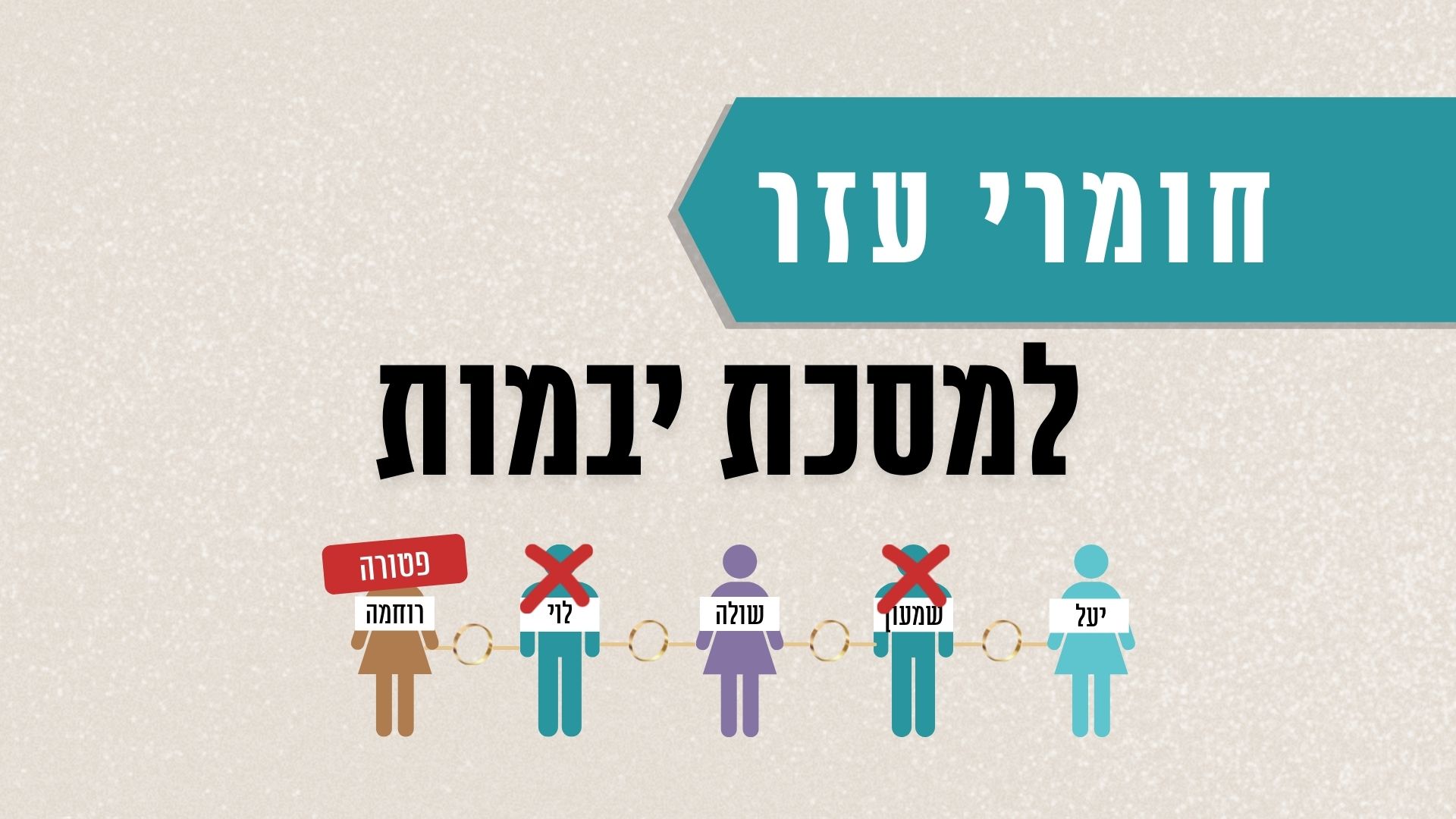
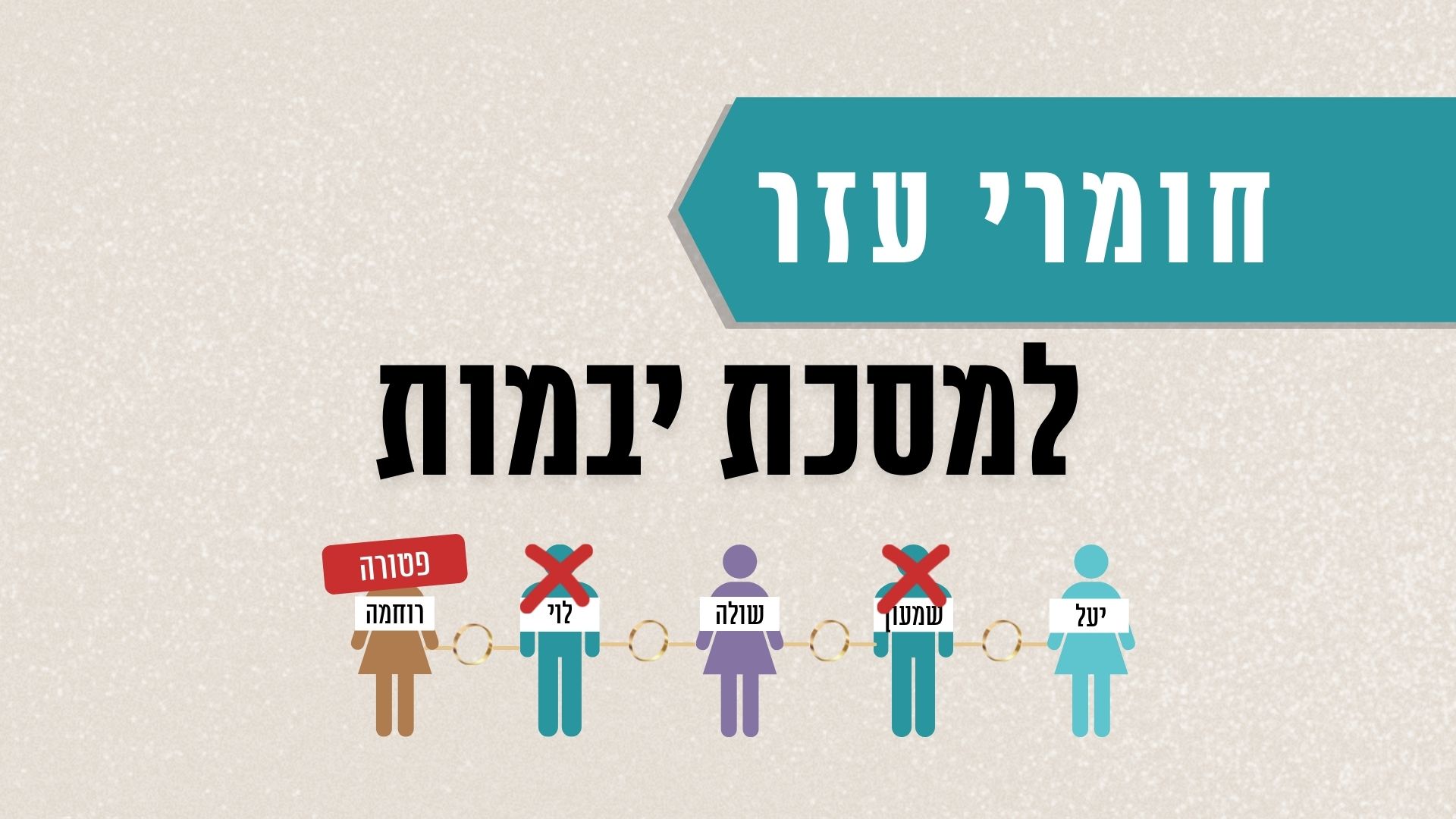
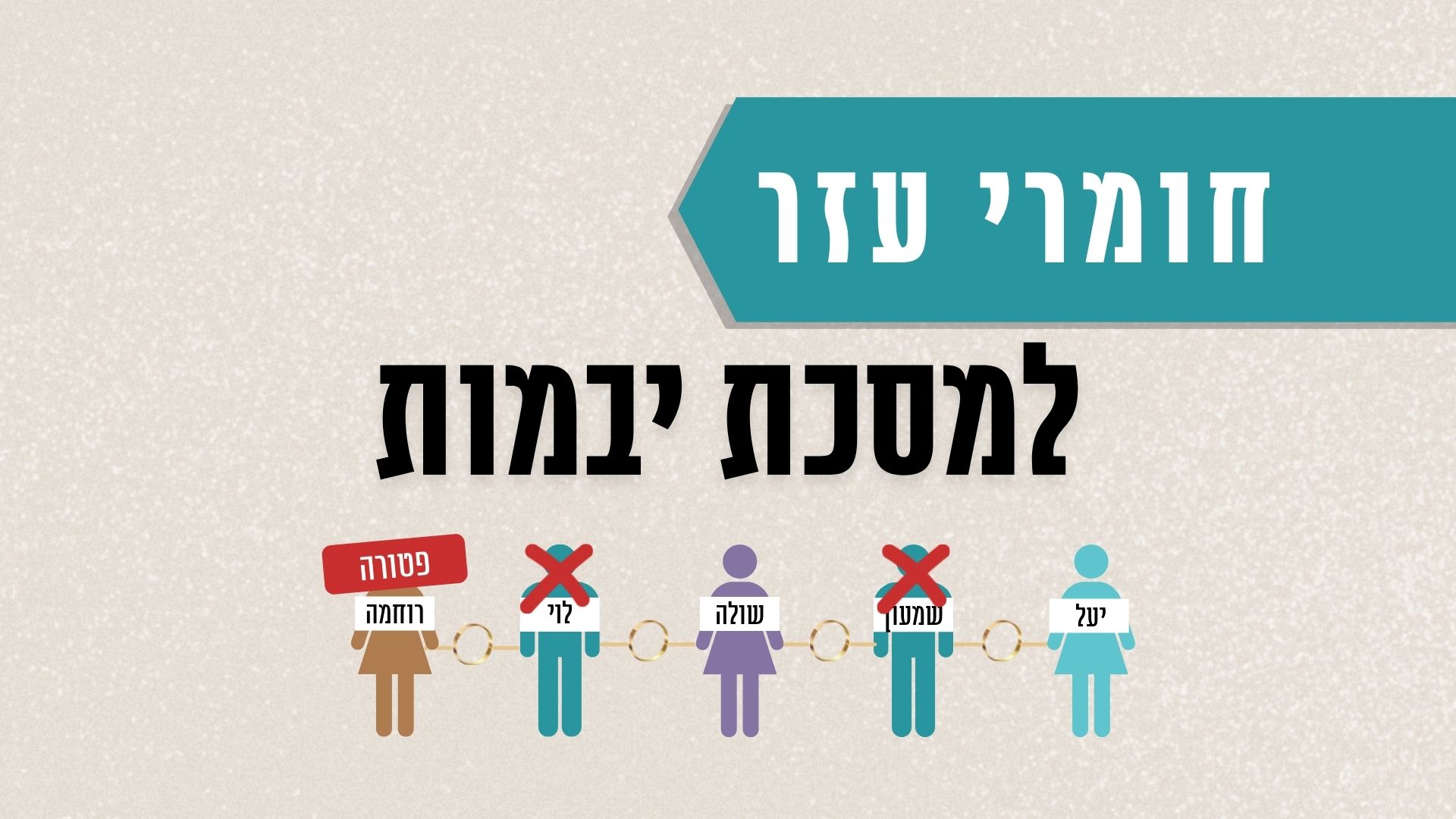
רבי שמעון בר יוחאי פסק שקברי גויים אינם מטמאים בטומאת אוהל. מאיפה זה נדרש? אם כהן ארס אלמנה ולאחר מכן התמנה לכהן גדול, הוא יכול להמשיך וןלהתחתן איתה, כמו במקרה של יהושע בן גמלא ומרתה בת ביתוס. אבל אם האישה נפלה לייבום לכהן ואז הוא הפך לכהן גדול, האו לא יכול להתחתן איתה אפילו אם הוא כבר עשה איתה מאמר. למה יש הבדל בין המקרים? אם אחיו של כהן גדול נפטר בלי ילדים, עליו לעשות חליצה ​​עם אלמנתו ולא ייבום, אפילו אלמנה מאירוסין. האם כהן יכול להינשא לאילונית? במה זה תלוי? מה עם ישראל? רבי אליעזר אמר שכהן אינו יכול להינשא לקטנה. האם האמירה הזו מתייחסת לכהן רגיל או לכהן גדול? ומה הסיבה? מובאות חמש קריאות שונות של אמירה זו – שתי הראשונות נדחות. ישנן מגוון דעות שונות לגבי מהי ההגדרה של זונה האסורה להתחתן עם כהן. מהן גדרי מצוות פריה ורביה – איך יוצאים ידי חובה – יש מחלוקת בית שמאי ובית הלל.

כלים

יבמות סא

קִבְרֵי גוֹיִם אֵינָן מְטַמְּאִין בְּאֹהֶל, שֶׁנֶּאֱמַר: ״וְאַתֵּן צֹאנִי צֹאן מַרְעִיתִי אָדָם אַתֶּם״. אַתֶּם קְרוּיִין אָדָם, וְאֵין הַגּוֹיִם קְרוּיִין אָדָם.

The graves of gentiles do not render items impure through a tent, as it is stated: “And you My sheep, the sheep of My pasture, are men [adam]” (Ezekiel 34:31), from which it is derived that you, the Jewish people, are called men [adam] but gentiles are not called men [adam]. Since the Torah introduces the halakha of ritual impurity of a tent with the words: “When a man [adam] dies in a tent” (Numbers 19:14), this halakha applies only to corpses of Jews but not those of gentiles.

מֵיתִיבִי: ״וְנֶפֶשׁ אָדָם שִׁשָּׁה עָשָׂר אָלֶף״! מִשּׁוּם בְּהֵמָה.

The Gemara raises an objection based upon the verse with regard to captives taken during the war against Midian: “And the persons [nefesh adam] were sixteen thousand” (Numbers 31:40), which indicates that gentiles are also referred to as adam. The Gemara answers: They are given this title due to the need to distinguish the people taken captive from the animals that were taken as spoils of war.

״אֲשֶׁר יֶשׁ בָּהּ הַרְבֵּה מִשְׁתֵּים עֶשְׂרֵה רִבּוֹא אָדָם אֲשֶׁר לֹא יָדַע בֵּין יְמִינוֹ לִשְׂמֹאלוֹ (וּבְהֵמָה רַבָּה)״! מִשּׁוּם בְּהֵמָה.

The Gemara raises another difficulty based upon a verse with regard to the city of Nineveh: “Wherein are more than one hundred and twenty thousand men [adam] that cannot discern between their right hand and their left hand, and also much cattle” (Jonah 4:11). The Gemara answers: There, too, the gentiles are given this title due to the need to distinguish them from the animals mentioned in the verse.

״כֹּל הוֹרֵג נֶפֶשׁ וְכֹל נוֹגֵעַ בֶּחָלָל תִּתְחַטְּאוּ״! דִּלְמָא אִיקְּטִיל חַד מִיִּשְׂרָאֵל. וְרַבָּנַן: ״לֹא נִפְקַד מִמֶּנּוּ אִישׁ״. וְרַבִּי שִׁמְעוֹן בֶּן יוֹחַי: ״לֹא נִפְקַד מִמֶּנּוּ אִישׁ״ — לַעֲבֵירָה.

The Gemara continues to question Rabbi Shimon’s ruling based upon a verse pertaining to the war against Midian: “Whoever has killed anyone, and whoever has touched any slain, purify yourselves” (Numbers 31:19). This indicates that gentile corpses convey ritual impurity. The Gemara answers: Perhaps a Jew was killed, and the concern was for impurity caused by his corpse. And the Rabbis reply that the verse attests: “Not one man of us is missing” (Numbers 31:49). No Jewish soldiers fell in battle, and therefore the concern for impurity must have been due to the corpses of gentiles. And Rabbi Shimon ben Yoḥai responds: The intent of that verse is that not one man of us is missing due to transgression, i.e., none of them sinned.

רָבִינָא אָמַר: נְהִי דְּמַעֲטִינְהוּ קְרָא מֵאִטַּמּוֹיֵי בְּאֹהֶל, דִּכְתִיב: ״אָדָם כִּי יָמוּת בְּאֹהֶל״, מִמַּגָּע וּמַשָּׂא מִי מַעֲטִינְהוּ קְרָא?

Ravina said that the explanation above is unnecessary: Granted, the verse excluded gentiles from rendering items impure through a tent, as it is written: “When a man [adam] dies in a tent” (Numbers 19:14); but did the verse exclude them from rendering items impure via touching and carrying? Since gentile corpses convey impurity in these ways, they could have rendered impure the Jews involved in the war with Midian, even according to Rabbi Shimon ben Yoḥai.

מַתְנִי׳ אֵירַס אֶת הָאַלְמָנָה וְנִתְמַנָּה לִהְיוֹת כֹּהֵן גָּדוֹל — יִכְנוֹס. וּמַעֲשֶׂה בִּיהוֹשֻׁעַ בֶּן גַּמְלָא שֶׁקִּדֵּשׁ אֶת מָרְתָּא בַּת בַּיְתּוֹס, וּמִנָּהוּ הַמֶּלֶךְ לִהְיוֹת כֹּהֵן גָּדוֹל, וּכְנָסָהּ. שׁוֹמֶרֶת יָבָם שֶׁנָּפְלָה לִפְנֵי כֹּהֵן הֶדְיוֹט, וְנִתְמַנָּה לִהְיוֹת כֹּהֵן גָּדוֹל, אַף עַל פִּי שֶׁעָשָׂה בָּהּ מַאֲמָר — הֲרֵי זֶה לֹא יִכְנוֹס.

MISHNA: If a priest betrothed a widow and was subsequently appointed to be High Priest, he may marry her. And there was an incident with Yehoshua ben Gamla, who betrothed Marta bat Baitos, a widow, and the king subsequently appointed him to be High Priest, and he nevertheless married her. Conversely, in the case of a widow waiting for her yavam who happened before a common priest, i.e., the priest was her yavam, and he was subsequently appointed to be High Priest, then even if he had already performed levirate betrothal with her, he may not marry her, because she is a widow.

גְּמָ׳ תָּנוּ רַבָּנַן: מִנַּיִן שֶׁאִם אֵירַס אֶת הָאַלְמָנָה וְנִתְמַנָּה לִהְיוֹת כֹּהֵן גָּדוֹל שֶׁיִּכְנוֹס — תַּלְמוּד לוֹמַר: ״יִקַּח אִשָּׁה״. אִי הָכִי, שׁוֹמֶרֶת יָבָם נָמֵי! ״אִשָּׁה״, וְלֹא יְבָמָה.

GEMARA: The Sages taught: From where is it derived that if a priest betrothed a widow and was subsequently appointed to be High Priest, that he may marry her? The verse states: “Shall he take for a wife” (Leviticus 21:14), an inclusive phrase that indicates that he may marry her in this situation despite the general prohibition for a High Priest to marry a widow. The Gemara asks: If so, a widow waiting for her yavam should also be permitted to a High Priest. The Gemara answers: The word “wife” indicates that this does not include a yevama, who was not initially his wife but his brother’s.

מַעֲשֶׂה בִּיהוֹשֻׁעַ וְכוּ׳. מִנָּהוּ — אִין, נִתְמַנָּה — לָא. אָמַר רַב יוֹסֵף: קְטִיר קָחָזֵינָא הָכָא. דְּאָמַר רַב אַסִּי: תַּרְקַבָּא דְּדִינָרֵי עַיִּילָהּ לֵיהּ מָרְתָּא בַּת בַּיְתּוֹס לְיַנַּאי מַלְכָּא עַד דְּמוֹקֵי לֵיהּ לִיהוֹשֻׁעַ בֶּן גַּמְלָא בְּכָהֲנֵי רַבְרְבֵי.

The mishna related an incident with Yehoshua ben Gamla. The Gemara notes that the mishna states that the king appointed him, yes, but not that he was worthy of being appointed. Rav Yosef said: I see a conspiracy here, as this was clearly not a proper appointment by the priests and the Sanhedrin but rather a political appointment, as Rav Asi said: Marta bat Baitos brought a vessel the size of a half-se’a [tarkav] full of dinars to King Yannai until he appointed Yehoshua ben Gamla High Priest.

מַתְנִי׳ כֹּהֵן גָּדוֹל שֶׁמֵּת אָחִיו — חוֹלֵץ וְלֹא מְיַיבֵּם.

MISHNA: A High Priest whose brother died without children performs ḥalitza and he does not perform levirate marriage, as he may not marry a widow.

גְּמָ׳ קָא פָּסֵיק וְתָנֵי, לָא שְׁנָא מִן הָאֵירוּסִין וְלָא שְׁנָא מִן הַנִּשּׂוּאִין. בִּשְׁלָמָא מִן הַנִּשּׂוּאִין, עֲשֵׂה וְלֹא תַעֲשֶׂה הוּא, וְאֵין עֲשֵׂה דּוֹחֶה לֹא תַעֲשֶׂה וַעֲשֵׂה. אֶלָּא מִן הָאֵירוּסִין, יָבֹא עֲשֵׂה וְיִדְחֶה אֶת לֹא תַעֲשֶׂה?!

GEMARA: The Gemara comments: The mishna teaches this halakha categorically, indicating that it is no different if she is his brother’s widow from betrothal, and it is no different if she is his widow from marriage. The Gemara analyzes this halakha: Granted, she is forbidden to him if she was widowed from marriage, as, if he were to marry her, it would be a violation of both the positive mitzva that the High Priest marry a virgin and the prohibition for him to marry a widow. And a positive mitzva, i.e., levirate marriage, does not override a prohibition and a positive mitzva together. However, if she was a widow from betrothal and is therefore still a virgin, the positive mitzva of levirate marriage should come and override the prohibition for a High Priest to marry a widow.

גְּזֵירָה בִּיאָה רִאשׁוֹנָה אַטּוּ בִּיאָה שְׁנִיָּה.

The Gemara answers: By Torah law, levirate marriage is permitted in this case. However, there is a rabbinic decree prohibiting their first act of intercourse due to their second act of intercourse. After they have engaged in intercourse once, they have fulfilled the mitzva of levirate marriage, and any subsequent act of intercourse would constitute a violation of the prohibition without the fulfillment of a mitzva.

מַתְנִי׳ כֹּהֵן הֶדְיוֹט לֹא יִשָּׂא אַיְלוֹנִית, אֶלָּא אִם כֵּן יֵשׁ לוֹ אִשָּׁה וּבָנִים. רַבִּי יְהוּדָה אוֹמֵר: אַף עַל פִּי שֶׁיֵּשׁ לוֹ אִשָּׁה וּבָנִים לֹא יִשָּׂא אַיְלוֹנִית, שֶׁהִיא זוֹנָה הָאֲמוּרָה בַּתּוֹרָה. וַחֲכָמִים אוֹמְרִים: אֵין זוֹנָה אֶלָּא גִּיּוֹרֶת וּמְשׁוּחְרֶרֶת וְשֶׁנִּבְעֲלָה בְּעִילַת זְנוּת.

MISHNA: A common priest may not marry a sexually underdeveloped woman [aylonit], who is incapable of bearing children, unless he already has a wife and children. Rabbi Yehuda says: Even if he has a wife and children, he may not marry a sexually underdeveloped woman, as she is the zona about whom it is stated in the Torah that a priest may not marry her. Intercourse with her is considered a licentious act because she is incapable of bearing children. And the Rabbis say: The only women in the category of zona, who are therefore forbidden to a priest, are a female convert, a freed maidservant, and any woman who engaged in licentious sexual intercourse with a man she is prohibited from marrying.

גְּמָ׳ אֲמַר לֵיהּ רֵישׁ גָּלוּתָא לְרַב הוּנָא: מַאי טַעְמָא — מִשּׁוּם פְּרִיָּה וּרְבִיָּה, אַפְּרִיָּה וּרְבִיָּה כֹּהֲנִים הוּא דְּמִפַּקְּדִי וְיִשְׂרָאֵל לָא מִפַּקְּדִי?! אֲמַר לֵיהּ: מִשּׁוּם דְּקָא בָּעֵי לְמִיתְנֵי סֵיפָא, רַבִּי יְהוּדָה אוֹמֵר: אַף עַל פִּי שֶׁיֵּשׁ לוֹ אִשָּׁה

GEMARA: The Exilarch said to Rav Huna: What is the reason for the halakha that a priest may not marry a sexually underdeveloped woman? It is because he is obligated to fulfill the mitzva to be fruitful and multiply. Is it only priests who were commanded to be fruitful and multiply, but Israelites were not commanded? Why does the mishna specify that a priest may not marry a sexually underdeveloped woman? Rav Huna said to him: This halakha does in fact apply even to Israelites, and the tanna mentions priests because he wants to teach it in a way that would parallel the latter clause of the mishna, which states that Rabbi Yehuda says: Even if he has a wife

וְיֵשׁ לוֹ בָּנִים — לֹא יִשָּׂא אַיְלוֹנִית, שֶׁהִיא זוֹנָה הָאֲמוּרָה בַּתּוֹרָה. דְּאַזּוֹנָה כֹּהֲנִים הוּא דְּמִפַּקְדִי וְיִשְׂרָאֵל לָא מִפַּקְּדִי, מִשּׁוּם הָכִי קָתָנֵי כֹּהֵן.

and he has children, he may not marry a sexually underdeveloped woman, as she is the zona about whom it is stated in the Torah that a priest may not marry her. It is priests who were commanded not to marry a zona, but Israelites were not commanded this. It is due to that reason that he taught the first clause of the mishna about a priest, even though that halakha applies equally to Israelites.

אָמַר רַב הוּנָא: מַאי טַעְמָא דְּרַבִּי יְהוּדָה, דִּכְתִיב: ״אָכְלוּ וְלֹא יִשְׂבָּעוּ הִזְנוּ וְלֹא יִפְרֹצוּ״, כׇּל בִּיאָה שֶׁאֵין בָּהּ פִּירְצָה — אֵינָהּ אֶלָּא בְּעִילַת זְנוּת.

Rav Huna said: What is the reason for the opinion of Rabbi Yehuda? As it is written: “And they shall eat, and not have enough, they shall commit harlotry, and shall not increase” (Hosea 4:10). He expounds the verse as follows: Any intercourse that does not have the possibility to increase the population because the woman is incapable of having children, is nothing other than licentious sexual intercourse.

תַּנְיָא, רַבִּי אֱלִיעֶזֶר אוֹמֵר: כֹּהֵן לֹא יִשָּׂא אֶת הַקְּטַנָּה. אֲמַר לֵיהּ רַב חִסְדָּא לְרַבָּה: פּוֹק עַיֵּין בָּהּ, דִּלְאוּרְתָּא בָּעֵי לַהּ רַב הוּנָא מִינָּךְ. נְפַק עַיֵּין בָּהּ: רַבִּי אֱלִיעֶזֶר סָבַר לַהּ כְּרַבִּי מֵאִיר, וְסָבַר לַהּ כְּרַבִּי יְהוּדָה.

§ It is taught in a baraita that Rabbi Eliezer says: A priest may not marry a minor. Rav Ḥisda said to Rabba: Go and investigate this halakha, as in the evening Rav Huna will ask you the reason for Rabbi Eliezer’s ruling. He went and investigated it, and arrived at the following conclusion: Rabbi Eliezer holds in accordance with the opinion of Rabbi Meir, and he also holds in accordance with the opinion of Rabbi Yehuda.

סָבַר לַהּ כְּרַבִּי מֵאִיר, דְּחָיֵישׁ לְמִיעוּטָא. וְסָבַר לַהּ כְּרַבִּי יְהוּדָה, דְּאָמַר: אַיְלוֹנִית זוֹנָה הָוְיָא.

Rabba explains: He holds in accordance with the opinion of Rabbi Meir, who says that one must be concerned for the minority. Rabbi Meir does not allow one to assume that an unknown case is similar to the majority of cases. Consequently, one must take into account the possibility that a minor will turn out to be sexually underdeveloped, although this will not be true of most individuals. And he also holds in accordance with the opinion of Rabbi Yehuda, who said that a sexually underdeveloped woman is a zona and therefore forbidden to a priest.

וּכְרַבִּי מֵאִיר מִי סָבַר לַהּ? וְהָתַנְיָא: קָטָן וּקְטַנָּה לֹא חוֹלְצִין וְלֹא מְיַבְּמִין, דִּבְרֵי רַבִּי מֵאִיר. אָמְרוּ לוֹ לְרַבִּי מֵאִיר: יָפֶה אָמַרְתָּ שֶׁאֵין חוֹלְצִין. ״אִישׁ״ כְּתִיב בַּפָּרָשָׁה, וּמַקְּשִׁינַן אִשָּׁה לְאִישׁ. אֶלָּא מַאי טַעְמָא אֵין מְיַבְּמִין?

The Gemara challenges Rabba’s explanation: And does Rabbi Eliezer hold in accordance with the opinion of Rabbi Meir? Isn’t it taught in a baraita: A boy minor and a girl minor may not perform ḥalitza or levirate marriage; this is the statement of Rabbi Meir. The Rabbis said to Rabbi Meir: You spoke well when you said that they may not perform ḥalitza, as the term “man” is written in the passage of ḥalitza (Deuteronomy 25:7–10), which limits the halakha to an adult male, and we compare a woman to a man and therefore limit ḥalitza to an adult woman. However, what is the reason that they may not perform levirate marriage?

[אָמַר לָהֶם:] קָטָן — שֶׁמָּא יִמָּצֵא סָרִיס, קְטַנָּה — שֶׁמָּא תִּמָּצֵא אַיְלוֹנִית, וְנִמְצְאוּ פּוֹגְעִין בְּעֶרְוָה. וְתַנְיָא: קְטַנָּה מִתְיַיבֶּמֶת וְאֵינָהּ חוֹלֶצֶת, דִּבְרֵי רַבִּי אֱלִיעֶזֶר.

Rabbi Meir said to them: A boy minor may not perform levirate marriage lest he be found to be a eunuch, i.e., one who is incapable of fathering children for his late brother. Similarly, a girl minor may not perform levirate marriage lest she be found to be sexually underdeveloped when she grows up. In either case, the mitzva of levirate marriage does not apply, and they turn out to have encountered a forbidden relative. And it was taught in a different baraita: A girl minor enters into levirate marriage but does not perform ḥalitza; this is the statement of Rabbi Eliezer. This proves that Rabbi Eliezer disagrees with Rabbi Meir and is not concerned that a girl may turn out to be sexually underdeveloped.

וּכְרַבִּי יְהוּדָה מִי סָבַר לַהּ? וְהָתַנְיָא: ״זוֹנָה״ — זוֹנָה כִּשְׁמָהּ, דִּבְרֵי רַבִּי אֱלִיעֶזֶר. רַבִּי עֲקִיבָא אוֹמֵר: ״זוֹנָה״ זוֹ מוּפְקֶרֶת. רַבִּי מַתְיָא בֶּן חָרָשׁ אוֹמֵר: אֲפִילּוּ הָלַךְ בַּעְלָהּ לְהַשְׁקוֹתָהּ, וּבָא עָלֶיהָ בַּדֶּרֶךְ — עֲשָׂאָהּ זוֹנָה.

The Gemara continues to challenge Rabba’s explanation of Rabbi Eliezer’s ruling. And does Rabbi Eliezer hold in accordance with the opinion of Rabbi Yehuda? Wasn’t it is taught in a baraita: The zona forbidden to a priest is as the name zona implies, i.e., a married woman who committed adultery; this is the statement of Rabbi Eliezer. Rabbi Akiva says: A zona is a woman, even an unmarried woman, who is available to all, i.e., she has intercourse with whoever is interested. Rabbi Matya ben Ḥarash says: Even if her husband went to make her drink the bitter waters after she disregarded his warning not to seclude herself with a certain man, and he had intercourse with her on the way, he has thereby caused her to become a zona because she was forbidden to him at the time, despite the fact that she is his wife.

רַבִּי יְהוּדָה אוֹמֵר: זוֹנָה — זוֹ אַיְלוֹנִית. וַחֲכָמִים אוֹמְרִים: אֵין זוֹנָה אֶלָּא גִּיּוֹרֶת וּמְשׁוּחְרֶרֶת וְשֶׁנִּבְעֲלָה בְּעִילַת זְנוּת. רַבִּי אֶלְעָזָר אוֹמֵר: פָּנוּי הַבָּא עַל הַפְּנוּיָה שֶׁלֹּא לְשֵׁם אִישׁוּת — עֲשָׂאָהּ זוֹנָה.

Rabbi Yehuda says: A zona is a sexually underdeveloped woman. And the Rabbis say: The term zona applies only to a female convert, a freed maidservant, and one who engaged in licentious sexual intercourse. Rabbi Elazar says: Even in the case of an unmarried man who had intercourse with an unmarried woman not for the purpose of marriage, he has thereby caused her to become a zona. This baraita proves that Rabbi Eliezer does not agree with Rabbi Yehuda.

אֶלָּא אָמַר רַב אַדָּא בַּר אַהֲבָה: הָכָא בְּכֹהֵן גָּדוֹל עָסְקִינַן. לְאֵימַת קָנֵי לַה, לְכִי גָדְלָה [לְכִי גָדְלָה] — בְּעוּלָה הִיא.

Rather, Rav Adda bar Ahava said that Rabbi Eliezer’s ruling that a priest may not marry a minor must be explained differently: Here we are dealing with a High Priest, and the problem is as follows: When can he acquire her as his wife? Only when she is grown up. However, if they had started living together as husband and wife when she was a minor, then when she is grown up and the marriage can legally take effect, she is already a non-virgin, and a High Priest is commanded to marry a virgin.

אָמַר רָבָא: מְכַלֵּי לֵב, אִי דְּקַדְּשַׁהּ אֲבוּהּ — מֵהַהִיא שַׁעְתָּא הוּא דְּקָנֵי לַהּ. וְאִי דְּקַדִּשָׁה נַפְשַׁהּ — הָא רַבִּי אֱלִיעֶזֶר הִיא וְלָא רַבָּנַן?

Rava said: This explanation is without reason. If her father betrothed her to her husband, her husband acquired her from that time, as betrothal that a father carries out on his daughter’s behalf when she is a minor is effective by Torah law. And if the minor betrothed herself, is this Rabbi Eliezer’s opinion and not that of the Rabbis? The Rabbis would certainly agree that a High Priest may not marry a minor under these circumstances.

אֶלָּא אָמַר רָבָא: לְעוֹלָם בְּכֹהֵן הֶדְיוֹט — וְחָיְישִׁינַן שֶׁמָּא תִּתְפַּתֶּה עָלָיו. אִי הָכִי יִשְׂרָאֵל נָמֵי! פִּתּוּיי קְטַנָּה אוֹנֶס הוּא, וְאוֹנֶס בְּיִשְׂרָאֵל מִישְׁרָא שְׁרֵי.

Rather, Rava said: Actually, Rabbi Eliezer’s ruling includes a common priest, and the reason he cannot marry a minor is that we are concerned lest she be seduced by another man, due to her tender age and naïveté, while married to him. The Gemara asks: If so, the same concern should apply to an Israelite also. The Gemara answers: The seduction of a minor is considered rape, and a rape victim remains permitted to her husband in a case where she is married to an Israelite, but not if she is married to a priest.

רַב פָּפָּא אָמַר: בְּכֹהֵן גָּדוֹל, וְהַאי תַּנָּא הוּא דְּתַנְיָא: ״בְּתוּלָה״, יָכוֹל קְטַנָּה — תַּלְמוּד לוֹמַר: ״אִשָּׁה״. אִי אִשָּׁה, יָכוֹל בּוֹגֶרֶת — תַּלְמוּד לוֹמַר: ״בְּתוּלָה״. הָא כֵּיצַד? יָצְתָה מִכְּלַל קַטְנוּת, וְלִכְלַל בַּגְרוּת לֹא בָּאתָה.

Rav Pappa said: Rabbi Eliezer’s ruling applies specifically to a High Priest, and it is the opinion of this tanna, as it is taught in a baraita that when the verse states: “A virgin of his own people shall he take for a wife [isha]” (Leviticus 21:14), one might have thought a High Priest may marry a minor; the verse therefore states that he must marry a woman [isha], i.e., an adult. If he must marry a woman, one might have thought it means a grown woman. The verse therefore states that he must marry a virgin, which excludes a grown woman, who is considered only a partial virgin because her hymen is not fully intact. How so? He must marry a woman who has left the class of minority but who has not yet reached the class of grown womanhood, i.e., he must marry a maiden.

רַב נַחְמָן בַּר יִצְחָק אָמַר: הַאי תַּנָּא הוּא דְּתַנְיָא: ״בְּתוּלָה״, אֵין בְּתוּלָה אֶלָּא נַעֲרָה. וְכֵן הוּא אוֹמֵר: ״וְהַנַּעֲרָה טוֹבַת מַרְאֶה מְאֹד בְּתוּלָה״.

Rav Naḥman bar Yitzḥak said: It is the opinion of this tanna, as it is taught in a baraita: The High Priest must marry a virgin, and the term virgin refers only to a maiden. And a verse similarly states: “And the maiden was very fair to look upon, a virgin, and no man had known her” (Genesis 24:16).

רַבִּי אֶלְעָזָר אוֹמֵר: פָּנוּי הַבָּא עַל הַפְּנוּיָה שֶׁלֹּא לְשֵׁם אִישׁוּת — עֲשָׂאָהּ זוֹנָה. אָמַר רַב עַמְרָם: אֵין הֲלָכָה כְּרַבִּי אֶלְעָזָר.

The baraita cited above mentioned that Rabbi Elazar says: In the case of an unmarried man who had intercourse with an unmarried woman not for the purpose of marriage, he has caused her to become a zona. Rav Amram said: The halakha is not in accordance with the opinion of Rabbi Elazar.

מַתְנִי׳ לֹא יִבָּטֵל אָדָם מִפְּרִיָּה וּרְבִיָּה אֶלָּא אִם כֵּן יֵשׁ לוֹ בָּנִים. בֵּית שַׁמַּאי אוֹמְרִים: שְׁנֵי זְכָרִים, וּבֵית הִלֵּל אוֹמְרִים: זָכָר וּנְקֵבָה, שֶׁנֶּאֱמַר: ״זָכָר וּנְקֵבָה בְּרָאָם״.

MISHNA: A man may not neglect the mitzva to be fruitful and multiply unless he already has children. Beit Shammai say: One fulfills this mitzva with two males, and Beit Hillel say: A male and a female, as it is stated: “Male and female He created them” (Genesis 5:2).

גְּמָ׳ הָא יֵשׁ לוֹ בָּנִים — מִפְּרִיָּה וּרְבִיָּה בָּטֵיל, מֵאִשָּׁה לָא בָּטֵיל. מְסַיְּיעָא לֵיהּ לְרַב נַחְמָן אָמַר שְׁמוּאֵל. דְּאָמַר: אַף עַל פִּי שֶׁיֵּשׁ לוֹ לְאָדָם כַּמָּה בָּנִים, אָסוּר לַעֲמוֹד בְּלֹא אִשָּׁה, שֶׁנֶּאֱמַר: ״לֹא טוֹב הֱיוֹת הָאָדָם לְבַדּוֹ״.

GEMARA: The Gemara infers from the mishna’s wording that if he already has children he may neglect the mitzva to be fruitful and multiply, but he may not neglect the mitzva to have a wife. This supports what Rav Naḥman said in the name of Shmuel, who said: Even if a man has several children, it is prohibited to remain without a wife, as it is stated: “It is not good that the man should be alone” (Genesis 2:18).

וְאִיכָּא דְּאָמְרִי: הָא יֵשׁ לוֹ בָּנִים — בָּטֵיל מִפְּרִיָּה וּרְבִיָּה, וּבָטֵיל נָמֵי מֵאִשָּׁה. נֵימָא תֶּיהְוֵי תְּיוּבְתָּא דְּרַב נַחְמָן אָמַר שְׁמוּאֵל! לָא: אֵין לוֹ בָּנִים — נוֹשֵׂא אִשָּׁה בַּת בָּנִים, יֵשׁ לוֹ בָּנִים — נוֹשֵׂא אִשָּׁה דְּלָאו בַּת בָּנִים. נָפְקָא מִינַּהּ לִמְכּוֹר סֵפֶר תּוֹרָה בִּשְׁבִיל בָּנִים.

And some say a different version of the inference from the mishna: If he already has children, he may neglect the mitzva to be fruitful and multiply and he may also neglect the mitzva to have a wife. Shall we say this is a conclusive refutation of what Rav Naḥman said that Shmuel said? The Gemara responds: No, it means that if he does not have children he must marry a woman capable of bearing children, whereas if he has children he may marry a woman who is not capable of bearing children. A practical difference between a man who has children and one who does not is whether he is permitted to sell a Torah scroll in order to marry a woman capable of having children. This is permitted only for one who does not yet have children.

בֵּית שַׁמַּאי אוֹמְרִים: שְׁנֵי זְכָרִים. מַאי טַעְמַיְיהוּ דְּבֵית שַׁמַּאי? יָלְפִינַן מִמֹּשֶׁה, דִּכְתִיב: ״בְּנֵי מֹשֶׁה גֵּרְשׁוֹם וֶאֱלִיעֶזֶר״. וּבֵית הִלֵּל: יָלְפִינַן מִבְּרִיָּיתוֹ שֶׁל עוֹלָם. וּבֵית שַׁמַּאי, לֵילְפֵי מִבְּרִיָּיתוֹ שֶׁל עוֹלָם? אֵין דָּנִין אֶפְשָׁר

§ The mishna states that Beit Shammai say that one fulfills the mitzva to be fruitful and multiply when he has two males. The Gemara asks: What is the reason of Beit Shammai? The Gemara answers: We learn this from Moses as it is written: “The sons of Moses, Gershom and Eliezer (I Chronicles 23:15). Since Moses did not have any other children, two sons must be sufficient to fulfill the mitzva. And the reason of Beit Hillel is that we learn from the creation of the world, as mankind was created male and female. The Gemara asks: And Beit Shammai, let them learn from the creation of the world as well. The Gemara answers that Beit Shammai could say to you: We do not derive a case where it is possible

כלים

העמקה

רוצה להבין מה באמת קורה מתחת לפני השטח של הסוגיה?
שיעורים, פודקאסטים והרחבות של מיטב המורות שלנו יפתחו לך עוד זוויות וכיווני חשיבה.

לשיעורי עוד על הדף באנגלית, לחצי כאן

חדשה בלימוד הגמרא?

זה הדף הראשון שלך? איזו התרגשות עצומה! יש לנו בדיוק את התכנים והכלים שיעזרו לך לעשות את הצעדים הראשונים ללמידה בקצב וברמה שלך, כך תוכלי להרגיש בנוח גם בתוך הסוגיות המורכבות ומאתגרות.

פסיפס הלומדות שלנו

גלי את קהילת הלומדות שלנו, מגוון נשים, רקעים וסיפורים. כולן חלק מתנועה ומסע מרגש ועוצמתי.

בסוף הסבב הקודם ראיתי את השמחה הגדולה שבסיום הלימוד, בעלי סיים כבר בפעם השלישית וכמובן הסיום הנשי בבנייני האומה וחשבתי שאולי זו הזדמנות עבורי למשהו חדש.
למרות שאני שונה בסביבה שלי, מי ששומע על הלימוד שלי מפרגן מאוד.
אני מנסה ללמוד קצת בכל יום, גם אם לא את כל הדף ובסך הכל אני בדרך כלל עומדת בקצב.
הלימוד מעניק המון משמעות ליום יום ועושה סדר בלמוד תורה, שתמיד היה (ועדיין) שאיפה. אבל אין כמו קביעות

Racheli-Mendelson
רחלי מנדלסון

טל מנשה, ישראל

. לא תמיד נהניתי מלימוד גמרא כילדה.,בל כהתבגרתי התחלתי לאהוב את זה שוב. התחלתי ללמוד מסכת סוטה בדף היומי לפני כחמש עשרה שנה ואז הפסקתי.הגעתי לסיום הגדול של הדרן לפני שנתיים וזה נתן לי השראה. והתחלתי ללמוד למשך כמה ימים ואז היתה לי פריצת דיסק והפסקתי…עד אלול השנה. אז התחלתי עם מסכת ביצה וב”ה אני מצליחה לעמוד בקצב. המשפחה מאוד תומכת בי ויש כמה שגם לומדים את זה במקביל. אני אוהבת שיש עוגן כל יום.

Rebecca Darshan
רבקה דרשן

בית שמש, ישראל

התחלתי להשתתף בשיעור נשים פעם בשבוע, תכננתי ללמוד רק דפים בודדים, לא האמנתי שאצליח יותר מכך.
לאט לאט נשאבתי פנימה לעולם הלימוד .משתדלת ללמוד כל בוקר ומתחילה את היום בתחושה של מלאות ומתוך התכווננות נכונה יותר.
הלימוד של הדף היומי ממלא אותי בתחושה של חיבור עמוק לעם היהודי ולכל הלומדים בעבר ובהווה.

Neely Hayon
נילי חיון

אפרת, ישראל

הייתי לפני שנתיים בסיום הדרן נשים בבנייני האומה והחלטתי להתחיל. אפילו רק כמה דפים, אולי רק פרק, אולי רק מסכת… בינתיים סיימתי רבע שס ותכף את כל סדר מועד בה.
הסביבה תומכת ומפרגנת. אני בת יחידה עם ארבעה אחים שכולם לומדים דף יומי. מדי פעם אנחנו עושים סיומים יחד באירועים משפחתיים. ממש מרגש. מסכת שבת סיימנו כולנו יחד עם אבא שלנו!
אני שומעת כל יום פודקאסט בהליכה או בנסיעה ואחכ לומדת את הגמרא.

Edna Gross
עדנה גרוס

מרכז שפירא, ישראל

בתחילת הסבב הנוכחי הצטברו אצלי תחושות שאני לא מבינה מספיק מהי ההלכה אותה אני מקיימת בכל יום. כמו כן, כאמא לבנות רציתי לתת להן מודל נשי של לימוד תורה
שתי הסיבות האלו הובילו אותי להתחיל ללמוד. נתקלתי בתגובות מפרגנות וסקרניות איך אישה לומדת גמרא..
כמו שרואים בתמונה אני ממשיכה ללמוד גם היום ואפילו במחלקת יולדות אחרי לידת ביתי השלישית.

Noa Shiloh
נועה שילה

רבבה, ישראל

התחלתי ללמוד בסבב הנוכחי לפני כשנתיים .הסביבה מתפעלת ותומכת מאוד. אני משתדלת ללמוד מכל ההסכתים הנוספים שיש באתר הדרן. אני עורכת כל סיום מסכת שיעור בביתי לכ20 נשים שמחכות בקוצר רוח למפגשים האלו.

Yael Asher
יעל אשר

יהוד, ישראל

התחלתי ללמוד גמרא בבית הספר בגיל צעיר והתאהבתי. המשכתי בכך כל חיי ואף היייתי מורה לגמרא בבית הספר שקד בשדה אליהו (בית הספר בו למדתי בילדותי)בתחילת מחזור דף יומי הנוכחי החלטתי להצטרף ובע”ה מקווה להתמיד ולהמשיך. אני אוהבת את המפגש עם הדף את "דרישות השלום ” שמקבלת מקשרים עם דפים אחרים שלמדתי את הסנכרון שמתחולל בין התכנים.

Ariela Bigman
אריאלה ביגמן

מעלה גלבוע, ישראל

התחלתי ללמוד דף יומי לפני שנתיים, עם מסכת שבת. בהתחלה ההתמדה היתה קשה אבל בזכות הקורונה והסגרים הצלחתי להדביק את הפערים בשבתות הארוכות, לסיים את מסכת שבת ולהמשיך עם המסכתות הבאות. עכשיו אני מסיימת בהתרגשות רבה את מסכת חגיגה וסדר מועד ומחכה לסדר הבא!

Ilana-Shachnowitz
אילנה שכנוביץ

מודיעין, ישראל

באירוע של הדרן בנייני האומה. בהשראתה של אמי שלי שסיימה את הש”ס בסבב הקודם ובעידוד מאיר , אישי, וילדיי וחברותיי ללימוד במכון למנהיגות הלכתית של רשת אור תורה סטון ומורתיי הרבנית ענת נובוסלסקי והרבנית דבורה עברון, ראש המכון למנהיגות הלכתית.
הלימוד מעשיר את יומי, מחזיר אותי גם למסכתות שכבר סיימתי וידוע שאינו דומה מי ששונה פרקו מאה לשונה פרקו מאה ואחת במיוחד מרתקים אותי החיבורים בין המסכתות

Roit Kalech
רוית קלך

מודיעין, ישראל

רציתי לקבל ידע בתחום שהרגשתי שהוא גדול וחשוב אך נעלם ממני. הלימוד מעניק אתגר וסיפוק ומעמיק את תחושת השייכות שלי לתורה וליהדות

Ruth Agiv
רות עגיב

עלי זהב – לשם, ישראל

התחלתי ללמוד דף יומי בתחילת מסכת ברכות, עוד לא ידעתי כלום. נחשפתי לסיום הש״ס, ובעצם להתחלה מחדש בתקשורת, הפתיע אותי לטובה שהיה מקום לעיסוק בתורה.
את המסכתות הראשונות למדתי, אבל לא סיימתי (חוץ מעירובין איכשהו). השנה כשהגעתי למדרשה, נכנסתי ללופ, ואני מצליחה להיות חלק, סיימתי עם החברותא שלי את כל המסכתות הקצרות, גם כשהיינו חולות קורונה ובבידודים, למדנו לבד, העיקר לא לצבור פער, ומחכות ליבמות 🙂

Eden Yeshuron
עדן ישורון

מזכרת בתיה, ישראל

התחלתי ללמוד לפני כשנתיים בשאיפה לסיים לראשונה מסכת אחת במהלך חופשת הלידה.
אחרי מסכת אחת כבר היה קשה להפסיק…

Noa Gallant
נעה גלנט

ירוחם, ישראל

התחלתי ללמוד גמרא בבית הספר בגיל צעיר והתאהבתי. המשכתי בכך כל חיי ואף היייתי מורה לגמרא בבית הספר שקד בשדה אליהו (בית הספר בו למדתי בילדותי)בתחילת מחזור דף יומי הנוכחי החלטתי להצטרף ובע”ה מקווה להתמיד ולהמשיך. אני אוהבת את המפגש עם הדף את "דרישות השלום ” שמקבלת מקשרים עם דפים אחרים שלמדתי את הסנכרון שמתחולל בין התכנים.

Ariela Bigman
אריאלה ביגמן

מעלה גלבוע, ישראל

ראיתי את הסיום הגדול בבנייני האומה וכל כך התרשמתי ורציתי לקחת חלק.. אבל לקח לי עוד כשנה וחצי )באמצע מסיכת שבת להצטרף..
הלימוד חשוב לי מאוד.. אני תמיד במרדף אחרי הדף וגונבת כל פעם חצי דף כשהילדים עסוקים ומשלימה אח”כ אחרי שכולם הלכו לישון..

Olga Mizrahi
אולגה מזרחי

ירושלים, ישראל

למדתי גמרא מכיתה ז- ט ב Maimonides School ואחרי העליה שלי בגיל 14 לימוד הגמרא, שלא היה כל כך מקובל בימים אלה, היה די ספוראדי. אחרי "ההתגלות” בבנייני האומה התחלתי ללמוד בעיקר בדרך הביתה למדתי מפוקקטסים שונים. לאט לאט ראיתי שאני תמיד חוזרת לרבנית מישל פרבר. באיזה שהוא שלב התחלתי ללמוד בזום בשעה 7:10 .
היום "אין מצב” שאני אתחיל את היום שלי ללא לימוד עם הרבנית מישל עם כוס הקפה שלי!!

selfie-scaled
דבי גביר

חשמונאים, ישראל

A friend in the SF Bay Area said in Dec 2019 that she might start listening on her morning drive to work. I mentioned to my husband and we decided to try the Daf when it began in Jan 2020 as part of our preparing to make Aliyah in the summer.

Hana Piotrkovsky
חנה פיוטרקובסקי

ירושלים, Israel

שמעתי על הסיום הענק של הדף היומי ע”י נשים בבנייני האומה. רציתי גם.
החלטתי להצטרף. התחלתי ושיכנעתי את בעלי ועוד שתי חברות להצטרף. עכשיו יש לי לימוד משותף איתו בשבת ומפגש חודשי איתן בנושא (והתכתבויות תדירות על דברים מיוחדים שקראנו). הצטרפנו לקבוצות שונות בווטסאפ. אנחנו ממש נהנות. אני שומעת את השיעור מידי יום (בד”כ מהרב יוני גוטמן) וקוראת ומצטרפת לסיומים של הדרן. גם מקפידה על דף משלהן (ונהנית מאד).

Liat Citron
ליאת סיטרון

אפרת, ישראל

התחלתי כשהייתי בחופש, עם הפרסומים על תחילת המחזור, הסביבה קיבלה את זה כמשהו מתמיד ומשמעותי ובהערכה, הלימוד זה עוגן יציב ביום יום, יש שבועות יותר ויש שפחות אבל זה משהו שנמצא שם אמין ובעל משמעות בחיים שלי….

Adi Diamant
עדי דיאמנט

גמזו, ישראל

התחלתי ללמוד דף לפני קצת יותר מ-5 שנים, כשלמדתי רבנות בישיבת מהר”ת בניו יורק. בדיעבד, עד אז, הייתי בלימוד הגמרא שלי כמו מישהו שאוסף חרוזים משרשרת שהתפזרה, פה משהו ושם משהו, ומאז נפתח עולם ומלואו…. הדף נותן לי לימוד בצורה מאורגנת, שיטתית, יום-יומית, ומלמד אותי לא רק ידע אלא את השפה ודרך החשיבה שלנו. לשמחתי, יש לי סביבה תומכת וההרגשה שלי היא כמו בציטוט שבחרתי: הדף משפיע לטובה על כל היום שלי.

Michal Kahana
מיכל כהנא

חיפה, ישראל

אחרי שראיתי את הסיום הנשי של הדף היומי בבנייני האומה זה ריגש אותי ועורר בי את הרצון להצטרף. לא למדתי גמרא קודם לכן בכלל, אז הכל היה לי חדש, ולכן אני לומדת בעיקר מהשיעורים פה בהדרן, בשוטנשטיין או בחוברות ושיננתם.

Rebecca Schloss
רבקה שלוס

בית שמש, ישראל

יבמות סא

קִבְרֵי גוֹיִם אֵינָן מְטַמְּאִין בְּאֹהֶל, שֶׁנֶּאֱמַר: ״וְאַתֵּן צֹאנִי צֹאן מַרְעִיתִי אָדָם אַתֶּם״. אַתֶּם קְרוּיִין אָדָם, וְאֵין הַגּוֹיִם קְרוּיִין אָדָם.

The graves of gentiles do not render items impure through a tent, as it is stated: “And you My sheep, the sheep of My pasture, are men [adam]” (Ezekiel 34:31), from which it is derived that you, the Jewish people, are called men [adam] but gentiles are not called men [adam]. Since the Torah introduces the halakha of ritual impurity of a tent with the words: “When a man [adam] dies in a tent” (Numbers 19:14), this halakha applies only to corpses of Jews but not those of gentiles.

מֵיתִיבִי: ״וְנֶפֶשׁ אָדָם שִׁשָּׁה עָשָׂר אָלֶף״! מִשּׁוּם בְּהֵמָה.

The Gemara raises an objection based upon the verse with regard to captives taken during the war against Midian: “And the persons [nefesh adam] were sixteen thousand” (Numbers 31:40), which indicates that gentiles are also referred to as adam. The Gemara answers: They are given this title due to the need to distinguish the people taken captive from the animals that were taken as spoils of war.

״אֲשֶׁר יֶשׁ בָּהּ הַרְבֵּה מִשְׁתֵּים עֶשְׂרֵה רִבּוֹא אָדָם אֲשֶׁר לֹא יָדַע בֵּין יְמִינוֹ לִשְׂמֹאלוֹ (וּבְהֵמָה רַבָּה)״! מִשּׁוּם בְּהֵמָה.

The Gemara raises another difficulty based upon a verse with regard to the city of Nineveh: “Wherein are more than one hundred and twenty thousand men [adam] that cannot discern between their right hand and their left hand, and also much cattle” (Jonah 4:11). The Gemara answers: There, too, the gentiles are given this title due to the need to distinguish them from the animals mentioned in the verse.

״כֹּל הוֹרֵג נֶפֶשׁ וְכֹל נוֹגֵעַ בֶּחָלָל תִּתְחַטְּאוּ״! דִּלְמָא אִיקְּטִיל חַד מִיִּשְׂרָאֵל. וְרַבָּנַן: ״לֹא נִפְקַד מִמֶּנּוּ אִישׁ״. וְרַבִּי שִׁמְעוֹן בֶּן יוֹחַי: ״לֹא נִפְקַד מִמֶּנּוּ אִישׁ״ — לַעֲבֵירָה.

The Gemara continues to question Rabbi Shimon’s ruling based upon a verse pertaining to the war against Midian: “Whoever has killed anyone, and whoever has touched any slain, purify yourselves” (Numbers 31:19). This indicates that gentile corpses convey ritual impurity. The Gemara answers: Perhaps a Jew was killed, and the concern was for impurity caused by his corpse. And the Rabbis reply that the verse attests: “Not one man of us is missing” (Numbers 31:49). No Jewish soldiers fell in battle, and therefore the concern for impurity must have been due to the corpses of gentiles. And Rabbi Shimon ben Yoḥai responds: The intent of that verse is that not one man of us is missing due to transgression, i.e., none of them sinned.

רָבִינָא אָמַר: נְהִי דְּמַעֲטִינְהוּ קְרָא מֵאִטַּמּוֹיֵי בְּאֹהֶל, דִּכְתִיב: ״אָדָם כִּי יָמוּת בְּאֹהֶל״, מִמַּגָּע וּמַשָּׂא מִי מַעֲטִינְהוּ קְרָא?

Ravina said that the explanation above is unnecessary: Granted, the verse excluded gentiles from rendering items impure through a tent, as it is written: “When a man [adam] dies in a tent” (Numbers 19:14); but did the verse exclude them from rendering items impure via touching and carrying? Since gentile corpses convey impurity in these ways, they could have rendered impure the Jews involved in the war with Midian, even according to Rabbi Shimon ben Yoḥai.

מַתְנִי׳ אֵירַס אֶת הָאַלְמָנָה וְנִתְמַנָּה לִהְיוֹת כֹּהֵן גָּדוֹל — יִכְנוֹס. וּמַעֲשֶׂה בִּיהוֹשֻׁעַ בֶּן גַּמְלָא שֶׁקִּדֵּשׁ אֶת מָרְתָּא בַּת בַּיְתּוֹס, וּמִנָּהוּ הַמֶּלֶךְ לִהְיוֹת כֹּהֵן גָּדוֹל, וּכְנָסָהּ. שׁוֹמֶרֶת יָבָם שֶׁנָּפְלָה לִפְנֵי כֹּהֵן הֶדְיוֹט, וְנִתְמַנָּה לִהְיוֹת כֹּהֵן גָּדוֹל, אַף עַל פִּי שֶׁעָשָׂה בָּהּ מַאֲמָר — הֲרֵי זֶה לֹא יִכְנוֹס.

MISHNA: If a priest betrothed a widow and was subsequently appointed to be High Priest, he may marry her. And there was an incident with Yehoshua ben Gamla, who betrothed Marta bat Baitos, a widow, and the king subsequently appointed him to be High Priest, and he nevertheless married her. Conversely, in the case of a widow waiting for her yavam who happened before a common priest, i.e., the priest was her yavam, and he was subsequently appointed to be High Priest, then even if he had already performed levirate betrothal with her, he may not marry her, because she is a widow.

גְּמָ׳ תָּנוּ רַבָּנַן: מִנַּיִן שֶׁאִם אֵירַס אֶת הָאַלְמָנָה וְנִתְמַנָּה לִהְיוֹת כֹּהֵן גָּדוֹל שֶׁיִּכְנוֹס — תַּלְמוּד לוֹמַר: ״יִקַּח אִשָּׁה״. אִי הָכִי, שׁוֹמֶרֶת יָבָם נָמֵי! ״אִשָּׁה״, וְלֹא יְבָמָה.

GEMARA: The Sages taught: From where is it derived that if a priest betrothed a widow and was subsequently appointed to be High Priest, that he may marry her? The verse states: “Shall he take for a wife” (Leviticus 21:14), an inclusive phrase that indicates that he may marry her in this situation despite the general prohibition for a High Priest to marry a widow. The Gemara asks: If so, a widow waiting for her yavam should also be permitted to a High Priest. The Gemara answers: The word “wife” indicates that this does not include a yevama, who was not initially his wife but his brother’s.

מַעֲשֶׂה בִּיהוֹשֻׁעַ וְכוּ׳. מִנָּהוּ — אִין, נִתְמַנָּה — לָא. אָמַר רַב יוֹסֵף: קְטִיר קָחָזֵינָא הָכָא. דְּאָמַר רַב אַסִּי: תַּרְקַבָּא דְּדִינָרֵי עַיִּילָהּ לֵיהּ מָרְתָּא בַּת בַּיְתּוֹס לְיַנַּאי מַלְכָּא עַד דְּמוֹקֵי לֵיהּ לִיהוֹשֻׁעַ בֶּן גַּמְלָא בְּכָהֲנֵי רַבְרְבֵי.

The mishna related an incident with Yehoshua ben Gamla. The Gemara notes that the mishna states that the king appointed him, yes, but not that he was worthy of being appointed. Rav Yosef said: I see a conspiracy here, as this was clearly not a proper appointment by the priests and the Sanhedrin but rather a political appointment, as Rav Asi said: Marta bat Baitos brought a vessel the size of a half-se’a [tarkav] full of dinars to King Yannai until he appointed Yehoshua ben Gamla High Priest.

מַתְנִי׳ כֹּהֵן גָּדוֹל שֶׁמֵּת אָחִיו — חוֹלֵץ וְלֹא מְיַיבֵּם.

MISHNA: A High Priest whose brother died without children performs ḥalitza and he does not perform levirate marriage, as he may not marry a widow.

גְּמָ׳ קָא פָּסֵיק וְתָנֵי, לָא שְׁנָא מִן הָאֵירוּסִין וְלָא שְׁנָא מִן הַנִּשּׂוּאִין. בִּשְׁלָמָא מִן הַנִּשּׂוּאִין, עֲשֵׂה וְלֹא תַעֲשֶׂה הוּא, וְאֵין עֲשֵׂה דּוֹחֶה לֹא תַעֲשֶׂה וַעֲשֵׂה. אֶלָּא מִן הָאֵירוּסִין, יָבֹא עֲשֵׂה וְיִדְחֶה אֶת לֹא תַעֲשֶׂה?!

GEMARA: The Gemara comments: The mishna teaches this halakha categorically, indicating that it is no different if she is his brother’s widow from betrothal, and it is no different if she is his widow from marriage. The Gemara analyzes this halakha: Granted, she is forbidden to him if she was widowed from marriage, as, if he were to marry her, it would be a violation of both the positive mitzva that the High Priest marry a virgin and the prohibition for him to marry a widow. And a positive mitzva, i.e., levirate marriage, does not override a prohibition and a positive mitzva together. However, if she was a widow from betrothal and is therefore still a virgin, the positive mitzva of levirate marriage should come and override the prohibition for a High Priest to marry a widow.

גְּזֵירָה בִּיאָה רִאשׁוֹנָה אַטּוּ בִּיאָה שְׁנִיָּה.

The Gemara answers: By Torah law, levirate marriage is permitted in this case. However, there is a rabbinic decree prohibiting their first act of intercourse due to their second act of intercourse. After they have engaged in intercourse once, they have fulfilled the mitzva of levirate marriage, and any subsequent act of intercourse would constitute a violation of the prohibition without the fulfillment of a mitzva.

מַתְנִי׳ כֹּהֵן הֶדְיוֹט לֹא יִשָּׂא אַיְלוֹנִית, אֶלָּא אִם כֵּן יֵשׁ לוֹ אִשָּׁה וּבָנִים. רַבִּי יְהוּדָה אוֹמֵר: אַף עַל פִּי שֶׁיֵּשׁ לוֹ אִשָּׁה וּבָנִים לֹא יִשָּׂא אַיְלוֹנִית, שֶׁהִיא זוֹנָה הָאֲמוּרָה בַּתּוֹרָה. וַחֲכָמִים אוֹמְרִים: אֵין זוֹנָה אֶלָּא גִּיּוֹרֶת וּמְשׁוּחְרֶרֶת וְשֶׁנִּבְעֲלָה בְּעִילַת זְנוּת.

MISHNA: A common priest may not marry a sexually underdeveloped woman [aylonit], who is incapable of bearing children, unless he already has a wife and children. Rabbi Yehuda says: Even if he has a wife and children, he may not marry a sexually underdeveloped woman, as she is the zona about whom it is stated in the Torah that a priest may not marry her. Intercourse with her is considered a licentious act because she is incapable of bearing children. And the Rabbis say: The only women in the category of zona, who are therefore forbidden to a priest, are a female convert, a freed maidservant, and any woman who engaged in licentious sexual intercourse with a man she is prohibited from marrying.

גְּמָ׳ אֲמַר לֵיהּ רֵישׁ גָּלוּתָא לְרַב הוּנָא: מַאי טַעְמָא — מִשּׁוּם פְּרִיָּה וּרְבִיָּה, אַפְּרִיָּה וּרְבִיָּה כֹּהֲנִים הוּא דְּמִפַּקְּדִי וְיִשְׂרָאֵל לָא מִפַּקְּדִי?! אֲמַר לֵיהּ: מִשּׁוּם דְּקָא בָּעֵי לְמִיתְנֵי סֵיפָא, רַבִּי יְהוּדָה אוֹמֵר: אַף עַל פִּי שֶׁיֵּשׁ לוֹ אִשָּׁה

GEMARA: The Exilarch said to Rav Huna: What is the reason for the halakha that a priest may not marry a sexually underdeveloped woman? It is because he is obligated to fulfill the mitzva to be fruitful and multiply. Is it only priests who were commanded to be fruitful and multiply, but Israelites were not commanded? Why does the mishna specify that a priest may not marry a sexually underdeveloped woman? Rav Huna said to him: This halakha does in fact apply even to Israelites, and the tanna mentions priests because he wants to teach it in a way that would parallel the latter clause of the mishna, which states that Rabbi Yehuda says: Even if he has a wife

וְיֵשׁ לוֹ בָּנִים — לֹא יִשָּׂא אַיְלוֹנִית, שֶׁהִיא זוֹנָה הָאֲמוּרָה בַּתּוֹרָה. דְּאַזּוֹנָה כֹּהֲנִים הוּא דְּמִפַּקְדִי וְיִשְׂרָאֵל לָא מִפַּקְּדִי, מִשּׁוּם הָכִי קָתָנֵי כֹּהֵן.

and he has children, he may not marry a sexually underdeveloped woman, as she is the zona about whom it is stated in the Torah that a priest may not marry her. It is priests who were commanded not to marry a zona, but Israelites were not commanded this. It is due to that reason that he taught the first clause of the mishna about a priest, even though that halakha applies equally to Israelites.

אָמַר רַב הוּנָא: מַאי טַעְמָא דְּרַבִּי יְהוּדָה, דִּכְתִיב: ״אָכְלוּ וְלֹא יִשְׂבָּעוּ הִזְנוּ וְלֹא יִפְרֹצוּ״, כׇּל בִּיאָה שֶׁאֵין בָּהּ פִּירְצָה — אֵינָהּ אֶלָּא בְּעִילַת זְנוּת.

Rav Huna said: What is the reason for the opinion of Rabbi Yehuda? As it is written: “And they shall eat, and not have enough, they shall commit harlotry, and shall not increase” (Hosea 4:10). He expounds the verse as follows: Any intercourse that does not have the possibility to increase the population because the woman is incapable of having children, is nothing other than licentious sexual intercourse.

תַּנְיָא, רַבִּי אֱלִיעֶזֶר אוֹמֵר: כֹּהֵן לֹא יִשָּׂא אֶת הַקְּטַנָּה. אֲמַר לֵיהּ רַב חִסְדָּא לְרַבָּה: פּוֹק עַיֵּין בָּהּ, דִּלְאוּרְתָּא בָּעֵי לַהּ רַב הוּנָא מִינָּךְ. נְפַק עַיֵּין בָּהּ: רַבִּי אֱלִיעֶזֶר סָבַר לַהּ כְּרַבִּי מֵאִיר, וְסָבַר לַהּ כְּרַבִּי יְהוּדָה.

§ It is taught in a baraita that Rabbi Eliezer says: A priest may not marry a minor. Rav Ḥisda said to Rabba: Go and investigate this halakha, as in the evening Rav Huna will ask you the reason for Rabbi Eliezer’s ruling. He went and investigated it, and arrived at the following conclusion: Rabbi Eliezer holds in accordance with the opinion of Rabbi Meir, and he also holds in accordance with the opinion of Rabbi Yehuda.

סָבַר לַהּ כְּרַבִּי מֵאִיר, דְּחָיֵישׁ לְמִיעוּטָא. וְסָבַר לַהּ כְּרַבִּי יְהוּדָה, דְּאָמַר: אַיְלוֹנִית זוֹנָה הָוְיָא.

Rabba explains: He holds in accordance with the opinion of Rabbi Meir, who says that one must be concerned for the minority. Rabbi Meir does not allow one to assume that an unknown case is similar to the majority of cases. Consequently, one must take into account the possibility that a minor will turn out to be sexually underdeveloped, although this will not be true of most individuals. And he also holds in accordance with the opinion of Rabbi Yehuda, who said that a sexually underdeveloped woman is a zona and therefore forbidden to a priest.

וּכְרַבִּי מֵאִיר מִי סָבַר לַהּ? וְהָתַנְיָא: קָטָן וּקְטַנָּה לֹא חוֹלְצִין וְלֹא מְיַבְּמִין, דִּבְרֵי רַבִּי מֵאִיר. אָמְרוּ לוֹ לְרַבִּי מֵאִיר: יָפֶה אָמַרְתָּ שֶׁאֵין חוֹלְצִין. ״אִישׁ״ כְּתִיב בַּפָּרָשָׁה, וּמַקְּשִׁינַן אִשָּׁה לְאִישׁ. אֶלָּא מַאי טַעְמָא אֵין מְיַבְּמִין?

The Gemara challenges Rabba’s explanation: And does Rabbi Eliezer hold in accordance with the opinion of Rabbi Meir? Isn’t it taught in a baraita: A boy minor and a girl minor may not perform ḥalitza or levirate marriage; this is the statement of Rabbi Meir. The Rabbis said to Rabbi Meir: You spoke well when you said that they may not perform ḥalitza, as the term “man” is written in the passage of ḥalitza (Deuteronomy 25:7–10), which limits the halakha to an adult male, and we compare a woman to a man and therefore limit ḥalitza to an adult woman. However, what is the reason that they may not perform levirate marriage?

[אָמַר לָהֶם:] קָטָן — שֶׁמָּא יִמָּצֵא סָרִיס, קְטַנָּה — שֶׁמָּא תִּמָּצֵא אַיְלוֹנִית, וְנִמְצְאוּ פּוֹגְעִין בְּעֶרְוָה. וְתַנְיָא: קְטַנָּה מִתְיַיבֶּמֶת וְאֵינָהּ חוֹלֶצֶת, דִּבְרֵי רַבִּי אֱלִיעֶזֶר.

Rabbi Meir said to them: A boy minor may not perform levirate marriage lest he be found to be a eunuch, i.e., one who is incapable of fathering children for his late brother. Similarly, a girl minor may not perform levirate marriage lest she be found to be sexually underdeveloped when she grows up. In either case, the mitzva of levirate marriage does not apply, and they turn out to have encountered a forbidden relative. And it was taught in a different baraita: A girl minor enters into levirate marriage but does not perform ḥalitza; this is the statement of Rabbi Eliezer. This proves that Rabbi Eliezer disagrees with Rabbi Meir and is not concerned that a girl may turn out to be sexually underdeveloped.

וּכְרַבִּי יְהוּדָה מִי סָבַר לַהּ? וְהָתַנְיָא: ״זוֹנָה״ — זוֹנָה כִּשְׁמָהּ, דִּבְרֵי רַבִּי אֱלִיעֶזֶר. רַבִּי עֲקִיבָא אוֹמֵר: ״זוֹנָה״ זוֹ מוּפְקֶרֶת. רַבִּי מַתְיָא בֶּן חָרָשׁ אוֹמֵר: אֲפִילּוּ הָלַךְ בַּעְלָהּ לְהַשְׁקוֹתָהּ, וּבָא עָלֶיהָ בַּדֶּרֶךְ — עֲשָׂאָהּ זוֹנָה.

The Gemara continues to challenge Rabba’s explanation of Rabbi Eliezer’s ruling. And does Rabbi Eliezer hold in accordance with the opinion of Rabbi Yehuda? Wasn’t it is taught in a baraita: The zona forbidden to a priest is as the name zona implies, i.e., a married woman who committed adultery; this is the statement of Rabbi Eliezer. Rabbi Akiva says: A zona is a woman, even an unmarried woman, who is available to all, i.e., she has intercourse with whoever is interested. Rabbi Matya ben Ḥarash says: Even if her husband went to make her drink the bitter waters after she disregarded his warning not to seclude herself with a certain man, and he had intercourse with her on the way, he has thereby caused her to become a zona because she was forbidden to him at the time, despite the fact that she is his wife.

רַבִּי יְהוּדָה אוֹמֵר: זוֹנָה — זוֹ אַיְלוֹנִית. וַחֲכָמִים אוֹמְרִים: אֵין זוֹנָה אֶלָּא גִּיּוֹרֶת וּמְשׁוּחְרֶרֶת וְשֶׁנִּבְעֲלָה בְּעִילַת זְנוּת. רַבִּי אֶלְעָזָר אוֹמֵר: פָּנוּי הַבָּא עַל הַפְּנוּיָה שֶׁלֹּא לְשֵׁם אִישׁוּת — עֲשָׂאָהּ זוֹנָה.

Rabbi Yehuda says: A zona is a sexually underdeveloped woman. And the Rabbis say: The term zona applies only to a female convert, a freed maidservant, and one who engaged in licentious sexual intercourse. Rabbi Elazar says: Even in the case of an unmarried man who had intercourse with an unmarried woman not for the purpose of marriage, he has thereby caused her to become a zona. This baraita proves that Rabbi Eliezer does not agree with Rabbi Yehuda.

אֶלָּא אָמַר רַב אַדָּא בַּר אַהֲבָה: הָכָא בְּכֹהֵן גָּדוֹל עָסְקִינַן. לְאֵימַת קָנֵי לַה, לְכִי גָדְלָה [לְכִי גָדְלָה] — בְּעוּלָה הִיא.

Rather, Rav Adda bar Ahava said that Rabbi Eliezer’s ruling that a priest may not marry a minor must be explained differently: Here we are dealing with a High Priest, and the problem is as follows: When can he acquire her as his wife? Only when she is grown up. However, if they had started living together as husband and wife when she was a minor, then when she is grown up and the marriage can legally take effect, she is already a non-virgin, and a High Priest is commanded to marry a virgin.

אָמַר רָבָא: מְכַלֵּי לֵב, אִי דְּקַדְּשַׁהּ אֲבוּהּ — מֵהַהִיא שַׁעְתָּא הוּא דְּקָנֵי לַהּ. וְאִי דְּקַדִּשָׁה נַפְשַׁהּ — הָא רַבִּי אֱלִיעֶזֶר הִיא וְלָא רַבָּנַן?

Rava said: This explanation is without reason. If her father betrothed her to her husband, her husband acquired her from that time, as betrothal that a father carries out on his daughter’s behalf when she is a minor is effective by Torah law. And if the minor betrothed herself, is this Rabbi Eliezer’s opinion and not that of the Rabbis? The Rabbis would certainly agree that a High Priest may not marry a minor under these circumstances.

אֶלָּא אָמַר רָבָא: לְעוֹלָם בְּכֹהֵן הֶדְיוֹט — וְחָיְישִׁינַן שֶׁמָּא תִּתְפַּתֶּה עָלָיו. אִי הָכִי יִשְׂרָאֵל נָמֵי! פִּתּוּיי קְטַנָּה אוֹנֶס הוּא, וְאוֹנֶס בְּיִשְׂרָאֵל מִישְׁרָא שְׁרֵי.

Rather, Rava said: Actually, Rabbi Eliezer’s ruling includes a common priest, and the reason he cannot marry a minor is that we are concerned lest she be seduced by another man, due to her tender age and naïveté, while married to him. The Gemara asks: If so, the same concern should apply to an Israelite also. The Gemara answers: The seduction of a minor is considered rape, and a rape victim remains permitted to her husband in a case where she is married to an Israelite, but not if she is married to a priest.

רַב פָּפָּא אָמַר: בְּכֹהֵן גָּדוֹל, וְהַאי תַּנָּא הוּא דְּתַנְיָא: ״בְּתוּלָה״, יָכוֹל קְטַנָּה — תַּלְמוּד לוֹמַר: ״אִשָּׁה״. אִי אִשָּׁה, יָכוֹל בּוֹגֶרֶת — תַּלְמוּד לוֹמַר: ״בְּתוּלָה״. הָא כֵּיצַד? יָצְתָה מִכְּלַל קַטְנוּת, וְלִכְלַל בַּגְרוּת לֹא בָּאתָה.

Rav Pappa said: Rabbi Eliezer’s ruling applies specifically to a High Priest, and it is the opinion of this tanna, as it is taught in a baraita that when the verse states: “A virgin of his own people shall he take for a wife [isha]” (Leviticus 21:14), one might have thought a High Priest may marry a minor; the verse therefore states that he must marry a woman [isha], i.e., an adult. If he must marry a woman, one might have thought it means a grown woman. The verse therefore states that he must marry a virgin, which excludes a grown woman, who is considered only a partial virgin because her hymen is not fully intact. How so? He must marry a woman who has left the class of minority but who has not yet reached the class of grown womanhood, i.e., he must marry a maiden.

רַב נַחְמָן בַּר יִצְחָק אָמַר: הַאי תַּנָּא הוּא דְּתַנְיָא: ״בְּתוּלָה״, אֵין בְּתוּלָה אֶלָּא נַעֲרָה. וְכֵן הוּא אוֹמֵר: ״וְהַנַּעֲרָה טוֹבַת מַרְאֶה מְאֹד בְּתוּלָה״.

Rav Naḥman bar Yitzḥak said: It is the opinion of this tanna, as it is taught in a baraita: The High Priest must marry a virgin, and the term virgin refers only to a maiden. And a verse similarly states: “And the maiden was very fair to look upon, a virgin, and no man had known her” (Genesis 24:16).

רַבִּי אֶלְעָזָר אוֹמֵר: פָּנוּי הַבָּא עַל הַפְּנוּיָה שֶׁלֹּא לְשֵׁם אִישׁוּת — עֲשָׂאָהּ זוֹנָה. אָמַר רַב עַמְרָם: אֵין הֲלָכָה כְּרַבִּי אֶלְעָזָר.

The baraita cited above mentioned that Rabbi Elazar says: In the case of an unmarried man who had intercourse with an unmarried woman not for the purpose of marriage, he has caused her to become a zona. Rav Amram said: The halakha is not in accordance with the opinion of Rabbi Elazar.

מַתְנִי׳ לֹא יִבָּטֵל אָדָם מִפְּרִיָּה וּרְבִיָּה אֶלָּא אִם כֵּן יֵשׁ לוֹ בָּנִים. בֵּית שַׁמַּאי אוֹמְרִים: שְׁנֵי זְכָרִים, וּבֵית הִלֵּל אוֹמְרִים: זָכָר וּנְקֵבָה, שֶׁנֶּאֱמַר: ״זָכָר וּנְקֵבָה בְּרָאָם״.

MISHNA: A man may not neglect the mitzva to be fruitful and multiply unless he already has children. Beit Shammai say: One fulfills this mitzva with two males, and Beit Hillel say: A male and a female, as it is stated: “Male and female He created them” (Genesis 5:2).

גְּמָ׳ הָא יֵשׁ לוֹ בָּנִים — מִפְּרִיָּה וּרְבִיָּה בָּטֵיל, מֵאִשָּׁה לָא בָּטֵיל. מְסַיְּיעָא לֵיהּ לְרַב נַחְמָן אָמַר שְׁמוּאֵל. דְּאָמַר: אַף עַל פִּי שֶׁיֵּשׁ לוֹ לְאָדָם כַּמָּה בָּנִים, אָסוּר לַעֲמוֹד בְּלֹא אִשָּׁה, שֶׁנֶּאֱמַר: ״לֹא טוֹב הֱיוֹת הָאָדָם לְבַדּוֹ״.

GEMARA: The Gemara infers from the mishna’s wording that if he already has children he may neglect the mitzva to be fruitful and multiply, but he may not neglect the mitzva to have a wife. This supports what Rav Naḥman said in the name of Shmuel, who said: Even if a man has several children, it is prohibited to remain without a wife, as it is stated: “It is not good that the man should be alone” (Genesis 2:18).

וְאִיכָּא דְּאָמְרִי: הָא יֵשׁ לוֹ בָּנִים — בָּטֵיל מִפְּרִיָּה וּרְבִיָּה, וּבָטֵיל נָמֵי מֵאִשָּׁה. נֵימָא תֶּיהְוֵי תְּיוּבְתָּא דְּרַב נַחְמָן אָמַר שְׁמוּאֵל! לָא: אֵין לוֹ בָּנִים — נוֹשֵׂא אִשָּׁה בַּת בָּנִים, יֵשׁ לוֹ בָּנִים — נוֹשֵׂא אִשָּׁה דְּלָאו בַּת בָּנִים. נָפְקָא מִינַּהּ לִמְכּוֹר סֵפֶר תּוֹרָה בִּשְׁבִיל בָּנִים.

And some say a different version of the inference from the mishna: If he already has children, he may neglect the mitzva to be fruitful and multiply and he may also neglect the mitzva to have a wife. Shall we say this is a conclusive refutation of what Rav Naḥman said that Shmuel said? The Gemara responds: No, it means that if he does not have children he must marry a woman capable of bearing children, whereas if he has children he may marry a woman who is not capable of bearing children. A practical difference between a man who has children and one who does not is whether he is permitted to sell a Torah scroll in order to marry a woman capable of having children. This is permitted only for one who does not yet have children.

בֵּית שַׁמַּאי אוֹמְרִים: שְׁנֵי זְכָרִים. מַאי טַעְמַיְיהוּ דְּבֵית שַׁמַּאי? יָלְפִינַן מִמֹּשֶׁה, דִּכְתִיב: ״בְּנֵי מֹשֶׁה גֵּרְשׁוֹם וֶאֱלִיעֶזֶר״. וּבֵית הִלֵּל: יָלְפִינַן מִבְּרִיָּיתוֹ שֶׁל עוֹלָם. וּבֵית שַׁמַּאי, לֵילְפֵי מִבְּרִיָּיתוֹ שֶׁל עוֹלָם? אֵין דָּנִין אֶפְשָׁר

§ The mishna states that Beit Shammai say that one fulfills the mitzva to be fruitful and multiply when he has two males. The Gemara asks: What is the reason of Beit Shammai? The Gemara answers: We learn this from Moses as it is written: “The sons of Moses, Gershom and Eliezer (I Chronicles 23:15). Since Moses did not have any other children, two sons must be sufficient to fulfill the mitzva. And the reason of Beit Hillel is that we learn from the creation of the world, as mankind was created male and female. The Gemara asks: And Beit Shammai, let them learn from the creation of the world as well. The Gemara answers that Beit Shammai could say to you: We do not derive a case where it is possible

רוצה לעקוב אחרי התכנים ולהמשיך ללמוד?

ביצירת חשבון עוד היום ניתן לעקוב אחרי ההתקדמות שלך, לסמן מה למדת, ולעקוב אחרי השיעורים שמעניינים אותך.

לנקות את כל הפריטים מהרשימה?

פעולה זו תסיר את כל הפריטים בחלק זה כולל ההתקדמות וההיסטוריה. שימי לב: לא ניתן לשחזר פעולה זו.

ביטול
מחיקה

האם את/ה בטוח/ה שברצונך למחוק פריט זה?

תאבד/י את כל ההתקדמות או ההיסטוריה הקשורות לפריט זה.

ביטול
מחיקה