חיפוש

יבמות סב

רוצה להקדיש שיעור?

podcast placeholder

0:00
0:00


תקציר

הלימוד השבוע מוקדש ע”י משפחת מונדרו לזכר נשמת באשה לאה בת מאיר יהודה וצביה חיה.

הדף היום מוקדש לכבוד גבריאלה אלטמן מילדיה. "את מהווה דוגמה אישית לנו – בלימוד תורה, תרומה לקהילה, והכל בענווה. 

הדף היום מוקדש על ידי משפחת זום של הדרן לזכרו של ד”ר דניס קוצ’ר, בעלה של די קוצ’ר. "אנחנו איתך, די קוצ’ר היקרה, באבלך על מותו של בעלך. די, את חברה פעילה בקהילתנו של הדרן זום, כוח שהעמיד את הפרויקט הראשון שלנו יחד, ספר הבישול של פסח, ופנים חמות שאנו רואים בכל שיעור. אהבתך של תורה והתשוקה שלך להשפיע ולעשות מעשים טובים היו ללא ספק חלק מרכזי בבית ובחיים שאת ודניס בניתם יחד. המקום ינחם אותך ואת כל משפחתך בשאר אבלי ציון וירושלים. באהבה ועם תנחומים.”

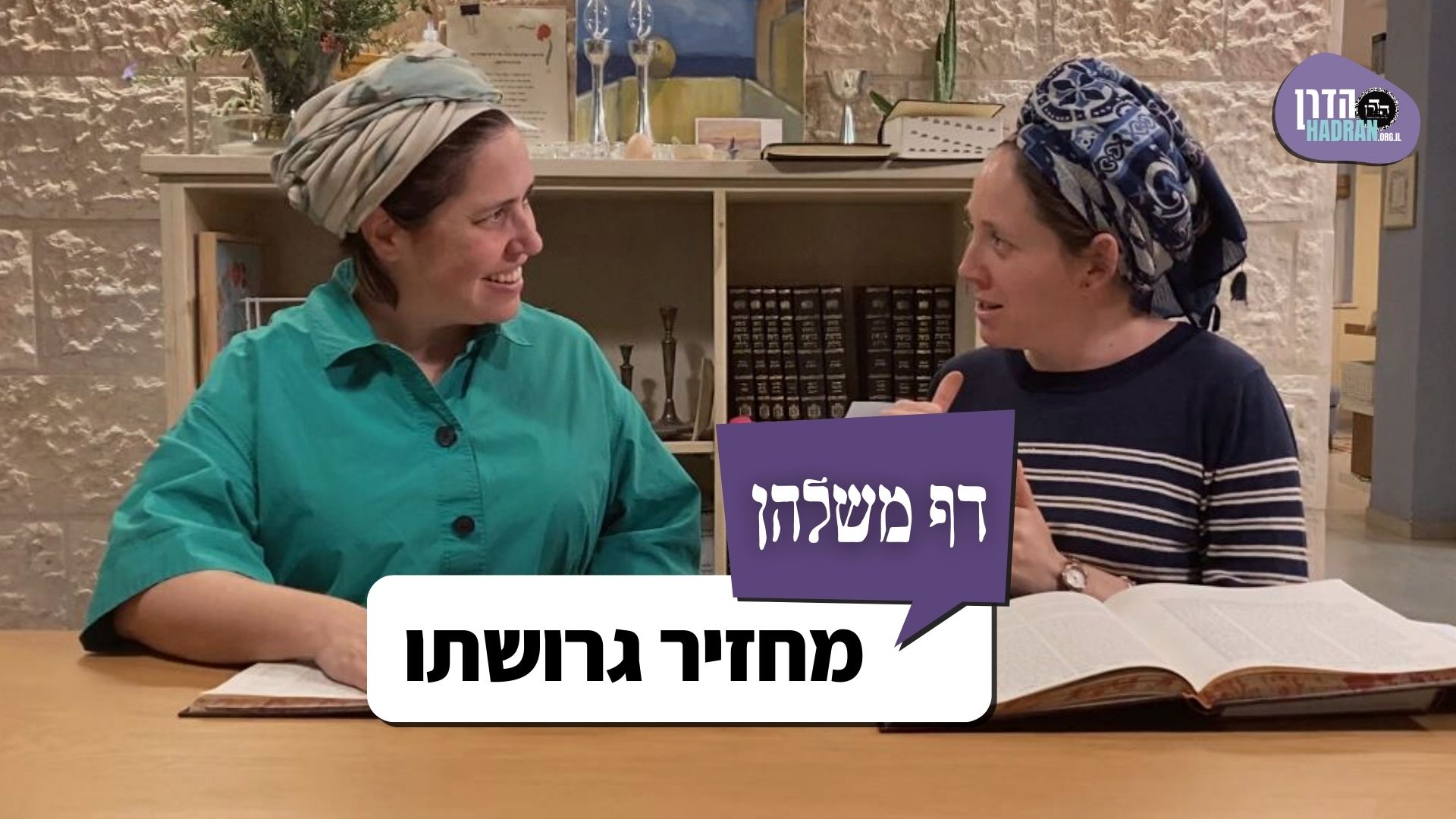
על סמך מה קובע בית שמאי שצריך שיהיו לו שני בנים כדי לקיים את מצוות פרייה ורבייה? על סמך מה טוען בית הלל בן ובת? בית שמאי ביסס את דעתו על משה רבנו שהיו לו שני בנים ולאחר מכן נפרד מאשתו. בית הלל חולקים על כך כי הוא אומר שזהו אחד משלושה הדברים שמשה עשה בכוחות עצמו ולאחר מכן ה’ תמך בהחלטתו. הסיבה לא הייתה קשורה לקיום המצווה אבל הוא נפרד מציפורה מסיבה אחרת. מה הם שני הדברים האחרים? לרבי נתן הייתה מסורת אחרת על הוויכוח בין בית שמאי לבית הלל. מובאות שתי גרסאות למסורת שלו. האם מתגייר יכול לקיים את המצווה עם ילדים שנולדו לפני שהתגייר? רבי יוחנן וריש לקיש חלוקים על כך. דעותיהם מתיישבות עם ויכוח שיש להם בשאלה האם לבנו הבכור של מתגייר שנולד לאחר הגיור (במקרה שהיו לו בנים קודם לכן) יש דין בכור. רבי יוחנן מביא מקור להעלות קושי נגד ריש לקיש, אבל זה נפתר. אם אחד מילדיו מת, האם המצווה מתקיימת בכל זאת? רב הונא ורבי יוחנן חלוקים בסוגיה זו. שתי שאלות מועלות נגד עמדתו של רב הונא ממקורות תנאיים הדנים בכך שניתן למלא את חובתו באמצעות נכדים. אחד נפתר, השני לא. האם נכדים נחשבים בכל המקרים? במה זה תלוי? מה המקור לכך? לרבי יהושע יש עמדה שלישית לגבי מצוות פרייה ורבייה. לדבריו, גם לאחר הבאת שני ילדים צריך להמשיך ולהביא ילדים נוספים, כנלמד מפסוק בקהלת יא:ו. הפסוק משמש את רבי עקיבא כדי להדגיש את חשיבות לימוד תורה והקמת תלמידים. לרבי עקיבא היו 12,000 תלמידים וכולם מתו בתקופה אחת בין פסח לשבועות כי לא כיבדו זה את זה. בסופו של דבר העביר רבי עקיבא את תורתו לחמישה תלמידים – רבי מאיר, רבי יהודה, רבי יוסי, רבי שמעון ורבי אלעזר בן שמוע. רבי תנחום אומר בשם רבי חנילא שמי שאין לו אישה חסרים לו דברים רבים, כולל שלום, תורה, ברכה וכו’. מהיכן נדרש כל אחד מאלה? רבי יהושע בן לוי מסביר שיש מצבים מסוימים שבהם הבעל מחויב לקיים יחסי אישות עם אשתו, אם היא רוצה בכך. מאיפה אלו נלמדות? אחד מהם יכול להידרש מפסוק אחר. מה מוסיף הפסוק של רבי יהושע בן לוי? מובאת ברייתא המדגישה את החשיבות של יחס טוב לאישה, כמו גם התנהגויות אחרות ראויות לשבח.

כלים

יבמות סב

מִשֶּׁאִי אֶפְשָׁר. וּבֵית הִלֵּל נָמֵי, לֵילְפוּ מִמֹּשֶׁה! אָמְרִי לָךְ: מֹשֶׁה מִדַּעְתֵּיהּ הוּא דַּעֲבַד. דְּתַנְיָא: שְׁלֹשָׁה דְּבָרִים עָשָׂה מֹשֶׁה מִדַּעְתּוֹ, וְהִסְכִּימָה דַּעְתּוֹ לְדַעַת הַמָּקוֹם: פֵּירַשׁ מִן הָאִשָּׁה, וְשִׁיבֵּר הַלּוּחוֹת, וְהוֹסִיף יוֹם אֶחָד.

from one that is not possible. Mankind was initially created with a male and female because otherwise reproduction would not have been possible. However, this fact cannot serve as a source that the mitzva to be fruitful and multiply is fulfilled only once one has a son and a daughter. The Gemara asks: And Beit Hillel, let them also learn from Moses. Beit Hillel could say to you: Moses acted based on his own perception when he separated from his wife, but this does not mean that a man is permitted to neglect the mitzva to be fruitful and multiply after fathering two males, as it is taught in a baraita: Moses did three things based on his own perception, and his perception agreed with the perception of the Omnipresent: He separated from his wife, he broke the tablets, and he added one day to the days of separation before the revelation at Sinai.

פֵּירַשׁ מִן הָאִשָּׁה, מַאי דְּרַשׁ? אֲמַר: וּמָה יִשְׂרָאֵל, שֶׁלֹּא דִּבְּרָה עִמָּהֶם שְׁכִינָה אֶלָּא לְפִי שָׁעָה, וְקָבַע לָהֶם זְמַן, אָמְרָה תּוֹרָה: ״אַל תִּגְּשׁוּ אֶל אִשָּׁה״ — אֲנִי, שֶׁמְּיוּחָד לְדִבּוּר בְּכׇל שָׁעָה וְשָׁעָה, וְלֹא קָבַע לִי זְמַן — עַל אַחַת כַּמָּה וְכַמָּה. וְהִסְכִּימָה דַּעְתּוֹ לְדַעַת הַמָּקוֹם, שֶׁנֶּאֱמַר: ״לֵךְ אֱמוֹר לָהֶם שׁוּבוּ לָכֶם לְאׇהֳלֵיכֶם. וְאַתָּה פֹּה עֲמוֹד עִמָּדִי״.

The Gemara clarifies: When Moses separated from his wife after the revelation at Sinai, what did he interpret that led him to do so? He said: If in the case of Israel, with whom the Divine Presence spoke only temporarily and for whom God set a specific time for revelation, the Torah stated: “Do not approach a woman” (Exodus 19:15), I, Moses, who am set aside for divine speech all the time and for whom God did not set a specific time, all the more so I must separate from my wife. And his perception agreed with the perception of the Omnipresent, as it is stated after the revelation at Sinai: “Go say to them: Return to your tents; and you, stand here with Me” (Deuteronomy 5:26–27). This indicates that whereas others could return to their homes and normal married life after the revelation at Sinai, Moses was to stay with God and not return to his wife.

שִׁיבֵּר אֶת הַלּוּחוֹת, מַאי דְּרַשׁ? אָמַר: וּמָה פֶּסַח, שֶׁהוּא אֶחָד מִשֵּׁשׁ מֵאוֹת וּשְׁלֹשׁ עֶשְׂרֵה מִצְוֹת, אָמְרָה תּוֹרָה ״כׇּל בֶּן נֵכָר לֹא יֹאכַל בּוֹ״. הַתּוֹרָה כּוּלָּהּ, וְיִשְׂרָאֵל מְשׁוּמָּדִים — עַל אַחַת כַּמָּה וְכַמָּה.

Moses broke the tablets following the sin of the Golden Calf. What did he interpret that led him to do so? Moses said: If in the case of the Paschal lamb, which is only one of 613 mitzvot, the Torah states: “No alien shall eat of it” (Exodus 12:43), excluding not only gentiles but apostate Jews as well, then here, in the case of the Golden Calf, where the tablets represent the entire Torah and where the Jewish people are apostates, as they are worshipping the calf, all the more so must they be excluded from receiving them.

וְהִסְכִּימָה דַּעְתּוֹ לְדַעַת הַמָּקוֹם, דִּכְתִיב: ״אֲשֶׁר שִׁבַּרְתָּ״, וְאָמַר רֵישׁ לָקִישׁ: אָמַר לוֹ הַקָּדוֹשׁ בָּרוּךְ הוּא לְמֹשֶׁה: יִישַׁר כֹּחֲךָ שֶׁשִּׁבַּרְתָּ.

And his perception agreed with the perception of the Omnipresent, as it is written: “The first tablets that you broke [asher shibbarta]” (Exodus 34:1), and Reish Lakish said: The word asher is an allusion to the fact that the Holy One, Blessed be He, said to Moses: May your strength be true [yishar koḥakha] that you broke the tablets.

הוֹסִיף יוֹם אֶחָד מִדַּעְתּוֹ, מַאי דְּרַשׁ? דִּכְתִיב: ״וְקִדַּשְׁתָּם הַיּוֹם וּמָחָר״. הַיּוֹם כְּמָחָר: מָה מָחָר לֵילוֹ עִמּוֹ, אַף הַיּוֹם לֵילוֹ עִמּוֹ. וְלַיְלָה דְּהָאִידָּנָא נְפַק לֵיהּ, שְׁמַע מִינַּהּ תְּרֵי יוֹמֵי לְבַר מֵהָאִידָּנָא. וְהִסְכִּימָה דַּעְתּוֹ לְדַעַת הַמָּקוֹם — דְּלָא שָׁרְיָא שְׁכִינָה עַד שַׁבְּתָא.

When Moses added one day to the days of separation before the revelation at Sinai based on his own perception, what did he interpret that led him to do so? He reasoned that since it is written: “And sanctify them today and tomorrow” (Exodus 19:10), the juxtaposition of the words “today” and “tomorrow” teaches that today is like tomorrow: Just as tomorrow the men and women will separate for that day and the night preceding it, so too, today requires separation for the day and the night preceding it. Since God spoke to him in the morning, and the night of that day already passed, Moses said: Conclude from this that separation must be in effect for two days aside from now, i.e., not including the day of the command. Therefore, he extended the mitzva of separation by one day. And his perception agreed with the perception of the Omnipresent, as the Divine Presence did not rest upon Mount Sinai until Shabbat morning, as Moses had determined.

תַּנְיָא, רַבִּי נָתָן אוֹמֵר: בֵּית שַׁמַּאי אוֹמְרִים: שְׁנֵי זְכָרִים וּשְׁתֵּי נְקֵבוֹת, וּבֵית הִלֵּל אוֹמְרִים: זָכָר וּנְקֵבָה.

§ It is taught in a baraita that Rabbi Natan says that Beit Shammai say: The mitzva to be fruitful and multiply is fulfilled with two males and two females. And Beit Hillel say: A male and a female.

אָמַר רַב הוּנָא: מַאי טַעְמָא דְּרַבִּי נָתָן אַלִּיבָּא דְּבֵית שַׁמַּאי? דִּכְתִיב: ״וַתּוֹסֶף לָלֶדֶת אֶת אָחִיו אֶת הָבֶל״: הֶבֶל וַאֲחוֹתוֹ, קַיִן וַאֲחוֹתוֹ, וּכְתִיב: ״כִּי שָׁת לִי אֱלֹהִים זֶרַע אַחֵר תַּחַת הֶבֶל כִּי הֲרָגוֹ קָיִן״. וְרַבָּנַן? אוֹדוֹיֵי הוּא דְּקָא מוֹדְיָא.

Rav Huna said: What is the reason of Rabbi Natan, in accordance with the opinion of Beit Shammai? It is as it is written: “And again she bore his brother [et aḥiv] Abel [et Hevel]” (Genesis 4:2). The use of the superfluous word “et” indicates that she gave birth to Abel and his sister, in addition to Cain and his sister. And it states: “For God has appointed me another seed instead of Abel; for Cain slew him” (Genesis 4:25). This indicates that one must have at least four children. And the Rabbis, how do they understand this verse? In their opinion, Eve was thanking God for granting her another child, but one is not obligated to have four children.

תַּנְיָא אִידַּךְ, רַבִּי נָתָן אוֹמֵר: בֵּית שַׁמַּאי אוֹמְרִים: זָכָר וּנְקֵבָה, וּבֵית הִלֵּל אוֹמְרִים: אוֹ זָכָר אוֹ נְקֵבָה. אָמַר רָבָא: מַאי טַעְמָא דְּרַבִּי נָתָן אַלִּיבָּא דְּבֵית הִלֵּל, שֶׁנֶּאֱמַר: ״לֹא תֹהוּ בְרָאָהּ לָשֶׁבֶת יְצָרָהּ״, וְהָא עֲבַד לַהּ שֶׁבֶת.

It is taught in another baraita that Rabbi Natan says that Beit Shammai say: The mitzva to be fruitful and multiply is fulfilled with a male and a female. And Beit Hillel say: Either a male or a female. Rava said: What is the reason of Rabbi Natan in accordance with the opinion of Beit Hillel? It is as it is stated: “He did not create it a waste; He formed it to be inhabited” (Isaiah 45:18), and one has made the earth inhabited to a greater degree by adding even one child to the world.

אִיתְּמַר: הָיוּ לוֹ בָּנִים בְּגַיּוּתוֹ וְנִתְגַּיֵּיר, רַבִּי יוֹחָנָן אָמַר: קִיֵּים פְּרִיָּה וּרְבִיָּה. וְרֵישׁ לָקִישׁ אָמַר: לֹא קִיֵּים פְּרִיָּה וּרְבִיָּה. רַבִּי יוֹחָנָן אָמַר: קִיֵּים פְּרִיָּה וּרְבִיָּה — דְּהָא הֲווֹ לֵיהּ. וְרֵישׁ לָקִישׁ אָמַר: לֹא קִיֵּים פְּרִיָּה וּרְבִיָּה — גֵּר שֶׁנִּתְגַּיֵּיר כְּקָטָן שֶׁנּוֹלַד דָּמֵי.

§ It was stated that amora’im disagreed over the following issue: If a man had children when he was a gentile and he subsequently converted, Rabbi Yoḥanan said: He has already fulfilled the mitzva to be fruitful and multiply, and Reish Lakish said: He has not fulfilled the mitzva to be fruitful and multiply. Rabbi Yoḥanan said he has fulfilled the mitzva to be fruitful and multiply, as he already had children. And Reish Lakish said he has not fulfilled the mitzva to be fruitful and multiply, as the legal status of a convert who just converted is like that of a child just born, and it is considered as though he did not have children.

וְאָזְדוּ לְטַעְמַיְיהוּ, דְּאִיתְּמַר: הָיוּ לוֹ בָּנִים בְּגַיּוּתוֹ וְנִתְגַּיֵּיר, רַבִּי יוֹחָנָן אָמַר: אֵין לוֹ בְּכוֹר לְנַחֲלָה, דְּהָא הֲוָה לֵיהּ ״רֵאשִׁית אוֹנוֹ״. וְרֵישׁ לָקִישׁ אָמַר: יֵשׁ לוֹ בְּכוֹר לְנַחֲלָה, גֵּר שֶׁנִּתְגַּיֵּיר כְּקָטָן שֶׁנּוֹלַד דָּמֵי.

The Gemara comments: And they follow their regular line of reasoning, as it was stated: If one had children when he was a gentile and he subsequently converted, Rabbi Yoḥanan said: He does not have a firstborn with regard to inheritance, i.e., the first son born to him after his conversion does not inherit a double portion, as this man already had “the first of his strength” (Deuteronomy 21:17), the Torah’s description of the firstborn in this context, before he converted. And Reish Lakish said: He does have a firstborn with regard to inheritance, as the legal status of a convert who just converted is like that of a child just born.

וּצְרִיכָא: דְּאִי אַשְׁמְעִינַן בְּהָהִיא קַמַּיְיתָא, בְּהַהִיא קָאָמַר רַבִּי יוֹחָנָן — מִשּׁוּם דְּמֵעִיקָּרָא נָמֵי בְּנֵי פְּרִיָּה וּרְבִיָּה נִינְהוּ, אֲבָל לְעִנְיַן נַחֲלָה, דְּלָאו בְּנֵי נַחֲלָה נִינְהוּ — אֵימָא מוֹדֵי לֵיהּ לְרֵישׁ לָקִישׁ.

The Gemara adds: And it is necessary to state their opinions in both cases. As, had it only been taught to us with regard to that first case of the mitzva to be fruitful and multiply, one might have said that it is only in that case that Rabbi Yoḥanan said his opinion, because from the outset, gentiles are also subject to the mitzva to be fruitful and multiply. However, with regard to inheritance, since they are not subject to the halakhot of inheritance, one might say that Rabbi Yoḥanan concedes to Reish Lakish.

וְאִי אִיתְּמַר בְּהָא — בְּהָא קָאָמַר רֵישׁ לָקִישׁ, אֲבָל בְּהַהִיא — אֵימָא מוֹדֶה לֵיהּ לְרַבִּי יוֹחָנָן, צְרִיכָא.

And conversely, if their dispute was stated only with regard to this issue of inheritance, I would have said that it is only in this case that Reish Lakish said his opinion, as the halakhot of inheritance do not apply to gentiles. But with regard to that case, the mitzva to be fruitful and multiply, one might say that he concedes to Rabbi Yoḥanan. Consequently, it is necessary for both disputes to be recorded.

אֵיתִיבֵיהּ רַבִּי יוֹחָנָן לְרֵישׁ לָקִישׁ: ״בָּעֵת הַהִיא שָׁלַח בְּרֹאדַךְ בַּלְאֲדָן בֶּן בַּלְאֲדָן מֶלֶךְ בָּבֶל וְגוֹ׳״! אֲמַר לֵיהּ בְּגַיּוּתָן — אִית לְהוּ חַיִיס, נִתְגַּיְּירוּ — לֵית לְהוּ חַיִיס.

Rabbi Yoḥanan raises an objection to Reish Lakish based upon the verse: “At that time Berodach-baladan, son of Baladan, king of Babylon, sent a letter” (II Kings 20:12), which indicates that gentiles are considered to be the children of their parents. Therefore, when they convert, they should already have fulfilled the mitzva to be fruitful and multiply. Reish Lakish said to Rabbi Yoḥanan: When they are gentiles they do have family lineage, but when they convert they do not have lineage, as they now belong to the family of the Jewish people and their previous lineage is disregarded.

אָמַר רַב: הַכֹּל מוֹדִין בְּעֶבֶד שֶׁאֵין לוֹ חַיִיס, דִּכְתִיב: ״שְׁבוּ לָכֶם פֹּה עִם הַחֲמוֹר״: עַם הַדּוֹמֶה לַחֲמוֹר. מֵיתִיבִי: ״וּלְצִיבָא חֲמִשָּׁה עָשָׂר בָּנִים וְעֶשְׂרִים עֲבָדִים״! אָמַר רַב אַחָא בַּר יַעֲקֹב: כְּ״פַר בֶּן בָּקָר״.

Rav said: Everyone agrees with regard to a Canaanite slave, that he does not have lineage, as it is written that Abraham said to his slaves: “Remain here with the donkey” (Genesis 22:5). This verse is interpreted to mean that they are a nation comparable to a donkey, which has no lineage. The Gemara raises an objection based upon a verse pertaining to Jonathan’s Canaanite slave: “And Ziba had fifteen sons and twenty servants” (II Samuel 9:10), which indicates that a slave’s sons are in fact considered his sons. Rav Aḥa bar Ya’akov said: This is like the expression: A bullock, son of a bull. The word son in this context merely denotes progeny, not lineage.

אִי הָכִי, הָכָא נָמֵי! שָׁאנֵי הָתָם, דְּיַחֲסִינְהוּ בִּשְׁמַיְיהוּ וּבִשְׁמָא דַאֲבוּהוֹן, וְהָכָא לָא מְפָרֵשׁ. וְאִיבָּעֵית אֵימָא: יַחֲסִינְהוּ בְּדוּכְתָּא אַחֲרִיתִי בַּאֲבוּהוֹן וּבְאַבָּא דַאֲבוּהוֹן, דִּכְתִיב: ״וַיִּשְׁלָחֵם הַמֶּלֶךְ אָסָא אֶל בֶּן הֲדַד בֶּן טַבְרִימּוֹן בֶּן חֶזְיוֹן מֶלֶךְ אֲרָם הַיּוֹשֵׁב בְּדַמֶּשֶׂק לֵאמֹר״.

The Gemara asks: If so, here too, with regard to gentiles, there is no proof from the verse about Berodach-baladan that they have family lineage. The Gemara answers: There it is different, as the Bible identified him by his name and by his father’s name, thereby emphasizing the family connection. But here, it does not specify the names of Ziba’s children. And if you wish, say instead that the Bible identified gentiles elsewhere by their father and their father’s father, as it is written: “And King Asa sent them to Ben-hadad, son of Tabrimmon, son of Hezion, king of Aram, who dwelled in Damascus, saying” (I Kings 15:18). This indicates that there is lineage for gentiles.

אִיתְּמַר: הָיוּ לוֹ בָּנִים וּמֵתוּ, רַב הוּנָא אָמַר: קִיֵּים פְּרִיָּה וּרְבִיָּה. רַבִּי יוֹחָנָן אָמַר: לֹא קִיֵּים.

§ It was stated that amora’im disagreed over the following issue: If a man had children and they died, Rav Huna said: He has fulfilled the mitzva to be fruitful and multiply through these children. Rabbi Yoḥanan said: He has not fulfilled the mitzva.

רַב הוּנָא אָמַר: קִיֵּים — מִשּׁוּם דְּרַב אַסִּי. דְּאָמַר רַב אַסִּי: אֵין בֶּן דָּוִד בָּא עַד שֶׁיִּכְלוּ כׇּל נְשָׁמוֹת שֶׁבַּגּוּף, שֶׁנֶּאֱמַר: ״כִּי רוּחַ מִלְּפָנַי יַעֲטוֹף וְגוֹ׳״, וְרַבִּי יוֹחָנָן אָמַר: לֹא קִיֵּים פְּרִיָּה וּרְבִיָּה — ״לָשֶׁבֶת יְצָרָהּ״ בָּעֵינַן, וְהָא לֵיכָּא.

The Gemara clarifies the reasons for their opinions: Rav Huna said he has fulfilled the mitzva due to a statement of Rav Asi, as Rav Asi said that the reason for this mitzva is that the Messiah, son of David, will not come until all the souls of the body have been finished, i.e., until all souls that are destined to inhabit physical bodies will do so, as it is stated: “For the spirit that enwraps itself is from Me, and the souls that I have made” (Isaiah 57:16). Consequently, once a child has been born and his soul has entered a body the mitzva has been fulfilled, even if the child subsequently dies. And Rabbi Yoḥanan said he has not fulfilled the mitzva, as we require “He formed it to be inhabited” (Isaiah 45:18), and this is not fulfilled when the children have passed away and no longer inhabit the earth.

מֵיתִיבִי:

The Gemara raises an objection with regard to the opinion of Rav Huna based upon the following baraita:

בְּנֵי בָנִים הֲרֵי הֵן כְּבָנִים! כִּי תַּנְיָא הָהִיא, לְהַשְׁלִים.

Grandchildren are considered like children. This indicates that if one’s children have passed away, he has fulfilled the mitzva to be fruitful and multiply only if they had children of their own, as they are considered like his own children. The Gemara responds: When that baraita is taught it is with regard to completing the required number of children, e.g., if he had only a son, but his son had a daughter, he has fulfilled the mitzva to be fruitful and multiply.

מֵיתִיבִי: בְּנֵי בָנִים הֲרֵי הֵם כְּבָנִים, מֵת אֶחָד מֵהֶם אוֹ שֶׁנִּמְצָא סָרִיס — לֹא קִיֵּים פְּרִיָּה וּרְבִיָּה. תְּיוּבְתָּא דְרַב הוּנָא תְּיוּבְתָּא.

The Gemara raises an objection to the opinion of Rav Huna from another baraita: Grandchildren are considered like children. If one of a man’s children died or was discovered to be a eunuch, the father has not fulfilled the mitzva to be fruitful and multiply. This directly contradicts Rav Huna’s statement that one fulfills the mitzva even if his children die. The Gemara concludes: The refutation of the opinion of Rav Huna is indeed a conclusive refutation.

בְּנֵי בָנִים הֲרֵי הֵם כְּבָנִים. סְבַר אַבָּיֵי לְמֵימַר, בְּרָא לִבְרָא וּבְרַתָּא לִבְרַתָּא, וְכׇל שֶׁכֵּן בְּרָא לִבְרַתָּא. אֲבָל בְּרַתָּא לִבְרָא — לָא. אֲמַר לֵיהּ רָבָא: ״לָשֶׁבֶת יְצָרָהּ״ בָּעֲיָא, וְהָא אִיכָּא.

§ It was taught in the baraita that grandchildren are considered like children. Abaye thought to say that if one’s children die, he fulfills the mitzva to be fruitful and multiply through grandchildren, provided a son was born to his son and a daughter to his daughter, and all the more so if a son was born to his daughter, as his grandchildren take the place of his children in these cases. However, if a daughter was born to his son, no, she cannot take the place of her father. Rava said to him: We require merely fulfillment of the verse: “He formed it to be inhabited,” and there is fulfillment in this case, as the earth is inhabited by his descendants.

דְּכוּלֵּי עָלְמָא מִיהַת תְּרֵי מֵחַד לָא. וְלָא? וְהָא אָמְרִי לֵיהּ רַבָּנַן לְרַב שֵׁשֶׁת: נְסֵיב אִיתְּתָא וְאוֹלֵיד בְּנֵי, וַאֲמַר לְהוּ: בְּנֵי בְרַתִּי — בְּנֵי נִינְהוּ!

The Gemara comments: In any event, everyone agrees that if one has two grandchildren from one child, no, he has not fulfilled the mitzva to be fruitful and multiply, even if he has both a grandson and a granddaughter. The Gemara asks: And has he not? Didn’t the Rabbis say to Rav Sheshet: Marry a woman and have sons, as you have not yet fathered any sons, and Rav Sheshet said to them: The sons of my daughter are my sons? This indicates that one can fulfill the mitzva through grandchildren even if he did not have a son and daughter of his own.

הָתָם דַּחוֹיֵי קָמְדַחֵי לְהוּ, דְּרַב שֵׁשֶׁת אִיעֲקַר מִפִּירְקֵיהּ דְּרַב הוּנָא.

The Gemara answers: There, Rav Sheshet was merely putting them off. The real reason he did not want to get remarried was because Rav Sheshet became impotent from Rav Huna’s discourse. Rav Huna’s discourses were so lengthy that Rav Sheshet became impotent after waiting for so long without relieving himself.

אֲמַר לֵיהּ רַבָּה לְרָבָא בַּר מָארִי: מְנַָא הָא מִילְּתָא דַּאֲמוּר רַבָּנַן בְּנֵי בָנִים הֲרֵי הֵן כְּבָנִים? אִילֵּימָא מִדִּכְתִיב ״הַבָּנוֹת בְּנוֹתַי וְהַבָּנִים בָּנַי״, אֶלָּא מֵעַתָּה: ״וְהַצֹּאן צֹאנִי״ הָכִי נָמֵי?! אֶלָּא דִּקְנֵית מִינַּאי, הָכָא נָמֵי — דִּקְנֵית מִינַּאי.

Rabba said to Rava bar Mari: From where is this matter that the Sages stated derived, that grandchildren are considered like children? If we say it is derived from the fact that it is written in Laban’s speech to Jacob: “The daughters are my daughters and the children are my children” (Genesis 31:43), which indicates that Jacob’s children were also considered to be the children of their grandfather Laban, if that is so, does the continuation of Laban’s statement: “And the flocks are my flocks” (Genesis 31:43), indicate that so too, Jacob’s flocks were considered as belonging to Laban? Rather, Laban was saying that you, Jacob, acquired them from me. Here too, with regard to the children, Laban was saying: You acquired them from me, i.e., it is only due to me that you have children.

אֶלָּא מֵהָכָא: ״וְאַחַר בָּא חֶצְרוֹן אֶל בַּת מָכִיר אֲבִי גִלְעָד וַתֵּלֶד לוֹ אֶת שְׂגוּב״, וּכְתִיב: ״מִנִּי מָכִיר יָרְדוּ מְחוֹקְקִים״, וּכְתִיב ״יְהוּדָה מְחוֹקְקִי״.

Rather, the proof is from here: “And afterward Hezron went in to the daughter of Machir, the father of Gilead…and she bore him Segub” (I Chronicles 2:21), and it is written: “Out of Machir came down governors” (Judges 5:14), and it is written: “Judah is my governor” (Psalms 60:9). Consequently, the governors, who were from the tribe of Judah, were also called the sons of Machir, who was from the tribe of Manasseh. This must be because they were the children of Machir’s daughter and Hezron, indicating that grandchildren are considered like children.

מַתְנִיתִין דְּלָאו כְּרַבִּי יְהוֹשֻׁעַ, דְּתַנְיָא, רַבִּי יְהוֹשֻׁעַ אוֹמֵר: נָשָׂא אָדָם אִשָּׁה בְּיַלְדוּתוֹ — יִשָּׂא אִשָּׁה בְּזִקְנוּתוֹ. הָיוּ לוֹ בָּנִים בְּיַלְדוּתוֹ — יִהְיוּ לוֹ בָּנִים בְּזִקְנוּתוֹ, שֶׁנֶּאֱמַר: ״בַּבֹּקֶר זְרַע אֶת זַרְעֶךָ וְלָעֶרֶב אַל תַּנַּח יָדֶךָ כִּי אֵינְךָ יוֹדֵעַ אֵי זֶה יִכְשָׁר הֲזֶה אוֹ זֶה וְאִם שְׁנֵיהֶם כְּאֶחָד טוֹבִים״.

§ The Gemara comments: The mishna is not in accordance with the opinion of Rabbi Yehoshua. As it is taught in a baraita that Rabbi Yehoshua says: If a man married a woman in his youth, and she passed away, he should marry another woman in his old age. If he had children in his youth, he should have more children in his old age, as it is stated: “In the morning sow your seed, and in the evening do not withhold your hand; for you do not know which shall prosper, whether this or that, or whether they both alike shall be good” (Ecclesiastes 11:6). This verse indicates that a man should continue having children even after he has fulfilled the mitzva to be fruitful and multiply.

רַבִּי עֲקִיבָא אוֹמֵר: לָמַד תּוֹרָה בְּיַלְדוּתוֹ — יִלְמוֹד תּוֹרָה בְּזִקְנוּתוֹ. הָיוּ לוֹ תַּלְמִידִים בְּיַלְדוּתוֹ — יִהְיוּ לוֹ תַּלְמִידִים בְּזִקְנוּתוֹ, שֶׁנֶּאֱמַר: ״בַּבֹּקֶר זְרַע אֶת זַרְעֶךָ וְגוֹ׳״. אָמְרוּ: שְׁנֵים עָשָׂר אָלֶף זוּגִים תַּלְמִידִים הָיוּ לוֹ לְרַבִּי עֲקִיבָא מִגְּבָת עַד אַנְטִיפְרַס, וְכוּלָּן מֵתוּ בְּפֶרֶק אֶחָד, מִפְּנֵי שֶׁלֹּא נָהֲגוּ כָּבוֹד זֶה לָזֶה.

Rabbi Akiva says that the verse should be understood as follows: If one studied Torah in his youth he should study more Torah in his old age; if he had students in his youth he should have additional students in his old age, as it is stated: “In the morning sow your seed, etc.” They said by way of example that Rabbi Akiva had twelve thousand pairs of students in an area of land that stretched from Gevat to Antipatris in Judea, and they all died in one period of time, because they did not treat each other with respect.

וְהָיָה הָעוֹלָם שָׁמֵם, עַד שֶׁבָּא רַבִּי עֲקִיבָא אֵצֶל רַבּוֹתֵינוּ שֶׁבַּדָּרוֹם וּשְׁנָאָהּ לָהֶם: רַבִּי מֵאִיר, וְרַבִּי יְהוּדָה, וְרַבִּי יוֹסֵי, וְרַבִּי שִׁמְעוֹן, וְרַבִּי אֶלְעָזָר בֶּן שַׁמּוּעַ, וְהֵם הֵם הֶעֱמִידוּ תּוֹרָה אוֹתָהּ שָׁעָה.

And the world was desolate of Torah until Rabbi Akiva came to our Rabbis in the South and taught his Torah to them. This second group of disciples consisted of Rabbi Meir, Rabbi Yehuda, Rabbi Yosei, Rabbi Shimon, and Rabbi Elazar ben Shamua. And these are the very ones who upheld the study of Torah at that time. Although Rabbi Akiva’s earlier students did not survive, his later disciples were able to transmit the Torah to future generations.

תָּנָא, כּוּלָּם מֵתוּ מִפֶּסַח וְעַד עֲצֶרֶת. אָמַר רַב חָמָא בַּר אַבָּא וְאִיתֵּימָא רַבִּי חִיָּיא בַּר אָבִין: כּוּלָּם מֵתוּ מִיתָה רָעָה. מַאי הִיא? אָמַר רַב נַחְמָן: אַסְכָּרָה.

With regard to the twelve thousand pairs of Rabbi Akiva’s students, the Gemara adds: It is taught that all of them died in the period from Passover until Shavuot. Rav Ḥama bar Abba said, and some say it was Rabbi Ḥiyya bar Avin: They all died a bad death. The Gemara inquires: What is it that is called a bad death? Rav Naḥman said: Diphtheria.

אָמַר רַב מַתְנָא: הֲלָכָה כְּרַבִּי יְהוֹשֻׁעַ.

Rav Mattana said: The halakha is in accordance with the opinion of Rabbi Yehoshua, who said that one must attempt to have more children even if he has already fulfilled the mitzva to be fruitful and multiply.

אָמַר רַבִּי תַּנְחוּם אָמַר רַבִּי חֲנִילַאי: כׇּל אָדָם שֶׁאֵין לוֹ אִשָּׁה — שָׁרוּי בְּלֹא שִׂמְחָה, בְּלֹא בְּרָכָה, בְּלֹא טוֹבָה. בְּלֹא שִׂמְחָה, דִּכְתִיב: ״וְשָׂמַחְתָּ אַתָּה וּבֵיתֶךָ״. בְּלֹא בְּרָכָה, דִּכְתִיב: ״לְהָנִיחַ בְּרָכָה אֶל בֵּיתֶךָ״. בְּלֹא טוֹבָה, דִּכְתִיב: ״לֹא טוֹב הֱיוֹת הָאָדָם לְבַדּוֹ״.

§ Apropos the discussion with regard to the mitzva to have children, the Gemara cites statements about marriage in general. Rabbi Tanḥum said that Rabbi Ḥanilai said: Any man who does not have a wife is left without joy, without blessing, without goodness. He proceeds to quote verses to support each part of his statement. He is without joy, as it is written: “And you shall rejoice, you and your household” (Deuteronomy 14:26), which indicates that a man is in a joyful state only when he is with his household, i.e., his wife. He is without blessing, as it is written: “To cause a blessing to rest in your house” (Ezekiel 44:30), which indicates that blessing comes through one’s house, i.e., one’s wife. He is without goodness, as it is written: “It is not good that man should be alone” (Genesis 2:18), i.e., without a wife.

בְּמַעְרְבָא אָמְרִי: בְּלֹא תּוֹרָה, בְּלֹא חוֹמָה. בְּלֹא תּוֹרָה, דִּכְתִיב: ״הַאִם אֵין עֶזְרָתִי בִי וְתוּשִׁיָּה נִדְּחָה מִמֶּנִּי״. בְּלֹא חוֹמָה, דִּכְתִיב: ״נְקֵבָה תְּסוֹבֵב גָּבֶר״.

In the West, Eretz Yisrael, they say: One who lives without a wife is left without Torah, and without a wall of protection. He is without Torah, as it is written: “Is it that I have no help in me, and that sound wisdom is driven from me?” (Job 6:13), indicating that one who does not have a wife lacks sound wisdom, i.e., Torah. He is without a wall, as it is written: “A woman shall go round a man” (Jeremiah 31:22), similar to a protective wall.

רָבָא בַּר עוּלָּא אָמַר: בְּלֹא שָׁלוֹם, דִּכְתִיב: ״וְיָדַעְתָּ כִּי שָׁלוֹם אׇהֳלֶךָ וּפָקַדְתָּ נָוְךָ וְלֹא תֶחֱטָא״.

Rava bar Ulla said: One who does not have a wife is left without peace, as it is written: “And you shall know that your tent is in peace; and you shall visit your habitation and shall miss nothing” (Job 5:24). This indicates that a man has peace only when he has a tent, i.e., a wife.

אָמַר רַבִּי יְהוֹשֻׁעַ בֶּן לֵוִי: כׇּל הַיּוֹדֵעַ בְּאִשְׁתּוֹ שֶׁהִיא יִרְאַת שָׁמַיִם וְאֵינוֹ פּוֹקְדָהּ — נִקְרָא חוֹטֵא, שֶׁנֶּאֱמַר: ״וְיָדַעְתָּ כִּי שָׁלוֹם אׇהֳלֶךָ וְגוֹ׳״. וְאָמַר רַבִּי יְהוֹשֻׁעַ בֶּן לֵוִי: חַיָּיב אָדָם לִפְקוֹד אֶת אִשְׁתּוֹ בְּשָׁעָה שֶׁהוּא יוֹצֵא לַדֶּרֶךְ, שֶׁנֶּאֱמַר: ״וְיָדַעְתָּ כִּי שָׁלוֹם אׇהֳלֶךָ וְגוֹ׳״.

On the same verse, Rabbi Yehoshua ben Levi said: Whoever knows that his wife fears Heaven and she desires him, and he does not visit her, i.e., have intercourse with her, is called a sinner, as it is stated: And you shall know that your tent is in peace; and you shall visit your habitation. And Rabbi Yehoshua ben Levi said: A man is obligated to visit his wife for the purpose of having intercourse when he is about to depart on a journey, as it is stated: “And you shall know that your tent is in peace, etc.”

הָא מֵהָכָא נָפְקָא? מֵהָתָם נָפְקָא: ״וְאֶל אִישֵׁךְ תְּשׁוּקָתֵךְ״, מְלַמֵּד שֶׁהָאִשָּׁה מִשְׁתּוֹקֶקֶת עַל בַּעְלָהּ בְּשָׁעָה שֶׁהוּא יוֹצֵא לְדֶרֶךְ! אָמַר רַב יוֹסֵף: לֹא נִצְרְכָה אֶלָּא סָמוּךְ לְוִוסְתָּהּ.

The Gemara asks: Is this last statement derived from here? It is derived from there: “And your desire shall be to your husband” (Genesis 3:16), which teaches that a wife desires her husband when he is about to depart on a journey. Rav Yosef said: The additional derivation cited by Rabbi Yehoshua ben Levi is necessary only near the time of her set pattern, i.e., when she expects to begin experiencing menstrual bleeding. Although the Sages generally prohibited intercourse at this time due to a concern that the couple might have intercourse after she begins bleeding, if he is about to depart on a journey he must have intercourse with her.

וְכַמָּה? אָמַר רָבָא: עוֹנָה. וְהָנֵי מִילֵּי לִדְבַר הָרְשׁוּת, אֲבָל לִדְבַר מִצְוָה — מִיטְּרִידִי.

The Gemara asks: And how much before the expected onset of menstrual bleeding is considered near the time of her set pattern? Rava said: An interval of time, i.e., half a daily cycle, either a day or a night. The Gemara comments: And this statement that a man must have intercourse with his wife before he departs on a journey applies only if he is traveling for an optional matter, but if he is traveling in order to attend to a matter pertaining to a mitzva, he is not required to have intercourse with his wife so that he not become preoccupied and neglect the mitzva.

תָּנוּ רַבָּנַן: הָאוֹהֵב אֶת אִשְׁתּוֹ כְּגוּפוֹ, וְהַמְכַבְּדָהּ יוֹתֵר מִגּוּפוֹ, וְהַמַּדְרִיךְ בָּנָיו וּבְנוֹתָיו בְּדֶרֶךְ יְשָׁרָה, וְהַמַּשִּׂיאָן סָמוּךְ לְפִירְקָן — עָלָיו הַכָּתוּב אוֹמֵר: ״וְיָדַעְתָּ כִּי שָׁלוֹם אׇהֳלֶךָ״. הָאוֹהֵב אֶת שְׁכֵינָיו, וְהַמְקָרֵב אֶת קְרוֹבָיו, וְהַנּוֹשֵׂא אֶת בַּת אֲחוֹתוֹ,

§ The Sages taught: One who loves his wife as he loves himself, and who honors her more than himself, and who instructs his sons and daughters in an upright path, and who marries them off near the time when they reach maturity, about him the verse states: And you shall know that your tent is in peace. As a result of his actions, there will be peace in his home, as it will be devoid of quarrel and sin. One who loves his neighbors, and who draws his relatives close, and who marries the daughter of his sister, a woman he knows and is fond of as a family relative and not only as a wife,

כלים

העמקה

רוצה להבין מה באמת קורה מתחת לפני השטח של הסוגיה?
שיעורים, פודקאסטים והרחבות של מיטב המורות שלנו יפתחו לך עוד זוויות וכיווני חשיבה.

לשיעורי עוד על הדף באנגלית, לחצי כאן

חדשה בלימוד הגמרא?

זה הדף הראשון שלך? איזו התרגשות עצומה! יש לנו בדיוק את התכנים והכלים שיעזרו לך לעשות את הצעדים הראשונים ללמידה בקצב וברמה שלך, כך תוכלי להרגיש בנוח גם בתוך הסוגיות המורכבות ומאתגרות.

פסיפס הלומדות שלנו

גלי את קהילת הלומדות שלנו, מגוון נשים, רקעים וסיפורים. כולן חלק מתנועה ומסע מרגש ועוצמתי.

התחלתי ללמוד בשנת המדרשה במגדל עוז, בינתיים נהנית מאוד מהלימוד ומהגמרא, מעניין ומשמח מאוד!
משתדלת להצליח לעקוב כל יום, לפעמים משלימה קצת בהמשך השבוע.. מרגישה שיש עוגן מקובע ביום שלי והוא משמח מאוד!

Uriah Kesner
אוריה קסנר

חיפה , ישראל

לפני 15 שנה, אחרי עשרות שנים של "ג’ינגול” בין משפחה לקריירה תובענית בהייטק, הצטרפתי לשיעורי גמרא במתן רעננה. הלימוד המעמיק והייחודי של הרבנית אושרה קורן יחד עם קבוצת הנשים המגוונת הייתה חוויה מאלפת ומעשירה. לפני כשמונה שנים כאשר מחזור הדף היומי הגיע למסכת תענית הצטרפתי כ”חברותא” לבעלי. זו השעה היומית שלנו ביחד כאשר דפי הגמרא משתלבים בחיי היום יום, משפיעים ומושפעים, וכשלא מספיקים תמיד משלימים בשבת

Yodi Askoff
יודי אסקוף

רעננה, ישראל

הייתי לפני שנתיים בסיום הדרן נשים בבנייני האומה והחלטתי להתחיל. אפילו רק כמה דפים, אולי רק פרק, אולי רק מסכת… בינתיים סיימתי רבע שס ותכף את כל סדר מועד בה.
הסביבה תומכת ומפרגנת. אני בת יחידה עם ארבעה אחים שכולם לומדים דף יומי. מדי פעם אנחנו עושים סיומים יחד באירועים משפחתיים. ממש מרגש. מסכת שבת סיימנו כולנו יחד עם אבא שלנו!
אני שומעת כל יום פודקאסט בהליכה או בנסיעה ואחכ לומדת את הגמרא.

Edna Gross
עדנה גרוס

מרכז שפירא, ישראל

התחלתי ללמוד גמרא בבית הספר בגיל צעיר והתאהבתי. המשכתי בכך כל חיי ואף היייתי מורה לגמרא בבית הספר שקד בשדה אליהו (בית הספר בו למדתי בילדותי)בתחילת מחזור דף יומי הנוכחי החלטתי להצטרף ובע”ה מקווה להתמיד ולהמשיך. אני אוהבת את המפגש עם הדף את "דרישות השלום ” שמקבלת מקשרים עם דפים אחרים שלמדתי את הסנכרון שמתחולל בין התכנים.

Ariela Bigman
אריאלה ביגמן

מעלה גלבוע, ישראל

A friend in the SF Bay Area said in Dec 2019 that she might start listening on her morning drive to work. I mentioned to my husband and we decided to try the Daf when it began in Jan 2020 as part of our preparing to make Aliyah in the summer.

Hana Piotrkovsky
חנה פיוטרקובסקי

ירושלים, Israel

התחלתי ללמוד בעידוד שתי חברות אתן למדתי בעבר את הפרק היומי במסגרת 929.
בבית מתלהבים מאוד ובשבת אני לומדת את הדף עם בעלי שזה מפתיע ומשמח מאוד! לימוד הדף הוא חלק בלתי נפרד מהיום שלי. לומדת בצהריים ומחכה לזמן הזה מידי יום…

Miriam Wengerover
מרים ונגרובר

אפרת, ישראל

התחלתי ללמוד דף יומי אחרי שחזרתי בתשובה ולמדתי במדרשה במגדל עוז. הלימוד טוב ומספק חומר למחשבה על נושאים הלכתיים ”קטנים” ועד לערכים גדולים ביהדות. חשוב לי להכיר את הגמרא לעומק. והצעד הקטן היום הוא ללמוד אותה בבקיאות, בעזרת השם, ומי יודע אולי גם אגיע לעיון בנושאים מעניינים. נושאים בגמרא מתחברים לחגים, לתפילה, ליחסים שבין אדם לחברו ולמקום ולשאר הדברים שמלווים באורח חיים דתי 🙂

Gaia Divo
גאיה דיבו

מצפה יריחו, ישראל

התחלתי ללמוד דף יומי לפני שנתיים, עם מסכת שבת. בהתחלה ההתמדה היתה קשה אבל בזכות הקורונה והסגרים הצלחתי להדביק את הפערים בשבתות הארוכות, לסיים את מסכת שבת ולהמשיך עם המסכתות הבאות. עכשיו אני מסיימת בהתרגשות רבה את מסכת חגיגה וסדר מועד ומחכה לסדר הבא!

Ilana-Shachnowitz
אילנה שכנוביץ

מודיעין, ישראל

התחלתי לפני 8 שנים במדרשה. לאחרונה סיימתי מסכת תענית בלמידה עצמית ועכשיו לקראת סיום מסכת מגילה.

Daniela Baruchim
דניאלה ברוכים

רעננה, ישראל

לצערי גדלתי בדור שבו לימוד גמרא לנשים לא היה דבר שבשגרה ושנים שאני חולמת להשלים את הפער הזה.. עד שלפני מספר שבועות, כמעט במקרה, נתקלתי במודעת פרסומת הקוראת להצטרף ללימוד מסכת תענית. כשקראתי את המודעה הרגשתי שהיא כאילו נכתבה עבורי – "תמיד חלמת ללמוד גמרא ולא ידעת איך להתחיל”, "בואי להתנסות במסכת קצרה וקלה” (רק היה חסר שהמודעה תיפתח במילים "מיכי שלום”..). קפצתי למים ו- ב”ה אני בדרך להגשמת החלום:)

Micah Kadosh
מיכי קדוש

מורשת, ישראל

התחלתי ללמוד בסבב הנוכחי לפני כשנתיים .הסביבה מתפעלת ותומכת מאוד. אני משתדלת ללמוד מכל ההסכתים הנוספים שיש באתר הדרן. אני עורכת כל סיום מסכת שיעור בביתי לכ20 נשים שמחכות בקוצר רוח למפגשים האלו.

Yael Asher
יעל אשר

יהוד, ישראל

התחלתי ללמוד דף יומי אחרי שחזרתי בתשובה ולמדתי במדרשה במגדל עוז. הלימוד טוב ומספק חומר למחשבה על נושאים הלכתיים ”קטנים” ועד לערכים גדולים ביהדות. חשוב לי להכיר את הגמרא לעומק. והצעד הקטן היום הוא ללמוד אותה בבקיאות, בעזרת השם, ומי יודע אולי גם אגיע לעיון בנושאים מעניינים. נושאים בגמרא מתחברים לחגים, לתפילה, ליחסים שבין אדם לחברו ולמקום ולשאר הדברים שמלווים באורח חיים דתי 🙂

Gaia Divo
גאיה דיבו

מצפה יריחו, ישראל

התחלתי ללמוד דף לפני קצת יותר מ-5 שנים, כשלמדתי רבנות בישיבת מהר”ת בניו יורק. בדיעבד, עד אז, הייתי בלימוד הגמרא שלי כמו מישהו שאוסף חרוזים משרשרת שהתפזרה, פה משהו ושם משהו, ומאז נפתח עולם ומלואו…. הדף נותן לי לימוד בצורה מאורגנת, שיטתית, יום-יומית, ומלמד אותי לא רק ידע אלא את השפה ודרך החשיבה שלנו. לשמחתי, יש לי סביבה תומכת וההרגשה שלי היא כמו בציטוט שבחרתי: הדף משפיע לטובה על כל היום שלי.

Michal Kahana
מיכל כהנא

חיפה, ישראל

סיום השס לנשים נתן לי מוטביציה להתחיל ללמוד דף יומי. עד אז למדתי גמרא בשבתות ועשיתי כמה סיומים. אבל לימוד יומיומי זה שונה לגמרי ופתאום כל דבר שקורה בחיים מתקשר לדף היומי.

Fogel Foundation
קרן פוגל

רתמים, ישראל

התחלתי ללמוד דף יומי לפני שנתיים, עם מסכת שבת. בהתחלה ההתמדה היתה קשה אבל בזכות הקורונה והסגרים הצלחתי להדביק את הפערים בשבתות הארוכות, לסיים את מסכת שבת ולהמשיך עם המסכתות הבאות. עכשיו אני מסיימת בהתרגשות רבה את מסכת חגיגה וסדר מועד ומחכה לסדר הבא!

Ilana-Shachnowitz
אילנה שכנוביץ

מודיעין, ישראל

התחלתי מעט לפני תחילת הסבב הנוכחי. אני נהנית מהאתגר של להמשיך להתמיד, מרגעים של "אהה, מפה זה הגיע!” ומהאתגר האינטלקטואלי

Eilat-Chen and Deller
אילת-חן ודלר

לוד, ישראל

אמא שלי למדה איתי ש”ס משנה, והתחילה ללמוד דף יומי. אני החלטתי שאני רוצה ללמוד גם. בהתחלה למדתי איתה, אח”כ הצטרפתי ללימוד דף יומי שהרב דני וינט מעביר לנוער בנים בעתניאל. במסכת עירובין עוד חברה הצטרפה אלי וכשהתחלנו פסחים הרב דני פתח לנו שעור דף יומי לבנות. מאז אנחנו לומדות איתו קבוע כל יום את הדף היומי (ובשבת אבא שלי מחליף אותו). אני נהנית מהלימוד, הוא מאתגר ומעניין

Renana Hellman
רננה הלמן

עתניאל, ישראל

התחלתי ללמוד דף יומי ממסכת נידה כי זה היה חומר הלימוד שלי אז. לאחר הסיום הגדול בבנייני האומה החלטתי להמשיך. וב”ה מאז עם הפסקות קטנות של קורונה ולידה אני משתדלת להמשיך ולהיות חלק.

זה משפיע מאוד על היום יום שלי ועל אף שאני עסוקה בלימודי הלכה ותורה כל יום, זאת המסגרת הקבועה והמחייבת ביותר שיש לי.

Moriah Taesan Michaeli
מוריה תעסן מיכאלי

גבעת הראל, ישראל

התחלתי לפני כמה שנים אבל רק בסבב הזה זכיתי ללמוד יום יום ולסיים מסכתות

Sigal Tel
סיגל טל

רעננה, ישראל

התחלתי ללמוד בעידוד שתי חברות אתן למדתי בעבר את הפרק היומי במסגרת 929.
בבית מתלהבים מאוד ובשבת אני לומדת את הדף עם בעלי שזה מפתיע ומשמח מאוד! לימוד הדף הוא חלק בלתי נפרד מהיום שלי. לומדת בצהריים ומחכה לזמן הזה מידי יום…

Miriam Wengerover
מרים ונגרובר

אפרת, ישראל

יבמות סב

מִשֶּׁאִי אֶפְשָׁר. וּבֵית הִלֵּל נָמֵי, לֵילְפוּ מִמֹּשֶׁה! אָמְרִי לָךְ: מֹשֶׁה מִדַּעְתֵּיהּ הוּא דַּעֲבַד. דְּתַנְיָא: שְׁלֹשָׁה דְּבָרִים עָשָׂה מֹשֶׁה מִדַּעְתּוֹ, וְהִסְכִּימָה דַּעְתּוֹ לְדַעַת הַמָּקוֹם: פֵּירַשׁ מִן הָאִשָּׁה, וְשִׁיבֵּר הַלּוּחוֹת, וְהוֹסִיף יוֹם אֶחָד.

from one that is not possible. Mankind was initially created with a male and female because otherwise reproduction would not have been possible. However, this fact cannot serve as a source that the mitzva to be fruitful and multiply is fulfilled only once one has a son and a daughter. The Gemara asks: And Beit Hillel, let them also learn from Moses. Beit Hillel could say to you: Moses acted based on his own perception when he separated from his wife, but this does not mean that a man is permitted to neglect the mitzva to be fruitful and multiply after fathering two males, as it is taught in a baraita: Moses did three things based on his own perception, and his perception agreed with the perception of the Omnipresent: He separated from his wife, he broke the tablets, and he added one day to the days of separation before the revelation at Sinai.

פֵּירַשׁ מִן הָאִשָּׁה, מַאי דְּרַשׁ? אֲמַר: וּמָה יִשְׂרָאֵל, שֶׁלֹּא דִּבְּרָה עִמָּהֶם שְׁכִינָה אֶלָּא לְפִי שָׁעָה, וְקָבַע לָהֶם זְמַן, אָמְרָה תּוֹרָה: ״אַל תִּגְּשׁוּ אֶל אִשָּׁה״ — אֲנִי, שֶׁמְּיוּחָד לְדִבּוּר בְּכׇל שָׁעָה וְשָׁעָה, וְלֹא קָבַע לִי זְמַן — עַל אַחַת כַּמָּה וְכַמָּה. וְהִסְכִּימָה דַּעְתּוֹ לְדַעַת הַמָּקוֹם, שֶׁנֶּאֱמַר: ״לֵךְ אֱמוֹר לָהֶם שׁוּבוּ לָכֶם לְאׇהֳלֵיכֶם. וְאַתָּה פֹּה עֲמוֹד עִמָּדִי״.

The Gemara clarifies: When Moses separated from his wife after the revelation at Sinai, what did he interpret that led him to do so? He said: If in the case of Israel, with whom the Divine Presence spoke only temporarily and for whom God set a specific time for revelation, the Torah stated: “Do not approach a woman” (Exodus 19:15), I, Moses, who am set aside for divine speech all the time and for whom God did not set a specific time, all the more so I must separate from my wife. And his perception agreed with the perception of the Omnipresent, as it is stated after the revelation at Sinai: “Go say to them: Return to your tents; and you, stand here with Me” (Deuteronomy 5:26–27). This indicates that whereas others could return to their homes and normal married life after the revelation at Sinai, Moses was to stay with God and not return to his wife.

שִׁיבֵּר אֶת הַלּוּחוֹת, מַאי דְּרַשׁ? אָמַר: וּמָה פֶּסַח, שֶׁהוּא אֶחָד מִשֵּׁשׁ מֵאוֹת וּשְׁלֹשׁ עֶשְׂרֵה מִצְוֹת, אָמְרָה תּוֹרָה ״כׇּל בֶּן נֵכָר לֹא יֹאכַל בּוֹ״. הַתּוֹרָה כּוּלָּהּ, וְיִשְׂרָאֵל מְשׁוּמָּדִים — עַל אַחַת כַּמָּה וְכַמָּה.

Moses broke the tablets following the sin of the Golden Calf. What did he interpret that led him to do so? Moses said: If in the case of the Paschal lamb, which is only one of 613 mitzvot, the Torah states: “No alien shall eat of it” (Exodus 12:43), excluding not only gentiles but apostate Jews as well, then here, in the case of the Golden Calf, where the tablets represent the entire Torah and where the Jewish people are apostates, as they are worshipping the calf, all the more so must they be excluded from receiving them.

וְהִסְכִּימָה דַּעְתּוֹ לְדַעַת הַמָּקוֹם, דִּכְתִיב: ״אֲשֶׁר שִׁבַּרְתָּ״, וְאָמַר רֵישׁ לָקִישׁ: אָמַר לוֹ הַקָּדוֹשׁ בָּרוּךְ הוּא לְמֹשֶׁה: יִישַׁר כֹּחֲךָ שֶׁשִּׁבַּרְתָּ.

And his perception agreed with the perception of the Omnipresent, as it is written: “The first tablets that you broke [asher shibbarta]” (Exodus 34:1), and Reish Lakish said: The word asher is an allusion to the fact that the Holy One, Blessed be He, said to Moses: May your strength be true [yishar koḥakha] that you broke the tablets.

הוֹסִיף יוֹם אֶחָד מִדַּעְתּוֹ, מַאי דְּרַשׁ? דִּכְתִיב: ״וְקִדַּשְׁתָּם הַיּוֹם וּמָחָר״. הַיּוֹם כְּמָחָר: מָה מָחָר לֵילוֹ עִמּוֹ, אַף הַיּוֹם לֵילוֹ עִמּוֹ. וְלַיְלָה דְּהָאִידָּנָא נְפַק לֵיהּ, שְׁמַע מִינַּהּ תְּרֵי יוֹמֵי לְבַר מֵהָאִידָּנָא. וְהִסְכִּימָה דַּעְתּוֹ לְדַעַת הַמָּקוֹם — דְּלָא שָׁרְיָא שְׁכִינָה עַד שַׁבְּתָא.

When Moses added one day to the days of separation before the revelation at Sinai based on his own perception, what did he interpret that led him to do so? He reasoned that since it is written: “And sanctify them today and tomorrow” (Exodus 19:10), the juxtaposition of the words “today” and “tomorrow” teaches that today is like tomorrow: Just as tomorrow the men and women will separate for that day and the night preceding it, so too, today requires separation for the day and the night preceding it. Since God spoke to him in the morning, and the night of that day already passed, Moses said: Conclude from this that separation must be in effect for two days aside from now, i.e., not including the day of the command. Therefore, he extended the mitzva of separation by one day. And his perception agreed with the perception of the Omnipresent, as the Divine Presence did not rest upon Mount Sinai until Shabbat morning, as Moses had determined.

תַּנְיָא, רַבִּי נָתָן אוֹמֵר: בֵּית שַׁמַּאי אוֹמְרִים: שְׁנֵי זְכָרִים וּשְׁתֵּי נְקֵבוֹת, וּבֵית הִלֵּל אוֹמְרִים: זָכָר וּנְקֵבָה.

§ It is taught in a baraita that Rabbi Natan says that Beit Shammai say: The mitzva to be fruitful and multiply is fulfilled with two males and two females. And Beit Hillel say: A male and a female.

אָמַר רַב הוּנָא: מַאי טַעְמָא דְּרַבִּי נָתָן אַלִּיבָּא דְּבֵית שַׁמַּאי? דִּכְתִיב: ״וַתּוֹסֶף לָלֶדֶת אֶת אָחִיו אֶת הָבֶל״: הֶבֶל וַאֲחוֹתוֹ, קַיִן וַאֲחוֹתוֹ, וּכְתִיב: ״כִּי שָׁת לִי אֱלֹהִים זֶרַע אַחֵר תַּחַת הֶבֶל כִּי הֲרָגוֹ קָיִן״. וְרַבָּנַן? אוֹדוֹיֵי הוּא דְּקָא מוֹדְיָא.

Rav Huna said: What is the reason of Rabbi Natan, in accordance with the opinion of Beit Shammai? It is as it is written: “And again she bore his brother [et aḥiv] Abel [et Hevel]” (Genesis 4:2). The use of the superfluous word “et” indicates that she gave birth to Abel and his sister, in addition to Cain and his sister. And it states: “For God has appointed me another seed instead of Abel; for Cain slew him” (Genesis 4:25). This indicates that one must have at least four children. And the Rabbis, how do they understand this verse? In their opinion, Eve was thanking God for granting her another child, but one is not obligated to have four children.

תַּנְיָא אִידַּךְ, רַבִּי נָתָן אוֹמֵר: בֵּית שַׁמַּאי אוֹמְרִים: זָכָר וּנְקֵבָה, וּבֵית הִלֵּל אוֹמְרִים: אוֹ זָכָר אוֹ נְקֵבָה. אָמַר רָבָא: מַאי טַעְמָא דְּרַבִּי נָתָן אַלִּיבָּא דְּבֵית הִלֵּל, שֶׁנֶּאֱמַר: ״לֹא תֹהוּ בְרָאָהּ לָשֶׁבֶת יְצָרָהּ״, וְהָא עֲבַד לַהּ שֶׁבֶת.

It is taught in another baraita that Rabbi Natan says that Beit Shammai say: The mitzva to be fruitful and multiply is fulfilled with a male and a female. And Beit Hillel say: Either a male or a female. Rava said: What is the reason of Rabbi Natan in accordance with the opinion of Beit Hillel? It is as it is stated: “He did not create it a waste; He formed it to be inhabited” (Isaiah 45:18), and one has made the earth inhabited to a greater degree by adding even one child to the world.

אִיתְּמַר: הָיוּ לוֹ בָּנִים בְּגַיּוּתוֹ וְנִתְגַּיֵּיר, רַבִּי יוֹחָנָן אָמַר: קִיֵּים פְּרִיָּה וּרְבִיָּה. וְרֵישׁ לָקִישׁ אָמַר: לֹא קִיֵּים פְּרִיָּה וּרְבִיָּה. רַבִּי יוֹחָנָן אָמַר: קִיֵּים פְּרִיָּה וּרְבִיָּה — דְּהָא הֲווֹ לֵיהּ. וְרֵישׁ לָקִישׁ אָמַר: לֹא קִיֵּים פְּרִיָּה וּרְבִיָּה — גֵּר שֶׁנִּתְגַּיֵּיר כְּקָטָן שֶׁנּוֹלַד דָּמֵי.

§ It was stated that amora’im disagreed over the following issue: If a man had children when he was a gentile and he subsequently converted, Rabbi Yoḥanan said: He has already fulfilled the mitzva to be fruitful and multiply, and Reish Lakish said: He has not fulfilled the mitzva to be fruitful and multiply. Rabbi Yoḥanan said he has fulfilled the mitzva to be fruitful and multiply, as he already had children. And Reish Lakish said he has not fulfilled the mitzva to be fruitful and multiply, as the legal status of a convert who just converted is like that of a child just born, and it is considered as though he did not have children.

וְאָזְדוּ לְטַעְמַיְיהוּ, דְּאִיתְּמַר: הָיוּ לוֹ בָּנִים בְּגַיּוּתוֹ וְנִתְגַּיֵּיר, רַבִּי יוֹחָנָן אָמַר: אֵין לוֹ בְּכוֹר לְנַחֲלָה, דְּהָא הֲוָה לֵיהּ ״רֵאשִׁית אוֹנוֹ״. וְרֵישׁ לָקִישׁ אָמַר: יֵשׁ לוֹ בְּכוֹר לְנַחֲלָה, גֵּר שֶׁנִּתְגַּיֵּיר כְּקָטָן שֶׁנּוֹלַד דָּמֵי.

The Gemara comments: And they follow their regular line of reasoning, as it was stated: If one had children when he was a gentile and he subsequently converted, Rabbi Yoḥanan said: He does not have a firstborn with regard to inheritance, i.e., the first son born to him after his conversion does not inherit a double portion, as this man already had “the first of his strength” (Deuteronomy 21:17), the Torah’s description of the firstborn in this context, before he converted. And Reish Lakish said: He does have a firstborn with regard to inheritance, as the legal status of a convert who just converted is like that of a child just born.

וּצְרִיכָא: דְּאִי אַשְׁמְעִינַן בְּהָהִיא קַמַּיְיתָא, בְּהַהִיא קָאָמַר רַבִּי יוֹחָנָן — מִשּׁוּם דְּמֵעִיקָּרָא נָמֵי בְּנֵי פְּרִיָּה וּרְבִיָּה נִינְהוּ, אֲבָל לְעִנְיַן נַחֲלָה, דְּלָאו בְּנֵי נַחֲלָה נִינְהוּ — אֵימָא מוֹדֵי לֵיהּ לְרֵישׁ לָקִישׁ.

The Gemara adds: And it is necessary to state their opinions in both cases. As, had it only been taught to us with regard to that first case of the mitzva to be fruitful and multiply, one might have said that it is only in that case that Rabbi Yoḥanan said his opinion, because from the outset, gentiles are also subject to the mitzva to be fruitful and multiply. However, with regard to inheritance, since they are not subject to the halakhot of inheritance, one might say that Rabbi Yoḥanan concedes to Reish Lakish.

וְאִי אִיתְּמַר בְּהָא — בְּהָא קָאָמַר רֵישׁ לָקִישׁ, אֲבָל בְּהַהִיא — אֵימָא מוֹדֶה לֵיהּ לְרַבִּי יוֹחָנָן, צְרִיכָא.

And conversely, if their dispute was stated only with regard to this issue of inheritance, I would have said that it is only in this case that Reish Lakish said his opinion, as the halakhot of inheritance do not apply to gentiles. But with regard to that case, the mitzva to be fruitful and multiply, one might say that he concedes to Rabbi Yoḥanan. Consequently, it is necessary for both disputes to be recorded.

אֵיתִיבֵיהּ רַבִּי יוֹחָנָן לְרֵישׁ לָקִישׁ: ״בָּעֵת הַהִיא שָׁלַח בְּרֹאדַךְ בַּלְאֲדָן בֶּן בַּלְאֲדָן מֶלֶךְ בָּבֶל וְגוֹ׳״! אֲמַר לֵיהּ בְּגַיּוּתָן — אִית לְהוּ חַיִיס, נִתְגַּיְּירוּ — לֵית לְהוּ חַיִיס.

Rabbi Yoḥanan raises an objection to Reish Lakish based upon the verse: “At that time Berodach-baladan, son of Baladan, king of Babylon, sent a letter” (II Kings 20:12), which indicates that gentiles are considered to be the children of their parents. Therefore, when they convert, they should already have fulfilled the mitzva to be fruitful and multiply. Reish Lakish said to Rabbi Yoḥanan: When they are gentiles they do have family lineage, but when they convert they do not have lineage, as they now belong to the family of the Jewish people and their previous lineage is disregarded.

אָמַר רַב: הַכֹּל מוֹדִין בְּעֶבֶד שֶׁאֵין לוֹ חַיִיס, דִּכְתִיב: ״שְׁבוּ לָכֶם פֹּה עִם הַחֲמוֹר״: עַם הַדּוֹמֶה לַחֲמוֹר. מֵיתִיבִי: ״וּלְצִיבָא חֲמִשָּׁה עָשָׂר בָּנִים וְעֶשְׂרִים עֲבָדִים״! אָמַר רַב אַחָא בַּר יַעֲקֹב: כְּ״פַר בֶּן בָּקָר״.

Rav said: Everyone agrees with regard to a Canaanite slave, that he does not have lineage, as it is written that Abraham said to his slaves: “Remain here with the donkey” (Genesis 22:5). This verse is interpreted to mean that they are a nation comparable to a donkey, which has no lineage. The Gemara raises an objection based upon a verse pertaining to Jonathan’s Canaanite slave: “And Ziba had fifteen sons and twenty servants” (II Samuel 9:10), which indicates that a slave’s sons are in fact considered his sons. Rav Aḥa bar Ya’akov said: This is like the expression: A bullock, son of a bull. The word son in this context merely denotes progeny, not lineage.

אִי הָכִי, הָכָא נָמֵי! שָׁאנֵי הָתָם, דְּיַחֲסִינְהוּ בִּשְׁמַיְיהוּ וּבִשְׁמָא דַאֲבוּהוֹן, וְהָכָא לָא מְפָרֵשׁ. וְאִיבָּעֵית אֵימָא: יַחֲסִינְהוּ בְּדוּכְתָּא אַחֲרִיתִי בַּאֲבוּהוֹן וּבְאַבָּא דַאֲבוּהוֹן, דִּכְתִיב: ״וַיִּשְׁלָחֵם הַמֶּלֶךְ אָסָא אֶל בֶּן הֲדַד בֶּן טַבְרִימּוֹן בֶּן חֶזְיוֹן מֶלֶךְ אֲרָם הַיּוֹשֵׁב בְּדַמֶּשֶׂק לֵאמֹר״.

The Gemara asks: If so, here too, with regard to gentiles, there is no proof from the verse about Berodach-baladan that they have family lineage. The Gemara answers: There it is different, as the Bible identified him by his name and by his father’s name, thereby emphasizing the family connection. But here, it does not specify the names of Ziba’s children. And if you wish, say instead that the Bible identified gentiles elsewhere by their father and their father’s father, as it is written: “And King Asa sent them to Ben-hadad, son of Tabrimmon, son of Hezion, king of Aram, who dwelled in Damascus, saying” (I Kings 15:18). This indicates that there is lineage for gentiles.

אִיתְּמַר: הָיוּ לוֹ בָּנִים וּמֵתוּ, רַב הוּנָא אָמַר: קִיֵּים פְּרִיָּה וּרְבִיָּה. רַבִּי יוֹחָנָן אָמַר: לֹא קִיֵּים.

§ It was stated that amora’im disagreed over the following issue: If a man had children and they died, Rav Huna said: He has fulfilled the mitzva to be fruitful and multiply through these children. Rabbi Yoḥanan said: He has not fulfilled the mitzva.

רַב הוּנָא אָמַר: קִיֵּים — מִשּׁוּם דְּרַב אַסִּי. דְּאָמַר רַב אַסִּי: אֵין בֶּן דָּוִד בָּא עַד שֶׁיִּכְלוּ כׇּל נְשָׁמוֹת שֶׁבַּגּוּף, שֶׁנֶּאֱמַר: ״כִּי רוּחַ מִלְּפָנַי יַעֲטוֹף וְגוֹ׳״, וְרַבִּי יוֹחָנָן אָמַר: לֹא קִיֵּים פְּרִיָּה וּרְבִיָּה — ״לָשֶׁבֶת יְצָרָהּ״ בָּעֵינַן, וְהָא לֵיכָּא.

The Gemara clarifies the reasons for their opinions: Rav Huna said he has fulfilled the mitzva due to a statement of Rav Asi, as Rav Asi said that the reason for this mitzva is that the Messiah, son of David, will not come until all the souls of the body have been finished, i.e., until all souls that are destined to inhabit physical bodies will do so, as it is stated: “For the spirit that enwraps itself is from Me, and the souls that I have made” (Isaiah 57:16). Consequently, once a child has been born and his soul has entered a body the mitzva has been fulfilled, even if the child subsequently dies. And Rabbi Yoḥanan said he has not fulfilled the mitzva, as we require “He formed it to be inhabited” (Isaiah 45:18), and this is not fulfilled when the children have passed away and no longer inhabit the earth.

מֵיתִיבִי:

The Gemara raises an objection with regard to the opinion of Rav Huna based upon the following baraita:

בְּנֵי בָנִים הֲרֵי הֵן כְּבָנִים! כִּי תַּנְיָא הָהִיא, לְהַשְׁלִים.

Grandchildren are considered like children. This indicates that if one’s children have passed away, he has fulfilled the mitzva to be fruitful and multiply only if they had children of their own, as they are considered like his own children. The Gemara responds: When that baraita is taught it is with regard to completing the required number of children, e.g., if he had only a son, but his son had a daughter, he has fulfilled the mitzva to be fruitful and multiply.

מֵיתִיבִי: בְּנֵי בָנִים הֲרֵי הֵם כְּבָנִים, מֵת אֶחָד מֵהֶם אוֹ שֶׁנִּמְצָא סָרִיס — לֹא קִיֵּים פְּרִיָּה וּרְבִיָּה. תְּיוּבְתָּא דְרַב הוּנָא תְּיוּבְתָּא.

The Gemara raises an objection to the opinion of Rav Huna from another baraita: Grandchildren are considered like children. If one of a man’s children died or was discovered to be a eunuch, the father has not fulfilled the mitzva to be fruitful and multiply. This directly contradicts Rav Huna’s statement that one fulfills the mitzva even if his children die. The Gemara concludes: The refutation of the opinion of Rav Huna is indeed a conclusive refutation.

בְּנֵי בָנִים הֲרֵי הֵם כְּבָנִים. סְבַר אַבָּיֵי לְמֵימַר, בְּרָא לִבְרָא וּבְרַתָּא לִבְרַתָּא, וְכׇל שֶׁכֵּן בְּרָא לִבְרַתָּא. אֲבָל בְּרַתָּא לִבְרָא — לָא. אֲמַר לֵיהּ רָבָא: ״לָשֶׁבֶת יְצָרָהּ״ בָּעֲיָא, וְהָא אִיכָּא.

§ It was taught in the baraita that grandchildren are considered like children. Abaye thought to say that if one’s children die, he fulfills the mitzva to be fruitful and multiply through grandchildren, provided a son was born to his son and a daughter to his daughter, and all the more so if a son was born to his daughter, as his grandchildren take the place of his children in these cases. However, if a daughter was born to his son, no, she cannot take the place of her father. Rava said to him: We require merely fulfillment of the verse: “He formed it to be inhabited,” and there is fulfillment in this case, as the earth is inhabited by his descendants.

דְּכוּלֵּי עָלְמָא מִיהַת תְּרֵי מֵחַד לָא. וְלָא? וְהָא אָמְרִי לֵיהּ רַבָּנַן לְרַב שֵׁשֶׁת: נְסֵיב אִיתְּתָא וְאוֹלֵיד בְּנֵי, וַאֲמַר לְהוּ: בְּנֵי בְרַתִּי — בְּנֵי נִינְהוּ!

The Gemara comments: In any event, everyone agrees that if one has two grandchildren from one child, no, he has not fulfilled the mitzva to be fruitful and multiply, even if he has both a grandson and a granddaughter. The Gemara asks: And has he not? Didn’t the Rabbis say to Rav Sheshet: Marry a woman and have sons, as you have not yet fathered any sons, and Rav Sheshet said to them: The sons of my daughter are my sons? This indicates that one can fulfill the mitzva through grandchildren even if he did not have a son and daughter of his own.

הָתָם דַּחוֹיֵי קָמְדַחֵי לְהוּ, דְּרַב שֵׁשֶׁת אִיעֲקַר מִפִּירְקֵיהּ דְּרַב הוּנָא.

The Gemara answers: There, Rav Sheshet was merely putting them off. The real reason he did not want to get remarried was because Rav Sheshet became impotent from Rav Huna’s discourse. Rav Huna’s discourses were so lengthy that Rav Sheshet became impotent after waiting for so long without relieving himself.

אֲמַר לֵיהּ רַבָּה לְרָבָא בַּר מָארִי: מְנַָא הָא מִילְּתָא דַּאֲמוּר רַבָּנַן בְּנֵי בָנִים הֲרֵי הֵן כְּבָנִים? אִילֵּימָא מִדִּכְתִיב ״הַבָּנוֹת בְּנוֹתַי וְהַבָּנִים בָּנַי״, אֶלָּא מֵעַתָּה: ״וְהַצֹּאן צֹאנִי״ הָכִי נָמֵי?! אֶלָּא דִּקְנֵית מִינַּאי, הָכָא נָמֵי — דִּקְנֵית מִינַּאי.

Rabba said to Rava bar Mari: From where is this matter that the Sages stated derived, that grandchildren are considered like children? If we say it is derived from the fact that it is written in Laban’s speech to Jacob: “The daughters are my daughters and the children are my children” (Genesis 31:43), which indicates that Jacob’s children were also considered to be the children of their grandfather Laban, if that is so, does the continuation of Laban’s statement: “And the flocks are my flocks” (Genesis 31:43), indicate that so too, Jacob’s flocks were considered as belonging to Laban? Rather, Laban was saying that you, Jacob, acquired them from me. Here too, with regard to the children, Laban was saying: You acquired them from me, i.e., it is only due to me that you have children.

אֶלָּא מֵהָכָא: ״וְאַחַר בָּא חֶצְרוֹן אֶל בַּת מָכִיר אֲבִי גִלְעָד וַתֵּלֶד לוֹ אֶת שְׂגוּב״, וּכְתִיב: ״מִנִּי מָכִיר יָרְדוּ מְחוֹקְקִים״, וּכְתִיב ״יְהוּדָה מְחוֹקְקִי״.

Rather, the proof is from here: “And afterward Hezron went in to the daughter of Machir, the father of Gilead…and she bore him Segub” (I Chronicles 2:21), and it is written: “Out of Machir came down governors” (Judges 5:14), and it is written: “Judah is my governor” (Psalms 60:9). Consequently, the governors, who were from the tribe of Judah, were also called the sons of Machir, who was from the tribe of Manasseh. This must be because they were the children of Machir’s daughter and Hezron, indicating that grandchildren are considered like children.

מַתְנִיתִין דְּלָאו כְּרַבִּי יְהוֹשֻׁעַ, דְּתַנְיָא, רַבִּי יְהוֹשֻׁעַ אוֹמֵר: נָשָׂא אָדָם אִשָּׁה בְּיַלְדוּתוֹ — יִשָּׂא אִשָּׁה בְּזִקְנוּתוֹ. הָיוּ לוֹ בָּנִים בְּיַלְדוּתוֹ — יִהְיוּ לוֹ בָּנִים בְּזִקְנוּתוֹ, שֶׁנֶּאֱמַר: ״בַּבֹּקֶר זְרַע אֶת זַרְעֶךָ וְלָעֶרֶב אַל תַּנַּח יָדֶךָ כִּי אֵינְךָ יוֹדֵעַ אֵי זֶה יִכְשָׁר הֲזֶה אוֹ זֶה וְאִם שְׁנֵיהֶם כְּאֶחָד טוֹבִים״.

§ The Gemara comments: The mishna is not in accordance with the opinion of Rabbi Yehoshua. As it is taught in a baraita that Rabbi Yehoshua says: If a man married a woman in his youth, and she passed away, he should marry another woman in his old age. If he had children in his youth, he should have more children in his old age, as it is stated: “In the morning sow your seed, and in the evening do not withhold your hand; for you do not know which shall prosper, whether this or that, or whether they both alike shall be good” (Ecclesiastes 11:6). This verse indicates that a man should continue having children even after he has fulfilled the mitzva to be fruitful and multiply.

רַבִּי עֲקִיבָא אוֹמֵר: לָמַד תּוֹרָה בְּיַלְדוּתוֹ — יִלְמוֹד תּוֹרָה בְּזִקְנוּתוֹ. הָיוּ לוֹ תַּלְמִידִים בְּיַלְדוּתוֹ — יִהְיוּ לוֹ תַּלְמִידִים בְּזִקְנוּתוֹ, שֶׁנֶּאֱמַר: ״בַּבֹּקֶר זְרַע אֶת זַרְעֶךָ וְגוֹ׳״. אָמְרוּ: שְׁנֵים עָשָׂר אָלֶף זוּגִים תַּלְמִידִים הָיוּ לוֹ לְרַבִּי עֲקִיבָא מִגְּבָת עַד אַנְטִיפְרַס, וְכוּלָּן מֵתוּ בְּפֶרֶק אֶחָד, מִפְּנֵי שֶׁלֹּא נָהֲגוּ כָּבוֹד זֶה לָזֶה.

Rabbi Akiva says that the verse should be understood as follows: If one studied Torah in his youth he should study more Torah in his old age; if he had students in his youth he should have additional students in his old age, as it is stated: “In the morning sow your seed, etc.” They said by way of example that Rabbi Akiva had twelve thousand pairs of students in an area of land that stretched from Gevat to Antipatris in Judea, and they all died in one period of time, because they did not treat each other with respect.

וְהָיָה הָעוֹלָם שָׁמֵם, עַד שֶׁבָּא רַבִּי עֲקִיבָא אֵצֶל רַבּוֹתֵינוּ שֶׁבַּדָּרוֹם וּשְׁנָאָהּ לָהֶם: רַבִּי מֵאִיר, וְרַבִּי יְהוּדָה, וְרַבִּי יוֹסֵי, וְרַבִּי שִׁמְעוֹן, וְרַבִּי אֶלְעָזָר בֶּן שַׁמּוּעַ, וְהֵם הֵם הֶעֱמִידוּ תּוֹרָה אוֹתָהּ שָׁעָה.

And the world was desolate of Torah until Rabbi Akiva came to our Rabbis in the South and taught his Torah to them. This second group of disciples consisted of Rabbi Meir, Rabbi Yehuda, Rabbi Yosei, Rabbi Shimon, and Rabbi Elazar ben Shamua. And these are the very ones who upheld the study of Torah at that time. Although Rabbi Akiva’s earlier students did not survive, his later disciples were able to transmit the Torah to future generations.

תָּנָא, כּוּלָּם מֵתוּ מִפֶּסַח וְעַד עֲצֶרֶת. אָמַר רַב חָמָא בַּר אַבָּא וְאִיתֵּימָא רַבִּי חִיָּיא בַּר אָבִין: כּוּלָּם מֵתוּ מִיתָה רָעָה. מַאי הִיא? אָמַר רַב נַחְמָן: אַסְכָּרָה.

With regard to the twelve thousand pairs of Rabbi Akiva’s students, the Gemara adds: It is taught that all of them died in the period from Passover until Shavuot. Rav Ḥama bar Abba said, and some say it was Rabbi Ḥiyya bar Avin: They all died a bad death. The Gemara inquires: What is it that is called a bad death? Rav Naḥman said: Diphtheria.

אָמַר רַב מַתְנָא: הֲלָכָה כְּרַבִּי יְהוֹשֻׁעַ.

Rav Mattana said: The halakha is in accordance with the opinion of Rabbi Yehoshua, who said that one must attempt to have more children even if he has already fulfilled the mitzva to be fruitful and multiply.

אָמַר רַבִּי תַּנְחוּם אָמַר רַבִּי חֲנִילַאי: כׇּל אָדָם שֶׁאֵין לוֹ אִשָּׁה — שָׁרוּי בְּלֹא שִׂמְחָה, בְּלֹא בְּרָכָה, בְּלֹא טוֹבָה. בְּלֹא שִׂמְחָה, דִּכְתִיב: ״וְשָׂמַחְתָּ אַתָּה וּבֵיתֶךָ״. בְּלֹא בְּרָכָה, דִּכְתִיב: ״לְהָנִיחַ בְּרָכָה אֶל בֵּיתֶךָ״. בְּלֹא טוֹבָה, דִּכְתִיב: ״לֹא טוֹב הֱיוֹת הָאָדָם לְבַדּוֹ״.

§ Apropos the discussion with regard to the mitzva to have children, the Gemara cites statements about marriage in general. Rabbi Tanḥum said that Rabbi Ḥanilai said: Any man who does not have a wife is left without joy, without blessing, without goodness. He proceeds to quote verses to support each part of his statement. He is without joy, as it is written: “And you shall rejoice, you and your household” (Deuteronomy 14:26), which indicates that a man is in a joyful state only when he is with his household, i.e., his wife. He is without blessing, as it is written: “To cause a blessing to rest in your house” (Ezekiel 44:30), which indicates that blessing comes through one’s house, i.e., one’s wife. He is without goodness, as it is written: “It is not good that man should be alone” (Genesis 2:18), i.e., without a wife.

בְּמַעְרְבָא אָמְרִי: בְּלֹא תּוֹרָה, בְּלֹא חוֹמָה. בְּלֹא תּוֹרָה, דִּכְתִיב: ״הַאִם אֵין עֶזְרָתִי בִי וְתוּשִׁיָּה נִדְּחָה מִמֶּנִּי״. בְּלֹא חוֹמָה, דִּכְתִיב: ״נְקֵבָה תְּסוֹבֵב גָּבֶר״.

In the West, Eretz Yisrael, they say: One who lives without a wife is left without Torah, and without a wall of protection. He is without Torah, as it is written: “Is it that I have no help in me, and that sound wisdom is driven from me?” (Job 6:13), indicating that one who does not have a wife lacks sound wisdom, i.e., Torah. He is without a wall, as it is written: “A woman shall go round a man” (Jeremiah 31:22), similar to a protective wall.

רָבָא בַּר עוּלָּא אָמַר: בְּלֹא שָׁלוֹם, דִּכְתִיב: ״וְיָדַעְתָּ כִּי שָׁלוֹם אׇהֳלֶךָ וּפָקַדְתָּ נָוְךָ וְלֹא תֶחֱטָא״.

Rava bar Ulla said: One who does not have a wife is left without peace, as it is written: “And you shall know that your tent is in peace; and you shall visit your habitation and shall miss nothing” (Job 5:24). This indicates that a man has peace only when he has a tent, i.e., a wife.

אָמַר רַבִּי יְהוֹשֻׁעַ בֶּן לֵוִי: כׇּל הַיּוֹדֵעַ בְּאִשְׁתּוֹ שֶׁהִיא יִרְאַת שָׁמַיִם וְאֵינוֹ פּוֹקְדָהּ — נִקְרָא חוֹטֵא, שֶׁנֶּאֱמַר: ״וְיָדַעְתָּ כִּי שָׁלוֹם אׇהֳלֶךָ וְגוֹ׳״. וְאָמַר רַבִּי יְהוֹשֻׁעַ בֶּן לֵוִי: חַיָּיב אָדָם לִפְקוֹד אֶת אִשְׁתּוֹ בְּשָׁעָה שֶׁהוּא יוֹצֵא לַדֶּרֶךְ, שֶׁנֶּאֱמַר: ״וְיָדַעְתָּ כִּי שָׁלוֹם אׇהֳלֶךָ וְגוֹ׳״.

On the same verse, Rabbi Yehoshua ben Levi said: Whoever knows that his wife fears Heaven and she desires him, and he does not visit her, i.e., have intercourse with her, is called a sinner, as it is stated: And you shall know that your tent is in peace; and you shall visit your habitation. And Rabbi Yehoshua ben Levi said: A man is obligated to visit his wife for the purpose of having intercourse when he is about to depart on a journey, as it is stated: “And you shall know that your tent is in peace, etc.”

הָא מֵהָכָא נָפְקָא? מֵהָתָם נָפְקָא: ״וְאֶל אִישֵׁךְ תְּשׁוּקָתֵךְ״, מְלַמֵּד שֶׁהָאִשָּׁה מִשְׁתּוֹקֶקֶת עַל בַּעְלָהּ בְּשָׁעָה שֶׁהוּא יוֹצֵא לְדֶרֶךְ! אָמַר רַב יוֹסֵף: לֹא נִצְרְכָה אֶלָּא סָמוּךְ לְוִוסְתָּהּ.

The Gemara asks: Is this last statement derived from here? It is derived from there: “And your desire shall be to your husband” (Genesis 3:16), which teaches that a wife desires her husband when he is about to depart on a journey. Rav Yosef said: The additional derivation cited by Rabbi Yehoshua ben Levi is necessary only near the time of her set pattern, i.e., when she expects to begin experiencing menstrual bleeding. Although the Sages generally prohibited intercourse at this time due to a concern that the couple might have intercourse after she begins bleeding, if he is about to depart on a journey he must have intercourse with her.

וְכַמָּה? אָמַר רָבָא: עוֹנָה. וְהָנֵי מִילֵּי לִדְבַר הָרְשׁוּת, אֲבָל לִדְבַר מִצְוָה — מִיטְּרִידִי.

The Gemara asks: And how much before the expected onset of menstrual bleeding is considered near the time of her set pattern? Rava said: An interval of time, i.e., half a daily cycle, either a day or a night. The Gemara comments: And this statement that a man must have intercourse with his wife before he departs on a journey applies only if he is traveling for an optional matter, but if he is traveling in order to attend to a matter pertaining to a mitzva, he is not required to have intercourse with his wife so that he not become preoccupied and neglect the mitzva.

תָּנוּ רַבָּנַן: הָאוֹהֵב אֶת אִשְׁתּוֹ כְּגוּפוֹ, וְהַמְכַבְּדָהּ יוֹתֵר מִגּוּפוֹ, וְהַמַּדְרִיךְ בָּנָיו וּבְנוֹתָיו בְּדֶרֶךְ יְשָׁרָה, וְהַמַּשִּׂיאָן סָמוּךְ לְפִירְקָן — עָלָיו הַכָּתוּב אוֹמֵר: ״וְיָדַעְתָּ כִּי שָׁלוֹם אׇהֳלֶךָ״. הָאוֹהֵב אֶת שְׁכֵינָיו, וְהַמְקָרֵב אֶת קְרוֹבָיו, וְהַנּוֹשֵׂא אֶת בַּת אֲחוֹתוֹ,

§ The Sages taught: One who loves his wife as he loves himself, and who honors her more than himself, and who instructs his sons and daughters in an upright path, and who marries them off near the time when they reach maturity, about him the verse states: And you shall know that your tent is in peace. As a result of his actions, there will be peace in his home, as it will be devoid of quarrel and sin. One who loves his neighbors, and who draws his relatives close, and who marries the daughter of his sister, a woman he knows and is fond of as a family relative and not only as a wife,

רוצה לעקוב אחרי התכנים ולהמשיך ללמוד?

ביצירת חשבון עוד היום ניתן לעקוב אחרי ההתקדמות שלך, לסמן מה למדת, ולעקוב אחרי השיעורים שמעניינים אותך.

לנקות את כל הפריטים מהרשימה?

פעולה זו תסיר את כל הפריטים בחלק זה כולל ההתקדמות וההיסטוריה. שימי לב: לא ניתן לשחזר פעולה זו.

ביטול
מחיקה

האם את/ה בטוח/ה שברצונך למחוק פריט זה?

תאבד/י את כל ההתקדמות או ההיסטוריה הקשורות לפריט זה.

ביטול
מחיקה