חיפוש

יבמות סג

רוצה להקדיש שיעור?

podcast placeholder

0:00
0:00


תקציר

הלימוד השבוע מוקדש לרפואת חנה בת פנינה.

הדף היום מוקדש ע”י עדינה גוירץ לכבוד בעלה, דני.

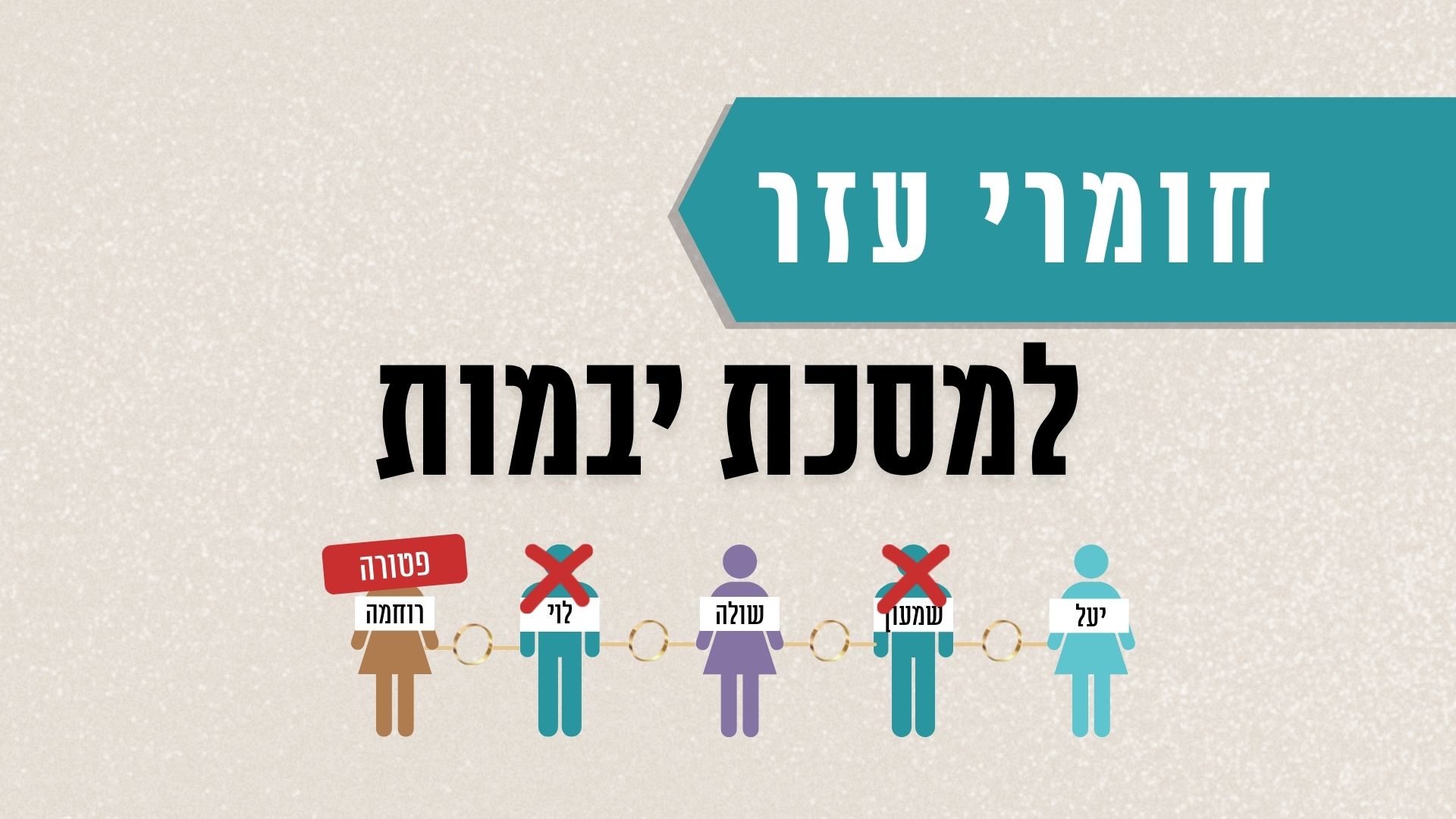
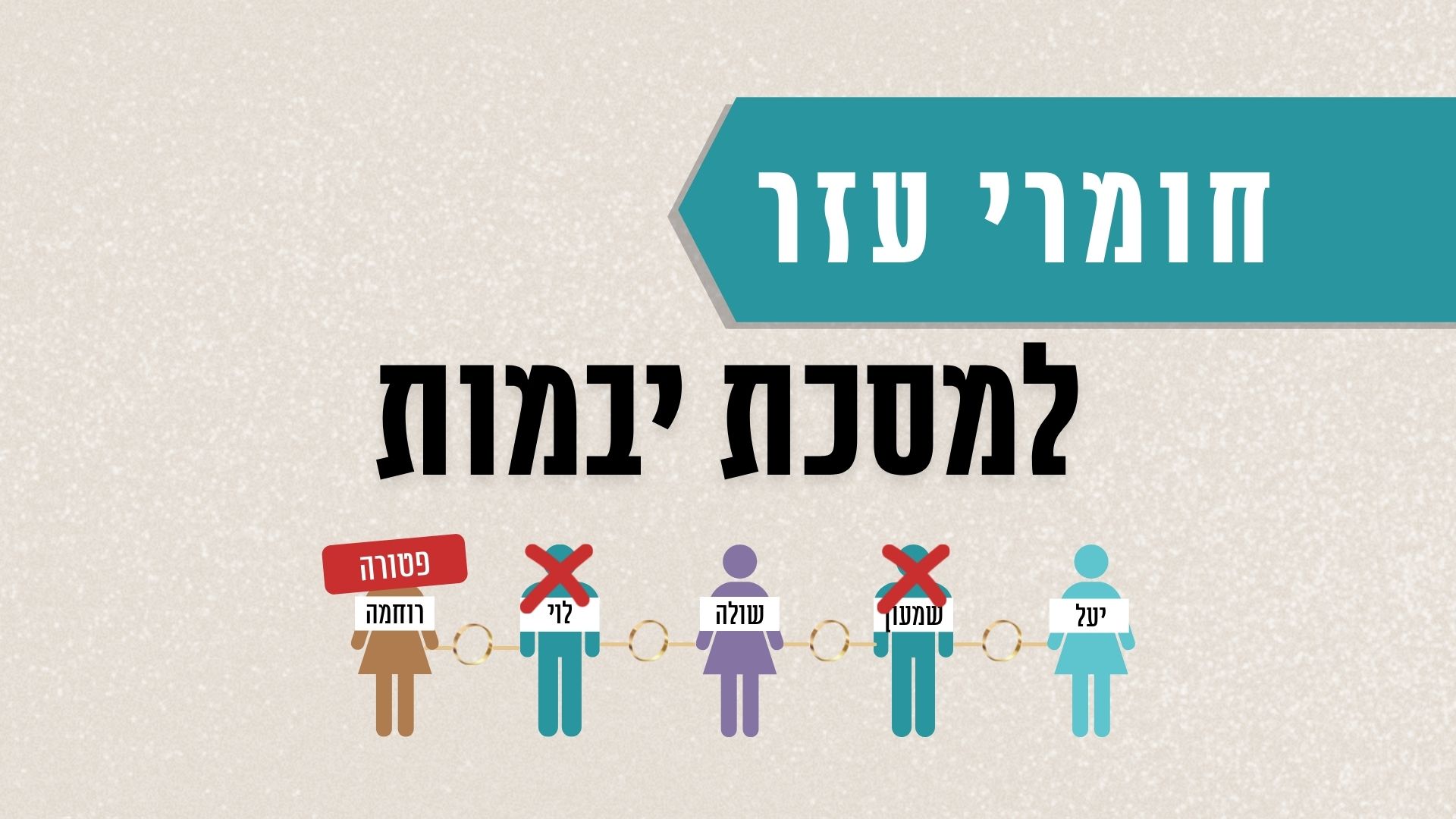
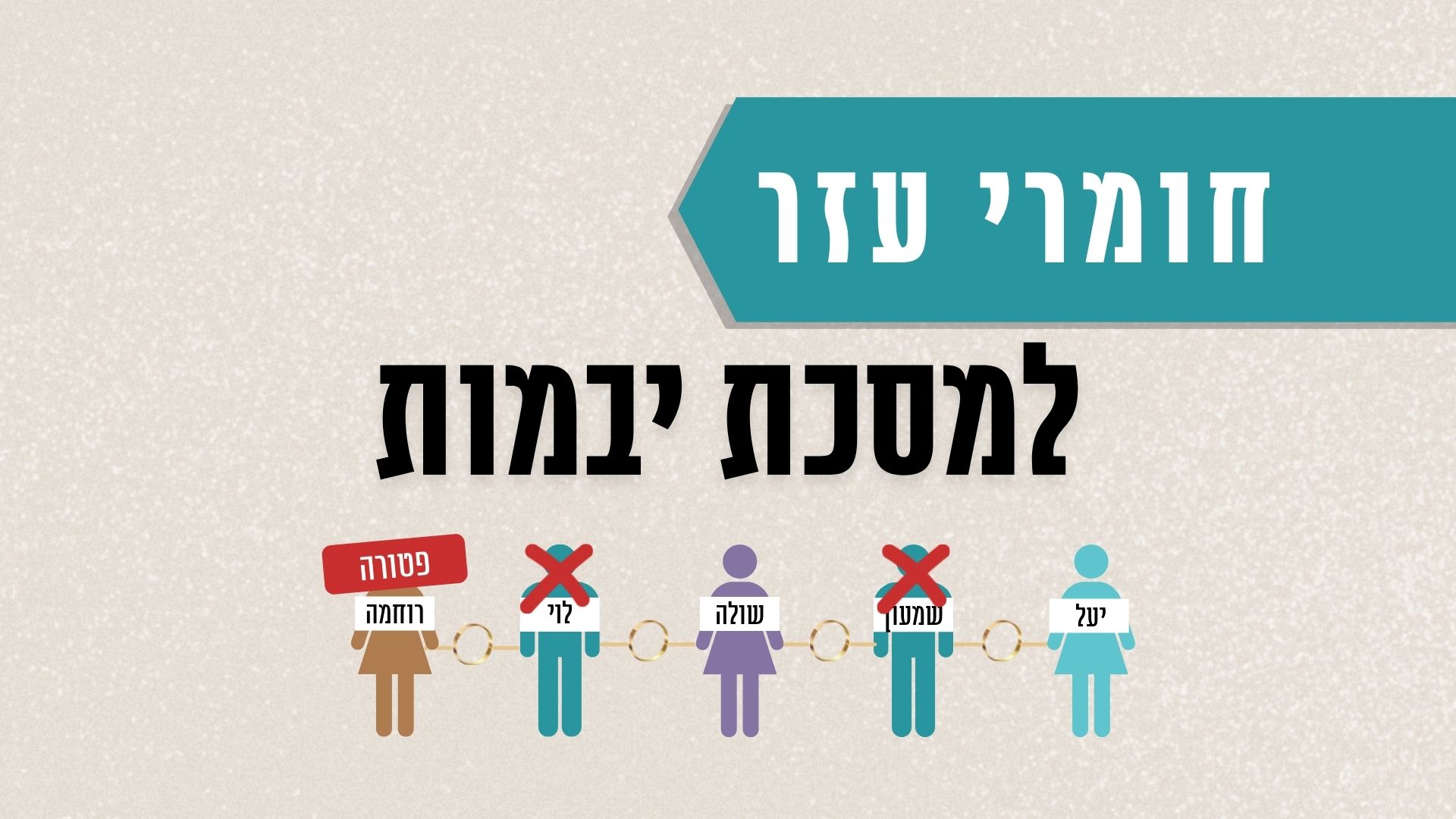
רבי אלעזר אומר שבע אמירות – חלקן קשורות לנישואין ולחשיבות שגבר ימצא אישה טובה, חלקן קשורות לזה שכדאי להיות בעל קרקע או להתעסק בהשקעות. עדיף לאכול את האוכל שזרעת מאשר להיות תלוי בלקנות מאחרים. מוזכרות עוד עצות פיננסיות ועצות לנישואין. מסופר סיפורים על יחסים בין רבנים לנשותיהם. מה נחשבת "אישה טובה” ומה נחשבת "אישה רעה”? מי שנשוי לאישה רעה וסכום הכתובה שלה גדול נמצא במצוקה קשה. מובאים מספר פסוקים המדגישים מצוקה זו או מצבים קשים אחרים. מובאים ציטוטים מספר בן סירא המתייחסים לאשה "טובה” ו”רעה”. מובאות מספר אמירות לגבי מי שלא מקיים מצוות פרייה ורבייה. למרות שבן עזאי ראה בכך עניין חומר ביותר, הוא לא התחתן כיוון שהעסק כל הזמן בלימוד תורה והשאיר את מצוות יישוב העולם לאחרים.

יבמות סג

וְהַמַּלְוֶה סֶלַע לְעָנִי בִּשְׁעַת דׇּחְקוֹ — עָלָיו הַכָּתוּב אוֹמֵר: ״אָז תִּקְרָא וַה׳ יַעֲנֶה תְּשַׁוַּע וְיֹאמַר הִנֵּנִי״.

and who lends a sela to a pauper at his time of need, about him the verse states: “Then shall you call, and the Lord will answer; you shall cry, and He will say: Here I am” (Isaiah 58:9).

סִימָן: אִשָּׁה. וְקַרְקַע. עֵזֶר. זֹאת. שְׁתֵּי. הַבְרָכוֹת. תַּגָּרֵי. פָּחֲתִי. אָמַר רַבִּי אֶלְעָזָר: כׇּל אָדָם שֶׁאֵין לוֹ אִשָּׁה — אֵינוֹ אָדָם, שֶׁנֶּאֱמַר: ״זָכָר וּנְקֵבָה בְּרָאָם וַיִּקְרָא אֶת שְׁמָם אָדָם״. וְאָמַר רַבִּי אֶלְעָזָר: כׇּל אָדָם שֶׁאֵין לוֹ קַרְקַע — אֵינוֹ אָדָם, שֶׁנֶּאֱמַר: ״הַשָּׁמַיִם שָׁמַיִם לַה׳ וְהָאָרֶץ נָתַן לִבְנֵי אָדָם״.

§ The Gemara provides a mnemonic device for a series of statements cited in the name of Rabbi Elazar: Woman; and land; helper; this; two; the blessings; merchants; lowly. The Gemara presents these statements: Rabbi Elazar said: Any man who does not have a wife is not a man, as it is stated: “Male and female He created them…and called their name Adam (Genesis 5:2). And Rabbi Elazar said: Any man who does not have his own land is not a man, as it is stated: “The heavens are the heavens of the Lord; but the earth He has given to the children of men” (Psalms 115:16).

וְאָמַר רַבִּי אֶלְעָזָר, מַאי דִּכְתִיב ״אֶעֱשֶׂה לּוֹ עֵזֶר כְּנֶגְדּוֹ״: זָכָה — עוֹזַרְתּוֹ, לֹא זָכָה — כְּנֶגְדּוֹ. וְאִיכָּא דְּאָמְרִי: רַבִּי אֶלְעָזָר רָמֵי, כְּתִיב ״כְּנַגְּדוֹ״, וְקָרֵינַן ״כְּנֶגְדּוֹ״. זָכָה — כְּנֶגְדּוֹ, לֹא זָכָה — מְנַגַּדְתּוֹ.

And Rabbi Elazar said: What is the meaning of that which is written: “I will make him a helpmate for him [kenegdo]” (Genesis 2:18)? If one is worthy his wife helps him; if he is not worthy she is against him. And some say a slightly different version: Rabbi Elazar raised a contradiction: It is written in the Torah with a spelling that allows it to be read: Striking him [kenagdo], and we read it as though it said: For him [kenegdo]. If he is worthy she is for him as his helpmate; if he is not worthy she strikes him.

אַשְׁכְּחֵיהּ רַבִּי יוֹסֵי לְאֵלִיָּהוּ, אֲמַר לֵיהּ, כְּתִיב: ״אֶעֱשֶׂה לוֹ עֵזֶר״, בַּמָּה אִשָּׁה עוֹזַרְתּוֹ לָאָדָם? אֲמַר לֵיהּ: אָדָם מֵבִיא חִיטִּין — חִיטִּין כּוֹסֵס? פִּשְׁתָּן — פִּשְׁתָּן לוֹבֵשׁ? לֹא נִמְצֵאת מְאִירָה עֵינָיו וּמַעֲמִידָתוֹ עַל רַגְלָיו?!

The Gemara relates that Rabbi Yosei encountered Elijah the prophet and said to him: It is written: I will make him a helpmate. In what manner does a woman help a man? Elijah said to him: When a man brings wheat from the field, does he chew raw wheat? When he brings home flax, does he wear unprocessed flax? His wife turns the raw products into bread and clothing. Is his wife not found to be the one who lights up his eyes and stands him on his feet?

וְאָמַר רַבִּי אֶלְעָזָר, מַאי דִּכְתִיב: ״זֹאת הַפַּעַם עֶצֶם מֵעֲצָמַי וּבָשָׂר מִבְּשָׂרִי״ — מְלַמֵּד שֶׁבָּא אָדָם עַל כׇּל בְּהֵמָה וְחַיָּה, וְלֹא נִתְקָרְרָה דַּעְתּוֹ עַד שֶׁבָּא עַל חַוָּה.

And Rabbi Elazar said: What is the meaning of that which is written: “This is now bone of my bones and flesh of my flesh” (Genesis 2:23)? This teaches that Adam had intercourse with each animal and beast in his search for his mate, and his mind was not at ease, in accordance with the verse: “And for Adam, there was not found a helpmate for him” (Genesis 2:20), until he had intercourse with Eve.

וְאָמַר רַבִּי אֶלְעָזָר, מַאי דִּכְתִיב: ״וְנִבְרְכוּ בְךָ כֹּל מִשְׁפְּחֹת הָאֲדָמָה״, אֲמַר לֵיהּ הַקָּדוֹשׁ בָּרוּךְ הוּא לְאַבְרָהָם: שְׁתֵּי הַבְרָכוֹת טוֹבוֹת יֵשׁ לִי לְהַבְרִיךְ בְּךָ: רוּת הַמּוֹאֲבִיָּה, וְנַעֲמָה הָעַמּוֹנִית. ״כֹּל מִשְׁפְּחוֹת הָאֲדָמָה״ — אֲפִילּוּ מִשְׁפָּחוֹת הַדָּרוֹת בָּאֲדָמָה אֵין מִתְבָּרְכוֹת אֶלָּא בִּשְׁבִיל יִשְׂרָאֵל. ״כׇּל גּוֹיֵי הָאָרֶץ״ — אֲפִילּוּ סְפִינוֹת הַבָּאוֹת מִגַּלְיָא לְאַסְפַּמְיָא אֵינָן מִתְבָּרְכוֹת אֶלָּא בִּשְׁבִיל יִשְׂרָאֵל.

And Rabbi Elazar said: What is the meaning of that which is written: “And in you shall all the families of the earth be blessed [nivrekhu]” (Genesis 12:3)? The Holy One, Blessed be He, said to Abraham: I have two good shoots to graft [lehavrikh] onto you: Ruth the Moabite, the ancestress of the house of David, and Naamah the Ammonite, whose marriage with Solomon led to the ensuing dynasty of the kings of Judea. “All the families of the earth” means: Even families that live in the earth, i.e., who have land of their own, are blessed only due to the Jewish people. Similarly, when the verse states: “All the nations of the earth shall be blessed in him” (Genesis 18:18), it indicates that even ships that come from Galia to Hispania are blessed only due to the Jewish people.

וְאָמַר רַבִּי אֶלְעָזָר: עֲתִידִים כׇּל בַּעֲלֵי אוּמָּנִיּוֹת שֶׁיַּעַמְדוּ עַל הַקַּרְקַע, שֶׁנֶּאֱמַר: ״וְיָרְדוּ מֵאֳנִיּוֹתֵיהֶם כֹּל תֹּפְשֵׂי מָשׁוֹט מַלָּחִים כֹּל חֹבְלֵי הַיָּם עַל הָאָרֶץ יַעֲמֹדוּ״. וְאָמַר רַבִּי אֶלְעָזָר: אֵין לְךָ אוּמָּנוּת פְּחוּתָה מִן הַקַּרְקַע, שֶׁנֶּאֱמַר: ״וְיָרְדוּ״. רַבִּי אֶלְעָזָר חַזְיַהּ לְהַהִיא אַרְעָא דְּשָׁדֵי בַּיהּ כְּרָבָא לְפוּתְיָא, אֲמַר לֵיהּ: אִי תִּשְׁדְּיֵיהּ לְאוּרְכָּיךְ — הַפּוֹכֵי בְּעִיסְקָא טָב מִינָּךְ.

And Rabbi Elazar said: All craftsmen are destined to stand upon and work the land, as it is stated: “And all that handle the oar, the mariners, and all the pilots of the sea, shall come down from their ships, they shall stand upon the land” (Ezekiel 27:29). And Rabbi Elazar said: There is no occupation lowlier than working the land, as it is stated: “And they shall come down,” implying that one who works the land is of lower stature than even a sailor. The Gemara similarly relates: Rabbi Elazar saw land that was plowed across its width. He said to it: Even if they plow you once more lengthwise, for further improvement, conducting business is better than farming with you, as the potential profits gained by selling merchandise are far greater than those from working the land.

רַב עָל לְבֵינֵי שֻׁיבְלֵי, חֲזַנְהוּ דְּקָא נָיְיפָן, אֲמַר לְהוּ: אִי נָיְיפַתְּ — אִיתְנוֹפֵי. הַפּוֹכֵי בְּעִיסְקָא טָב מִינָּךְ. אָמַר רָבָא: מְאָה זוּזֵי בְּעִיסְקָא — כֹּל יוֹמָא בִּשְׂרָא וְחַמְרָא, מְאָה זוּזֵי בְּאַרְעָא — מִילְחָא וַחֲפוּרָה. וְלֹא עוֹד אֶלָּא מַגְנְיָא לֵיהּ אַאַרְעָא, וּמַרְמְיָא לֵיהּ תִּיגְרֵי.

The Gemara relates a similar incident: Rav entered between the sheaves in a field and saw them waving in the wind. He said to them: If you want to wave go ahead and wave, but conducting business is better than farming with you. Rava similarly said: One who has a hundred dinars that are invested in a business is able to eat meat and wine every day, whereas he who has a hundred dinars worth of land eats only salt and vegetables. And what is more, working the land causes him to lie on the ground at night in order to guard it, and it draws quarrels upon him with other people.

אָמַר רַב פָּפָּא: זְרַע וְלָא תִּזְבֹּין. אַף עַל גַּב דְּכִי הֲדָדֵי נִינְהוּ, הָנֵי מִבָּרְכָן. זַבֵּין וְלָא תִּיזּוֹל. הָנֵי מִילֵּי בִּיסְתַּרְקֵי, אֲבָל גְּלִימָא — לָא מִיתְרַמְיָא לֵיהּ.

Rav Pappa said: Sow your own produce and do not buy it. Even though they are equal to each other in value, these that you sow will be blessed. Conversely, buy your clothes rather than weave [teizul] them yourself. The Gemara comments: This applies only to mats [bistarkei], but with regard to the cloak one wears, perhaps he will not find it precisely to his liking, and therefore he should make his own cloak, which fits his measurements.

טוּם וְלָא תְּשַׁפֵּיץ. שַׁפֵּיץ וְלָא תִּיבְנֵי. שֶׁכׇּל הָעוֹסֵק בְּבִנְיָן — מִתְמַסְכֵּן. קְפוֹץ זְבֹין אַרְעָא, מְתוֹן נְסֵיב אִיתְּתָא. נְחֵית דַּרְגָּא נְסֵיב אִיתְּתָא. סַק דַּרְגָּא בְּחַר שׁוֹשְׁבִינָא.

Rav Pappa further advised: If there is a hole in your house, close it up and do not enlarge it and then plaster it, or at least plaster it and do not knock it down and build it again. As, whoever engages in construction becomes poor. Hurry to buy land so that you do not lose the opportunity. Be patient and marry a woman who is suitable for you. Descend a level to marry a woman of lower social status, and ascend a level to choose a friend [shushevina].

אָמַר רַבִּי אֶלְעָזָר בַּר אֲבִינָא: אֵין פּוּרְעָנוּת בָּאָה לָעוֹלָם אֶלָּא בִּשְׁבִיל יִשְׂרָאֵל, שֶׁנֶּאֱמַר: ״הִכְרַתִּי גוֹיִם נָשַׁמּוּ פִּנּוֹתָם הֶחֱרַבְתִּי חוּצוֹתָם״, וּכְתִיב: ״אָמַרְתִּי אַךְ תִּירְאִי אוֹתִי תִּקְחִי מוּסָר״.

Rabbi Elazar bar Avina said: Calamity befalls the world only due to the sins of the Jewish people, as it is stated: “I have cut off nations, their corners are desolate; I have made their streets waste” (Zephaniah 3:6), and it is written: “I said: Surely you will fear Me, you will receive correction” (Zephaniah 3:7). This indicates that other nations were punished so that the Jewish people would mend their ways.

רַב הֲוָה מִיפְּטַר מֵרַבִּי חִיָּיא, אֲמַר לֵיהּ: רַחֲמָנָא לַיצְּלָךְ מִמִּידֵּי דְּקָשֵׁה מִמּוֹתָא. וּמִי אִיכָּא מִידֵּי דְּקָשֵׁה מִמּוֹתָא? נְפַק, דָּק וְאַשְׁכַּח: ״וּמוֹצֶא אֲנִי מַר מִמָּוֶת אֶת הָאִשָּׁה וְגוֹ׳״. רַב הֲוָה קָא מְצַעֲרָא לֵיהּ דְּבֵיתְהוּ, כִּי אָמַר לַהּ ״עֲבִידִי לִי טְלוֹפְחֵי״, עָבְדָא לֵיהּ חִימְצֵי. ״חִימְצֵי״, עָבְדָא לֵיהּ טְלוֹפְחֵי.

The Gemara cites more statements with regard to wives. When Rav was taking leave of his uncle and teacher, Rabbi Ḥiyya, upon his return from Eretz Yisrael to Babylonia, Rabbi Ḥiyya said to him: May the Merciful One save you from something that is worse than death. Rav was perplexed: Is there anything that is worse than death? He went, examined the sources, and found the following verse: “And I find more bitter than death the woman, etc.” (Ecclesiastes 7:26). Rabbi Ḥiyya was hinting at this verse, and indeed, Rav’s wife would constantly aggravate him. When he would say to her: Prepare me lentils, she would prepare him peas; if he asked her for peas, she would prepare him lentils.

כִּי גְדַל חִיָּיא בְּרֵיהּ, אֲפֵיךְ לַהּ. אֲמַר לֵיהּ: אִיעַלַּיָא לָךְ אִמָּךְ! אֲמַר לֵיהּ: אֲנָא הוּא דְּקָא אָפֵיכְנָא לַהּ. אֲמַר לֵיהּ, הַיְינוּ דְּקָא אָמְרִי אִינָשֵׁי: דְּנָפֵיק מִינָּךְ, טַעְמָא מַלְּפָךְ. אַתְּ לָא תַּעֲבֵיד הָכִי, שֶׁנֶּאֱמַר: ״לִמְּדוּ לְשׁוֹנָם דַּבֶּר שֶׁקֶר הַעֲוֵה וְגוֹ׳״.

When Ḥiyya, his son, grew up, he would reverse the requests Rav asked him to convey to her, so that Rav would get what he wanted. Rav said to his son Ḥiyya: Your mother has improved now that you convey my requests. He said to Rav: It is I who reverse your request to her. Rav said to him: This is an example of the well-known adage that people say: He who comes from you shall teach you wisdom; I should have thought of that idea myself. You, however, should not do so, i.e., reverse my request, as it is stated: “They have taught their tongue to speak lies, they weary themselves to commit iniquity, etc.” (Jeremiah 9:4). If you attribute such a request to me, you will have uttered a falsehood.

רַבִּי חִיָּיא הֲוָה קָא מְצַעֲרָא לֵיהּ דְּבֵיתְהוּ. כִּי הֲוָה מַשְׁכַּח מִידֵּי, צָיַיר לֵיהּ בְּסוּדָרֵיהּ וּמַיְיתֵי נִיהֲלַהּ. אֲמַר לֵיהּ רַב: וְהָא קָא מְצַעֲרָא לֵיהּ לְמָר? אֲמַר לֵיהּ: דַּיֵּינוּ שֶׁמְּגַדְּלוֹת בָּנֵינוּ, וּמַצִּילוֹת אוֹתָנוּ

The Gemara relates a similar story. Rabbi Ḥiyya’s wife would constantly aggravate him. Nevertheless, when he would find something she would appreciate, he would wrap it in his shawl and bring it to her. Rav said to him: Doesn’t she constantly aggravate you? Why do you bring her things? Rabbi Ḥiyya said to him: It is enough for us that our wives raise our children and save us

מִן הַחֵטְא. מַקְרֵי לֵיהּ רַב יְהוּדָה לְרַב יִצְחָק בְּרֵיהּ ״וּמוֹצֶא אֲנִי מַר מִמָּוֶת אֶת הָאִשָּׁה״. אֲמַר לֵיהּ: כְּגוֹן מַאן? כְּגוֹן אִמָּךְ.

from sin. We should therefore show our gratitude to them. The Gemara cites a related incident: Rav Yehuda was teaching Torah to Rav Yitzḥak, his son, and they encountered the verse: “And I find more bitter than death the woman” (Ecclesiastes 7:26). His son said to him: For example, whom? His father replied: For example, your mother.

וְהָא מַתְנֵי לֵיהּ רַב יְהוּדָה לְרַב יִצְחָק בְּרֵיהּ: אֵין אָדָם מוֹצֵא קוֹרַת רוּחַ אֶלָּא מֵאִשְׁתּוֹ רִאשׁוֹנָה, שֶׁנֶּאֱמַר: ״יְהִי מְקוֹרְךָ בָרוּךְ וּשְׂמַח מֵאֵשֶׁת נְעוּרֶיךָ״, וַאֲמַר לֵיהּ: כְּגוֹן מַאן? כְּגוֹן אִמָּךְ! מִתְקָיף תְּקִיפָא, וְעַבּוֹרֵי מְיעַבְּרָא בְּמִלַּהּ.

The Gemara asks: Didn’t Rav Yehuda teach Rav Yitzḥak, his son, the following baraita: A man finds peace of mind only with his first wife, as it is stated: “Let your fountain be blessed, and have joy from the wife of your youth” (Proverbs 5:18), and his son said to him: For example, whom, and his father responded in this case as well: For example, your mother. This indicates that Rav Yehuda did find peace of mind with his wife. The Gemara answers: She was aggressive and forceful, but she was easily appeased.

הֵיכִי דָּמֵי אִשָּׁה רָעָה? אָמַר אַבָּיֵי: מְקַשְּׁטָא לֵיהּ תַּכָּא וּמְקַשְּׁטָא לֵיהּ פּוּמָּא. רָבָא אָמַר: מְקַשְּׁטָא לֵיהּ תַּכָּא וּמַהְדְּרָא לֵיהּ גַּבָּא.

The Gemara asks: What are the circumstances when a woman is considered a bad wife? Abaye said: She arranges a table for him and arranges her mouth for him at the same time. In other words, although she prepares food for him, she verbally abuses him while he eats. Rava said: She arranges a table for him and then turns her back to him, displaying her lack of interest in his company.

אָמַר רַבִּי חָמָא בַּר חֲנִינָא: כֵּיוָן שֶׁנָּשָׂא אָדָם אִשָּׁה עֲוֹנוֹתָיו מִתְפַּקְּקִין, שֶׁנֶּאֱמַר: ״מָצָא אִשָּׁה מָצָא טוֹב וַיָּפֶק רָצוֹן מֵה׳״. בְּמַעְרְבָא כִּי נָסֵיב אִינָשׁ אִיתְּתָא, אָמְרִי לֵיהּ הָכִי: ״מָצָא״ אוֹ ״מוֹצֵא״? ״מָצָא״ דִּכְתִיב: ״מָצָא אִשָּׁה מָצָא טוֹב״, מוֹצֵא דִּכְתִיב: ״וּמוֹצֶא אֲנִי מַר מִמָּוֶת אֶת הָאִשָּׁה״.

Rabbi Ḥama bar Ḥanina said: Once a man marries a woman his iniquities crumble [mitpakekin], as it is stated: “Whoever finds a wife finds good, and obtains [veyafek] favor of the Lord” (Proverbs 18:22). In the West, i.e., Eretz Yisrael, when a man married a woman they would say to him as follows: Matza or motze? In other words, they would ask the groom if the appropriate passage for his wife is that verse, which begins with the word matza, as it is written: Whoever finds [matza] a wife finds good, or whether the more appropriate verse is the one beginning with the word motze, as it is written: “And I find [motze] more bitter than death the woman” (Ecclesiastes 7:26).

אָמַר רָבָא: אִשָּׁה רָעָה מִצְוָה לְגָרְשָׁהּ, דִּכְתִיב: ״גָּרֵשׁ לֵץ וְיֵצֵא מָדוֹן וְיִשְׁבּוֹת דִּין וְקָלוֹן״, וְאָמַר רָבָא: אִשָּׁה רָעָה וּכְתוּבָּתָהּ מְרוּבָּה — צָרָתָהּ בְּצִדָּהּ. דְּאָמְרִי אִינָשֵׁי: בַּחֲבִרְתַּהּ, וְלָא בְּסִילְתָּא. וְאָמַר רָבָא: קָשָׁה אִשָּׁה רָעָה כְּיוֹם סַגְרִיר, שֶׁנֶּאֱמַר: ״דֶּלֶף טוֹרֵד בְּיוֹם סַגְרִיר וְאֵשֶׁת מִדְיָנִים נִשְׁתָּוָה״.

Rava said: It is a mitzva to divorce a bad wife, as it is written: “Cast out the scorner and contention will depart; strife and shame will cease” (Proverbs 22:10). And Rava said: A bad wife whose marriage contract settlement is too large for her husband to pay in the event of a divorce, her rival wife is at her side. In other words, the only way for him to improve matters is to take another wife. As people say in the well-known adage: The way to trouble a woman is with her peer and not with a thorn. And Rava said: A bad wife is as troublesome as a day of heavy rain, as it is stated: “A continual dropping on a very rainy day and a contentious woman are alike” (Proverbs 27:15).

וְאָמַר רָבָא: בֹּא וּרְאֵה כַּמָּה טוֹבָה אִשָּׁה טוֹבָה, וְכַמָּה רָעָה אִשָּׁה רָעָה. כַּמָּה טוֹבָה אִשָּׁה טוֹבָה, דִּכְתִיב: ״מָצָא אִשָּׁה מָצָא טוֹב״, אִי בְּגַוַּהּ מִשְׁתַּעֵי קְרָא — כַּמָּה טוֹבָה אִשָּׁה טוֹבָה, שֶׁהַכָּתוּב מְשַׁבְּחָהּ. אִי בַּתּוֹרָה מִשְׁתַּעֵי קְרָא — כַּמָּה טוֹבָה אִשָּׁה טוֹבָה, שֶׁהַתּוֹרָה נִמְשְׁלָה בָּהּ. כַּמָּה רָעָה אִשָּׁה רָעָה, דִּכְתִיב: ״וּמוֹצֶא אֲנִי מַר מִמָּוֶת אֶת הָאִשָּׁה״. אִי בְּגַוַּהּ מִשְׁתַּעֵי קָרָא — כַּמָּה רָעָה אִשָּׁה רָעָה, שֶׁהַכָּתוּב מְגַנֶּהָ. אִי בְּגֵיהִנָּם מִשְׁתַּעֵי קְרָא — כַּמָּה רָעָה אִשָּׁה רָעָה, שֶׁגֵּיהִנָּם נִמְשְׁלָה בָּהּ.

And Rava said: Come and see how good a good wife is and how bad a bad wife is. How good is a good wife? As it is written: Whoever finds a wife finds good. If the verse speaks of her, a wife, this demonstrates how good a good wife is, as the Bible praises her. If the verse speaks metaphorically of the Torah, it nevertheless indicates how good a good wife is, as the Torah is compared to her. Conversely, how bad is a bad wife? As it is written: “And I find more bitter than death the woman.” If the verse speaks of her, this demonstrates how bad a bad wife is, as the Bible condemns her. If the verse speaks metaphorically of Gehenna, it still demonstrates how bad a bad wife is, as Gehenna is compared to her.

״הִנְנִי מֵבִיא רָעָה אֲשֶׁר לֹא יוּכְלוּ לָצֵאת מִמֶּנָּה״, אָמַר רַב נַחְמָן אָמַר רַבָּה בַּר אֲבוּהּ: זוֹ אִשָּׁה רָעָה וּכְתוּבָּתָהּ מְרוּבָּה. ״נְתָנַנִי ה׳ בִּידֵי לֹא אוּכַל קוּם״, אָמַר רַב חִסְדָּא אָמַר מָר עוּקְבָא בַּר חִיָּיא: זוֹ אִשָּׁה רָעָה וּכְתוּבָּתָהּ מְרוּבָּה. בְּמַעְרְבָא אָמְרוּ: זֶה שֶׁמְּזוֹנוֹתָיו תְּלוּיִן בְּכַסְפּוֹ.

The Gemara cites further statements on the same issue. The verse states: “Behold, I will bring evil upon them, which they shall not be able to escape” (Jeremiah 11:11). Rav Naḥman said that Rabba bar Avuh said: This is a bad wife whose marriage contract is large. Similarly, with regard to the verse: “The Lord has given me into the hands of those against whom I cannot stand” (Lamentations 1:14), Rav Ḥisda said that Mar Ukva bar Ḥiyya said: This is a bad wife whose marriage contract is large. In the West, Eretz Yisrael, they said this verse is referring to one whose food is dependent on his money. He is forced to purchase his food with cash, as he does not possess land of his own.

״בָּנֶיךָ וּבְנוֹתֶיךָ נְתוּנִים לְעַם אַחֵר״, אָמַר רַב חָנָן בַּר רָבָא אָמַר רַב: זוֹ אֵשֶׁת הָאָב. ״בְּגוֹי נָבָל אַכְעִיסֵם״, אָמַר רַב חָנָן בַּר רָבָא אָמַר רַב: זוֹ אִשָּׁה רָעָה וּכְתוּבָּתָהּ מְרוּבָּה. רַבִּי אֱלִיעֶזֶר אוֹמֵר: אֵלּוּ הַמִּינִים. וְכֵן הוּא אוֹמֵר: ״אָמַר נָבָל בְּלִבּוֹ אֵין אֱלֹהִים וְגוֹ׳״.

With regard to the verse: “Your sons and your daughters shall be given to another people” (Deuteronomy 28:32), Rav Ḥanan bar Rava said that Rav said: This is a reference to the children’s father’s wife, their stepmother. With regard to the verse: “I will provoke them with a vile nation” (Deuteronomy 32:21), Rav Ḥanan bar Rava said that Rav said: This is a bad wife whose marriage contract is large. Rabbi Eliezer says that these are apostates, and so too the verse states: “The vile man has said in his heart: There is no God, they have dealt corruptly” (Psalms 14:1), which proves that an apostate is called vile.

בְּמַתְנִיתָא תָּנָא: אֵלּוּ אַנְשֵׁי בַּרְבַּרְיָא וְאַנְשֵׁי מַרְטְנַאי, שֶׁמְּהַלְּכִין עֲרוּמִּים בַּשּׁוּק. שֶׁאֵין לְךָ מְשׁוּקָּץ וּמְתוֹעָב לִפְנֵי הַמָּקוֹם יוֹתֵר מִמִּי שֶׁמְּהַלֵּךְ בַּשּׁוּק עָרוֹם. רַבִּי יוֹחָנָן אָמַר: אֵלּוּ חַבָּרִים. אֲמַרוּ לֵיהּ לְרַבִּי יוֹחָנָן: אֲתוֹ חַבָּרֵי לְבָבֶל, שְׁגָא נְפַל. אֲמַרוּ לֵיהּ: מְקַבְּלִי שׁוּחְדָּא, תָּרֵיץ יְתֵיב.

It was taught in a baraita with regard to the verse: “I will provoke them with a vile nation,” that these are the inhabitants of Barbarya and the inhabitants of Martenai, who walk naked in the marketplace, as none is more despised and abominable before the Omnipresent than one who walks naked in the marketplace. Rabbi Yoḥanan said: These are the Ḥabbarim, a sect of Persian priests. The Gemara relates: When they said to Rabbi Yoḥanan: The Ḥabbarim have come to Babylonia, he shuddered and fell off his chair, out of concern for the Jews living there. They said to him: There is a way to deal with their persecution, as they accept bribes. Upon hearing that not all was lost, he straightened himself and sat in his place once again.

גָּזְרוּ עַל שְׁלֹשָׁה מִפְּנֵי שְׁלֹשָׁה. גָּזְרוּ עַל הַבָּשָׂר — מִפְּנֵי הַמַּתָּנוֹת, גָּזְרוּ עַל הַמֶּרְחֲצָאוֹת — מִפְּנֵי הַטְּבִילָה.

Apropos the Ḥabbarim, the Gemara cites the following statement of the Sages: The Ḥabbarim were able to issue decrees against the Jewish people with regard to three matters, due to three transgressions on the part of the Jewish people. They decreed against meat, i.e., they banned ritual slaughter, due to the failure of the Jewish people to give the priests the gifts of the foreleg, the jaw, and the maw. They decreed against Jews bathing in bathhouses, due to their neglect of ritual immersion.

קָא מְחַטְּטִי שָׁכְבֵי — מִפְּנֵי שֶׁשְּׂמֵחִים בְּיוֹם אֵידָם. שֶׁנֶּאֱמַר: ״וְהָיְתָה יַד ה׳ בָּכֶם וּבַאֲבוֹתֵיכֶם״. אָמַר רַבָּה בַּר שְׁמוּאֵל: (זוֹ) חַטּוֹטֵי שָׁכְבֵי. דְּאָמַר מָר: בַּעֲוֹן חַיִּים — מֵתִים מִתְחַטְּטִין.

Third, they exhumed the dead from their graves because the Jews rejoice on the holidays of the gentiles, as it is stated: “Then shall the hand of the Lord be against you and against your fathers” (I Samuel 12:15). Rabba bar Shmuel said: This verse is referring to exhuming the dead, which upsets both the living and the dead, as the Master said: Due to the iniquity of the living, the dead are exhumed.

אֲמַר לֵיהּ רָבָא לְרַבָּה בַּר מָארִי, כְּתִיב: ״לֹא יֵאָסְפוּ וְלֹא יִקָּבֵרוּ לְדוֹמֶן עַל פְּנֵי הָאֲדָמָה יִהְיוּ״, וּכְתִיב: ״וְנִבְחַר מָוֶת מֵחַיִּים״. אֲמַר לֵיהּ: נִבְחַר מָוֶת לָרְשָׁעִים, שֶׁלֹּא יִחְיוּ בְּעוֹלָם הַזֶּה וְיֶחֶטְאוּ, וְיִפְּלוּ בְּגֵיהִנָּם.

Rava said to Rabba bar Mari: It is written: “They shall not be gathered nor buried; they shall be for dung upon the face of the earth” (Jeremiah 8:2), and it is written: “And death shall be chosen rather than life” (Jeremiah 8:3). If death will be so indecent that their bodies will not even be buried, why would people choose death over life? Rabba bar Mari said to him: The latter verse does not refer to the previously described state of affairs, but rather it means: Death is preferable for the wicked, as it is better that they not live in this world and sin and consequently descend into Gehenna.

כָּתוּב בְּסֵפֶר בֶּן סִירָא: ״אִשָּׁה טוֹבָה מַתָּנָה טוֹבָה לְבַעְלָהּ״, וּכְתִיב: ״טוֹבָה בְּחֵיק יְרֵא אֱלֹהִים תִּנָּתֵן״. ״אִשָּׁה רָעָה צָרַעַת לְבַעְלָהּ״, מַאי תַּקַּנְתֵּיהּ — ״יְגָרְשֶׁנָּה וְיִתְרַפֵּא מִצָּרַעְתּוֹ״. ״אִשָּׁה יָפֶה אַשְׁרֵי בַּעְלָהּ, מִסְפַּר יָמָיו כִּפְלַיִם״.

The Gemara cites more statements concerning women. It is written in the book of Ben Sira: A good wife is a good gift for her husband. And it is written: A good one will be placed in the bosom of a God-fearing man; a bad wife is a plague to her husband. What is his remedy? He should divorce her and he will be cured of his plague. A beautiful wife, happy is her husband; the number of his days are doubled. His pleasure in her beauty makes him feel as though he has lived twice as long.

״הַעְלֵם עֵינֶיךָ מֵאֵשֶׁת חֵן פֶּן תִּלָּכֵד בִּמְצוּדָתָהּ. אַל תֵּט אֵצֶל בַּעְלָהּ לִמְסוֹךְ עִמּוֹ יַיִן וְשֵׁכָר, כִּי בְּתוֹאַר אִשָּׁה יָפָה רַבִּים הוּשְׁחֲתוּ, וַעֲצוּמִים כׇּל הֲרוּגֶיהָ״. ״רַבִּים הָיוּ פִּצְעֵי רוֹכֵל״. ״הַמַּרְגִּילִים לִדְבַר עֶרְוָה כְּנִיצוֹץ מַבְעִיר גַּחֶלֶת. כִּכְלוּב מָלֵא עוֹף — כֵּן בָּתֵּיהֶם מְלֵאִים מִרְמָה״.

Turn your eyes from a graceful woman who is married to another man, lest you be caught in her trap. Do not turn to her husband to mix wine and strong drink with him, which can lead to temptation. For on account of the countenance of a beautiful woman many have been destroyed, and her slain is a mighty host. Furthermore, many have been the wounded peddlers. This is referring to men who travel from place to place to sell women’s jewelry. Their frequent dealings with women lead their husbands to harm the peddlers. Those who accustom themselves to licentious matters are like a spark that ignites a coal. As a cage is full of birds, so are their houses full of deceit.

״אַל תֵּצַר צָרַת מָחָר, כִּי לֹא תֵדַע מַה יֵּלֶד יוֹם. שֶׁמָּא מָחָר בָּא וְאֵינֶנּוּ, נִמְצָא מִצְטַעֵר עַל הָעוֹלָם שֶׁאֵין שֶׁלּוֹ״. ״מְנַע רַבִּים מִתּוֹךְ בֵּיתֶךָ, וְלֹא הַכֹּל תָּבִיא בֵּיתֶךָ״. ״רַבִּים יִהְיוּ דּוֹרְשֵׁי שְׁלוֹמֶךָ. גַּלֵּה סוֹד לְאֶחָד מֵאָלֶף״.

The Gemara quotes additional statements from the book of Ben Sira: Do not suffer from tomorrow’s trouble, that is, do not worry about problems that might arise in the future, as you do not know what a day will bring. Perhaps when tomorrow comes, the individual who was so worried will not be among the living, and he was consequently upset over a world that is not his. Prevent a crowd from inside your house, do not let many people enter, and do not even bring all your friends into your house. Make sure, however, that a crowd seeks your welfare, and that you have many allies. Reveal a secret to only one in a thousand, since most people are unable to keep a secret.

אָמַר רַבִּי אַסִּי: אֵין בֶּן דָּוִד בָּא עַד שֶׁיִּכְלוּ כׇּל הַנְּשָׁמוֹת שֶׁבַּגּוּף, שֶׁנֶּאֱמַר: ״כִּי רוּחַ מִלְּפָנַי יַעֲטוֹף וּנְשָׁמוֹת אֲנִי עָשִׂיתִי״. תַּנְיָא, רַבִּי אֱלִיעֶזֶר אוֹמֵר: כׇּל מִי שֶׁאֵין עוֹסֵק בִּפְרִיָּה וּרְבִיָּה — כְּאִילּוּ שׁוֹפֵךְ דָּמִים, שֶׁנֶּאֱמַר: ״שׁוֹפֵךְ דַּם הָאָדָם בָּאָדָם דָּמוֹ יִשָּׁפֵךְ״, וּכְתִיב בָּתְרֵיהּ: ״וְאַתֶּם פְּרוּ וּרְבוּ״.

Rabbi Asi said: The Messiah, son of David, will not come until all the souls of the body have been finished, i.e., until all souls that are destined to inhabit physical bodies will do so. As it is stated: “For the spirit that enwraps itself is from Me, and the souls that I have made” (Isaiah 57:16). It is taught in a baraita that Rabbi Eliezer says: Anyone who does not engage in the mitzva to be fruitful and multiply is considered as though he sheds blood, as it is stated: “Whoever sheds the blood of man, by man shall his blood be shed” (Genesis 9:6), and it is written immediately afterward: “And you, be fruitful and multiply” (Genesis 9:7).

רַבִּי יַעֲקֹב אוֹמֵר: כְּאִילּוּ מְמַעֵט הַדְּמוּת, שֶׁנֶּאֱמַר: ״כִּי בְּצֶלֶם אֱלֹהִים עָשָׂה אֶת הָאָדָם״, וּכְתִיב בָּתְרֵיהּ: ״וְאַתֶּם פְּרוּ וְגוֹ׳״. בֶּן עַזַּאי אוֹמֵר: כְּאִילּוּ שׁוֹפֵךְ דָּמִים וּמְמַעֵט הַדְּמוּת, שֶׁנֶּאֱמַר: ״וְאַתֶּם פְּרוּ וּרְבוּ״.

Rabbi Ya’akov says: It is as though he diminishes the Divine Image, as it is stated: “For in the image of God He made man” (Genesis 9:6), and it is written immediately afterward: “And you, be fruitful and multiply” (Genesis 9:7). Ben Azzai says: It is as though he sheds blood and also diminishes the Divine Image, as it is stated: “And you, be fruitful and multiply,” after the verse that alludes to both shedding blood and the Divine Image.

אָמְרוּ לוֹ לְבֶן עַזַּאי: יֵשׁ נָאֶה דּוֹרֵשׁ וְנָאֶה מְקַיֵּים, נָאֶה מְקַיֵּים וְאֵין נָאֶה דּוֹרֵשׁ, וְאַתָּה נָאֶה דּוֹרֵשׁ, וְאֵין נָאֶה מְקַיֵּים. אָמַר לָהֶן בֶּן עַזַּאי: וּמָה אֶעֱשֶׂה שֶׁנַּפְשִׁי חָשְׁקָה בַּתּוֹרָה, אֶפְשָׁר לָעוֹלָם שֶׁיִּתְקַיֵּים עַל יְדֵי אֲחֵרִים.

They said to ben Azzai: There is a type of scholar who expounds well and fulfills his own teachings well, and another who fulfills well and does not expound well. But you, who have never married, expound well on the importance of procreation, and yet you do not fulfill well your own teachings. Ben Azzai said to them: What shall I do, as my soul yearns for Torah, and I do not wish to deal with anything else. It is possible for the world to be maintained by others, who are engaged in the mitzva to be fruitful and multiply.

תַּנְיָא אִידַּךְ, רַבִּי אֱלִיעֶזֶר אוֹמֵר: כׇּל מִי שֶׁאֵין עוֹסֵק בִּפְרִיָּה וּרְבִיָּה — כְּאִילּוּ שׁוֹפֵךְ דָּמִים, שֶׁנֶּאֱמַר: ״שׁוֹפֵךְ דַּם הָאָדָם״, וּסְמִיךְ לֵיהּ: ״וְאַתֶּם פְּרוּ וְגוֹ׳״. רַבִּי אֶלְעָזָר בֶּן עֲזַרְיָה אוֹמֵר: כְּאִילּוּ מְמַעֵט הַדְּמוּת. בֶּן עַזַּאי אוֹמֵר וְכוּ׳. אָמְרוּ לוֹ לְבֶן עַזַּאי: יֵשׁ נָאֶה דּוֹרֵשׁ וְכוּ׳.

It is similarly taught in another baraita that Rabbi Eliezer says: Anyone who does not engage in the mitzva to be fruitful and multiply is considered as though he sheds blood, as it is stated: “Whoever sheds the blood of man,” and it is stated near it: “And you, be fruitful and multiply.” Rabbi Elazar ben Azarya says: It is as though he diminishes the Divine Image. Ben Azzai says: It is as though he both sheds blood and diminishes the Divine Image. They said to ben Azzai: There is a type of scholar who expounds well, etc.

תָּנוּ רַבָּנַן: ״וּבְנֻחֹה יֹאמַר שׁוּבָה ה׳ רִבְבוֹת אַלְפֵי יִשְׂרָאֵל״ —

The Sages taught with regard to the mitzva to be fruitful and multiply: “And when it rested, he would say: Return, Lord, to the ten thousands of the thousands of Israel (Numbers 10:36).

העמקה

רוצה להבין מה באמת קורה מתחת לפני השטח של הסוגיה?
שיעורים, פודקאסטים והרחבות של מיטב המורות שלנו יפתחו לך עוד זוויות וכיווני חשיבה.

לשיעורי עוד על הדף באנגלית, לחצי כאן

חדשה בלימוד הגמרא?

זה הדף הראשון שלך? איזו התרגשות עצומה! יש לנו בדיוק את התכנים והכלים שיעזרו לך לעשות את הצעדים הראשונים ללמידה בקצב וברמה שלך, כך תוכלי להרגיש בנוח גם בתוך הסוגיות המורכבות ומאתגרות.

פסיפס הלומדות שלנו

גלי את קהילת הלומדות שלנו, מגוון נשים, רקעים וסיפורים. כולן חלק מתנועה ומסע מרגש ועוצמתי.

התחלתי ללמוד דף יומי ממסכת נידה כי זה היה חומר הלימוד שלי אז. לאחר הסיום הגדול בבנייני האומה החלטתי להמשיך. וב”ה מאז עם הפסקות קטנות של קורונה ולידה אני משתדלת להמשיך ולהיות חלק.

זה משפיע מאוד על היום יום שלי ועל אף שאני עסוקה בלימודי הלכה ותורה כל יום, זאת המסגרת הקבועה והמחייבת ביותר שיש לי.

Moriah Taesan Michaeli
מוריה תעסן מיכאלי

גבעת הראל, ישראל

התחלתי ללמוד לפני כשנתיים בשאיפה לסיים לראשונה מסכת אחת במהלך חופשת הלידה.
אחרי מסכת אחת כבר היה קשה להפסיק…

Noa Gallant
נעה גלנט

ירוחם, ישראל

התחלתי להשתתף בשיעור נשים פעם בשבוע, תכננתי ללמוד רק דפים בודדים, לא האמנתי שאצליח יותר מכך.
לאט לאט נשאבתי פנימה לעולם הלימוד .משתדלת ללמוד כל בוקר ומתחילה את היום בתחושה של מלאות ומתוך התכווננות נכונה יותר.
הלימוד של הדף היומי ממלא אותי בתחושה של חיבור עמוק לעם היהודי ולכל הלומדים בעבר ובהווה.

Neely Hayon
נילי חיון

אפרת, ישראל

אמא שלי למדה איתי ש”ס משנה, והתחילה ללמוד דף יומי. אני החלטתי שאני רוצה ללמוד גם. בהתחלה למדתי איתה, אח”כ הצטרפתי ללימוד דף יומי שהרב דני וינט מעביר לנוער בנים בעתניאל. במסכת עירובין עוד חברה הצטרפה אלי וכשהתחלנו פסחים הרב דני פתח לנו שעור דף יומי לבנות. מאז אנחנו לומדות איתו קבוע כל יום את הדף היומי (ובשבת אבא שלי מחליף אותו). אני נהנית מהלימוד, הוא מאתגר ומעניין

Renana Hellman
רננה הלמן

עתניאל, ישראל

באירוע של הדרן בנייני האומה. בהשראתה של אמי שלי שסיימה את הש”ס בסבב הקודם ובעידוד מאיר , אישי, וילדיי וחברותיי ללימוד במכון למנהיגות הלכתית של רשת אור תורה סטון ומורתיי הרבנית ענת נובוסלסקי והרבנית דבורה עברון, ראש המכון למנהיגות הלכתית.
הלימוד מעשיר את יומי, מחזיר אותי גם למסכתות שכבר סיימתי וידוע שאינו דומה מי ששונה פרקו מאה לשונה פרקו מאה ואחת במיוחד מרתקים אותי החיבורים בין המסכתות

Roit Kalech
רוית קלך

מודיעין, ישראל

התחלתי לפני 8 שנים במדרשה. לאחרונה סיימתי מסכת תענית בלמידה עצמית ועכשיו לקראת סיום מסכת מגילה.

Daniela Baruchim
דניאלה ברוכים

רעננה, ישראל

התחלתי ללמוד בעידוד שתי חברות אתן למדתי בעבר את הפרק היומי במסגרת 929.
בבית מתלהבים מאוד ובשבת אני לומדת את הדף עם בעלי שזה מפתיע ומשמח מאוד! לימוד הדף הוא חלק בלתי נפרד מהיום שלי. לומדת בצהריים ומחכה לזמן הזה מידי יום…

Miriam Wengerover
מרים ונגרובר

אפרת, ישראל

התחלתי ללמוד דף יומי בסבב הקודם. זכיתי לסיים אותו במעמד המרגש של הדרן. בסבב הראשון ליווה אותי הספק, שאולי לא אצליח לעמוד בקצב ולהתמיד. בסבב השני אני לומדת ברוגע, מתוך אמונה ביכולתי ללמוד ולסיים. בסבב הלימוד הראשון ליוותה אותי חוויה מסויימת של בדידות. הדרן העניקה לי קהילת לימוד ואחוות נשים. החוויה של סיום הש”ס במעמד כה גדול כשנשים שאינן מכירות אותי, שמחות ומתרגשות עבורי , היתה חוויה מרוממת נפש

Ilanit Weil
אילנית ווייל

קיבוץ מגדל עוז, ישראל

אחרי שראיתי את הסיום הנשי של הדף היומי בבנייני האומה זה ריגש אותי ועורר בי את הרצון להצטרף. לא למדתי גמרא קודם לכן בכלל, אז הכל היה לי חדש, ולכן אני לומדת בעיקר מהשיעורים פה בהדרן, בשוטנשטיין או בחוברות ושיננתם.

Rebecca Schloss
רבקה שלוס

בית שמש, ישראל

אני לומדת גמרא כעשור במסגרות שונות, ואת הדף היומי התחלתי כשחברה הציעה שאצטרף אליה לסיום בבנייני האומה. מאז אני לומדת עם פודקסט הדרן, משתדלת באופן יומי אך אם לא מספיקה, מדביקה פערים עד ערב שבת. בסבב הזה הלימוד הוא "ממעוף הציפור”, מקשיבה במהירות מוגברת תוך כדי פעילויות כמו בישול או נהיגה, וכך רוכשת היכרות עם הסוגיות ואופן ניתוחם על ידי חז”ל. בע”ה בסבב הבא, ואולי לפני, אצלול לתוכו באופן מעמיק יותר.

Yael Bir
יעל ביר

רמת גן, ישראל

התחלתי בתחילת הסבב, והתמכרתי. זה נותן משמעות נוספת ליומיום ומאוד מחזק לתת לזה מקום בתוך כל שגרת הבית-עבודה השוטפת.

Reut Abrahami
רעות אברהמי

בית שמש, ישראל

לצערי גדלתי בדור שבו לימוד גמרא לנשים לא היה דבר שבשגרה ושנים שאני חולמת להשלים את הפער הזה.. עד שלפני מספר שבועות, כמעט במקרה, נתקלתי במודעת פרסומת הקוראת להצטרף ללימוד מסכת תענית. כשקראתי את המודעה הרגשתי שהיא כאילו נכתבה עבורי – "תמיד חלמת ללמוד גמרא ולא ידעת איך להתחיל”, "בואי להתנסות במסכת קצרה וקלה” (רק היה חסר שהמודעה תיפתח במילים "מיכי שלום”..). קפצתי למים ו- ב”ה אני בדרך להגשמת החלום:)

Micah Kadosh
מיכי קדוש

מורשת, ישראל

התחלתי ללמוד לפני כשנתיים בשאיפה לסיים לראשונה מסכת אחת במהלך חופשת הלידה.
אחרי מסכת אחת כבר היה קשה להפסיק…

Noa Gallant
נעה גלנט

ירוחם, ישראל

התחלתי להשתתף בשיעור נשים פעם בשבוע, תכננתי ללמוד רק דפים בודדים, לא האמנתי שאצליח יותר מכך.
לאט לאט נשאבתי פנימה לעולם הלימוד .משתדלת ללמוד כל בוקר ומתחילה את היום בתחושה של מלאות ומתוך התכווננות נכונה יותר.
הלימוד של הדף היומי ממלא אותי בתחושה של חיבור עמוק לעם היהודי ולכל הלומדים בעבר ובהווה.

Neely Hayon
נילי חיון

אפרת, ישראל

התחלתי ללמוד דף יומי ממסכת נידה כי זה היה חומר הלימוד שלי אז. לאחר הסיום הגדול בבנייני האומה החלטתי להמשיך. וב”ה מאז עם הפסקות קטנות של קורונה ולידה אני משתדלת להמשיך ולהיות חלק.

זה משפיע מאוד על היום יום שלי ועל אף שאני עסוקה בלימודי הלכה ותורה כל יום, זאת המסגרת הקבועה והמחייבת ביותר שיש לי.

Moriah Taesan Michaeli
מוריה תעסן מיכאלי

גבעת הראל, ישראל

רבנית מישל הציתה אש התלמוד בלבבות בביניני האומה ואני נדלקתי. היא פתחה פתח ותמכה במתחילות כמוני ואפשרה לנו להתקדם בצעדים נכונים וטובים. הקימה מערך שלם שמסובב את הלומדות בסביבה תומכת וכך נכנסתי למסלול לימוד מעשיר שאין כמוה. הדרן יצר קהילה גדולה וחזקה שמאפשרת התקדמות מכל נקודת מוצא. יש דיבוק לומדות שמחזק את ההתמדה של כולנו. כל פניה ושאלה נענית בזריזות ויסודיות. תודה גם למגי על כל העזרה.

Sarah Aber
שרה אבר

נתניה, ישראל

לפני 15 שנה, אחרי עשרות שנים של "ג’ינגול” בין משפחה לקריירה תובענית בהייטק, הצטרפתי לשיעורי גמרא במתן רעננה. הלימוד המעמיק והייחודי של הרבנית אושרה קורן יחד עם קבוצת הנשים המגוונת הייתה חוויה מאלפת ומעשירה. לפני כשמונה שנים כאשר מחזור הדף היומי הגיע למסכת תענית הצטרפתי כ”חברותא” לבעלי. זו השעה היומית שלנו ביחד כאשר דפי הגמרא משתלבים בחיי היום יום, משפיעים ומושפעים, וכשלא מספיקים תמיד משלימים בשבת

Yodi Askoff
יודי אסקוף

רעננה, ישראל

הצטרפתי ללומדות בתחילת מסכת תענית. ההתרגשות שלי ושל המשפחה היתה גדולה מאוד, והיא הולכת וגוברת עם כל סיום שאני זוכה לו. במשך שנים רבות רציתי להצטרף ומשום מה זה לא קרה… ב”ה מצאתי לפני מספר חודשים פרסום של הדרן, ומיד הצטרפתי והתאהבתי. הדף היומי שינה את חיי ממש והפך כל יום- ליום של תורה. מודה לכן מקרב ליבי ומאחלת לכולנו לימוד פורה מתוך אהבת התורה ולומדיה.

Noa Rosen
נעה רוזן

חיספין רמת הגולן, ישראל

אני לומדת גמרא כעשור במסגרות שונות, ואת הדף היומי התחלתי כשחברה הציעה שאצטרף אליה לסיום בבנייני האומה. מאז אני לומדת עם פודקסט הדרן, משתדלת באופן יומי אך אם לא מספיקה, מדביקה פערים עד ערב שבת. בסבב הזה הלימוד הוא "ממעוף הציפור”, מקשיבה במהירות מוגברת תוך כדי פעילויות כמו בישול או נהיגה, וכך רוכשת היכרות עם הסוגיות ואופן ניתוחם על ידי חז”ל. בע”ה בסבב הבא, ואולי לפני, אצלול לתוכו באופן מעמיק יותר.

Yael Bir
יעל ביר

רמת גן, ישראל

התחלתי לפני 8 שנים במדרשה. לאחרונה סיימתי מסכת תענית בלמידה עצמית ועכשיו לקראת סיום מסכת מגילה.

Daniela Baruchim
דניאלה ברוכים

רעננה, ישראל

יבמות סג

וְהַמַּלְוֶה סֶלַע לְעָנִי בִּשְׁעַת דׇּחְקוֹ — עָלָיו הַכָּתוּב אוֹמֵר: ״אָז תִּקְרָא וַה׳ יַעֲנֶה תְּשַׁוַּע וְיֹאמַר הִנֵּנִי״.

and who lends a sela to a pauper at his time of need, about him the verse states: “Then shall you call, and the Lord will answer; you shall cry, and He will say: Here I am” (Isaiah 58:9).

סִימָן: אִשָּׁה. וְקַרְקַע. עֵזֶר. זֹאת. שְׁתֵּי. הַבְרָכוֹת. תַּגָּרֵי. פָּחֲתִי. אָמַר רַבִּי אֶלְעָזָר: כׇּל אָדָם שֶׁאֵין לוֹ אִשָּׁה — אֵינוֹ אָדָם, שֶׁנֶּאֱמַר: ״זָכָר וּנְקֵבָה בְּרָאָם וַיִּקְרָא אֶת שְׁמָם אָדָם״. וְאָמַר רַבִּי אֶלְעָזָר: כׇּל אָדָם שֶׁאֵין לוֹ קַרְקַע — אֵינוֹ אָדָם, שֶׁנֶּאֱמַר: ״הַשָּׁמַיִם שָׁמַיִם לַה׳ וְהָאָרֶץ נָתַן לִבְנֵי אָדָם״.

§ The Gemara provides a mnemonic device for a series of statements cited in the name of Rabbi Elazar: Woman; and land; helper; this; two; the blessings; merchants; lowly. The Gemara presents these statements: Rabbi Elazar said: Any man who does not have a wife is not a man, as it is stated: “Male and female He created them…and called their name Adam (Genesis 5:2). And Rabbi Elazar said: Any man who does not have his own land is not a man, as it is stated: “The heavens are the heavens of the Lord; but the earth He has given to the children of men” (Psalms 115:16).

וְאָמַר רַבִּי אֶלְעָזָר, מַאי דִּכְתִיב ״אֶעֱשֶׂה לּוֹ עֵזֶר כְּנֶגְדּוֹ״: זָכָה — עוֹזַרְתּוֹ, לֹא זָכָה — כְּנֶגְדּוֹ. וְאִיכָּא דְּאָמְרִי: רַבִּי אֶלְעָזָר רָמֵי, כְּתִיב ״כְּנַגְּדוֹ״, וְקָרֵינַן ״כְּנֶגְדּוֹ״. זָכָה — כְּנֶגְדּוֹ, לֹא זָכָה — מְנַגַּדְתּוֹ.

And Rabbi Elazar said: What is the meaning of that which is written: “I will make him a helpmate for him [kenegdo]” (Genesis 2:18)? If one is worthy his wife helps him; if he is not worthy she is against him. And some say a slightly different version: Rabbi Elazar raised a contradiction: It is written in the Torah with a spelling that allows it to be read: Striking him [kenagdo], and we read it as though it said: For him [kenegdo]. If he is worthy she is for him as his helpmate; if he is not worthy she strikes him.

אַשְׁכְּחֵיהּ רַבִּי יוֹסֵי לְאֵלִיָּהוּ, אֲמַר לֵיהּ, כְּתִיב: ״אֶעֱשֶׂה לוֹ עֵזֶר״, בַּמָּה אִשָּׁה עוֹזַרְתּוֹ לָאָדָם? אֲמַר לֵיהּ: אָדָם מֵבִיא חִיטִּין — חִיטִּין כּוֹסֵס? פִּשְׁתָּן — פִּשְׁתָּן לוֹבֵשׁ? לֹא נִמְצֵאת מְאִירָה עֵינָיו וּמַעֲמִידָתוֹ עַל רַגְלָיו?!

The Gemara relates that Rabbi Yosei encountered Elijah the prophet and said to him: It is written: I will make him a helpmate. In what manner does a woman help a man? Elijah said to him: When a man brings wheat from the field, does he chew raw wheat? When he brings home flax, does he wear unprocessed flax? His wife turns the raw products into bread and clothing. Is his wife not found to be the one who lights up his eyes and stands him on his feet?

וְאָמַר רַבִּי אֶלְעָזָר, מַאי דִּכְתִיב: ״זֹאת הַפַּעַם עֶצֶם מֵעֲצָמַי וּבָשָׂר מִבְּשָׂרִי״ — מְלַמֵּד שֶׁבָּא אָדָם עַל כׇּל בְּהֵמָה וְחַיָּה, וְלֹא נִתְקָרְרָה דַּעְתּוֹ עַד שֶׁבָּא עַל חַוָּה.

And Rabbi Elazar said: What is the meaning of that which is written: “This is now bone of my bones and flesh of my flesh” (Genesis 2:23)? This teaches that Adam had intercourse with each animal and beast in his search for his mate, and his mind was not at ease, in accordance with the verse: “And for Adam, there was not found a helpmate for him” (Genesis 2:20), until he had intercourse with Eve.

וְאָמַר רַבִּי אֶלְעָזָר, מַאי דִּכְתִיב: ״וְנִבְרְכוּ בְךָ כֹּל מִשְׁפְּחֹת הָאֲדָמָה״, אֲמַר לֵיהּ הַקָּדוֹשׁ בָּרוּךְ הוּא לְאַבְרָהָם: שְׁתֵּי הַבְרָכוֹת טוֹבוֹת יֵשׁ לִי לְהַבְרִיךְ בְּךָ: רוּת הַמּוֹאֲבִיָּה, וְנַעֲמָה הָעַמּוֹנִית. ״כֹּל מִשְׁפְּחוֹת הָאֲדָמָה״ — אֲפִילּוּ מִשְׁפָּחוֹת הַדָּרוֹת בָּאֲדָמָה אֵין מִתְבָּרְכוֹת אֶלָּא בִּשְׁבִיל יִשְׂרָאֵל. ״כׇּל גּוֹיֵי הָאָרֶץ״ — אֲפִילּוּ סְפִינוֹת הַבָּאוֹת מִגַּלְיָא לְאַסְפַּמְיָא אֵינָן מִתְבָּרְכוֹת אֶלָּא בִּשְׁבִיל יִשְׂרָאֵל.

And Rabbi Elazar said: What is the meaning of that which is written: “And in you shall all the families of the earth be blessed [nivrekhu]” (Genesis 12:3)? The Holy One, Blessed be He, said to Abraham: I have two good shoots to graft [lehavrikh] onto you: Ruth the Moabite, the ancestress of the house of David, and Naamah the Ammonite, whose marriage with Solomon led to the ensuing dynasty of the kings of Judea. “All the families of the earth” means: Even families that live in the earth, i.e., who have land of their own, are blessed only due to the Jewish people. Similarly, when the verse states: “All the nations of the earth shall be blessed in him” (Genesis 18:18), it indicates that even ships that come from Galia to Hispania are blessed only due to the Jewish people.

וְאָמַר רַבִּי אֶלְעָזָר: עֲתִידִים כׇּל בַּעֲלֵי אוּמָּנִיּוֹת שֶׁיַּעַמְדוּ עַל הַקַּרְקַע, שֶׁנֶּאֱמַר: ״וְיָרְדוּ מֵאֳנִיּוֹתֵיהֶם כֹּל תֹּפְשֵׂי מָשׁוֹט מַלָּחִים כֹּל חֹבְלֵי הַיָּם עַל הָאָרֶץ יַעֲמֹדוּ״. וְאָמַר רַבִּי אֶלְעָזָר: אֵין לְךָ אוּמָּנוּת פְּחוּתָה מִן הַקַּרְקַע, שֶׁנֶּאֱמַר: ״וְיָרְדוּ״. רַבִּי אֶלְעָזָר חַזְיַהּ לְהַהִיא אַרְעָא דְּשָׁדֵי בַּיהּ כְּרָבָא לְפוּתְיָא, אֲמַר לֵיהּ: אִי תִּשְׁדְּיֵיהּ לְאוּרְכָּיךְ — הַפּוֹכֵי בְּעִיסְקָא טָב מִינָּךְ.

And Rabbi Elazar said: All craftsmen are destined to stand upon and work the land, as it is stated: “And all that handle the oar, the mariners, and all the pilots of the sea, shall come down from their ships, they shall stand upon the land” (Ezekiel 27:29). And Rabbi Elazar said: There is no occupation lowlier than working the land, as it is stated: “And they shall come down,” implying that one who works the land is of lower stature than even a sailor. The Gemara similarly relates: Rabbi Elazar saw land that was plowed across its width. He said to it: Even if they plow you once more lengthwise, for further improvement, conducting business is better than farming with you, as the potential profits gained by selling merchandise are far greater than those from working the land.

רַב עָל לְבֵינֵי שֻׁיבְלֵי, חֲזַנְהוּ דְּקָא נָיְיפָן, אֲמַר לְהוּ: אִי נָיְיפַתְּ — אִיתְנוֹפֵי. הַפּוֹכֵי בְּעִיסְקָא טָב מִינָּךְ. אָמַר רָבָא: מְאָה זוּזֵי בְּעִיסְקָא — כֹּל יוֹמָא בִּשְׂרָא וְחַמְרָא, מְאָה זוּזֵי בְּאַרְעָא — מִילְחָא וַחֲפוּרָה. וְלֹא עוֹד אֶלָּא מַגְנְיָא לֵיהּ אַאַרְעָא, וּמַרְמְיָא לֵיהּ תִּיגְרֵי.

The Gemara relates a similar incident: Rav entered between the sheaves in a field and saw them waving in the wind. He said to them: If you want to wave go ahead and wave, but conducting business is better than farming with you. Rava similarly said: One who has a hundred dinars that are invested in a business is able to eat meat and wine every day, whereas he who has a hundred dinars worth of land eats only salt and vegetables. And what is more, working the land causes him to lie on the ground at night in order to guard it, and it draws quarrels upon him with other people.

אָמַר רַב פָּפָּא: זְרַע וְלָא תִּזְבֹּין. אַף עַל גַּב דְּכִי הֲדָדֵי נִינְהוּ, הָנֵי מִבָּרְכָן. זַבֵּין וְלָא תִּיזּוֹל. הָנֵי מִילֵּי בִּיסְתַּרְקֵי, אֲבָל גְּלִימָא — לָא מִיתְרַמְיָא לֵיהּ.

Rav Pappa said: Sow your own produce and do not buy it. Even though they are equal to each other in value, these that you sow will be blessed. Conversely, buy your clothes rather than weave [teizul] them yourself. The Gemara comments: This applies only to mats [bistarkei], but with regard to the cloak one wears, perhaps he will not find it precisely to his liking, and therefore he should make his own cloak, which fits his measurements.

טוּם וְלָא תְּשַׁפֵּיץ. שַׁפֵּיץ וְלָא תִּיבְנֵי. שֶׁכׇּל הָעוֹסֵק בְּבִנְיָן — מִתְמַסְכֵּן. קְפוֹץ זְבֹין אַרְעָא, מְתוֹן נְסֵיב אִיתְּתָא. נְחֵית דַּרְגָּא נְסֵיב אִיתְּתָא. סַק דַּרְגָּא בְּחַר שׁוֹשְׁבִינָא.

Rav Pappa further advised: If there is a hole in your house, close it up and do not enlarge it and then plaster it, or at least plaster it and do not knock it down and build it again. As, whoever engages in construction becomes poor. Hurry to buy land so that you do not lose the opportunity. Be patient and marry a woman who is suitable for you. Descend a level to marry a woman of lower social status, and ascend a level to choose a friend [shushevina].

אָמַר רַבִּי אֶלְעָזָר בַּר אֲבִינָא: אֵין פּוּרְעָנוּת בָּאָה לָעוֹלָם אֶלָּא בִּשְׁבִיל יִשְׂרָאֵל, שֶׁנֶּאֱמַר: ״הִכְרַתִּי גוֹיִם נָשַׁמּוּ פִּנּוֹתָם הֶחֱרַבְתִּי חוּצוֹתָם״, וּכְתִיב: ״אָמַרְתִּי אַךְ תִּירְאִי אוֹתִי תִּקְחִי מוּסָר״.

Rabbi Elazar bar Avina said: Calamity befalls the world only due to the sins of the Jewish people, as it is stated: “I have cut off nations, their corners are desolate; I have made their streets waste” (Zephaniah 3:6), and it is written: “I said: Surely you will fear Me, you will receive correction” (Zephaniah 3:7). This indicates that other nations were punished so that the Jewish people would mend their ways.

רַב הֲוָה מִיפְּטַר מֵרַבִּי חִיָּיא, אֲמַר לֵיהּ: רַחֲמָנָא לַיצְּלָךְ מִמִּידֵּי דְּקָשֵׁה מִמּוֹתָא. וּמִי אִיכָּא מִידֵּי דְּקָשֵׁה מִמּוֹתָא? נְפַק, דָּק וְאַשְׁכַּח: ״וּמוֹצֶא אֲנִי מַר מִמָּוֶת אֶת הָאִשָּׁה וְגוֹ׳״. רַב הֲוָה קָא מְצַעֲרָא לֵיהּ דְּבֵיתְהוּ, כִּי אָמַר לַהּ ״עֲבִידִי לִי טְלוֹפְחֵי״, עָבְדָא לֵיהּ חִימְצֵי. ״חִימְצֵי״, עָבְדָא לֵיהּ טְלוֹפְחֵי.

The Gemara cites more statements with regard to wives. When Rav was taking leave of his uncle and teacher, Rabbi Ḥiyya, upon his return from Eretz Yisrael to Babylonia, Rabbi Ḥiyya said to him: May the Merciful One save you from something that is worse than death. Rav was perplexed: Is there anything that is worse than death? He went, examined the sources, and found the following verse: “And I find more bitter than death the woman, etc.” (Ecclesiastes 7:26). Rabbi Ḥiyya was hinting at this verse, and indeed, Rav’s wife would constantly aggravate him. When he would say to her: Prepare me lentils, she would prepare him peas; if he asked her for peas, she would prepare him lentils.

כִּי גְדַל חִיָּיא בְּרֵיהּ, אֲפֵיךְ לַהּ. אֲמַר לֵיהּ: אִיעַלַּיָא לָךְ אִמָּךְ! אֲמַר לֵיהּ: אֲנָא הוּא דְּקָא אָפֵיכְנָא לַהּ. אֲמַר לֵיהּ, הַיְינוּ דְּקָא אָמְרִי אִינָשֵׁי: דְּנָפֵיק מִינָּךְ, טַעְמָא מַלְּפָךְ. אַתְּ לָא תַּעֲבֵיד הָכִי, שֶׁנֶּאֱמַר: ״לִמְּדוּ לְשׁוֹנָם דַּבֶּר שֶׁקֶר הַעֲוֵה וְגוֹ׳״.

When Ḥiyya, his son, grew up, he would reverse the requests Rav asked him to convey to her, so that Rav would get what he wanted. Rav said to his son Ḥiyya: Your mother has improved now that you convey my requests. He said to Rav: It is I who reverse your request to her. Rav said to him: This is an example of the well-known adage that people say: He who comes from you shall teach you wisdom; I should have thought of that idea myself. You, however, should not do so, i.e., reverse my request, as it is stated: “They have taught their tongue to speak lies, they weary themselves to commit iniquity, etc.” (Jeremiah 9:4). If you attribute such a request to me, you will have uttered a falsehood.

רַבִּי חִיָּיא הֲוָה קָא מְצַעֲרָא לֵיהּ דְּבֵיתְהוּ. כִּי הֲוָה מַשְׁכַּח מִידֵּי, צָיַיר לֵיהּ בְּסוּדָרֵיהּ וּמַיְיתֵי נִיהֲלַהּ. אֲמַר לֵיהּ רַב: וְהָא קָא מְצַעֲרָא לֵיהּ לְמָר? אֲמַר לֵיהּ: דַּיֵּינוּ שֶׁמְּגַדְּלוֹת בָּנֵינוּ, וּמַצִּילוֹת אוֹתָנוּ

The Gemara relates a similar story. Rabbi Ḥiyya’s wife would constantly aggravate him. Nevertheless, when he would find something she would appreciate, he would wrap it in his shawl and bring it to her. Rav said to him: Doesn’t she constantly aggravate you? Why do you bring her things? Rabbi Ḥiyya said to him: It is enough for us that our wives raise our children and save us

מִן הַחֵטְא. מַקְרֵי לֵיהּ רַב יְהוּדָה לְרַב יִצְחָק בְּרֵיהּ ״וּמוֹצֶא אֲנִי מַר מִמָּוֶת אֶת הָאִשָּׁה״. אֲמַר לֵיהּ: כְּגוֹן מַאן? כְּגוֹן אִמָּךְ.

from sin. We should therefore show our gratitude to them. The Gemara cites a related incident: Rav Yehuda was teaching Torah to Rav Yitzḥak, his son, and they encountered the verse: “And I find more bitter than death the woman” (Ecclesiastes 7:26). His son said to him: For example, whom? His father replied: For example, your mother.

וְהָא מַתְנֵי לֵיהּ רַב יְהוּדָה לְרַב יִצְחָק בְּרֵיהּ: אֵין אָדָם מוֹצֵא קוֹרַת רוּחַ אֶלָּא מֵאִשְׁתּוֹ רִאשׁוֹנָה, שֶׁנֶּאֱמַר: ״יְהִי מְקוֹרְךָ בָרוּךְ וּשְׂמַח מֵאֵשֶׁת נְעוּרֶיךָ״, וַאֲמַר לֵיהּ: כְּגוֹן מַאן? כְּגוֹן אִמָּךְ! מִתְקָיף תְּקִיפָא, וְעַבּוֹרֵי מְיעַבְּרָא בְּמִלַּהּ.

The Gemara asks: Didn’t Rav Yehuda teach Rav Yitzḥak, his son, the following baraita: A man finds peace of mind only with his first wife, as it is stated: “Let your fountain be blessed, and have joy from the wife of your youth” (Proverbs 5:18), and his son said to him: For example, whom, and his father responded in this case as well: For example, your mother. This indicates that Rav Yehuda did find peace of mind with his wife. The Gemara answers: She was aggressive and forceful, but she was easily appeased.

הֵיכִי דָּמֵי אִשָּׁה רָעָה? אָמַר אַבָּיֵי: מְקַשְּׁטָא לֵיהּ תַּכָּא וּמְקַשְּׁטָא לֵיהּ פּוּמָּא. רָבָא אָמַר: מְקַשְּׁטָא לֵיהּ תַּכָּא וּמַהְדְּרָא לֵיהּ גַּבָּא.

The Gemara asks: What are the circumstances when a woman is considered a bad wife? Abaye said: She arranges a table for him and arranges her mouth for him at the same time. In other words, although she prepares food for him, she verbally abuses him while he eats. Rava said: She arranges a table for him and then turns her back to him, displaying her lack of interest in his company.

אָמַר רַבִּי חָמָא בַּר חֲנִינָא: כֵּיוָן שֶׁנָּשָׂא אָדָם אִשָּׁה עֲוֹנוֹתָיו מִתְפַּקְּקִין, שֶׁנֶּאֱמַר: ״מָצָא אִשָּׁה מָצָא טוֹב וַיָּפֶק רָצוֹן מֵה׳״. בְּמַעְרְבָא כִּי נָסֵיב אִינָשׁ אִיתְּתָא, אָמְרִי לֵיהּ הָכִי: ״מָצָא״ אוֹ ״מוֹצֵא״? ״מָצָא״ דִּכְתִיב: ״מָצָא אִשָּׁה מָצָא טוֹב״, מוֹצֵא דִּכְתִיב: ״וּמוֹצֶא אֲנִי מַר מִמָּוֶת אֶת הָאִשָּׁה״.

Rabbi Ḥama bar Ḥanina said: Once a man marries a woman his iniquities crumble [mitpakekin], as it is stated: “Whoever finds a wife finds good, and obtains [veyafek] favor of the Lord” (Proverbs 18:22). In the West, i.e., Eretz Yisrael, when a man married a woman they would say to him as follows: Matza or motze? In other words, they would ask the groom if the appropriate passage for his wife is that verse, which begins with the word matza, as it is written: Whoever finds [matza] a wife finds good, or whether the more appropriate verse is the one beginning with the word motze, as it is written: “And I find [motze] more bitter than death the woman” (Ecclesiastes 7:26).

אָמַר רָבָא: אִשָּׁה רָעָה מִצְוָה לְגָרְשָׁהּ, דִּכְתִיב: ״גָּרֵשׁ לֵץ וְיֵצֵא מָדוֹן וְיִשְׁבּוֹת דִּין וְקָלוֹן״, וְאָמַר רָבָא: אִשָּׁה רָעָה וּכְתוּבָּתָהּ מְרוּבָּה — צָרָתָהּ בְּצִדָּהּ. דְּאָמְרִי אִינָשֵׁי: בַּחֲבִרְתַּהּ, וְלָא בְּסִילְתָּא. וְאָמַר רָבָא: קָשָׁה אִשָּׁה רָעָה כְּיוֹם סַגְרִיר, שֶׁנֶּאֱמַר: ״דֶּלֶף טוֹרֵד בְּיוֹם סַגְרִיר וְאֵשֶׁת מִדְיָנִים נִשְׁתָּוָה״.

Rava said: It is a mitzva to divorce a bad wife, as it is written: “Cast out the scorner and contention will depart; strife and shame will cease” (Proverbs 22:10). And Rava said: A bad wife whose marriage contract settlement is too large for her husband to pay in the event of a divorce, her rival wife is at her side. In other words, the only way for him to improve matters is to take another wife. As people say in the well-known adage: The way to trouble a woman is with her peer and not with a thorn. And Rava said: A bad wife is as troublesome as a day of heavy rain, as it is stated: “A continual dropping on a very rainy day and a contentious woman are alike” (Proverbs 27:15).

וְאָמַר רָבָא: בֹּא וּרְאֵה כַּמָּה טוֹבָה אִשָּׁה טוֹבָה, וְכַמָּה רָעָה אִשָּׁה רָעָה. כַּמָּה טוֹבָה אִשָּׁה טוֹבָה, דִּכְתִיב: ״מָצָא אִשָּׁה מָצָא טוֹב״, אִי בְּגַוַּהּ מִשְׁתַּעֵי קְרָא — כַּמָּה טוֹבָה אִשָּׁה טוֹבָה, שֶׁהַכָּתוּב מְשַׁבְּחָהּ. אִי בַּתּוֹרָה מִשְׁתַּעֵי קְרָא — כַּמָּה טוֹבָה אִשָּׁה טוֹבָה, שֶׁהַתּוֹרָה נִמְשְׁלָה בָּהּ. כַּמָּה רָעָה אִשָּׁה רָעָה, דִּכְתִיב: ״וּמוֹצֶא אֲנִי מַר מִמָּוֶת אֶת הָאִשָּׁה״. אִי בְּגַוַּהּ מִשְׁתַּעֵי קָרָא — כַּמָּה רָעָה אִשָּׁה רָעָה, שֶׁהַכָּתוּב מְגַנֶּהָ. אִי בְּגֵיהִנָּם מִשְׁתַּעֵי קְרָא — כַּמָּה רָעָה אִשָּׁה רָעָה, שֶׁגֵּיהִנָּם נִמְשְׁלָה בָּהּ.

And Rava said: Come and see how good a good wife is and how bad a bad wife is. How good is a good wife? As it is written: Whoever finds a wife finds good. If the verse speaks of her, a wife, this demonstrates how good a good wife is, as the Bible praises her. If the verse speaks metaphorically of the Torah, it nevertheless indicates how good a good wife is, as the Torah is compared to her. Conversely, how bad is a bad wife? As it is written: “And I find more bitter than death the woman.” If the verse speaks of her, this demonstrates how bad a bad wife is, as the Bible condemns her. If the verse speaks metaphorically of Gehenna, it still demonstrates how bad a bad wife is, as Gehenna is compared to her.

״הִנְנִי מֵבִיא רָעָה אֲשֶׁר לֹא יוּכְלוּ לָצֵאת מִמֶּנָּה״, אָמַר רַב נַחְמָן אָמַר רַבָּה בַּר אֲבוּהּ: זוֹ אִשָּׁה רָעָה וּכְתוּבָּתָהּ מְרוּבָּה. ״נְתָנַנִי ה׳ בִּידֵי לֹא אוּכַל קוּם״, אָמַר רַב חִסְדָּא אָמַר מָר עוּקְבָא בַּר חִיָּיא: זוֹ אִשָּׁה רָעָה וּכְתוּבָּתָהּ מְרוּבָּה. בְּמַעְרְבָא אָמְרוּ: זֶה שֶׁמְּזוֹנוֹתָיו תְּלוּיִן בְּכַסְפּוֹ.

The Gemara cites further statements on the same issue. The verse states: “Behold, I will bring evil upon them, which they shall not be able to escape” (Jeremiah 11:11). Rav Naḥman said that Rabba bar Avuh said: This is a bad wife whose marriage contract is large. Similarly, with regard to the verse: “The Lord has given me into the hands of those against whom I cannot stand” (Lamentations 1:14), Rav Ḥisda said that Mar Ukva bar Ḥiyya said: This is a bad wife whose marriage contract is large. In the West, Eretz Yisrael, they said this verse is referring to one whose food is dependent on his money. He is forced to purchase his food with cash, as he does not possess land of his own.

״בָּנֶיךָ וּבְנוֹתֶיךָ נְתוּנִים לְעַם אַחֵר״, אָמַר רַב חָנָן בַּר רָבָא אָמַר רַב: זוֹ אֵשֶׁת הָאָב. ״בְּגוֹי נָבָל אַכְעִיסֵם״, אָמַר רַב חָנָן בַּר רָבָא אָמַר רַב: זוֹ אִשָּׁה רָעָה וּכְתוּבָּתָהּ מְרוּבָּה. רַבִּי אֱלִיעֶזֶר אוֹמֵר: אֵלּוּ הַמִּינִים. וְכֵן הוּא אוֹמֵר: ״אָמַר נָבָל בְּלִבּוֹ אֵין אֱלֹהִים וְגוֹ׳״.

With regard to the verse: “Your sons and your daughters shall be given to another people” (Deuteronomy 28:32), Rav Ḥanan bar Rava said that Rav said: This is a reference to the children’s father’s wife, their stepmother. With regard to the verse: “I will provoke them with a vile nation” (Deuteronomy 32:21), Rav Ḥanan bar Rava said that Rav said: This is a bad wife whose marriage contract is large. Rabbi Eliezer says that these are apostates, and so too the verse states: “The vile man has said in his heart: There is no God, they have dealt corruptly” (Psalms 14:1), which proves that an apostate is called vile.

בְּמַתְנִיתָא תָּנָא: אֵלּוּ אַנְשֵׁי בַּרְבַּרְיָא וְאַנְשֵׁי מַרְטְנַאי, שֶׁמְּהַלְּכִין עֲרוּמִּים בַּשּׁוּק. שֶׁאֵין לְךָ מְשׁוּקָּץ וּמְתוֹעָב לִפְנֵי הַמָּקוֹם יוֹתֵר מִמִּי שֶׁמְּהַלֵּךְ בַּשּׁוּק עָרוֹם. רַבִּי יוֹחָנָן אָמַר: אֵלּוּ חַבָּרִים. אֲמַרוּ לֵיהּ לְרַבִּי יוֹחָנָן: אֲתוֹ חַבָּרֵי לְבָבֶל, שְׁגָא נְפַל. אֲמַרוּ לֵיהּ: מְקַבְּלִי שׁוּחְדָּא, תָּרֵיץ יְתֵיב.

It was taught in a baraita with regard to the verse: “I will provoke them with a vile nation,” that these are the inhabitants of Barbarya and the inhabitants of Martenai, who walk naked in the marketplace, as none is more despised and abominable before the Omnipresent than one who walks naked in the marketplace. Rabbi Yoḥanan said: These are the Ḥabbarim, a sect of Persian priests. The Gemara relates: When they said to Rabbi Yoḥanan: The Ḥabbarim have come to Babylonia, he shuddered and fell off his chair, out of concern for the Jews living there. They said to him: There is a way to deal with their persecution, as they accept bribes. Upon hearing that not all was lost, he straightened himself and sat in his place once again.

גָּזְרוּ עַל שְׁלֹשָׁה מִפְּנֵי שְׁלֹשָׁה. גָּזְרוּ עַל הַבָּשָׂר — מִפְּנֵי הַמַּתָּנוֹת, גָּזְרוּ עַל הַמֶּרְחֲצָאוֹת — מִפְּנֵי הַטְּבִילָה.

Apropos the Ḥabbarim, the Gemara cites the following statement of the Sages: The Ḥabbarim were able to issue decrees against the Jewish people with regard to three matters, due to three transgressions on the part of the Jewish people. They decreed against meat, i.e., they banned ritual slaughter, due to the failure of the Jewish people to give the priests the gifts of the foreleg, the jaw, and the maw. They decreed against Jews bathing in bathhouses, due to their neglect of ritual immersion.

קָא מְחַטְּטִי שָׁכְבֵי — מִפְּנֵי שֶׁשְּׂמֵחִים בְּיוֹם אֵידָם. שֶׁנֶּאֱמַר: ״וְהָיְתָה יַד ה׳ בָּכֶם וּבַאֲבוֹתֵיכֶם״. אָמַר רַבָּה בַּר שְׁמוּאֵל: (זוֹ) חַטּוֹטֵי שָׁכְבֵי. דְּאָמַר מָר: בַּעֲוֹן חַיִּים — מֵתִים מִתְחַטְּטִין.

Third, they exhumed the dead from their graves because the Jews rejoice on the holidays of the gentiles, as it is stated: “Then shall the hand of the Lord be against you and against your fathers” (I Samuel 12:15). Rabba bar Shmuel said: This verse is referring to exhuming the dead, which upsets both the living and the dead, as the Master said: Due to the iniquity of the living, the dead are exhumed.

אֲמַר לֵיהּ רָבָא לְרַבָּה בַּר מָארִי, כְּתִיב: ״לֹא יֵאָסְפוּ וְלֹא יִקָּבֵרוּ לְדוֹמֶן עַל פְּנֵי הָאֲדָמָה יִהְיוּ״, וּכְתִיב: ״וְנִבְחַר מָוֶת מֵחַיִּים״. אֲמַר לֵיהּ: נִבְחַר מָוֶת לָרְשָׁעִים, שֶׁלֹּא יִחְיוּ בְּעוֹלָם הַזֶּה וְיֶחֶטְאוּ, וְיִפְּלוּ בְּגֵיהִנָּם.

Rava said to Rabba bar Mari: It is written: “They shall not be gathered nor buried; they shall be for dung upon the face of the earth” (Jeremiah 8:2), and it is written: “And death shall be chosen rather than life” (Jeremiah 8:3). If death will be so indecent that their bodies will not even be buried, why would people choose death over life? Rabba bar Mari said to him: The latter verse does not refer to the previously described state of affairs, but rather it means: Death is preferable for the wicked, as it is better that they not live in this world and sin and consequently descend into Gehenna.

כָּתוּב בְּסֵפֶר בֶּן סִירָא: ״אִשָּׁה טוֹבָה מַתָּנָה טוֹבָה לְבַעְלָהּ״, וּכְתִיב: ״טוֹבָה בְּחֵיק יְרֵא אֱלֹהִים תִּנָּתֵן״. ״אִשָּׁה רָעָה צָרַעַת לְבַעְלָהּ״, מַאי תַּקַּנְתֵּיהּ — ״יְגָרְשֶׁנָּה וְיִתְרַפֵּא מִצָּרַעְתּוֹ״. ״אִשָּׁה יָפֶה אַשְׁרֵי בַּעְלָהּ, מִסְפַּר יָמָיו כִּפְלַיִם״.

The Gemara cites more statements concerning women. It is written in the book of Ben Sira: A good wife is a good gift for her husband. And it is written: A good one will be placed in the bosom of a God-fearing man; a bad wife is a plague to her husband. What is his remedy? He should divorce her and he will be cured of his plague. A beautiful wife, happy is her husband; the number of his days are doubled. His pleasure in her beauty makes him feel as though he has lived twice as long.

״הַעְלֵם עֵינֶיךָ מֵאֵשֶׁת חֵן פֶּן תִּלָּכֵד בִּמְצוּדָתָהּ. אַל תֵּט אֵצֶל בַּעְלָהּ לִמְסוֹךְ עִמּוֹ יַיִן וְשֵׁכָר, כִּי בְּתוֹאַר אִשָּׁה יָפָה רַבִּים הוּשְׁחֲתוּ, וַעֲצוּמִים כׇּל הֲרוּגֶיהָ״. ״רַבִּים הָיוּ פִּצְעֵי רוֹכֵל״. ״הַמַּרְגִּילִים לִדְבַר עֶרְוָה כְּנִיצוֹץ מַבְעִיר גַּחֶלֶת. כִּכְלוּב מָלֵא עוֹף — כֵּן בָּתֵּיהֶם מְלֵאִים מִרְמָה״.

Turn your eyes from a graceful woman who is married to another man, lest you be caught in her trap. Do not turn to her husband to mix wine and strong drink with him, which can lead to temptation. For on account of the countenance of a beautiful woman many have been destroyed, and her slain is a mighty host. Furthermore, many have been the wounded peddlers. This is referring to men who travel from place to place to sell women’s jewelry. Their frequent dealings with women lead their husbands to harm the peddlers. Those who accustom themselves to licentious matters are like a spark that ignites a coal. As a cage is full of birds, so are their houses full of deceit.

״אַל תֵּצַר צָרַת מָחָר, כִּי לֹא תֵדַע מַה יֵּלֶד יוֹם. שֶׁמָּא מָחָר בָּא וְאֵינֶנּוּ, נִמְצָא מִצְטַעֵר עַל הָעוֹלָם שֶׁאֵין שֶׁלּוֹ״. ״מְנַע רַבִּים מִתּוֹךְ בֵּיתֶךָ, וְלֹא הַכֹּל תָּבִיא בֵּיתֶךָ״. ״רַבִּים יִהְיוּ דּוֹרְשֵׁי שְׁלוֹמֶךָ. גַּלֵּה סוֹד לְאֶחָד מֵאָלֶף״.

The Gemara quotes additional statements from the book of Ben Sira: Do not suffer from tomorrow’s trouble, that is, do not worry about problems that might arise in the future, as you do not know what a day will bring. Perhaps when tomorrow comes, the individual who was so worried will not be among the living, and he was consequently upset over a world that is not his. Prevent a crowd from inside your house, do not let many people enter, and do not even bring all your friends into your house. Make sure, however, that a crowd seeks your welfare, and that you have many allies. Reveal a secret to only one in a thousand, since most people are unable to keep a secret.

אָמַר רַבִּי אַסִּי: אֵין בֶּן דָּוִד בָּא עַד שֶׁיִּכְלוּ כׇּל הַנְּשָׁמוֹת שֶׁבַּגּוּף, שֶׁנֶּאֱמַר: ״כִּי רוּחַ מִלְּפָנַי יַעֲטוֹף וּנְשָׁמוֹת אֲנִי עָשִׂיתִי״. תַּנְיָא, רַבִּי אֱלִיעֶזֶר אוֹמֵר: כׇּל מִי שֶׁאֵין עוֹסֵק בִּפְרִיָּה וּרְבִיָּה — כְּאִילּוּ שׁוֹפֵךְ דָּמִים, שֶׁנֶּאֱמַר: ״שׁוֹפֵךְ דַּם הָאָדָם בָּאָדָם דָּמוֹ יִשָּׁפֵךְ״, וּכְתִיב בָּתְרֵיהּ: ״וְאַתֶּם פְּרוּ וּרְבוּ״.

Rabbi Asi said: The Messiah, son of David, will not come until all the souls of the body have been finished, i.e., until all souls that are destined to inhabit physical bodies will do so. As it is stated: “For the spirit that enwraps itself is from Me, and the souls that I have made” (Isaiah 57:16). It is taught in a baraita that Rabbi Eliezer says: Anyone who does not engage in the mitzva to be fruitful and multiply is considered as though he sheds blood, as it is stated: “Whoever sheds the blood of man, by man shall his blood be shed” (Genesis 9:6), and it is written immediately afterward: “And you, be fruitful and multiply” (Genesis 9:7).

רַבִּי יַעֲקֹב אוֹמֵר: כְּאִילּוּ מְמַעֵט הַדְּמוּת, שֶׁנֶּאֱמַר: ״כִּי בְּצֶלֶם אֱלֹהִים עָשָׂה אֶת הָאָדָם״, וּכְתִיב בָּתְרֵיהּ: ״וְאַתֶּם פְּרוּ וְגוֹ׳״. בֶּן עַזַּאי אוֹמֵר: כְּאִילּוּ שׁוֹפֵךְ דָּמִים וּמְמַעֵט הַדְּמוּת, שֶׁנֶּאֱמַר: ״וְאַתֶּם פְּרוּ וּרְבוּ״.

Rabbi Ya’akov says: It is as though he diminishes the Divine Image, as it is stated: “For in the image of God He made man” (Genesis 9:6), and it is written immediately afterward: “And you, be fruitful and multiply” (Genesis 9:7). Ben Azzai says: It is as though he sheds blood and also diminishes the Divine Image, as it is stated: “And you, be fruitful and multiply,” after the verse that alludes to both shedding blood and the Divine Image.

אָמְרוּ לוֹ לְבֶן עַזַּאי: יֵשׁ נָאֶה דּוֹרֵשׁ וְנָאֶה מְקַיֵּים, נָאֶה מְקַיֵּים וְאֵין נָאֶה דּוֹרֵשׁ, וְאַתָּה נָאֶה דּוֹרֵשׁ, וְאֵין נָאֶה מְקַיֵּים. אָמַר לָהֶן בֶּן עַזַּאי: וּמָה אֶעֱשֶׂה שֶׁנַּפְשִׁי חָשְׁקָה בַּתּוֹרָה, אֶפְשָׁר לָעוֹלָם שֶׁיִּתְקַיֵּים עַל יְדֵי אֲחֵרִים.

They said to ben Azzai: There is a type of scholar who expounds well and fulfills his own teachings well, and another who fulfills well and does not expound well. But you, who have never married, expound well on the importance of procreation, and yet you do not fulfill well your own teachings. Ben Azzai said to them: What shall I do, as my soul yearns for Torah, and I do not wish to deal with anything else. It is possible for the world to be maintained by others, who are engaged in the mitzva to be fruitful and multiply.

תַּנְיָא אִידַּךְ, רַבִּי אֱלִיעֶזֶר אוֹמֵר: כׇּל מִי שֶׁאֵין עוֹסֵק בִּפְרִיָּה וּרְבִיָּה — כְּאִילּוּ שׁוֹפֵךְ דָּמִים, שֶׁנֶּאֱמַר: ״שׁוֹפֵךְ דַּם הָאָדָם״, וּסְמִיךְ לֵיהּ: ״וְאַתֶּם פְּרוּ וְגוֹ׳״. רַבִּי אֶלְעָזָר בֶּן עֲזַרְיָה אוֹמֵר: כְּאִילּוּ מְמַעֵט הַדְּמוּת. בֶּן עַזַּאי אוֹמֵר וְכוּ׳. אָמְרוּ לוֹ לְבֶן עַזַּאי: יֵשׁ נָאֶה דּוֹרֵשׁ וְכוּ׳.

It is similarly taught in another baraita that Rabbi Eliezer says: Anyone who does not engage in the mitzva to be fruitful and multiply is considered as though he sheds blood, as it is stated: “Whoever sheds the blood of man,” and it is stated near it: “And you, be fruitful and multiply.” Rabbi Elazar ben Azarya says: It is as though he diminishes the Divine Image. Ben Azzai says: It is as though he both sheds blood and diminishes the Divine Image. They said to ben Azzai: There is a type of scholar who expounds well, etc.

תָּנוּ רַבָּנַן: ״וּבְנֻחֹה יֹאמַר שׁוּבָה ה׳ רִבְבוֹת אַלְפֵי יִשְׂרָאֵל״ —

The Sages taught with regard to the mitzva to be fruitful and multiply: “And when it rested, he would say: Return, Lord, to the ten thousands of the thousands of Israel (Numbers 10:36).
רוצה לעקוב אחרי התכנים ולהמשיך ללמוד?

ביצירת חשבון עוד היום ניתן לעקוב אחרי ההתקדמות שלך, לסמן מה למדת, ולעקוב אחרי השיעורים שמעניינים אותך.

לנקות את כל הפריטים מהרשימה?

פעולה זו תסיר את כל הפריטים בחלק זה כולל ההתקדמות וההיסטוריה. שימי לב: לא ניתן לשחזר פעולה זו.

ביטול
מחיקה

האם את/ה בטוח/ה שברצונך למחוק פריט זה?

תאבד/י את כל ההתקדמות או ההיסטוריה הקשורות לפריט זה.

ביטול
מחיקה