חיפוש

יבמות סד

רוצה להקדיש שיעור?

podcast placeholder

0:00
0:00


תקציר

מאמר של הרבנית ד”ר אסתר פישר בפטור נשים ממצוות פרו ורבו

הדף היום מוקדש ע”י הייפן הופמנפרנט לכבוד קרן מוס.

הדף היום מוקדש ע”י אילנה קטלר לזכר נשמת אמה, מלכה לאה בת יצחק הלל.

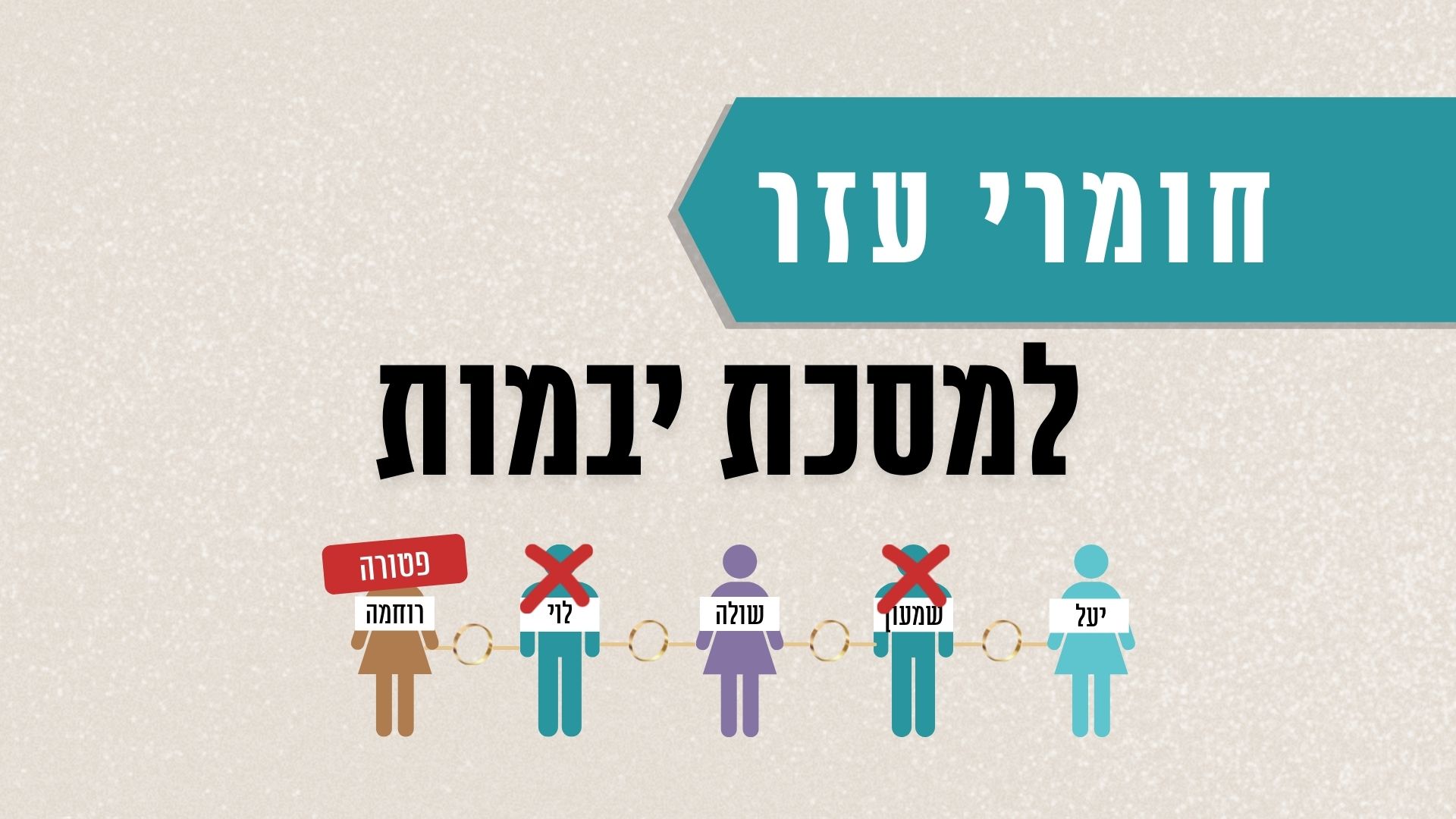
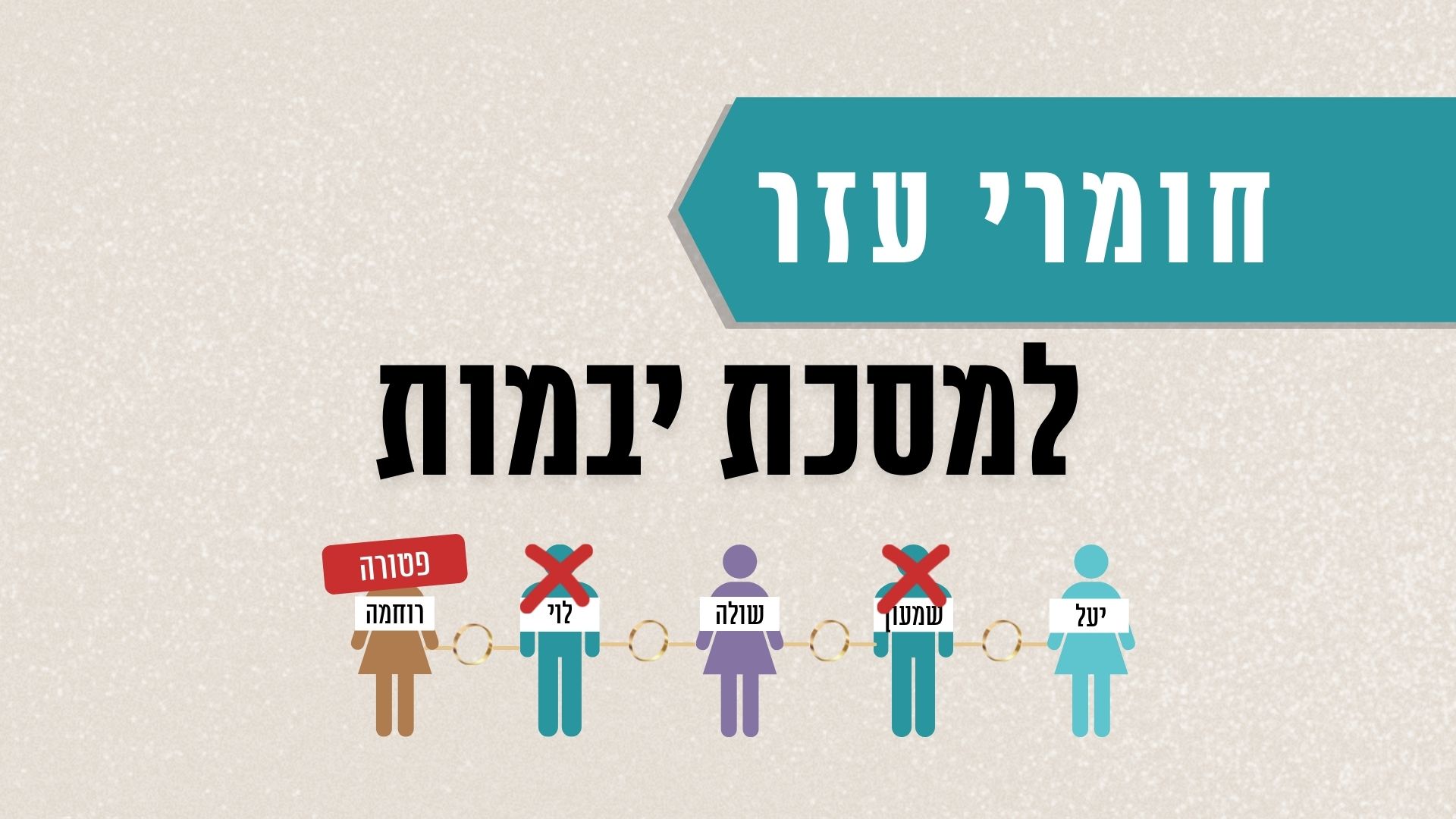
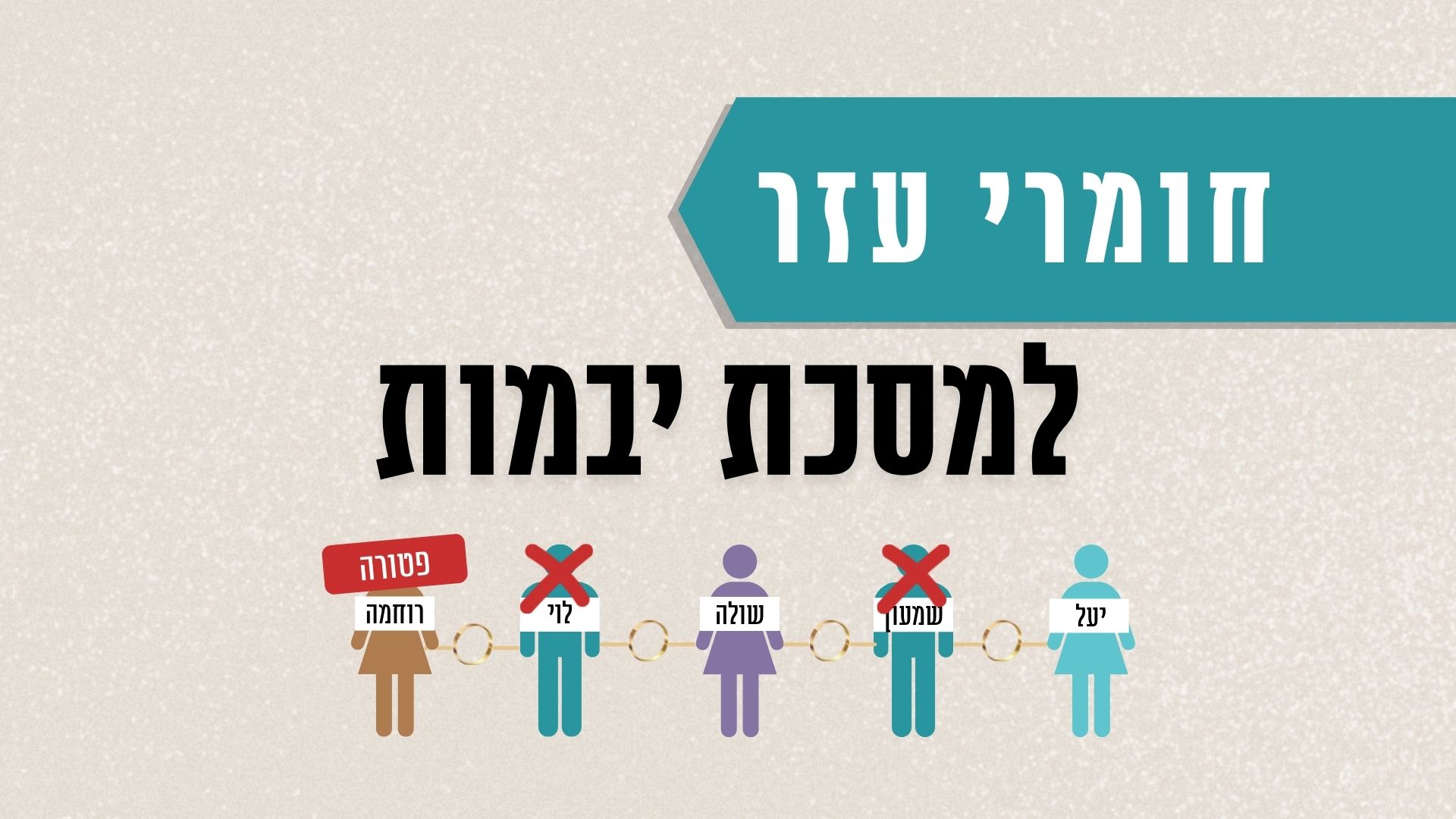
אם גבר נשוי עשר שנים ללא ילדים, הוא צריך לעשות מעשה – או להתגרש ממנה או לקחת אישה אחרת. זה נלמד מאברהם. אילו חריגים יש לכלל זה? למה לא נלמד שממתינים עשרים שנה כמו יצחק? גם אברהם וגם יצחק היו עקרים. מאיפה אנחנו יודעים את זה? מדוע כל כך הרבה מאבותינו היו עקרים? שרה גם היתה עקרה. רב יהודה אומר שברגע שאנשים התחילו לחיות פחות שנים, פרק הזמן שיש לחכות עד שעושים מעשה התקצר לשנתיים וחצי – זמן שבפוטנציאל היתה יכולה להיכנס להריון שלוש פעמים. רבה אמר בשם רב נחמן שלוש שנים אבל הוא עצמו סבר שאפילו בימיהם, עדיין מחכים עשר שנים. אם גבר מתגרש מאישה בגלל שהם לא יכולים להביא ילדים לעולם, היא עדיין מקבלת את דמי כתובתה כי אנחנו מניחים שזה לא בגלל חטאיה שאין להם ילדים שכן היא לא חייבת במצוות פרייה ורבייה. האם זה באמת נכון שאם לא יהיו ילדים אחרי עשר שנים, אם הם יתגרשו, סביר להניח שיהיו לו ילדים עם האישה השנייה? מביאים סיטואציה שבו רבי אבא בר זבדא אמר שאם הוא היה ראוי להביא ילדים, היו לו אותם מאשתו הראשונה ולכן הוא לא חייב להתחתן עם מישהי אחרת. זו לא הוכחה טובה שכן הוא היה אחד משישים רבנים שנעשו עקרים מחוסר יכולת ללכת לשירותים במהלך השיעורים הארוכים של רב הונא. משנתינו שמציינת שהבעל מתחתן עם אישה אחרת כעבור עשר שנים, אל לא מזכירים שהוא עושה את זה שוב אם אין לו ילדים מהאשה השנייה הולכת כשיטת רבי שלאחר שמעשה קורה פעמיים זה יוצר חזקה. רבן שמעון בן גמליאל סובר שלוש פעמים. או אולי זה הפוך? איך הם קובעים מהי המסורת המדויקת? לפי איזו דעה אנחנו פוסקים? זה תלוי באיזה סוג סיטואציה – בחלק פוסקים כרבי ובחלק כרשב”ג.

יבמות סד

מְלַמֵּד שֶׁאֵין הַשְּׁכִינָה שׁוֹרָה עַל פָּחוֹת מִשְּׁנֵי אֲלָפִים וּשְׁנֵי רְבָבוֹת מִיִּשְׂרָאֵל. הֲרֵי שֶׁהָיוּ יִשְׂרָאֵל שְׁנֵי אֲלָפִים וּשְׁנֵי רְבָבוֹת חָסֵר אֶחָד, וְזֶה לֹא עָסַק בִּפְרִיָּה וּרְבִיָּה — לֹא נִמְצָא זֶה גּוֹרֵם לַשְּׁכִינָה שֶׁתִּסְתַּלֵּק מִיִּשְׂרָאֵל?!

This teaches that the Divine Presence does not rest upon less than two thousands and two ten-thousands of the Jewish people, as the terms thousands and ten-thousands are both in the plural. Consequently, if there were two thousands and two ten-thousands of the Jewish people, less one, and this man did not engage in the mitzva to be fruitful and multiply, is he not found to have caused the Divine Presence to be depart from the Jewish people?

אַבָּא חָנָן אָמַר מִשּׁוּם רַבִּי אֱלִיעֶזֶר: חַיָּיב מִיתָה, שֶׁנֶּאֱמַר: ״וּבָנִים לֹא הָיוּ לָהֶם״, הָא הָיוּ לָהֶם בָּנִים — לֹא מֵתוּ. אֲחֵרִים אוֹמְרִים: גּוֹרֵם לַשְּׁכִינָה שֶׁתִּסְתַּלֵּק מִיִּשְׂרָאֵל, שֶׁנֶּאֱמַר: ״לִהְיוֹת לְךָ לֵאלֹהִים וּלְזַרְעֲךָ אַחֲרֶיךָ״, בִּזְמַן שֶׁזַּרְעֲךָ אַחֲרֶיךָ — שְׁכִינָה שׁוֹרָה, אֵין ״זַרְעֲךָ אַחֲרֶיךָ״ — עַל מִי שׁוֹרָה? עַל הָעֵצִים וְעַל הָאֲבָנִים?!

Abba Ḥanan said in the name of Rabbi Eliezer: A man who does not engage in procreation is liable to death, as it is stated with regard to the sons of Aaron: “And Nadav and Avihu died…and they had no children” (Numbers 3:4). This indicates that if they would have had children they would not have died. Others say: He causes the Divine Presence to depart from the Jewish people, as it is stated: “To be a God to you and to your seed after you” (Genesis 17:7). When your seed is after you, i.e., when you have children, the Divine Presence rests upon the Jewish people, but if your seed is not after you, upon whom can the Divine Presence rest? Upon wood and stones?

מַתְנִי׳ נָשָׂא אִשָּׁה וְשָׁהָה עִמָּהּ עֶשֶׂר שָׁנִים וְלֹא יָלְדָה — אֵינוֹ רַשַּׁאי לְבַטֵּל. גֵּירְשָׁהּ — מוּתֶּרֶת לִינָּשֵׂא לְאַחֵר. וְרַשַּׁאי הַשֵּׁנִי לִשְׁהוֹת עִמָּהּ עֶשֶׂר שָׁנִים. וְאִם הִפִּילָה — מוֹנֶה מִשָּׁעָה שֶׁהִפִּילָה.

MISHNA: If a man married a woman and stayed with her for ten years and she did not give birth, he is no longer permitted to neglect the mitzva to be fruitful and multiply. Consequently, he must either divorce her and marry someone else, or take another wife while still married to her. If he divorced her she is permitted to marry another man, as it is not necessarily on her account that she and her first husband did not have children, and the second husband is permitted to stay with her for ten years. And if she had a miscarriage, he counts the ten years from the time of the miscarriage.

גְּמָ׳ תָּנוּ רַבָּנַן: נָשָׂא אִשָּׁה וְשָׁהָה עִמָּהּ עֶשֶׂר שָׁנִים וְלֹא יָלְדָה — יוֹצִיא וְיִתֵּן כְּתוּבָה, שֶׁמָּא לֹא זָכָה לְהִבָּנוֹת מִמֶּנָּה.

GEMARA: The Sages taught: If a man married a woman and stayed with her for ten years and she did not give birth, he should divorce her and pay her marriage contract, because perhaps he did not merit to be built, i.e., to have children, from her. It is not certain that their failure to have children is due to her, as it is possible that they are not a suitable match for bearing children.

אַף עַל פִּי שֶׁאֵין רְאָיָה לַדָּבָר, זֵכֶר לַדָּבָר: ״מִקֵּץ עֶשֶׂר שָׁנִים לְשֶׁבֶת אַבְרָם בְּאֶרֶץ כְּנָעַן״ — לְלַמֶּדְךָ שֶׁאֵין יְשִׁיבַת חוּץ לָאָרֶץ עוֹלֶה לוֹ מִן הַמִּנְיָן. לְפִיכָךְ, חָלָה הוּא אוֹ שֶׁחָלְתָה הִיא, אוֹ שְׁנֵיהֶם חֲבוּשִׁים בְּבֵית הָאֲסוּרִים — אֵין עוֹלִין לוֹ מִן הַמִּנְיָן.

Although there is no explicit proof for the matter that one must take another wife if he has not had children after ten years of marriage, there is an allusion to the matter, as the verse states: “And Sarai, Abram’s wife, took Hagarafter Abram had dwelled ten years in the land of Canaan, and gave her to Abram her husband to be his wife” (Genesis 16:3). Incidentally, this verse also comes to teach you that the years spent dwelling outside of Eretz Yisrael do not count as part of his tally. Consequently, if he was sick during this period or she was sick, or if one of the two of them was imprisoned in jail, it does not count as part of his tally.

אֲמַר לֵיהּ רָבָא לְרַב נַחְמָן: וְלֵילַף מִיִּצְחָק, דִּכְתִיב: ״וַיְהִי יִצְחָק בֶּן אַרְבָּעִים שָׁנָה בְּקַחְתּוֹ אֶת רִבְקָה וְגוֹ׳״, וּכְתִיב: ״וְיִצְחָק בֶּן שִׁשִּׁים שָׁנָה בְּלֶדֶת אוֹתָם״! אֲמַר לֵיהּ: יִצְחָק עָקוּר הָיָה.

Rava said to Rav Naḥman: Let us derive from Isaac that one may wait a longer period of time, as it is written: “And Isaac was forty years old when he took Rebekah…to be his wife” (Genesis 25:20), and it is written with regard to the birth of Jacob and Esau: “And Isaac was sixty years old when she bore them” (Genesis 25:26). This indicates that one may wait twenty years. Rav Naḥman said to him: Isaac knew that he was infertile, and therefore there was no reason for him to marry another woman, as Rebekah was not the cause of their infertility.

אִי הָכִי, אַבְרָהָם נָמֵי עָקוּר הָיָה! הַהוּא מִיבְּעֵי לֵיהּ לְכִדְרַבִּי חִיָּיא בַּר אַבָּא. דְּאָמַר רַבִּי חִיָּיא בַּר אַבָּא אָמַר רַבִּי יוֹחָנָן: לָמָּה נִמְנוּ שְׁנוֹתָיו שֶׁל יִשְׁמָעֵאל — כְּדֵי לְיַיחֵס בָּהֶן שְׁנוֹתָיו שֶׁל יַעֲקֹב.

The Gemara responds: If so, Abraham also should not have married another woman, as he was also infertile. Rather, the tanna requires that verse that states when Jacob and Esau were born for that which Rabbi Ḥiyya bar Abba taught. This is because Rabbi Ḥiyya bar Abba said that Rabbi Yoḥanan said: Why were Ishmael’s years counted in the Torah, as they do not appear to be relevant to its narrative? In order to determine through them the years of Jacob, i.e., Jacob’s age at the time that various events took place, as explained in tractate Megilla (17a). The verse concerning Jacob’s birth was not meant to allude to a halakha about remaining married before having children, but to make it possible to determine Jacob’s age by relating it to the age of Ishmael.

אָמַר רַבִּי יִצְחָק: יִצְחָק אָבִינוּ עָקוּר הָיָה, שֶׁנֶּאֱמַר: ״וַיֶּעְתַּר יִצְחָק לַה׳ לְנֹכַח אִשְׁתּוֹ״. ״עַל אִשְׁתּוֹ״ לֹא נֶאֱמַר, אֶלָּא ״לְנוֹכַח״, מְלַמֵּד שֶׁשְּׁנֵיהֶם עֲקוּרִים הָיוּ. אִי הָכִי: ״וַיֵּעָתֶר לוֹ״ — ״וַיֵּעָתֵר לָהֶם״ מִיבְּעֵי לֵיהּ! לְפִי שֶׁאֵינוֹ דּוֹמֶה תְּפִלַּת צַדִּיק בֶּן צַדִּיק לִתְפִלַּת צַדִּיק בֶּן רָשָׁע.

Rabbi Yitzḥak said: Isaac our father was infertile, as it is stated: “And Isaac entreated the Lord concerning [lenokhaḥ] his wife because she was barren” (Genesis 25:21). It is not stated that he entreated the Lord for [al] his wife, but lenokhaḥ, which can mean opposite, against, or corresponding to; this teaches that they were both infertile. The Gemara asks: If so, why does the verse continue: “And the Lord let Himself be entreated of him”? The verse should say: And the Lord let Himself be entreated of them. The Gemara answers that their prayers were answered due to Isaac, because the prayer of a righteous individual who is the son of a righteous individual is not similar to the prayer of a righteous individual who is the son of a wicked individual, and Rebekah’s father was the wicked Bethuel.

אָמַר רַבִּי יִצְחָק: מִפְּנֵי מָה הָיוּ אֲבוֹתֵינוּ עֲקוּרִים — מִפְּנֵי שֶׁהַקָּדוֹשׁ בָּרוּךְ הוּא מִתְאַוֶּה לִתְפִלָּתָן שֶׁל צַדִּיקִים. אָמַר רַבִּי יִצְחָק: לָמָּה נִמְשְׁלָה תְּפִלָּתָן שֶׁל צַדִּיקִים כְּעֶתֶר — מָה עֶתֶר זֶה מְהַפֵּךְ הַתְּבוּאָה מִמָּקוֹם לְמָקוֹם, כָּךְ תְּפִלָּתָן שֶׁל צַדִּיקִים מְהַפֶּכֶת מִדּוֹתָיו שֶׁל הַקָּדוֹשׁ בָּרוּךְ הוּא מִמִּדַּת רַגְזָנוּת לְמִדַּת רַחֲמָנוּת. אָמַר רַבִּי אַמֵּי: אַבְרָהָם וְשָׂרָה טוּמְטְמִין הָיוּ, שֶׁנֶּאֱמַר: ״הַבִּיטוּ אֶל צוּר

Rabbi Yitzḥak said: For what reason were our forefathers initially infertile? Because the Holy One, Blessed be He, desires the prayers of the righteous, and He therefore wanted them to pray for children. Similarly, Rabbi Yitzḥak said: Why are the prayers of the righteous compared to a pitchfork [eter], as in the verse: “And He let Himself be entreated [vaye’ater]”? This indicates that just as this pitchfork turns over produce from one place to another, so the prayer of the righteous turns over the attributes of the Holy One, Blessed be He, from the attribute of rage to the attribute of mercy. Rabbi Ami said: Abraham and Sarah were originally tumtumin, people whose sexual organs are concealed and not functional, as it is stated: “Look to the rock

חֻצַּבְתֶּם וְאֶל מַקֶּבֶת בּוֹר נֻקַּרְתֶּם״, וּכְתִיב, ״הַבִּיטוּ אֶל אַבְרָהָם אֲבִיכֶם וְאֶל שָׂרָה תְּחוֹלֶלְכֶם״.

from where you were hewn, and to the hole of the pit from where you were dug” (Isaiah 51:1), and it is written in the next verse: “Look to Abraham your father and to Sarah who bore you” (Isaiah 51:2), which indicates that sexual organs were fashioned for them, signified by the words hewn and dug, over the course of time.

אָמַר רַב נַחְמָן אָמַר רַבָּה בַּר אֲבוּהּ: שָׂרָה אִמֵּנוּ אַיְלוֹנִית הָיְתָה, שֶׁנֶּאֱמַר: ״וַתְּהִי שָׂרַי עֲקָרָה אֵין לָהּ וָלָד״, אֲפִילּוּ בֵּית וָלָד אֵין לָהּ.

Rav Naḥman said that Rabba bar Avuh said: Our mother Sarah was initially a sexually underdeveloped woman [aylonit], as it is stated: “And Sarah was barren; she had no child” (Genesis 11:30). The superfluous words: “She had no child,” indicate that she did not have even a place, i.e., a womb, for a child.

אָמַר רַב יְהוּדָה בְּרֵיהּ דְּרַב שְׁמוּאֵל בַּר שִׁילַת מִשְּׁמֵיהּ דְּרַב: לֹא שָׁנוּ אֶלָּא בְּדוֹרוֹת הָרִאשׁוֹנִים, שֶׁשְּׁנוֹתֵיהֶן מְרוּבּוֹת. אֲבָל בְּדוֹרוֹת הָאַחֲרוֹנִים, שֶׁשְּׁנוֹתֵיהֶן מוּעָטוֹת — שְׁתֵּי שָׁנִים וּמֶחֱצָה, כְּנֶגֶד שְׁלֹשָׁה עִיבּוּרִים. רַבָּה אָמַר רַב נַחְמָן: שָׁלֹשׁ שָׁנִים, כְּנֶגֶד שָׁלֹשׁ פְּקִידוֹת. דְּאָמַר מָר: בְּרֹאשׁ הַשָּׁנָה נִפְקְדוּ שָׂרָה רָחֵל וְחַנָּה.

Rav Yehuda, son of Rav Shmuel bar Sheilat, said in the name of Rav: They taught that he waits ten years only with regard to the people who lived in former generations, whose years were numerous, i.e., they lived longer. However, with regard to the people who live in later generations, whose years are few, he waits only two and half years before divorcing her, corresponding to the time period of three pregnancies. Rabba said in the name of Rav Naḥman: He waits three years, corresponding to the three remembrances of barren women by God, as the Master said: On Rosh HaShana Sarah, Rachel, and Hannah were remembered, i.e., God gave them children. Since God determines on Rosh HaShana whether barren women will conceive that year, one may remain married until three such opportunities have passed.

אָמַר רַבָּה: לֵיתַנְהוּ לְהָנֵי כְּלָלֵי. מִכְּדֵי מַתְנִיתִין מַאן תַּקֵּין — רַבִּי, וְהָא בִּימֵי דָוִד אִימַּעוּט שְׁנֵי, דִּכְתִיב: ״יְמֵי שְׁנוֹתֵינוּ בָהֶם שִׁבְעִים שָׁנָה״.

However, Rabba himself said: These principles are not accepted as halakha. Why not? Now consider, who established the content of the mishna? Rabbi Yehuda HaNasi. Yet, in the days of King David, many years before the time of Rabbi Yehuda HaNasi, the years of an average lifespan were already diminished, as it is written: “The days of our years are seventy years, and if with strength eighty years” (Psalms 90:10). Consequently, if Rabbi Yehuda HaNasi included in the mishna the statement that one remains married for ten years, that must apply even nowadays.

וְהַאי ״שֶׁמָּא לֹא זָכָה לְהִבָּנוֹת הֵימֶנָּה״, וְדִלְמָא אִיהִי דְּלָא זָכְיָא? אִיהִי כֵּיוָן דְּלָא מְפַקְּדָא אַפְּרִיָּה וּרְבִיָּה, לָא מִיעַנְשָׁה.

The Gemara asks about the language of the baraita. And what about this expression: Perhaps he did not merit to be built from her; perhaps it was she who did not merit to build a family. The Gemara answers: She, since she is not commanded to be fruitful and multiply, is not punished. Their worthiness therefore depends on him, not her.

אִינִי? וְהָא אֲמַרוּ לֵיהּ רַבָּנַן לְרַבִּי אַבָּא בַּר זַבְדָּא: נְסֵיב אִיתְּתָא וְאוֹלֵיד בְּנֵי, וַאֲמַר לְהוּ: אִי זְכַאי — הֲווֹ לִי מִקַּמַּיְיתָא. הָתָם דַּחוֹיֵי קָא מְדַחֵי לְהוּ לְרַבָּנַן, דְּרַבִּי אַבָּא בַּר זַבְדָּא אִיעֲקַר מִפִּרְקֵיהּ דְּרַב הוּנָא.

The Gemara challenges the mishna’s statement that if one did not have children after ten years he should marry a different woman. Is that so? Didn’t the Sages say to Rabbi Abba bar Zavda: Marry a woman and have children, and he said to them: If I had merited, I would already have children from my first wife? This indicates that there is no obligation to remarry if one did not have children with his first wife. The Gemara answers: There, Rabbi Abba bar Zavda was merely putting the Rabbis off with an excuse, as the real reason why he would not marry was because Rabbi Abba bar Zavda became impotent from Rav Huna’s discourse. Rav Huna’s students would hold back from relieving themselves until his lengthy sermons were finished, which caused them to become sterile.

רַב גִּידֵּל אִיעֲקַר מִפִּרְקֵיהּ דְּרַב הוּנָא. רַבִּי חֶלְבּוֹ אִיעֲקַר מִפִּרְקֵיהּ דְּרַב הוּנָא. רַב שֵׁשֶׁת אִיעֲקַר מִפִּרְקֵיהּ דְּרַב הוּנָא. רַב אַחָא בַּר יַעֲקֹב אֲחַדְתֵּיהּ סוּסְכִּינְתָּא, תַּלְיוּהּ בְּאַרְזָא דְּבֵי רַב וּנְפַק מִינֵּיהּ כְּהוּצָא יַרְקָא. אָמַר רַב אַחָא בַּר יַעֲקֹב: שִׁיתִּין סָבֵי הֲוֵינָא וְכוּלְּהוּ אִיעֲקוּר מִפִּרְקֵיהּ דְּרַב הוּנָא לְבַר מֵאֲנָא, דְּקַיֵּימִי בְּנַפְשַׁאי ״הַחׇכְמָה תְּחַיֶּה בְעָלֶיהָ״.

The Gemara similarly relates that Rav Giddel became impotent from Rav Huna’s discourse, Rav Ḥelbo became impotent from Rav Huna’s discourse, and Rav Sheshet became impotent from Rav Huna’s discourse. The Gemara relates: Rav Aḥa bar Ya’akov was afflicted by suskhinta, a disease caused by holding back from urinating. They suspended him from the cedar column that supported the study hall, and a substance that was as green as a palm leaf emerged from him, and he was healed. Rav Aḥa bar Ya’akov said: We were sixty elders present at the time, and they all became impotent from Rav Huna’s discourse, aside from me, as I fulfilled with regard to myself the verse: “Wisdom preserves the life of he who has it” (Ecclesiastes 7:12). I used the above cure to avoid becoming impotent.

גֵּירְשָׁהּ מוּתֶּרֶת וְכוּ׳. שֵׁנִי — אִין, שְׁלִישִׁי — לָא.

§ It was taught in the mishna that if a man divorced his wife after ten years without children, she is permitted to marry a second man, who may remain married to her for ten years. The Gemara comments: A second husband, yes, but a third one, no. Once she has been married to two men without children for ten years each, it is presumed that she is unable to have children.

מַתְנִיתִין מַנִּי? רַבִּי הִיא. דְּתַנְיָא: מָלָה הָרִאשׁוֹן וָמֵת, שֵׁנִי וָמֵת, שְׁלִישִׁי — לֹא תָּמוּל, דִּבְרֵי רַבִּי. רַבָּן שִׁמְעוֹן בֶּן גַּמְלִיאֵל אוֹמֵר: שְׁלִישִׁי תָּמוּל, רְבִיעִי — לֹא תָּמוּל.

The Gemara comments: Who is the tanna of the mishna? It is Rabbi Yehuda HaNasi, who holds that a legal presumption [ḥazaka] is established after two occurrences. As it is taught in a baraita: If a woman circumcised her first son and he died as a result of the circumcision, and she circumcised her second son and he also died, she should not circumcise her third son, as the deaths of the first two produce a presumption that this woman’s sons die as a result of circumcision. This is the statement of Rabbi Yehuda HaNasi. Rabban Shimon ben Gamliel says: She should circumcise her third son, as there is not considered to be a legal presumption that her sons die from circumcision, but she should not circumcise her fourth son if her first three sons died from circumcision.

וְהָתַנְיָא אִיפְּכָא, הֵי מִינַּיְיהוּ (אַחֲרִינִיתָא)?

The Gemara asks: Isn’t the reverse taught in a baraita, that Rabbi Yehuda HaNasi holds that the woman’s third son must be circumcised and Rabban Shimon ben Gamliel holds that he is not circumcised? Which of them was composed later and is therefore presumed to be more reliable?

תָּא שְׁמַע, דְּאָמַר רַבִּי חִיָּיא בַּר אַבָּא אָמַר רַבִּי יוֹחָנָן: מַעֲשֶׂה בְּאַרְבַּע אֲחָיוֹת בְּצִפּוֹרִי שֶׁמָּלָה רִאשׁוֹנָה וָמֵת, שְׁנִיָּה וָמֵת, שְׁלִישִׁית וָמֵת, רְבִיעִית בָּאת לִפְנֵי רַבָּן שִׁמְעוֹן בֶּן גַּמְלִיאֵל. אָמַר לָהּ: אַל תָּמוּלִי.

The Gemara suggests: Come and hear, as Rabbi Ḥiyya bar Abba said that Rabbi Yoḥanan said: An incident occurred involving four sisters in Tzippori, that the first sister circumcised her son and he died, and the second sister circumcised her son and he died, and the third one circumcised her son and he too died. The fourth sister came before Rabban Shimon ben Gamliel, who said to her: Do not circumcise him. This indicates that according to Rabban Shimon ben Gamliel a presumption is established only after three occurrences.

וְדִלְמָא אִי אָתְיָא שְׁלִישִׁית נָמֵי הֲוָה אָמַר לָהּ? אִם כֵּן, מַאי אַסְהָדוּתֵיהּ דְּרַבִּי חִיָּיא בַּר אַבָּא? וְדִלְמָא הָא קָא מַשְׁמַע לַן דַּאֲחָיוֹת מְחַזְּקוֹת.

The Gemara refutes this proof: Perhaps if the third sister had come before him he would also have said to her the same ruling. The Gemara asks: If so, what is the purpose of Rabbi Ḥiyya bar Abba’s testimony? Why would he have related this incident if it does not teach us anything? The Gemara answers: Perhaps he comes to teach us that sisters establish a presumption in a case like this even though the children who died were not from the same mother.

אָמַר רָבָא: הַשְׁתָּא דְּאָמְרַתְּ אֲחָיוֹת מְחַזְּקוֹת, לֹא יִשָּׂא אָדָם אִשָּׁה לֹא מִמִּשְׁפַּחַת נִכְפִּין וְלֹא מִמִּשְׁפַּחַת מְצוֹרָעִים. וְהוּא דְּאִתַּחְזַק תְּלָתָא זִימְנֵי.

Rava said: Now that you have said that sisters establish a presumption, a man should not marry a woman from a family of epileptics or from a family of lepers, as these diseases might be hereditary. The Gemara adds: And this applies only if it was established three times, i.e., three members of the family are afflicted with the disease.

מַאי הֲוָה עֲלַהּ? כִּי אֲתָא רַב יִצְחָק בַּר יוֹסֵף, אָמַר: עוֹבָדָא הֲוָה קַמֵּיהּ דְּרַבִּי יוֹחָנָן בִּכְנִישְׁתָּא דְמָעוֹן בְּיוֹם הַכִּפּוּרִים שֶׁחָל לִהְיוֹת בְּשַׁבָּת, וּמָלָה רִאשׁוֹנָה וָמֵת, שְׁנִיָּה וָמֵת, שְׁלִישִׁית בָּאָה לְפָנָיו. אָמַר לָהּ: לְכִי וּמוּלִי.

The Gemara asks: Which halakhic conclusion was about this matter? Is a presumption established after two occurrences or only after three? When Rav Yitzḥak bar Yosef came from Eretz Yisrael, he said: An incident occurred before Rabbi Yoḥanan in the synagogue of the town of Maon on a Yom Kippur that occurred on Shabbat. The first sister had circumcised her son and he died; the second sister circumcised her son and he also died. The third sister came before him, and he said to her: Go and circumcise your son, as a presumption is not established after only two occurrences.

אֲמַר לֵיהּ אַבָּיֵי: חֲזִי דְּקָשָׁרֵית אִיסּוּרָא וְסַכַּנְתָּא.

Abaye said to Rav Yitzḥak: See to it that your report is accurate, as you are permitting an action that would otherwise constitute a prohibition and a danger. If the third baby should not be circumcised, doing so would be a prohibited labor and would endanger the life of the child.

סְמַךְ עֲלַהּ אַבָּיֵי, וַאֲזַל נַסְבַהּ לְחוּמָה בְּרַתֵּיה דְּאִיסִי בְּרֵיהּ דְּרַב יִצְחָק בְּרֵיהּ דְּרַב יְהוּדָה, דְּנַסְבַהּ רַחֲבָא דְפוּמְבְּדִיתָא וּשְׁכֵיב, רַב יִצְחָק בְּרֵיהּ דְּרַבָּה בַּר בַּר חָנָה וּשְׁכֵיב, וְנַסְבַהּ הוּא וּשְׁכֵיב.

The Gemara comments: Abaye relied on this report and went and married Ḥuma, the daughter of Isi, son of Rav Yitzḥak, son of Rav Yehuda. Ḥuma had previously married Raḥava of Pumbedita, and he died, and then she married Rav Yitzḥak, son of Rabba bar bar Ḥana, and he died; and he, Abaye, married her nevertheless, without concern that she had been established to be a woman whose husbands die; and he died as well while married to her.

אָמַר רָבָא: וּמִי אִיכָּא דְּעָבֵיד עוֹבָדָא בְּנַפְשֵׁיהּ כִּי הַאי, וְהָא אִיהוּ דְּאָמַר: אָבִין — דְּסַמְכָא, יִצְחָק סוּמָּקָא — לָאו בַּר סַמְכָא. אָבִין — יֶשְׁנוֹ בַּחֲזָרָה, יִצְחָק סוּמָּקָא — אֵינוֹ בַּחֲזָרָה. וְעוֹד: אֵימַר דִּפְלִיגִי לְעִנְיַן מִילָה, בְּנִישּׂוּאִין מִי פְּלִיגִי?

Rava said: Is there anyone who performs an action like this and endangers himself by marrying such a woman? Wasn’t it he, Abaye, who said that Avin is reliable but Yitzḥak the Red, i.e., Rav Yitzḥak bar Yosef, is not reliable? He proceeds to explain the difference between them: Avin returns to Eretz Yisrael and hears whether the Sages there rescind their previous rulings, whereas Yitzḥak the Red does not return to Eretz Yisrael and never finds out if the Sages there rescind their rulings. And furthermore, say that they disagree with regard to whether a presumption is established by two or by three deaths due to circumcision, but do they necessarily argue with regard to marriage?

אִין, וְהָתַנְיָא: נִיסֵּת לָרִאשׁוֹן וָמֵת, לַשֵּׁנִי וָמֵת, לַשְּׁלִישִׁי — לֹא תִּנָּשֵׂא, דִּבְרֵי רַבִּי. רַבָּן שִׁמְעוֹן בֶּן גַּמְלִיאֵל אוֹמֵר: לַשְּׁלִישִׁי — תִּנָּשֵׂא, לִרְבִיעִי — לֹא תִּנָּשֵׂא.

The Gemara responds: Yes, and it is taught in a baraita: If a woman was married to her first husband and he died, to a second one and he also died, she may not get married to a third husband. This is the statement of Rabbi Yehuda HaNasi. Rabban Shimon ben Gamliel says: She may get married to a third husband, but if he also dies, she may not get married to a fourth husband.

בִּשְׁלָמָא גַּבֵּי מִילָה, אִיכָּא מִשְׁפָּחָה דִּרְפֵי דְּמָא וְאִיכָּא מִשְׁפָּחָה דִּקְמִיט דְּמָא, אֶלָּא נִישּׂוּאִין מַאי טַעְמָא? אֲמַר לֵיהּ רַב מָרְדֳּכַי לְרַב אָשֵׁי: הָכִי אָמַר אֲבִימִי מֵהַגְרוֹנְיָא מִשְּׁמֵיהּ דְּרַב הוּנָא: מַעְיָן גּוֹרֵם. וְרַב אָשֵׁי אָמַר: מַזָּל גּוֹרֵם.

The Gemara asks: Granted with regard to circumcision a presumption of death due to circumcision can be established because there are families whose blood is thin and does not clot well, and there are families whose blood clots. However, in the case of marriage, what is the reason for concern that a subsequent husband will die? Rav Mordekhai said to Rav Ashi: Avimi of Hagron-ya said in the name of Rav Huna as follows: Her spring is the cause. In other words, the woman has some sort of condition that causes those who have intercourse with her to die. And Rav Ashi said that her constellation is the cause of her husbands’ deaths.

מַאי בֵּינַיְיהוּ? אִיכָּא בֵּינַיְיהוּ דְּאֵירְסַהּ וּמִית, אִי נָמֵי דִּנְפַל מִדִּיקְלָא וּמִית.

The Gemara asks: What is the practical difference between them? The Gemara answers: There is a difference between them in a case where a man betrothed her and died before the wedding; alternatively, in a case where he fell off a palm tree and died. If the concern is due to intercourse, then in these cases the husband’s death cannot be attributed to his wife. Conversely, if the concern is due to her bad fortune, the husband’s death can be attributed to his wife even in these cases.

אֲמַר לֵיהּ רַב יוֹסֵף בְּרֵיהּ דְּרָבָא לְרָבָא, בְּעַי מִינֵּיהּ מֵרַב יוֹסֵף: הֲלָכָה כְּרַבִּי? וַאֲמַר לִי: אִין. הֲלָכָה כְּרַבָּן שִׁמְעוֹן בֶּן גַּמְלִיאֵל? וַאֲמַר לִי: אִין, אַחוֹכֵי אַחֵיךָ בִּי!

Rav Yosef, son of Rava, said to Rava: I inquired of Rav Yosef whether the halakha is in accordance with the opinion of Rabbi Yehuda HaNasi, and he said to me: Yes. I subsequently asked him if the halakha is in accordance with the opinion of Rabban Shimon ben Gamliel, and he said to me: Yes. Was he mocking me by issuing contradictory rulings?

אֲמַר לֵיהּ: לָא, סְתָמֵי הִיא וּפְשַׁיט לָךְ: נִישּׂוּאִין וּמַלְקִיּוֹת — כְּרַבִּי. וְסָתוֹת וְשׁוֹר הַמּוּעָד — כְּרַבָּן שִׁמְעוֹן בֶּן גַּמְלִיאֵל.

Rava said to him: No, there are unattributed mishnayot in accordance with each opinion, and he resolved for you that the halakha is in accordance with each opinion in particular cases. With regard to marriage and lashings the halakha is in accordance with the opinion of Rabbi Yehuda HaNasi that two occurrences are sufficient for a presumption. Concerning set patterns of menstrual bleeding and a forewarned ox, the halakha is in accordance with the opinion of Rabban Shimon ben Gamliel that a presumption is established after three occurrences.

נִישּׂוּאִין — הָא דַּאֲמַרַן. מַלְקִיּוֹת — דִּתְנַן: מִי שֶׁלָּקָה וְשָׁנָה — בֵּית דִּין כּוֹנְסִין אוֹתוֹ לְכִיפָּה וּמַאֲכִילִין אוֹתוֹ שְׂעוֹרִים עַד שֶׁתְּהֵא כְּרֵיסוֹ נִבְקַעַת. וְסָתוֹת — דִּתְנַן: אֵין הָאִשָּׁה

The Gemara identifies the aforementioned halakhot. Marriage is referring to that which we said with regard to a woman whose husbands have died. The case of lashings is as we learned in a mishna (Nidda 63b): One who was flogged for transgressing a Torah law, and repeated the same transgression and was flogged again, if he then repeats the sin a third time, the court places him in a narrow, vaulted chamber and they feed him barley until his stomach bursts. Once he has sinned and been flogged twice he has established a presumption of wickedness, and when he sins again he is caused to die so that he will not continue to sin. The case of set patterns of menstrual bleeding is as we learned in a mishna (Nidda 63b): A woman does not

העמקה

רוצה להבין מה באמת קורה מתחת לפני השטח של הסוגיה?
שיעורים, פודקאסטים והרחבות של מיטב המורות שלנו יפתחו לך עוד זוויות וכיווני חשיבה.

לשיעורי עוד על הדף באנגלית, לחצי כאן

חדשה בלימוד הגמרא?

זה הדף הראשון שלך? איזו התרגשות עצומה! יש לנו בדיוק את התכנים והכלים שיעזרו לך לעשות את הצעדים הראשונים ללמידה בקצב וברמה שלך, כך תוכלי להרגיש בנוח גם בתוך הסוגיות המורכבות ומאתגרות.

פסיפס הלומדות שלנו

גלי את קהילת הלומדות שלנו, מגוון נשים, רקעים וסיפורים. כולן חלק מתנועה ומסע מרגש ועוצמתי.

A friend in the SF Bay Area said in Dec 2019 that she might start listening on her morning drive to work. I mentioned to my husband and we decided to try the Daf when it began in Jan 2020 as part of our preparing to make Aliyah in the summer.

Hana Piotrkovsky
חנה פיוטרקובסקי

ירושלים, Israel

הצטרפתי ללומדות בתחילת מסכת תענית. ההתרגשות שלי ושל המשפחה היתה גדולה מאוד, והיא הולכת וגוברת עם כל סיום שאני זוכה לו. במשך שנים רבות רציתי להצטרף ומשום מה זה לא קרה… ב”ה מצאתי לפני מספר חודשים פרסום של הדרן, ומיד הצטרפתי והתאהבתי. הדף היומי שינה את חיי ממש והפך כל יום- ליום של תורה. מודה לכן מקרב ליבי ומאחלת לכולנו לימוד פורה מתוך אהבת התורה ולומדיה.

Noa Rosen
נעה רוזן

חיספין רמת הגולן, ישראל

לצערי גדלתי בדור שבו לימוד גמרא לנשים לא היה דבר שבשגרה ושנים שאני חולמת להשלים את הפער הזה.. עד שלפני מספר שבועות, כמעט במקרה, נתקלתי במודעת פרסומת הקוראת להצטרף ללימוד מסכת תענית. כשקראתי את המודעה הרגשתי שהיא כאילו נכתבה עבורי – "תמיד חלמת ללמוד גמרא ולא ידעת איך להתחיל”, "בואי להתנסות במסכת קצרה וקלה” (רק היה חסר שהמודעה תיפתח במילים "מיכי שלום”..). קפצתי למים ו- ב”ה אני בדרך להגשמת החלום:)

Micah Kadosh
מיכי קדוש

מורשת, ישראל

התחלתי מעט לפני תחילת הסבב הנוכחי. אני נהנית מהאתגר של להמשיך להתמיד, מרגעים של "אהה, מפה זה הגיע!” ומהאתגר האינטלקטואלי

Eilat-Chen and Deller
אילת-חן ודלר

לוד, ישראל

התחלתי ללמוד בשנת המדרשה במגדל עוז, בינתיים נהנית מאוד מהלימוד ומהגמרא, מעניין ומשמח מאוד!
משתדלת להצליח לעקוב כל יום, לפעמים משלימה קצת בהמשך השבוע.. מרגישה שיש עוגן מקובע ביום שלי והוא משמח מאוד!

Uriah Kesner
אוריה קסנר

חיפה , ישראל

אחרי שראיתי את הסיום הנשי של הדף היומי בבנייני האומה זה ריגש אותי ועורר בי את הרצון להצטרף. לא למדתי גמרא קודם לכן בכלל, אז הכל היה לי חדש, ולכן אני לומדת בעיקר מהשיעורים פה בהדרן, בשוטנשטיין או בחוברות ושיננתם.

Rebecca Schloss
רבקה שלוס

בית שמש, ישראל

התחלתי ללמוד דף יומי ממסכת נידה כי זה היה חומר הלימוד שלי אז. לאחר הסיום הגדול בבנייני האומה החלטתי להמשיך. וב”ה מאז עם הפסקות קטנות של קורונה ולידה אני משתדלת להמשיך ולהיות חלק.

זה משפיע מאוד על היום יום שלי ועל אף שאני עסוקה בלימודי הלכה ותורה כל יום, זאת המסגרת הקבועה והמחייבת ביותר שיש לי.

Moriah Taesan Michaeli
מוריה תעסן מיכאלי

גבעת הראל, ישראל

התחלתי ללמוד בעידוד שתי חברות אתן למדתי בעבר את הפרק היומי במסגרת 929.
בבית מתלהבים מאוד ובשבת אני לומדת את הדף עם בעלי שזה מפתיע ומשמח מאוד! לימוד הדף הוא חלק בלתי נפרד מהיום שלי. לומדת בצהריים ומחכה לזמן הזה מידי יום…

Miriam Wengerover
מרים ונגרובר

אפרת, ישראל

התחלתי ללמוד גמרא בבית הספר בגיל צעיר והתאהבתי. המשכתי בכך כל חיי ואף היייתי מורה לגמרא בבית הספר שקד בשדה אליהו (בית הספר בו למדתי בילדותי)בתחילת מחזור דף יומי הנוכחי החלטתי להצטרף ובע”ה מקווה להתמיד ולהמשיך. אני אוהבת את המפגש עם הדף את "דרישות השלום ” שמקבלת מקשרים עם דפים אחרים שלמדתי את הסנכרון שמתחולל בין התכנים.

Ariela Bigman
אריאלה ביגמן

מעלה גלבוע, ישראל

התחלתי ללמוד דף יומי לפני שנתיים, עם מסכת שבת. בהתחלה ההתמדה היתה קשה אבל בזכות הקורונה והסגרים הצלחתי להדביק את הפערים בשבתות הארוכות, לסיים את מסכת שבת ולהמשיך עם המסכתות הבאות. עכשיו אני מסיימת בהתרגשות רבה את מסכת חגיגה וסדר מועד ומחכה לסדר הבא!

Ilana-Shachnowitz
אילנה שכנוביץ

מודיעין, ישראל

. לא תמיד נהניתי מלימוד גמרא כילדה.,בל כהתבגרתי התחלתי לאהוב את זה שוב. התחלתי ללמוד מסכת סוטה בדף היומי לפני כחמש עשרה שנה ואז הפסקתי.הגעתי לסיום הגדול של הדרן לפני שנתיים וזה נתן לי השראה. והתחלתי ללמוד למשך כמה ימים ואז היתה לי פריצת דיסק והפסקתי…עד אלול השנה. אז התחלתי עם מסכת ביצה וב”ה אני מצליחה לעמוד בקצב. המשפחה מאוד תומכת בי ויש כמה שגם לומדים את זה במקביל. אני אוהבת שיש עוגן כל יום.

Rebecca Darshan
רבקה דרשן

בית שמש, ישראל

שמעתי על הסיום הענק של הדף היומי ע”י נשים בבנייני האומה. רציתי גם.
החלטתי להצטרף. התחלתי ושיכנעתי את בעלי ועוד שתי חברות להצטרף. עכשיו יש לי לימוד משותף איתו בשבת ומפגש חודשי איתן בנושא (והתכתבויות תדירות על דברים מיוחדים שקראנו). הצטרפנו לקבוצות שונות בווטסאפ. אנחנו ממש נהנות. אני שומעת את השיעור מידי יום (בד”כ מהרב יוני גוטמן) וקוראת ומצטרפת לסיומים של הדרן. גם מקפידה על דף משלהן (ונהנית מאד).

Liat Citron
ליאת סיטרון

אפרת, ישראל

אחי, שלומד דף יומי ממסכת ברכות, חיפש חברותא ללימוד מסכת ראש השנה והציע לי. החברותא היתה מאתגרת טכנית ורוב הזמן נעשתה דרך הטלפון, כך שבסיום המסכת נפרדו דרכינו. אחי חזר ללמוד לבד, אבל אני כבר נכבשתי בקסם הגמרא ושכנעתי את האיש שלי להצטרף אלי למסכת ביצה. מאז המשכנו הלאה, ועכשיו אנחנו מתרגשים לקראתו של סדר נשים!

Shulamit Saban
שולמית סבן

נוקדים, ישראל

A friend in the SF Bay Area said in Dec 2019 that she might start listening on her morning drive to work. I mentioned to my husband and we decided to try the Daf when it began in Jan 2020 as part of our preparing to make Aliyah in the summer.

Hana Piotrkovsky
חנה פיוטרקובסקי

ירושלים, Israel

התחלתי מחוג במסכת קידושין שהעבירה הרבנית רייסנר במסגרת בית המדרש כלנה בגבעת שמואל; לאחר מכן התחיל סבב הדף היומי אז הצטרפתי. לסביבה לקח זמן לעכל אבל היום כולם תומכים ומשתתפים איתי. הלימוד לעתים מעניין ומעשיר ולעתים קשה ואף הזוי… אך אני ממשיכה קדימה. הוא משפיע על היומיום שלי קודם כל במרדף אחרי הדף, וגם במושגים הרבים שלמדתי ובידע שהועשרתי בו, חלקו ממש מעשי

Abigail Chrissy
אביגיל כריסי

ראש העין, ישראל

באירוע של הדרן בנייני האומה. בהשראתה של אמי שלי שסיימה את הש”ס בסבב הקודם ובעידוד מאיר , אישי, וילדיי וחברותיי ללימוד במכון למנהיגות הלכתית של רשת אור תורה סטון ומורתיי הרבנית ענת נובוסלסקי והרבנית דבורה עברון, ראש המכון למנהיגות הלכתית.
הלימוד מעשיר את יומי, מחזיר אותי גם למסכתות שכבר סיימתי וידוע שאינו דומה מי ששונה פרקו מאה לשונה פרקו מאה ואחת במיוחד מרתקים אותי החיבורים בין המסכתות

Roit Kalech
רוית קלך

מודיעין, ישראל

התחלתי ללמוד דף יומי שהתחילו מסכת כתובות, לפני 7 שנים, במסגרת קבוצת לימוד שהתפרקה די מהר, ומשם המשכתי לבד בתמיכת האיש שלי. נעזרתי בגמרת שטיינזלץ ובשיעורים מוקלטים.
הסביבה מאד תומכת ואני מקבלת המון מילים טובות לאורך כל הדרך. מאז הסיום הגדול יש תחושה שאני חלק מדבר גדול יותר.
אני לומדת בשיטת ה”7 דפים בשבוע” של הרבנית תרצה קלמן – כלומר, לא נורא אם לא הצלחת ללמוד כל יום, העיקר שגמרת ארבעה דפים בשבוע

Rachel Goldstein
רחל גולדשטיין

עתניאל, ישראל

לצערי גדלתי בדור שבו לימוד גמרא לנשים לא היה דבר שבשגרה ושנים שאני חולמת להשלים את הפער הזה.. עד שלפני מספר שבועות, כמעט במקרה, נתקלתי במודעת פרסומת הקוראת להצטרף ללימוד מסכת תענית. כשקראתי את המודעה הרגשתי שהיא כאילו נכתבה עבורי – "תמיד חלמת ללמוד גמרא ולא ידעת איך להתחיל”, "בואי להתנסות במסכת קצרה וקלה” (רק היה חסר שהמודעה תיפתח במילים "מיכי שלום”..). קפצתי למים ו- ב”ה אני בדרך להגשמת החלום:)

Micah Kadosh
מיכי קדוש

מורשת, ישראל

"
גם אני התחלתי בסבב הנוכחי וב””ה הצלחתי לסיים את רוב המסכתות . בזכות הרבנית מישל משתדלת לפתוח את היום בשיעור הזום בשעה 6:20 .הלימוד הפך להיות חלק משמעותי בחיי ויש ימים בהם אני מצליחה לחזור על הדף עם מלמדים נוספים ששיעוריהם נמצאים במרשתת. שמחה להיות חלק מקהילת לומדות ברחבי העולם. ובמיוחד לשמש דוגמה לנכדותיי שאי””ה יגדלו לדור שלימוד תורה לנשים יהיה משהו שבשגרה. "

Ronit Shavit
רונית שביט

נתניה, ישראל

סיום השס לנשים נתן לי מוטביציה להתחיל ללמוד דף יומי. עד אז למדתי גמרא בשבתות ועשיתי כמה סיומים. אבל לימוד יומיומי זה שונה לגמרי ופתאום כל דבר שקורה בחיים מתקשר לדף היומי.

Fogel Foundation
קרן פוגל

רתמים, ישראל

יבמות סד

מְלַמֵּד שֶׁאֵין הַשְּׁכִינָה שׁוֹרָה עַל פָּחוֹת מִשְּׁנֵי אֲלָפִים וּשְׁנֵי רְבָבוֹת מִיִּשְׂרָאֵל. הֲרֵי שֶׁהָיוּ יִשְׂרָאֵל שְׁנֵי אֲלָפִים וּשְׁנֵי רְבָבוֹת חָסֵר אֶחָד, וְזֶה לֹא עָסַק בִּפְרִיָּה וּרְבִיָּה — לֹא נִמְצָא זֶה גּוֹרֵם לַשְּׁכִינָה שֶׁתִּסְתַּלֵּק מִיִּשְׂרָאֵל?!

This teaches that the Divine Presence does not rest upon less than two thousands and two ten-thousands of the Jewish people, as the terms thousands and ten-thousands are both in the plural. Consequently, if there were two thousands and two ten-thousands of the Jewish people, less one, and this man did not engage in the mitzva to be fruitful and multiply, is he not found to have caused the Divine Presence to be depart from the Jewish people?

אַבָּא חָנָן אָמַר מִשּׁוּם רַבִּי אֱלִיעֶזֶר: חַיָּיב מִיתָה, שֶׁנֶּאֱמַר: ״וּבָנִים לֹא הָיוּ לָהֶם״, הָא הָיוּ לָהֶם בָּנִים — לֹא מֵתוּ. אֲחֵרִים אוֹמְרִים: גּוֹרֵם לַשְּׁכִינָה שֶׁתִּסְתַּלֵּק מִיִּשְׂרָאֵל, שֶׁנֶּאֱמַר: ״לִהְיוֹת לְךָ לֵאלֹהִים וּלְזַרְעֲךָ אַחֲרֶיךָ״, בִּזְמַן שֶׁזַּרְעֲךָ אַחֲרֶיךָ — שְׁכִינָה שׁוֹרָה, אֵין ״זַרְעֲךָ אַחֲרֶיךָ״ — עַל מִי שׁוֹרָה? עַל הָעֵצִים וְעַל הָאֲבָנִים?!

Abba Ḥanan said in the name of Rabbi Eliezer: A man who does not engage in procreation is liable to death, as it is stated with regard to the sons of Aaron: “And Nadav and Avihu died…and they had no children” (Numbers 3:4). This indicates that if they would have had children they would not have died. Others say: He causes the Divine Presence to depart from the Jewish people, as it is stated: “To be a God to you and to your seed after you” (Genesis 17:7). When your seed is after you, i.e., when you have children, the Divine Presence rests upon the Jewish people, but if your seed is not after you, upon whom can the Divine Presence rest? Upon wood and stones?

מַתְנִי׳ נָשָׂא אִשָּׁה וְשָׁהָה עִמָּהּ עֶשֶׂר שָׁנִים וְלֹא יָלְדָה — אֵינוֹ רַשַּׁאי לְבַטֵּל. גֵּירְשָׁהּ — מוּתֶּרֶת לִינָּשֵׂא לְאַחֵר. וְרַשַּׁאי הַשֵּׁנִי לִשְׁהוֹת עִמָּהּ עֶשֶׂר שָׁנִים. וְאִם הִפִּילָה — מוֹנֶה מִשָּׁעָה שֶׁהִפִּילָה.

MISHNA: If a man married a woman and stayed with her for ten years and she did not give birth, he is no longer permitted to neglect the mitzva to be fruitful and multiply. Consequently, he must either divorce her and marry someone else, or take another wife while still married to her. If he divorced her she is permitted to marry another man, as it is not necessarily on her account that she and her first husband did not have children, and the second husband is permitted to stay with her for ten years. And if she had a miscarriage, he counts the ten years from the time of the miscarriage.

גְּמָ׳ תָּנוּ רַבָּנַן: נָשָׂא אִשָּׁה וְשָׁהָה עִמָּהּ עֶשֶׂר שָׁנִים וְלֹא יָלְדָה — יוֹצִיא וְיִתֵּן כְּתוּבָה, שֶׁמָּא לֹא זָכָה לְהִבָּנוֹת מִמֶּנָּה.

GEMARA: The Sages taught: If a man married a woman and stayed with her for ten years and she did not give birth, he should divorce her and pay her marriage contract, because perhaps he did not merit to be built, i.e., to have children, from her. It is not certain that their failure to have children is due to her, as it is possible that they are not a suitable match for bearing children.

אַף עַל פִּי שֶׁאֵין רְאָיָה לַדָּבָר, זֵכֶר לַדָּבָר: ״מִקֵּץ עֶשֶׂר שָׁנִים לְשֶׁבֶת אַבְרָם בְּאֶרֶץ כְּנָעַן״ — לְלַמֶּדְךָ שֶׁאֵין יְשִׁיבַת חוּץ לָאָרֶץ עוֹלֶה לוֹ מִן הַמִּנְיָן. לְפִיכָךְ, חָלָה הוּא אוֹ שֶׁחָלְתָה הִיא, אוֹ שְׁנֵיהֶם חֲבוּשִׁים בְּבֵית הָאֲסוּרִים — אֵין עוֹלִין לוֹ מִן הַמִּנְיָן.

Although there is no explicit proof for the matter that one must take another wife if he has not had children after ten years of marriage, there is an allusion to the matter, as the verse states: “And Sarai, Abram’s wife, took Hagarafter Abram had dwelled ten years in the land of Canaan, and gave her to Abram her husband to be his wife” (Genesis 16:3). Incidentally, this verse also comes to teach you that the years spent dwelling outside of Eretz Yisrael do not count as part of his tally. Consequently, if he was sick during this period or she was sick, or if one of the two of them was imprisoned in jail, it does not count as part of his tally.

אֲמַר לֵיהּ רָבָא לְרַב נַחְמָן: וְלֵילַף מִיִּצְחָק, דִּכְתִיב: ״וַיְהִי יִצְחָק בֶּן אַרְבָּעִים שָׁנָה בְּקַחְתּוֹ אֶת רִבְקָה וְגוֹ׳״, וּכְתִיב: ״וְיִצְחָק בֶּן שִׁשִּׁים שָׁנָה בְּלֶדֶת אוֹתָם״! אֲמַר לֵיהּ: יִצְחָק עָקוּר הָיָה.

Rava said to Rav Naḥman: Let us derive from Isaac that one may wait a longer period of time, as it is written: “And Isaac was forty years old when he took Rebekah…to be his wife” (Genesis 25:20), and it is written with regard to the birth of Jacob and Esau: “And Isaac was sixty years old when she bore them” (Genesis 25:26). This indicates that one may wait twenty years. Rav Naḥman said to him: Isaac knew that he was infertile, and therefore there was no reason for him to marry another woman, as Rebekah was not the cause of their infertility.

אִי הָכִי, אַבְרָהָם נָמֵי עָקוּר הָיָה! הַהוּא מִיבְּעֵי לֵיהּ לְכִדְרַבִּי חִיָּיא בַּר אַבָּא. דְּאָמַר רַבִּי חִיָּיא בַּר אַבָּא אָמַר רַבִּי יוֹחָנָן: לָמָּה נִמְנוּ שְׁנוֹתָיו שֶׁל יִשְׁמָעֵאל — כְּדֵי לְיַיחֵס בָּהֶן שְׁנוֹתָיו שֶׁל יַעֲקֹב.

The Gemara responds: If so, Abraham also should not have married another woman, as he was also infertile. Rather, the tanna requires that verse that states when Jacob and Esau were born for that which Rabbi Ḥiyya bar Abba taught. This is because Rabbi Ḥiyya bar Abba said that Rabbi Yoḥanan said: Why were Ishmael’s years counted in the Torah, as they do not appear to be relevant to its narrative? In order to determine through them the years of Jacob, i.e., Jacob’s age at the time that various events took place, as explained in tractate Megilla (17a). The verse concerning Jacob’s birth was not meant to allude to a halakha about remaining married before having children, but to make it possible to determine Jacob’s age by relating it to the age of Ishmael.

אָמַר רַבִּי יִצְחָק: יִצְחָק אָבִינוּ עָקוּר הָיָה, שֶׁנֶּאֱמַר: ״וַיֶּעְתַּר יִצְחָק לַה׳ לְנֹכַח אִשְׁתּוֹ״. ״עַל אִשְׁתּוֹ״ לֹא נֶאֱמַר, אֶלָּא ״לְנוֹכַח״, מְלַמֵּד שֶׁשְּׁנֵיהֶם עֲקוּרִים הָיוּ. אִי הָכִי: ״וַיֵּעָתֶר לוֹ״ — ״וַיֵּעָתֵר לָהֶם״ מִיבְּעֵי לֵיהּ! לְפִי שֶׁאֵינוֹ דּוֹמֶה תְּפִלַּת צַדִּיק בֶּן צַדִּיק לִתְפִלַּת צַדִּיק בֶּן רָשָׁע.

Rabbi Yitzḥak said: Isaac our father was infertile, as it is stated: “And Isaac entreated the Lord concerning [lenokhaḥ] his wife because she was barren” (Genesis 25:21). It is not stated that he entreated the Lord for [al] his wife, but lenokhaḥ, which can mean opposite, against, or corresponding to; this teaches that they were both infertile. The Gemara asks: If so, why does the verse continue: “And the Lord let Himself be entreated of him”? The verse should say: And the Lord let Himself be entreated of them. The Gemara answers that their prayers were answered due to Isaac, because the prayer of a righteous individual who is the son of a righteous individual is not similar to the prayer of a righteous individual who is the son of a wicked individual, and Rebekah’s father was the wicked Bethuel.

אָמַר רַבִּי יִצְחָק: מִפְּנֵי מָה הָיוּ אֲבוֹתֵינוּ עֲקוּרִים — מִפְּנֵי שֶׁהַקָּדוֹשׁ בָּרוּךְ הוּא מִתְאַוֶּה לִתְפִלָּתָן שֶׁל צַדִּיקִים. אָמַר רַבִּי יִצְחָק: לָמָּה נִמְשְׁלָה תְּפִלָּתָן שֶׁל צַדִּיקִים כְּעֶתֶר — מָה עֶתֶר זֶה מְהַפֵּךְ הַתְּבוּאָה מִמָּקוֹם לְמָקוֹם, כָּךְ תְּפִלָּתָן שֶׁל צַדִּיקִים מְהַפֶּכֶת מִדּוֹתָיו שֶׁל הַקָּדוֹשׁ בָּרוּךְ הוּא מִמִּדַּת רַגְזָנוּת לְמִדַּת רַחֲמָנוּת. אָמַר רַבִּי אַמֵּי: אַבְרָהָם וְשָׂרָה טוּמְטְמִין הָיוּ, שֶׁנֶּאֱמַר: ״הַבִּיטוּ אֶל צוּר

Rabbi Yitzḥak said: For what reason were our forefathers initially infertile? Because the Holy One, Blessed be He, desires the prayers of the righteous, and He therefore wanted them to pray for children. Similarly, Rabbi Yitzḥak said: Why are the prayers of the righteous compared to a pitchfork [eter], as in the verse: “And He let Himself be entreated [vaye’ater]”? This indicates that just as this pitchfork turns over produce from one place to another, so the prayer of the righteous turns over the attributes of the Holy One, Blessed be He, from the attribute of rage to the attribute of mercy. Rabbi Ami said: Abraham and Sarah were originally tumtumin, people whose sexual organs are concealed and not functional, as it is stated: “Look to the rock

חֻצַּבְתֶּם וְאֶל מַקֶּבֶת בּוֹר נֻקַּרְתֶּם״, וּכְתִיב, ״הַבִּיטוּ אֶל אַבְרָהָם אֲבִיכֶם וְאֶל שָׂרָה תְּחוֹלֶלְכֶם״.

from where you were hewn, and to the hole of the pit from where you were dug” (Isaiah 51:1), and it is written in the next verse: “Look to Abraham your father and to Sarah who bore you” (Isaiah 51:2), which indicates that sexual organs were fashioned for them, signified by the words hewn and dug, over the course of time.

אָמַר רַב נַחְמָן אָמַר רַבָּה בַּר אֲבוּהּ: שָׂרָה אִמֵּנוּ אַיְלוֹנִית הָיְתָה, שֶׁנֶּאֱמַר: ״וַתְּהִי שָׂרַי עֲקָרָה אֵין לָהּ וָלָד״, אֲפִילּוּ בֵּית וָלָד אֵין לָהּ.

Rav Naḥman said that Rabba bar Avuh said: Our mother Sarah was initially a sexually underdeveloped woman [aylonit], as it is stated: “And Sarah was barren; she had no child” (Genesis 11:30). The superfluous words: “She had no child,” indicate that she did not have even a place, i.e., a womb, for a child.

אָמַר רַב יְהוּדָה בְּרֵיהּ דְּרַב שְׁמוּאֵל בַּר שִׁילַת מִשְּׁמֵיהּ דְּרַב: לֹא שָׁנוּ אֶלָּא בְּדוֹרוֹת הָרִאשׁוֹנִים, שֶׁשְּׁנוֹתֵיהֶן מְרוּבּוֹת. אֲבָל בְּדוֹרוֹת הָאַחֲרוֹנִים, שֶׁשְּׁנוֹתֵיהֶן מוּעָטוֹת — שְׁתֵּי שָׁנִים וּמֶחֱצָה, כְּנֶגֶד שְׁלֹשָׁה עִיבּוּרִים. רַבָּה אָמַר רַב נַחְמָן: שָׁלֹשׁ שָׁנִים, כְּנֶגֶד שָׁלֹשׁ פְּקִידוֹת. דְּאָמַר מָר: בְּרֹאשׁ הַשָּׁנָה נִפְקְדוּ שָׂרָה רָחֵל וְחַנָּה.

Rav Yehuda, son of Rav Shmuel bar Sheilat, said in the name of Rav: They taught that he waits ten years only with regard to the people who lived in former generations, whose years were numerous, i.e., they lived longer. However, with regard to the people who live in later generations, whose years are few, he waits only two and half years before divorcing her, corresponding to the time period of three pregnancies. Rabba said in the name of Rav Naḥman: He waits three years, corresponding to the three remembrances of barren women by God, as the Master said: On Rosh HaShana Sarah, Rachel, and Hannah were remembered, i.e., God gave them children. Since God determines on Rosh HaShana whether barren women will conceive that year, one may remain married until three such opportunities have passed.

אָמַר רַבָּה: לֵיתַנְהוּ לְהָנֵי כְּלָלֵי. מִכְּדֵי מַתְנִיתִין מַאן תַּקֵּין — רַבִּי, וְהָא בִּימֵי דָוִד אִימַּעוּט שְׁנֵי, דִּכְתִיב: ״יְמֵי שְׁנוֹתֵינוּ בָהֶם שִׁבְעִים שָׁנָה״.

However, Rabba himself said: These principles are not accepted as halakha. Why not? Now consider, who established the content of the mishna? Rabbi Yehuda HaNasi. Yet, in the days of King David, many years before the time of Rabbi Yehuda HaNasi, the years of an average lifespan were already diminished, as it is written: “The days of our years are seventy years, and if with strength eighty years” (Psalms 90:10). Consequently, if Rabbi Yehuda HaNasi included in the mishna the statement that one remains married for ten years, that must apply even nowadays.

וְהַאי ״שֶׁמָּא לֹא זָכָה לְהִבָּנוֹת הֵימֶנָּה״, וְדִלְמָא אִיהִי דְּלָא זָכְיָא? אִיהִי כֵּיוָן דְּלָא מְפַקְּדָא אַפְּרִיָּה וּרְבִיָּה, לָא מִיעַנְשָׁה.

The Gemara asks about the language of the baraita. And what about this expression: Perhaps he did not merit to be built from her; perhaps it was she who did not merit to build a family. The Gemara answers: She, since she is not commanded to be fruitful and multiply, is not punished. Their worthiness therefore depends on him, not her.

אִינִי? וְהָא אֲמַרוּ לֵיהּ רַבָּנַן לְרַבִּי אַבָּא בַּר זַבְדָּא: נְסֵיב אִיתְּתָא וְאוֹלֵיד בְּנֵי, וַאֲמַר לְהוּ: אִי זְכַאי — הֲווֹ לִי מִקַּמַּיְיתָא. הָתָם דַּחוֹיֵי קָא מְדַחֵי לְהוּ לְרַבָּנַן, דְּרַבִּי אַבָּא בַּר זַבְדָּא אִיעֲקַר מִפִּרְקֵיהּ דְּרַב הוּנָא.

The Gemara challenges the mishna’s statement that if one did not have children after ten years he should marry a different woman. Is that so? Didn’t the Sages say to Rabbi Abba bar Zavda: Marry a woman and have children, and he said to them: If I had merited, I would already have children from my first wife? This indicates that there is no obligation to remarry if one did not have children with his first wife. The Gemara answers: There, Rabbi Abba bar Zavda was merely putting the Rabbis off with an excuse, as the real reason why he would not marry was because Rabbi Abba bar Zavda became impotent from Rav Huna’s discourse. Rav Huna’s students would hold back from relieving themselves until his lengthy sermons were finished, which caused them to become sterile.

רַב גִּידֵּל אִיעֲקַר מִפִּרְקֵיהּ דְּרַב הוּנָא. רַבִּי חֶלְבּוֹ אִיעֲקַר מִפִּרְקֵיהּ דְּרַב הוּנָא. רַב שֵׁשֶׁת אִיעֲקַר מִפִּרְקֵיהּ דְּרַב הוּנָא. רַב אַחָא בַּר יַעֲקֹב אֲחַדְתֵּיהּ סוּסְכִּינְתָּא, תַּלְיוּהּ בְּאַרְזָא דְּבֵי רַב וּנְפַק מִינֵּיהּ כְּהוּצָא יַרְקָא. אָמַר רַב אַחָא בַּר יַעֲקֹב: שִׁיתִּין סָבֵי הֲוֵינָא וְכוּלְּהוּ אִיעֲקוּר מִפִּרְקֵיהּ דְּרַב הוּנָא לְבַר מֵאֲנָא, דְּקַיֵּימִי בְּנַפְשַׁאי ״הַחׇכְמָה תְּחַיֶּה בְעָלֶיהָ״.

The Gemara similarly relates that Rav Giddel became impotent from Rav Huna’s discourse, Rav Ḥelbo became impotent from Rav Huna’s discourse, and Rav Sheshet became impotent from Rav Huna’s discourse. The Gemara relates: Rav Aḥa bar Ya’akov was afflicted by suskhinta, a disease caused by holding back from urinating. They suspended him from the cedar column that supported the study hall, and a substance that was as green as a palm leaf emerged from him, and he was healed. Rav Aḥa bar Ya’akov said: We were sixty elders present at the time, and they all became impotent from Rav Huna’s discourse, aside from me, as I fulfilled with regard to myself the verse: “Wisdom preserves the life of he who has it” (Ecclesiastes 7:12). I used the above cure to avoid becoming impotent.

גֵּירְשָׁהּ מוּתֶּרֶת וְכוּ׳. שֵׁנִי — אִין, שְׁלִישִׁי — לָא.

§ It was taught in the mishna that if a man divorced his wife after ten years without children, she is permitted to marry a second man, who may remain married to her for ten years. The Gemara comments: A second husband, yes, but a third one, no. Once she has been married to two men without children for ten years each, it is presumed that she is unable to have children.

מַתְנִיתִין מַנִּי? רַבִּי הִיא. דְּתַנְיָא: מָלָה הָרִאשׁוֹן וָמֵת, שֵׁנִי וָמֵת, שְׁלִישִׁי — לֹא תָּמוּל, דִּבְרֵי רַבִּי. רַבָּן שִׁמְעוֹן בֶּן גַּמְלִיאֵל אוֹמֵר: שְׁלִישִׁי תָּמוּל, רְבִיעִי — לֹא תָּמוּל.

The Gemara comments: Who is the tanna of the mishna? It is Rabbi Yehuda HaNasi, who holds that a legal presumption [ḥazaka] is established after two occurrences. As it is taught in a baraita: If a woman circumcised her first son and he died as a result of the circumcision, and she circumcised her second son and he also died, she should not circumcise her third son, as the deaths of the first two produce a presumption that this woman’s sons die as a result of circumcision. This is the statement of Rabbi Yehuda HaNasi. Rabban Shimon ben Gamliel says: She should circumcise her third son, as there is not considered to be a legal presumption that her sons die from circumcision, but she should not circumcise her fourth son if her first three sons died from circumcision.

וְהָתַנְיָא אִיפְּכָא, הֵי מִינַּיְיהוּ (אַחֲרִינִיתָא)?

The Gemara asks: Isn’t the reverse taught in a baraita, that Rabbi Yehuda HaNasi holds that the woman’s third son must be circumcised and Rabban Shimon ben Gamliel holds that he is not circumcised? Which of them was composed later and is therefore presumed to be more reliable?

תָּא שְׁמַע, דְּאָמַר רַבִּי חִיָּיא בַּר אַבָּא אָמַר רַבִּי יוֹחָנָן: מַעֲשֶׂה בְּאַרְבַּע אֲחָיוֹת בְּצִפּוֹרִי שֶׁמָּלָה רִאשׁוֹנָה וָמֵת, שְׁנִיָּה וָמֵת, שְׁלִישִׁית וָמֵת, רְבִיעִית בָּאת לִפְנֵי רַבָּן שִׁמְעוֹן בֶּן גַּמְלִיאֵל. אָמַר לָהּ: אַל תָּמוּלִי.

The Gemara suggests: Come and hear, as Rabbi Ḥiyya bar Abba said that Rabbi Yoḥanan said: An incident occurred involving four sisters in Tzippori, that the first sister circumcised her son and he died, and the second sister circumcised her son and he died, and the third one circumcised her son and he too died. The fourth sister came before Rabban Shimon ben Gamliel, who said to her: Do not circumcise him. This indicates that according to Rabban Shimon ben Gamliel a presumption is established only after three occurrences.

וְדִלְמָא אִי אָתְיָא שְׁלִישִׁית נָמֵי הֲוָה אָמַר לָהּ? אִם כֵּן, מַאי אַסְהָדוּתֵיהּ דְּרַבִּי חִיָּיא בַּר אַבָּא? וְדִלְמָא הָא קָא מַשְׁמַע לַן דַּאֲחָיוֹת מְחַזְּקוֹת.

The Gemara refutes this proof: Perhaps if the third sister had come before him he would also have said to her the same ruling. The Gemara asks: If so, what is the purpose of Rabbi Ḥiyya bar Abba’s testimony? Why would he have related this incident if it does not teach us anything? The Gemara answers: Perhaps he comes to teach us that sisters establish a presumption in a case like this even though the children who died were not from the same mother.

אָמַר רָבָא: הַשְׁתָּא דְּאָמְרַתְּ אֲחָיוֹת מְחַזְּקוֹת, לֹא יִשָּׂא אָדָם אִשָּׁה לֹא מִמִּשְׁפַּחַת נִכְפִּין וְלֹא מִמִּשְׁפַּחַת מְצוֹרָעִים. וְהוּא דְּאִתַּחְזַק תְּלָתָא זִימְנֵי.

Rava said: Now that you have said that sisters establish a presumption, a man should not marry a woman from a family of epileptics or from a family of lepers, as these diseases might be hereditary. The Gemara adds: And this applies only if it was established three times, i.e., three members of the family are afflicted with the disease.

מַאי הֲוָה עֲלַהּ? כִּי אֲתָא רַב יִצְחָק בַּר יוֹסֵף, אָמַר: עוֹבָדָא הֲוָה קַמֵּיהּ דְּרַבִּי יוֹחָנָן בִּכְנִישְׁתָּא דְמָעוֹן בְּיוֹם הַכִּפּוּרִים שֶׁחָל לִהְיוֹת בְּשַׁבָּת, וּמָלָה רִאשׁוֹנָה וָמֵת, שְׁנִיָּה וָמֵת, שְׁלִישִׁית בָּאָה לְפָנָיו. אָמַר לָהּ: לְכִי וּמוּלִי.

The Gemara asks: Which halakhic conclusion was about this matter? Is a presumption established after two occurrences or only after three? When Rav Yitzḥak bar Yosef came from Eretz Yisrael, he said: An incident occurred before Rabbi Yoḥanan in the synagogue of the town of Maon on a Yom Kippur that occurred on Shabbat. The first sister had circumcised her son and he died; the second sister circumcised her son and he also died. The third sister came before him, and he said to her: Go and circumcise your son, as a presumption is not established after only two occurrences.

אֲמַר לֵיהּ אַבָּיֵי: חֲזִי דְּקָשָׁרֵית אִיסּוּרָא וְסַכַּנְתָּא.

Abaye said to Rav Yitzḥak: See to it that your report is accurate, as you are permitting an action that would otherwise constitute a prohibition and a danger. If the third baby should not be circumcised, doing so would be a prohibited labor and would endanger the life of the child.

סְמַךְ עֲלַהּ אַבָּיֵי, וַאֲזַל נַסְבַהּ לְחוּמָה בְּרַתֵּיה דְּאִיסִי בְּרֵיהּ דְּרַב יִצְחָק בְּרֵיהּ דְּרַב יְהוּדָה, דְּנַסְבַהּ רַחֲבָא דְפוּמְבְּדִיתָא וּשְׁכֵיב, רַב יִצְחָק בְּרֵיהּ דְּרַבָּה בַּר בַּר חָנָה וּשְׁכֵיב, וְנַסְבַהּ הוּא וּשְׁכֵיב.

The Gemara comments: Abaye relied on this report and went and married Ḥuma, the daughter of Isi, son of Rav Yitzḥak, son of Rav Yehuda. Ḥuma had previously married Raḥava of Pumbedita, and he died, and then she married Rav Yitzḥak, son of Rabba bar bar Ḥana, and he died; and he, Abaye, married her nevertheless, without concern that she had been established to be a woman whose husbands die; and he died as well while married to her.

אָמַר רָבָא: וּמִי אִיכָּא דְּעָבֵיד עוֹבָדָא בְּנַפְשֵׁיהּ כִּי הַאי, וְהָא אִיהוּ דְּאָמַר: אָבִין — דְּסַמְכָא, יִצְחָק סוּמָּקָא — לָאו בַּר סַמְכָא. אָבִין — יֶשְׁנוֹ בַּחֲזָרָה, יִצְחָק סוּמָּקָא — אֵינוֹ בַּחֲזָרָה. וְעוֹד: אֵימַר דִּפְלִיגִי לְעִנְיַן מִילָה, בְּנִישּׂוּאִין מִי פְּלִיגִי?

Rava said: Is there anyone who performs an action like this and endangers himself by marrying such a woman? Wasn’t it he, Abaye, who said that Avin is reliable but Yitzḥak the Red, i.e., Rav Yitzḥak bar Yosef, is not reliable? He proceeds to explain the difference between them: Avin returns to Eretz Yisrael and hears whether the Sages there rescind their previous rulings, whereas Yitzḥak the Red does not return to Eretz Yisrael and never finds out if the Sages there rescind their rulings. And furthermore, say that they disagree with regard to whether a presumption is established by two or by three deaths due to circumcision, but do they necessarily argue with regard to marriage?

אִין, וְהָתַנְיָא: נִיסֵּת לָרִאשׁוֹן וָמֵת, לַשֵּׁנִי וָמֵת, לַשְּׁלִישִׁי — לֹא תִּנָּשֵׂא, דִּבְרֵי רַבִּי. רַבָּן שִׁמְעוֹן בֶּן גַּמְלִיאֵל אוֹמֵר: לַשְּׁלִישִׁי — תִּנָּשֵׂא, לִרְבִיעִי — לֹא תִּנָּשֵׂא.

The Gemara responds: Yes, and it is taught in a baraita: If a woman was married to her first husband and he died, to a second one and he also died, she may not get married to a third husband. This is the statement of Rabbi Yehuda HaNasi. Rabban Shimon ben Gamliel says: She may get married to a third husband, but if he also dies, she may not get married to a fourth husband.

בִּשְׁלָמָא גַּבֵּי מִילָה, אִיכָּא מִשְׁפָּחָה דִּרְפֵי דְּמָא וְאִיכָּא מִשְׁפָּחָה דִּקְמִיט דְּמָא, אֶלָּא נִישּׂוּאִין מַאי טַעְמָא? אֲמַר לֵיהּ רַב מָרְדֳּכַי לְרַב אָשֵׁי: הָכִי אָמַר אֲבִימִי מֵהַגְרוֹנְיָא מִשְּׁמֵיהּ דְּרַב הוּנָא: מַעְיָן גּוֹרֵם. וְרַב אָשֵׁי אָמַר: מַזָּל גּוֹרֵם.

The Gemara asks: Granted with regard to circumcision a presumption of death due to circumcision can be established because there are families whose blood is thin and does not clot well, and there are families whose blood clots. However, in the case of marriage, what is the reason for concern that a subsequent husband will die? Rav Mordekhai said to Rav Ashi: Avimi of Hagron-ya said in the name of Rav Huna as follows: Her spring is the cause. In other words, the woman has some sort of condition that causes those who have intercourse with her to die. And Rav Ashi said that her constellation is the cause of her husbands’ deaths.

מַאי בֵּינַיְיהוּ? אִיכָּא בֵּינַיְיהוּ דְּאֵירְסַהּ וּמִית, אִי נָמֵי דִּנְפַל מִדִּיקְלָא וּמִית.

The Gemara asks: What is the practical difference between them? The Gemara answers: There is a difference between them in a case where a man betrothed her and died before the wedding; alternatively, in a case where he fell off a palm tree and died. If the concern is due to intercourse, then in these cases the husband’s death cannot be attributed to his wife. Conversely, if the concern is due to her bad fortune, the husband’s death can be attributed to his wife even in these cases.

אֲמַר לֵיהּ רַב יוֹסֵף בְּרֵיהּ דְּרָבָא לְרָבָא, בְּעַי מִינֵּיהּ מֵרַב יוֹסֵף: הֲלָכָה כְּרַבִּי? וַאֲמַר לִי: אִין. הֲלָכָה כְּרַבָּן שִׁמְעוֹן בֶּן גַּמְלִיאֵל? וַאֲמַר לִי: אִין, אַחוֹכֵי אַחֵיךָ בִּי!

Rav Yosef, son of Rava, said to Rava: I inquired of Rav Yosef whether the halakha is in accordance with the opinion of Rabbi Yehuda HaNasi, and he said to me: Yes. I subsequently asked him if the halakha is in accordance with the opinion of Rabban Shimon ben Gamliel, and he said to me: Yes. Was he mocking me by issuing contradictory rulings?

אֲמַר לֵיהּ: לָא, סְתָמֵי הִיא וּפְשַׁיט לָךְ: נִישּׂוּאִין וּמַלְקִיּוֹת — כְּרַבִּי. וְסָתוֹת וְשׁוֹר הַמּוּעָד — כְּרַבָּן שִׁמְעוֹן בֶּן גַּמְלִיאֵל.

Rava said to him: No, there are unattributed mishnayot in accordance with each opinion, and he resolved for you that the halakha is in accordance with each opinion in particular cases. With regard to marriage and lashings the halakha is in accordance with the opinion of Rabbi Yehuda HaNasi that two occurrences are sufficient for a presumption. Concerning set patterns of menstrual bleeding and a forewarned ox, the halakha is in accordance with the opinion of Rabban Shimon ben Gamliel that a presumption is established after three occurrences.

נִישּׂוּאִין — הָא דַּאֲמַרַן. מַלְקִיּוֹת — דִּתְנַן: מִי שֶׁלָּקָה וְשָׁנָה — בֵּית דִּין כּוֹנְסִין אוֹתוֹ לְכִיפָּה וּמַאֲכִילִין אוֹתוֹ שְׂעוֹרִים עַד שֶׁתְּהֵא כְּרֵיסוֹ נִבְקַעַת. וְסָתוֹת — דִּתְנַן: אֵין הָאִשָּׁה

The Gemara identifies the aforementioned halakhot. Marriage is referring to that which we said with regard to a woman whose husbands have died. The case of lashings is as we learned in a mishna (Nidda 63b): One who was flogged for transgressing a Torah law, and repeated the same transgression and was flogged again, if he then repeats the sin a third time, the court places him in a narrow, vaulted chamber and they feed him barley until his stomach bursts. Once he has sinned and been flogged twice he has established a presumption of wickedness, and when he sins again he is caused to die so that he will not continue to sin. The case of set patterns of menstrual bleeding is as we learned in a mishna (Nidda 63b): A woman does not

רוצה לעקוב אחרי התכנים ולהמשיך ללמוד?

ביצירת חשבון עוד היום ניתן לעקוב אחרי ההתקדמות שלך, לסמן מה למדת, ולעקוב אחרי השיעורים שמעניינים אותך.

לנקות את כל הפריטים מהרשימה?

פעולה זו תסיר את כל הפריטים בחלק זה כולל ההתקדמות וההיסטוריה. שימי לב: לא ניתן לשחזר פעולה זו.

ביטול
מחיקה

האם את/ה בטוח/ה שברצונך למחוק פריט זה?

תאבד/י את כל ההתקדמות או ההיסטוריה הקשורות לפריט זה.

ביטול
מחיקה