חיפוש

יבמות פא

רוצה להקדיש שיעור?

podcast placeholder

0:00
0:00


תקציר

הדף היום מוקדש ע”י ולרי אדלר לכבוד בתה אנושקה על סיום לימודיה להיות רופאה. מזל טוב!

הדף היום מוקדש לכבוד משפחת קולודני על בר המצווה של אבידן. מזל טוב!

בסוף המשנה הוזכר פעולות שנעשו על ידי סירס או לאיילונית הפוסלות את האישה מלהינשא לכהן. האם בדיוק ממפשטים אלו, ניתן לומר שהמשנה חולקת על עמדות מסוימות של רב המנונא (אמורא) או רבי יהודה (תנא)? סריס מלידה יכול להתחתן ולכן אם הוא כהן, אשתו יכולה לאכול תרומה. מה מעמדו של אנדרוגינוס לגבי נישואין לאישה/גבר? האם מתייחסים אליהם כזכר או נקבה? האם הוא יכול להתיר לאשתו לאכול תרומה אם הוא כהן? האם הוא מקבל סקילה על קיום יחסים עם גבר? קיים ויכוח בין ריש לקיש לרבי יוחנן לגבי עמדת רבי יוסי ורבי שמעון לפיה אנדרגינוס יכול להתיר לאשתו לאכול תרומה. ריש לקיש סבור שזה חל רק על תרומה ולא על חזה שוק. רבי יוחנן סובר שהיא יכולה לאכול את שניהם. ריש לקיש מתיר רק תרומה משום שהוא סובר שתרומה בזמן הזה דרבנן (לאחר חרבן הבית) ולכן מותר לה. רבי יוחנן חולק על הנחתו של ריש לקיש לגבי תרומה וסוברשתרומה בזמן הזה דאורייתא. ריש לקיש מוכיח שתרומה הוא דין רבני בכך שהוא מביא מקור לגבי תערובת של עוגה של תאנים של תרומה שנפל לתוך עוגות של חולין בטל למרות שהעוגה נחשבת לדבר חשוב, (כפי שהחפץ נמכר בדרך כלל כפי פריט), שאין לחול עליה דיני ביטול. לפיכך הוא מסיק, שתרומה חייבת להיות רק דרבנן ולכן בטל. רבי יוחנן דוחה טענה זו בהבאת ברייתא על חתיכת בשר חטאת מעורבת בבשר שגם בטל, אף על פי שמדובר בפריט חשוב (בדרך כלל נמכר לפי יחידות) ובשר חטאת הוא כמובן דין תורה! בנוסף, הוא טוען כי המשנה המלמדת כי דיני ביטול אינם חלים על חפצים הנמכרים על ידי היחידה (ערלה ג:ו-ז), התייחסה רק לחפצים הנמכרים באופן בלעדי על ידי פריט ולא לחפצים הנמכרים בדרך כלל על ידי פריט אבל לפעמים נמכר לפי משקל או הערכה. כיצד מסביר ריש לקיש את המשנה ההיא? הגמרא חוזרת לברייתא שהביא רבי יוחנן על בשר חטאת ומצטטת את הברייתא בשלמותה ואחר כך שואלת כיצד יכול ריש לקיש ליישב את דעתו עם אותה ברייתא.


כלים

יבמות פא

לֵימָא תֶּיהְוֵי תְּיוּבְתָּא דְּרַב הַמְנוּנָא, דְּאָמַר: שׁוֹמֶרֶת יָבָם שֶׁזִּינְּתָה פְּסוּלָה לִיבָמָהּ! לֹא: הוּא הַדִּין אֲפִילּוּ לְאַחֵר נָמֵי, וְאַיְּידֵי דִּתְנָא רֵישָׁא בְּדִידֵיהּ, תְּנָא נָמֵי סֵיפָא בְּדִידֵיהּ.

Shall we say that this is a conclusive refutation of the opinion of Rav Hamnuna, who said: A widow waiting for her yavam, who engaged in an act of licentious relations, is disqualified from entering into levirate marriage with her yavam, like an ordinary married woman who committed adultery? The Gemara rejects this argument: No, this presents no difficulty for Rav Hamnuna, as it is possible that the same is true even in a case where she had relations with a different man, that she too would be disqualified from marrying into the priesthood. But since the tanna taught the first clause with regard to the yavam himself, he also taught the latter clause with regard to the yavam himself, even though the same halakha applies if she cohabitated with another.

וְכֵן אַיְילוֹנִית שֶׁחָלְצוּ לָהּ אַחִין כּוּ׳. טַעְמָא דִּבְעָלוּהָ. הָא לֹא בְּעָלוּהָ — לָא. כְּמַאן? דְּלָא כְּרַבִּי יְהוּדָה, דְּאִי רַבִּי יְהוּדָה, הָאָמַר: אַיְילוֹנִית זוֹנָה הִיא.

It is taught in the mishna: And similarly, with regard to a sexually underdeveloped woman, if one of the brothers performed ḥalitza with her he has not disqualified her, but if he engaged in intercourse with her he has disqualified her. The Gemara infers from this wording that the reason for her disqualification is that he had intercourse with her; but if he did not have intercourse with her she is not disqualified. According to whose opinion was this clause of the mishna taught? One must say that it was not taught in accordance with the opinion of Rabbi Yehuda. As, if one would claim that this teaching is in accordance with the opinion of Rabbi Yehuda, didn’t he say that a sexually underdeveloped woman is considered like a woman who has had sexual relations with a man forbidden to her by the Torah [zona], and so she is in any case disqualified from marrying into the priesthood?

מַתְנִי׳ סְרִיס חַמָּה כֹּהֵן שֶׁנָּשָׂא בַּת יִשְׂרָאֵל — מַאֲכִילָהּ בִּתְרוּמָה. רַבִּי יוֹסֵי וְרַבִּי שִׁמְעוֹן אוֹמְרִים: אַנְדְּרוֹגִינוֹס כֹּהֵן שֶׁנָּשָׂא בַּת יִשְׂרָאֵל — מַאֲכִילָהּ בִּתְרוּמָה.

MISHNA: If a priest who is a eunuch by natural causes married an Israelite woman, he enables her to eat teruma. Rabbi Yosei and Rabbi Shimon say: If a priest who is a hermaphrodite, possessing both male and female genitals, married an Israelite woman, he enables her to eat teruma.

רַבִּי יְהוּדָה אוֹמֵר: טוּמְטוּם שֶׁנִּקְרַע וְנִמְצָא זָכָר — לֹא יַחְלוֹץ, מִפְּנֵי שֶׁהוּא כְּסָרִיס. אַנְדְּרוֹגִינוֹס נוֹשֵׂא אֲבָל לֹא נִישָּׂא. רַבִּי אֱלִיעֶזֶר אוֹמֵר: אַנְדְּרוֹגִינוֹס חַיָּיבִין עָלָיו סְקִילָה כַּזָּכָר.

Rabbi Yehuda says: If a tumtum, whose external sexual organs are indeterminate, was torn open so that his genitals were exposed, and he was found to be a male, he must not perform ḥalitza, because he is treated like a eunuch. A hermaphrodite may marry a woman but he may not be married by a man, as he is considered a man. Rabbi Eliezer says: If one had intercourse with a hermaphrodite, he is liable to receive the punishment of stoning on his account as if he had had relations with a male.

גְּמָ׳ פְּשִׁיטָא? מַהוּ דְּתֵימָא: מוֹלִיד — מַאֲכִיל, שֶׁאֵינוֹ מוֹלִיד — אֵינוֹ מַאֲכִיל, קָא מַשְׁמַע לַן.

GEMARA: The Gemara questions the mishna’s teaching concerning a priest who was sexually impotent from birth: This is obvious; why should such a priest not enable his wife to partake of teruma? The Gemara answers: This halakha is necessary lest you say that since the verse states: “And such as are born in his house, they eat of his bread” (Leviticus 22:11), the allowance to eat teruma depends on the priest’s capacity to father children, i.e., that only one who can father children enables his wife to eat teruma, but one who cannot father children does not enable his wife to eat teruma. Therefore, the tanna teaches us that the priest’s capacity to have children is irrelevant.

רַבִּי יוֹסֵי וְרַבִּי שִׁמְעוֹן אוֹמְרִים: אַנְדְּרוֹגִינוֹס. אָמַר רֵישׁ לָקִישׁ: מַאֲכִילָהּ בִּתְרוּמָה, וְאֵין מַאֲכִילָהּ בְּחָזֶה וָשׁוֹק. רַבִּי יוֹחָנָן אוֹמֵר: אַף מַאֲכִילָהּ בְּחָזֶה וָשׁוֹק. וּלְרֵישׁ לָקִישׁ, מַאי שְׁנָא חָזֶה וָשׁוֹק — דְּאוֹרָיְיתָא? תְּרוּמָה נָמֵי דְּאוֹרָיְיתָא!

It is taught in the mishna that Rabbi Yosei and Rabbi Shimon say: If a priest who is a hermaphrodite married an Israelite woman, he enables her to eat teruma. Reish Lakish said: He enables her to eat teruma, but he does not enable her to eat the breast and thigh of peace-offerings. Rabbi Yoḥanan says: He even enables her to eat the breast and thigh of peace-offerings. The Gemara asks: And according to Reish Lakish, what is different about the breast and thigh of peace-offerings? If you say it is that they are by Torah law, teruma is also by Torah law. Why, then, is it permitted for her to eat teruma, but not the breast and thigh of peace-offerings?

הָכָא בְּמַאי עָסְקִינַן — בִּתְרוּמָה בַּזְּמַן הַזֶּה דְּרַבָּנַן. אֲבָל בִּזְמַן שֶׁבֵּית הַמִּקְדָּשׁ קַיָּים מַאי — לֹא? אַדְּתָנֵי ״אֵין מַאֲכִילָהּ בְּחָזֶה וָשׁוֹק״, לִיפְלוֹג וְלִיתְנֵי בְּדִידַהּ: בַּמֶּה דְּבָרִים אֲמוּרִים — בִּתְרוּמָה דְּרַבָּנַן, אֲבָל בִּתְרוּמָה דְּאוֹרָיְיתָא — לָא!

The Gemara answers: With what are we dealing here? We are dealing with teruma in the present, after the destruction of the Temple, when teruma is in effect only by rabbinic law. The Gemara asks: But when the Temple is standing, what is the halakha? He does not enable his wife to eat teruma. But if so, there is a difficulty. Instead of teaching that he does not enable her to eat the breast and thigh of peace-offerings, let him distinguish and teach it within the case of teruma itself as follows: In what case is this statement said? It is said with regard to teruma that is in effect only by rabbinic law, but with regard to teruma that is in effect by Torah law this ruling does not apply.

הָכִי נָמֵי קָאָמַר: כְּשֶׁהוּא מַאֲכִילָהּ — מַאֲכִילָהּ בִּתְרוּמָה בַּזְּמַן הַזֶּה דְּרַבָּנַן, וְאֵין מַאֲכִילָהּ בִּזְמַן חָזֶה וָשׁוֹק, וַאֲפִילּוּ בִּתְרוּמָה דְּרַבָּנַן, דִּלְמָא אָתֵי לְאוֹכֹלַהּ בִּתְרוּמָה דְּאוֹרָיְיתָא.

The Gemara answers: That is also what he is saying. In other words, this is actually what Reish Lakish means, as his statement should be understood as follows: When he enables her to eat, he enables her to eat teruma in the present, when teruma is in effect only by rabbinic law, but he does not enable her to eat teruma at a time that the breast and thigh are given to the priests, i.e., when the Temple is standing, not even teruma that is in effect only by rabbinic law. This is due to the concern that perhaps he will bring her to eat teruma that is in effect by Torah law.

וְרַבִּי יוֹחָנָן אָמַר: אַף מַאֲכִילָהּ בְּחָזֶה וָשׁוֹק. אֲמַר לֵיהּ רַבִּי יוֹחָנָן לְרֵישׁ לָקִישׁ: מִי סָבְרַתְּ תְּרוּמָה בַּזְּמַן הַזֶּה דְּרַבָּנַן? אֲמַר לֵיהּ: אִין, שֶׁאֲנִי שׁוֹנֶה: עִיגּוּל בְּעִגּוּלִים עוֹלֶה.

However, Rabbi Yoḥanan disagrees and says that he even enables her to eat the breast and thigh of peace-offerings. With respect to this dispute, Rabbi Yoḥanan said to Reish Lakish: Since you distinguish between teruma and the breast and thigh, do you maintain that teruma in the present is mandated only by rabbinic law? He said to him: Yes, and the proof is that I teach that a cake of dried figs that became intermingled with other cakes is nullified. If a cake of teruma figs became intermingled with one hundred ordinary cakes, the cake is nullified and it is not necessary to treat them all as teruma. If the cake, which is a food of importance in its own right, is nullified, this must be because the teruma is only by rabbinic law.

אֲמַר לֵיהּ, וַהֲלֹא אֲנִי שׁוֹנֶה: חֲתִיכָה בַּחֲתִיכוֹת — עוֹלָה. מִי סָבְרַתְּ ״כׇּל שֶׁדַּרְכּוֹ לִימָּנוֹת״ שָׁנִינוּ? ״אֶת שֶׁדַּרְכּוֹ לִימָּנוֹת״ שָׁנִינוּ.

Rabbi Yoḥanan said to him: But don’t I teach that even a piece of a sin-offering that became intermingled with other pieces of meat is nullified, as I maintain that the halakha of nullification applies even to Torah prohibitions? Do you maintain that we learned that any object that it is usual to count, i.e., any object that is even occasionally sold by unit, rather than by weight or measure, is considered to be important and therefore cannot be nullified? This is not so, as in fact we learned that only that which it is usual to count, i.e., an object that is always sold by unit and in no other manner, is considered to be important and is therefore not subject to nullification; and cakes of dried figs are not always sold by unit.

מַאי הִיא — דִּתְנַן: מִי שֶׁהָיוּ לוֹ חֲבִילֵי תִלְתָּן שֶׁל כִּלְאֵי הַכֶּרֶם — יִדְלְקוּ. נִתְעָרְבוּ בַּאֲחֵרוֹת —

The Gemara asks: What is this halakha to which Rabbi Yoḥanan alludes? As we learned in a mishna (Orla 3:6–7): In the case of one who had bundles of clover, a type of legume, of a forbidden mixture of food crops in a vineyard, i.e., clover plants that grew in a vineyard, these bundles must be burned, as it is prohibited for one to derive benefit from a forbidden mixture of food crops in a vineyard. If the forbidden bundles became intermingled with others that are permitted,

כּוּלָּן יִדָּלְקוּ, דִּבְרֵי רַבִּי מֵאִיר. וַחֲכָמִים אוֹמְרִים: יַעֲלוּ בְּאֶחָד וּמָאתַיִם. שֶׁהָיָה רַבִּי מֵאִיר אוֹמֵר: כֹּל שֶׁדַּרְכּוֹ לִימָּנוֹת — מְקַדֵּשׁ. וַחֲכָמִים אוֹמְרִים: אֵינוֹ מְקַדֵּשׁ אֶלָּא שִׁשָּׁה דְּבָרִים בִּלְבַד. רַבִּי עֲקִיבָא אוֹמֵר: שִׁבְעָה.

they must all be burned; this is the statement of Rabbi Meir. And the Rabbis say: They are nullified in a mixture of one part forbidden food to two hundred parts permitted food. As Rabbi Meir would say: Any object that it is usual to count renders a mixture prohibited. In other words, objects that are counted and sold by the unit, rather than by weight or estimation, are considered of special importance, and so they cannot be nullified by any majority and therefore must be burned. But the Rabbis say: Only six objects are important enough that they cannot be nullified and therefore render their mixtures forbidden. Rabbi Akiva says: There are seven such objects.

אֵלּוּ הֵן: אֱגוֹזֵי פֶרֶךְ, וְרִמּוֹנֵי בָּדָן, וְחָבִיּוֹת סְתוּמוֹת, וְחִלְפֵי תְרָדִין, וְקוּלְחֵי כְּרוּב, וְדַלַּעַת יְוָנִית. וְרַבִּי עֲקִיבָא מוֹסִיף אַף כִּכָּרוֹת שֶׁל בַּעַל הַבַּיִת. הָרְאוּיִן לְעׇרְלָה — עׇרְלָה. לְכִלְאֵי הַכֶּרֶם — כִּלְאֵי הַכֶּרֶם.

They are as follows: Perekh nuts, high-quality nuts from a place called Perekh; Badan pomegranates, pomegranates from a place called Badan; sealed barrels of wine; shoots of beet; cabbage stalks; and Greek gourd. Rabbi Akiva adds, as his seventh item, a homeowner’s loaves. Different prohibitions apply to these seven items: Those that are fit for the prohibition of orla, fruit that grows in the first three years after a tree has been planted, i.e., the nuts and pomegranates, render the entire mixture orla. Those that are fit for the prohibition proscribing a mixture of food crops in a vineyard, i.e., the beets, cabbage, and gourd, render the entire mixture a mixture of food crops in a vineyard.

רַבִּי יוֹחָנָן סָבַר: ״אֶת שֶׁדַּרְכּוֹ לִימָּנוֹת״ שָׁנִינוּ. וְרֵישׁ לָקִישׁ סָבַר: ״כֹּל שֶׁדַּרְכּוֹ לִימָּנוֹת״ שָׁנִינוּ.

And it was stated that amora’im disagreed about the precise wording of this mishna: Rabbi Yoḥanan holds that we learned: That which it is usual to count, i.e., Rabbi Meir’s stringent ruling is limited to objects that are sold exclusively by unit. And Reish Lakish holds that we learned: Any object that it is usual to count, i.e., even items that are only sometimes sold by unit are considered important and cannot be nullified.

מַאי חֲתִיכָה — דְּתַנְיָא: חֲתִיכָה שֶׁל חַטָּאת טְמֵאָה שֶׁנִּתְעָרְבָה בְּמֵאָה חֲתִיכוֹת שֶׁל חַטָּאוֹת טְהוֹרוֹת, וְכֵן פְּרוּסָה שֶׁל לֶחֶם הַפָּנִים טְמֵאָה שֶׁנִּתְעָרְבָה בְּמֵאָה פְּרוּסוֹת שֶׁל לֶחֶם הַפָּנִים טְהוֹרוֹת — תַּעֲלֶה. רַבִּי יְהוּדָה אוֹמֵר: לֹא תַּעֲלֶה.

The Gemara further explains: What is the case of a piece, referred to by Rabbi Yoḥanan? As it is taught in a baraita: If a piece of a ritually impure sin-offering became intermingled with one hundred pieces of ritually pure sin-offerings, and similarly, if a slice of ritually impure shewbread became intermingled with one hundred slices of ritually pure showbread, the impure piece of a sin-offering or slice of shewbread is nullified in its respective mixture. Rabbi Yehuda says: It is not nullified.

אֲבָל חֲתִיכָה שֶׁל חַטָּאת טְהוֹרָה שֶׁנִּתְעָרְבָה בְּמֵאָה חֲתִיכוֹת שֶׁל חוּלִּין טְהוֹרוֹת, וְכֵן פְּרוּסָה שֶׁל לֶחֶם הַפָּנִים טְהוֹרָה שֶׁנִּתְעָרְבָה בְּמֵאָה פְּרוּסוֹת שֶׁל חוּלִּין טְהוֹרוֹת — דִּבְרֵי הַכֹּל לָא תַּעֲלֶה.

However, if a piece of a ritually pure sin-offering became intermingled with one hundred pieces of ritually pure non-sacred meat, and similarly, if a slice of ritually pure shewbread became intermingled with one hundred slices of ritually pure non-sacred bread, everyone agrees that the pure piece of sin-offering or slice of shewbread is not nullified in its respective mixture.

קָתָנֵי מִיהַת רֵישָׁא תַּעֲלֶה! אָמַר רַבִּי חִיָּיא בְּרֵיהּ דְּרַב הוּנָא: בְּנִימּוֹחָה.

The Gemara asks: In any event, the first clause of this baraita teaches that a piece of ritually impure sin-offering can be nullified. This poses a difficulty with respect to the opinion of Reish Lakish, as such a piece of meat is an item that is sometimes counted and considered important in its own right, and it is forbidden by Torah law, but nevertheless it can still be nullified. Rabbi Ḥiyya, son of Rav Huna, said: This baraita is referring not to a whole piece of meat but to one that had been crushed and broken into small parts. Once it is no longer a whole piece, it loses its importance and can be nullified.

אִי הָכִי, מַאי טַעְמָא דְּרַבִּי יְהוּדָה?

The Gemara asks: If it is so that the piece has been crushed, what is the reason for Rabbi Yehuda’s opinion that the piece is not nullified?

כלים

העמקה

רוצה להבין מה באמת קורה מתחת לפני השטח של הסוגיה?
שיעורים, פודקאסטים והרחבות של מיטב המורות שלנו יפתחו לך עוד זוויות וכיווני חשיבה.

לשיעורי עוד על הדף באנגלית, לחצי כאן

חדשה בלימוד הגמרא?

זה הדף הראשון שלך? איזו התרגשות עצומה! יש לנו בדיוק את התכנים והכלים שיעזרו לך לעשות את הצעדים הראשונים ללמידה בקצב וברמה שלך, כך תוכלי להרגיש בנוח גם בתוך הסוגיות המורכבות ומאתגרות.

פסיפס הלומדות שלנו

גלי את קהילת הלומדות שלנו, מגוון נשים, רקעים וסיפורים. כולן חלק מתנועה ומסע מרגש ועוצמתי.

התחלתי ללמוד דף יומי בסבב הקודם. זכיתי לסיים אותו במעמד המרגש של הדרן. בסבב הראשון ליווה אותי הספק, שאולי לא אצליח לעמוד בקצב ולהתמיד. בסבב השני אני לומדת ברוגע, מתוך אמונה ביכולתי ללמוד ולסיים. בסבב הלימוד הראשון ליוותה אותי חוויה מסויימת של בדידות. הדרן העניקה לי קהילת לימוד ואחוות נשים. החוויה של סיום הש”ס במעמד כה גדול כשנשים שאינן מכירות אותי, שמחות ומתרגשות עבורי , היתה חוויה מרוממת נפש

Ilanit Weil
אילנית ווייל

קיבוץ מגדל עוז, ישראל

ראיתי את הסיום הגדול בבנייני האומה וכל כך התרשמתי ורציתי לקחת חלק.. אבל לקח לי עוד כשנה וחצי )באמצע מסיכת שבת להצטרף..
הלימוד חשוב לי מאוד.. אני תמיד במרדף אחרי הדף וגונבת כל פעם חצי דף כשהילדים עסוקים ומשלימה אח”כ אחרי שכולם הלכו לישון..

Olga Mizrahi
אולגה מזרחי

ירושלים, ישראל

הצטרפתי ללומדות בתחילת מסכת תענית. ההתרגשות שלי ושל המשפחה היתה גדולה מאוד, והיא הולכת וגוברת עם כל סיום שאני זוכה לו. במשך שנים רבות רציתי להצטרף ומשום מה זה לא קרה… ב”ה מצאתי לפני מספר חודשים פרסום של הדרן, ומיד הצטרפתי והתאהבתי. הדף היומי שינה את חיי ממש והפך כל יום- ליום של תורה. מודה לכן מקרב ליבי ומאחלת לכולנו לימוד פורה מתוך אהבת התורה ולומדיה.

Noa Rosen
נעה רוזן

חיספין רמת הגולן, ישראל

A friend in the SF Bay Area said in Dec 2019 that she might start listening on her morning drive to work. I mentioned to my husband and we decided to try the Daf when it began in Jan 2020 as part of our preparing to make Aliyah in the summer.

Hana Piotrkovsky
חנה פיוטרקובסקי

ירושלים, Israel

התחלתי לפני כמה שנים אבל רק בסבב הזה זכיתי ללמוד יום יום ולסיים מסכתות

Sigal Tel
סיגל טל

רעננה, ישראל

לפני 15 שנה, אחרי עשרות שנים של "ג’ינגול” בין משפחה לקריירה תובענית בהייטק, הצטרפתי לשיעורי גמרא במתן רעננה. הלימוד המעמיק והייחודי של הרבנית אושרה קורן יחד עם קבוצת הנשים המגוונת הייתה חוויה מאלפת ומעשירה. לפני כשמונה שנים כאשר מחזור הדף היומי הגיע למסכת תענית הצטרפתי כ”חברותא” לבעלי. זו השעה היומית שלנו ביחד כאשר דפי הגמרא משתלבים בחיי היום יום, משפיעים ומושפעים, וכשלא מספיקים תמיד משלימים בשבת

Yodi Askoff
יודי אסקוף

רעננה, ישראל

בתחילת הסבב הנוכחי הצטברו אצלי תחושות שאני לא מבינה מספיק מהי ההלכה אותה אני מקיימת בכל יום. כמו כן, כאמא לבנות רציתי לתת להן מודל נשי של לימוד תורה
שתי הסיבות האלו הובילו אותי להתחיל ללמוד. נתקלתי בתגובות מפרגנות וסקרניות איך אישה לומדת גמרא..
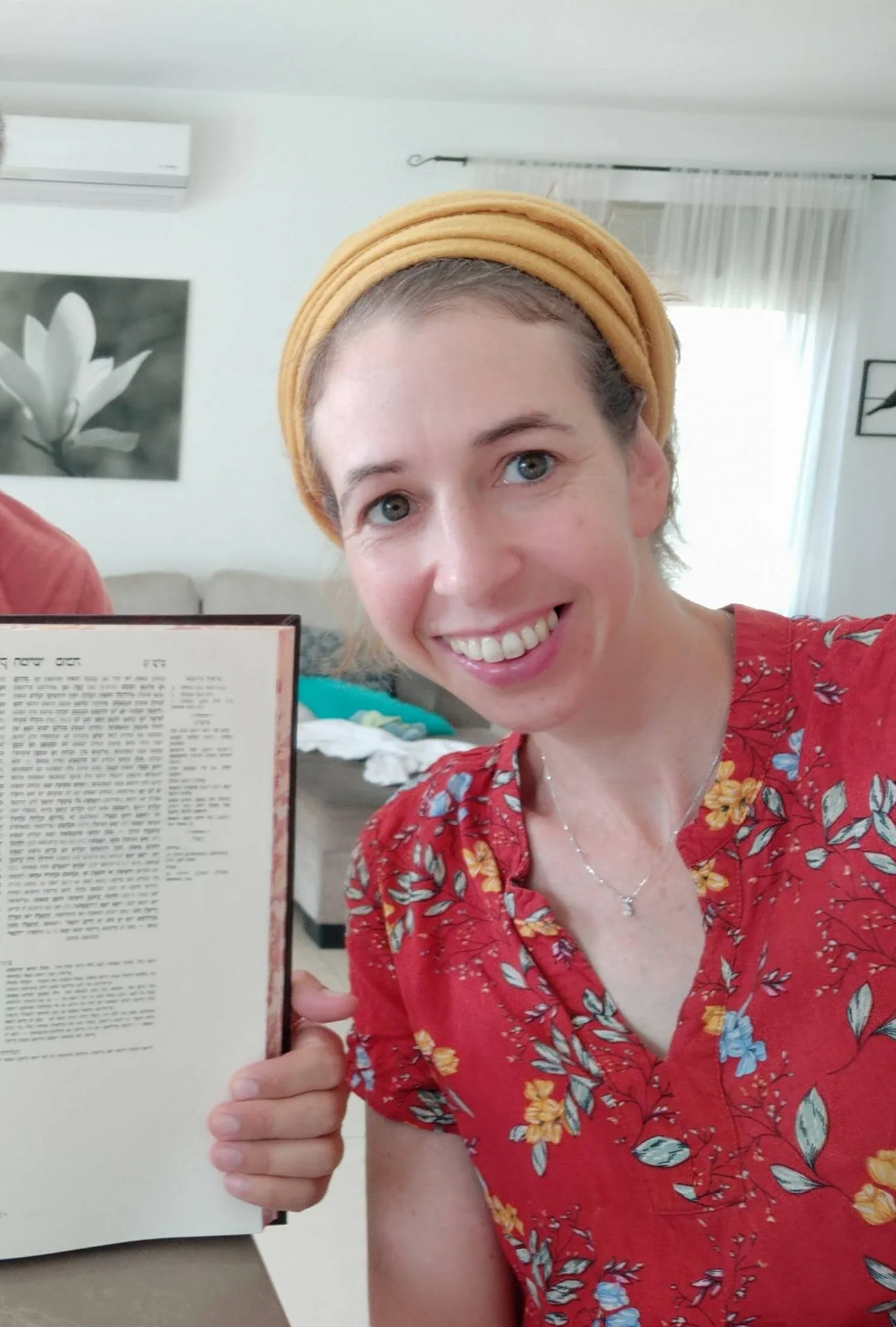
כמו שרואים בתמונה אני ממשיכה ללמוד גם היום ואפילו במחלקת יולדות אחרי לידת ביתי השלישית.

Noa Shiloh
נועה שילה

רבבה, ישראל

התחלתי ללמוד דף יומי לפני שנתיים, עם מסכת שבת. בהתחלה ההתמדה היתה קשה אבל בזכות הקורונה והסגרים הצלחתי להדביק את הפערים בשבתות הארוכות, לסיים את מסכת שבת ולהמשיך עם המסכתות הבאות. עכשיו אני מסיימת בהתרגשות רבה את מסכת חגיגה וסדר מועד ומחכה לסדר הבא!

Ilana-Shachnowitz
אילנה שכנוביץ

מודיעין, ישראל

התחלתי ללמוד בעידוד שתי חברות אתן למדתי בעבר את הפרק היומי במסגרת 929.
בבית מתלהבים מאוד ובשבת אני לומדת את הדף עם בעלי שזה מפתיע ומשמח מאוד! לימוד הדף הוא חלק בלתי נפרד מהיום שלי. לומדת בצהריים ומחכה לזמן הזה מידי יום…

Miriam Wengerover
מרים ונגרובר

אפרת, ישראל

באירוע של הדרן בנייני האומה. בהשראתה של אמי שלי שסיימה את הש”ס בסבב הקודם ובעידוד מאיר , אישי, וילדיי וחברותיי ללימוד במכון למנהיגות הלכתית של רשת אור תורה סטון ומורתיי הרבנית ענת נובוסלסקי והרבנית דבורה עברון, ראש המכון למנהיגות הלכתית.
הלימוד מעשיר את יומי, מחזיר אותי גם למסכתות שכבר סיימתי וידוע שאינו דומה מי ששונה פרקו מאה לשונה פרקו מאה ואחת במיוחד מרתקים אותי החיבורים בין המסכתות

Roit Kalech
רוית קלך

מודיעין, ישראל

אני לומדת גמרא כעשור במסגרות שונות, ואת הדף היומי התחלתי כשחברה הציעה שאצטרף אליה לסיום בבנייני האומה. מאז אני לומדת עם פודקסט הדרן, משתדלת באופן יומי אך אם לא מספיקה, מדביקה פערים עד ערב שבת. בסבב הזה הלימוד הוא "ממעוף הציפור”, מקשיבה במהירות מוגברת תוך כדי פעילויות כמו בישול או נהיגה, וכך רוכשת היכרות עם הסוגיות ואופן ניתוחם על ידי חז”ל. בע”ה בסבב הבא, ואולי לפני, אצלול לתוכו באופן מעמיק יותר.

Yael Bir
יעל ביר

רמת גן, ישראל

התחלתי ללמוד לפני כשנתיים בשאיפה לסיים לראשונה מסכת אחת במהלך חופשת הלידה.
אחרי מסכת אחת כבר היה קשה להפסיק…

Noa Gallant
נעה גלנט

ירוחם, ישראל

כבר סיפרתי בסיום של מועד קטן.
הלימוד מאוד משפיעה על היום שלי כי אני לומדת עם רבנית מישל על הבוקר בזום. זה נותן טון לכל היום – בסיס למחשבות שלי .זה זכות גדול להתחיל את היום בלימוד ובתפילה. תודה רבה !

שרה-ברלוביץ
שרה ברלוביץ

ירושלים, ישראל

התחלתי ללמוד דף לפני קצת יותר מ-5 שנים, כשלמדתי רבנות בישיבת מהר”ת בניו יורק. בדיעבד, עד אז, הייתי בלימוד הגמרא שלי כמו מישהו שאוסף חרוזים משרשרת שהתפזרה, פה משהו ושם משהו, ומאז נפתח עולם ומלואו…. הדף נותן לי לימוד בצורה מאורגנת, שיטתית, יום-יומית, ומלמד אותי לא רק ידע אלא את השפה ודרך החשיבה שלנו. לשמחתי, יש לי סביבה תומכת וההרגשה שלי היא כמו בציטוט שבחרתי: הדף משפיע לטובה על כל היום שלי.

Michal Kahana
מיכל כהנא

חיפה, ישראל

לצערי גדלתי בדור שבו לימוד גמרא לנשים לא היה דבר שבשגרה ושנים שאני חולמת להשלים את הפער הזה.. עד שלפני מספר שבועות, כמעט במקרה, נתקלתי במודעת פרסומת הקוראת להצטרף ללימוד מסכת תענית. כשקראתי את המודעה הרגשתי שהיא כאילו נכתבה עבורי – "תמיד חלמת ללמוד גמרא ולא ידעת איך להתחיל”, "בואי להתנסות במסכת קצרה וקלה” (רק היה חסר שהמודעה תיפתח במילים "מיכי שלום”..). קפצתי למים ו- ב”ה אני בדרך להגשמת החלום:)

Micah Kadosh
מיכי קדוש

מורשת, ישראל

התחלתי לפני 8 שנים במדרשה. לאחרונה סיימתי מסכת תענית בלמידה עצמית ועכשיו לקראת סיום מסכת מגילה.

Daniela Baruchim
דניאלה ברוכים

רעננה, ישראל

התחלתי לפני כמה שנים אבל רק בסבב הזה זכיתי ללמוד יום יום ולסיים מסכתות

Sigal Tel
סיגל טל

רעננה, ישראל

לפני 15 שנה, אחרי עשרות שנים של "ג’ינגול” בין משפחה לקריירה תובענית בהייטק, הצטרפתי לשיעורי גמרא במתן רעננה. הלימוד המעמיק והייחודי של הרבנית אושרה קורן יחד עם קבוצת הנשים המגוונת הייתה חוויה מאלפת ומעשירה. לפני כשמונה שנים כאשר מחזור הדף היומי הגיע למסכת תענית הצטרפתי כ”חברותא” לבעלי. זו השעה היומית שלנו ביחד כאשר דפי הגמרא משתלבים בחיי היום יום, משפיעים ומושפעים, וכשלא מספיקים תמיד משלימים בשבת

Yodi Askoff
יודי אסקוף

רעננה, ישראל

התחלתי ללמוד בסבב הנוכחי לפני כשנתיים .הסביבה מתפעלת ותומכת מאוד. אני משתדלת ללמוד מכל ההסכתים הנוספים שיש באתר הדרן. אני עורכת כל סיום מסכת שיעור בביתי לכ20 נשים שמחכות בקוצר רוח למפגשים האלו.

Yael Asher
יעל אשר

יהוד, ישראל

הייתי לפני שנתיים בסיום הדרן נשים בבנייני האומה והחלטתי להתחיל. אפילו רק כמה דפים, אולי רק פרק, אולי רק מסכת… בינתיים סיימתי רבע שס ותכף את כל סדר מועד בה.
הסביבה תומכת ומפרגנת. אני בת יחידה עם ארבעה אחים שכולם לומדים דף יומי. מדי פעם אנחנו עושים סיומים יחד באירועים משפחתיים. ממש מרגש. מסכת שבת סיימנו כולנו יחד עם אבא שלנו!
אני שומעת כל יום פודקאסט בהליכה או בנסיעה ואחכ לומדת את הגמרא.

Edna Gross
עדנה גרוס

מרכז שפירא, ישראל

יבמות פא

לֵימָא תֶּיהְוֵי תְּיוּבְתָּא דְּרַב הַמְנוּנָא, דְּאָמַר: שׁוֹמֶרֶת יָבָם שֶׁזִּינְּתָה פְּסוּלָה לִיבָמָהּ! לֹא: הוּא הַדִּין אֲפִילּוּ לְאַחֵר נָמֵי, וְאַיְּידֵי דִּתְנָא רֵישָׁא בְּדִידֵיהּ, תְּנָא נָמֵי סֵיפָא בְּדִידֵיהּ.

Shall we say that this is a conclusive refutation of the opinion of Rav Hamnuna, who said: A widow waiting for her yavam, who engaged in an act of licentious relations, is disqualified from entering into levirate marriage with her yavam, like an ordinary married woman who committed adultery? The Gemara rejects this argument: No, this presents no difficulty for Rav Hamnuna, as it is possible that the same is true even in a case where she had relations with a different man, that she too would be disqualified from marrying into the priesthood. But since the tanna taught the first clause with regard to the yavam himself, he also taught the latter clause with regard to the yavam himself, even though the same halakha applies if she cohabitated with another.

וְכֵן אַיְילוֹנִית שֶׁחָלְצוּ לָהּ אַחִין כּוּ׳. טַעְמָא דִּבְעָלוּהָ. הָא לֹא בְּעָלוּהָ — לָא. כְּמַאן? דְּלָא כְּרַבִּי יְהוּדָה, דְּאִי רַבִּי יְהוּדָה, הָאָמַר: אַיְילוֹנִית זוֹנָה הִיא.

It is taught in the mishna: And similarly, with regard to a sexually underdeveloped woman, if one of the brothers performed ḥalitza with her he has not disqualified her, but if he engaged in intercourse with her he has disqualified her. The Gemara infers from this wording that the reason for her disqualification is that he had intercourse with her; but if he did not have intercourse with her she is not disqualified. According to whose opinion was this clause of the mishna taught? One must say that it was not taught in accordance with the opinion of Rabbi Yehuda. As, if one would claim that this teaching is in accordance with the opinion of Rabbi Yehuda, didn’t he say that a sexually underdeveloped woman is considered like a woman who has had sexual relations with a man forbidden to her by the Torah [zona], and so she is in any case disqualified from marrying into the priesthood?

מַתְנִי׳ סְרִיס חַמָּה כֹּהֵן שֶׁנָּשָׂא בַּת יִשְׂרָאֵל — מַאֲכִילָהּ בִּתְרוּמָה. רַבִּי יוֹסֵי וְרַבִּי שִׁמְעוֹן אוֹמְרִים: אַנְדְּרוֹגִינוֹס כֹּהֵן שֶׁנָּשָׂא בַּת יִשְׂרָאֵל — מַאֲכִילָהּ בִּתְרוּמָה.

MISHNA: If a priest who is a eunuch by natural causes married an Israelite woman, he enables her to eat teruma. Rabbi Yosei and Rabbi Shimon say: If a priest who is a hermaphrodite, possessing both male and female genitals, married an Israelite woman, he enables her to eat teruma.

רַבִּי יְהוּדָה אוֹמֵר: טוּמְטוּם שֶׁנִּקְרַע וְנִמְצָא זָכָר — לֹא יַחְלוֹץ, מִפְּנֵי שֶׁהוּא כְּסָרִיס. אַנְדְּרוֹגִינוֹס נוֹשֵׂא אֲבָל לֹא נִישָּׂא. רַבִּי אֱלִיעֶזֶר אוֹמֵר: אַנְדְּרוֹגִינוֹס חַיָּיבִין עָלָיו סְקִילָה כַּזָּכָר.

Rabbi Yehuda says: If a tumtum, whose external sexual organs are indeterminate, was torn open so that his genitals were exposed, and he was found to be a male, he must not perform ḥalitza, because he is treated like a eunuch. A hermaphrodite may marry a woman but he may not be married by a man, as he is considered a man. Rabbi Eliezer says: If one had intercourse with a hermaphrodite, he is liable to receive the punishment of stoning on his account as if he had had relations with a male.

גְּמָ׳ פְּשִׁיטָא? מַהוּ דְּתֵימָא: מוֹלִיד — מַאֲכִיל, שֶׁאֵינוֹ מוֹלִיד — אֵינוֹ מַאֲכִיל, קָא מַשְׁמַע לַן.

GEMARA: The Gemara questions the mishna’s teaching concerning a priest who was sexually impotent from birth: This is obvious; why should such a priest not enable his wife to partake of teruma? The Gemara answers: This halakha is necessary lest you say that since the verse states: “And such as are born in his house, they eat of his bread” (Leviticus 22:11), the allowance to eat teruma depends on the priest’s capacity to father children, i.e., that only one who can father children enables his wife to eat teruma, but one who cannot father children does not enable his wife to eat teruma. Therefore, the tanna teaches us that the priest’s capacity to have children is irrelevant.

רַבִּי יוֹסֵי וְרַבִּי שִׁמְעוֹן אוֹמְרִים: אַנְדְּרוֹגִינוֹס. אָמַר רֵישׁ לָקִישׁ: מַאֲכִילָהּ בִּתְרוּמָה, וְאֵין מַאֲכִילָהּ בְּחָזֶה וָשׁוֹק. רַבִּי יוֹחָנָן אוֹמֵר: אַף מַאֲכִילָהּ בְּחָזֶה וָשׁוֹק. וּלְרֵישׁ לָקִישׁ, מַאי שְׁנָא חָזֶה וָשׁוֹק — דְּאוֹרָיְיתָא? תְּרוּמָה נָמֵי דְּאוֹרָיְיתָא!

It is taught in the mishna that Rabbi Yosei and Rabbi Shimon say: If a priest who is a hermaphrodite married an Israelite woman, he enables her to eat teruma. Reish Lakish said: He enables her to eat teruma, but he does not enable her to eat the breast and thigh of peace-offerings. Rabbi Yoḥanan says: He even enables her to eat the breast and thigh of peace-offerings. The Gemara asks: And according to Reish Lakish, what is different about the breast and thigh of peace-offerings? If you say it is that they are by Torah law, teruma is also by Torah law. Why, then, is it permitted for her to eat teruma, but not the breast and thigh of peace-offerings?

הָכָא בְּמַאי עָסְקִינַן — בִּתְרוּמָה בַּזְּמַן הַזֶּה דְּרַבָּנַן. אֲבָל בִּזְמַן שֶׁבֵּית הַמִּקְדָּשׁ קַיָּים מַאי — לֹא? אַדְּתָנֵי ״אֵין מַאֲכִילָהּ בְּחָזֶה וָשׁוֹק״, לִיפְלוֹג וְלִיתְנֵי בְּדִידַהּ: בַּמֶּה דְּבָרִים אֲמוּרִים — בִּתְרוּמָה דְּרַבָּנַן, אֲבָל בִּתְרוּמָה דְּאוֹרָיְיתָא — לָא!

The Gemara answers: With what are we dealing here? We are dealing with teruma in the present, after the destruction of the Temple, when teruma is in effect only by rabbinic law. The Gemara asks: But when the Temple is standing, what is the halakha? He does not enable his wife to eat teruma. But if so, there is a difficulty. Instead of teaching that he does not enable her to eat the breast and thigh of peace-offerings, let him distinguish and teach it within the case of teruma itself as follows: In what case is this statement said? It is said with regard to teruma that is in effect only by rabbinic law, but with regard to teruma that is in effect by Torah law this ruling does not apply.

הָכִי נָמֵי קָאָמַר: כְּשֶׁהוּא מַאֲכִילָהּ — מַאֲכִילָהּ בִּתְרוּמָה בַּזְּמַן הַזֶּה דְּרַבָּנַן, וְאֵין מַאֲכִילָהּ בִּזְמַן חָזֶה וָשׁוֹק, וַאֲפִילּוּ בִּתְרוּמָה דְּרַבָּנַן, דִּלְמָא אָתֵי לְאוֹכֹלַהּ בִּתְרוּמָה דְּאוֹרָיְיתָא.

The Gemara answers: That is also what he is saying. In other words, this is actually what Reish Lakish means, as his statement should be understood as follows: When he enables her to eat, he enables her to eat teruma in the present, when teruma is in effect only by rabbinic law, but he does not enable her to eat teruma at a time that the breast and thigh are given to the priests, i.e., when the Temple is standing, not even teruma that is in effect only by rabbinic law. This is due to the concern that perhaps he will bring her to eat teruma that is in effect by Torah law.

וְרַבִּי יוֹחָנָן אָמַר: אַף מַאֲכִילָהּ בְּחָזֶה וָשׁוֹק. אֲמַר לֵיהּ רַבִּי יוֹחָנָן לְרֵישׁ לָקִישׁ: מִי סָבְרַתְּ תְּרוּמָה בַּזְּמַן הַזֶּה דְּרַבָּנַן? אֲמַר לֵיהּ: אִין, שֶׁאֲנִי שׁוֹנֶה: עִיגּוּל בְּעִגּוּלִים עוֹלֶה.

However, Rabbi Yoḥanan disagrees and says that he even enables her to eat the breast and thigh of peace-offerings. With respect to this dispute, Rabbi Yoḥanan said to Reish Lakish: Since you distinguish between teruma and the breast and thigh, do you maintain that teruma in the present is mandated only by rabbinic law? He said to him: Yes, and the proof is that I teach that a cake of dried figs that became intermingled with other cakes is nullified. If a cake of teruma figs became intermingled with one hundred ordinary cakes, the cake is nullified and it is not necessary to treat them all as teruma. If the cake, which is a food of importance in its own right, is nullified, this must be because the teruma is only by rabbinic law.

אֲמַר לֵיהּ, וַהֲלֹא אֲנִי שׁוֹנֶה: חֲתִיכָה בַּחֲתִיכוֹת — עוֹלָה. מִי סָבְרַתְּ ״כׇּל שֶׁדַּרְכּוֹ לִימָּנוֹת״ שָׁנִינוּ? ״אֶת שֶׁדַּרְכּוֹ לִימָּנוֹת״ שָׁנִינוּ.

Rabbi Yoḥanan said to him: But don’t I teach that even a piece of a sin-offering that became intermingled with other pieces of meat is nullified, as I maintain that the halakha of nullification applies even to Torah prohibitions? Do you maintain that we learned that any object that it is usual to count, i.e., any object that is even occasionally sold by unit, rather than by weight or measure, is considered to be important and therefore cannot be nullified? This is not so, as in fact we learned that only that which it is usual to count, i.e., an object that is always sold by unit and in no other manner, is considered to be important and is therefore not subject to nullification; and cakes of dried figs are not always sold by unit.

מַאי הִיא — דִּתְנַן: מִי שֶׁהָיוּ לוֹ חֲבִילֵי תִלְתָּן שֶׁל כִּלְאֵי הַכֶּרֶם — יִדְלְקוּ. נִתְעָרְבוּ בַּאֲחֵרוֹת —

The Gemara asks: What is this halakha to which Rabbi Yoḥanan alludes? As we learned in a mishna (Orla 3:6–7): In the case of one who had bundles of clover, a type of legume, of a forbidden mixture of food crops in a vineyard, i.e., clover plants that grew in a vineyard, these bundles must be burned, as it is prohibited for one to derive benefit from a forbidden mixture of food crops in a vineyard. If the forbidden bundles became intermingled with others that are permitted,

כּוּלָּן יִדָּלְקוּ, דִּבְרֵי רַבִּי מֵאִיר. וַחֲכָמִים אוֹמְרִים: יַעֲלוּ בְּאֶחָד וּמָאתַיִם. שֶׁהָיָה רַבִּי מֵאִיר אוֹמֵר: כֹּל שֶׁדַּרְכּוֹ לִימָּנוֹת — מְקַדֵּשׁ. וַחֲכָמִים אוֹמְרִים: אֵינוֹ מְקַדֵּשׁ אֶלָּא שִׁשָּׁה דְּבָרִים בִּלְבַד. רַבִּי עֲקִיבָא אוֹמֵר: שִׁבְעָה.

they must all be burned; this is the statement of Rabbi Meir. And the Rabbis say: They are nullified in a mixture of one part forbidden food to two hundred parts permitted food. As Rabbi Meir would say: Any object that it is usual to count renders a mixture prohibited. In other words, objects that are counted and sold by the unit, rather than by weight or estimation, are considered of special importance, and so they cannot be nullified by any majority and therefore must be burned. But the Rabbis say: Only six objects are important enough that they cannot be nullified and therefore render their mixtures forbidden. Rabbi Akiva says: There are seven such objects.

אֵלּוּ הֵן: אֱגוֹזֵי פֶרֶךְ, וְרִמּוֹנֵי בָּדָן, וְחָבִיּוֹת סְתוּמוֹת, וְחִלְפֵי תְרָדִין, וְקוּלְחֵי כְּרוּב, וְדַלַּעַת יְוָנִית. וְרַבִּי עֲקִיבָא מוֹסִיף אַף כִּכָּרוֹת שֶׁל בַּעַל הַבַּיִת. הָרְאוּיִן לְעׇרְלָה — עׇרְלָה. לְכִלְאֵי הַכֶּרֶם — כִּלְאֵי הַכֶּרֶם.

They are as follows: Perekh nuts, high-quality nuts from a place called Perekh; Badan pomegranates, pomegranates from a place called Badan; sealed barrels of wine; shoots of beet; cabbage stalks; and Greek gourd. Rabbi Akiva adds, as his seventh item, a homeowner’s loaves. Different prohibitions apply to these seven items: Those that are fit for the prohibition of orla, fruit that grows in the first three years after a tree has been planted, i.e., the nuts and pomegranates, render the entire mixture orla. Those that are fit for the prohibition proscribing a mixture of food crops in a vineyard, i.e., the beets, cabbage, and gourd, render the entire mixture a mixture of food crops in a vineyard.

רַבִּי יוֹחָנָן סָבַר: ״אֶת שֶׁדַּרְכּוֹ לִימָּנוֹת״ שָׁנִינוּ. וְרֵישׁ לָקִישׁ סָבַר: ״כֹּל שֶׁדַּרְכּוֹ לִימָּנוֹת״ שָׁנִינוּ.

And it was stated that amora’im disagreed about the precise wording of this mishna: Rabbi Yoḥanan holds that we learned: That which it is usual to count, i.e., Rabbi Meir’s stringent ruling is limited to objects that are sold exclusively by unit. And Reish Lakish holds that we learned: Any object that it is usual to count, i.e., even items that are only sometimes sold by unit are considered important and cannot be nullified.

מַאי חֲתִיכָה — דְּתַנְיָא: חֲתִיכָה שֶׁל חַטָּאת טְמֵאָה שֶׁנִּתְעָרְבָה בְּמֵאָה חֲתִיכוֹת שֶׁל חַטָּאוֹת טְהוֹרוֹת, וְכֵן פְּרוּסָה שֶׁל לֶחֶם הַפָּנִים טְמֵאָה שֶׁנִּתְעָרְבָה בְּמֵאָה פְּרוּסוֹת שֶׁל לֶחֶם הַפָּנִים טְהוֹרוֹת — תַּעֲלֶה. רַבִּי יְהוּדָה אוֹמֵר: לֹא תַּעֲלֶה.

The Gemara further explains: What is the case of a piece, referred to by Rabbi Yoḥanan? As it is taught in a baraita: If a piece of a ritually impure sin-offering became intermingled with one hundred pieces of ritually pure sin-offerings, and similarly, if a slice of ritually impure shewbread became intermingled with one hundred slices of ritually pure showbread, the impure piece of a sin-offering or slice of shewbread is nullified in its respective mixture. Rabbi Yehuda says: It is not nullified.

אֲבָל חֲתִיכָה שֶׁל חַטָּאת טְהוֹרָה שֶׁנִּתְעָרְבָה בְּמֵאָה חֲתִיכוֹת שֶׁל חוּלִּין טְהוֹרוֹת, וְכֵן פְּרוּסָה שֶׁל לֶחֶם הַפָּנִים טְהוֹרָה שֶׁנִּתְעָרְבָה בְּמֵאָה פְּרוּסוֹת שֶׁל חוּלִּין טְהוֹרוֹת — דִּבְרֵי הַכֹּל לָא תַּעֲלֶה.

However, if a piece of a ritually pure sin-offering became intermingled with one hundred pieces of ritually pure non-sacred meat, and similarly, if a slice of ritually pure shewbread became intermingled with one hundred slices of ritually pure non-sacred bread, everyone agrees that the pure piece of sin-offering or slice of shewbread is not nullified in its respective mixture.

קָתָנֵי מִיהַת רֵישָׁא תַּעֲלֶה! אָמַר רַבִּי חִיָּיא בְּרֵיהּ דְּרַב הוּנָא: בְּנִימּוֹחָה.

The Gemara asks: In any event, the first clause of this baraita teaches that a piece of ritually impure sin-offering can be nullified. This poses a difficulty with respect to the opinion of Reish Lakish, as such a piece of meat is an item that is sometimes counted and considered important in its own right, and it is forbidden by Torah law, but nevertheless it can still be nullified. Rabbi Ḥiyya, son of Rav Huna, said: This baraita is referring not to a whole piece of meat but to one that had been crushed and broken into small parts. Once it is no longer a whole piece, it loses its importance and can be nullified.

אִי הָכִי, מַאי טַעְמָא דְּרַבִּי יְהוּדָה?

The Gemara asks: If it is so that the piece has been crushed, what is the reason for Rabbi Yehuda’s opinion that the piece is not nullified?

רוצה לעקוב אחרי התכנים ולהמשיך ללמוד?

ביצירת חשבון עוד היום ניתן לעקוב אחרי ההתקדמות שלך, לסמן מה למדת, ולעקוב אחרי השיעורים שמעניינים אותך.

לנקות את כל הפריטים מהרשימה?

פעולה זו תסיר את כל הפריטים בחלק זה כולל ההתקדמות וההיסטוריה. שימי לב: לא ניתן לשחזר פעולה זו.

ביטול
מחיקה

האם את/ה בטוח/ה שברצונך למחוק פריט זה?

תאבד/י את כל ההתקדמות או ההיסטוריה הקשורות לפריט זה.

ביטול
מחיקה